
Damp structural issues in leasehold flat?
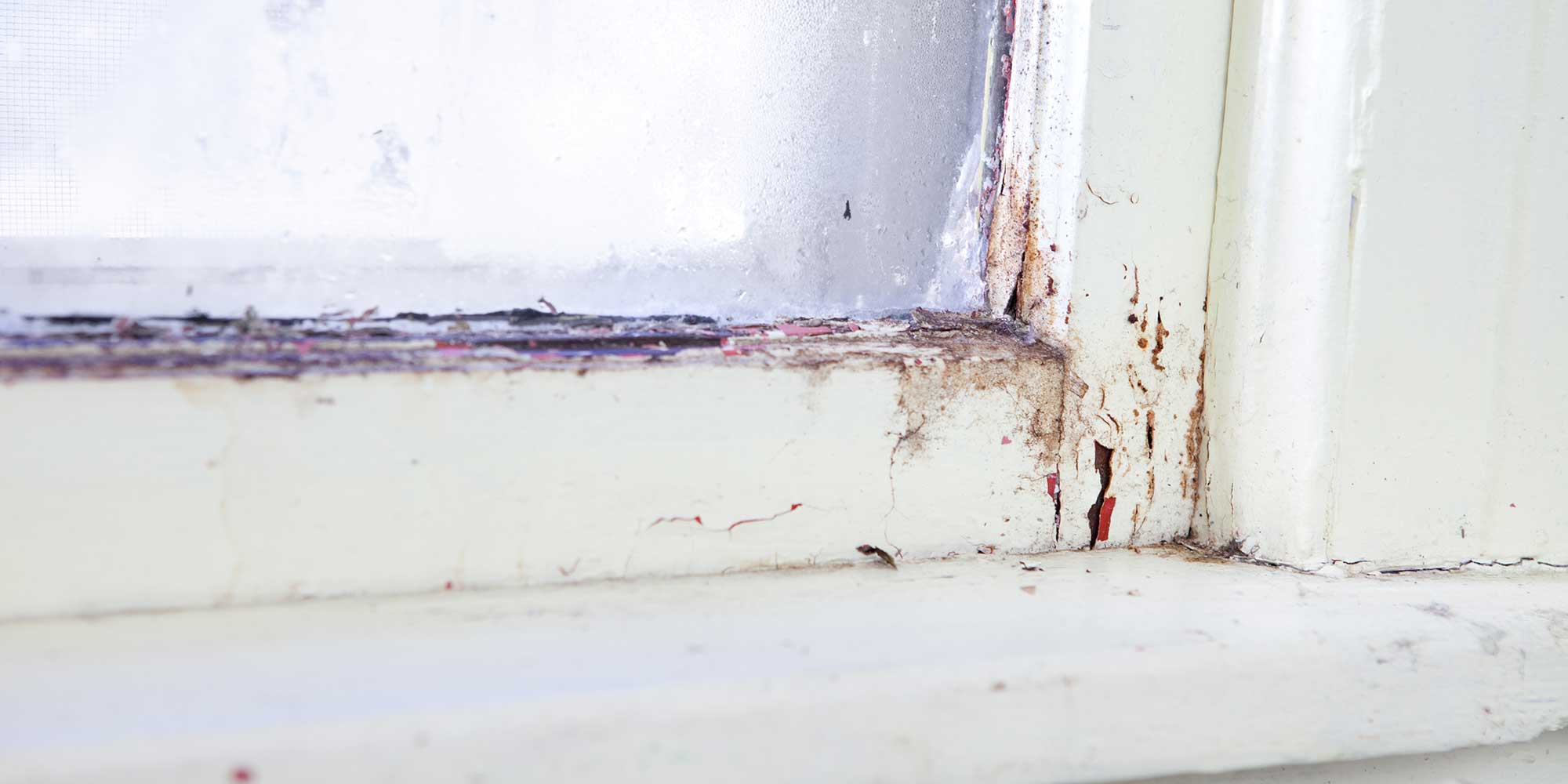
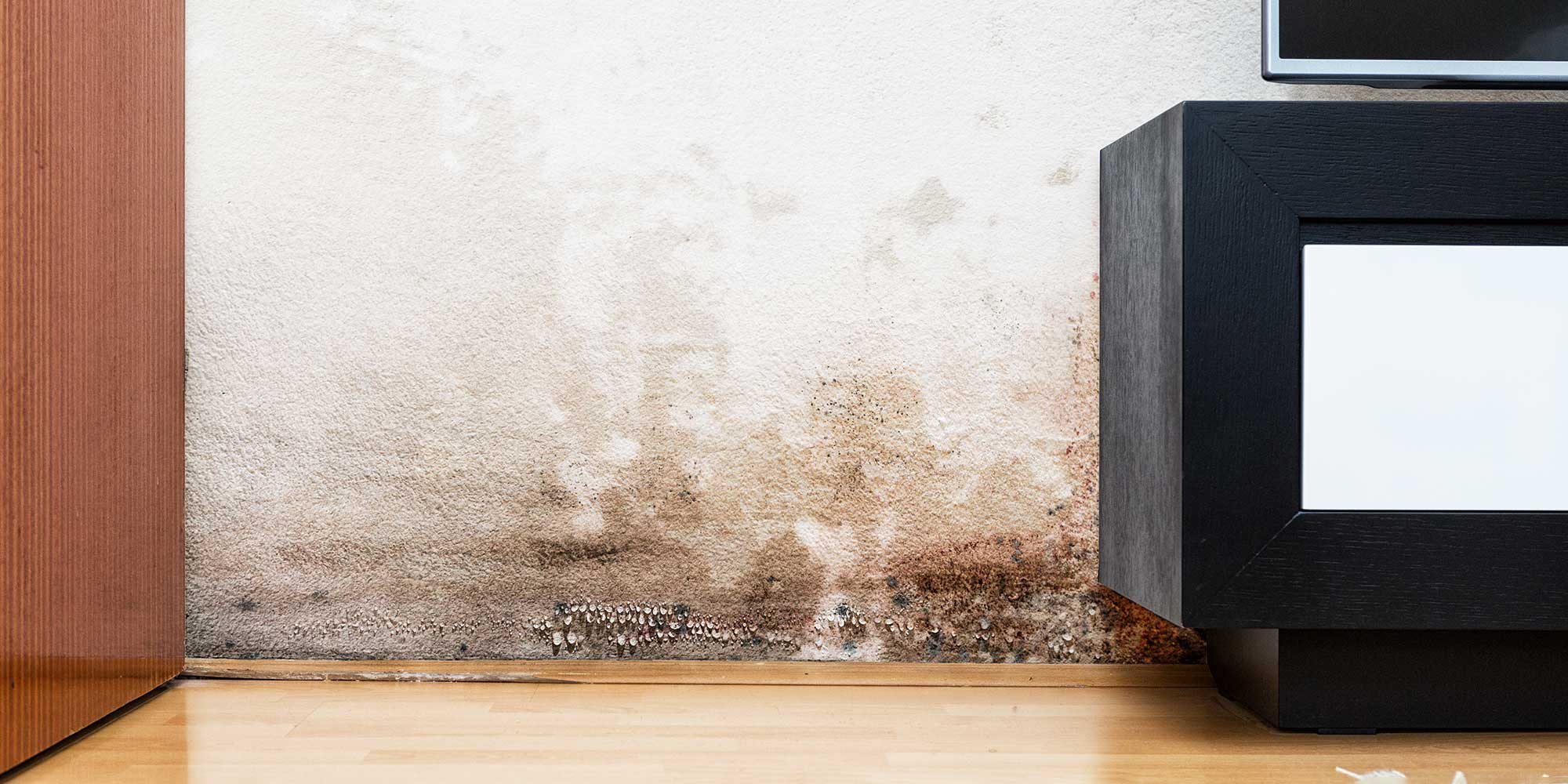
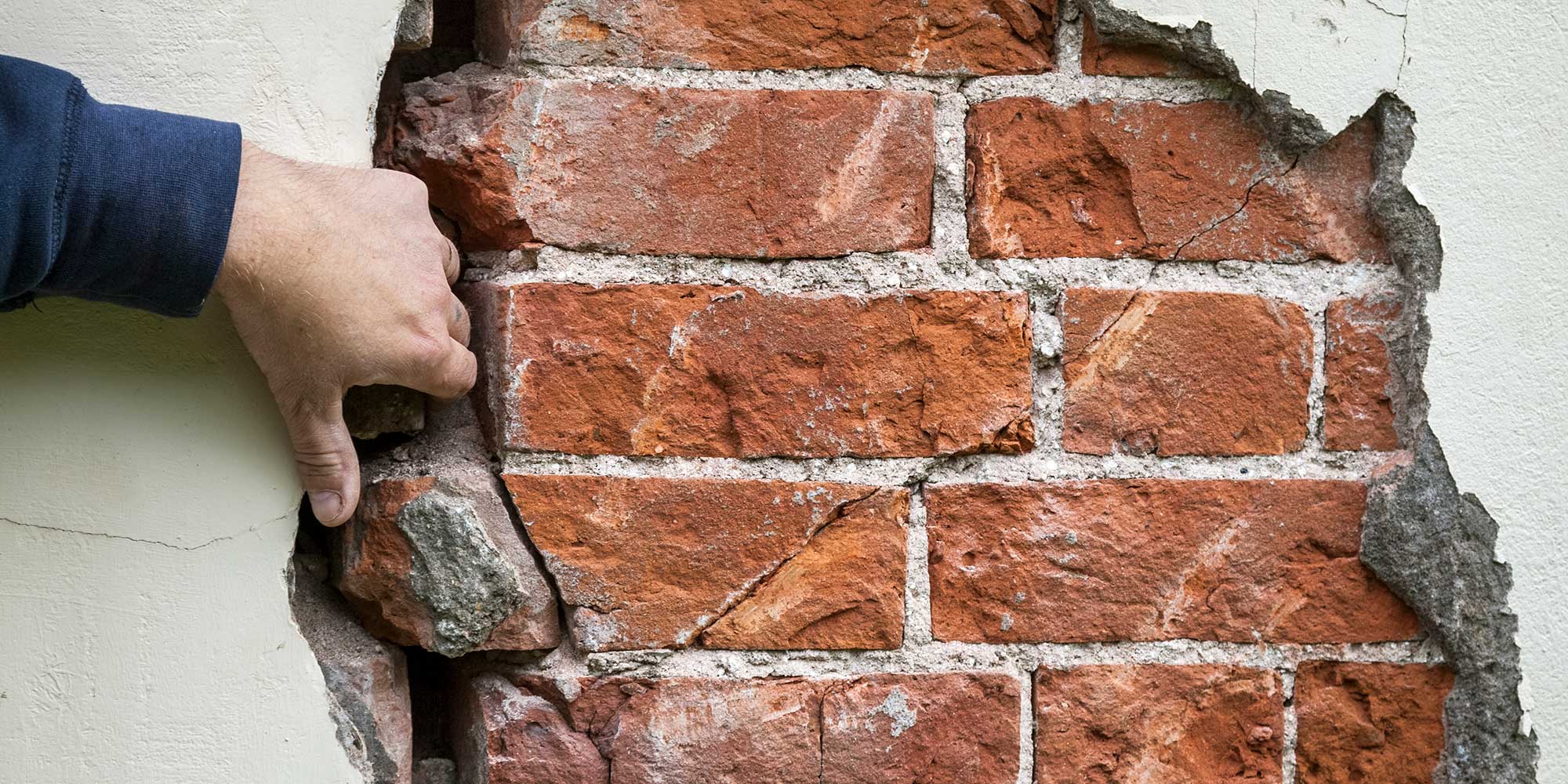
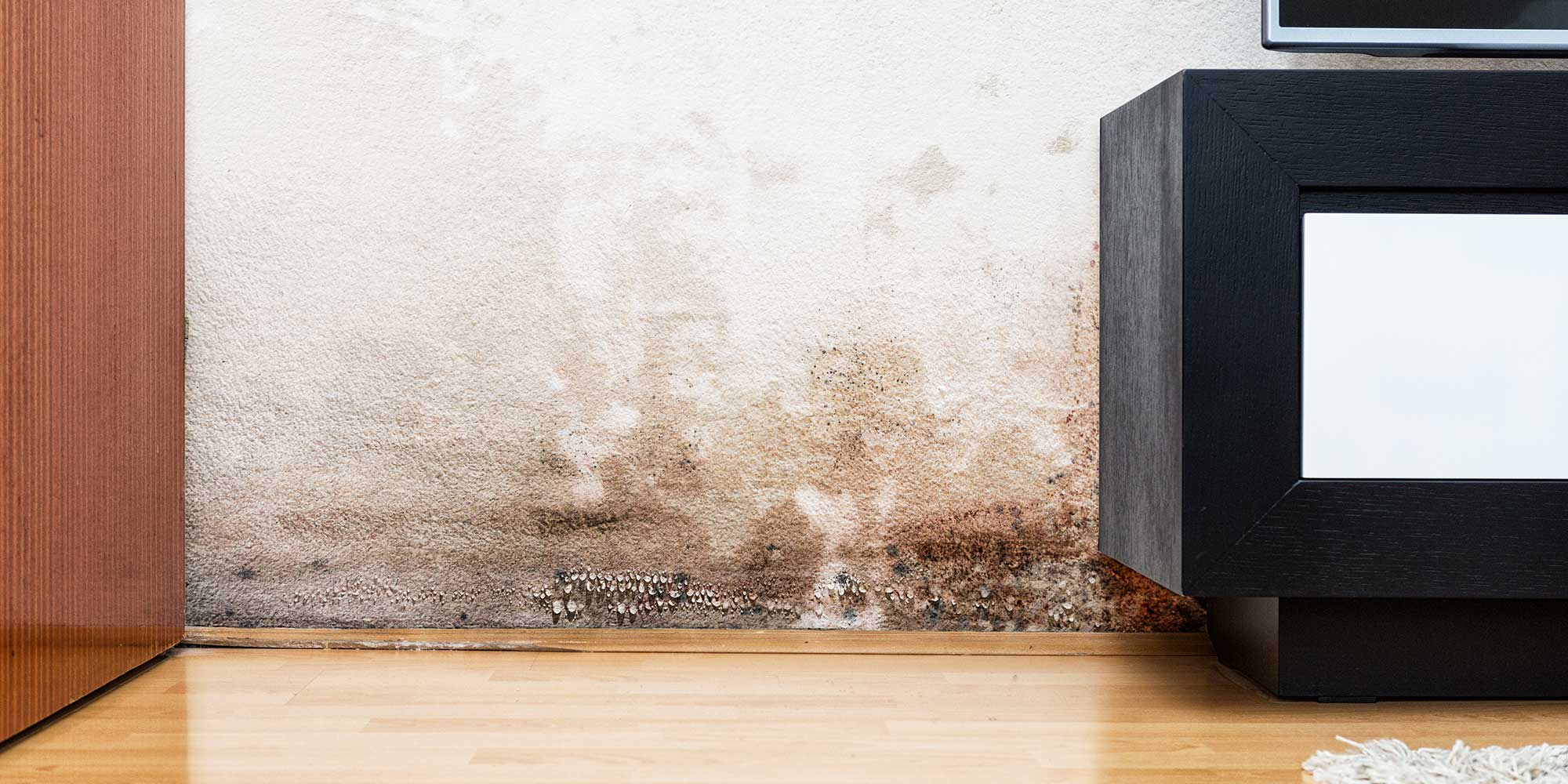
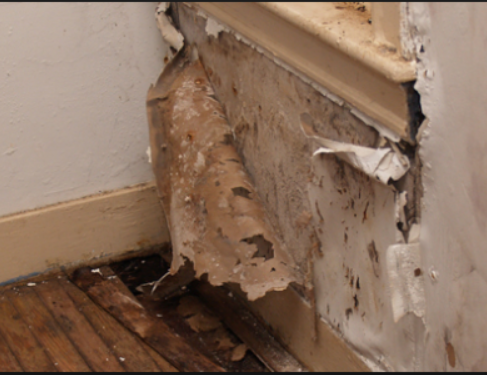
A leasehold flat owner, Gordon, seeks advice regarding a significant damp problem discovered in his property, purchased the previous December. The problem, which he didn't detect during inspection due to obstructed areas, emerged shortly after moving in. He attributes not having a proper survey done to being in a state of grief at the time of purchase. His solicitor was unhelpful, mistakenly believing the property was freehold, despite the flat being built in the 1920s and a known history of similar damp structural issues in the street, with at least six properties requiring remedial work in the past five years. His adjoining neighbor had repairs for the same structural issue five years prior, but the freeholder denies any interconnection between the two flats, despite being built on the same base. Gordon recently received a Section 20 notice, which he disputes, concerning the remediation of the damp.
Community members offer various suggestions. Darren Peters advises Gordon to obtain an independent structural surveyor's report to properly assess the problem and its remedies, which would provide stronger evidence in any dispute with the freeholder. He also asks for clarification on the purpose of the Section 20 notice. Tim Rogers identifies two core issues: the cause of the damp and the responsibility for its repair. He explains that older properties, like Gordon's 1920s flat, often have solid wall construction with a slate damp proof course that can crack over time, leading to rising damp. He describes two common solutions: 'tanking' walls with plastic sheets up to one meter or silicone injection, noting the latter's limited lifespan.
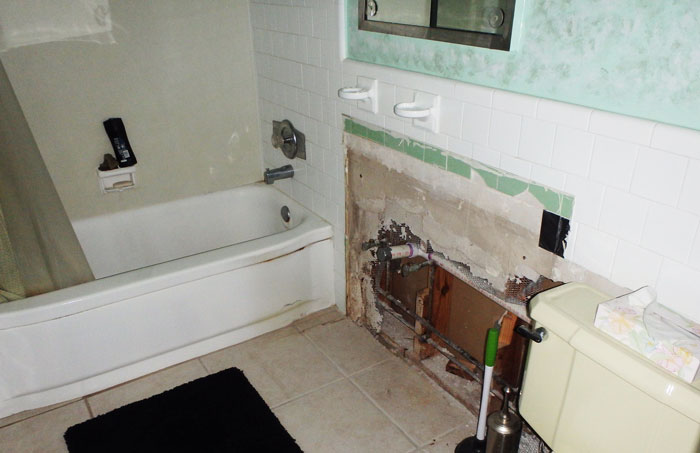
Gordon clarifies that the freeholder's survey indicates a collapsed damp course membrane. The freeholder's proposed remediation involves extensive work: emptying the flat, storing contents, finding alternative accommodation at Gordon's expense, removing kitchen units, fireplace, skirting boards, concrete floors, and then installing new wooden flooring, hacking off a half-meter of plaster around the entire flat, and forming a new membrane, both internally and externally. This process is expected to take months. An environmental survey identified the problem as a Category 2 hazard. Gordon notes that his adjoining neighbor, who had a similar issue five years ago, was rehoused and had their belongings stored at the freeholder's expense, but his freeholder denies any link between their flats.
Judith Wordsworth suggests that rectification works and alternative accommodation should be covered by the freeholder and/or the block building's insurance policy. She advises Gordon to review his copy of the block building's insurance policy for clauses regarding alternative accommodation and storage, as it is unlikely he should bear these costs for a structural building problem. She recommends contacting the insurer directly for confirmation. Gordon adds that the Section 20 notice is for "major qualifying works" related to the damp. He highlights that he was given an impossibly short deadline to submit his own survey and proposed works after receiving the freeholder's response. David (not Goliath) suggests exploring a claim against the previous owner for failing to disclose historical damp issues, which might have influenced Gordon's purchase decision or price negotiation. Gordon further reveals that his suspicions about the sale are strengthened by observations from his family and a questionable response from his solicitor regarding the previous tenant's habits, especially since both the vendor's and his solicitors were from the same firm, raising concerns about a conflict of interest and the quality of legal advice received during conveyancing.
#DampStructuralIssues #LeaseholdFlat #Section20Notice #PropertyMaintenance #LandlordTenantLaw #StructuralSurvey #DampProofCourse #PropertyInsurance #ConveyancingIssues #DampStructuralIssues #LeaseholdFlat #Section20Notice #PropertyMaintenance #LandlordTenantLaw #StructuralSurvey #DampProofCourse #PropertyInsurance #ConveyancingIssues
0 comment in total
 No comments yet
You may also like
What Kind Of Damp Is Affecting My Home?

5 common types of water damage to your home – and how to fix them


Are Damp Surveys a waste of money?

How to get block managers to fix a water leak fast?

Landlord Refuses To Fix A Leak, Gets A $8,000 Bill To Repair The Damage That The Water Did To Other Apartments

This one basement conversion mistake could leave your space completely uninhabitable
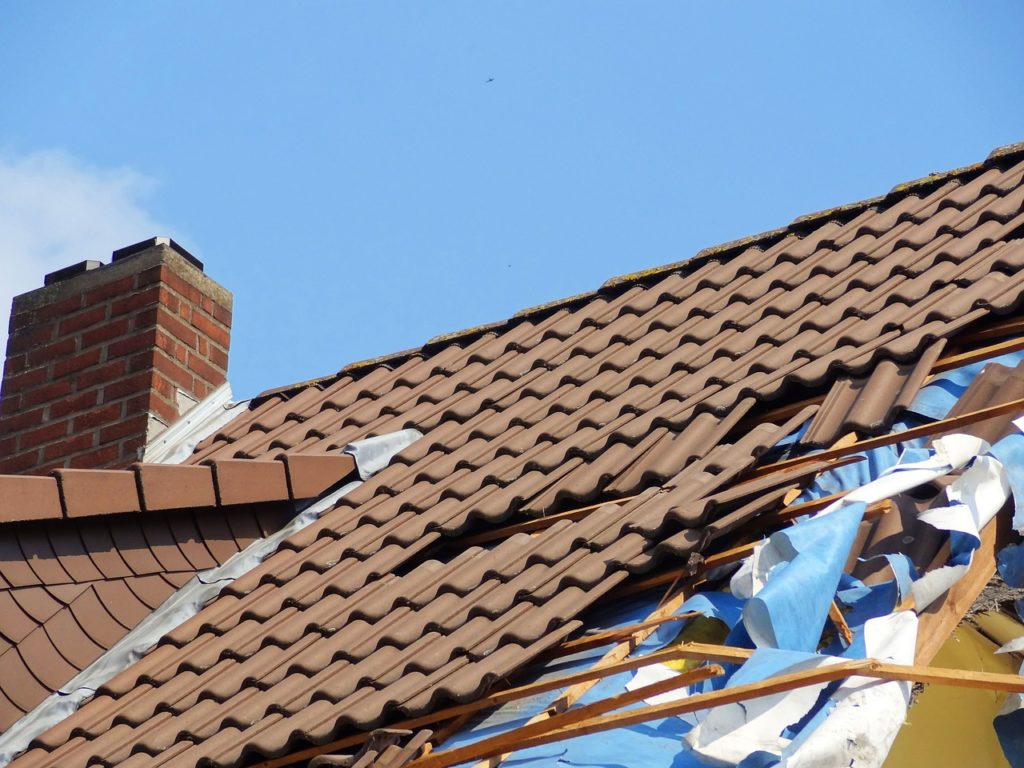
Freeholder forcing me to pay towards a new for roof?
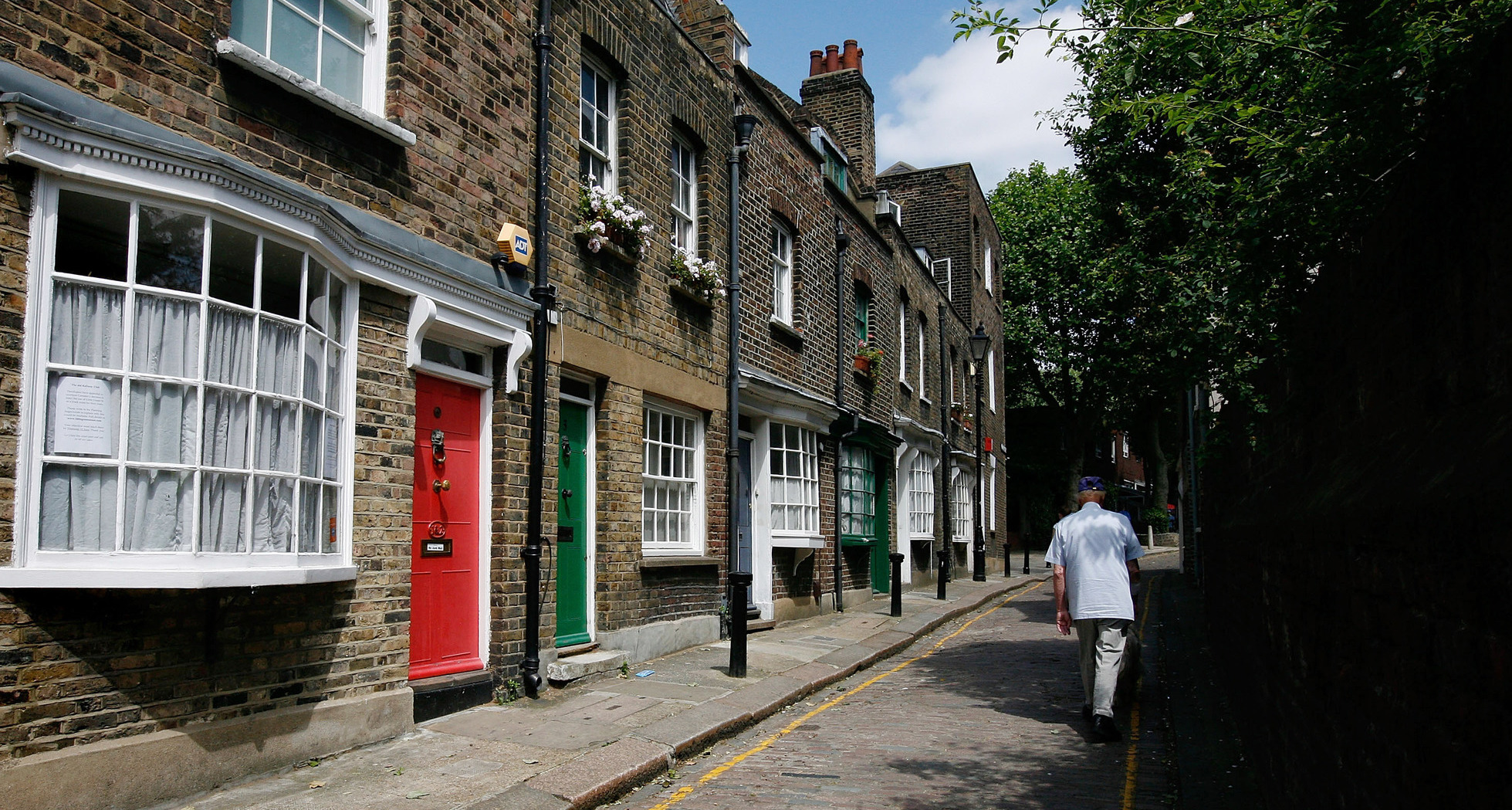
Why modern British homes are getting mouldy


How to get rid of damp
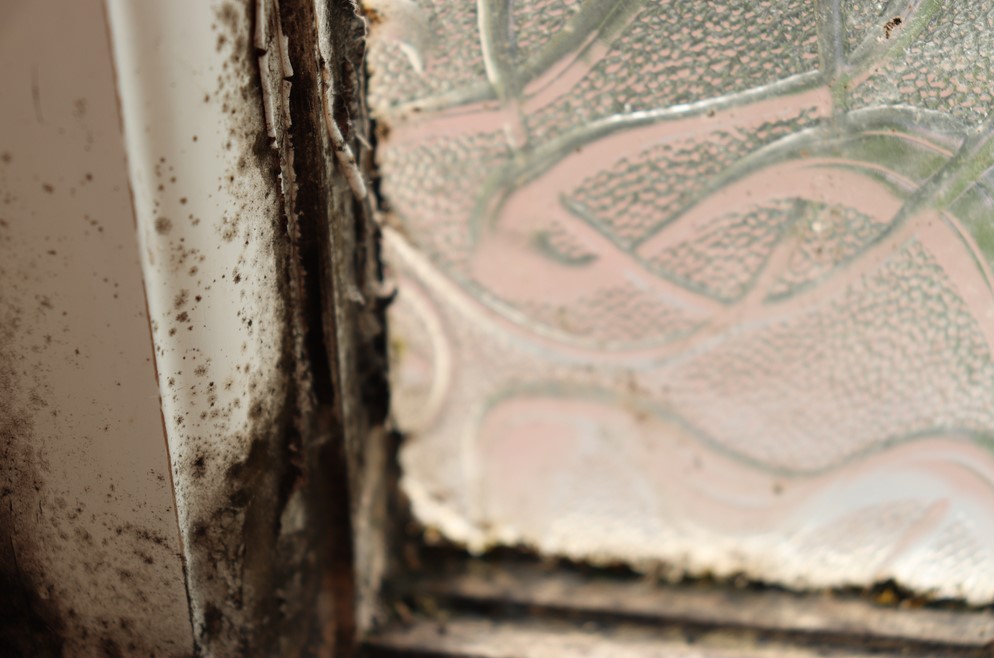
Damp and mould – why blame landlords?

Why buildings fail: damp can become dangerous
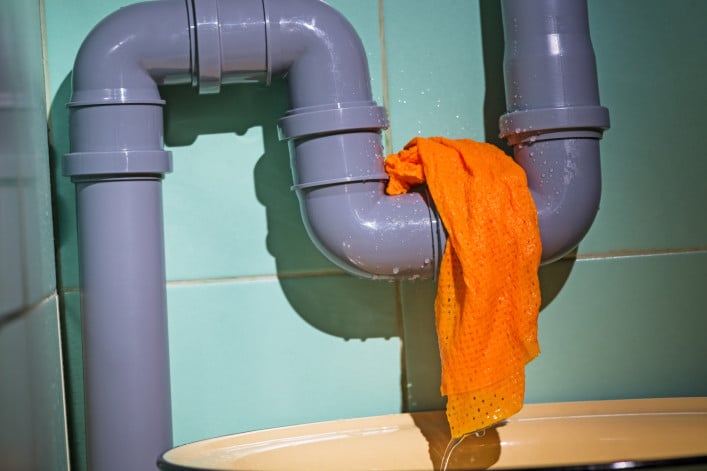
Ask Sam: What can I do if my landlord refuses to fix a bathroom leak?
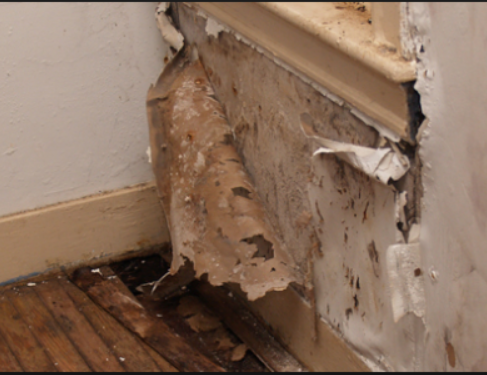
Advice on Damp problems – are these damp specialists trying to make a quick buck?
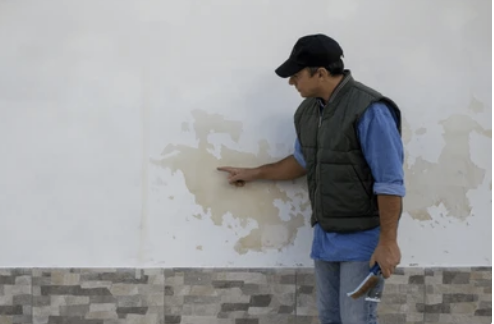
Damp guarantee – is it worthless?
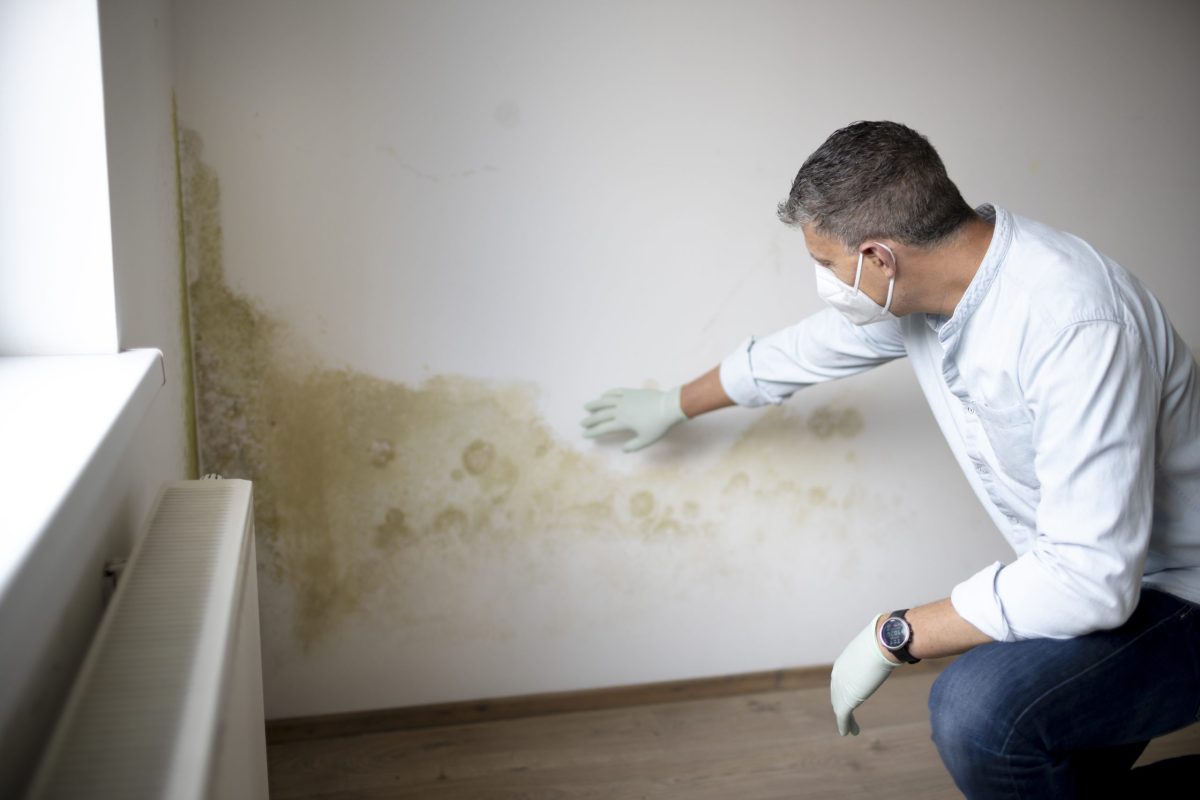
Why new homes can be damp – and what we can do about it


Loft Flat Is Uninhabitable at 38 Degrees

How to stop damp in a bedroom - 10 foolproof ways to keep mould at bay
Top 5 Things That Go Wrong in Too-Fast Construction
Crack in toilet overflow pipe – can the lardlord refuse to fix?
Why You Shouldn't Buy a House That Was Built in the Rain