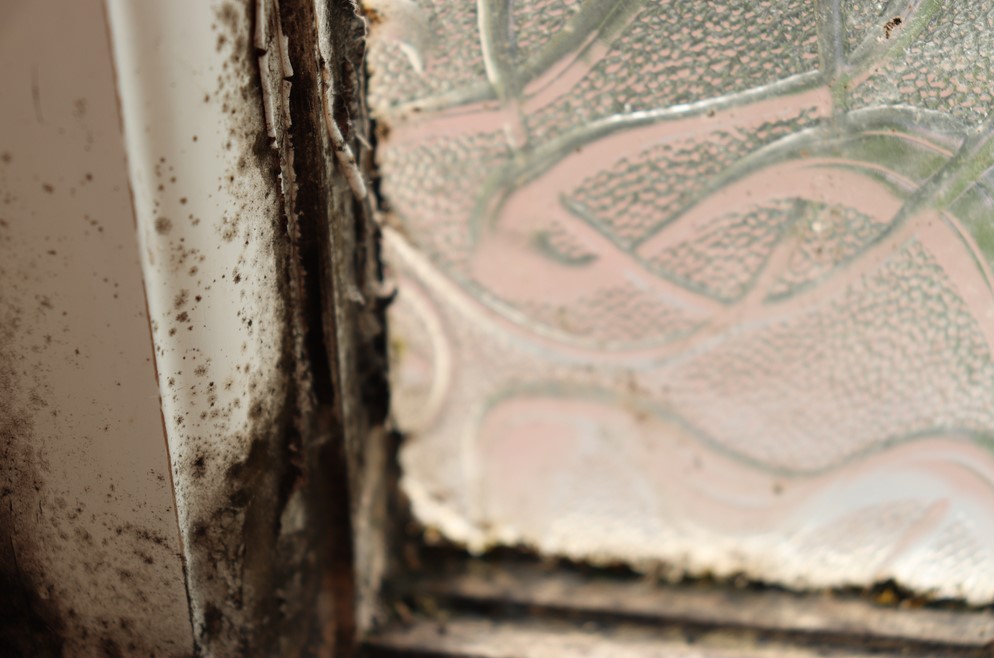
Damp and mould – why blame landlords?
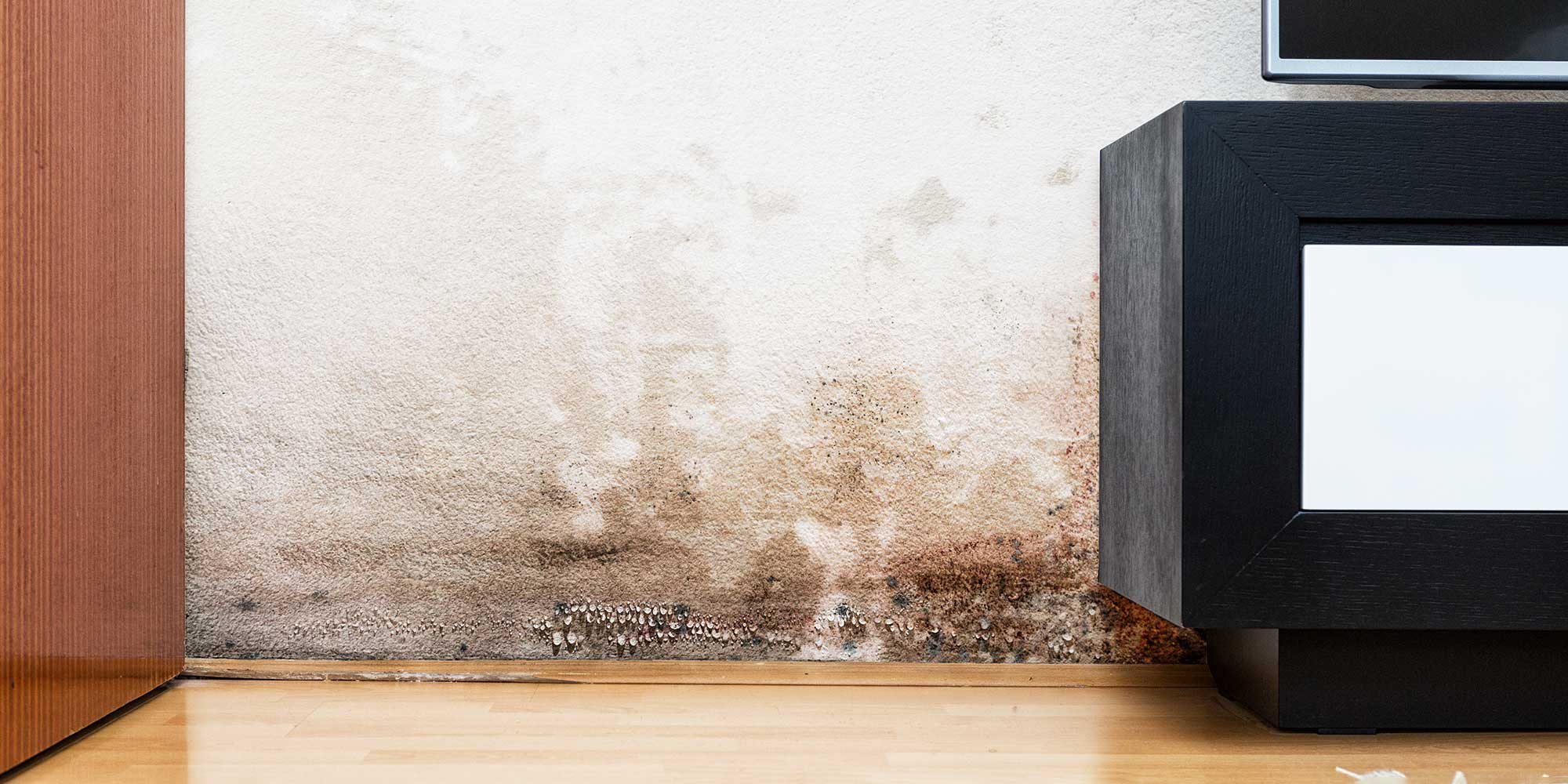
The article discusses the prevalent issue of damp and mould in Victorian terraced properties, particularly those with solid stone walls, and questions the tendency to attribute blame solely to landlords. The author, a landlord, expresses frustration over being held responsible for a problem often exacerbated by tenant lifestyle choices and the inherent characteristics of older buildings.
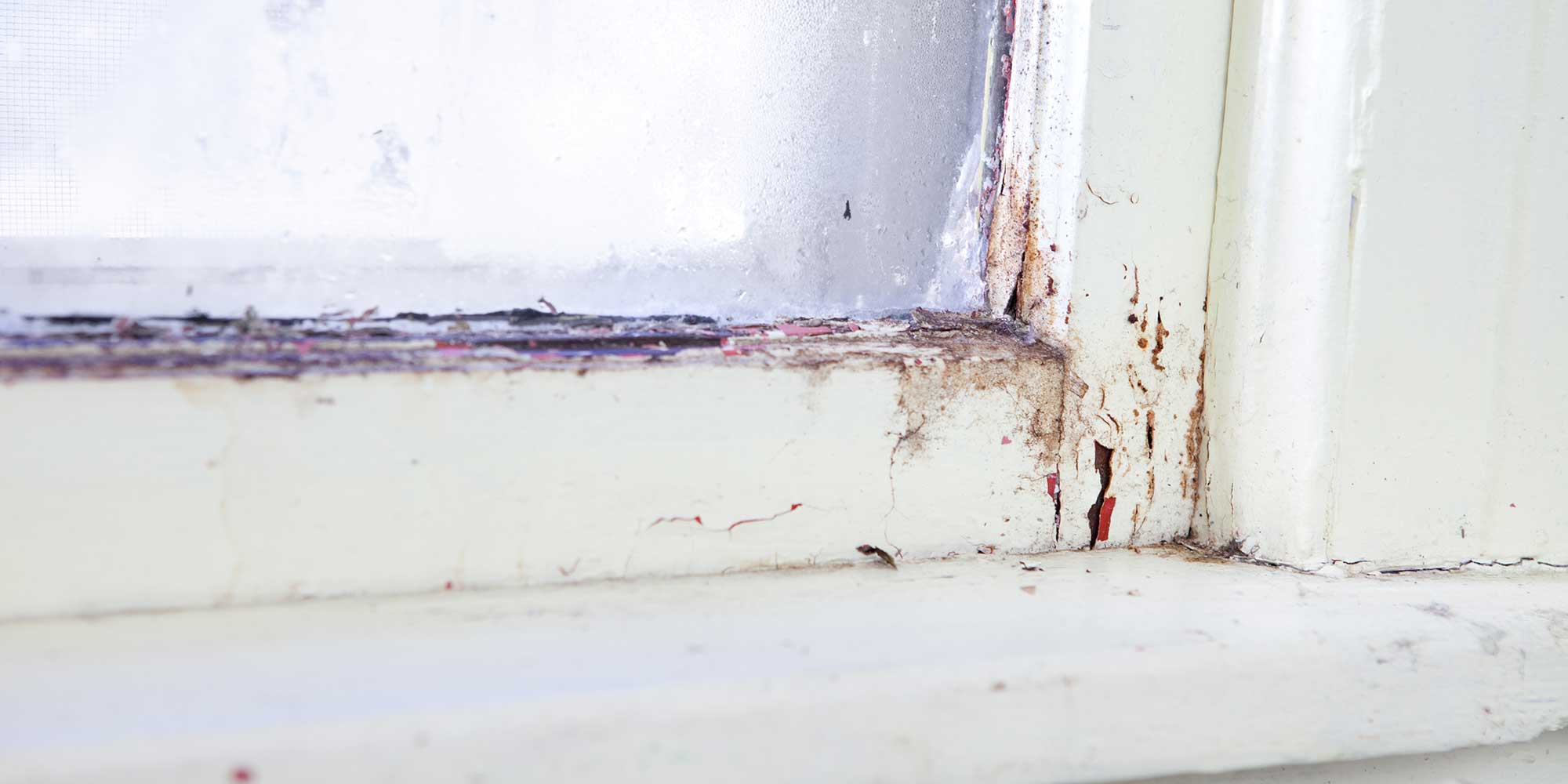
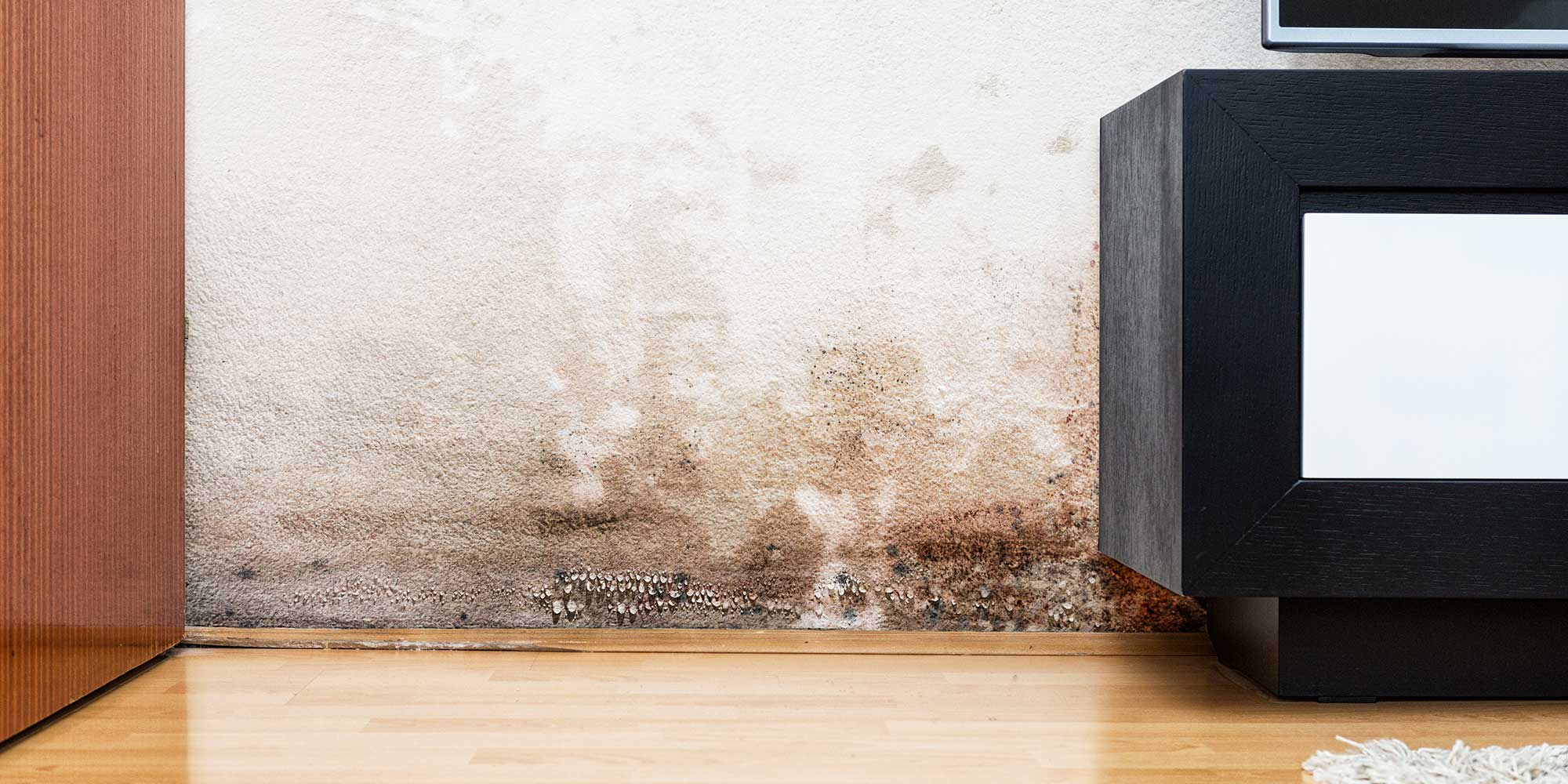
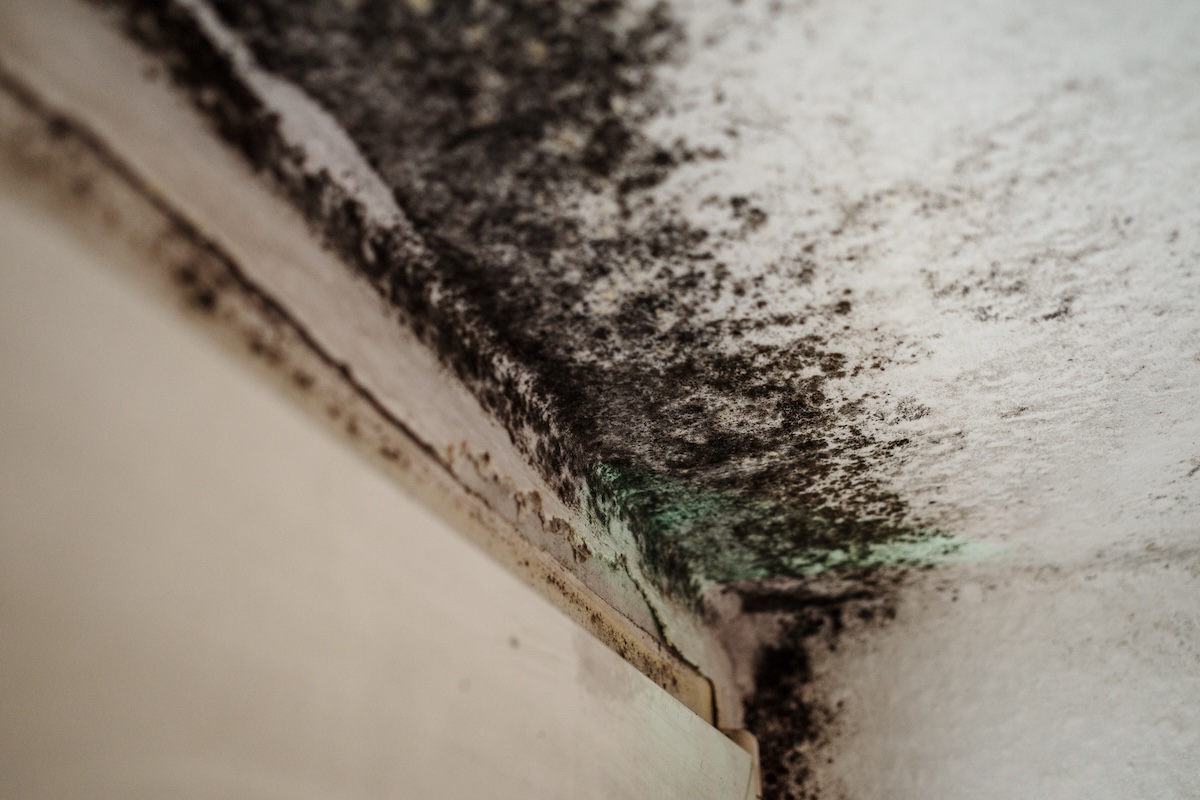
The author points out that cold walls lead to condensation, which eventually fosters mould growth. Observations of mould on window seals suggest a lack of adequate ventilation within these properties. A proposed solution involves adopting a model similar to Germany's, where rental agreements would mandate daily window opening for a short period to improve ventilation, although the author acknowledges the practical challenges of enforcing such a rule. The author also notes the frequent media coverage, including from the BBC, highlighting tenants' complaints about landlords neglecting damp issues.
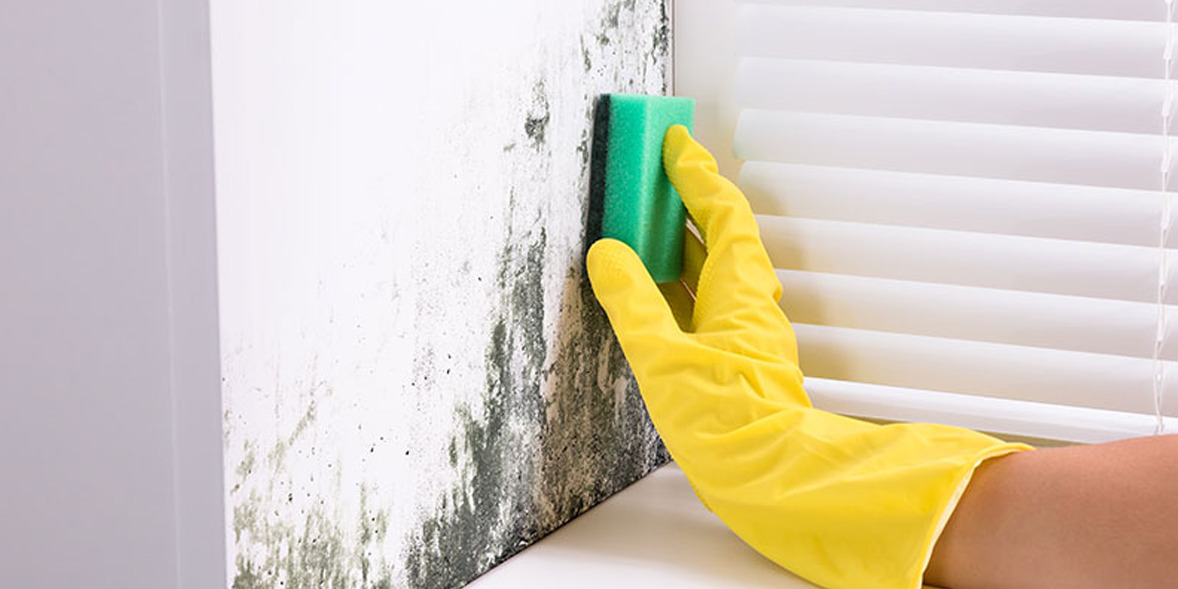
To proactively address this, the author plans to distribute a flyer to all tenants, detailing measures to combat damp and mould, and explaining the use of bleach for remediation. The current practice of turning off heating during certain times of the year is identified as a contributing factor to the problem. The article then seeks advice from other landlords on how they manage this issue.
One landlord, Judith Wordsworth, contributes by explaining that Victorian properties were not designed for modern airtight conditions. She highlights how common practices like plastering over air bricks, blocking chimneys, and avoiding window ventilation contribute to moisture buildup. She also notes the issue of unvented or non-condensing tumble dryers and tenants' reluctance to wipe condensation from windows. Her preventative measures include installing humidity-controlled extractors in bathrooms and kitchens, ensuring proper ventilation for condensing washer/dryers, and adding anti-fungal solutions to paint, filler, grout, and plaster during redecoration. She also advocates for maintaining air circulation behind furniture and provides tenants with detailed documentation on condensation avoidance and immediate mould treatment, asserting that mould is primarily a lifestyle issue unless there's a structural defect.
Martyn Surridge offers a list of practical advice for new tenants, focusing on reducing moisture during cooking, drying laundry efficiently (preferably outdoors or with ventilation), avoiding drying clothes on radiators, using tumble dryers with external ventilation, and maintaining consistent warmth and ventilation throughout the property. He emphasizes keeping trickle vents open and ensuring doors are shut during and after using bathrooms or kitchens. Regular checks of poorly ventilated areas, such as behind furniture, are also recommended.
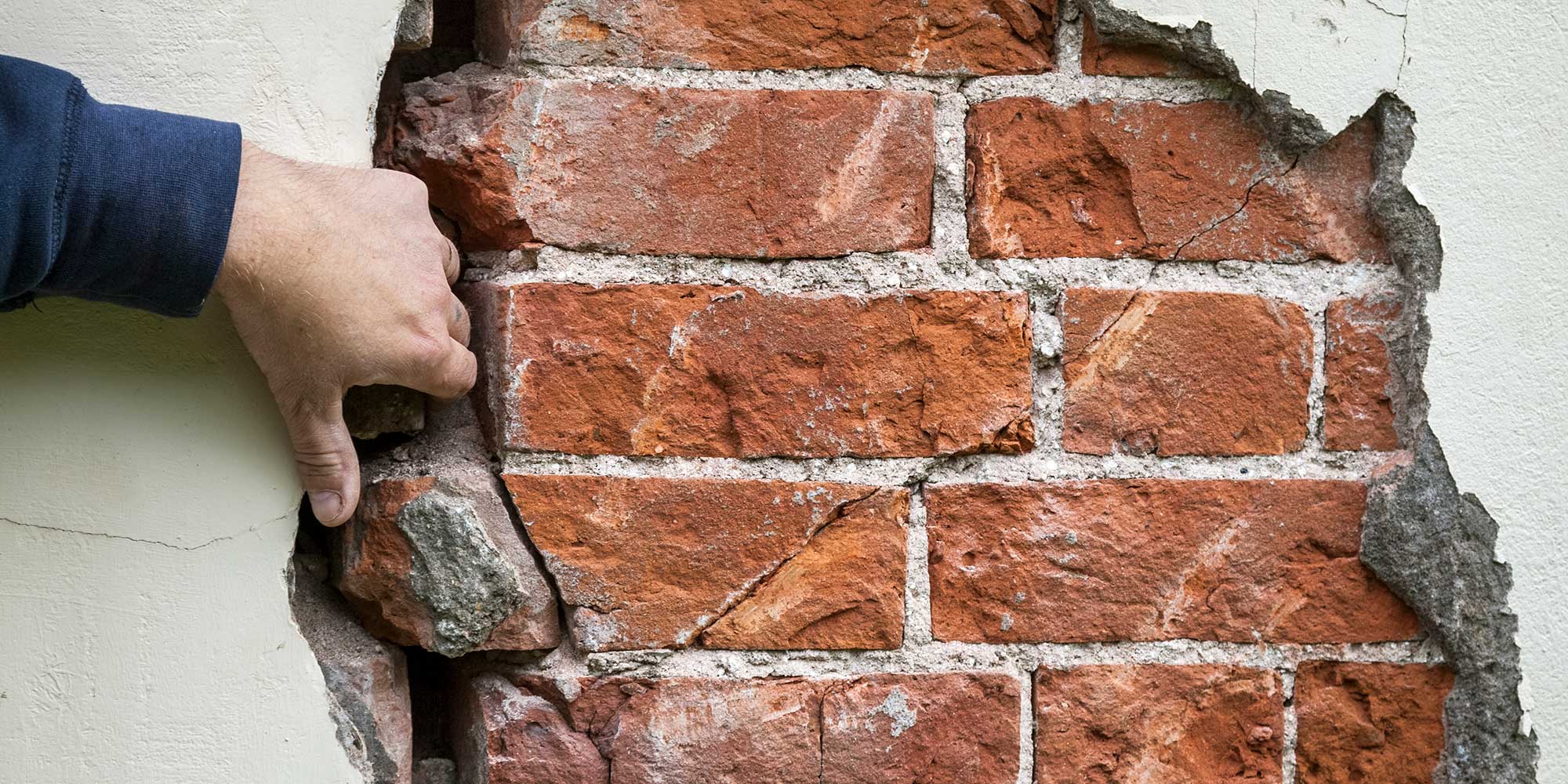
Ross Tulloch shares his experience with concrete panel built ex-council properties, where heating and ventilation are critical. He has successfully used dehumidifiers and repainted affected areas after thorough cleaning. RGJ25 describes his experience with four Victorian terraced houses, where he has eliminated damp problems by installing positive injection ventilation at the top of stairs, coupled with trickle vents in uPVC windows, and ensuring small gaps under doors for air circulation. David Owen suggests using lime-based paints, which are naturally anti-fungal and breathable, replicating traditional building practices. Tim Rogers advocates for Passyfier vents and humidity sensor fans. Martin Ryan proposes replacing modern gypsum plaster with lime mortar in solid-walled properties to allow walls to breathe, a method common in listed buildings, and warns against damp-proof paints that trap moisture.
#Damp #Mould #Landlords #PropertyManagement #VictorianProperties #Ventilation #TenantResponsibilities #PropertyMaintenance #CondensationControl #Damp #Mould #Landlords #PropertyManagement #VictorianProperties #Ventilation #TenantResponsibilities #PropertyMaintenance #CondensationControl
0 comment in total
 No comments yet
You may also like
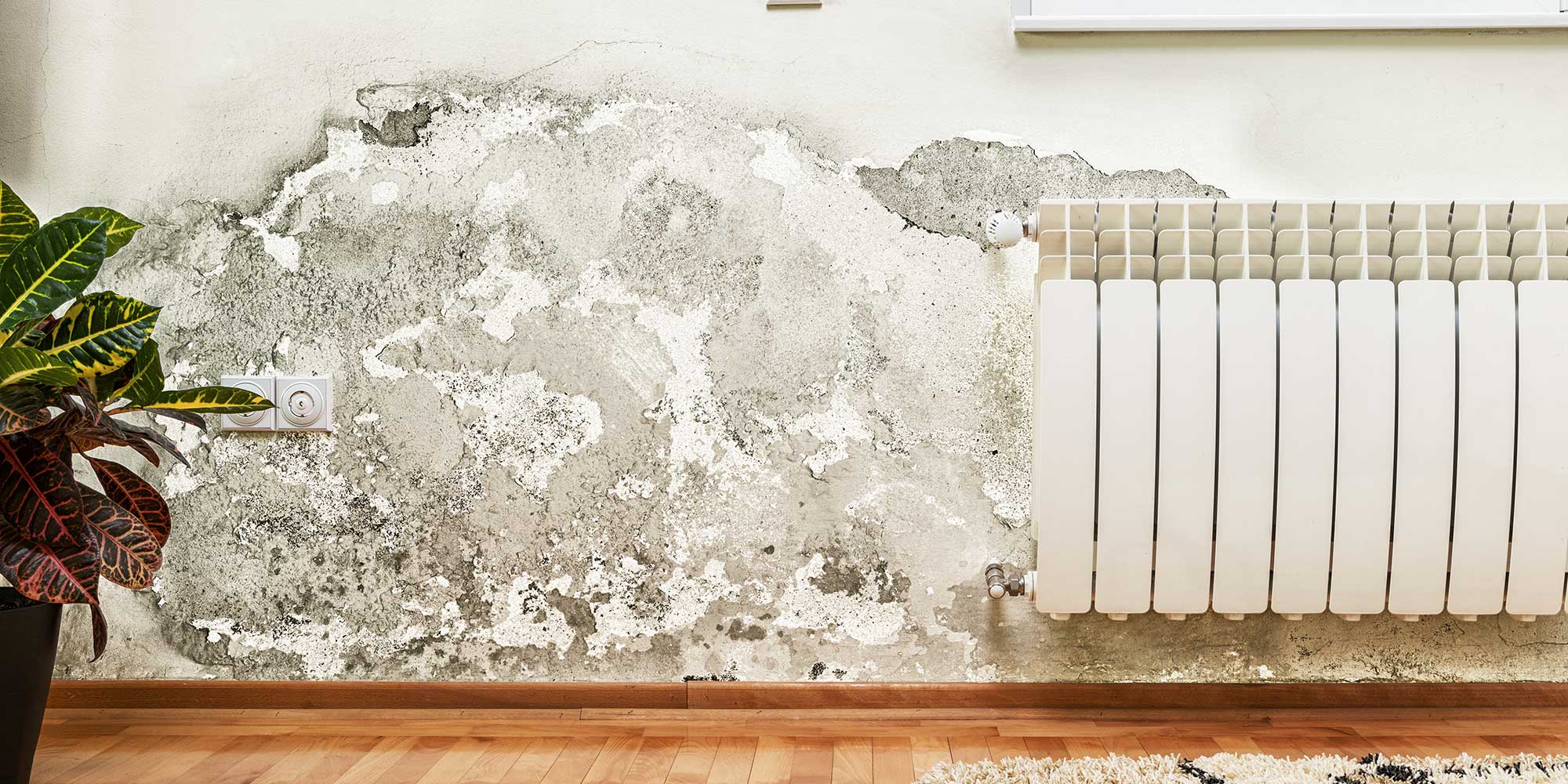
What Kind Of Damp Is Affecting My Home?
How to Get Rid of the Musty Smell in Your Basement

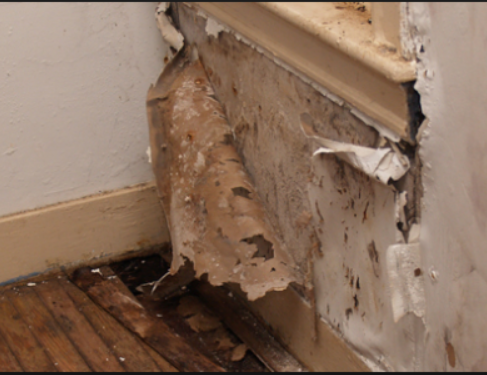
Advice on Damp problems – are these damp specialists trying to make a quick buck?

Ask Sam: What can I do if my landlord refuses to fix a bathroom leak?

How to stop damp in a bedroom - 10 foolproof ways to keep mould at bay

Do You Have a Musty-Smelling House? 6 Worrying Causes — And What You Should Do to Get Rid of Them


Damp structural issues in leasehold flat?


Top 5 Things That Go Wrong in Too-Fast Construction

How to get rid of damp

How to protect your home from damp, moisture and mould
How to Get Rid of That Musty Basement Smell, According to Experts

Why new homes can be damp – and what we can do about it


6 bedroom storage mistakes that could be causing mould – and what to do instead

Gross habit we're all doing with our towels is causing mould, according to an expert

How to get rid of mould

Why buildings fail: damp can become dangerous

Are Damp Surveys a waste of money?