
How to Get Rid of That Musty Basement Smell, According to Experts
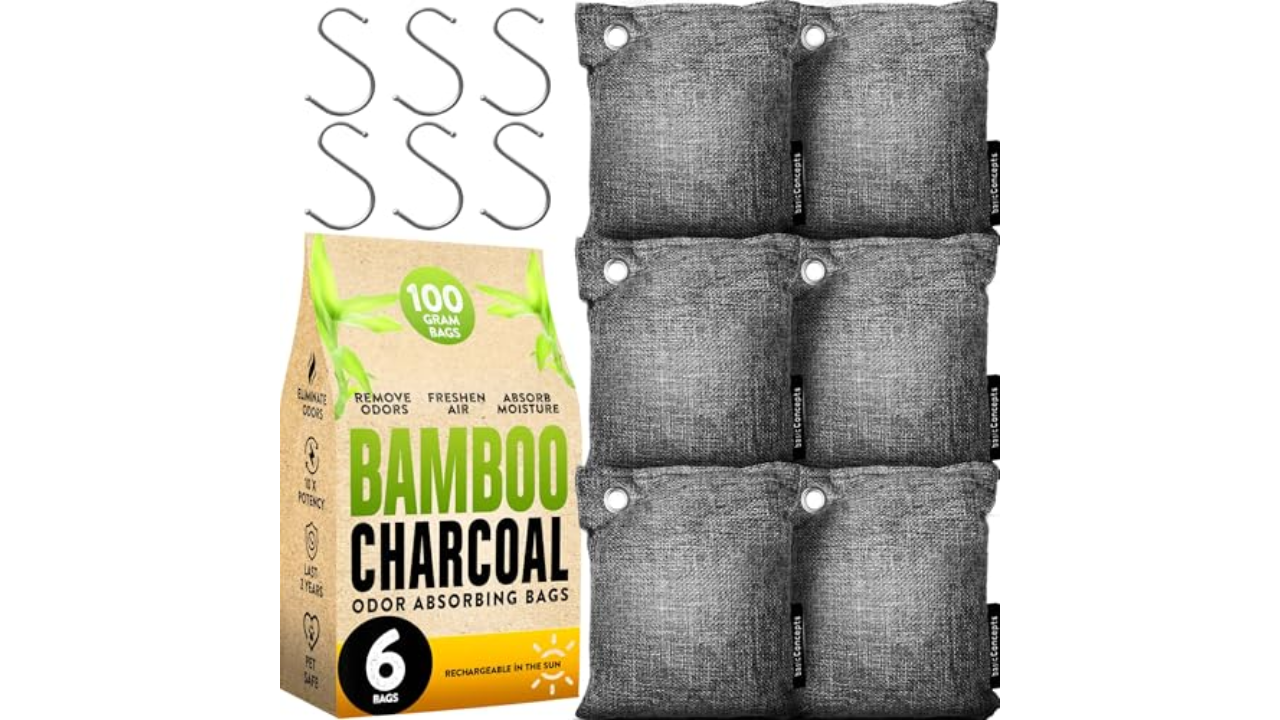
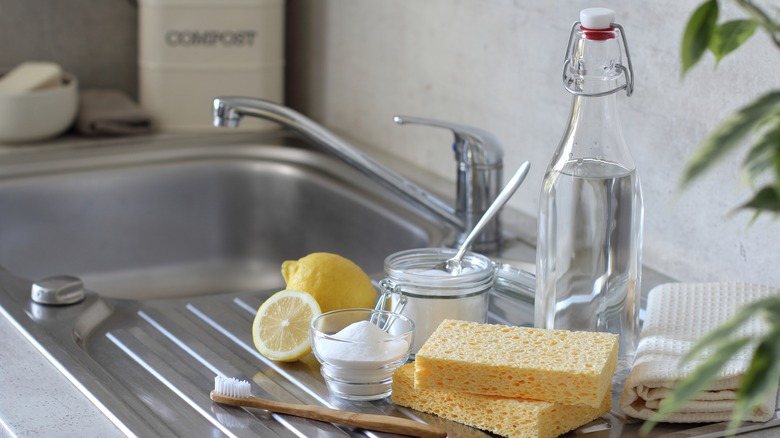
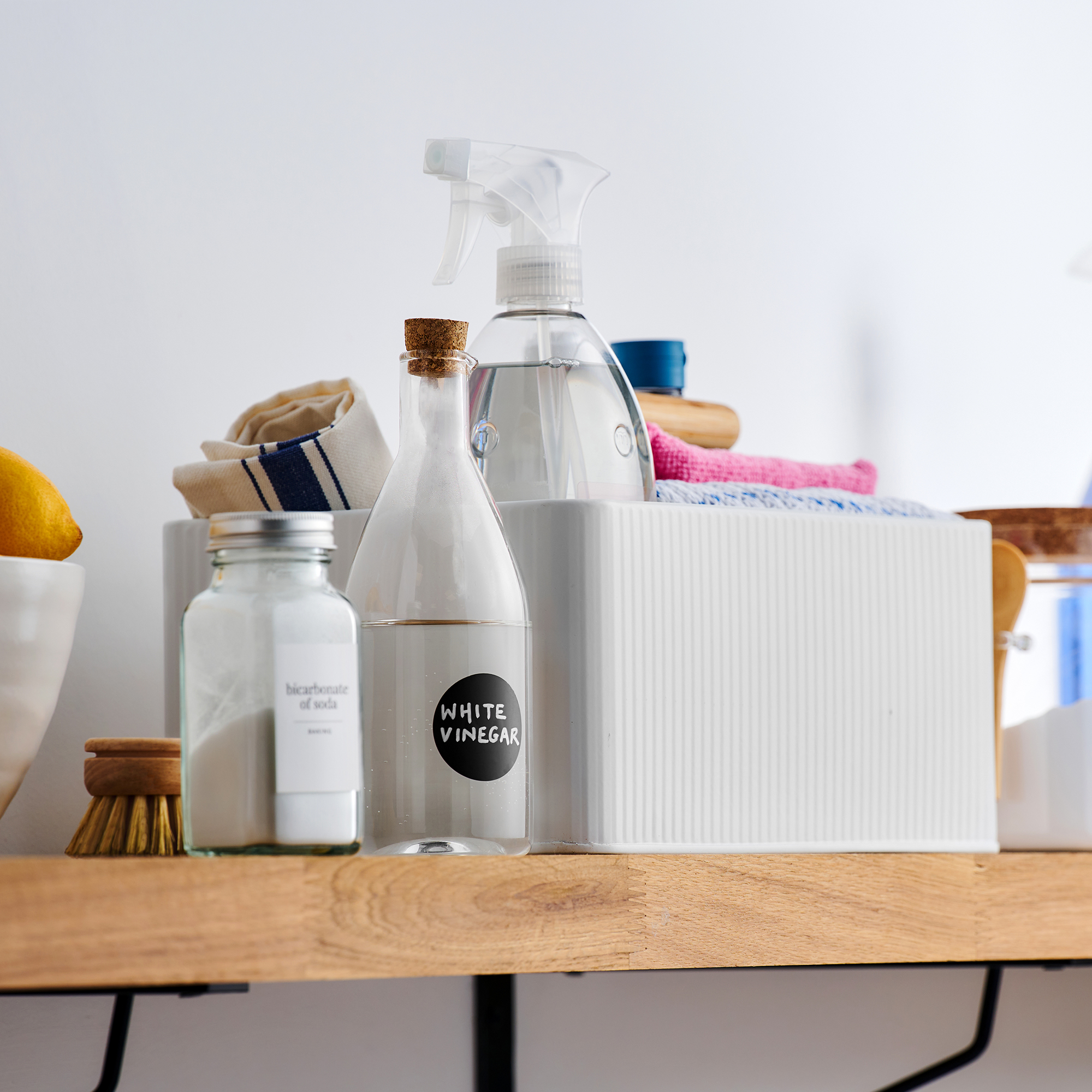
A persistent musty smell in a basement often indicates underlying problems such as hidden moisture or mold, rather than being a normal characteristic of the space. Addressing this odor requires identifying its source, resolving the root cause, and then freshening the environment. Experts highlight that basements are prone to musty odors due to various factors, including accumulated dust, dirt, and clutter, which can trap smells. Deep cleaning, decluttering, and removing or washing fabrics and upholstery can reduce odor sources. Placing activated charcoal or baking soda can also help absorb lingering smells. Other potential sources include old carpets, boxed clothes, unused upholstery, and dirty air or furnace filters. To combat these, cleaning and thoroughly drying affected materials, replacing water-damaged items, maintaining HVAC systems, and promptly fixing hidden leaks are crucial.
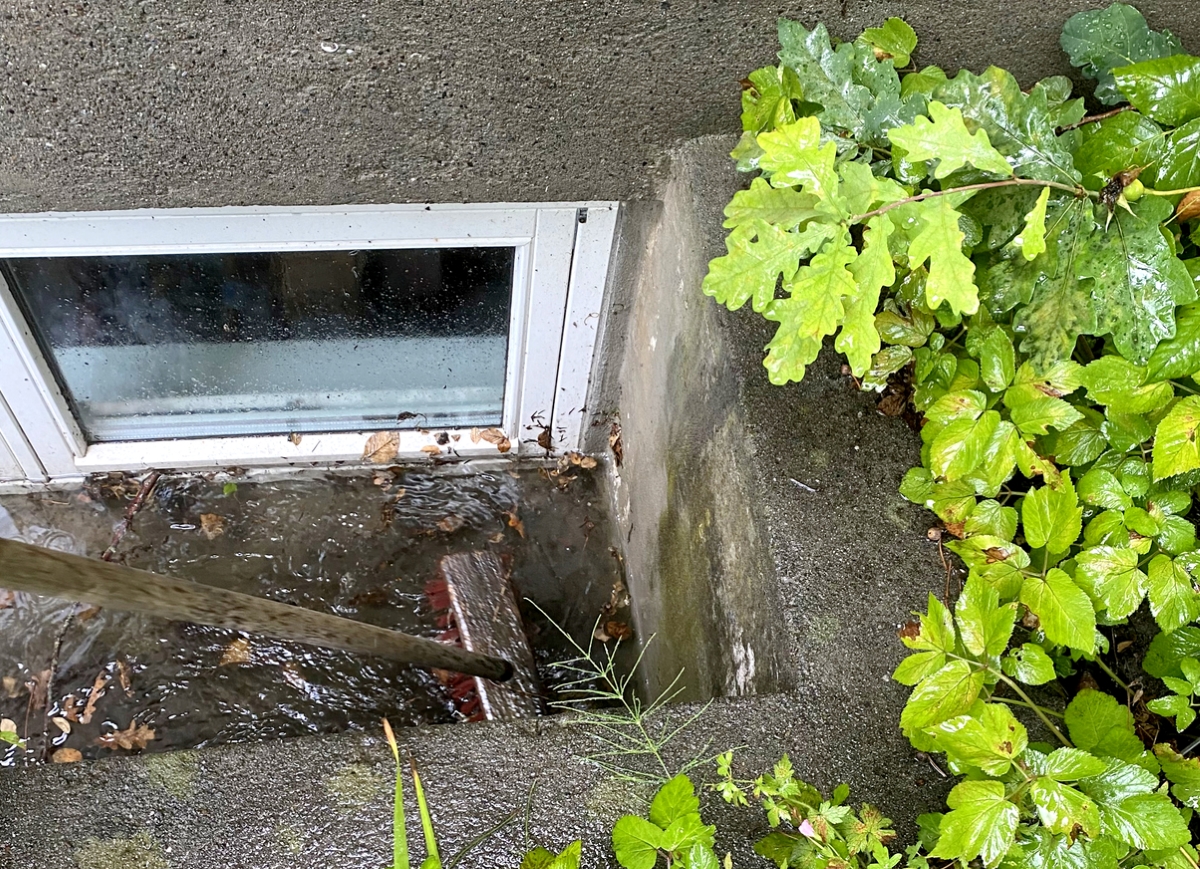
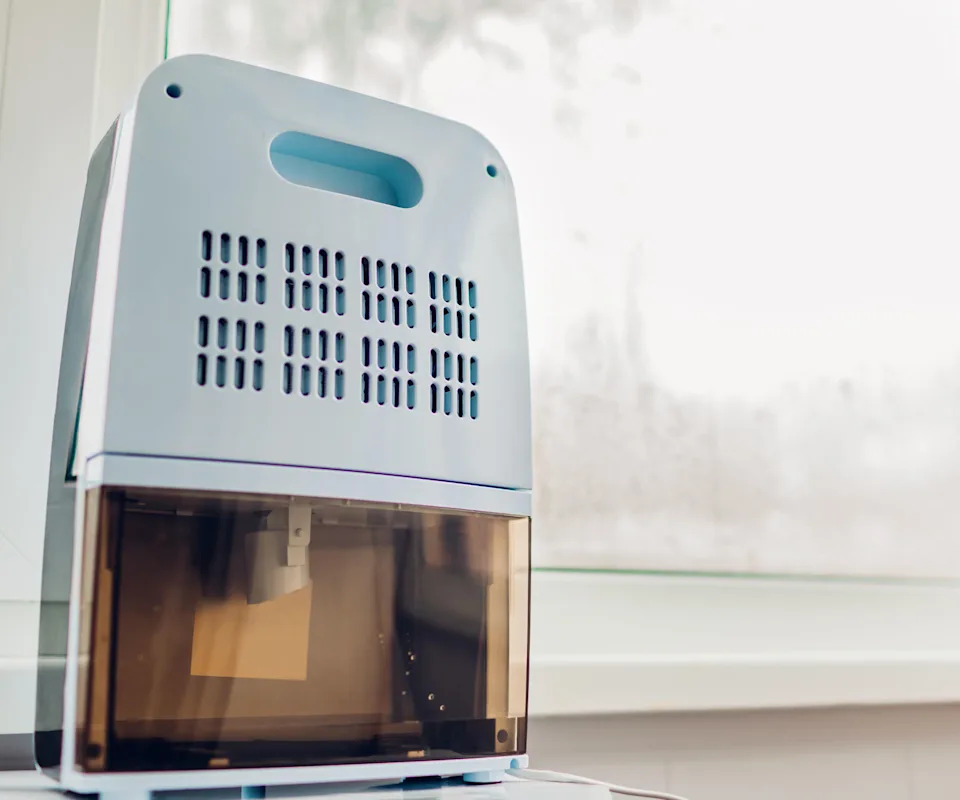
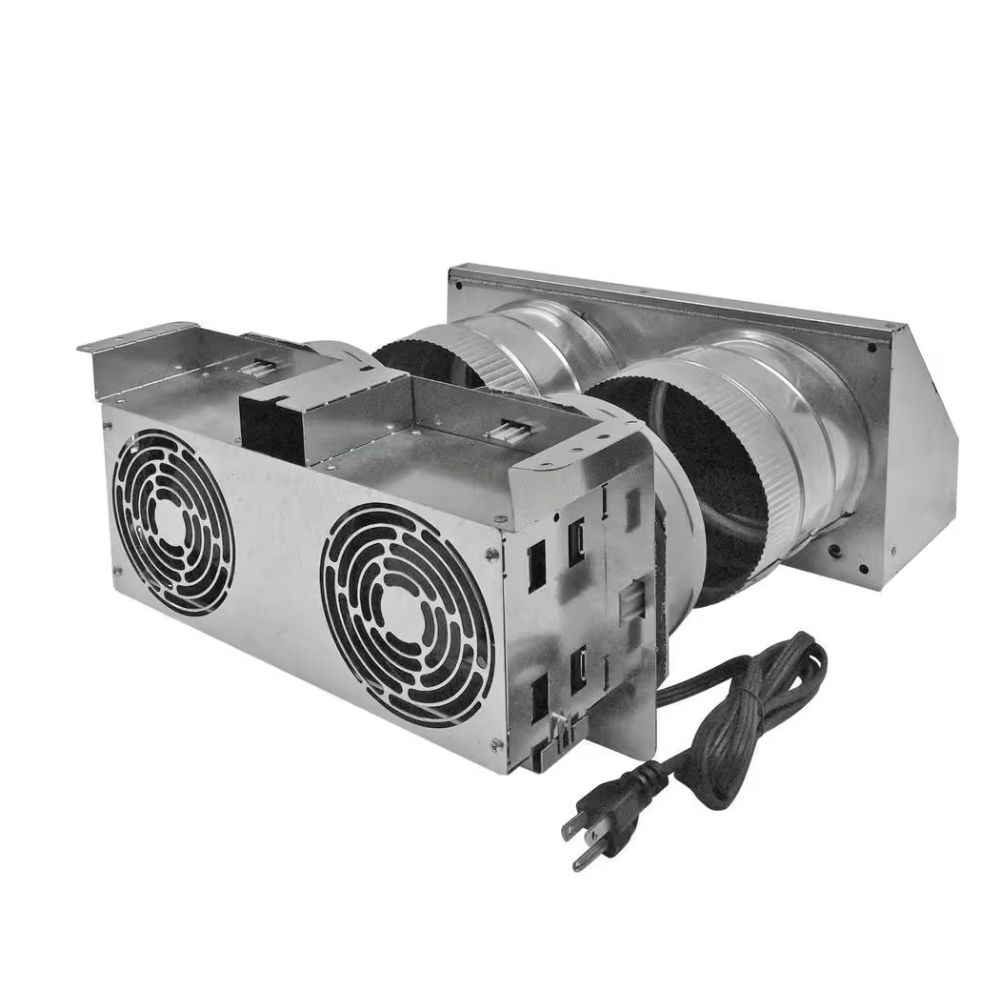
Moisture is a significant contributor to musty odors because it creates a conducive environment for bacteria and fungi growth. These microorganisms, when breaking down organic materials, release microbial volatile organic compounds (MVOCs) that produce a distinct musty or earthy smell. Even concealed moisture within walls or under carpets can lead to this issue. To tackle moisture, implementing several strategies is essential: utilizing a dehumidifier to remove airborne moisture, investing in a smart thermostat to monitor humidity levels, and immediately cleaning up spills or pooled water to prevent increased humidity and mold growth. Regularly inspecting and repairing leaks in pipes, water heaters, and basement walls is also vital. Ensuring that doors and windows are properly sealed prevents outdoor humidity and rainwater infiltration, while keeping them closed during rainy weather helps maintain stable indoor moisture levels. Maintaining clean gutters is important to direct water away from the foundation, and proper insulation helps regulate temperature and reduce moisture buildup. Improving air circulation with fans, open doors, and clear vents prevents trapped humidity, and reducing carpeting in favor of hard flooring materials like tile or vinyl minimizes moisture retention. Storing items in airtight plastic bins instead of absorbent cardboard boxes or fabric also helps prevent dampness and contamination.
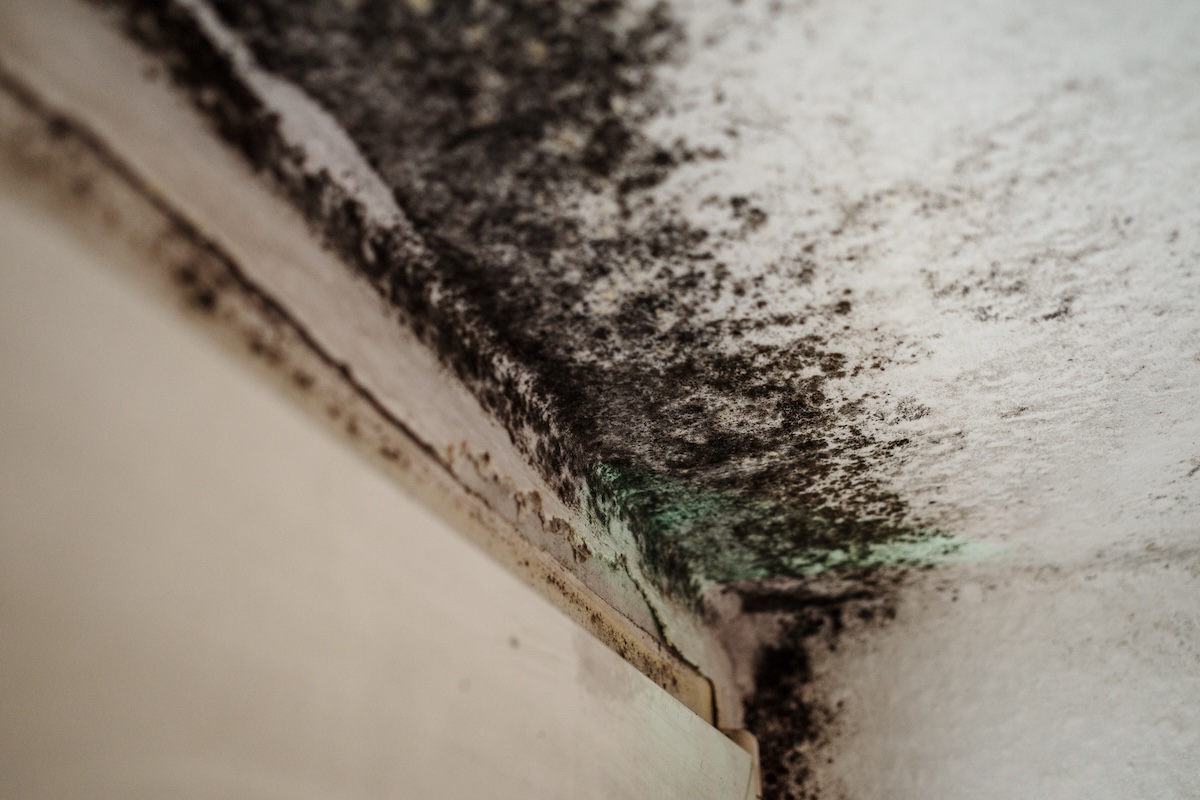
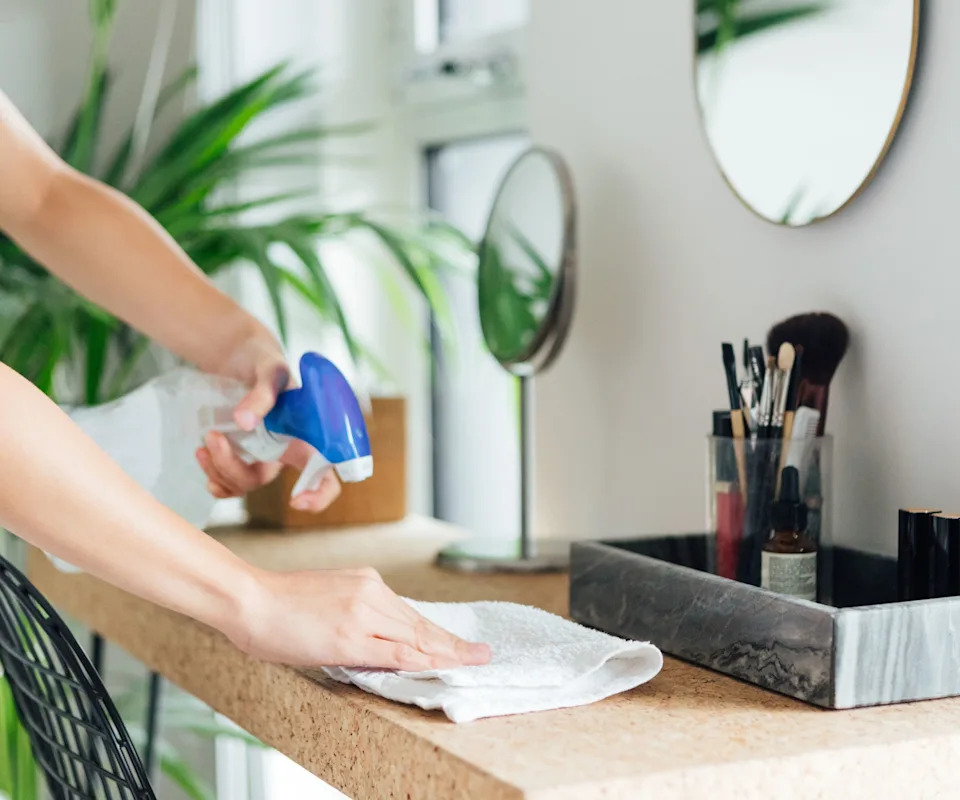
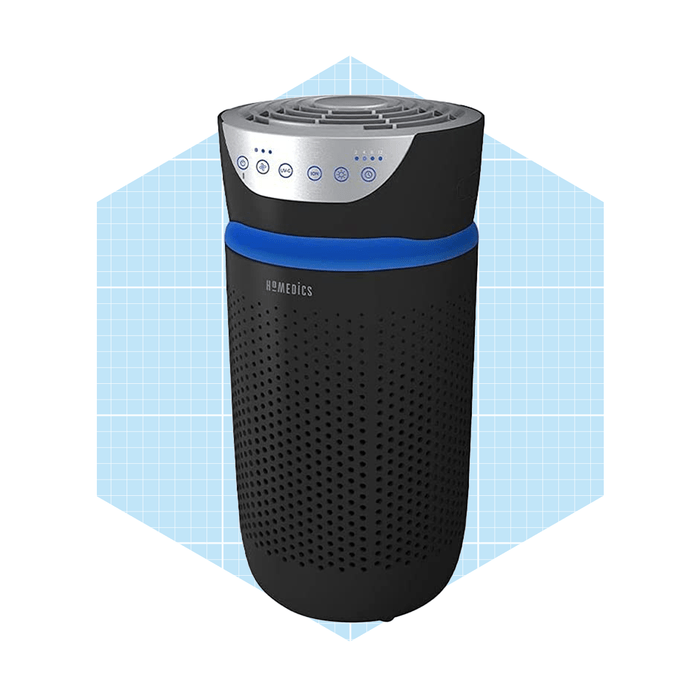
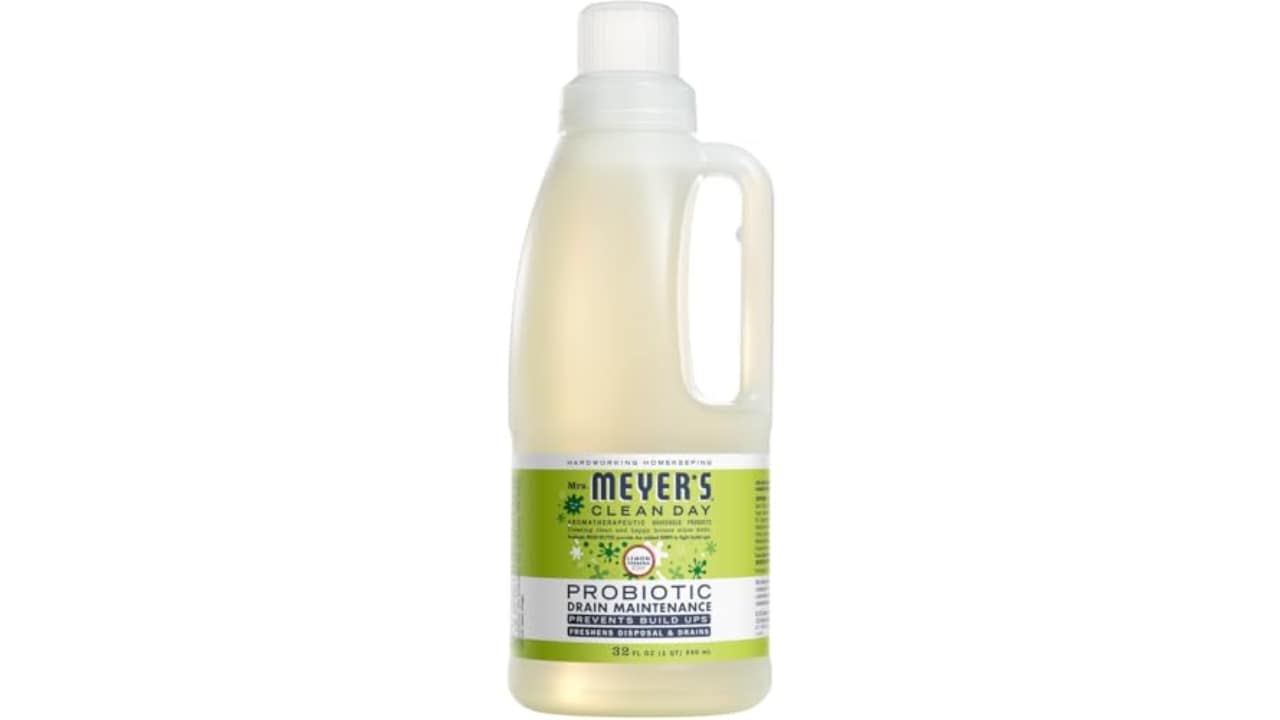
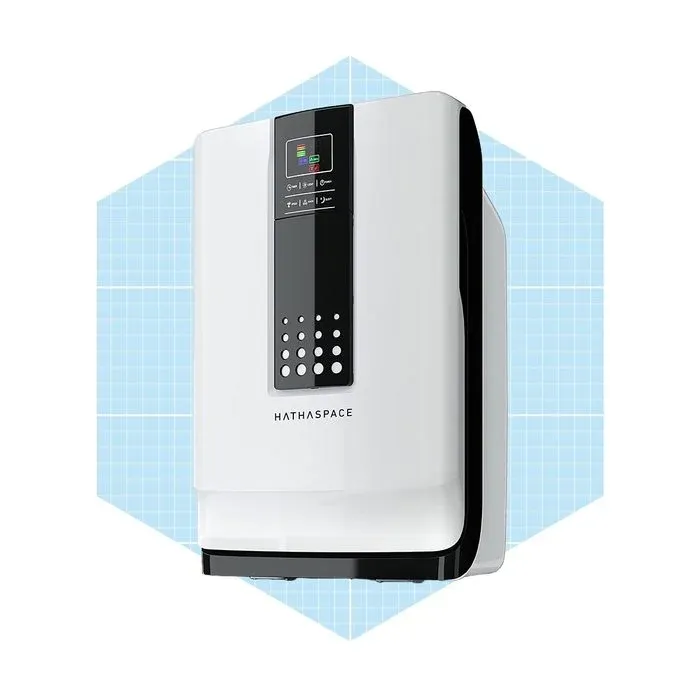
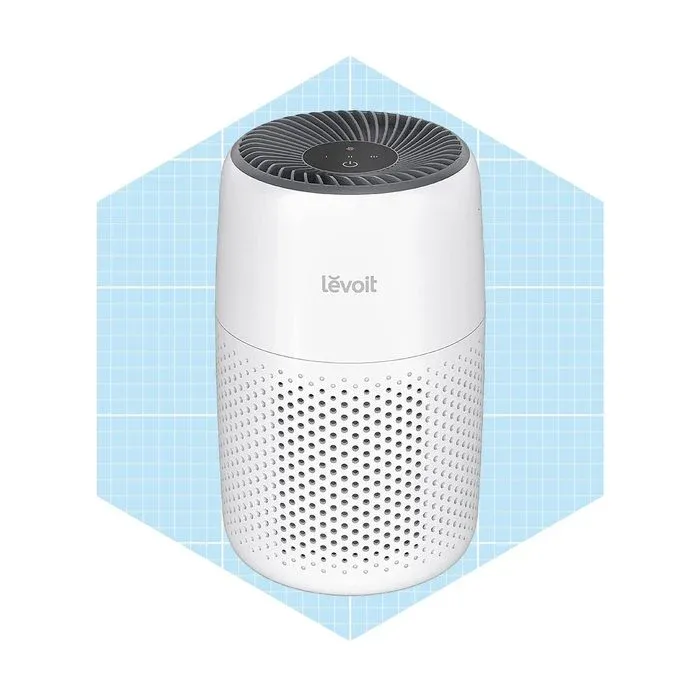
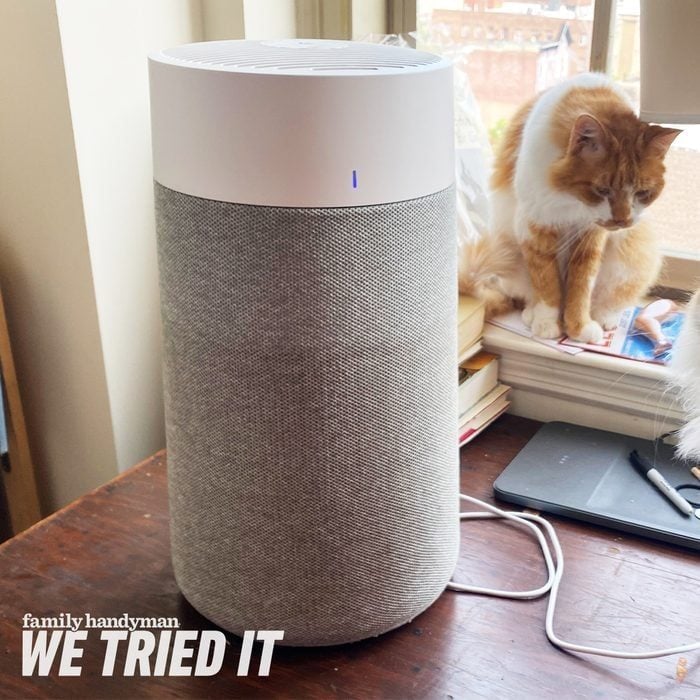
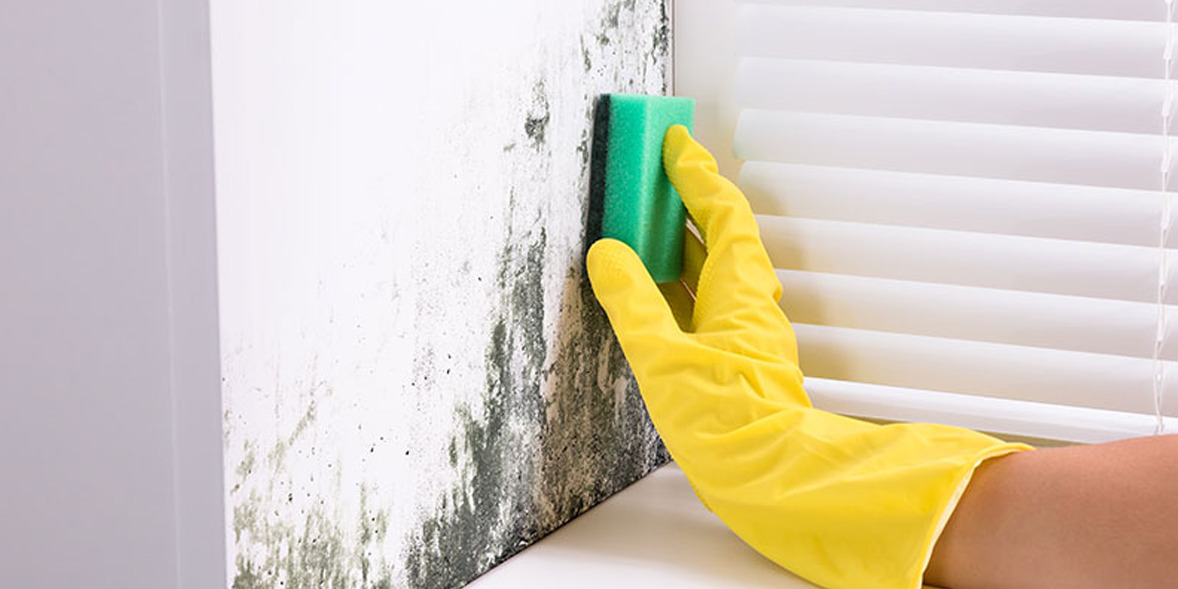
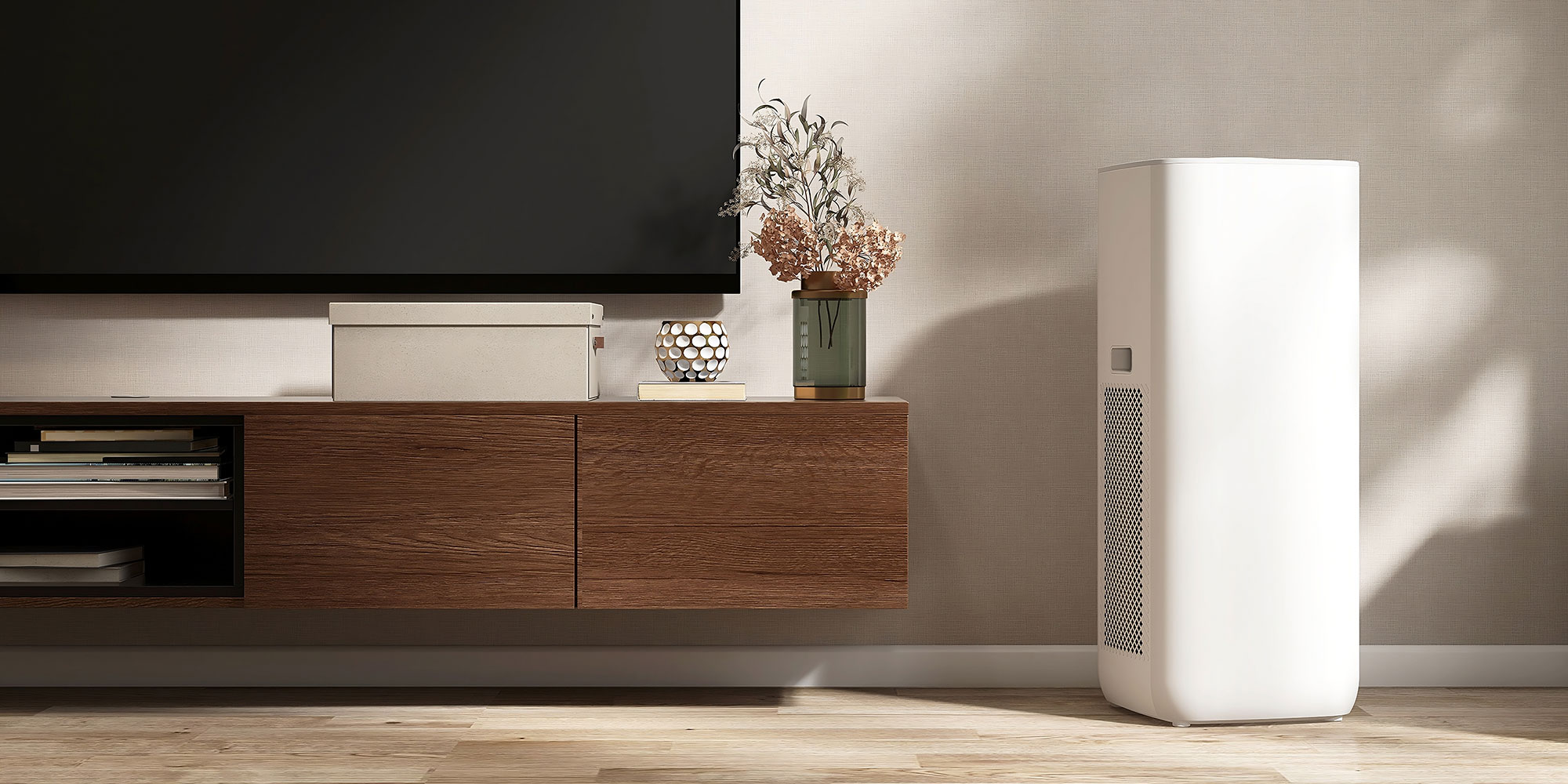
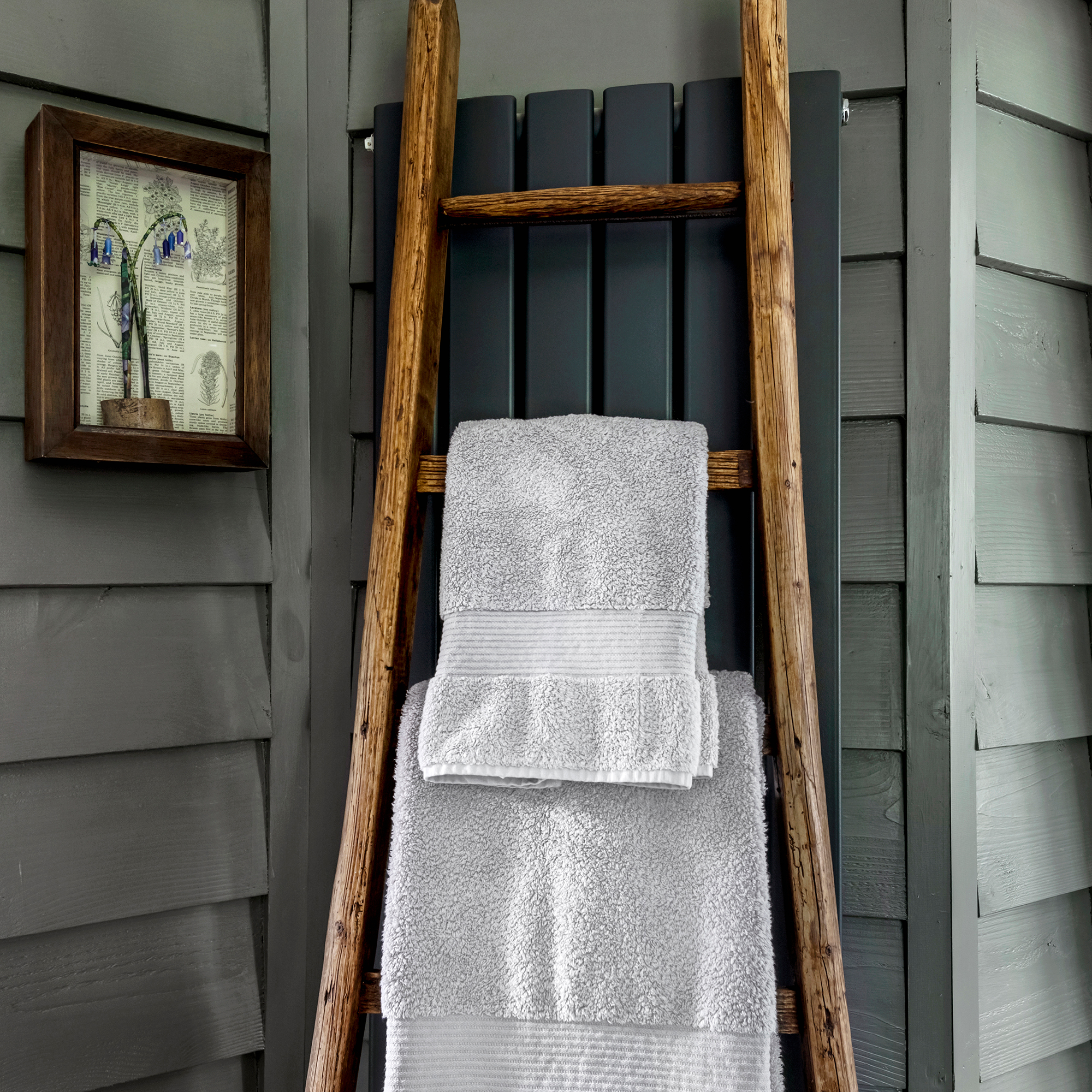
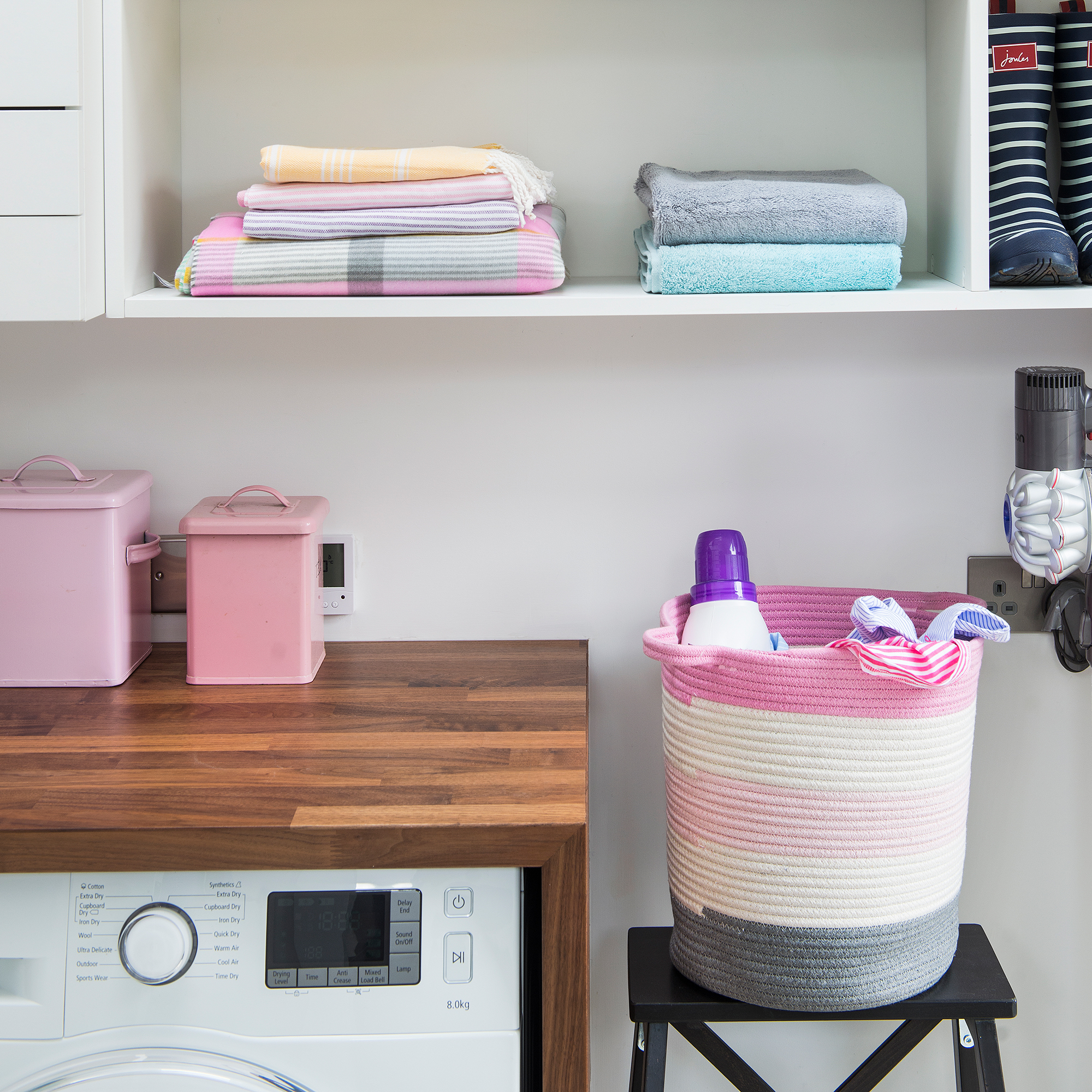
Mildew, which is an early stage of mold, grows rapidly in moist, organic environments. It serves as a warning sign before a more severe mold infestation. While bleach water or proper mold cleaner can address mildew on hard surfaces, its recurrence indicates an unresolved humidity problem. To effectively combat mildew and mold, it's recommended to use cleaning products that eliminate particles without compromising indoor air quality, such as botanical products with surfactants, microfiber materials, and HEPA vacuums. Frequent and thorough cleaning of the entire indoor space, particularly dusting, helps reduce microscopic particles like mold spores and bacteria. Reducing clutter makes surfaces easier to clean, further minimizing contaminants. Washing porous materials like bath mats, towels, and bedding with botanical laundry additives is also advised. Scheduling biannual HVAC professional servicing ensures the system is free of contamination and functioning correctly. Investing in air purification technology that removes the smallest particles and upgrading to high-rated MERV filters, changed regularly, can significantly improve indoor air quality. Additionally, proper maintenance of houseplants, including avoiding overwatering and clearing debris, helps prevent mold growth.
Poor airflow contributes to musty odors by allowing moisture and stale air to become trapped, fostering the growth of mold, mildew, and bacteria. The resulting release of gases by these microorganisms produces the unpleasant smell. Increasing ventilation by opening windows when dry, using oscillating fans, and keeping interior doors open can improve air circulation. Regularly clearing air vents and filters ensures fresh air circulates effectively. When a musty smell persists or visible mold is present, professional intervention is necessary. Visible mold often indicates a larger, hidden problem behind walls, under flooring, or in other concealed areas. DIY mold testing kits are often unreliable, making professional mold inspection crucial for accurately assessing the situation, identifying the mold's location and the moisture source, and formulating a remediation plan. Professionals use tools like moisture meters and thermal imaging to detect hidden issues such as foundation leaks, poor drainage, high humidity, or leaky pipes. Addressing a musty basement smell is not just about comfort but also about mitigating potential health hazards associated with mold.
#MustySmell #BasementMoisture #MoldRemediation #HumidityControl #AirQuality #HomeMaintenance #CleaningTips #Ventilation #ProfessionalInspection #MustySmell #BasementMoisture #MoldRemediation #HumidityControl #AirQuality #HomeMaintenance #CleaningTips #Ventilation #ProfessionalInspection
0 comment in total
 No comments yet
You may also like
How to Get Rid of the Musty Smell in Your Basement


How to stop your shed smelling musty – 9 expert-approved methods to banish bad odors

Your home stinks. Here's how to fix it, according to experts

10 Habits That Are Making Your House Smelly, According To Experts

How to get rid of musty basement smells – 6 ways to combat odors and their causes


'If you can smell it, there's a problem in progress' – 5 expert-approved ways to get rid of musty smells in an attic

Old House Smell: What Causes It and How To Get Rid of It


How to get rid of mould on walls – 7 home treatments tried and tested by the experts

Experts explain how to install a basement extractor fan to remove damp and musty smells for good

How To Get Rid Of That Musty Smell In Your Cabinets

Do You Have a Musty-Smelling House? 6 Worrying Causes — And What You Should Do to Get Rid of Them

How to get rid of mould

Master odor removal with a little help from science

7 things people with nice-smelling basements never do
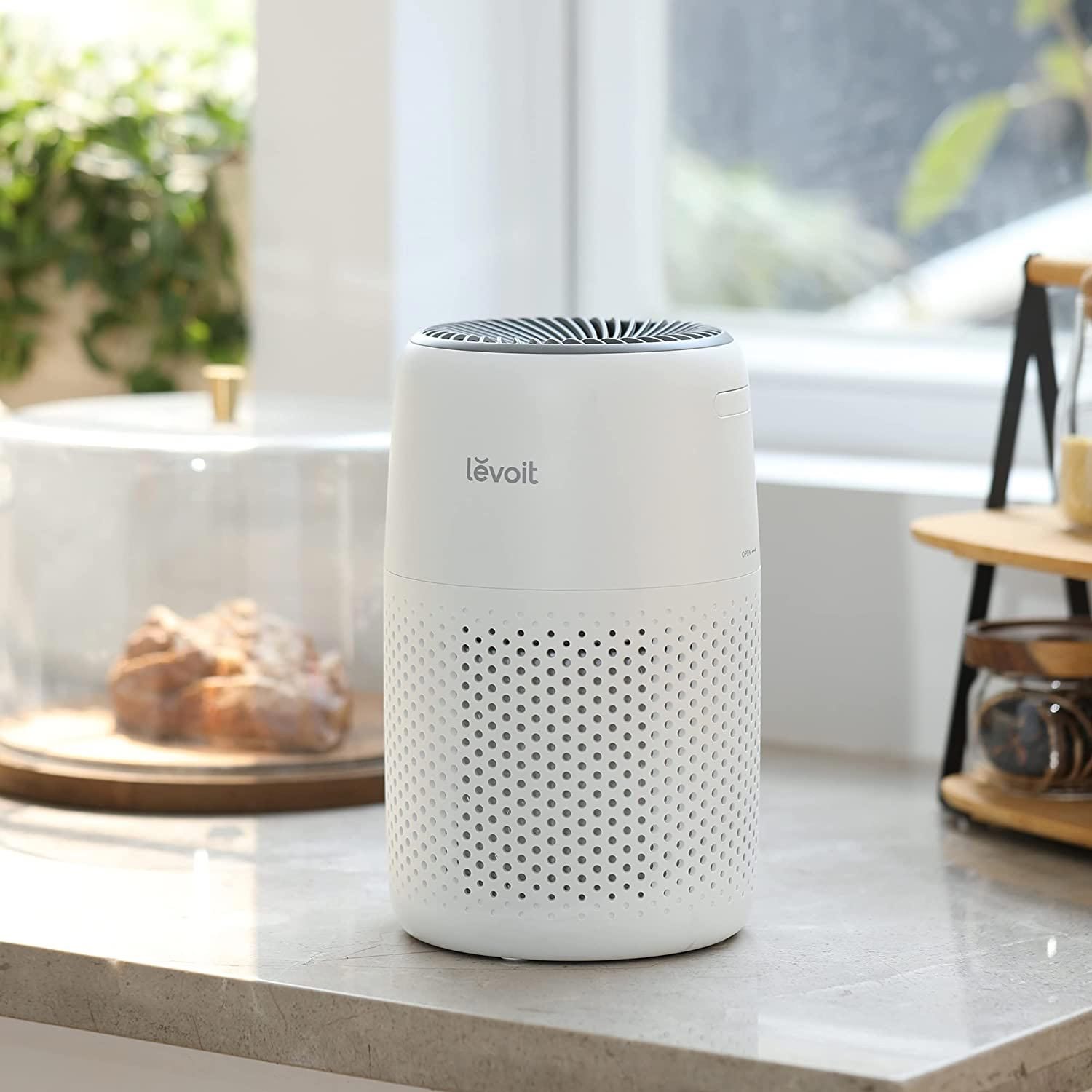
The 10 Best Air Purifiers for a Basement to Remove Dust, Allergens and Odors
How to wash towels that smell – expert tips to banish damp and musty odours for good
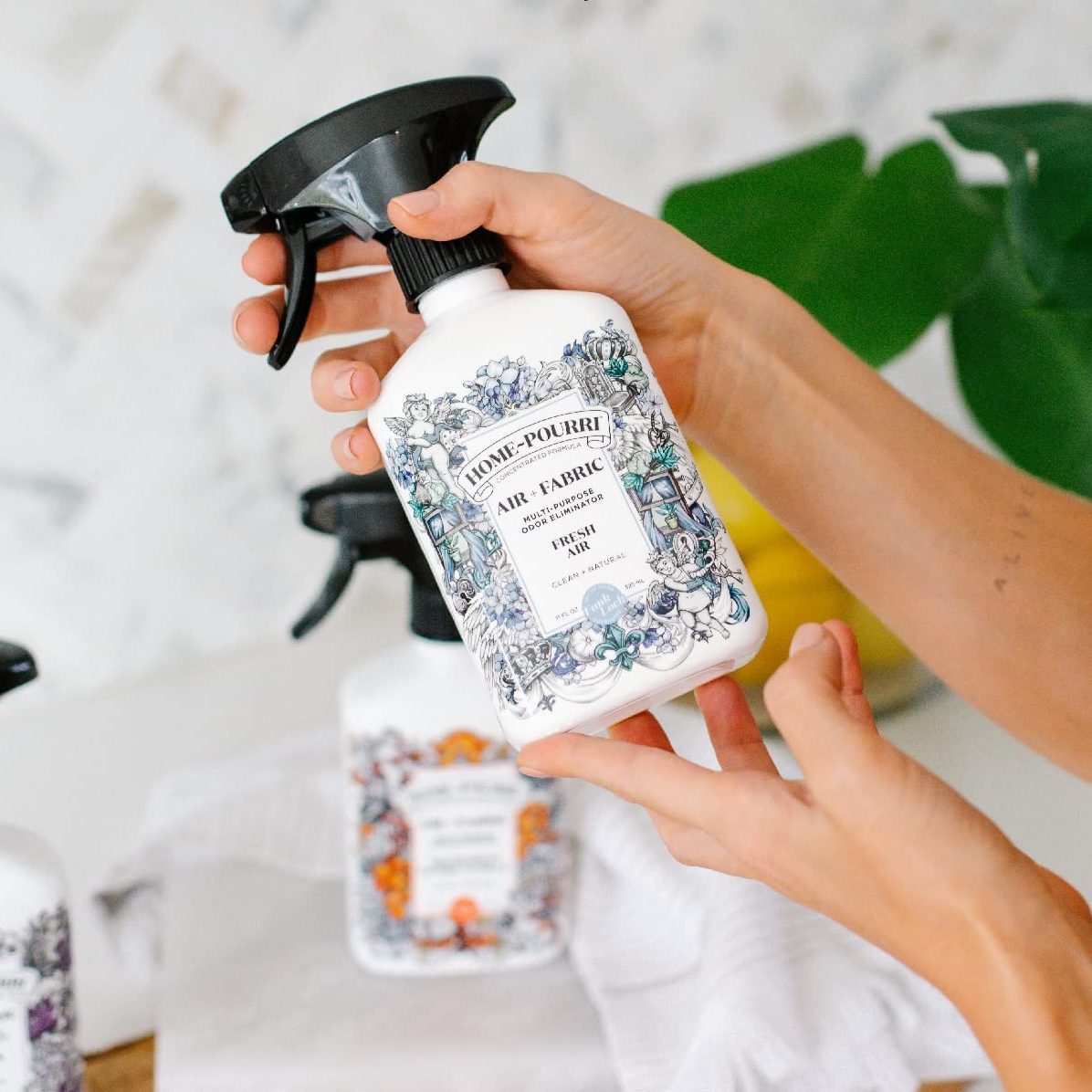
The 5 Best Basement Odor Eliminator Picks for Musty Cellars 2025

How to ventilate a basement – expert tips to reduce damp and mold

The 10 Best Hacks To Control Gross Smells In Your Home


Does Your Home Have "Old House Smell"? Here's How to Fix It