1/3
5 common types of water damage to your home – and how to fix them
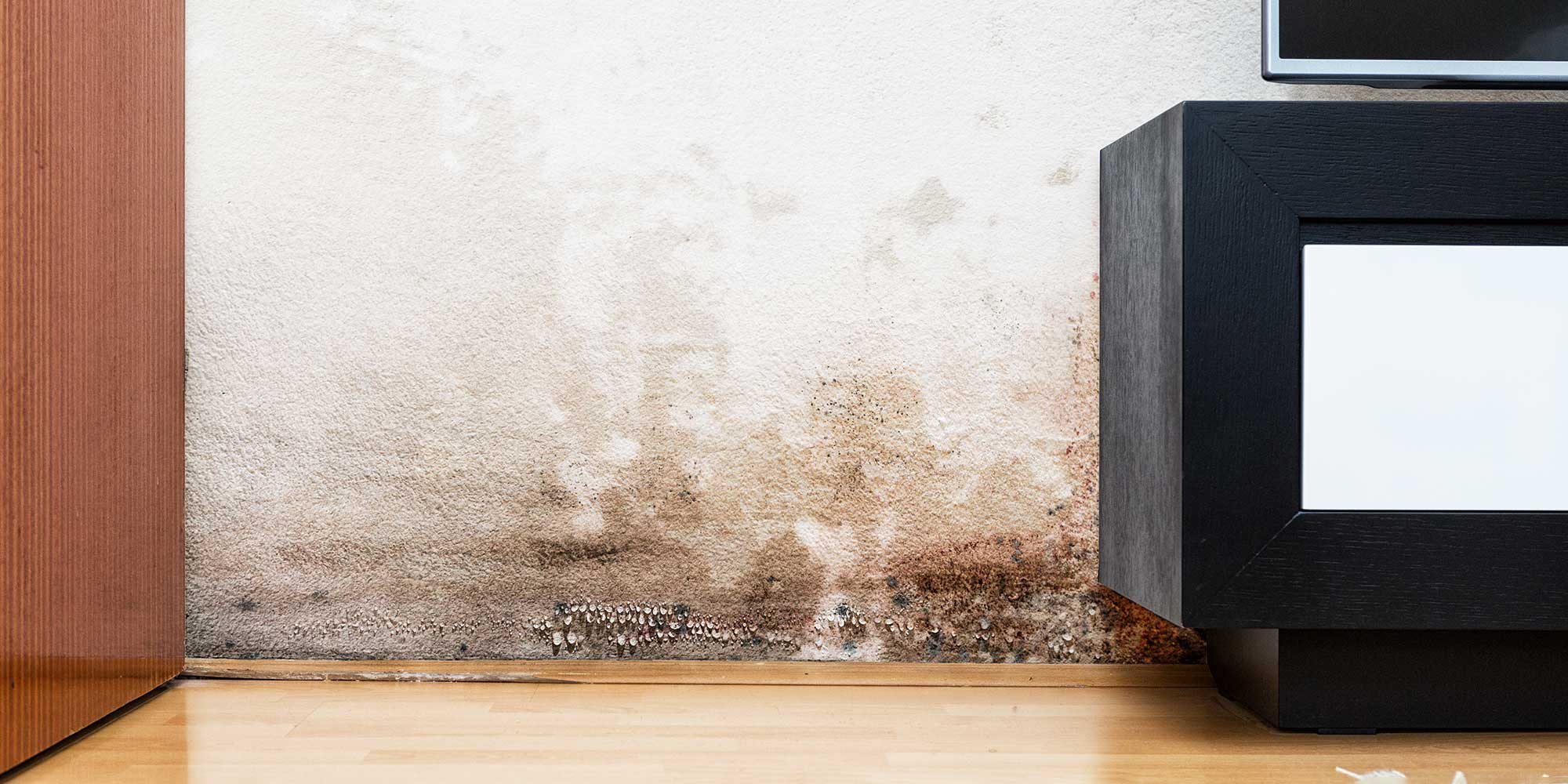
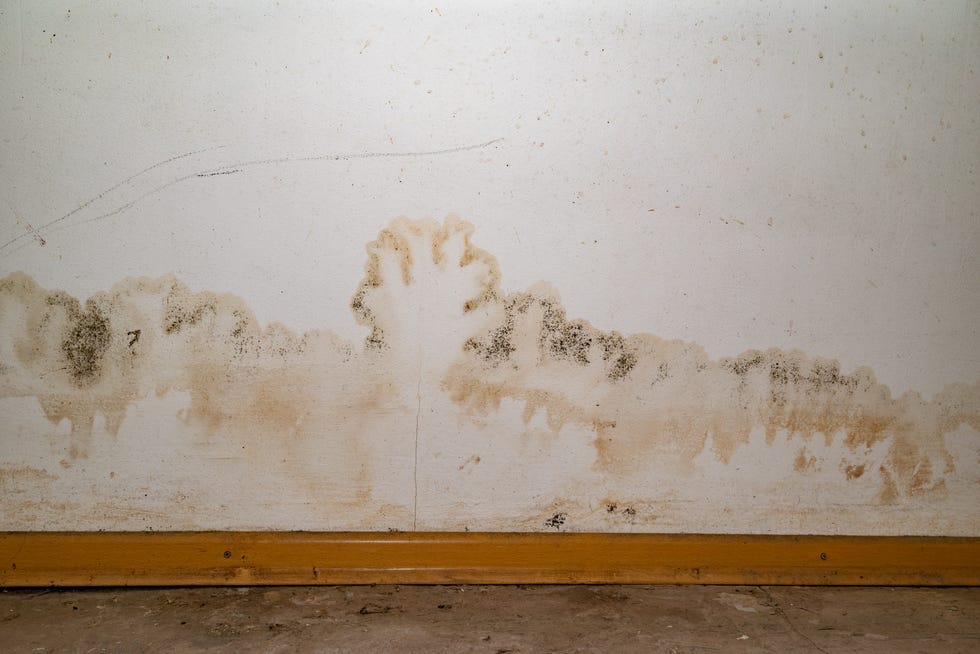
Water damage, often an underestimated problem, can escalate quickly from a minor leak to a significant issue within a home. Addressing these problems promptly is crucial to prevent more severe consequences like mold growth, structural decay, and costly repairs. This article outlines five prevalent types of water damage, detailing their signs, causes, and effective solutions.
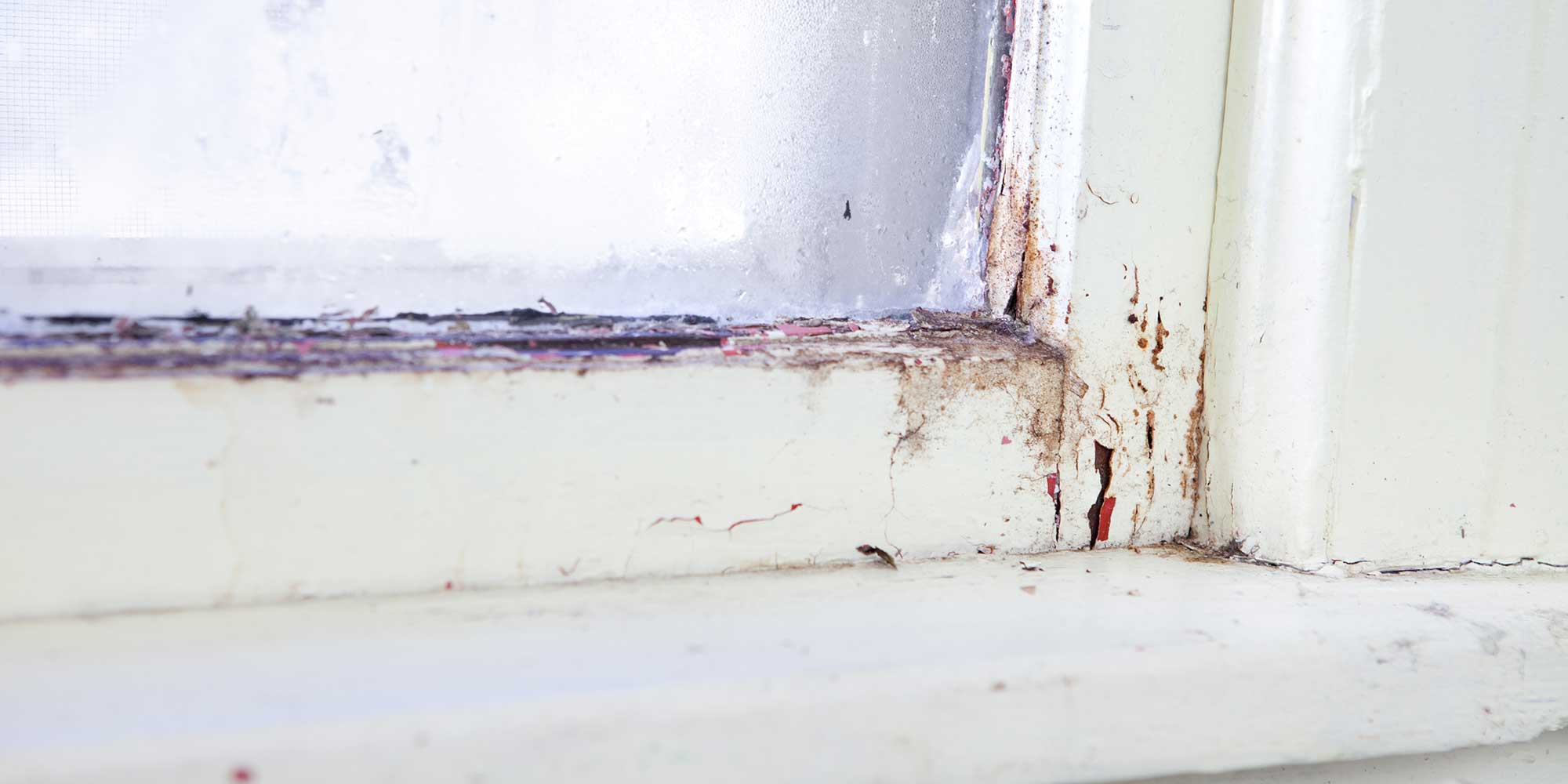
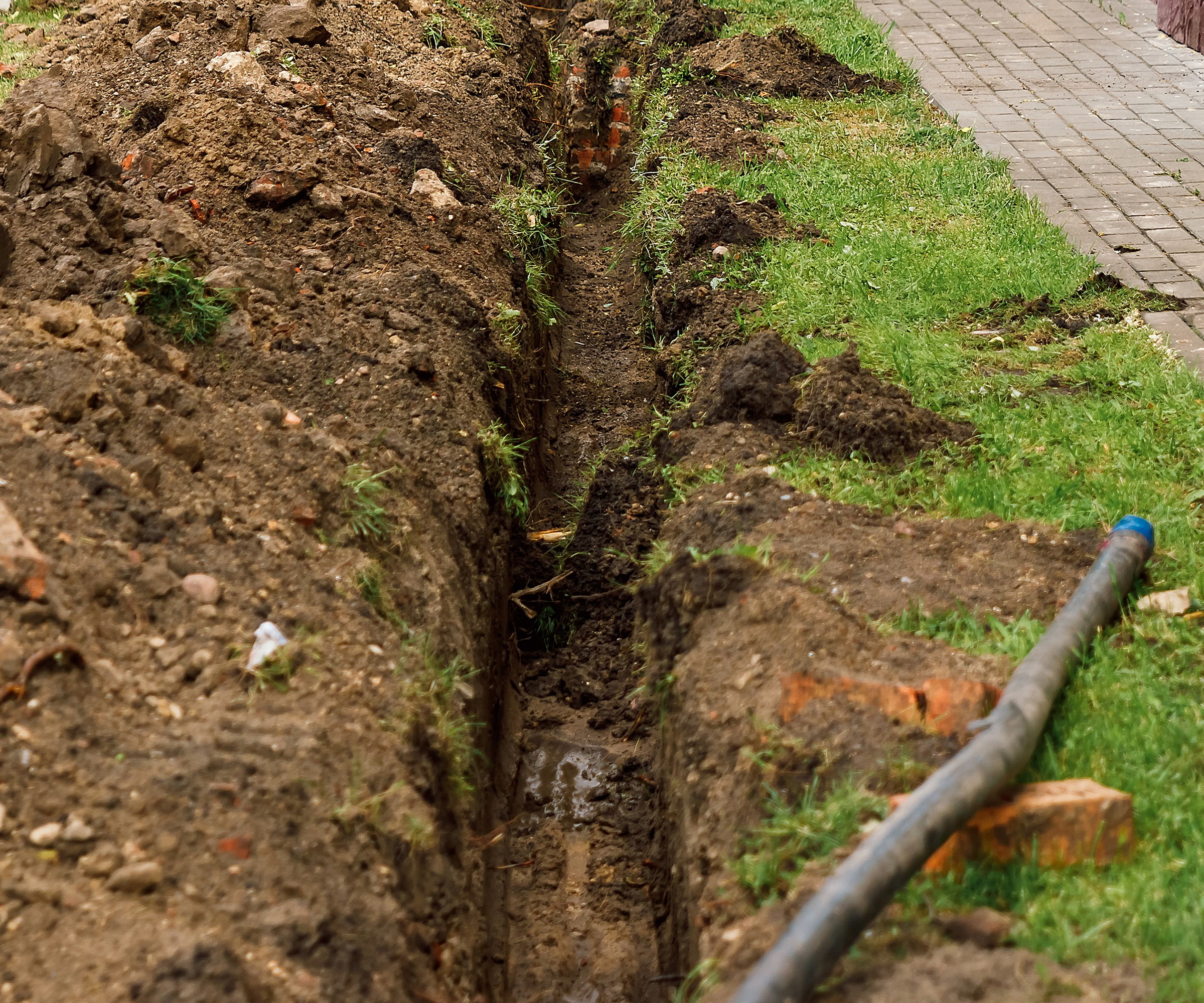
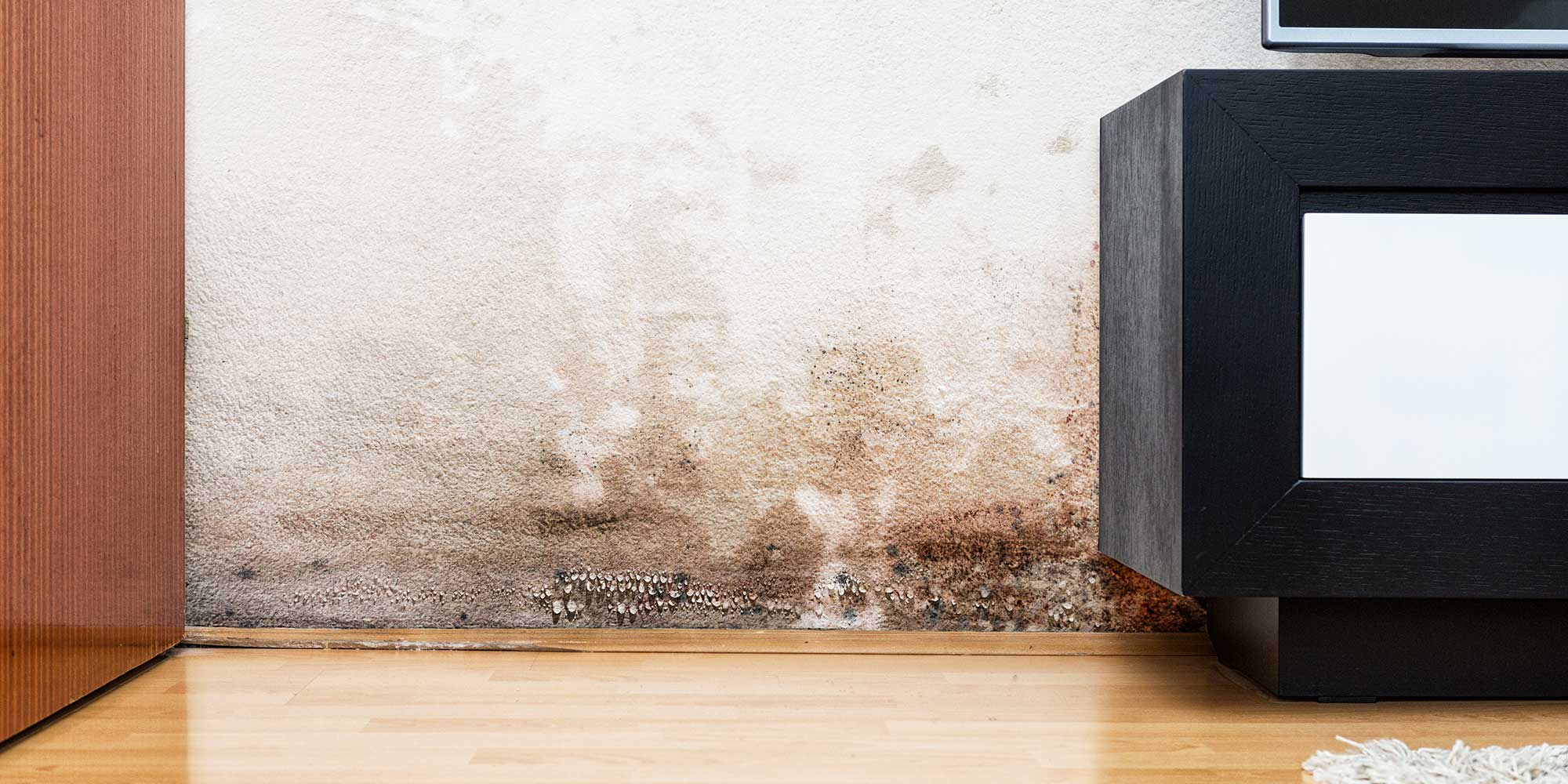
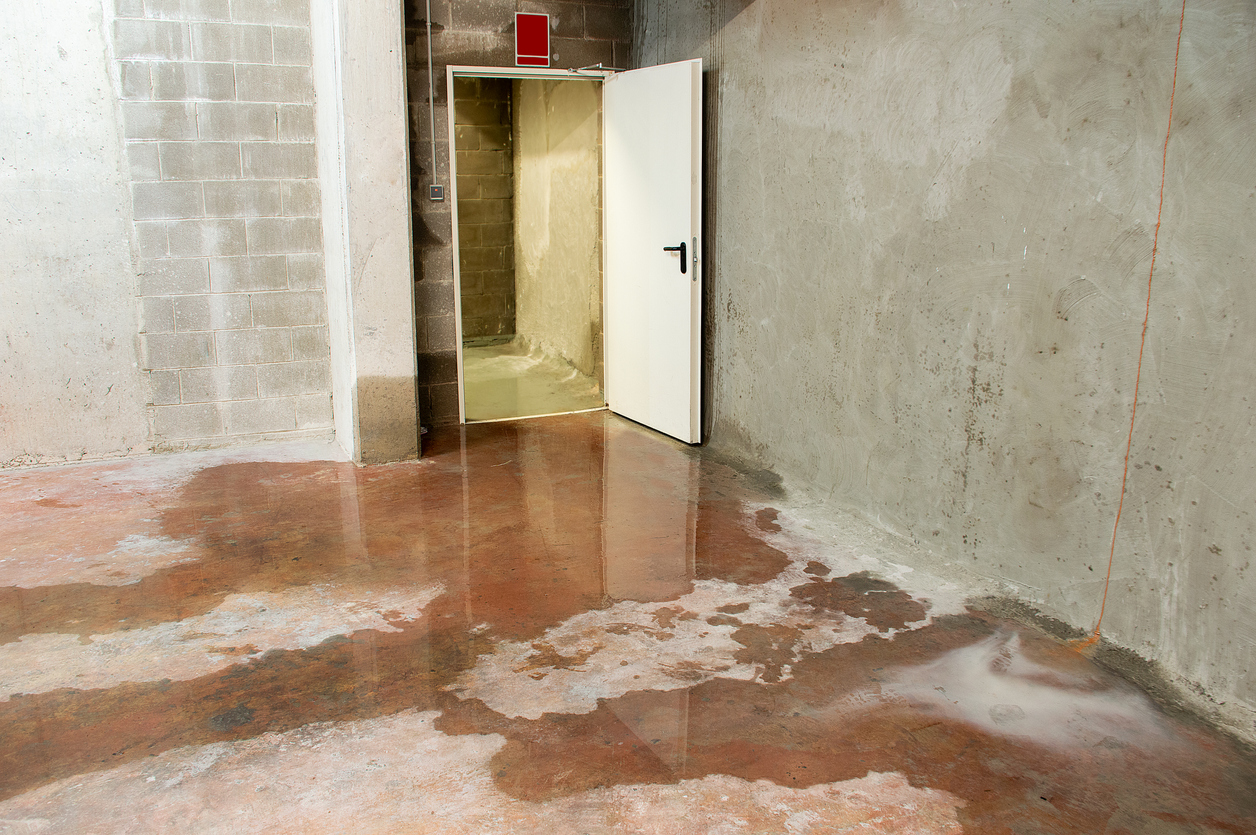
First, damp floors indicate issues such as mold growth, timber decay, and a musty smell. These are typically caused by poor subfloor ventilation, water pooling under the house, or blocked vents. Initial solutions involve clearing debris from the subfloor, unblocking vents, and checking gutters to ensure proper drainage. For persistent dampness, David Lakes, a builder at Lochbuild, recommends using a moisture meter or consulting an expert. Dehumidifiers or low-voltage damp rods can offer relief, but if these fail, subfloor ventilation fans might be necessary. The worst-case scenario involves a damp concrete slab, which is more challenging to access and fix than timber.
Second, water entering from balconies presents with internal and external water stains, difficulty closing balcony doors and windows due to swollen wood, cracked or missing grout, and issues for lower-level neighbors. Common causes include incorrectly installed doors, inadequate flashings, poor waterproofing membranes, insufficient drainage, and improper tile selection and adhesion. Immediate actions include using towels or buckets to catch water, and for apartment dwellers, contacting the strata company to avoid voiding warranties. Neglecting balcony issues can lead to widespread decay, electrical damage, and in extreme cases, balcony collapse.
Third, roof leaks manifest as water stains on ceilings or walls, mold, and puddles on the floor, posing a danger if electrical wiring is present. Causes range from lack of roof maintenance, blocked gutters (especially box gutters), corrosion from differing metals on the roof, or punctured/poorly installed sarking. Locating the leak can be challenging but involves systematic testing with a hose. Small holes, often caused by roof vents or plumbing penetrations, can be temporarily sealed with silicone. Replacing or repairing existing flashing often helps. Ignoring a leaky roof makes repairs more difficult and expensive.
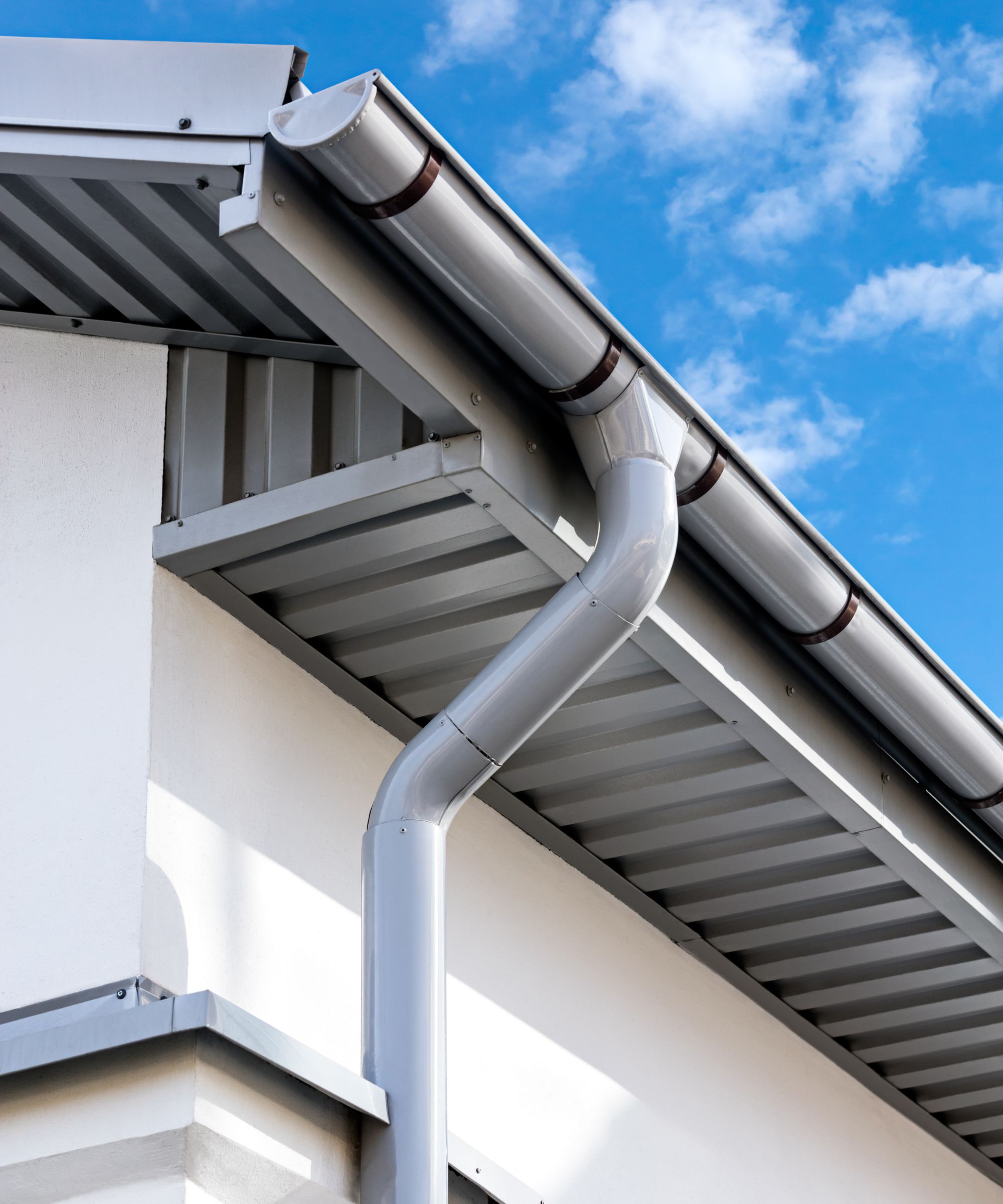
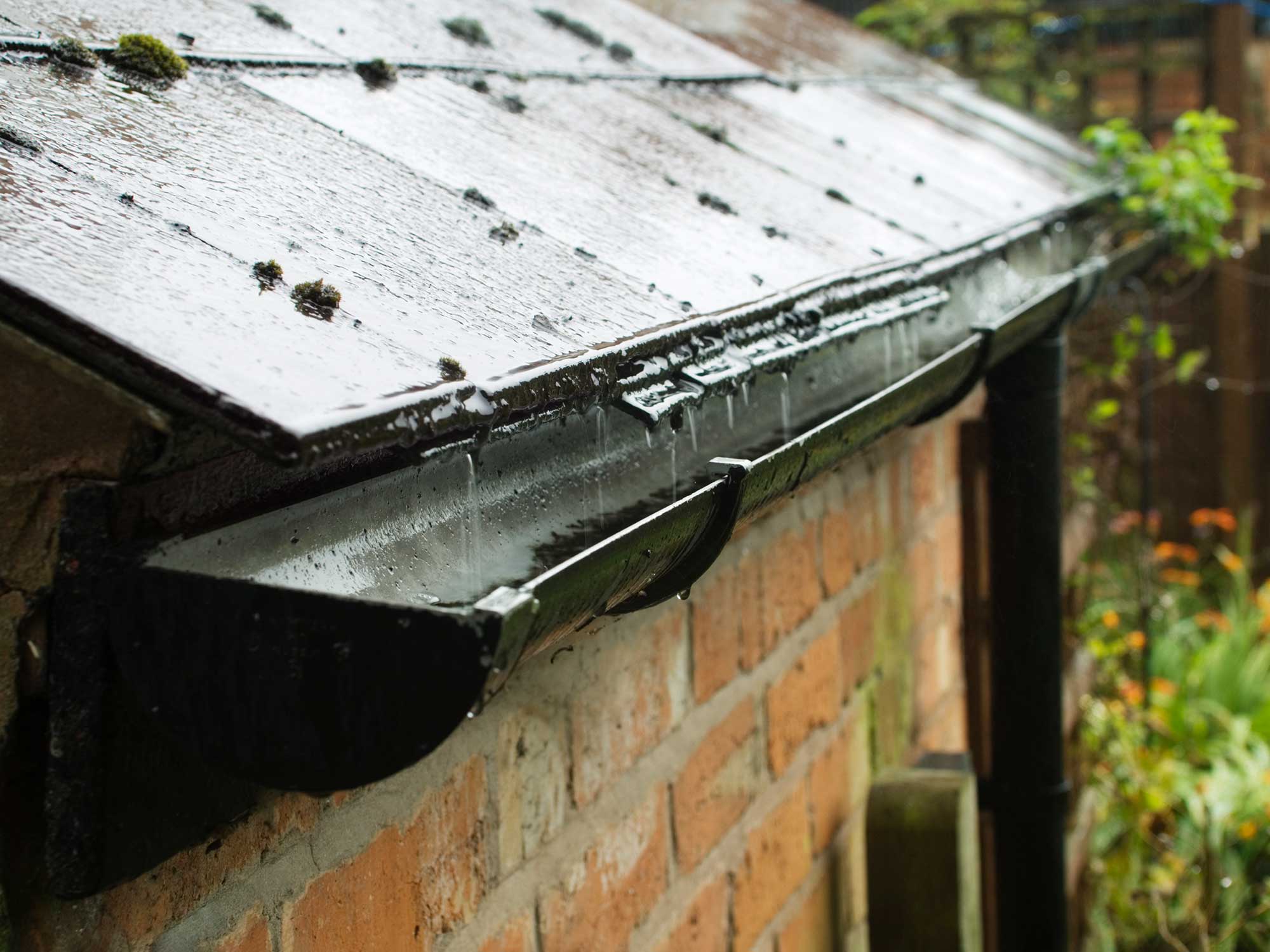
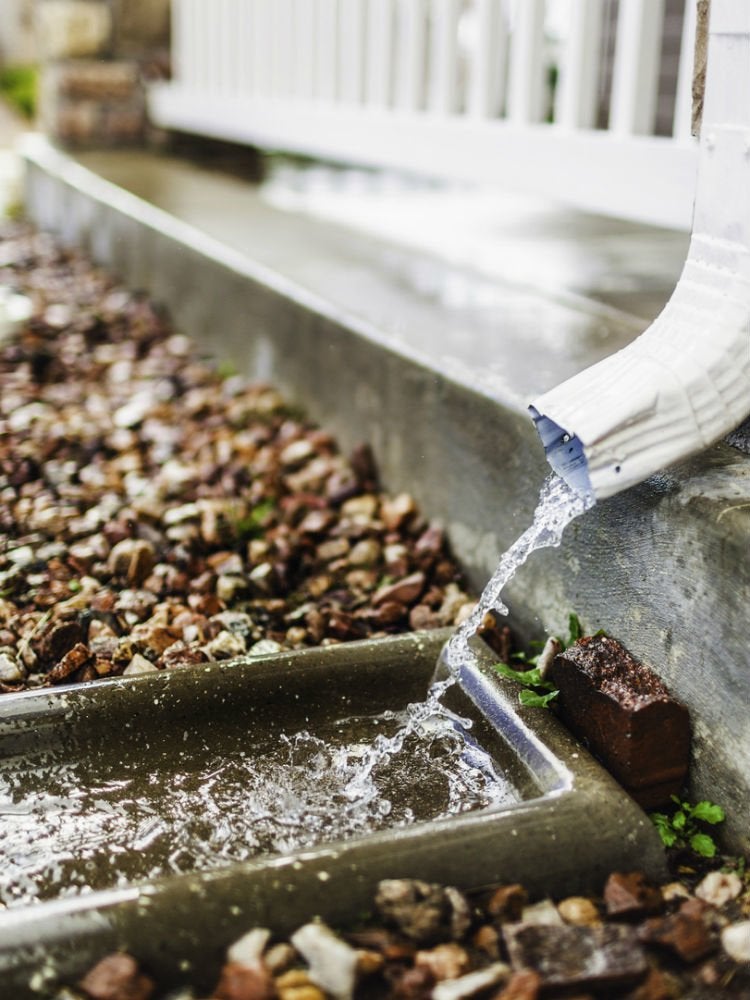
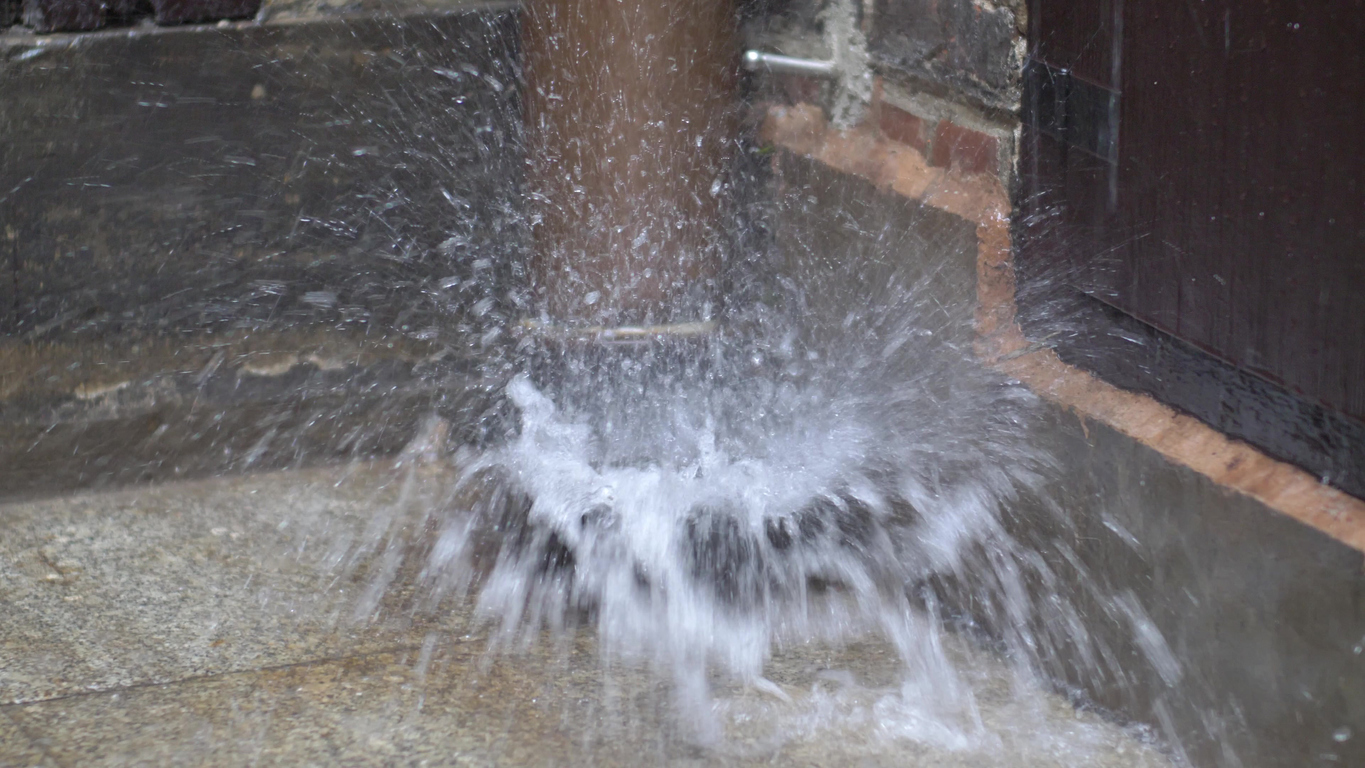
Fourth, gutter leaks are identified by damp patches on internal walls or ceilings, water accumulation around the building's base, and moss/stains on walls. The primary causes are uncleaned gutters and poorly angled guttering that prevents water flow. The solution involves cleaning downpipes and testing the gutter's 'fall' with water to ensure proper drainage. If the fall is incorrect, the gutter may need refixing. Environmental factors, like surrounding trees, can exacerbate box gutter issues, sometimes requiring a complete roof redesign. Installing leaf guards and foam water stops can be preventative measures.
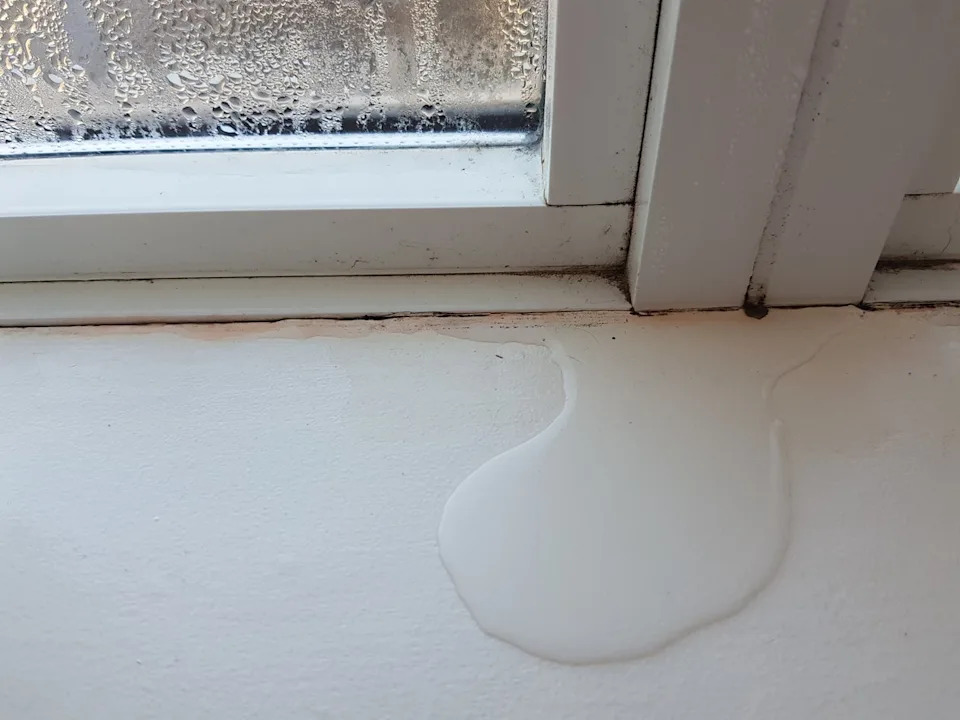
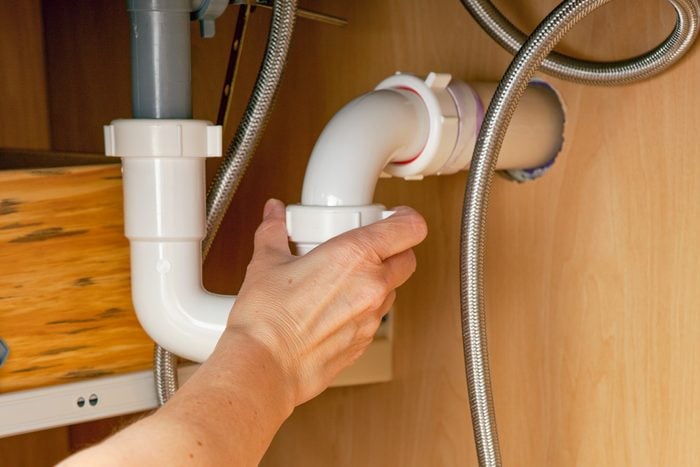
Fifth, bathroom leaks show signs such as high water levels during flushing, slow-draining showers, gurgling drains, sewer smells, damp walls and ceilings, falling tiles, and water drops on light fixtures, indicating poor drain and pipe health or failed waterproofing. Tree roots cause a significant portion of blocked drains, while other culprits include hair, sanitary products, wipes, and foreign objects. While DIY grout or sealant repair can help, professional assessment is recommended for failed waterproofing, which often necessitates a complete bathroom strip-out and new membrane installation. For pipe issues, knowing the water shut-off location and promptly contacting a reputable plumber is essential, as swift repairs can prevent major damage, particularly in multi-story buildings where access for maintenance can be challenging. Ignoring water damage in walls can lead to bubbling paint, peeling, staining, mold growth, and significant structural damage, necessitating professional intervention for leaks and repairs. Similarly, any signs of water damage on ceilings, such as discoloration or peeling paint, demand immediate attention to prevent mold and structural compromise.
#WaterDamage #HomeMaintenance #RenovationAdvice #LeakRepair #DampnessControl #RoofLeaks #GutterProblems #BathroomWaterproofing #StructuralIntegrity #WaterDamage #HomeMaintenance #RenovationAdvice #LeakRepair #DampnessControl #RoofLeaks #GutterProblems #BathroomWaterproofing #StructuralIntegrity
0 comment in total
 No comments yet
You may also like
The BEST Ways to Protect Your Home From Water Damage, According to Experts

Ways to protect your home from flooding – safeguard your space from storms


How to Remove Water Stains from Wood with Common Household Products

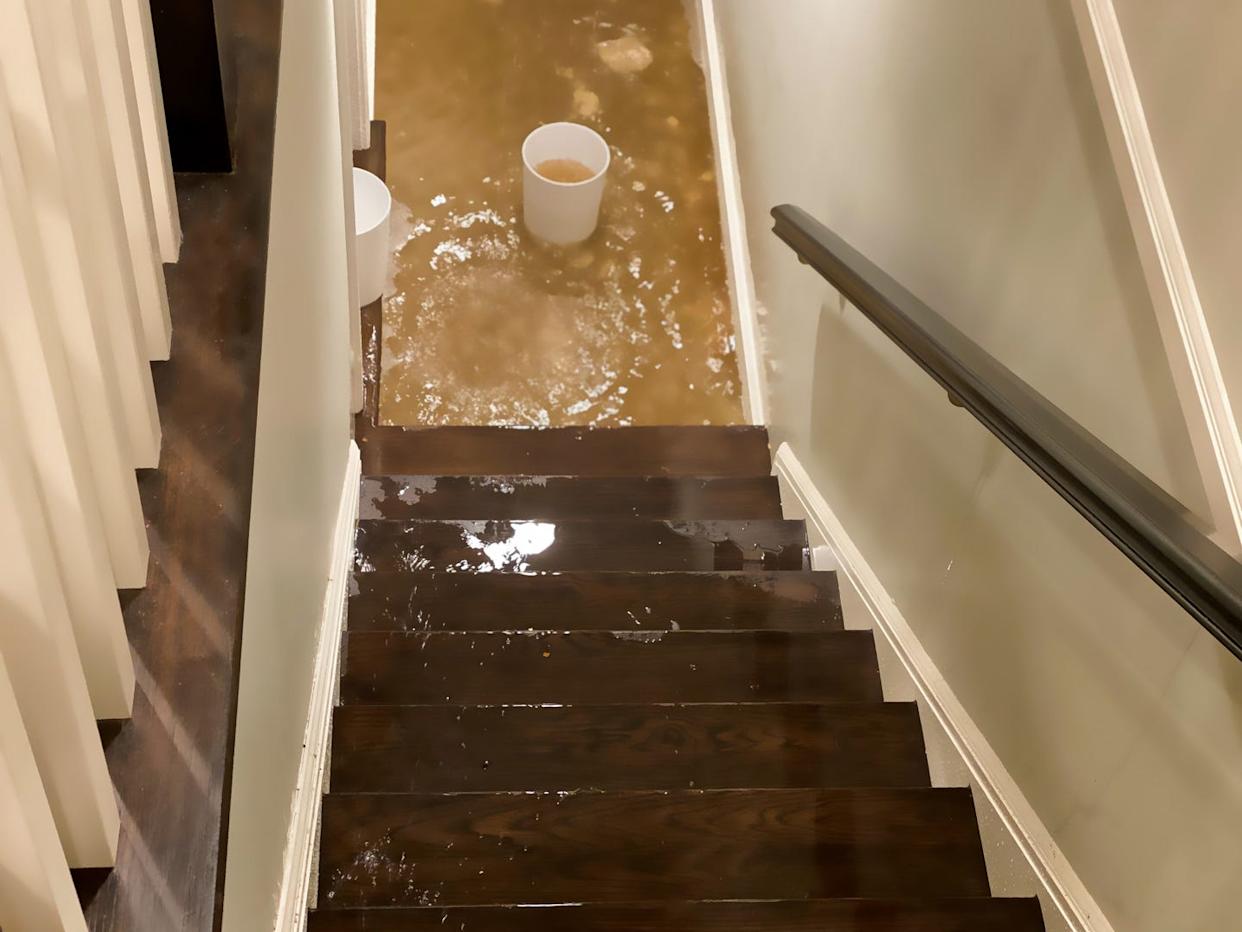
So Your Basement Is Severely Flooded. Now What?
Floodproofing a house — 12 things experts say you can do
Worried about your basement flooding? Install these temporary measures before heavy rainfall
My Basement Flooded…What I Wish We’d Have Known to Better Prepare, and What We Learned

Why Did My Sink Suddenly Stop Working?

What Kind Of Damp Is Affecting My Home?

My House Flooded . . . Now What?
6 Smart Ways to Prevent a Soggy Yard with Every Rain Shower

Everything I Did to Flood-Proof My Old House | Reviews by Wirecutter
What to Do If Your Basement Floods During a Storm, According to Experts
12 exterior areas of your home that are prone to leaks in rainy season – and how to prevent moisture getting inside
How To Keep Floodwaters From Entering The House Through The Front Door And Bathroom
Solved! Why Is Water Seeping Through My Basement Floor?

Here’s What to Do With Your Carpets After a Flood

How to get rid of damp
Solved! Here's What to Do About Water Leaking Into the Basement After Heavy Rain
What Is Water Hammer, and How Do You Fix It?