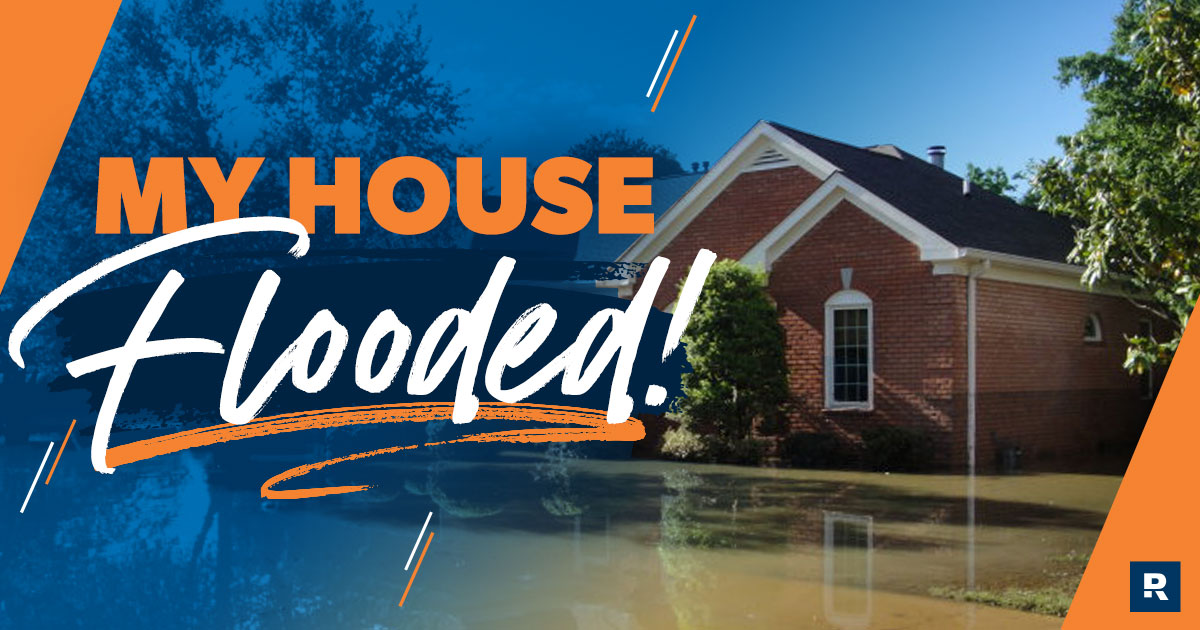
My House Flooded . . . Now What?
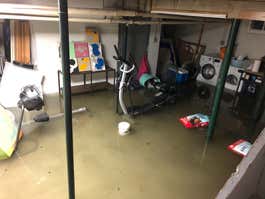
Experiencing a home flood can be a devastating event, leaving homeowners with significant damage and a complex recovery process. The initial steps after a flood involve ensuring safety and then systematically documenting the damage for insurance claims. Homeowners should immediately contact FEMA and their insurance agent to initiate the claims process. It is crucial to meticulously document all damage through videos and photos, capturing close-ups of damaged items before removal. For larger items like carpet or flooring, a sample should be cut and saved for the adjuster. Keeping detailed records of all communications with the insurance company, including dates, times, and discussion points, is also vital.
When meeting with the insurance adjuster, homeowners should verify their identification and be prepared with their policy number and records of damaged belongings. Requesting an advance or partial payment if necessary is an option. All communication with the adjuster should ideally be in writing, such as email, to maintain a clear record. No repairs should commence without written approval from the adjuster. For large claims, hiring a public adjuster who works independently on the homeowner's behalf can be considered, though potential fees should be scrutinized. The adjuster will assess direct flood damage, provide a flood certification number, and offer a suggested Proof of Loss, but they do not approve or deny claims.
The Proof of Loss statement should be reviewed carefully for accuracy and submitted within 60 days, or a shorter period if specified by private insurance. Homeowners can file for additional payments if repair costs exceed initial estimates and can add new damages to their claim if discovered later. It is important not to accept an initial estimate if it does not fully cover the loss. During this period, homeowners should be wary of robocalls from scammers claiming insurance lapses and contractors offering suspiciously low bids or demanding large upfront payments. Relying on reputable, licensed, and bonded contractors is essential.
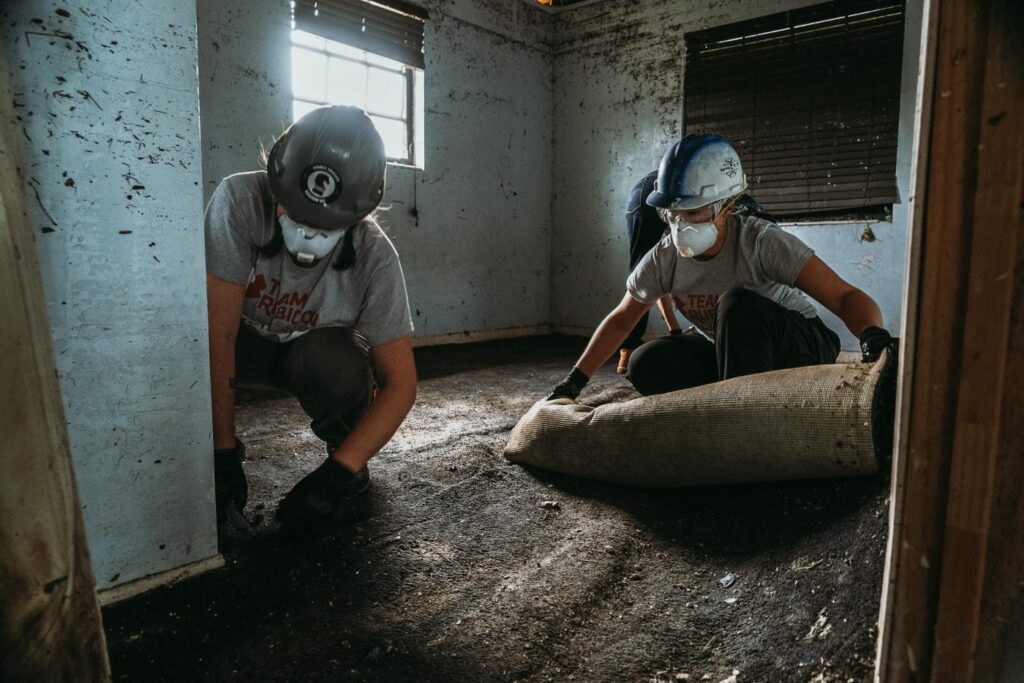
Re-entry into a flooded home requires extreme caution. Local authorities' advice should be followed. Entry is prohibited if damaged power or gas lines are visible, or if the house structure appears compromised. Ceilings and floors should be checked for instability before entering rooms. Any smell of natural gas or propane necessitates immediate evacuation and a call to the fire department. Power should not be turned on or off while standing in water, and flooded basements should only be entered after a qualified technician has removed the electrical meter. All floodwater should be assumed contaminated, and protective gear like waders, rubber boots, and gloves should be worn to avoid contact with debris, chemicals, and animals. Hand hygiene with soap and clean water is crucial, and mold-contaminated areas require additional protective equipment like goggles and respirators.
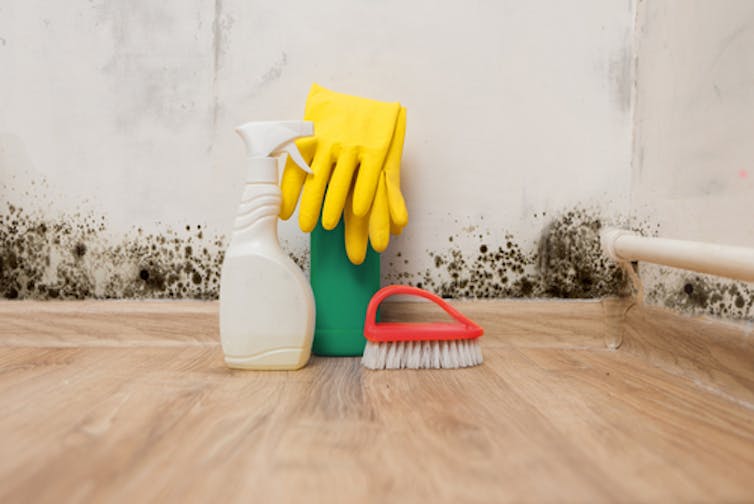
Cleanup efforts must be conducted safely. Ventilate the area by opening all doors, windows, cabinets, and drawers, especially if the house was closed for more than 48 hours. Do not connect generators or other electrical systems unless deemed safe by an electrician. Immediate, safe actions to prevent further water ingress, such as laying a tarp, should be taken after photographing the damage. Extensive repairs should ideally wait until the adjuster's assessment. Water in basements should be removed gradually, about one-third per day, to prevent structural damage. Standing water elsewhere should be removed quickly, and fans and dehumidifiers used if electricity is safe. All unsealed or flood-exposed food must be discarded. Drywall, insulation (except closed-cell foam), carpets, and padding that came into contact with floodwater should be removed, and samples saved for the adjuster. Upholstered furniture and window coverings may need to be discarded unless professional restoration is possible. Items that cannot be adequately sanitized should be permanently discarded. Mold cleanup should follow EPA guidelines, and all surfaces should be scrubbed and disinfected without mixing cleaning products. Appliances need professional inspection before salvage, and submerged outlets or switches must be replaced by a licensed electrician.
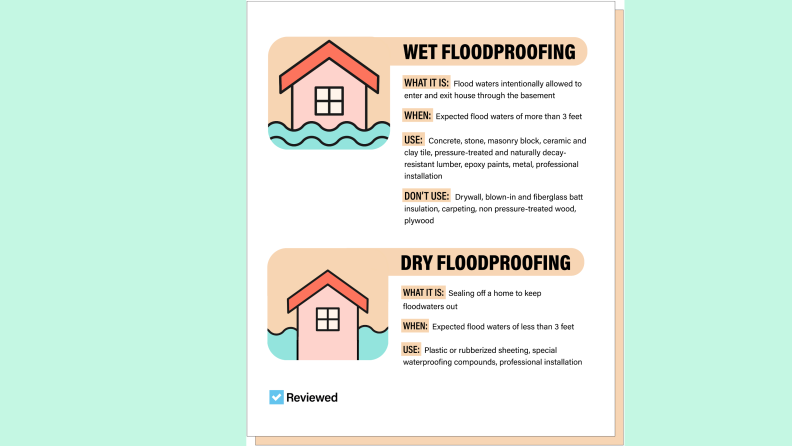
Rebuilding offers an opportunity to implement floodproofing measures. Homeowners should select contractors carefully, checking reviews, experience, and asking for multiple estimates. Recommendations from insurance agents or adjusters can be valuable. It is important to avoid settling for shoddy workmanship. All receipts for temporary repairs should be kept for reimbursement. Floodproofing strategies include building new homes or elevating existing ones at least two feet above required zoning, adding flood openings to crawl spaces, basements, or garages, using flood damage-resistant materials like closed-cell foam insulation, and selecting nonporous flooring with water-resistant sealants. Elevating appliances like AC units and water heaters can also prevent future damage. Financial assistance and tax relief may be available through FEMA programs and the IRS for those in presidentially declared disaster areas. Additionally, reviewing flood insurance coverage with a trusted agent is highly recommended to ensure adequate protection against future events. The article emphasizes community support and preparedness as critical elements in recovery and resilience.
#FloodRecovery #HomeInsuranceClaim #DisasterPreparedness #FloodDamage #HomeSafety #PostFloodCleanup #HomeRebuilding #InsuranceTips #FEMAAssistance #FloodRecovery #HomeInsuranceClaim #DisasterPreparedness #FloodDamage #HomeSafety #PostFloodCleanup #HomeRebuilding #InsuranceTips #FEMAAssistance
0 comment in total
 No comments yet
You may also like
Here’s What to Do With Your Carpets After a Flood

When Rivers Rise Fast – Flood-Smart Living: Simple Steps to Protect your Home

7 ways to flood-proof your home during Thailand’s storm season
My Basement Flooded…What I Wish We’d Have Known to Better Prepare, and What We Learned

Everything I Did to Flood-Proof My Old House | Reviews by Wirecutter
The BEST Ways to Protect Your Home From Water Damage, According to Experts

What to Do If Your Basement Floods During a Storm, According to Experts

5 common types of water damage to your home – and how to fix them

Ways to protect your home from flooding – safeguard your space from storms


How to Clean Up After a Flood: Muck Outs and More

Solved! Here's What to Do About Water Leaking Into the Basement After Heavy Rain
What to do When You Have Roof Damage From Hail

So Your Basement Is Severely Flooded. Now What?

Before & After: A Flooded Basement Kicked Off a Family’s Whole-Home Renovation in Montana

Reducing Urban Flood Risk Through Building- and Lot-Scale Flood Mitigation Approaches: Challenges and Opportunities
When Your Dream Apartment Keeps Flooding

Floodproofing a house — 12 things experts say you can do

Worried about your basement flooding? Install these temporary measures before heavy rainfall
Sea levels are rising, here’s how to floodproof your home

Beyond bleach: Mold a long-term problem after flooding and disasters