So Your Basement Is Severely Flooded. Now What?
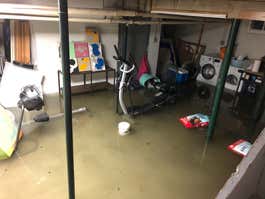
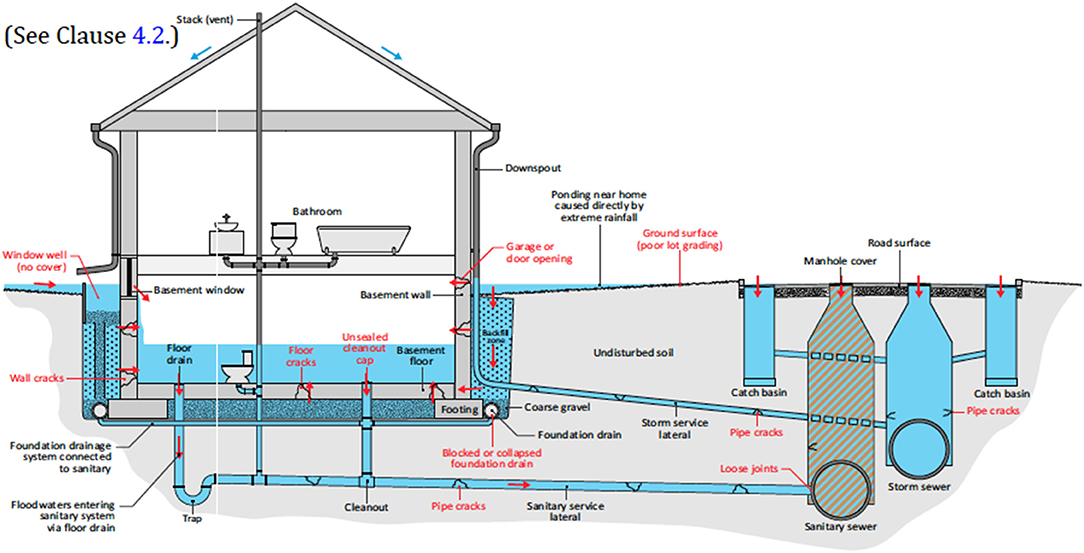
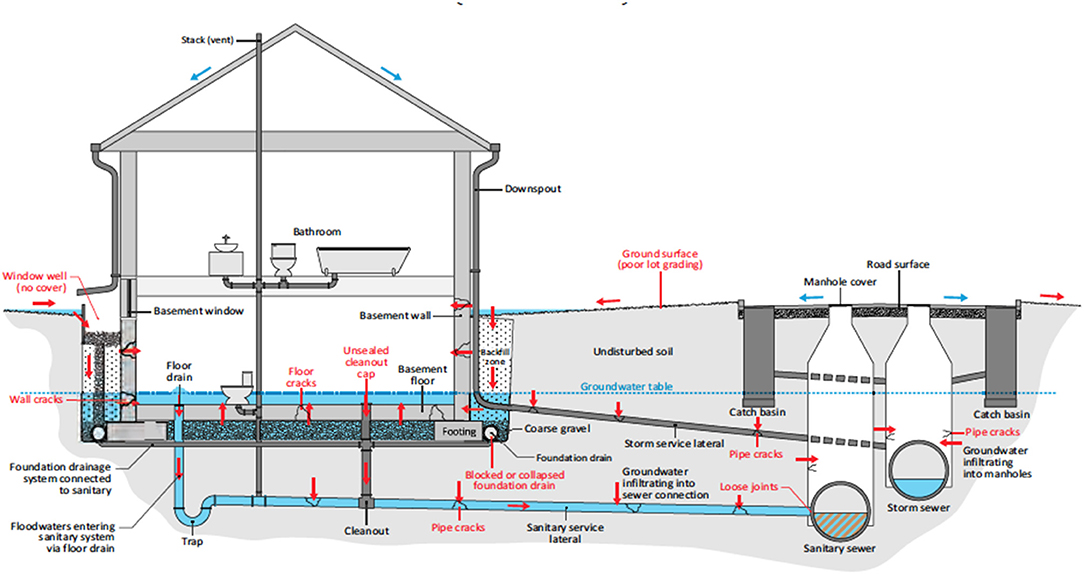
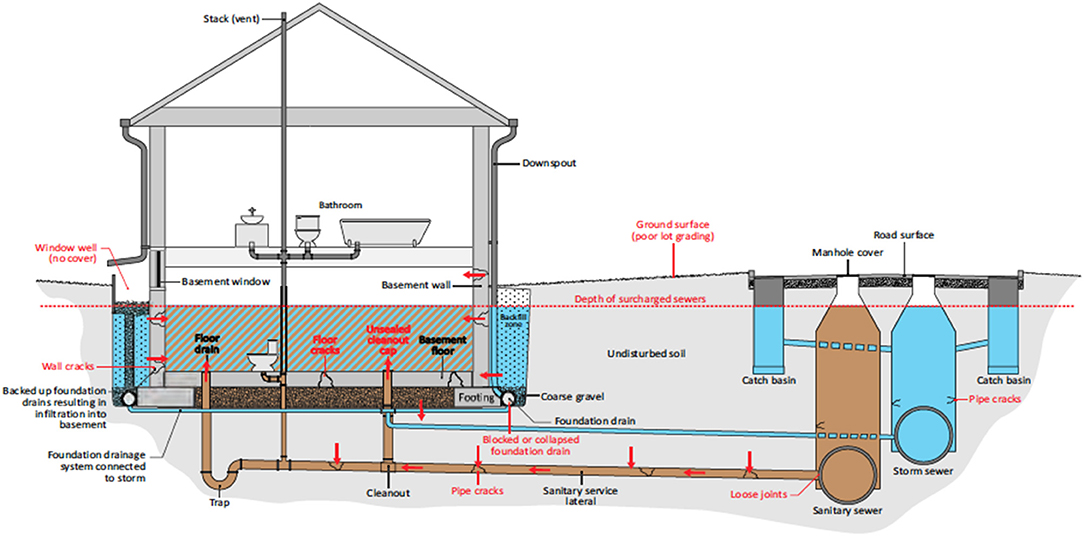
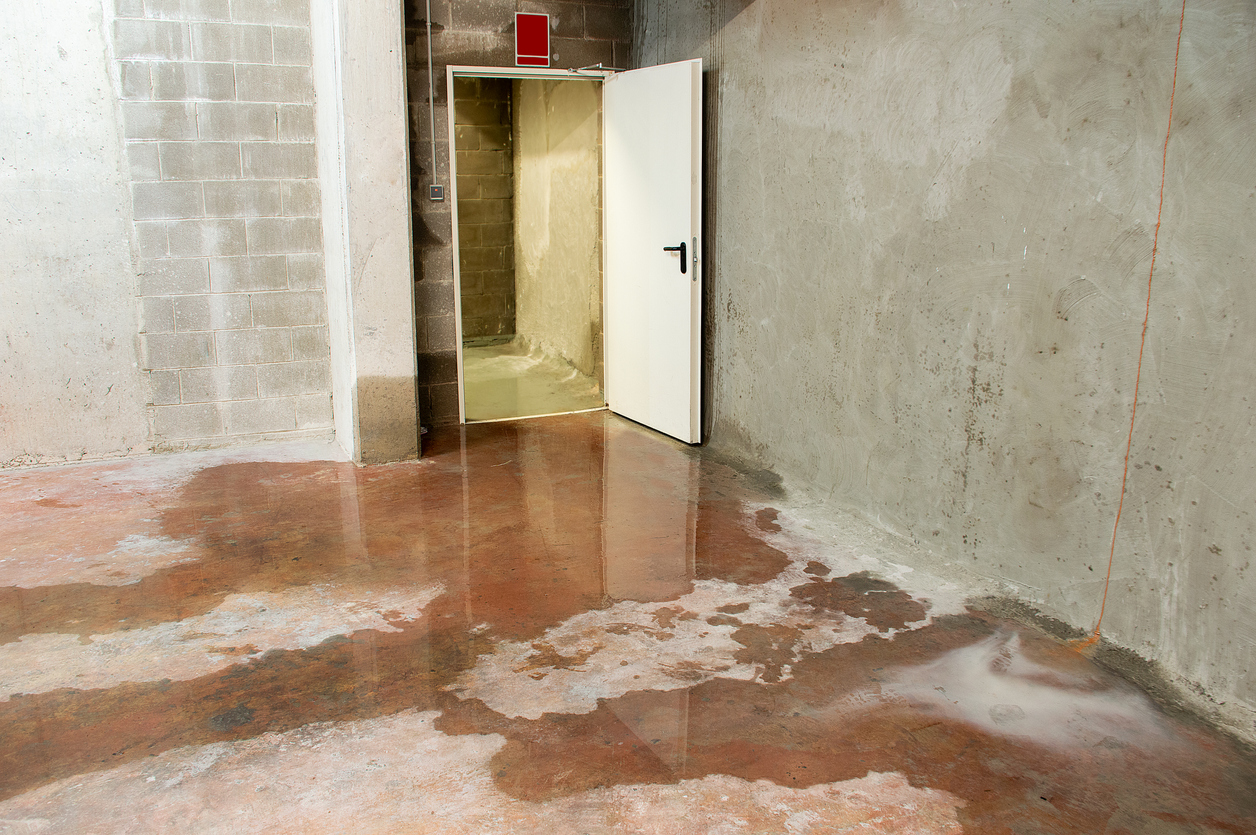
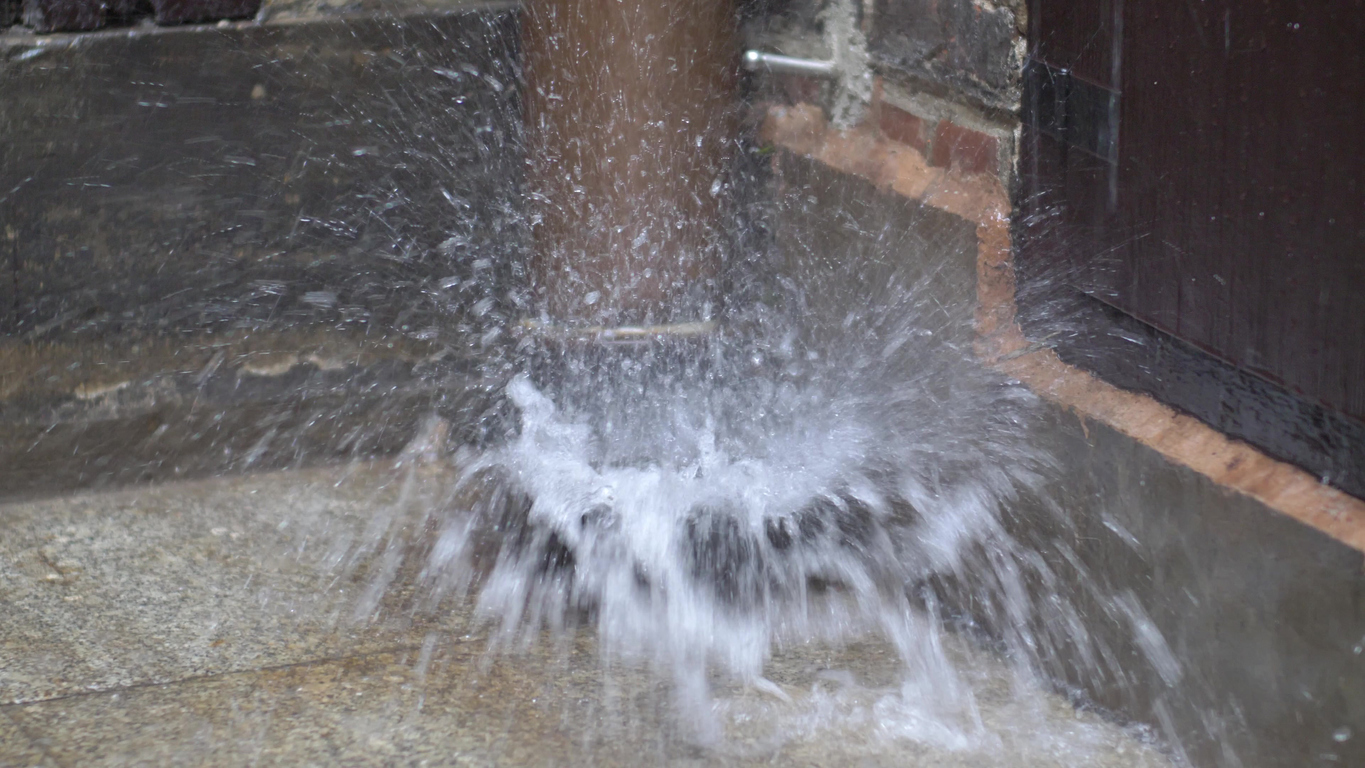
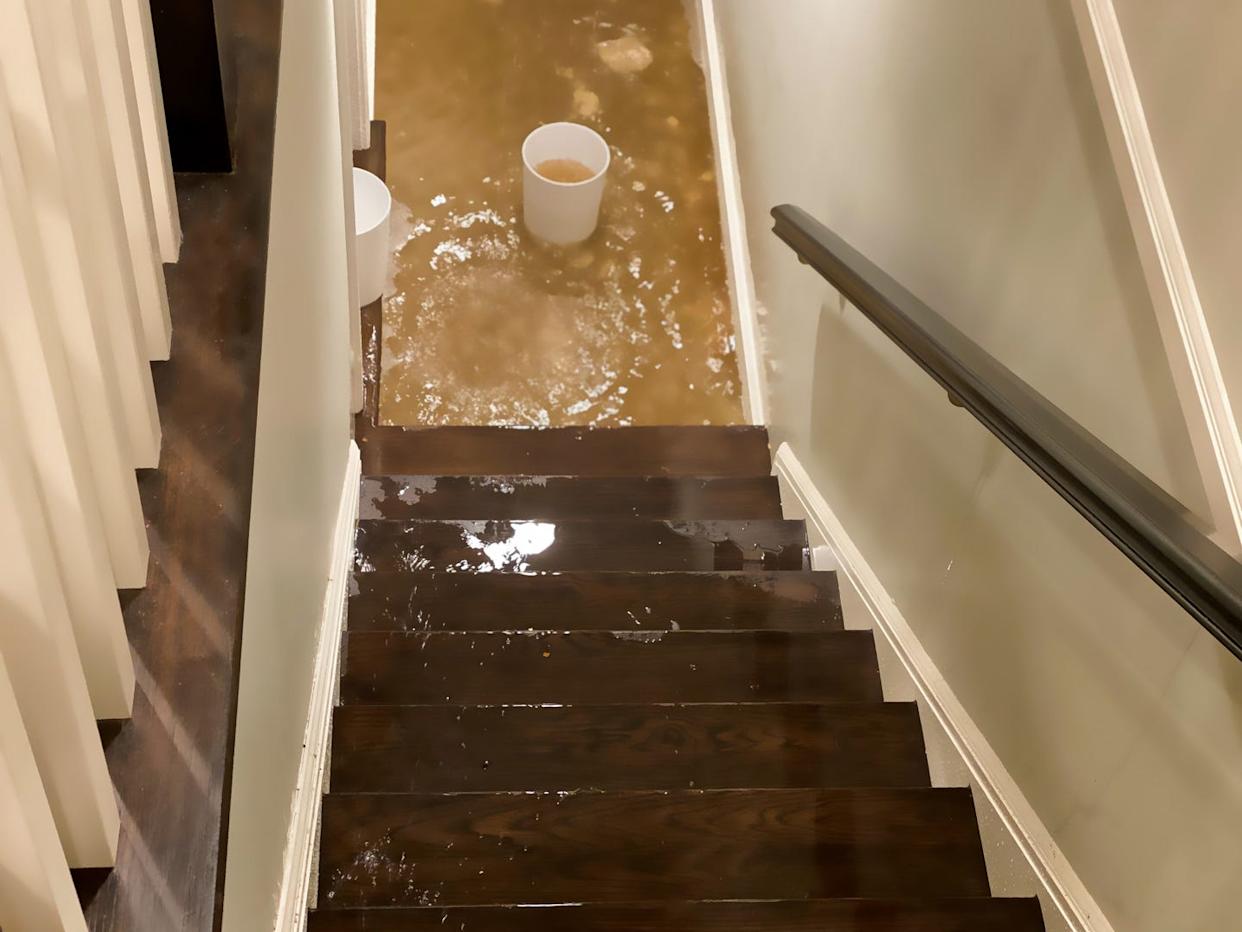
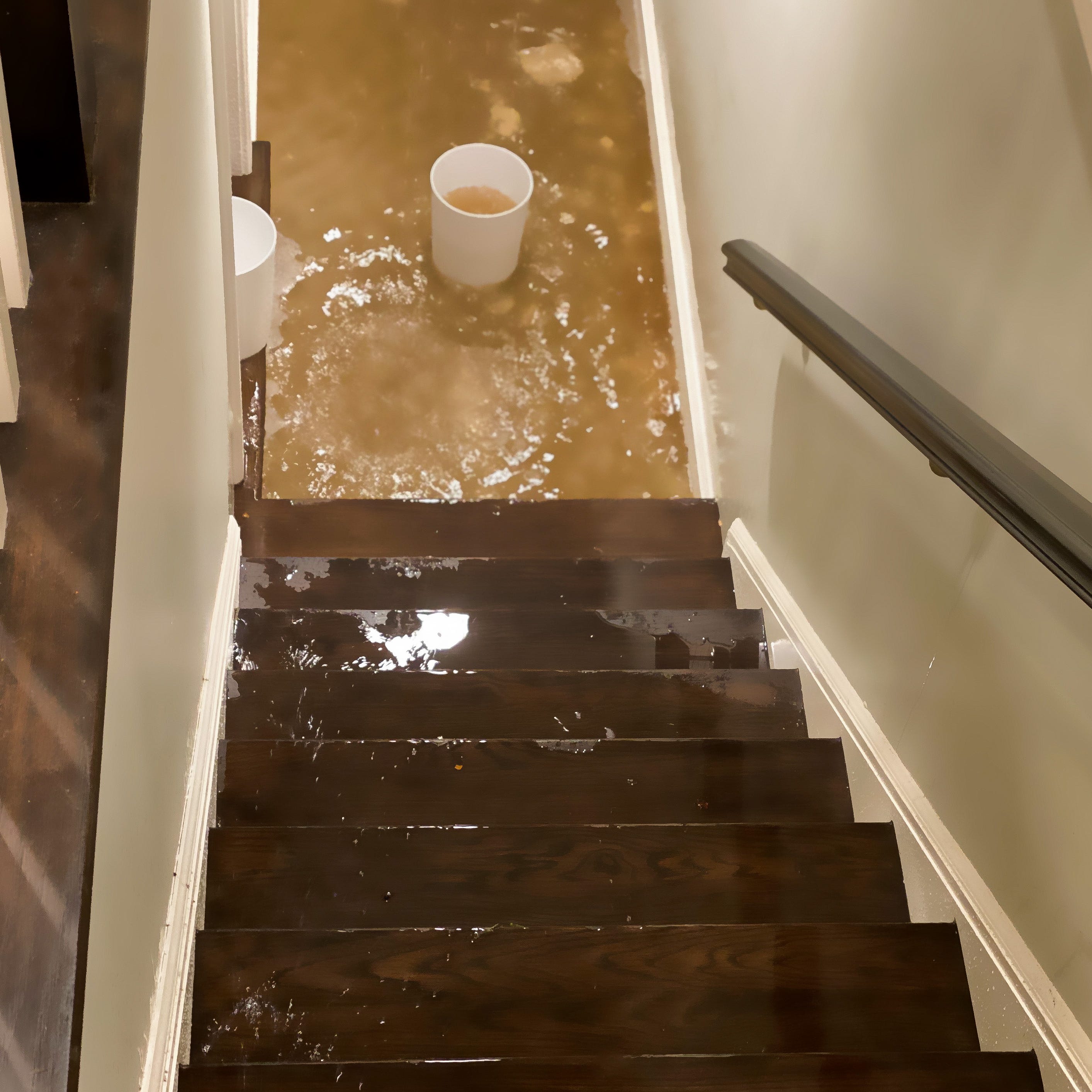
Basement flooding can occur for a variety of reasons, ranging from severe weather events like hurricanes to internal issues such as burst pipes or leaking water heaters. Regardless of the cause, a flooded basement poses significant risks, particularly electrical hazards. Before attempting any cleanup, it is crucial to prioritize safety by turning off the electricity to prevent electric shock, especially if water has reached outlets. In cases of extreme weather, monitoring local news for evacuation orders is also advised.
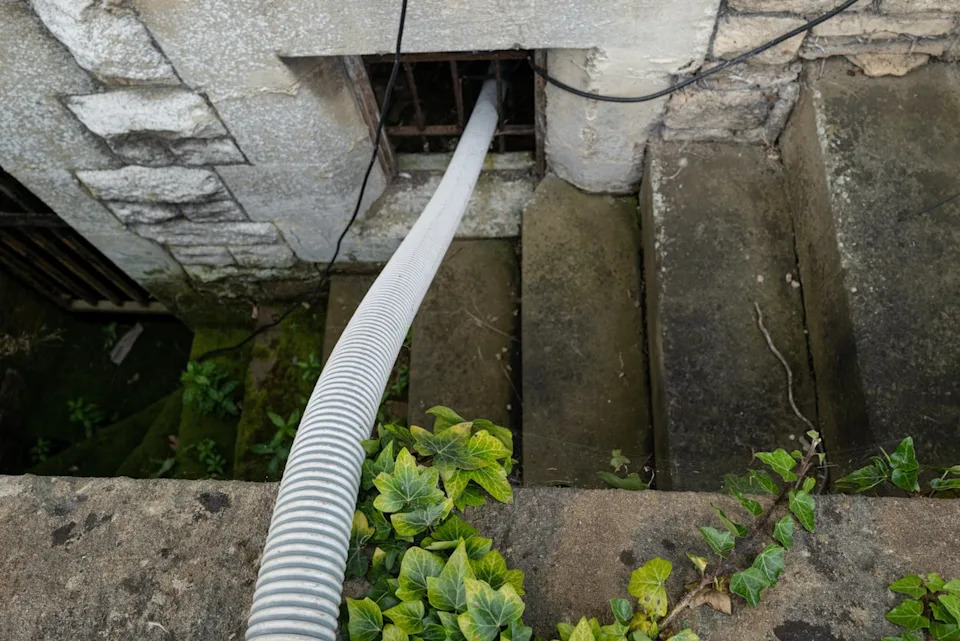
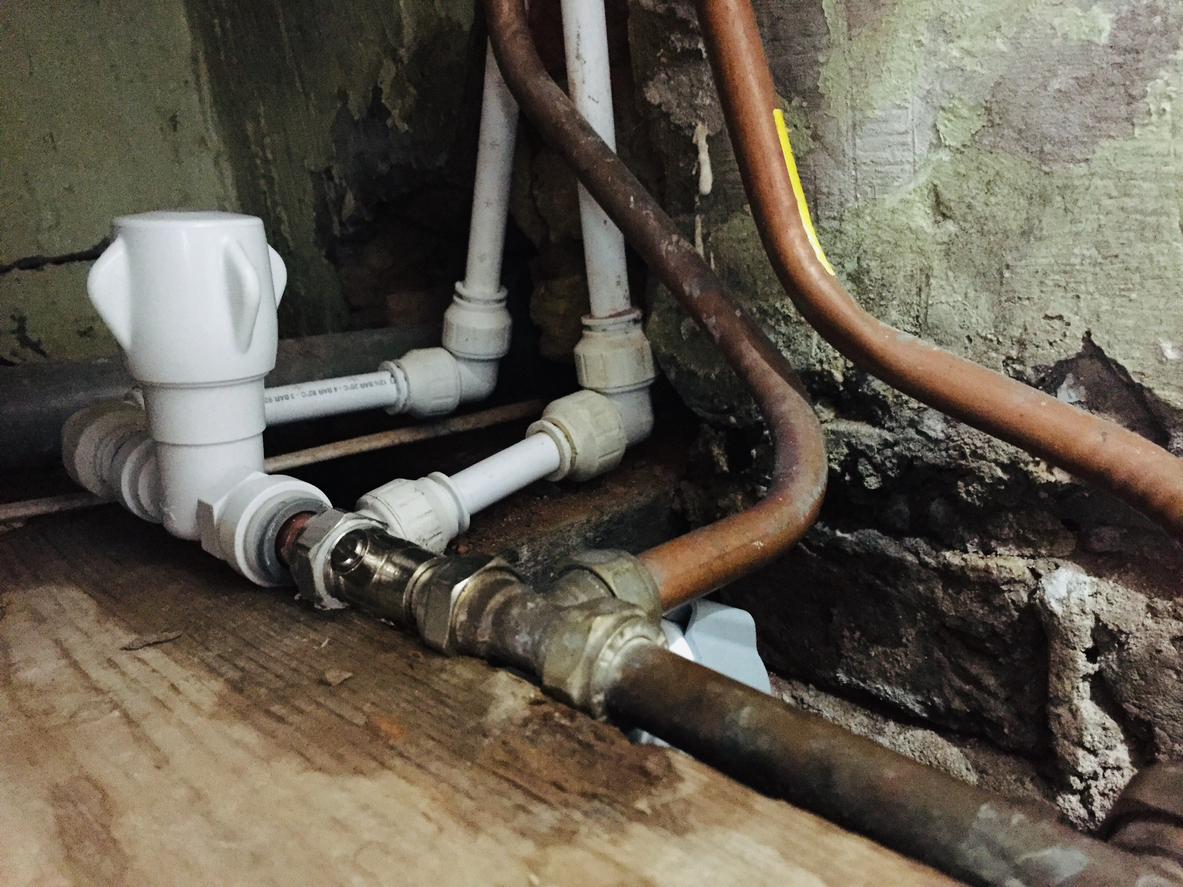
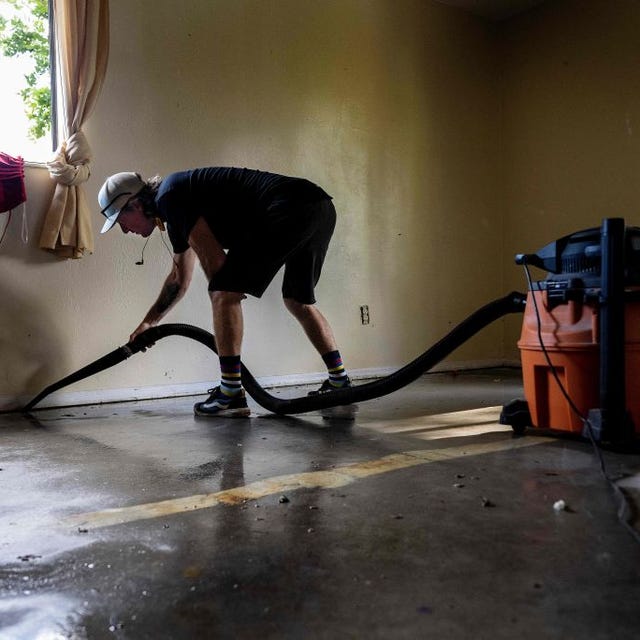
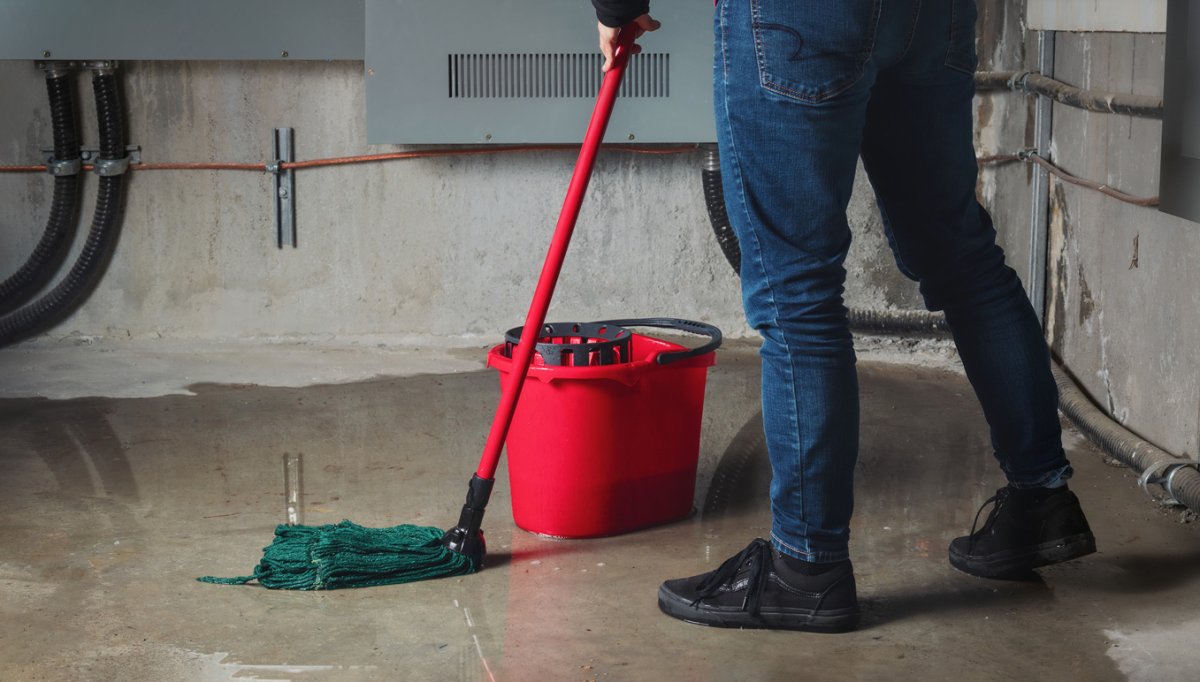
Upon discovering water in the basement, identifying the source of the leak is the first step. If the flooding is due to an internal problem, such as a burst pipe, immediately shutting off the main water supply line is essential to prevent further damage. Homeowners should know the location of their main water shut-off valve, which is often found in the basement or crawl space near the front of the house or by the hot water heater. For external sources or issues like a malfunctioning sump pump, water removal can commence using tools like shop vacuums for small amounts on hard floors, or floor squeegees and push brooms to direct larger volumes towards floor drains. It is recommended to store belongings on shelving with at least a two-inch clearance and to use plastic storage bins instead of cardboard to protect items from moisture. If furniture is getting wet, placing aluminum foil or wooden blocks under the legs can prevent water absorption. Once it is safe, setting up fans to dry the area can help mitigate mold growth and potentially reduce repair costs.
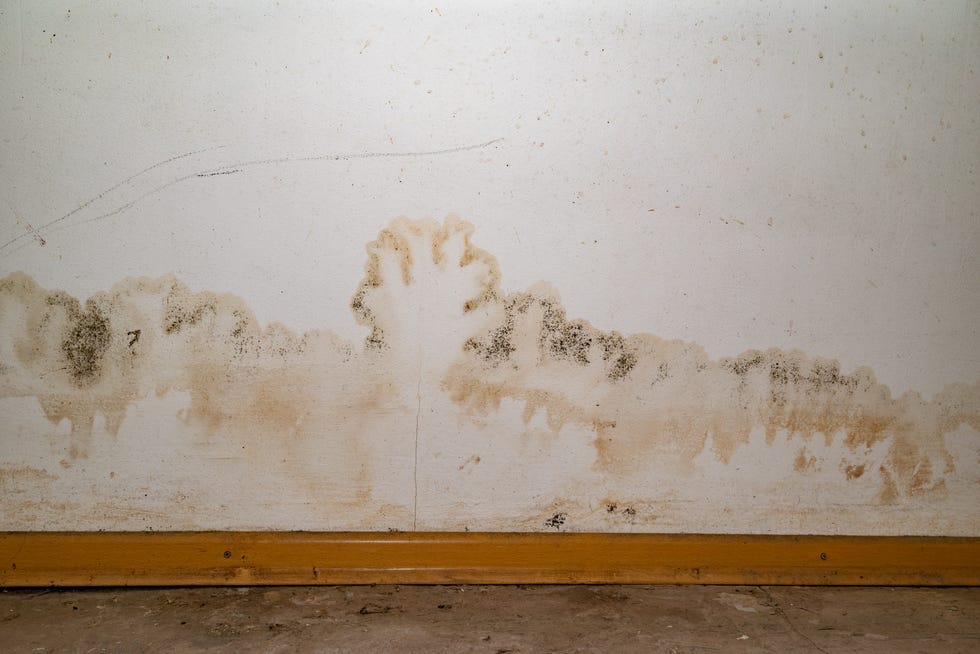
A flooded basement can lead to several problems even after the water is removed. Water vapor can lead to mold formation in areas like drywall, with mold growth capable of starting within 24 to 48 hours. Floodwater may also contain bacteria, and the structural integrity of the home's foundation can be compromised. These factors underscore the importance of contacting a professional remediation company promptly after a flood.
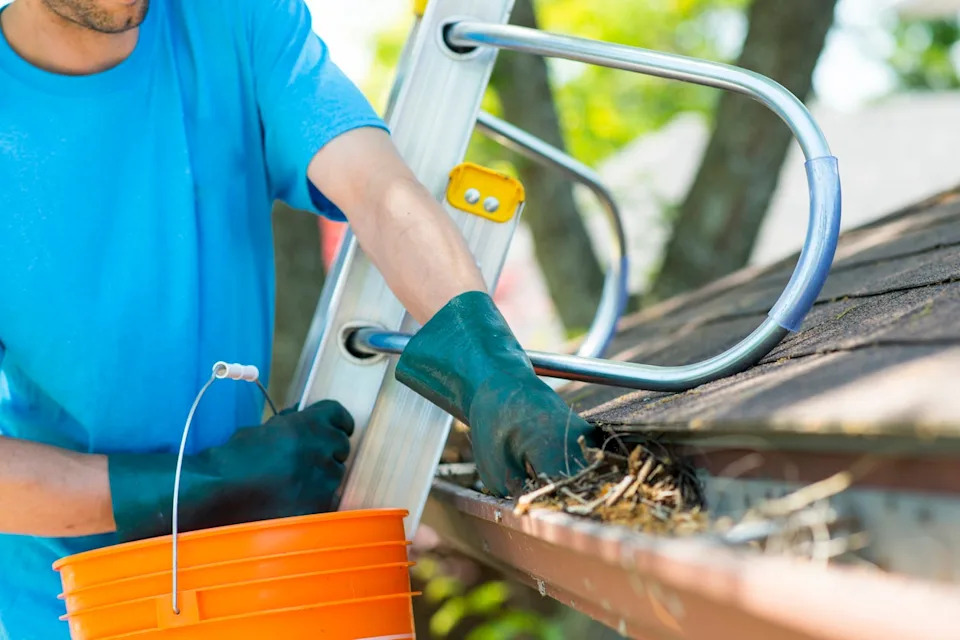
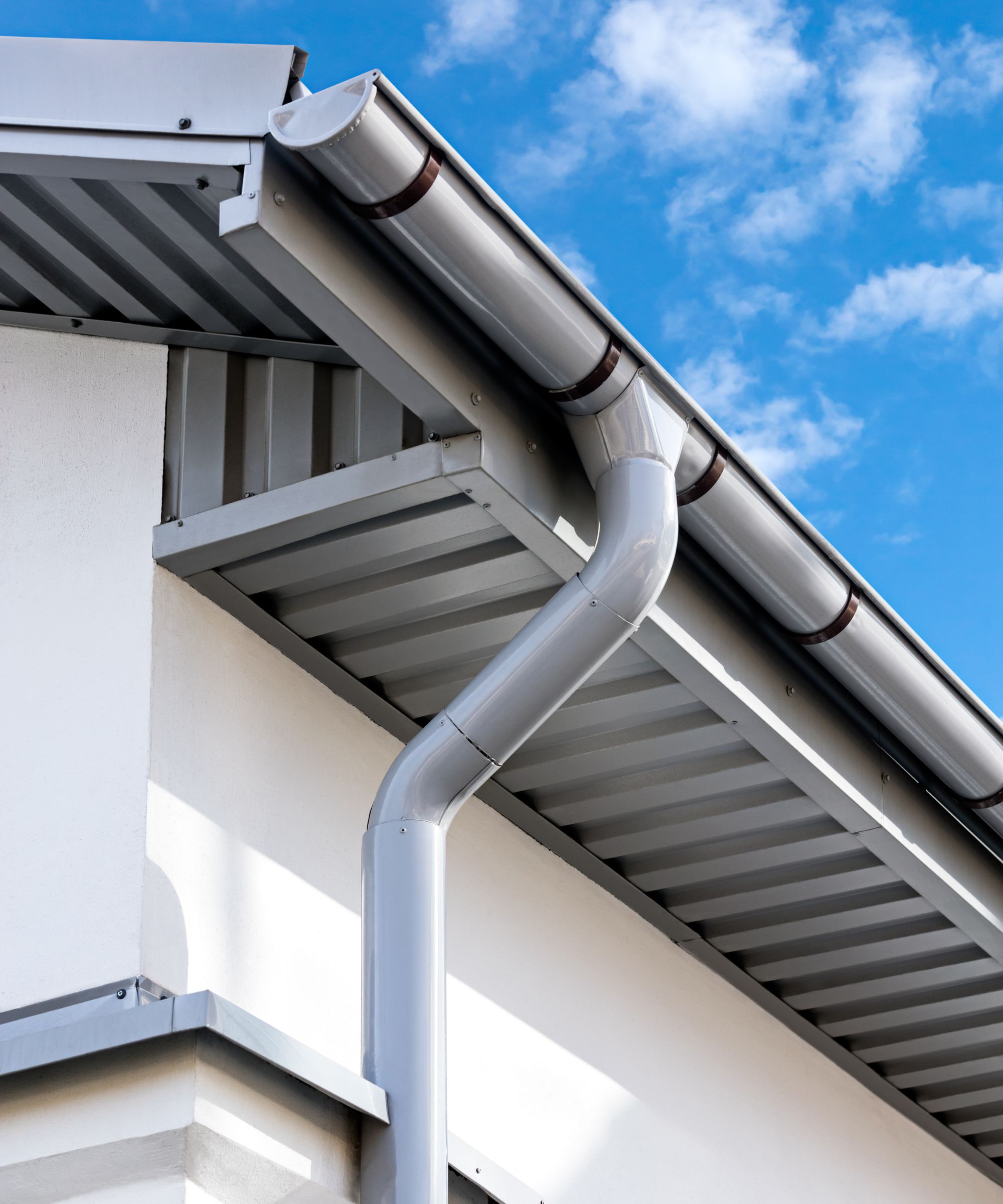
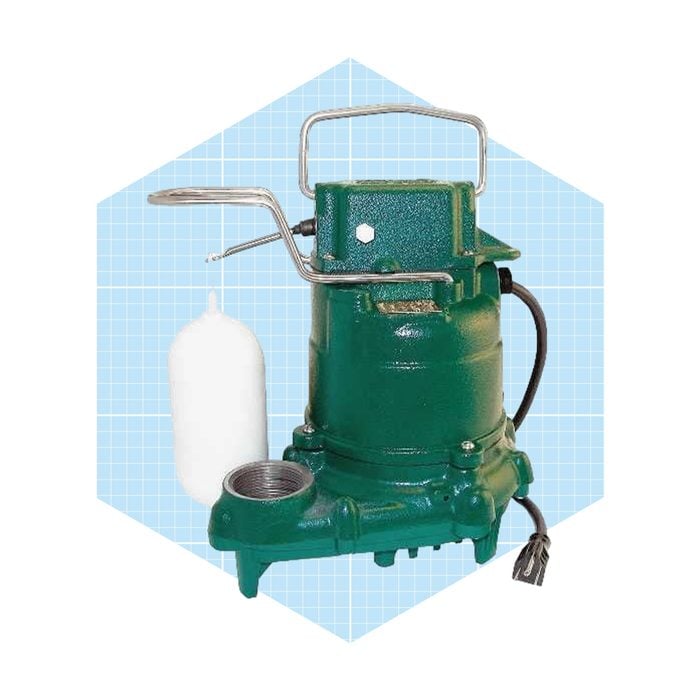
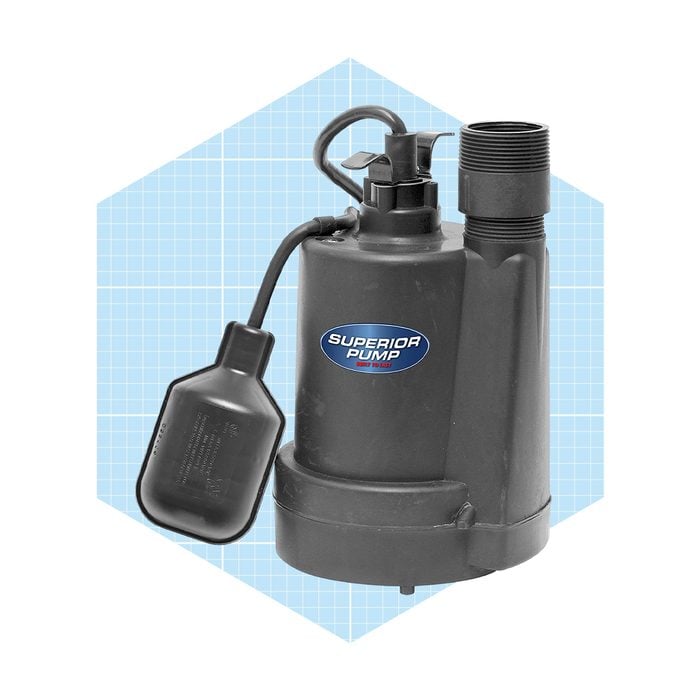
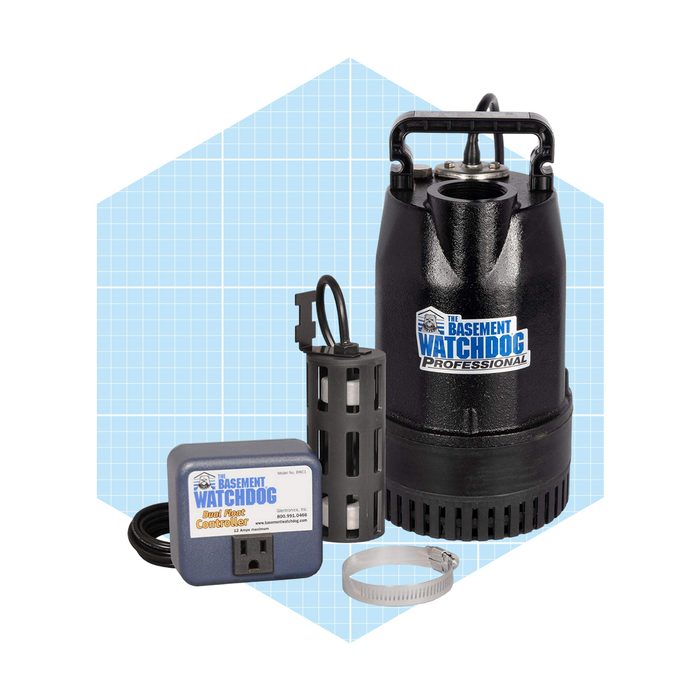
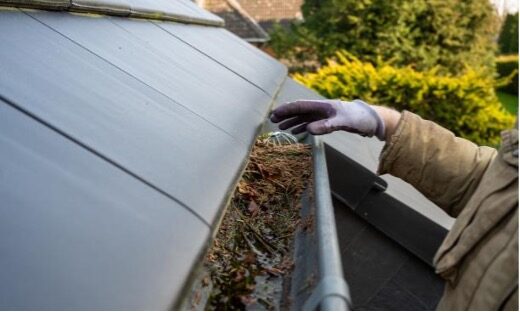
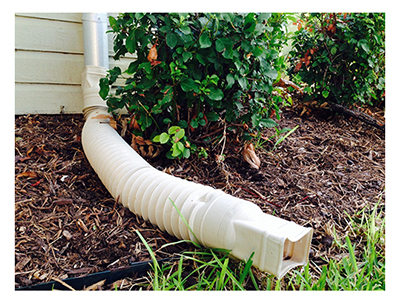
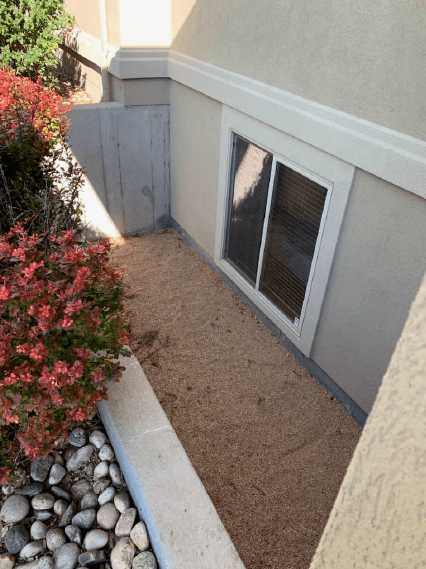
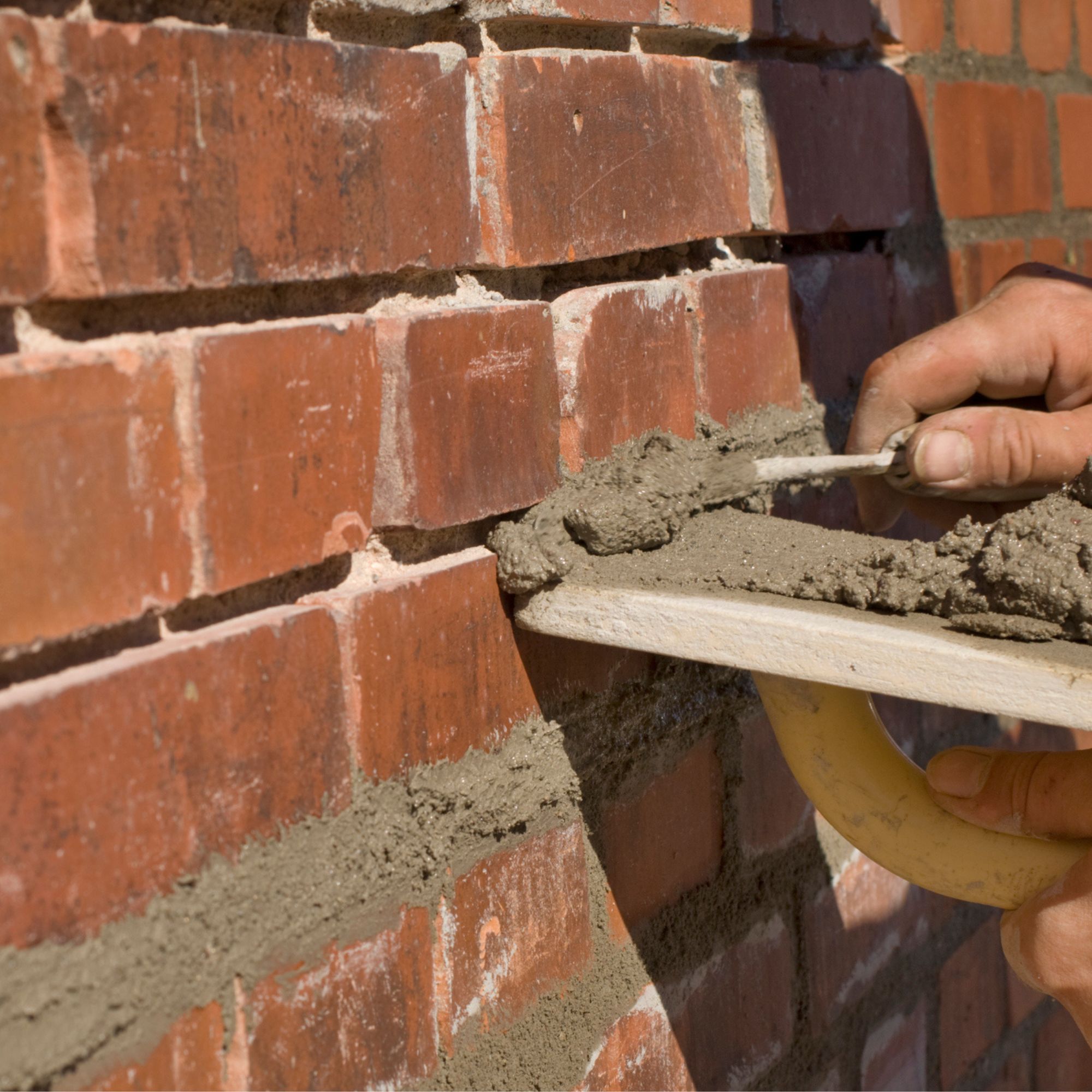
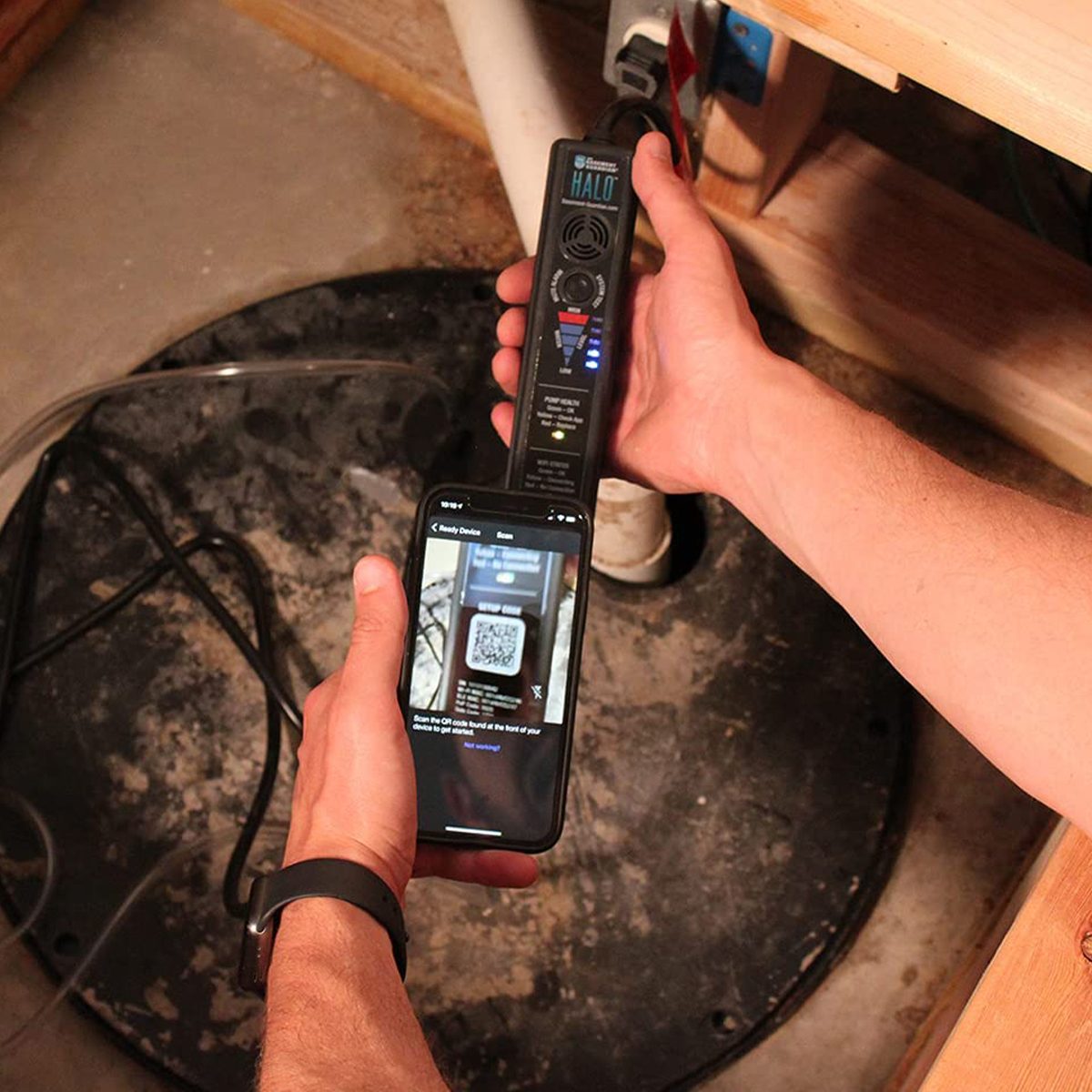
Preventative measures are key to avoiding basement floods. Regularly inspecting the basement for cracks in walls or the foundation and sealing them with waterproof sealant is crucial; larger cracks may require professional attention. Installing a sump pump, ideally with a battery backup for power outages, can provide protection against water accumulation. Waterproofing exterior walls with masonry sealers adds a protective layer against water penetration. Proper landscaping that grades the lawn away from the home, potentially incorporating French drains, can redirect water flow. Finally, consistently cleaning gutters and downspouts prevents blockages that can lead to overflowing water and subsequent damage.
Regarding insurance coverage, if water enters from outside the house, flood insurance is typically required for a claim. Many homeowners lack this coverage, despite a significant percentage of flood claims occurring in non-flood zone areas. However, if the damage is caused by an internal issue, such as a leaking water heater, many standard policies may cover the damage. For those with flood insurance, documenting damaged items with photos, serial numbers, model numbers, descriptions, and values is essential for the claims process. Close-up and wide-angle photos of items and any serial numbers should be submitted to the insurance company.
#BasementFlooding #WaterDamage #HomeMaintenance #FloodPrevention #EmergencyPreparedness #MoldPrevention #HomeInsurance #SumpPump #Waterproofing #BasementFlooding #WaterDamage #HomeMaintenance #FloodPrevention #EmergencyPreparedness #MoldPrevention #HomeInsurance #SumpPump #Waterproofing
0 comment in total
 No comments yet
You may also like
Solved! Here's What to Do About Water Leaking Into the Basement After Heavy Rain

How to waterproof a basement – 5 steps from experts to safeguard this space


When Rivers Rise Fast – Flood-Smart Living: Simple Steps to Protect your Home

How to Clean Up After a Flood: Muck Outs and More

Here’s What to Do With Your Carpets After a Flood
6 Best Sump Pumps to Flood-Proof Your Basement

My Basement Flooded…What I Wish We’d Have Known to Better Prepare, and What We Learned

Solved! Why Is Water Seeping Through My Basement Floor?


Worried about your basement flooding? Install these temporary measures before heavy rainfall
My House Flooded . . . Now What?

Floodproofing a house — 12 things experts say you can do
Sea levels are rising, here’s how to floodproof your home

What to Do If Your Basement Floods During a Storm, According to Experts

Everything I Did to Flood-Proof My Old House | Reviews by Wirecutter

Ways to protect your home from flooding – safeguard your space from storms
What to do When You Have Roof Damage From Hail


Before & After: A Flooded Basement Kicked Off a Family’s Whole-Home Renovation in Montana

Reducing Urban Flood Risk Through Building- and Lot-Scale Flood Mitigation Approaches: Challenges and Opportunities

How Can Architecture Combat Flooding? 9 Practical Solutions

When Your Dream Apartment Keeps Flooding