1/3
What to do When You Have Roof Damage From Hail
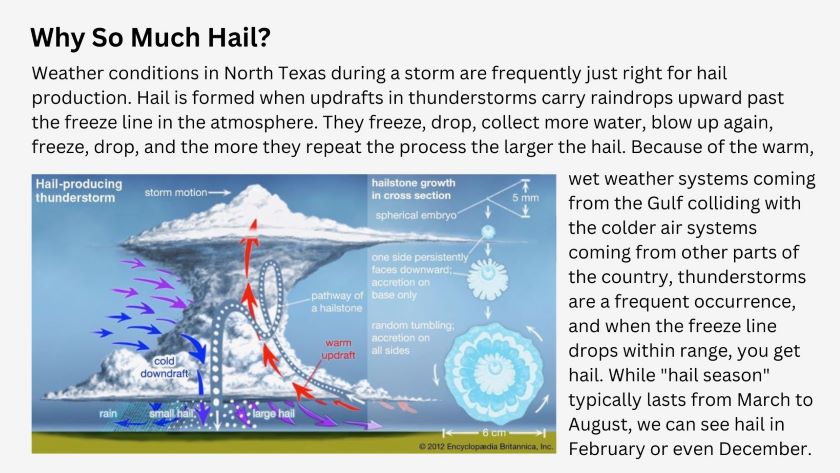
The article discusses the process of dealing with roof damage caused by hail, drawing on a recent hail storm in parts of Collin County, Texas, specifically Allen and McKinney. The author recounts a personal experience during the storm and the immediate aftermath, where contractors were already soliciting services. The primary focus is on understanding hail damage, interacting with insurance companies, and identifying common roofing mistakes homeowners might encounter or make.
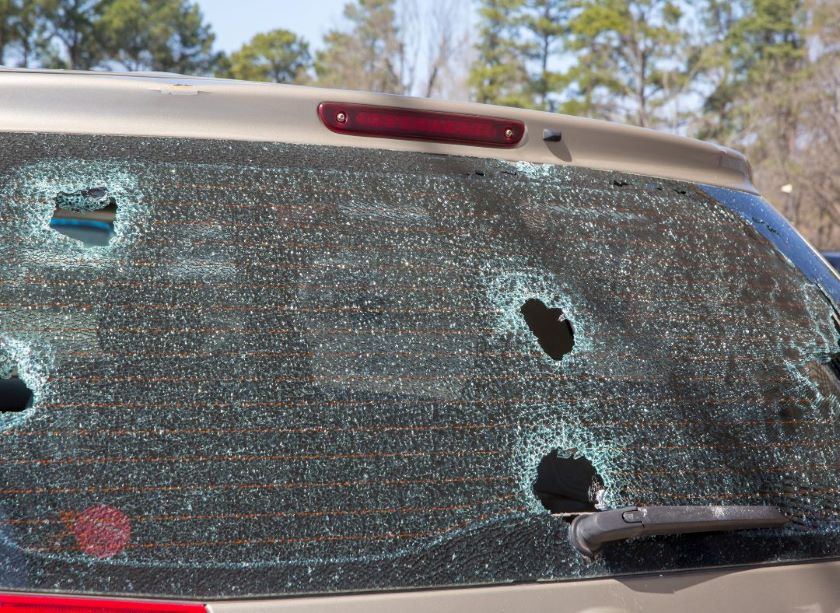
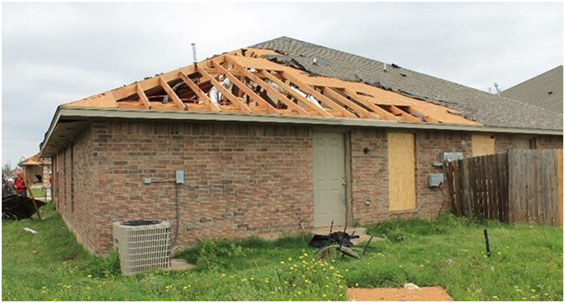
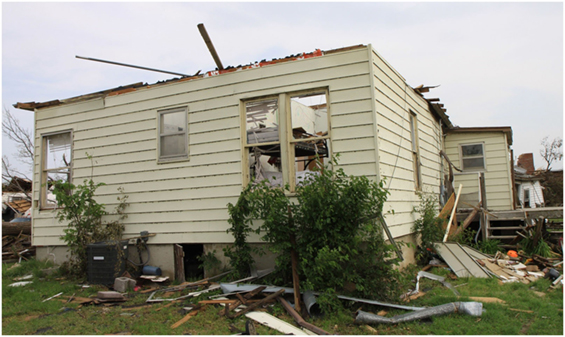
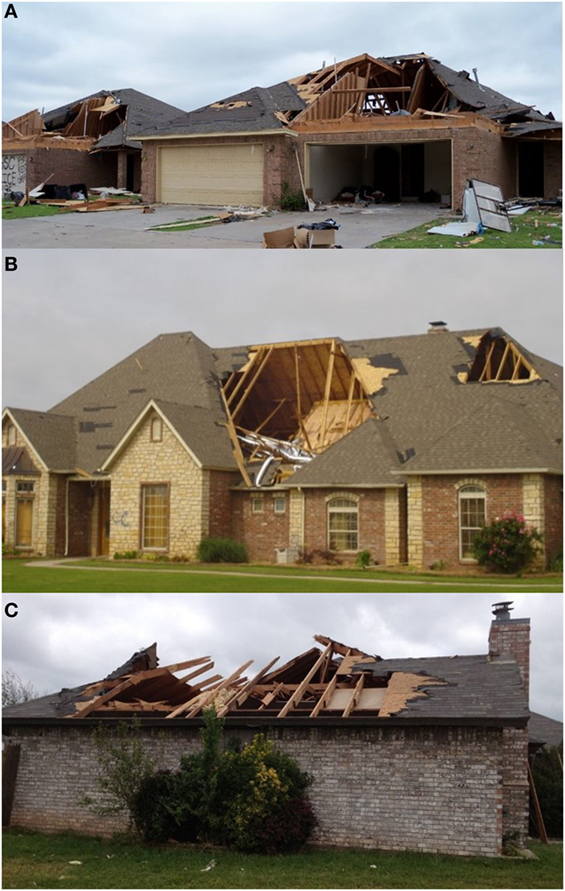
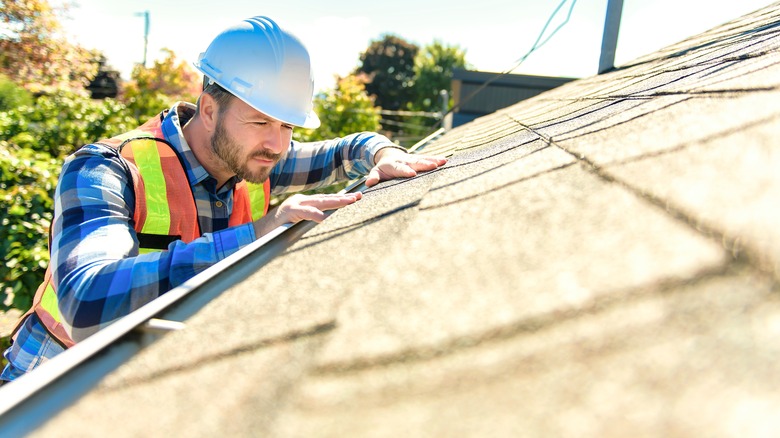
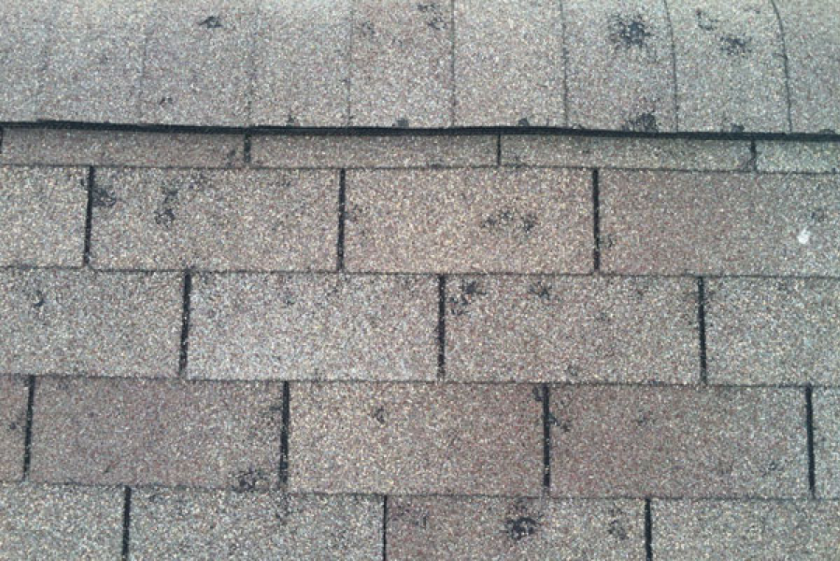
Hail damage can manifest in various ways, such as strikes to vinyl siding and shingle bruising. Most insurance policies cover vinyl siding replacement due to storm damage. For shingles, the decision between repair and full replacement depends on factors like roof age, watertight integrity, and the extent of damage. Roofers typically assess damage by counting hail bruise marks within a 10-foot by 10-foot sample square. Insurance requirements vary, but usually, 7-10 marks justify a full replacement. It is advisable to coordinate the roofer's visit with the insurance adjuster to ensure agreement on the damage assessment. The article also cautions against contractors who propose inflating damage claims, labeling such actions as fraud, which insurance companies are actively combatting. Engaging in fraudulent claims can lead to legal issues and indicates a potentially untrustworthy contractor.
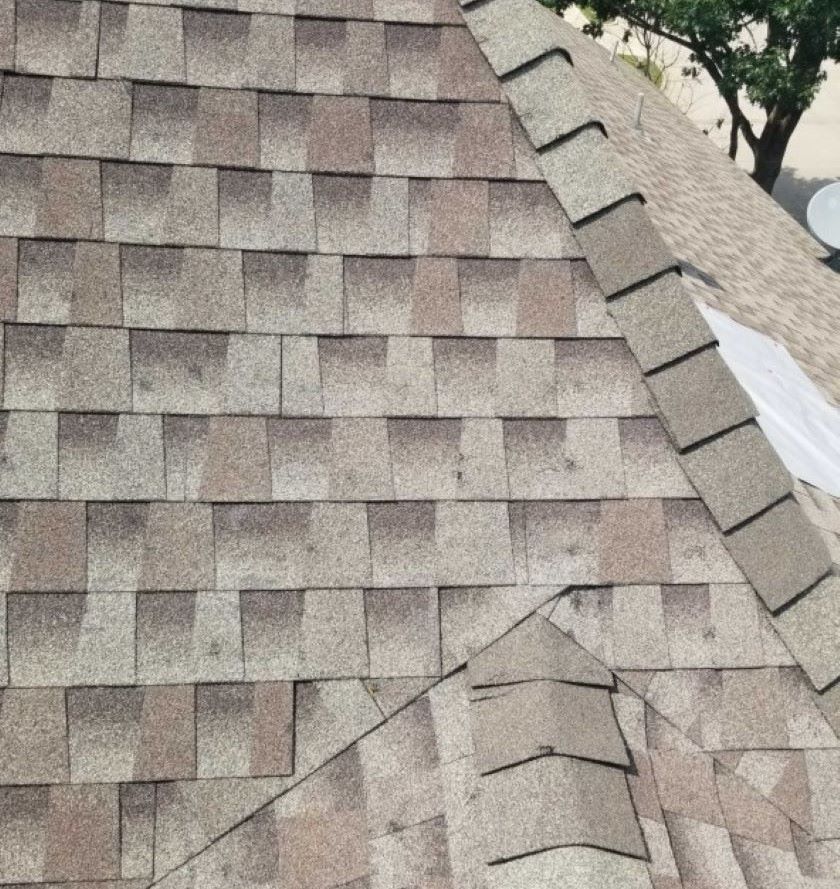
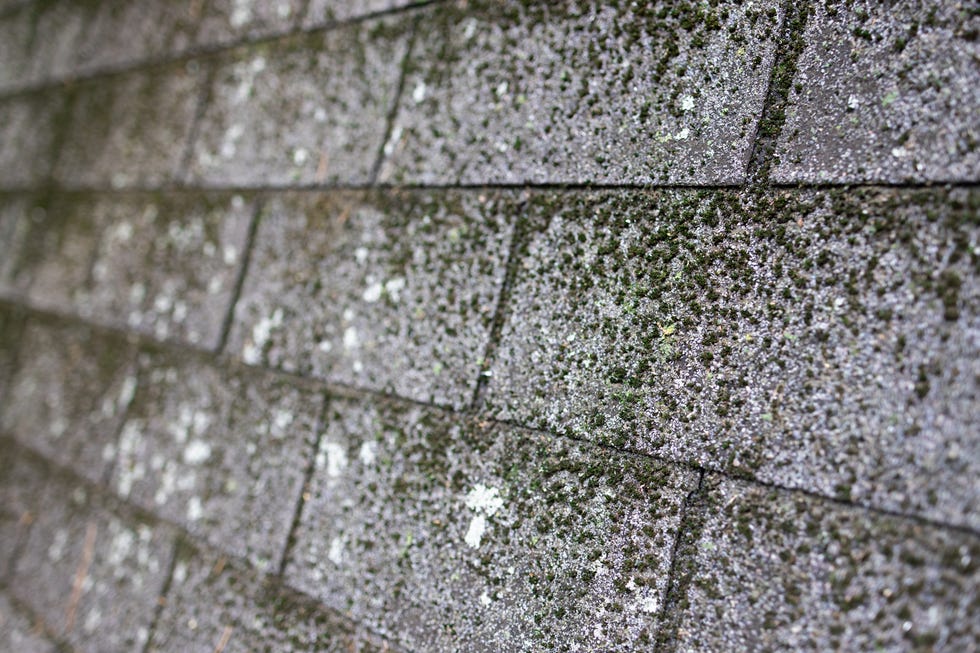
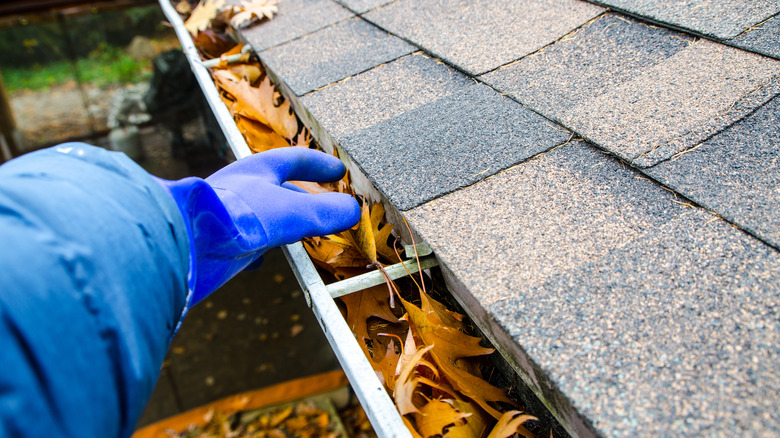
Another significant issue highlighted is granule loss on shingles, often observable on the rear side of a roof. This type of damage can result from prolonged exposure to hail, wind, or general wear and tear, but severe cases indicate significant structural degradation. The article also delves into common mistakes made during roof replacement. A critical point is the practice of layering shingles. In many states, including Texas, only two layers of shingles are legally permitted on a roof. Homeowners might opt to add a new layer over an existing one to avoid a full replacement, but doing so multiple times can lead to severe problems. Excessive shingle layers significantly increase the weight on the roof supports, potentially causing structural strain and even collapse. Furthermore, multiple layers trap heat, creating a fire hazard.
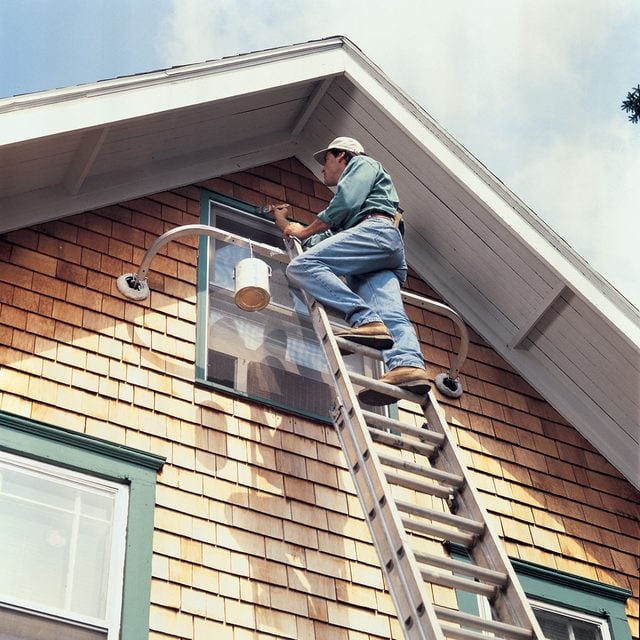
The article also touches upon the dangers and poor outcomes of DIY roofing projects. It illustrates through an example how attempting to fix a roof without professional expertise can result in aesthetically unappealing and structurally unsound work, such as wavy shingle patterns or incorrect roof slopes on additions. Roofing is presented as a complex task that requires specialized skills and safety precautions. The author acknowledges the financial burden of deductibles but emphasizes that professional roof replacement adds substantial value to a home and ensures safety and longevity. The piece concludes by recommending that homeowners seek recommendations for professional roofers from trusted sources like home inspectors or real estate agents, who often have established relationships with reputable contractors.
#RoofDamage #HailDamage #RoofReplacement #HomeInsurance #RoofingContractors #DIYRoofing #HomeMaintenance #PropertyDamage #NorthTexasRealEstate #RoofDamage #HailDamage #RoofReplacement #HomeInsurance #RoofingContractors #DIYRoofing #HomeMaintenance #PropertyDamage #NorthTexasRealEstate
0 comment in total
 No comments yet
You may also like
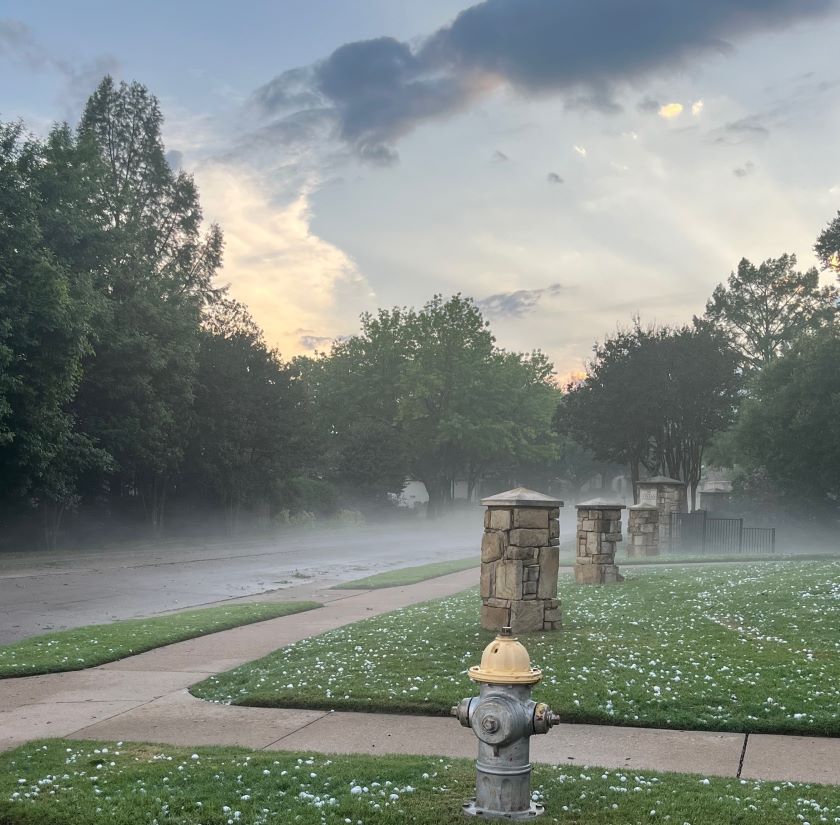
Adjusters, Deductibles & Roofers: Help I Have Hail Damage!
Here’s What to Do With Your Carpets After a Flood

Rebuilding After Hurricane Helene and Milton: Flooring and Cabinet Solutions from Naffco

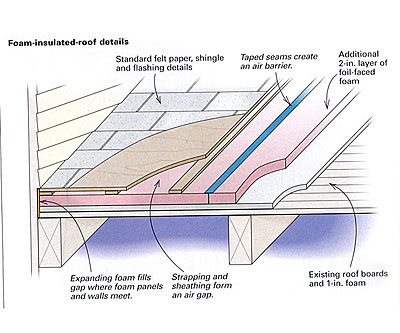
Upgrading a foam-insulated roof
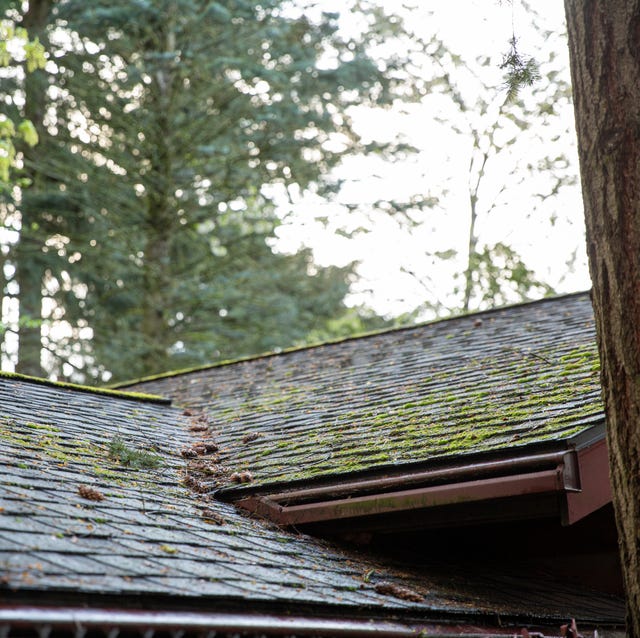
Home Repair Experts Reveal the Surprising Dangers of Having Moss on Your Roof


Find The Best Roofing Contractors In Miami

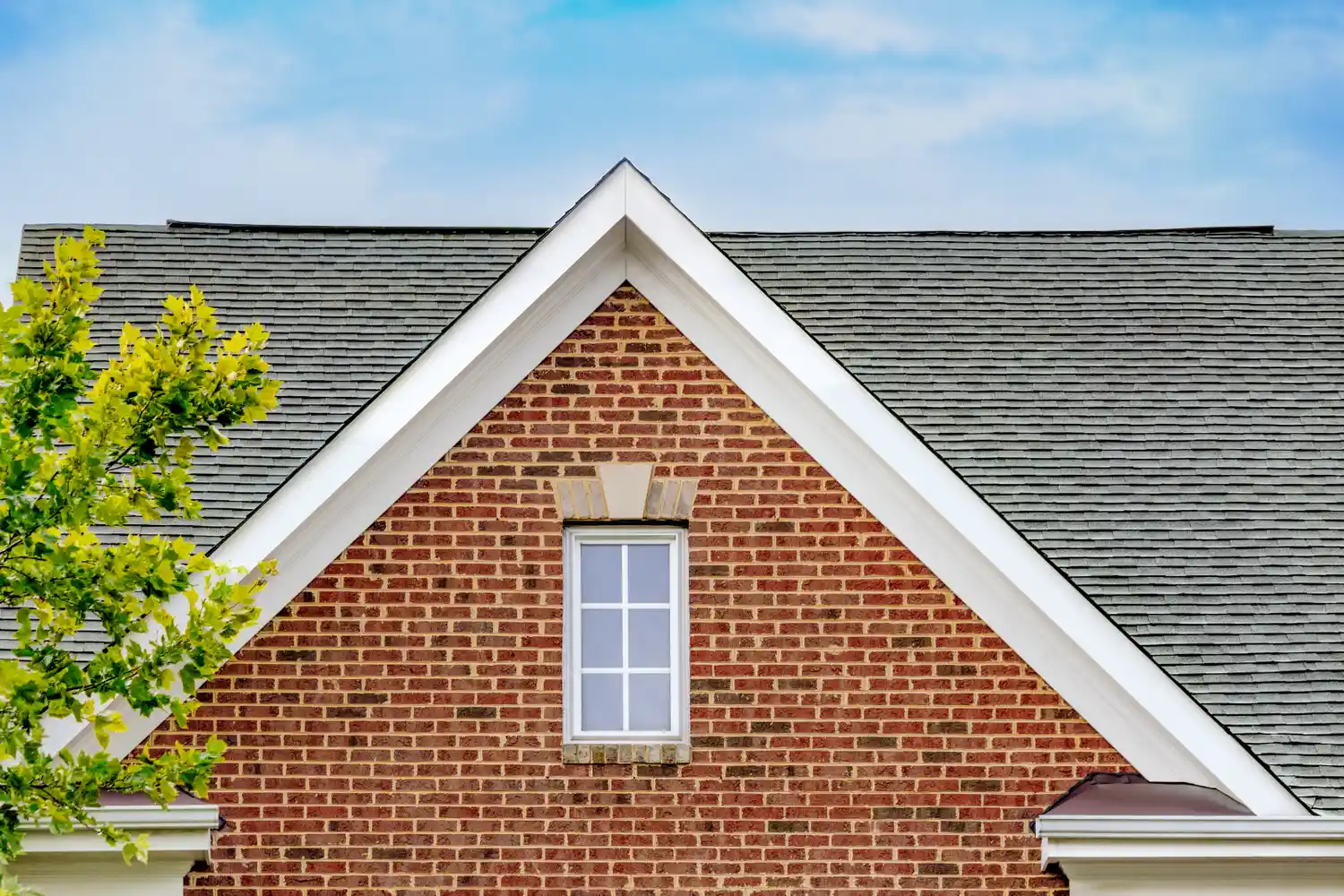
How to Know When Your Roof Needs Replacing? A Roofing Expert Shares His Method
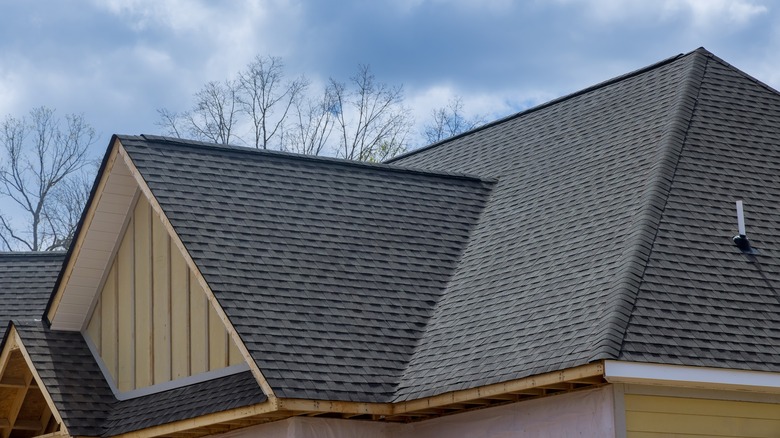
Our Roof Repair Expert's Best Tips For Extending The Life Of Your Roof

Replacing a roof – everything you need to know
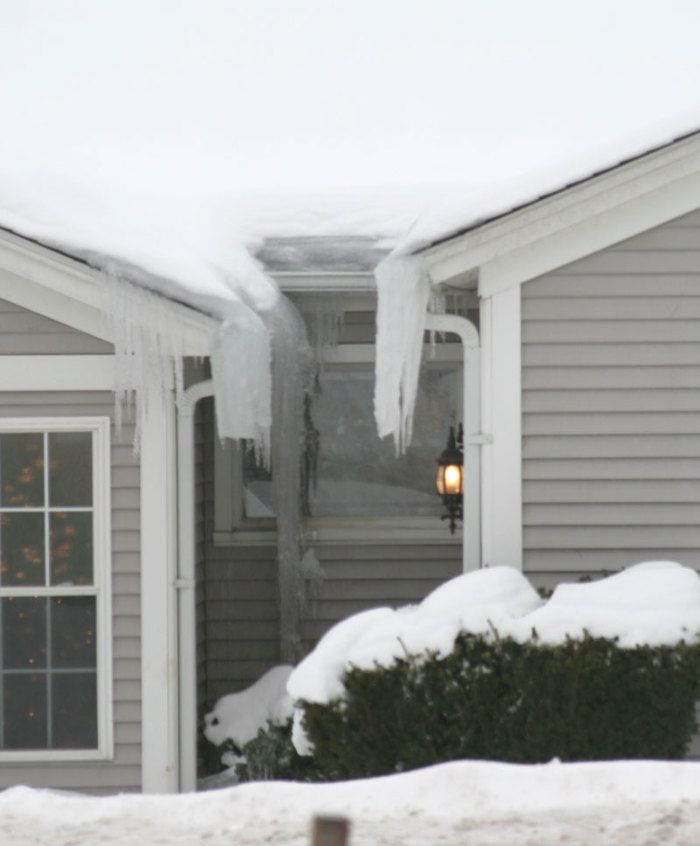
Ice Dams, Can Lights, Wet Walls, and Water Damage
How to insulate a loft or roof
How to Fix a Roof Drip Edge

Home improvement: Remodeling trends and roof care

Make a Watertight Chimney Cricket

Roofing | Roofing Sheets | Roofing Supplies


5 common types of water damage to your home – and how to fix them

Curious Questions: What should you do if bats take up residence in your roof?

Framing Failures in Wood-Frame Hip Roofs under Extreme Wind Loads
Hurricane-Proof Construction with the Fortified Home Standard
What to Do If Your Basement Floods During a Storm, According to Experts