How to Know When Your Roof Needs Replacing? A Roofing Expert Shares His Method
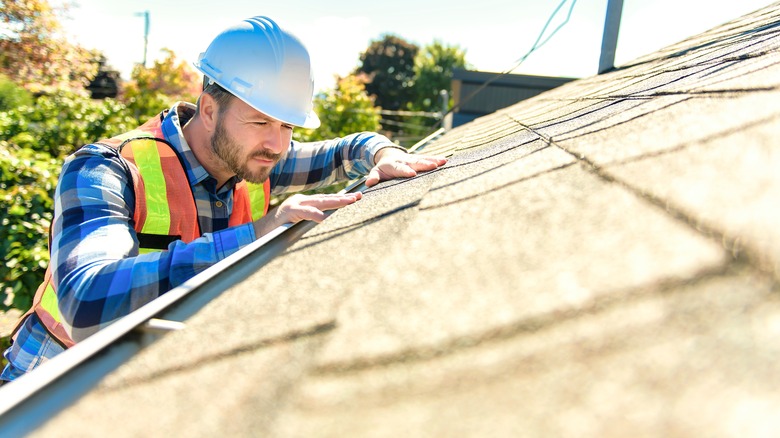
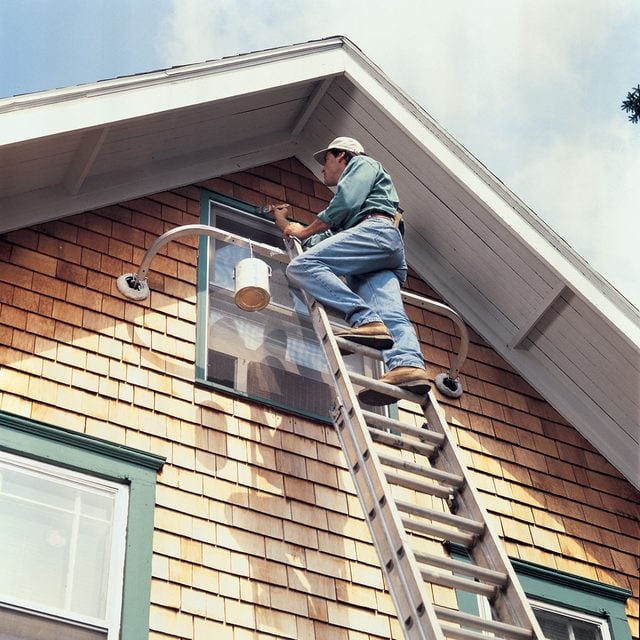
Homeowners often neglect roof maintenance until significant issues like leaks emerge. Proactive inspection and understanding a roof's lifespan are crucial to prevent costly emergency repairs and extensive water damage. Jeff Berzolla, CEO of Instant Roofer, emphasizes the importance of early detection, noting that common signs of roof deterioration can be identified months or even years before they escalate into major problems. Regular visual inspections are recommended for both the exterior and interior of the home.
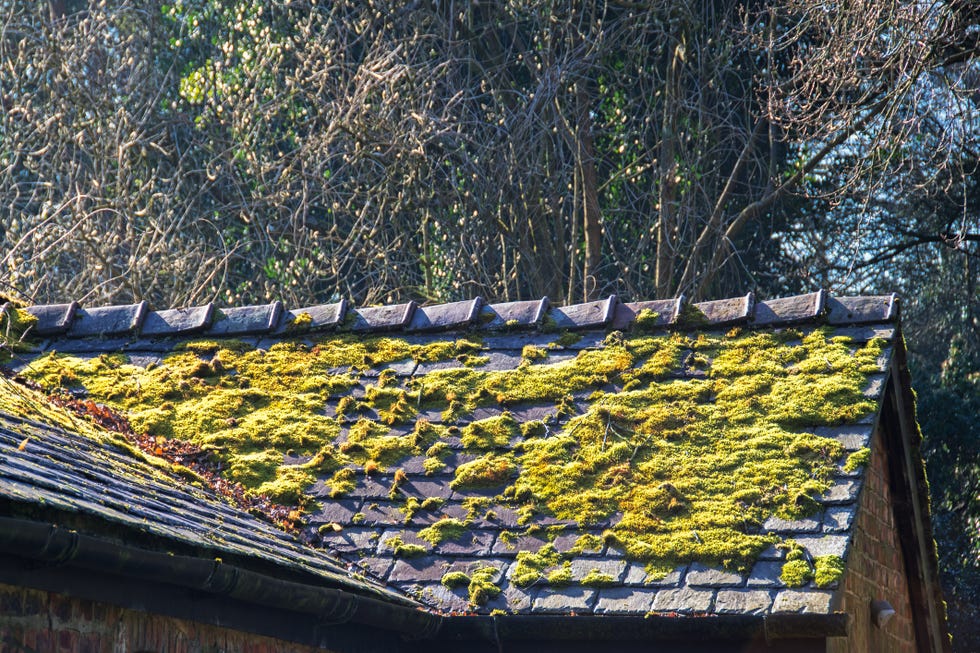
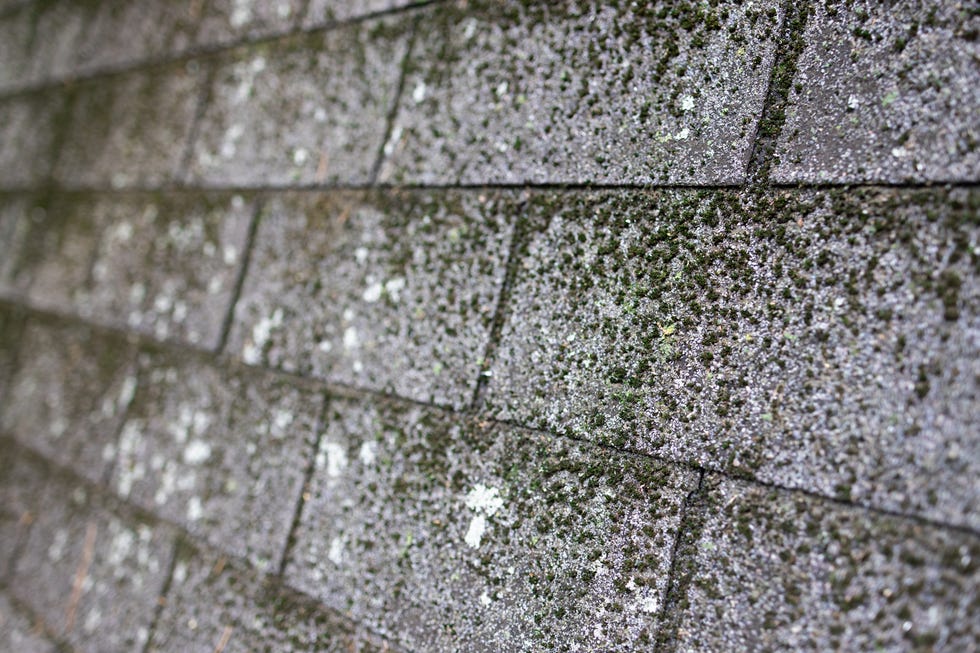
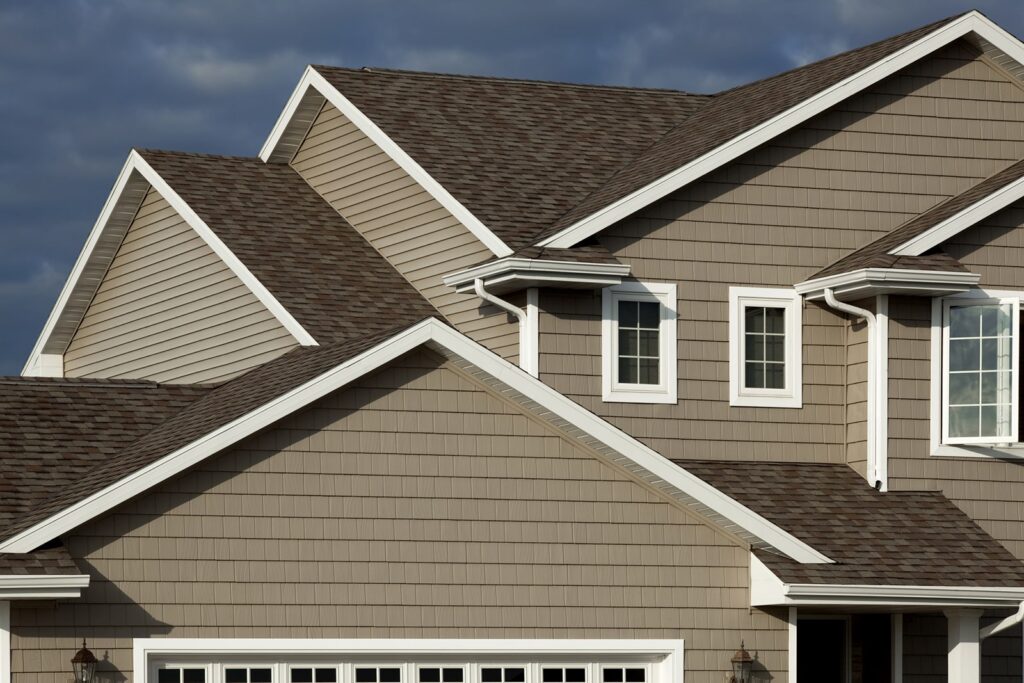
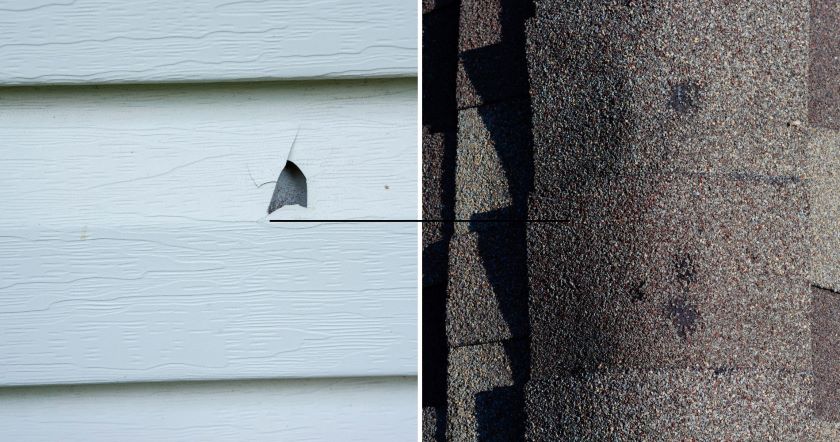
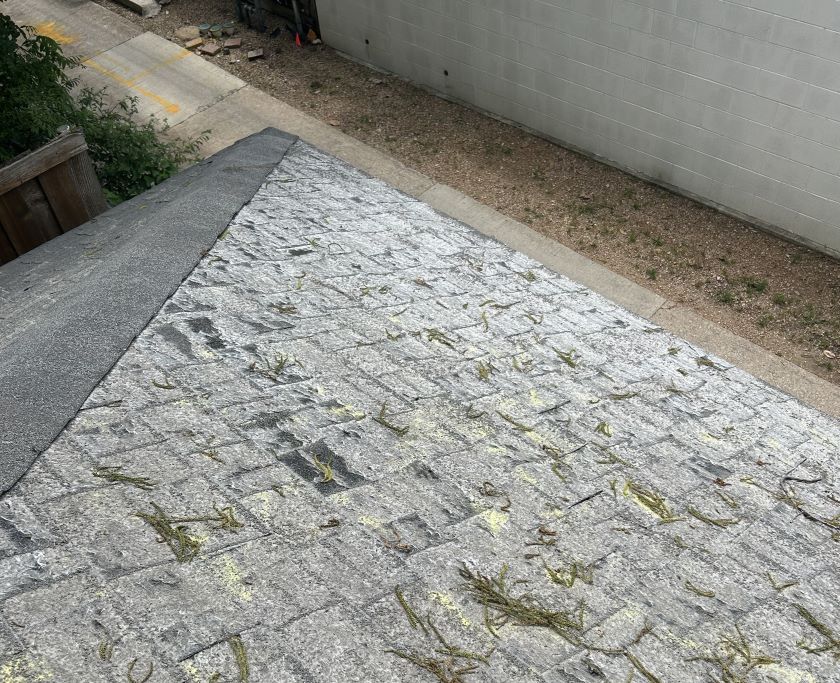
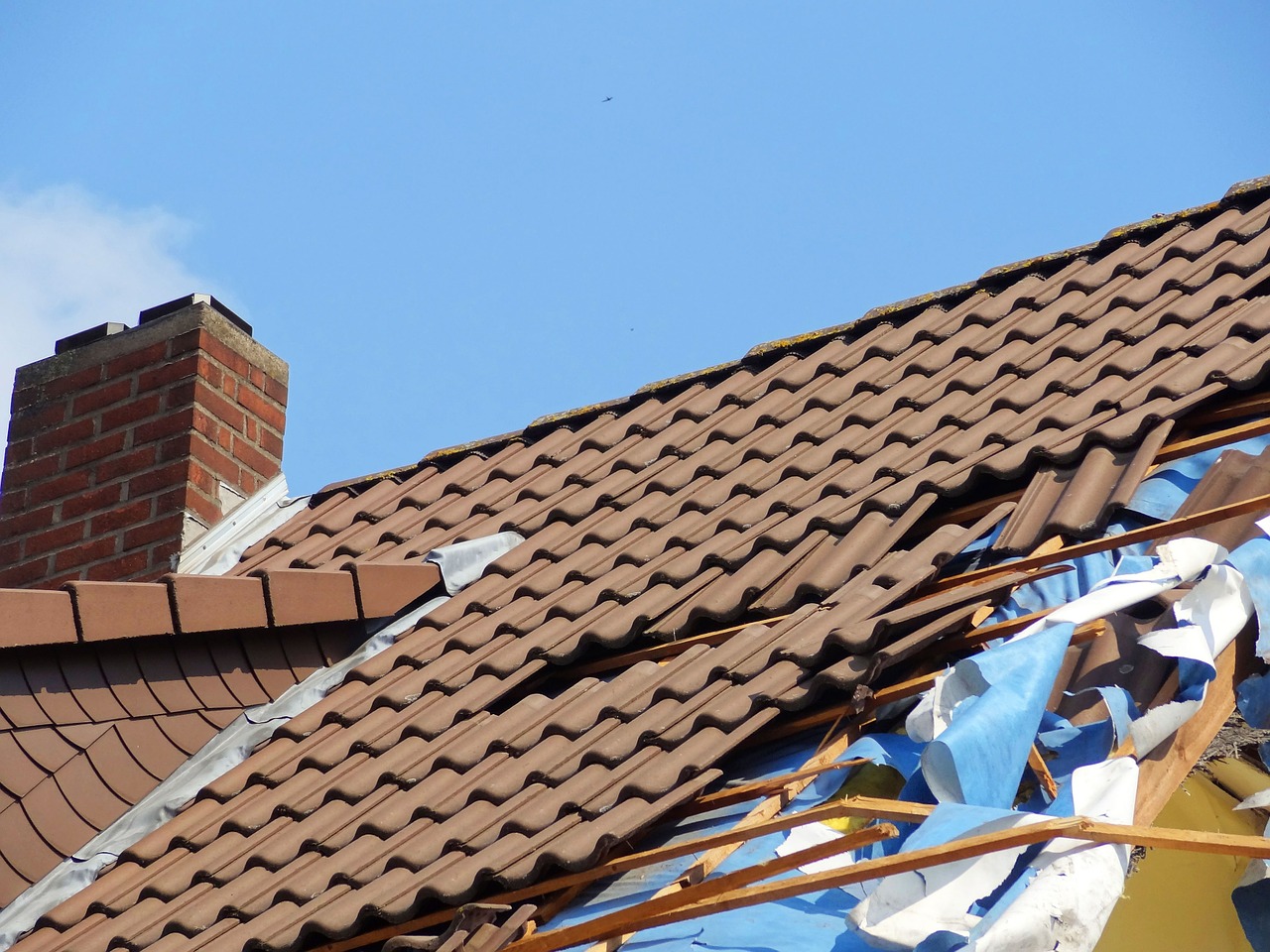
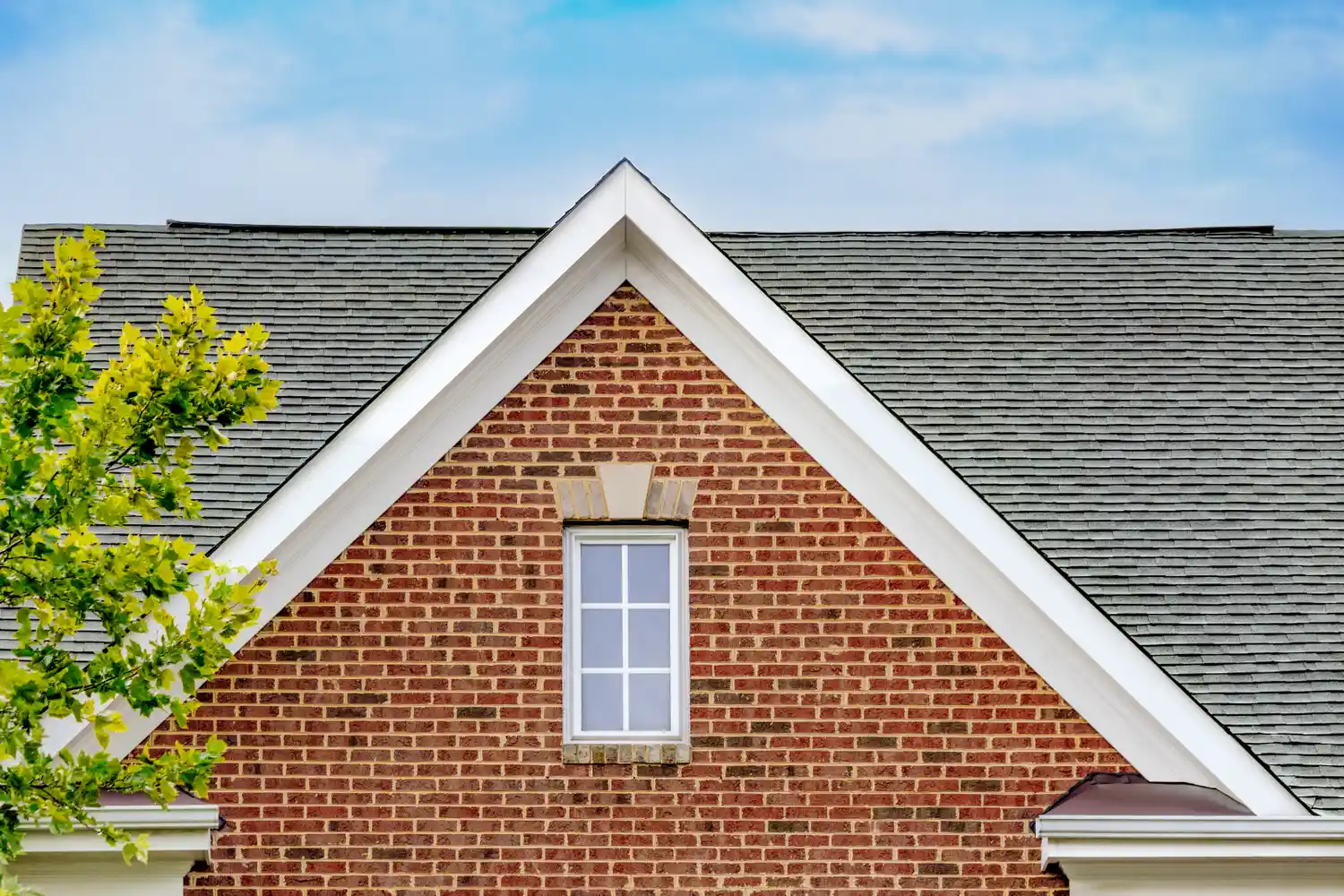
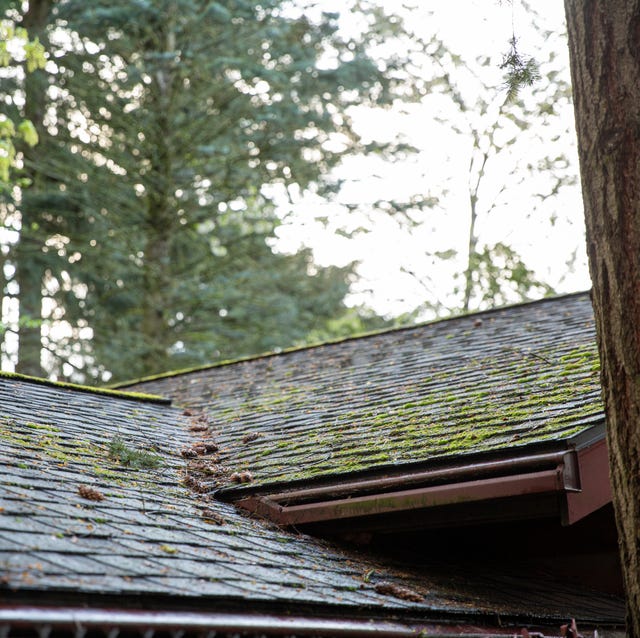
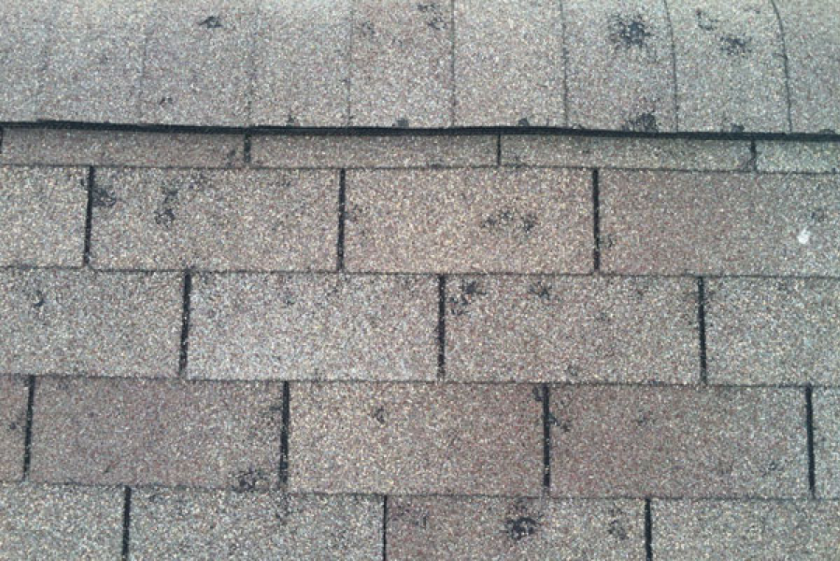
Key external indicators for roof inspection include observing the roofline shape for any sagging or uneven areas, which could signal underlying structural damage. Homeowners should also check for missing or damaged shingles or tiles; if more than five are compromised, a more thorough assessment is necessary. Curled or buckled shingles are additional red flags, typically resulting from prolonged exposure to heat and moisture. Furthermore, the presence of widespread moss and algae growth, while sometimes visually appealing, indicates persistent moisture accumulation that can degrade roofing materials over time.
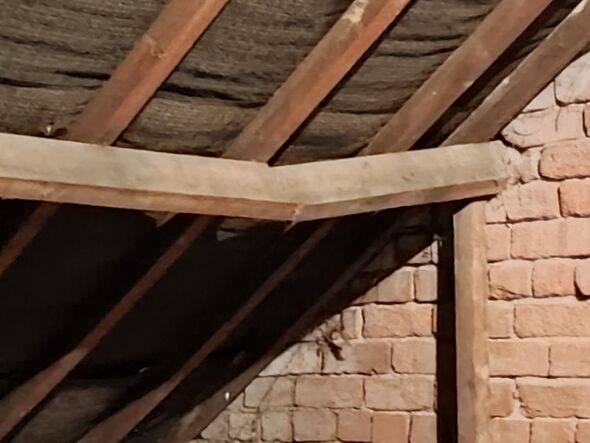
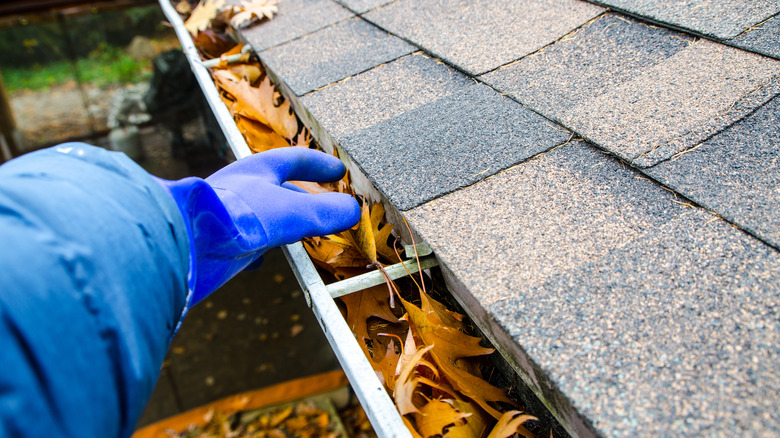
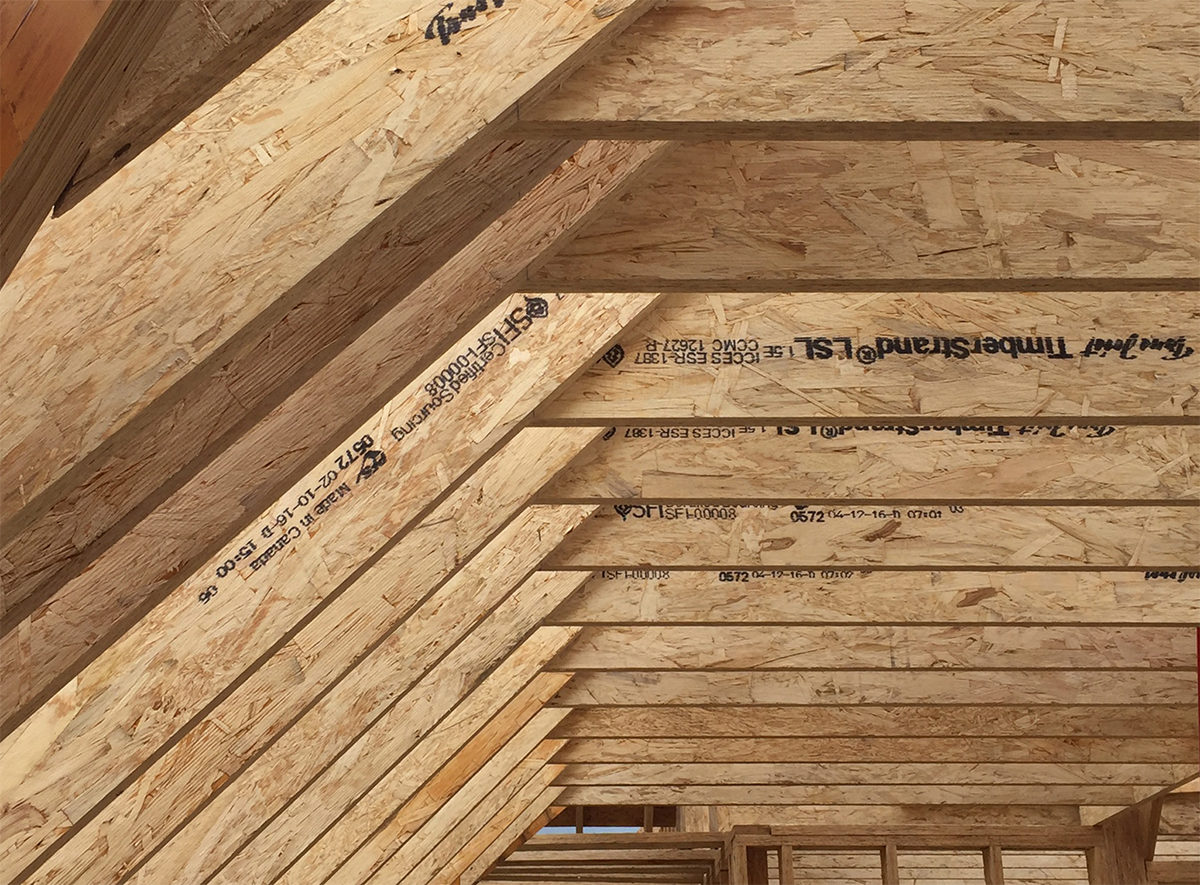
Interior inspections are equally vital. Homeowners should ascend to their attic with a flashlight to look for specific warning signs. These include daylight visibly penetrating through the roof boards, water stains on rafters or the attic floor, and wet insulation following storms. Another crucial internal indicator is the accumulation of shingle granules in gutters, which, if excessive, suggests that the roofing materials are breaking down faster than expected. Berzolla likens this to finding a lot of hair in a brush, indicating accelerated wear and tear.
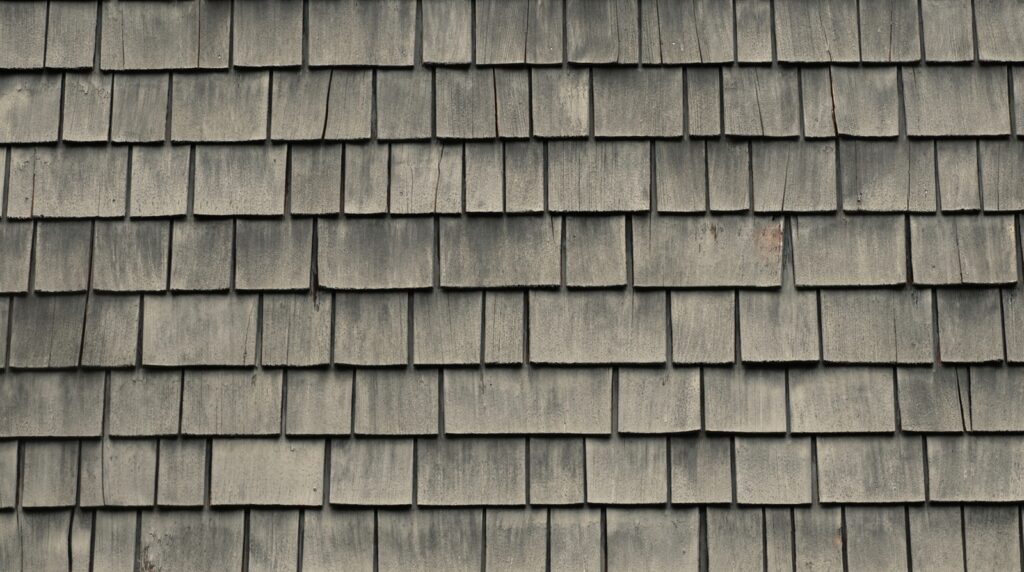
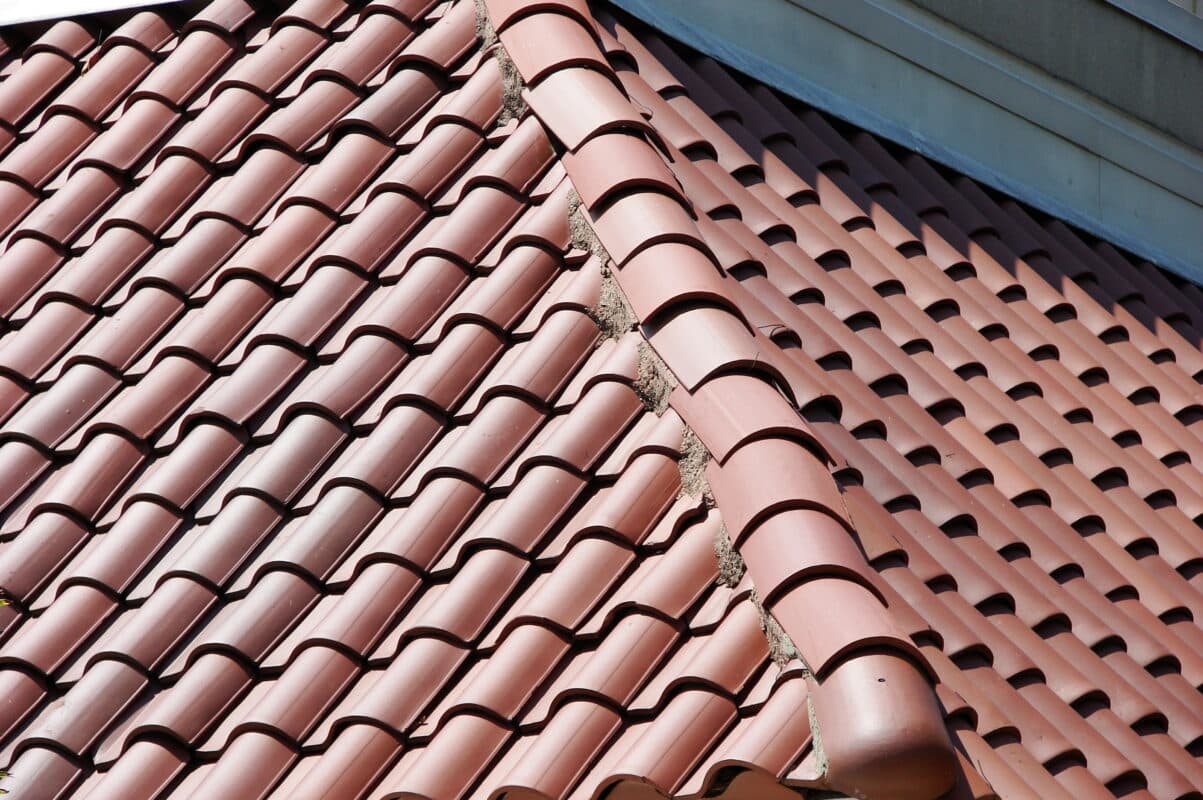
Calculating a roof's remaining lifespan involves a straightforward formula: subtract the roof's current age from its expected lifespan based on the material type. For instance, asphalt shingles typically last 20 to 25 years. If a roof with asphalt shingles is 20 years old, it likely requires replacement within the next five years. Other materials have varying lifespans: architectural shingles (25 to 30 years), metal roofing (40 to 70 years), clay tiles (50 to 100 years), slate (75 to 100 years), and wood shingles (25 to 30 years).
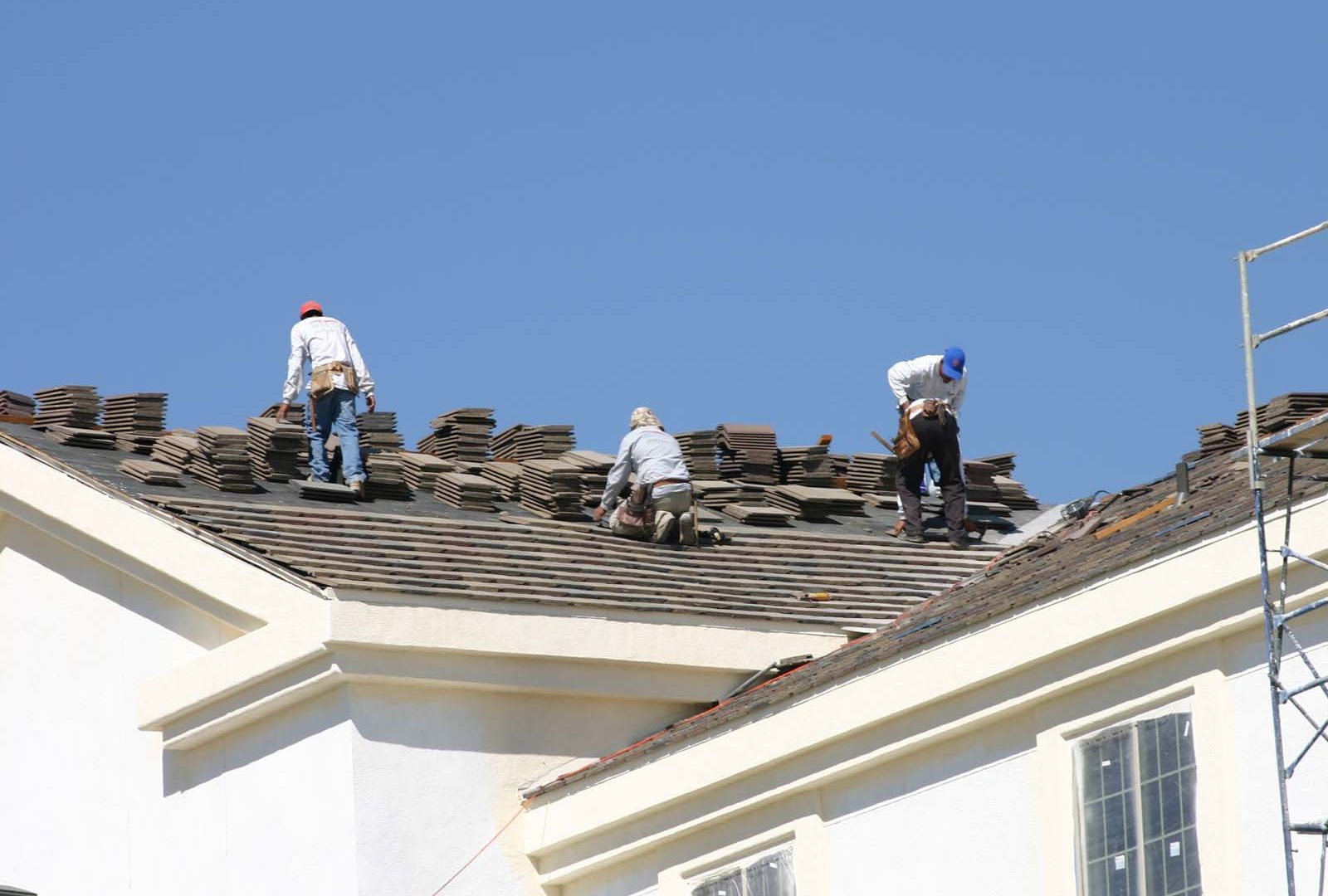
Even with these general lifespan guidelines, routine inspections remain essential. Different types of roofing materials are engineered for specific durations, but environmental factors such as extreme weather can accelerate wear and tear. Regular check-ups help identify and address these issues promptly, preventing minor damage from evolving into more significant, expensive problems. Being informed about these signs and the expected lifespan of roofing materials empowers homeowners to make timely decisions regarding roof repair or replacement, ultimately safeguarding their property and financial well-being.
#HomeMaintenance #RoofReplacement #HomeInspection #RoofLifespan #PropertyCare #HomeRepair #ExteriorMaintenance #InteriorInspection #DIYHome #HomeMaintenance #RoofReplacement #HomeInspection #RoofLifespan #PropertyCare #HomeRepair #ExteriorMaintenance #InteriorInspection #DIYHome
0 comment in total
 No comments yet
You may also like
Replacing a roof – everything you need to know
Find The Best Roofing Contractors In Miami

7 Best Roofing Materials For Durability & Longevity (2025 Review)


Best Home Warranties for Roof Coverage of 2025
Home Repair Experts Reveal the Surprising Dangers of Having Moss on Your Roof


4 Signs It’s Time to Replace Your Outdoor Furniture
Is It Better to Repair or Replace a Damaged Deck? 4 Ways to Tell

How to Fix a Roof Drip Edge


Rogue builders quoted over £15k for a repair job that cost £185 to fix - my lessons learnt
How Roofr Uses Satellite Imagery To Determine Your Roof Repair Estimates
Our Roof Repair Expert's Best Tips For Extending The Life Of Your Roof
Freeholder forcing me to pay towards a new for roof?

Home improvement: Remodeling trends and roof care


Best Roof Financing Options in 2025

What to do When You Have Roof Damage From Hail

Examining some of the important factors when choosing products for ceilings and roofs

Roofing | Roofing Sheets | Roofing Supplies

Understanding Types of Roof Vents
Roof Replacement Cost in 2025
Upgrading a foam-insulated roof