1/2
Examining some of the important factors when choosing products for ceilings and roofs
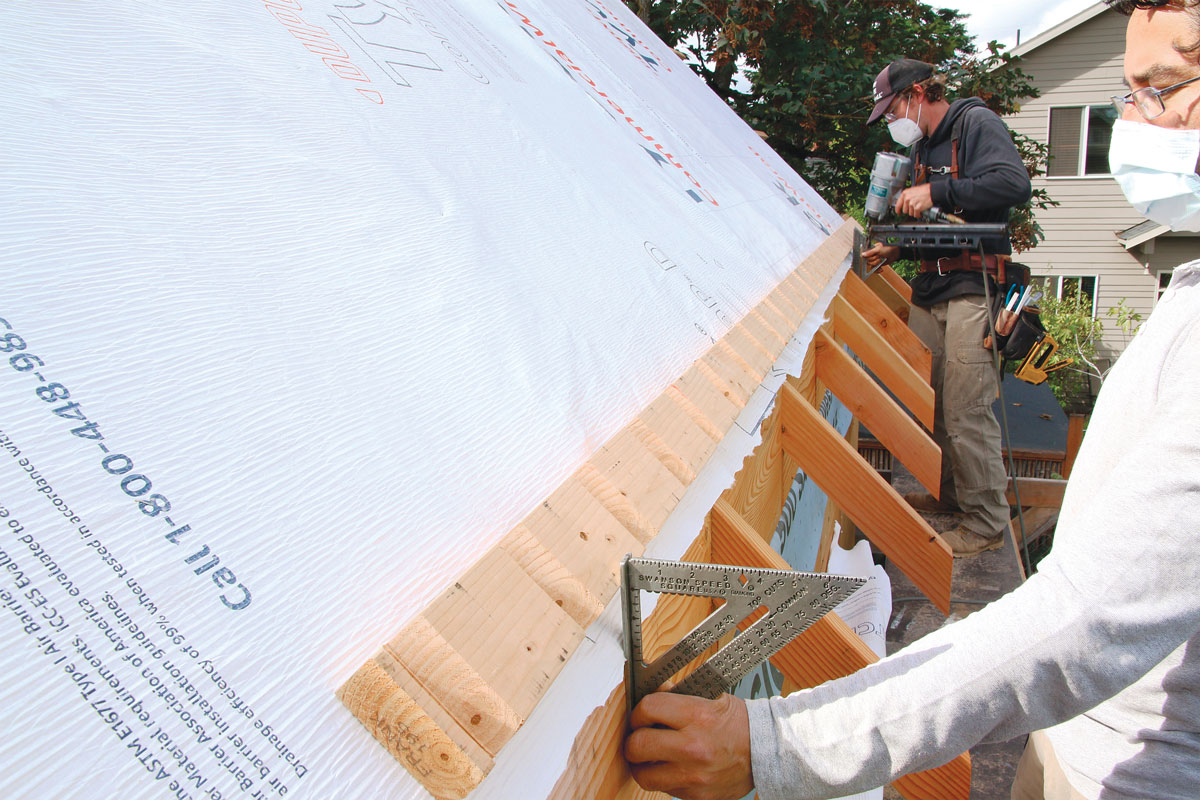
The article addresses the growing demand for large, straight, and durable lumber for modern home construction, particularly for ceilings and roofs, given the increasing median size of new single-family homes. Traditional solid-sawn lumber often presents challenges due to limited availability in lengths greater than 20 feet and its propensity to warp or sag, which can lead to unsightly issues like wavy drywall. Engineered lumber products, such as laminated veneer lumber (LVL) and laminated strand lumber (LSL), are presented as a solution to these challenges. These engineered wood products offer superior dimensional stability, consistency, and are available in significantly longer lengths and deeper dimensions compared to conventional lumber.
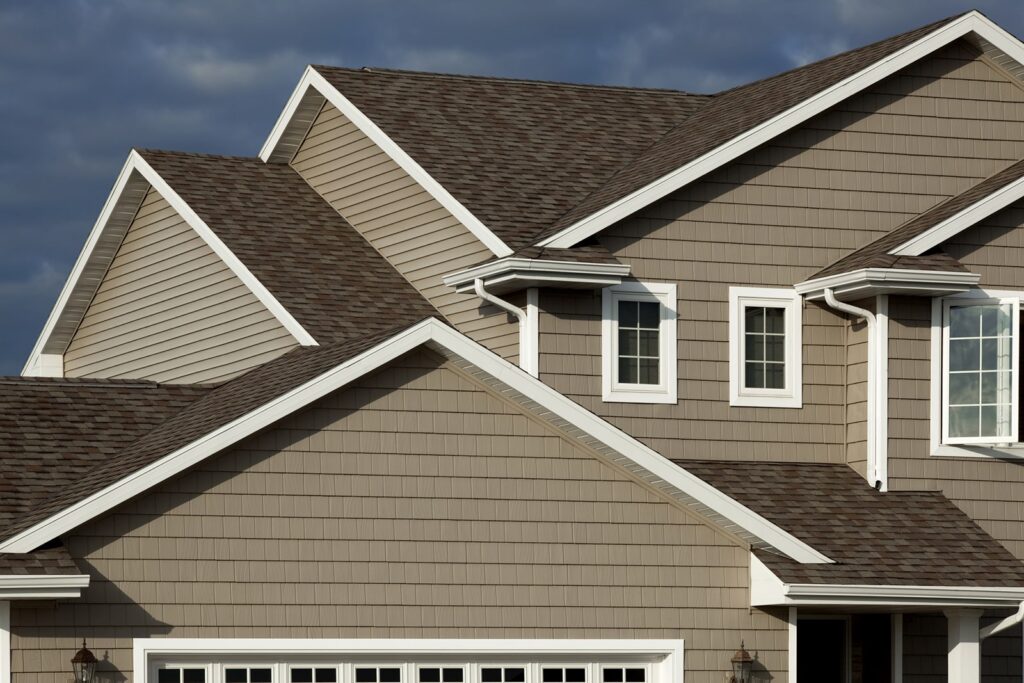
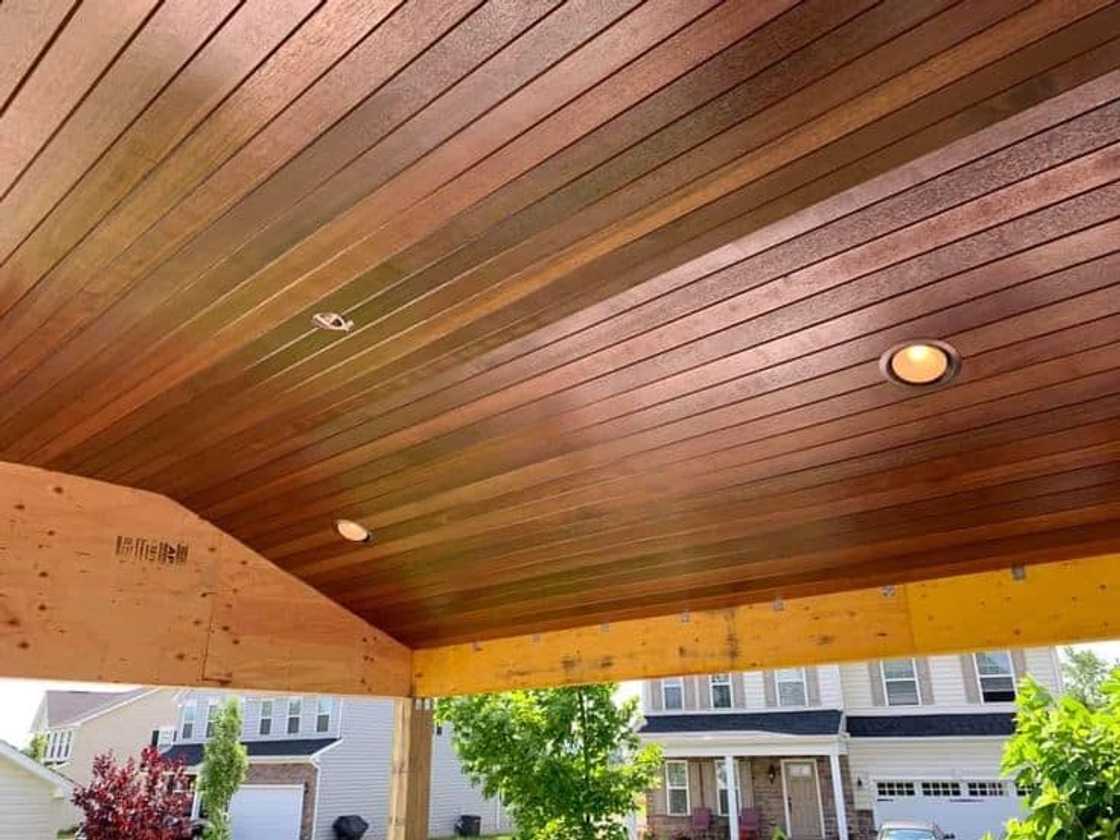
The discussion highlights specific applications where engineered lumber proves particularly beneficial. For flat roofs, which are gaining popularity in modern residential architecture for their sleek aesthetic, the inherent straightness and stiffness of engineered lumber are crucial to prevent sagging over time. This ensures the structural integrity and aesthetic appeal of the roof. TimberStrand LSL and TJI Joists are mentioned as examples, offering depths up to 16 and 24 inches, respectively, to accommodate longer spans and higher loads.
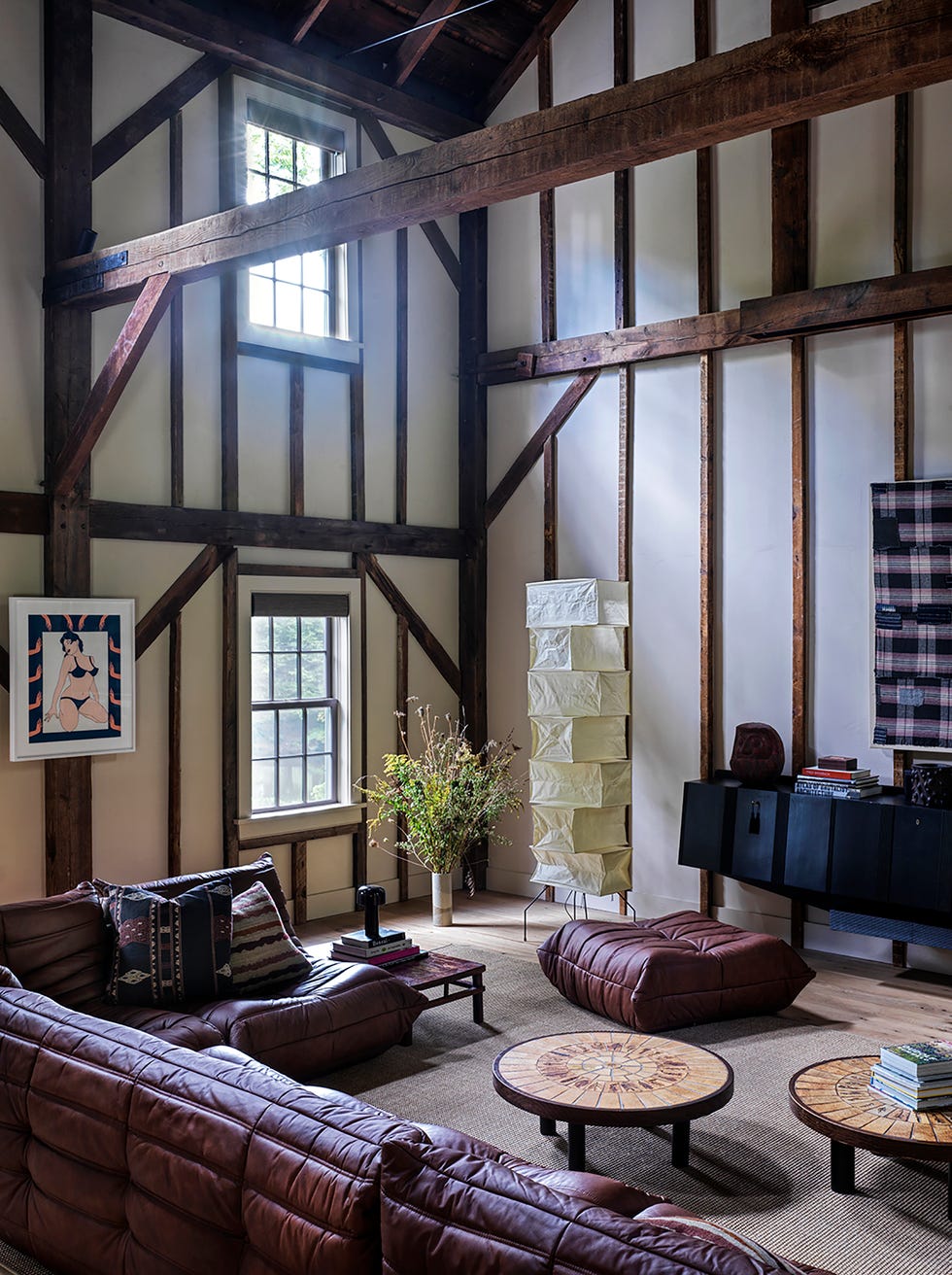
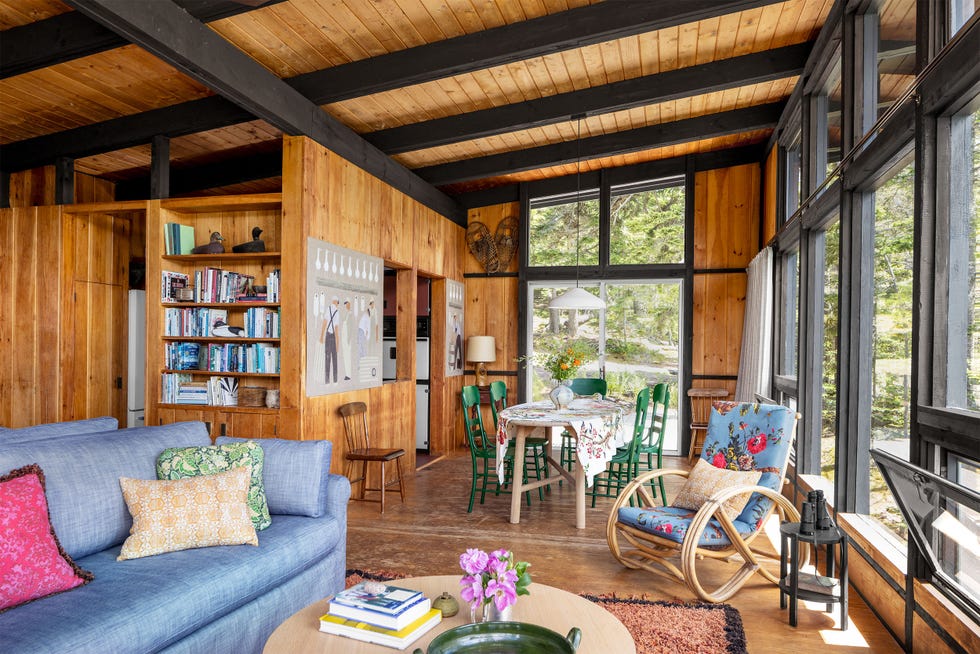
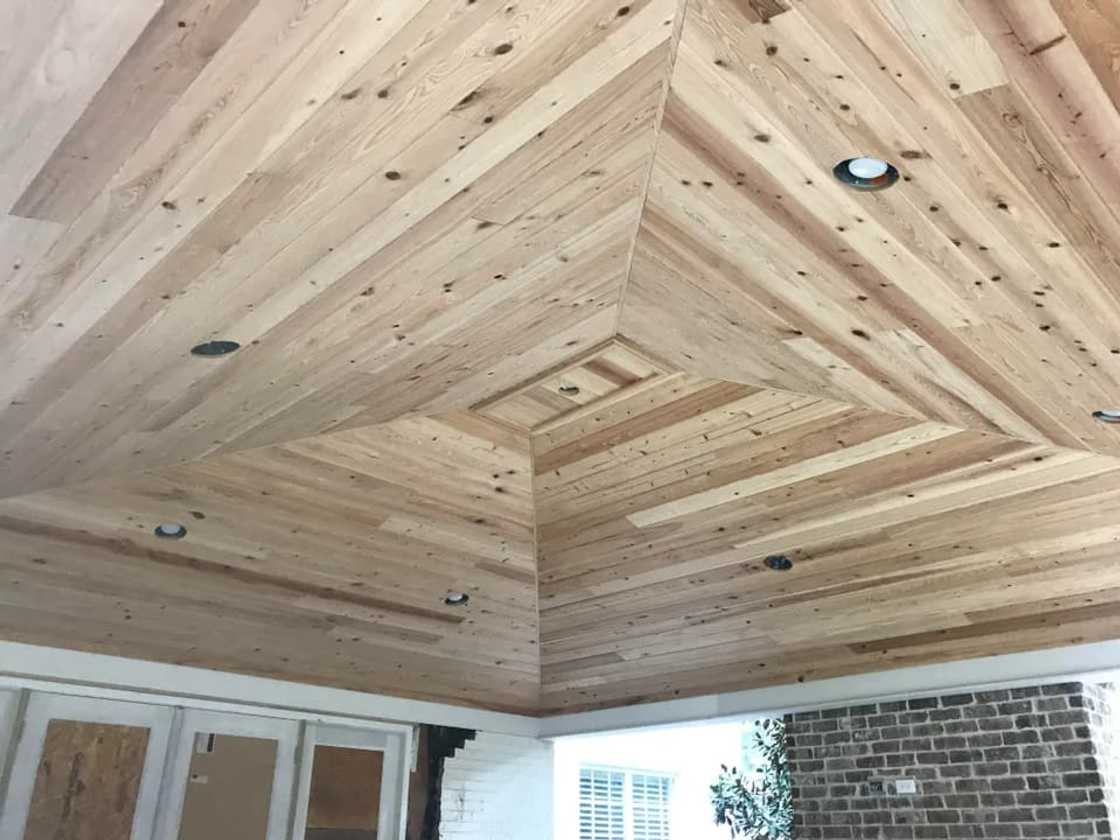
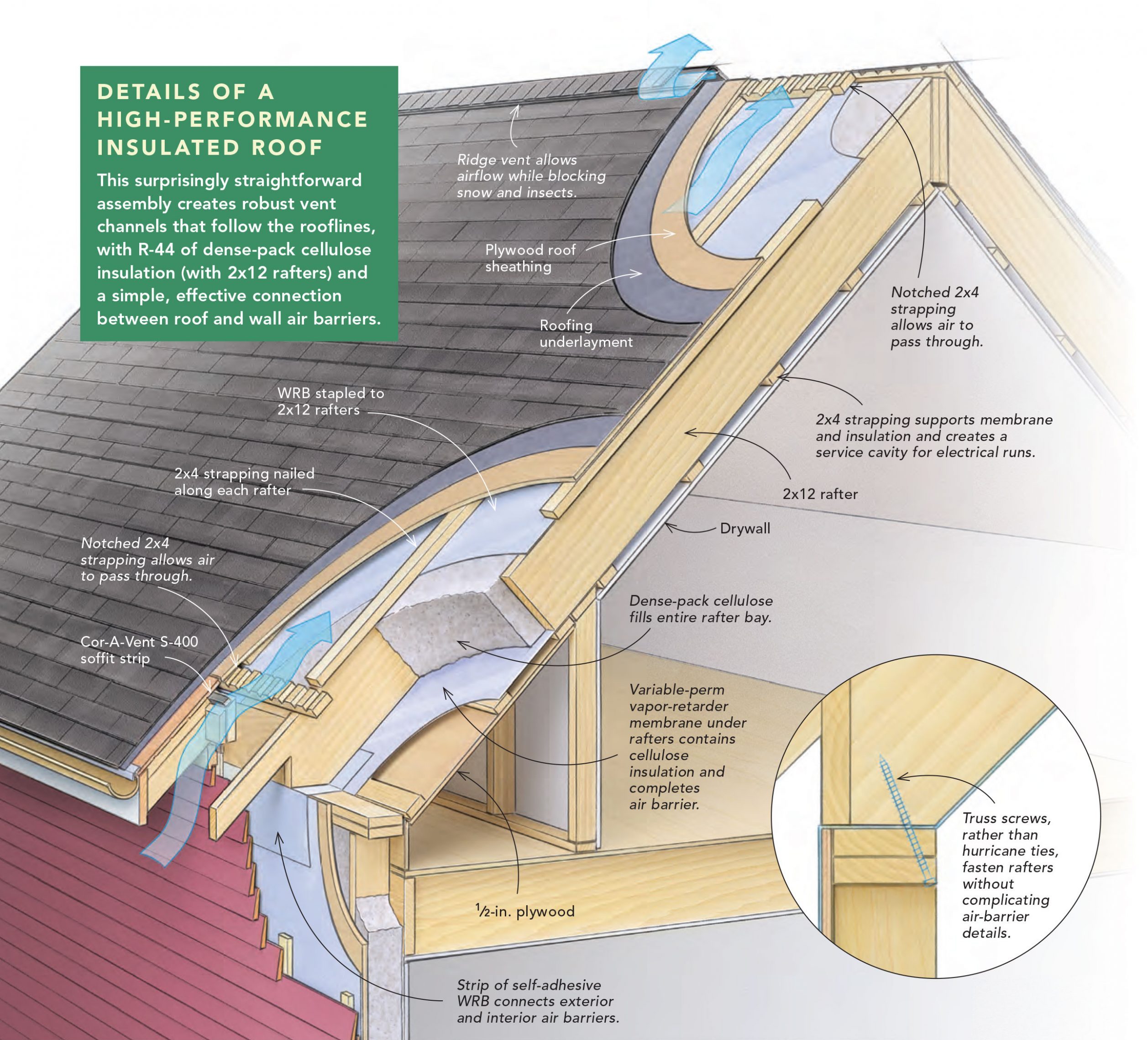
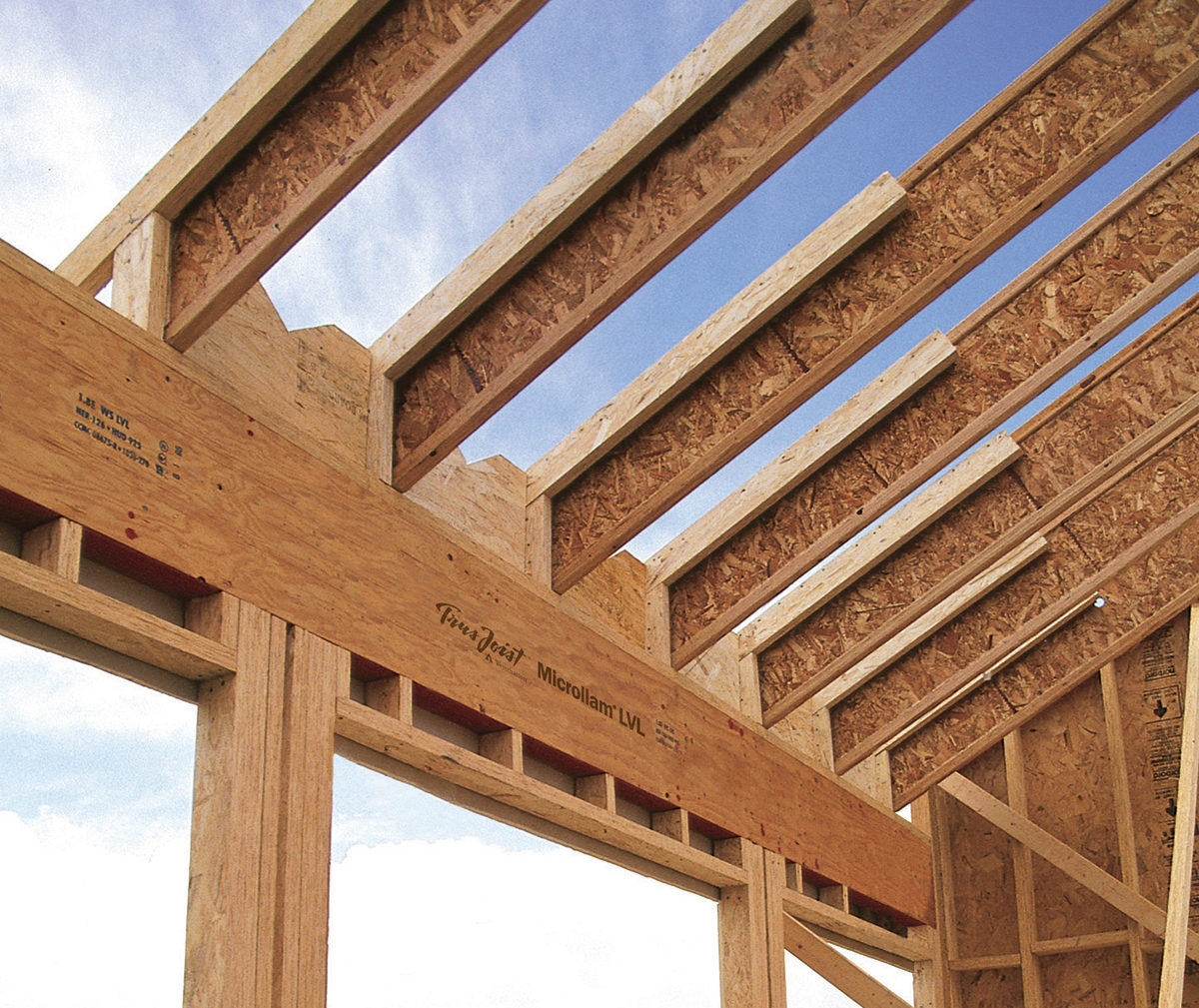
Cathedral roofs and ceilings, often central focal points in great rooms or over staircases, also greatly benefit from engineered lumber. The demand for a perfectly flat and straight surface for sheetrock in these applications makes traditional lumber less ideal due to its tendency to warp. Engineered products like TimberStrand LSL and Microllam LVL ridge beams are recommended for their ability to maintain straight lines, preventing the visual imperfections that can arise from crooked framing materials. This ensures the dramatic architectural features remain visually striking and structurally sound.
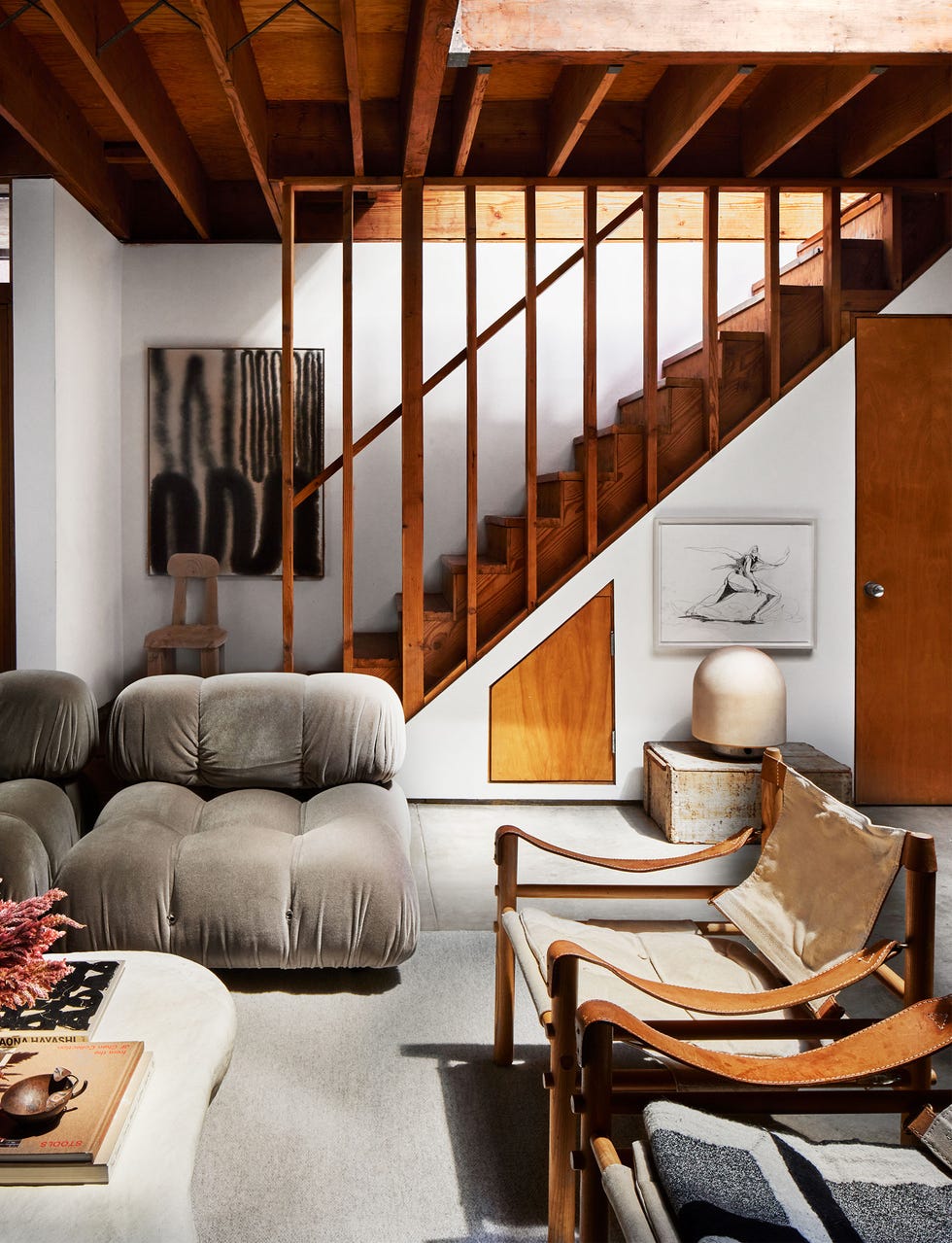
Another significant application discussed is the creation of bonus rooms, often converted attics or spaces above garages, which are becoming increasingly common for adding livable square footage. In these scenarios, the framing material for floor joists must support both floor loads and, in some cases, roof loads. TJI Joists are specifically highlighted for their performance in these spaces, effectively mitigating issues like twisting, warping, and shrinking that are common with solid-sawn lumber. This ensures a stable and reliable floor system for these converted living areas.
The article emphasizes that engineered wood products offer consistent mechanical properties, which translate to predictable performance and fewer installation problems, ultimately reducing costly callbacks for builders. Weyerhaeuser's TimberStrand LSL, Microllam LVL, and TJI Joists are presented as key examples of engineered lumber that address the modern construction needs for large, straight, and robust framing components in various roof and ceiling designs.
#HomeConstruction #RoofingMaterials #CeilingDesign #EngineeredLumber #FramingSolutions #WeyerhaeuserProducts #StructuralIntegrity #ModernArchitecture #HomeConstruction #RoofingMaterials #CeilingDesign #EngineeredLumber #FramingSolutions #WeyerhaeuserProducts #StructuralIntegrity #ModernArchitecture
0 comment in total
 No comments yet
You may also like
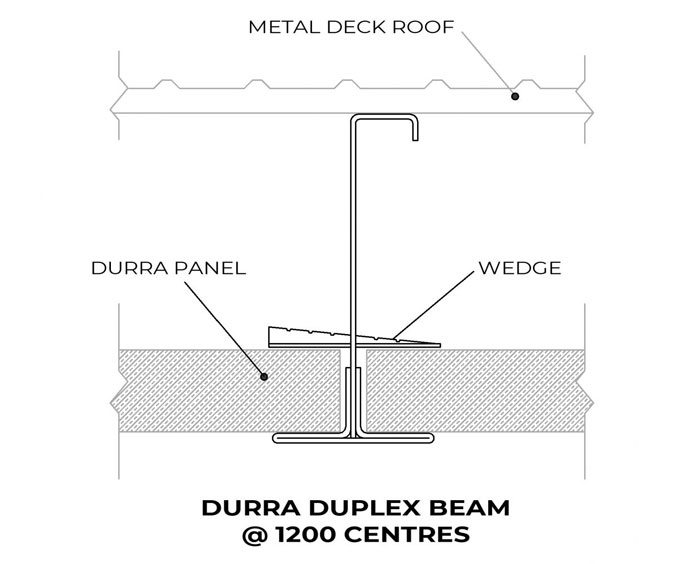
Roof and ceiling systems with versatile application
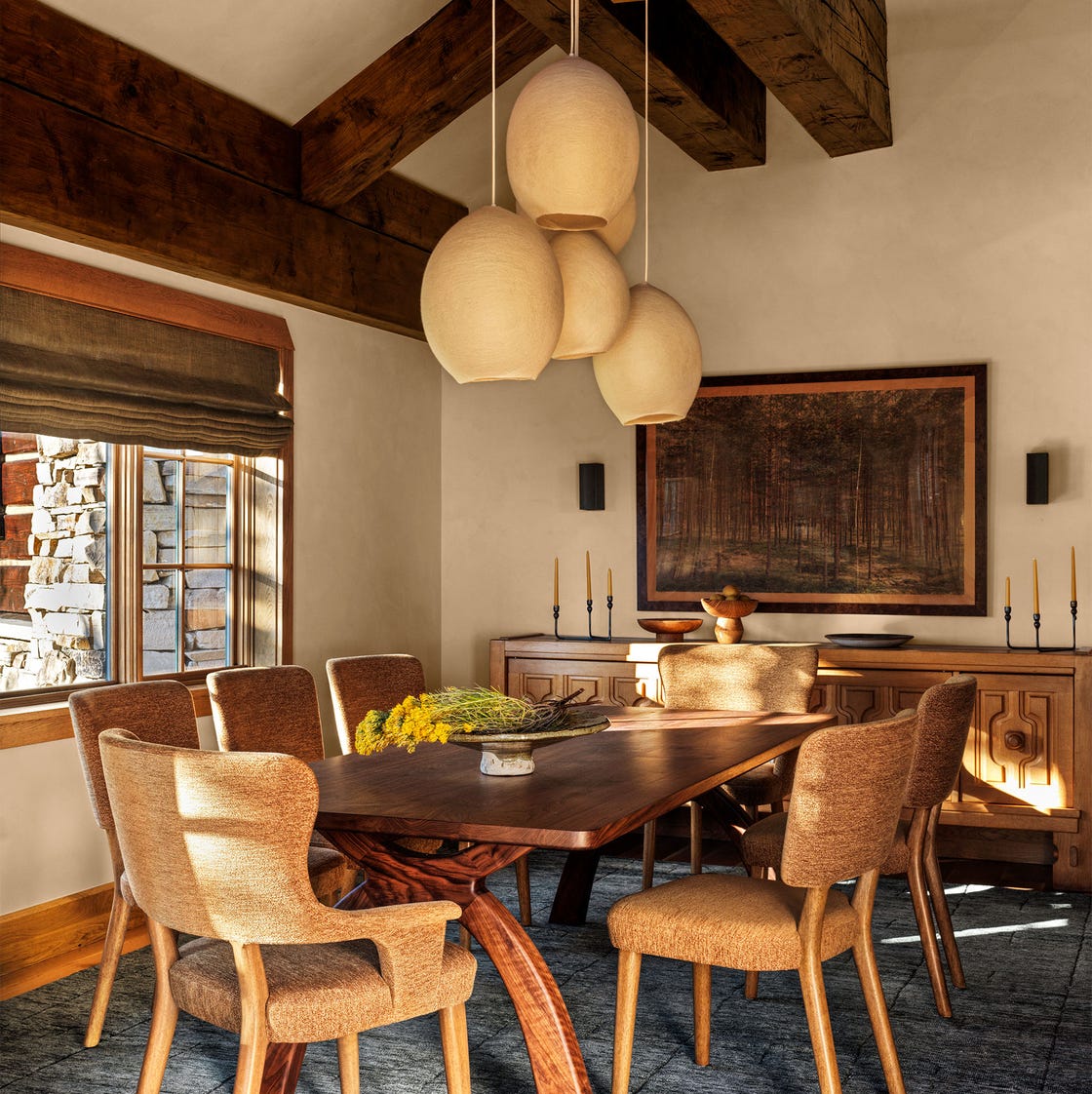
Exposed Beam Ceilings: What You Need to Know Before Committing

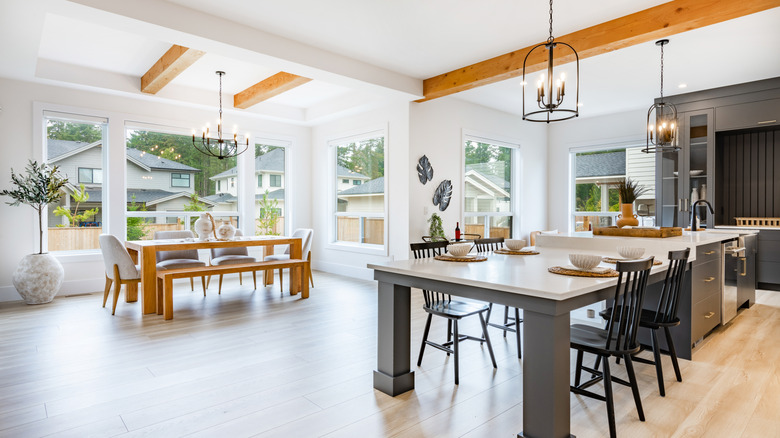
Top Ceiling Trends You Can Expect To See More Of In 2025
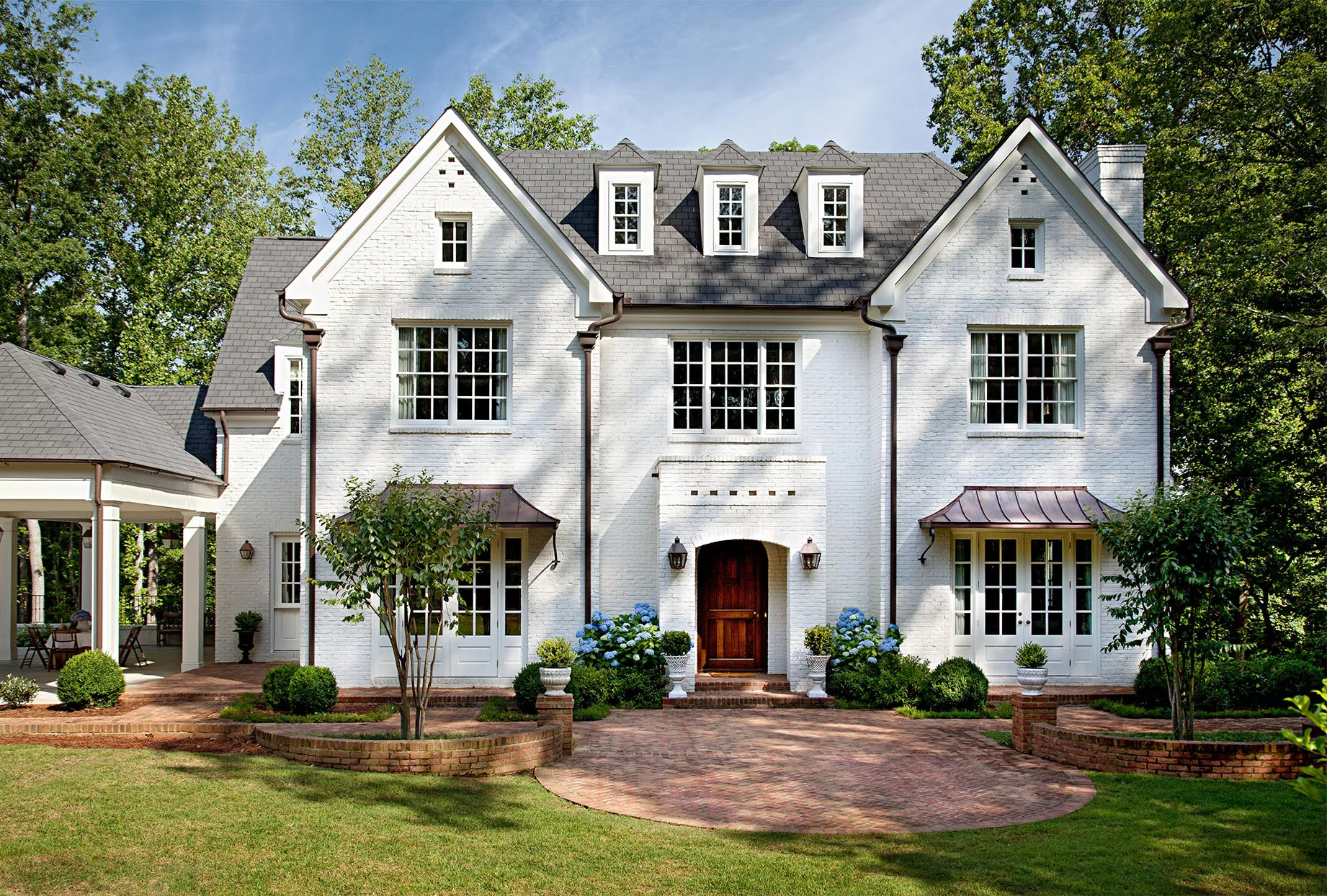
What Are Eaves of a House, and Are They Worth Adding?

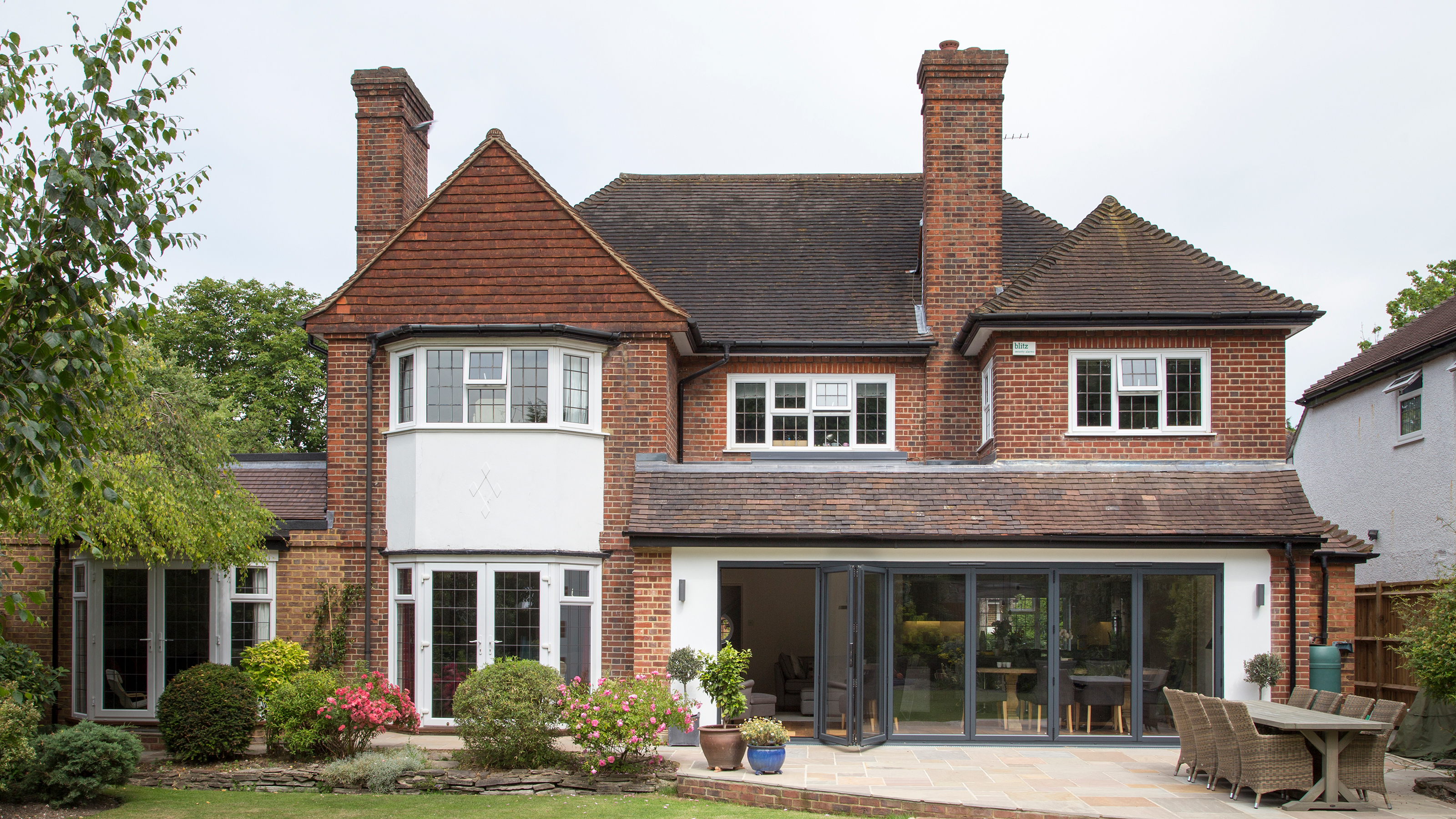
Replacing a roof – everything you need to know
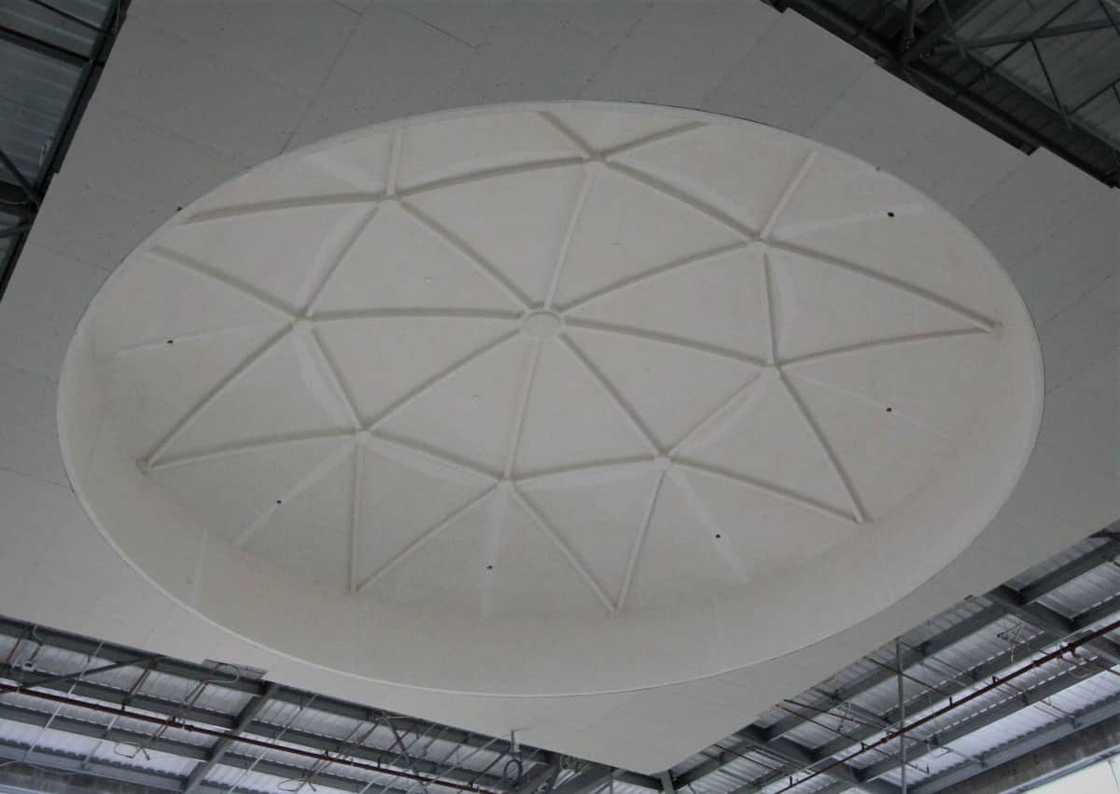
Types of ceiling boards designs in Kenya with their prices


Protect the Environment With Sustainable Ceiling Trends
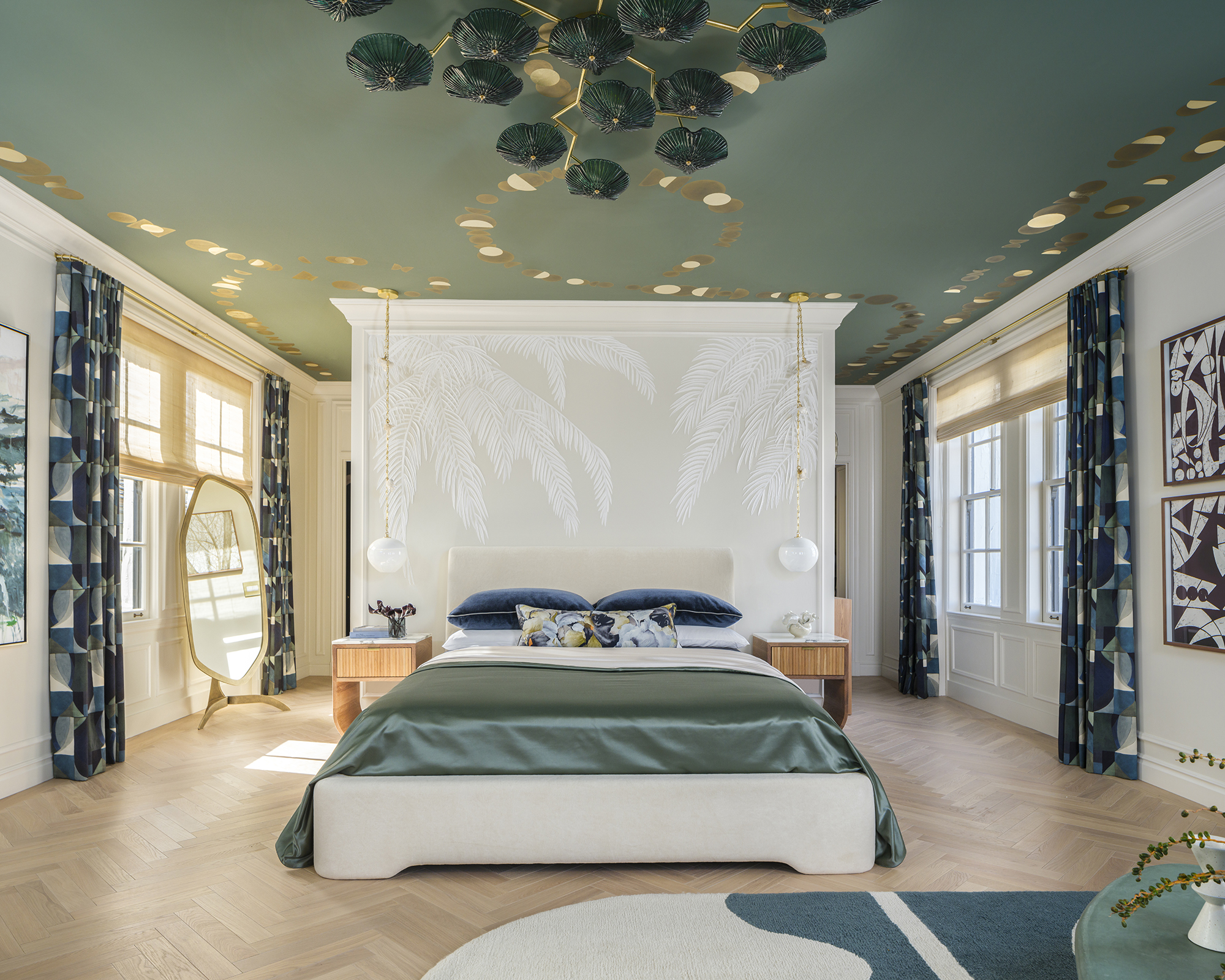
The ceiling is the most important wall in your home – and as a designer, this is how I get them right

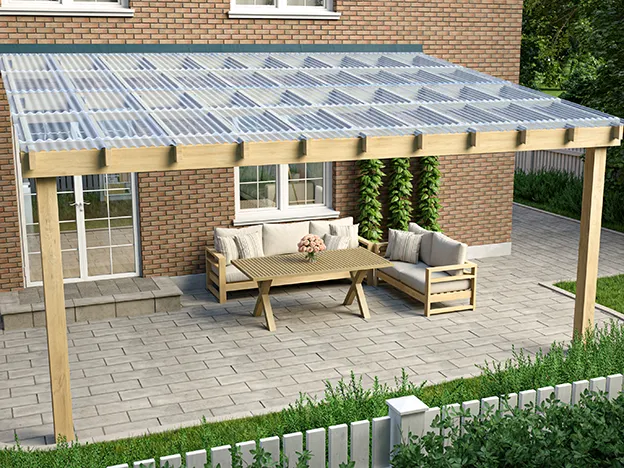
Roofing | Roofing Sheets | Roofing Supplies

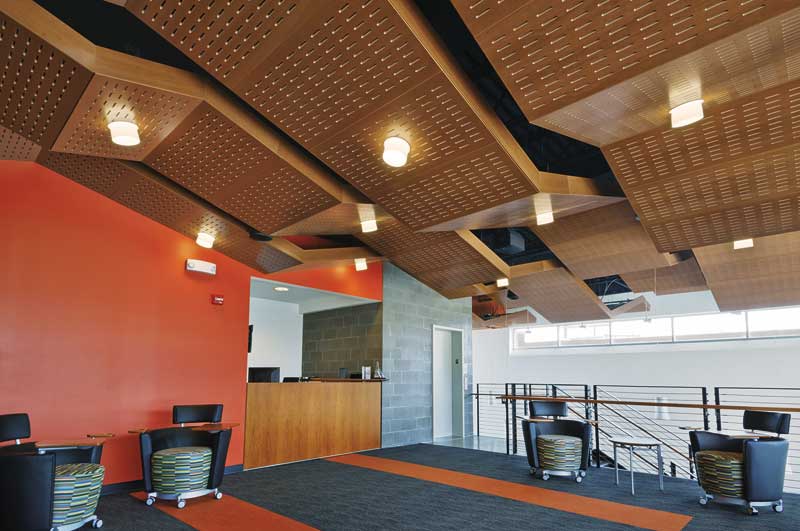
Wood ceilings combine beauty with performance
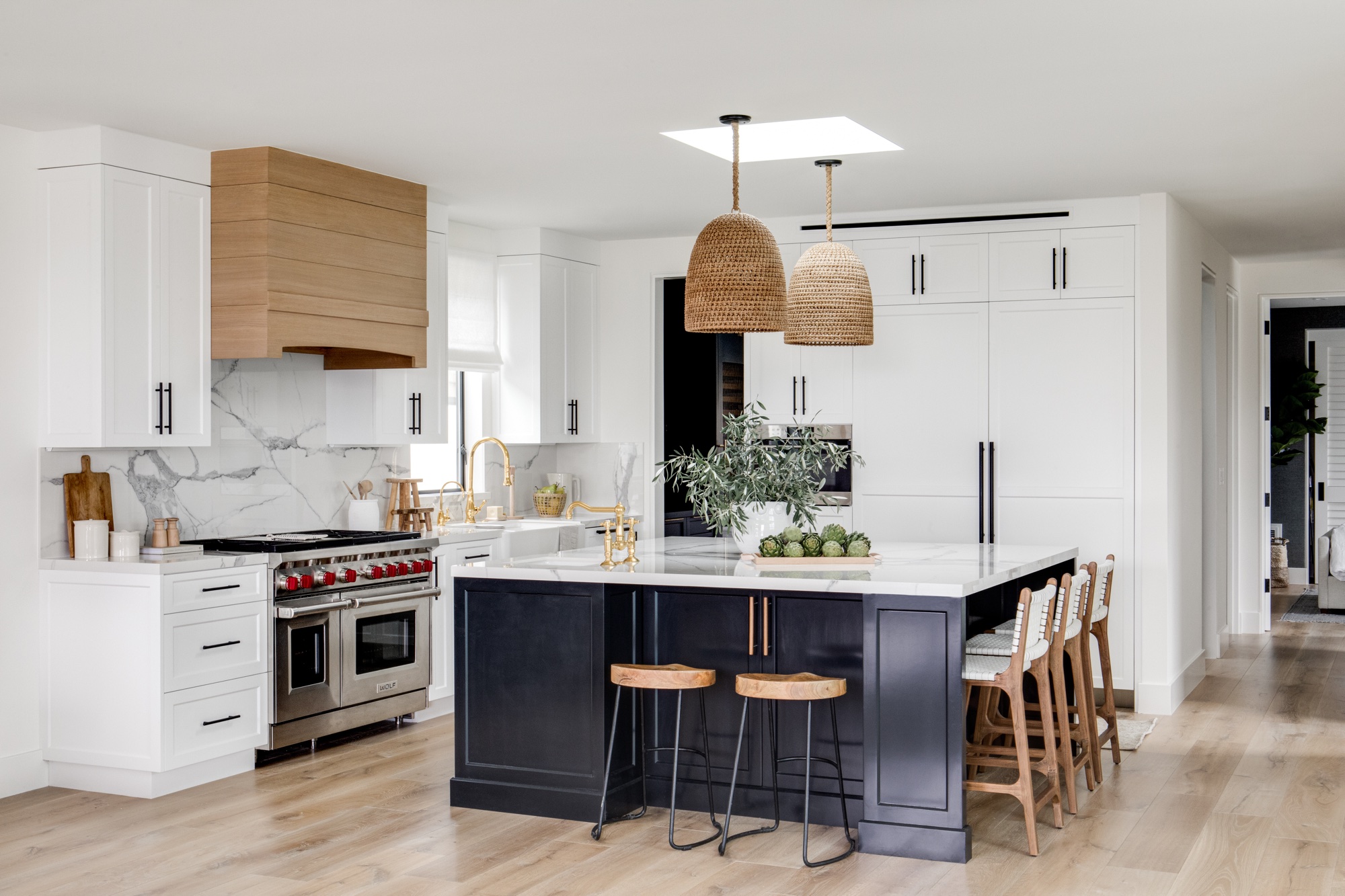
Should ceilings be glossy or flat? A paint expert lifts the lid on getting this vital touch just right


7 Glamorous Hacks to Transform a Boring White Ceiling


Decorative and architectural ceiling solutions

12 Stunning Ceiling Design Ideas That Will Have You Looking Up All Day Long

Coving | Ceiling Coving

A New Take on Insulating a Roof

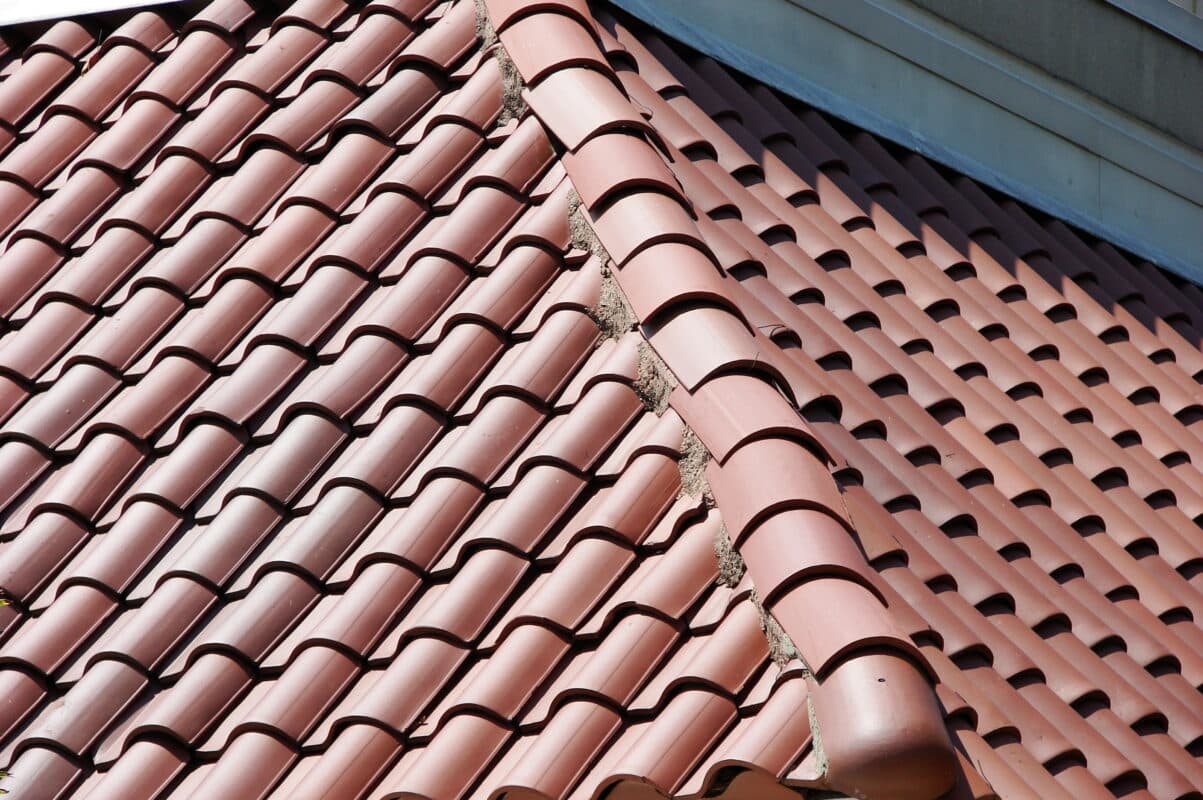
7 Best Roofing Materials For Durability & Longevity (2025 Review)

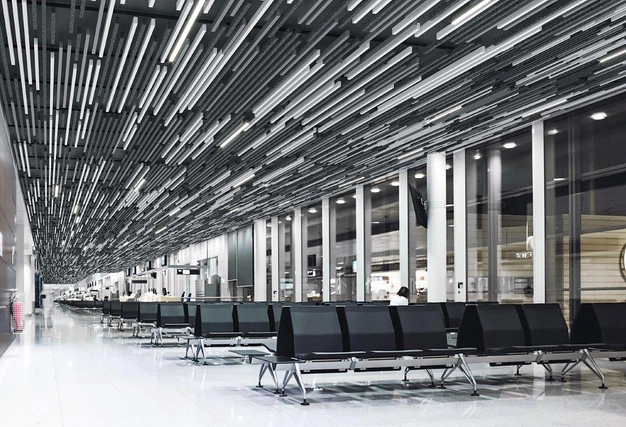
Ceiling Carrier System - Combi-Line from Hunter Douglas Architectural (Europe)

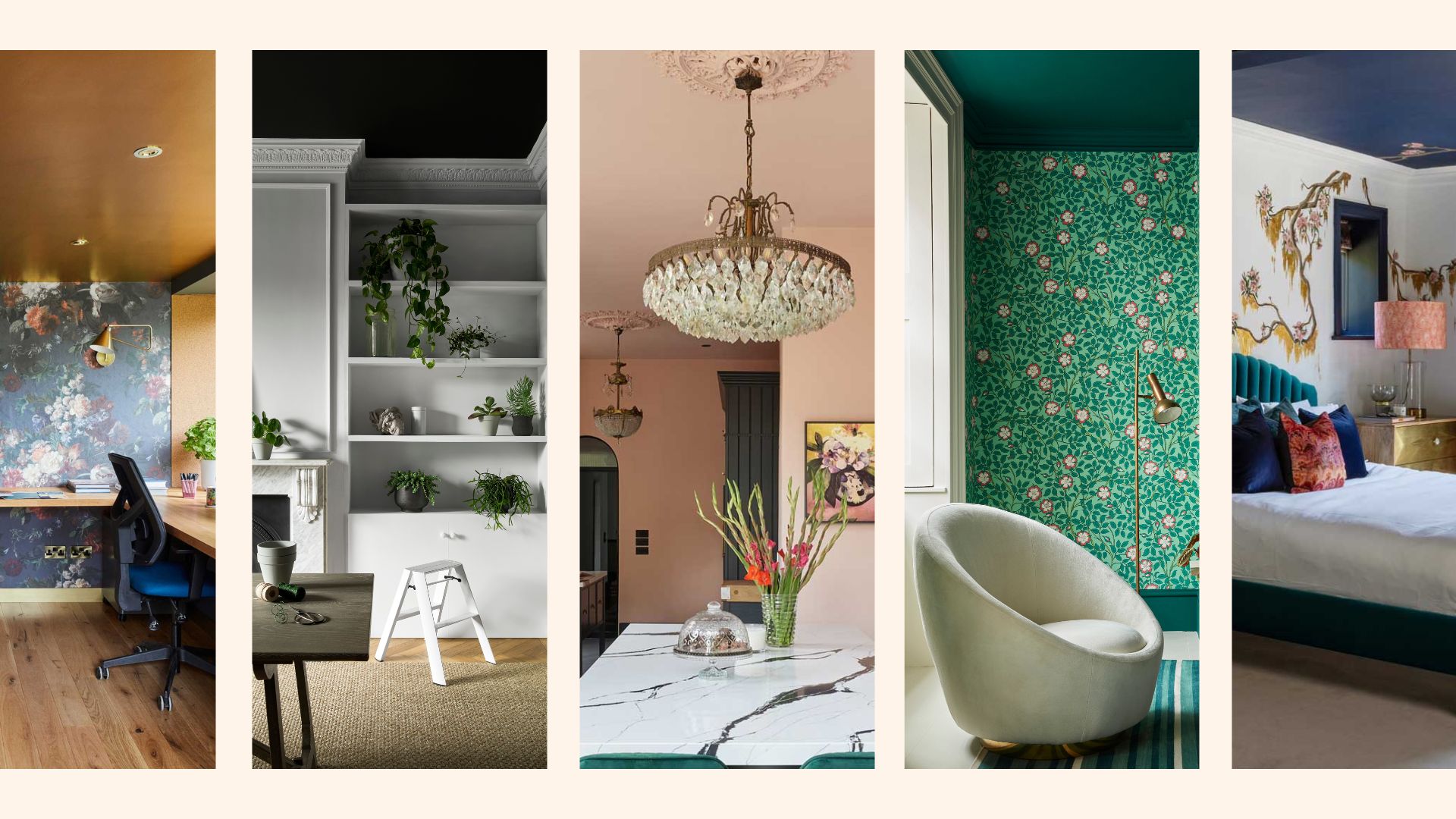
The best colour for ceilings as recommended by interior designers and colour specialists

Put this ceiling to work: Special treatments are the finishing touches that supercharge a room's ambiance