1/2
Protect the Environment With Sustainable Ceiling Trends
In 2026, ceilings are evolving from mere functional surfaces to strategic design elements within homes, playing a crucial role in overall home improvement. This shift is driven by a strong demand for renovation and a desire among homeowners to maximize the value and functionality of every space. Ceilings are now considered a canvas for expressing personal style, enhancing comfort, and subtly integrating technology without compromising aesthetics.
Building on the trends observed in 2025, sustainability, biophilic design, and smart integration are no longer secondary considerations but core expectations. Eco-conscious homeowners are increasingly scrutinizing not only the materials used overhead but also their impact on energy efficiency, acoustics, and indoor air quality. Simultaneously, bold colors, sculptural forms, and dramatic lighting are transforming ceilings into focal points, offering unique differentiation in a competitive market for design professionals. For businesses catering to this segment, 2026 emphasizes the blending of sustainable materials with striking designs, the layering of biophilic elements with advanced lighting solutions, and the seamless embedding of smart systems into ceilings.
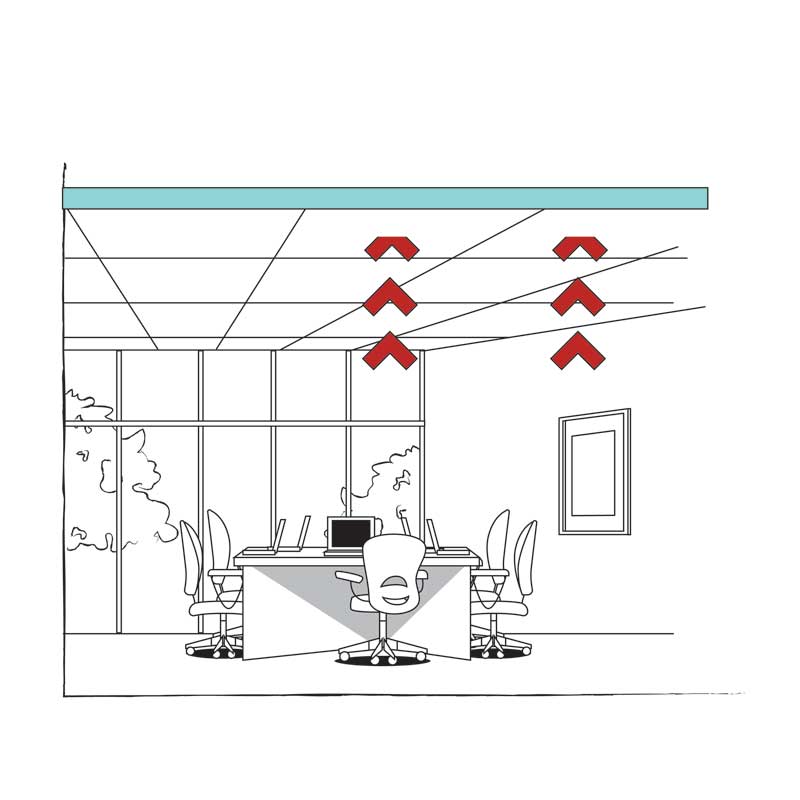
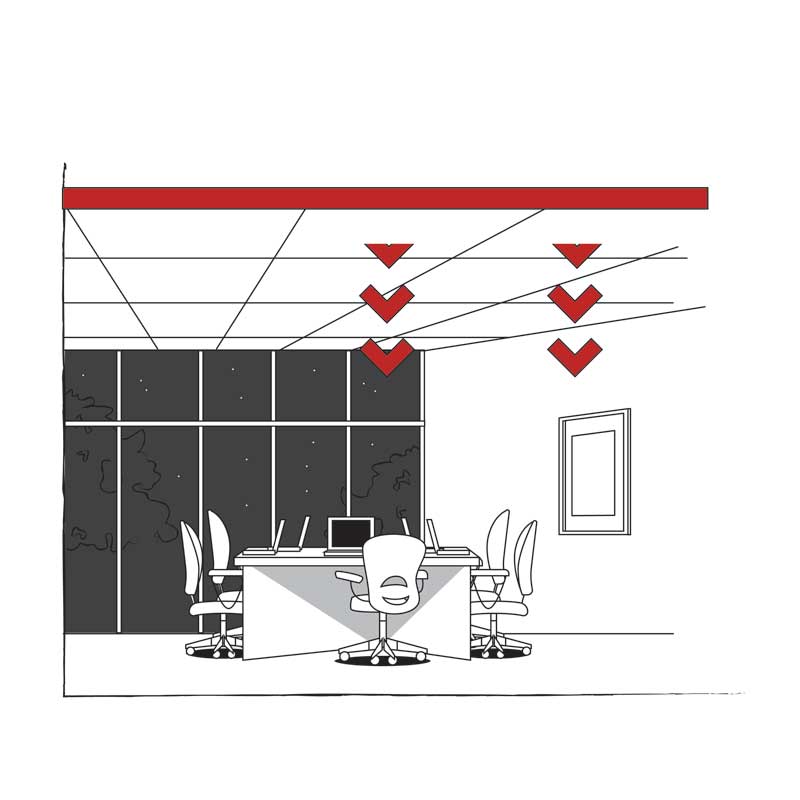
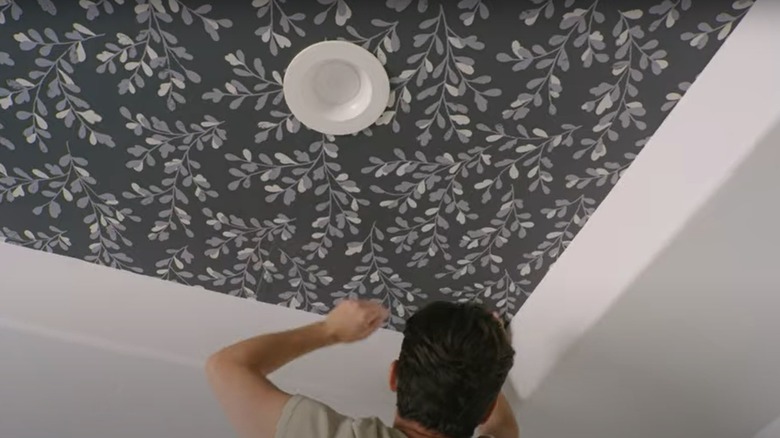
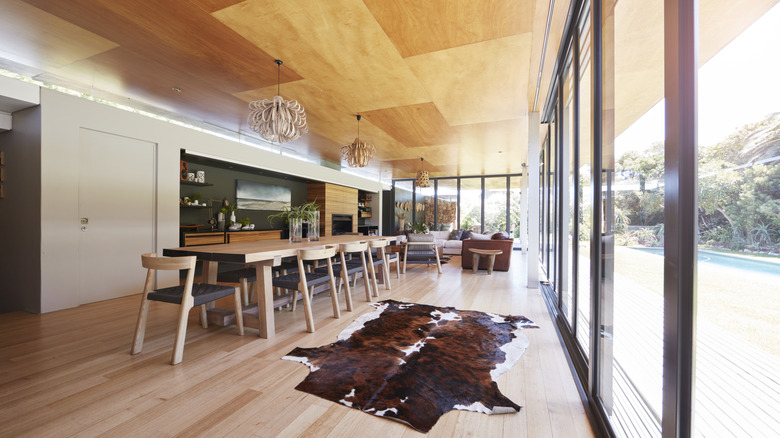
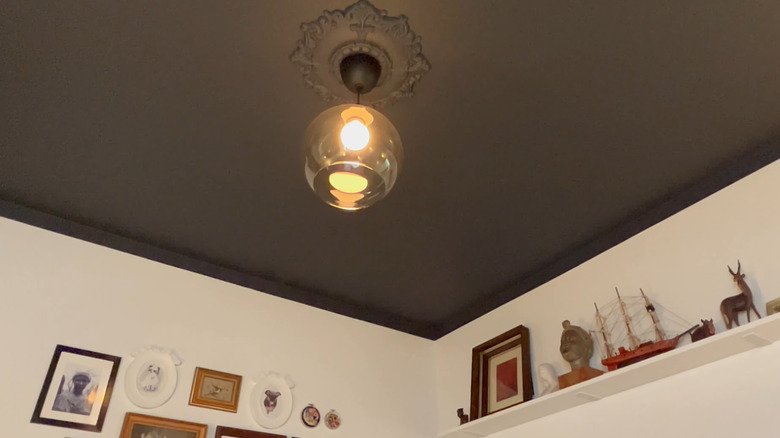
Several key trends are shaping ceiling design. Sustainable ceilings are paramount, with natural materials like wood and bamboo offering warmth, improved indoor air quality, and an appealing aesthetic. Recycled content in ceiling panels provides an eco-friendly option without sacrificing style. Integrating skylights and light tubes reduces reliance on artificial lighting, fostering a more open and airy ambiance. Dramatic ceiling ideas, such as bold colors like charcoal grays and deep navy blues, create intimacy and luxury. Techniques like two-tone painting, coffered ceilings with geometric panels, vaulted ceilings for grandeur, and tray ceilings for architectural interest are gaining traction. Metallic accents like brushed nickel are used to add a decadent touch, especially with metallic light fixtures.
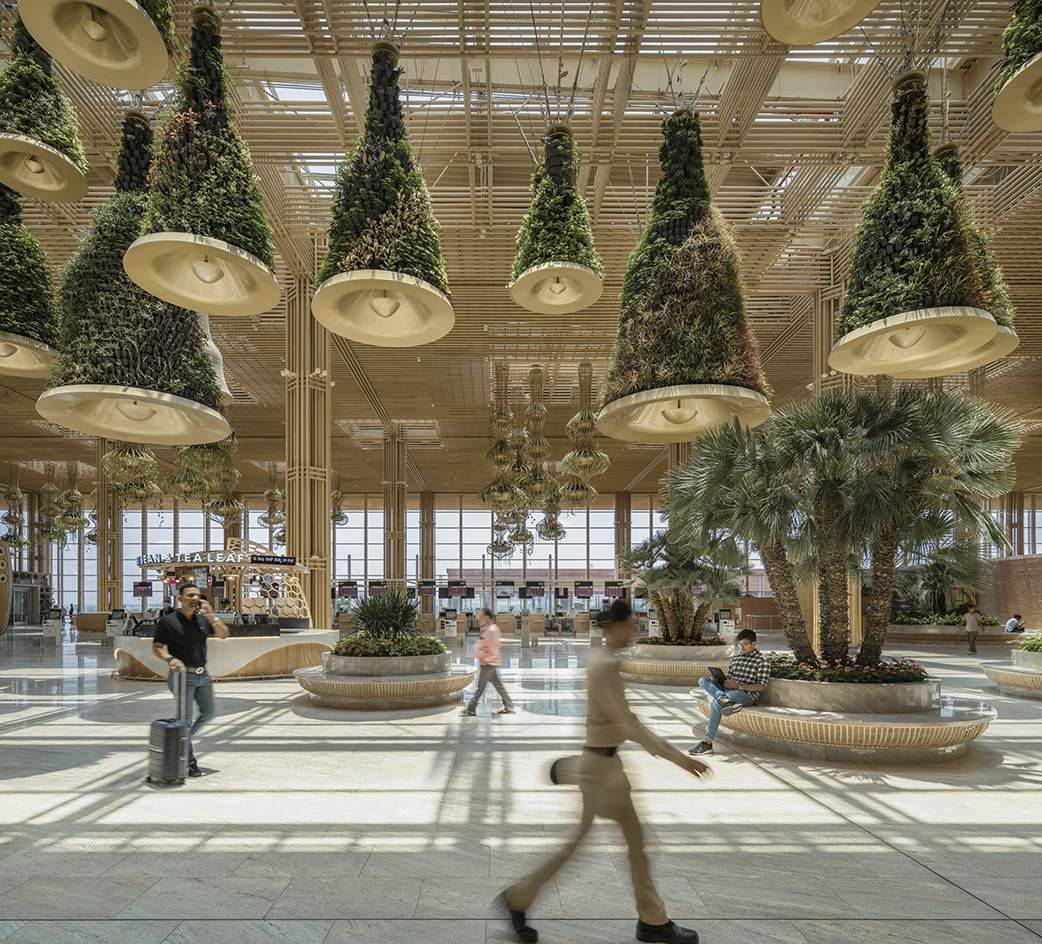
Biophilic design is another significant trend, bringing the outdoors inside. Cloud ceilings add whimsy and a calming atmosphere, while nature-inspired murals transform ceilings with scenes of waterfalls or starry nights. The integration of skylights with built-in planters combines natural light with greenery for a tranquil space. Creative ceiling lighting ideas extend beyond traditional pendant lamps, with recessed lighting offering a clean, modern look and task illumination. Statement chandeliers provide glamor, and track lighting offers adjustable illumination for varying needs.
Technology is seamlessly integrating into ceilings through smart systems. Integrated speakers provide immersive audio without bulky equipment, while advanced climate control systems hide heating and cooling vents for a streamlined look and improved airflow. Smart mood lighting systems allow homeowners to customize color and intensity, creating the perfect ambiance for any occasion.
The article also identifies top ceiling light brands that offer a range of solutions. Philips Hue leads in smart lighting with app and voice control, while Kichler Lighting is known for stylish, high-quality fixtures. Hubbardton Forge specializes in handcrafted, artisanal lighting, and Progress Lighting offers innovative, energy-efficient solutions. Tech Lighting is a leader in modern LED designs, and Feiss provides elegant, sophisticated options. Hampton Bay offers affordable yet stylish choices, West Elm focuses on chic, minimalist designs, and FLOS is celebrated for innovative and artistic fixtures. IKEA provides budget-friendly, functional, and stylish options. These brands cater to diverse tastes, budgets, and requirements, demonstrating a commitment to quality, innovation, and customer satisfaction.
Finally, the article addresses common questions regarding popular ceiling types, revealing that tray and coffered ceilings are favored for architectural interest, exposed beams and wood ceilings for warmth, vaulted ceilings for openness, and acoustic ceilings for functionality. Flat ceilings remain the most common due to versatility and ease of maintenance. The trend for white ceilings endures due to their versatility, light reflection, clean aesthetic, and timeless appeal. Popcorn ceilings are largely out of style due to their outdated appearance, maintenance challenges, potential health risks (asbestos), and negative impact on real estate value. False ceilings are currently trending due to their aesthetic appeal, ability to conceal utilities, improved lighting, sound insulation, energy efficiency, and design versatility. Ceiling fans remain in style, evolving with enhanced designs, energy efficiency, smart features, dual functionality, and suitability for outdoor use, contributing to health benefits and versatility.
#CeilingTrends #HomeDesign #InteriorDesign #SustainableMaterials #SmartHomeIntegration #BiophilicDesign #LightingDesign #ArchitecturalFeatures #Renovation #CeilingTrends #HomeDesign #InteriorDesign #SustainableMaterials #SmartHomeIntegration #BiophilicDesign #LightingDesign #ArchitecturalFeatures #Renovation
0 comment in total
 No comments yet
You may also like
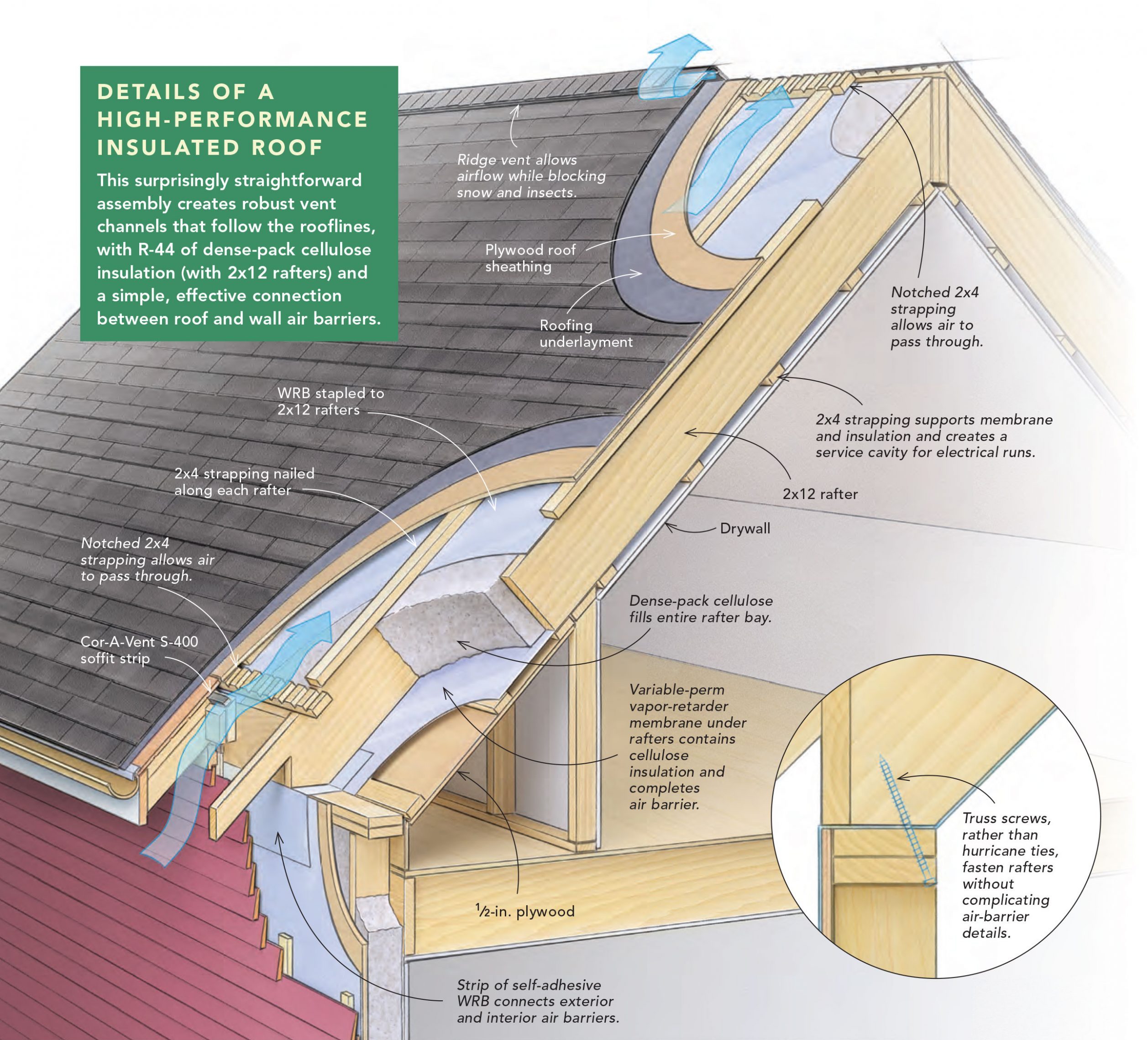
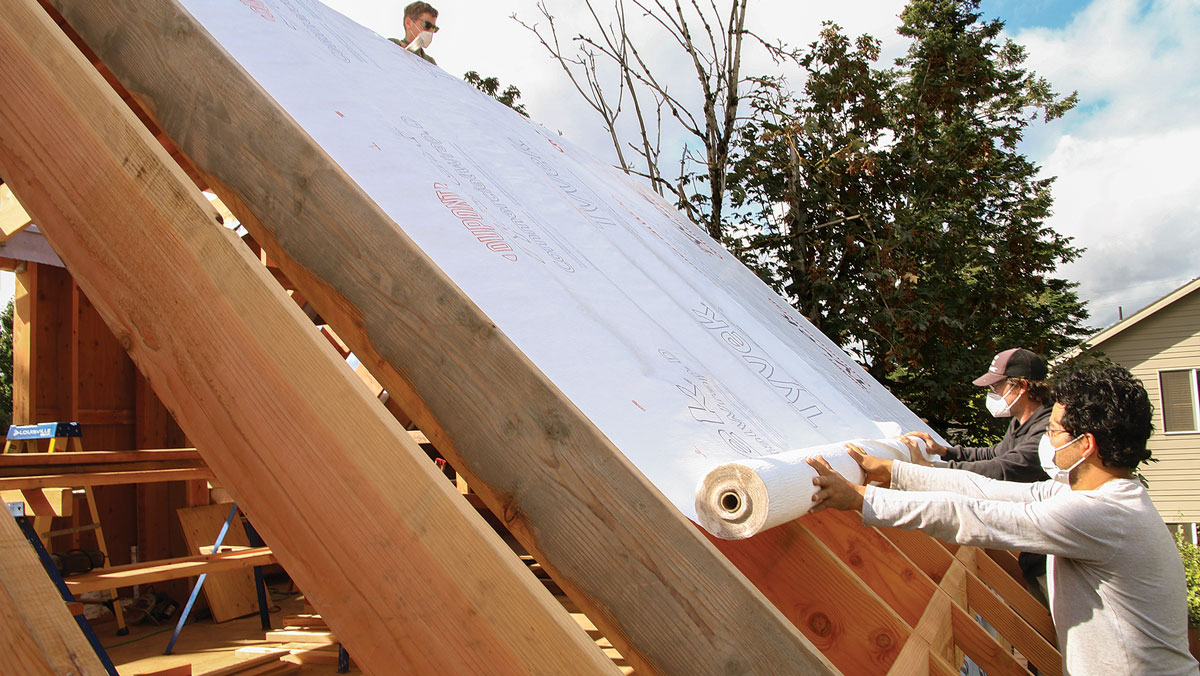
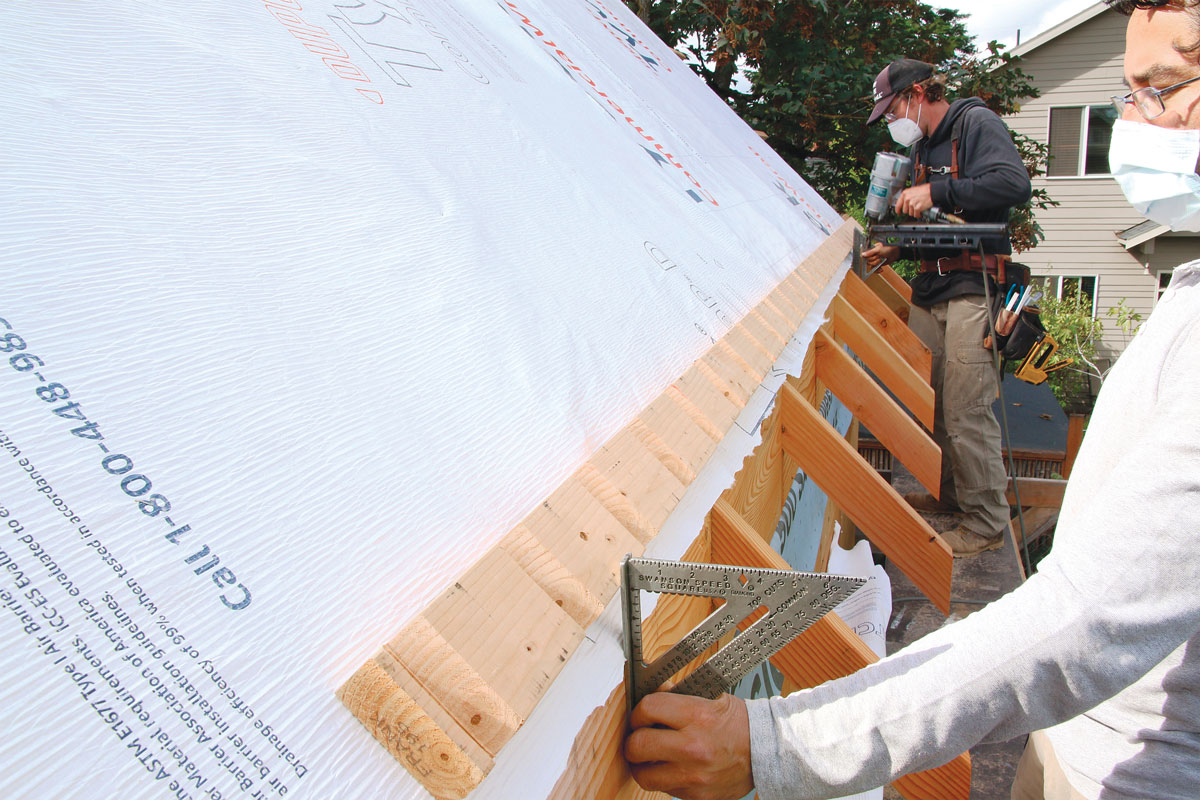
A New Take on Insulating a Roof

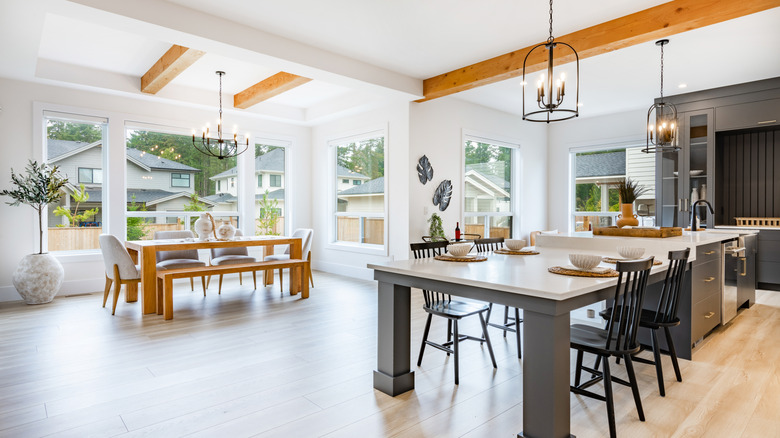
Top Ceiling Trends You Can Expect To See More Of In 2025
Inside and out

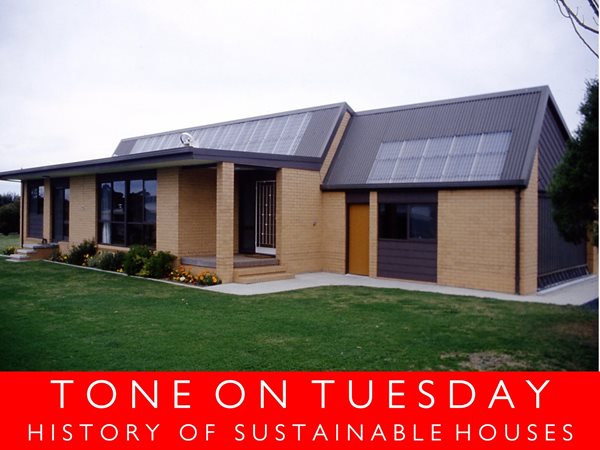
Tone on Tuesday 211: A short history of sustainable houses
Energy-saving strategies: Ceiling panels with phase change material (PCM)
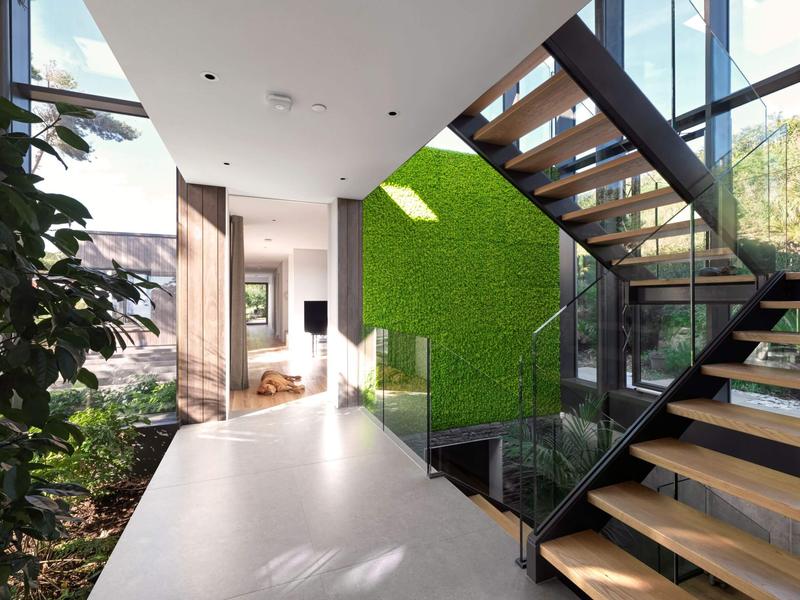
10 ways to make your home more sustainable

Affordable housing and environmental sustainability: Building a greener future

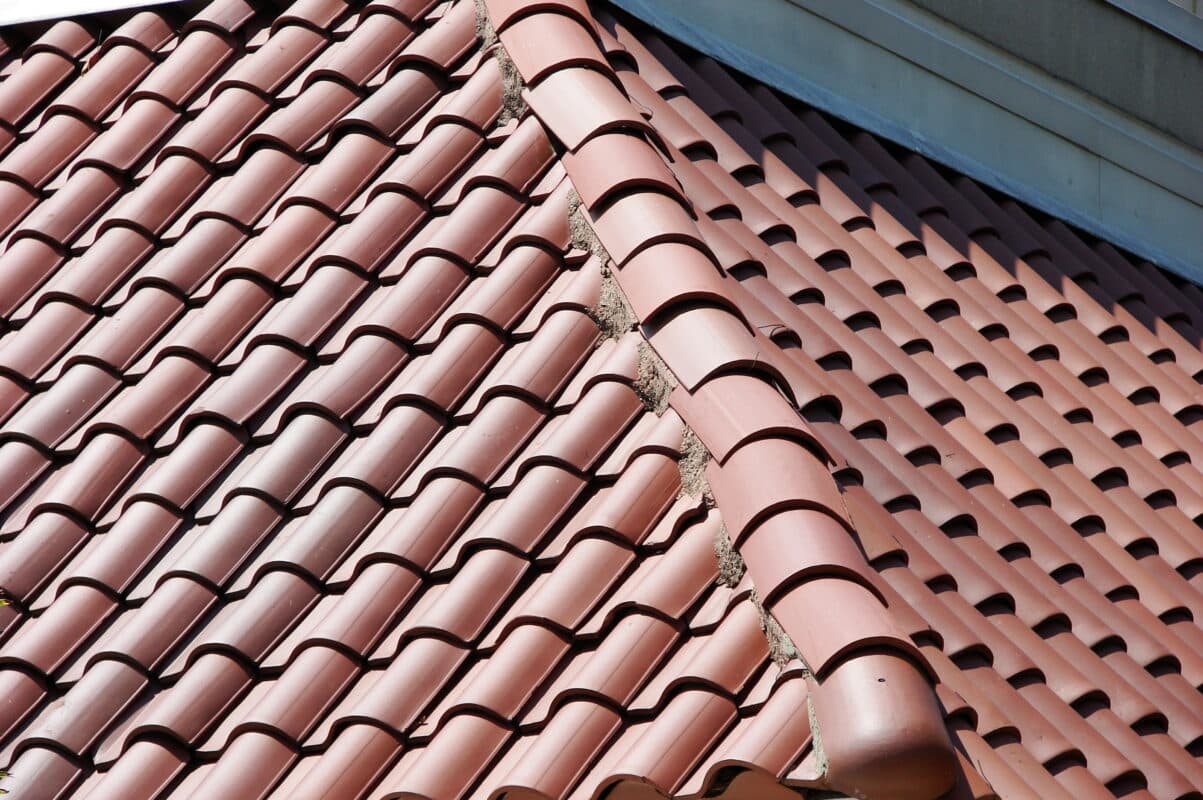
7 Best Roofing Materials For Durability & Longevity (2025 Review)

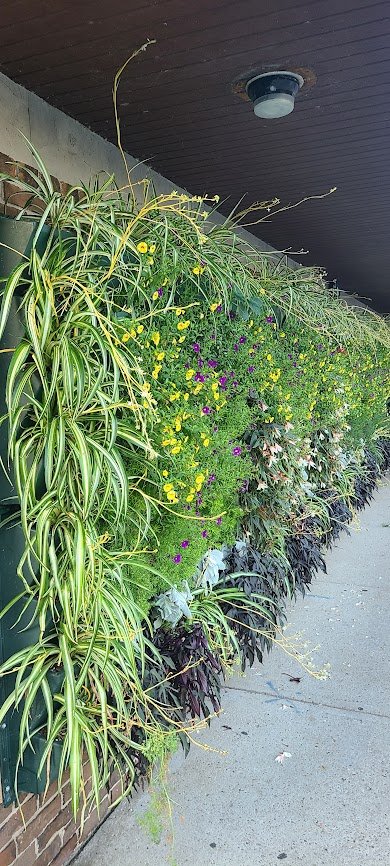
Ten Innovations in North America’s Green Roof and Wall Industry
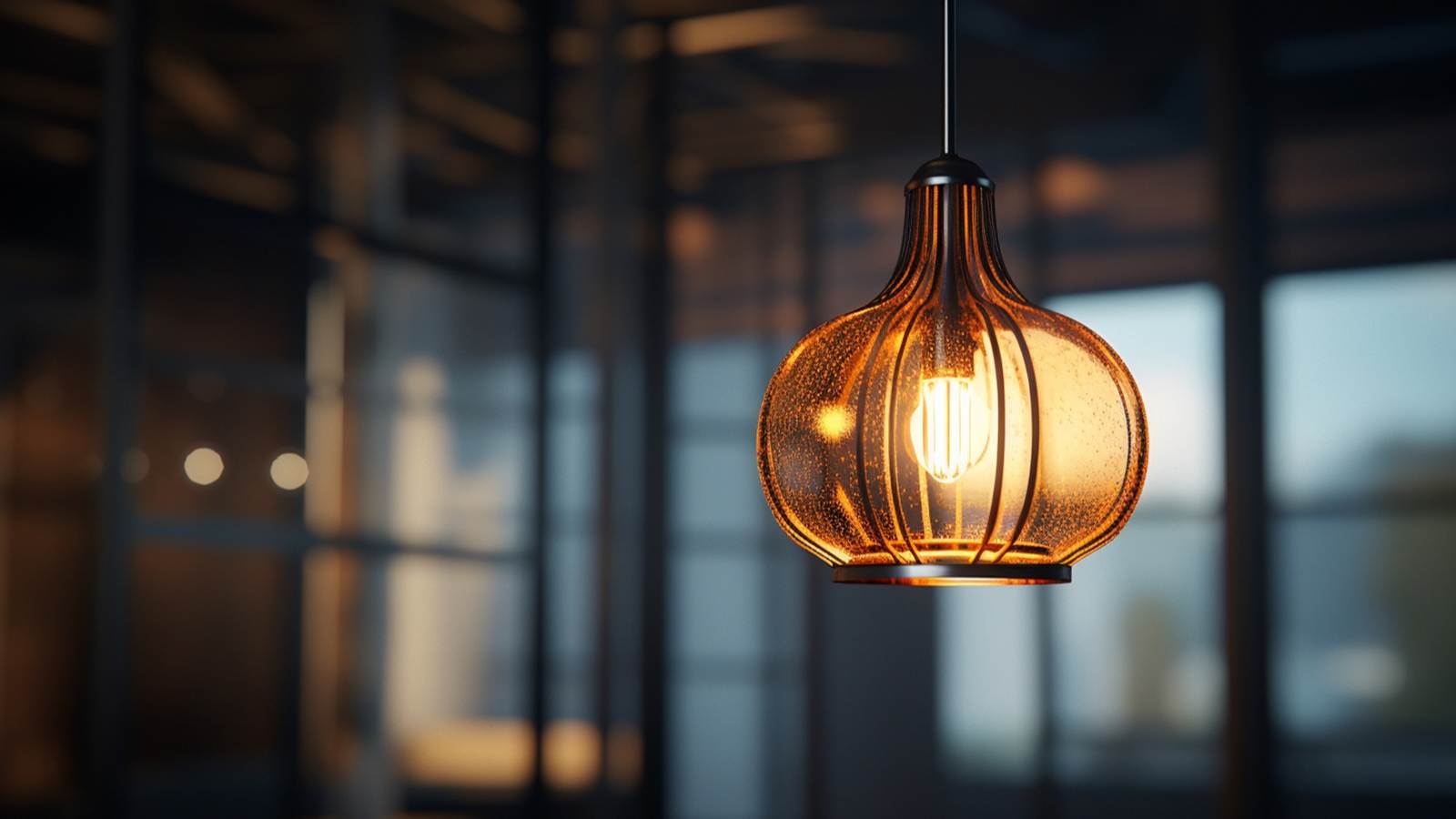
Looking Up: Top Ceiling Trends for 2025
Sustainable Buildings: Pioneering a Green Revolution in Urban Design

Top 10 Examples of Most Sustainable Architecture in 2025

Home Builders Fighting Energy Efficiency

Analysis of the impact of growing green walls based on the reduction of PM
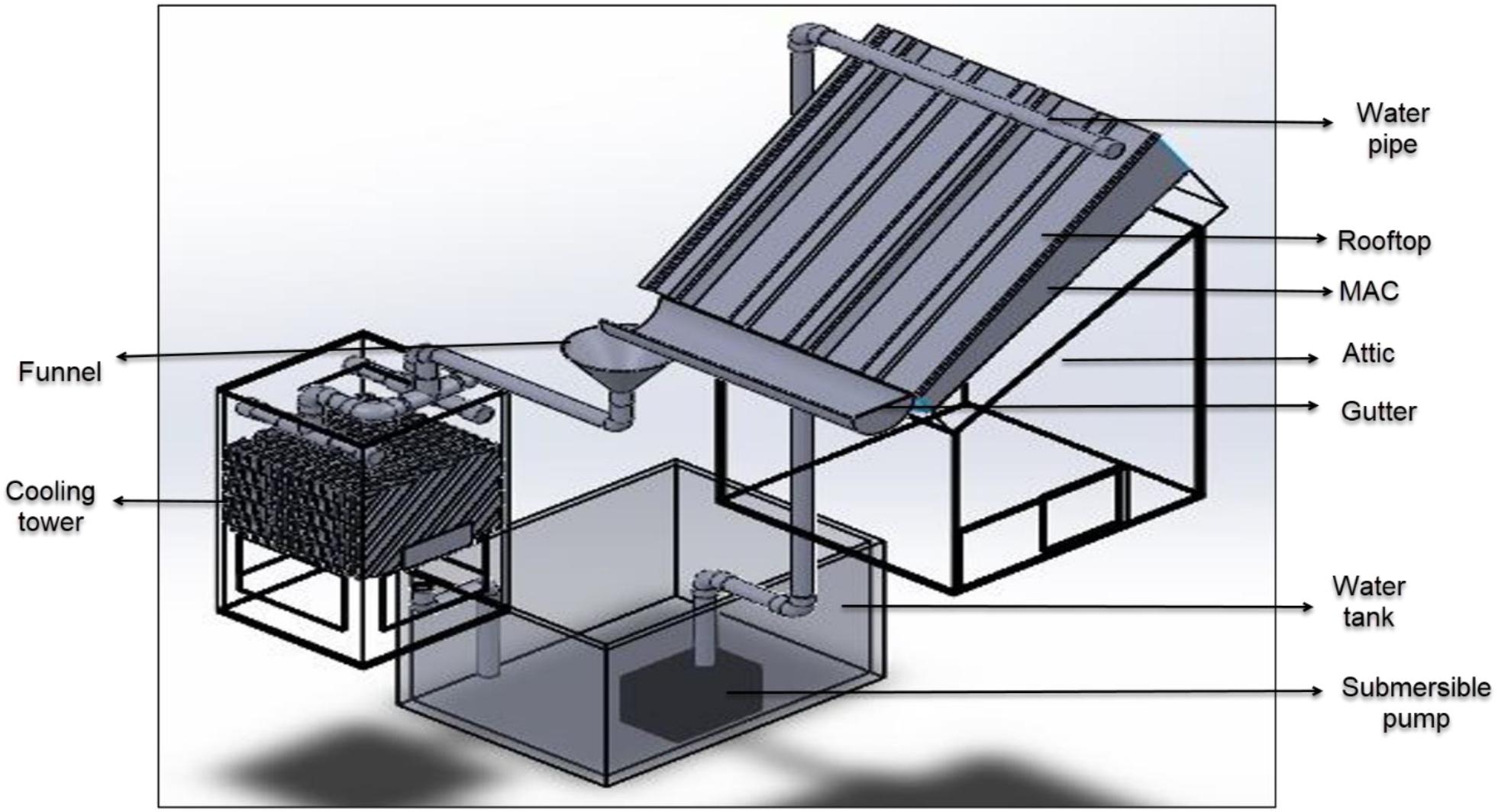
Rainwater Harvesting System Integrated With Sensors for Attic Temperature Reduction
These 10 Sustainable Home Technologies Will Change the Way We Live

5 reasons why floating development is set to take the world by storm


Deconstructing Buildings: The Quest for New Life for Old Wood

Sustainable architecture: 46 innovative and inspiring building designs

Living green walls are having a moment but face a steep challenge