1/9
Energy-saving strategies: Ceiling panels with phase change material (PCM)
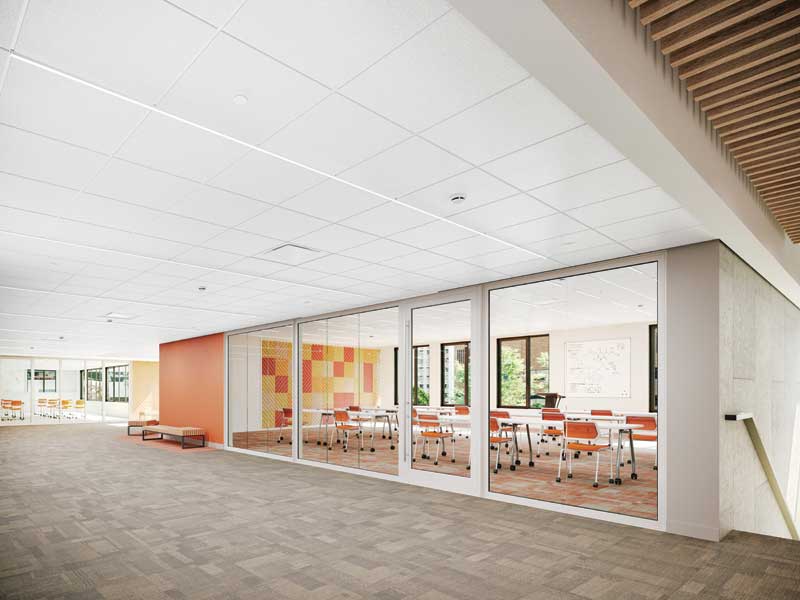
Facility owners and managers, alongside specifiers, face increasing demands driven by budget constraints, compressed timelines, and the need to create productive and appealing spaces. Key challenges include the impacts of climate change, a heightened focus on indoor environmental quality (IEQ), aging HVAC equipment, tighter budgets, the pursuit of net-zero carbon goals, and environmental stewardship. A significant innovation addressing these challenges is the integration of phase change material (PCM) into ceiling panels. This technology helps maintain a consistent and comfortable indoor temperature of 22°C (72°F) by passively absorbing heat as temperatures rise and releasing it as the space cools.
PCM ceilings can substantially reduce energy consumption by offsetting HVAC demand during peak hours, where mechanical heating and cooling are least efficient. Lab tests indicate that mineral fiber panels with PCM technology can cut energy costs and consumption by up to 15 percent. Beyond energy savings, PCM ceilings offer benefits such as improved acoustics through sound blocking and absorption, simpler installation, and contributions to broader environmental sustainability.
The concept of thermal mass, a material's ability to absorb, store, and release heat, is crucial for enhancing building resilience against extreme weather. Traditional high thermal mass materials like concrete, brick, and stone buffer indoor temperature fluctuations. However, these materials come with environmental drawbacks, such as high CO2 emissions from cement production, and practical challenges due to their weight, volume, and cost, making them difficult for retrofitting. PCM offers a modern, sustainable solution, providing higher energy storage density, thinner profiles, and better thermal conductivity compared to conventional materials. Since almost every space requires a ceiling, PCM ceiling panels integrate thermal mass without adding new structural elements.
The mechanism of PCM in ceiling panels is analogous to ice in a cooler. During the day, as a space warms from occupancy or sunlight, the crystallized PCM melts, absorbing heat and cooling the area. At night or during low-occupancy periods, as the room cools, the PCM re-crystallizes, releasing stored heat to warm the space. This passive process reduces reliance on mechanical HVAC systems. PCM ceiling panels are engineered for optimal performance around 22°C (72°F).
Key advantages of PCM ceilings include reduced demand on HVAC systems, leading to lower energy consumption through pre-cooling/pre-heating strategies and continued thermal management during power outages. They offer flexibility for economical 'spot managing' thermal comfort in areas with drastic temperature swings and allow room-by-room upgrades. PCM ceilings are budget-friendly, providing an alternative to expensive HVAC retrofits and requiring no increase in physical footprint or complex electrical engineering. They are also labor-saving, being maintenance-free and easy to install. Environmentally, they reduce carbon footprints, mitigate challenges of building electrification, and align with sustainability standards like WELL and LEED. Additionally, PCM ceiling panels enhance acoustic performance by blending with sound-absorbing technologies and improving sound blocking.
Various building types and regions can benefit from PCM ceilings, particularly those with significant diurnal temperature ranges, high energy costs, and where comfort, productivity, and resilience during outages are crucial, such as offices, schools, and healthcare facilities. They are also ideal for older buildings with aging or absent HVAC systems and for integration with night ventilation management systems. Real-world applications and studies, including the U.S. General Services Administration’s Green Proving Ground program and validation studies with the U.S. Department of Energy, have demonstrated their effectiveness in reducing cooling energy demand and achieving heating energy savings. The National Renewable Energy Laboratory (NREL) is analyzing data from a three-year study on the first community building to use these panels, with results expected in late 2024. These findings highlight PCM ceiling panels as a viable solution for building energy efficiency and sustainability in the face of ongoing climate change challenges.
#PhaseChangeMaterial #PCM #EnergyEfficiency #HVACSystems #ThermalMass #SustainableBuilding #IndoorEnvironmentalQuality #NetZeroCarbon #BuildingResilience #PhaseChangeMaterial #PCM #EnergyEfficiency #HVACSystems #ThermalMass #SustainableBuilding #IndoorEnvironmentalQuality #NetZeroCarbon #BuildingResilience
0 comment in total
 No comments yet
You may also like
Easy install marble wood textile philippines ceiling wall pvc panel
Passive Design Strategies for Energy Efficient Buildings in the Arabian Desert
WPC PVC Wall Panels Interior Boards, 3D Others Wall Panels Sheet Boards

How to Weatherize Your Home | Reviews by Wirecutter
Panelled ceiling ideas aren't just for trad styles – here's how to make them work with modern or minimalist decor

Cool White Polymer Coatings based on Glass Bubbles for Buildings
It's Time to Reverse Your Ceiling Fans

10 Modern Plywood Ceiling Design Ideas In 2025

Roof and ceiling systems with versatile application
Camfly Decor City has it all


Do thermal curtains keep heat out in the summer? Experts reveal whether these window dressings are worth buying
18 energy saving ideas

Energy-efficient ceiling fans: Cutting cooling costs year-round
20 Modern Wall Panelling Design Ideas for Your Dream Home
Radiant Barriers

Wall paneling ideas – experts offer 9 simple tricks to wake up your walls
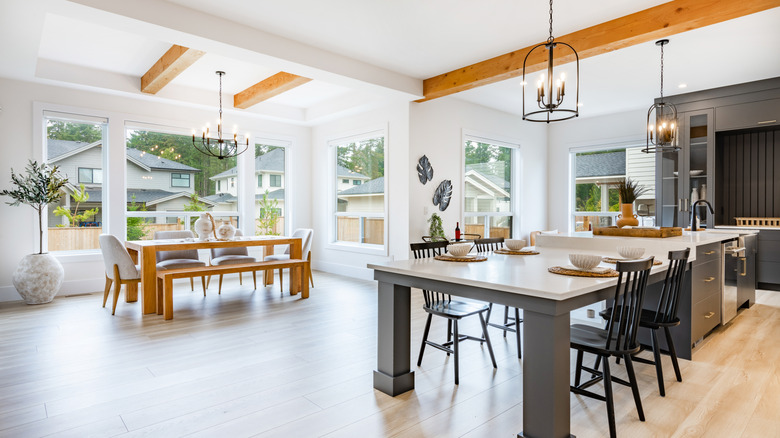
Top Ceiling Trends You Can Expect To See More Of In 2025
A New Take on Insulating a Roof
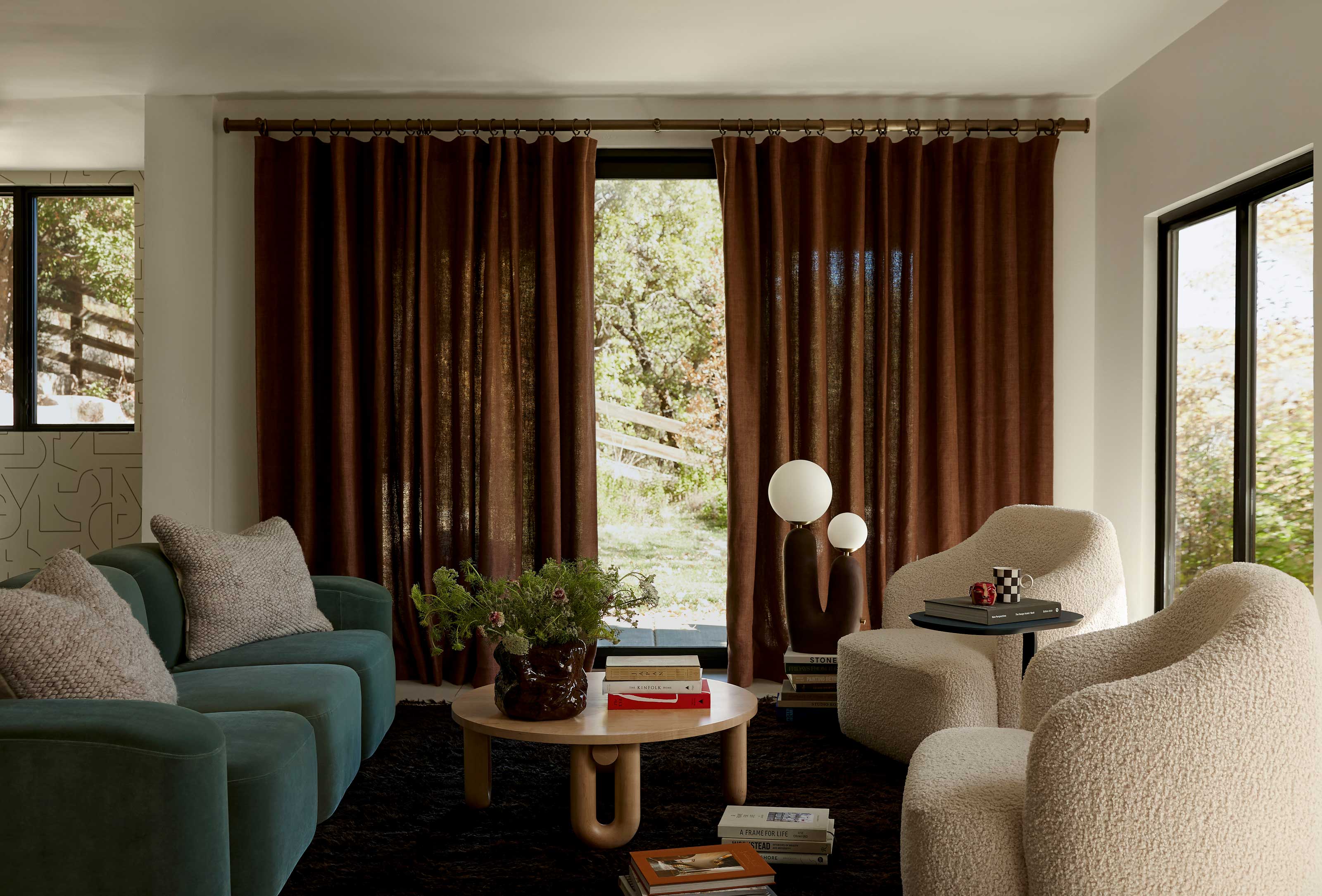
Which window treatments will actually keep my house cool? 5 ideas that will help control the temperature inside
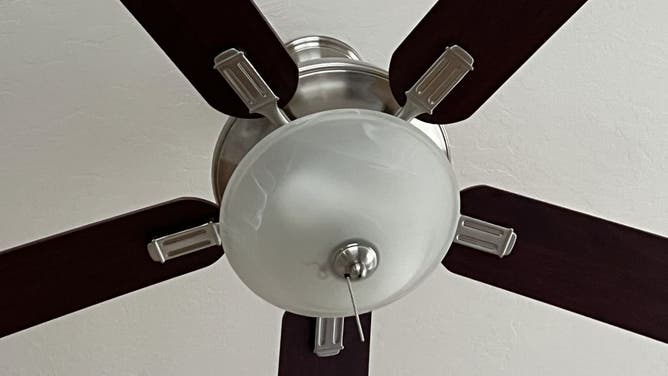
The unknown switch that you should change twice a year on your ceiling fan