1/6
Which window treatments will actually keep my house cool? 5 ideas that will help control the temperature inside
The article discusses various window treatments designed to help maintain a cool indoor temperature, particularly during hot weather. It emphasizes a multi-faceted approach, combining window treatments with air conditioning, to effectively manage a home's temperature. Expert advice is provided on several options, highlighting their mechanisms and benefits.
Reflective window films are introduced as a highly effective solution. These films work by reflecting sunlight away from the window, reducing heat entry into the home. They can block a significant portion of the sun's heat, up to 80%, and also offer privacy. The films are customizable and can be self-installed, slightly altering the window's appearance. While not the most aesthetically glamorous on their own, they can be combined with other window dressings like curtains and blinds.
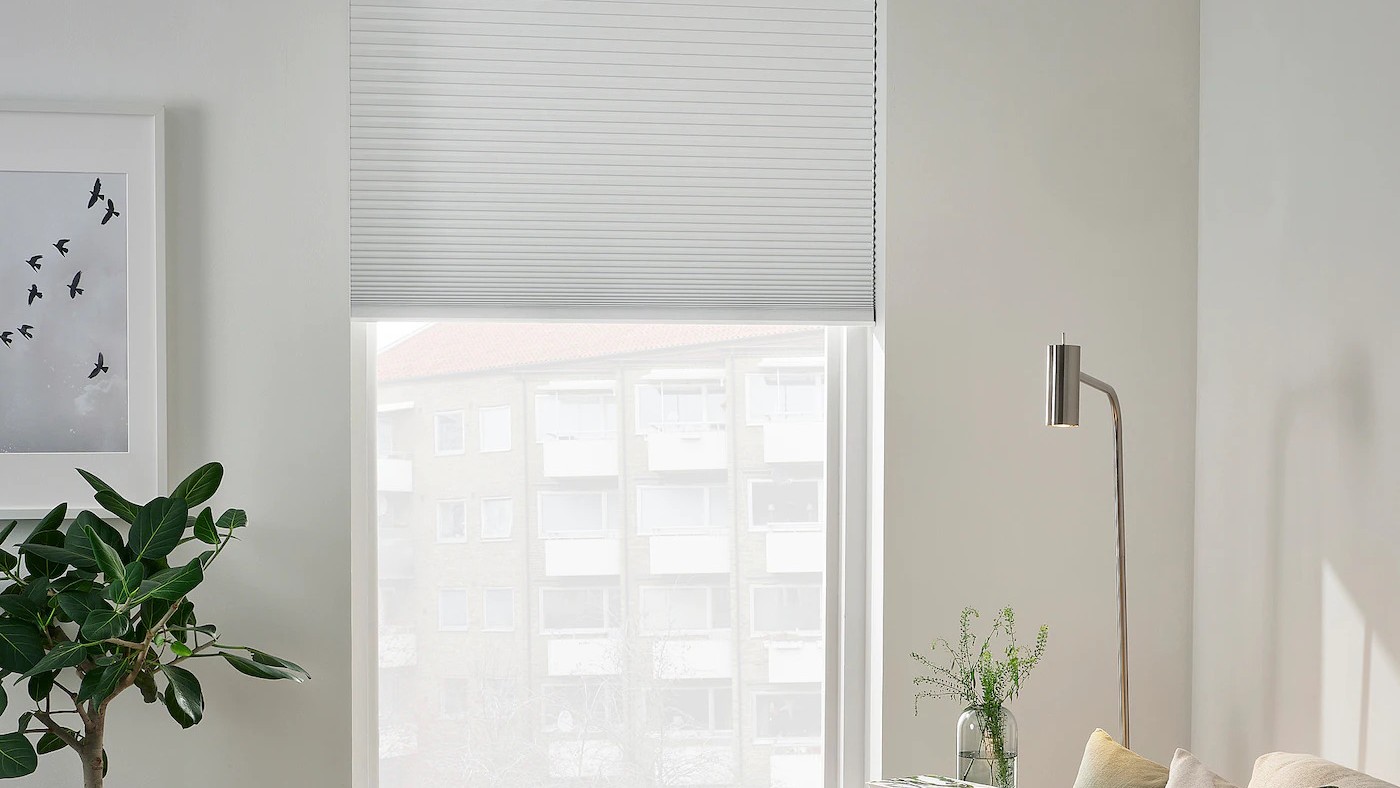
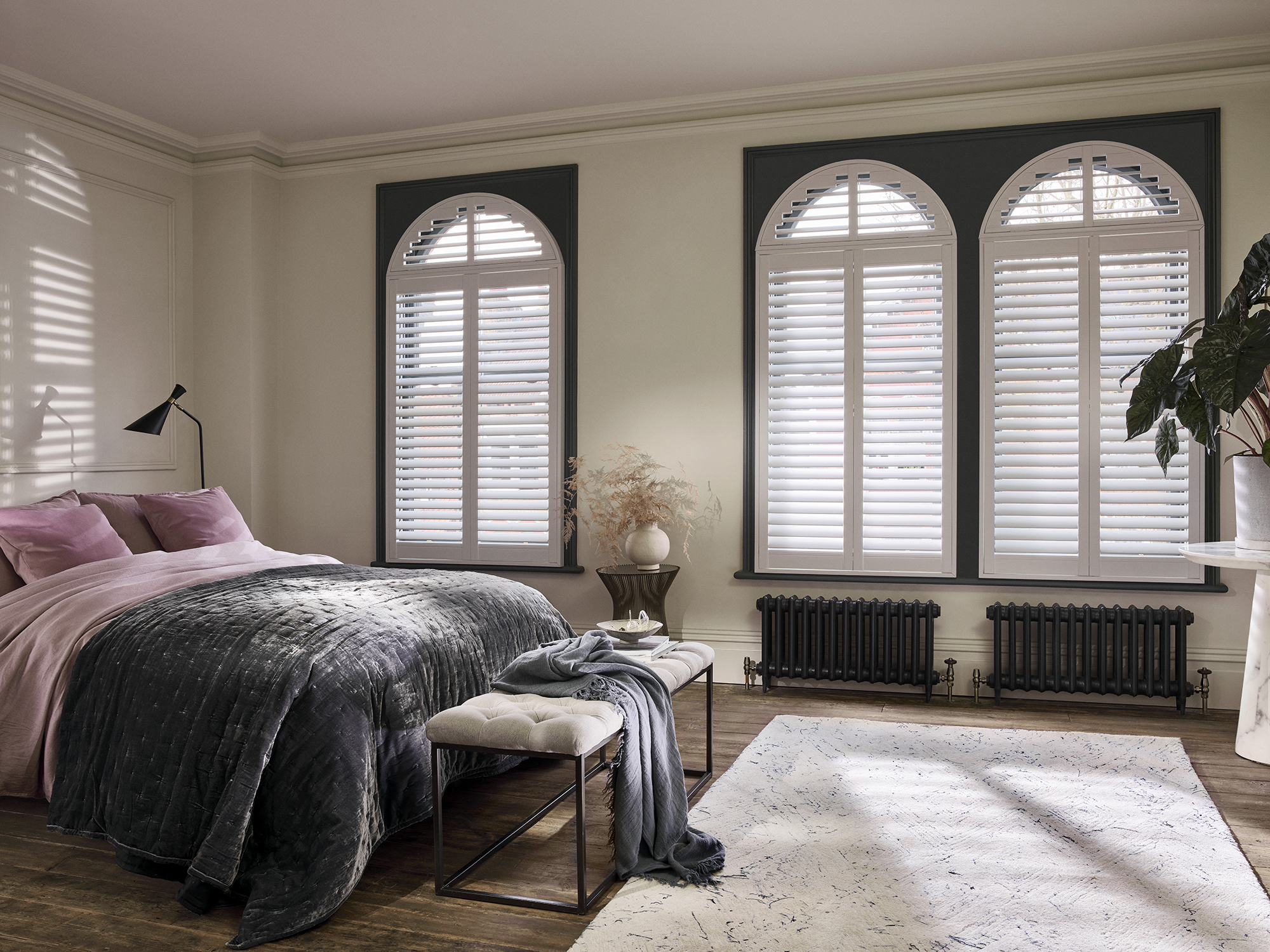
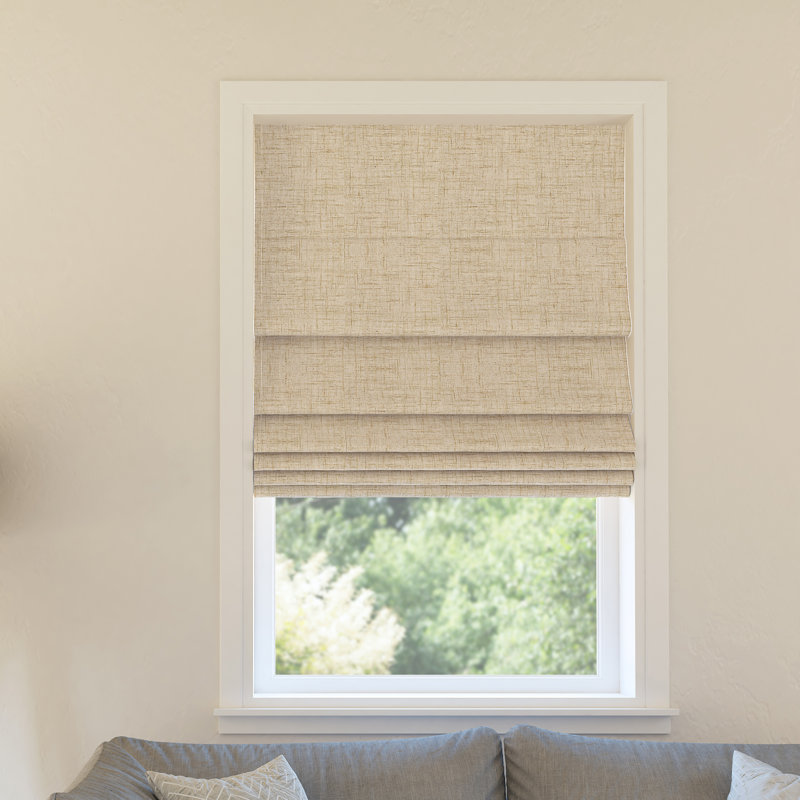
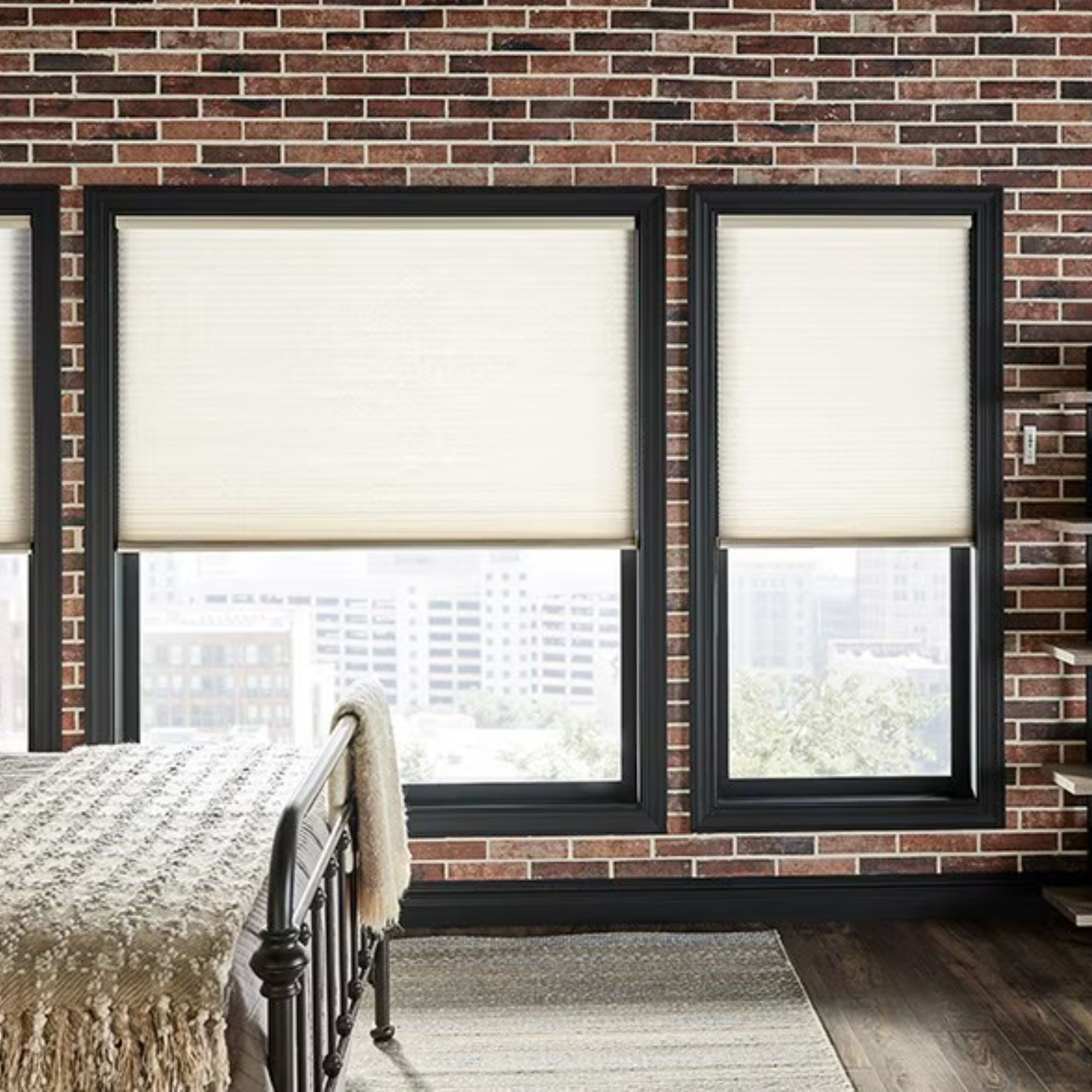
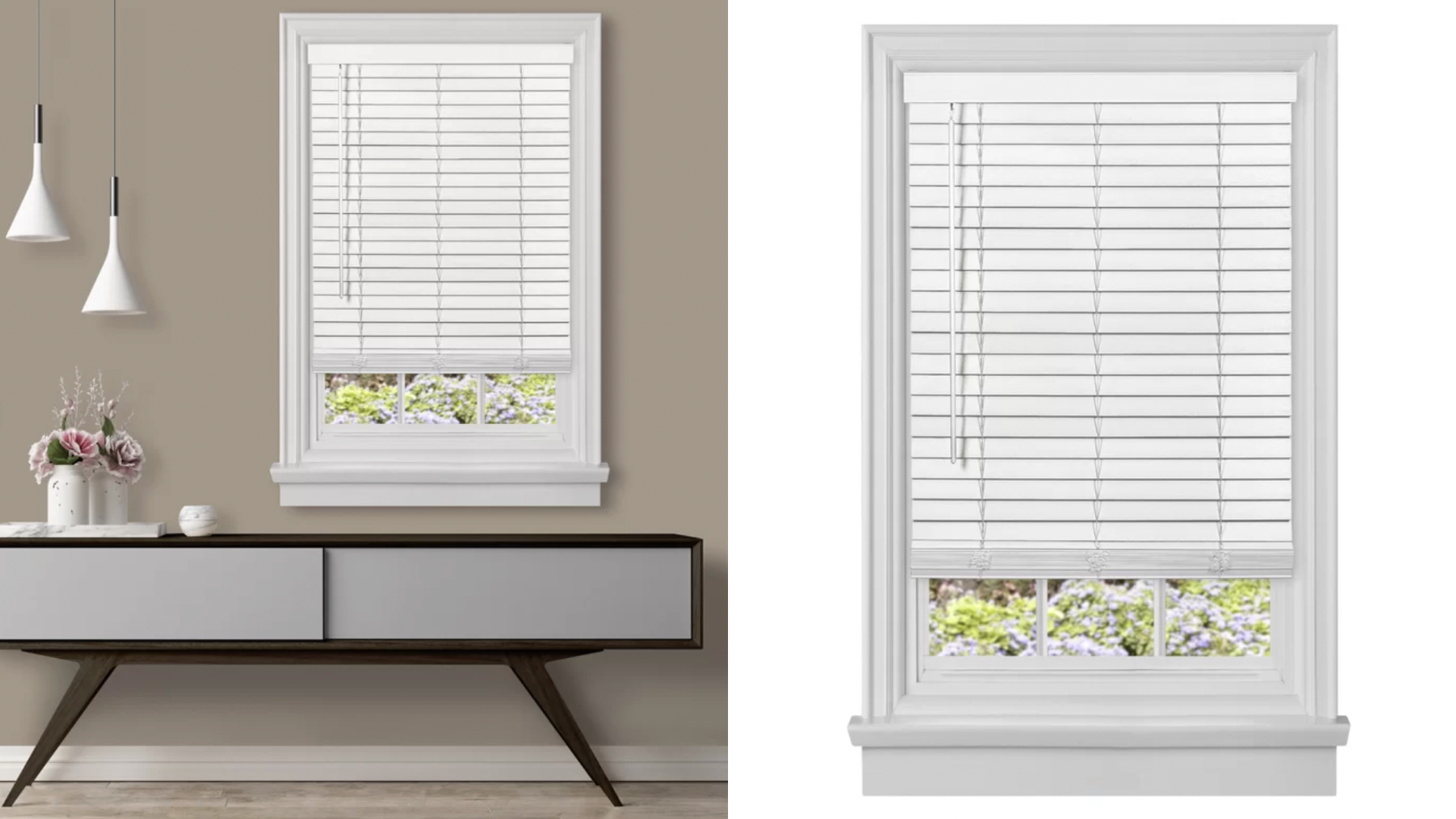
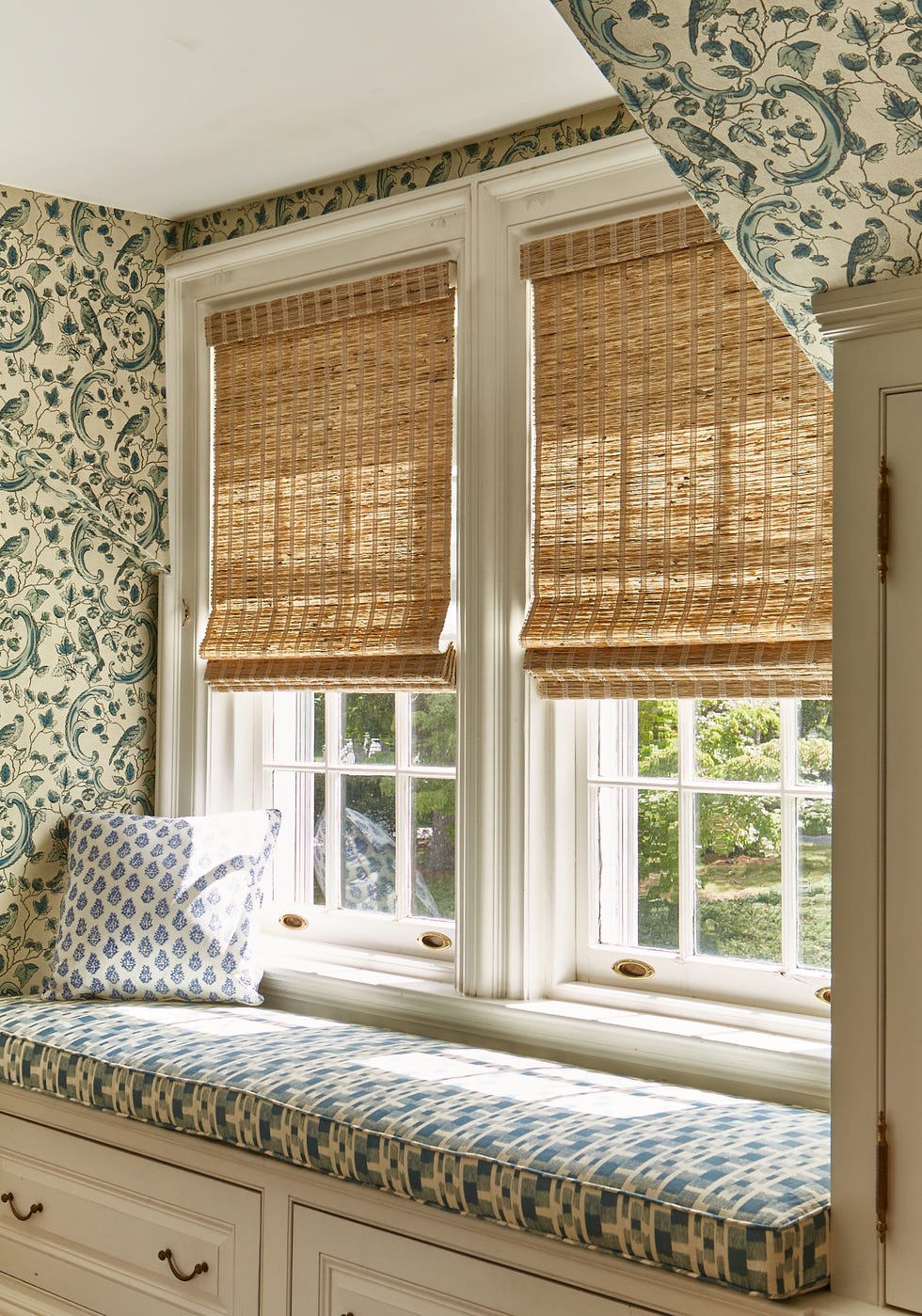
Cellular shades are presented as another effective option due to their insulative qualities. Their simple design traps air, creating a natural barrier against heat. These shades are versatile and can fit into various contemporary settings without compromising aesthetics. The article notes that they offer both insulation and aesthetic appeal, making them a practical choice for those who appreciate the look of Roman or chik blinds but desire more summer-friendly features.
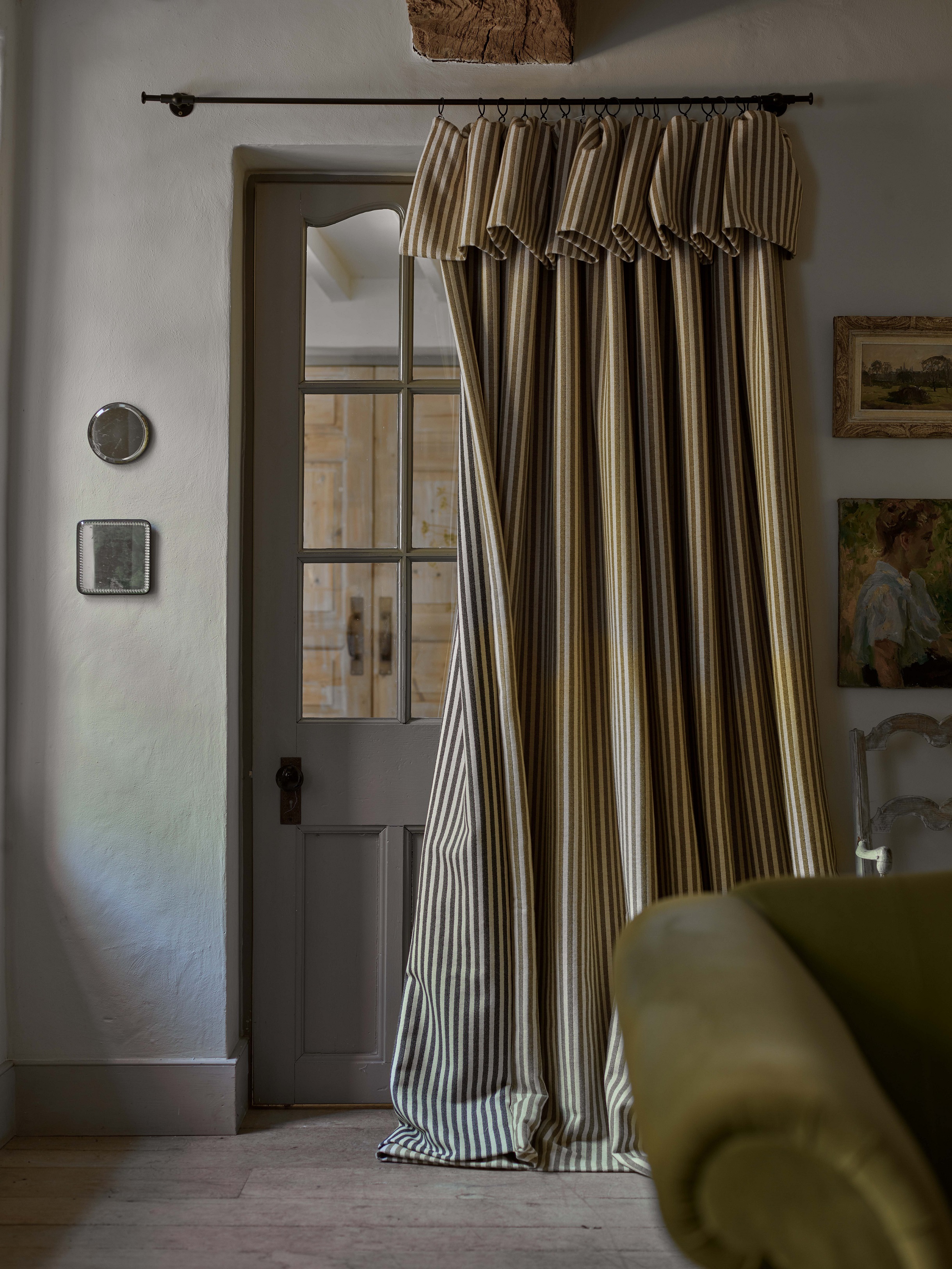
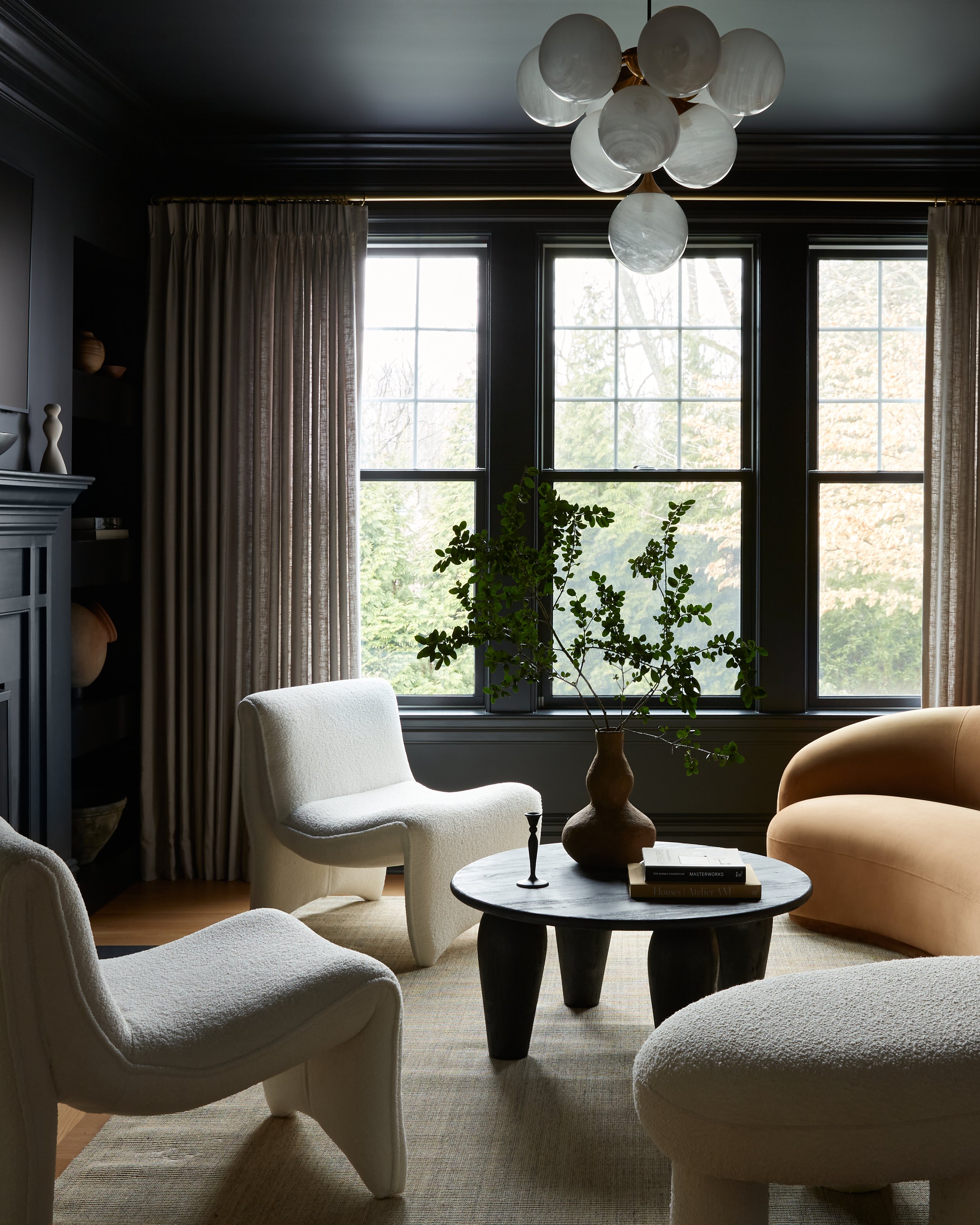
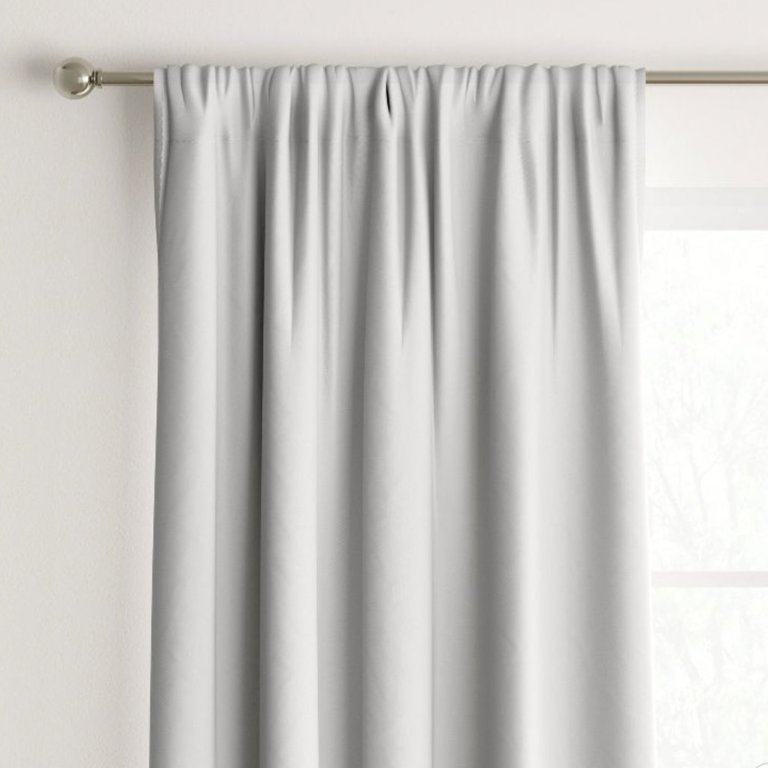
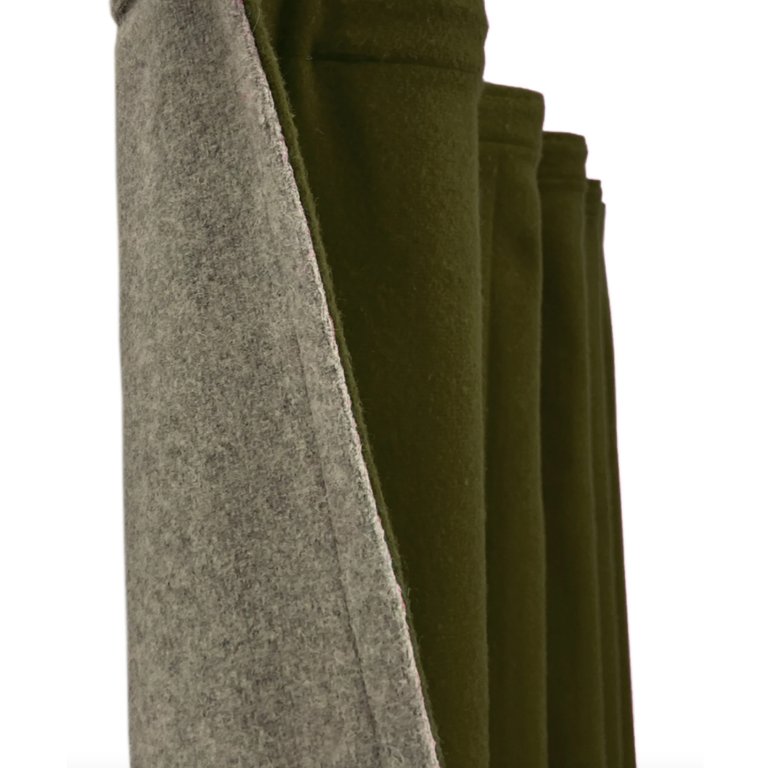
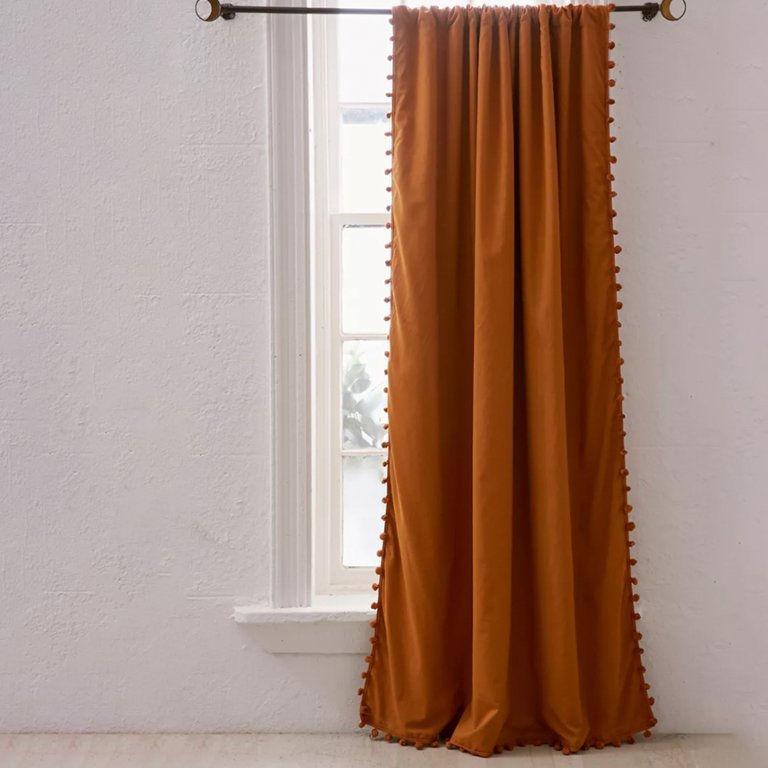
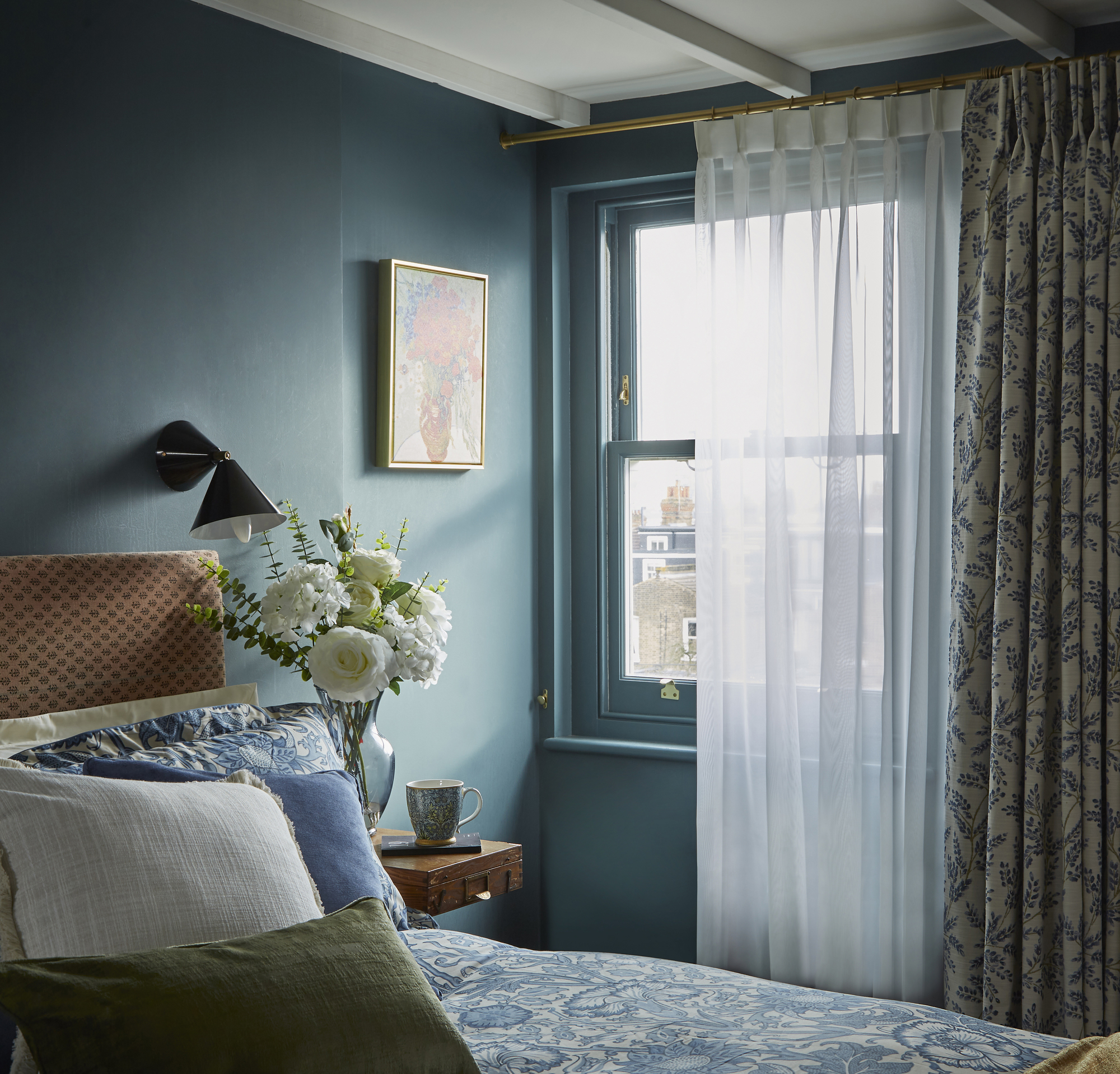
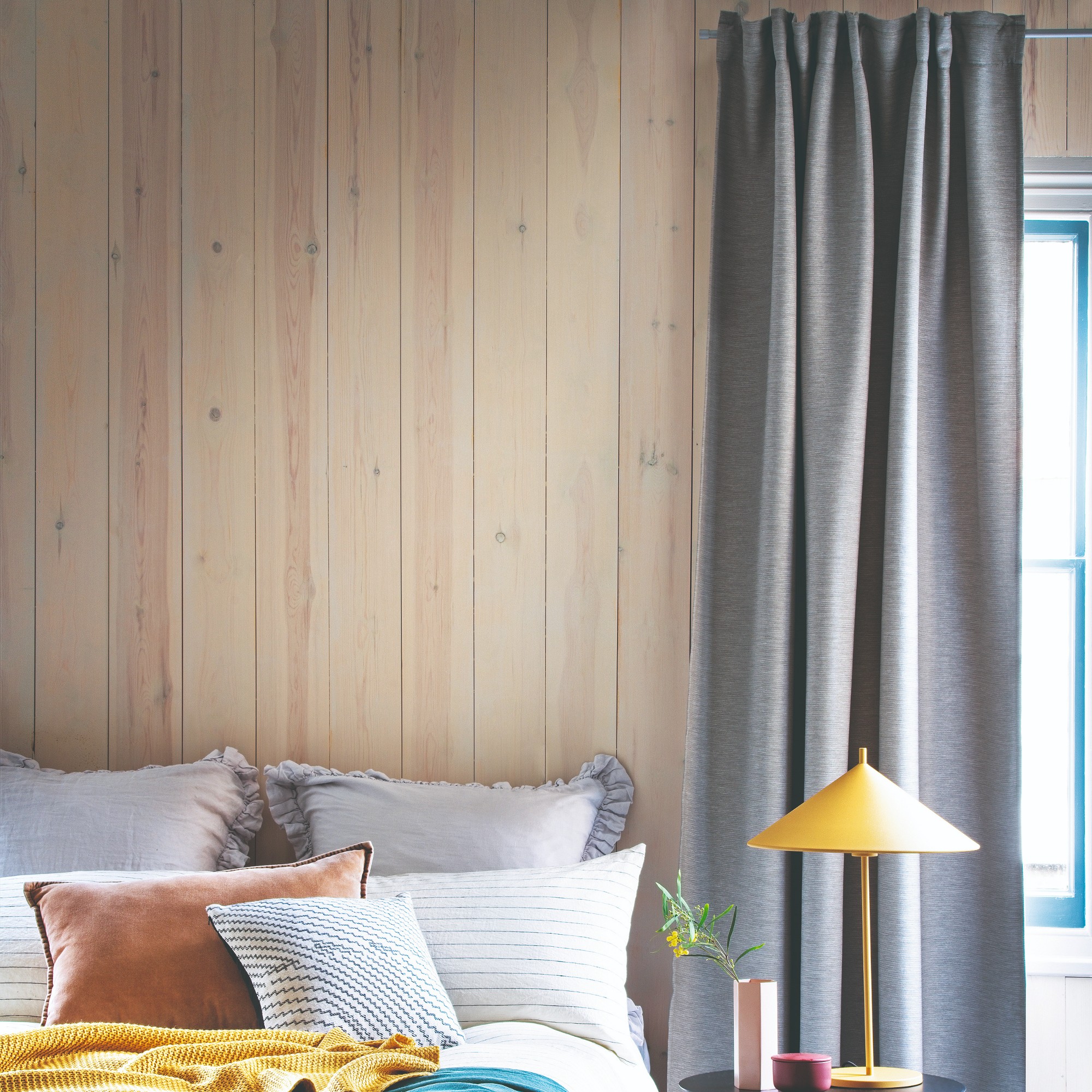
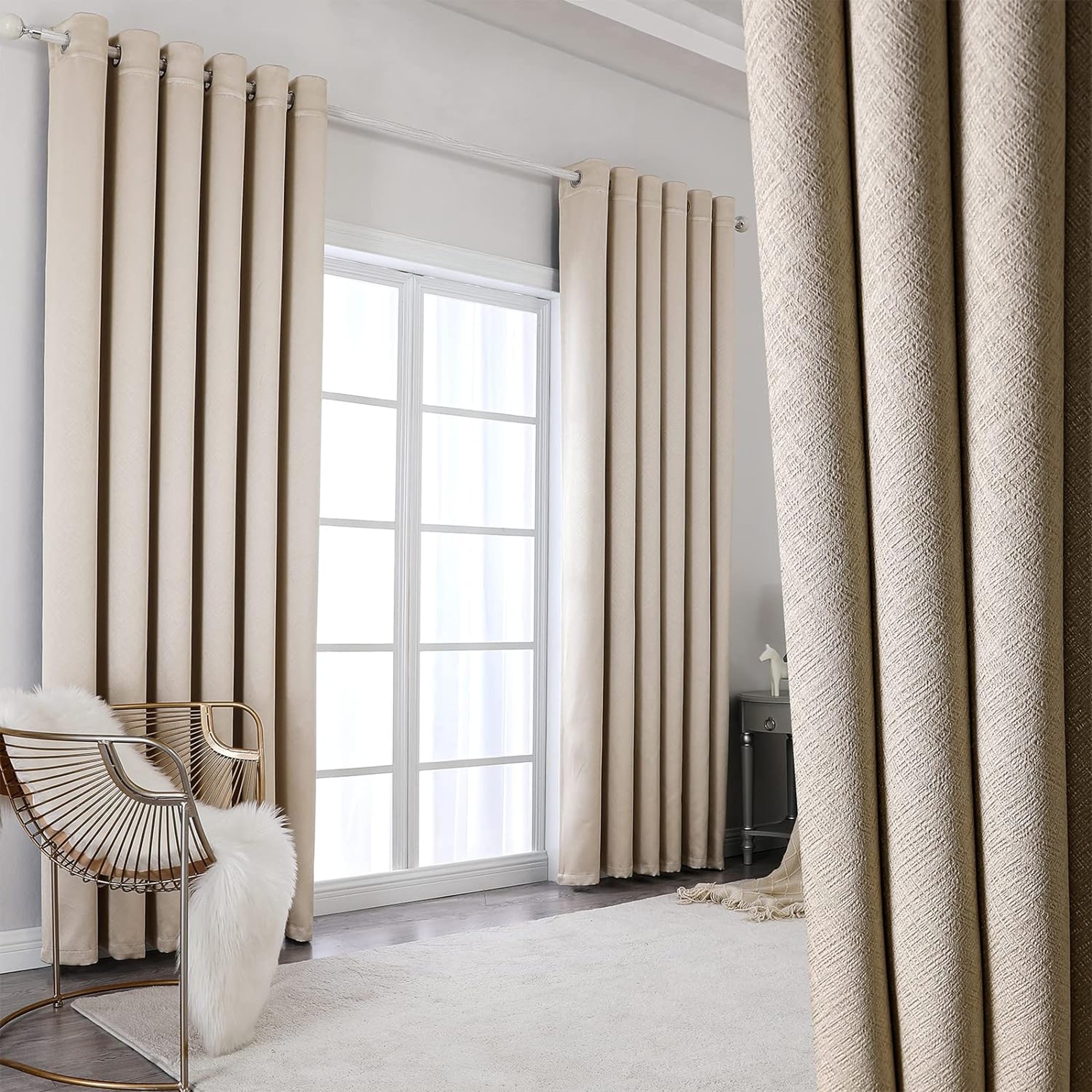
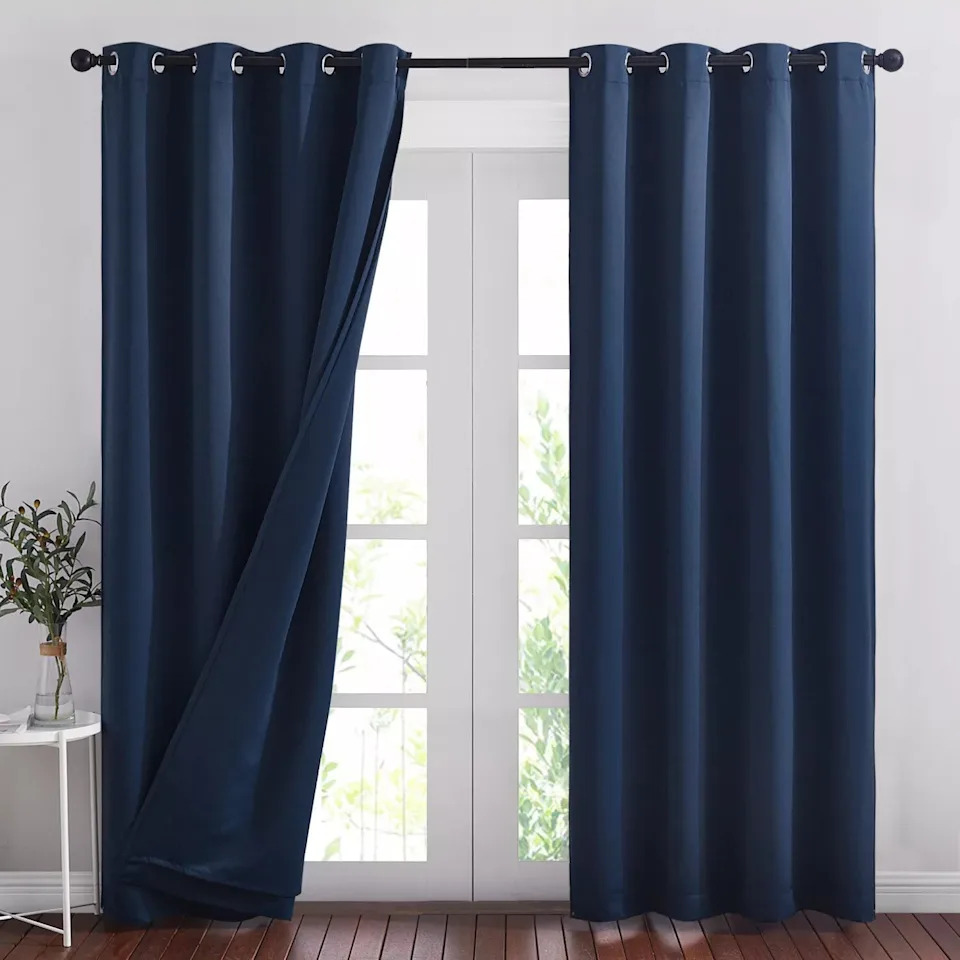
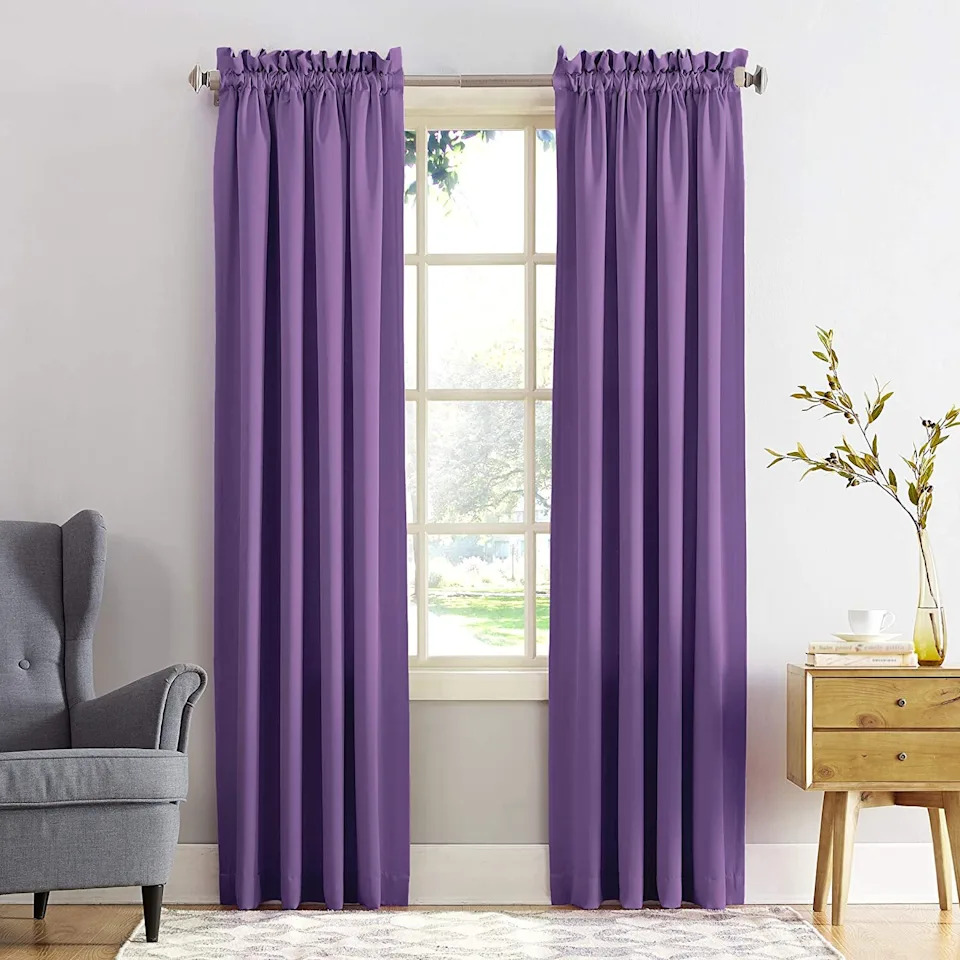
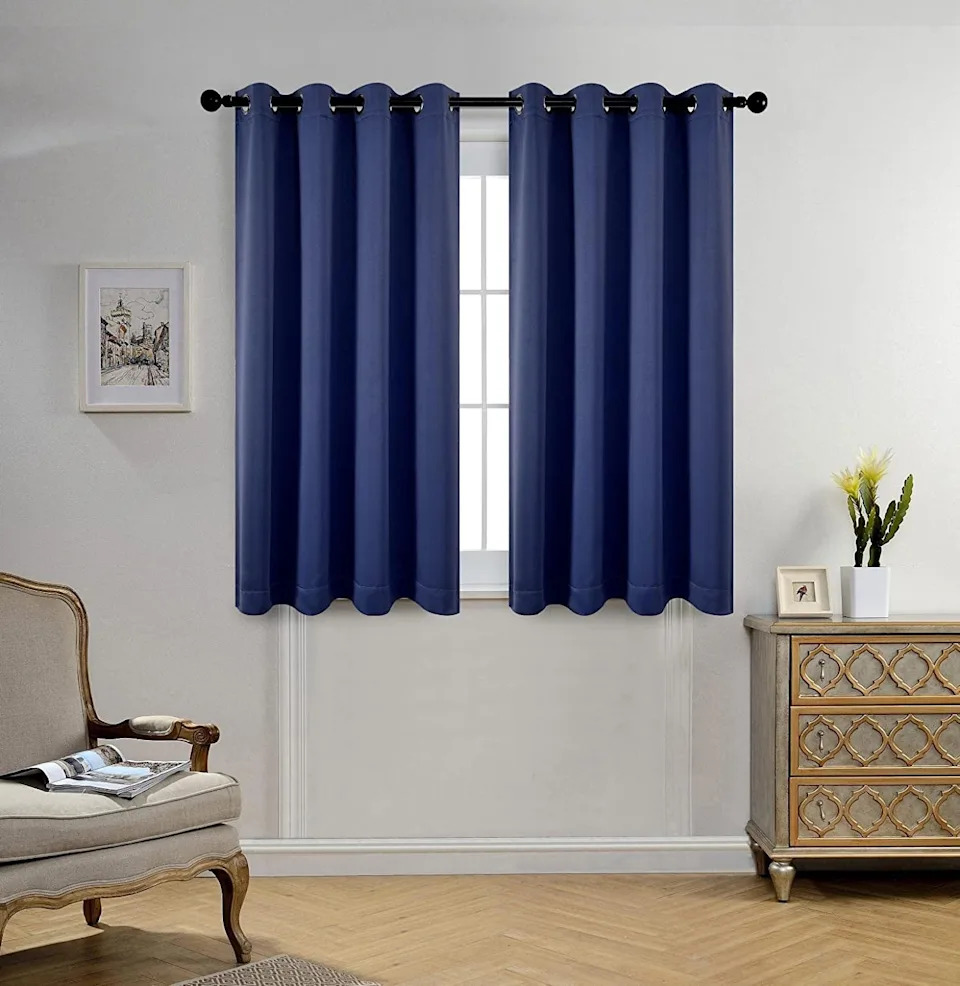
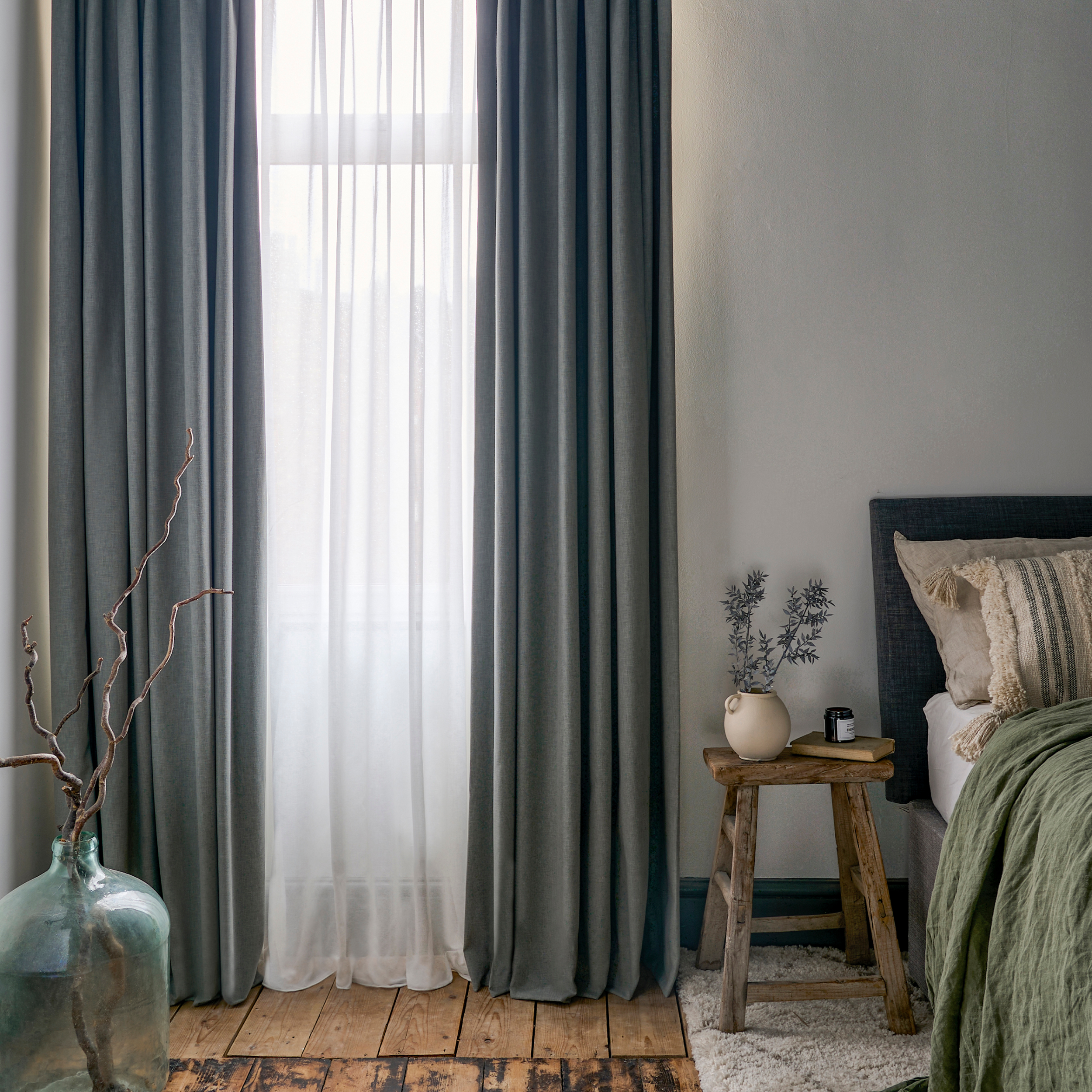
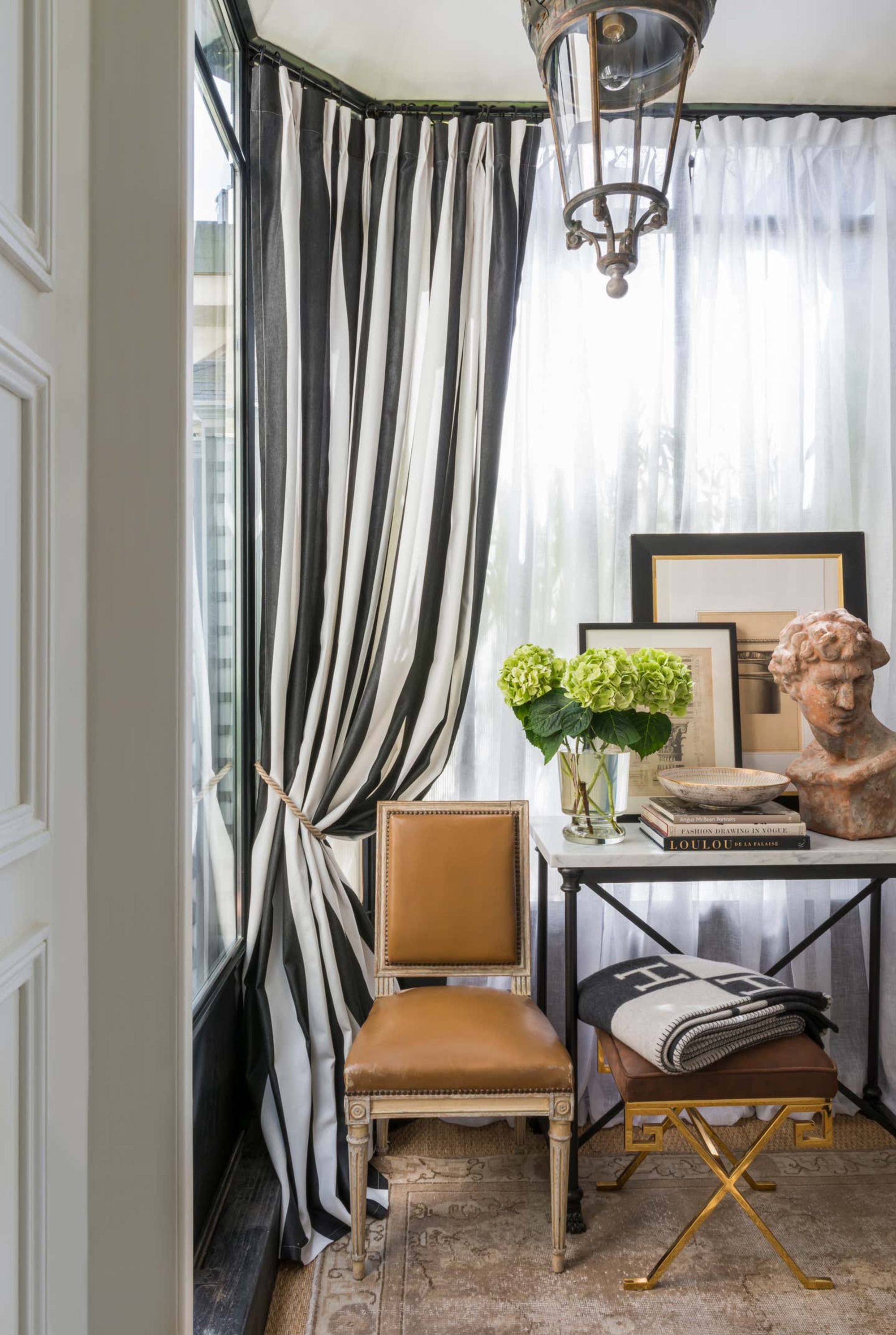
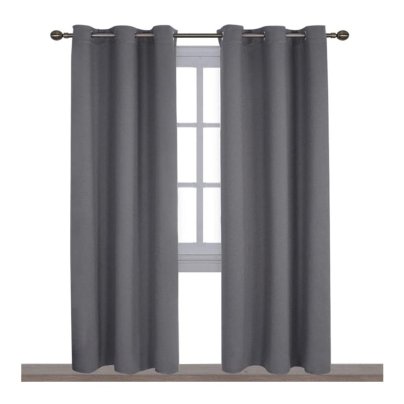
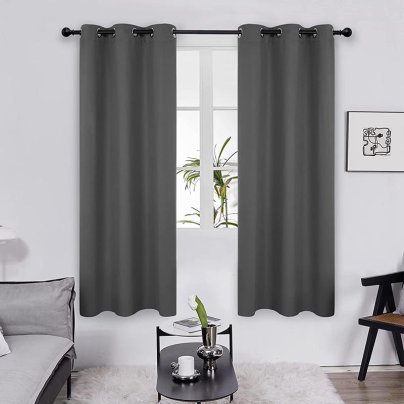
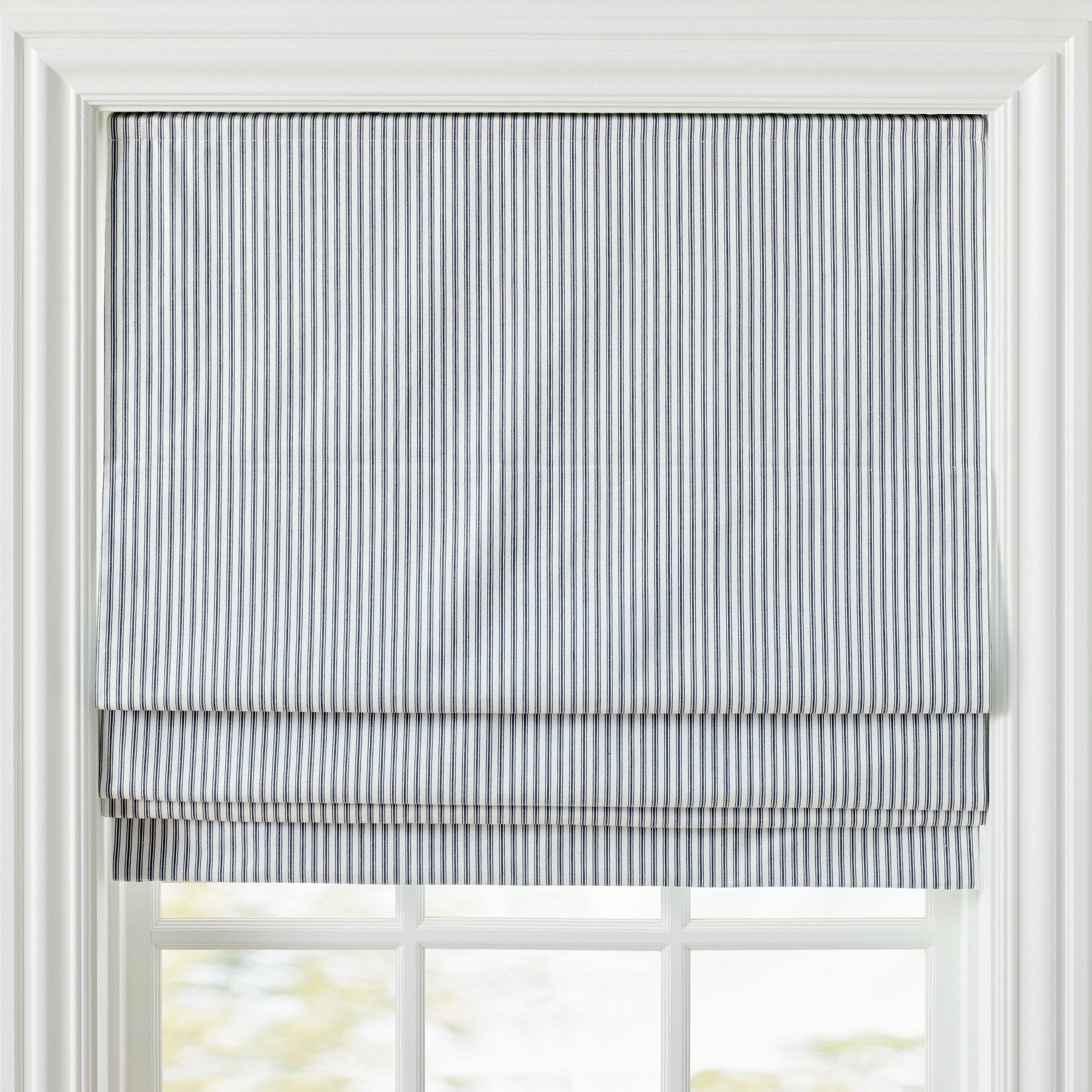
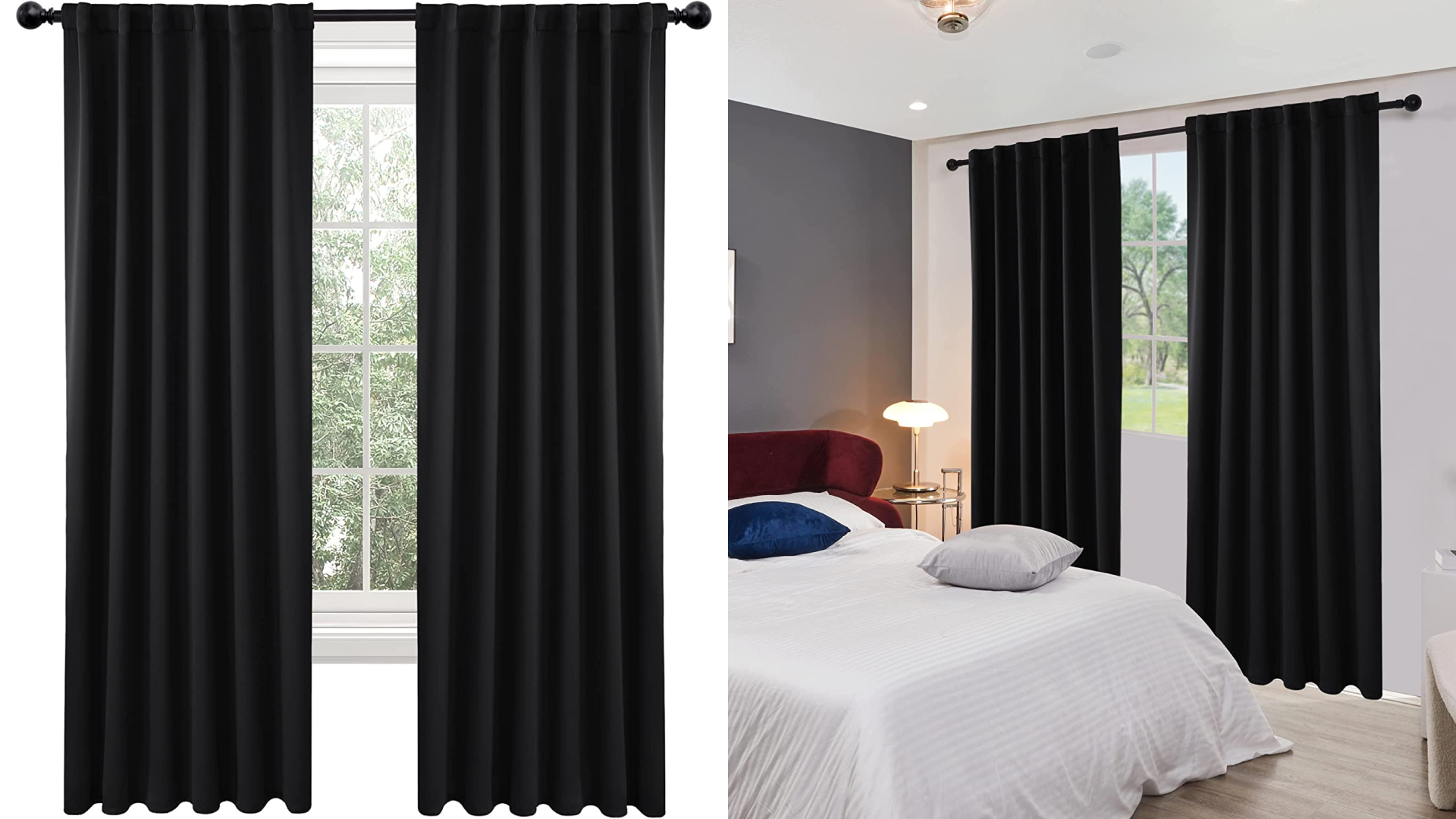
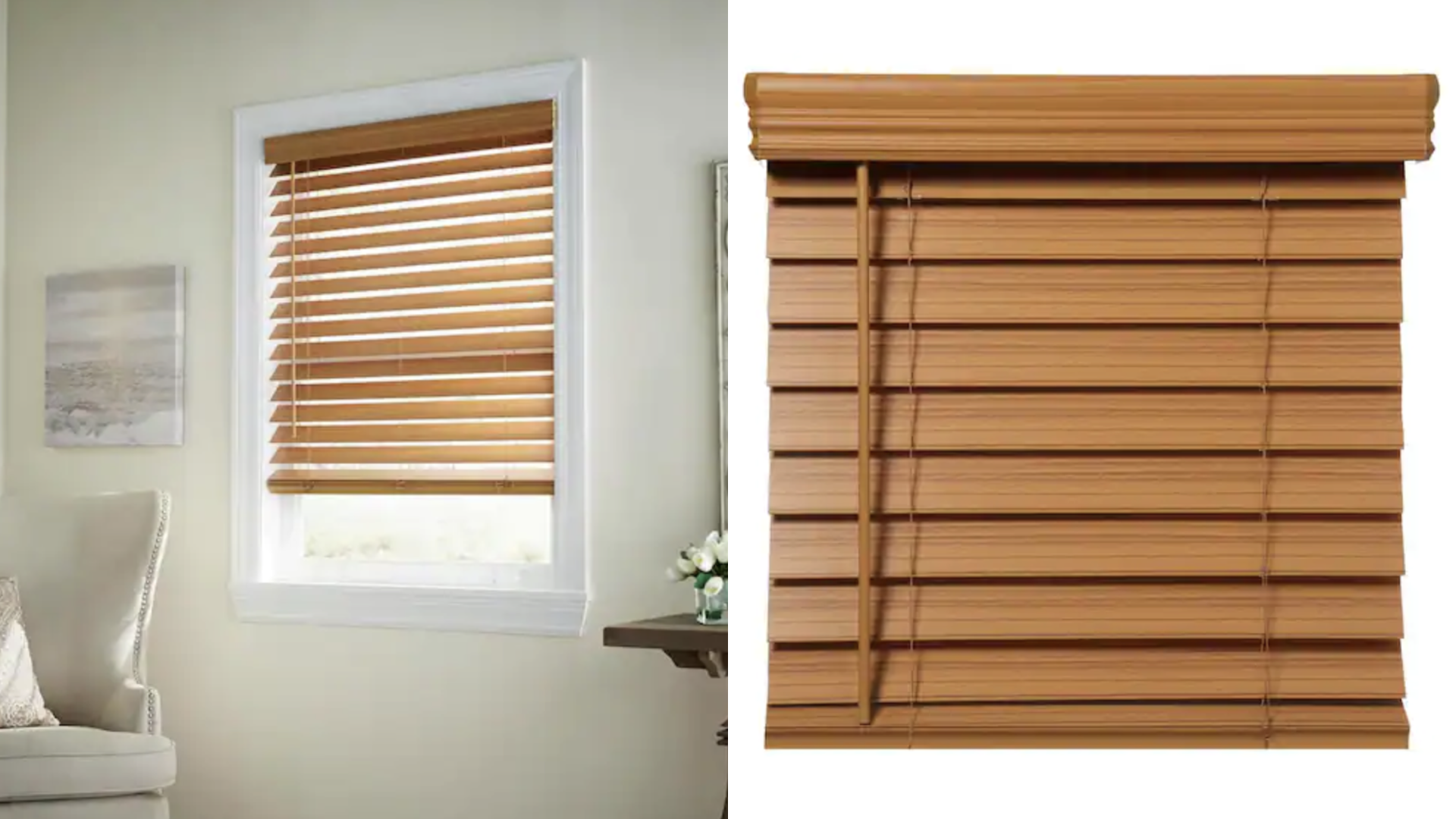
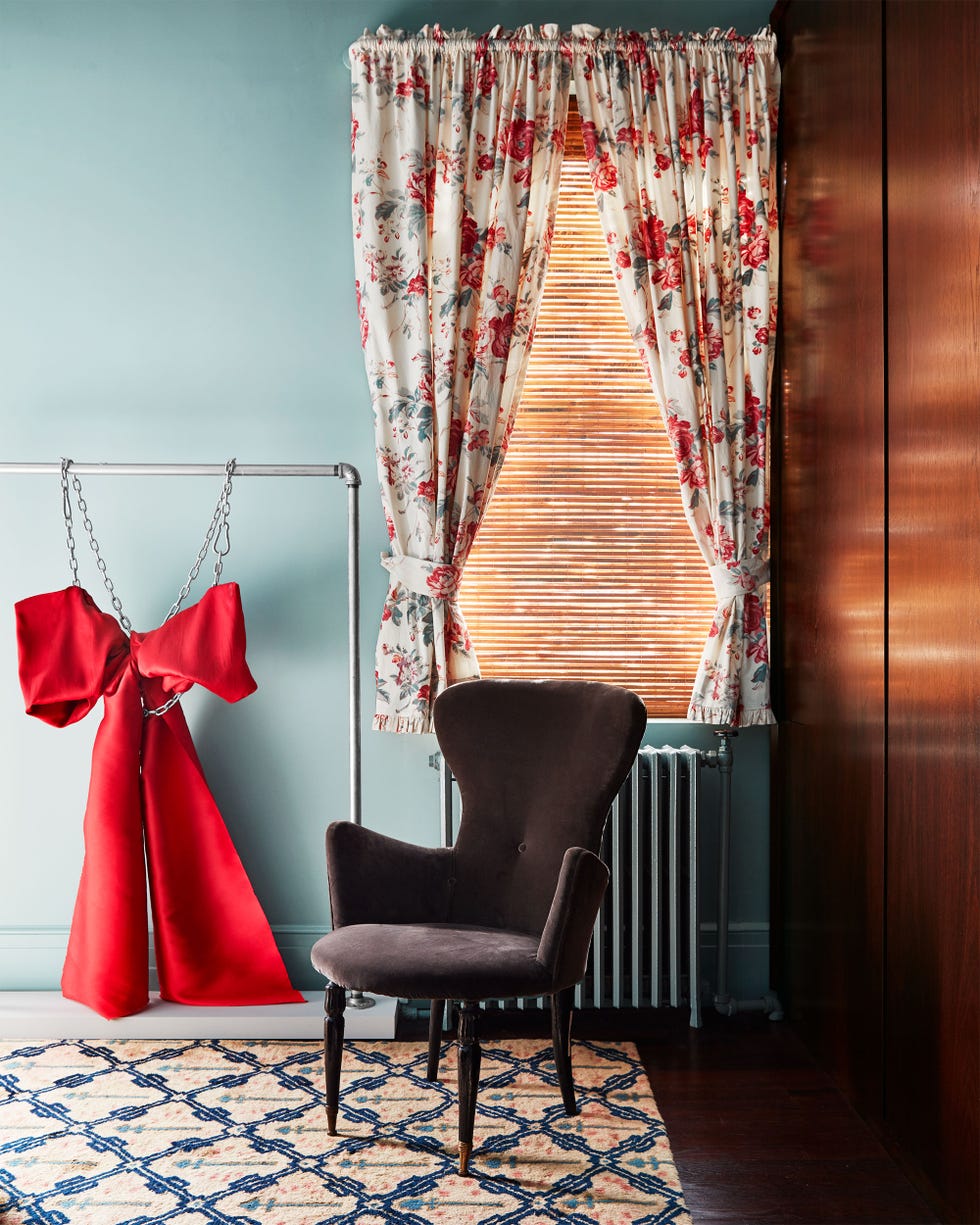
Thermal curtains are discussed as a method to reduce heat transfer. These curtains are heavier than regular ones, incorporating an insulating layer. They resemble standard curtains but are designed to cover the entire window for maximum effectiveness in blocking heat. The article advises caution when using dark thermal drapes during summer, as they can absorb heat, potentially turning a room into a "sauna." A suggested strategy is layering thermal drapes with blinds to achieve enhanced temperature control and style.
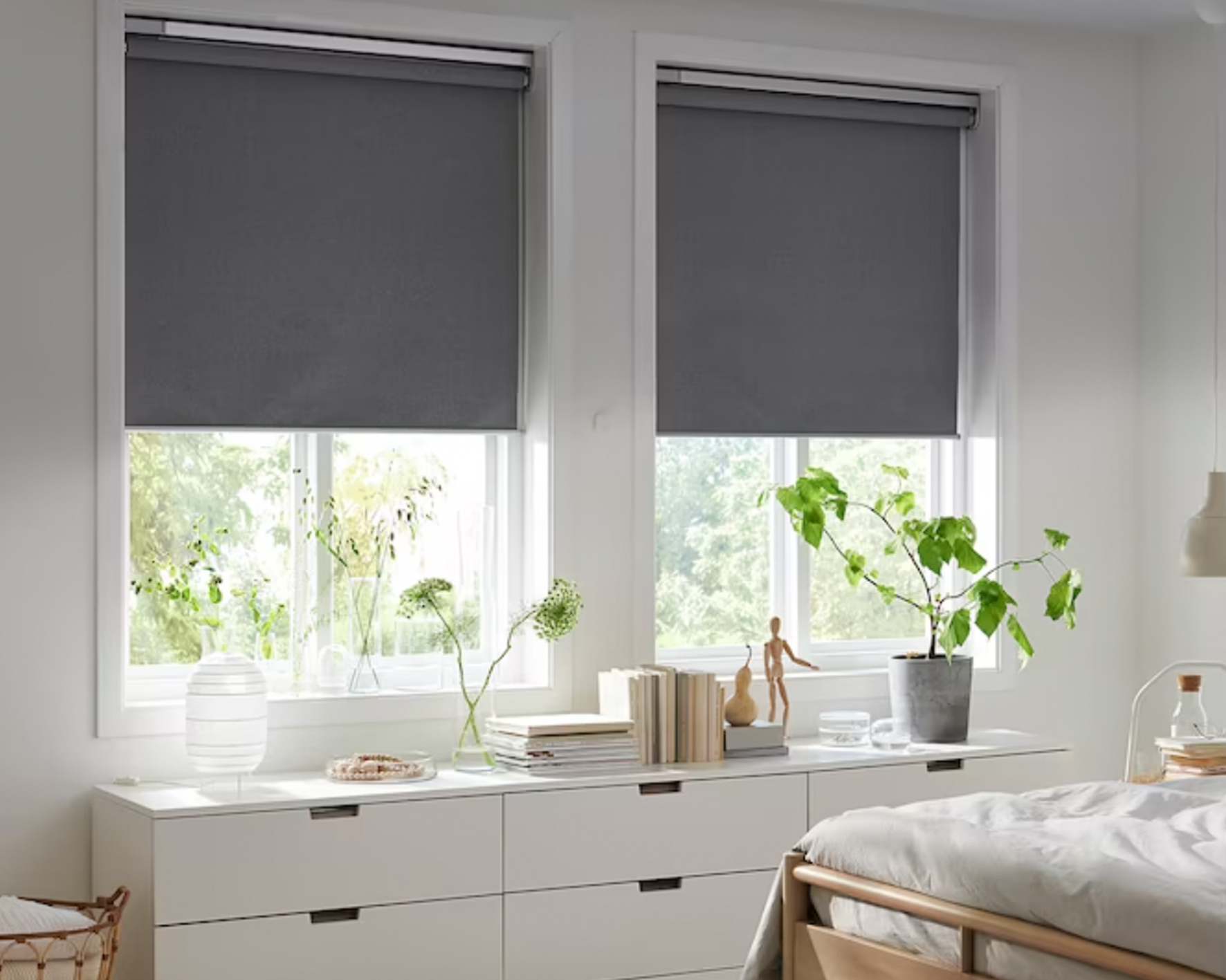
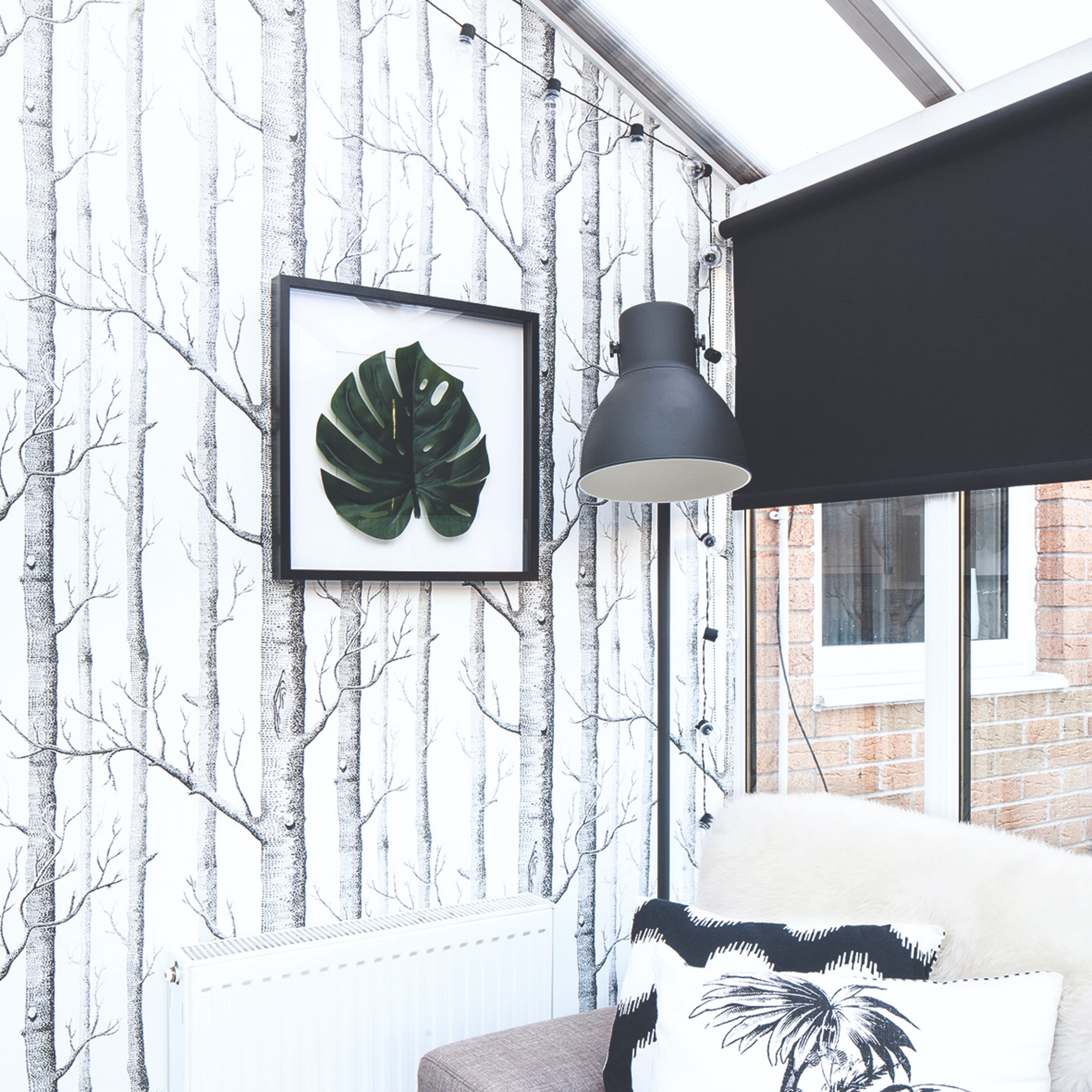
Automated blinds are introduced for tech-savvy individuals, offering optimized energy efficiency. These smart window treatments can be programmed to adjust based on the sun's movement or a pre-set schedule, effectively blocking heat loss in colder months or mitigating harsh sun rays in summer. Their benefits are further amplified when integrated into a larger smart home ecosystem, allowing synchronization with smart thermostats and other energy-saving technologies. Electrochromic glass is mentioned as an alternative for those seeking minimalist solutions, offering on-demand tinting to control solar heat gain and natural light without physical blinds.
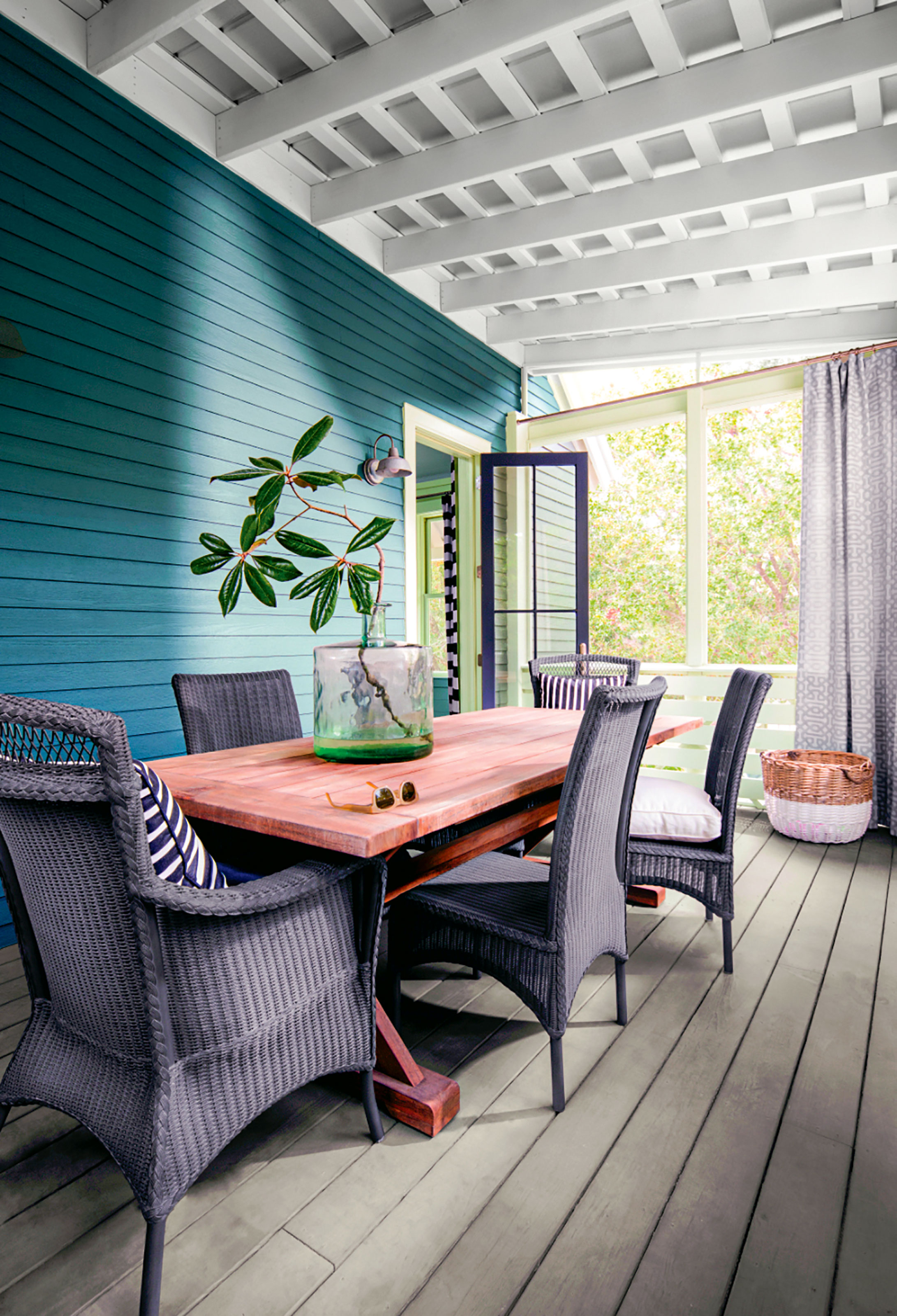
Finally, external awnings are recommended, especially for homes where direct sunlight is a major concern. These awnings prevent sunlight and heat from reaching the glass directly. They are beneficial for maintaining cross airflow, which is crucial for cooling a home. The article suggests opting for thick, tightly woven solar screens that offer maximum shade while still allowing air circulation. Retractable awnings provide flexibility in shading. Strategically placed landscaping, such as roof overhangs and trees, can also contribute to preventing direct sun exposure, enhancing overall heat reduction in the home. The article concludes by encouraging readers to choose a window treatment that aligns with their personal style while contributing to a cooler living environment.
#WindowTreatments #HomeCooling #InteriorDesign #EnergyEfficiency #ReflectiveWindowFilm #CellularShades #ThermalCurtains #AutomatedBlinds #ExternalAwnings #WindowTreatments #HomeCooling #InteriorDesign #EnergyEfficiency #ReflectiveWindowFilm #CellularShades #ThermalCurtains #AutomatedBlinds #ExternalAwnings
0 comment in total
 No comments yet
You may also like

5 of the best window treatments for winter – 'they'll make your home cozy and warm!'
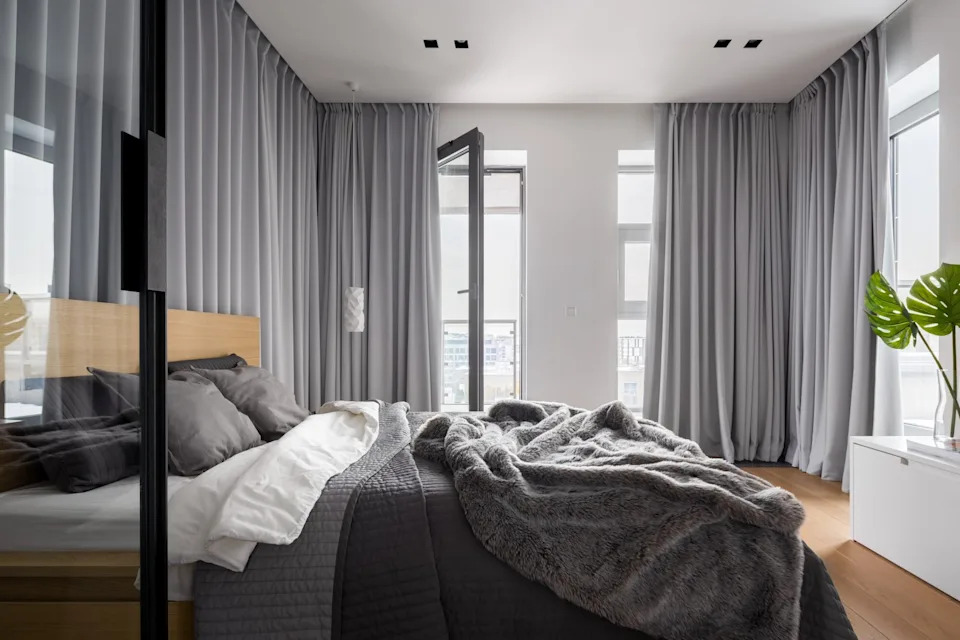
Thermal Curtains Will Keep Your Home Cozy and Warm All Winter—Here Are Our 9 Favorite Options


The $54 Frost Fix That Stops Drafty Windows – and Looks Great

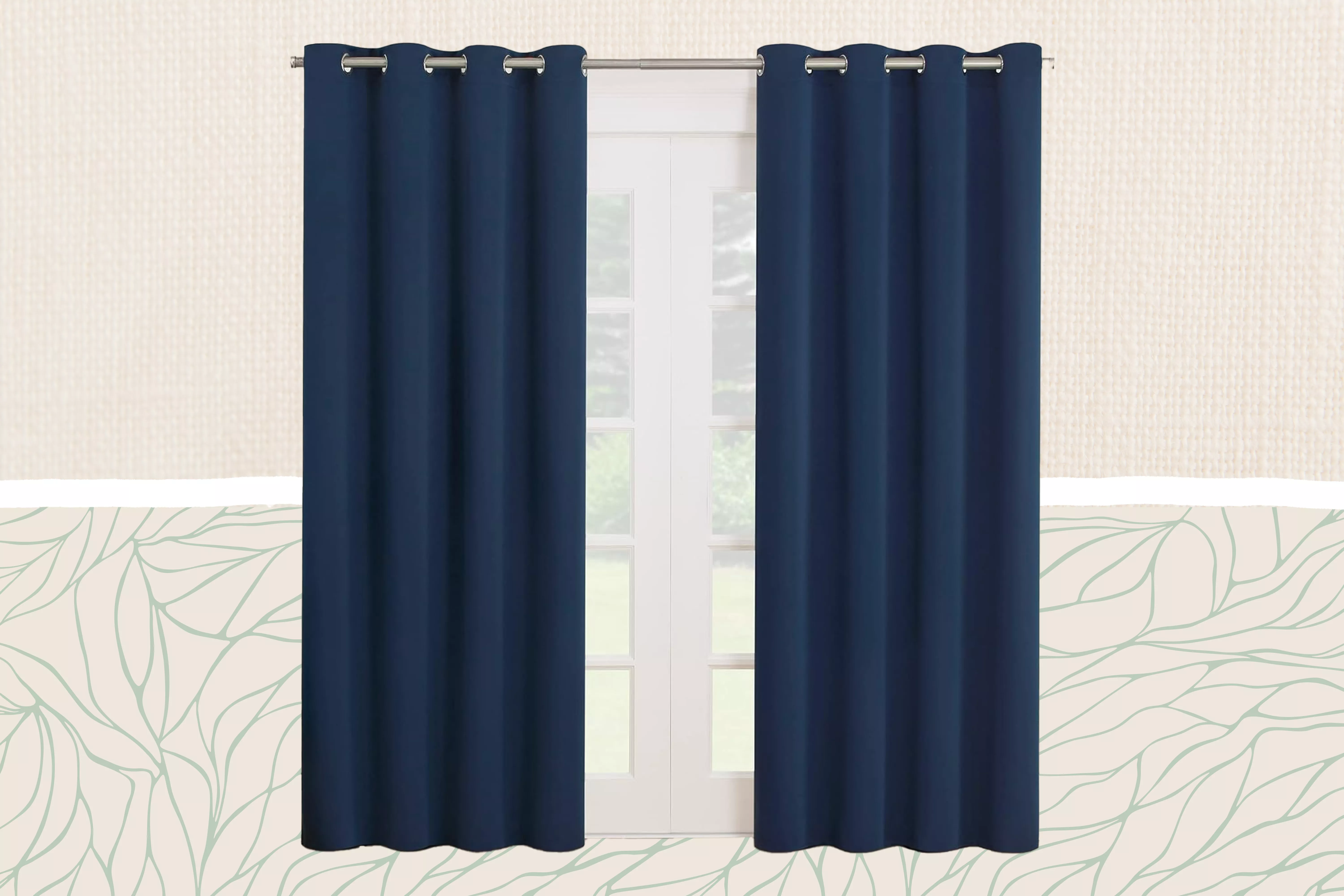
The 5 Best Outdoor Curtains for Sun Protection and Temperature Control

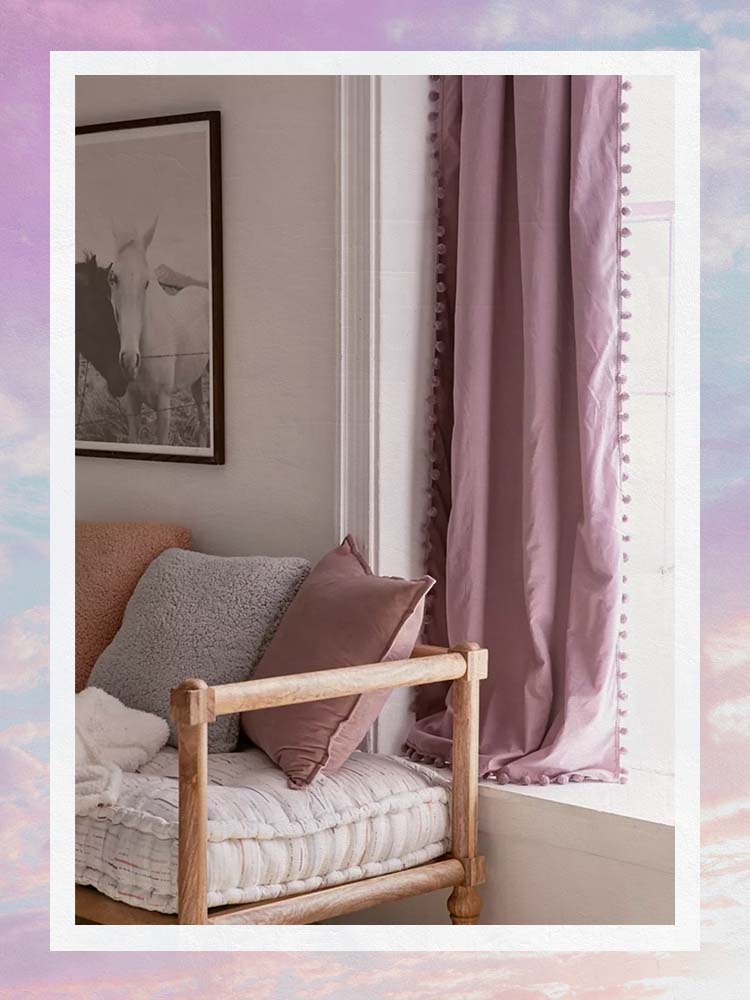
Yes, the Best Thermal Curtains Can Actually Keep Your Room Cooler


7 winter window dressing ideas that experts promise will help keep your home warm and cosy
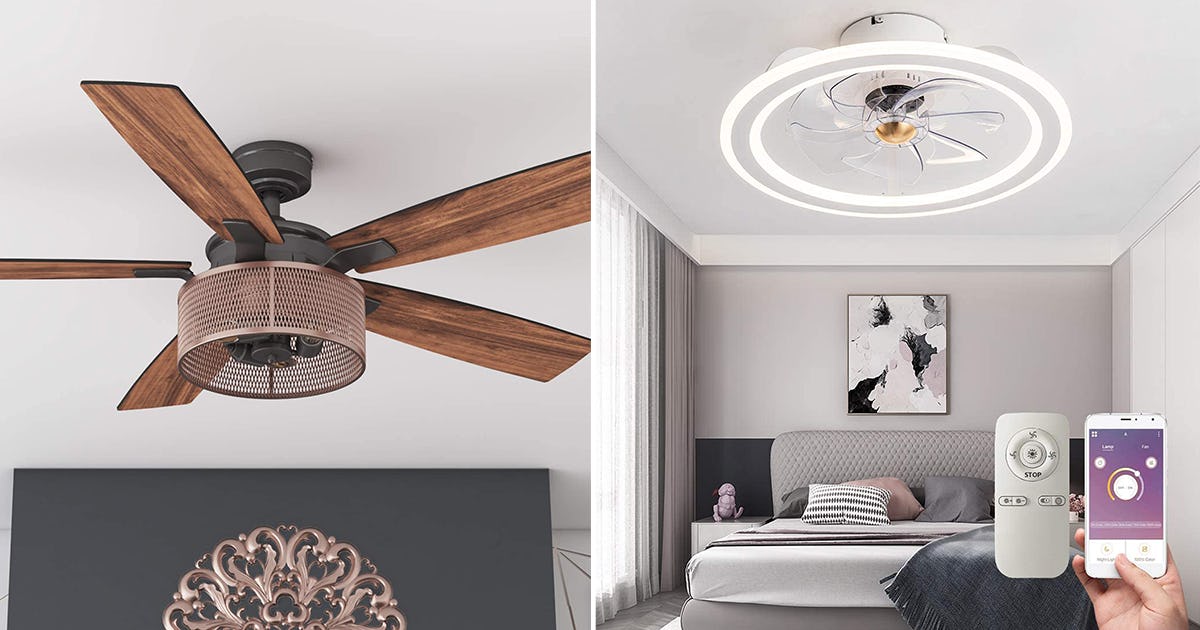
We’re A Fan! These Are The Best Ceiling Fans To Help Keep Your Home Cool

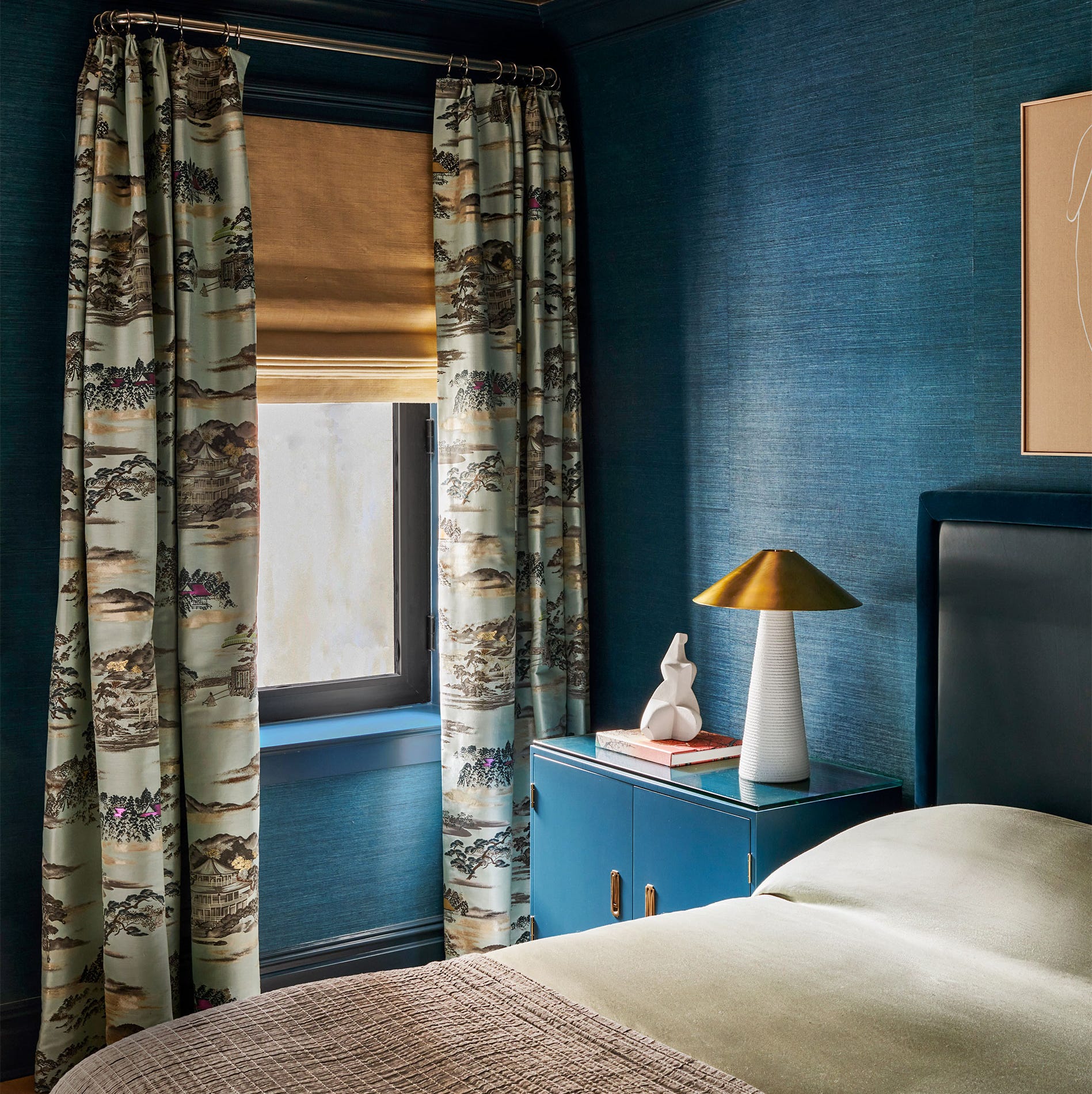
Why You Should Never Skip Curtains, According to Top Designers


Your Blackout Blinds and Curtains Might Actually Be Making Your Bedroom Hotter — Here’s What You Should Have Chosen for Your Windows Instead

Block the Sun and Lower Your Energy Costs With Window Coverings

Conservatory blind ideas – 19 ways to shield your conservatory from extreme heat and sunlight in style

How to Cool Down Your Sunroom — 5 Simple Methods to Stop This Spot Overheating in Summer

11 Blinds To Make Your Windows The Coolest On The Block

How Can I Make My Curtains Warmer? 7 Expert Solutions That Are Stylish, Too
Sick of the heat? Here's how to keep your home cool, heatwave or not, if you don't have AC

5 Best Window Brands for Your Home (2025)


Do thermal curtains keep heat out in the summer? Experts reveal whether these window dressings are worth buying
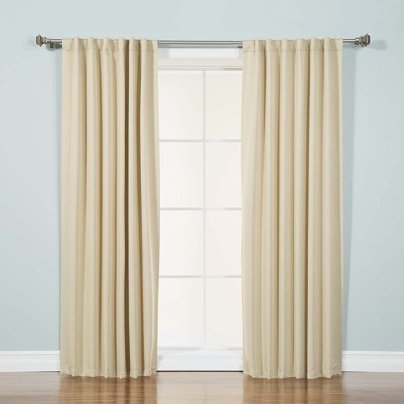
The Best Thermal Curtains, Tested and Reviewed


Wooden Blinds, Thermal Curtains: Window Treatments Under $85


5 Window Treatment Styles That Are Quietly Dating Your Home