Block the Sun and Lower Your Energy Costs With Window Coverings
The article discusses various window covering options that can help homeowners reduce solar heat gain, thereby lowering energy costs, especially during warmer months. The Department of Energy (DOE) states that strategic use of window coverings can decrease heat gain by up to 77 percent, a practice that also helps reduce heat loss in winter.
One effective solution is the installation of awnings. These can significantly reduce solar heat gain, by as much as 65 percent on south-facing windows and 77 percent on west-facing windows. For optimal performance, light-colored awnings are recommended because they reflect more sunlight. Retractable awnings offer the additional benefit of being rolled up in winter, allowing sunlight to naturally warm the interior.
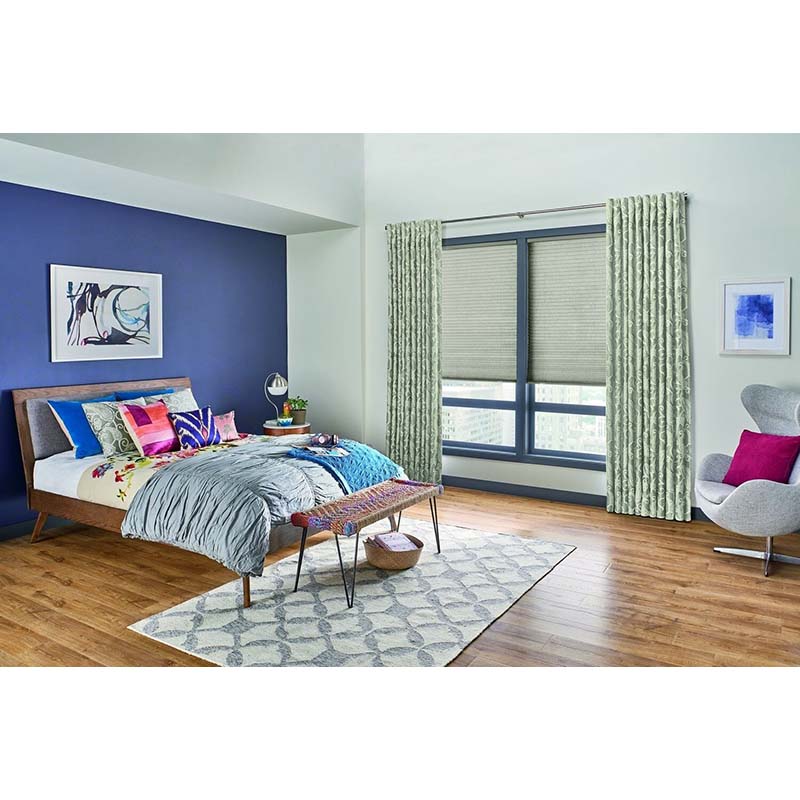
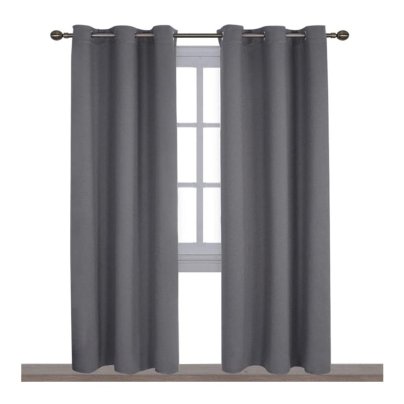
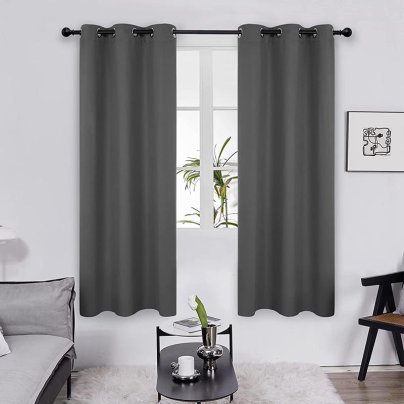
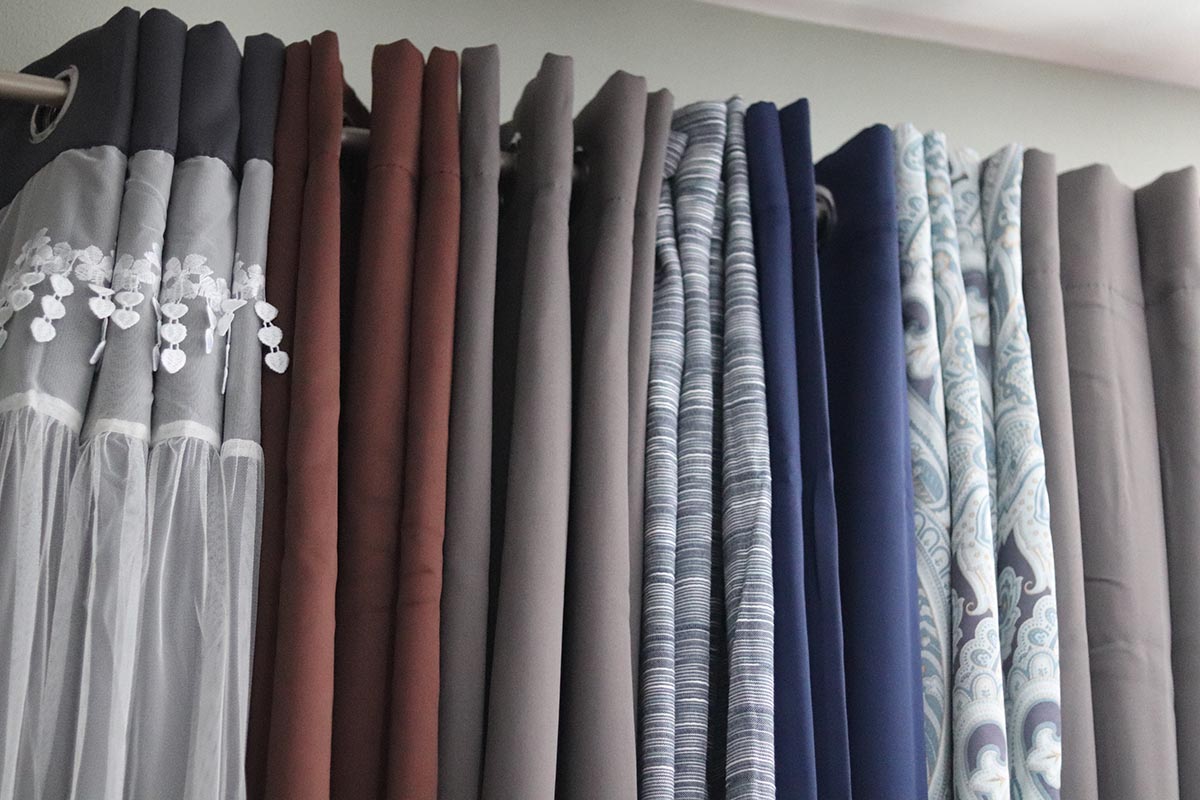
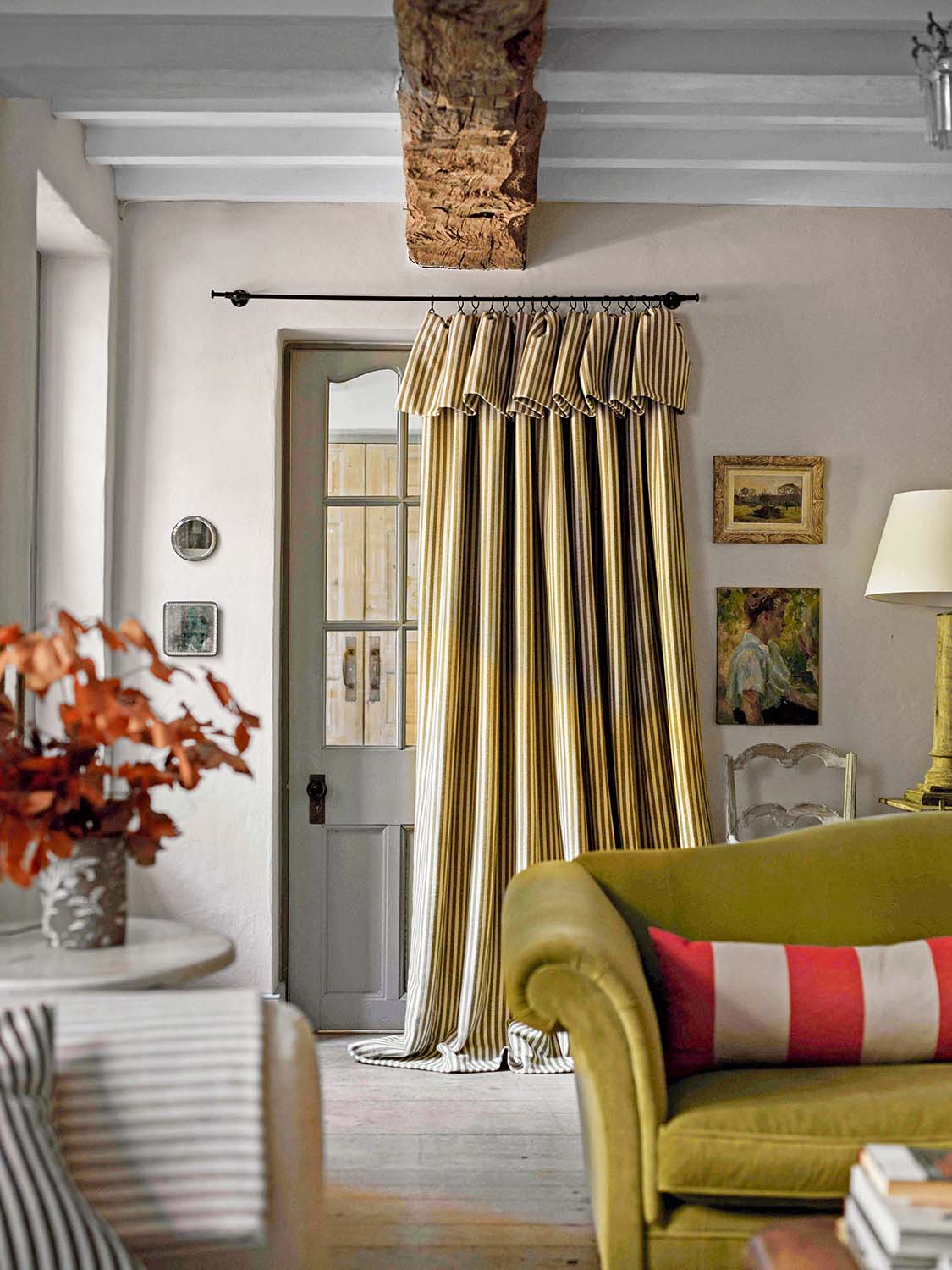
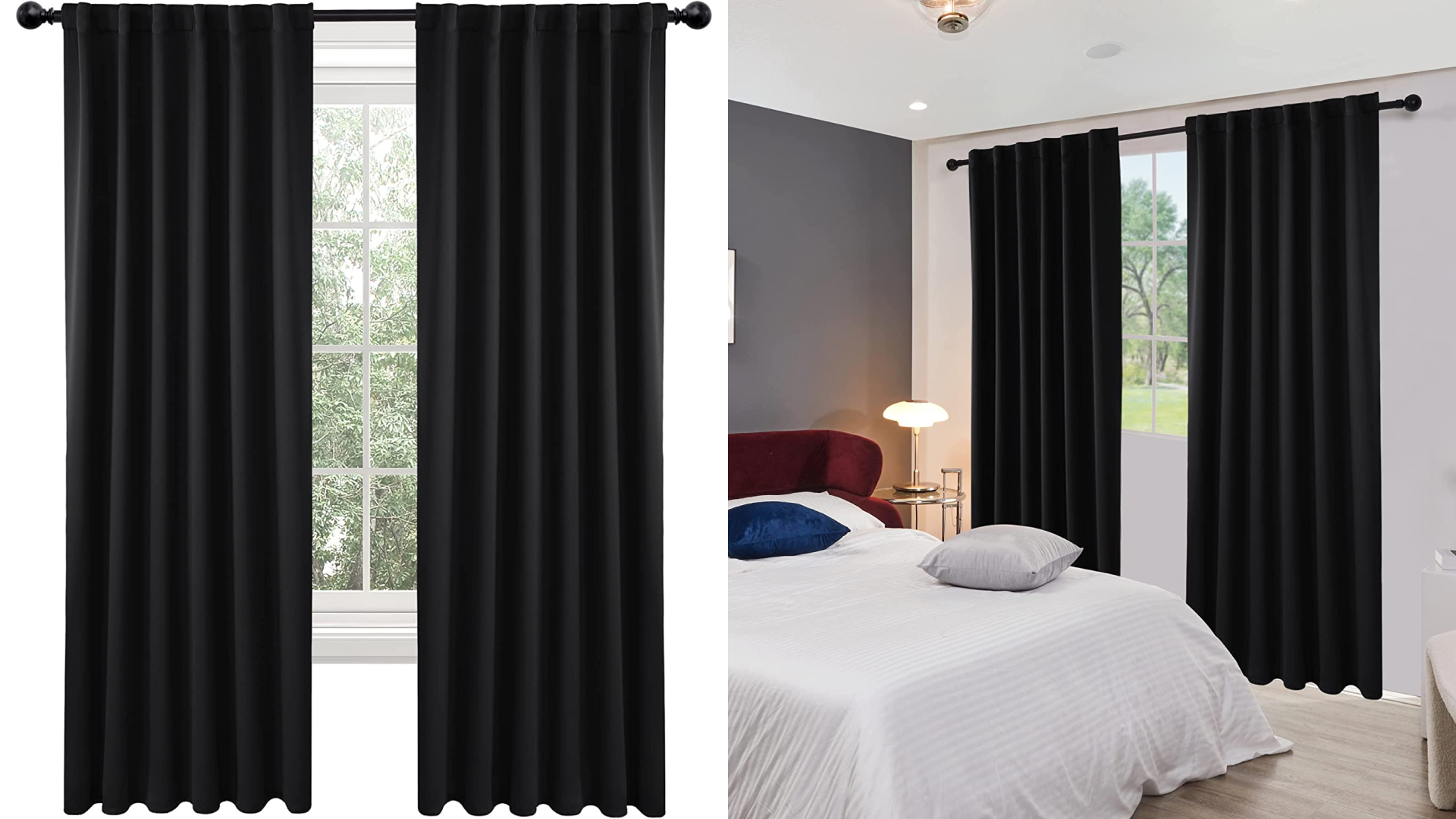
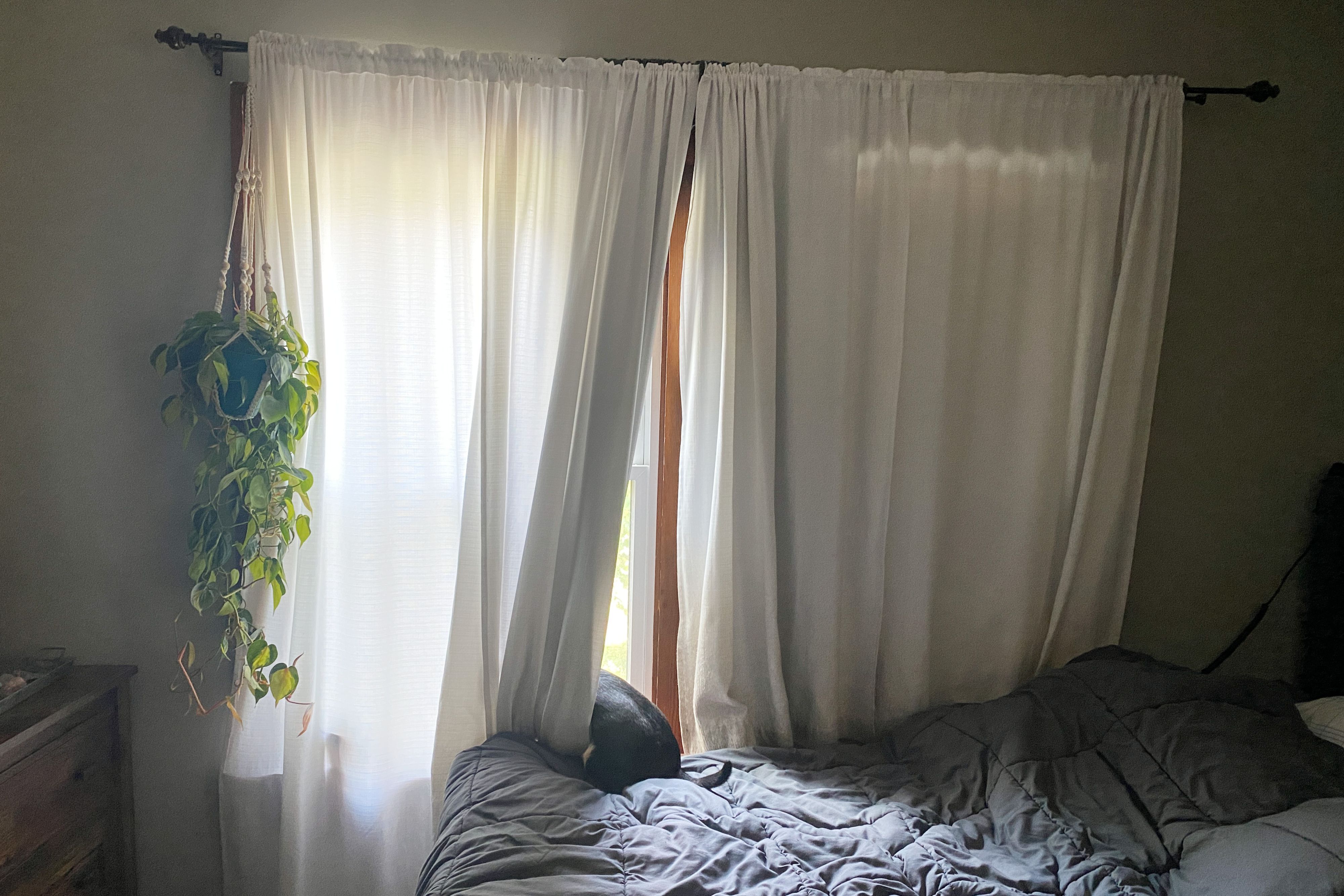
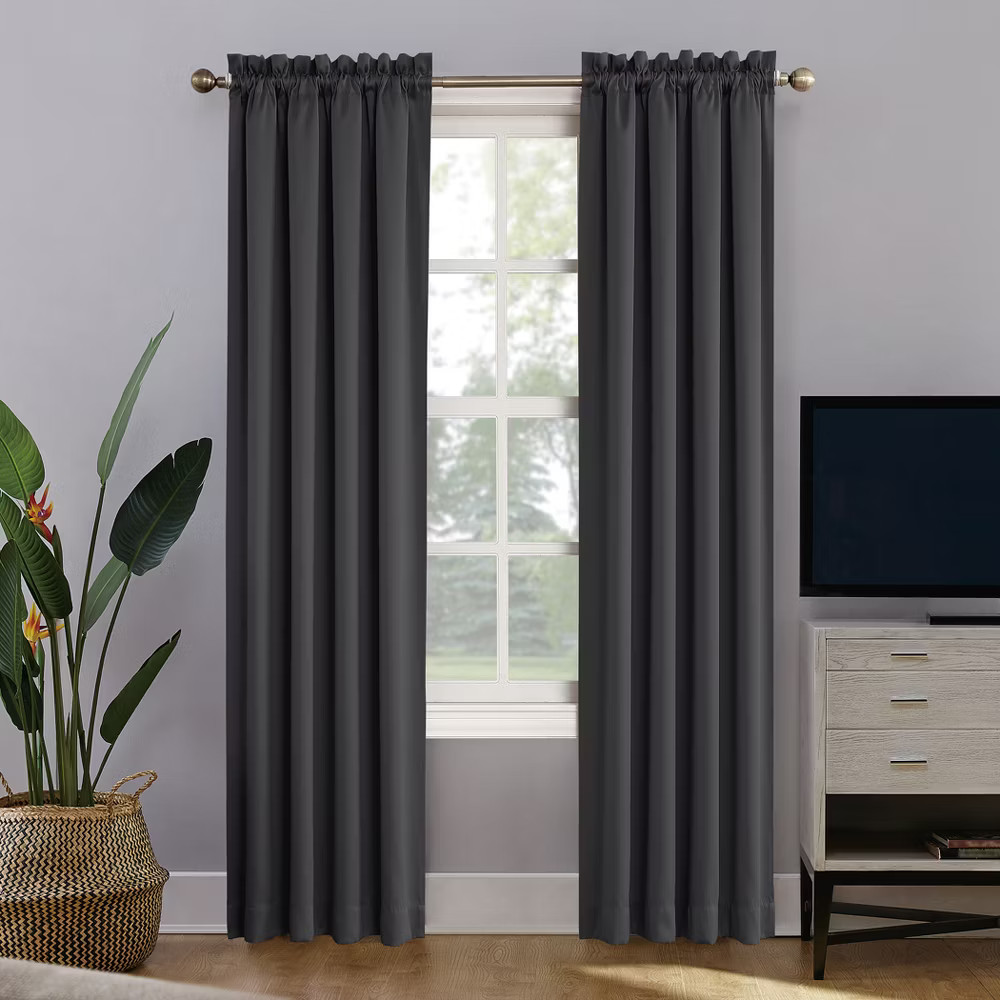
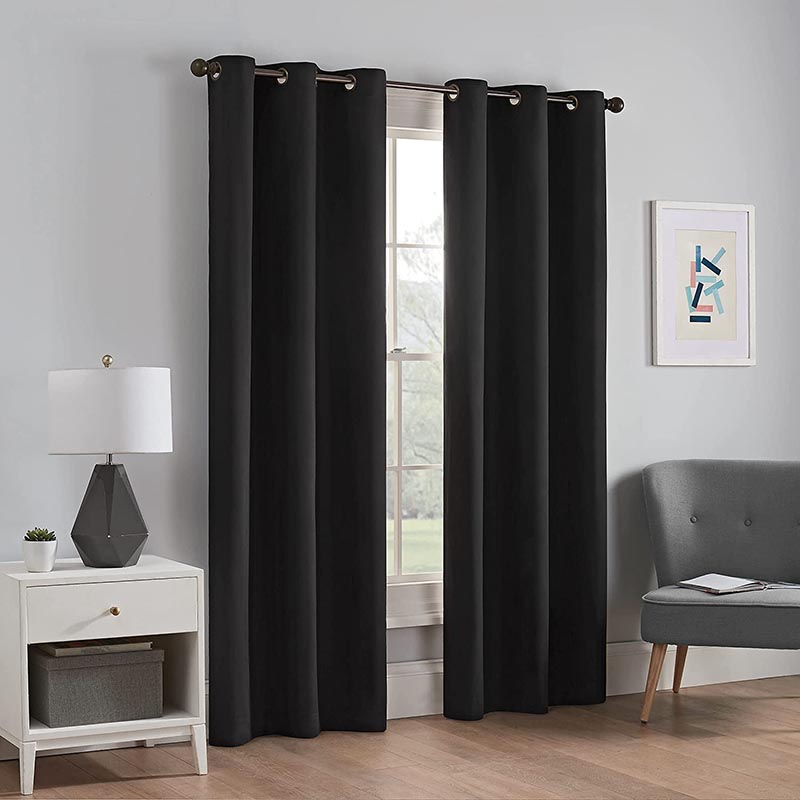
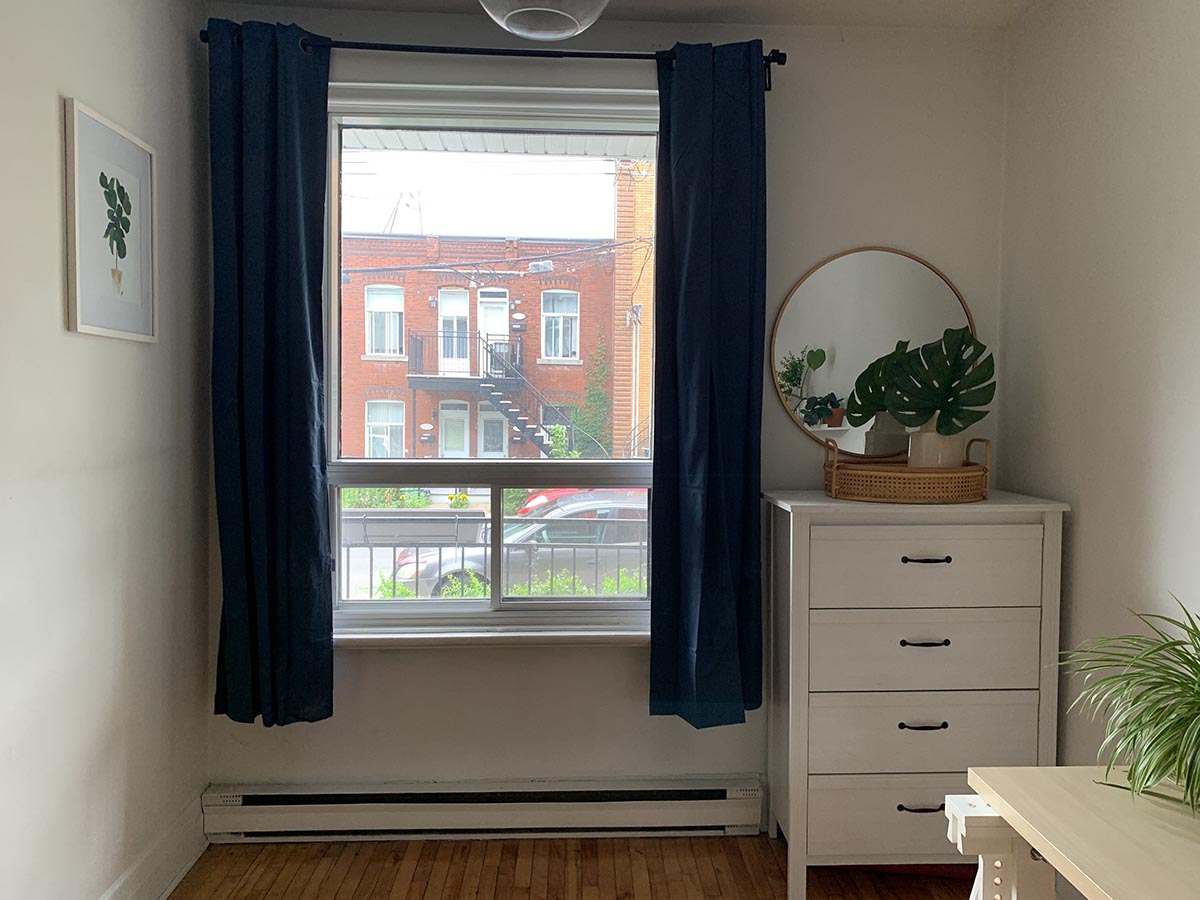
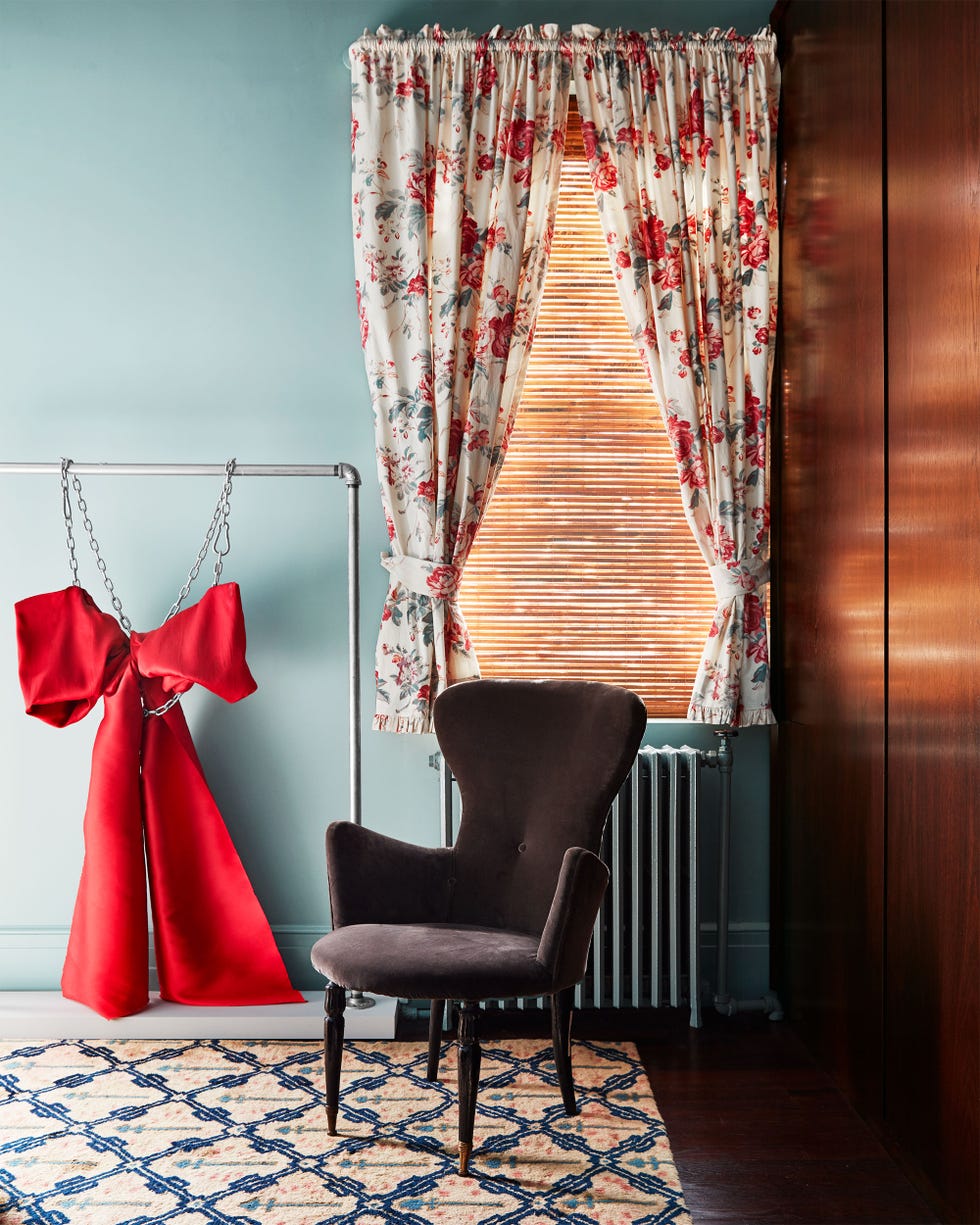
Curtains and drapes also play a crucial role in managing indoor temperatures. It is advised to keep them closed, particularly on sides of the house where the sun is most intense. The effectiveness of curtains in reducing heat gain depends on factors such as fabric type (e.g., closed weave) and color. The DOE indicates that medium-colored draperies, especially those with white plastic backings, can reduce heat gain by 33 percent. To maximize their insulating properties, curtains should be hung as close to the windows as possible, with a cornice at the top, sealed sides, and overlapping centers, potentially secured with Velcro or tape.
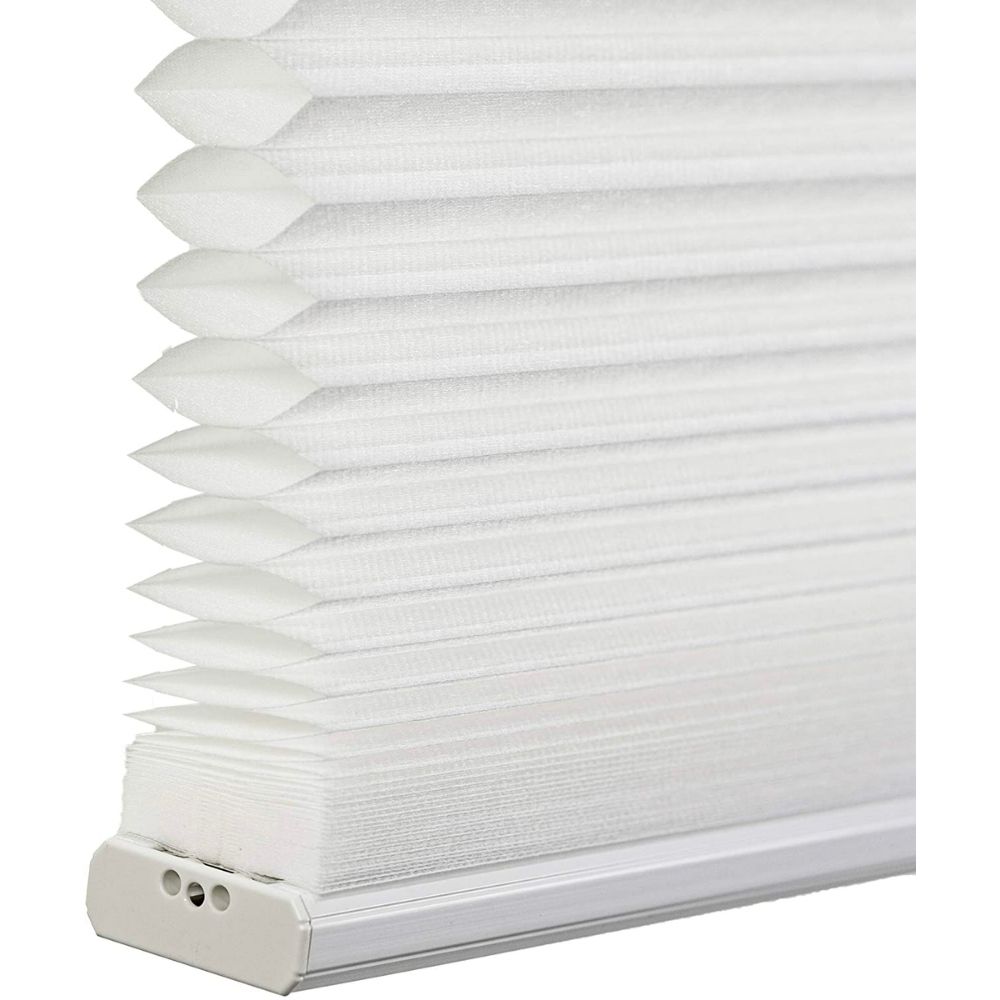
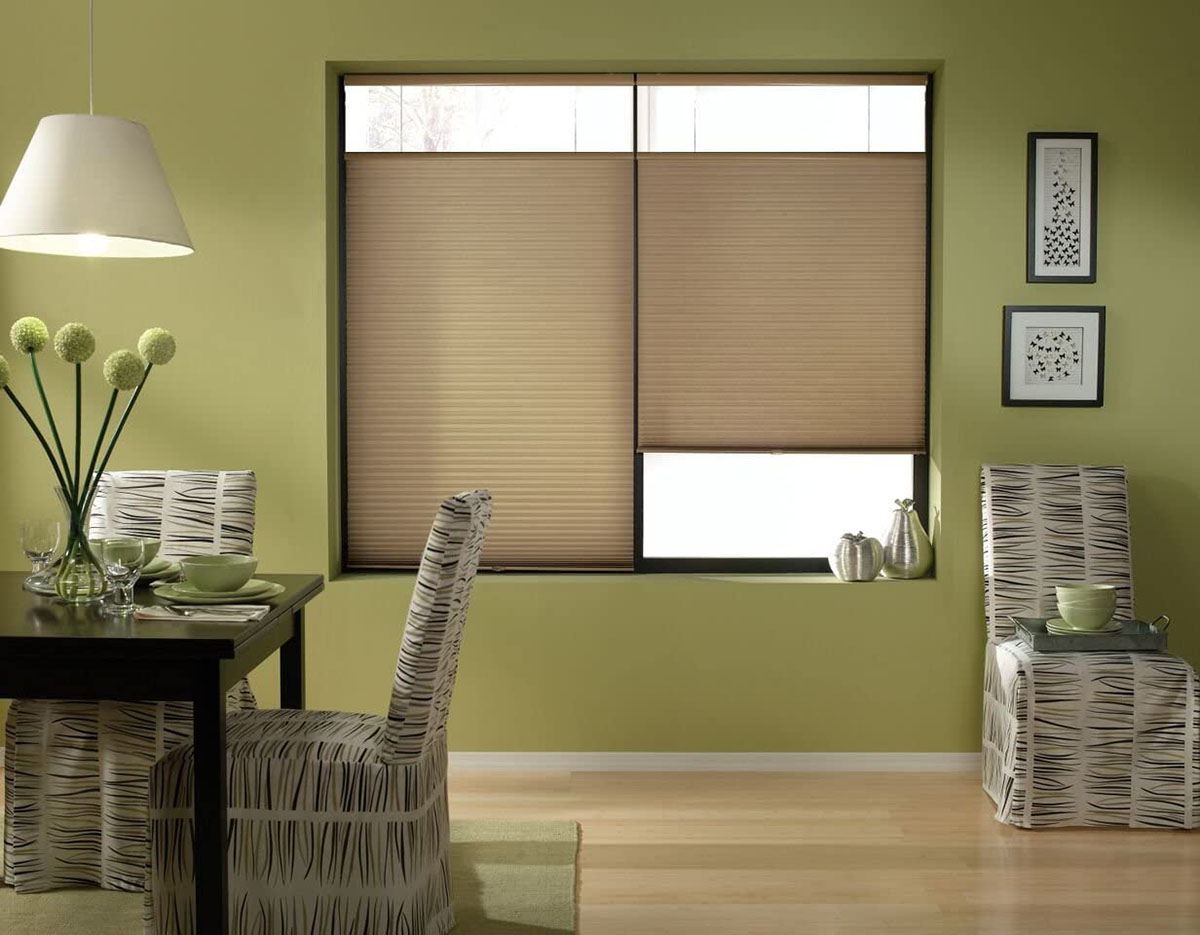
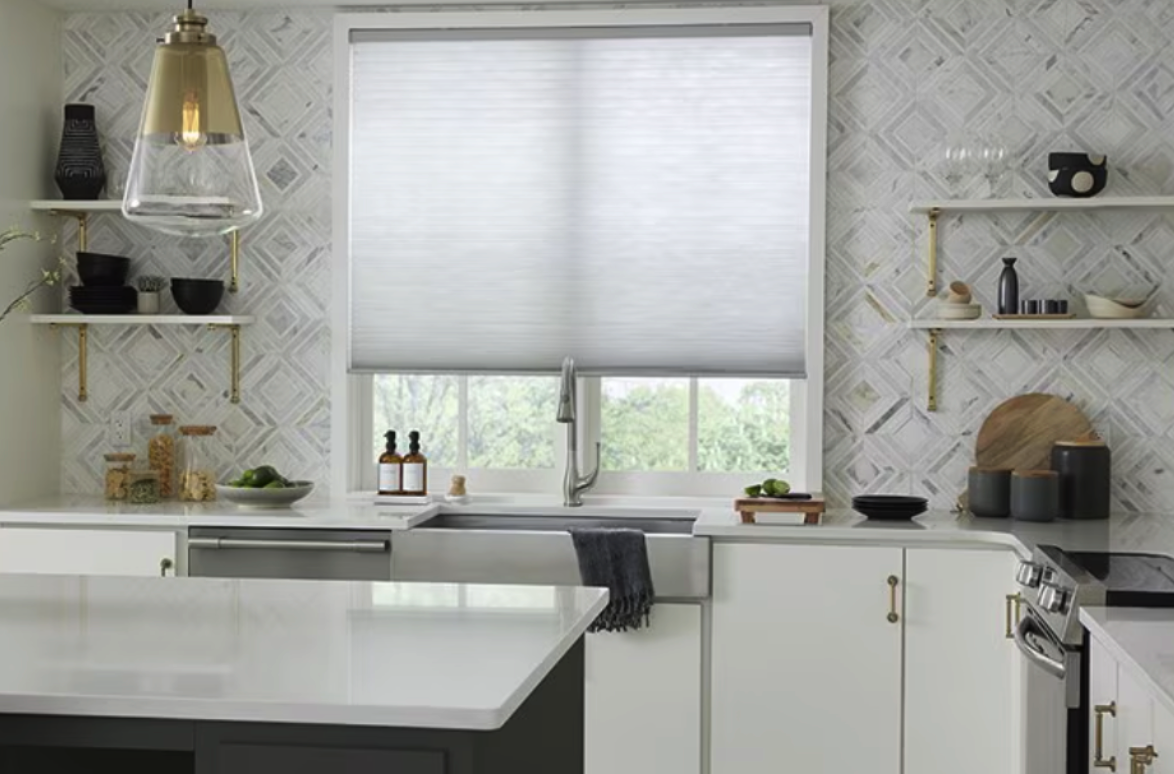
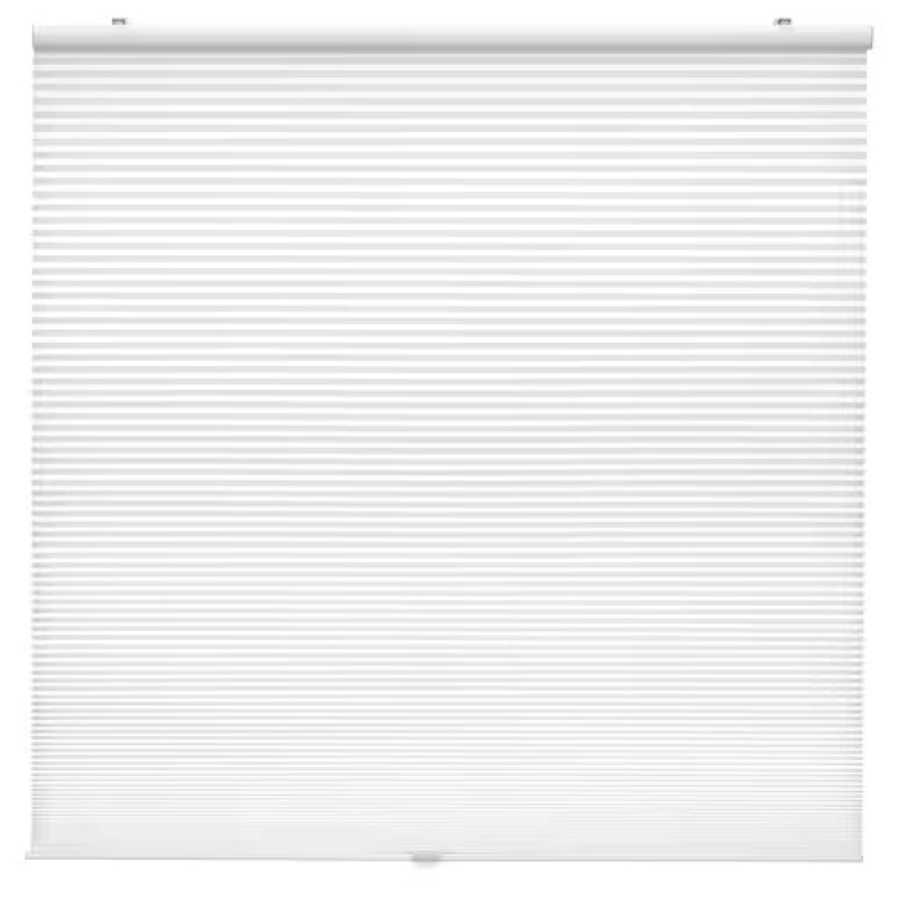
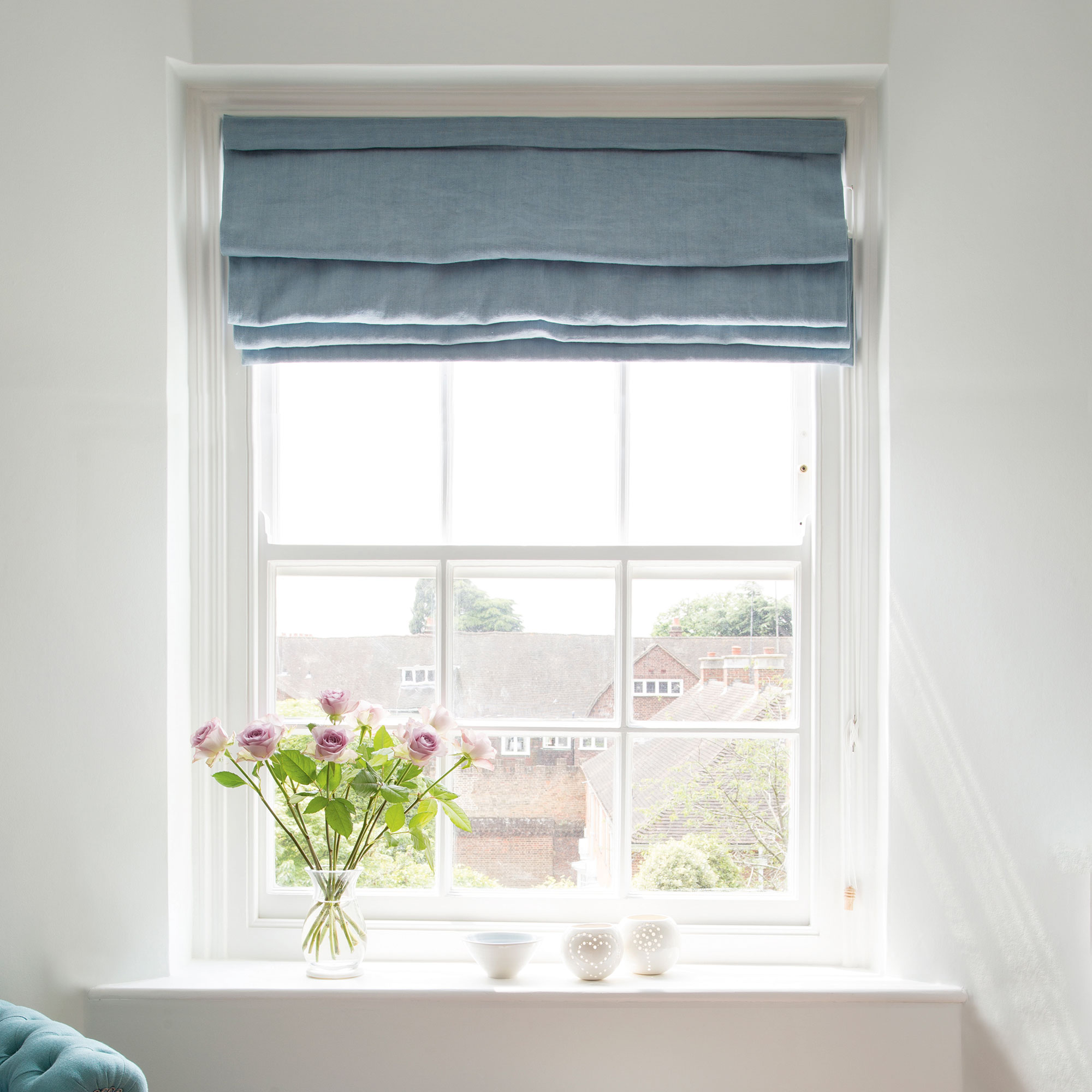
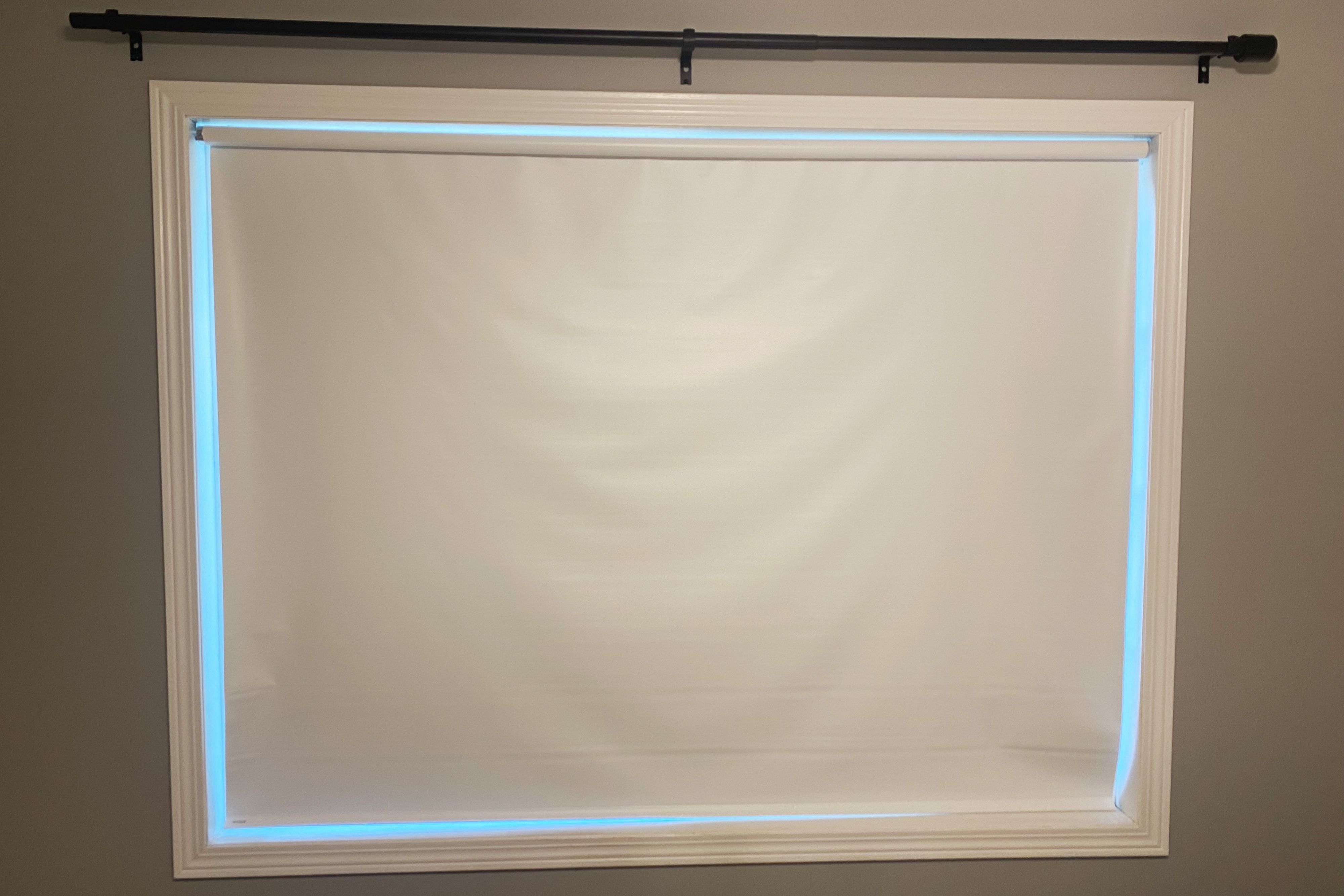
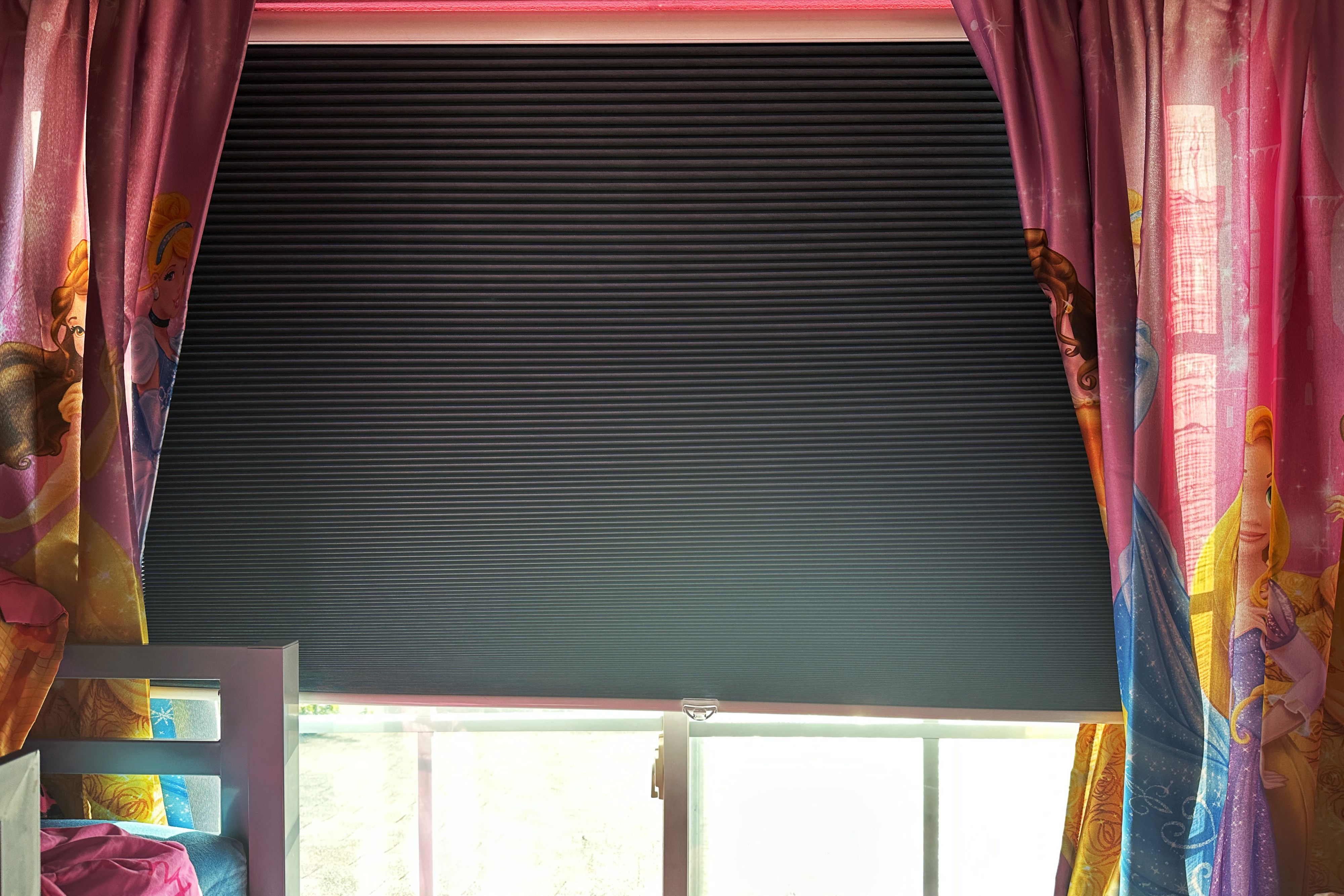
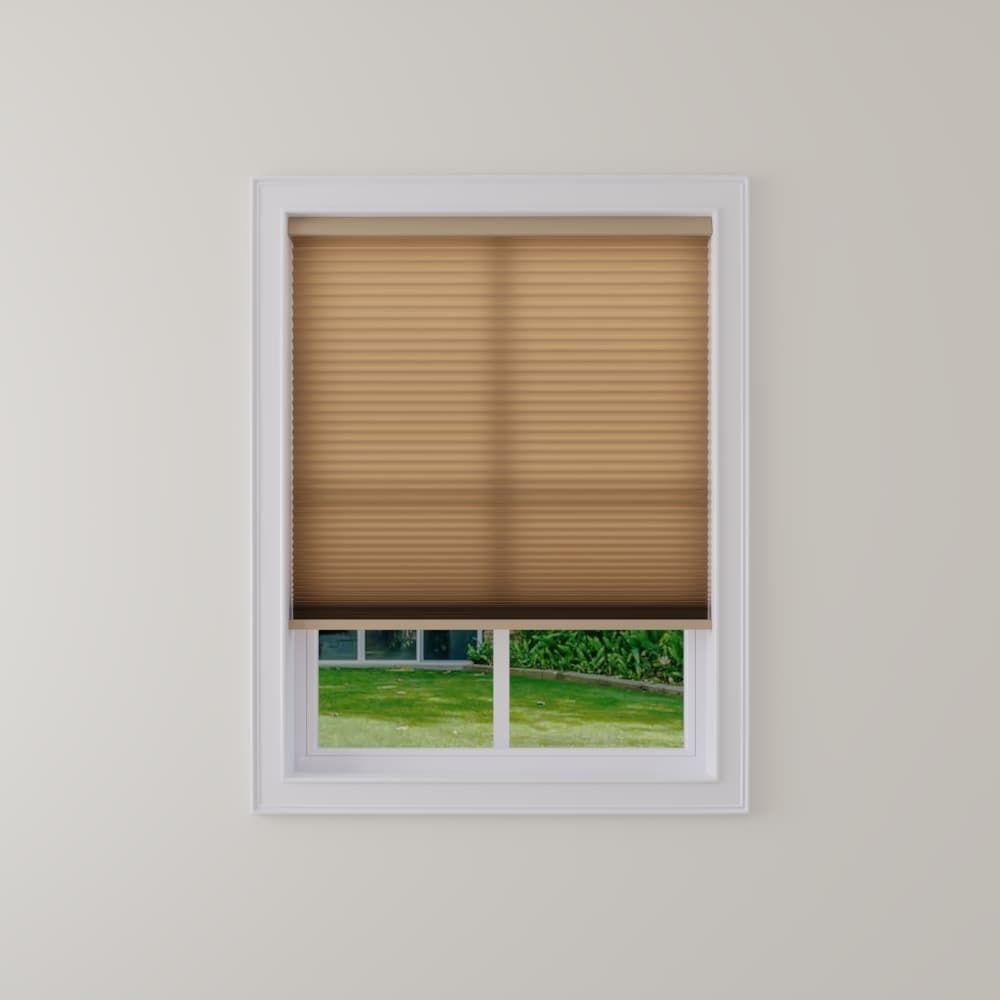
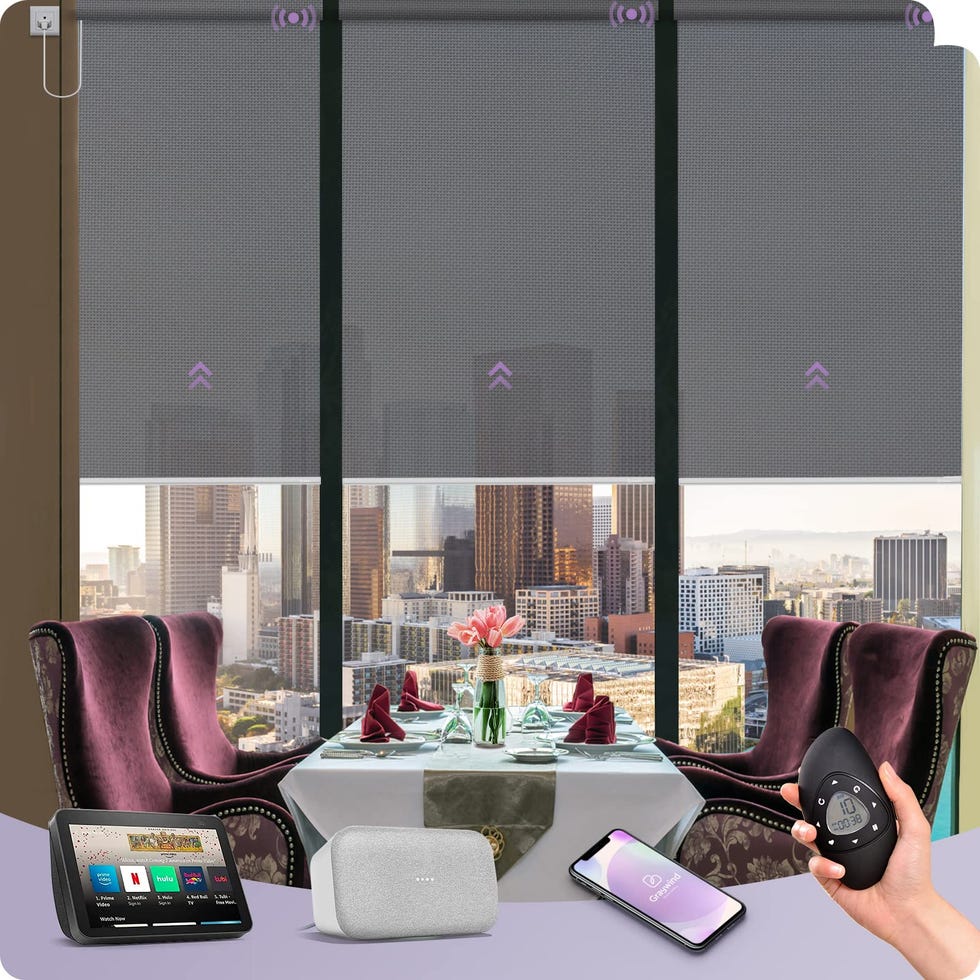
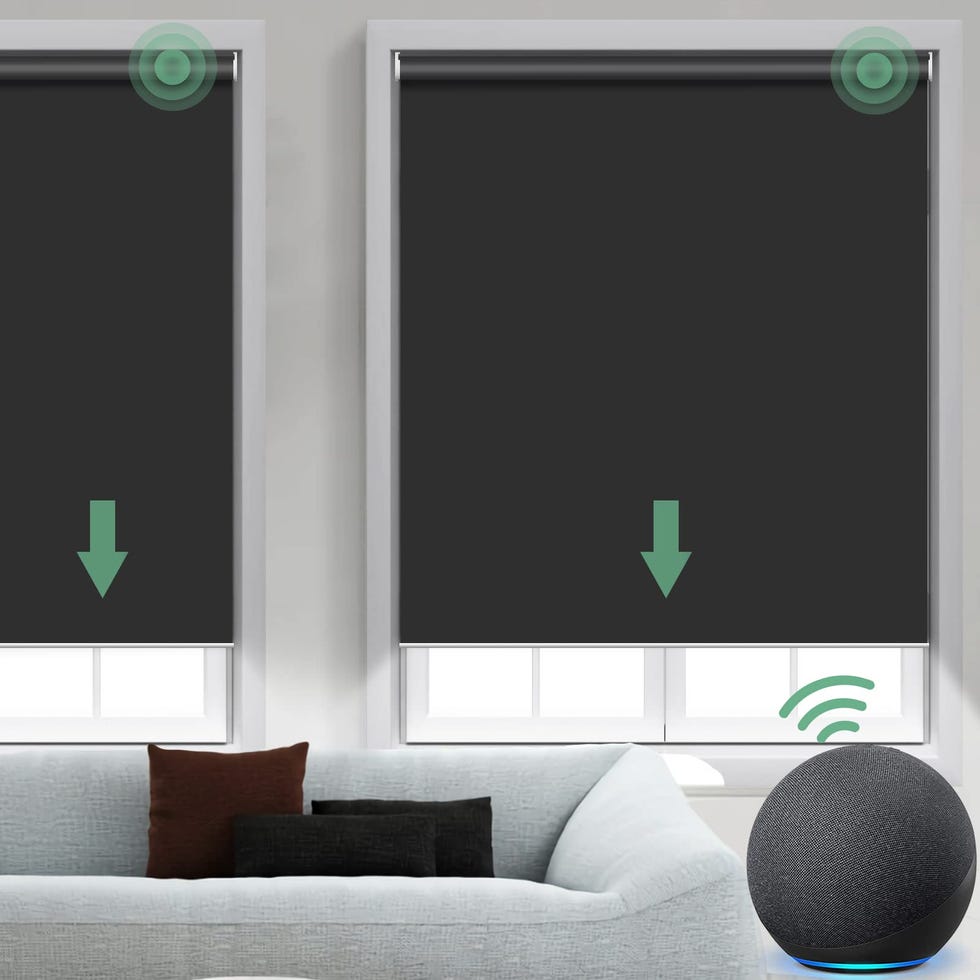
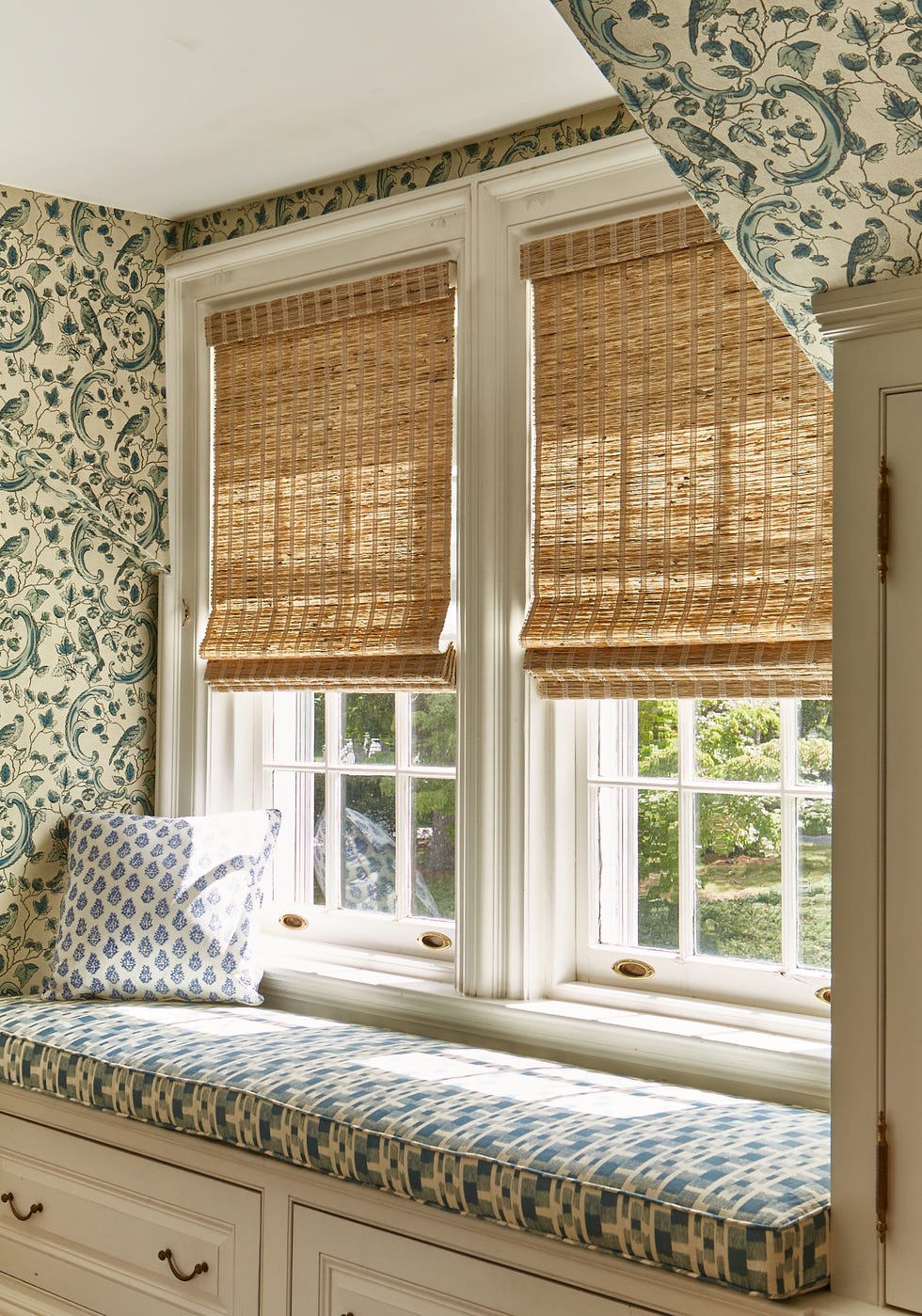
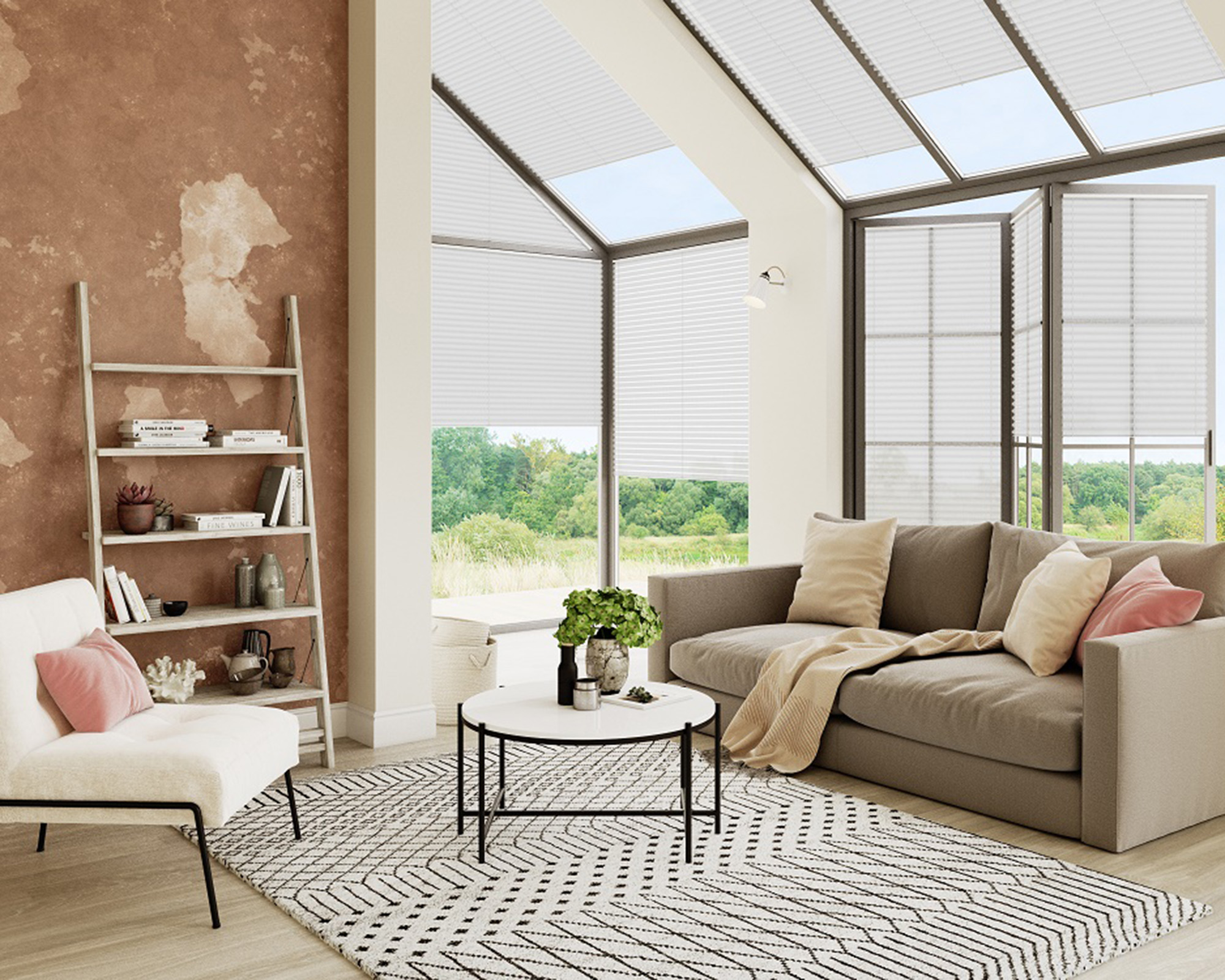
Window shades are another simple yet effective energy-saving method when properly installed and kept drawn throughout the day. Mounting shades as close to the glass as possible within the window frame creates a sealed air space, enhancing insulation. Reversible shades, featuring a white side for summer to reflect sun and a dark side for winter to absorb heat, offer seasonal flexibility. Quilted roller shades and multi-layered Roman shades, made with fiber batting, provide superior insulation and sun-blocking capabilities compared to other soft window treatments.
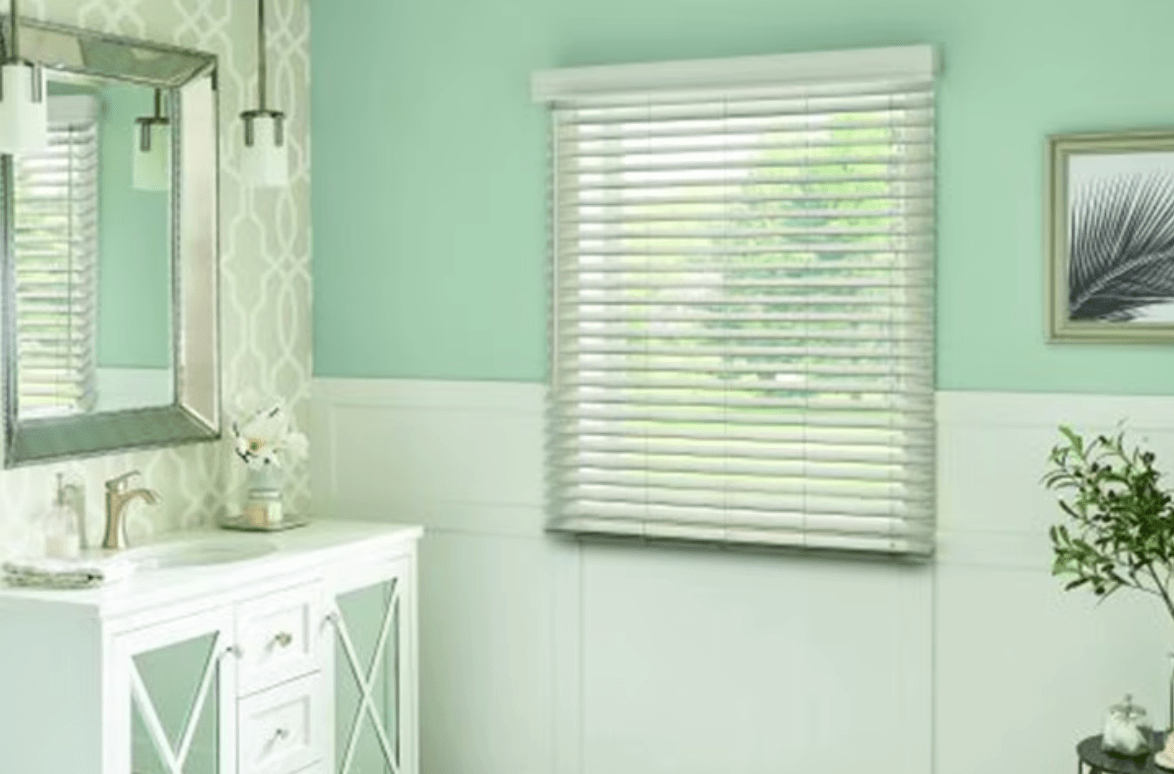
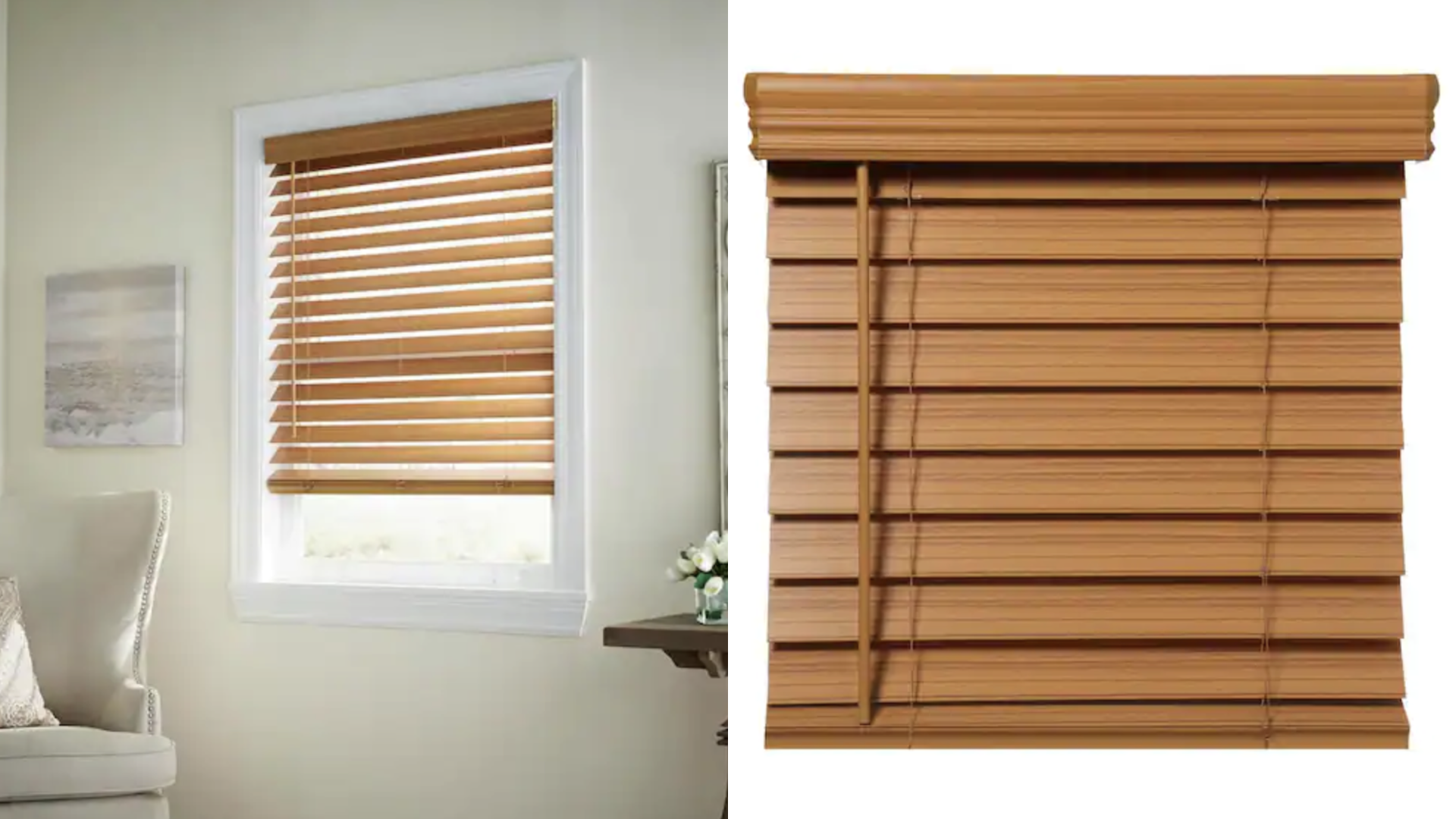
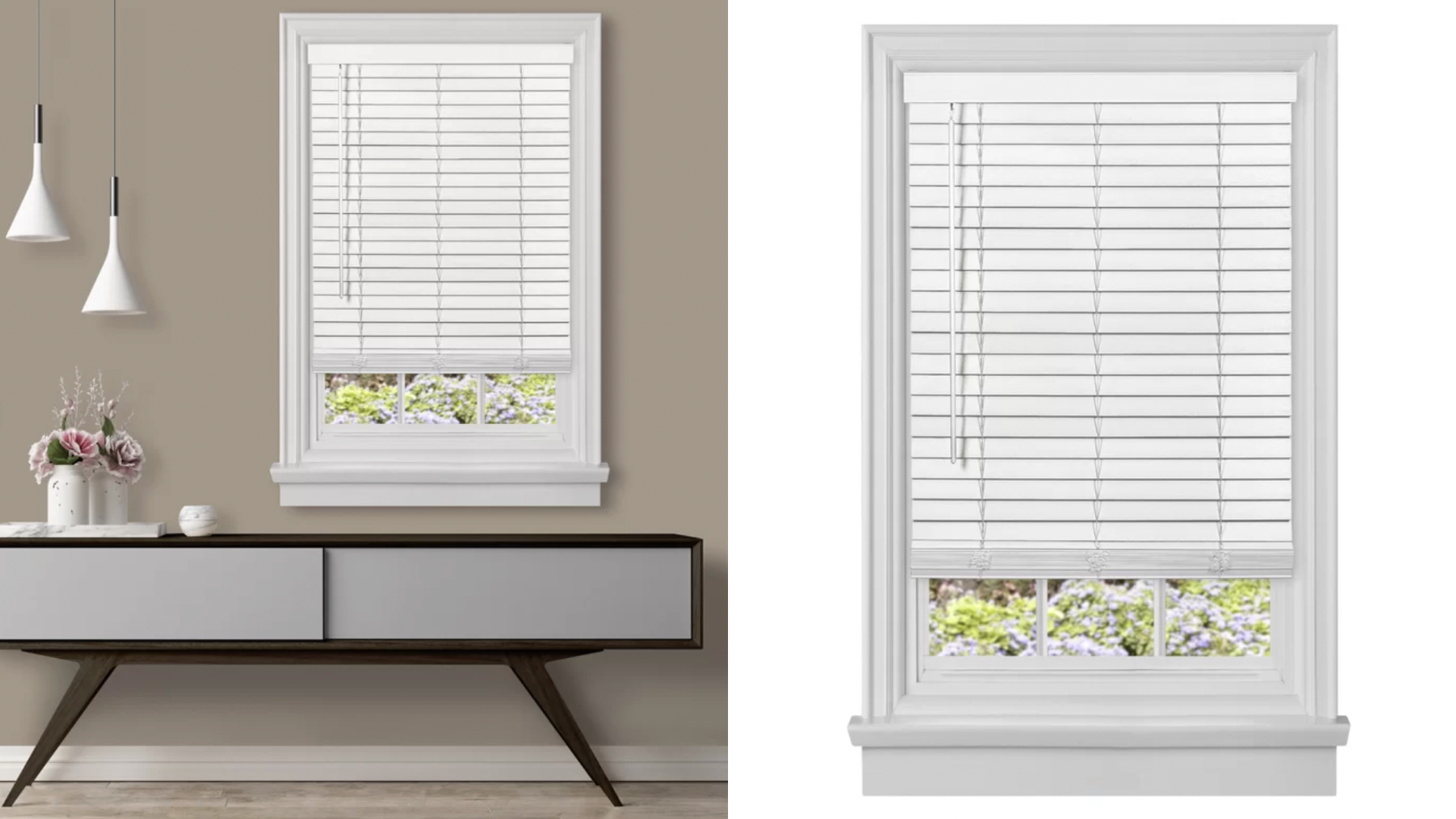
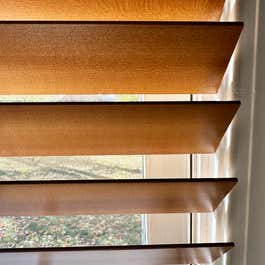
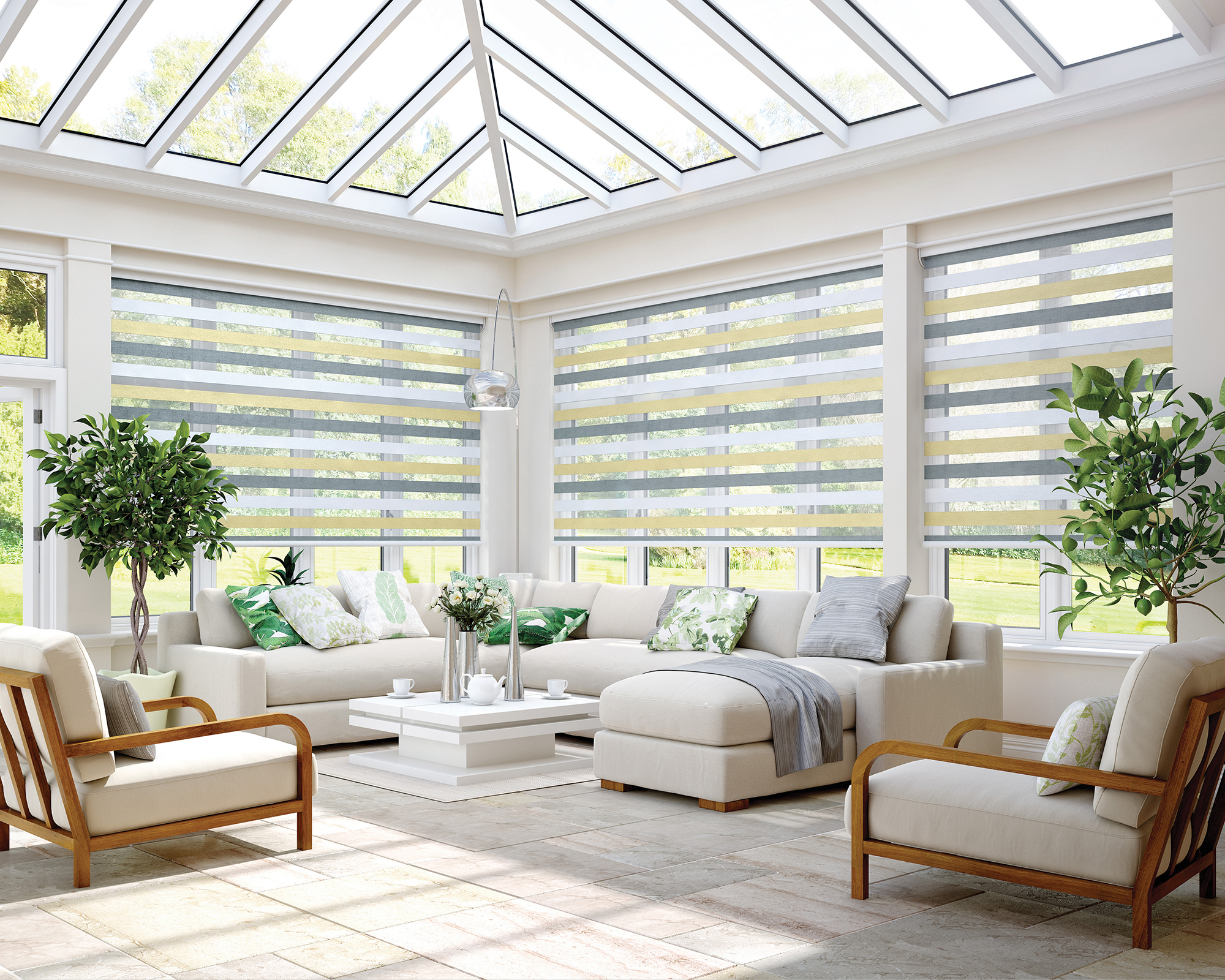
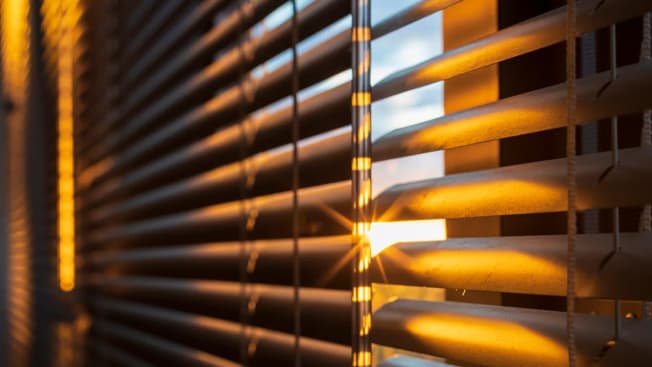
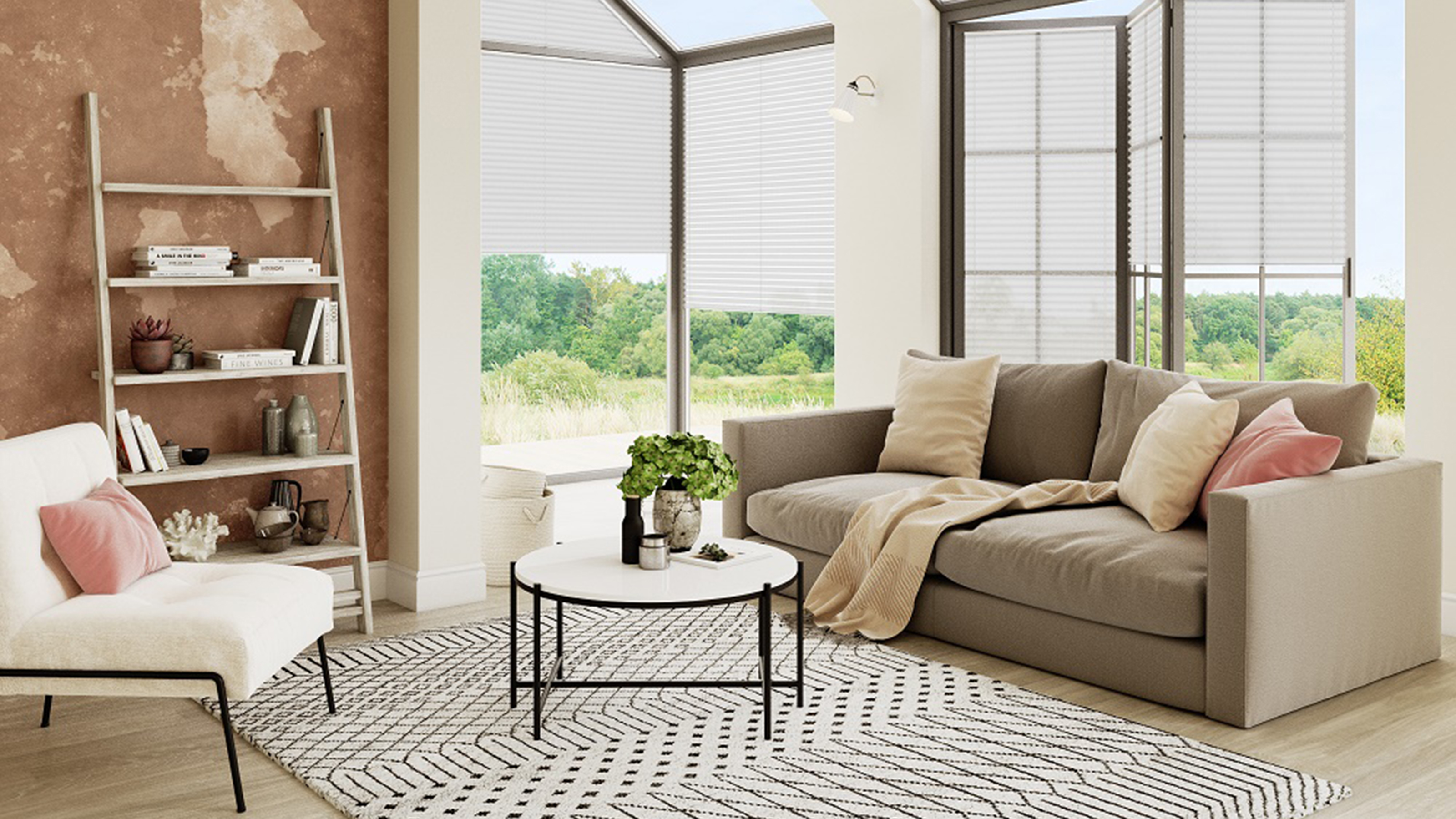
Interior window blinds, while flexible in controlling light and ventilation through adjustable slats, are less effective at controlling heat loss. However, when fully closed, highly reflective blinds can reduce heat gain by approximately 45 percent. They can also be adjusted to redirect sunlight onto a light-colored ceiling, which helps diffuse light without generating excessive heat or glare.
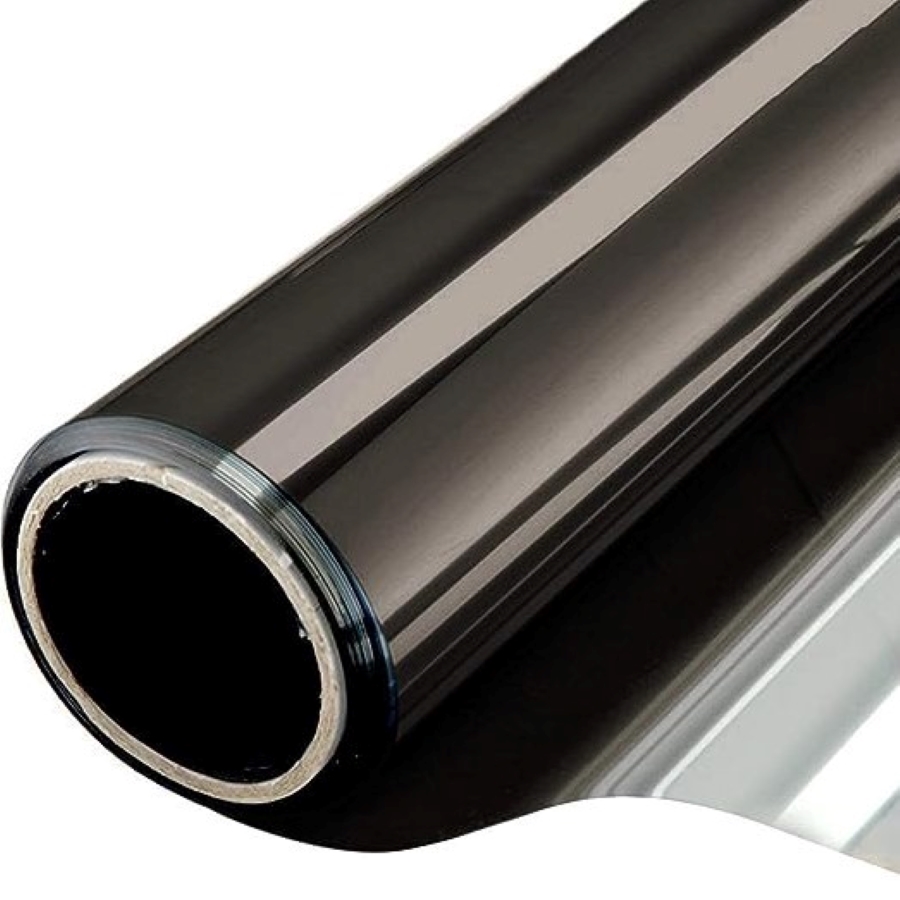
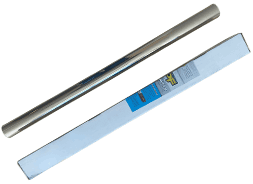
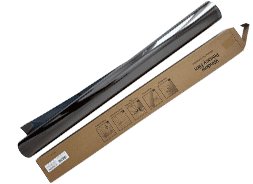
Reflective window film is particularly beneficial for homes in regions experiencing extended cooling seasons. Silver, mirror-like films generally outperform colored transparent films in effectiveness. East- and west-facing windows derive the most benefit from these films due to their higher potential for solar heat gain during sunrise and sunset. However, homeowners should consider that reflective film can be challenging to clean and may alter the outdoor view.
Finally, when using window air conditioners, it is important to consider the sun's path. Placing an AC unit in a window that receives direct sunlight during the hottest parts of the day forces the unit to work harder, leading to increased energy consumption and higher utility bills.
#EnergyEfficiency #WindowCoverings #SolarHeatGain #HomeEnergyCosts #Awnings #Curtains #WindowShades #WindowBlinds #ReflectiveFilm #EnergyEfficiency #WindowCoverings #SolarHeatGain #HomeEnergyCosts #Awnings #Curtains #WindowShades #WindowBlinds #ReflectiveFilm
0 comment in total
 No comments yet
You may also like
This Small Upgrade Can Lower Your Electricity Bills

How to draught proof a window - easy ways to keep heat inside your home this winter
The Best Blackout Curtains to Block Light, Reduce Noise, and Save Energy
Home Window Tinting: What To Know Before You Buy

The Best Thermal Curtains, Tested and Reviewed

Wooden Blinds, Thermal Curtains: Window Treatments Under $85

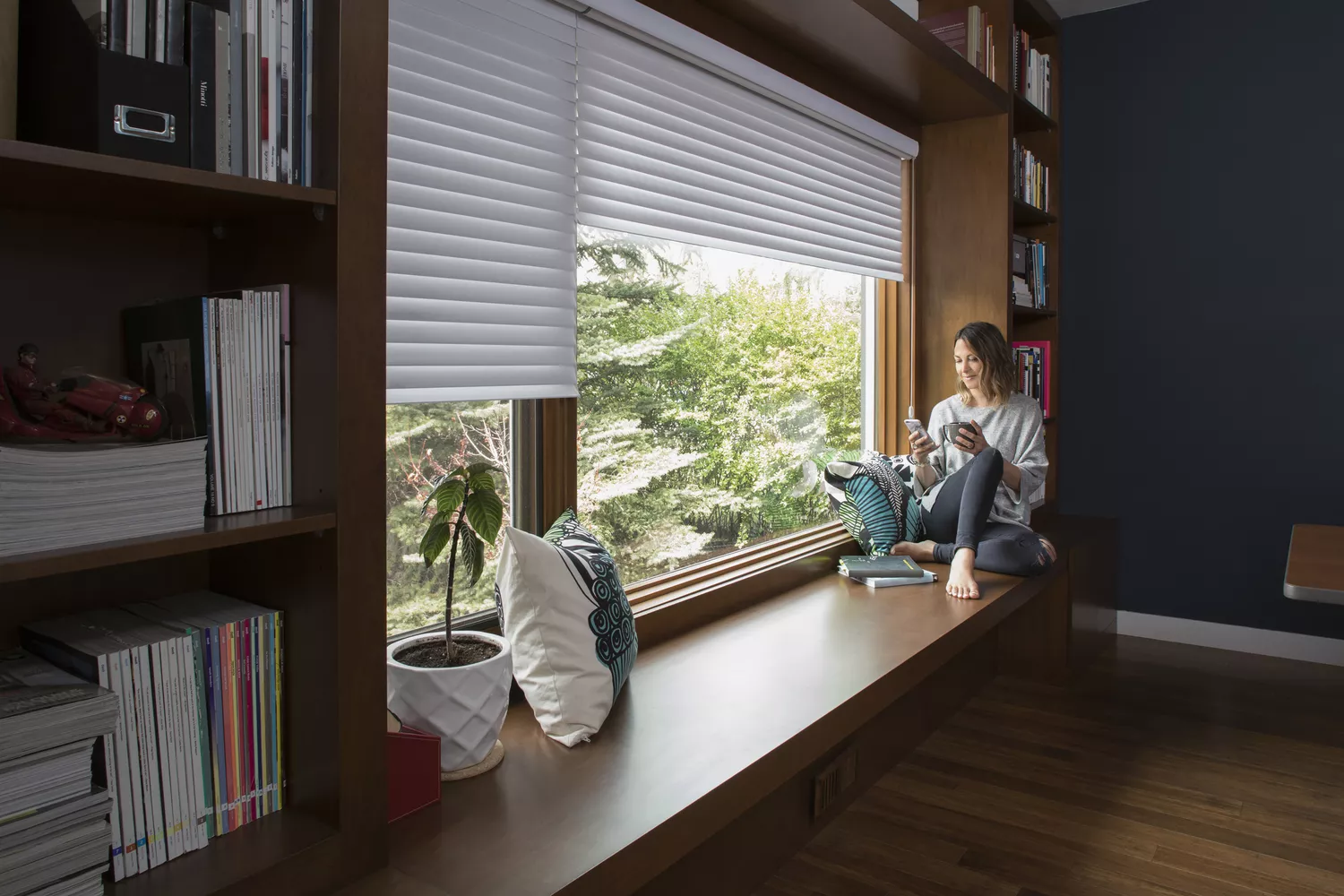
3 Retrofit Windows That Avoid the High Cost of Replacement

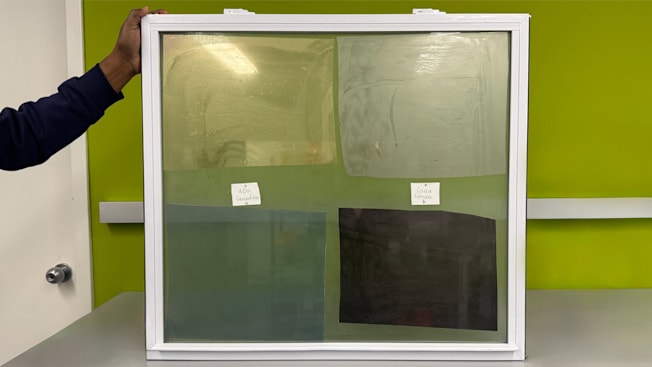
Best Window Films From Our Tests

Buy One, Get One Free: Increase Your Home’s Energy Efficiency With This Simple Upgrade

DIY A Heat Blocking Curtain For Lower Bills This Summer
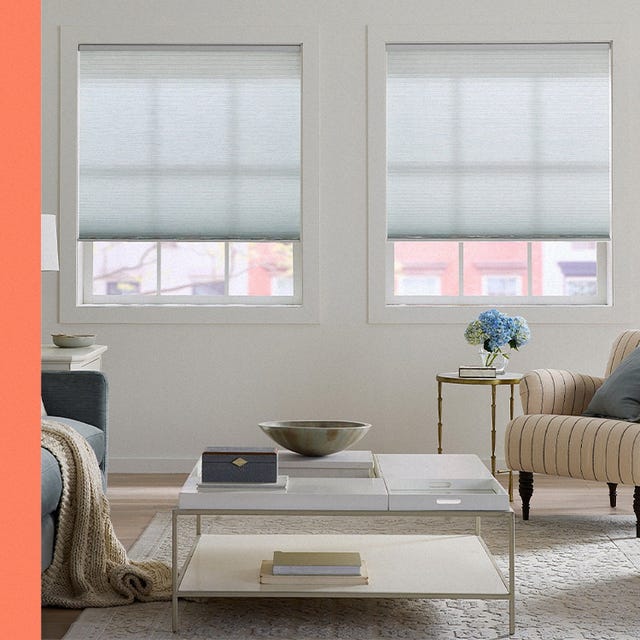
These Smart Blinds Are Great for Privacy—and for Your Energy Bill

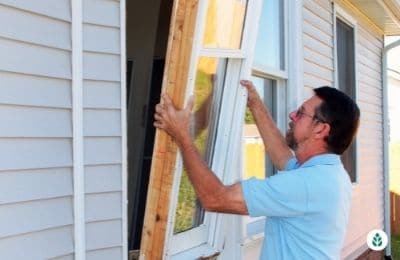
Compare the 5 Best Window Replacement Companies of 2025

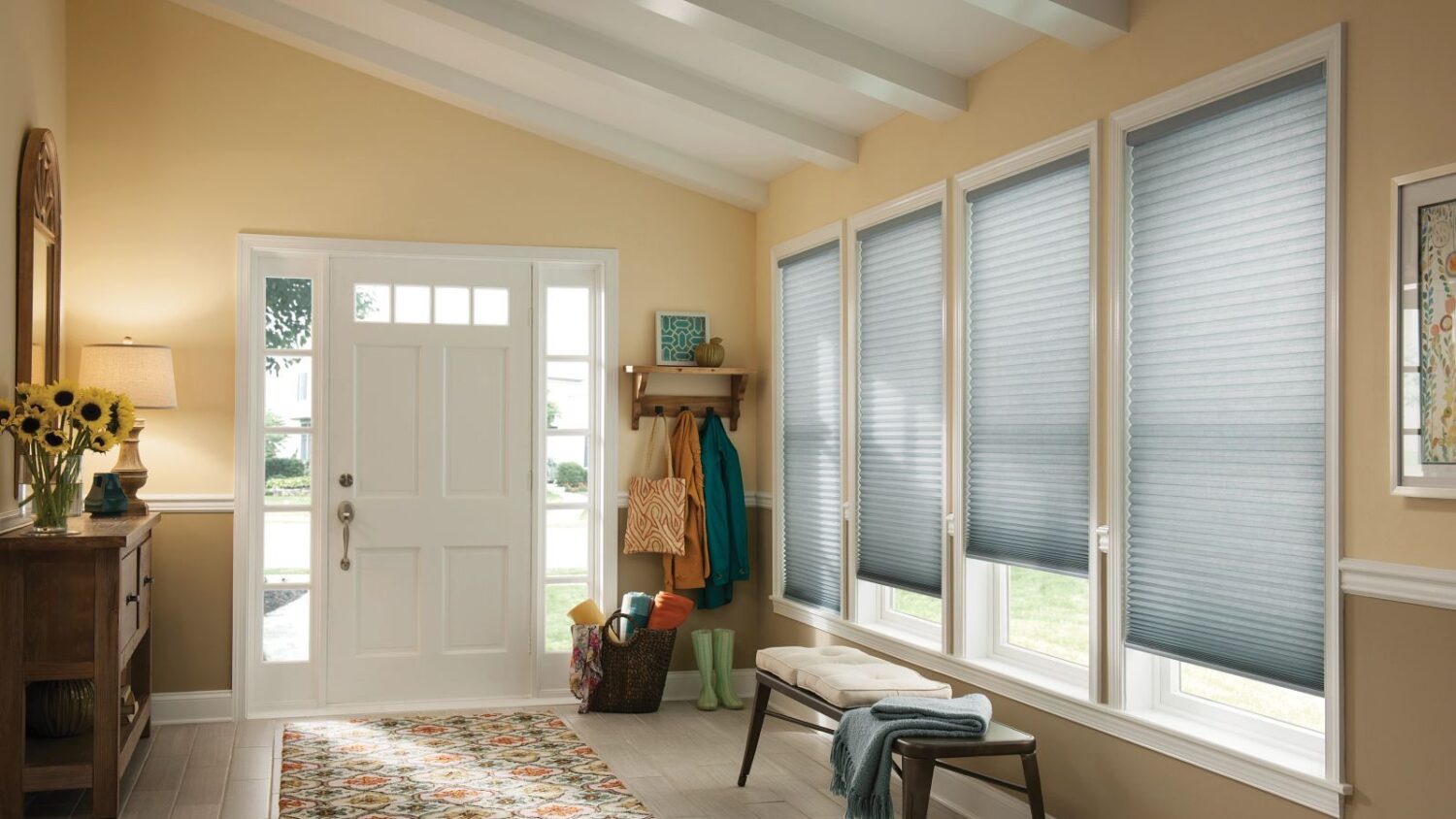
Blinds can help you keep out the Arizona sun in 2025

These Smart Window Blinds Save My Eyes From the Sun’s Harsh Afternoon Rays | Reviews by Wirecutter

Why You Should Never Skip Curtains, According to Top Designers

Surprisingly, Our Favorite Window Insulation Isn’t the Thickest
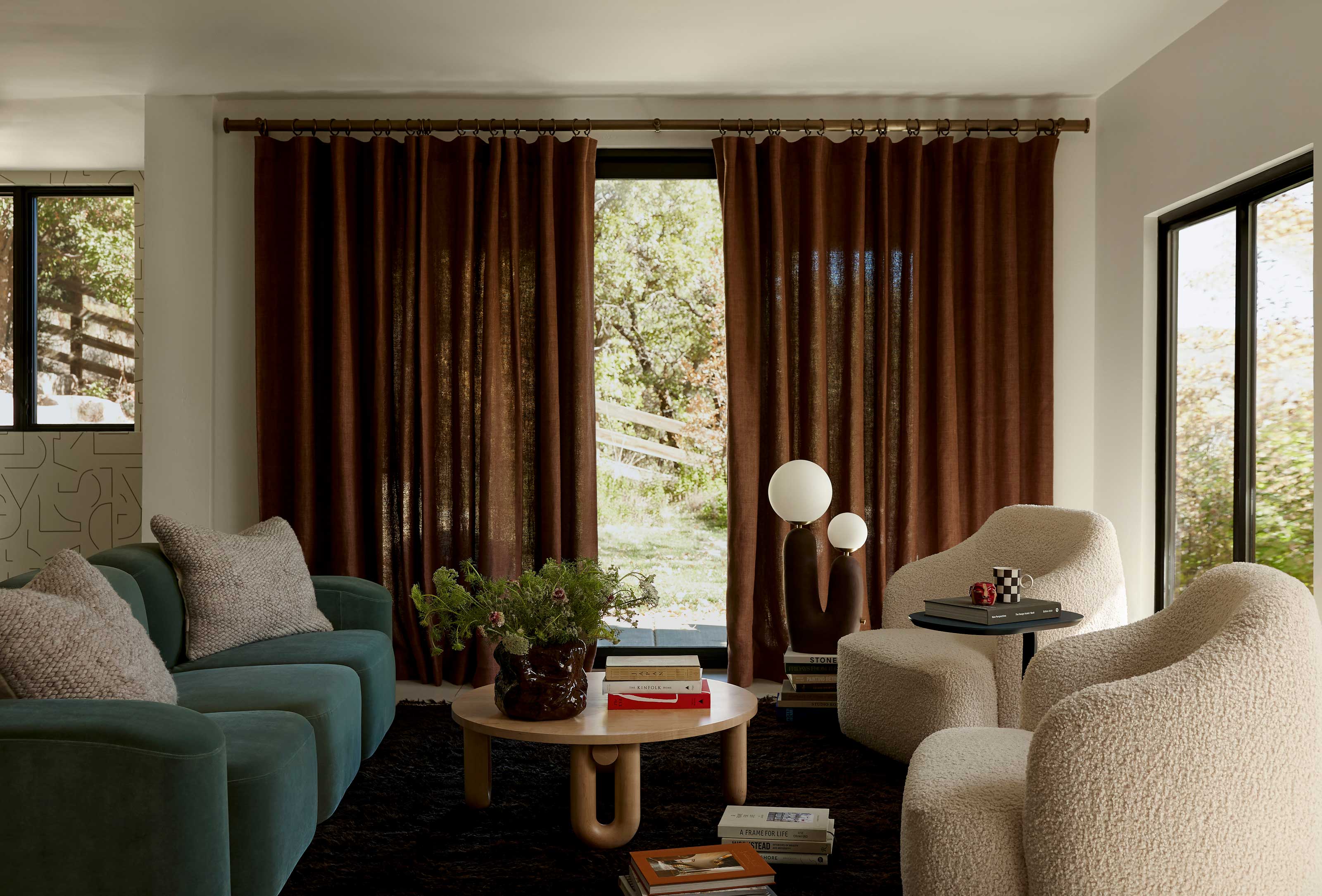
Which window treatments will actually keep my house cool? 5 ideas that will help control the temperature inside

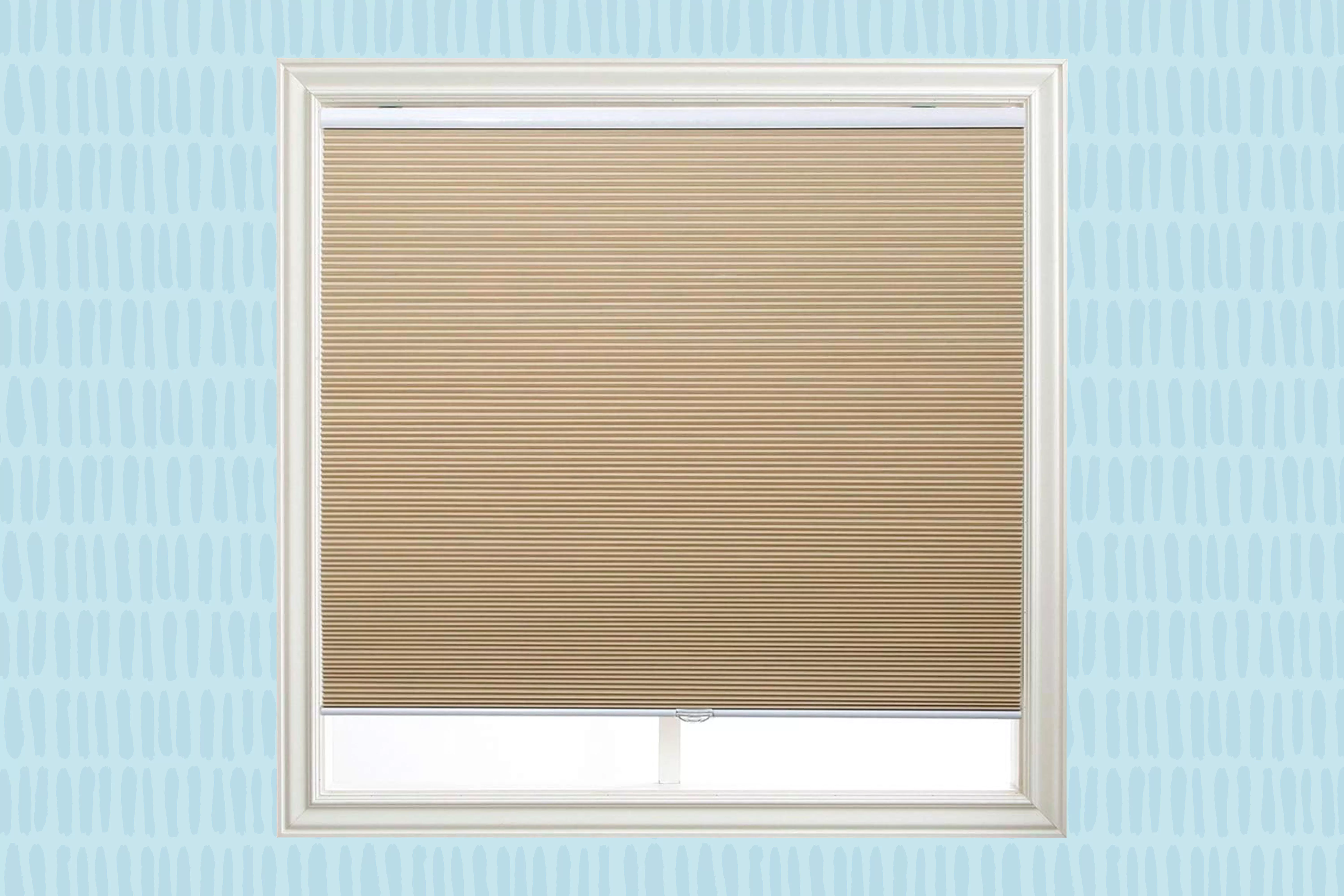
The 4 Best Blackout Shades to Keep Your Room Dark, According to Testing

Conservatory blind ideas: 16 designs to shade and bring privacy to windows


You can get sun damage through a window — here's how to protect yourself indoors