3 Retrofit Windows That Avoid the High Cost of Replacement
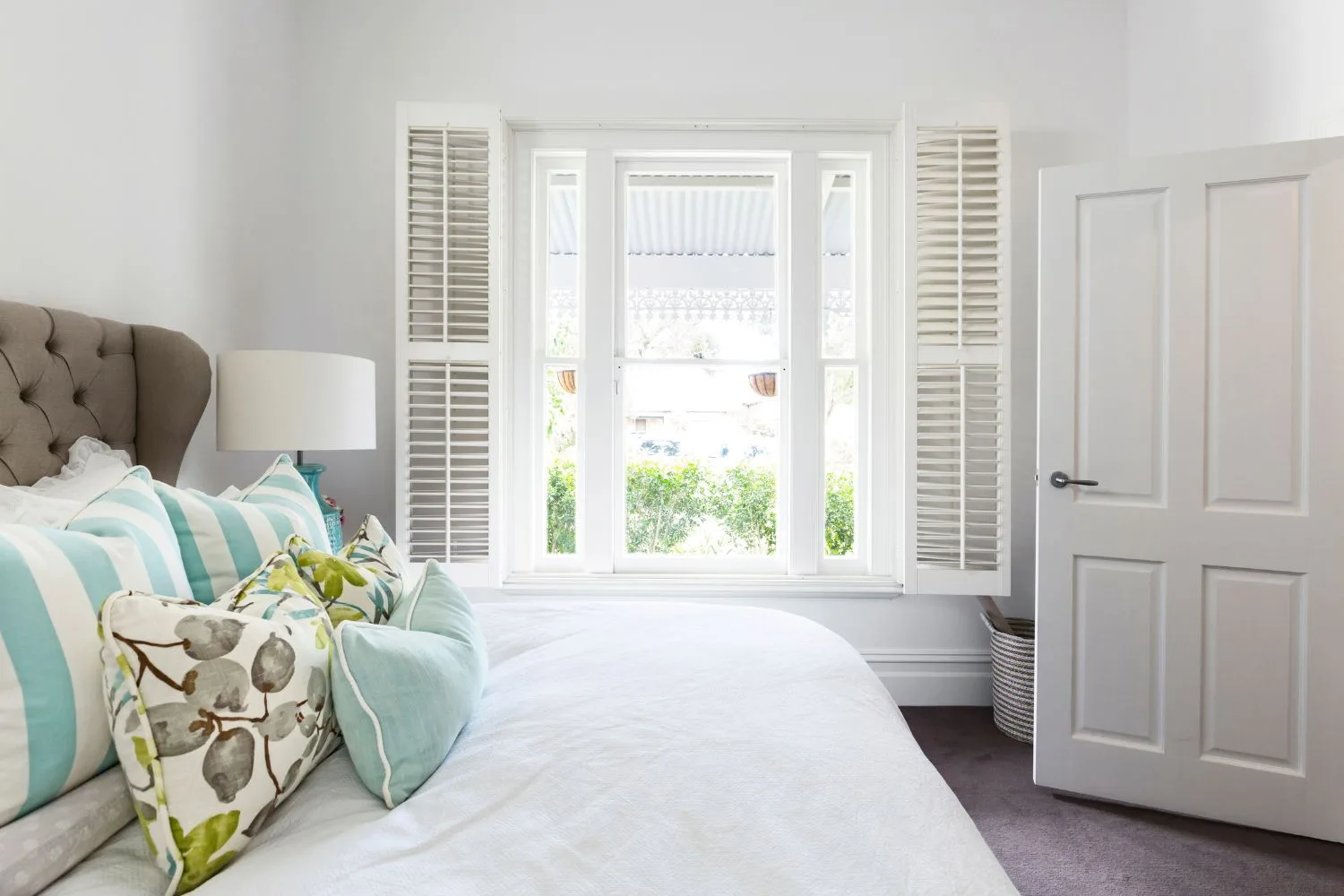
Retrofit windows offer a cost-effective alternative to full window replacement for improving a home's energy efficiency. These modifications enhance the energy-saving capabilities of existing windows without the significant expense and disruption associated with installing new ones. A report by The National Trust For Historic Preservation indicates that these strategies can achieve energy performance levels very similar to high-performance replacement windows, but at a fraction of the cost.
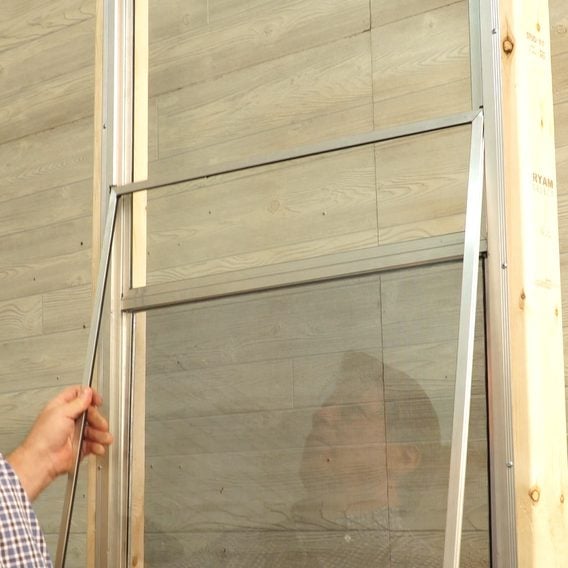
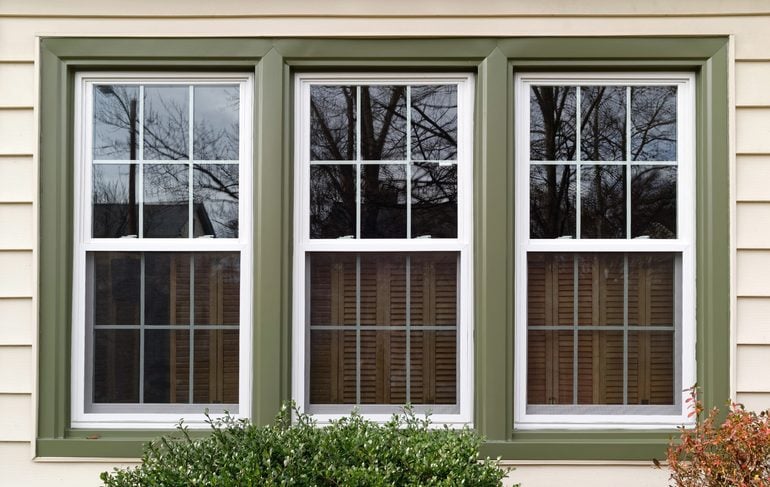
Several types of retrofit window solutions are available. Exterior storm windows, when properly selected and installed, can significantly reduce air leakage and improve insulation. The most effective exterior storm windows are typically low-e single-clear operable units with aluminum triple-track frames, offering a good balance of value and performance. However, homeowners should prioritize quality products and professional installation to maximize energy savings, as poorly sealed storm windows can negate their benefits. One potential drawback is that exterior storm windows may alter the aesthetic of existing windows.
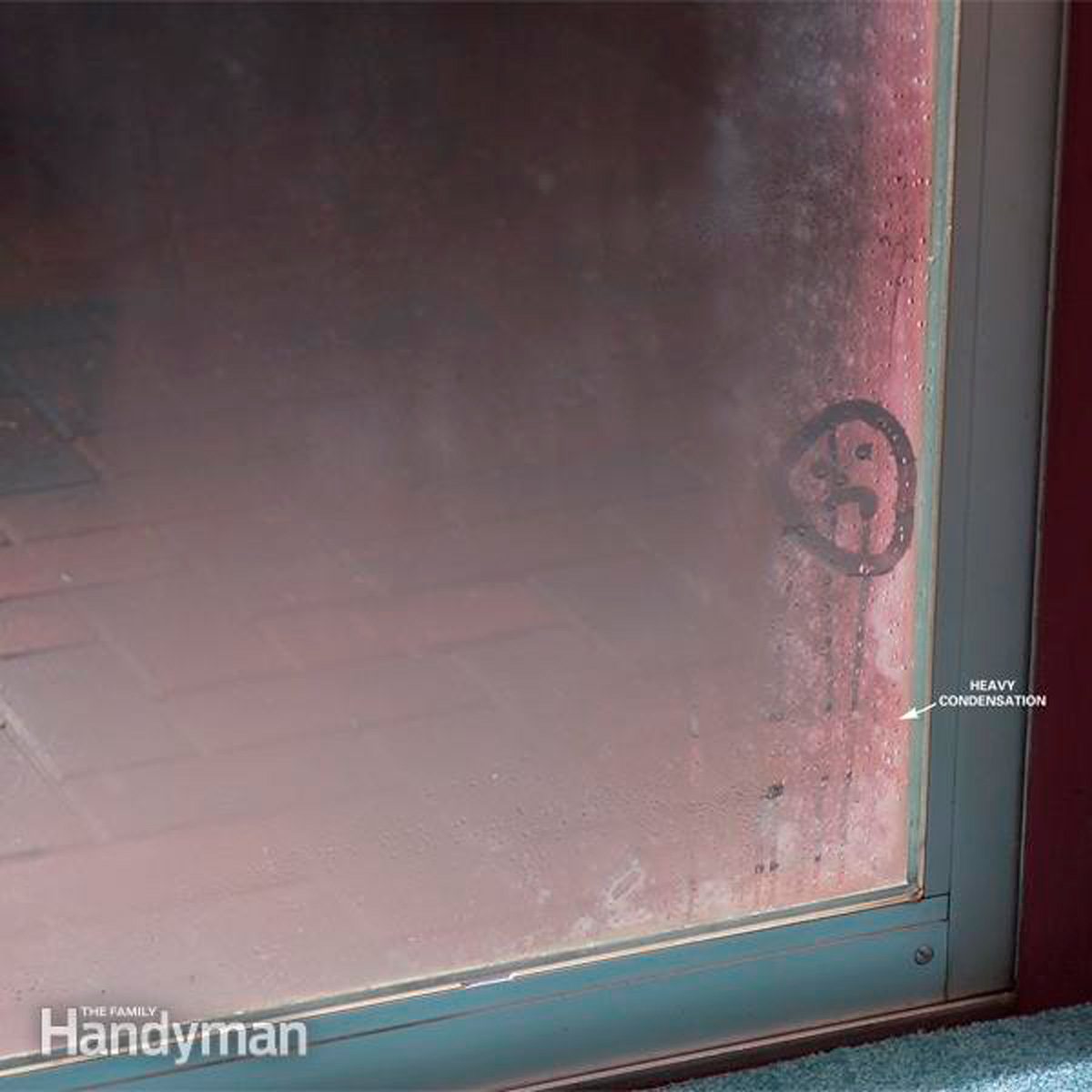
Interior window panels, also known as inside storm windows, are another option. These solid acrylic panels are installed parallel to the existing window, often using magnetic strips or compression gaskets. Unlike temporary shrink-fit window films, interior window panels are semi-permanent and can remain in place for extended periods. They enhance thermal performance and reduce air leakage from the inside. However, they do not protect the exterior of the primary window from environmental elements. Care must be taken to ensure an airtight seal to prevent condensation between the panels and the main window.
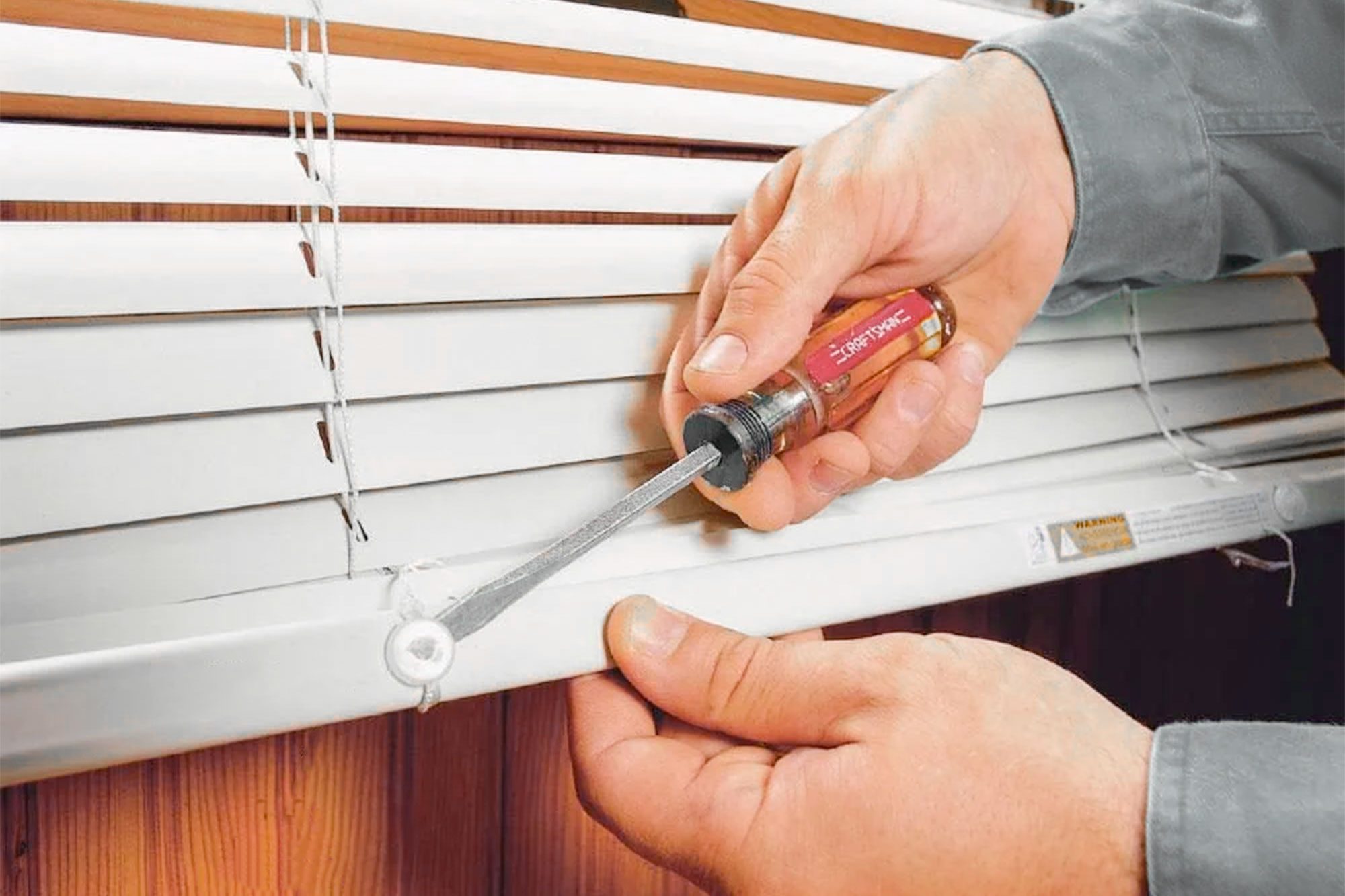
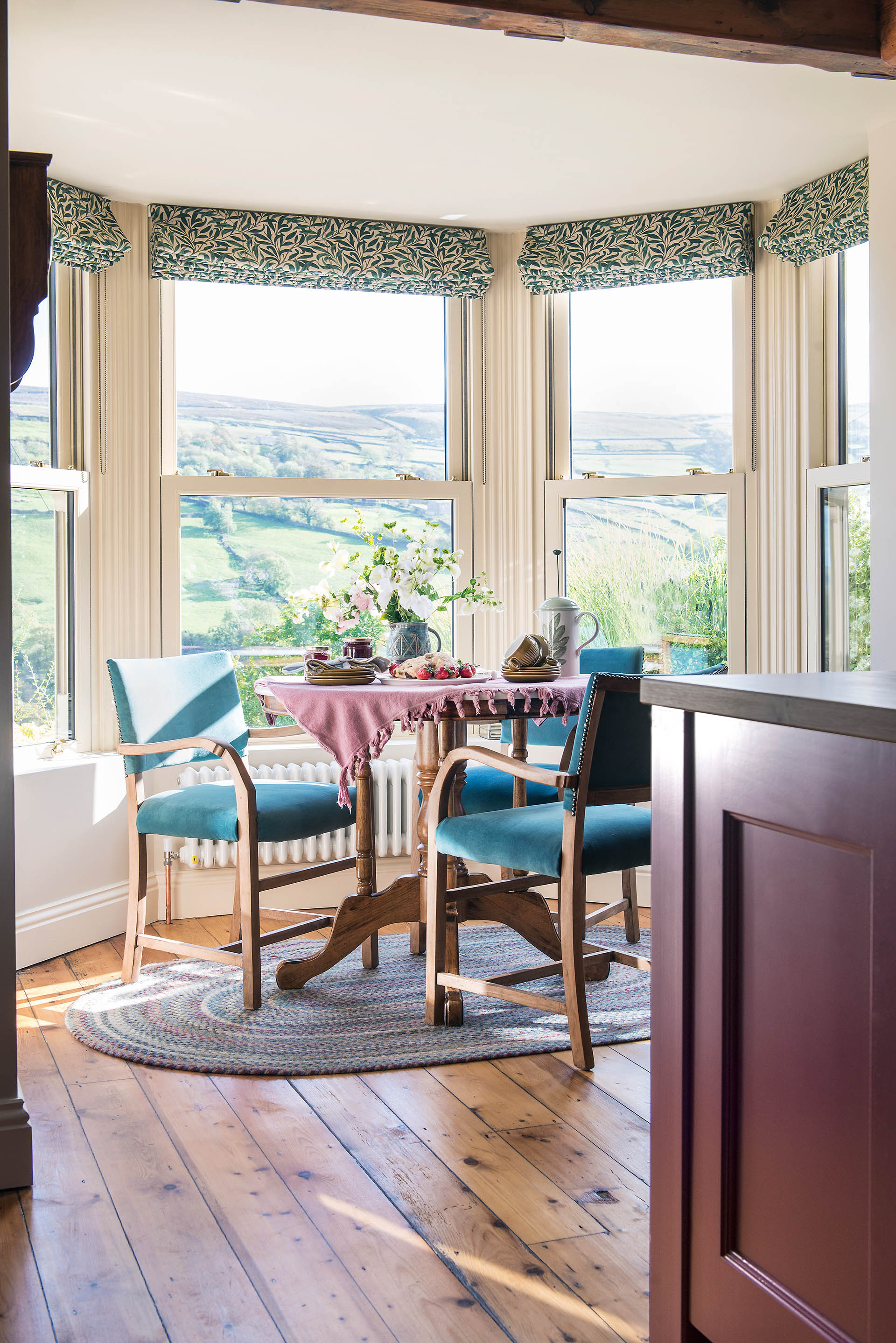
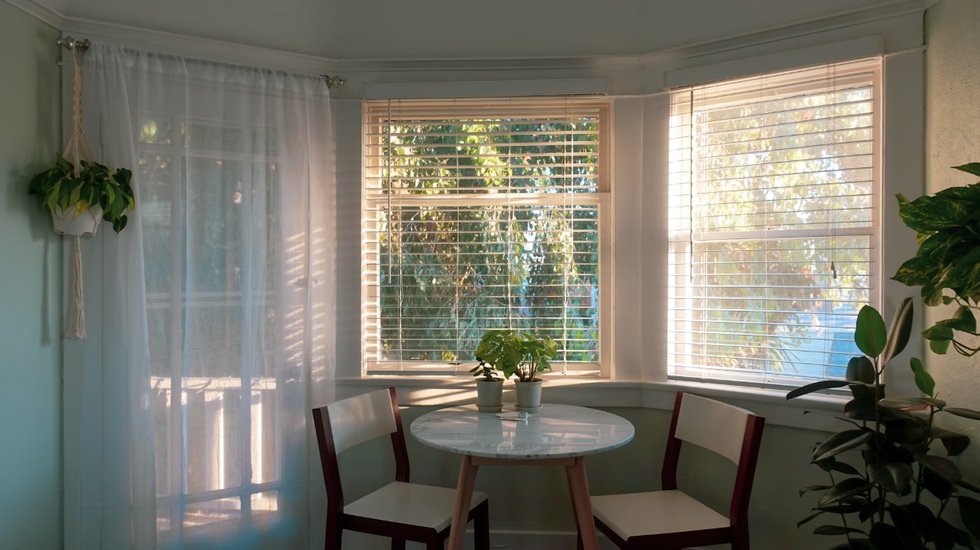
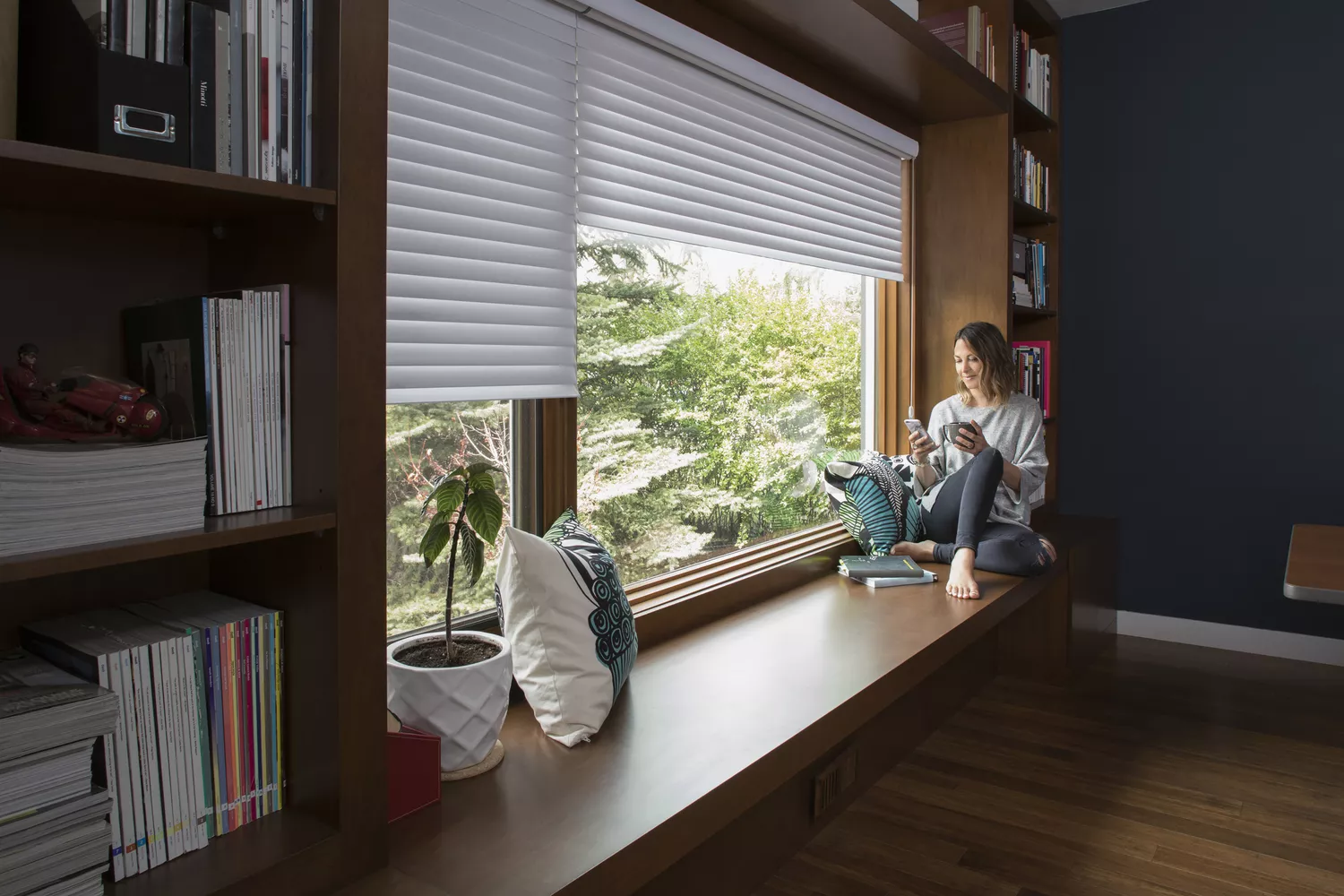
Cellular blinds, specifically interior insulating blinds, contribute to energy efficiency by creating a thermal barrier. These blinds feature a honeycomb-like structure that traps air, providing insulation against temperature transfer. They are effective in reducing drafts and regulating indoor temperatures, particularly in cold or hot conditions. While they are not transparent and are typically used when natural light is not required, such as at night, they can still contribute to substantial energy savings, especially during extended periods of darkness in winter.
When considering retrofit windows, it is crucial that the existing window frames are in good condition. Retrofits can prolong the life of functional windows and improve energy performance, but they cannot address issues like rotting, moisture damage, leaks, or severe air loss caused by damaged frames. In such cases, full window replacement remains the necessary solution. For optimal results, homeowners should select retrofit products that meet Energy Star and Attachment Energy Rating Council (AERC) energy-efficiency standards. Retrofitting offers advantages such as lower cost, faster installation, and the preservation of historical aesthetics, making it an attractive option for many homeowners seeking to enhance their home's energy efficiency.
#RetrofitWindows #EnergyEfficiency #HomeImprovement #WindowInsulation #StormWindows #InteriorWindowPanels #CellularBlinds #CostSavings #HomeMaintenance #RetrofitWindows #EnergyEfficiency #HomeImprovement #WindowInsulation #StormWindows #InteriorWindowPanels #CellularBlinds #CostSavings #HomeMaintenance
0 comment in total
 No comments yet
You may also like
Compare the 5 Best Window Replacement Companies of 2025

8 Best Window Brands, According to Home Renovation Experts

Single vs Double Hung Windows: Cost, Safety, Energy Efficiency

How Much Does Window Replacement Cost In 2025?


Top 5 Best Window Replacement Companies in Texas (Review) (2026)


Top 5 Best Window Replacement Companies in Texas (Review) (2025)
Replacing old windows will add value, style to your home
How to repair a sash window without calling a tradie

Compare the 5 Best Window Replacement Companies of 2026
We Asked Window Pros How Long Windows Last—and When It's Definitely Time to Replace
Compare Most Energy Efficient Windows (2025)
Sash windows – what to do when choosing, restoring or replacing your frames and glass

What I Learned Shopping for Replacement Windows

Renewal by Andersen Window Review (2025)

The best window replacement companies in Houston


How to Repair a Modern Window Sash with Shop-Made Parts

Home Window Installation, Parts and Repair

The Best Window Brands for the Home

5 Best Window Brands for Your Home (2025)
5 Companies With the Best Value Replacement Windows in Tennessee