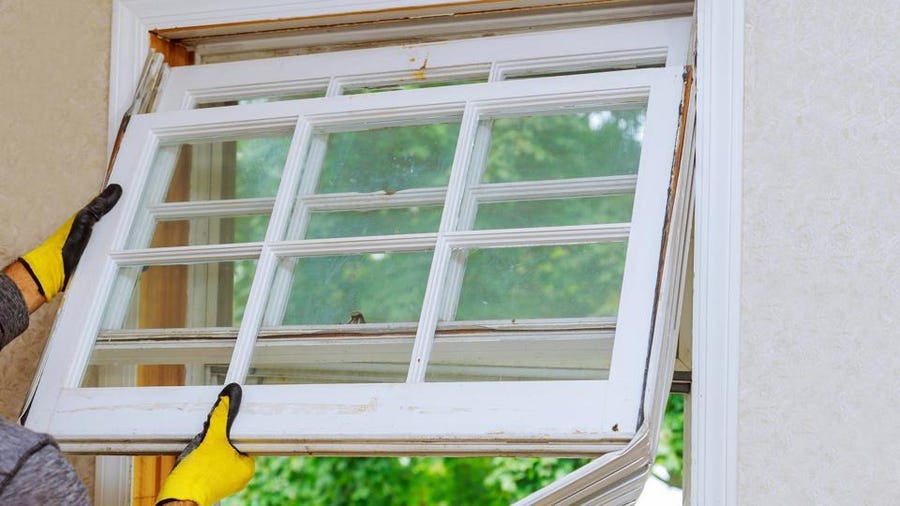
How Much Does Window Replacement Cost In 2025?
Window replacement is a significant home improvement project, with costs varying widely based on several factors, including the number of windows, type of window, frame material, glass type, brand, energy efficiency, and installation specifics. Understanding these variables is crucial for homeowners planning such a project, as windows are responsible for a substantial portion (25% to 30%) of residential energy usage due to heat loss and gain.
The average cost for a single window replacement typically ranges from $300 to $3,000, with an average of $800. For multiple windows, the cost per window usually decreases, making larger projects potentially more cost-effective in the long run. For instance, replacing 1 to 5 windows might cost between $250 and $3,800, while 16 to 20 windows could range from $10,000 to $15,000. These figures generally do not include labor costs.
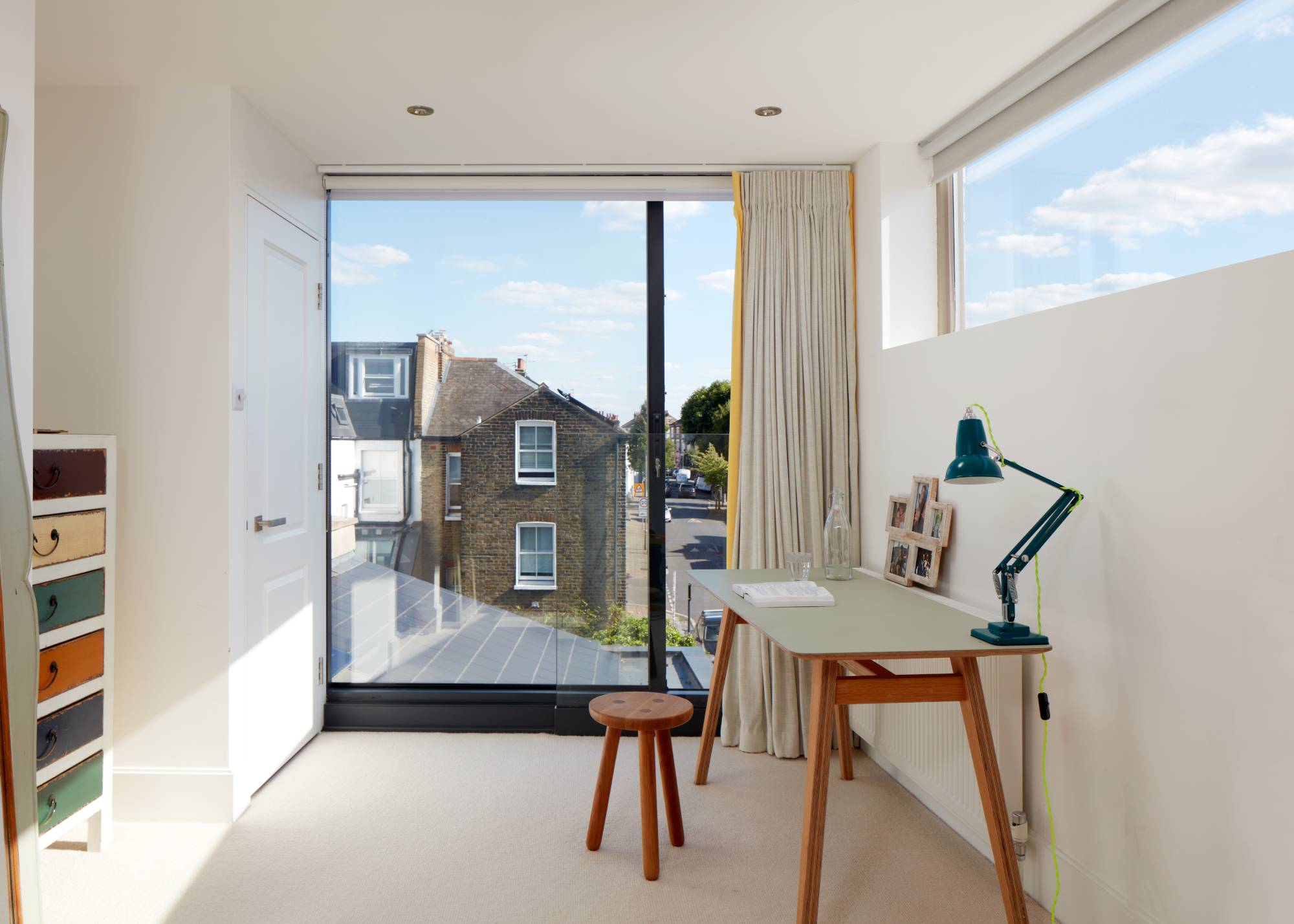
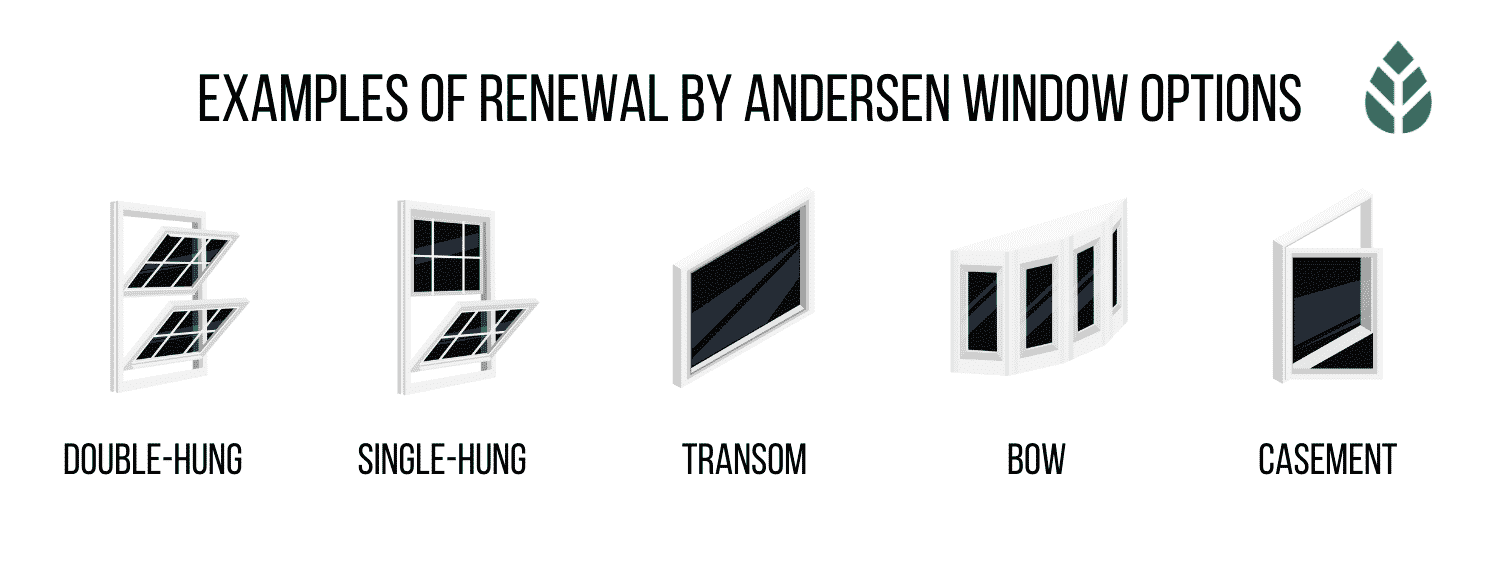
Window type significantly impacts the overall expense. Awning windows average $550, while more complex bay and bow windows can cost around $2,000 to $2,500, respectively. Casement windows are about $800, and fixed windows, which do not open, are typically $500. Specialized windows like egress windows average $4,000, and floor-to-ceiling windows can range from $700 to $1,600 per linear foot. Custom designs, picture windows, single-hung, double-hung, sliding, and transom windows also have distinct average costs.
Frame material is another critical cost driver. Aluminum frames are often the cheapest at $400 to $700 per window, but are less energy-efficient. Vinyl frames are moderately priced at $450 to $900, offering good energy efficiency and low maintenance, though they can warp in extreme temperatures. Composite and fiberglass frames, ranging from $600 to $2,500 and $450 to $1,100 respectively, provide better durability and energy efficiency but come at a higher price point. Wood frames, while aesthetically appealing, are expensive ($550 to $1,950) and require more maintenance. Steel frames are the most durable and customizable, but also the most expensive ($850 to $3,000) and lack energy efficiency.
The number of glass panes also affects insulation and cost. Single-pane windows, less common due to poor energy efficiency, average $440. Double-pane windows, the most common and energy-efficient, average $815, while triple-pane windows, offering superior insulation, average $1,300. Various glass types, such as float, tempered, laminated, and tinted glass, offer different benefits like safety, security, and energy efficiency, with costs varying accordingly.
Beyond materials and types, installation costs typically range from $150 to $300 per window, increasing for complex jobs. Older homes may incur higher costs due to non-standard window sizes or structural degradation. Permits, usually $50 to $100 per window, are often required. Accessibility issues, such as replacing windows on upper stories, can also raise labor costs due to the need for specialized equipment. Window color choices can impact prices, with custom or non-standard colors often costing more. The time of year also plays a role, with spring and summer being peak, and thus more expensive, seasons for installations.
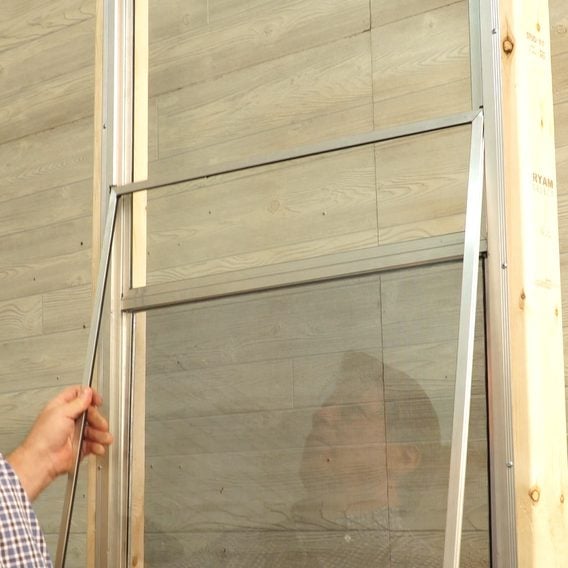
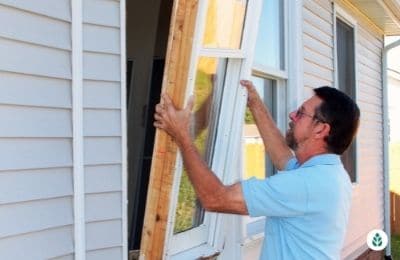
Homeowners can save money by comparing window specifications rather than just brand names, opting for lower-cost materials like vinyl, looking for sales, and leveraging energy-efficiency tax credits for Energy Star-certified windows. Replacing all necessary windows at once can also lead to bulk discounts and reduced labor costs per window over time. DIY replacement is only recommended for those with advanced skills for standard replacements, otherwise, professional installation is advised to prevent damage and ensure proper sealing.
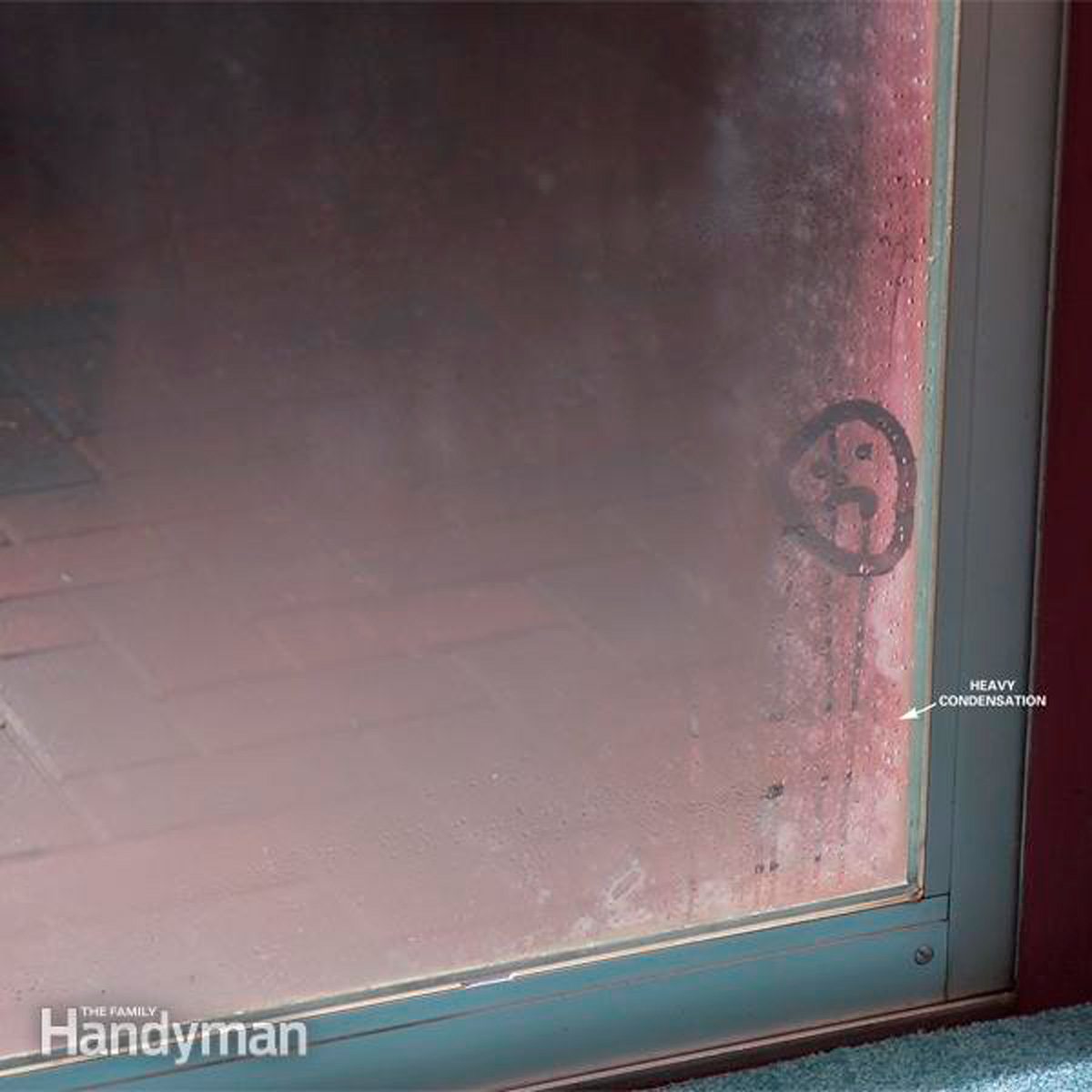
Determining when to replace windows involves assessing their age (lifespan is typically 30-50 years), damage severity, air drafts, and other signs like sun damage or condensation. A thorough evaluation by a professional can help decide between repair and full replacement. When choosing a window replacement company, it is important to examine warranties, obtain multiple quotes, review customer feedback, and clarify the service process to understand who is responsible for sales, installation, and warranty claims.
#WindowReplacement #HomeImprovement #CostAnalysis #WindowTypes #EnergyEfficiency #HomeRenovation #InstallationCosts #MaterialCosts #DIYHomeImprovement #WindowReplacement #HomeImprovement #CostAnalysis #WindowTypes #EnergyEfficiency #HomeRenovation #InstallationCosts #MaterialCosts #DIYHomeImprovement
0 comment in total
 No comments yet
You may also like
Compare the 5 Best Window Replacement Companies of 2025

Curtain Trends for 2025 — The 7 Ways Everyone's Going to Be Dressing Their Windows This Year


Top 5 Best Window Replacement Companies in Texas (Review) (2025)
Swap Outdated Flimsy Blinds With One Of 2025's Biggest Window Treatment Trends
Compare the 5 Best Window Replacement Companies of 2026

This popular window treatment actually made my bathroom dark and gloomy so here’s what I’m swapping it to in 2025


Interior Designers Reveal the Biggest Window Treatment Trends of 2025
Experts Predict That Every Renovation in 2026 Is Going to Include One of These Upgrades


Top 5 Best Window Replacement Companies in Texas (Review) (2026)
Door Replacement Cost in 2025: Ways to Save


The great sash-window debate: Repair, replace or drag them into the 21st century
Compare Most Energy Efficient Windows (2025)
Best Replacement Windows of 2025

Renewal by Andersen Window Review (2025)

Forget Basic Curtains: These Will Be The Biggest Window Treatment Trends Of 2026

The best window replacement companies in Houston

How Much Does a Loft Conversion Cost on Average in 2025? Architects Share Their Latest Loft Projects' Budgets
Home Window Installation, Parts and Repair


Are Balloon Shades Making a Comeback? Plus, the Other Window Treatment Trends Dominating 2025

Swap Outdated Flimsy Blinds With One Of 2025's Biggest Window Treatment Trends