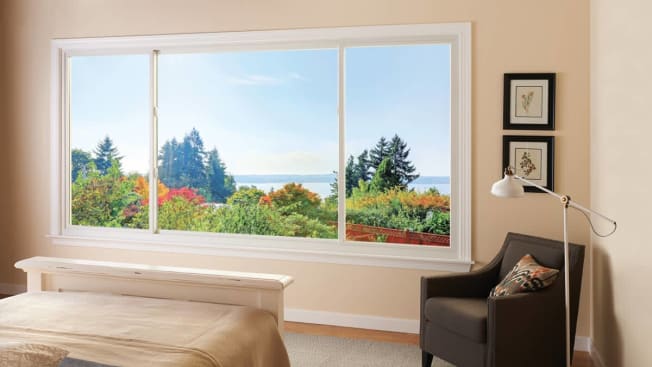
We Asked Window Pros How Long Windows Last—and When It's Definitely Time to Replace
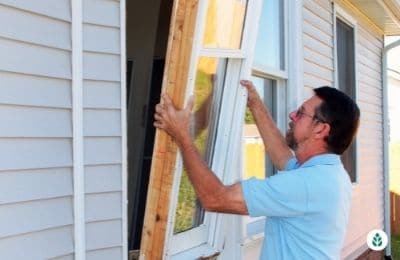
Windows are an integral part of any home, contributing to insulation, energy efficiency, and overall aesthetics. Like any component, they have a finite lifespan, typically ranging from 15 to 20 years. Beyond this period, issues such as deteriorating seals, drafts, and poor insulation become more prevalent, leading to increased energy consumption and higher utility bills. Regular inspection, at least twice a year, is crucial to identify early signs of degradation, such as leaks or condensation between panes.
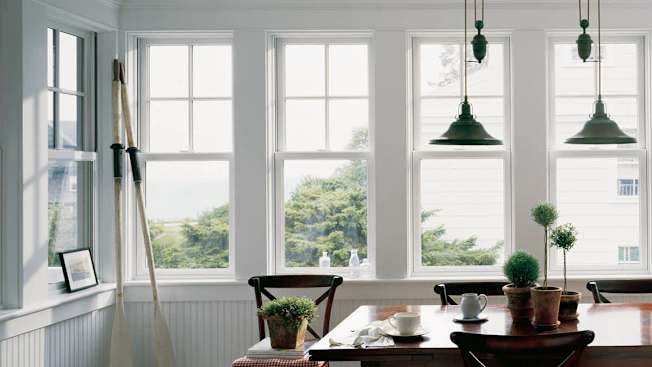
The lifespan of a window can vary significantly depending on the material of its frame. Aluminum windows, known for their light-duty nature, generally last between 15 and 30 years, assuming adequate maintenance. Fiberglass windows offer a longer lifespan, often extending from 20 to 50 years with proper care, making them a durable choice for homeowners. Vinyl windows are a popular modern option, typically lasting between 20 and 30 years. However, their longevity can be affected by temperature fluctuations, which may cause warping or seal failure, potentially reducing their lifespan to as little as 10 to 15 years in harsh climates or with lower-quality products. Wood windows, while offering a classic aesthetic, require consistent sealing with paint or stain to prevent rot, and with proper maintenance, they can last 15 to 30 years.
Identifying when to replace windows involves recognizing several key indicators. Common signs include difficulty in opening or closing, noticeable drafts, or visible wear such as warping, damage, or hardware failure. A significant red flag is a persistent draft or chill near windows, indicating air leakage that forces heating and cooling systems to work harder, subsequently increasing energy costs. Other signs suggesting the need for replacement include visibly damaged windows, unexplained increases in energy bills, condensation forming between or on the inside of panes, faded carpets and furniture near windows, reduced sound dampening from outside, worsening allergies, and water seepage through the windows. These symptoms collectively suggest that the windows are no longer performing optimally and may require replacement.
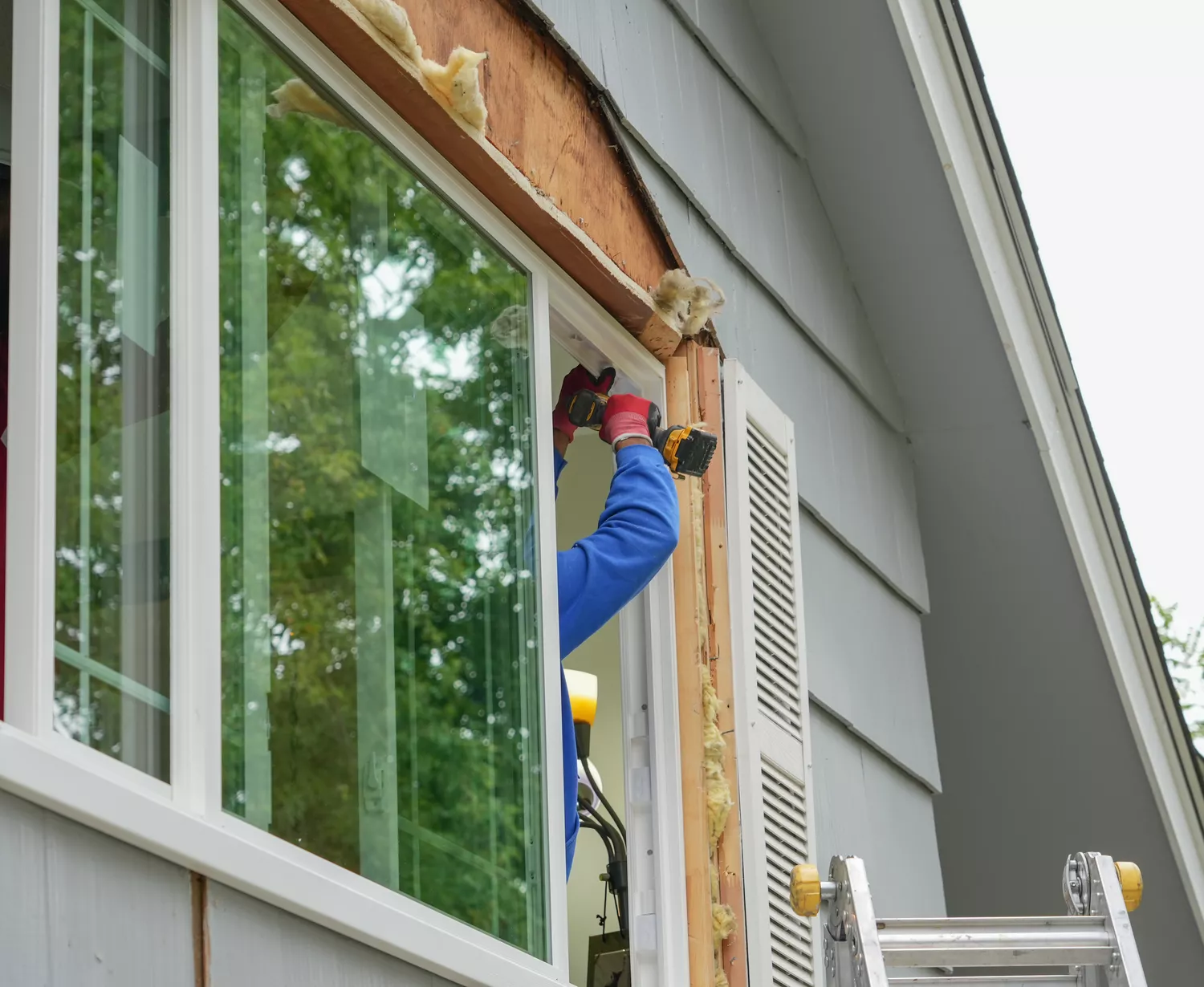
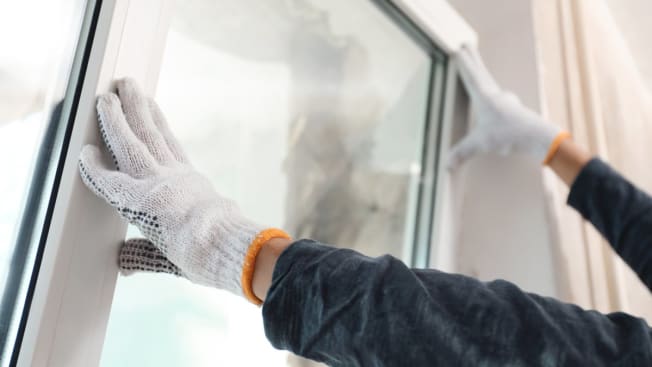
The decision between repairing and replacing a window depends on various factors, including the window's age, condition, and the cost-effectiveness of each option. Minor or cosmetic damages, such as cracked or broken glass (while the frame remains intact), chipped paint, or faded color on frames, can often be addressed with repairs. Hardware issues, like malfunctioning locks or hinges, might also be resolved through cleaning or replacement of the specific components. However, if persistent fogging occurs between window panes, or if there is severe damage to the frame or glass, replacement is generally recommended. This is particularly true for windows exceeding 20 years of age or those exhibiting a noticeable decline in energy efficiency. Spring or fall are often considered the most ideal times for window replacement, as these seasons offer moderate temperatures suitable for installation and allow homeowners to prepare their homes for extreme summer or winter conditions.
#windowReplacement #homeMaintenance #energyEfficiency #windowLifespan #homeImprovement #windowRepair #homeEfficiency #buildingMaterials #seasonalMaintenance #windowReplacement #homeMaintenance #energyEfficiency #windowLifespan #homeImprovement #windowRepair #homeEfficiency #buildingMaterials #seasonalMaintenance
0 comment in total
 No comments yet
You may also like
Compare the 5 Best Window Replacement Companies of 2026

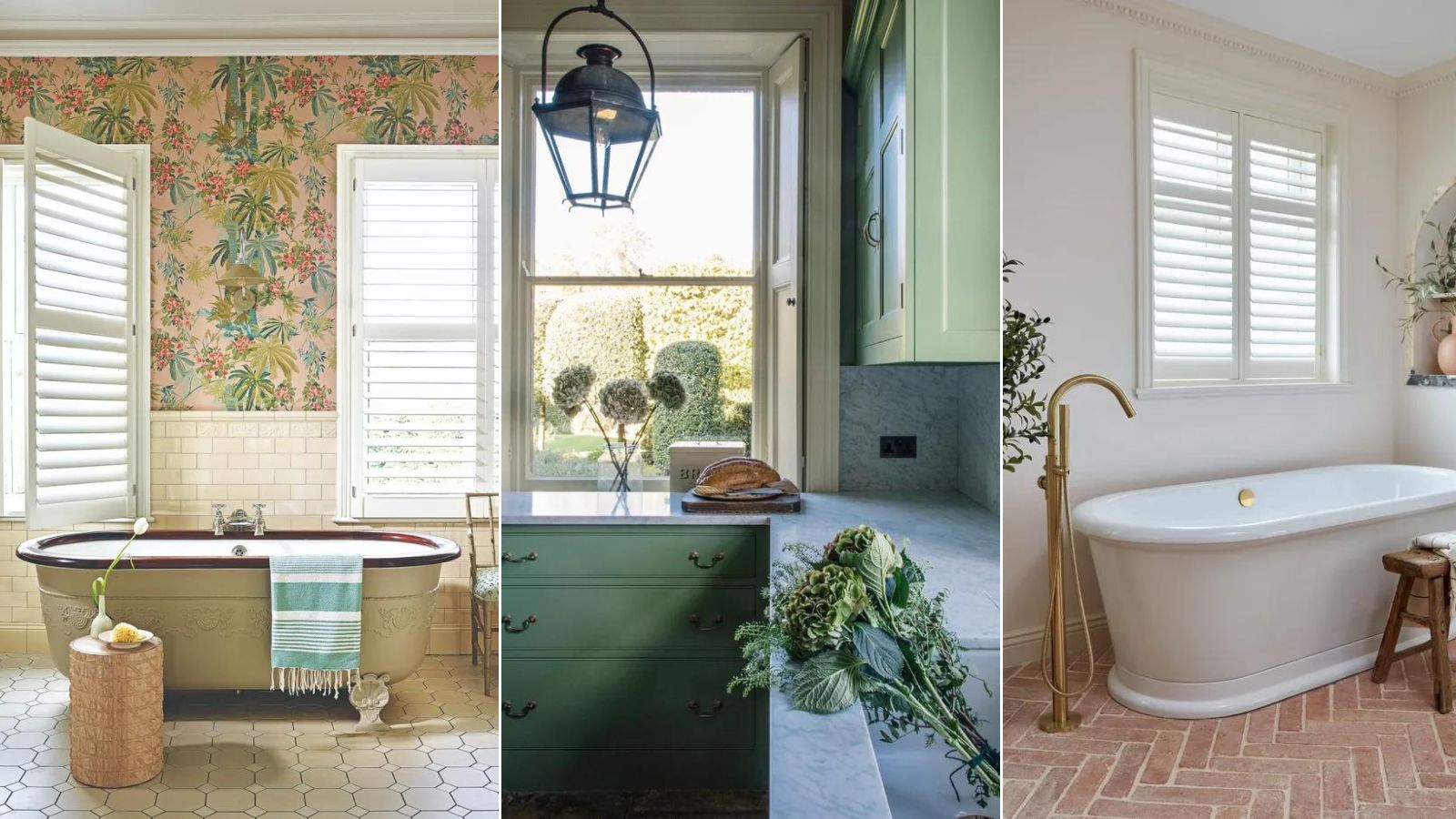
Are window shutters out of style? Interior designers weigh in

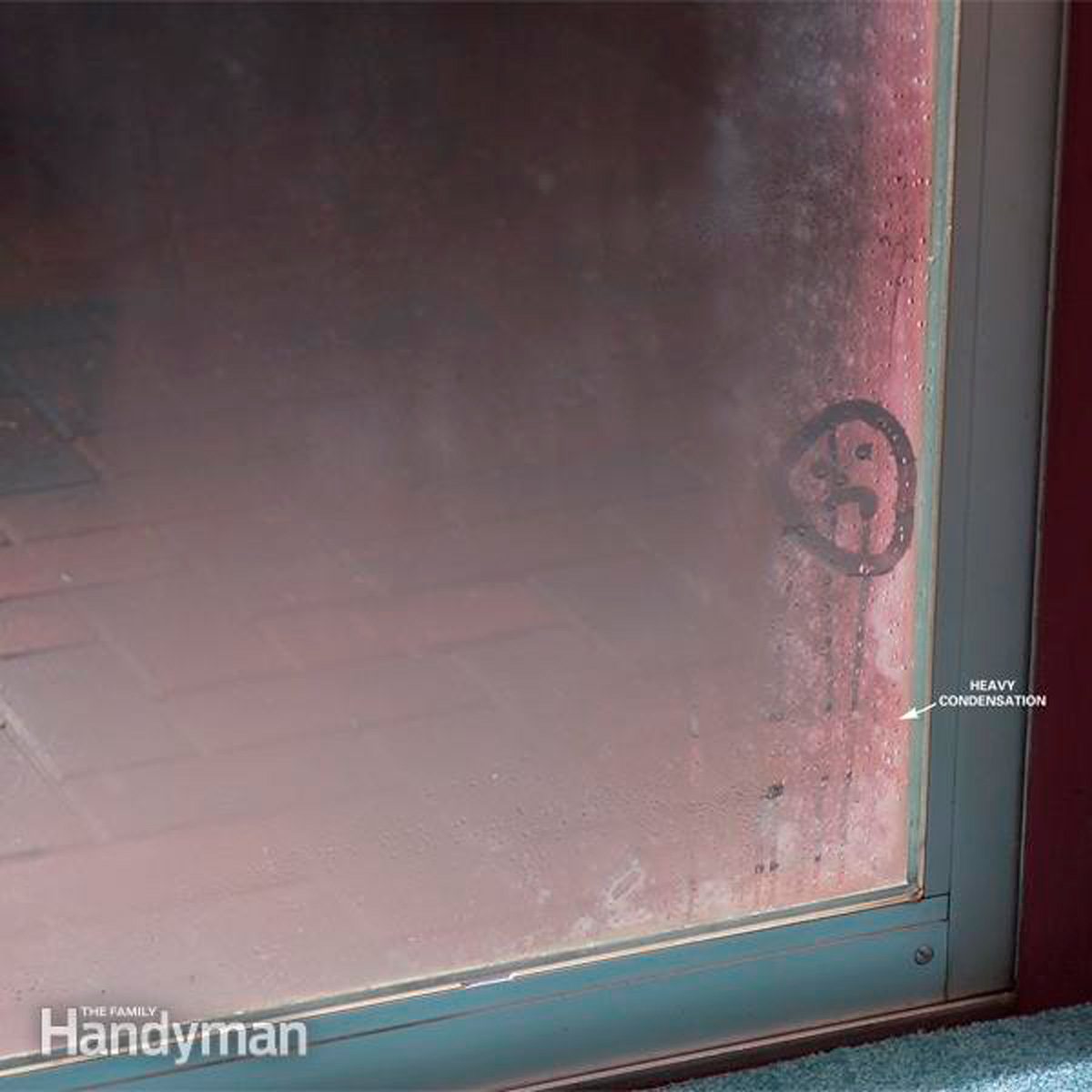
Home Window Installation, Parts and Repair

Progress Never Stops for Window Manufacturers

The great sash-window debate: Repair, replace or drag them into the 21st century

Renewal by Andersen Window Review (2025)

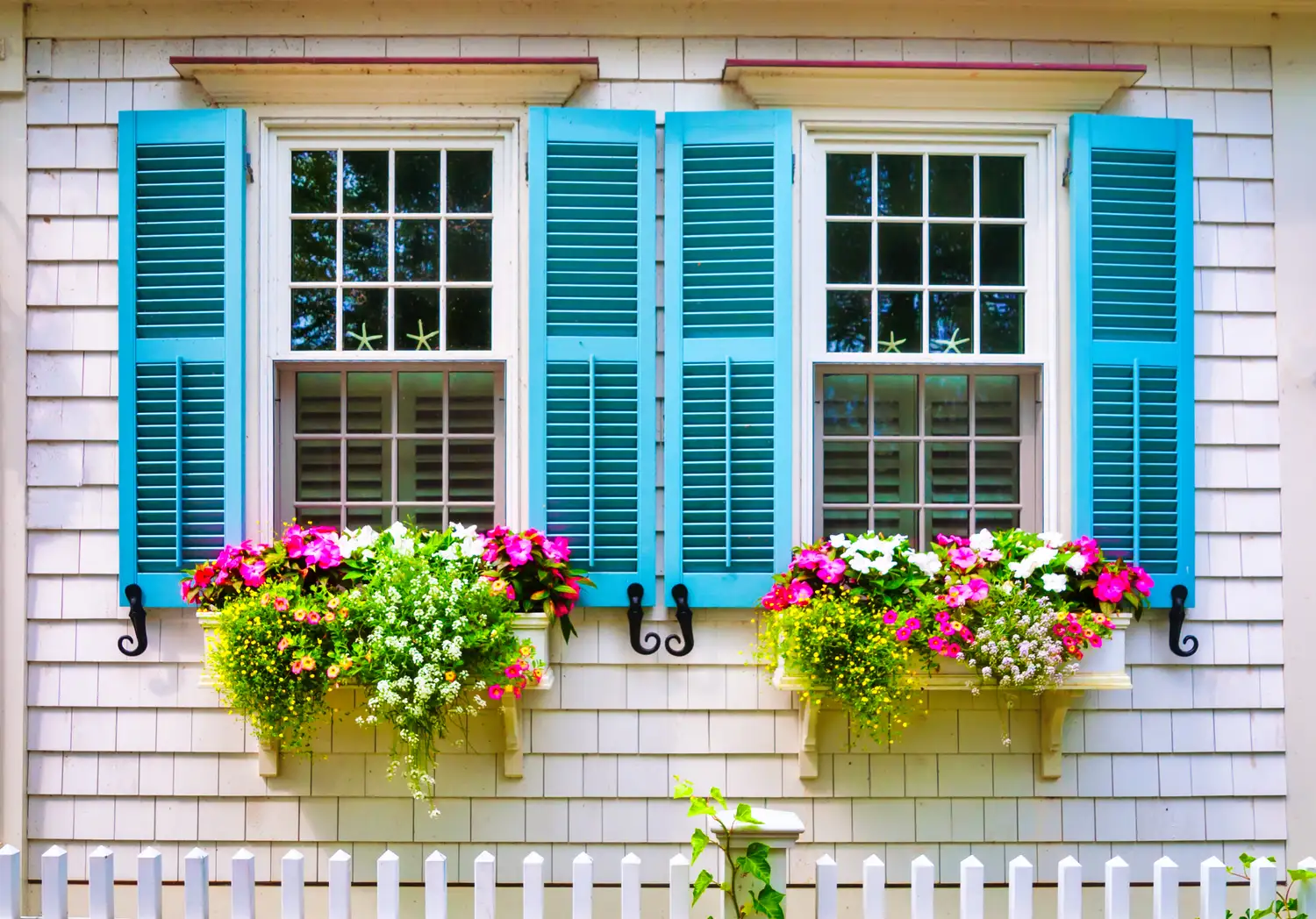
Are Window Shutters Still in Style? We Asked Designers What They Really Think

Why You Should Upgrade Your Window Blinds Right Now

Compare the 5 Best Window Replacement Companies of 2025
What I Learned Shopping for Replacement Windows

8 Best Window Brands, According to Home Renovation Experts


Top 5 Best Window Replacement Companies in Texas (Review) (2026)
Best Replacement Windows of 2025

Should you ever replace doors with curtains? I say yes, and asked designers when to make the switch

Window Pros Break Down Six Styles

Should you open windows this winter? Experts weigh in
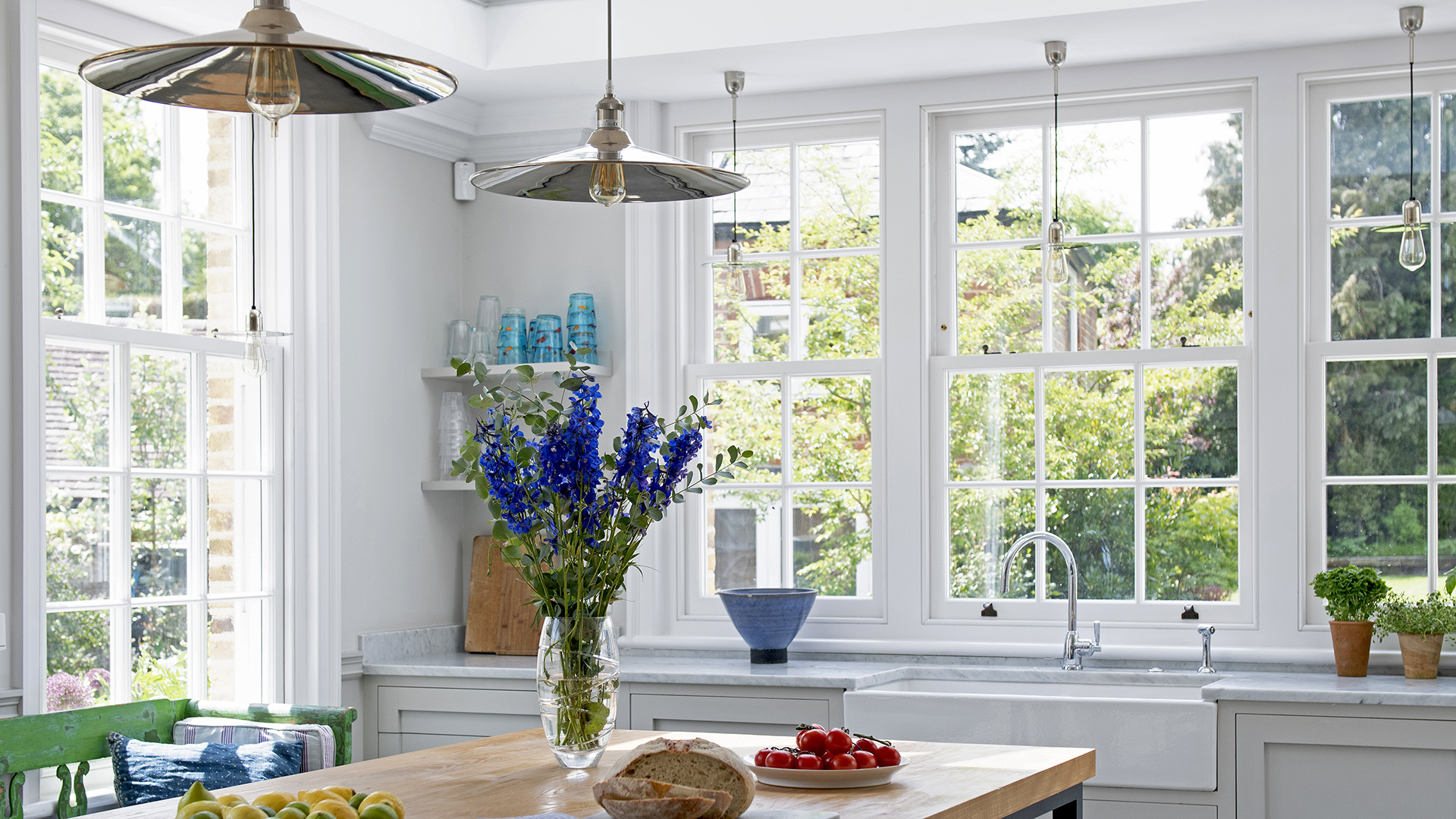
Sash windows – what to do when choosing, restoring or replacing your frames and glass
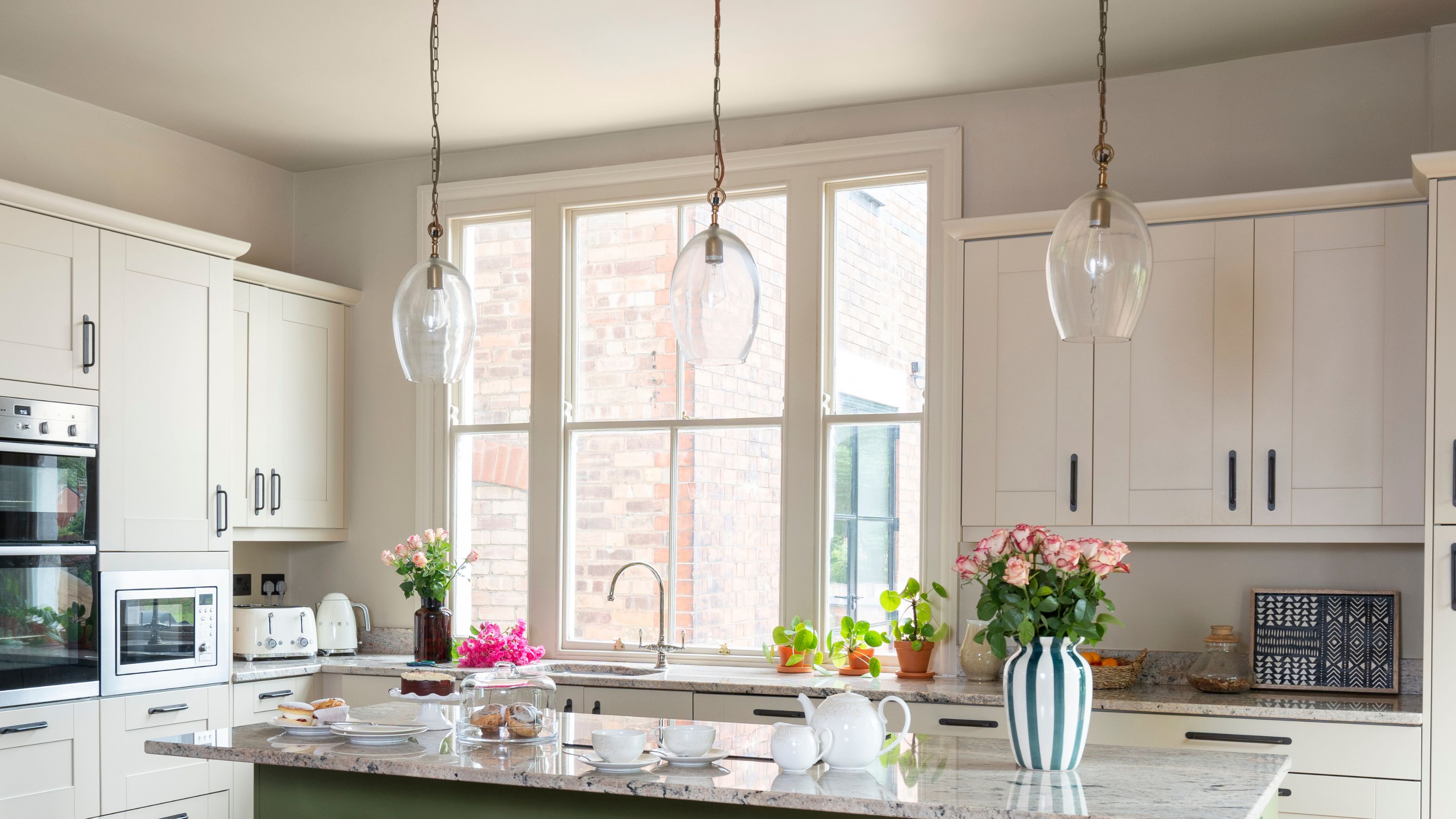
Cleaning experts are urging people to wipe down their windowsills every day this summer

Top 5 Best Window Replacement Companies in Texas (Review) (2025)
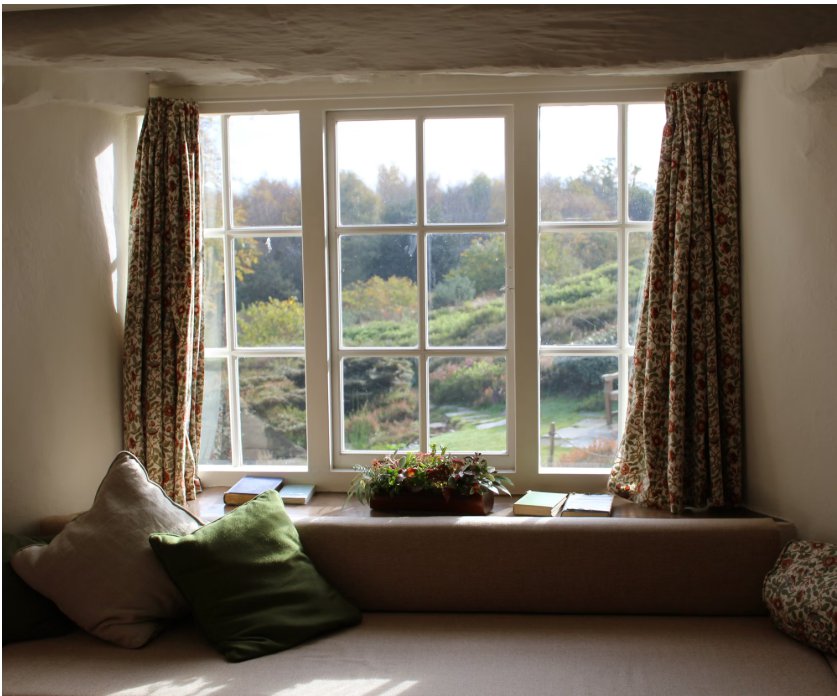
5 Companies With the Best Value Replacement Windows in Tennessee