1/6
Your Blackout Blinds and Curtains Might Actually Be Making Your Bedroom Hotter — Here’s What You Should Have Chosen for Your Windows Instead
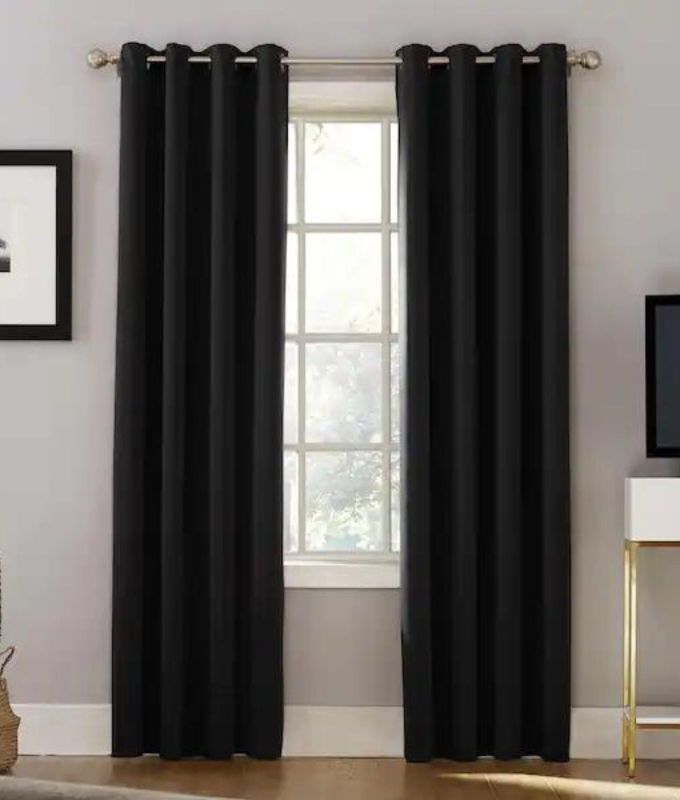
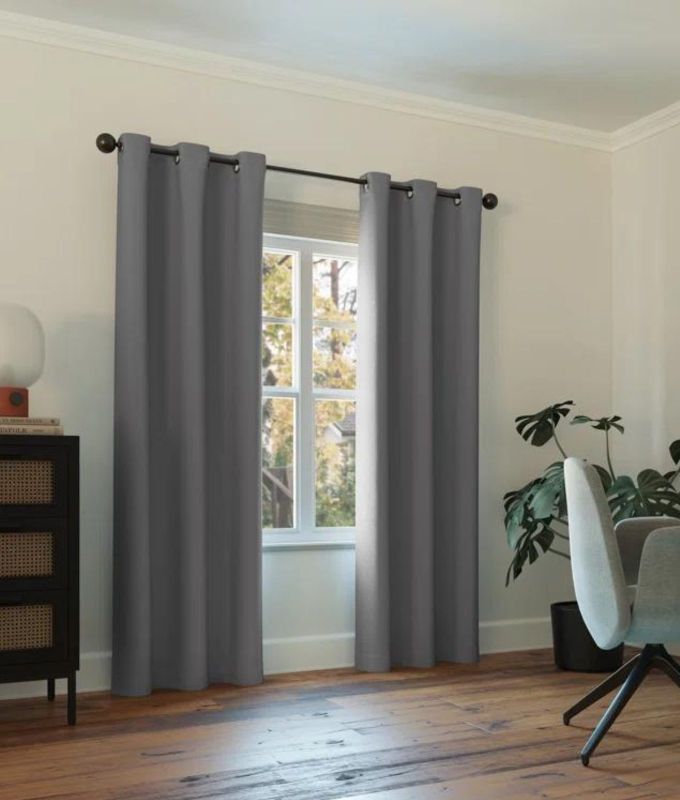
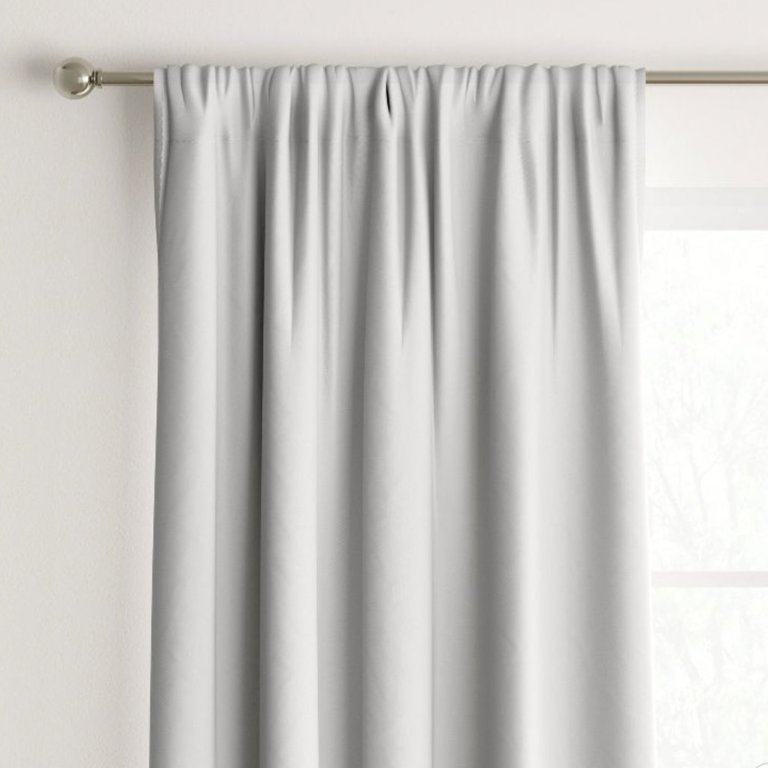
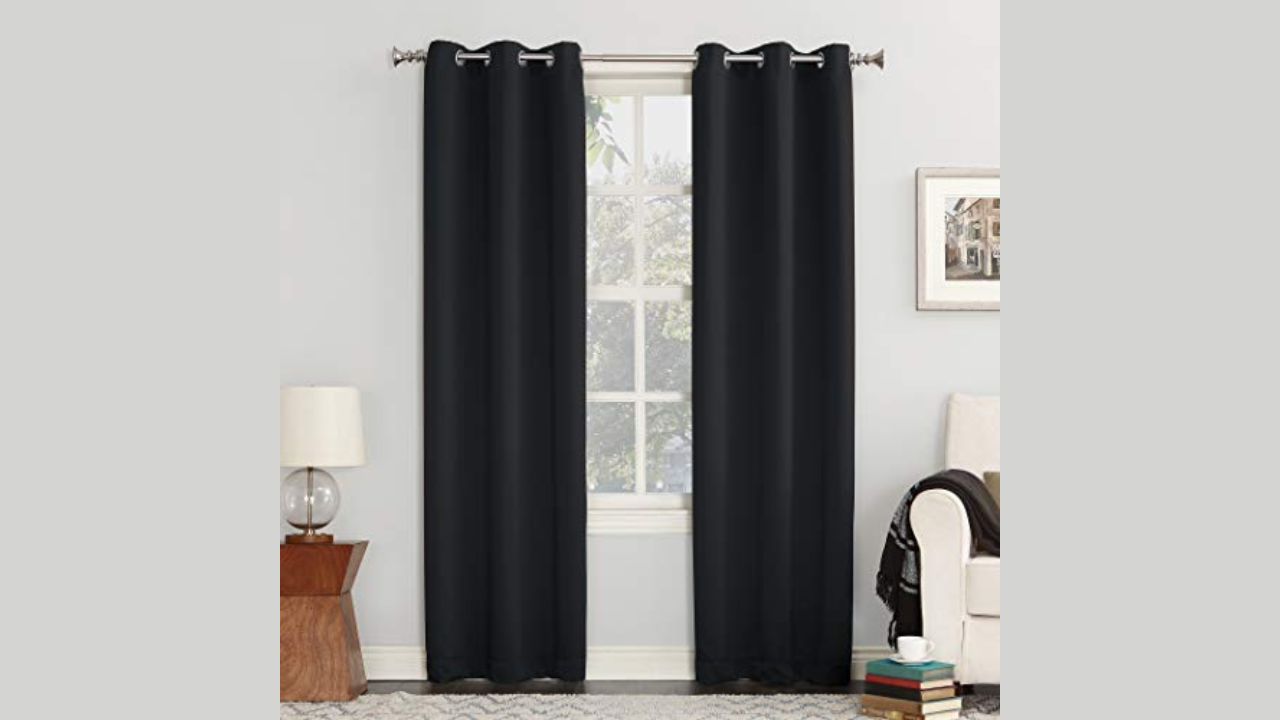
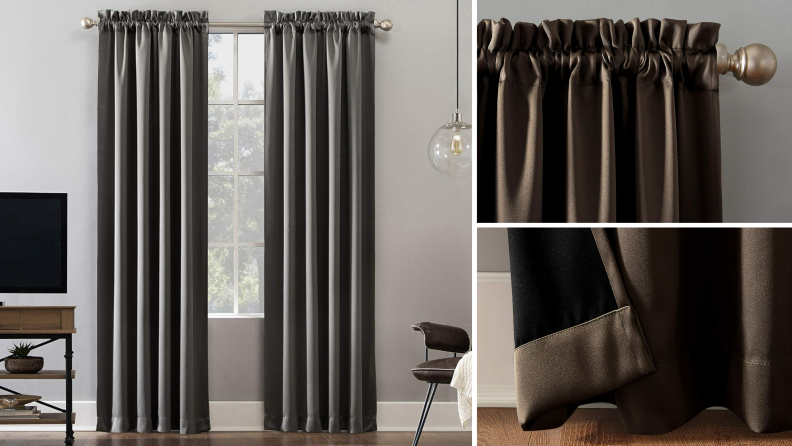
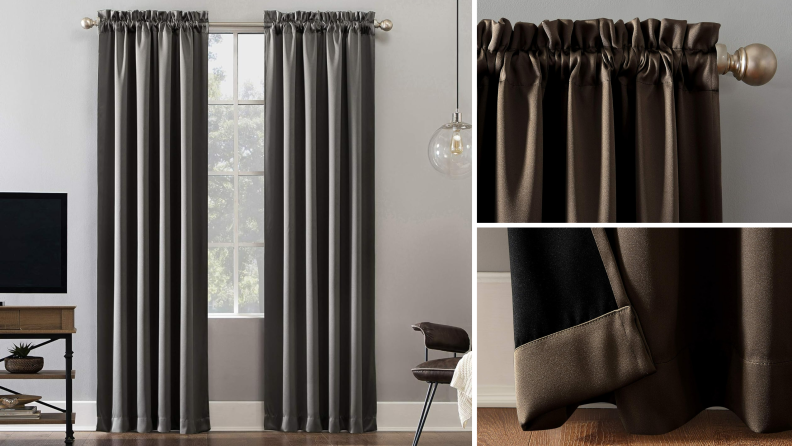
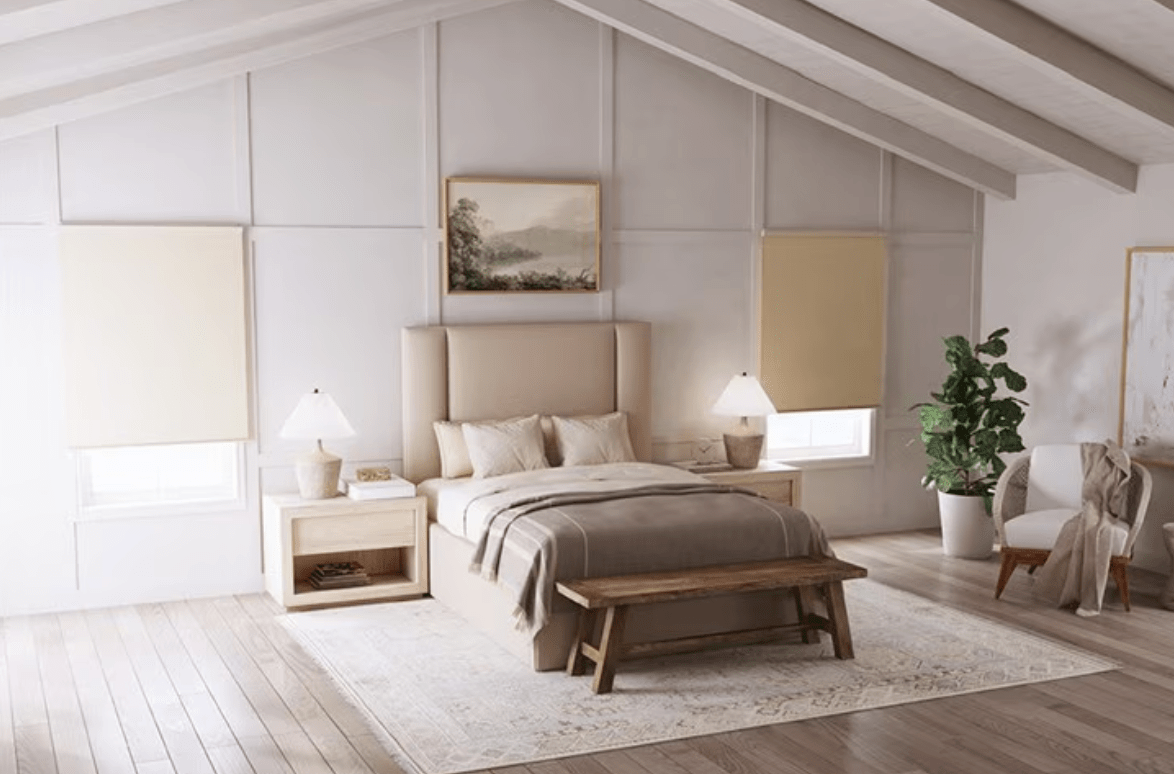
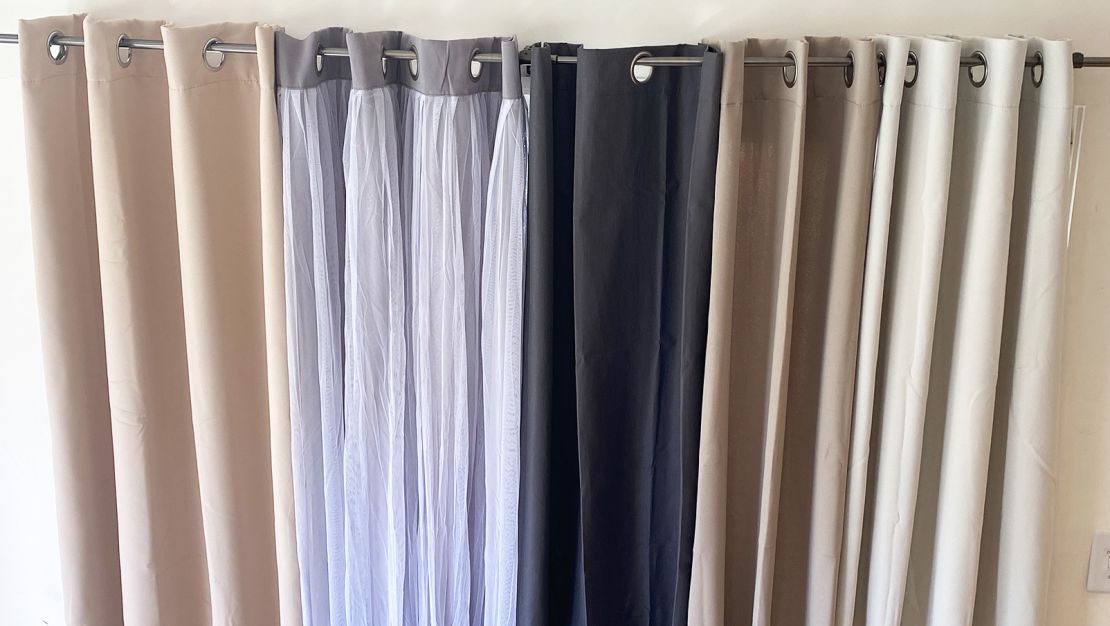
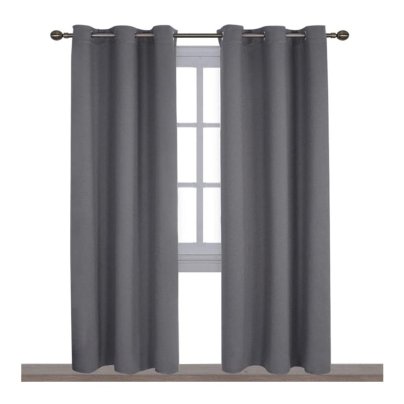
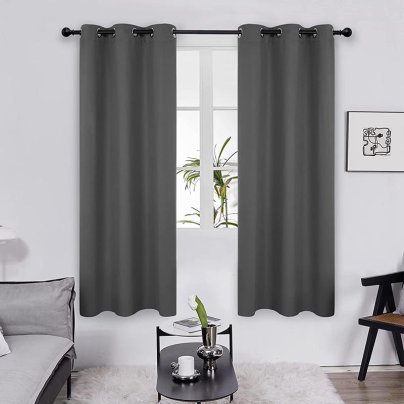
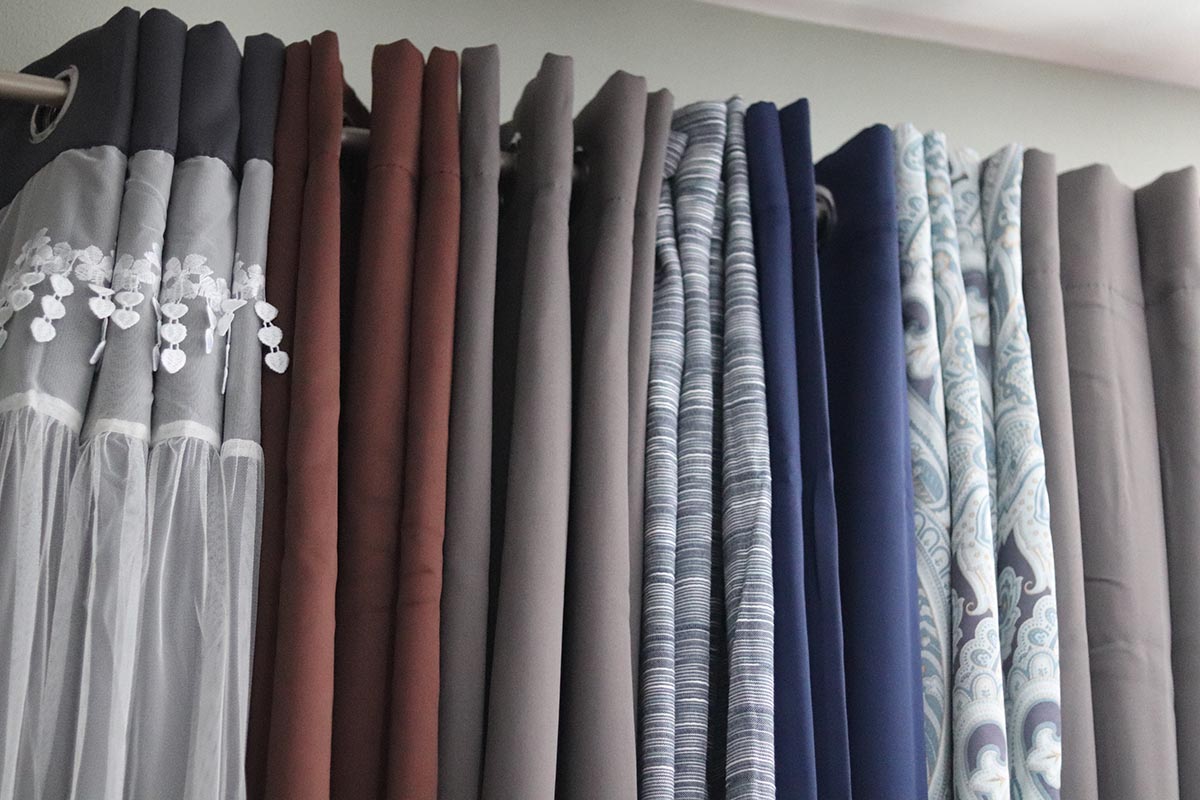
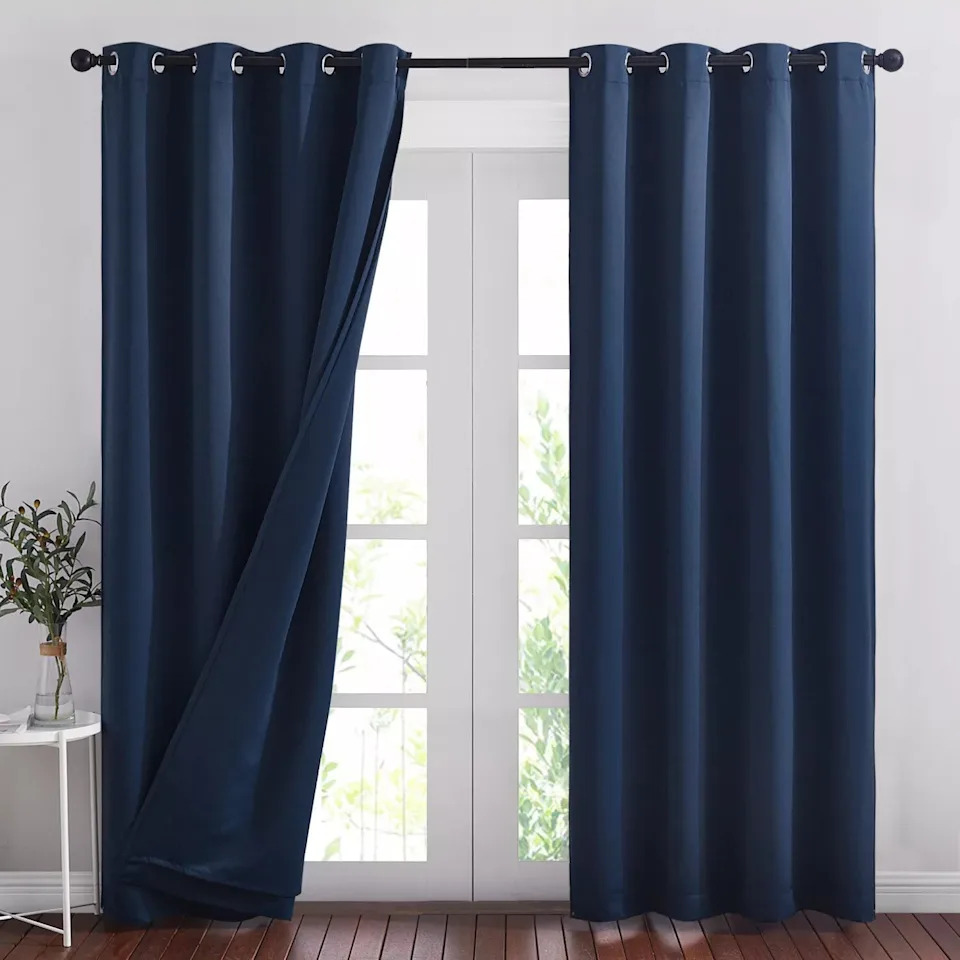
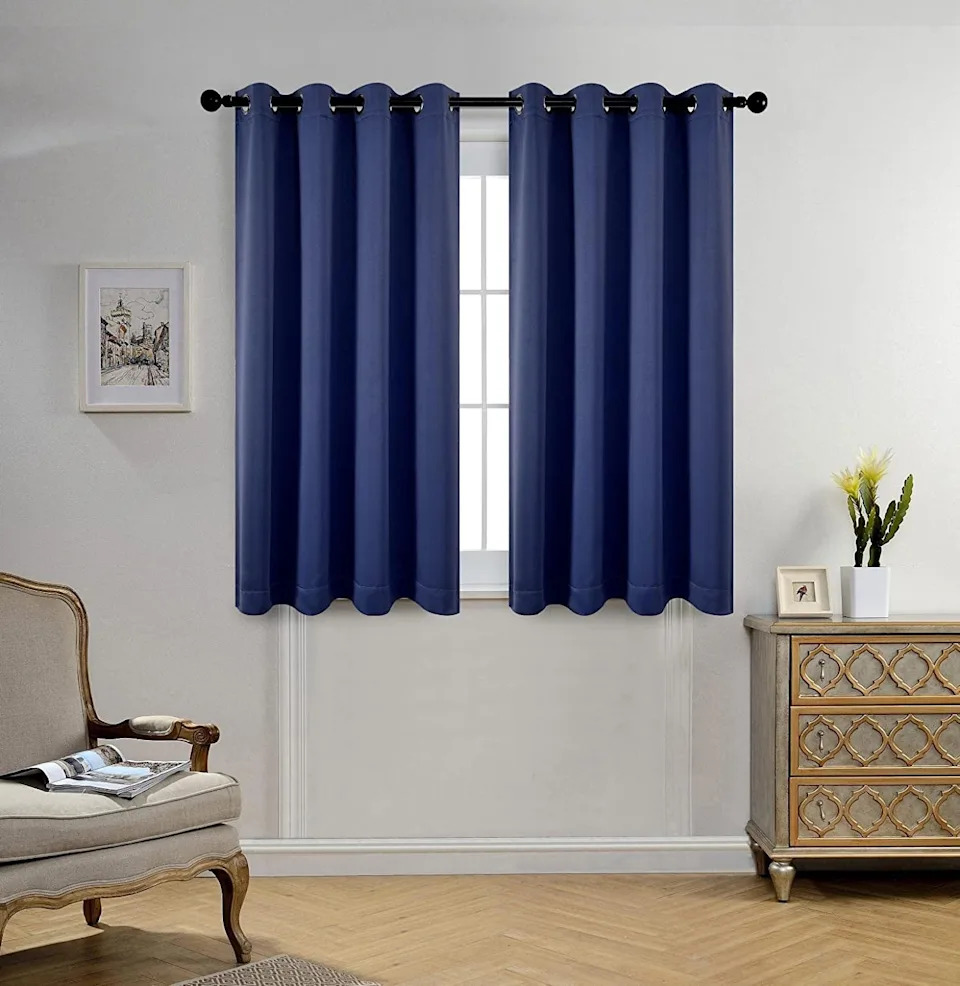
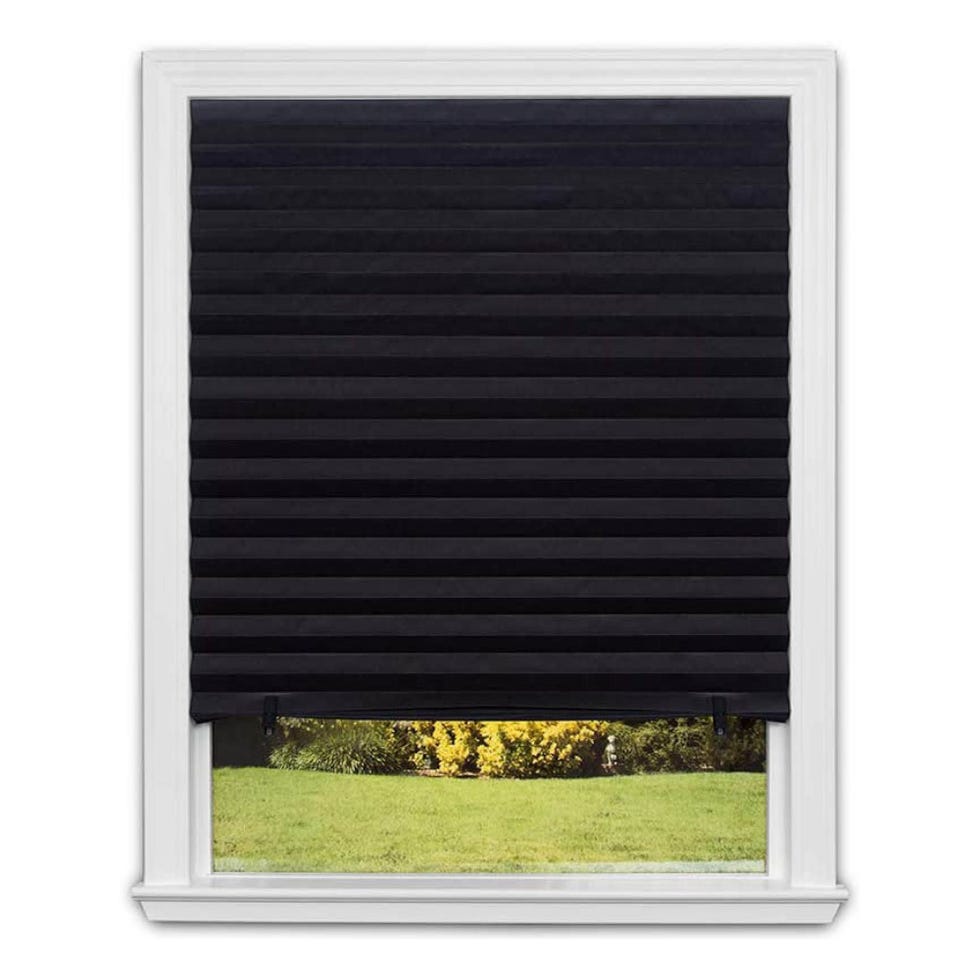
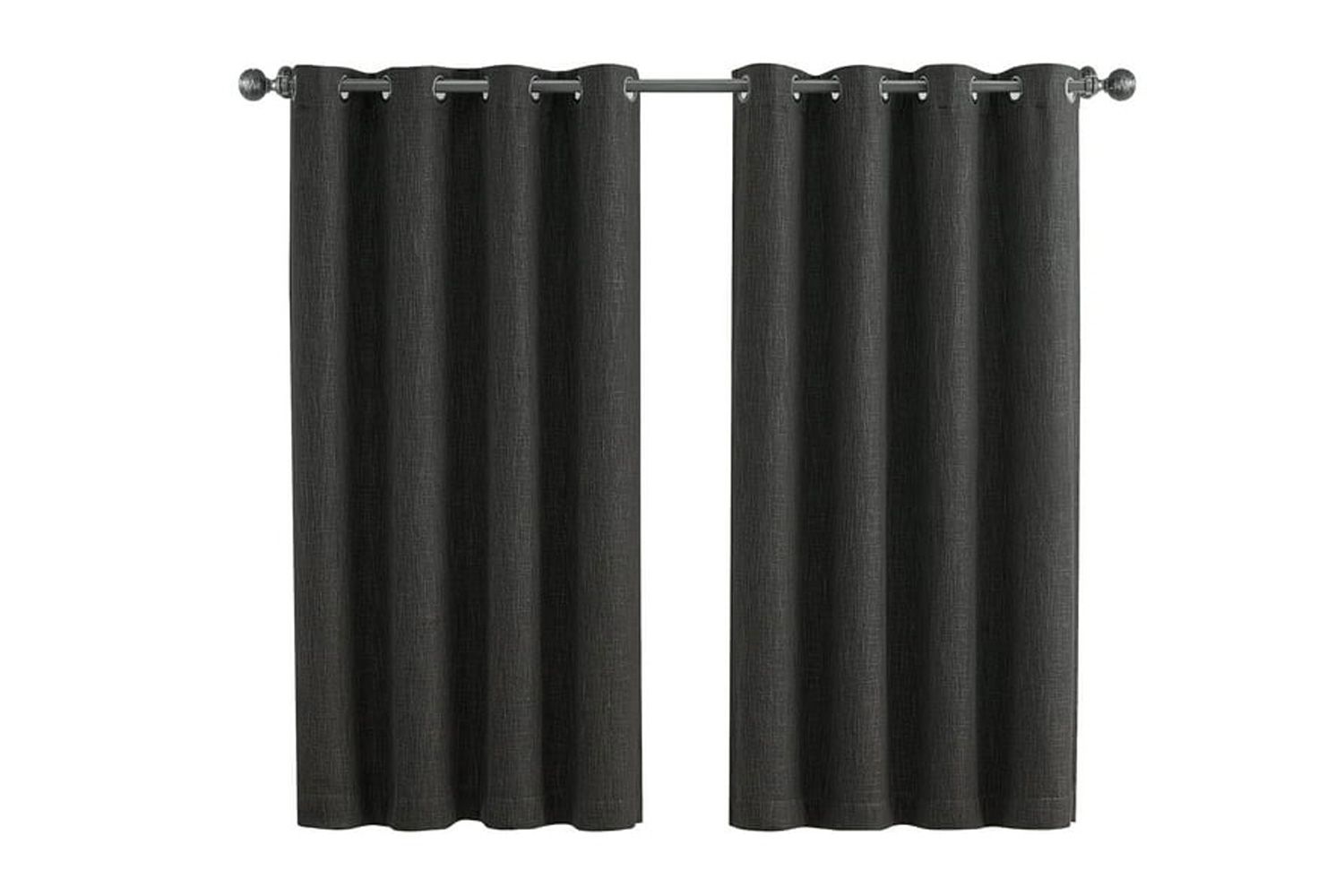
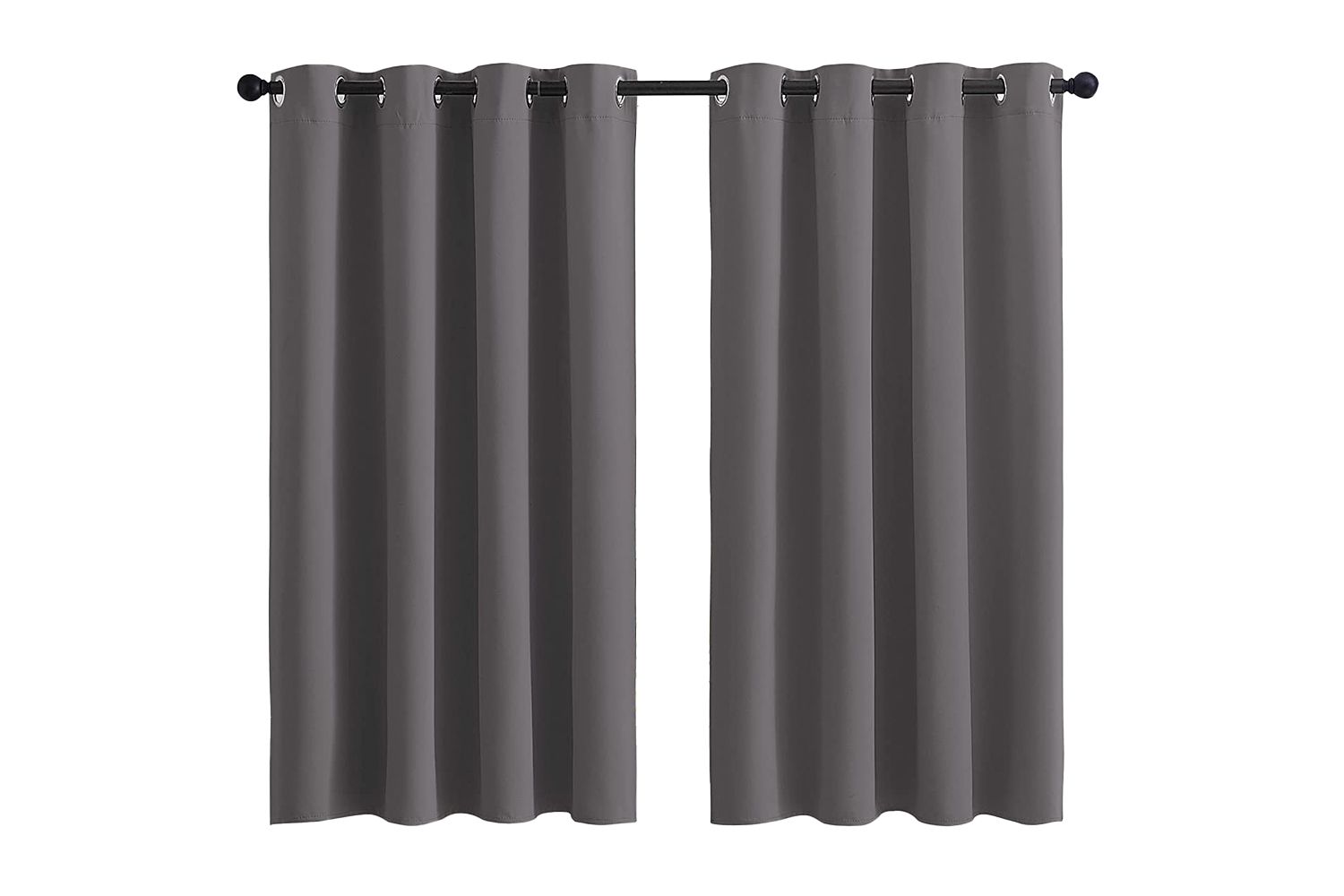
Achieving an ideal sleeping environment often leads individuals to opt for blackout blinds, primarily for their ability to block light. However, during warmer months, these conventional blackout treatments, especially those made from dense, dark synthetic materials, can inadvertently contribute to a warmer bedroom. This occurs because these materials absorb sunlight and then radiate the accumulated heat back into the room throughout the day.
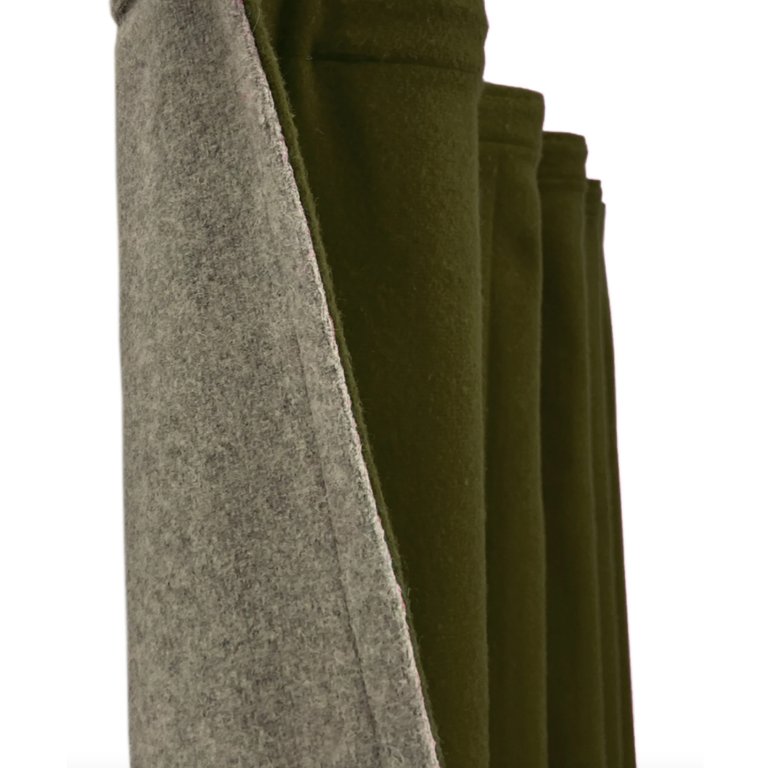
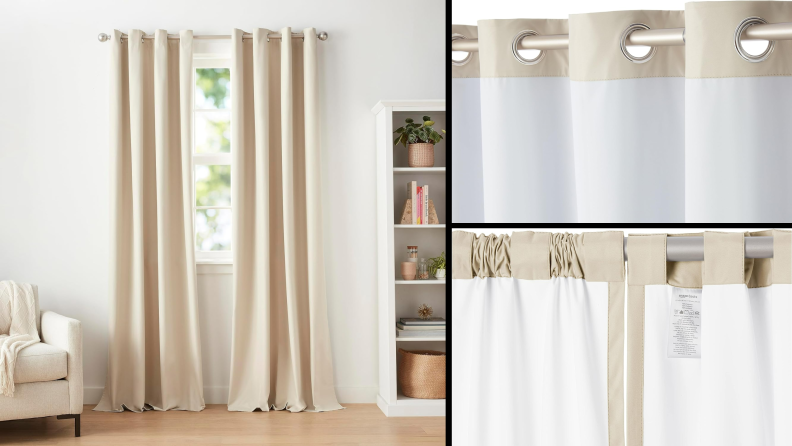
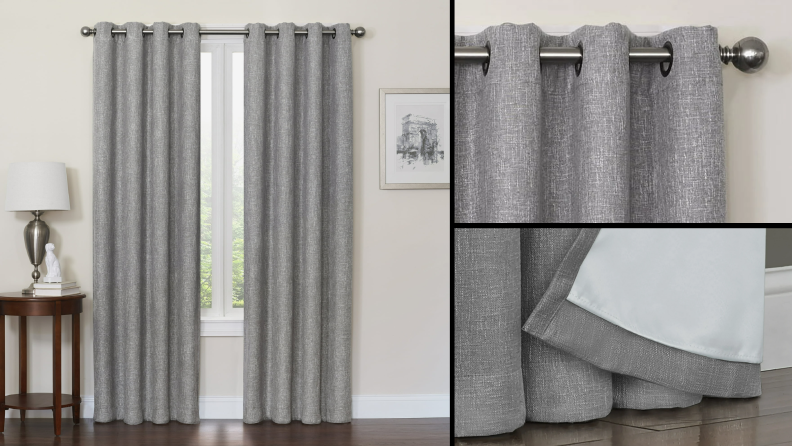
While not all blackout blinds are problematic, those with light-colored or insulated backings can effectively prevent heat absorption. For other types of blackout blinds, and for windows in general, alternative solutions exist that prioritize both light control and temperature regulation. These alternatives are designed to either reflect sunlight or facilitate airflow, thereby enhancing comfort and energy efficiency.
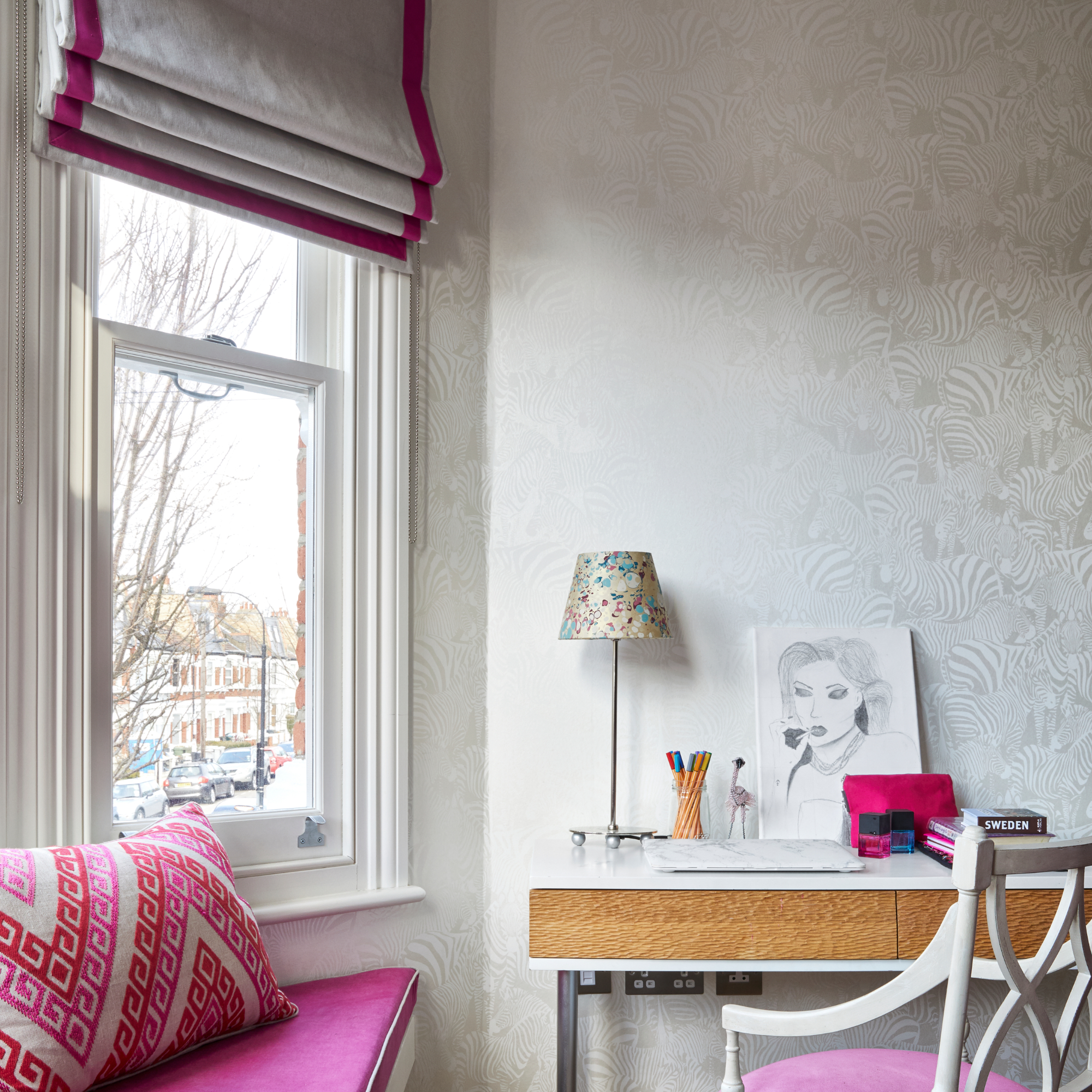
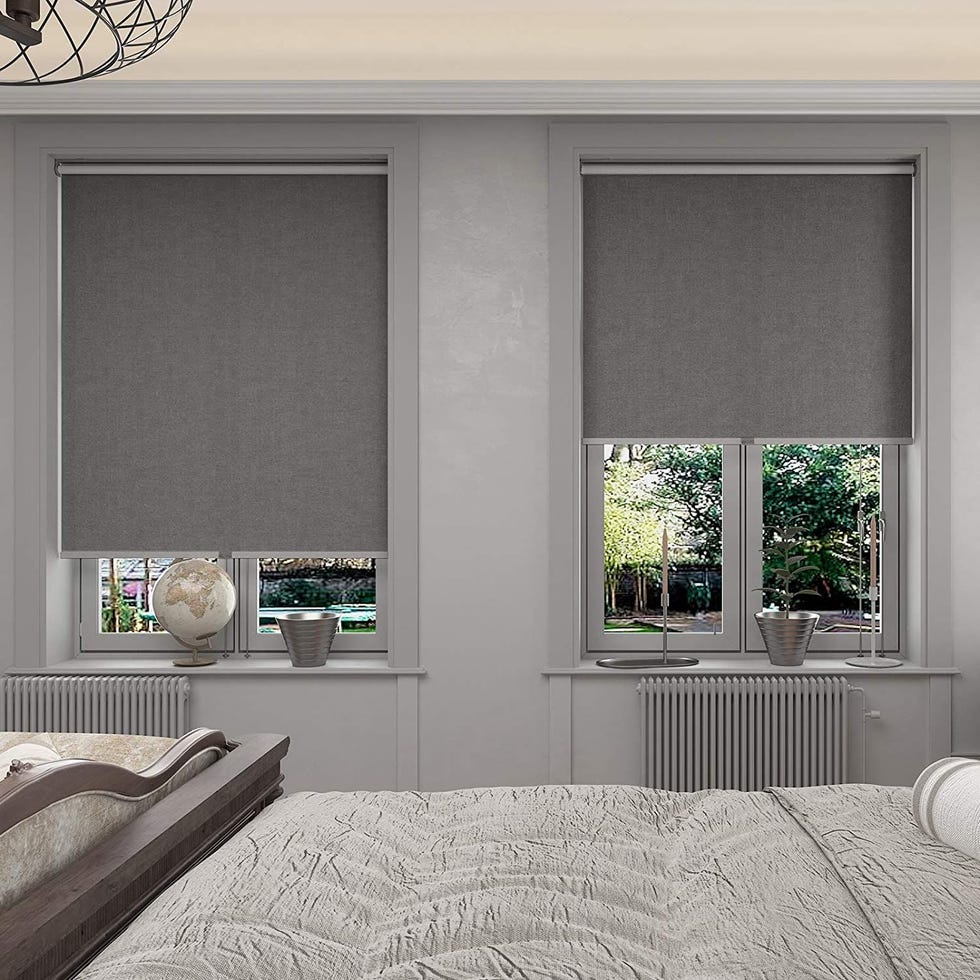
One effective alternative is thermal or solar reflective roller shades. These shades are specifically engineered with metallic or light-colored backings that reflect solar radiation away from the window, preventing heat from entering the room. Some advanced models feature a dual-layer design, offering a dark interior for glare reduction and a light exterior for heat reflection. While they may not always match the aesthetic of traditional blackout blinds, their ability to roll up neatly maintains a clean interior appearance.
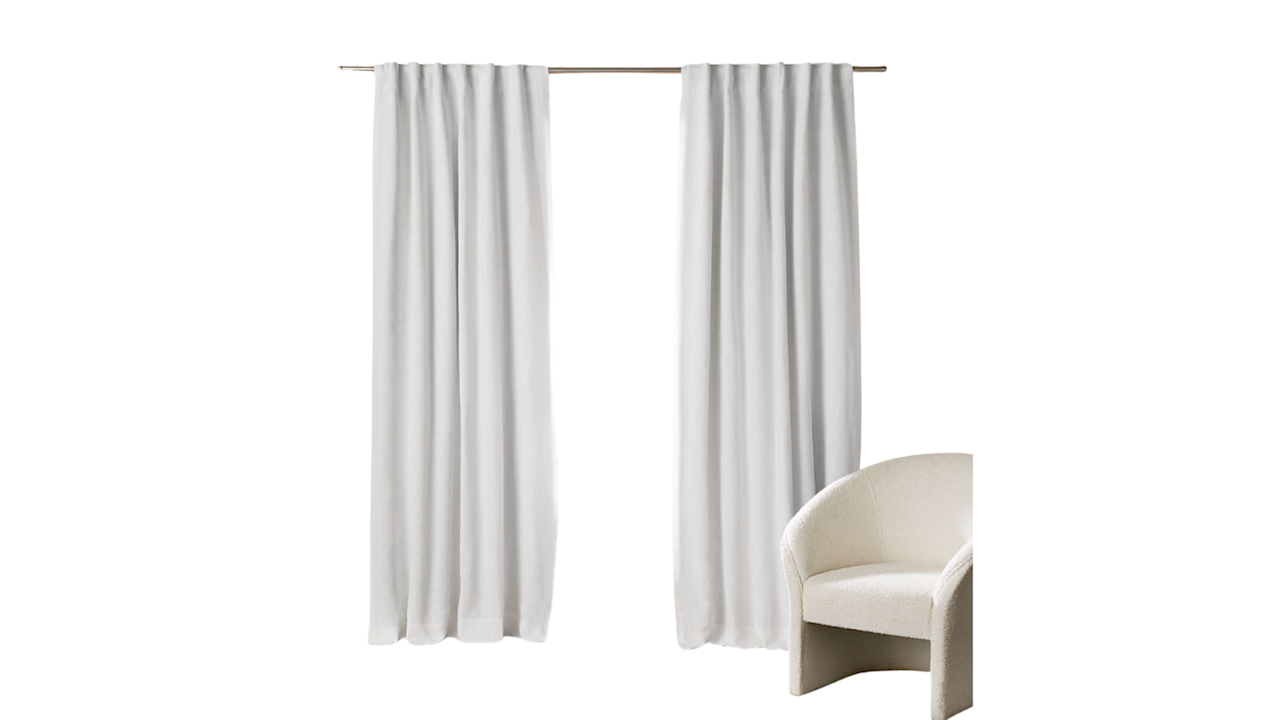
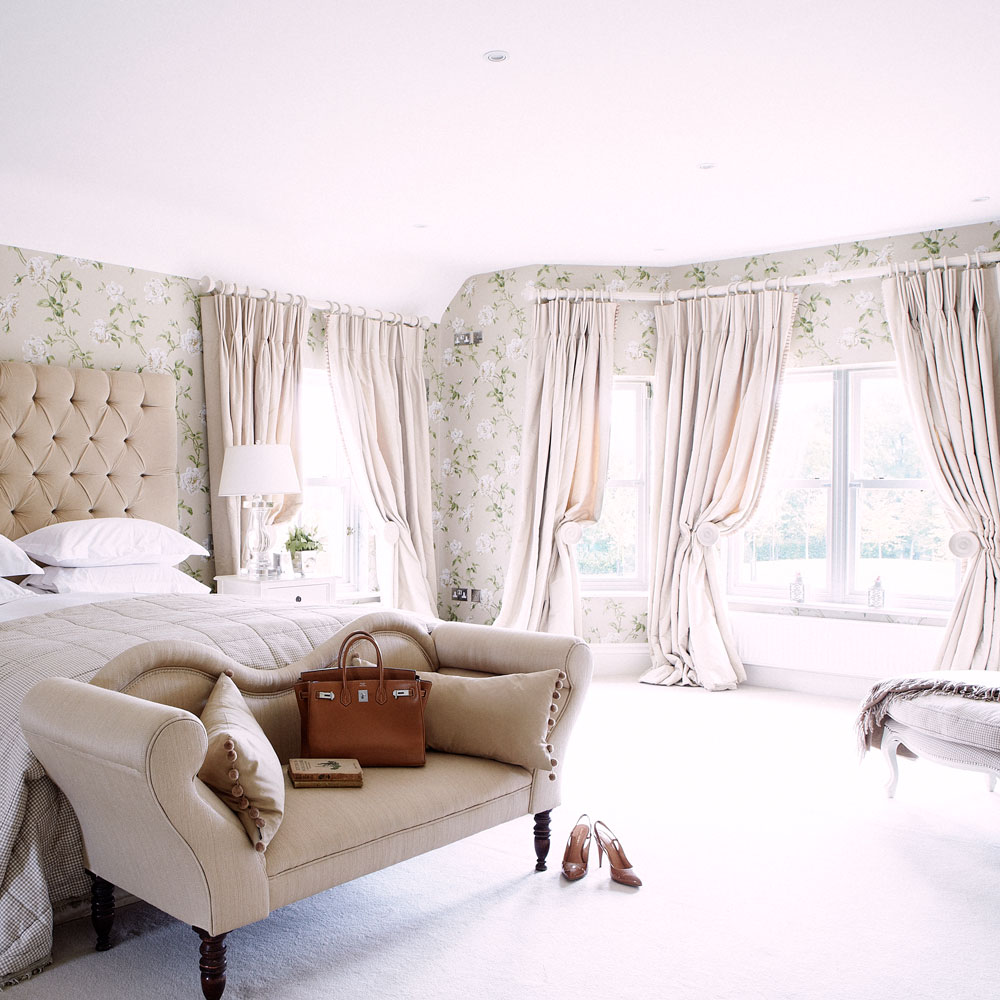
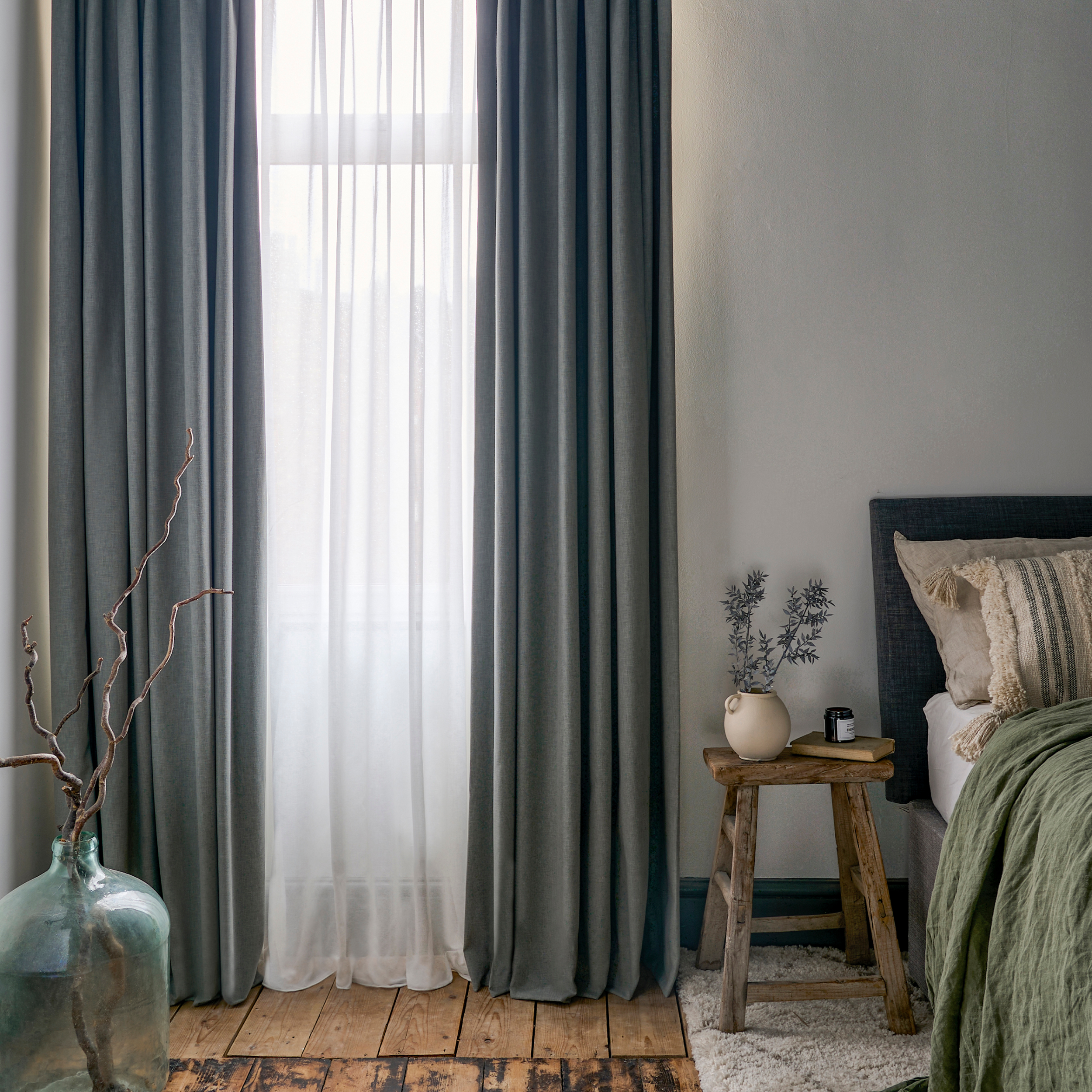
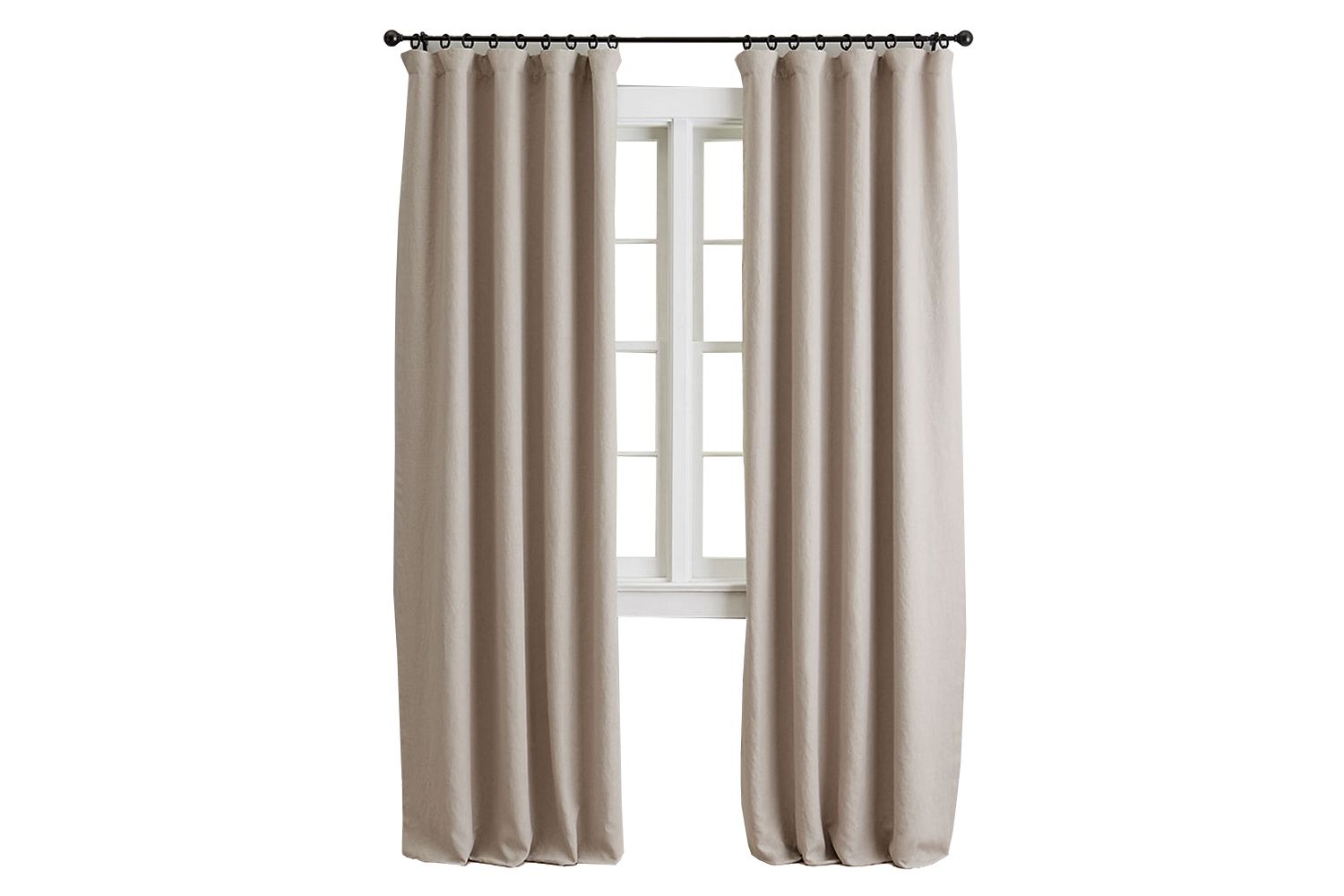
Sheer linen curtains paired with a UV-lined or reflective backing present another viable option. Linen is naturally breathable, allowing for air circulation that synthetic fabrics often impede. When combined with a UV-resistant backing, these curtains reflect sunlight before it can heat the indoors. This layering strategy provides both light diffusion and heat protection, making linen curtains a durable and aesthetically pleasing choice that improves with age.
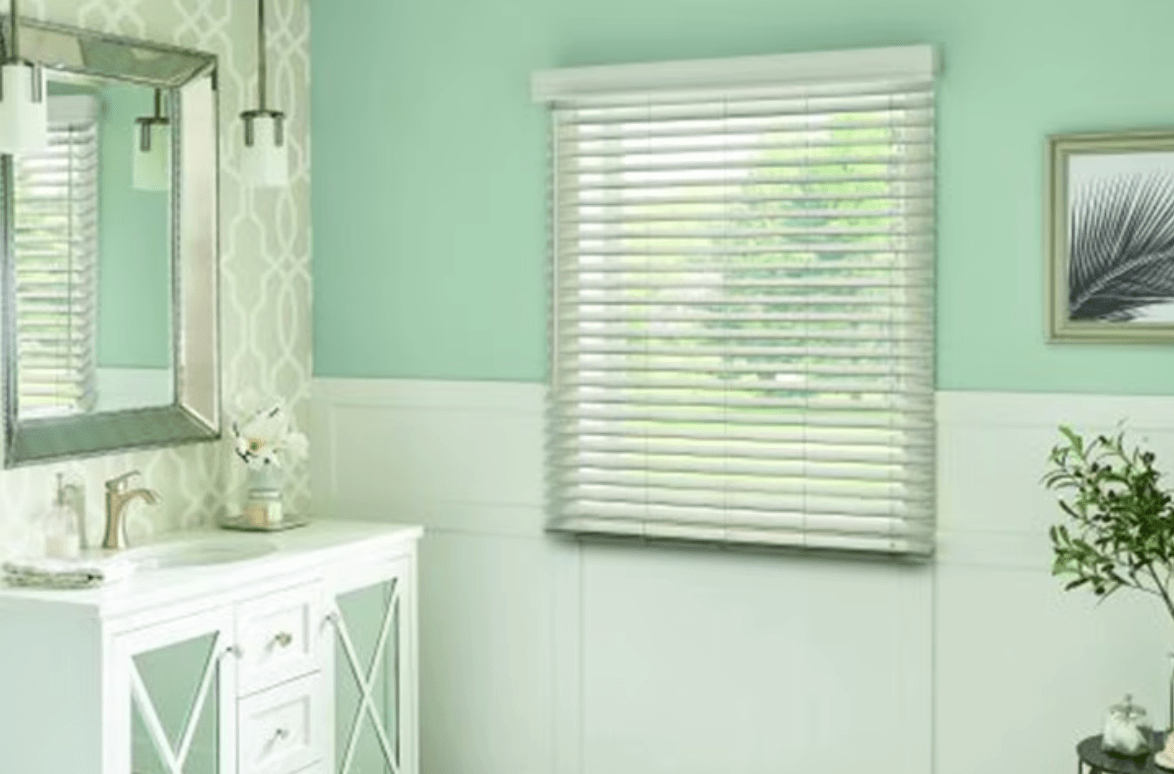
White shutters offer a classic and effective method for climate control. Their slatted design permits adjustable airflow and light entry, while the thick wood or composite panels provide insulation. The white finish is crucial as it reflects rather than absorbs sunlight. Unlike fabric window treatments, shutters create a physical barrier that prevents heat from being trapped, representing a significant long-term investment due to their durability and performance.
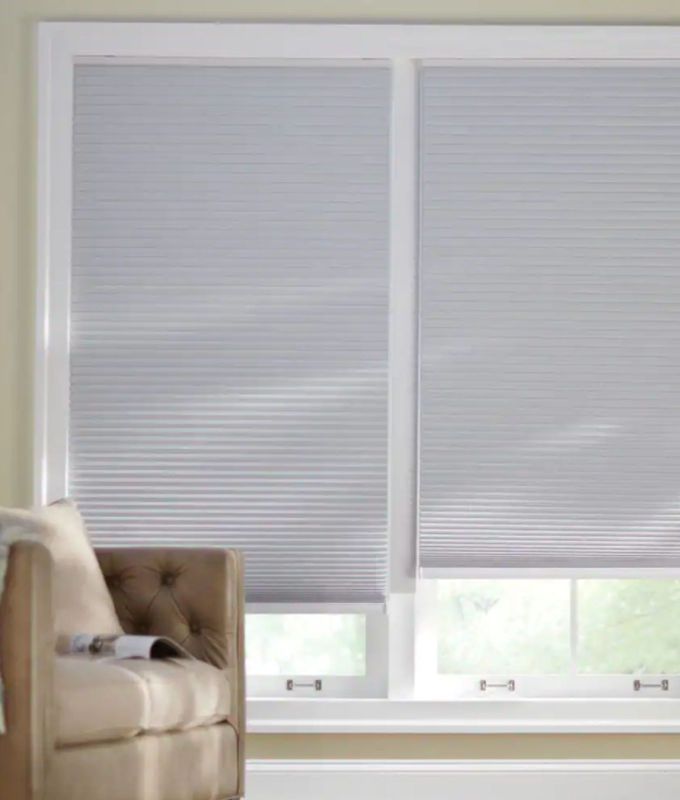
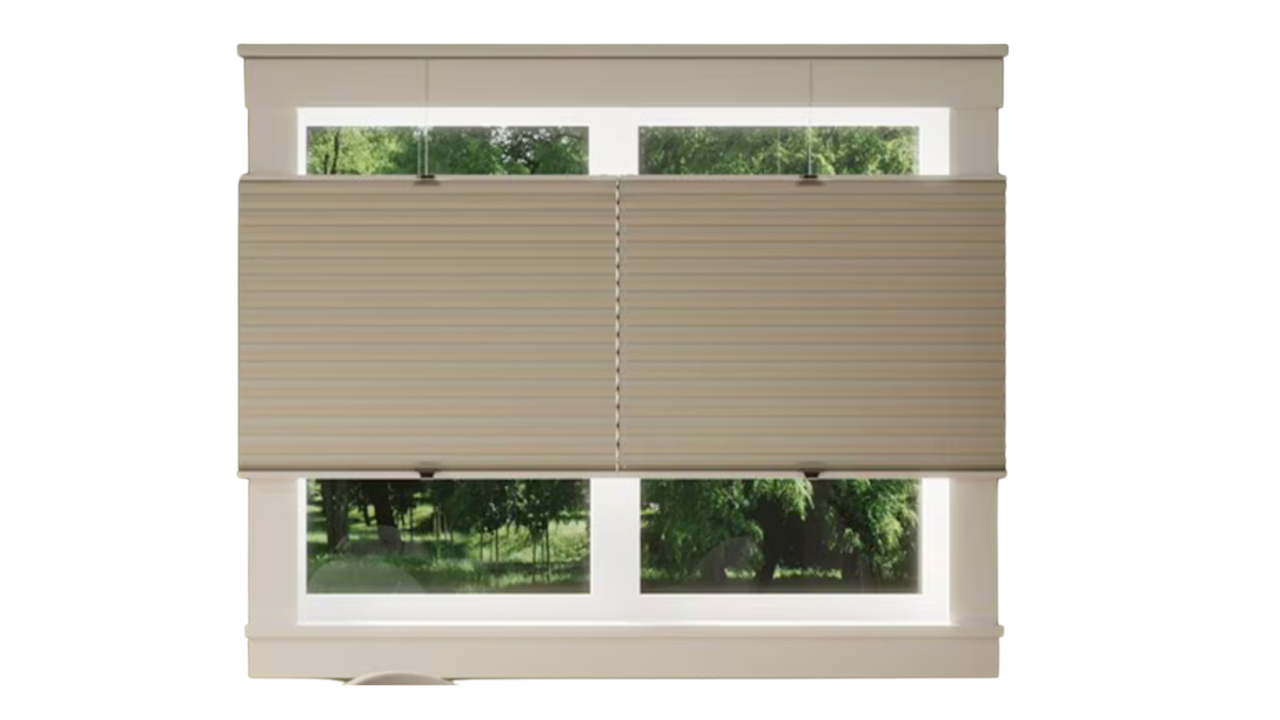
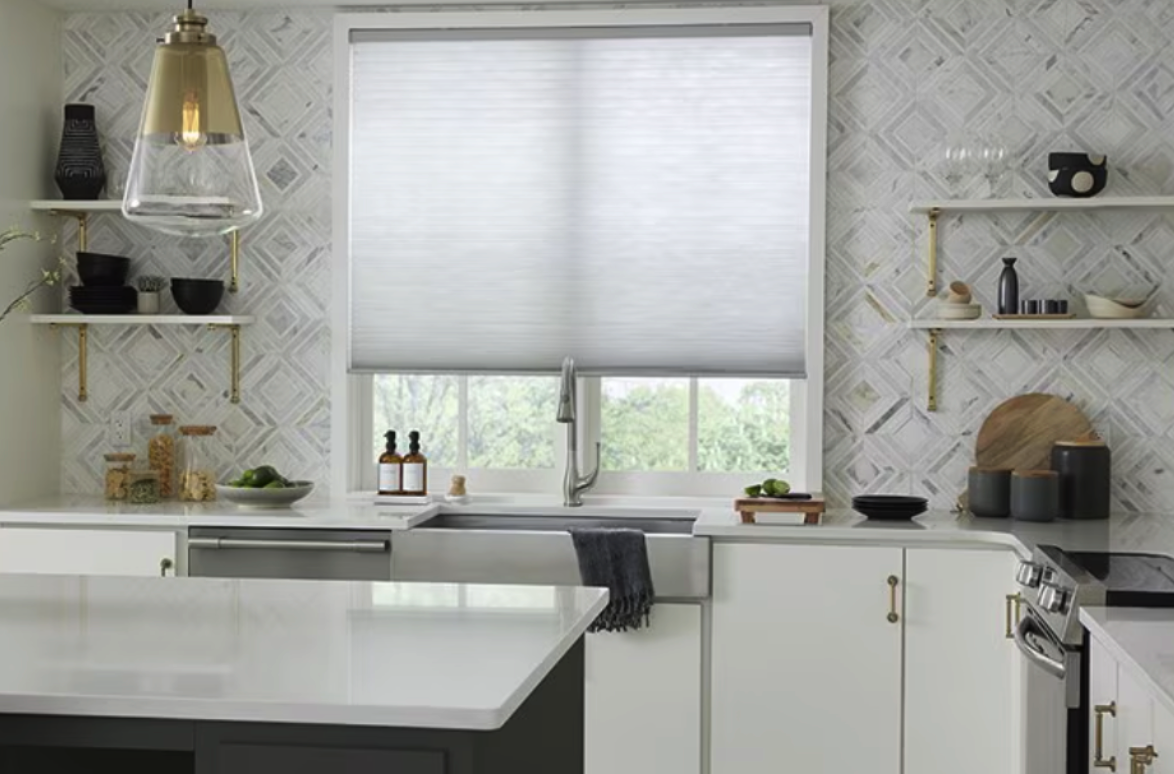
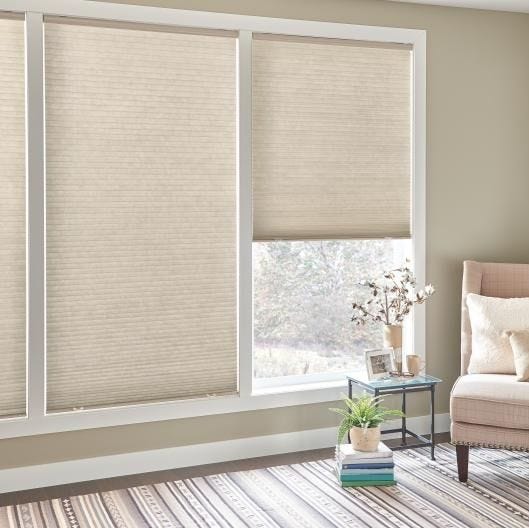
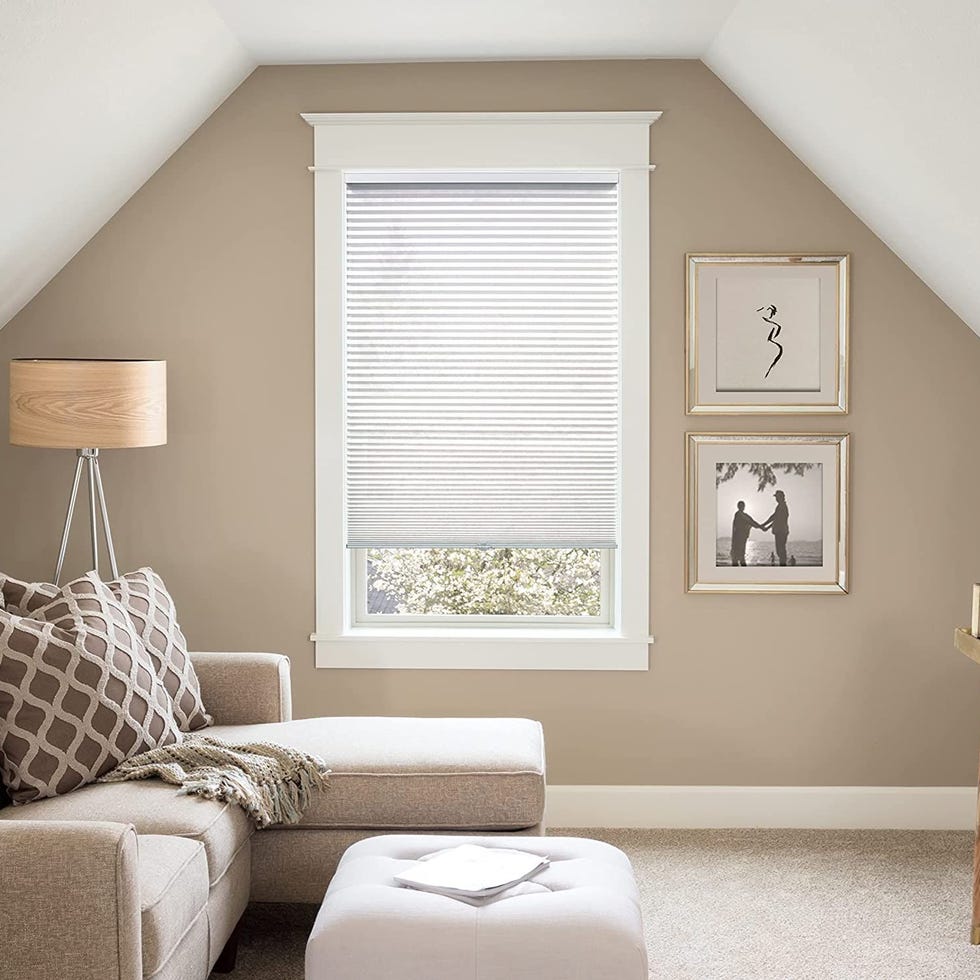
Cellular, or honeycomb, shades are designed with unique air-trapping pockets that create an insulating layer, effective in both retaining warmth during winter and blocking heat during summer. Light-colored cellular shades maximize this cooling effect. Many models also offer top-down/bottom-up functionality, allowing for flexible control over privacy and light while enabling ventilation. These shades can function independently or be layered with other window treatments, such as lightweight curtains, to combine functional performance with decorative appeal.
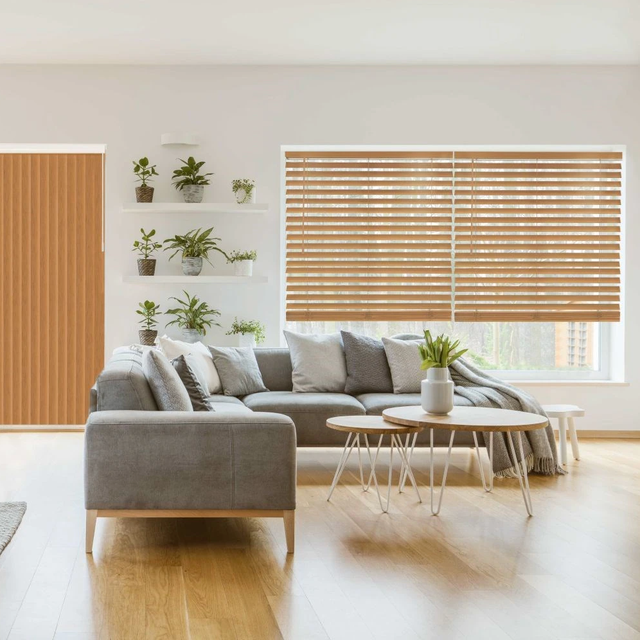
Finally, natural materials like bamboo or woven wood blinds are gaining popularity for their inherent breathability. These shades diffuse heat rather than trapping it, allowing warm air to circulate out, particularly when windows are slightly open. This characteristic makes them ideal for promoting airflow in bedrooms. Opting for versions with a light-filtering liner can further enhance their ability to deflect heat while preserving their natural texture and visual interest, especially beneficial in rooms exposed to intense sunlight. When total darkness is essential, combining blackout curtains with any of these alternative treatments provides optimal light control, airflow, and solar deflection, leading to a more comfortable and cooler bedroom environment.
#BedroomCooling #WindowTreatments #HeatControl #HomeComfort #InteriorDesign #EnergyEfficiency #ThermalBlinds #LinenCurtains #WhiteShutters #BedroomCooling #WindowTreatments #HeatControl #HomeComfort #InteriorDesign #EnergyEfficiency #ThermalBlinds #LinenCurtains #WhiteShutters
0 comment in total
 No comments yet
You may also like
This Controversial Window Treatment Trick Might Just Make Your Room Feel Bigger and Brighter
The Best Blackout Curtains of 2026

Buy One, Get One Free: Increase Your Home’s Energy Efficiency With This Simple Upgrade

Getting the Best Sleep of Your Life Is Easier Than You Think—And It Starts With One of These 8 Blackout Shades

The 10 Best Blackout Curtains to Help You Sleep Better (Despite Your Neighbor's Finicky Flood Lights)
Blackout curtain ideas – block out the light for total darkness and a better night's sleep

The best blackout curtains in 2025, tried and tested
The Best Blackout Shades and Curtains to Buy Right Now
Yes, the Best Thermal Curtains Can Actually Keep Your Room Cooler

The Best Blackout Curtains
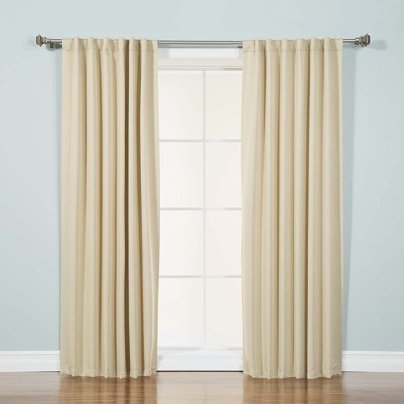
The Best Thermal Curtains, Tested and Reviewed
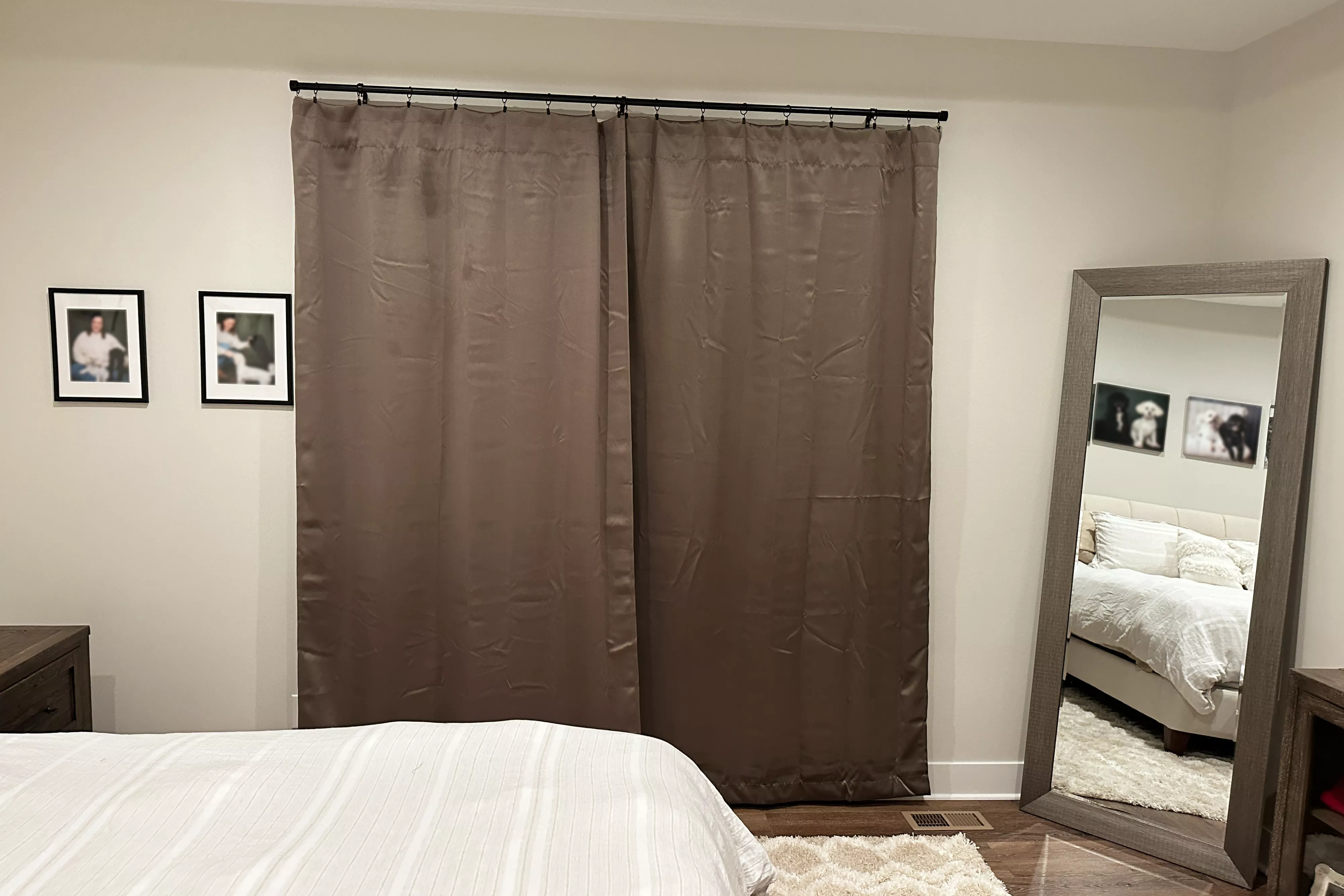
The 7 Best Blackout Curtains, According to Testing


11 Blinds To Make Your Windows The Coolest On The Block
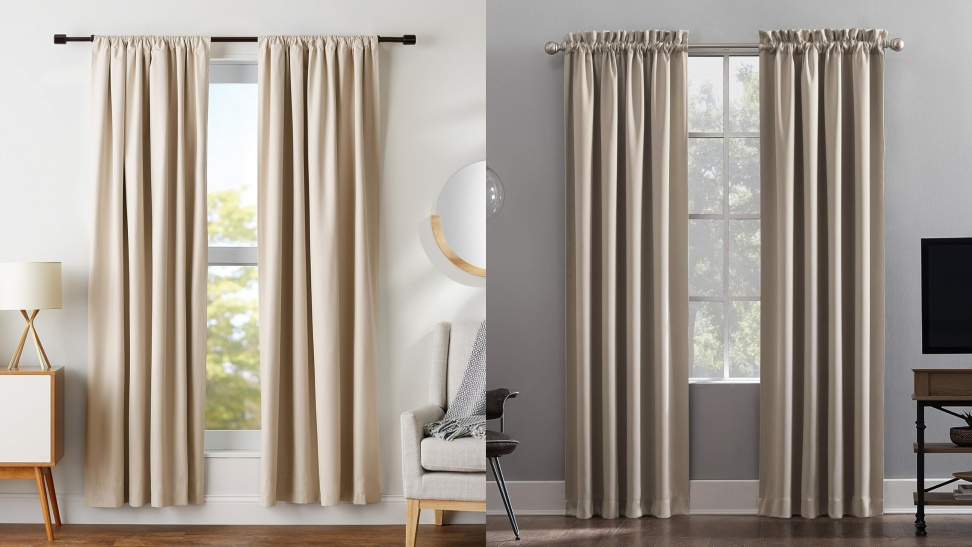
The Best Blackout Curtains of 2025
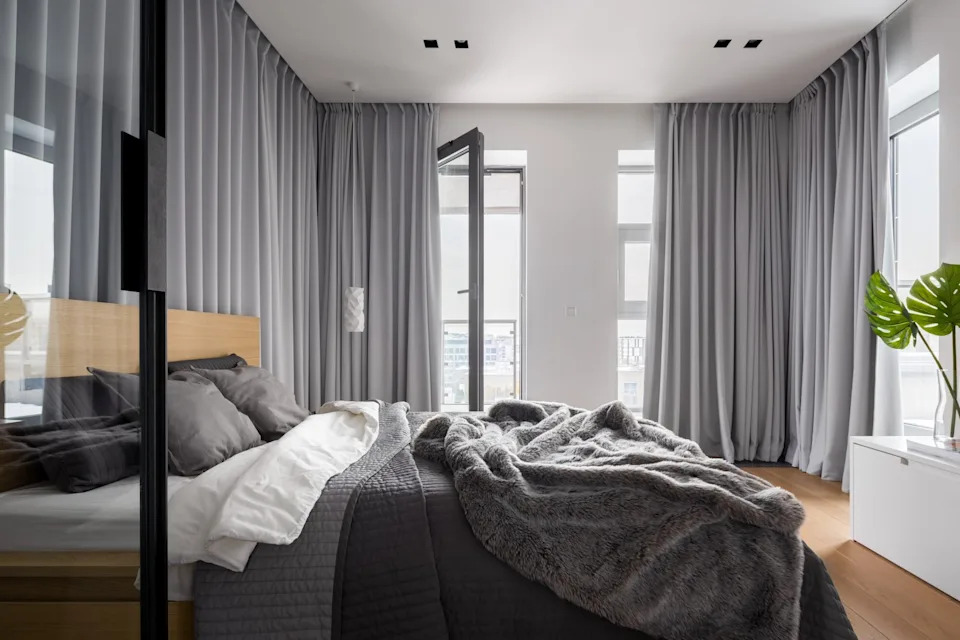
Thermal Curtains Will Keep Your Home Cozy and Warm All Winter—Here Are Our 9 Favorite Options

Why You Should Upgrade Your Window Blinds Right Now


The best blackout curtains of 2025 to help you sleep better


13 best blackout curtains to cool and darken rooms

7 winter window dressing ideas that experts promise will help keep your home warm and cosy
When to Choose Drapery, Curtains, or Blinds, According to Experts