1/8
How Can I Make My Curtains Warmer? 7 Expert Solutions That Are Stylish, Too
As winter approaches and temperatures drop, ensuring a warm and comfortable home environment becomes a priority. While many seasonal adjustments exist, such as changing bedding or adding rugs, a significant area often overlooked is window treatments. This article delves into seven expert-backed strategies to enhance the thermal efficiency of curtains, thereby keeping interiors snug and reducing energy consumption.
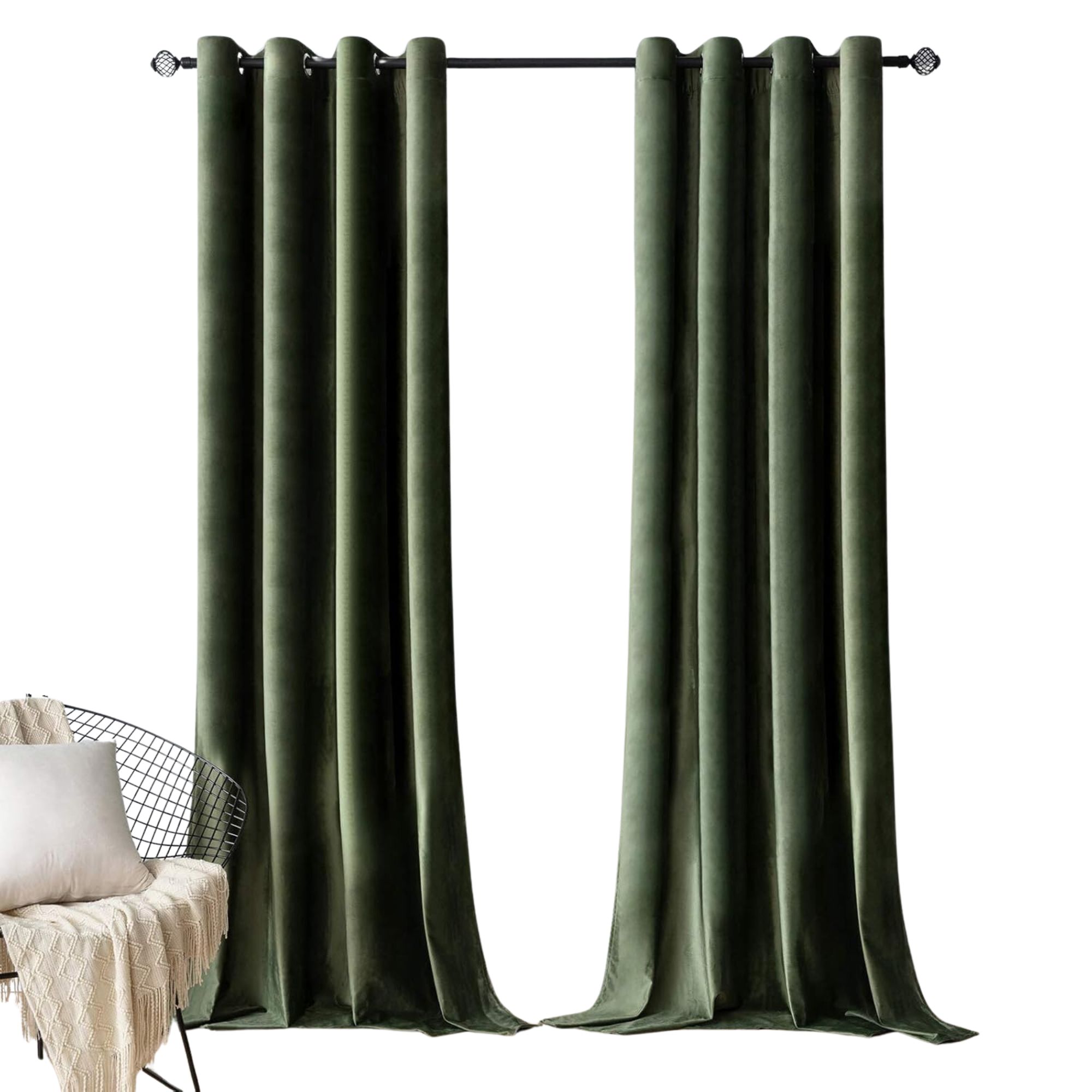
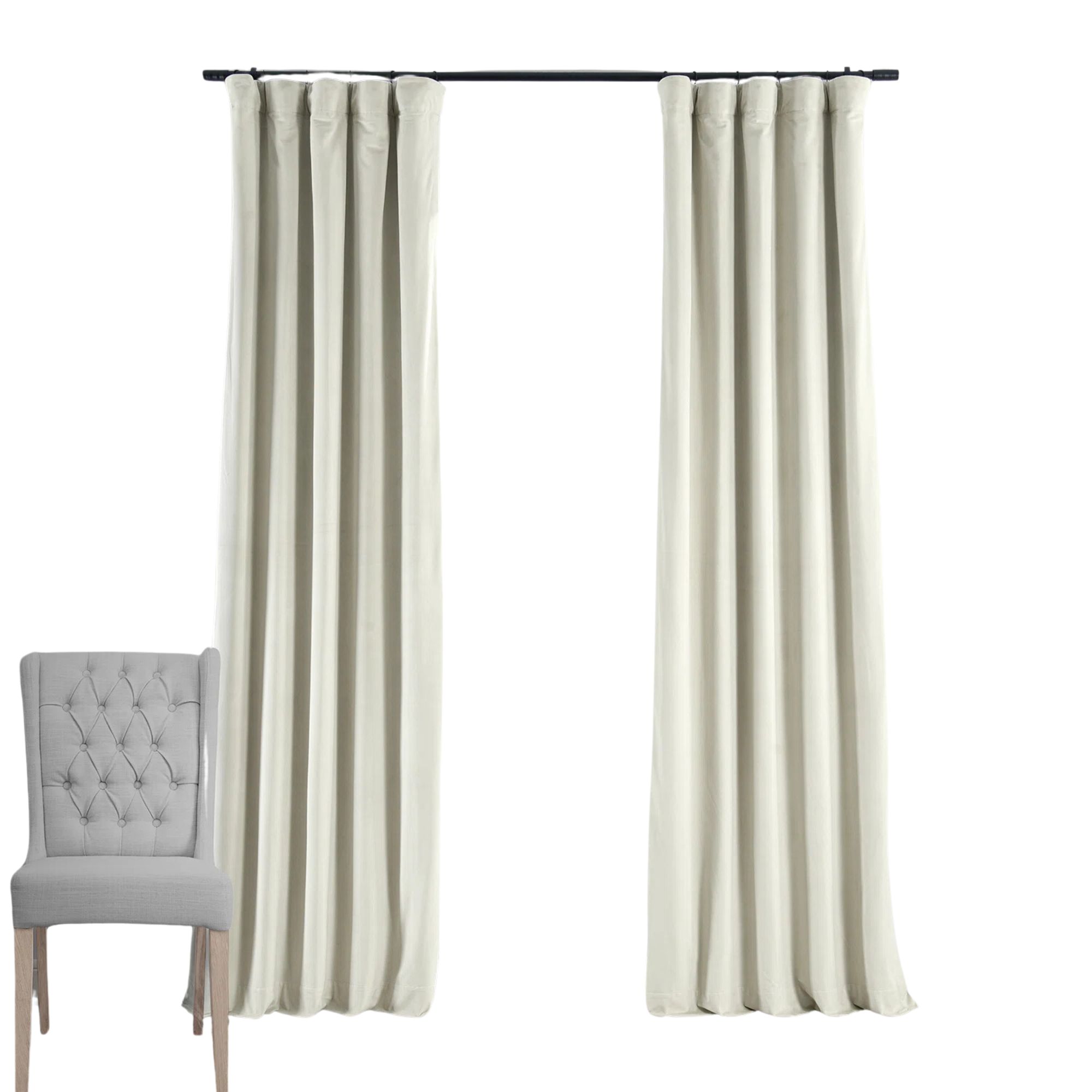
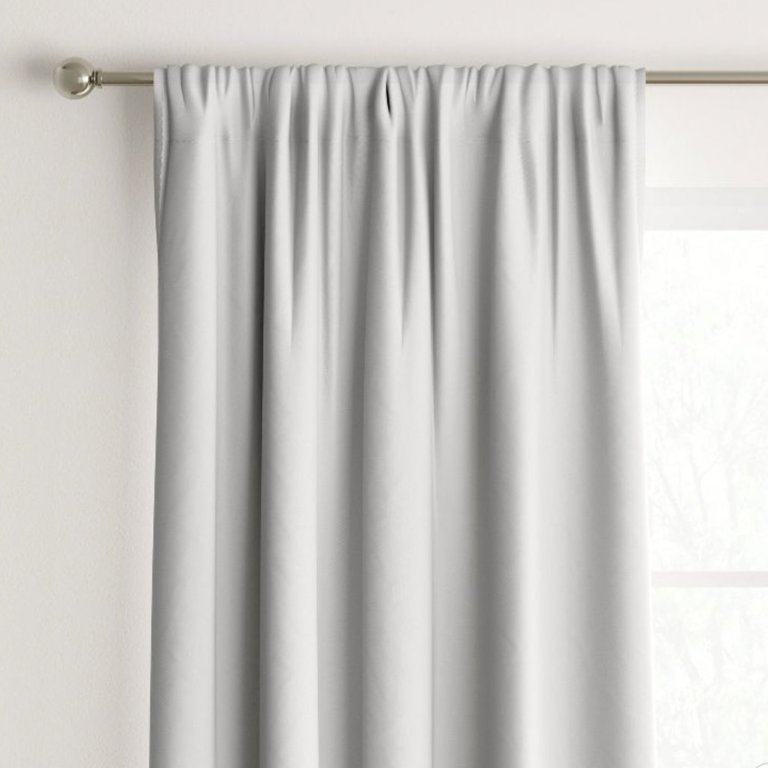
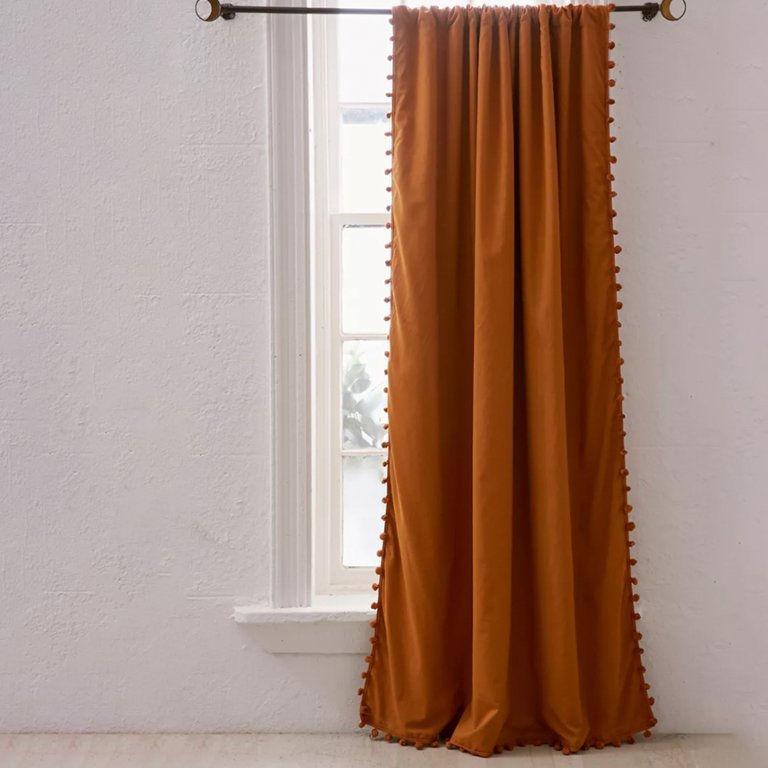
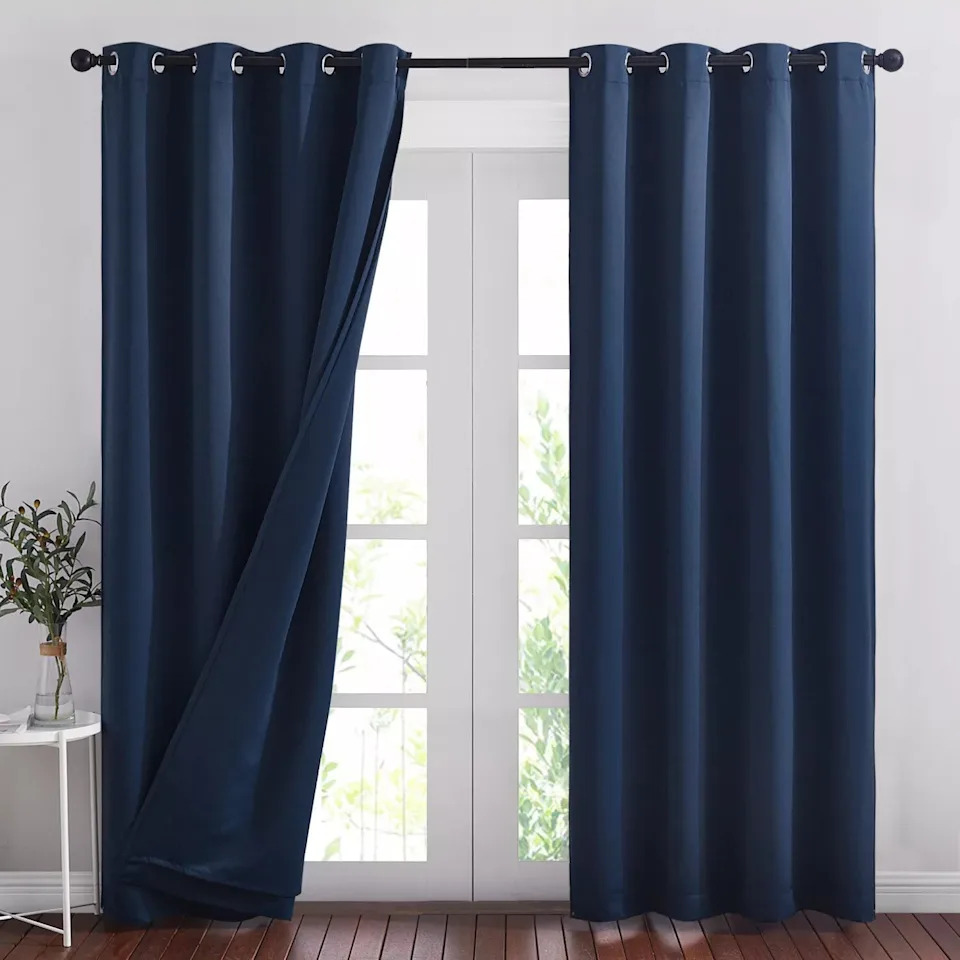
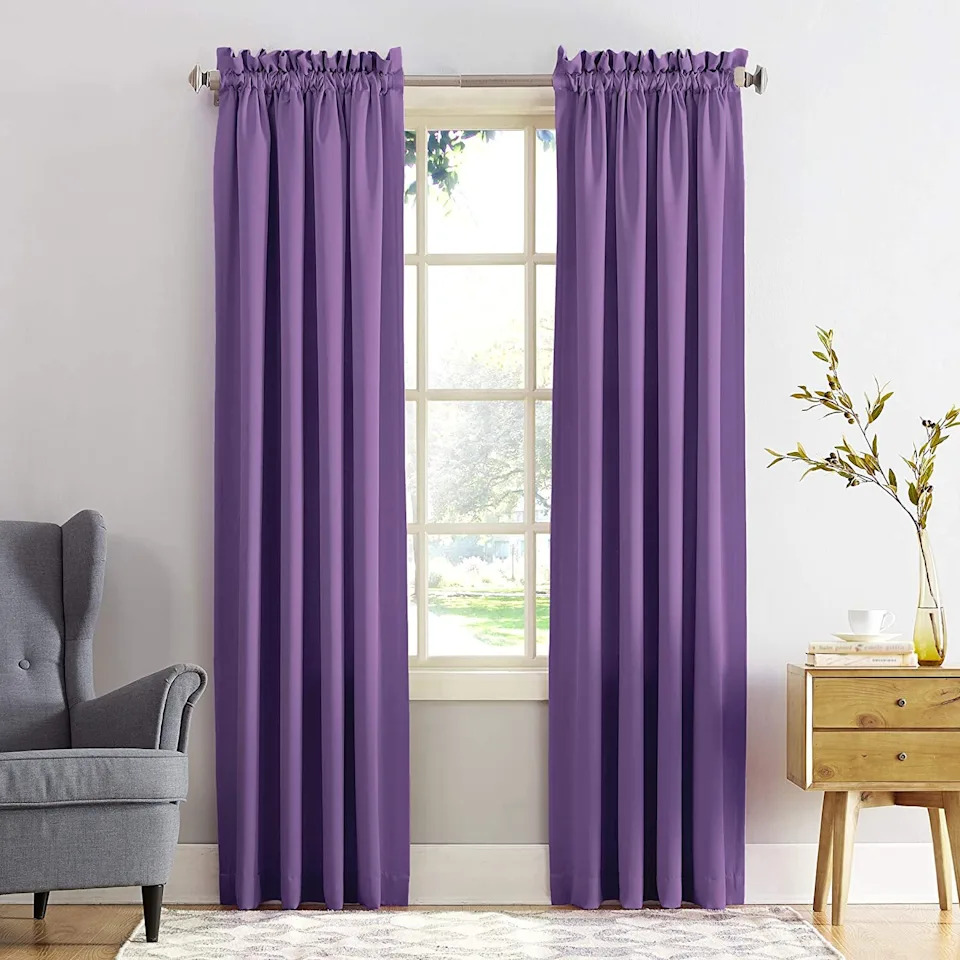
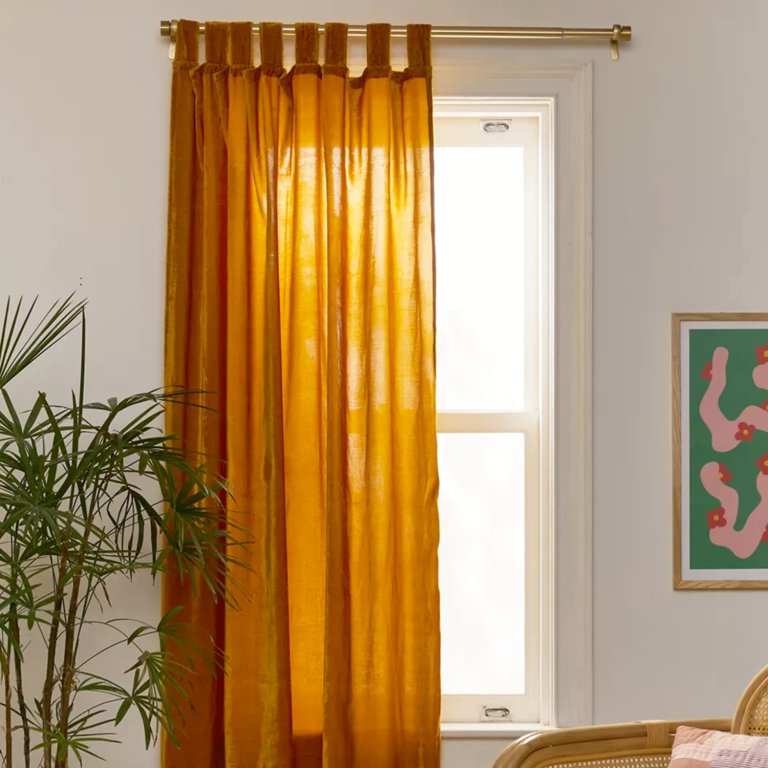
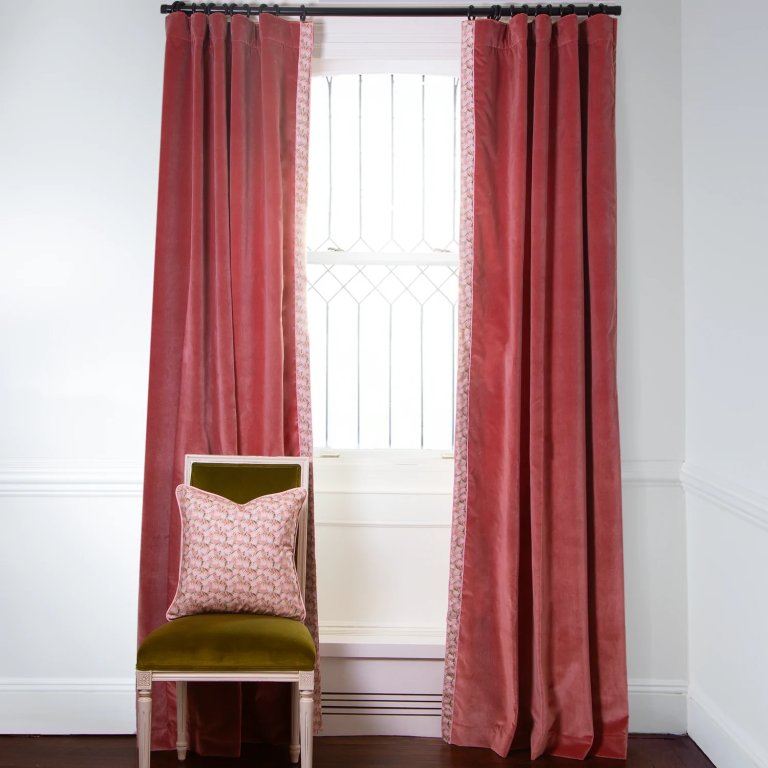
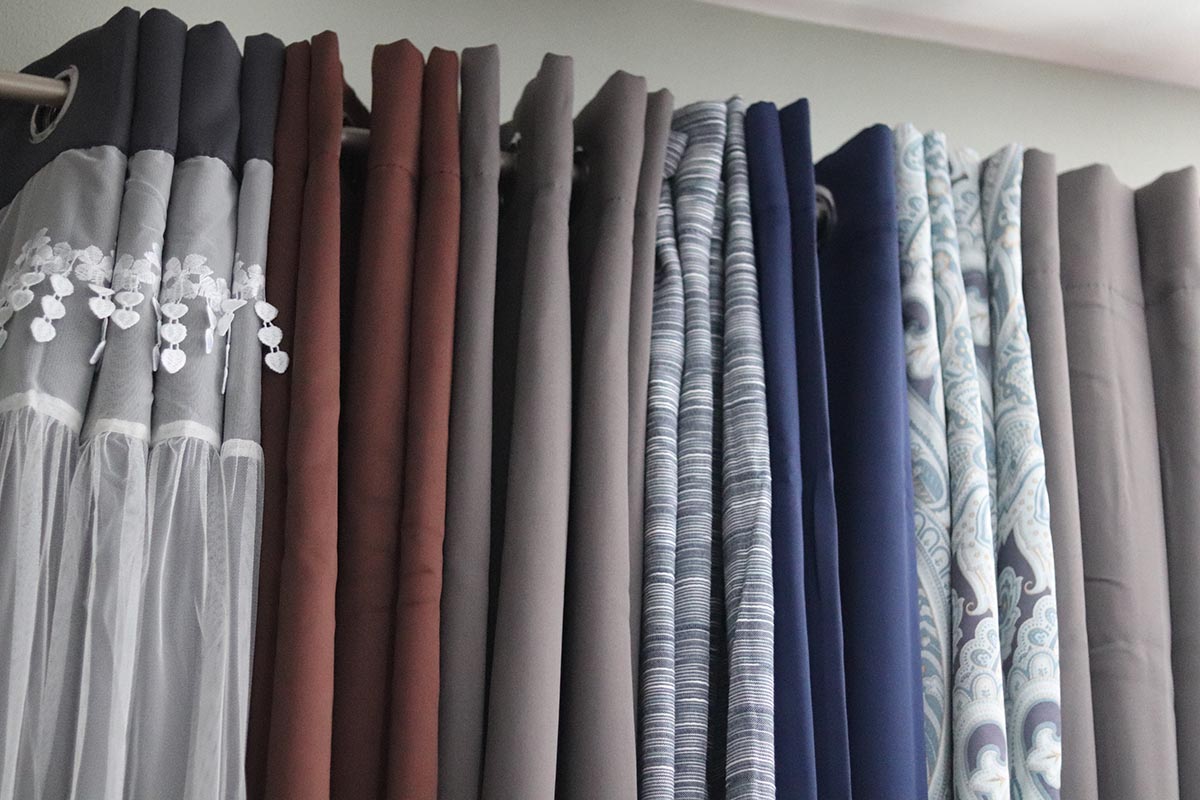
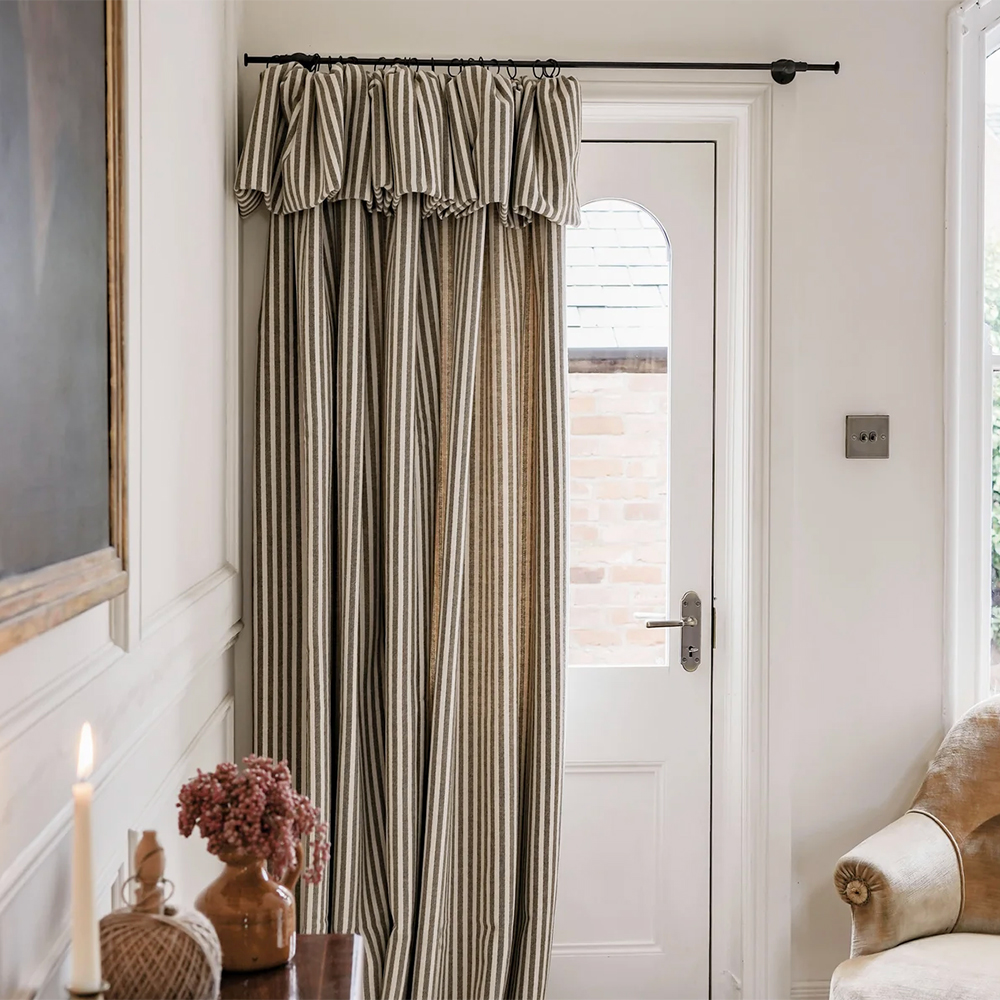
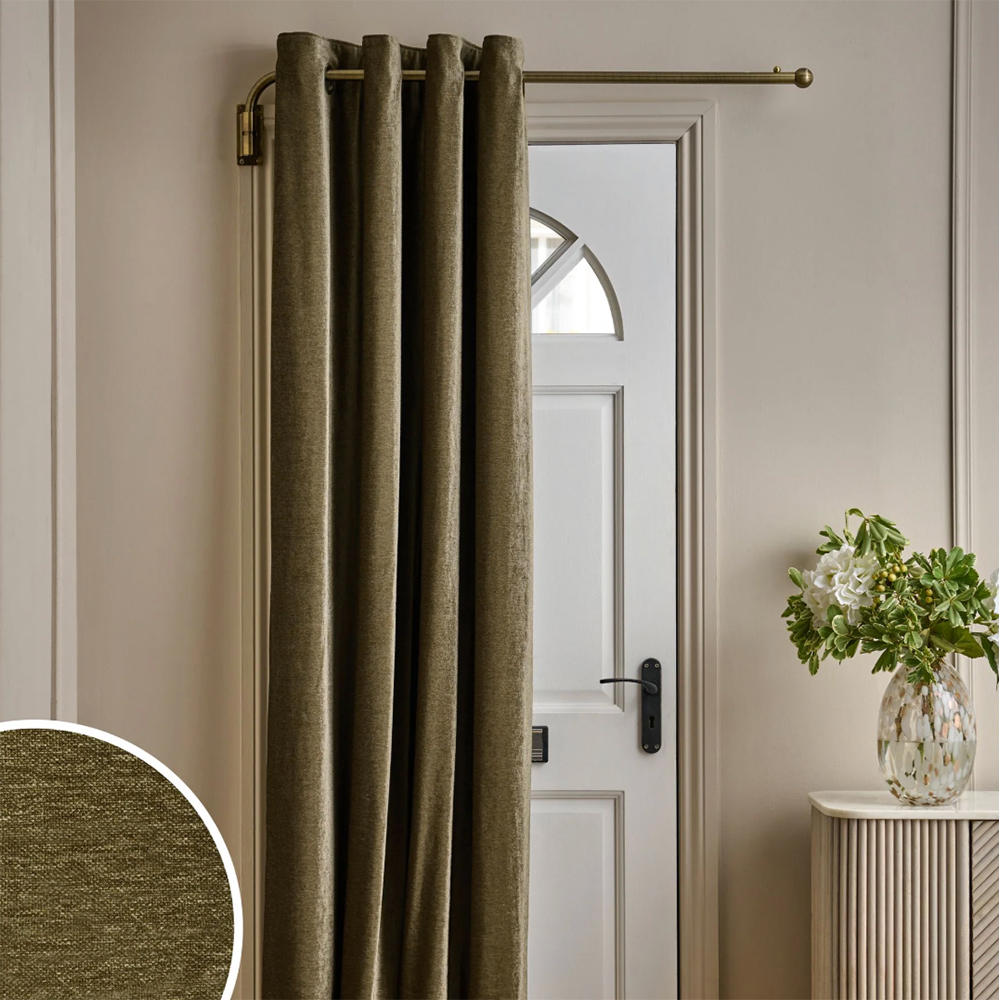
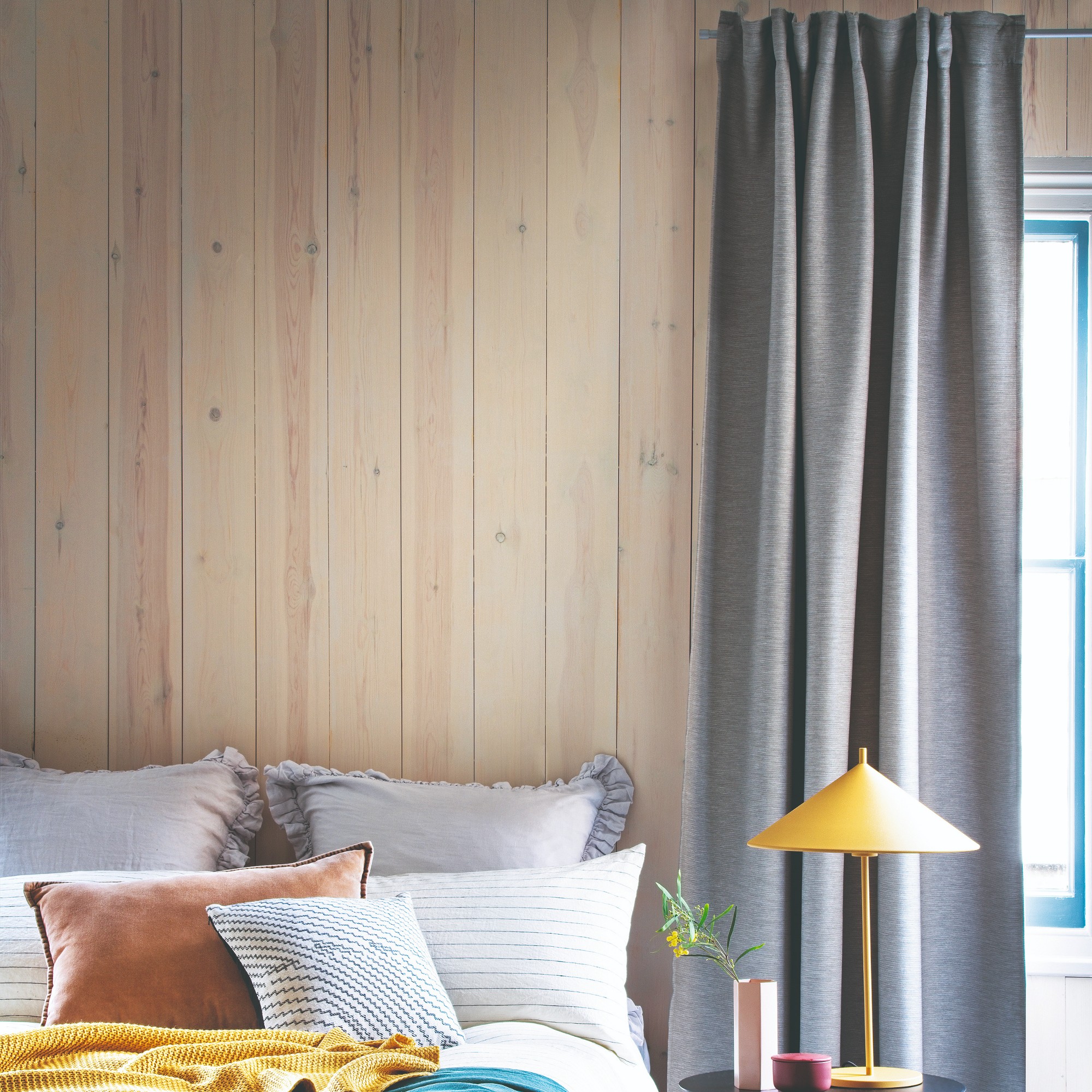
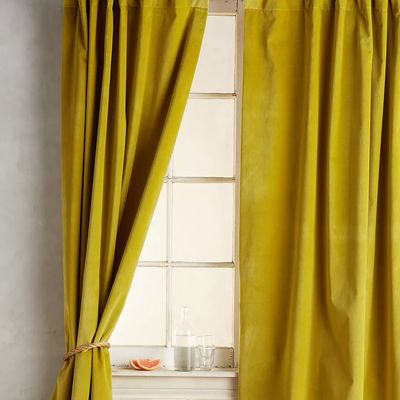
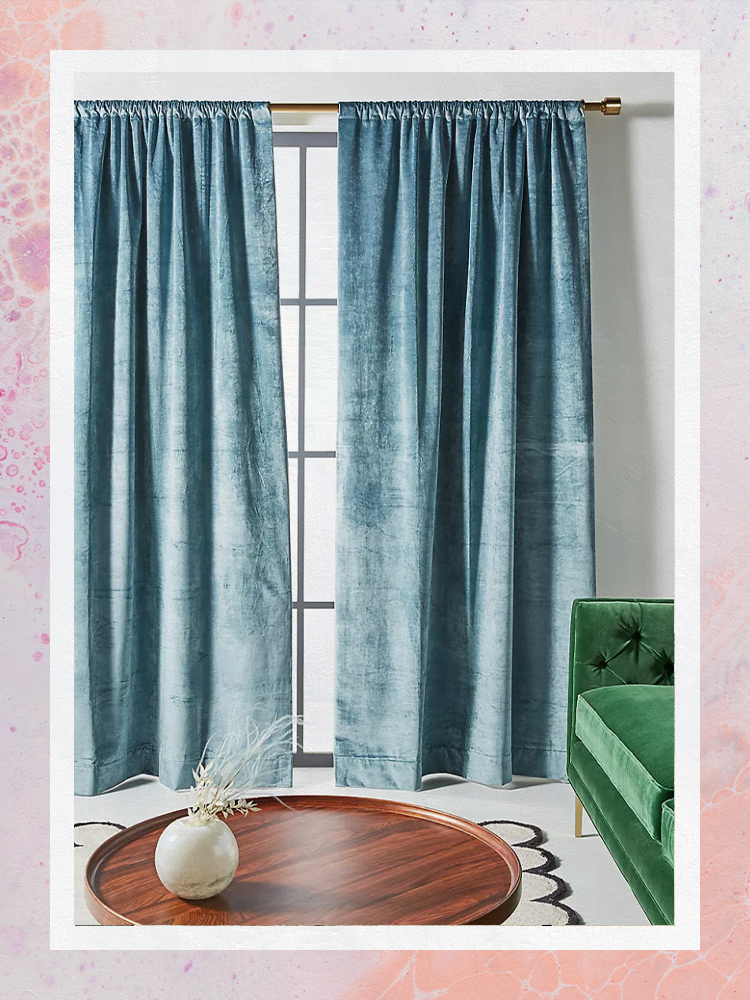
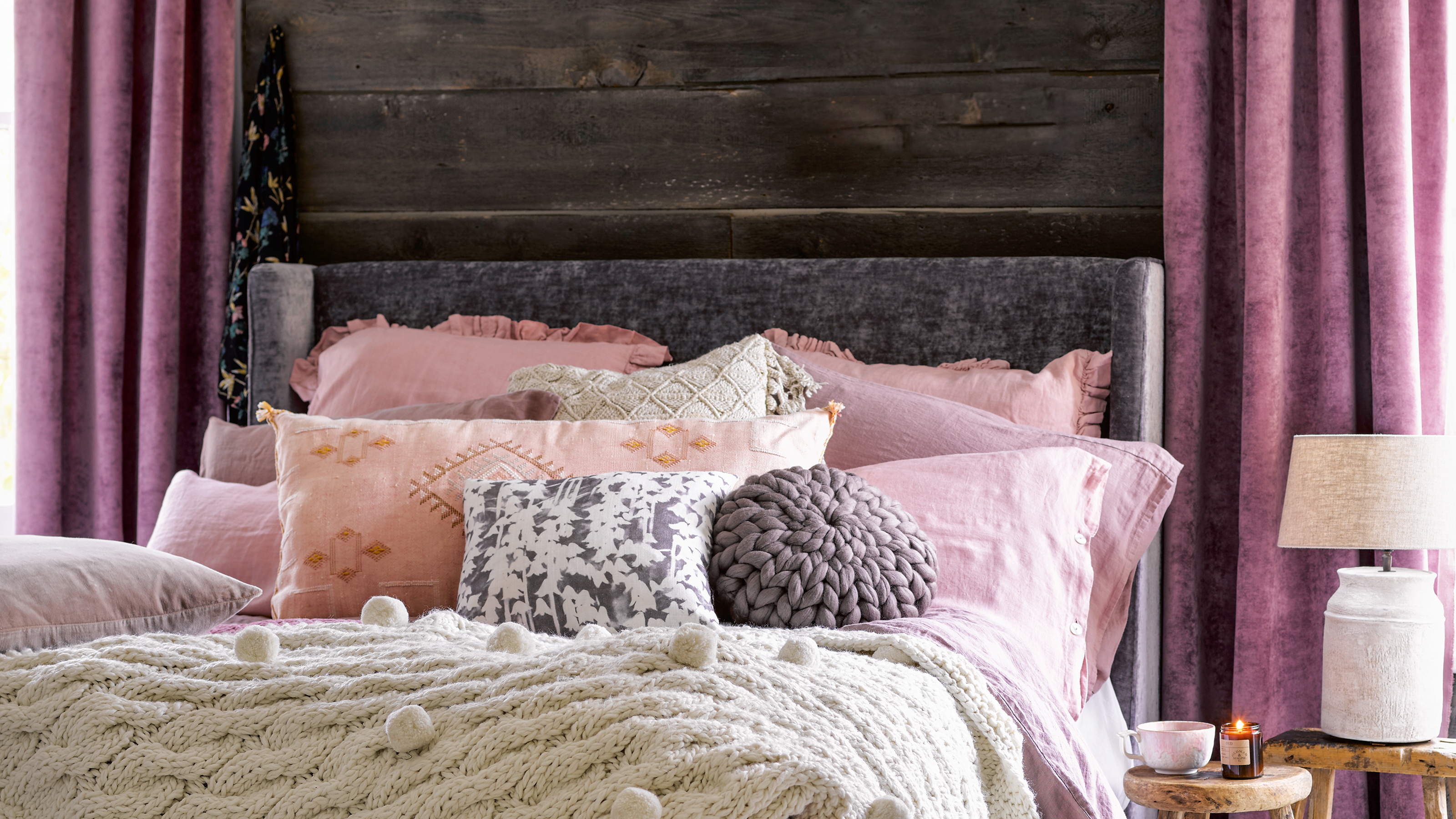
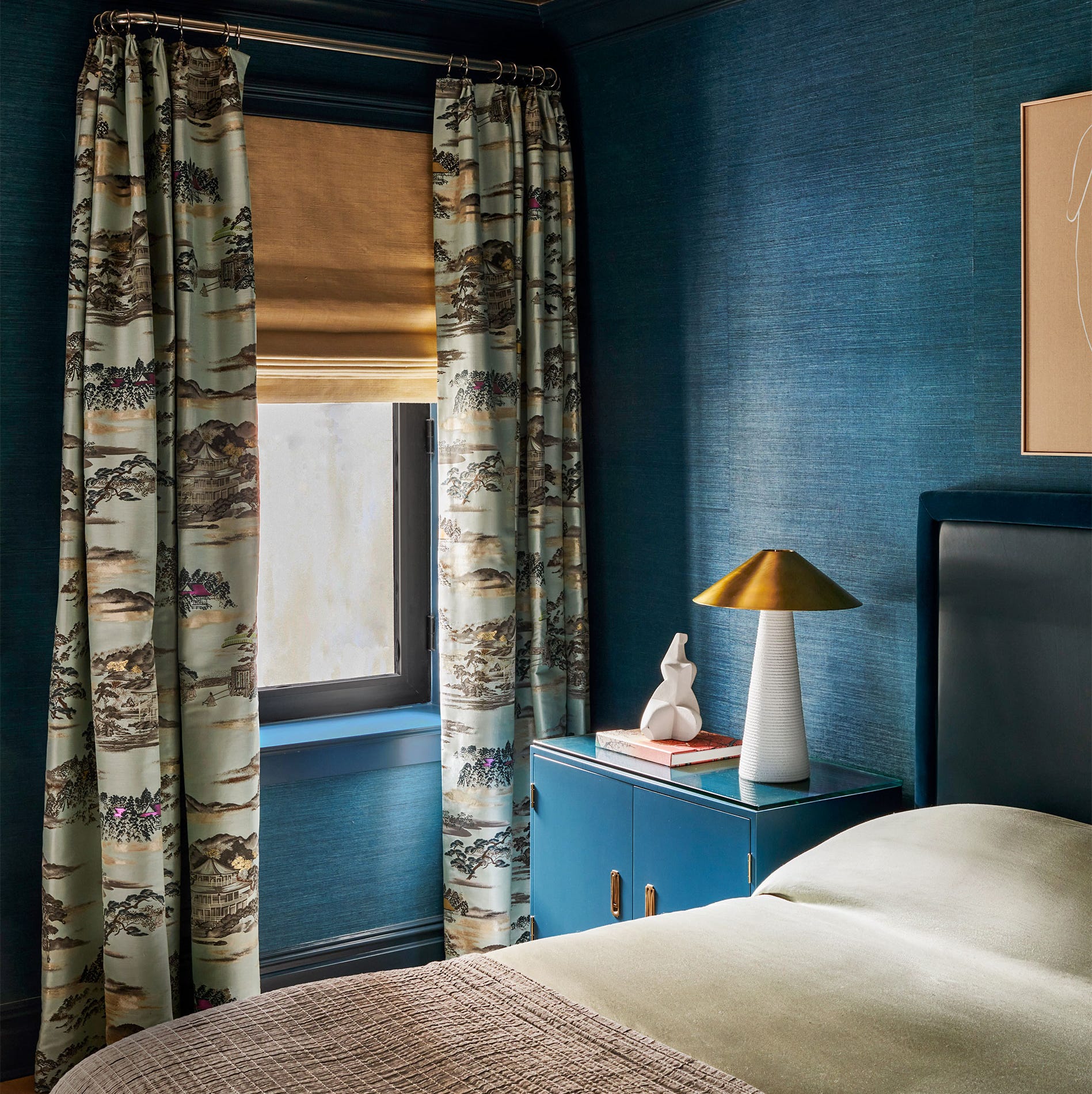
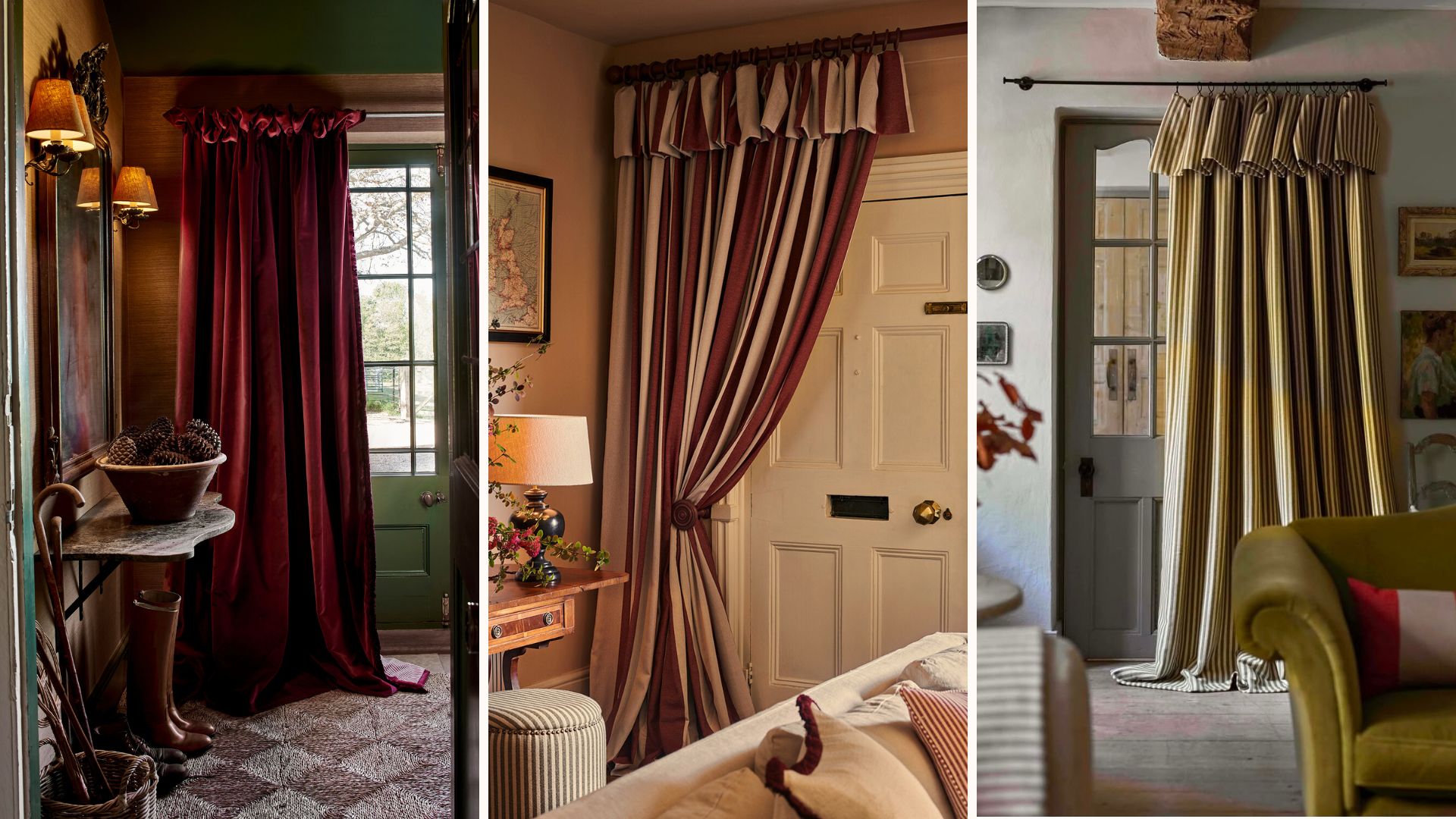
One of the most straightforward methods involves selecting heavier curtain fabrics. Materials like velvet, wool, or those with built-in thermal linings offer superior insulation, effectively blocking drafts and trapping warmth. Velvet, for instance, not only provides substantial thermal benefits but also adds a luxurious aesthetic to a room. Opting for these dense fabrics is an immediate and noticeable upgrade for any window.
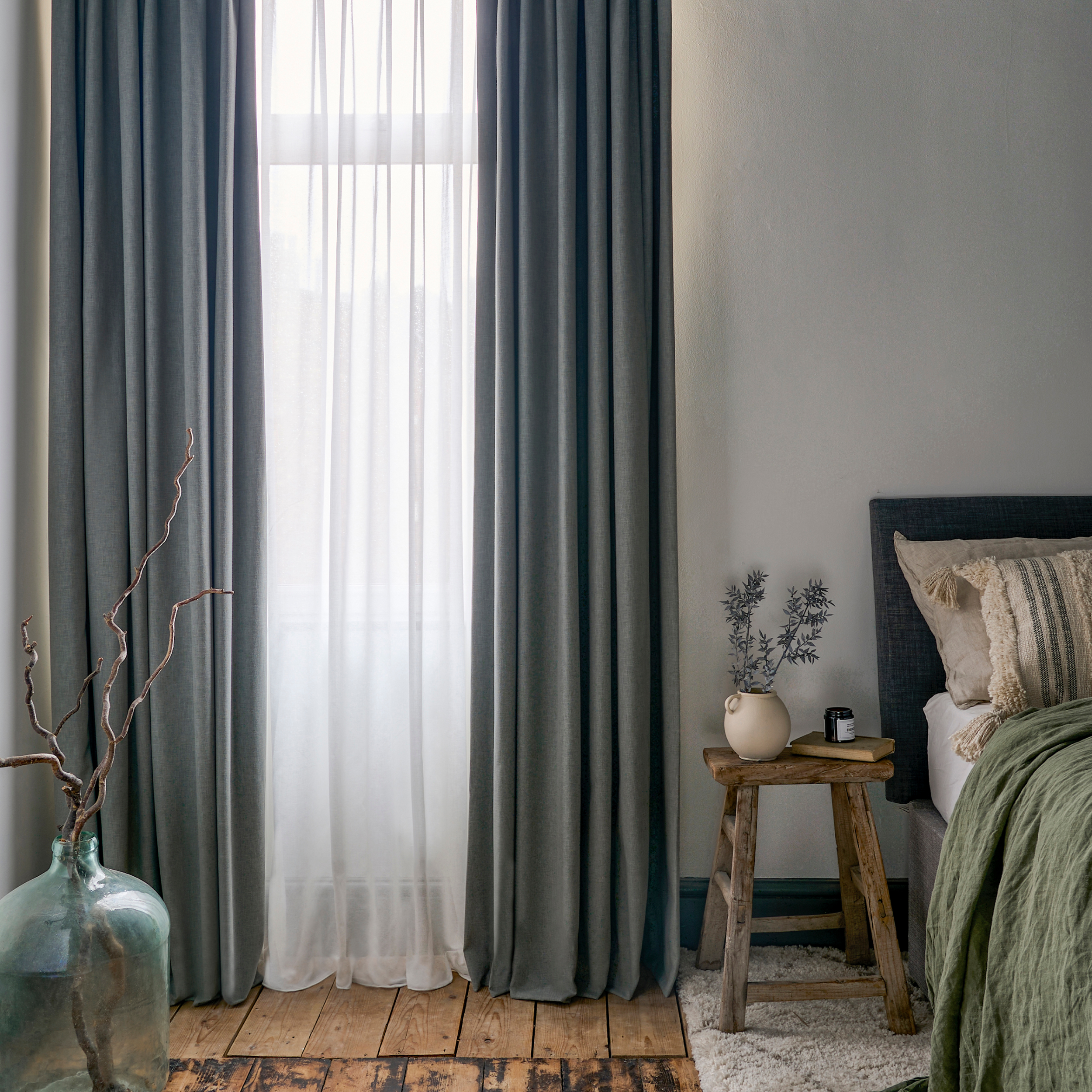
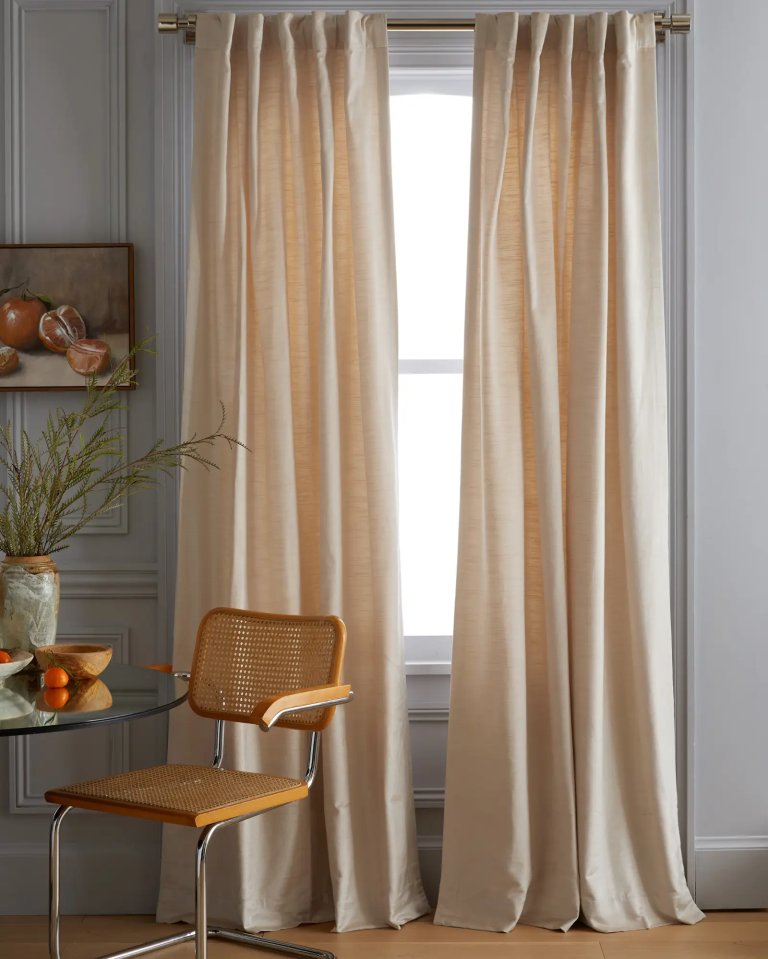
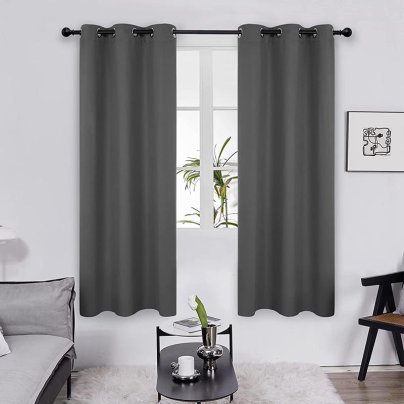
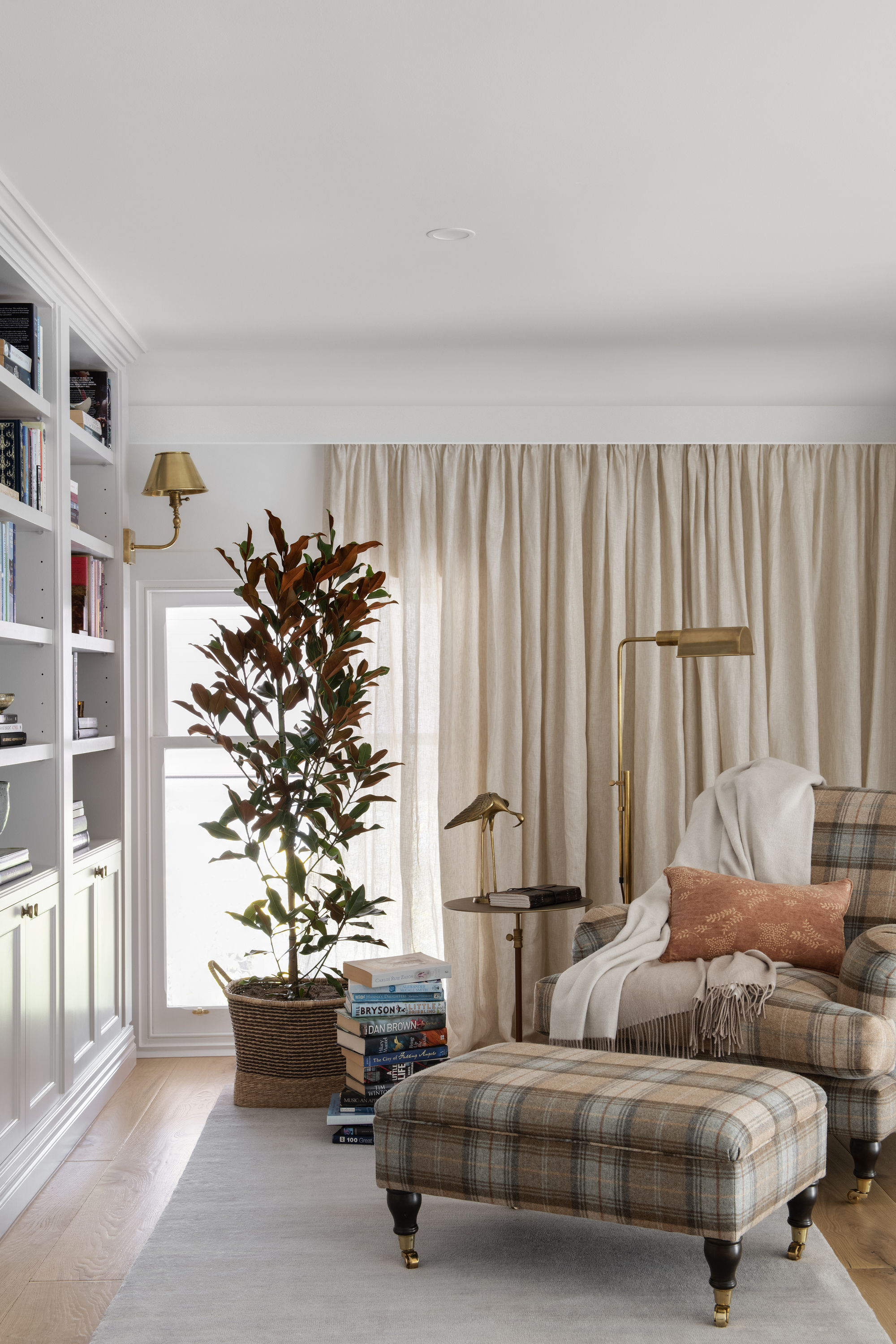
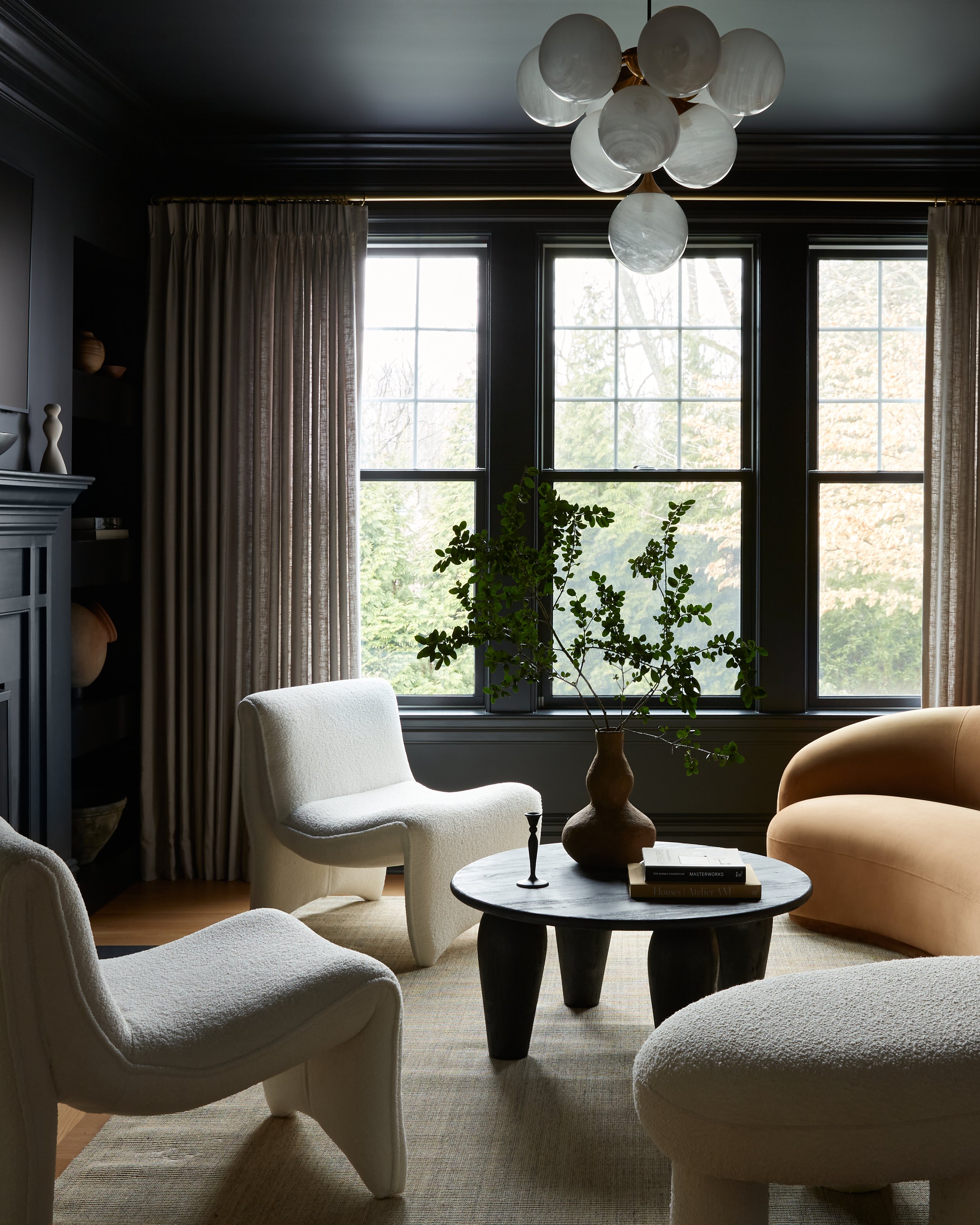
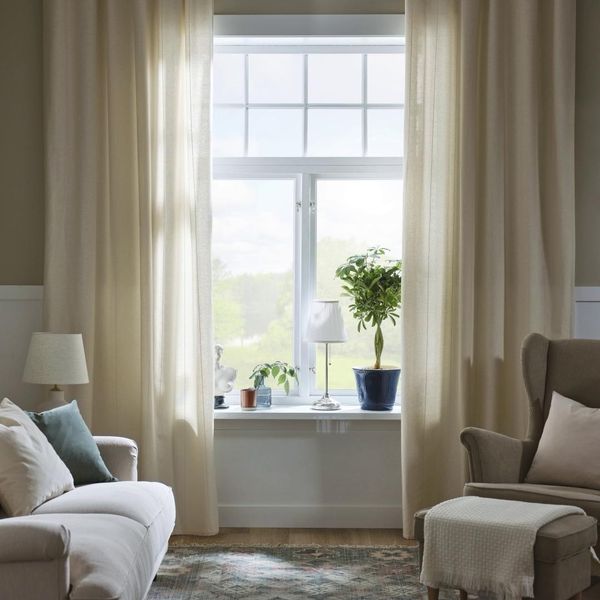
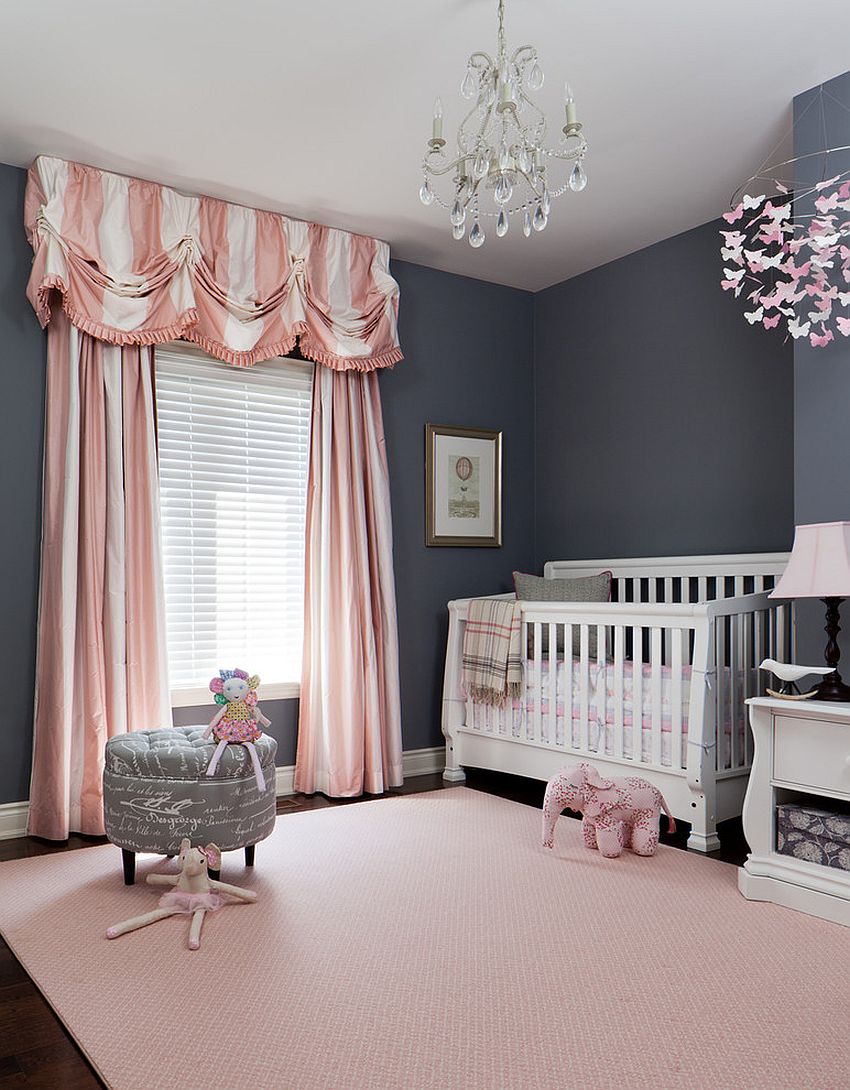
Another effective technique is layering curtains. This involves pairing sheer curtains with heavier drapes on a dual track system. This layered approach creates air pockets between the fabrics, which act as natural insulators. Beyond its practical benefits, layering also allows for versatile control over light and privacy, and it adds visual depth and richness to the window treatment. Understanding how to combine sheer and blackout curtains can offer the best of both worlds: light filtration when desired and complete insulation when needed.
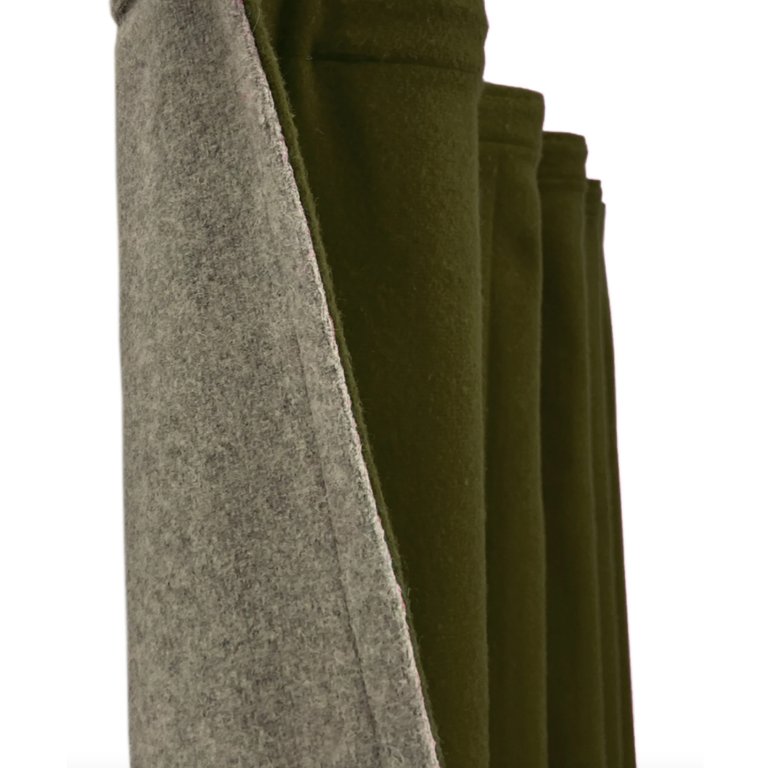
Installing a thermal lining is highlighted as one of the most impactful solutions, capable of reducing heat loss by up to 25% without altering the curtain's exterior appearance. These linings are available in various thicknesses and can be easily integrated by sewing them into existing curtains or attaching them with a hook system. This upgrade is particularly smart for colder months, providing significant insulation with minimal visual change.
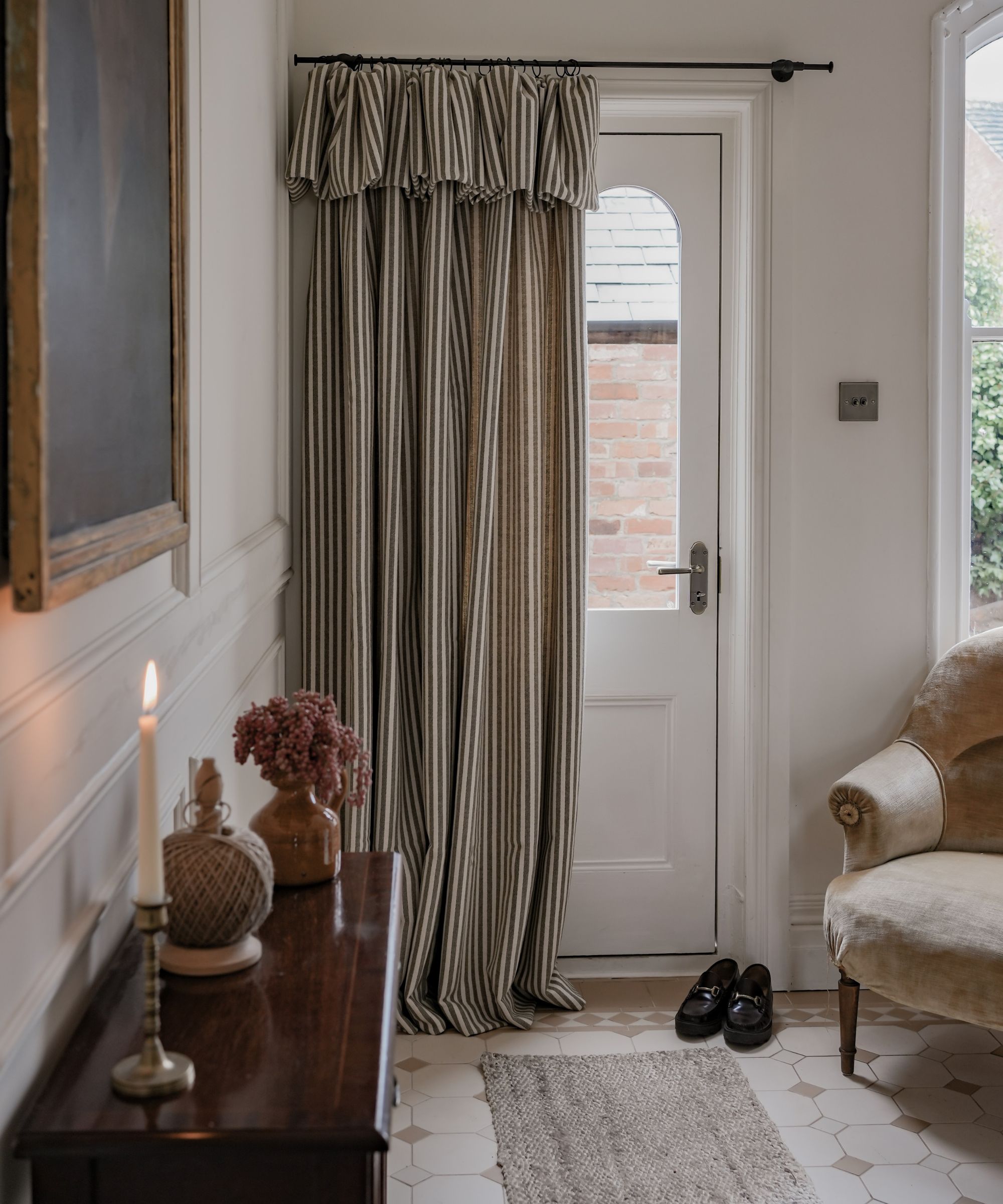
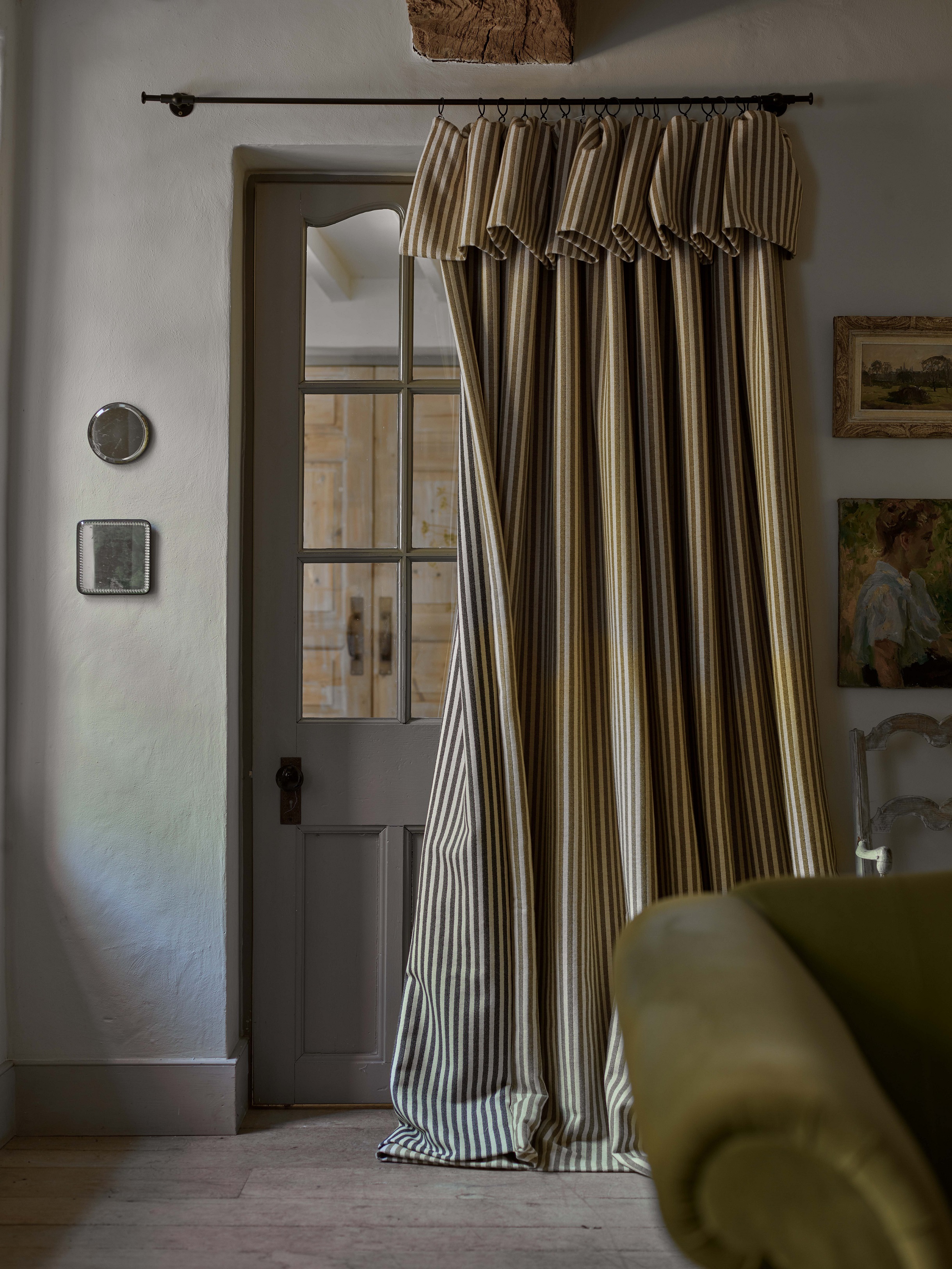
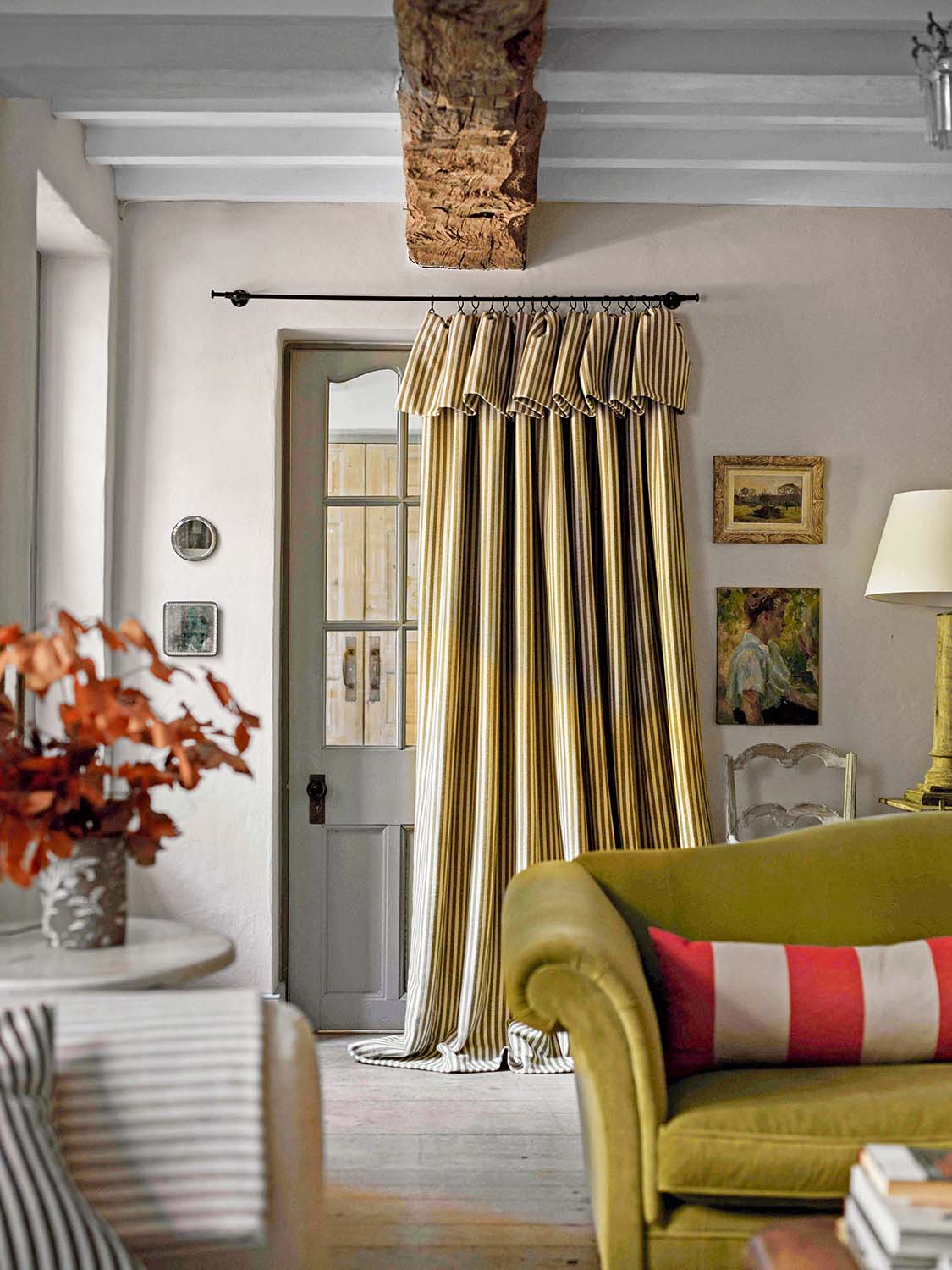
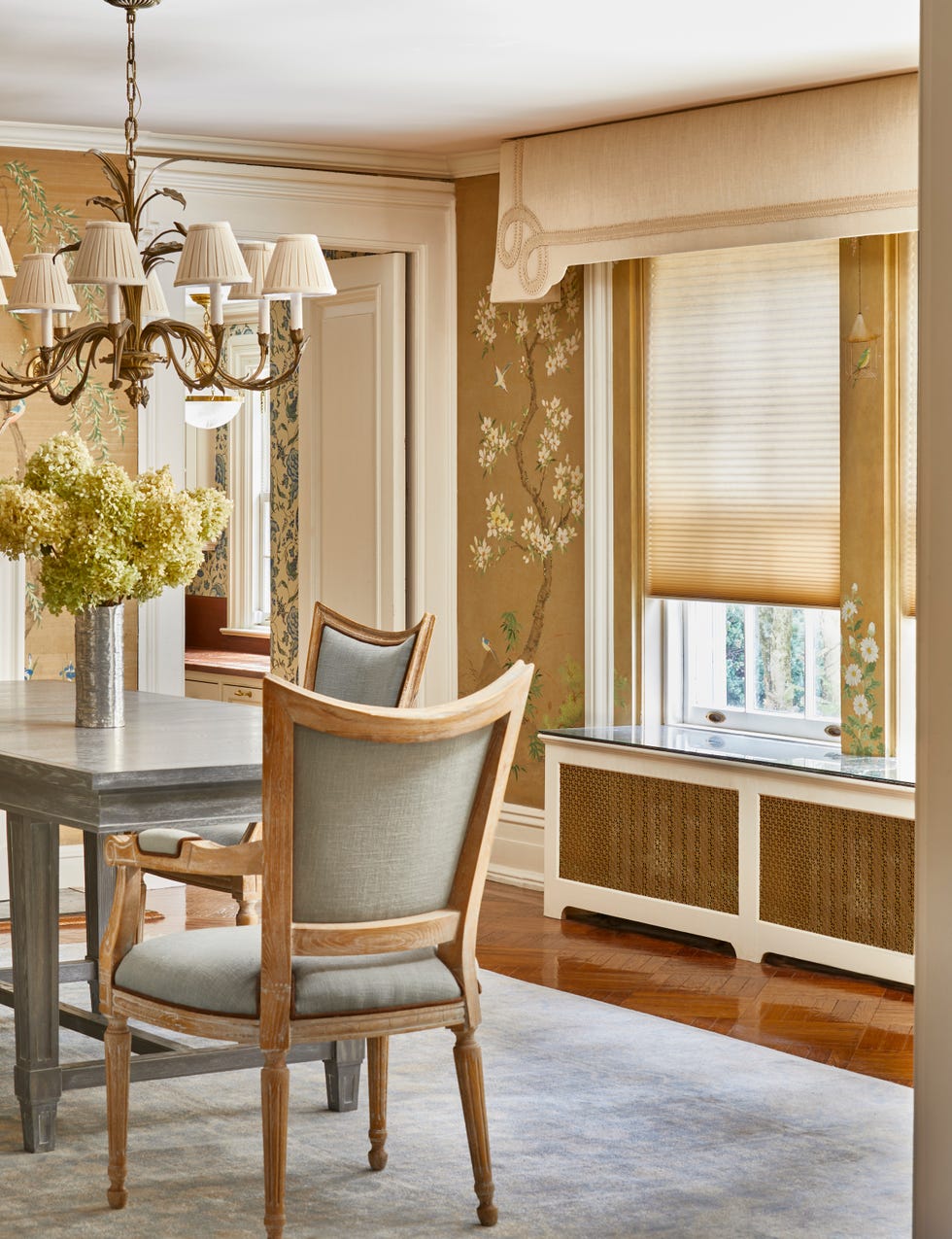
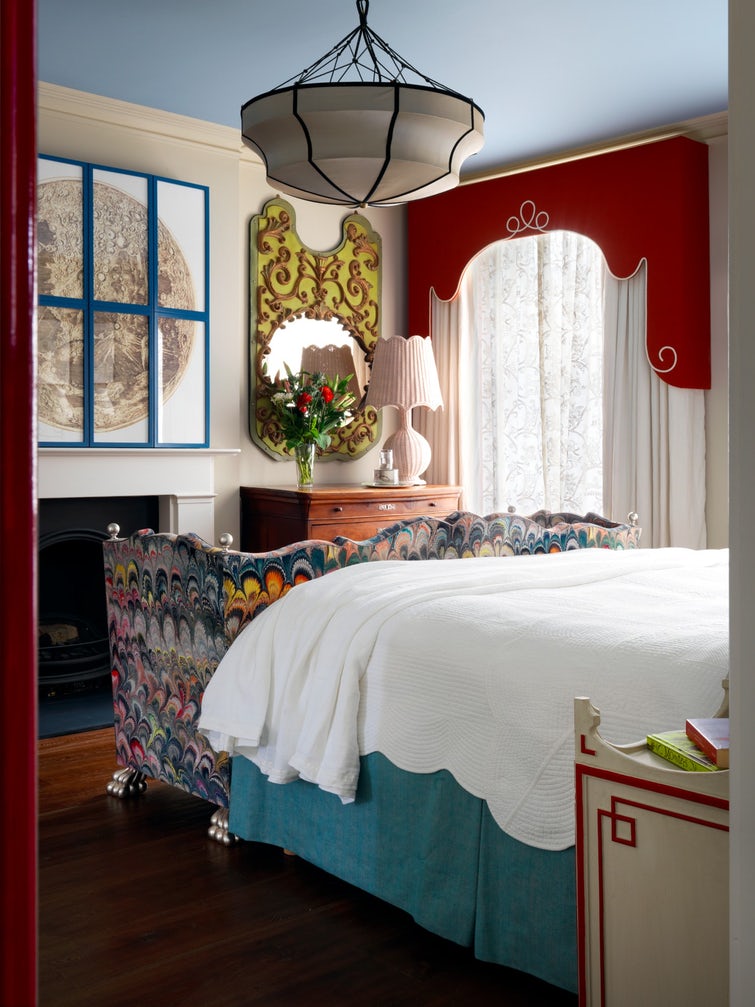
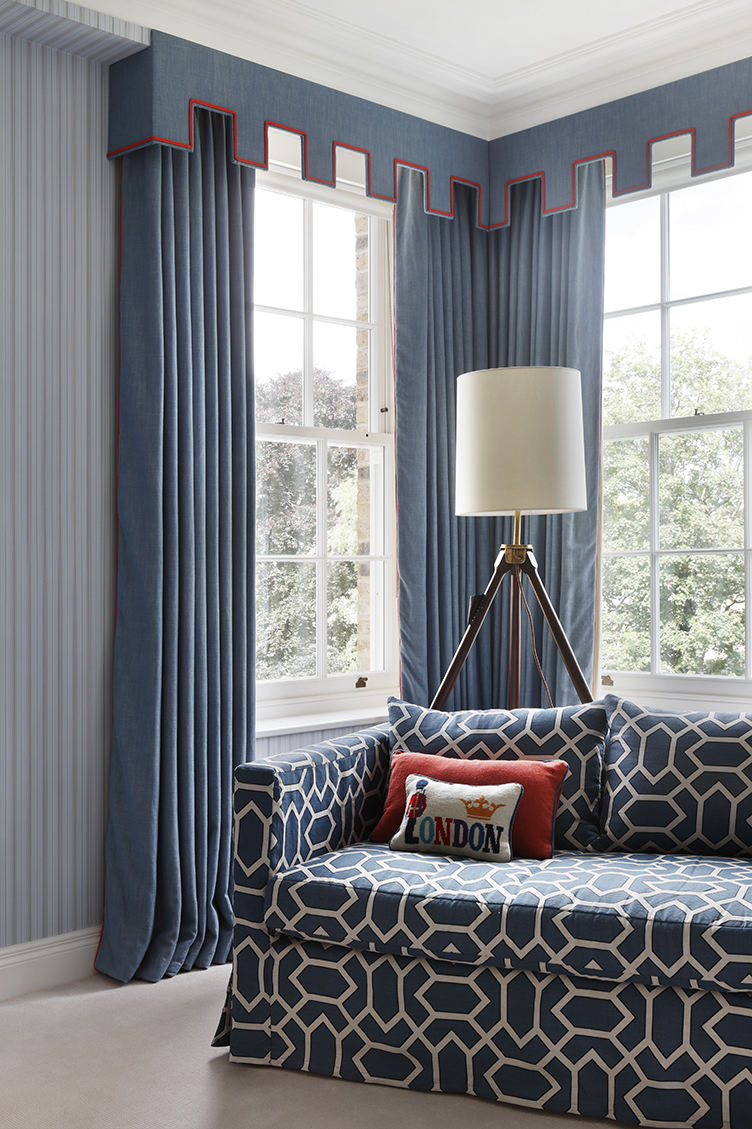
Curtain pelmets are presented as an often-underestimated addition. These decorative frames cover the top of the curtains, effectively blocking drafts that might otherwise enter from above the window. Pelmets not only prevent warm air from escaping and cold air from seeping in but also contribute to a polished and classic aesthetic that can complement both traditional and modern interior designs.
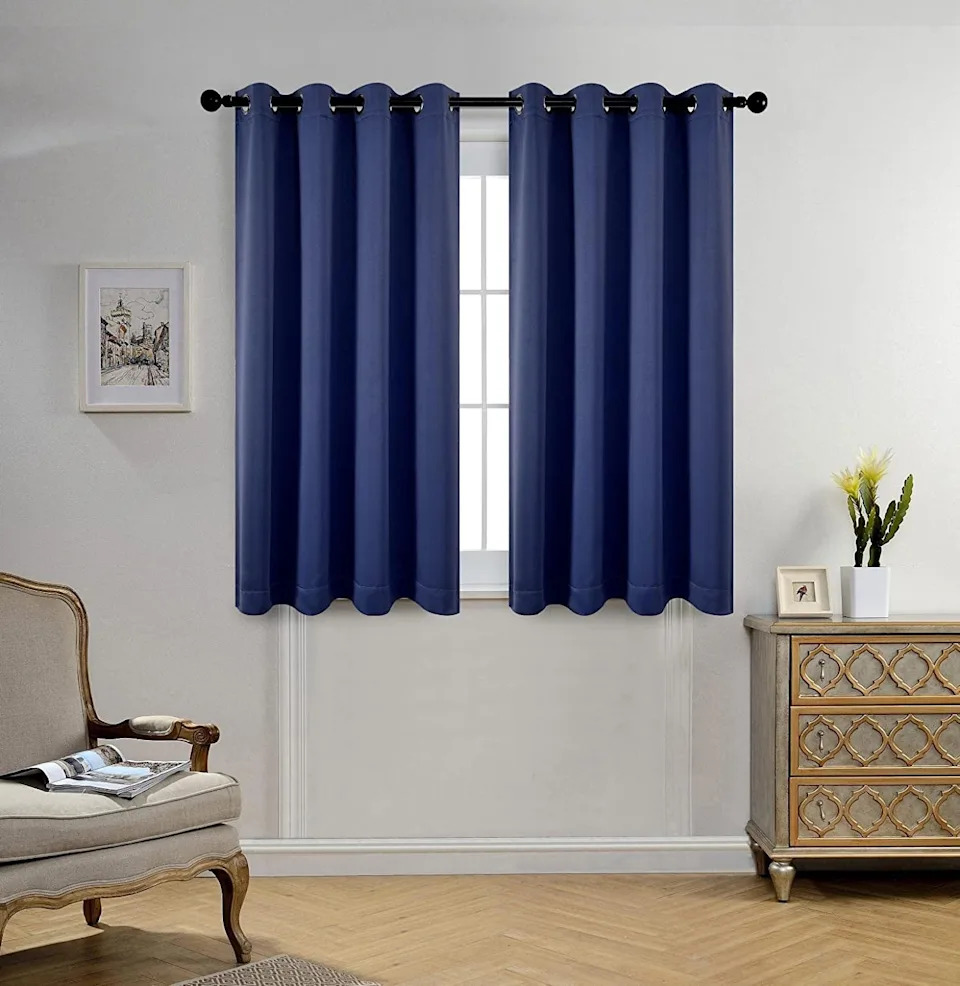
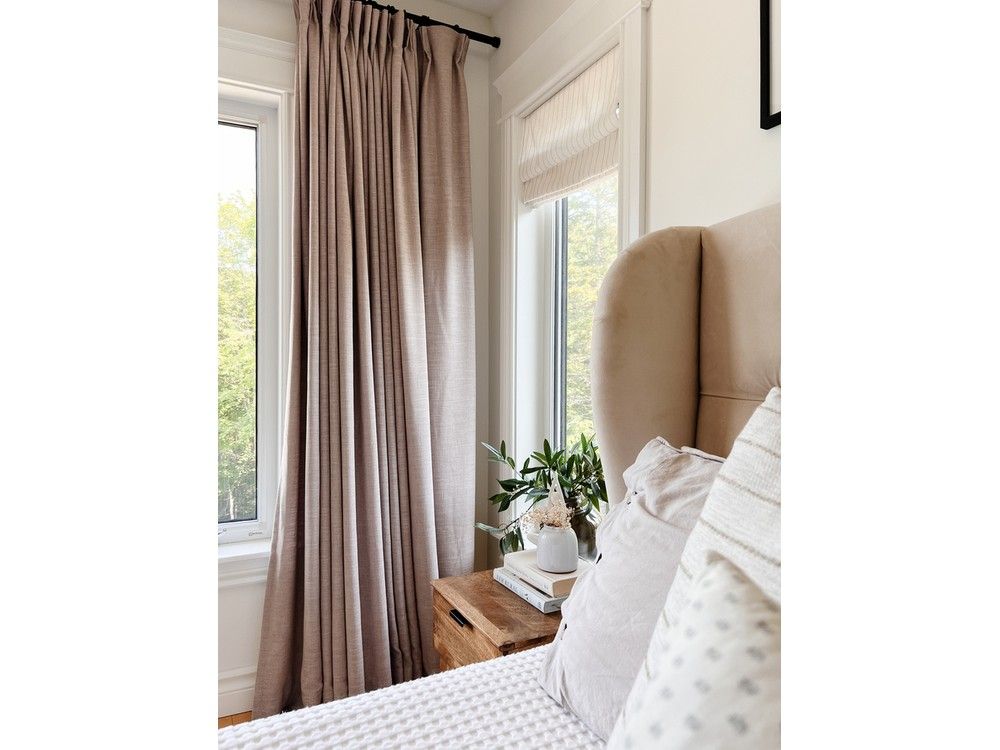
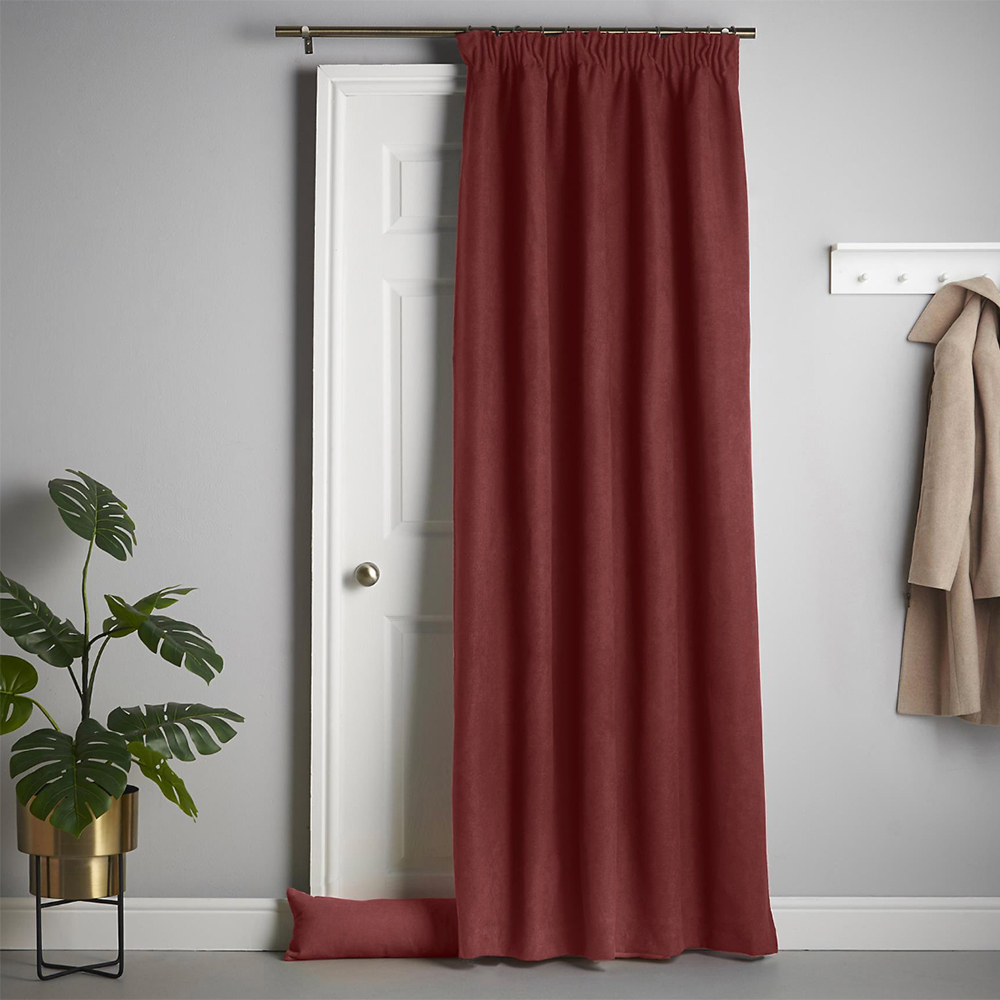
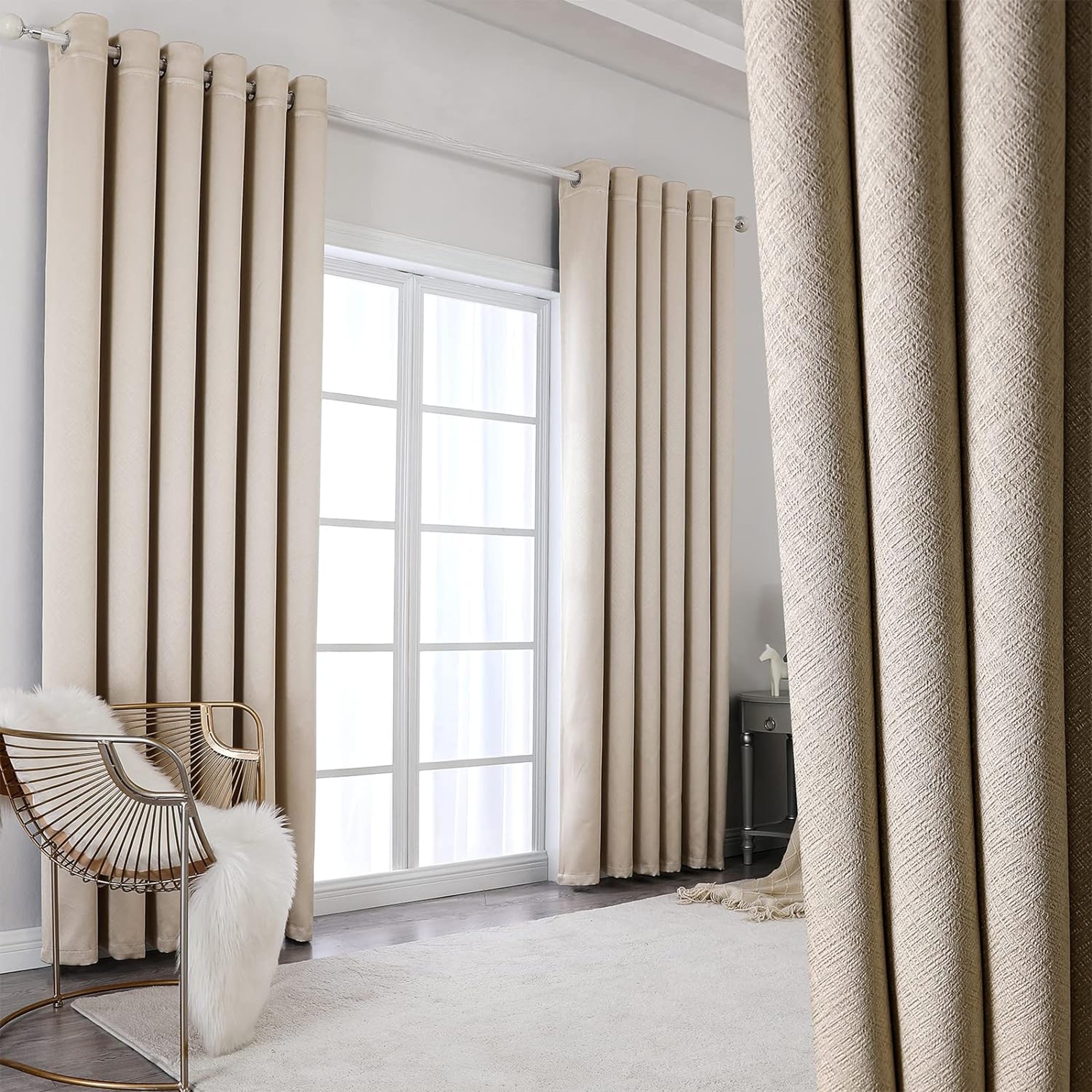
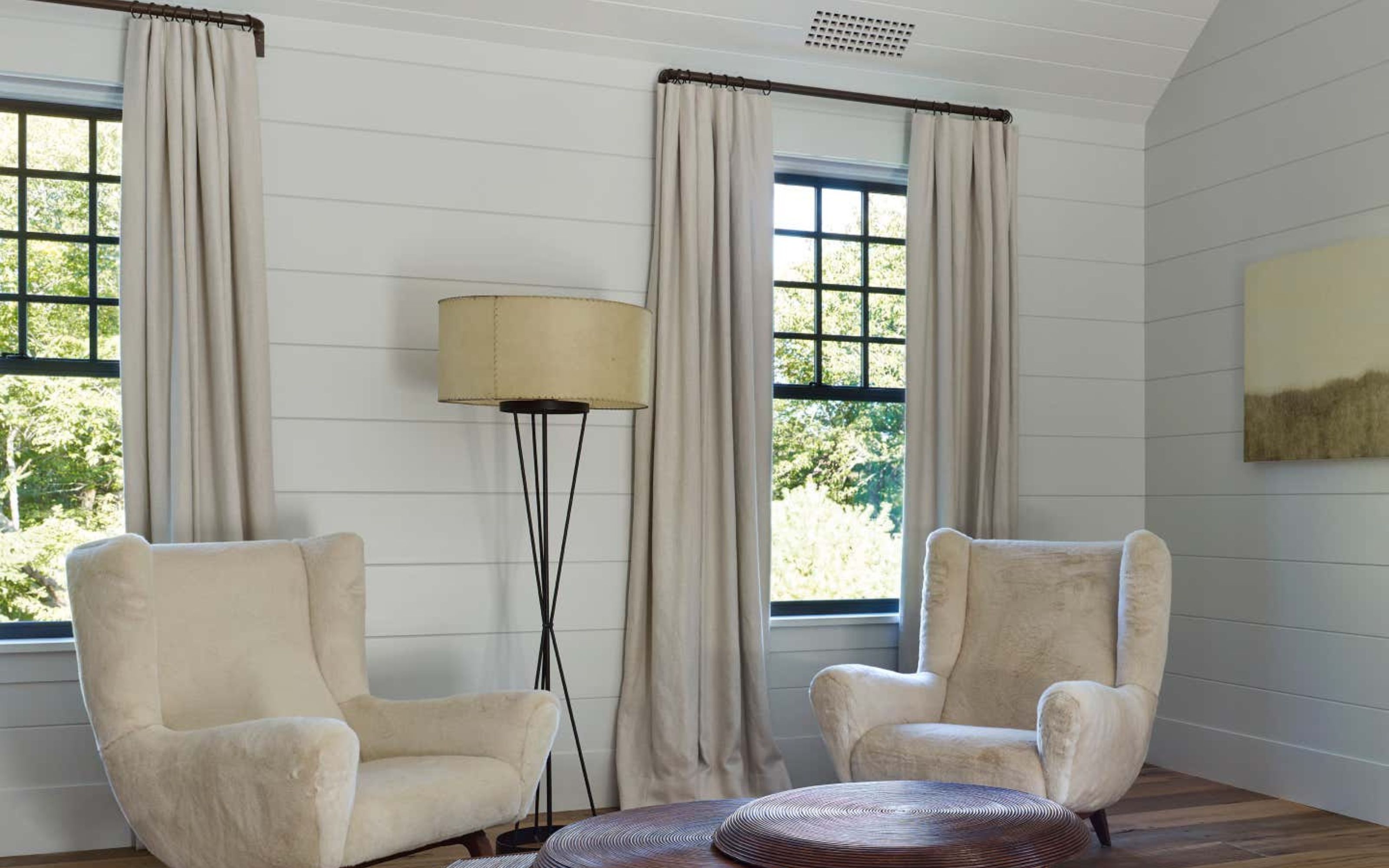
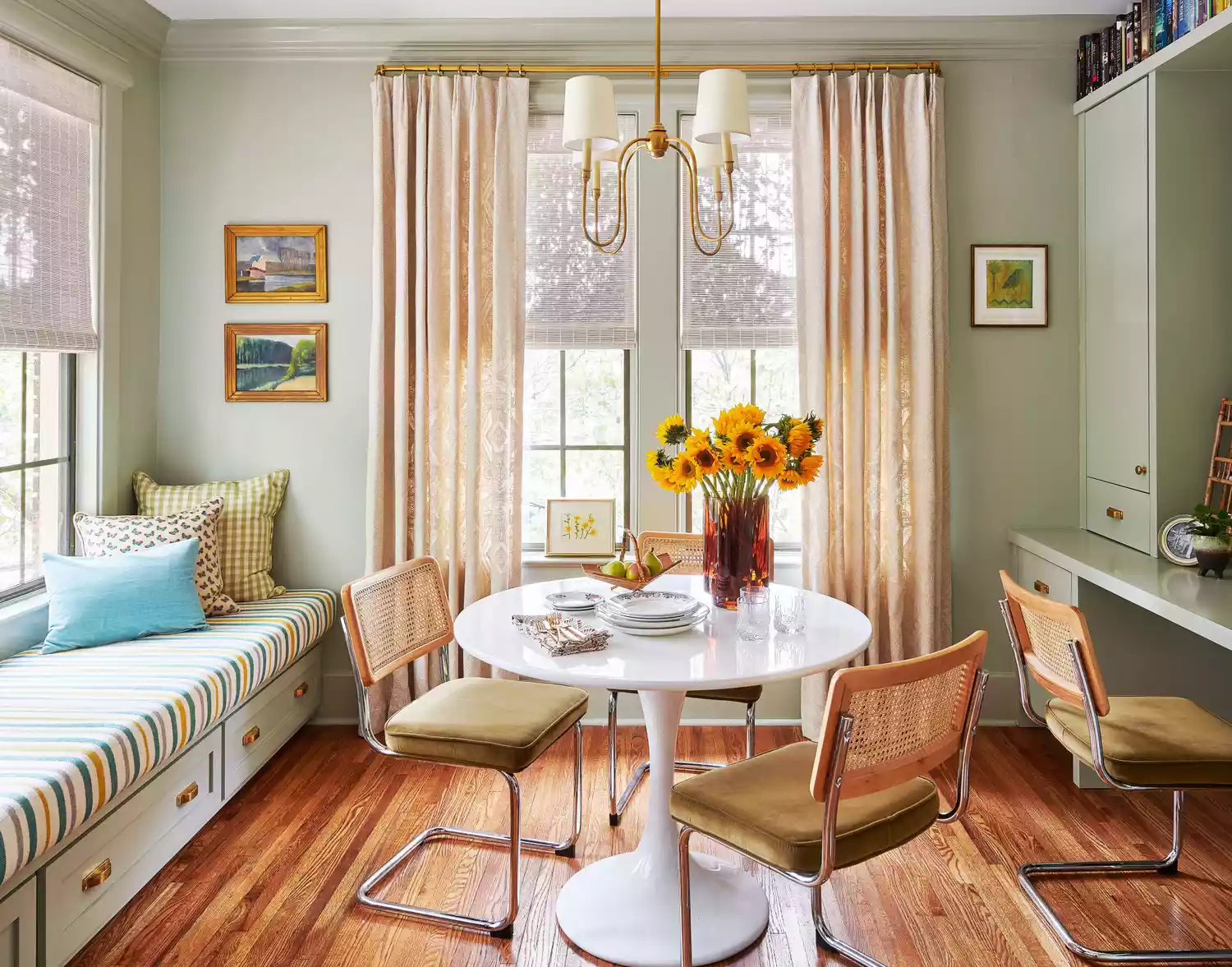
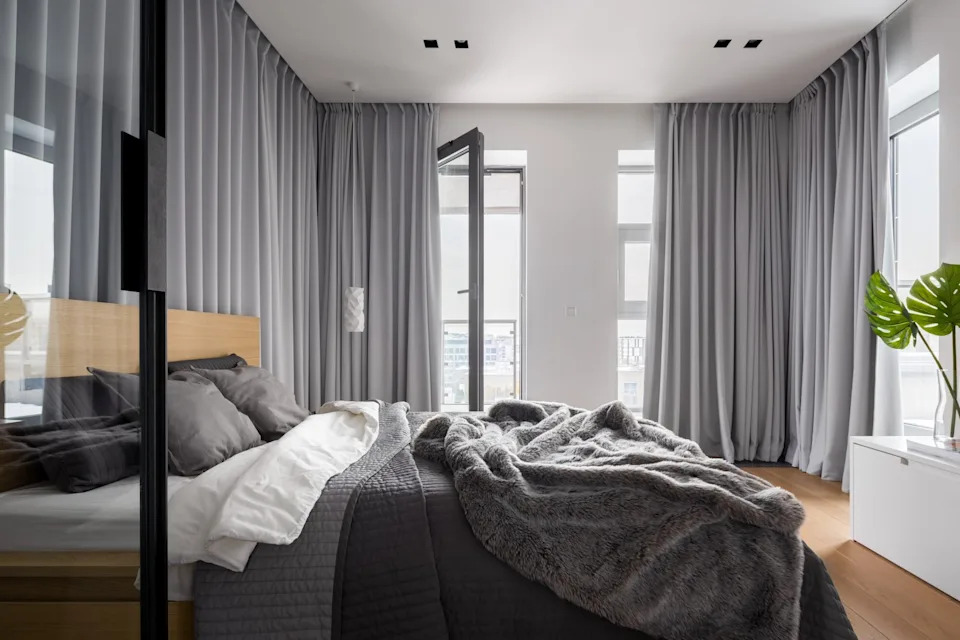
Maximizing coverage with floor-length and wall-to-wall curtains is another crucial strategy. Extending drapes from the ceiling down to the floor, or as close to it as possible, and ensuring they span the entire width of the window, minimizes drafts and significantly enhances a room's coziness. This approach also has the added benefit of making the room appear taller and more dramatic, contributing to an elongated and sophisticated space.
Adding weighted hemming to curtains ensures they hang flush against the window, creating a tighter seal. Weighted curtains are less prone to billowing, which helps to prevent cold air from entering and warm air from escaping. This subtle modification is effective in creating a well-insulated feel throughout the home, whether applied in living rooms or other windowed areas.
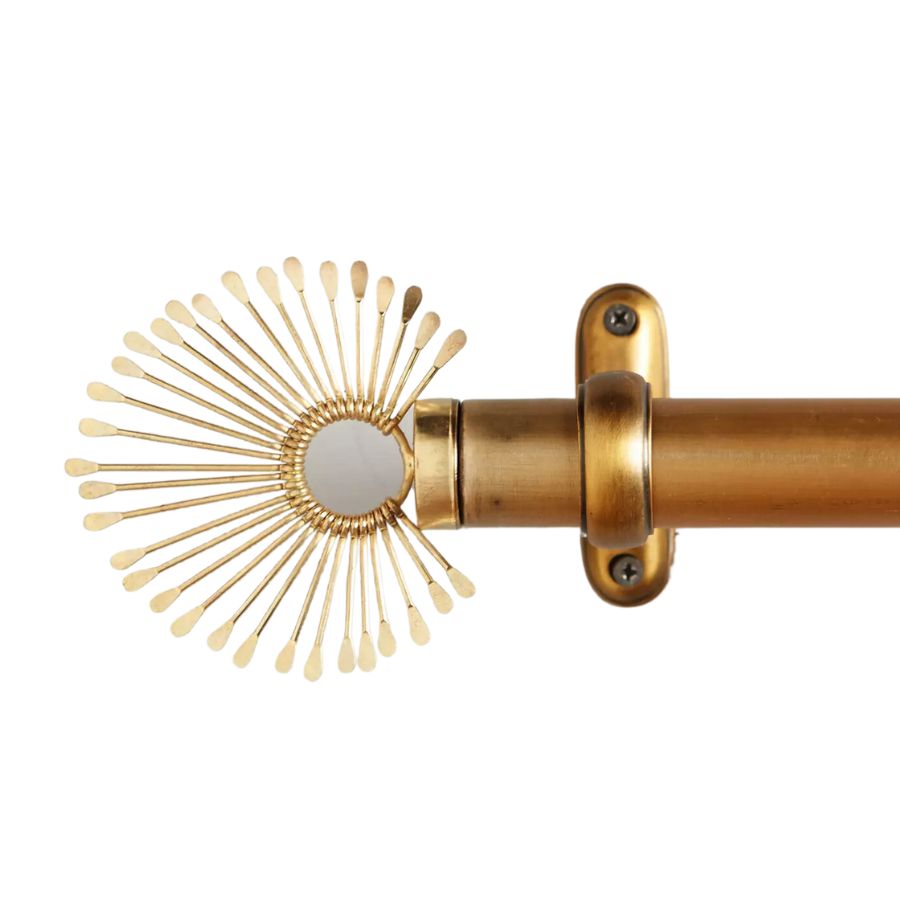
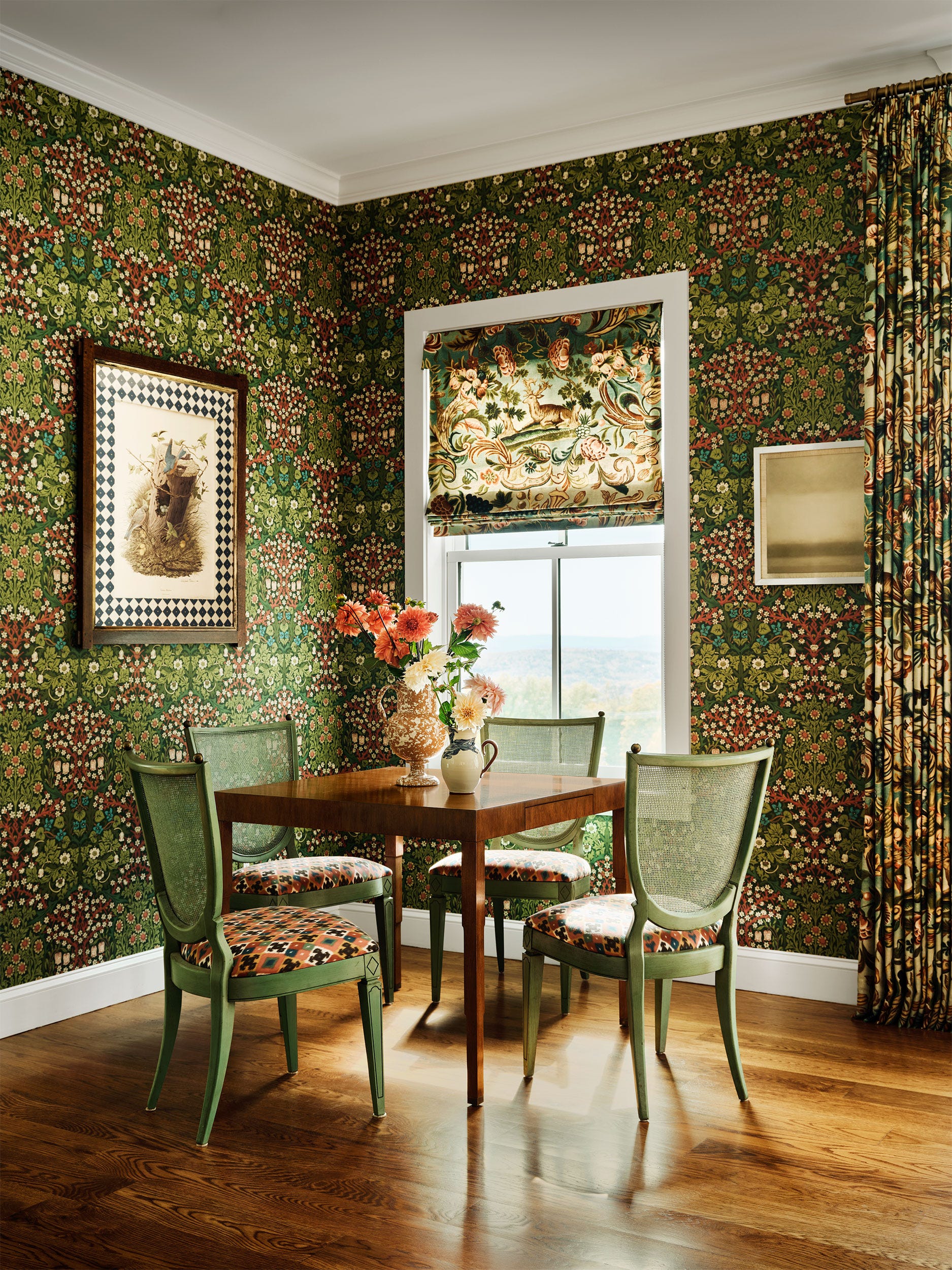
Finally, the article advocates for the use of French return rods. Unlike standard decorative rods with external finials, French return rods curve back to the wall, effectively sealing off the gap between the curtain and the wall. This design not only enhances the aesthetic by providing a seamless, finished look but also efficiently prevents drafts, making the process of draft-proofing indoor spaces more effective. These expert solutions collectively offer stylish and practical ways to improve home insulation, conserve energy, and maintain comfort during colder weather.
#HomeInsulation #CurtainHacks #WinterHomePrep #EnergyEfficiency #InteriorDesignTips #ThermalCurtains #WindowTreatments #HomeInsulation #CurtainHacks #WinterHomePrep #EnergyEfficiency #InteriorDesignTips #ThermalCurtains #WindowTreatments
0 comment in total
 No comments yet
You may also like

7 curtain hacks for a warmer home this winter

The Best Velvet Curtains Are Capable of Instantly Warming Up a Room

5 of the best window treatments for winter – 'they'll make your home cozy and warm!'
How to make the switch from summer to winter curtains: Refresh your home this season | Hindustan Times

7 winter window dressing ideas that experts promise will help keep your home warm and cosy
The Best Thermal Curtains, Tested and Reviewed

21 Types Of Curtains To Frame Your Windows
Why You Should Never Skip Curtains, According to Top Designers

Yes, the Best Thermal Curtains Can Actually Keep Your Room Cooler

Easy ways to make your home cozy and stylish using curtains and blinds
Which window treatments will actually keep my house cool? 5 ideas that will help control the temperature inside

54 Stylish Window Treatment Ideas to Completely Transform Your Space

How Can I Make My Curtains Warmer? 7 Expert Solutions That Are Stylish, Too

5 finishing touches that will elevate your curtains and make them look a hundred times better

Do thermal curtains keep heat out in the summer? Experts reveal whether these window dressings are worth buying
13 curtain ideas and styles to help you pick the best drapes for your room
Thermal Curtains Will Keep Your Home Cozy and Warm All Winter—Here Are Our 9 Favorite Options
Is it time to try a door curtain? The stylish, simple heat-saving solution has never been so popular


The Very Best Window Curtains
How to make the most of your living space as the nights draw in