1/7
Do thermal curtains keep heat out in the summer? Experts reveal whether these window dressings are worth buying
As summer approaches and heatwaves become more frequent, homeowners are seeking effective ways to keep their residences cool. While thermal curtains are commonly recognized for their ability to retain warmth during winter, a crucial question arises: do they also prevent heat from entering a home during warmer months? This article explores the effectiveness of thermal curtains in summer, drawing on expert opinions and practical advice.
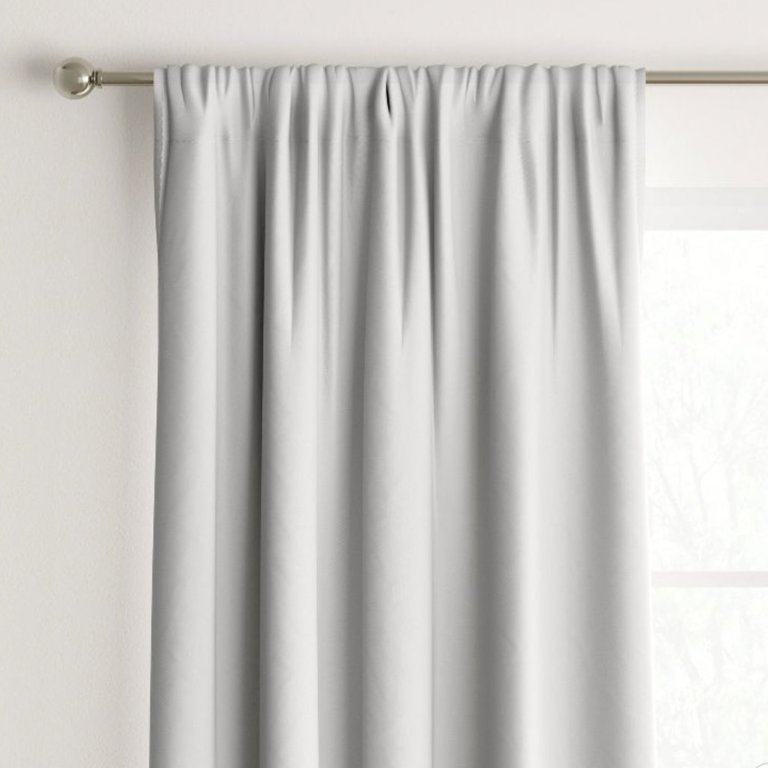
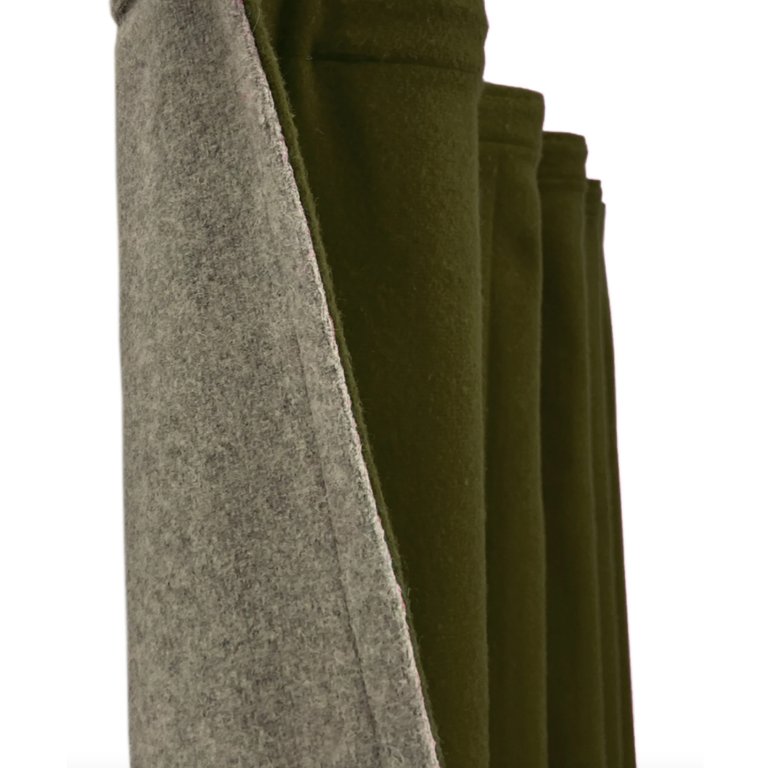
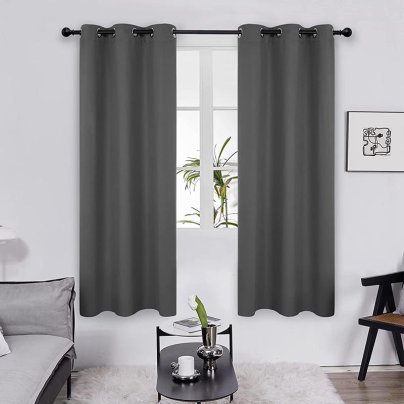
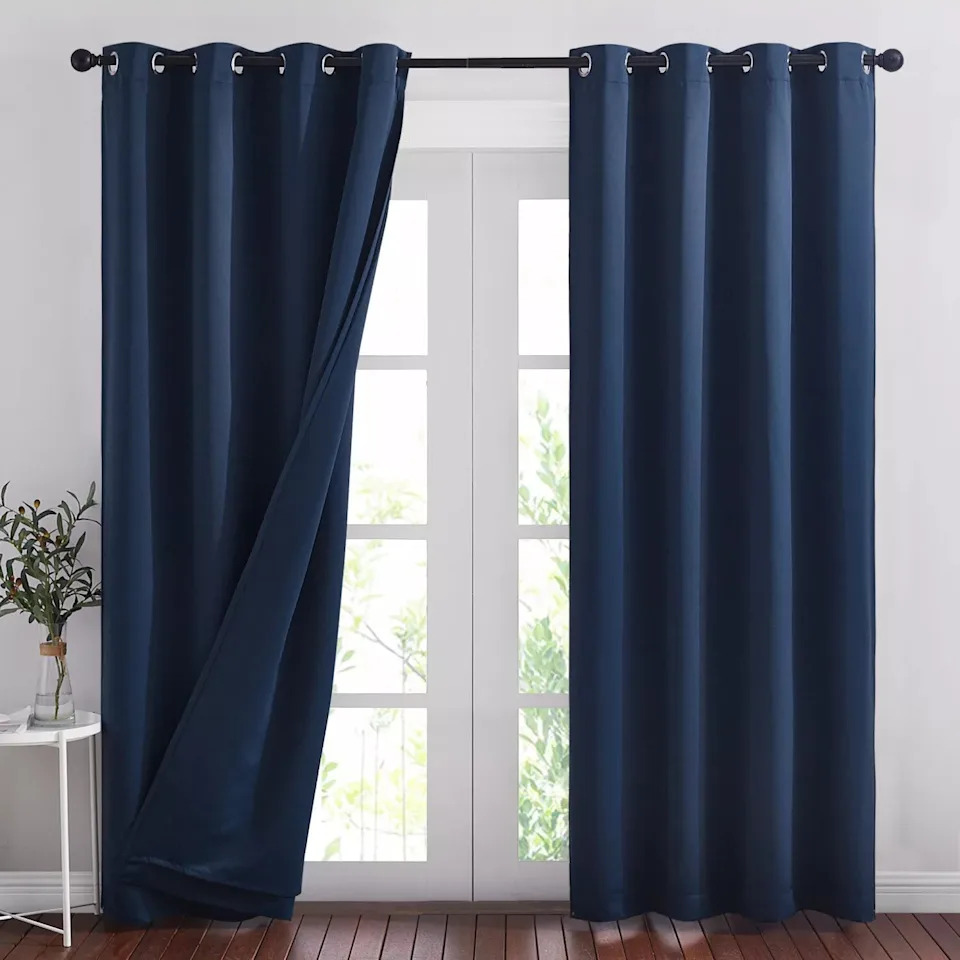
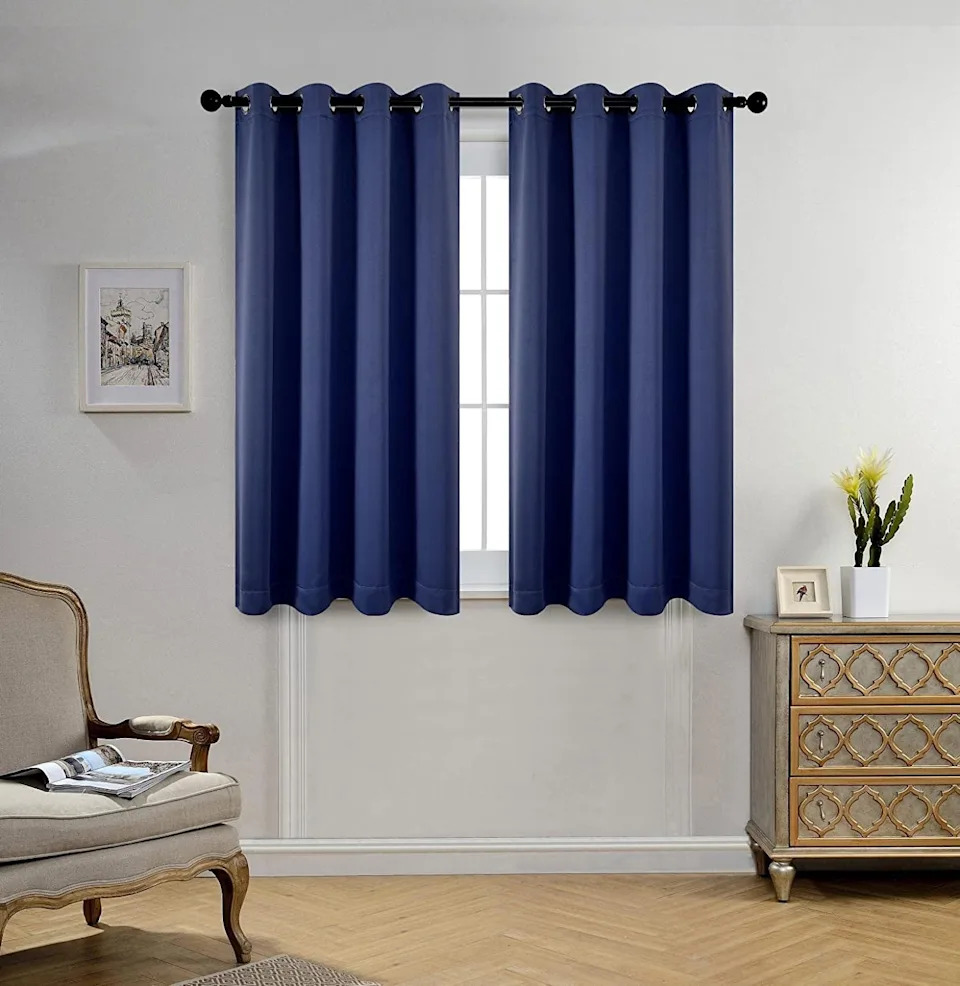
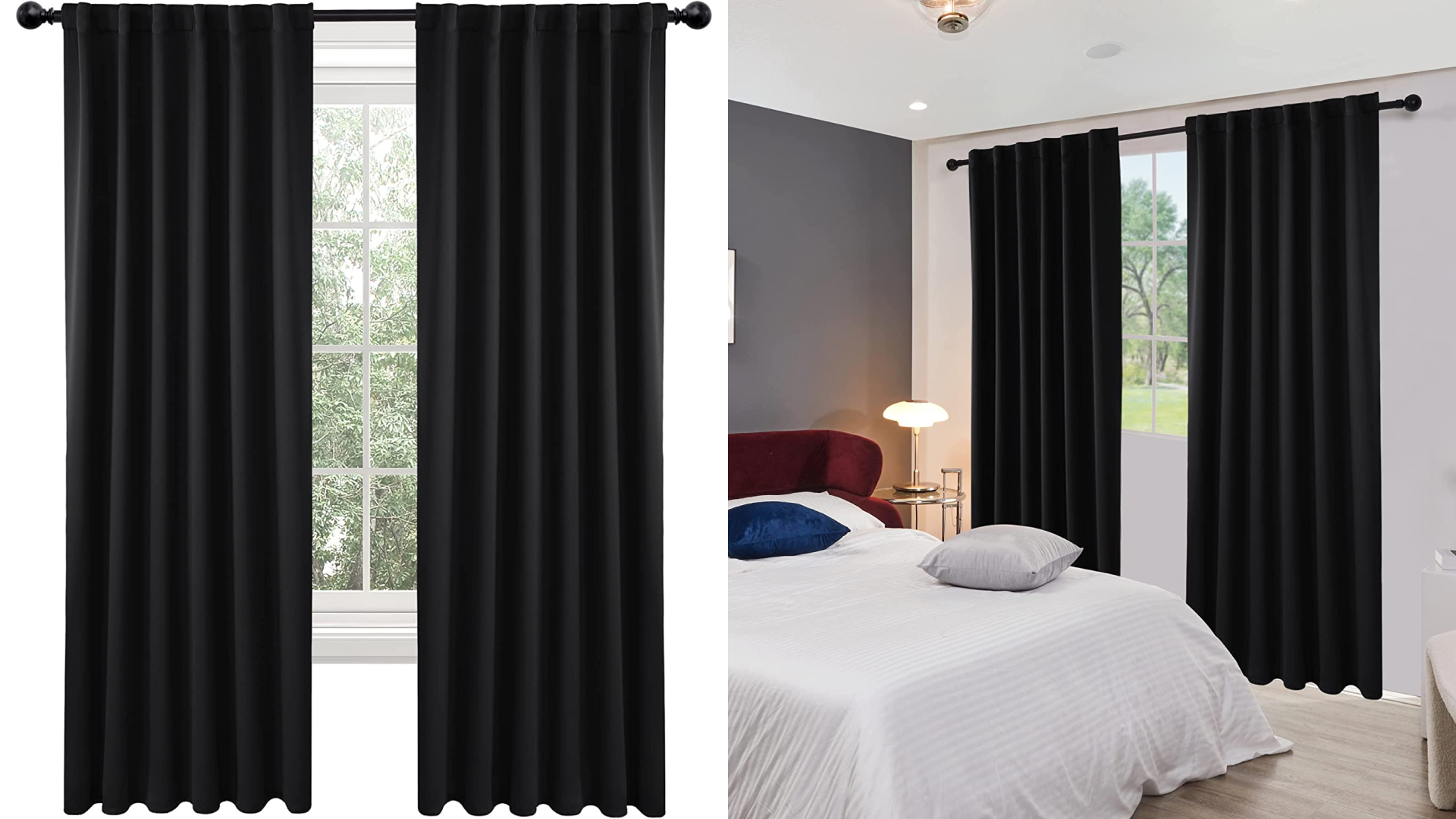
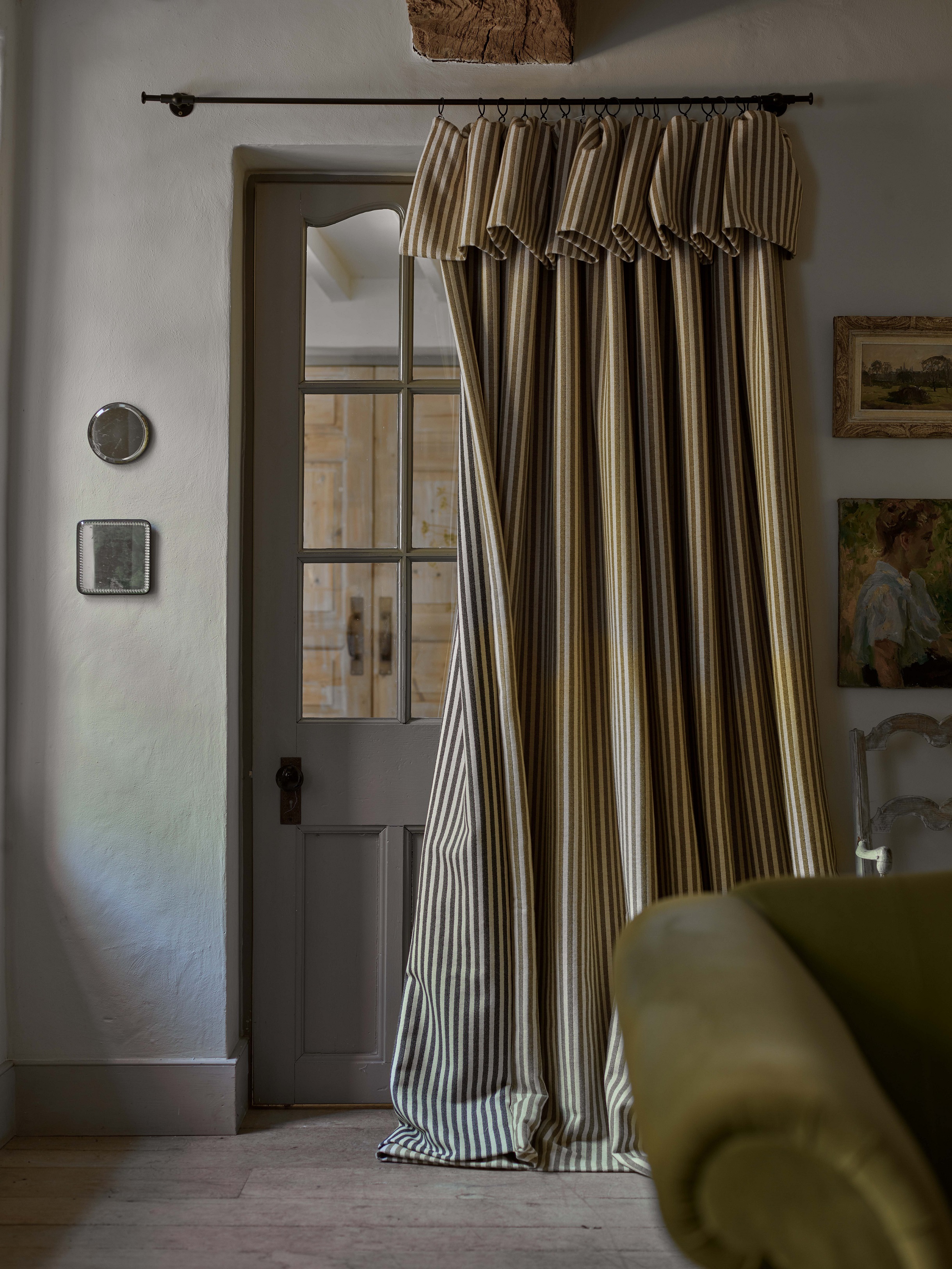
Thermal curtains are specialized window treatments designed with multiple layers or linings to enhance a room's thermal efficiency. In winter, these layers create a 'dead-air space' between the window and the room, trapping heat indoors and preventing its escape. This insulation not only maintains a pleasant indoor temperature but also contributes to reduced energy consumption and lower heating bills. For instance, in 2023, installing heavy curtains, even without specific thermal linings, was estimated to offer potential yearly savings of up to £344.50. This demonstrates their significant impact on energy efficiency during colder periods.
However, the question of their summer utility remains pertinent. Experts confirm that thermal curtains are indeed effective in both keeping heat in and keeping heat out. Their insulating properties work bi-directionally: they trap heat at the window in colder conditions to warm the room, and conversely, they prevent solar heat from penetrating through their thick layers during hot weather. This dual functionality makes them a versatile and year-round investment for temperature regulation.
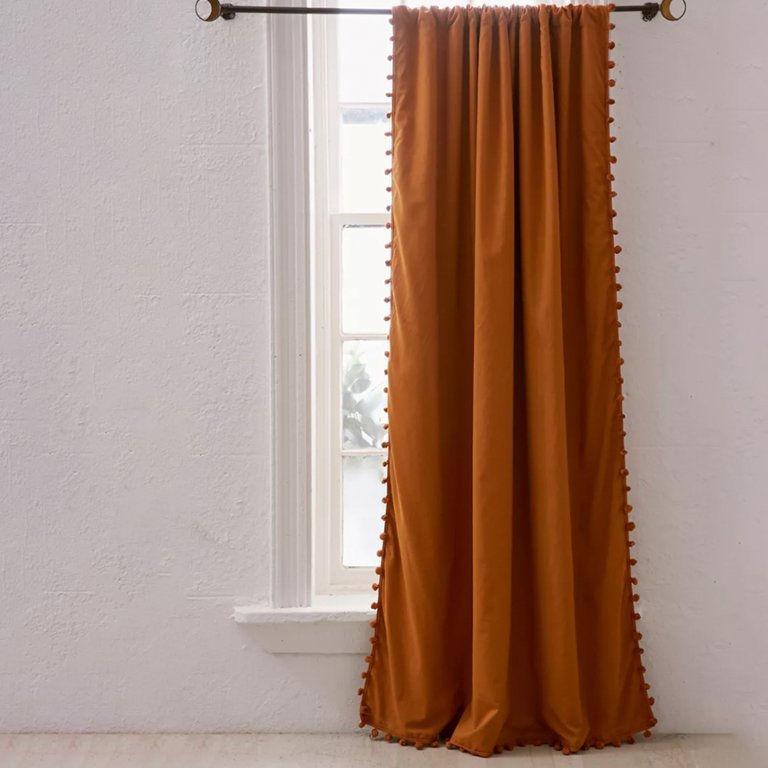
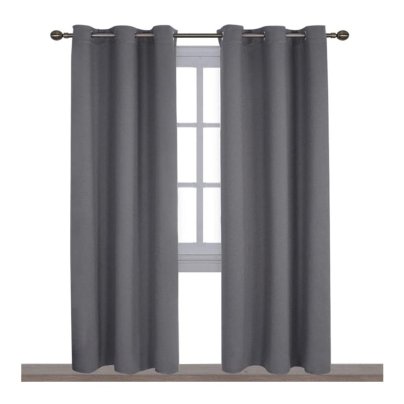
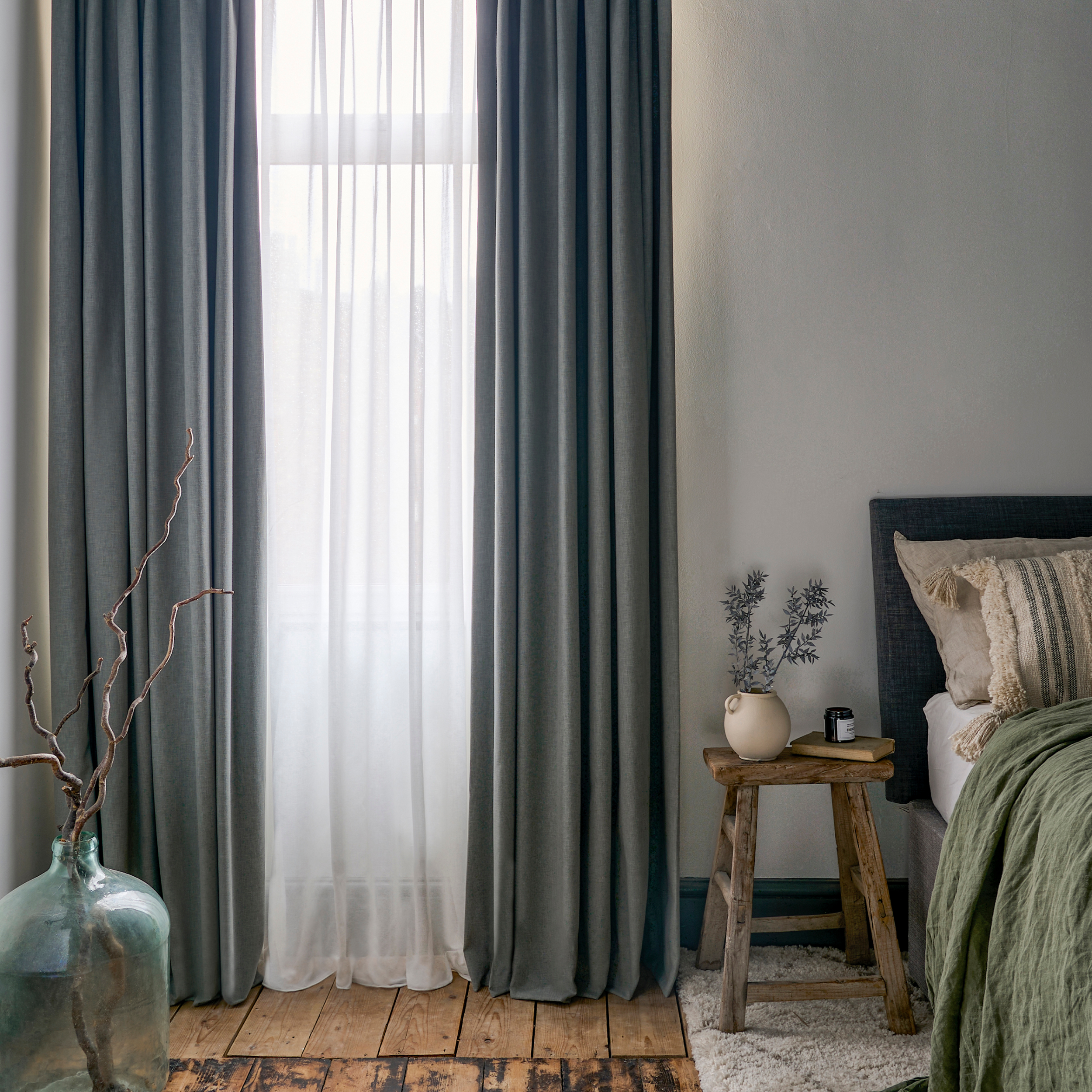
Certain rooms benefit more significantly from thermal curtains in summer. Bedrooms are highly recommended, as consistent temperature is crucial for sleep quality. Thermal curtains can prevent overheating, ensuring a more comfortable sleeping environment for both adults and children. Homes with large windows or patio doors are particularly susceptible to considerable heat gain in summer and heat loss in winter. In these scenarios, thermal curtains act as an effective barrier, substantially improving the home's overall energy efficiency. Similarly, single-glazed windows, known sources of heat loss, can benefit from thermal curtains, which help to reduce drafts and enhance insulation.
When considering thermal curtains, homeowners often wonder if they can make a room hotter or exacerbate condensation. Experts clarify that thermal curtains do not inherently make a room warmer. Their effect is contingent on external conditions. If it's hot outside, they block heat penetration. If it's cold, they prevent internal heat from escaping. They help maintain a consistent temperature, reducing the need for heating or cooling, thereby contributing to energy efficiency.
Regarding condensation, thermal curtains can actually alleviate the problem rather than worsen it. Unlike regular curtains that might trap warm air against windows and promote condensation, thermal curtains create an insulating layer that prevents warm air from directly contacting the cold glass. This 'dead-air space' reduces condensation by minimizing the temperature difference at the window surface. Therefore, thermal curtains are a beneficial solution for both temperature regulation and condensation management, making them a highly recommended window dressing for year-round home comfort and energy savings.
#ThermalCurtains #HomeEnergyEfficiency #SummerCooling #WinterWarming #WindowTreatment #HomeInsulation #BedroomDecor #EnergySavingTips #CondensationControl #ThermalCurtains #HomeEnergyEfficiency #SummerCooling #WinterWarming #WindowTreatment #HomeInsulation #BedroomDecor #EnergySavingTips #CondensationControl
0 comment in total
 No comments yet
You may also like

Yes, the Best Thermal Curtains Can Actually Keep Your Room Cooler

How to draught proof a window - easy ways to keep heat inside your home this winter

Which window treatments will actually keep my house cool? 5 ideas that will help control the temperature inside


How to make the switch from summer to winter curtains: Refresh your home this season | Hindustan Times

The Best Thermal Curtains, Tested and Reviewed


7 winter window dressing ideas that experts promise will help keep your home warm and cosy
The 6 Best Outdoor Curtains for Sun Protection and Temperature Control


7 easy and efficient ways to keep your house warm this winter
Thermal Curtains Will Keep Your Home Cozy and Warm All Winter—Here Are Our 9 Favorite Options


DIY A Heat Blocking Curtain For Lower Bills This Summer

How Can I Make My Curtains Warmer? 7 Expert Solutions That Are Stylish, Too

Wooden Blinds, Thermal Curtains: Window Treatments Under $85


How Can I Make My Curtains Warmer? 7 Expert Solutions That Are Stylish, Too

7 curtain hacks for a warmer home this winter


7 summer window treatment ideas that designers say are worth the investment

5 of the best window treatments for winter – 'they'll make your home cozy and warm!'

Is it time to try a door curtain? The stylish, simple heat-saving solution has never been so popular


The $54 Frost Fix That Stops Drafty Windows – and Looks Great

5 easy DIY tricks to draft-proof sunrooms for winter
The 5 Best Outdoor Curtains for Sun Protection and Temperature Control