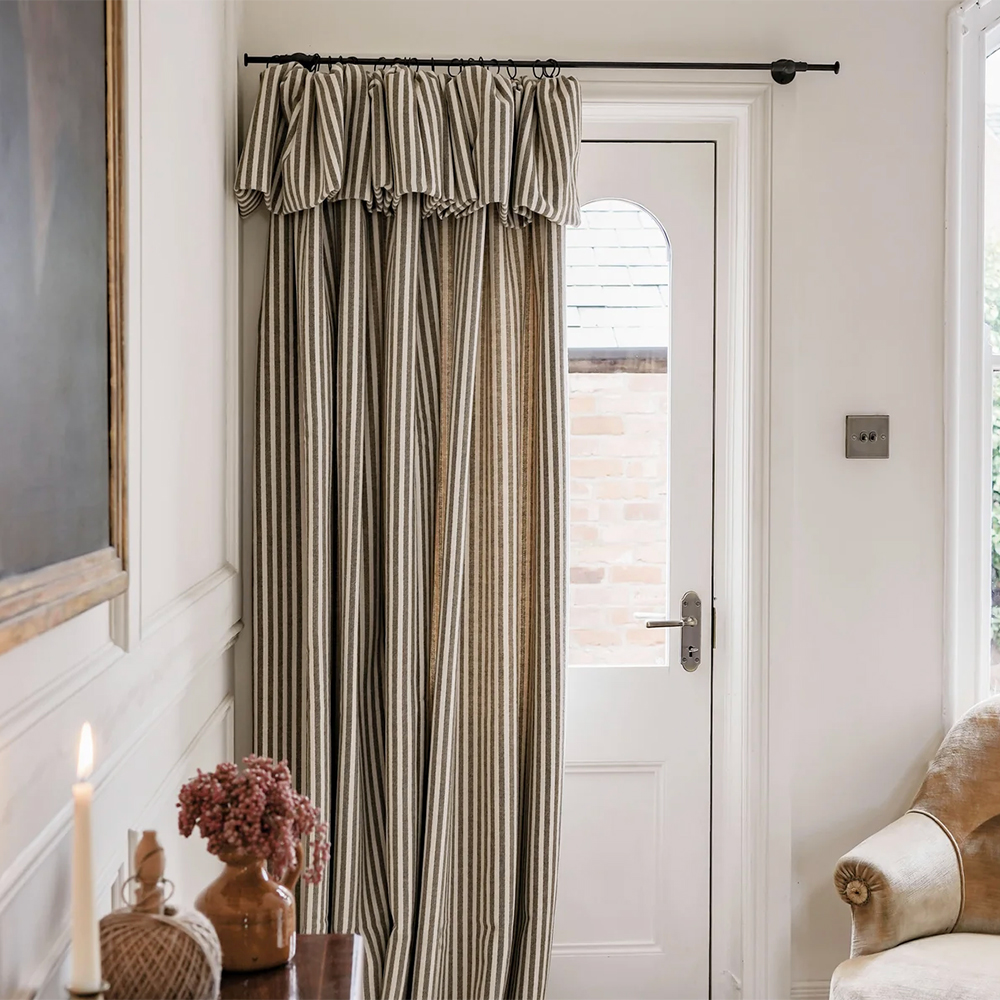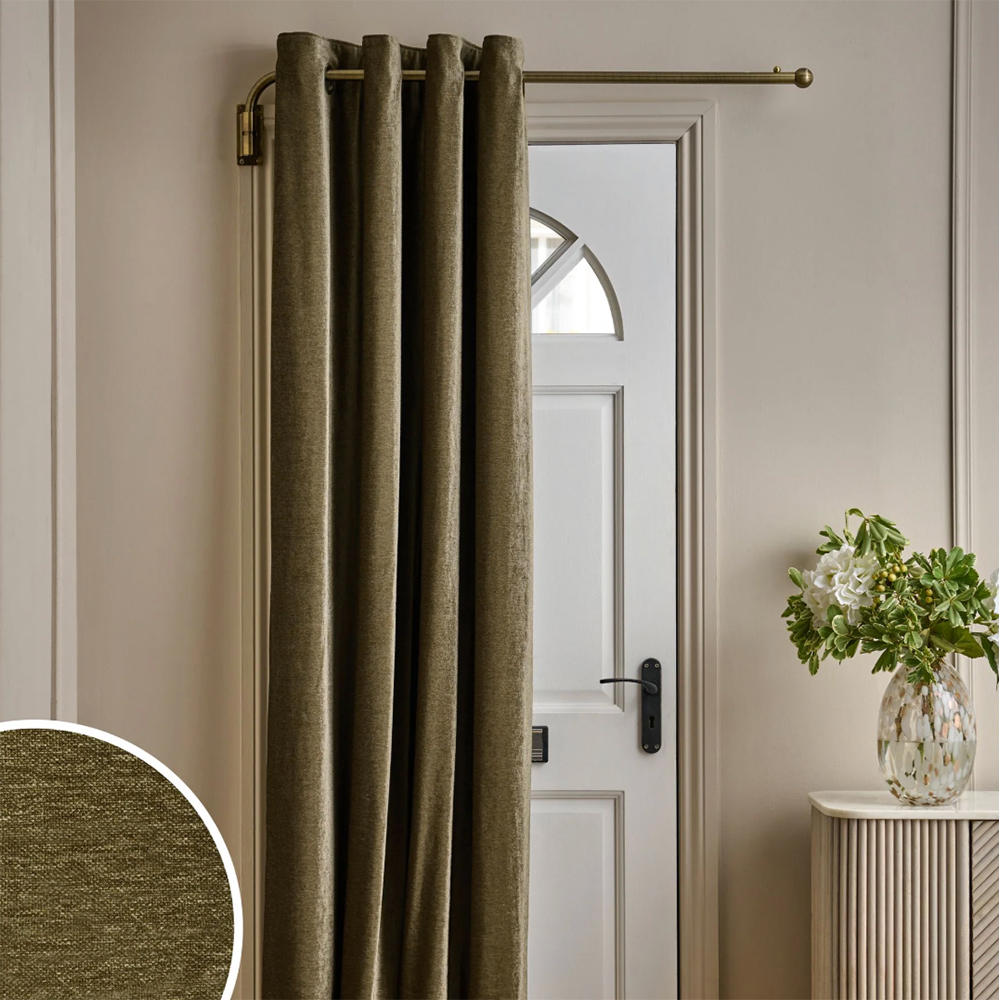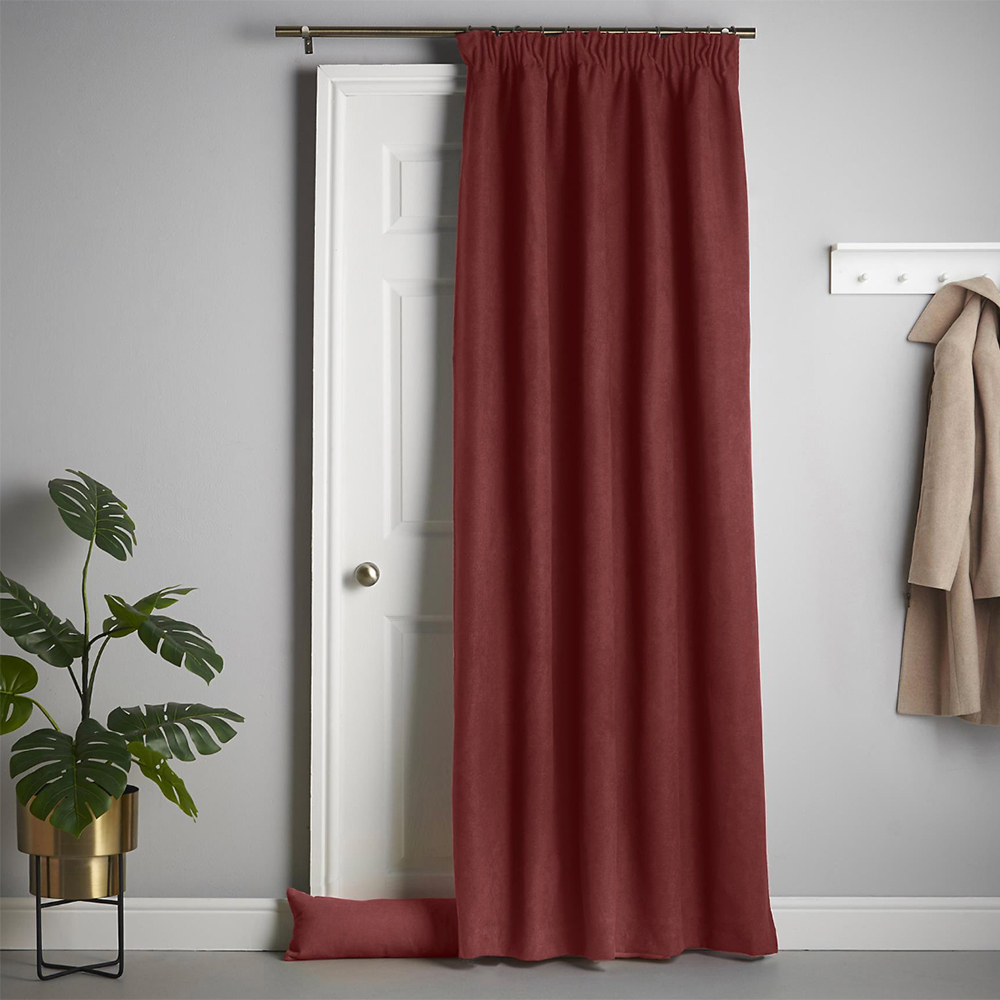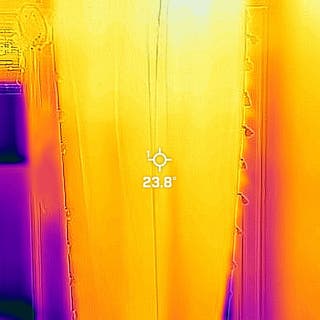
1/2
DIY A Heat Blocking Curtain For Lower Bills This Summer
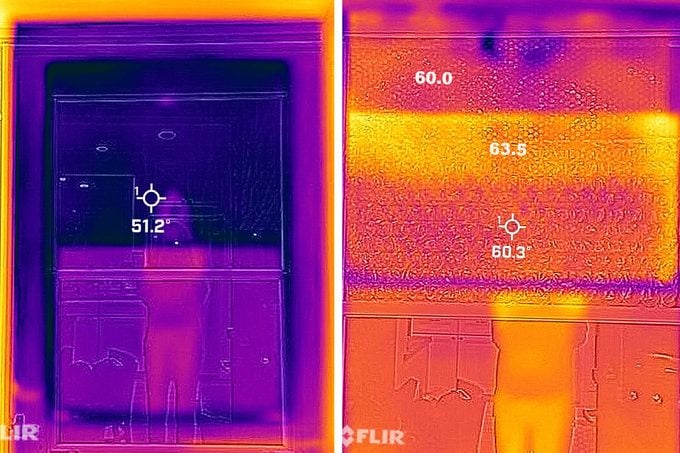
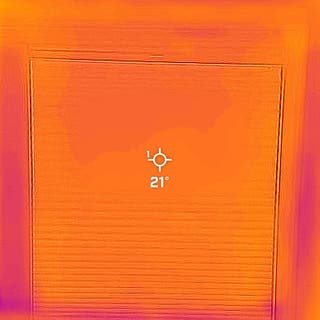
Summer brings higher electricity bills due to increased air conditioning usage, with windows being a significant contributor to heat gain. Approximately 76% of sunlight entering windows converts to heat, forcing AC units to work harder. Air conditioning can account for nearly 12% of total home energy costs, a figure that escalates during peak summer months. However, effective solutions exist beyond expensive energy-efficient window replacements, such as heat-blocking curtains. These curtains either absorb, reflect, or insulate against incoming heat, helping to maintain a cooler indoor environment without excessive air conditioning. This approach not only enhances comfort but also leads to substantial savings on monthly energy bills. The article details a DIY method for creating heat-blocking curtains using affordable materials, offering a practical alternative to store-bought options.
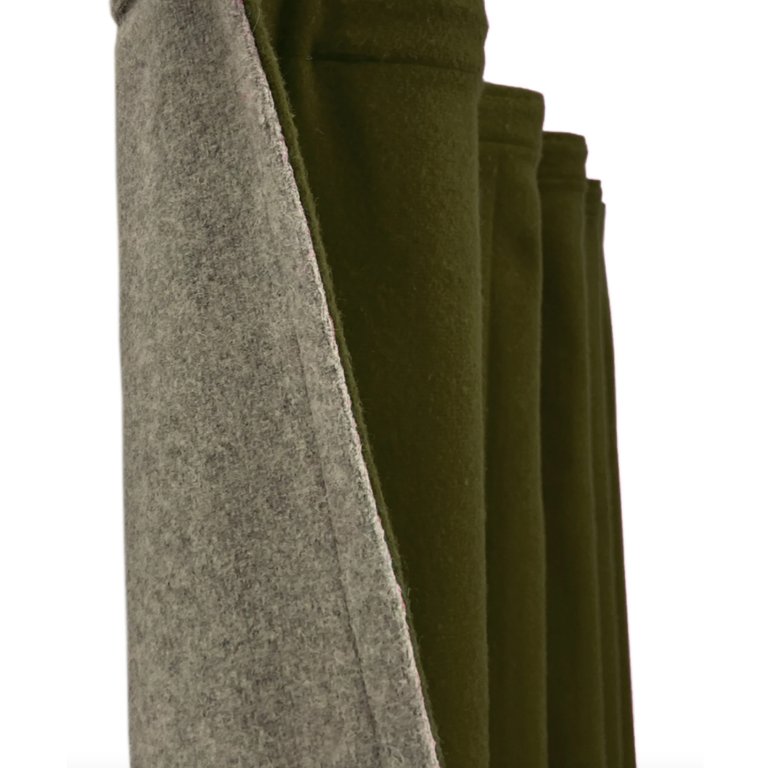
The core principle behind these DIY curtains is similar to that of car windshield sunshades, which utilize reflective materials to deflect solar heat. To construct a heat-blocking curtain, individuals will need an emergency blanket, a foam reflective pad, or a few windshield blockers, along with a chosen fabric, scissors, and either fabric glue or basic sewing skills. The process begins with accurately measuring the windows to determine the necessary material dimensions. Once the reflective material is cut to size, it is laid over the chosen curtain fabric. Crucially, the reflective surface must face outwards to effectively bounce heat away from the window. The layers are then secured using fabric glue or by sewing the edges. For hanging, options include hook-and-loop strips, curtain rings, or a tension rod. Proper installation is vital for maximum efficacy; curtains should completely cover the window and fit snugly to prevent heat leakage through gaps, ensuring optimal cooling.
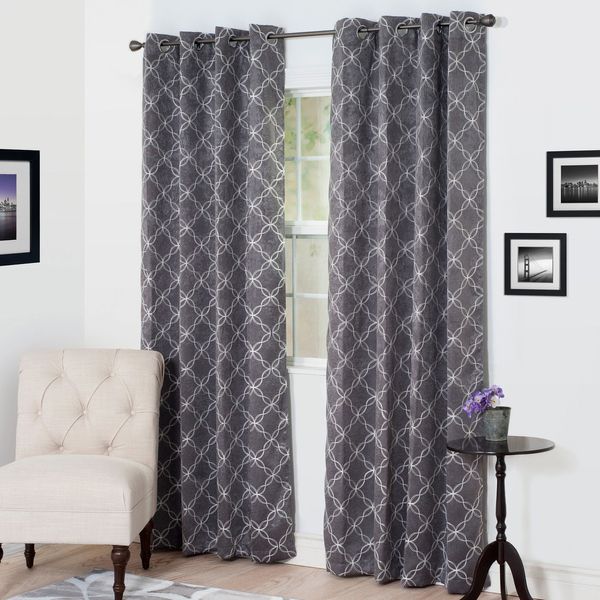
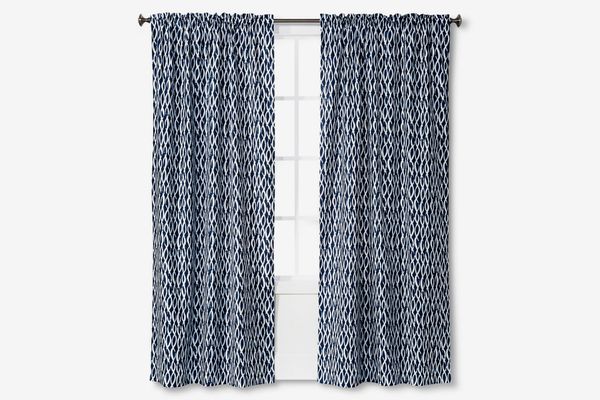
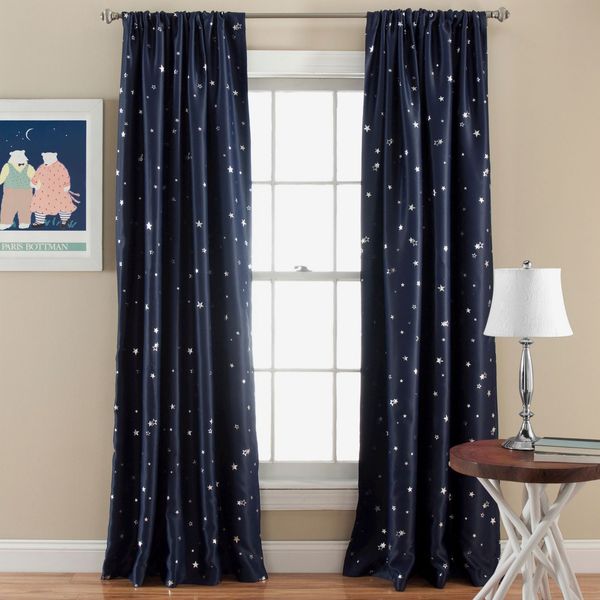
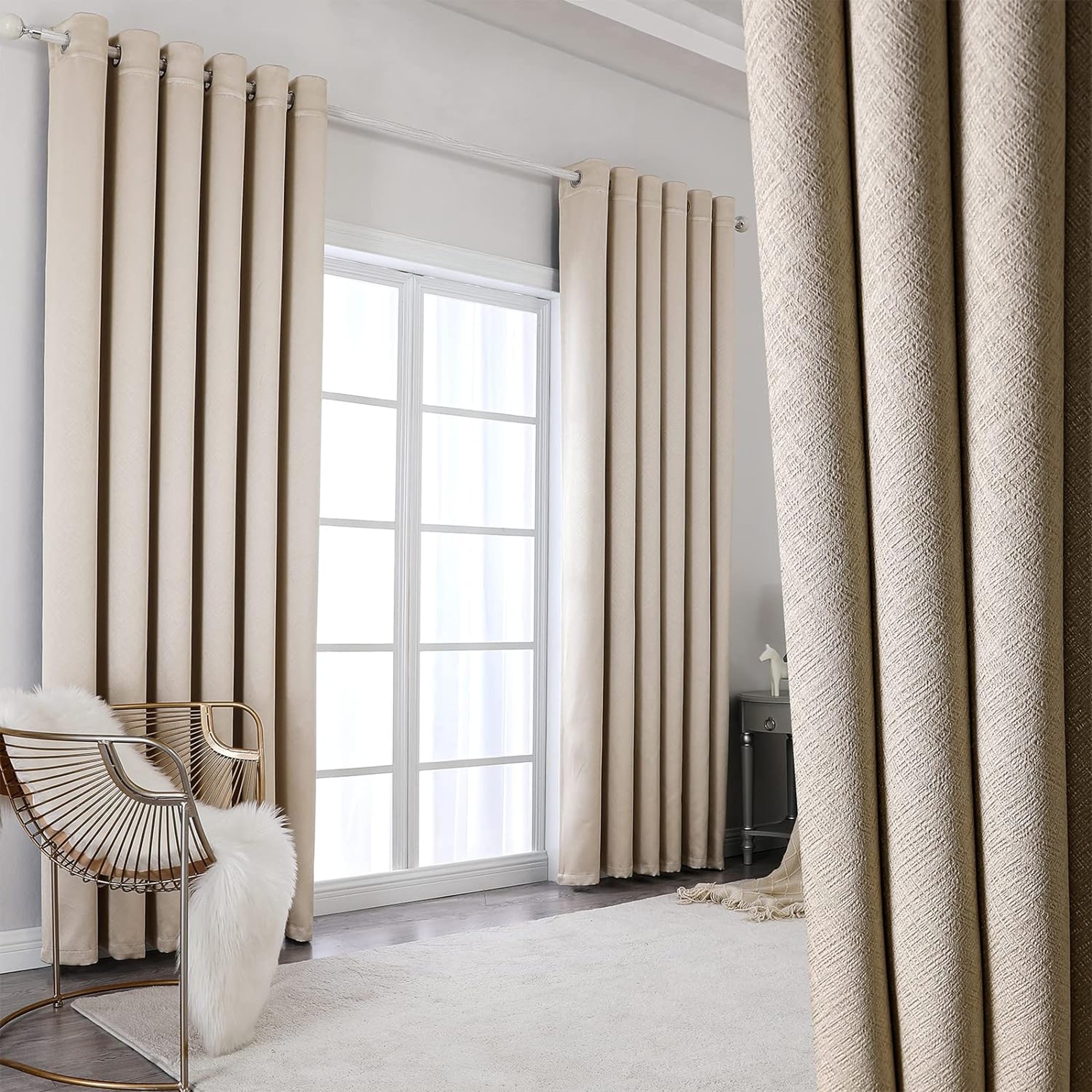
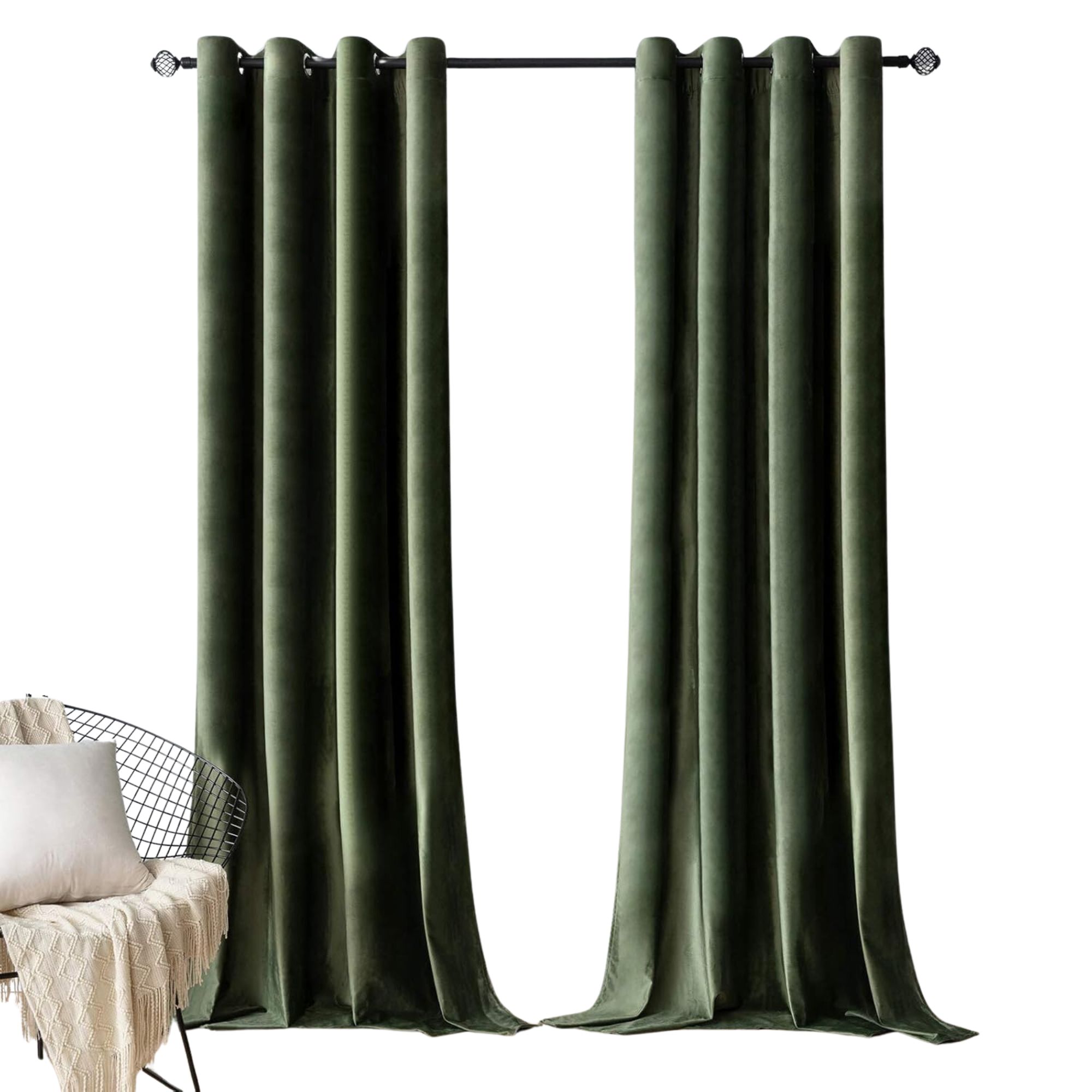
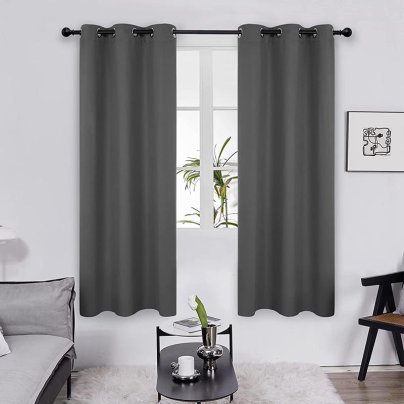
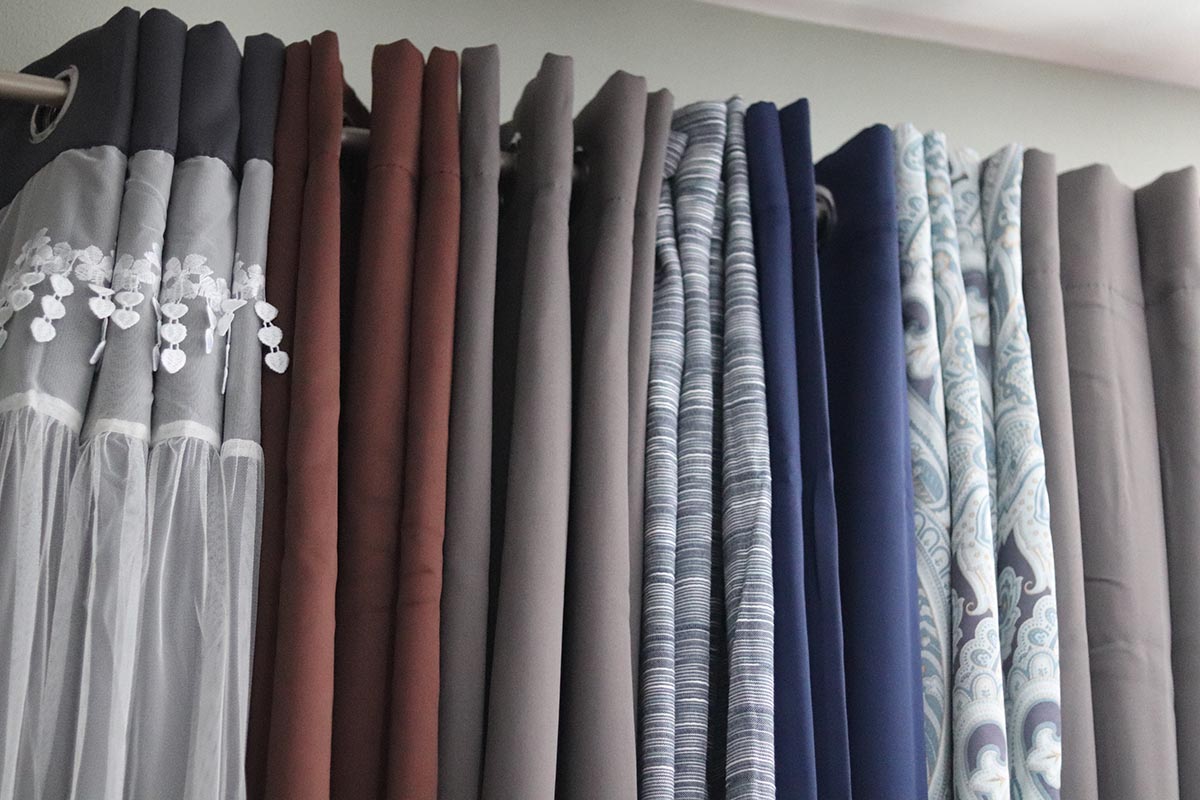
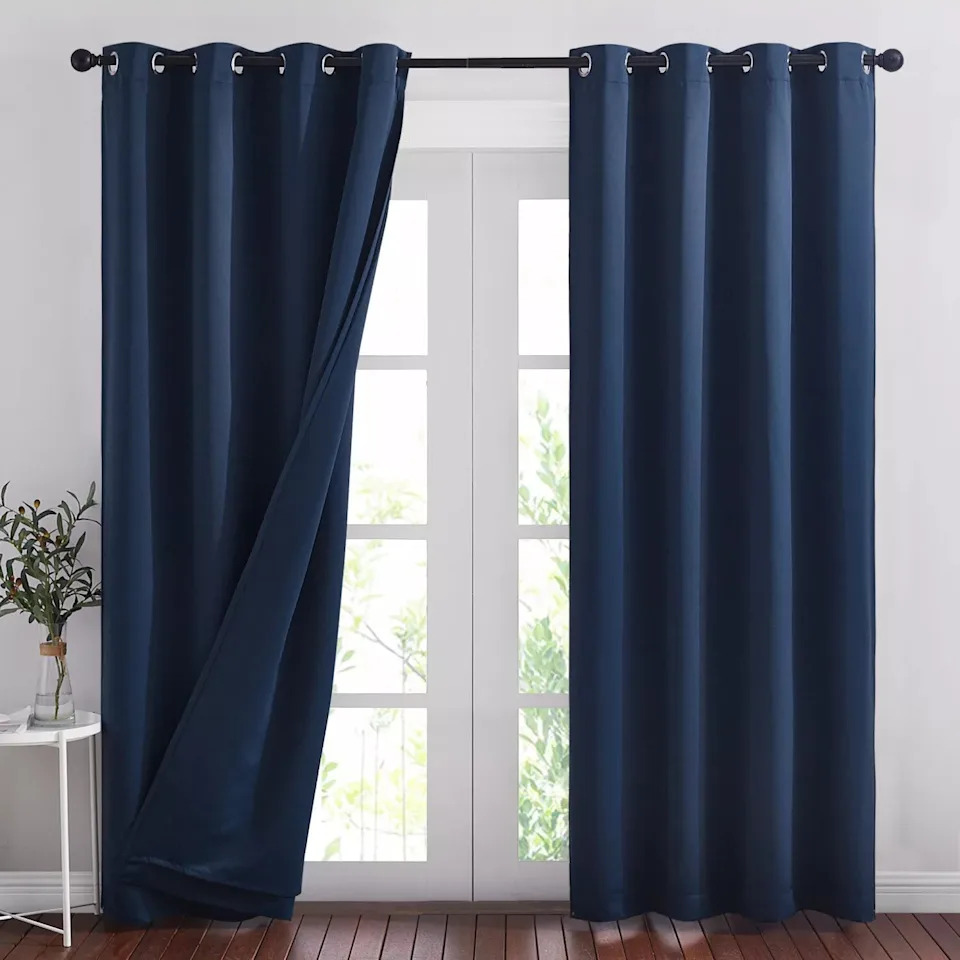
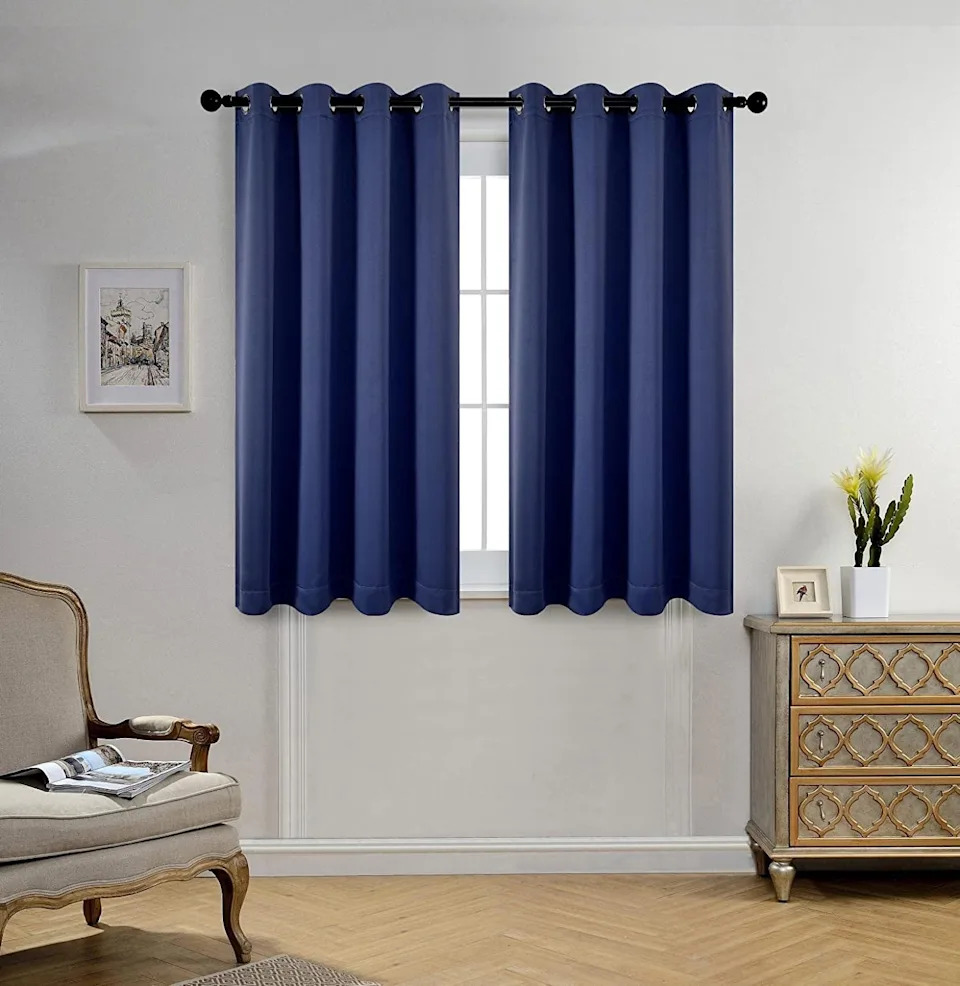
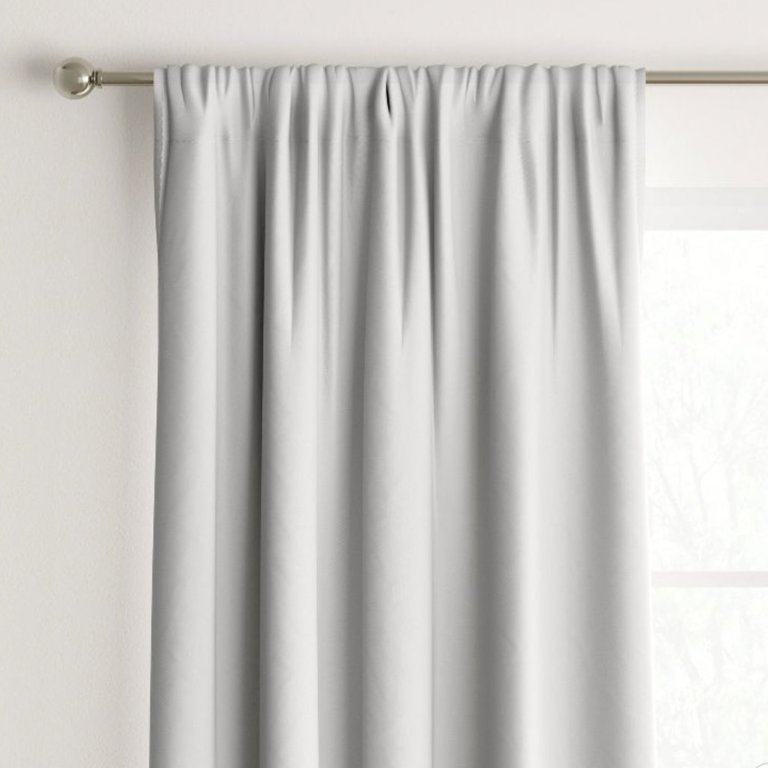
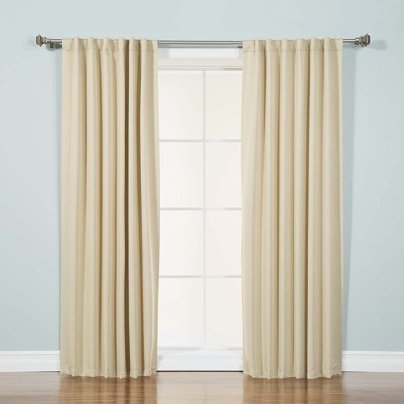
The article also compares blackout curtains and thermal curtains, addressing the common misconception that light-blocking automatically equates to heat-blocking. While blackout curtains, made from thick, tightly woven fabric, provide insulation by trapping cool air inside and keeping warm air out, they do not actively reflect heat away from the window as efficiently as thermal curtains. Blackout curtains are effective in reducing heat gain and controlling light, but they are not as proficient at actively deflecting solar heat. Thermal curtains, on the other hand, are specifically engineered to direct solar heat away from the window, making them superior for summer cooling.
For those prioritizing lower cooling bills, a thermal curtain designed for heat reflection offers the best value. If light control is a primary concern, blackout curtains are a more suitable choice. For maximum energy savings and comprehensive environmental control, combining both types—by placing a reflective heat-blocking layer in front of a blackout curtain—is recommended. This dual-layer approach leverages the strengths of both curtain types, providing superior insulation, light control, and heat reflection. Ultimately, the article emphasizes that windows do not have to be a primary cause of high electricity bills during the summer, offering accessible DIY solutions for improved energy efficiency.
#DIYHomeImprovement #EnergyEfficiency #HeatBlockingCurtains #SummerCooling #ThermalCurtains #BlackoutCurtains #WindowTreatments #LowerEnergyBills #HomeComfort #DIYHomeImprovement #EnergyEfficiency #HeatBlockingCurtains #SummerCooling #ThermalCurtains #BlackoutCurtains #WindowTreatments #LowerEnergyBills #HomeComfort
0 comment in total
 No comments yet
You may also like

I Use Heat-Blocking Curtains From Target in Every Room of the House

These 6 'tie-up' curtains instantly soften a room for summer


Beat the heat: 7 DIY natural ways to summer-proof your house | Lifestyle News


Does Bubble Wrap on Windows Work as Insulation?


5 easy DIY tricks to draft-proof sunrooms for winter

7 curtain hacks for a warmer home this winter
Stay cool this summer with ceiling fans


5 ways to draft-proof a bathroom – expert tips that you can do yourself

Do thermal curtains keep heat out in the summer? Experts reveal whether these window dressings are worth buying
This Easy Ceiling Fan Trick Will Help Keep You Cool in the Summer


How Can I Make My Curtains Warmer? 7 Expert Solutions That Are Stylish, Too


Yes, the Best Thermal Curtains Can Actually Keep Your Room Cooler

Block the Sun and Lower Your Energy Costs With Window Coverings

Is it time to try a door curtain? The stylish, simple heat-saving solution has never been so popular


Thermal Curtains Will Keep Your Home Cozy and Warm All Winter—Here Are Our 9 Favorite Options


How to Seal Your Drafty Windows for Less Than $50

How to draught proof a window - easy ways to keep heat inside your home this winter
The Best Thermal Curtains, Tested and Reviewed


This once-dated curtain style has made a big comeback this summer – here's why I am hanging tie-up balloon shades in every room

Invest in a ceiling fan to keep your cool this summer