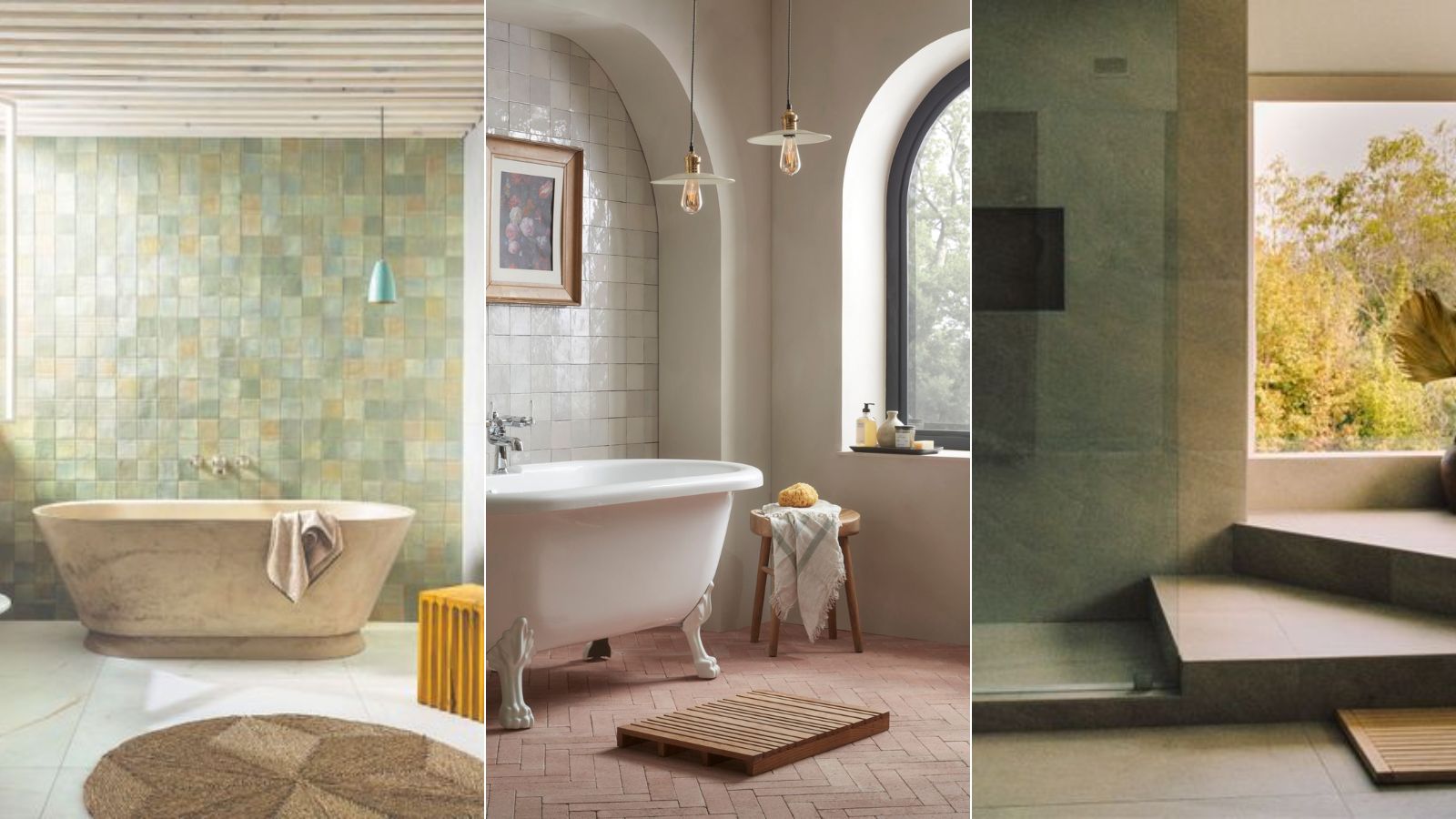
1/7
5 ways to draft-proof a bathroom – expert tips that you can do yourself
Draft-proofing a bathroom is crucial for maintaining comfort, reducing energy consumption, and saving on heating costs, without sacrificing aesthetic appeal. This process involves identifying and sealing sources of cold air entry. A simple method to detect drafts is to move a hand around potential areas on a windy day or use a lit candle or incense stick, observing the flame's flicker or smoke movement.
One primary method is to seal gaps and cracks. Drafts often originate from windows, doors, vents, pipes, and other structural openings. Weatherstripping and caulking are effective solutions. Weatherstripping, especially made from durable materials like silicone or rubber, should be meticulously applied along door frames and window edges. These materials are chosen for their resilience against moisture and temperature fluctuations common in bathrooms. Proper application ensures a tight seal, preventing cold air infiltration and enhancing energy efficiency. For visual consistency, weatherstripping can be matched to the color of the frames. Caulking, particularly a high-quality, waterproof variant, should be used to seal gaps and cracks in walls, especially around pipes, vents, and electrical outlets. It is essential to allow the caulk to fully cure to ensure a long-lasting, airtight seal that prevents both drafts and moisture infiltration, which can lead to mold and energy inefficiency. While sealing, it's important not to completely seal bathroom windows, as some gaps are necessary for steam escape to mitigate dampness. Focusing on inner doors helps prevent warm air from leaving the room.
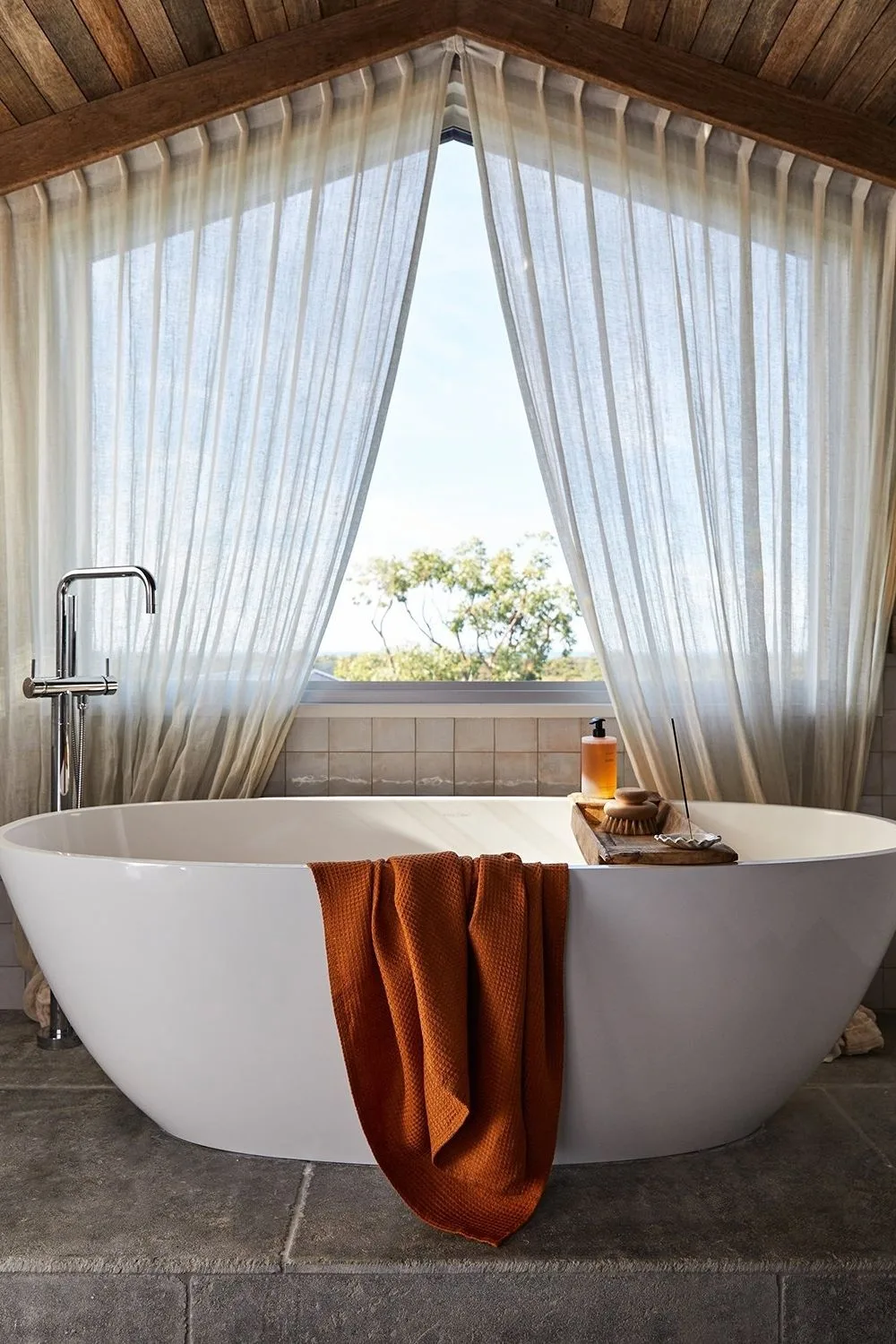
Adding insulation is another key step, addressing various uninsulated spots where drafts can enter. Insulating exposed plumbing pipes helps prevent cold air from chilling the room. For electrical outlets and switches on exterior bathroom walls, installing foam gaskets or insulating covers behind the plates can reduce drafts. The insulation around exhaust fans can also be replaced to minimize air penetration from outside. Additionally, heavy-duty curtains or blinds can be installed on windows to reduce heat loss, contributing to a warmer bathroom environment.
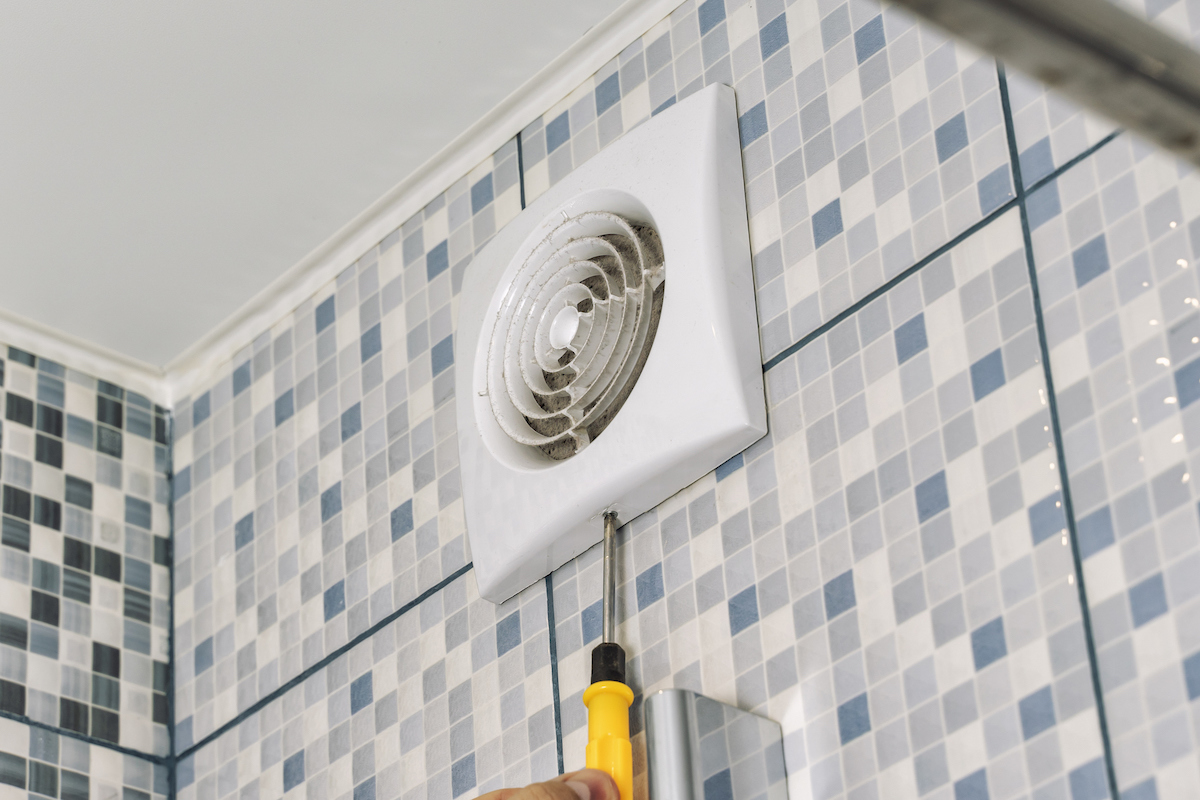
Installing a draft blocker for the exhaust fan is a practical measure. A backdraft damper, or draft blocker, ensures a one-way airflow, preventing cold air from entering through the exhaust system. This flap-like device opens when the fan operates and closes when it's off, effectively stopping cold air ingress. A well-sealed exhaust fan and vent system not only reduces drafts but also minimizes energy wastage, leading to a more energy-efficient and comfortable bathroom space free from significant temperature fluctuations and condensation problems.
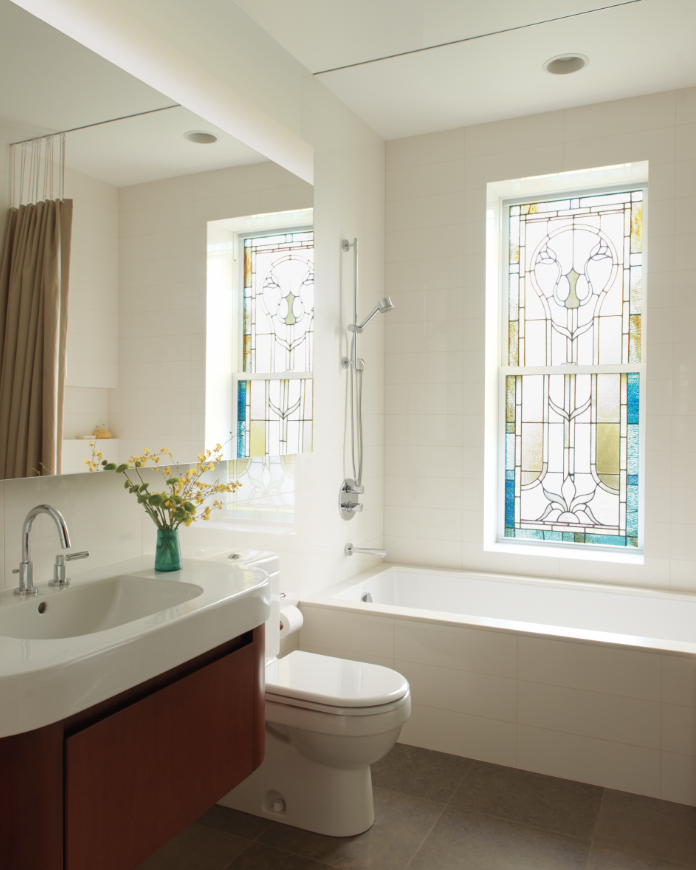
Upgrading windows is vital, as they are a major entry point for drafts. Replacing old or single-pane windows with energy-efficient, double-pane options significantly reduces drafts, improves insulation, and offers better soundproofing. Alternatively, applying window films can provide an additional layer of insulation, minimizing heat loss and drafts without sacrificing natural light. These films can also enhance privacy and energy efficiency, offering a functional and aesthetic solution.
Finally, installing a draft stopper is effective for gaps under bathroom doors. These can be purchased to fit specific door dimensions or homemade using fabric tubes filled with materials like rice or foam. For persistent drafts, especially in colder climates, a small electric space heater can supplement the central heating system, maintaining a comfortable temperature. It is crucial to ensure safe practices by keeping electrical devices away from water and using them only when present. Additionally, extending draft-proofing efforts to other areas like the kitchen can enhance overall home comfort.
#DIY #DraftProofing #HomeHeating #BathroomImprovement #EnergyEfficiency #HomeMaintenance #Insulation #WindowUpgrade #DIY #DraftProofing #HomeHeating #BathroomImprovement #EnergyEfficiency #HomeMaintenance #Insulation #WindowUpgrade
0 comment in total
 No comments yet
You may also like
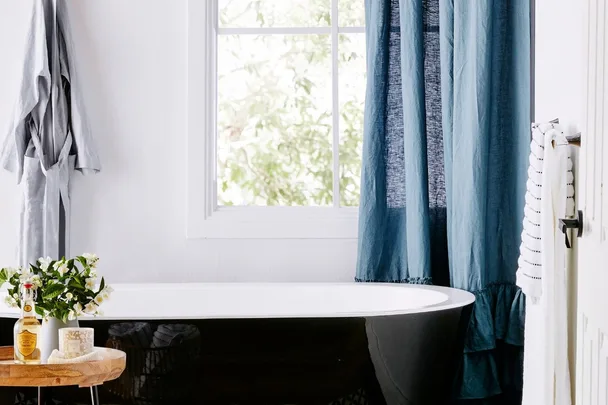
7 ways to winter proof your bathroom

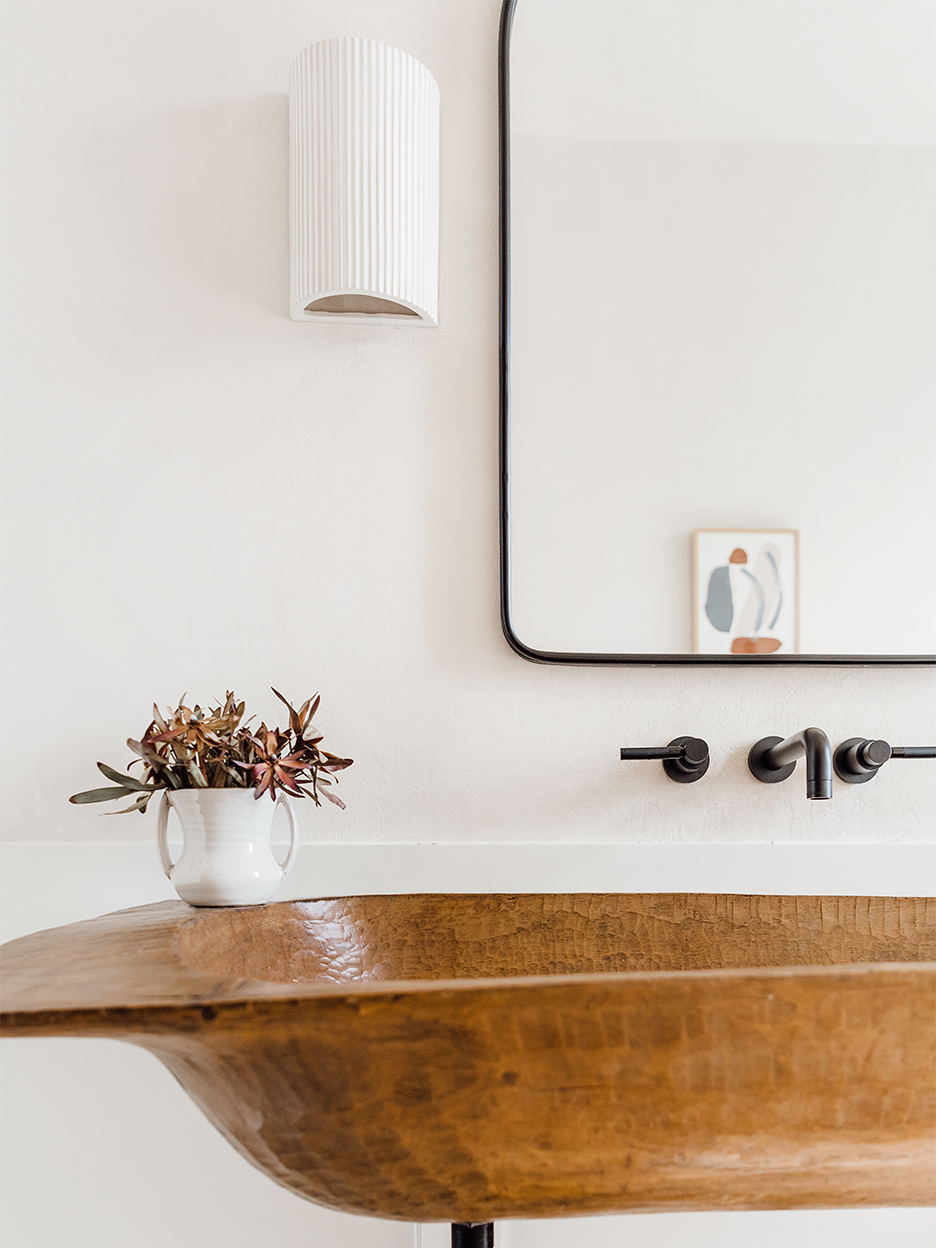
How a Decorative Bread Bowl Became a Rustic Bathroom Sink

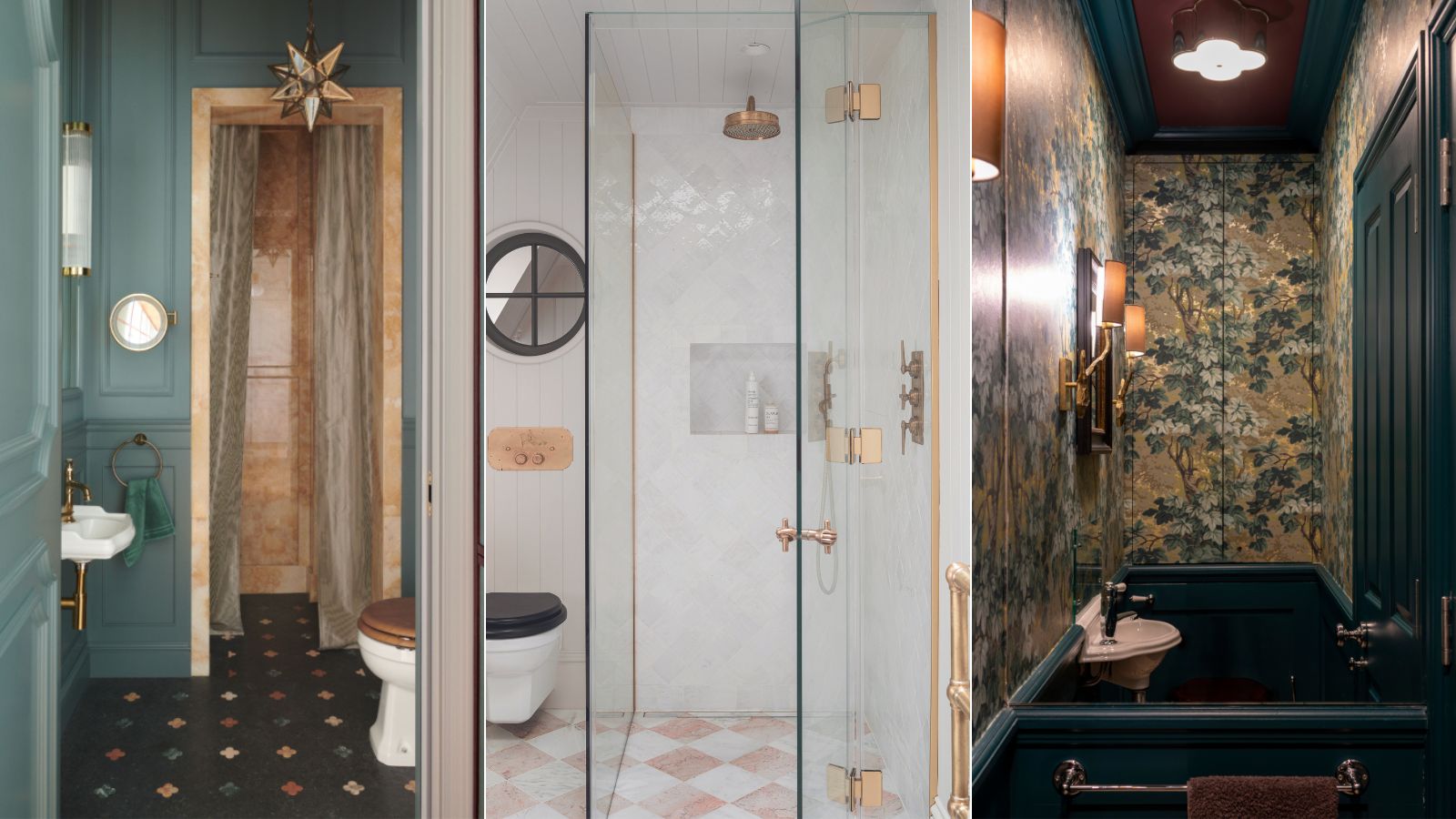
5 designer tips for decorating a windowless bathroom
13 Smart Ways to Upgrade Your Bathroom Without Renovating It

How To Save Big On Your Bathroom Renovation: 5 Expert-Recommended Tips

10 bathroom window treatments to elevate your space and give it the sense of a spa

9 Designer-Approved Ways to Instantly Upgrade Your Bathroom Without Breaking the Bank
20 Bathroom Organizer Solutions That 6 Pros Stand Behind

11 Ways to Conceal Clutter in a Bathroom — Trust Us, These Tips Will Change Your Space Drastically
25 Low-Effort Ways To Keep Your Bathroom Clean
5 effective ways to stop condensation gathering on your bathroom mirror
7 walk-in shower mistakes to avoid, according to experts
5 Essential Bathroom Decluttering Tips Minimalists Wish Everybody Knew

7 Mistakes to Avoid When Remodeling Your Bathroom

How to declutter a bathroom according to the experts

The Smartest Bathroom Upgrade You Can Make Before Selling Your House
7 things construction pros spot in bad bathroom remodels
Keep Your Bathroom Tidy With These Clever Storage Ideas and Hacks

Wet Rooms Are the Next Big Bathroom Renovation Trend
5 Items You Absolutely MUST Toss in Your Bathroom, According to Pro Organizers