1/4
How a Decorative Bread Bowl Became a Rustic Bathroom Sink
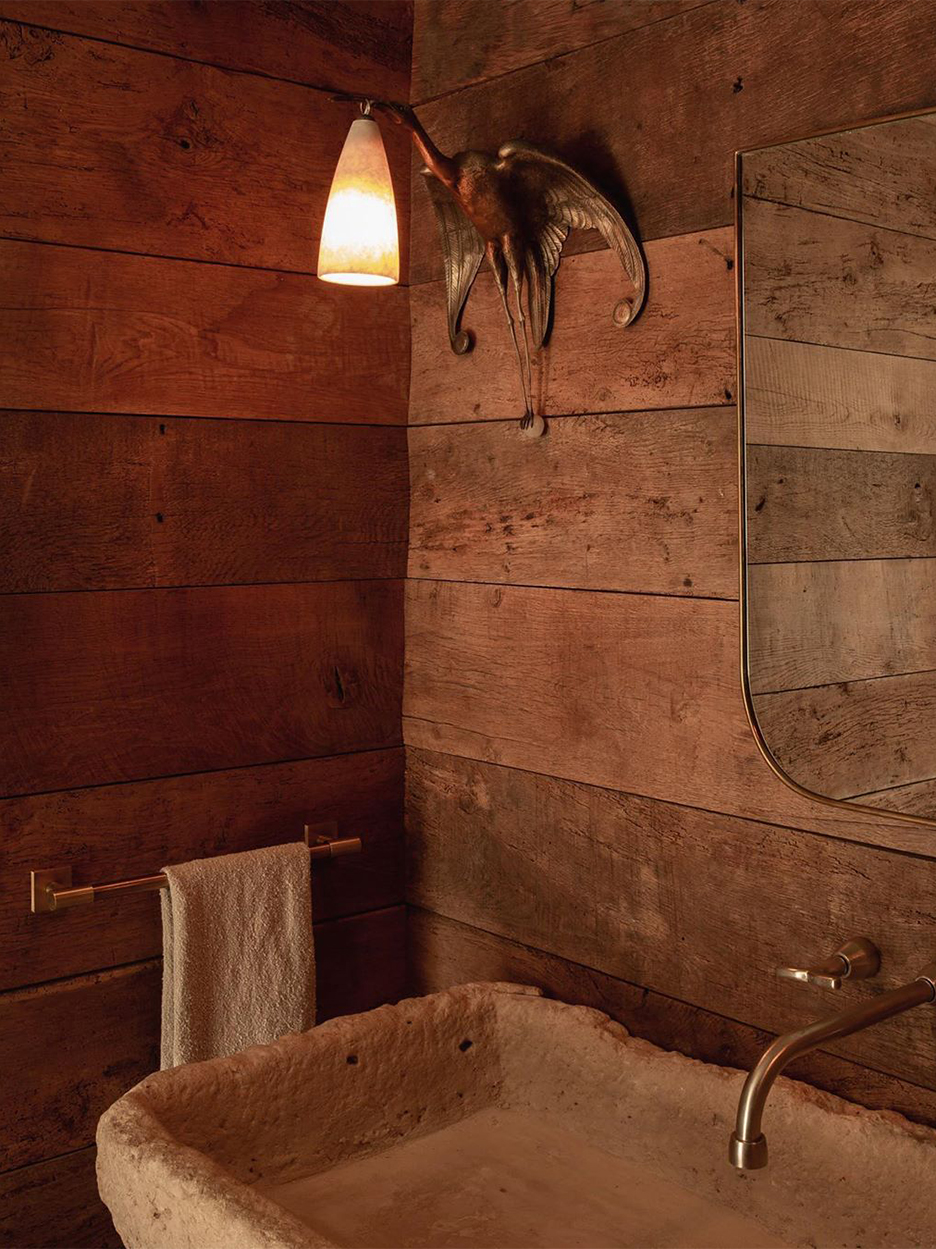
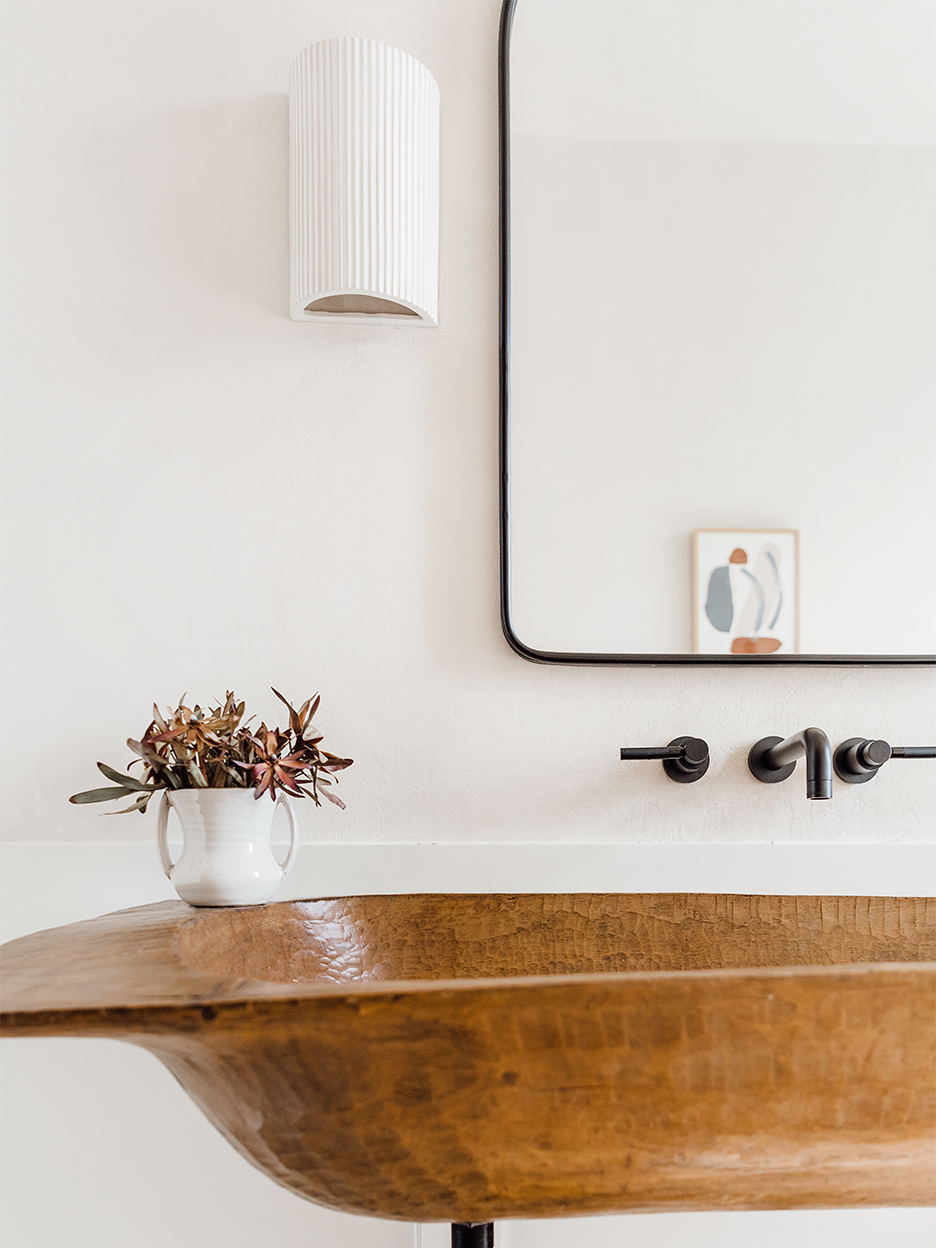
Camille Styles transformed a once purely functional dough bowl into a unique and eye-catching sink for her powder room. Originally, dough bowls were used for baking, providing a warm place for bread to rise. Over time, their role shifted to decorative accents in homes, often found on kitchen islands or entry consoles. However, Styles reimagined its purpose, integrating it as a central feature in her Austin home's powder room.
Styles's decision to undertake this DIY project stemmed from a desire to update her powder room, which she felt no longer reflected her personal style. Having built her house at a young age, she initially opted for generic, "cookie-cutter" finishes. A decade later, she sought design elements with more character and history, leading her to explore unconventional sink options. Her inspiration came from various found objects, particularly stone troughs and fountains, but she eventually gravitated towards the idea of a wooden vessel due to the room's long and narrow layout.
The oversized dough bowl, sourced from Pottery Barn, became the foundation of her new sink. The renovation process involved several key steps, starting with waterproofing the weathered wood. Given the inherent challenges of using wood in a high-moisture environment, Styles applied a combination of three sealants: Watco Tung oil, Varathane urethane oil-based sealant, and Olympic waterproofing sealant. This multi-layered approach ensured the wood would withstand exposure to water, with ample drying time between each application being crucial for effectiveness.
The next phase involved securing the heavy bowl to the wall. This was achieved by installing two custom-welded steel brackets designed by her framer, James Downing, which provided robust support for the bowl.
Addressing the plumbing presented a unique set of challenges. Due to the bowl's non-flat bottom, a single drain hole in the center was not feasible as it would lead to water pooling. Styles and her plumber opted for two drain openings, one on each side. This decision, however, necessitated a wider P-trap than initially purchased, requiring a last-minute hardware store run. The installation of wall-mounted faucets also proved complex, as a stud interfered with the planned placement. This required a creative solution to partially secure the faucet without damaging the stud, highlighting the importance of thorough pre-planning and communication among all contractors involved in a renovation project.
Despite the unforeseen hurdles, the project was deemed a success by Styles. The total cost amounted to $2,400, including $250 for the bowl, $400 for faucet handles, pipes, and drains, and $1,750 for labor. Styles concluded that the investment was worthwhile, as a traditional stand-alone sink of comparable beauty and uniqueness would have likely cost more and lacked the personalized character. The transformed dough bowl sink ultimately became a distinctive focal point, enhancing the aesthetic appeal and individuality of her powder room.
#BathroomDesign #DIYProject #RusticDecor #HomeRenovation #CreativeSolutions #PowderRoom #CustomSink #WoodWaterproofing #InteriorDesign #BathroomDesign #DIYProject #RusticDecor #HomeRenovation #CreativeSolutions #PowderRoom #CustomSink #WoodWaterproofing #InteriorDesign
0 comment in total
 No comments yet
You may also like
BLANCO Recreates the Classic Farmhouse Sink for Today’s Kitchen

The Most Popular Kitchen Sink Styles to Transform Your Space

It's out with boring basins and in with statement sinks – the emerging trend that's transforming small bathrooms


Vessel Sinks Are Back in Bathrooms But with a Fresh New Look

The Farmhouse Sink Trend Has Hit Bathrooms, But Not in the Way You Think
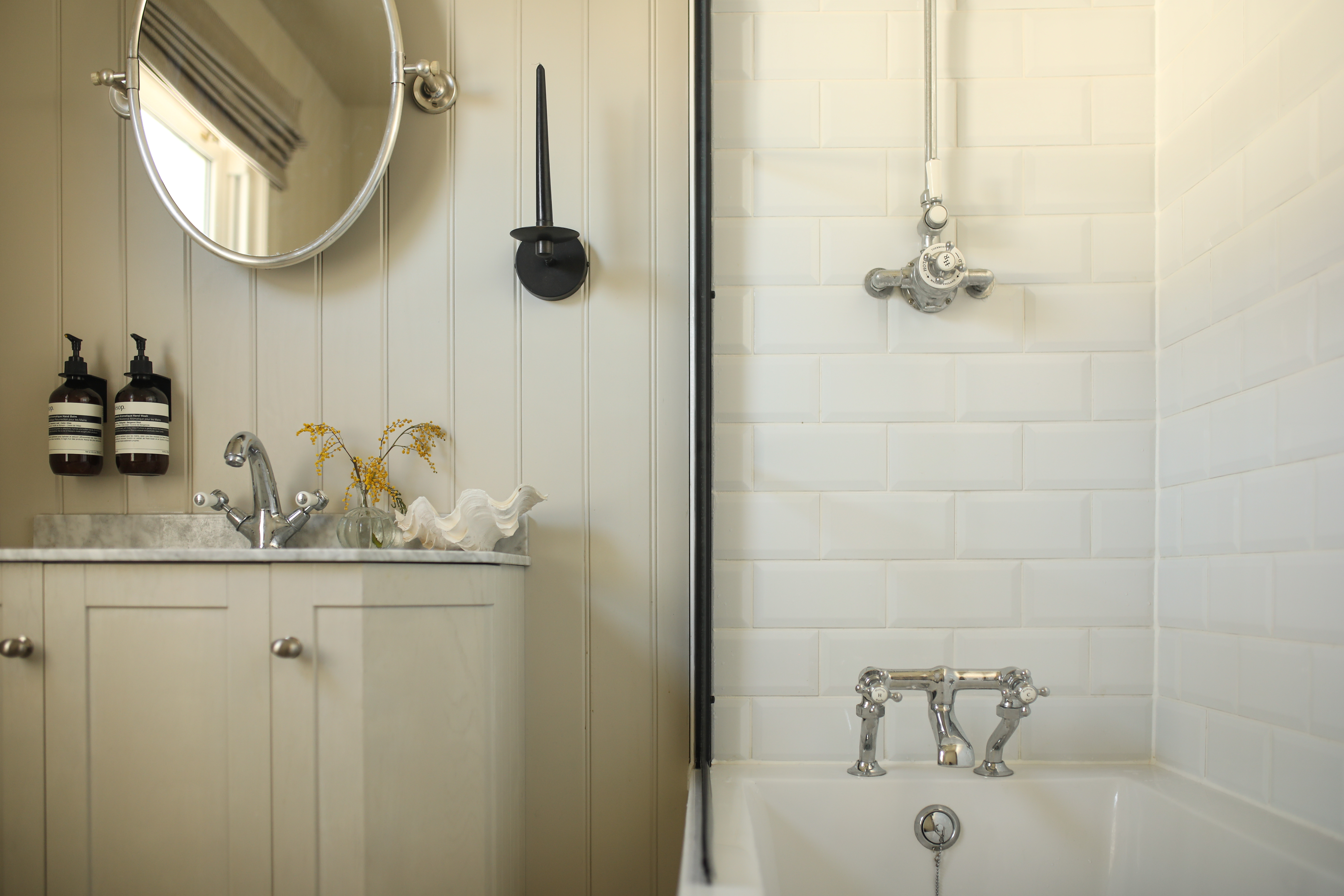
Before & after – this small bathroom went from dated retro avocado suite to looking elegant and super expensive

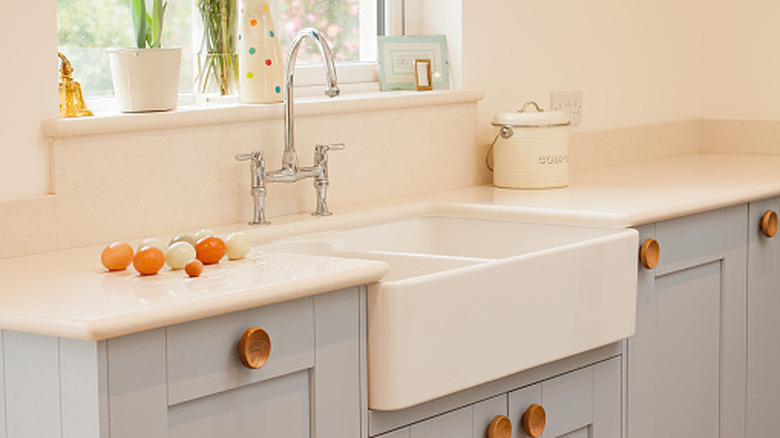
Are Farmhouse Sinks Here To Stay? Here's What To Consider When Renovating Your Kitchen

Traditional Bathroom Tile Is Out—Here’s What to Do Instead
Homeowner transforms avocado bathroom to modern masterpiece for £300
5 Ways Your Bathroom Is Secretly Aging Your Home—and What to Do About It
Joanna Gaines's Favorite Bathroom Trick Is Apparently a NIGHTMARE, According to Plumbers

See this bathroom go from bland to bold after a makeover

See How I Transformed My Kitchen Sink with This $12 Eco-Friendly Gem

Take 10: Beautiful Bathroom Sink Consoles Made from Vintage Dressers
Our Favorite Kitchen Sinks Are As Functional As They Are Beautiful

A Tiny Bathroom Felt Like a Dingy Cave—Now It’s a Colorful, Whimsical Jewel Box
This simple swap has transformed my crowded small bathroom

Countertop Basins & Sinks

Bathroom sink trends – the 10 shapes, colors and styles to look for during your bathroom remodel
This “Brilliant” $10 Sink Gadget Solved My Grossest Kitchen Problem