1/5
Sick of the heat? Here's how to keep your home cool, heatwave or not, if you don't have AC
With increasing temperatures becoming more common, finding ways to keep homes cool without relying on air conditioning is a growing necessity. Heatwaves are more frequent and intense, and the rising cost of living makes energy-intensive cooling systems less feasible for many. This article provides various strategies, ranging from immediate fixes for heatwaves to long-term solutions for year-round comfort, along with practical advice on addressing common cooling challenges in specific areas of the home.
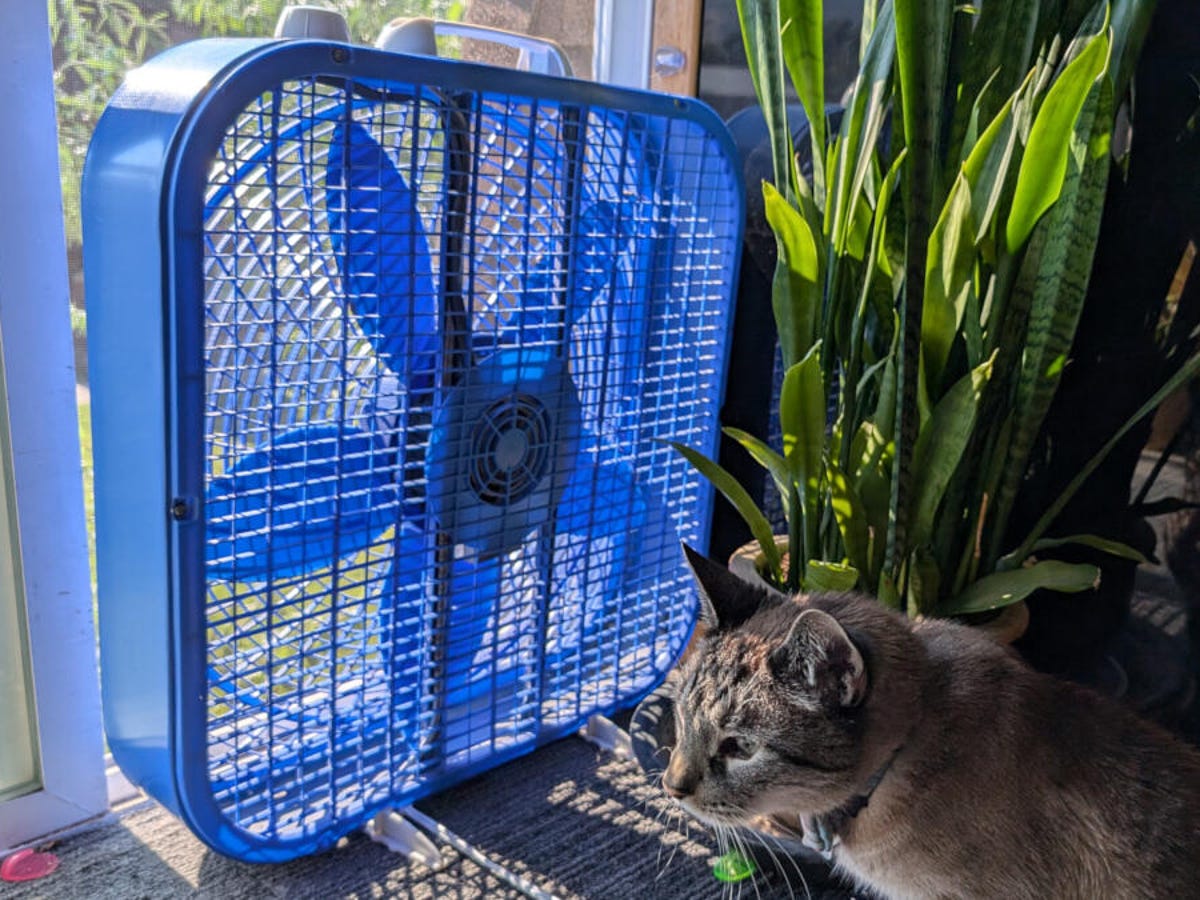
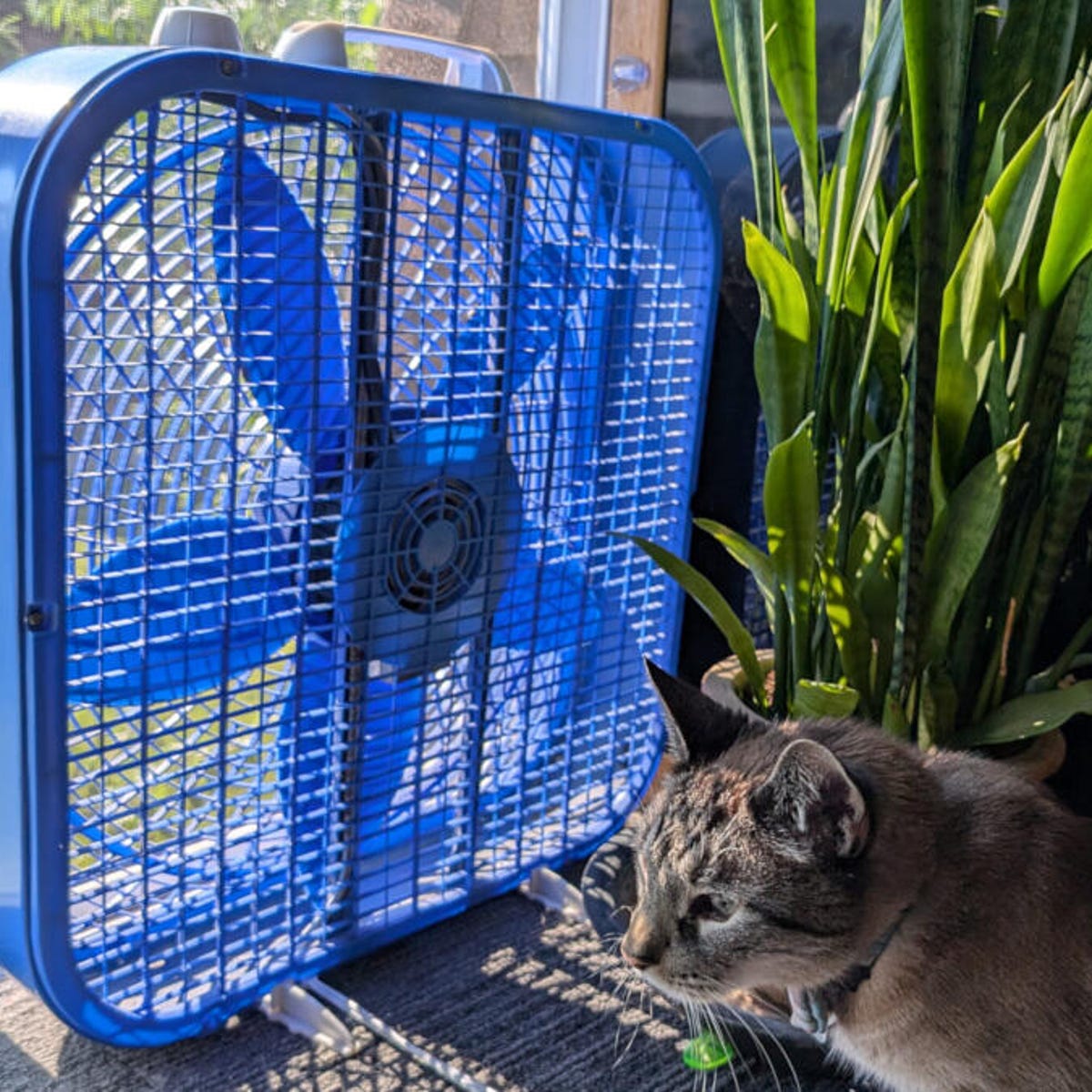
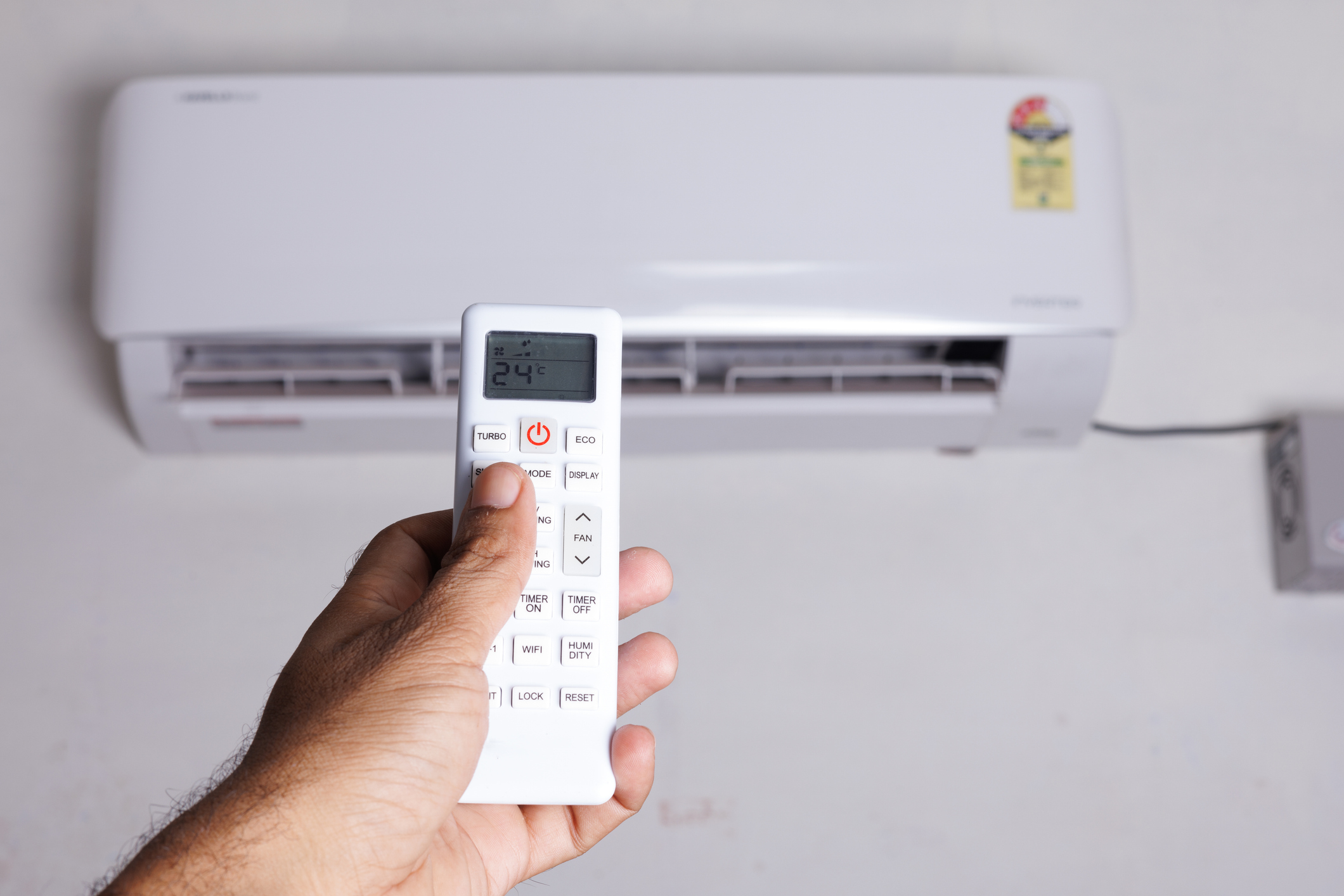
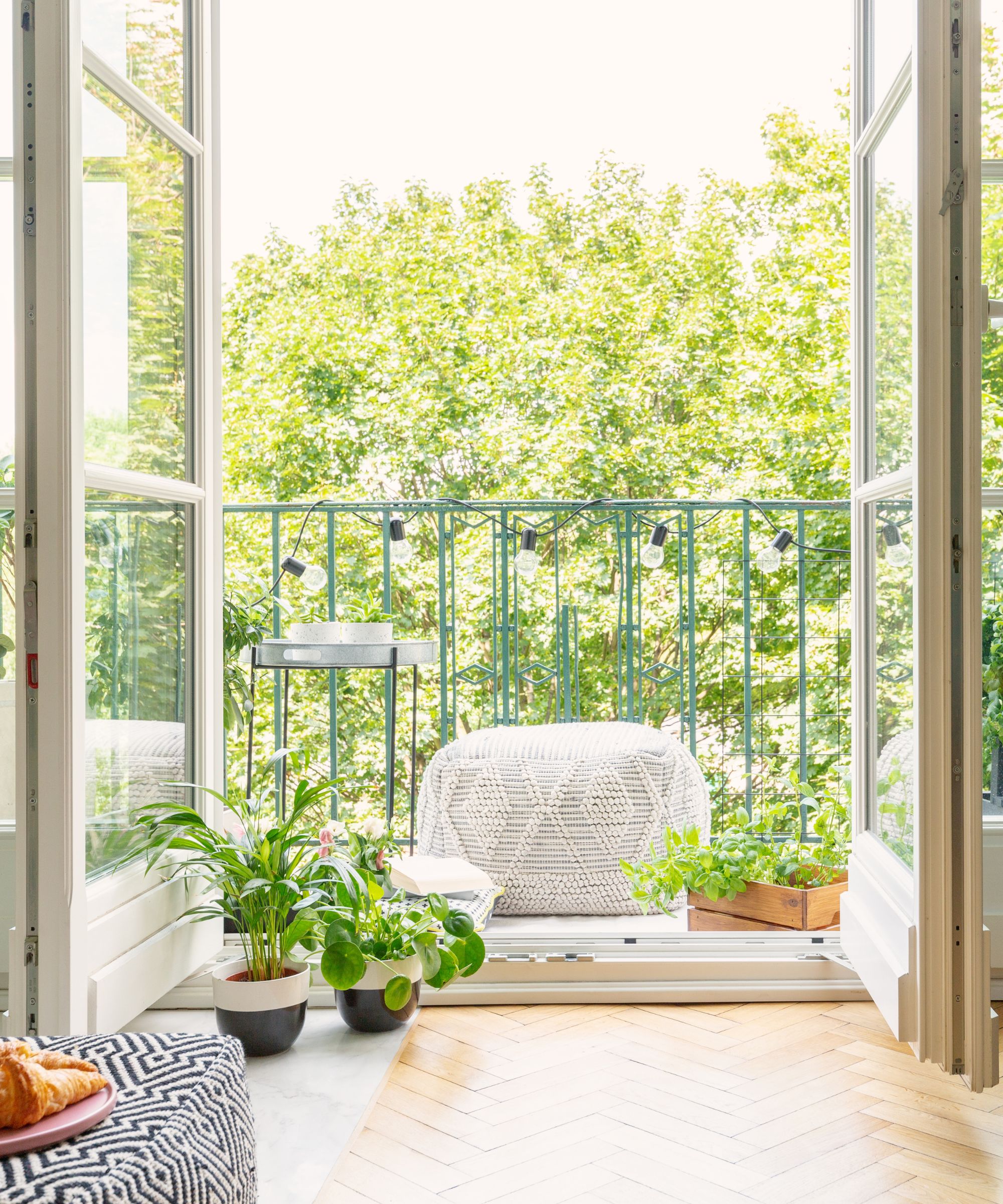
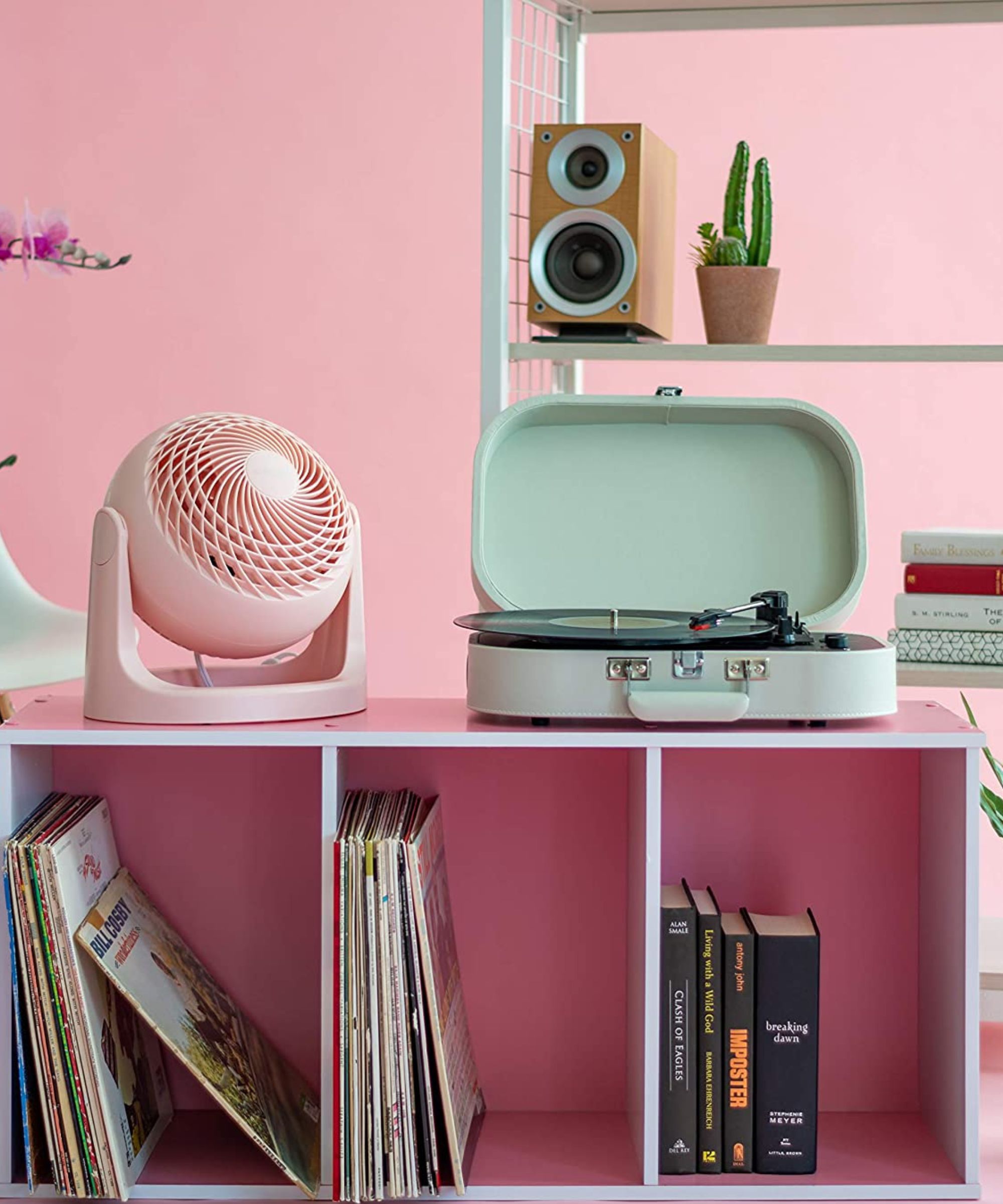
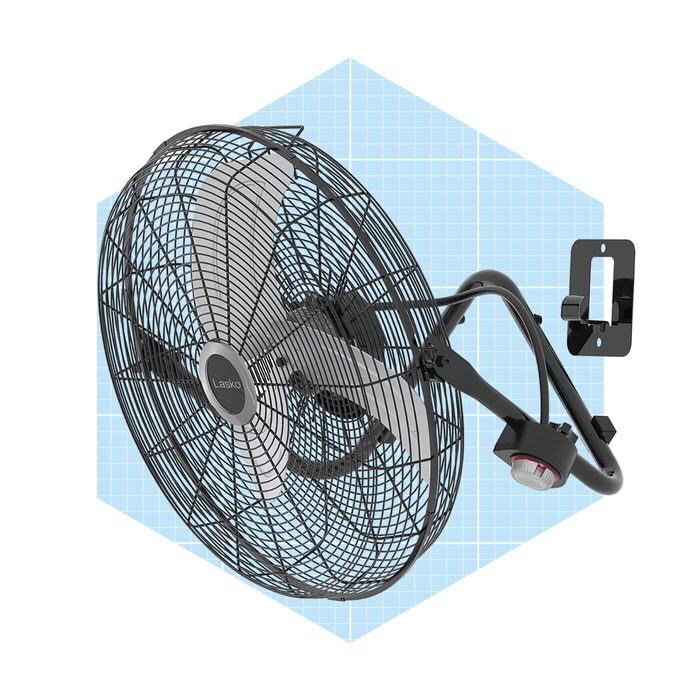
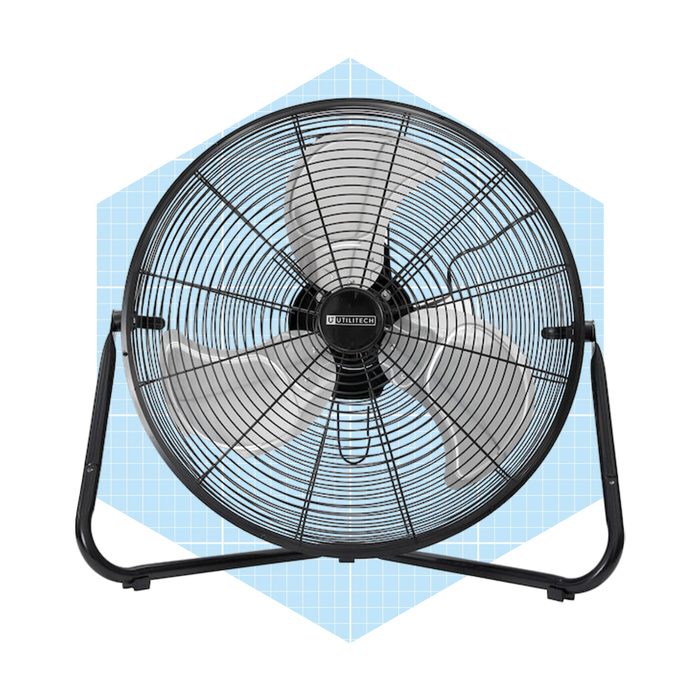
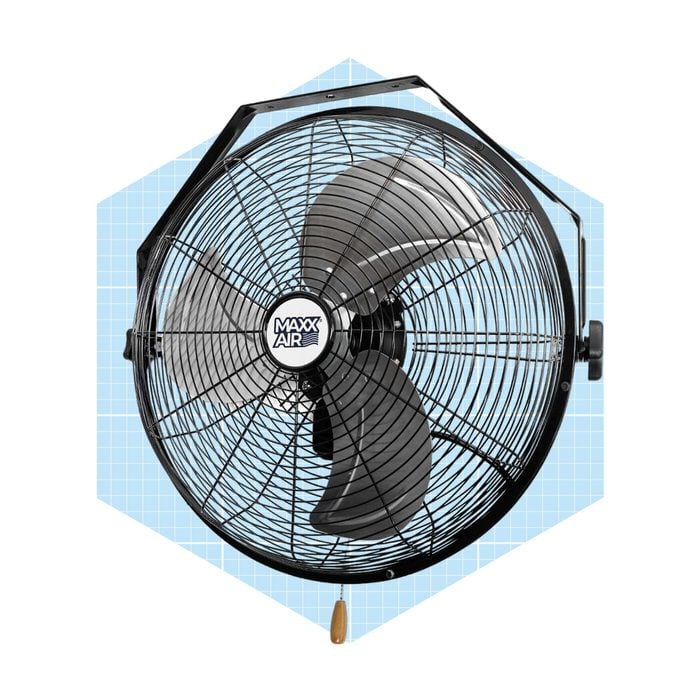
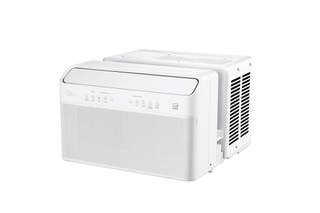
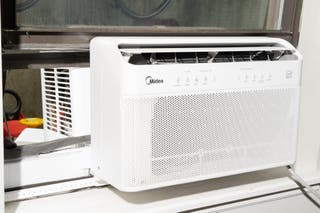
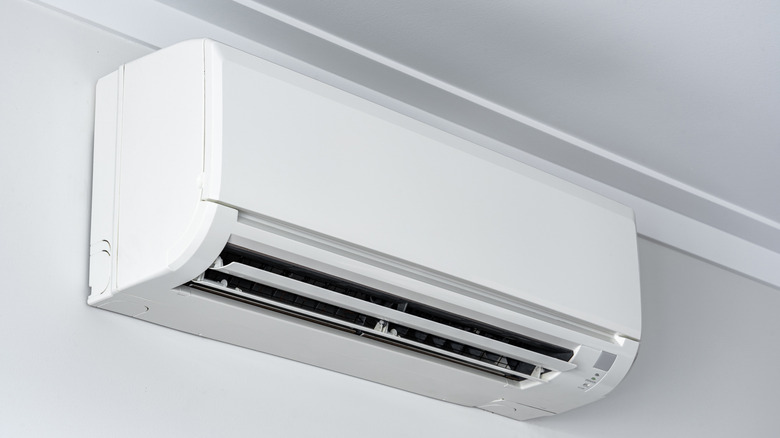
For immediate relief during a heatwave, portable air conditioners are highlighted as a versatile and affordable option. While less powerful than central AC, they offer flexibility for cooling specific rooms like bedrooms or kitchens. Window AC units are also mentioned as a more energy-efficient and cost-effective solution for larger areas, though they are fixed installations. DIY evaporative coolers, made with ice and a fan, are presented as a very inexpensive alternative, best suited for direct, personal cooling. Furthermore, the article suggests creating natural airflow by strategically placing two fans to generate a cross-breeze, one expelling hot air and the other drawing in cooler air. Attention to sun direction is crucial, recommending opening windows on the north side of the house while keeping south-facing windows and coverings closed to block direct sunlight.
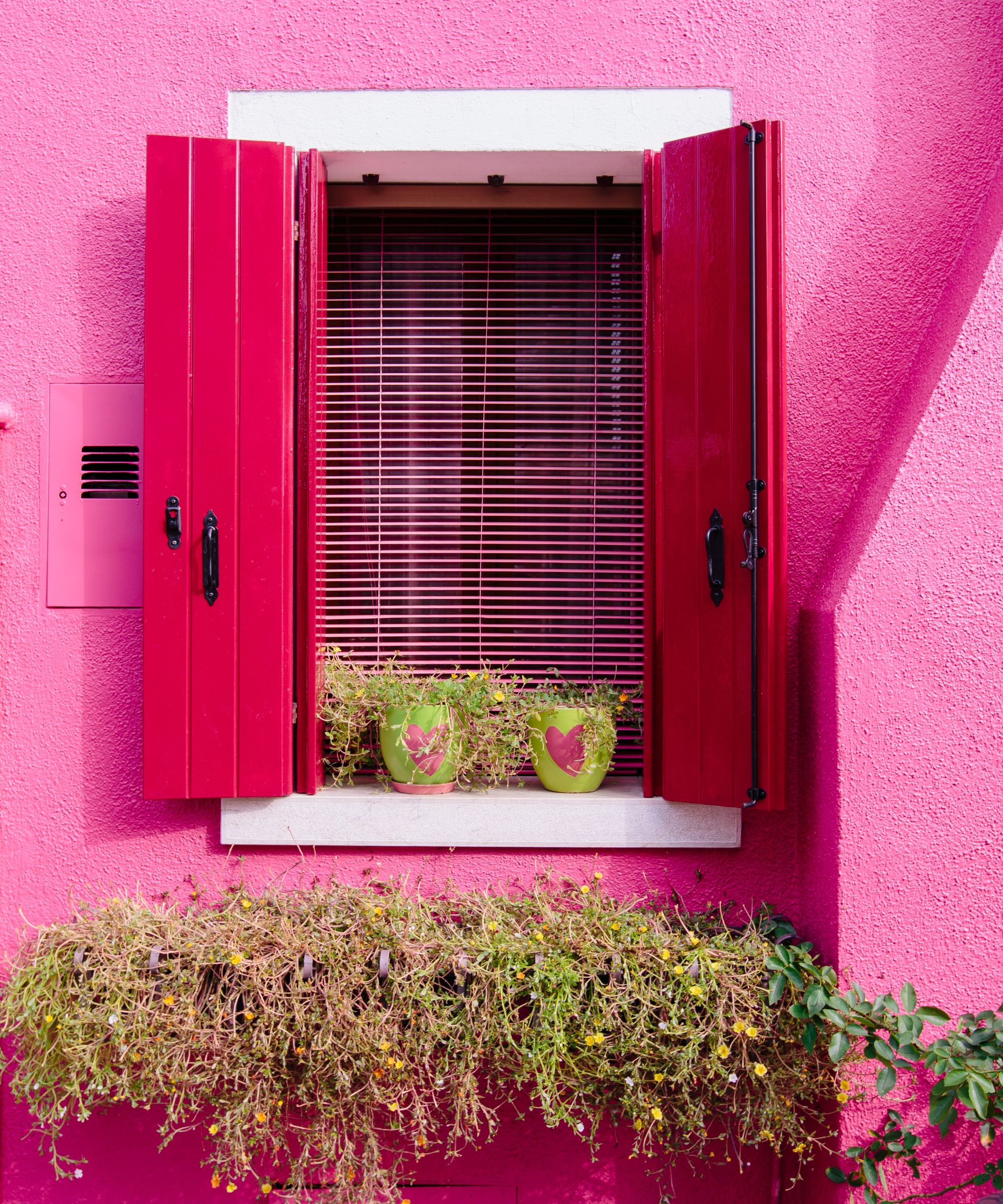
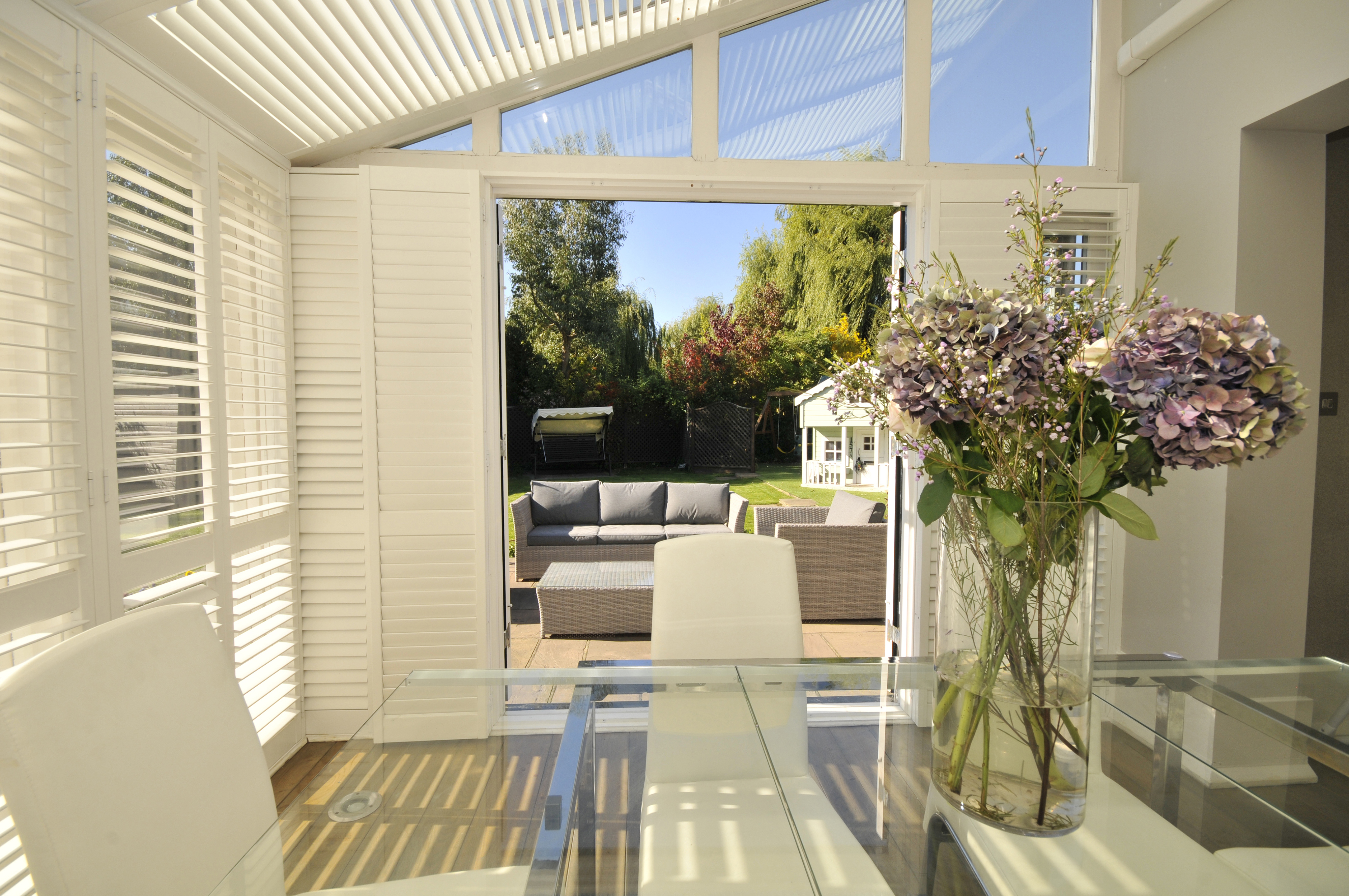
Blocking heat from windows is identified as a primary method for temperature reduction without AC. This can be achieved through blackout or thermal curtains, which act as barriers against heat, or reflective window films that block infrared and ultraviolet radiation. An unconventional but effective hack is using aluminum foil on windows to reflect light and heat. Exterior awnings and shutters offer another way to provide shade and reduce sun exposure. The “caveman cooling technique” involves completely blocking sunlight to create a cool, dark environment, particularly useful in basements or south-facing rooms.
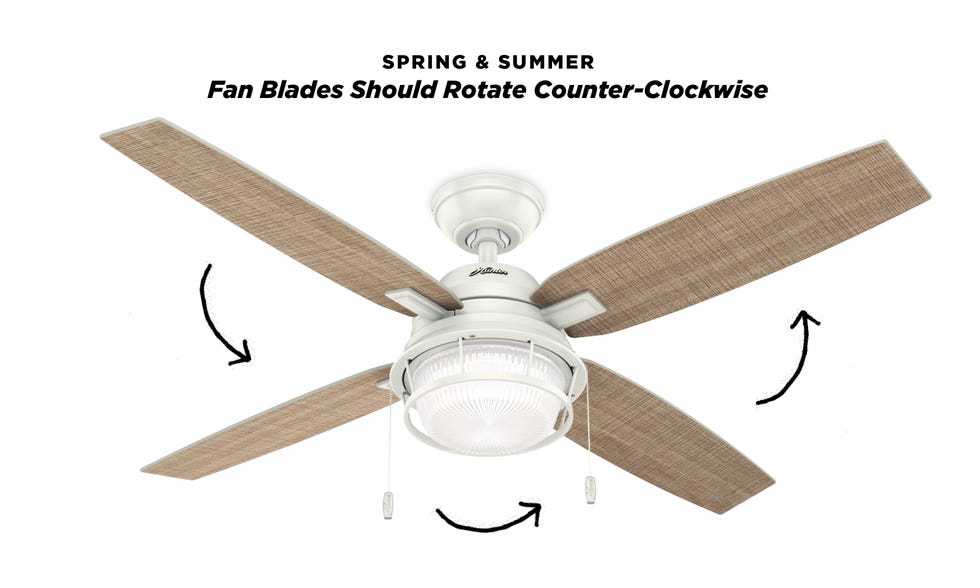
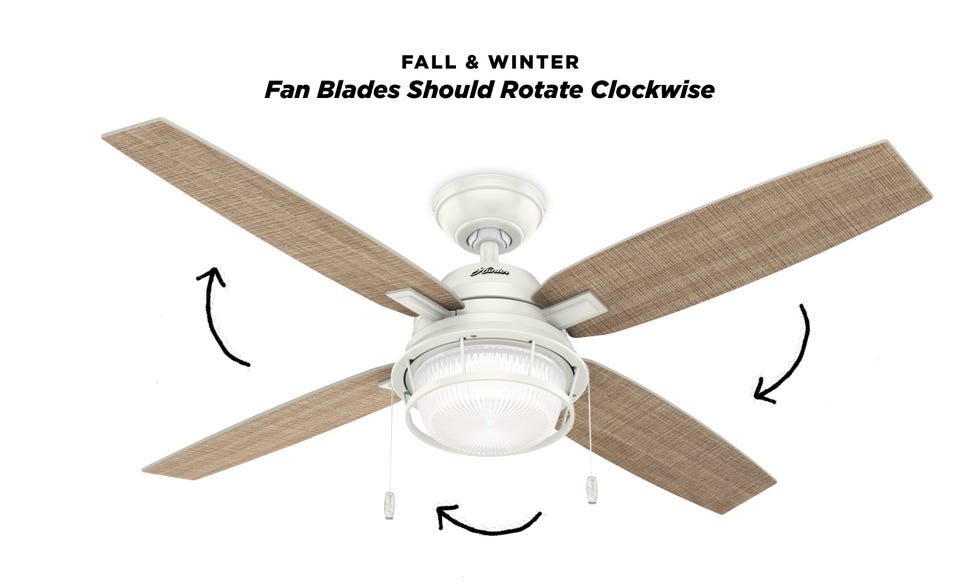
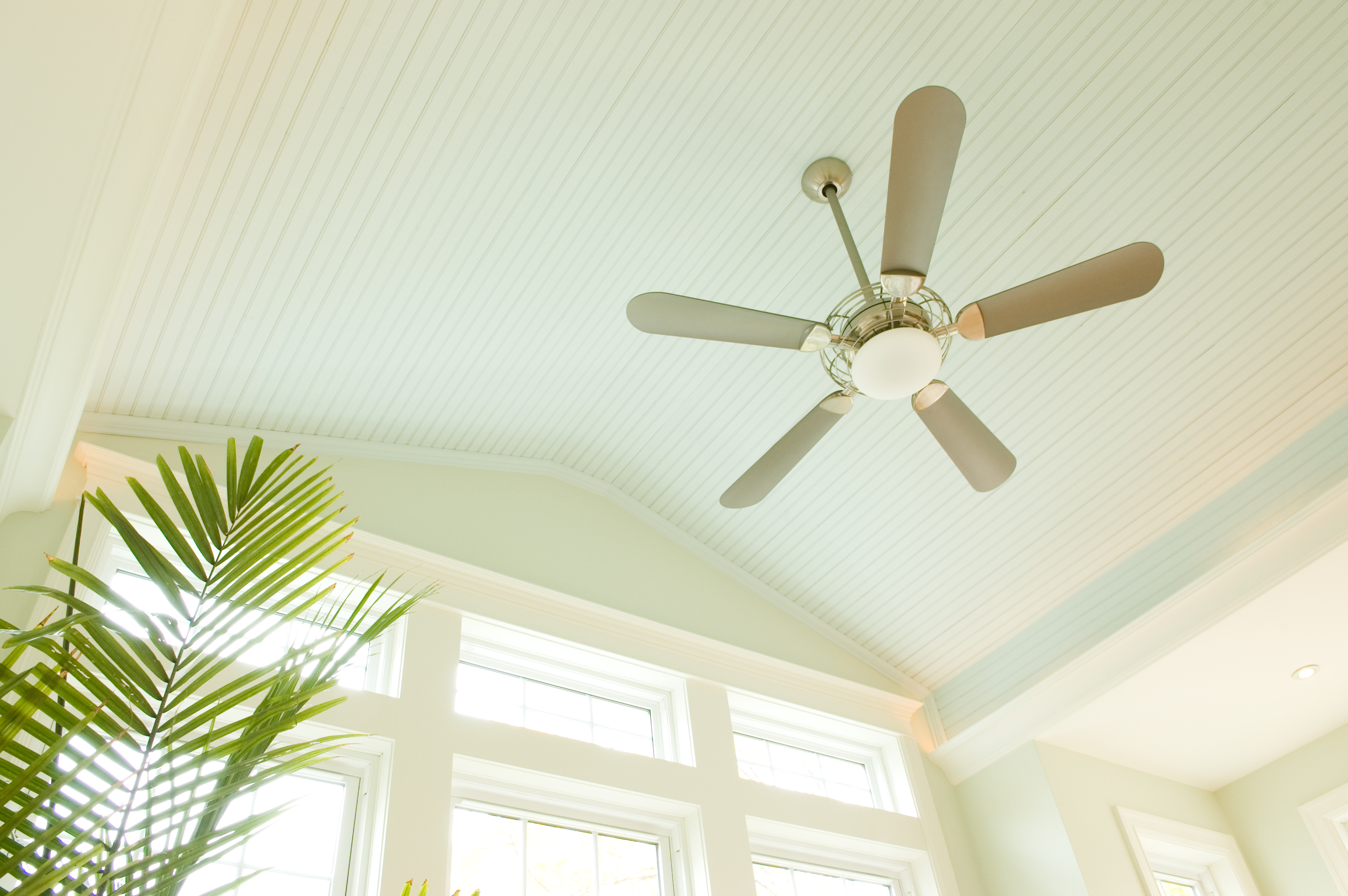
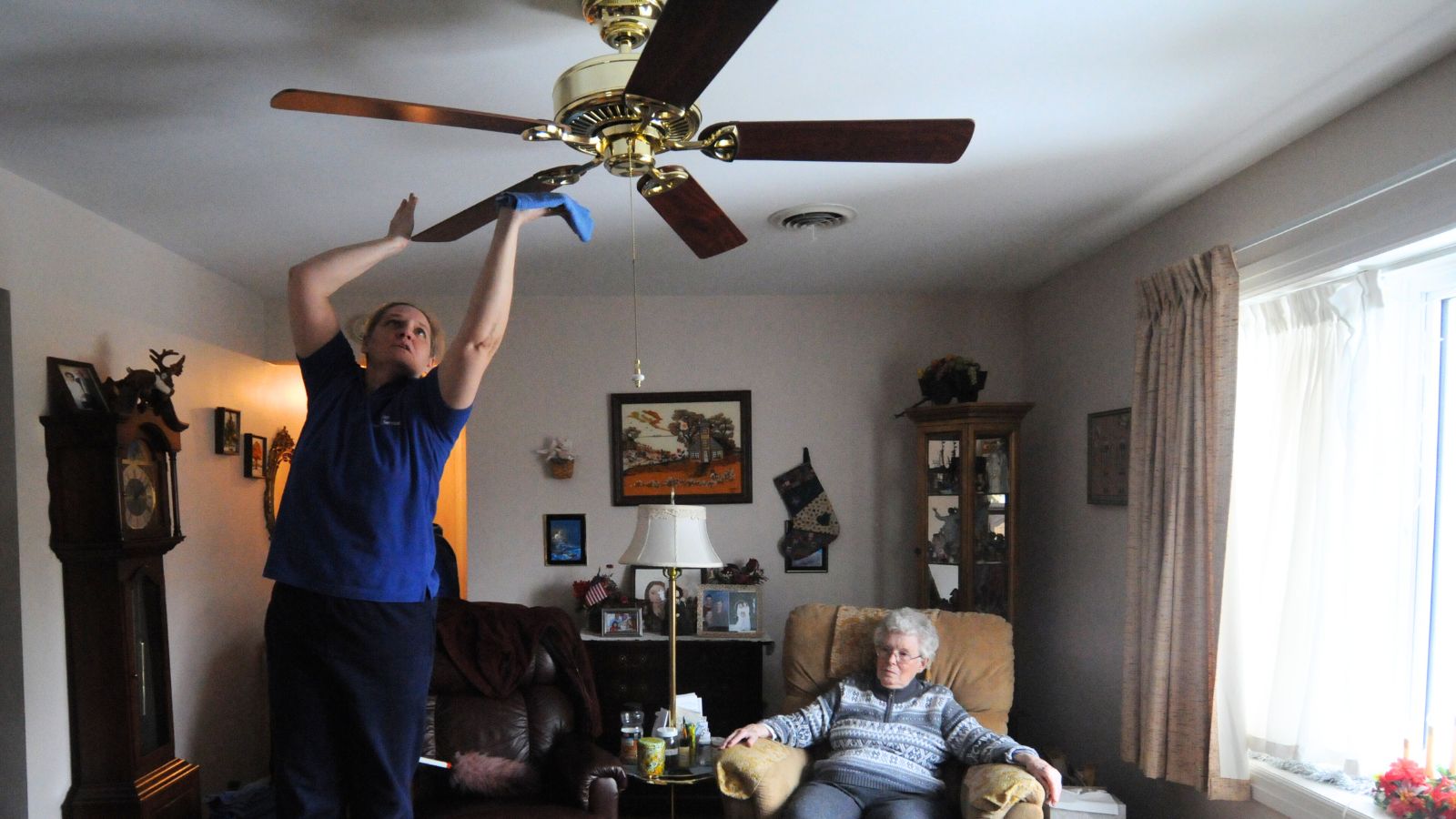
Focusing on personal cooling rather than cooling an entire room can also be cost-effective. This involves using damp towels on pulse points, opting for lightweight and breathable fabrics for clothing and bedding, and staying well-hydrated by consistently drinking water, possibly with added electrolytes. Eating light, cold meals like salads and chilled soups, and taking cool showers are also recommended to lower body temperature. For long-term cooling throughout the summer, rethinking airflow patterns is key. Ceiling fans should be set to run counter-clockwise to draw hot air up and circulate cooler air down. Sealing gaps around windows and doors, and draft-proofing entryways and fireplaces, helps prevent cool air from escaping and hot air from entering.
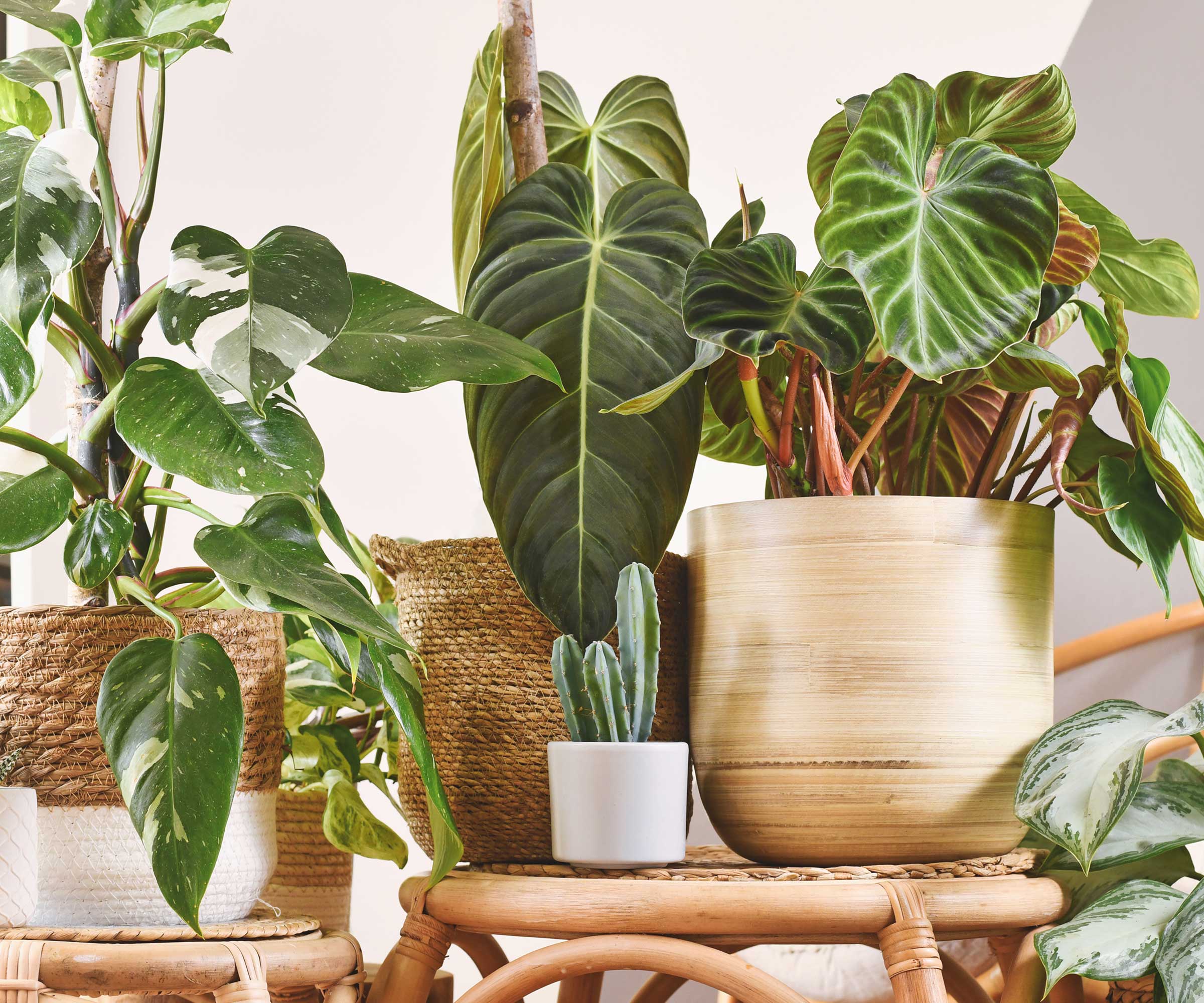
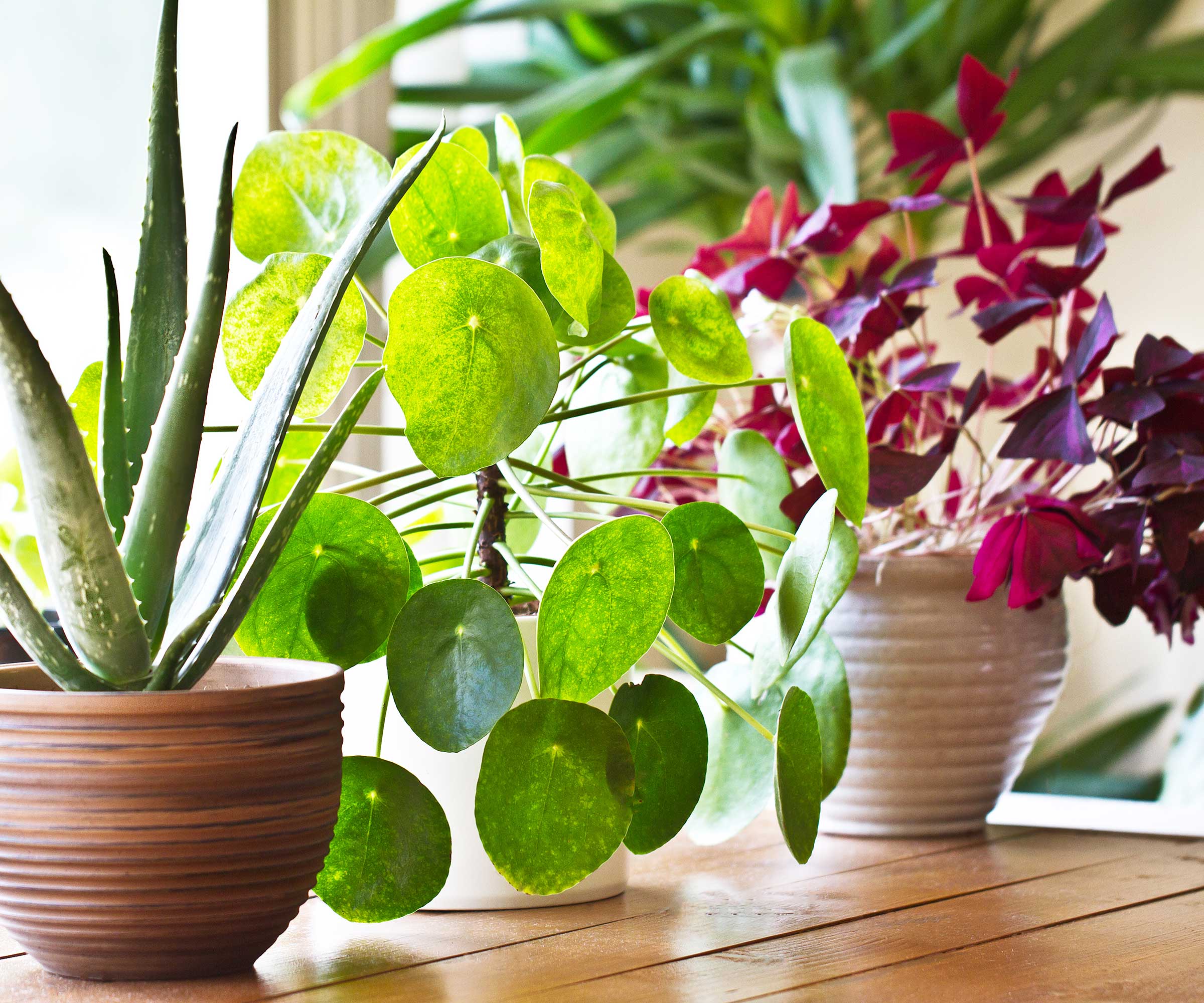
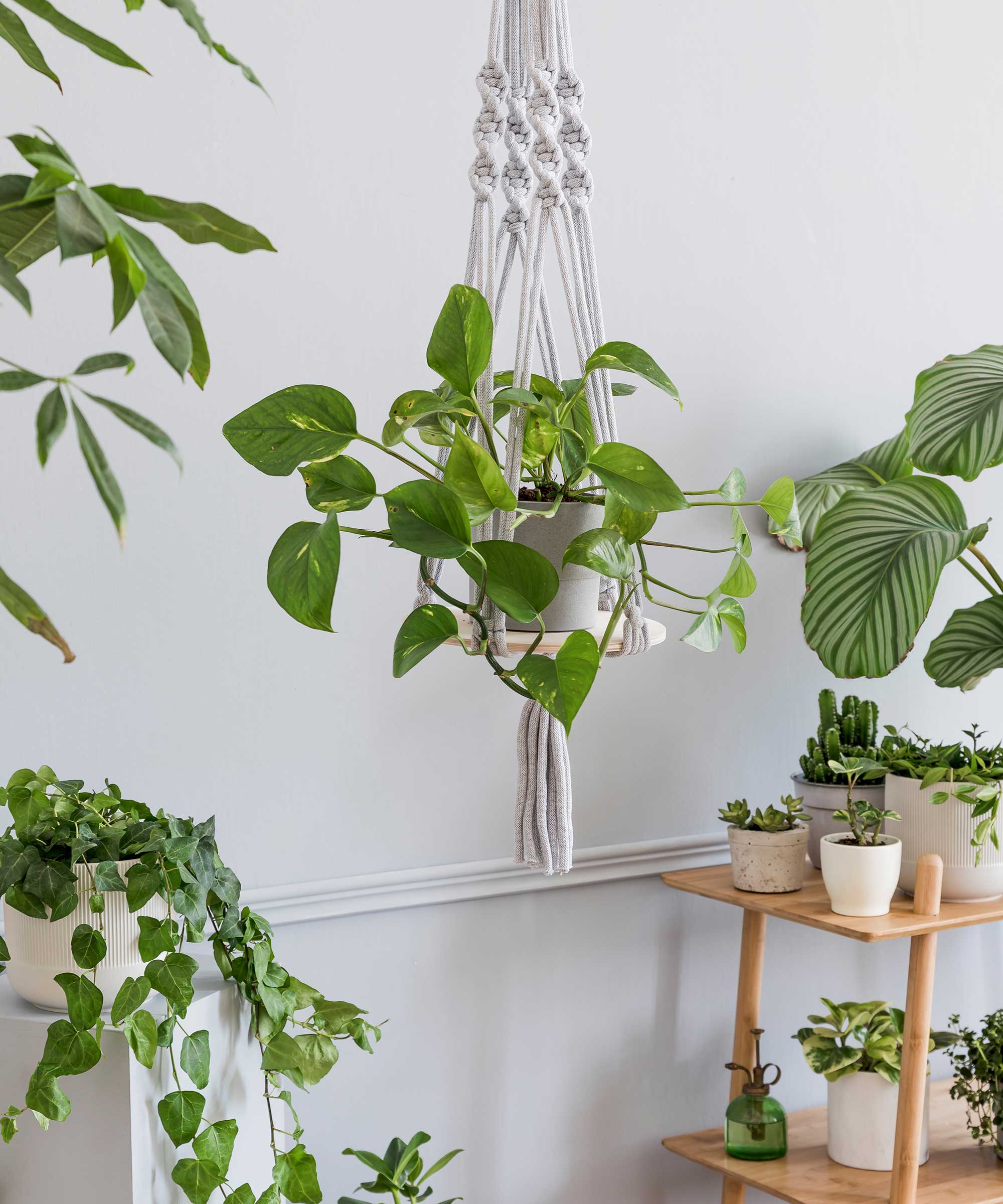
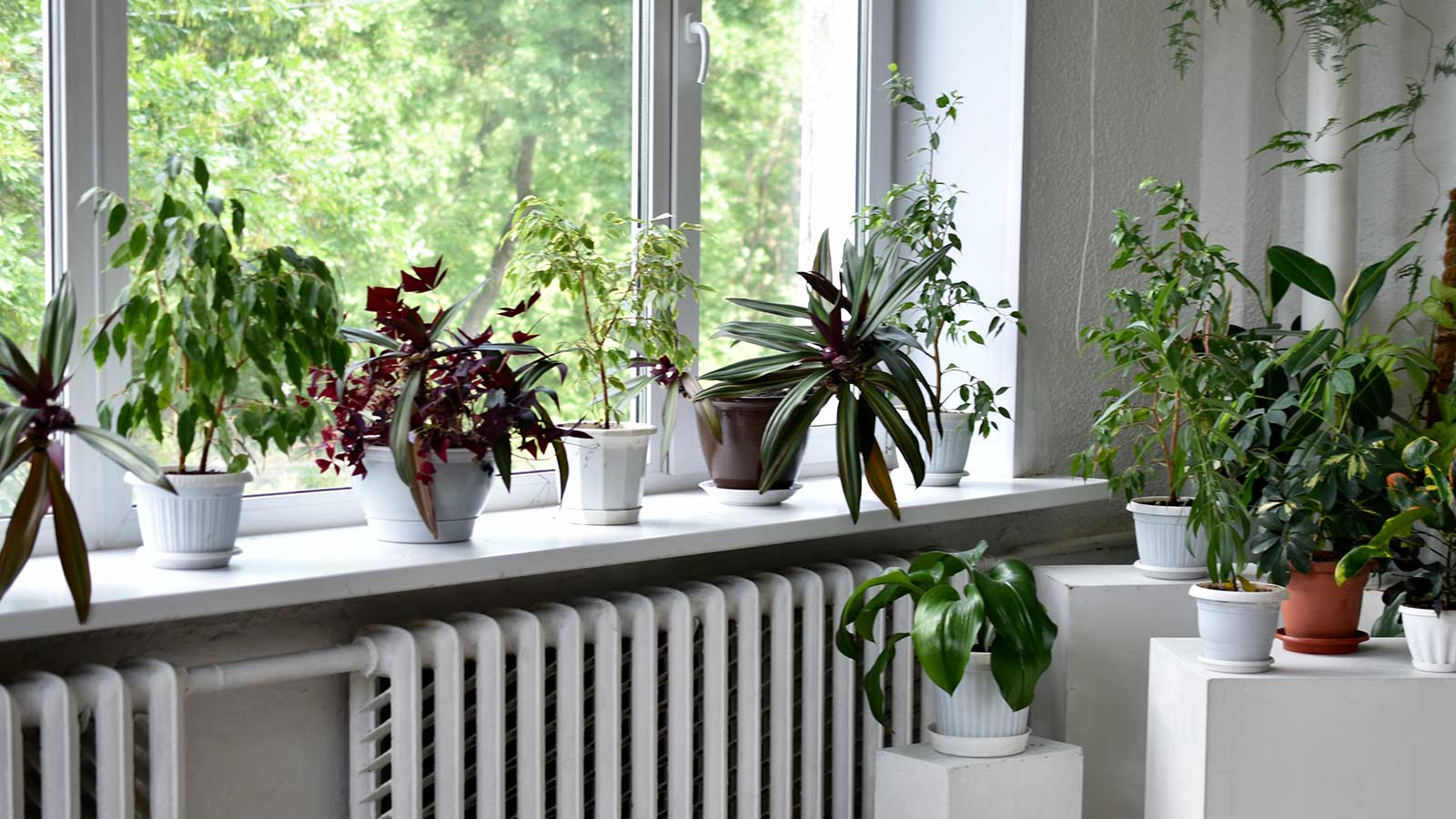
Using light-reflecting decor, such as white, pale blue, or yellow paint, can help repel heat and reduce absorption. Repositioning furniture to avoid obstructing vents or windows, creating clear pathways for cross-ventilation, and utilizing air-cooling houseplants like aloe vera and snake plants are also suggested to enhance natural cooling. Insulating and draft-proofing homes, commonly associated with winter, is equally effective in summer for keeping heat out and maintaining comfortable indoor temperatures. Specific problem areas like attics and upper floors require particular attention. Attics benefit from maximized insulation, improved natural ventilation, reflective roofing, and blocking light from windows. Upper floors can be cooled by closing curtains, adjusting ceiling fan directions, and insulating attic doors to prevent heat transfer. For apartments without AC, blocking solar heat, using fans with wet sheets, and portable AC units are effective. Windowless rooms can be cooled with portable AC, counter-clockwise ceiling fans, or ductless mini-split systems, along with reducing heat-generating electronics and using energy-efficient appliances. The article also highlights common mistakes to avoid, such as leaving interior doors shut when not using AC, running fans in the wrong direction, neglecting insulation, generating unnecessary heat from appliances, and leaving windows open when outside temperatures are high. The importance of dehumidifying to combat humidity is also emphasized as a crucial factor in maintaining indoor comfort.
#HomeCooling #HeatwavePreparedness #EnergyEfficiency #DIYCooling #AirflowManagement #WindowTreatments #IndoorTemperatureControl #SummerComfort #HomeInsulation #HomeCooling #HeatwavePreparedness #EnergyEfficiency #DIYCooling #AirflowManagement #WindowTreatments #IndoorTemperatureControl #SummerComfort #HomeInsulation
0 comment in total
 No comments yet
You may also like
Here's How I Cooled My Bedroom Fast Without Turning On the AC


How to keep a top-floor apartment cool in summer

The Fan Mistake You’re Making That’s Making Your House Hotter
Should We Keep Ceiling Fan On While Using AC? Let’s Find Out


Beat the heat: 7 DIY natural ways to summer-proof your house | Lifestyle News


Too Hot to Stay in the Kitchen? 9 Ways to Stay Cool While Cooking This Summer
Invest in a ceiling fan to keep your cool this summer
No AC? No problem – this handy $50 upgrade will instantly cool any room


This is How People Dealt with Summer Heat Before Air Conditioning
Stay cool this summer with ceiling fans

How to Cool Down Your Sunroom — 5 Simple Methods to Stop This Spot Overheating in Summer

Ways To Heat A Basement Without An Electric Space Heater (And The Pros & Cons To Consider)
Until Outdoor AC Exists, Here's How to Prep Your Backyard So It Stays Cool All Summer

How do I Make a Cold Room Feel Warmer? 5 Ways to Cozy up Your Home Without Cranking up the Heat
The 10 Best Garage Fan Picks to Keep You Cool During Hot Months 2025

Fed Up with Chilly Nights? HVAC Pros Reveal One Quick and Free Bedroom Tweak to Keep You Warmer Without Raising Bills

Don't Do This—There Are Better Solutions for Cooling Your Garage in the Summer

How to protect houseplants from central heating – to keep them thriving indoors throughout the colder months
Our Favorite ACs Keep You Cool Quietly and Efficiently
Installing a new fan? Tips to stay cool in Arizona's summer heat