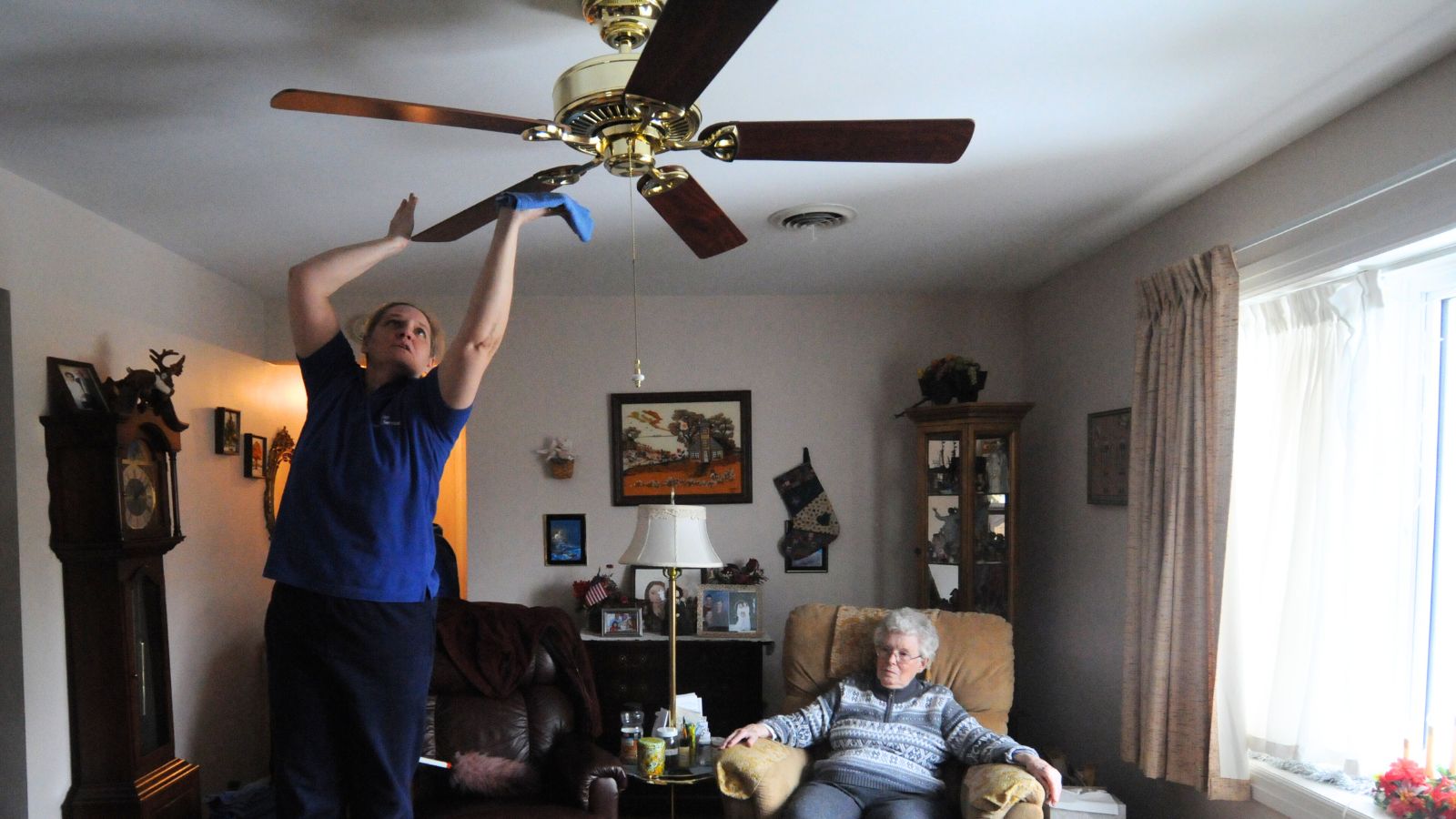
Installing a new fan? Tips to stay cool in Arizona's summer heat
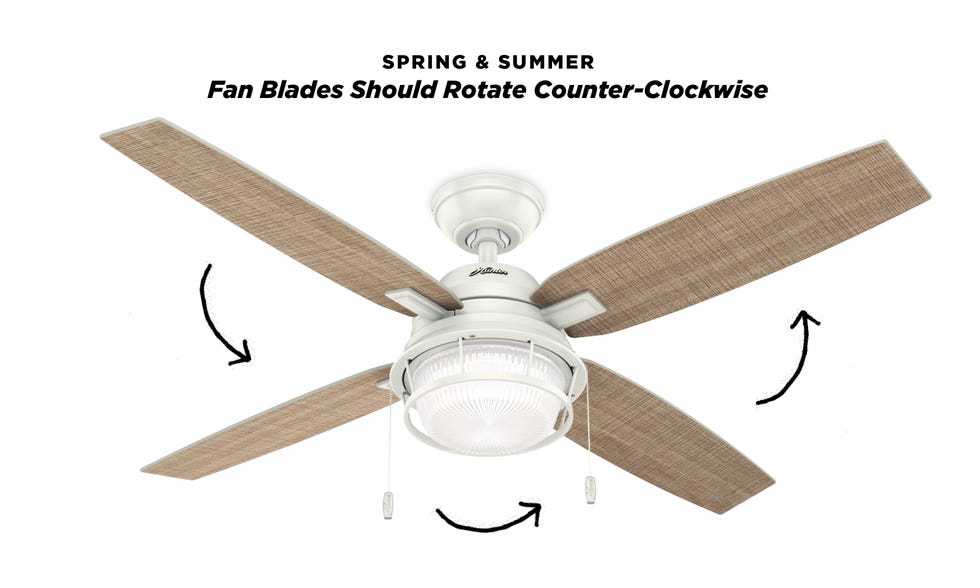
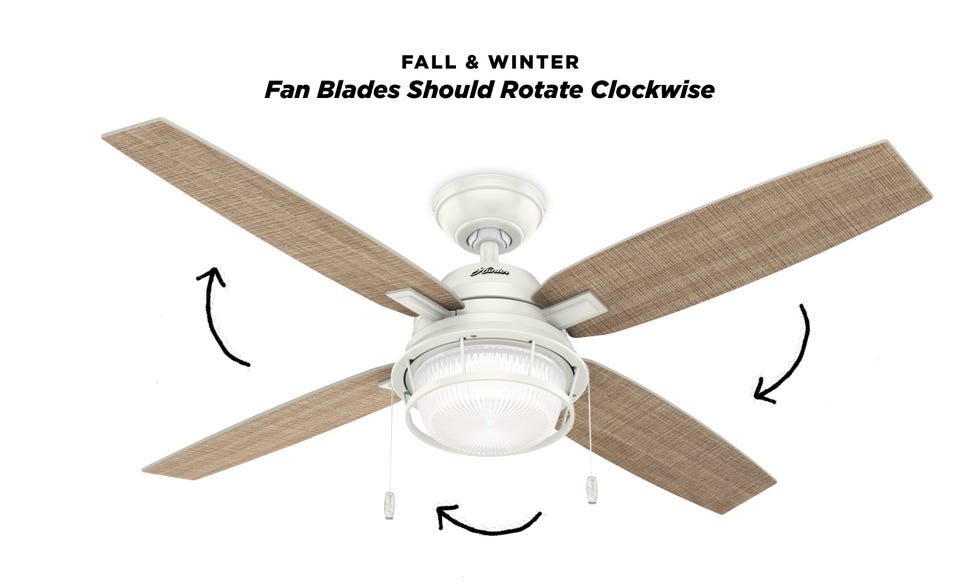
This article provides comprehensive guidance on selecting and installing fans to effectively manage temperatures within a home, particularly in climatically diverse regions like Arizona. Fans serve a dual purpose, capable of both warming and cooling. A clockwise rotation of fan blades creates an upward draft, circulating warm air down the walls and across the floor, ideal for colder climates or seasons. Conversely, a counterclockwise rotation pushes air directly downward, generating a cooling effect essential for warmer environments.
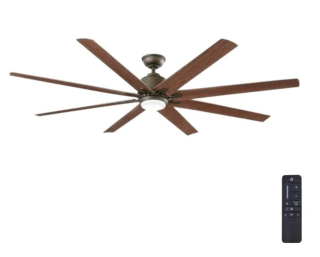
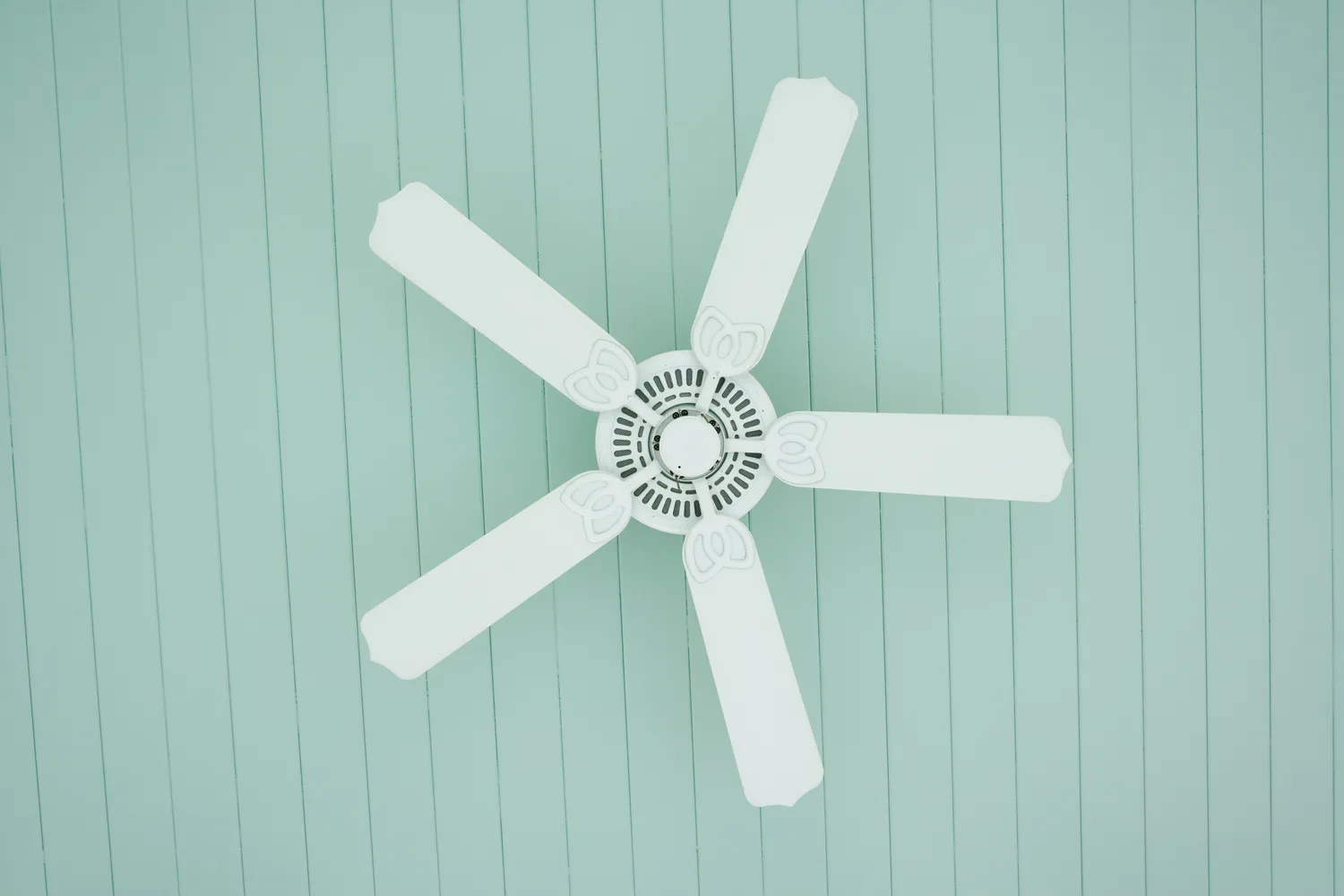
When choosing a fan, several factors are crucial, beginning with size, which is determined by the blade span diameter. Manufacturers' websites typically offer methodologies to calculate the appropriate fan size for a specific space. General guidelines for room size versus fan size include a 29" to 39" fan for small rooms (approximately 8' x 10'), a 42" to 52" fan for medium rooms (around 10' x 20'), and a 56" fan or a second fan for large rooms (about 20' x 20'). The most effective placement for a single fan is usually in the center of the room to ensure even airflow.
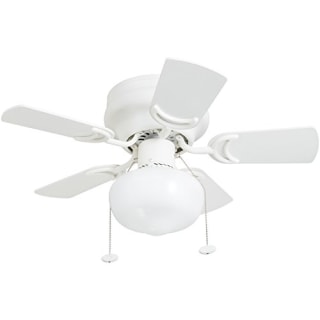
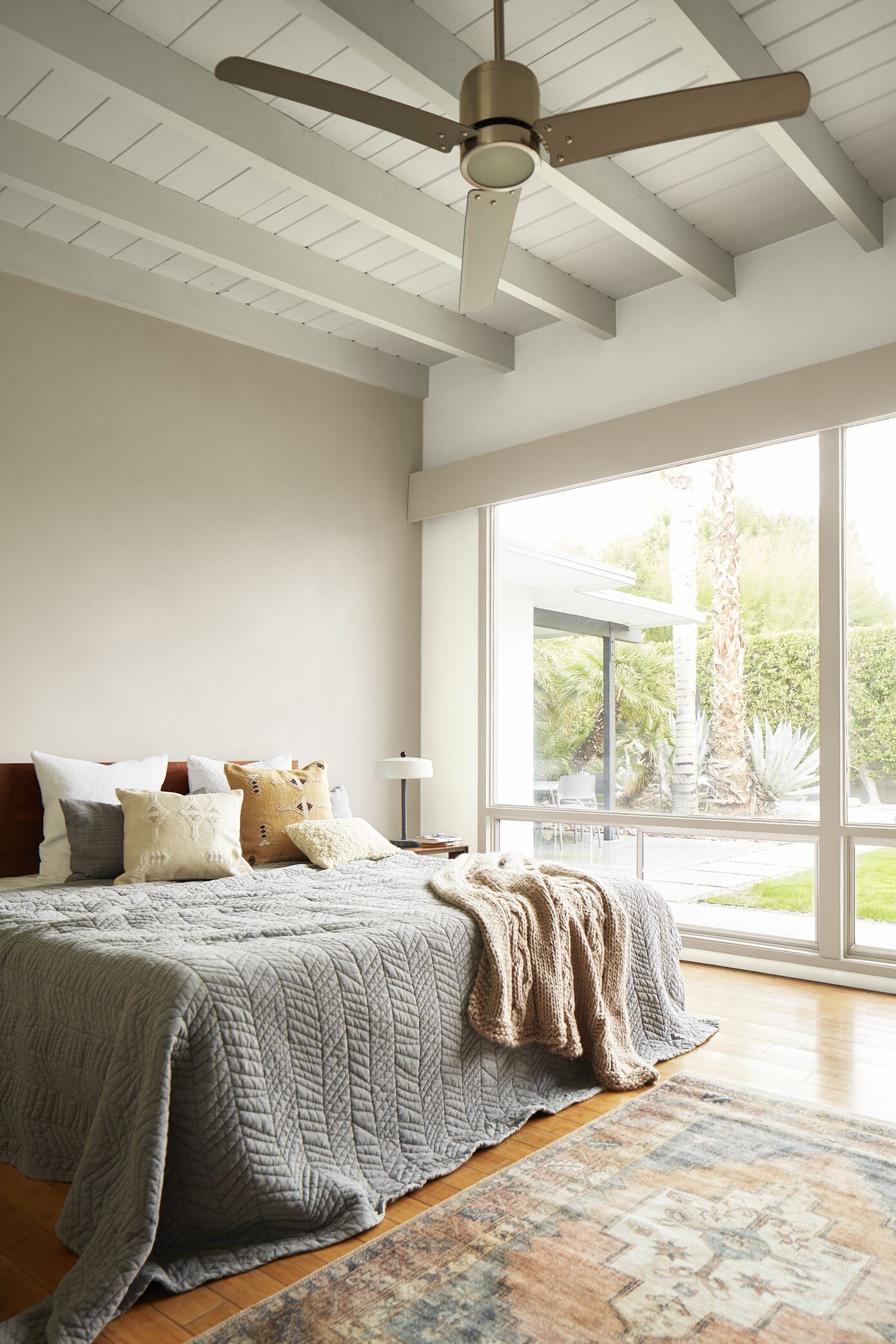
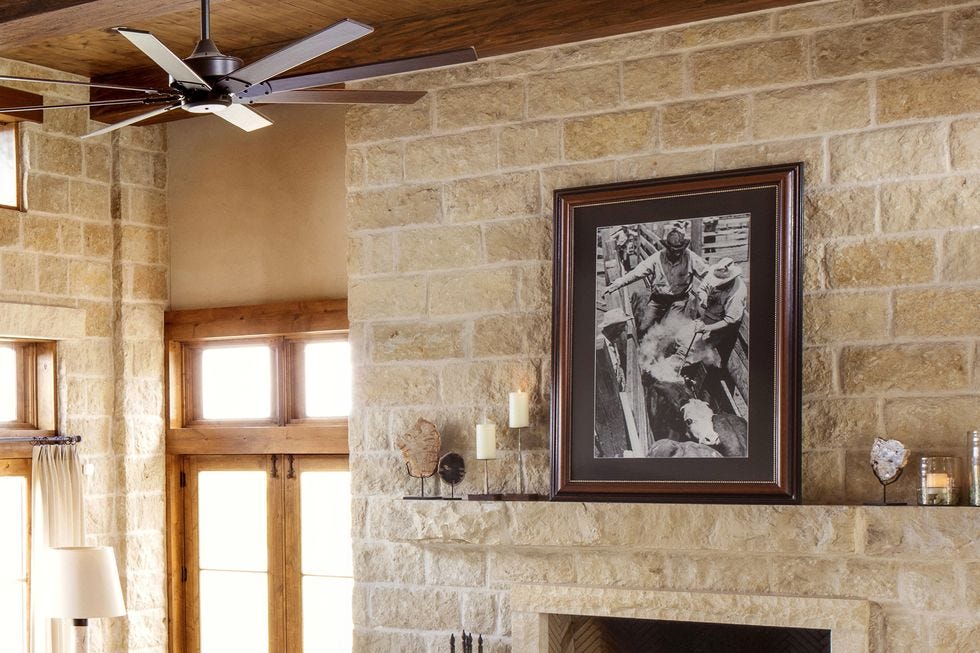
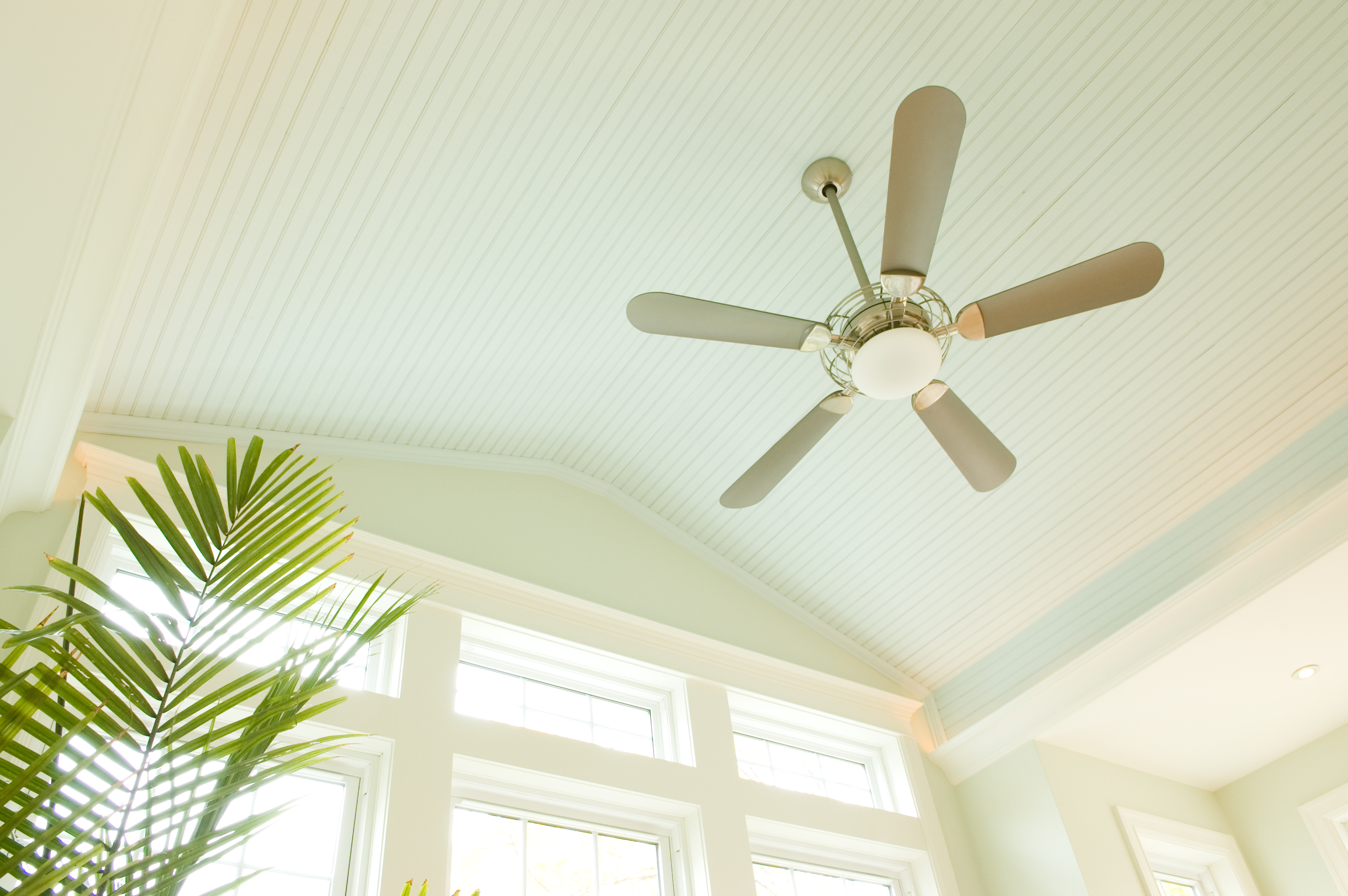
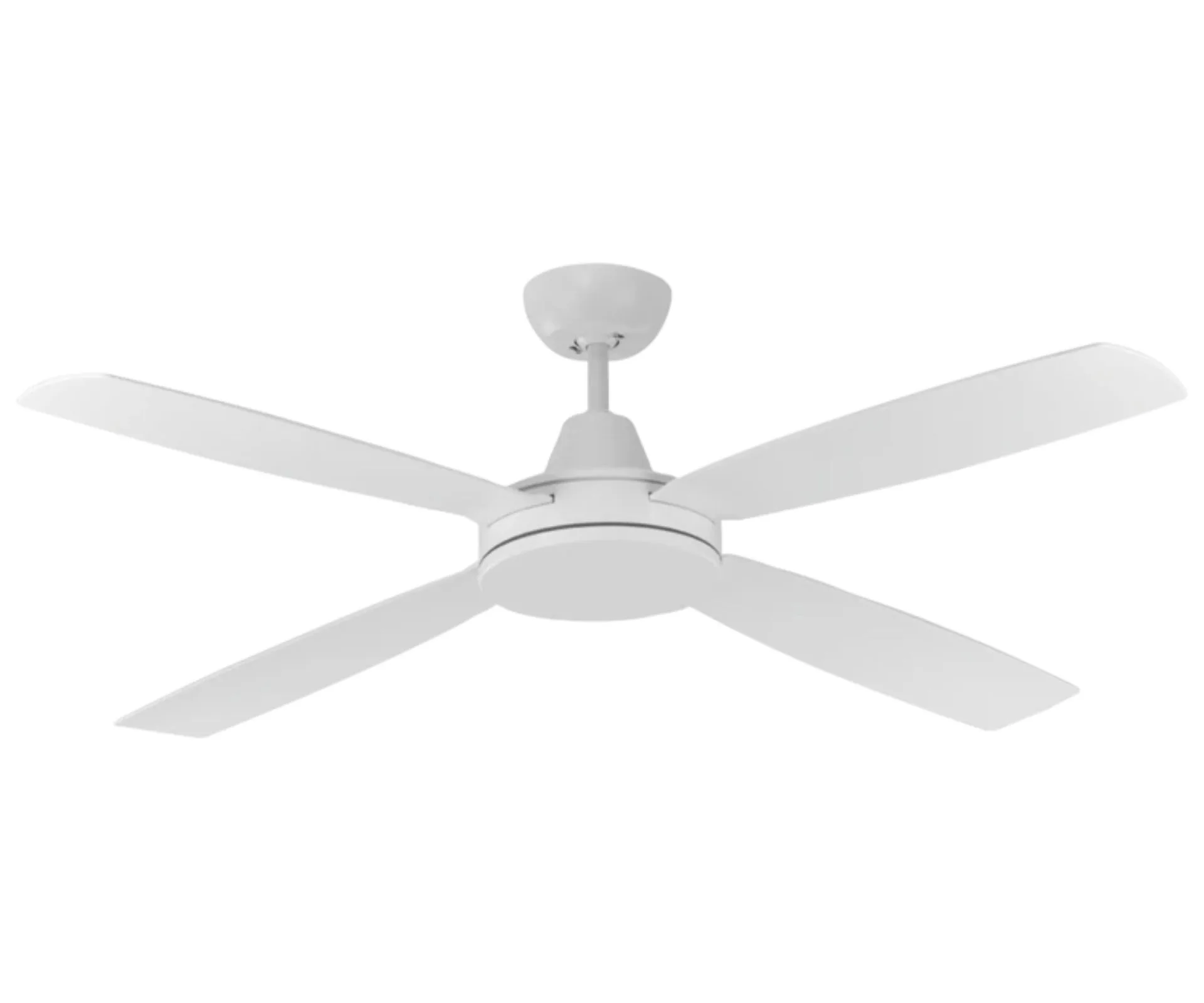
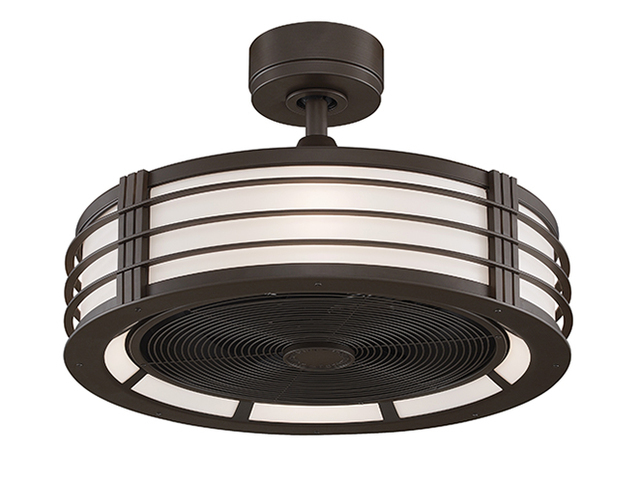
Ceiling height is another critical consideration, influencing whether a fan requires a down rod or a ceiling hugger. Ceiling huggers, where the motor housing is flush with the ceiling, are suitable for 8-foot ceilings. For 9-foot ceilings, a 12-inch down rod is often recommended, positioning the fan below the housing. Taller ceilings may necessitate longer down rods, potentially ranging from 24 to 36 inches, to optimize air circulation.
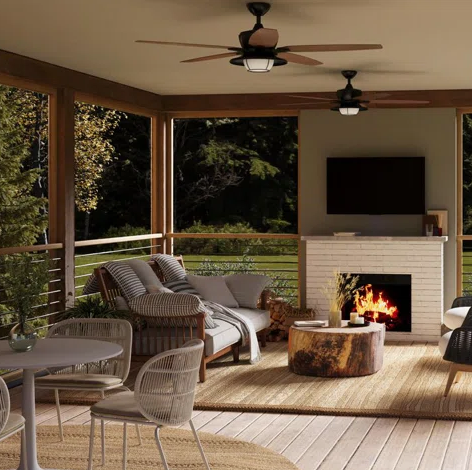
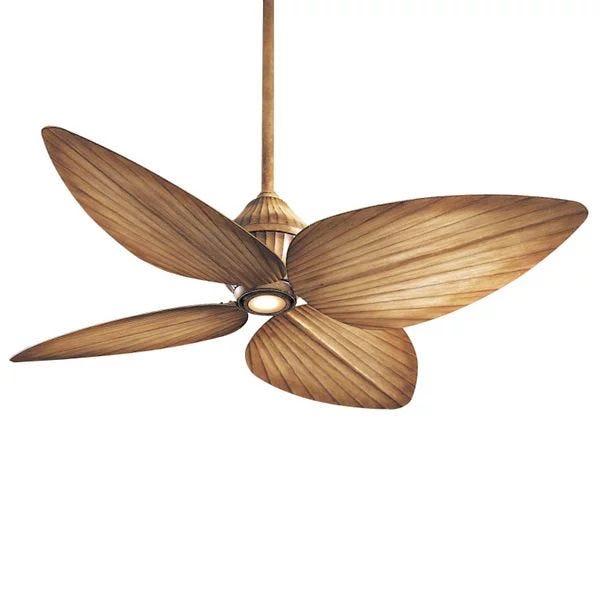
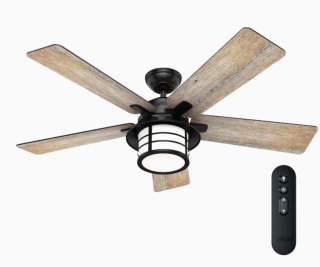
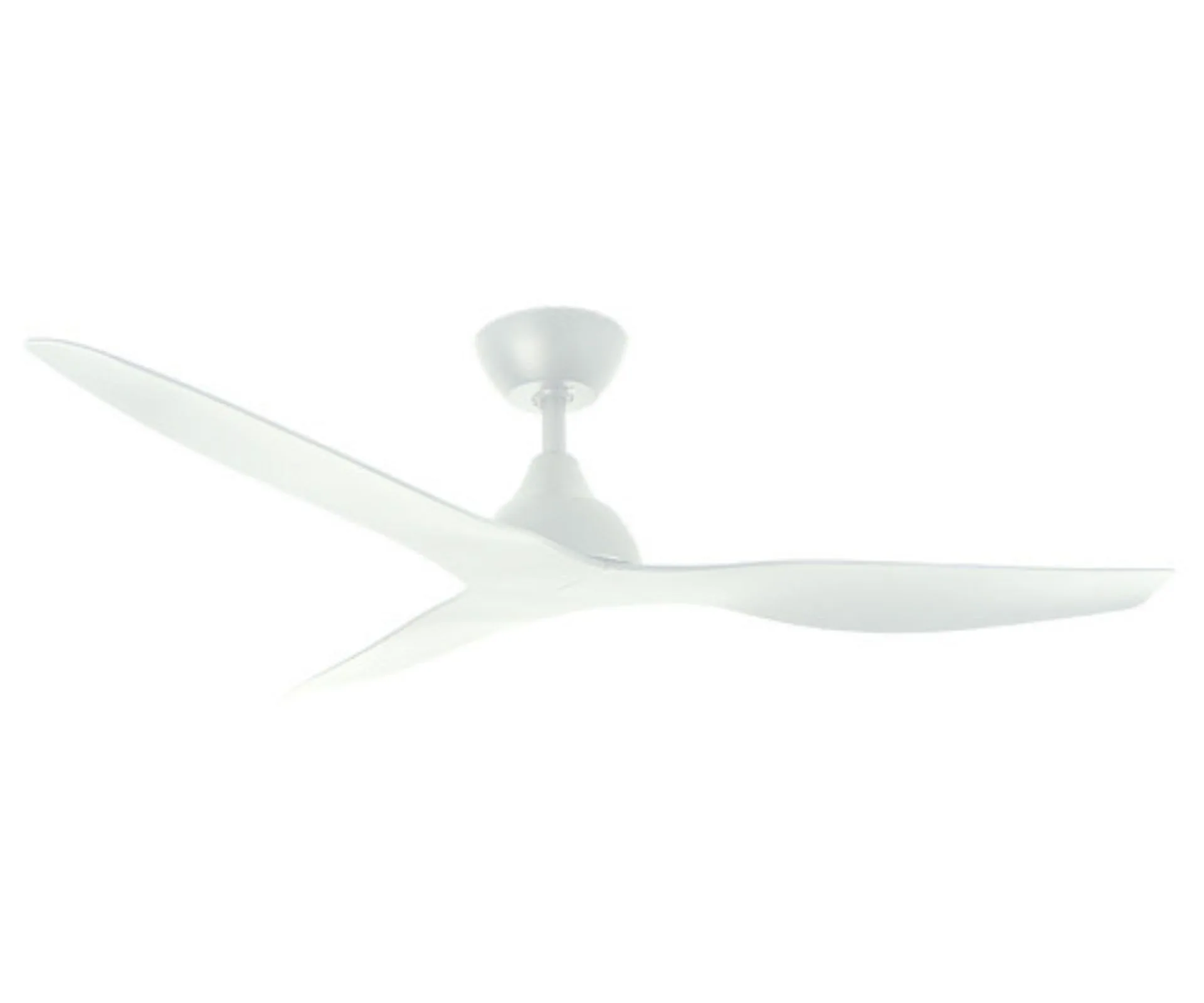
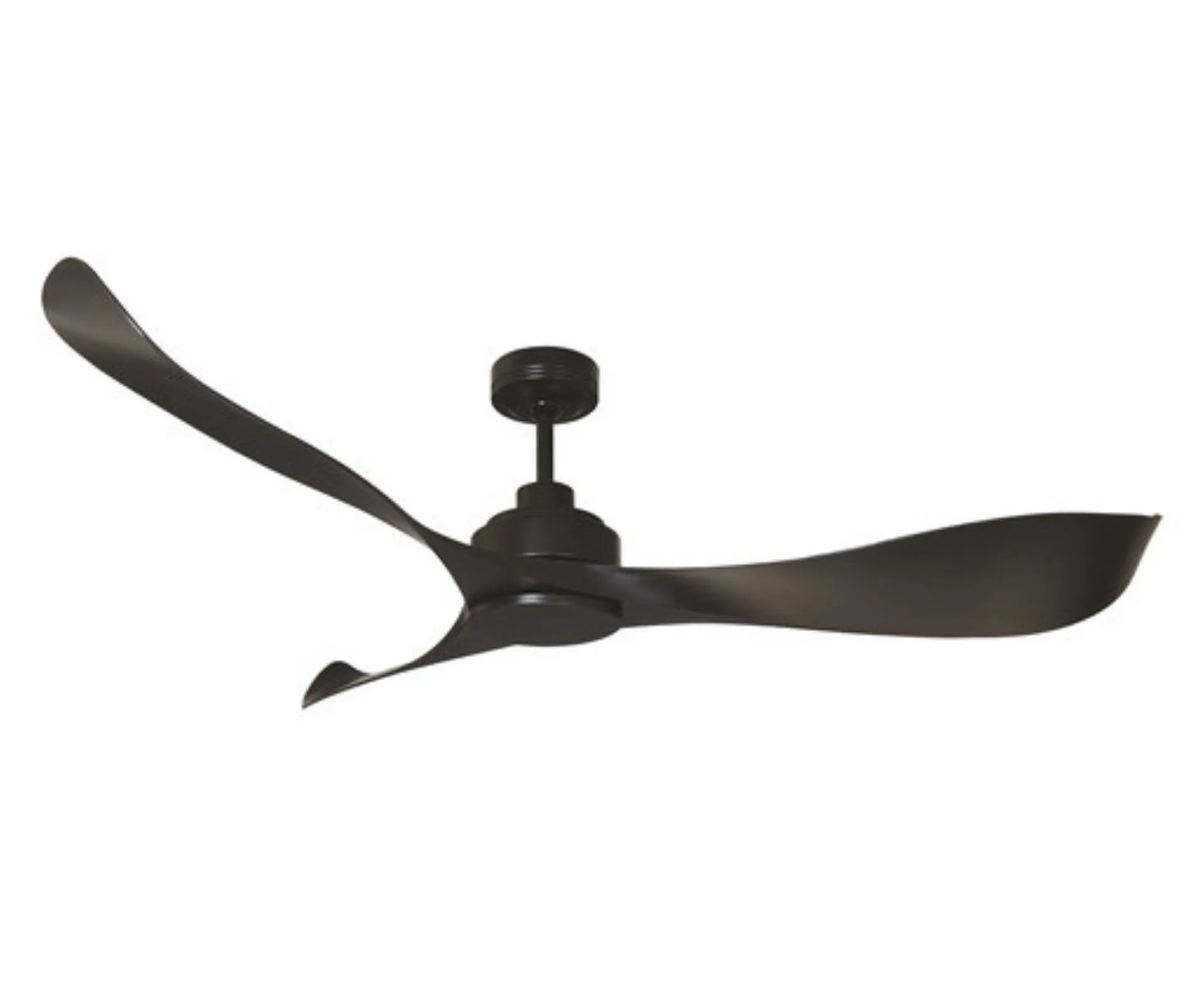
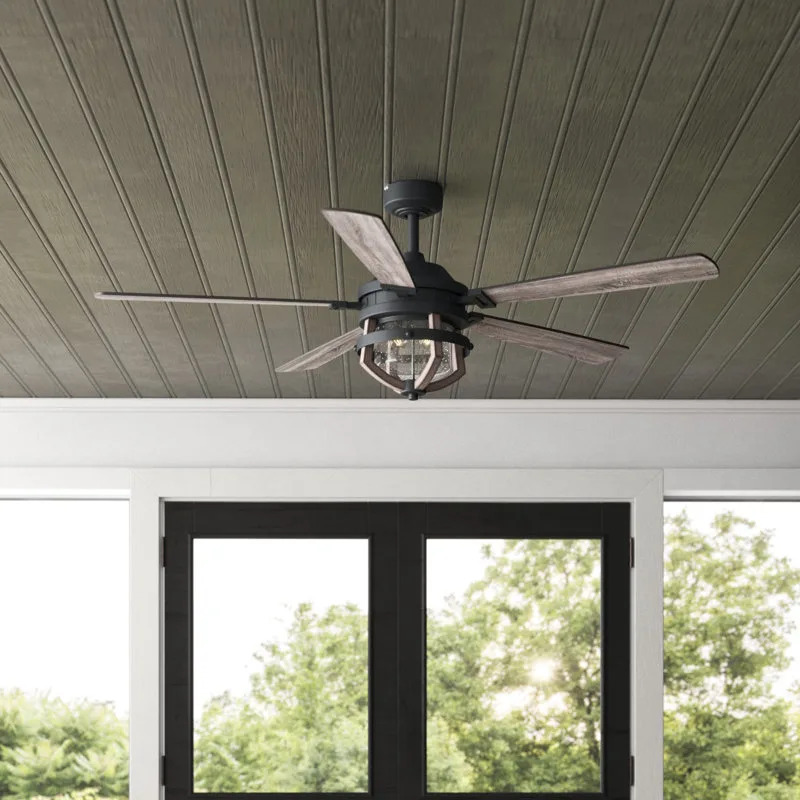
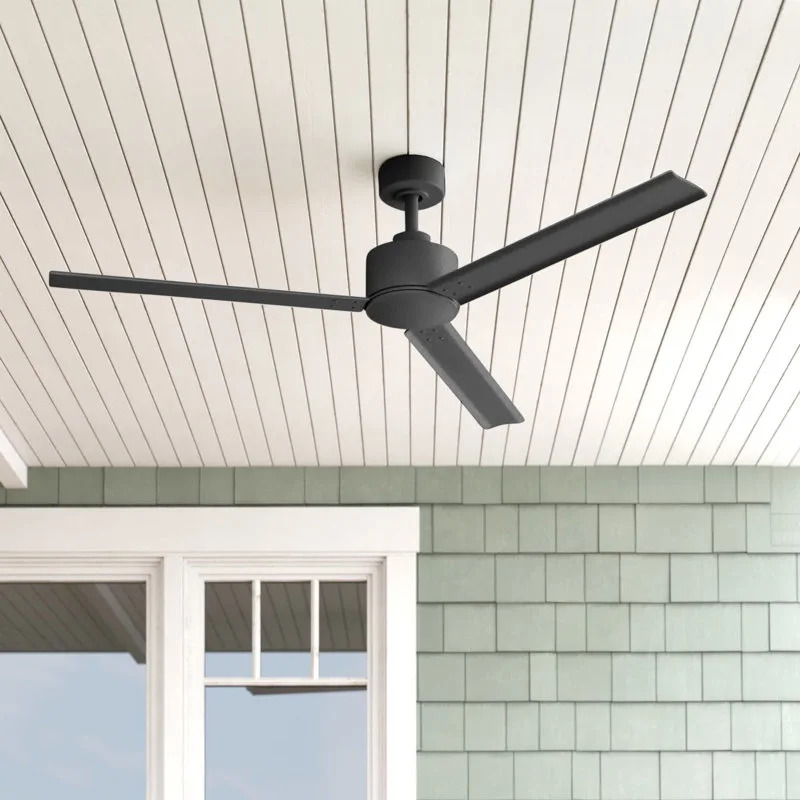
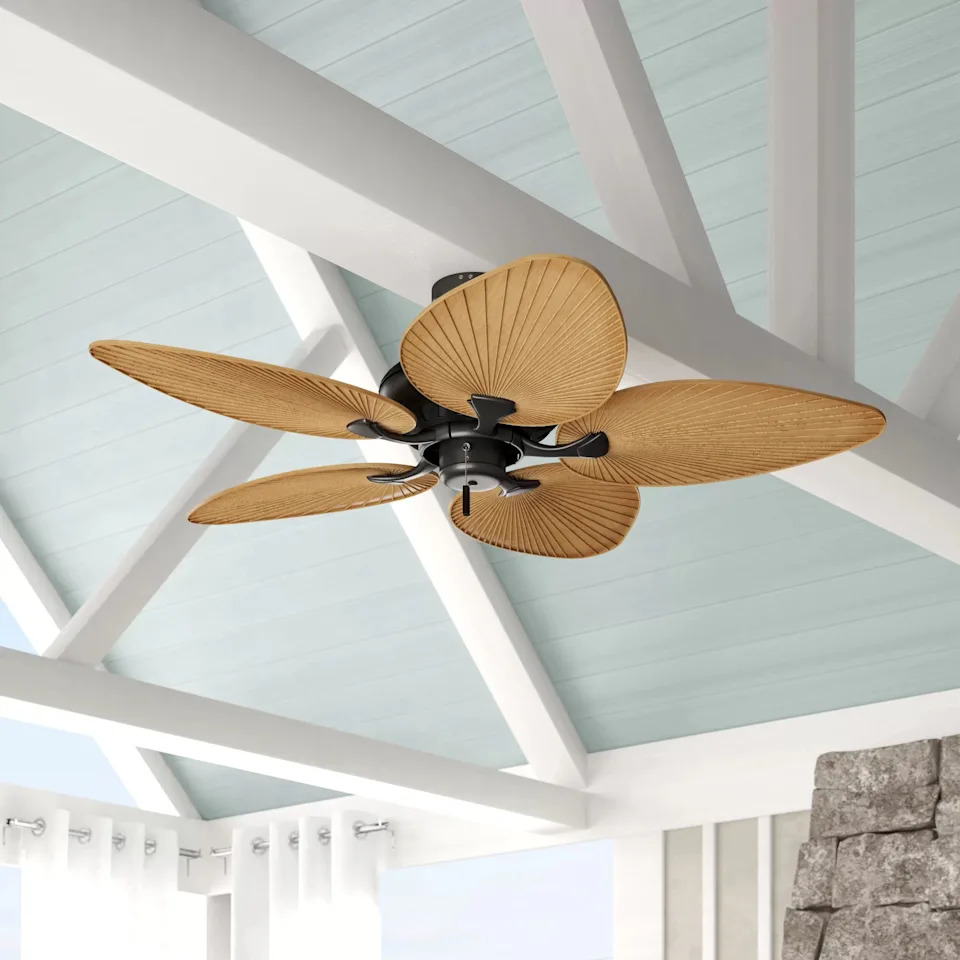
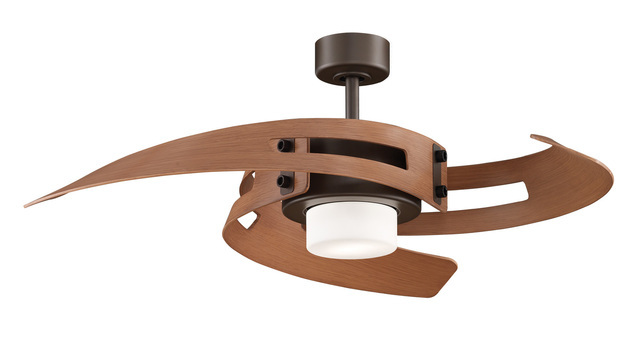
Regarding aesthetics, numerous fan styles are available to complement various home décors. The number of blades does not always dictate air circulation efficiency; two- and three-blade fans can be as effective as five-blade models, depending on their Cubic Feet Per Minute (CFM) rating. Many fans also incorporate light fixtures, which can be a practical addition, especially when replacing an existing light fixture.
Fans contribute to energy efficiency by allowing heating and cooling systems to operate at more optimal levels. There are two primary types of fan installations: replacing an existing light fixture or requiring a new electrical connection. The former is simpler, often a DIY project for those familiar with electrical connections, as wiring and switching are already in place. The latter, however, demands identifying a power source and understanding the home's circuitry. For new electrical connections or if any aspect of the installation proves challenging, hiring a professional electrician licensed by the Arizona Registrar of Contractors is strongly advised. Safety is paramount, requiring the power to be turned off to any circuit being worked on. Proper ladder safety or the use of scaffolding is also recommended for ceiling installations. Finally, fans are most effective at cooling people, not rooms, so they should be operated only when someone is present in the room.
#FanSelection #FanInstallation #HomeCooling #EnergyEfficiency #ArizonaHeat #DIYHomeImprovement #ElectricalSafety #CeilingFans #HomeComfort #FanSelection #FanInstallation #HomeCooling #EnergyEfficiency #ArizonaHeat #DIYHomeImprovement #ElectricalSafety #CeilingFans #HomeComfort
0 comment in total
 No comments yet
You may also like
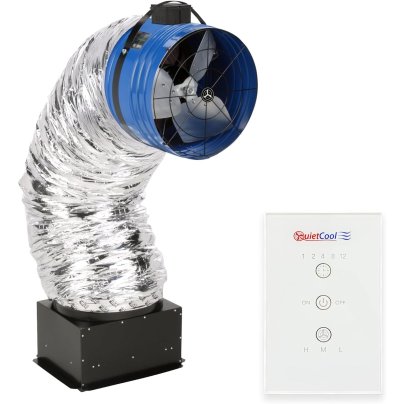
Beat the Summer Heat With One of Our Favorite Whole-House Fans


The Fan Mistake You’re Making That’s Making Your House Hotter

Sick of the heat? Here's how to keep your home cool, heatwave or not, if you don't have AC
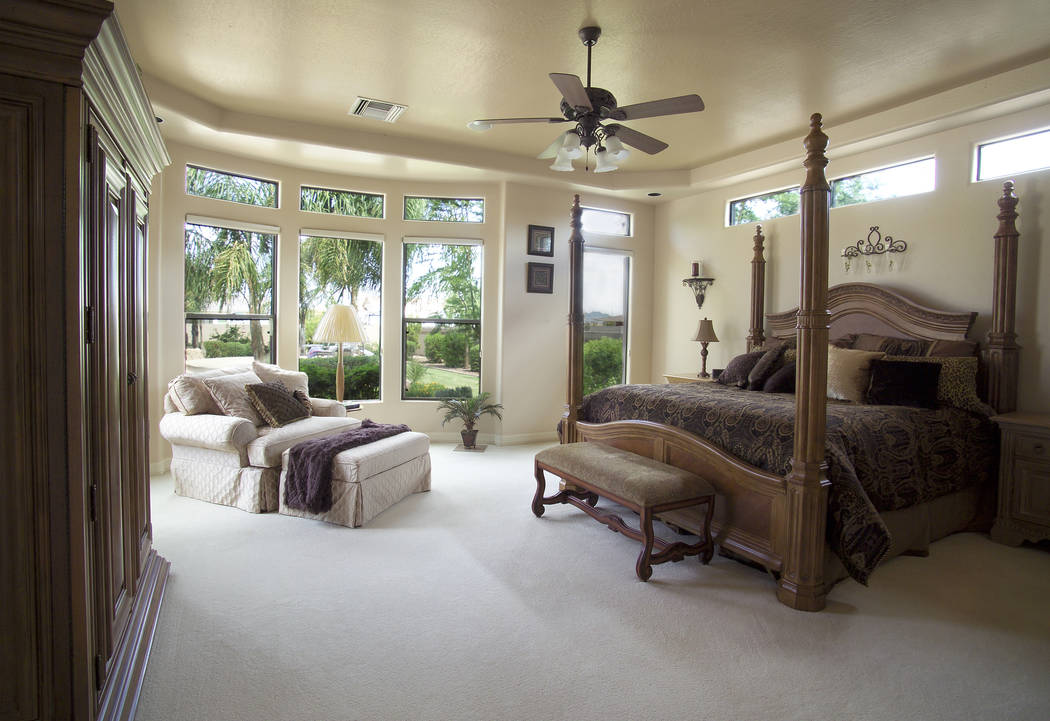
Ceiling fans can help cool rooms during summer | Home and Garden | Life
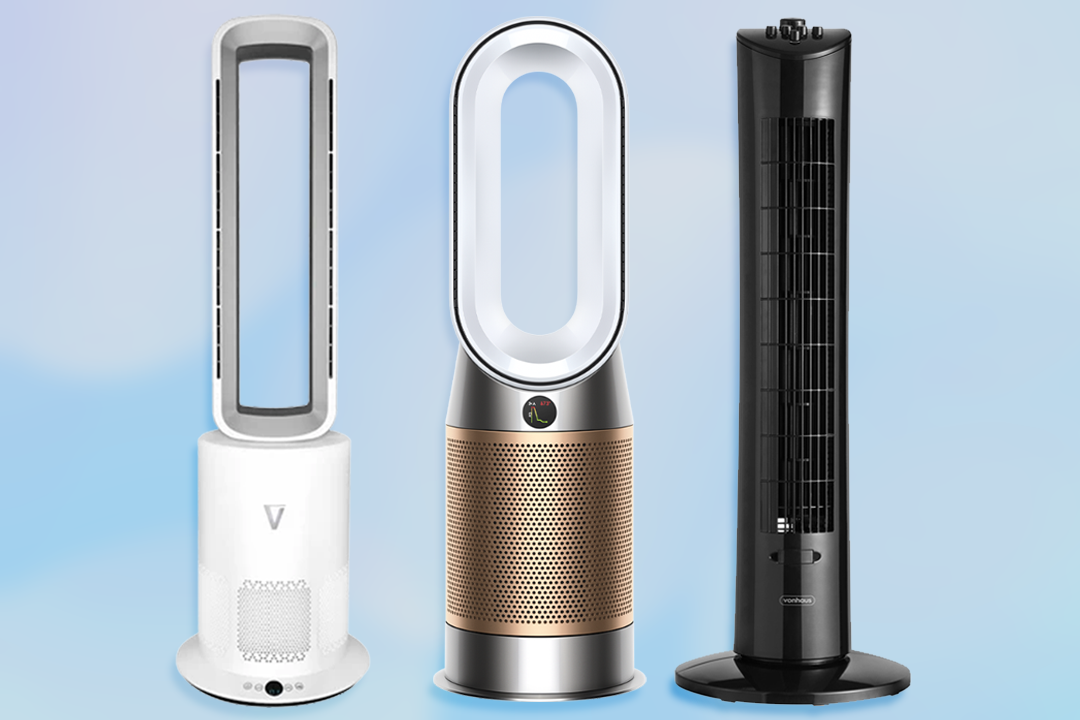
The best fans to keep you cool in a heatwave, reviewed by our experts

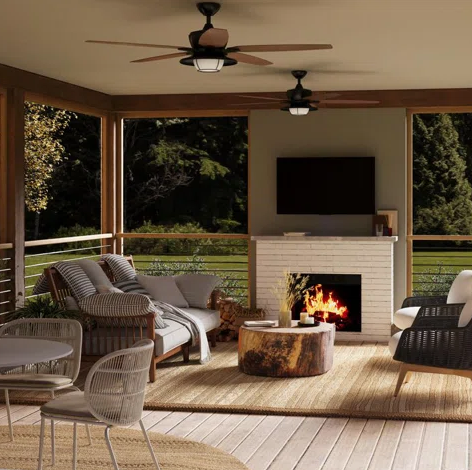
12 Stylish Outdoor Ceiling Fans That Will Keep You Cool All Summer Long

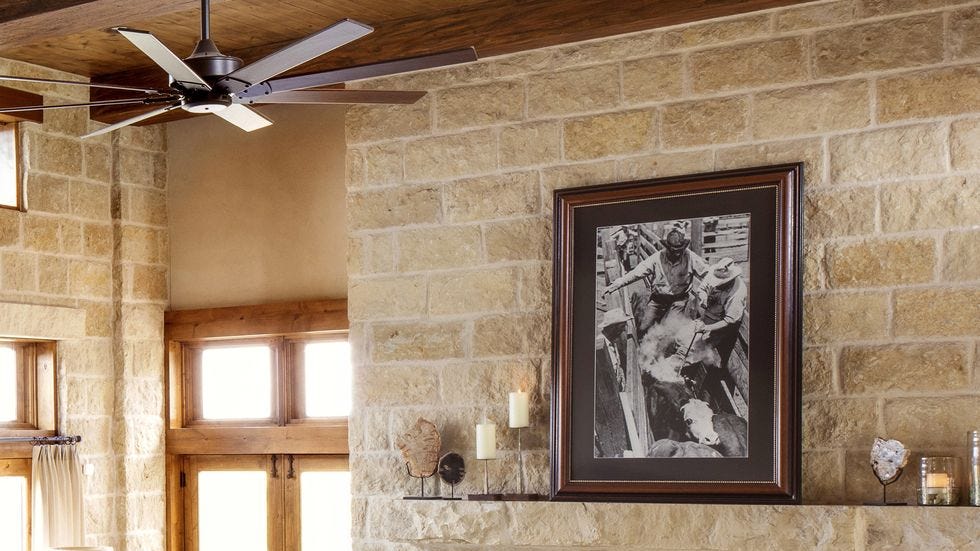
This Easy Ceiling Fan Trick Will Help Keep You Cool in the Summer

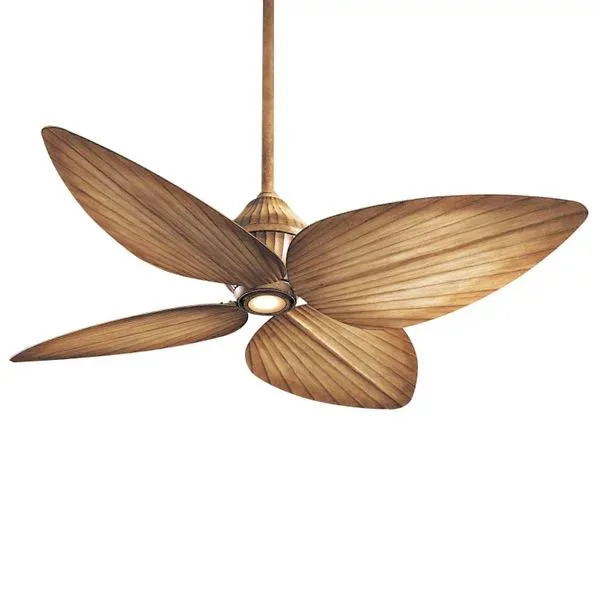
10 Outdoor Ceiling Fans That Aren't Total Eyesores

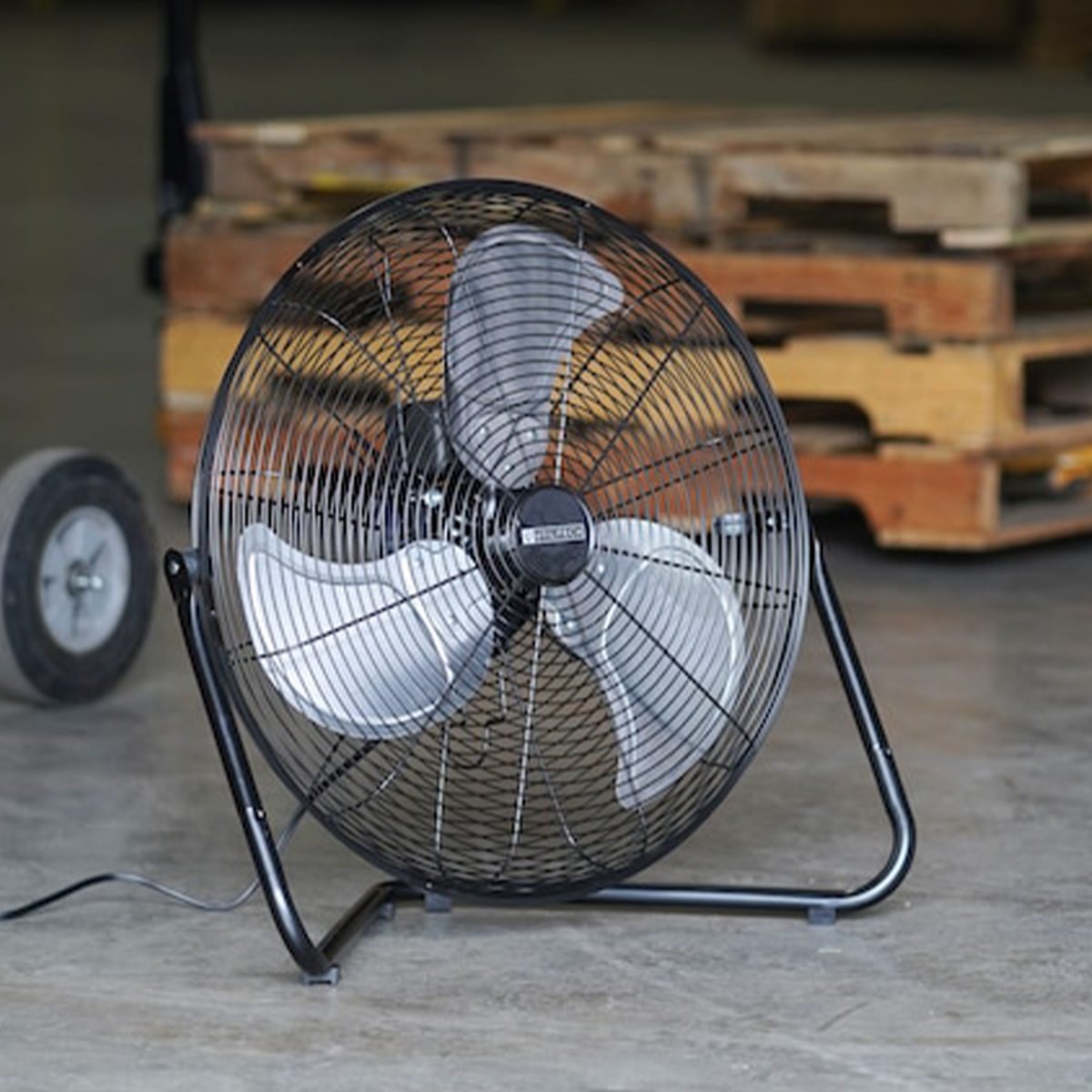
The 10 Best Garage Fan Picks to Keep You Cool During Hot Months 2025

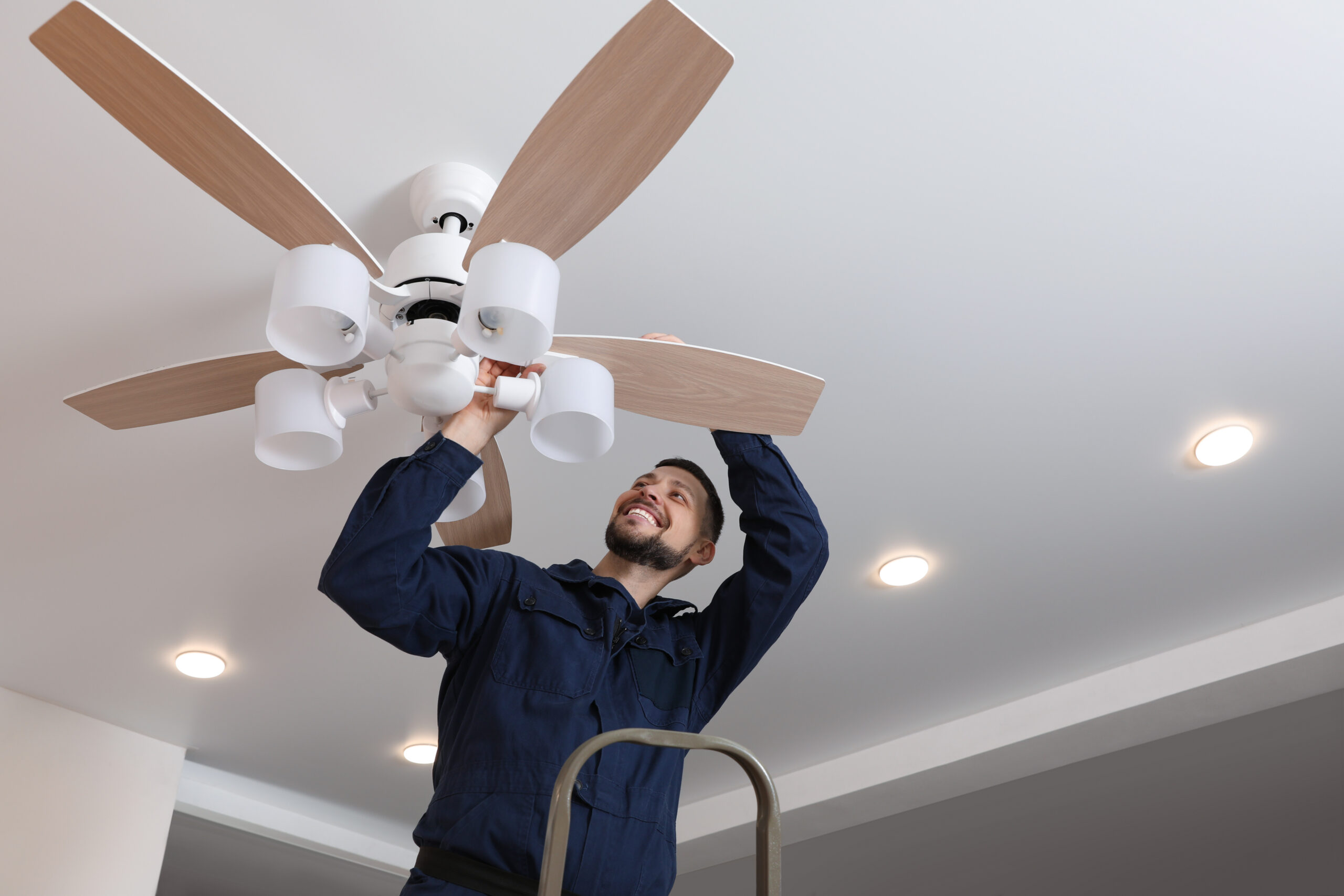
Stay cool this summer with ceiling fans


How to Cool Down Your Sunroom — 5 Simple Methods to Stop This Spot Overheating in Summer

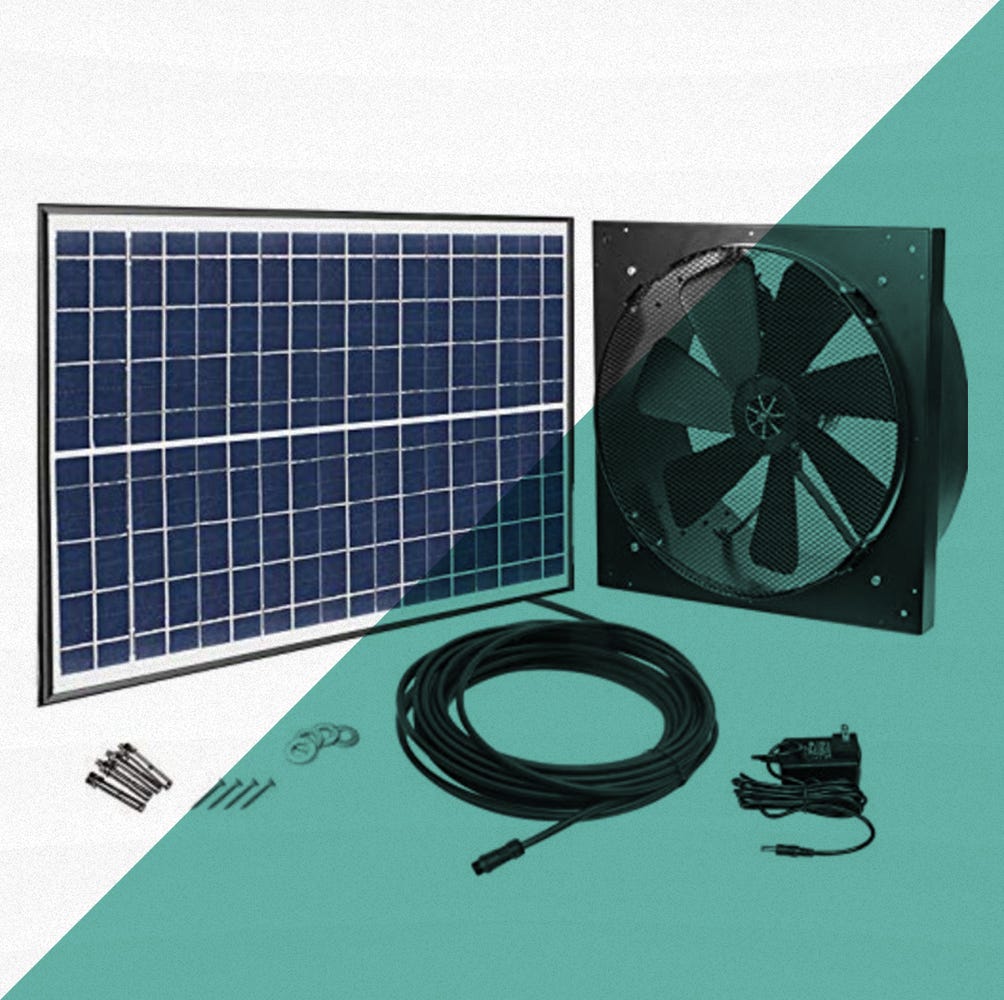
Keep Cool and Save Energy With These Top-Rated Solar-Powered Fans
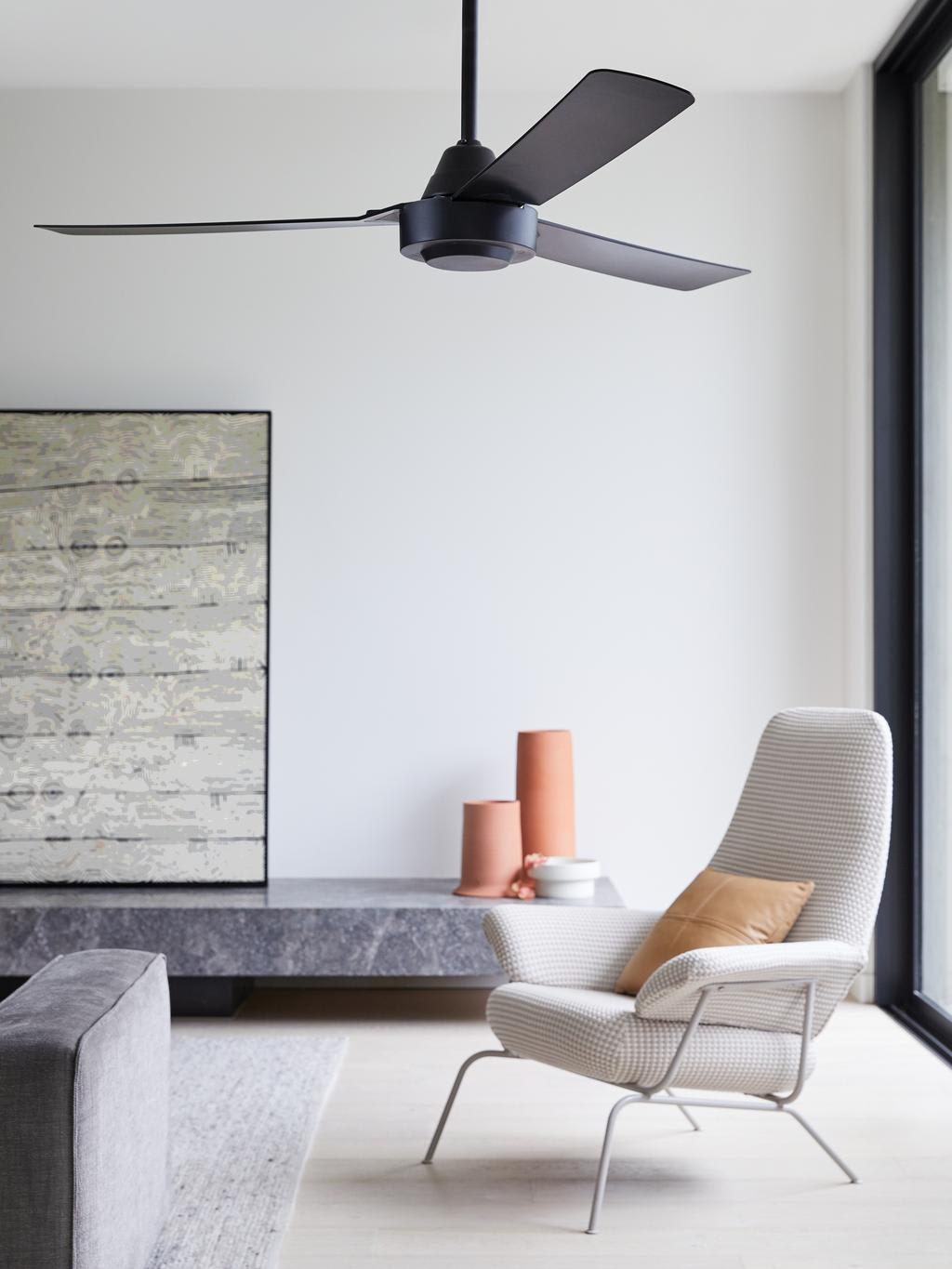
Invest in a ceiling fan to keep your cool this summer

7 top-rated ceiling fans to consider this year

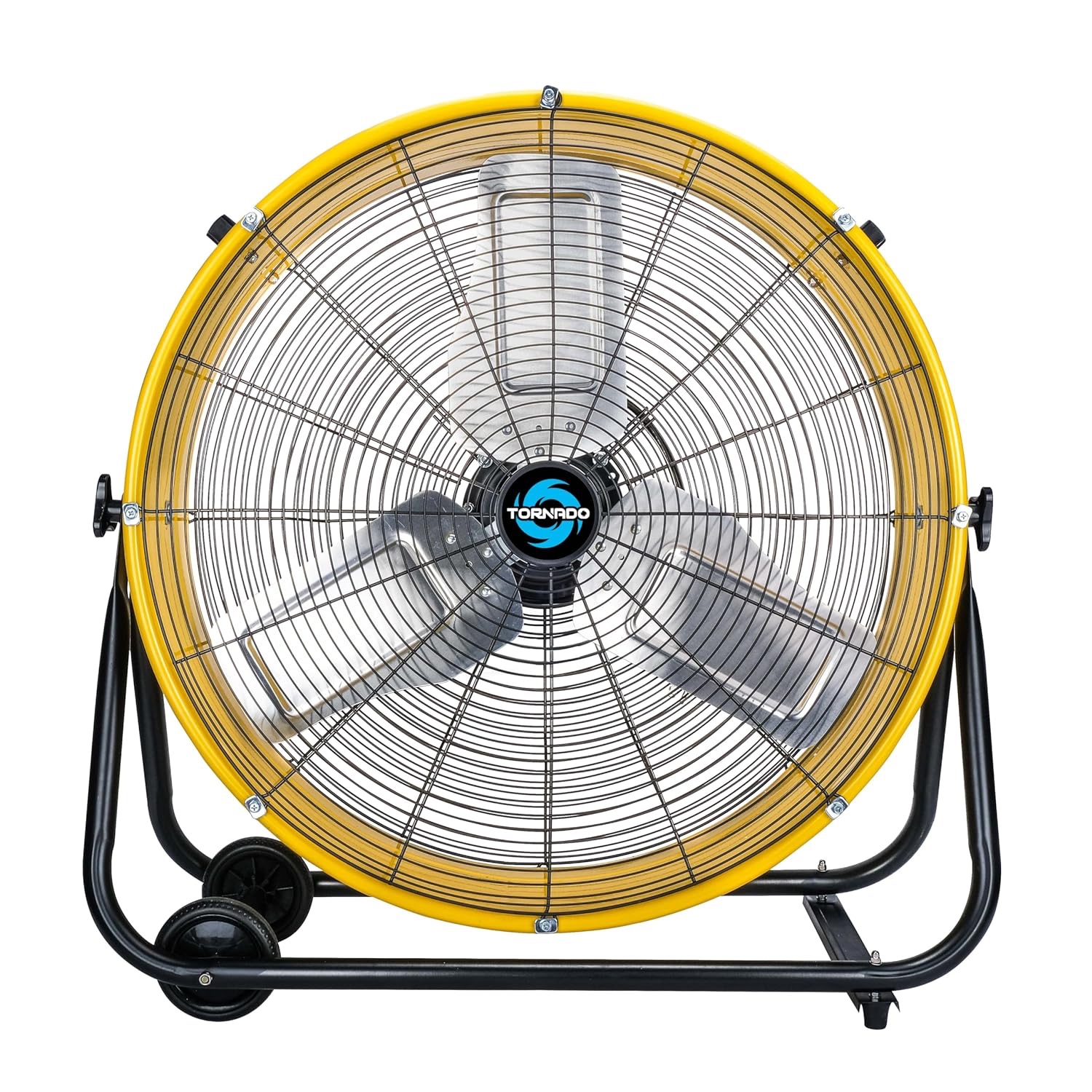
See the Best Garage Fans for Beating the Heat

Ceiling fans: A new spin on cooling your home | Home and Garden | Life

Ceiling Fans—A Stylish Way to (Literally) Beat the Heat


How to keep a top-floor apartment cool in summer


How to choose the best ceiling fans for your home

Changing This Ceiling Fan Setting Will Make Your Room Feel Instantly Cooler