Ceiling fans can help cool rooms during summer | Home and Garden | Life
Marjorie, a recent transplant from North Dakota to Las Vegas, sought advice on installing ceiling fans in her new home to combat the upcoming summer heat. The article addresses several key considerations for selecting and installing ceiling fans, emphasizing their importance in cooling rooms, especially in arid climates. The author reminisces about her own experience with Las Vegas summers, acknowledging the intense heat despite the "dry heat" adage, and then proceeds to offer practical guidance.
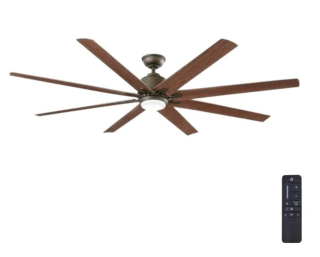
First, selecting the correct ceiling fan size is critical for effective cooling. The American Lighting Association provides guidelines based on room square footage: rooms up to 75 square feet require a 29- to 36-inch fan, medium rooms up to 144 square feet need 36- to 42-inch fans, and rooms up to 225 square feet should have 50- to 54-inch fans. Larger rooms may necessitate a fan of at least 60 inches or the installation of multiple fans. Additionally, maintaining an 18 to 24-inch clearance around the fan is advised. The article highlights cubic feet per minute (CFM) as the most effective metric for assessing a fan's efficiency.
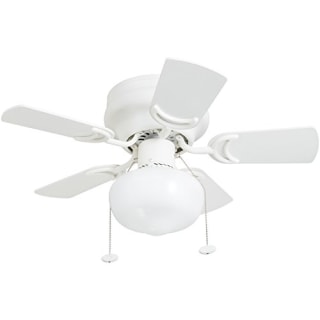
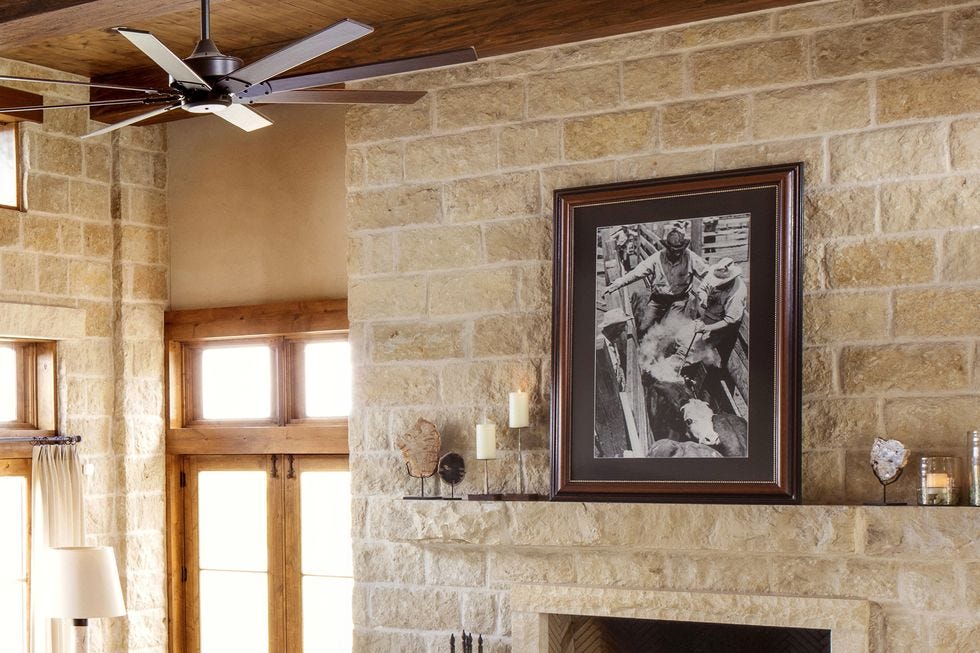
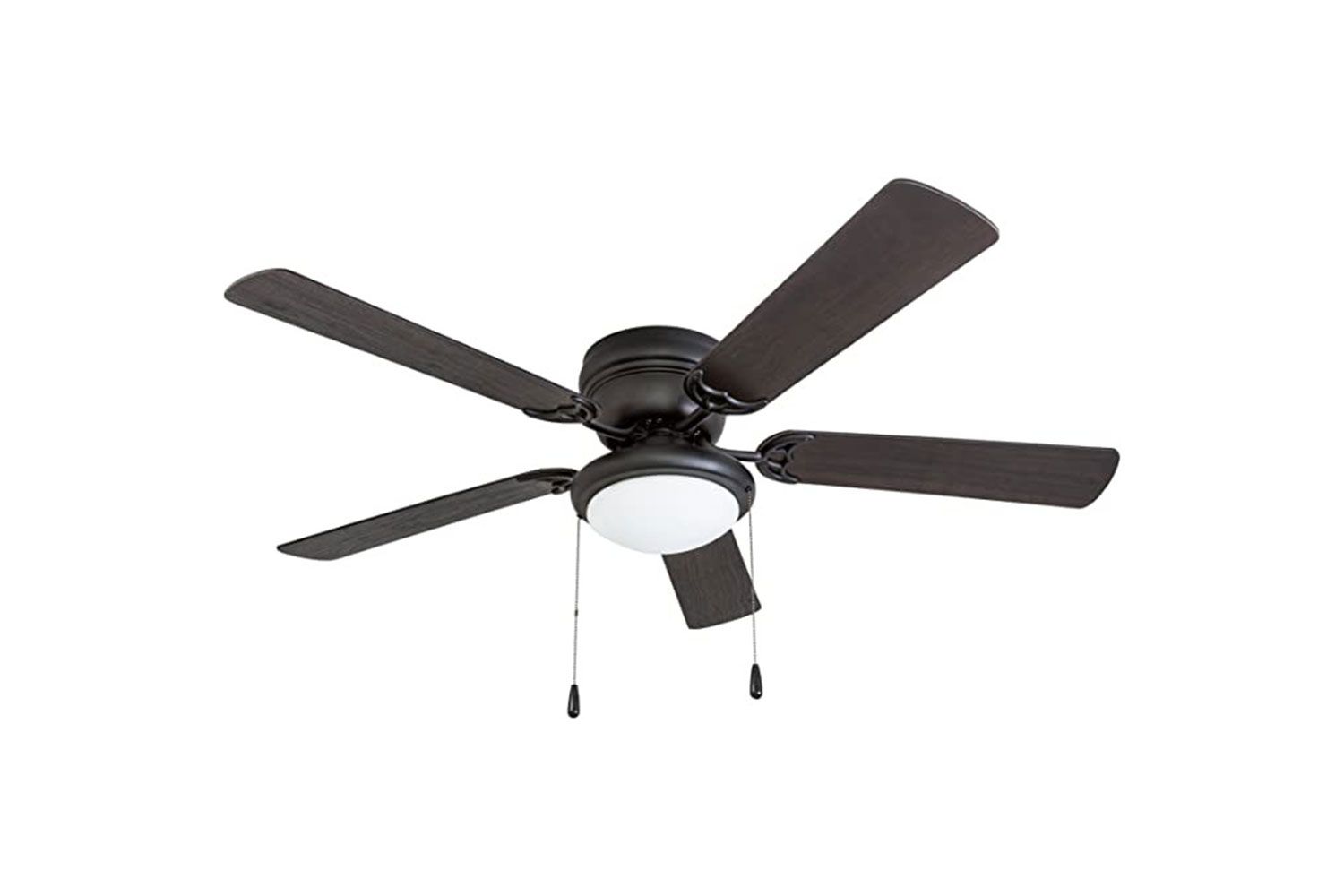
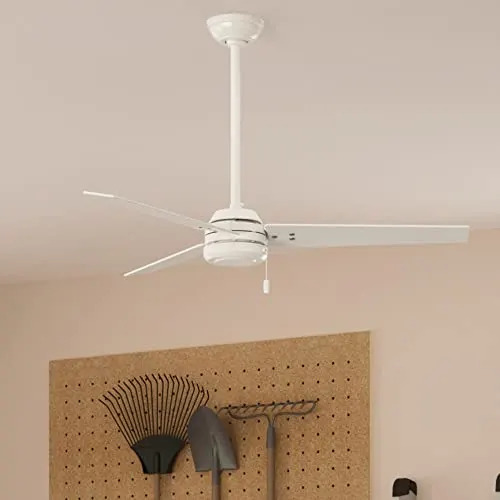
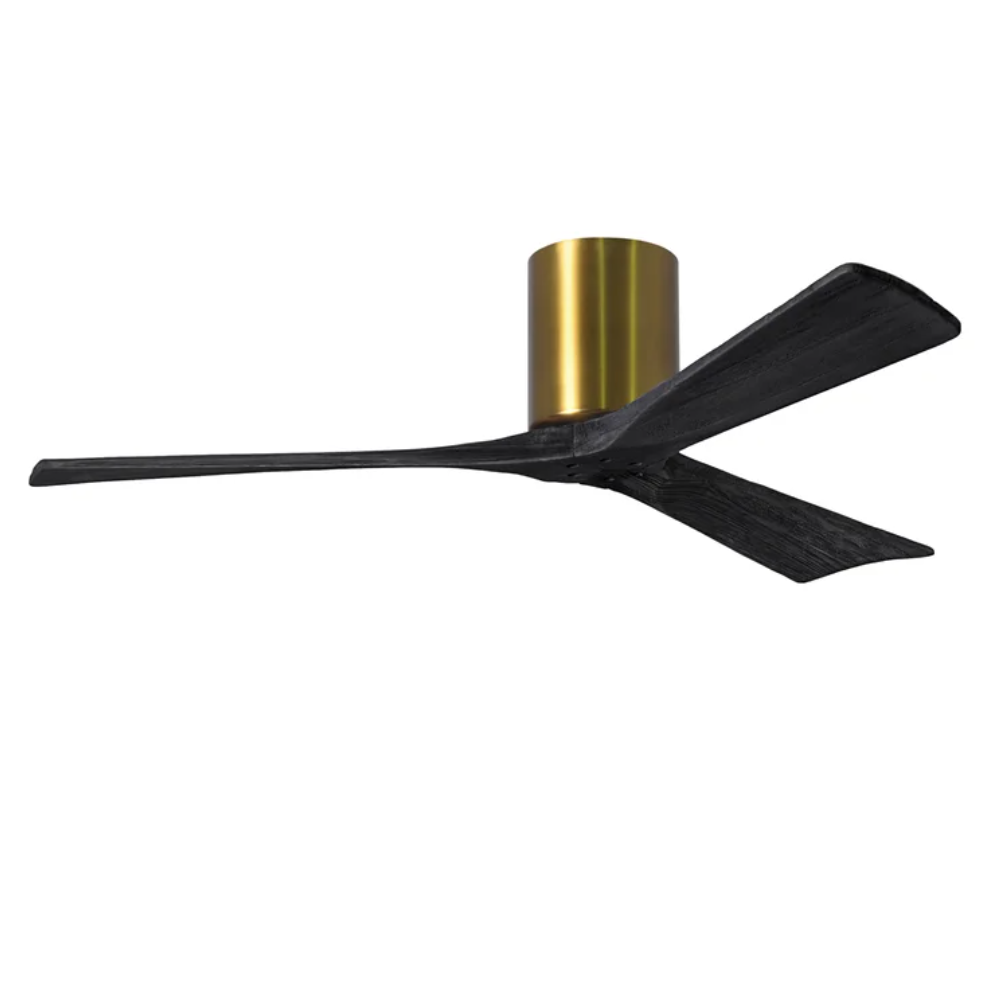
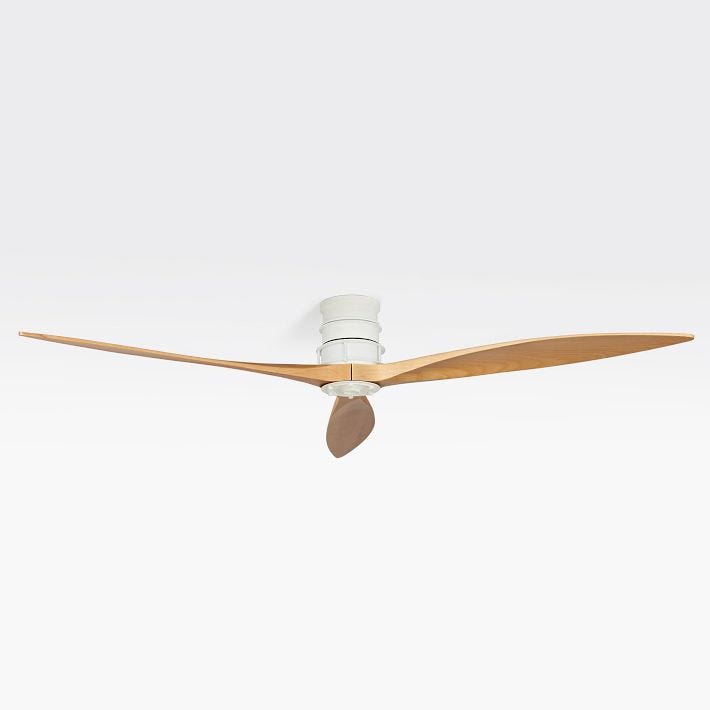
Second, the appropriate downrod length is crucial for optimal fan placement and adherence to building codes. The standard downrod length ranges from 3 to 6 inches, with the ideal fan mounting height between 8 to 9 feet from the floor. Building codes mandate that fan blades must be at least 7 feet from the floor. For ceilings below 7.5 feet, hugger or low-profile fans that mount directly to the ceiling without a downrod are recommended to meet code requirements. Conversely, for ceilings exceeding 15 feet, fans specifically designed for taller spaces are suggested. A formula for calculating downrod length involves subtracting the fan's height and the desired hanging height (usually 8 feet) from the ceiling height. More space between the ceiling and blades, ideally at least 12 inches, improves airflow and circulation.
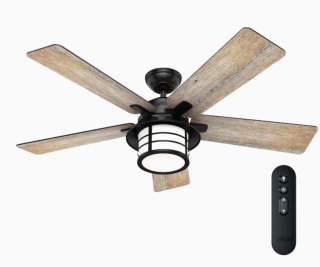
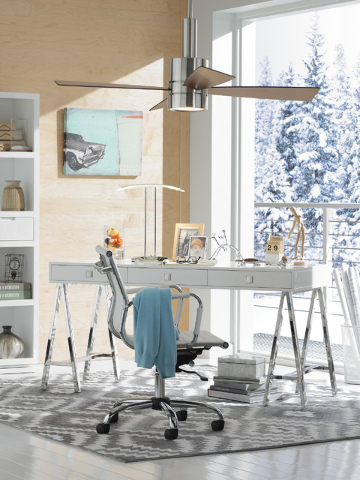
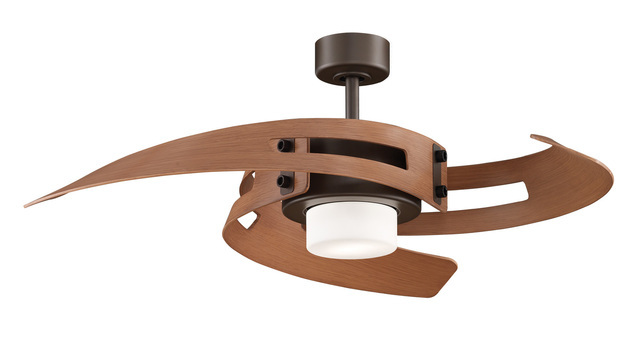
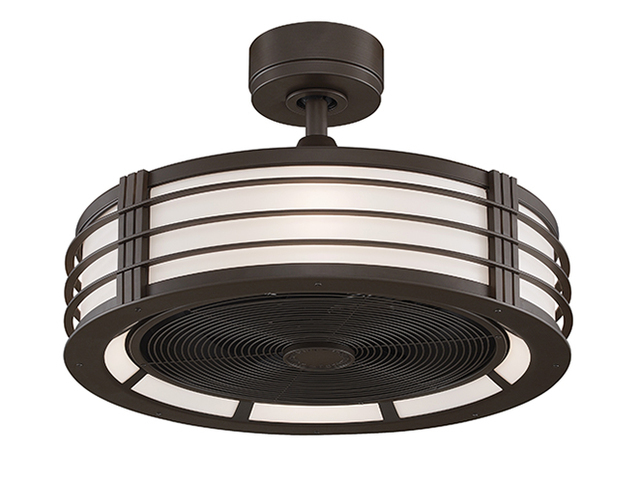
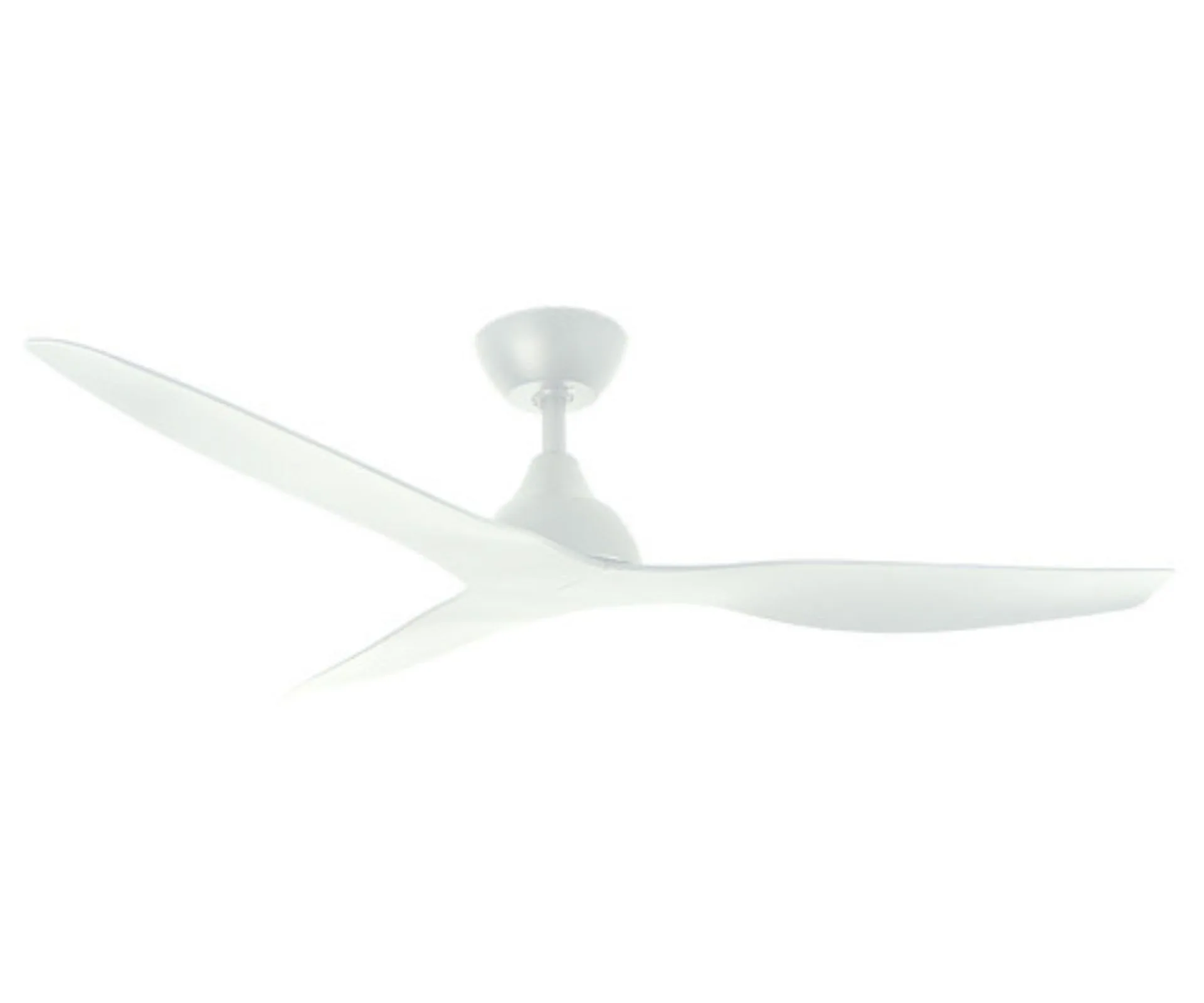
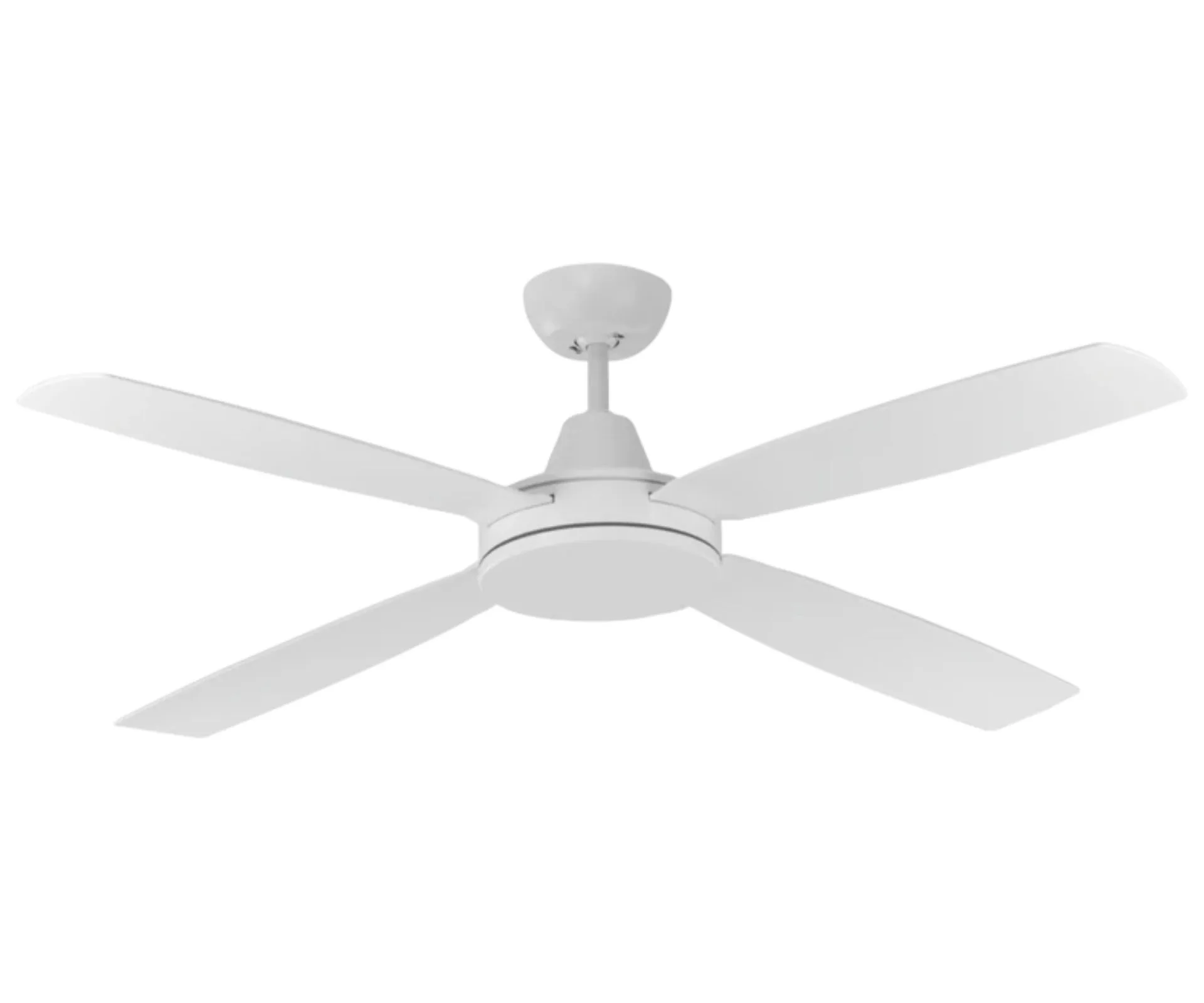
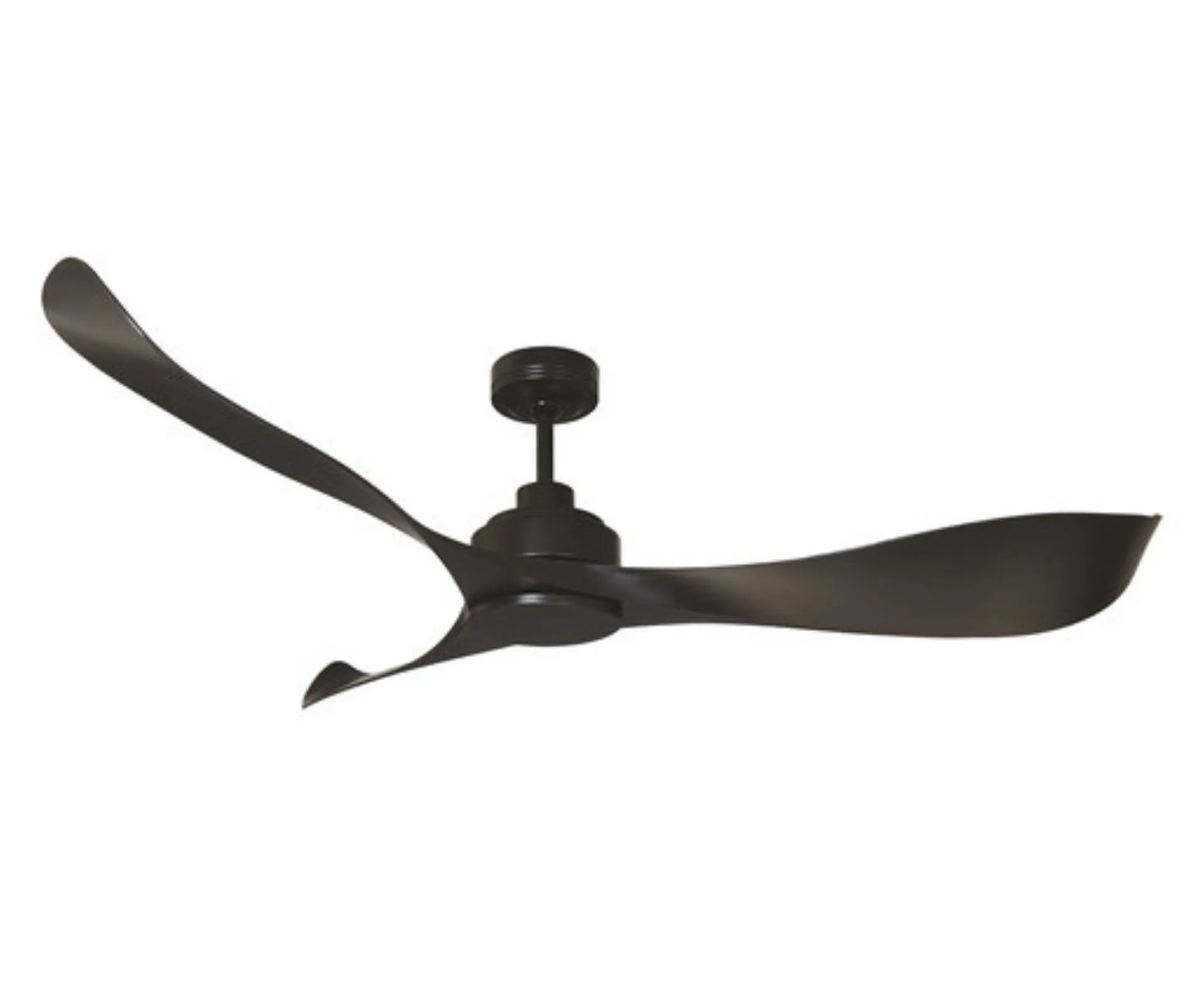
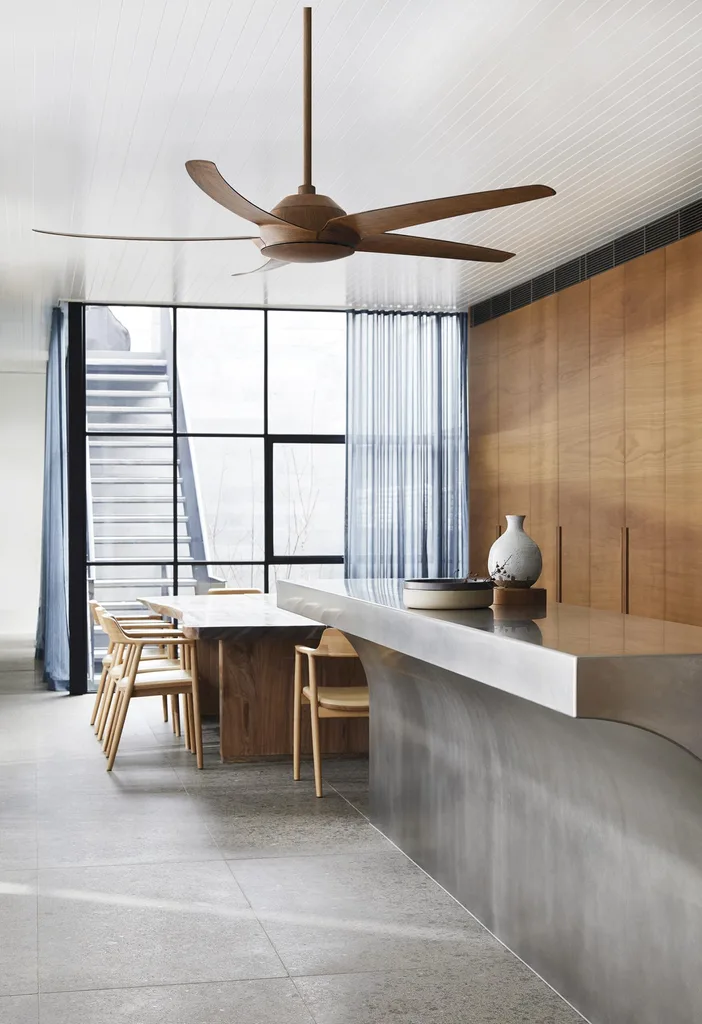
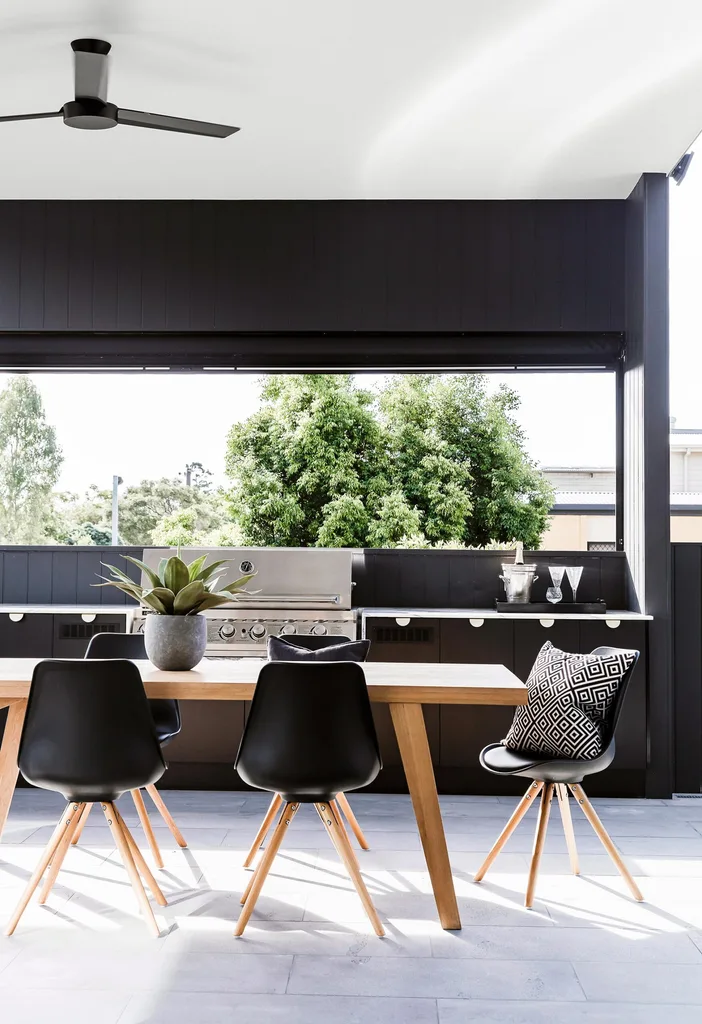
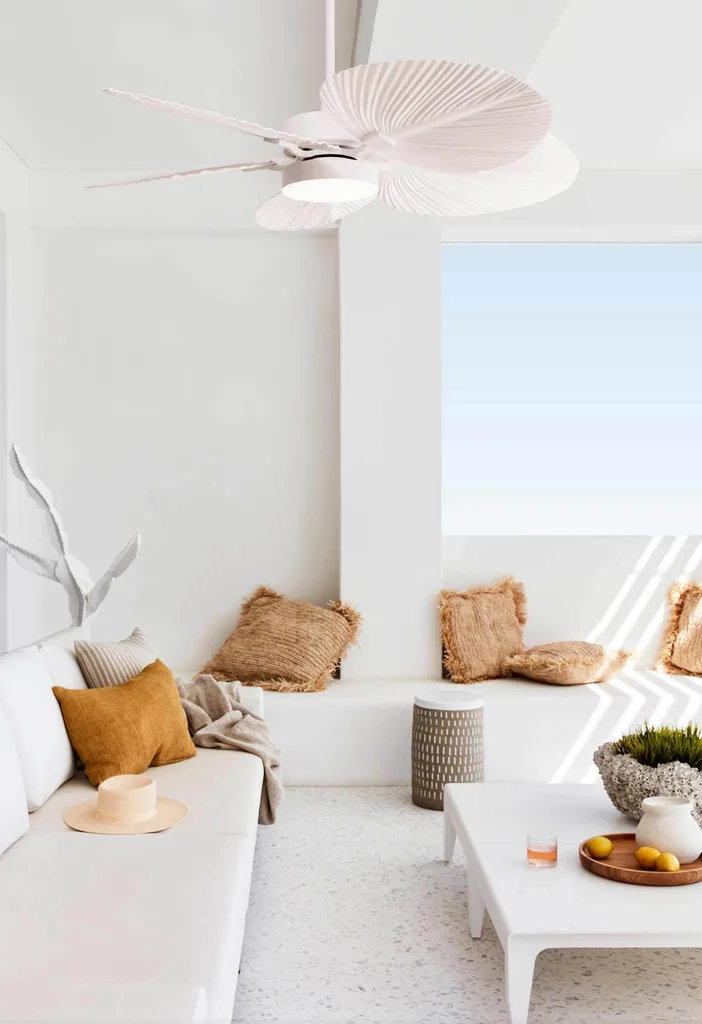
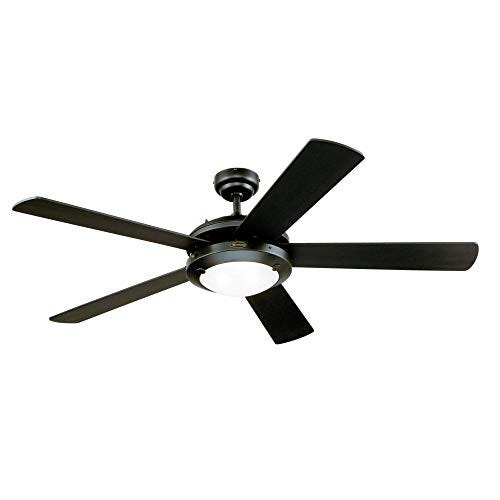
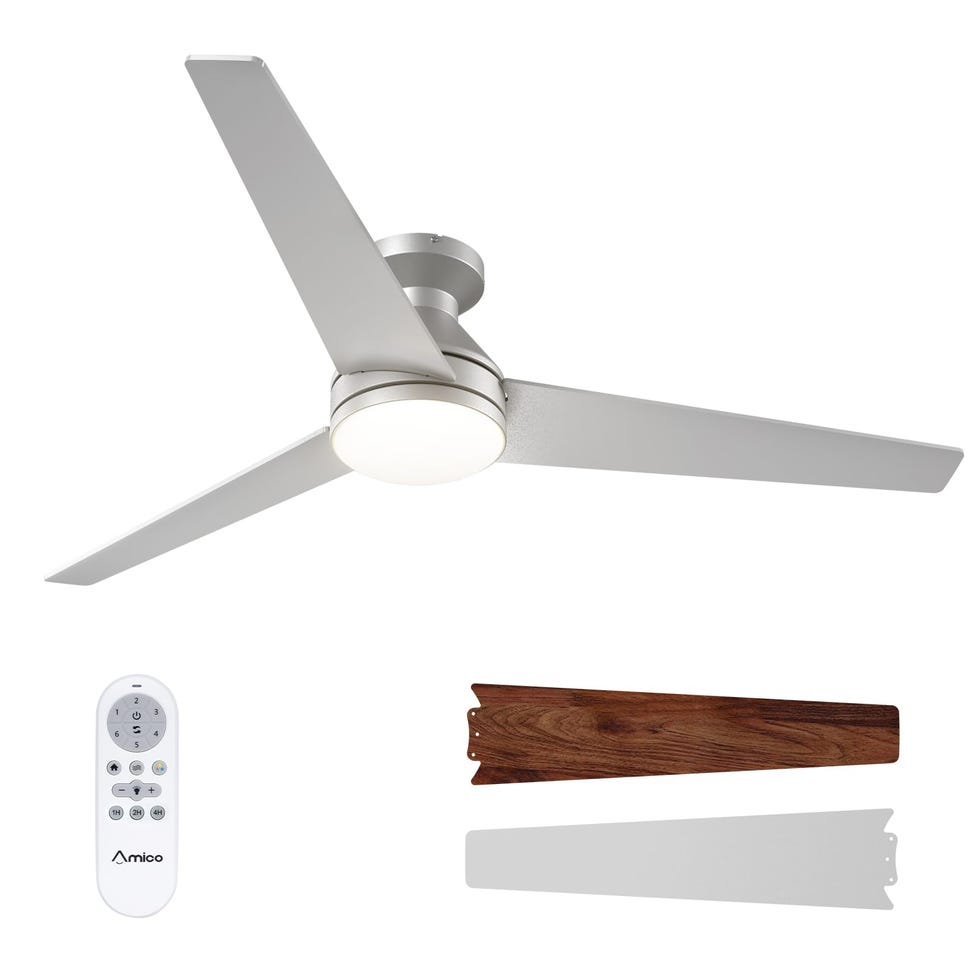
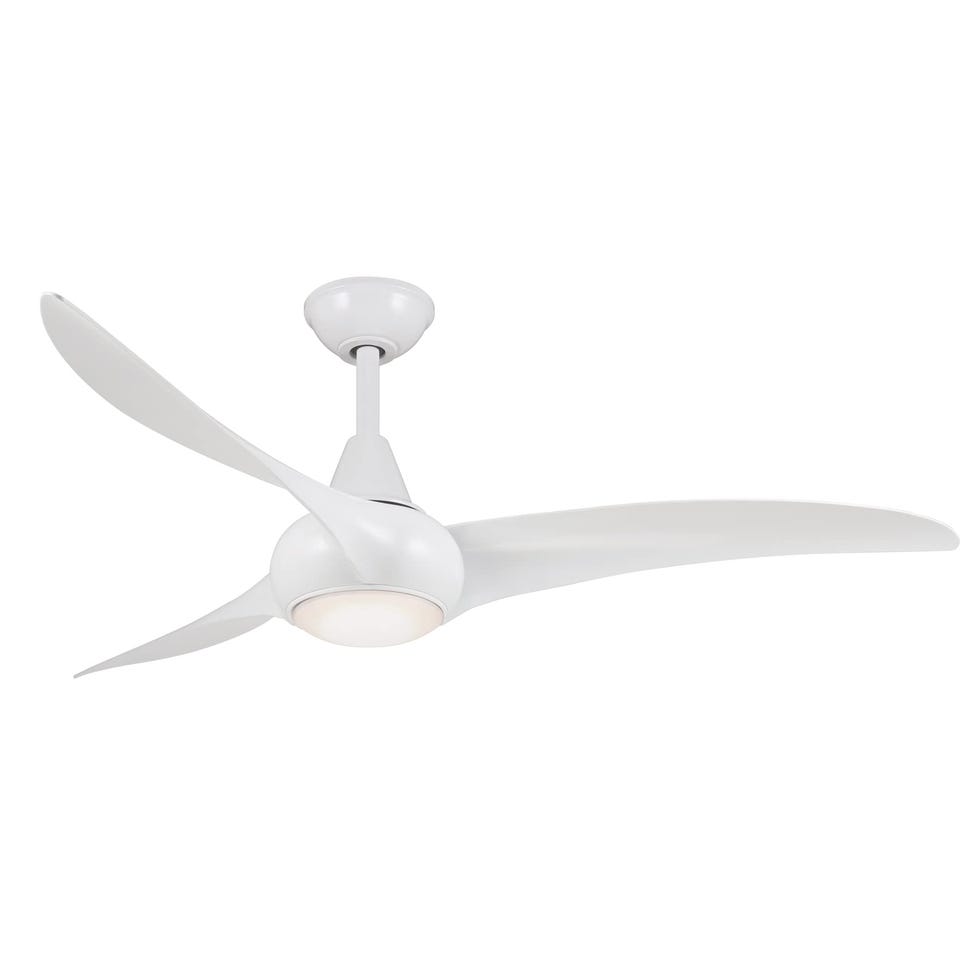
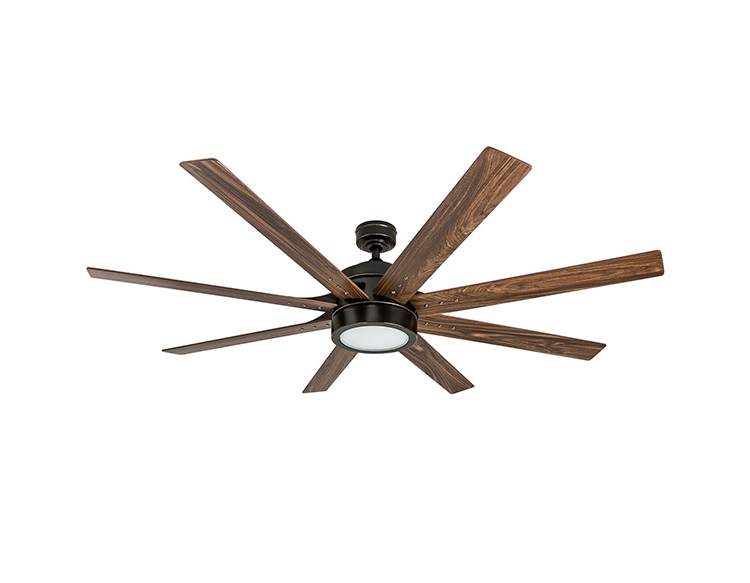
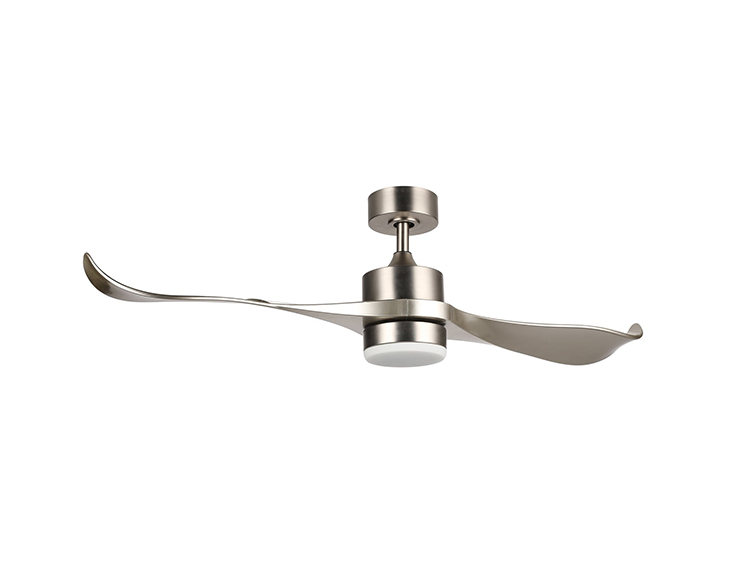
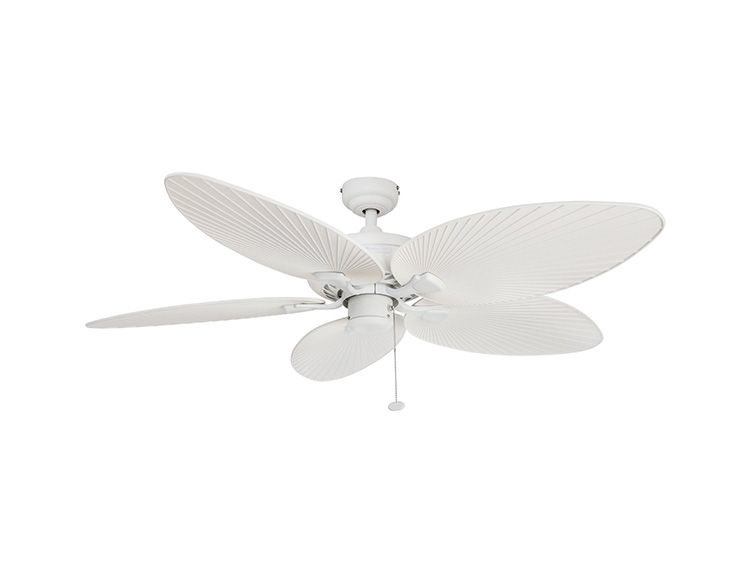
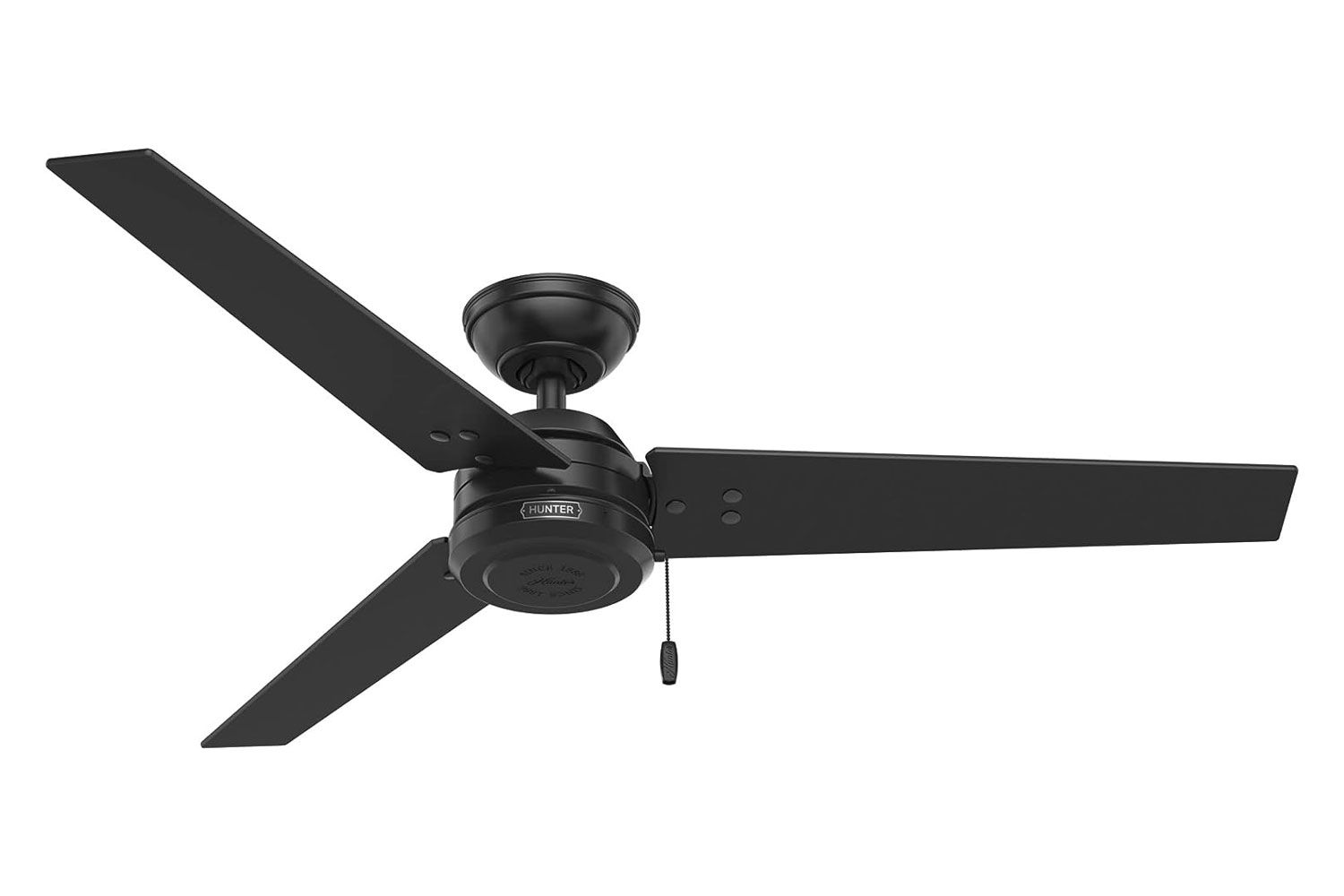
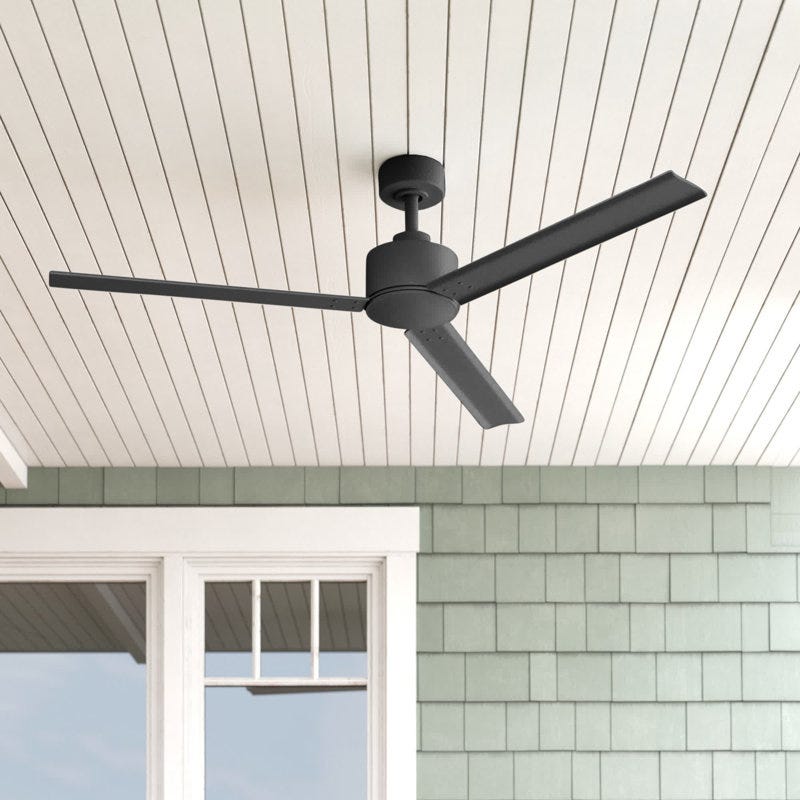
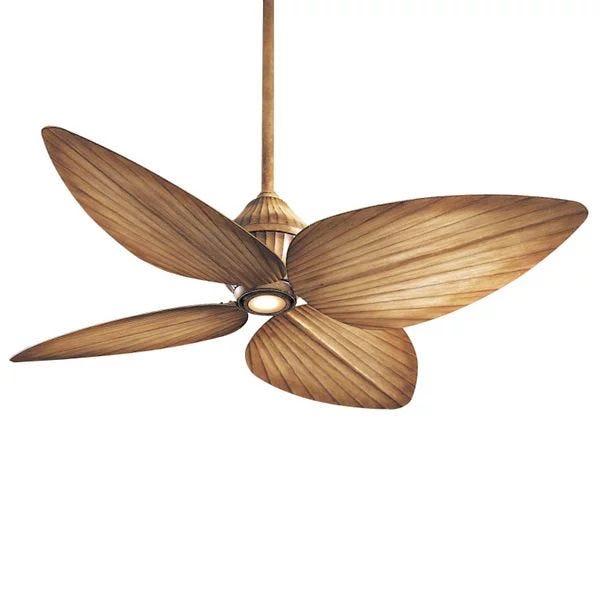
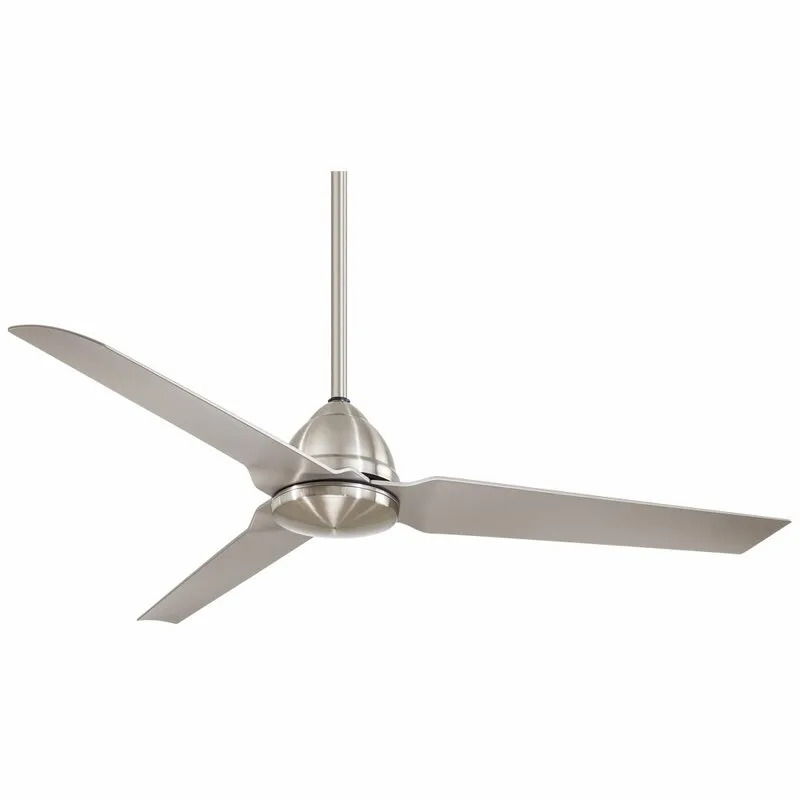
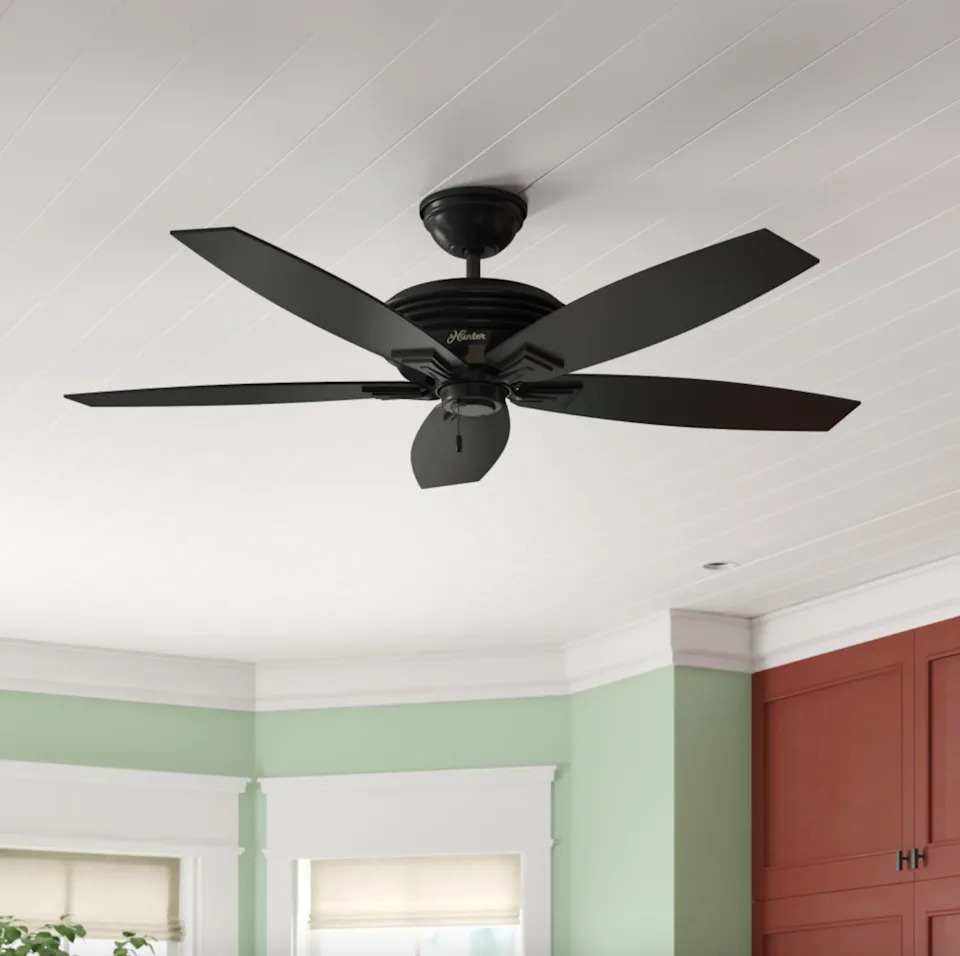
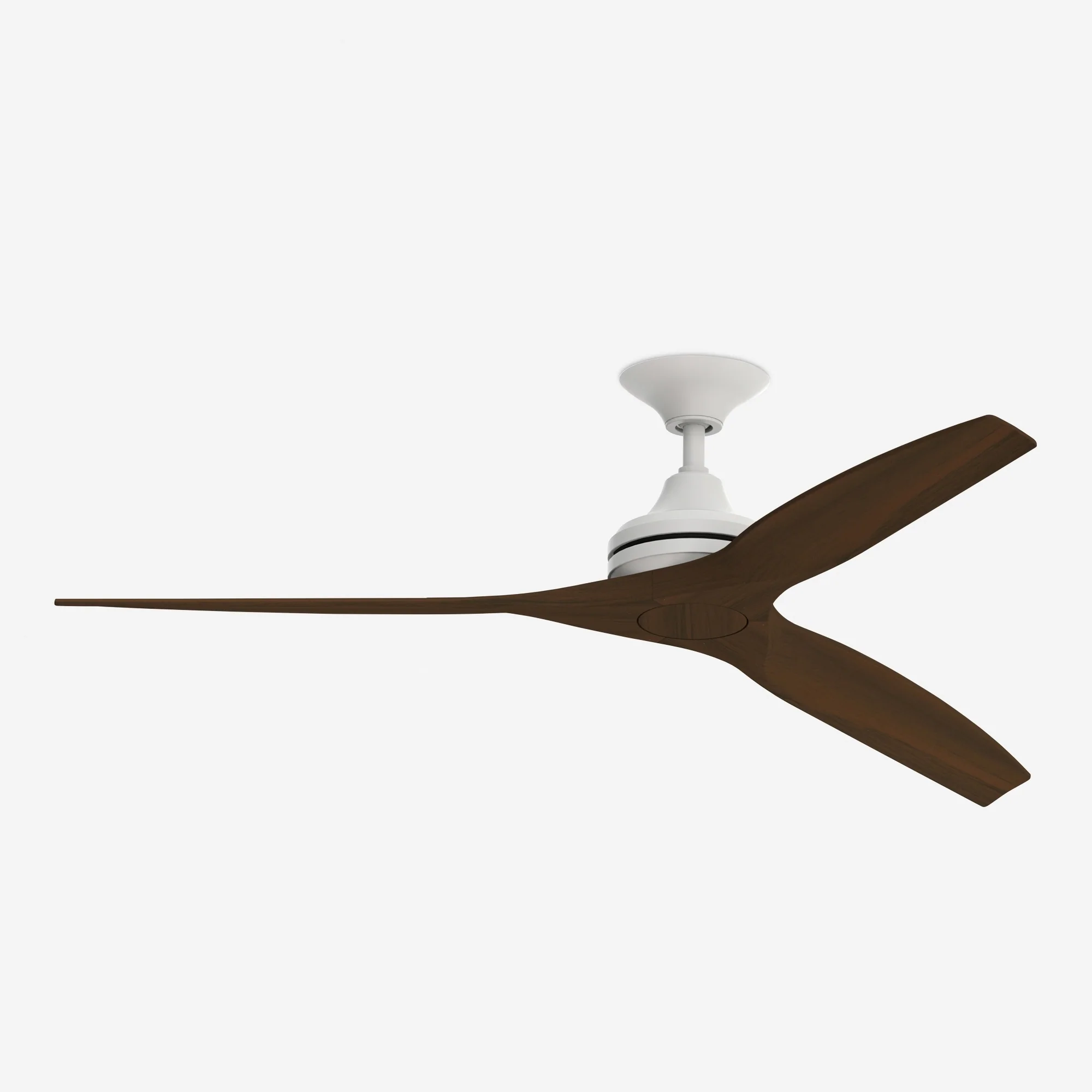
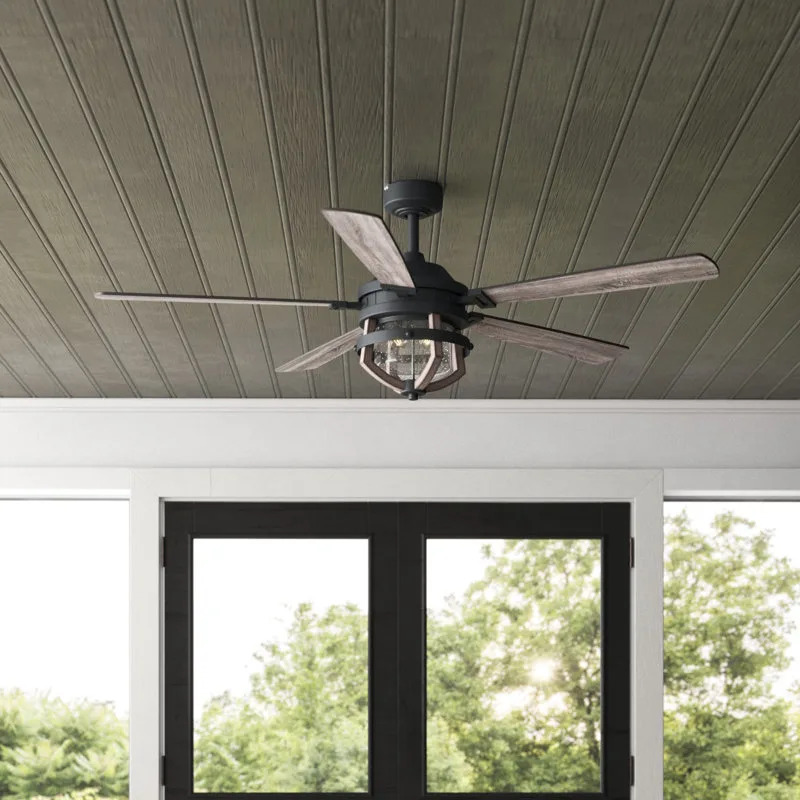
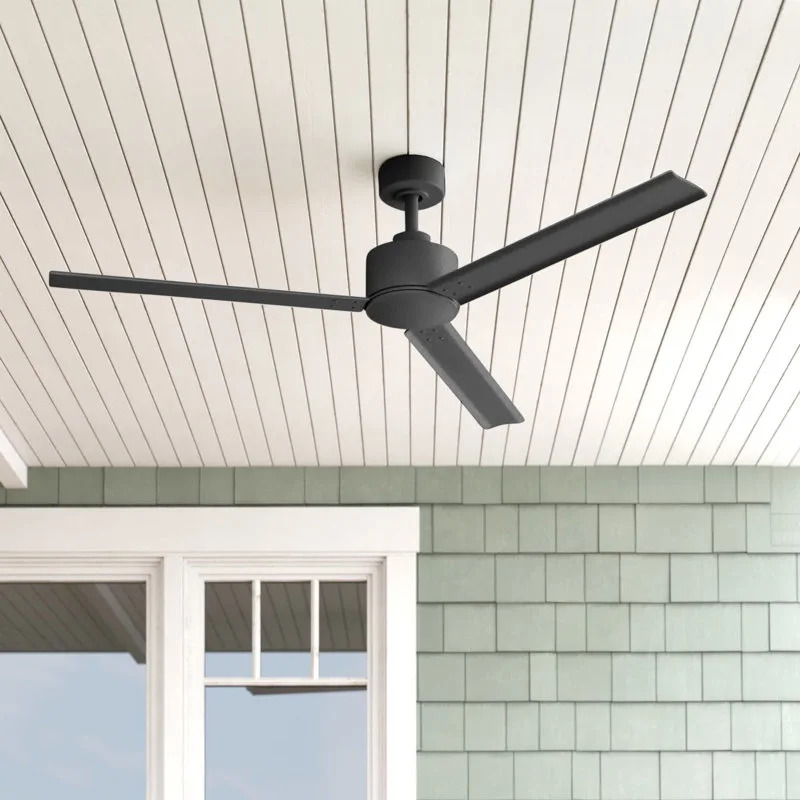
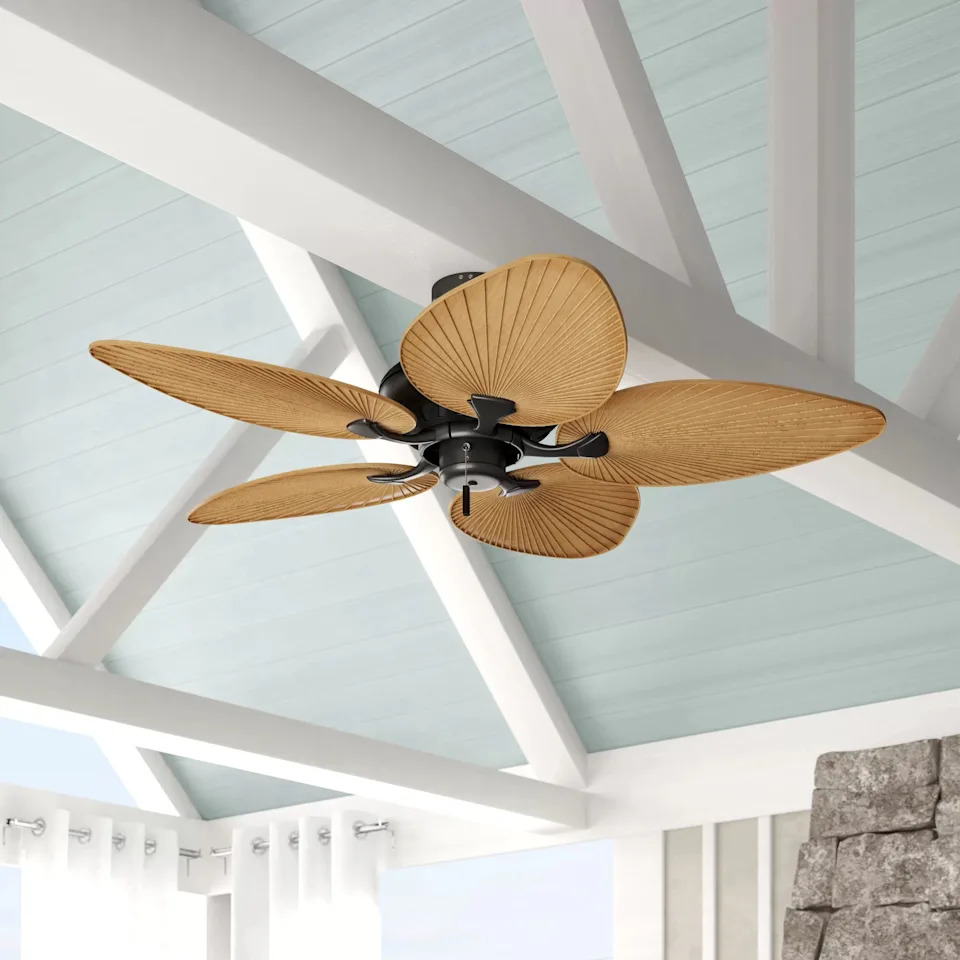
Third, while matching fan finishes to existing decor is no longer a strict requirement, the fan's style, housing finish, and blade design should harmonize with the room's aesthetic. Modern fan designs offer opportunities for the fan to serve as a statement piece in larger rooms, or to blend seamlessly with the ceiling color in smaller spaces. Many fans come with reversible blades, offering dual color options, and can also be painted to suit specific preferences.
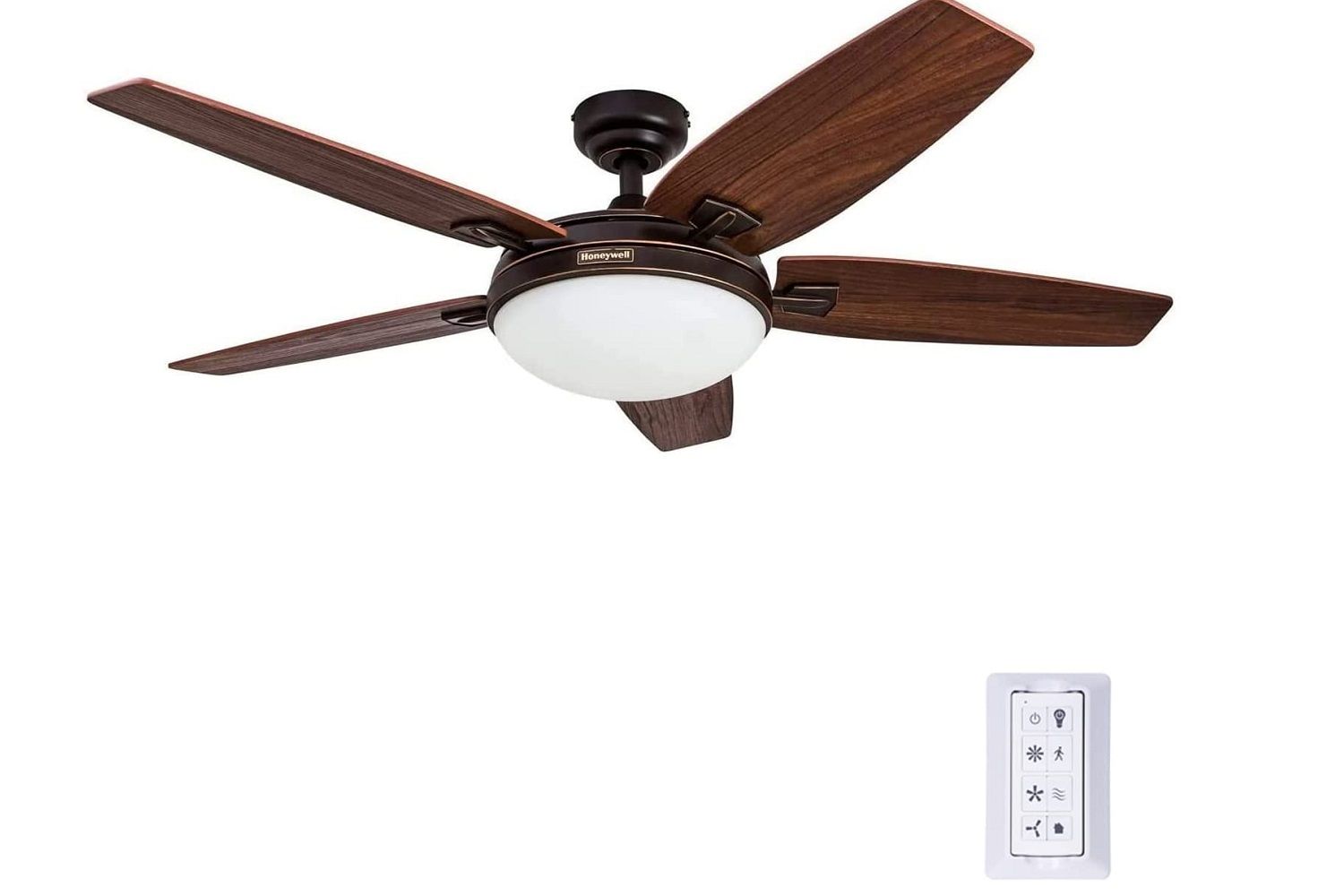
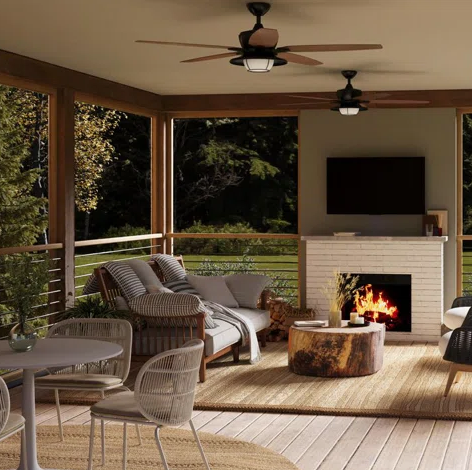
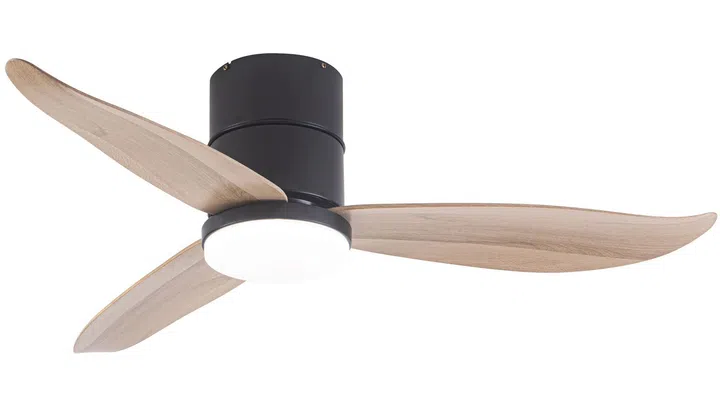
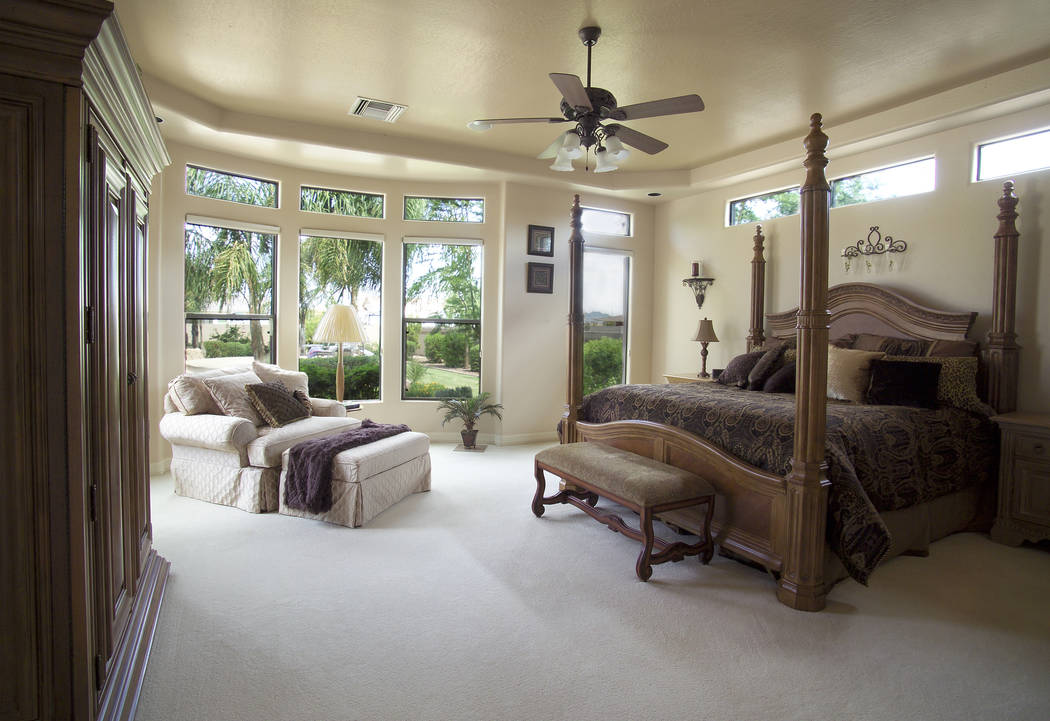
Fourth, the decision to include a light fixture on the fan is optional, though general lighting is often beneficial. Bowl-style lights are suggested for those who prefer not to see the bulbs, as they can complement various decor styles. For rooms with high ceilings, fans equipped with an uplight feature can provide an attractive accent.
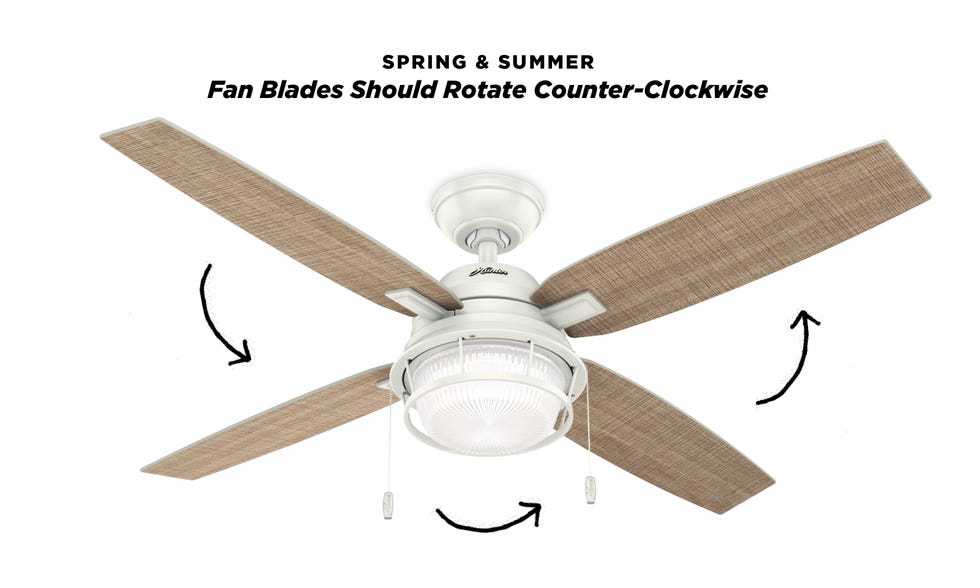
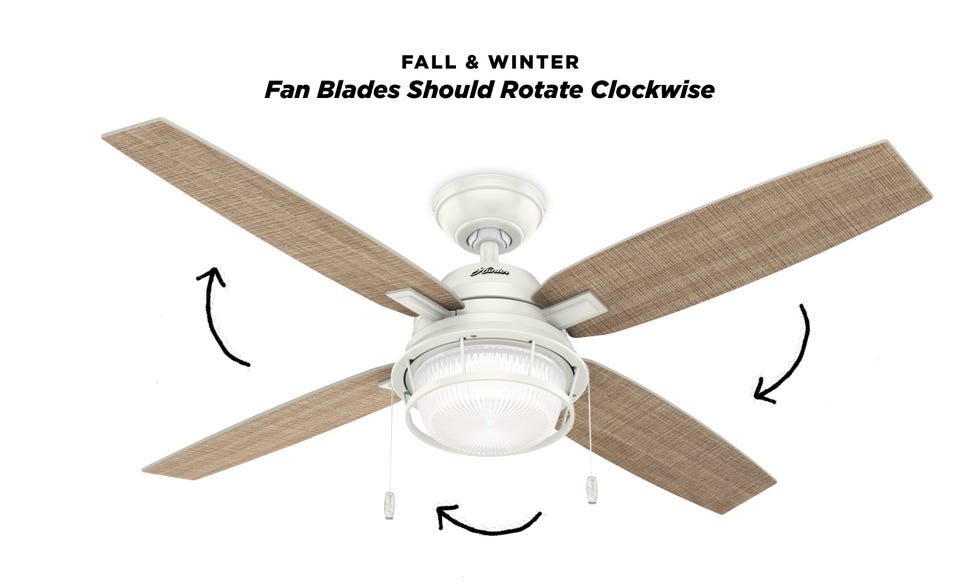
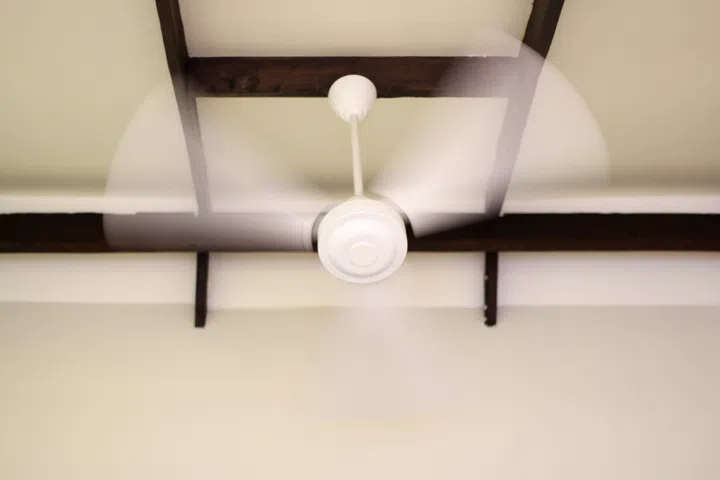
Finally, the direction of the fan's spin impacts its cooling effectiveness. In summer, the fan should rotate counterclockwise to push air downwards, creating a wind chill effect that can make a room feel up to 8 degrees cooler, with faster speeds enhancing this sensation. During winter, reversing the fan direction to clockwise pulls cool air up, mixing it with warmer air near the ceiling before distributing it back into the room, which can help mitigate chill. A practical tip is to ensure fan blades do not extend beyond can lights, as this can create an undesirable strobe light effect.
#CeilingFans #HomeCooling #SummerPrep #InteriorDesign #HomeImprovement #LasVegasHomes #EnergyEfficiency #FanInstallation #CeilingFans #HomeCooling #SummerPrep #InteriorDesign #HomeImprovement #LasVegasHomes #EnergyEfficiency #FanInstallation
0 comment in total
 No comments yet
You may also like
Ceiling Fans—A Stylish Way to (Literally) Beat the Heat

Ceiling fans 101: a guide to choosing the right one

12 Stylish Outdoor Ceiling Fans That Will Keep You Cool All Summer Long

Invest in a ceiling fan to keep your cool this summer

7 top-rated ceiling fans to consider this year

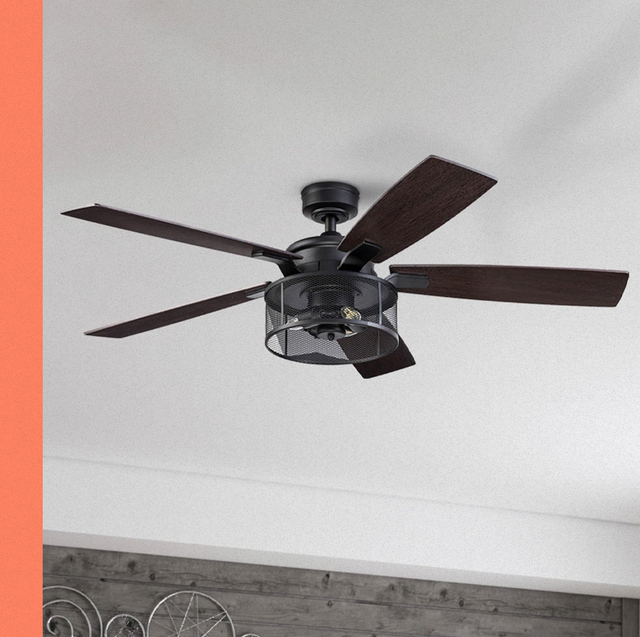
Our Editor Recommendations for Ceiling Fans Can Supplement or Even Replace an A/C
Changing This Ceiling Fan Setting Will Make Your Room Feel Instantly Cooler

10 Best Ceiling Fans in Singapore

Ceiling fans: A new spin on cooling your home | Home and Garden | Life
This Easy Ceiling Fan Trick Will Help Keep You Cool in the Summer

Cool Your Patio Off With the Best Outdoor Ceiling Fans

10 Outdoor Ceiling Fans That Aren't Total Eyesores
Stay cool this summer with ceiling fans


The Best Ceiling Fans to Keep You Cool All Year Round


The Fan Mistake You’re Making That’s Making Your House Hotter

11 Ceiling Fans in Singapore with Lights, Smart Tech, Bladeless and Small Options (2025)
How to choose the best ceiling fans for your home

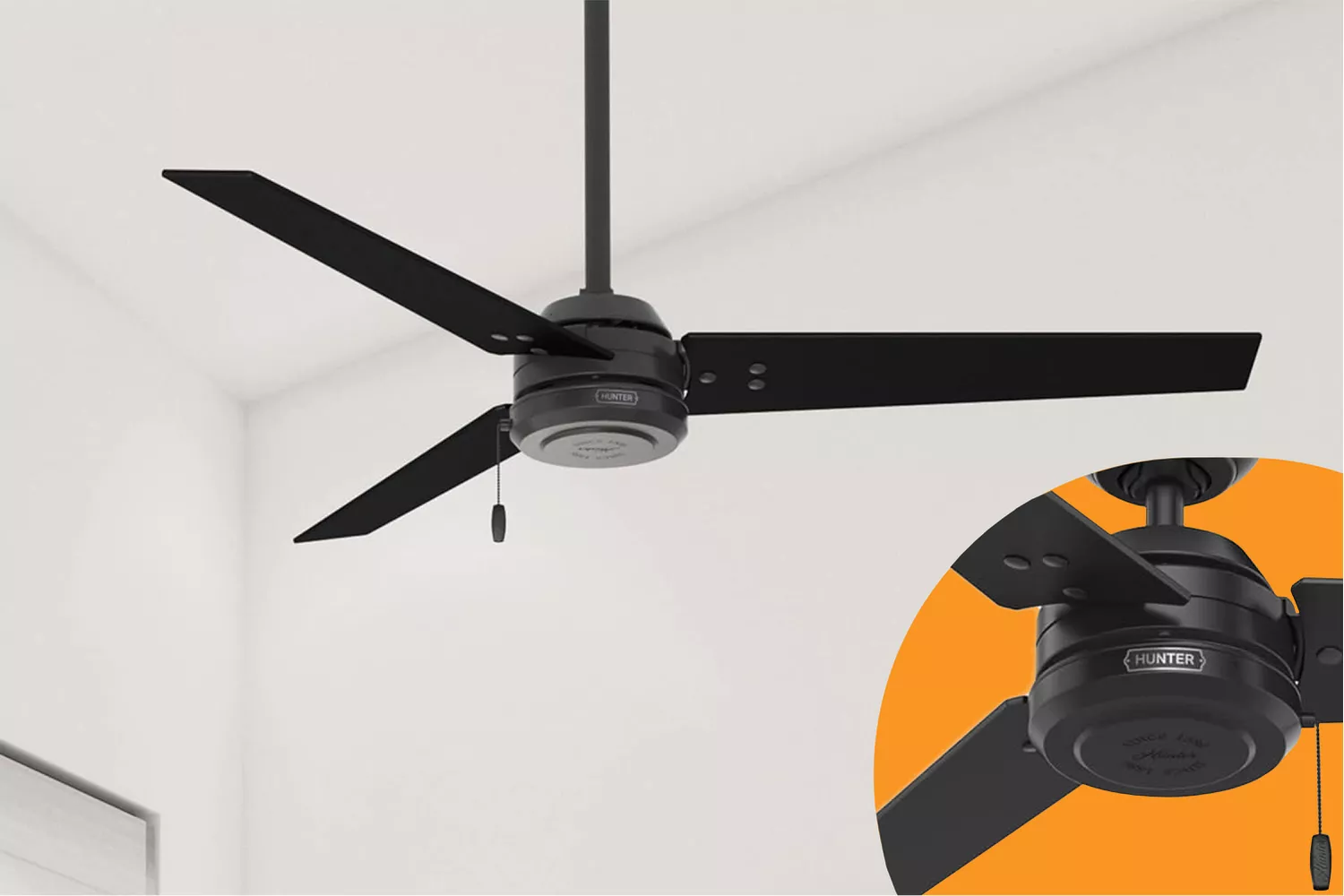
We Spent 1,200 Hours Testing Which Ceiling Fans Are the Most Cooling — These Are Our Winners
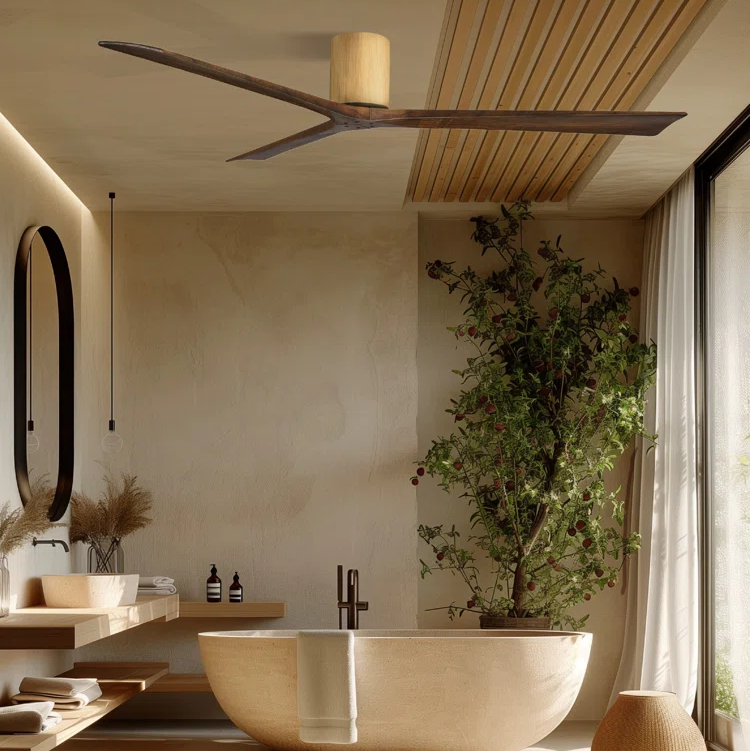
There's a Cool Ceiling Fan for Every Vibe and Budget
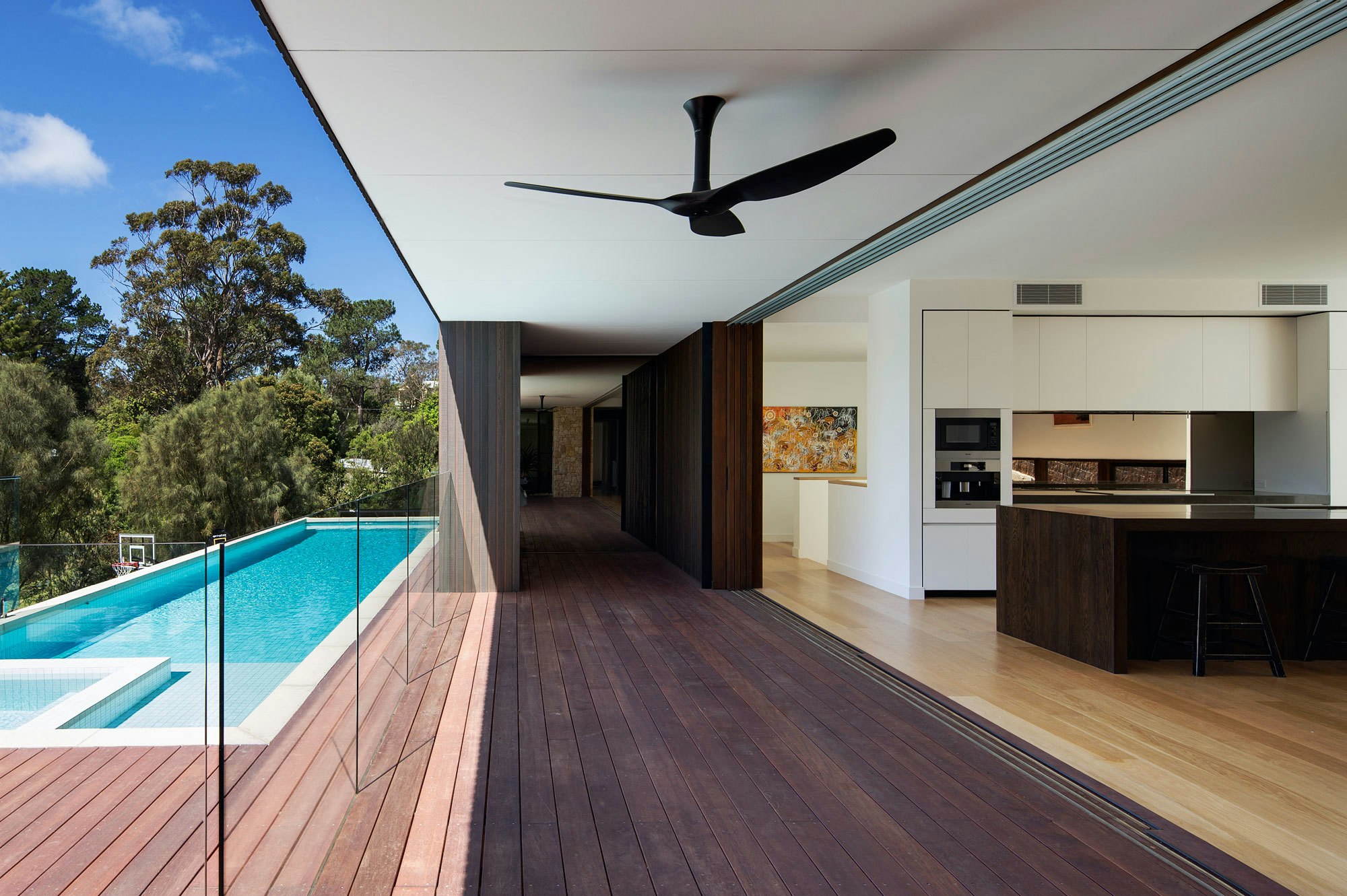
Beat the Heat With These Svelte Ceiling Fans That Cost Less Than $250