1/4
Ceiling Fans—A Stylish Way to (Literally) Beat the Heat
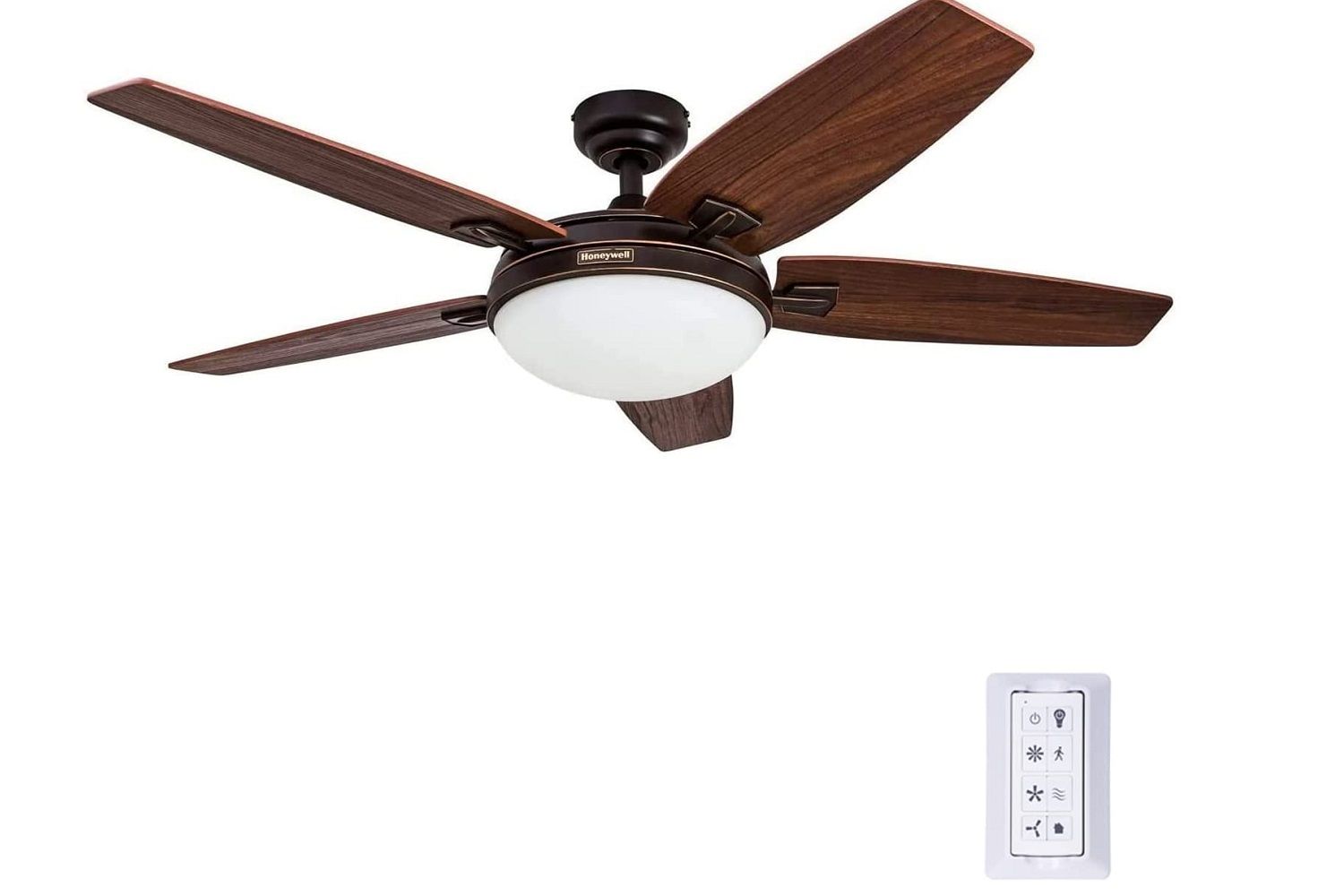
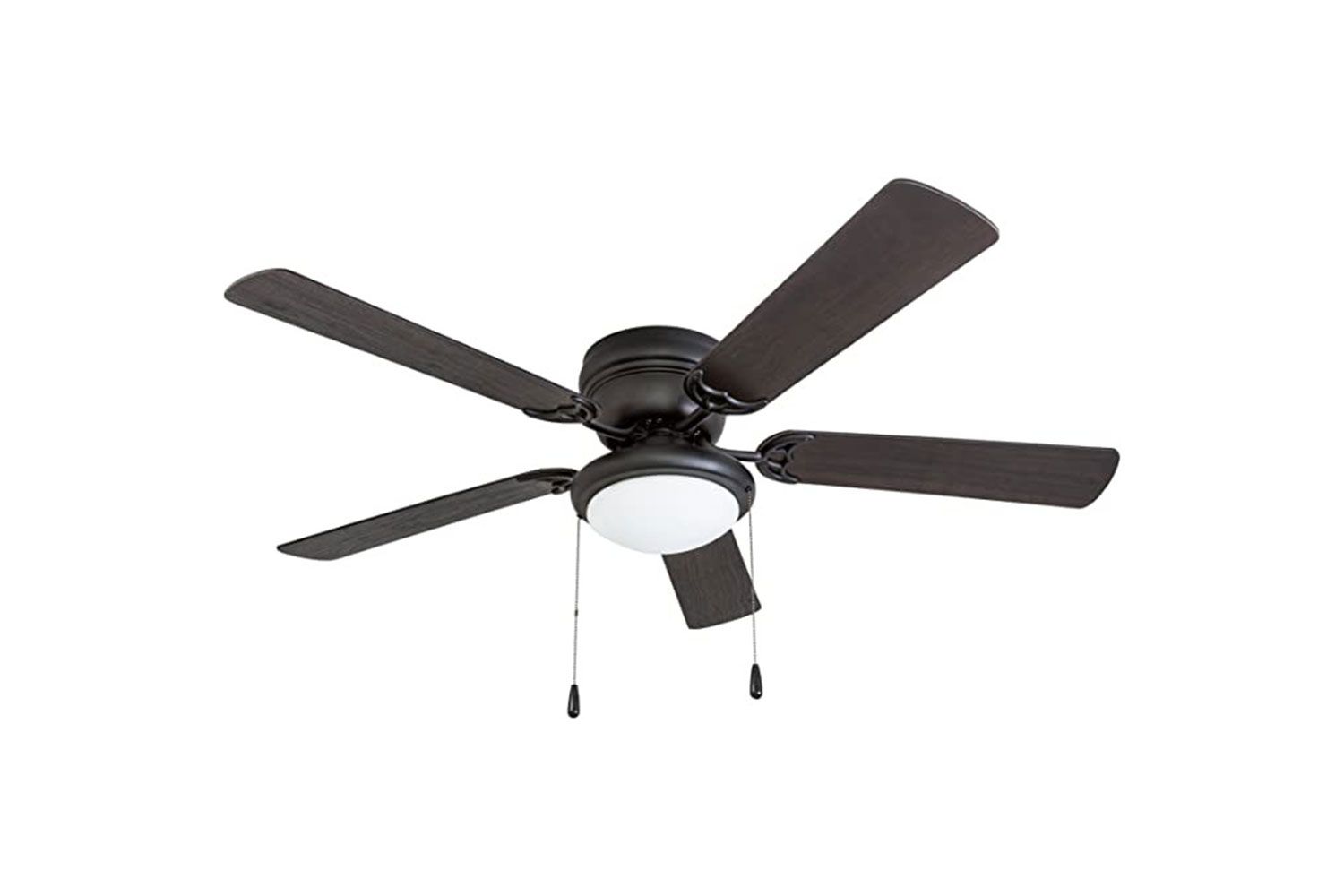
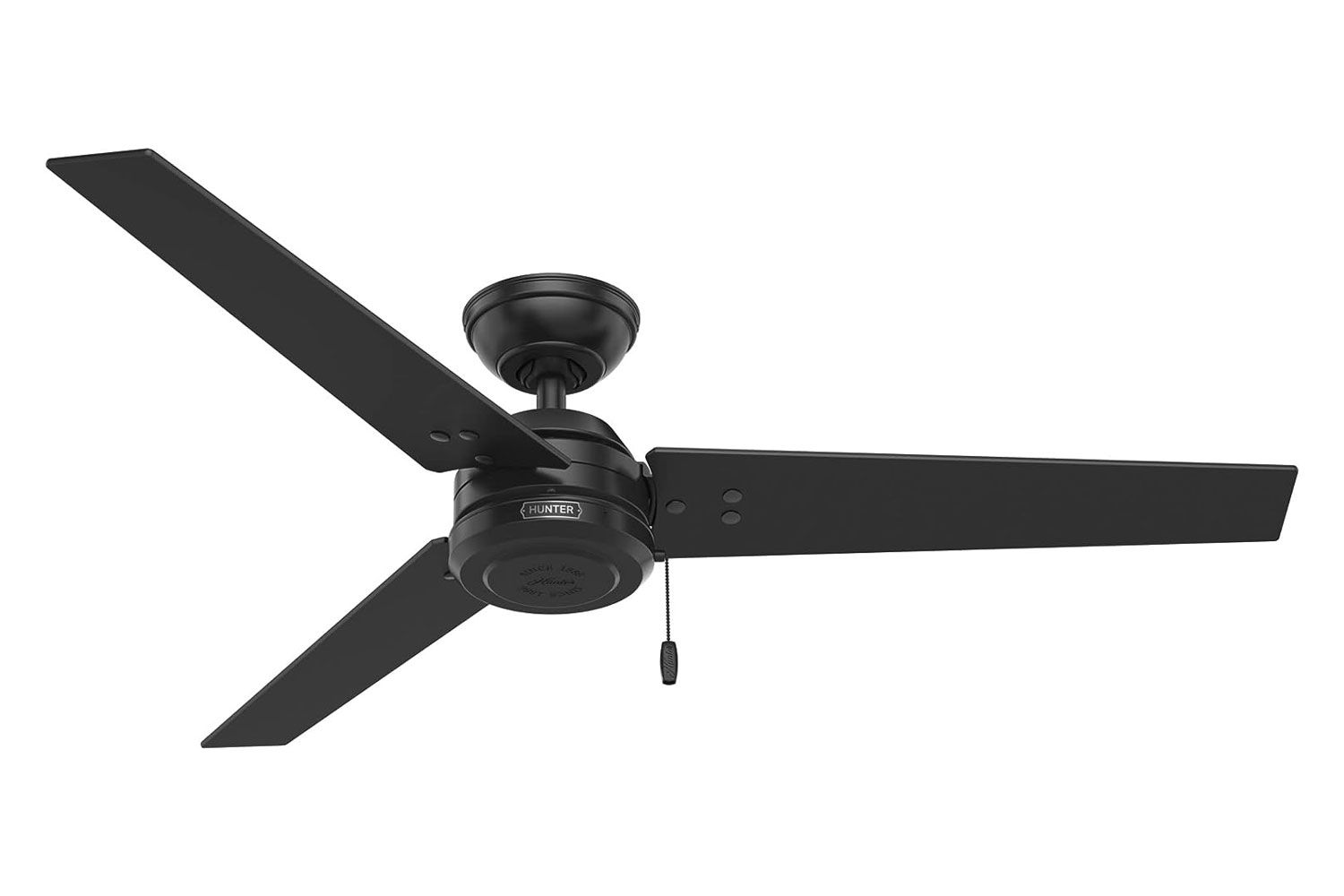
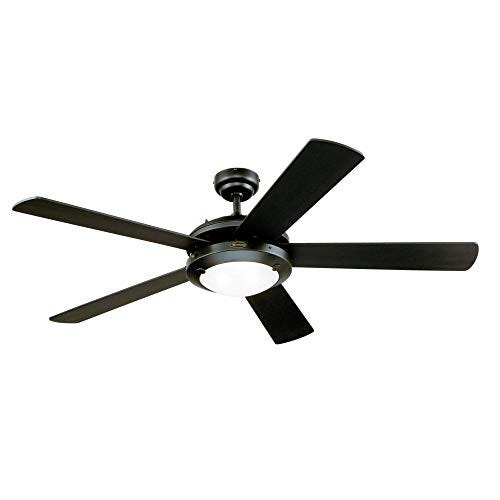
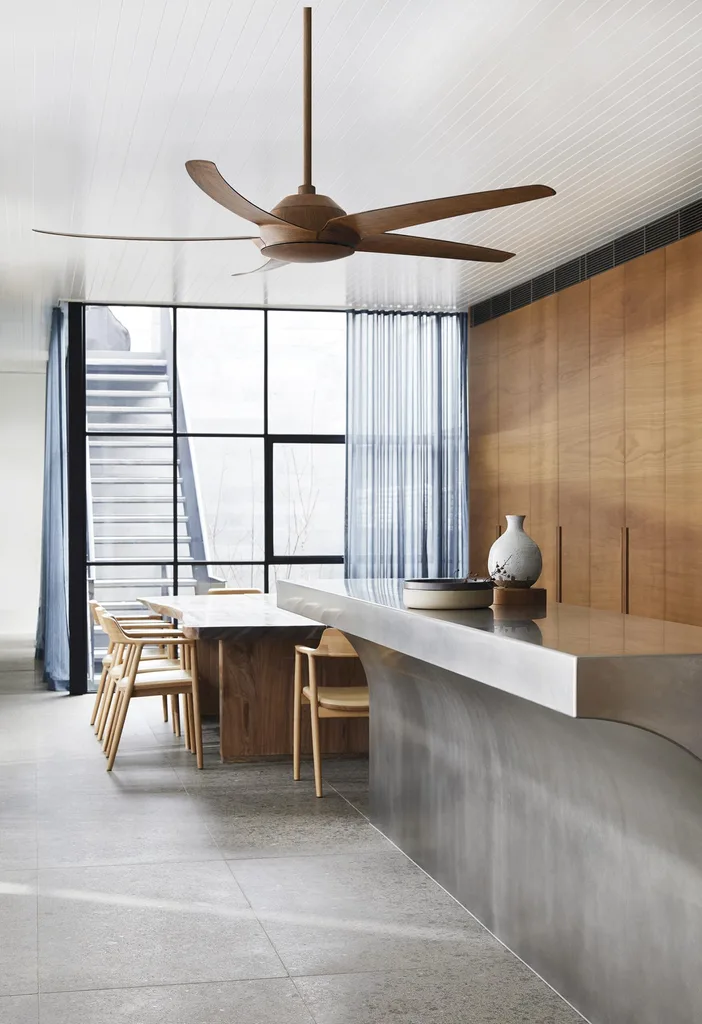
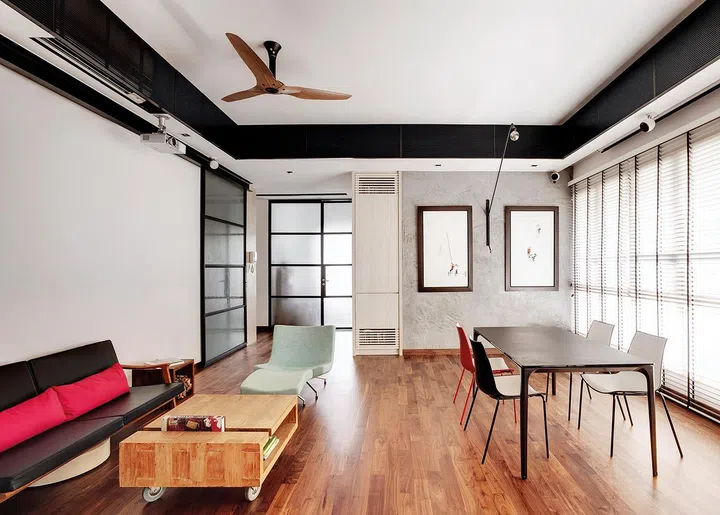
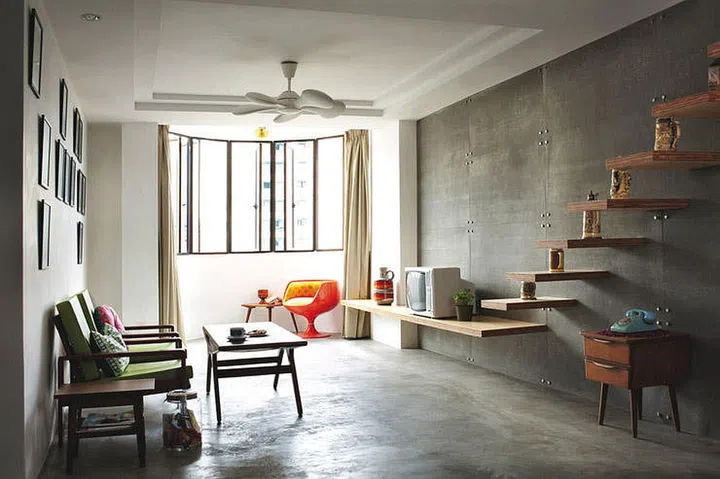
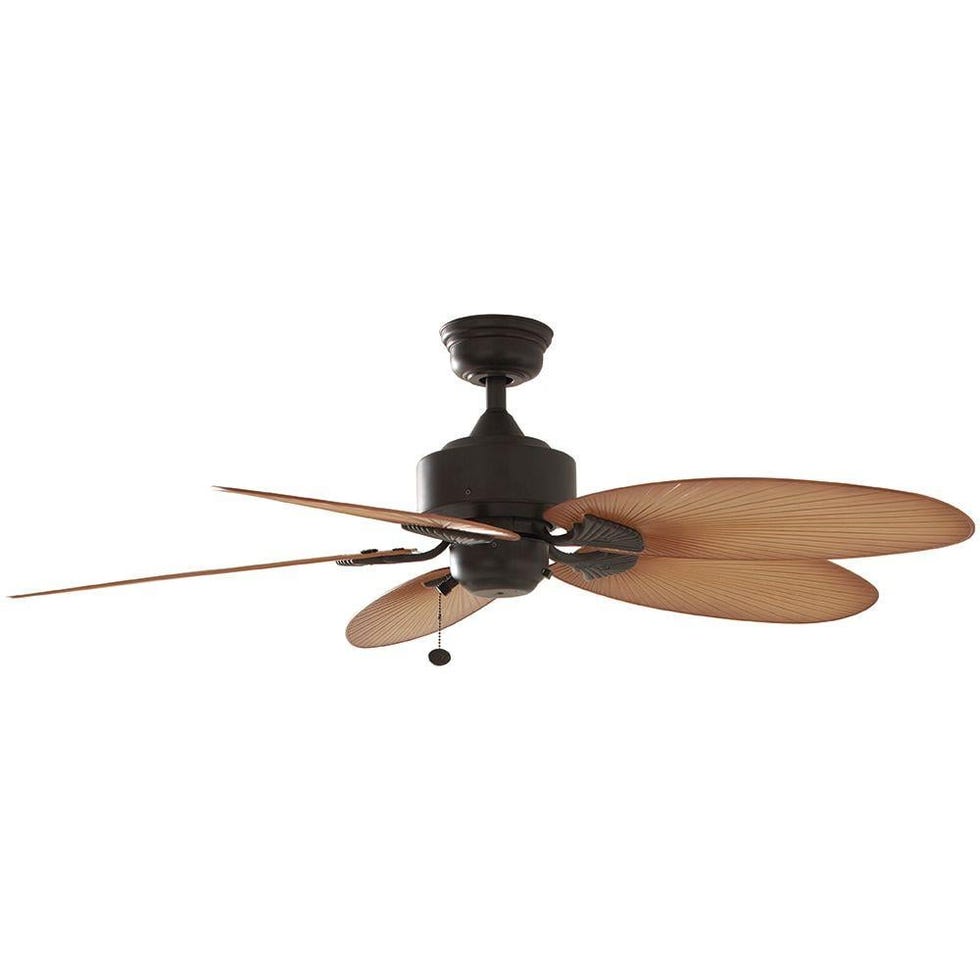
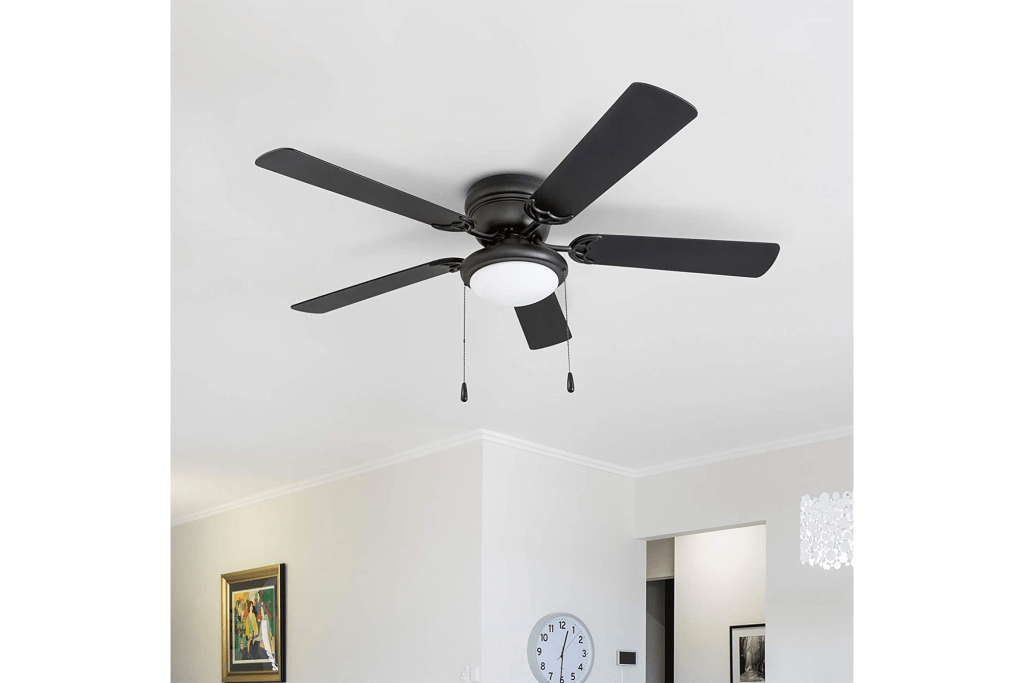
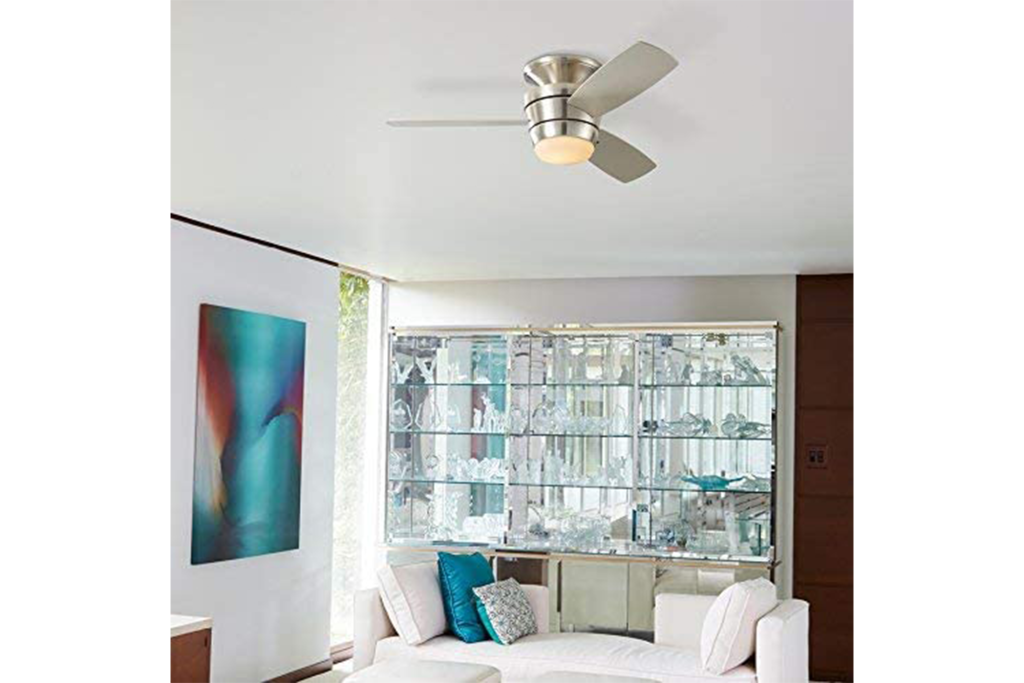
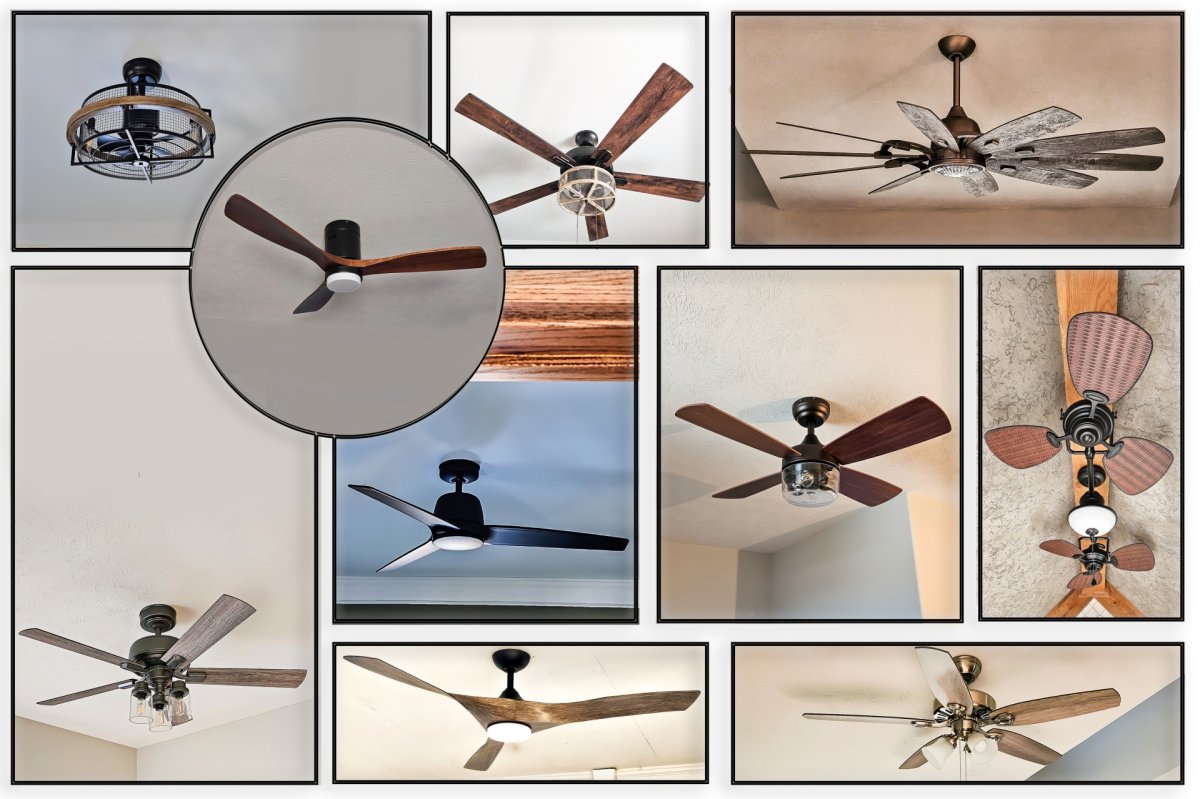
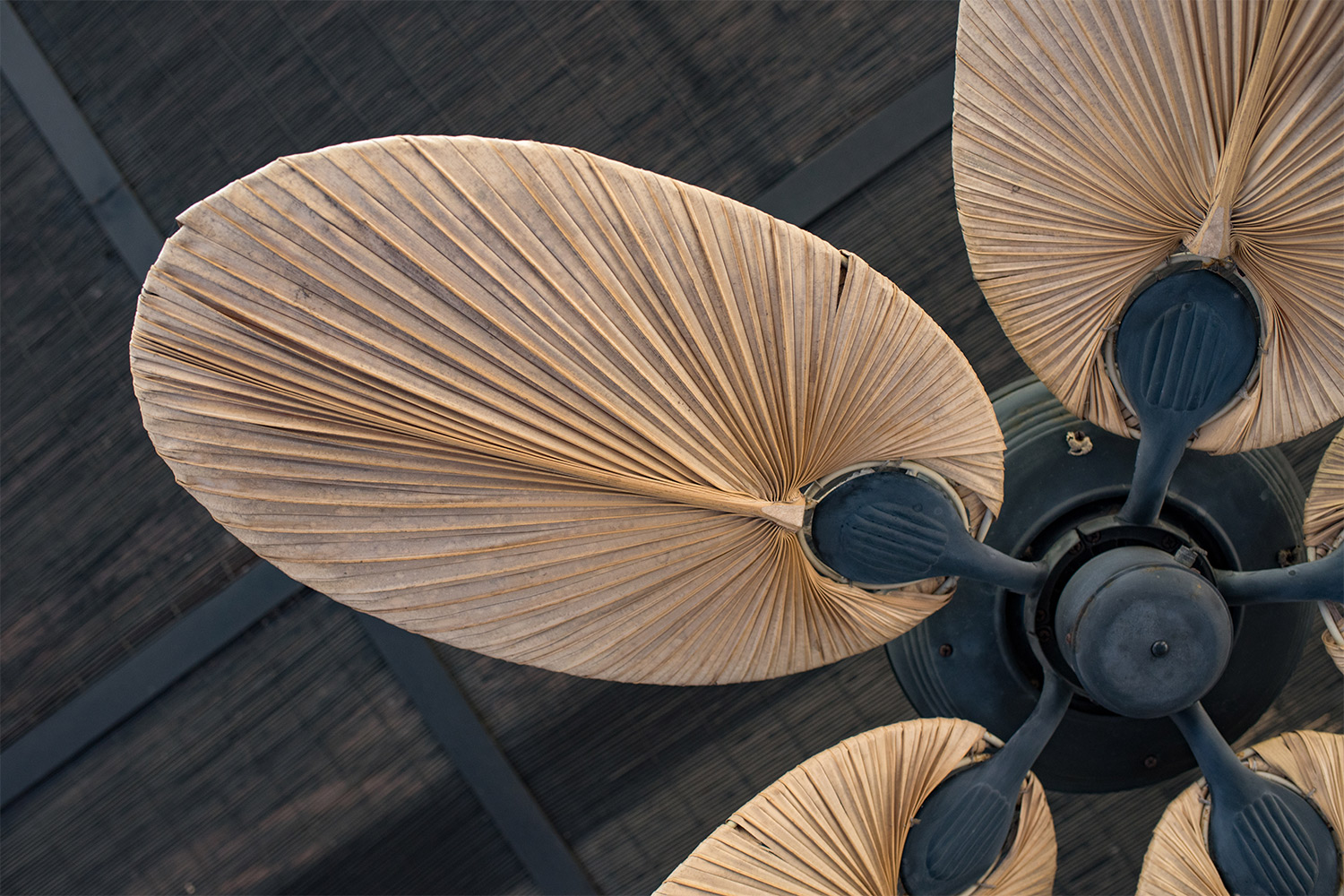
The article discusses the evolution and benefits of modern ceiling fans, highlighting their improved design, efficiency, and versatility compared to traditional models. Historically, ceiling fans were invented over a century ago to create airflow and offer a sense of coolness, especially in the absence of air conditioning. Today, they remain relevant, even complementing air conditioning systems by providing a breeze that allows for higher thermostat settings, leading to energy savings. The design of ceiling fans has significantly advanced from the standard, often clunky and noisy five-blade units. Contemporary fans now come in a wide array of sizes, styles, and finishes, suitable for various room dimensions, ceiling heights, and interior design aesthetics. Blade counts can range from three to ten, with diameters spanning from 24 to over 72 inches, accommodating both small, awkward spaces and large, open areas.
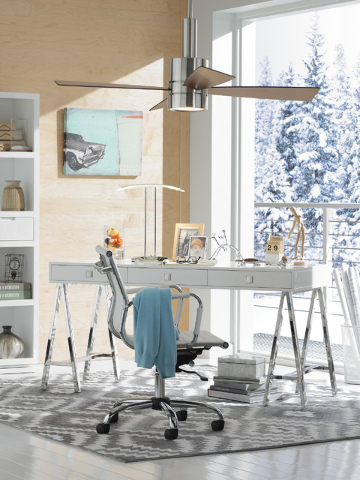
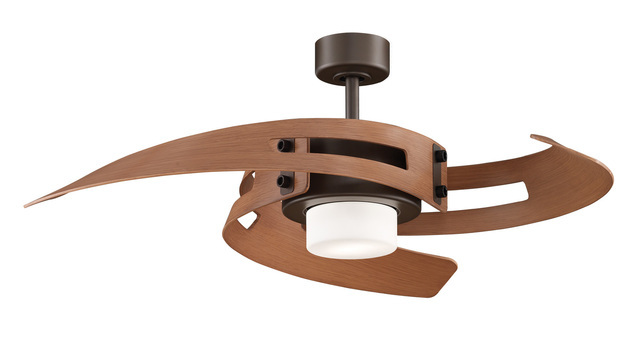
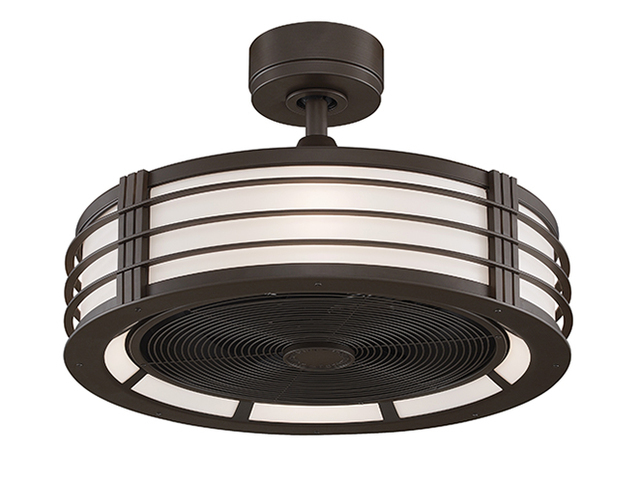
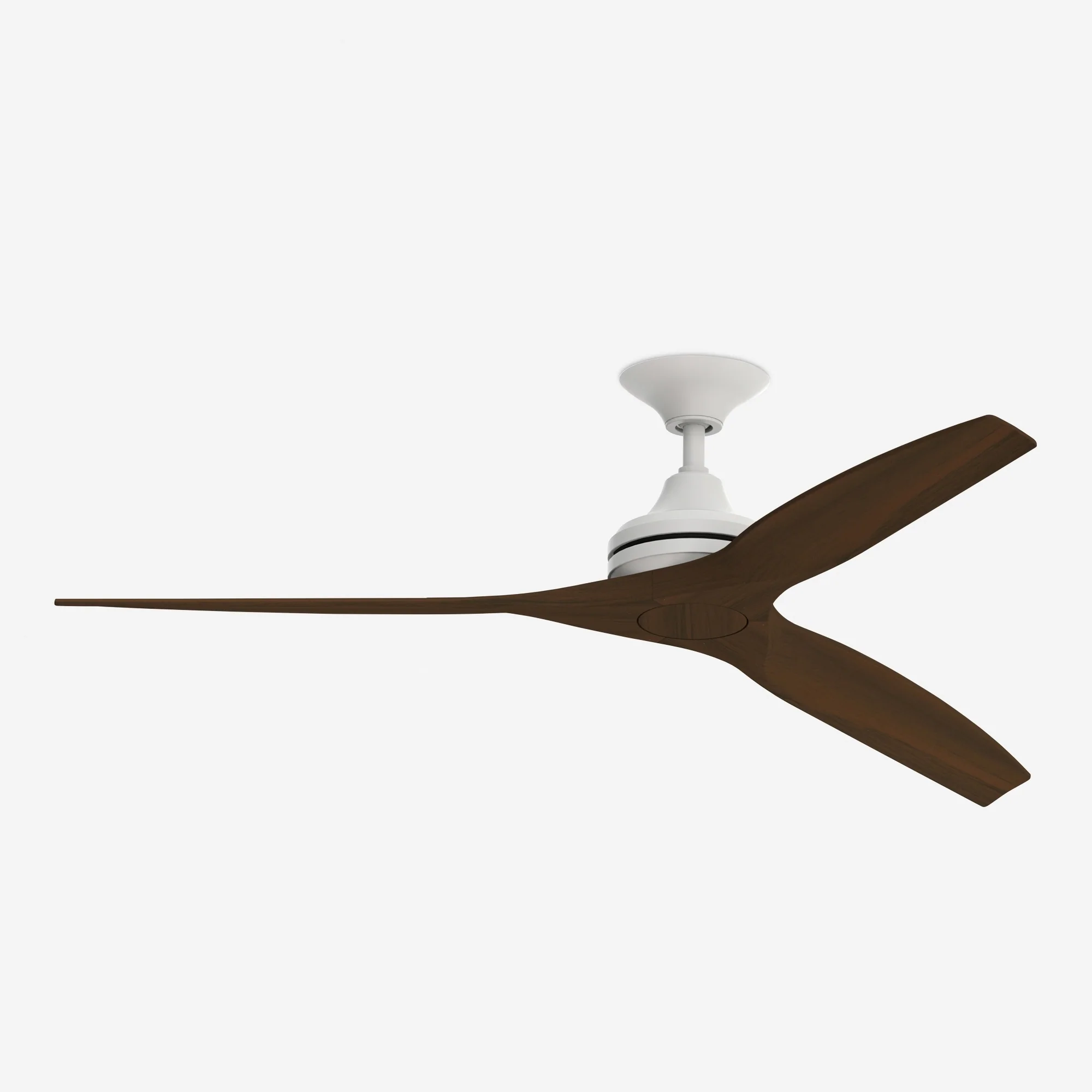
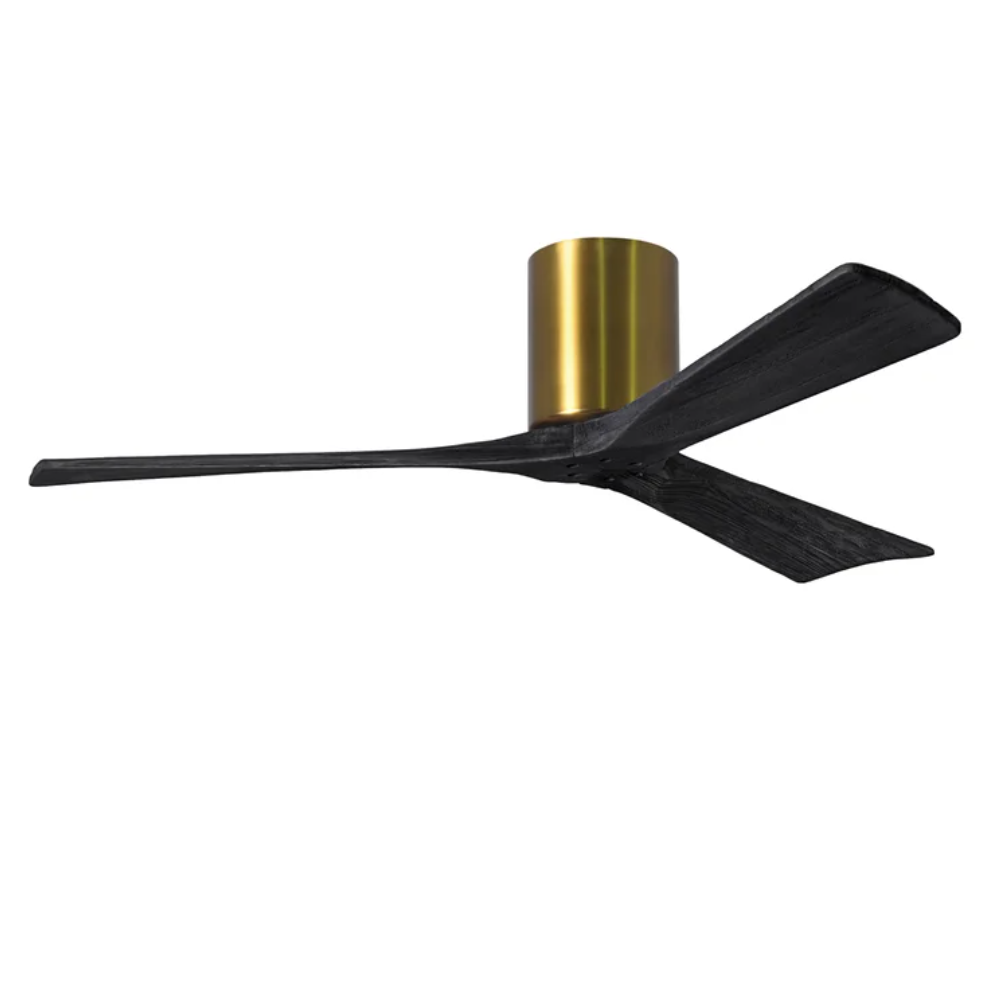
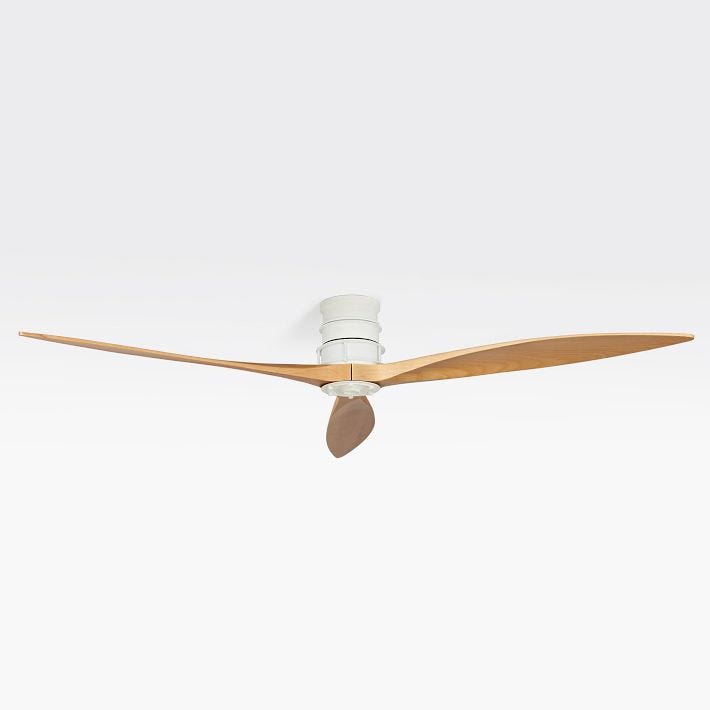
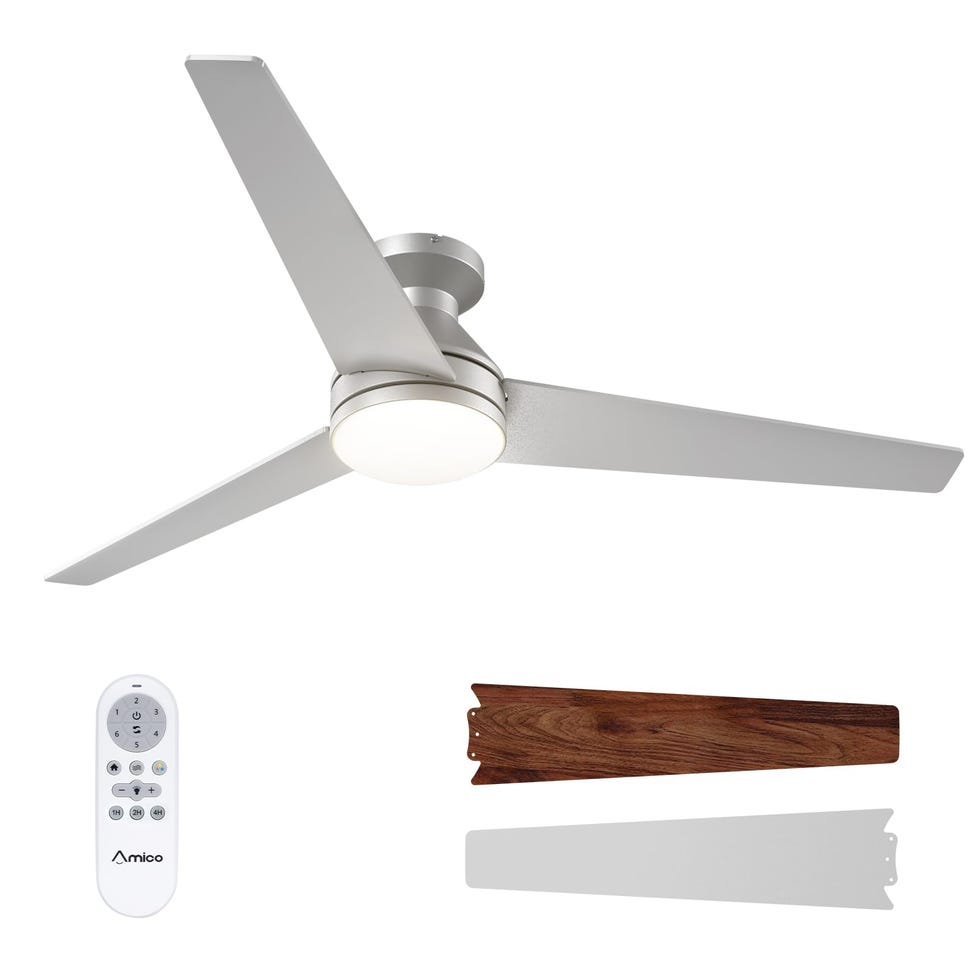
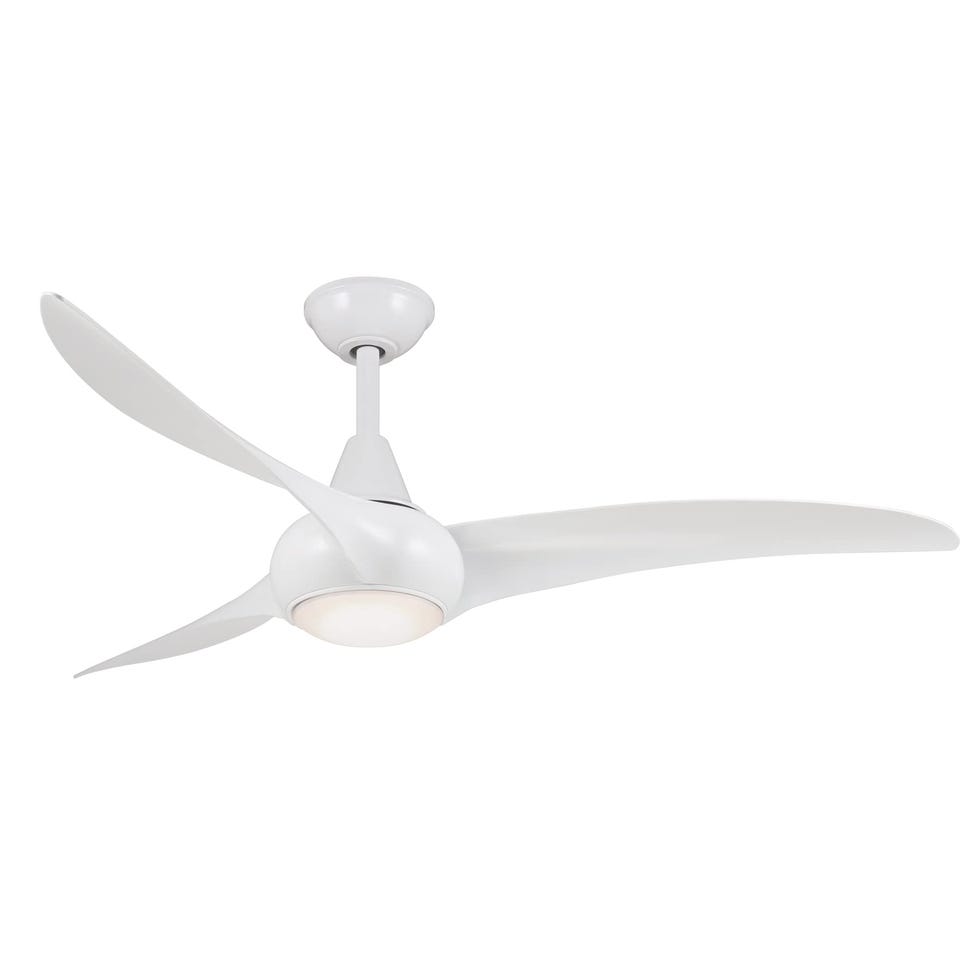
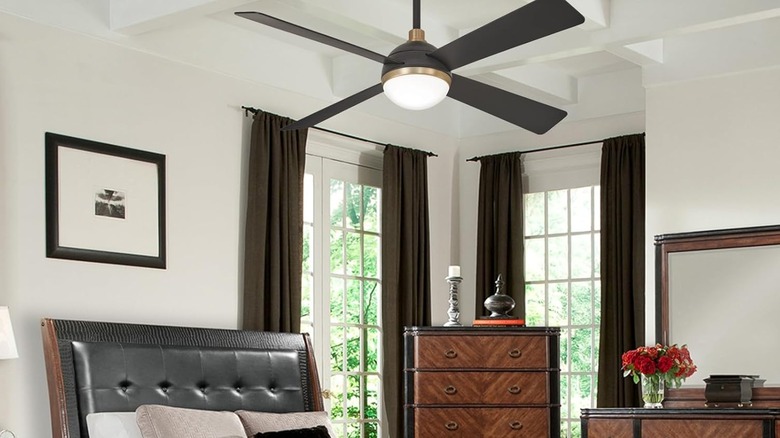
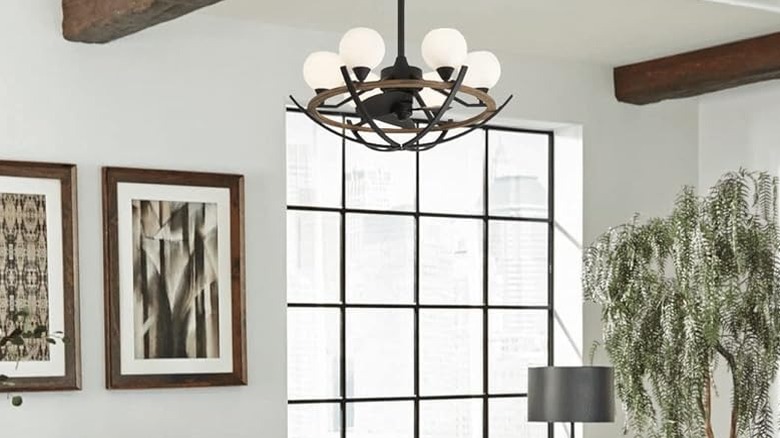
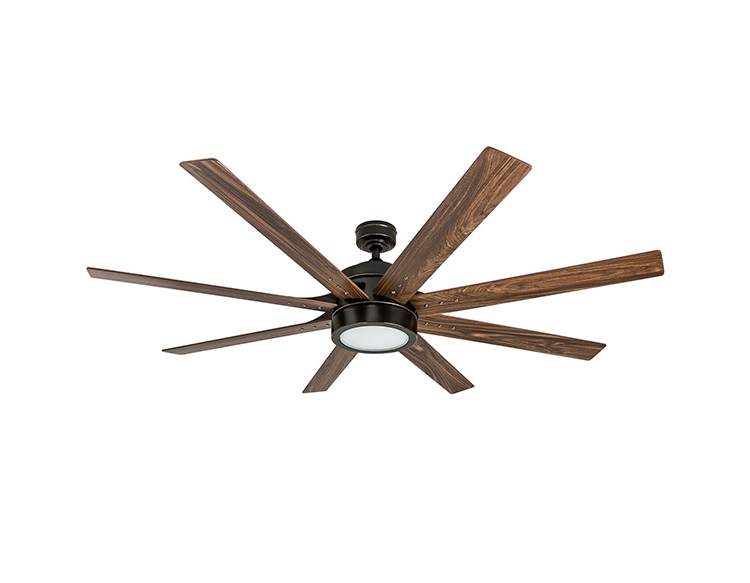
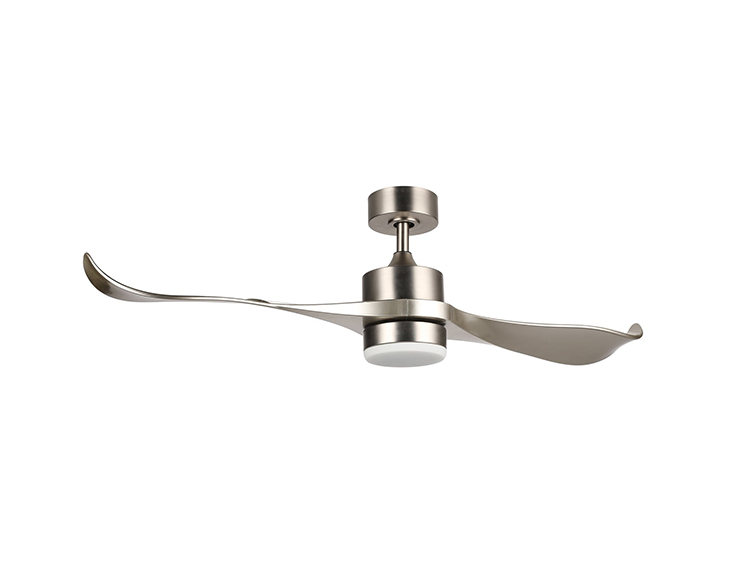
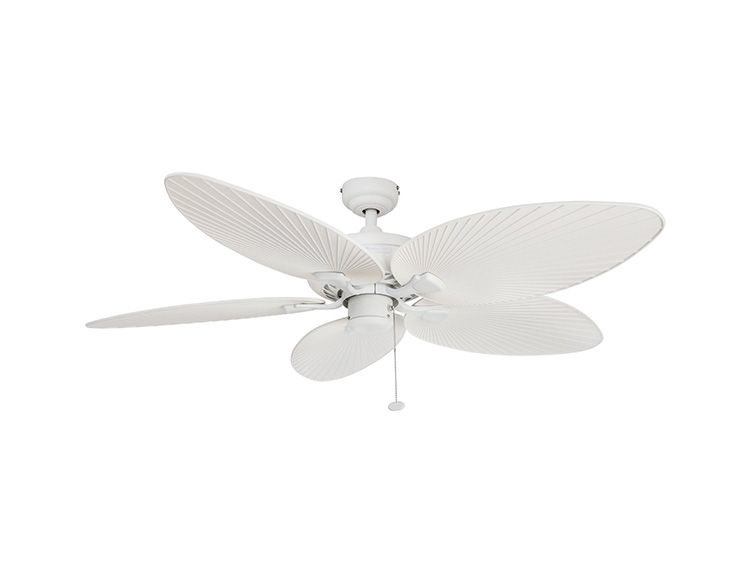
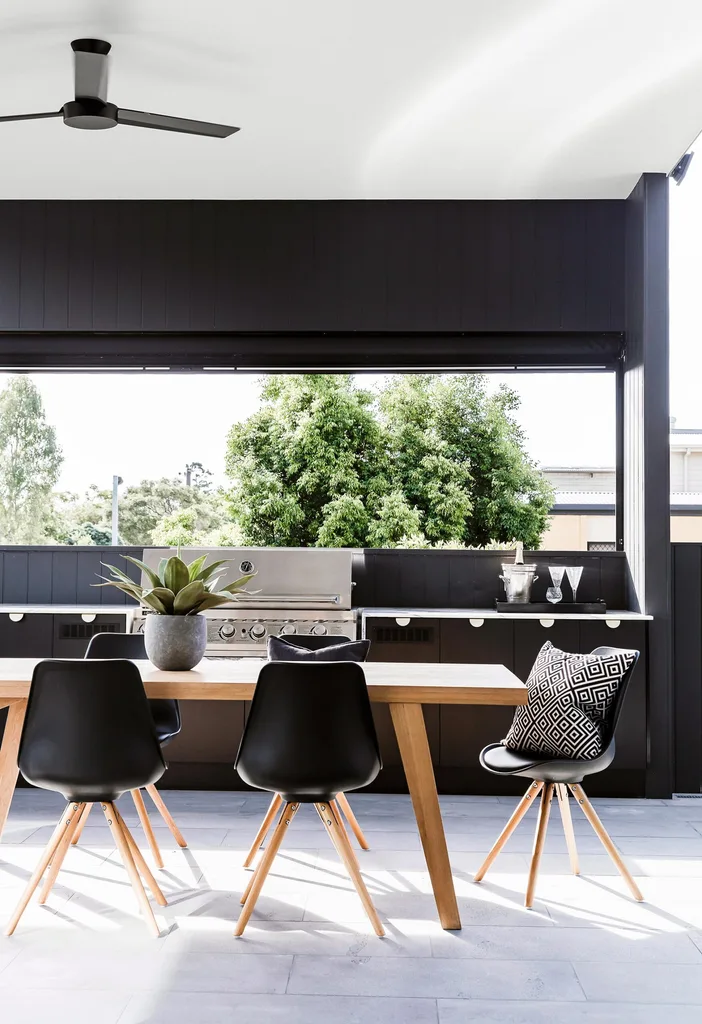
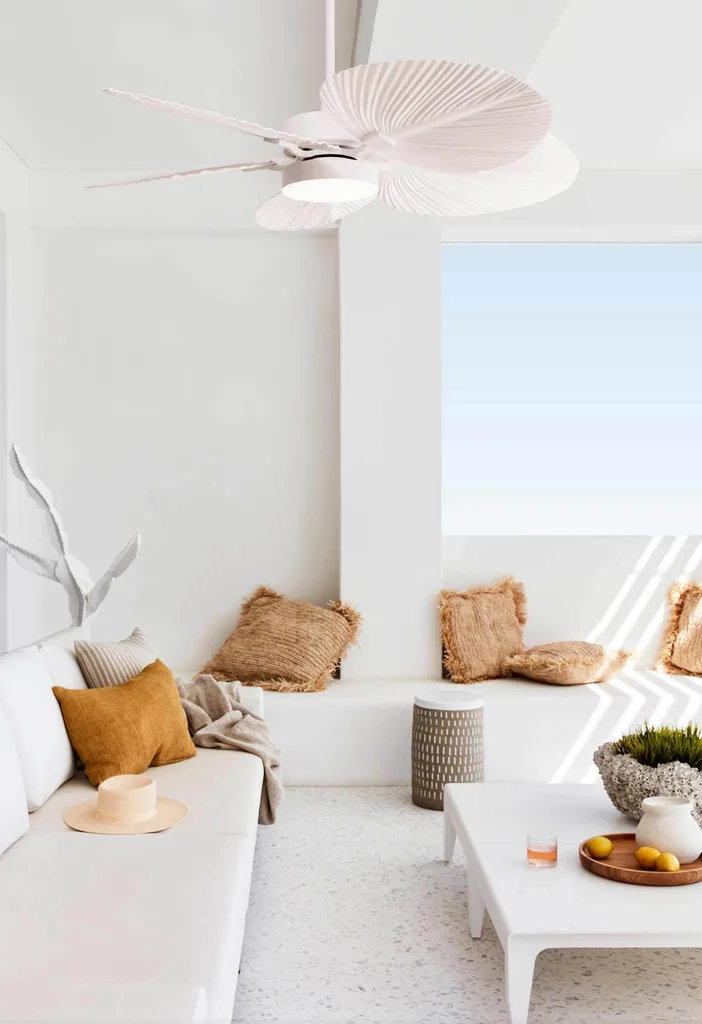
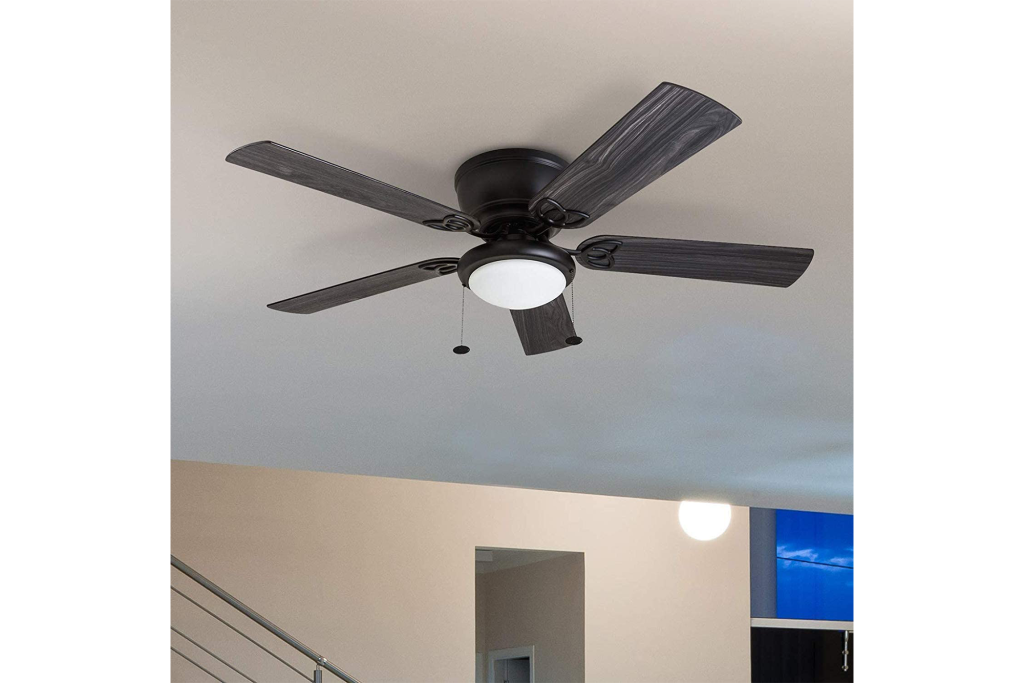
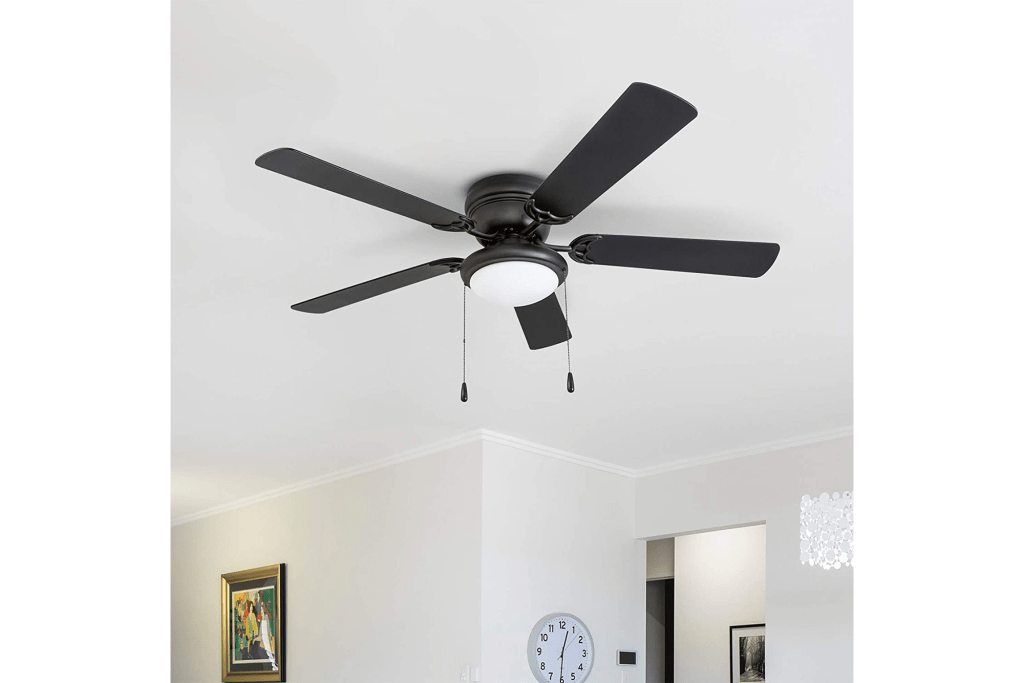
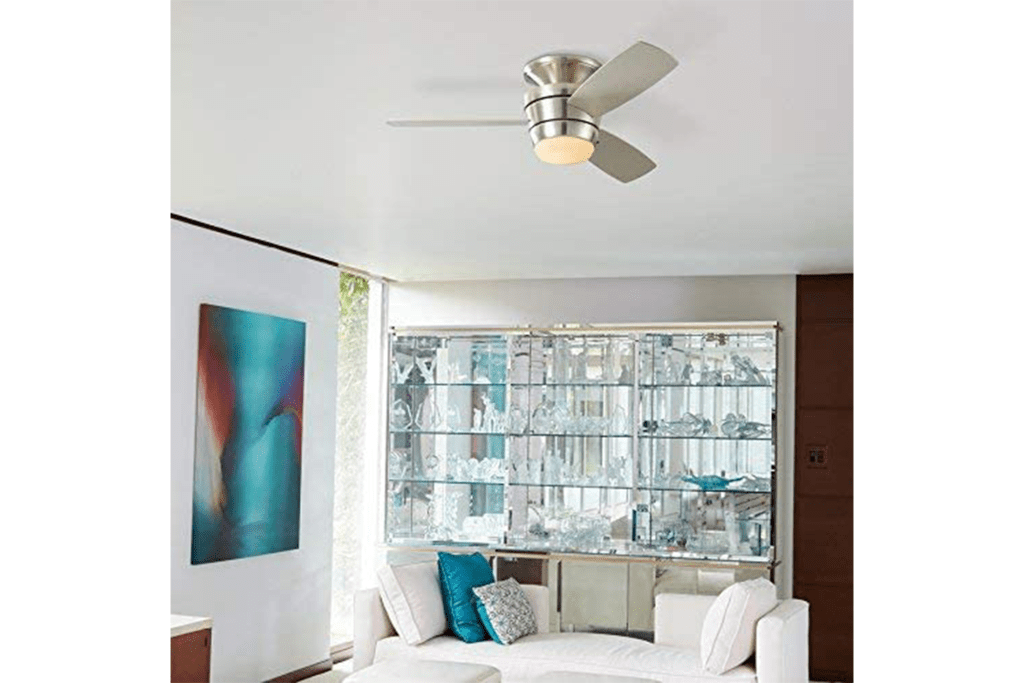
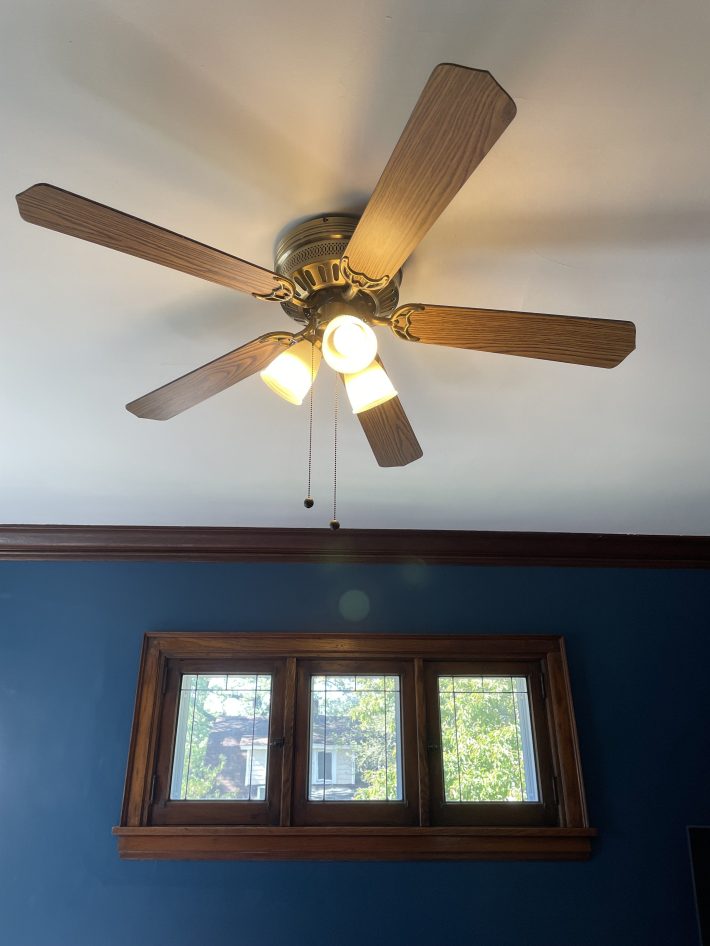
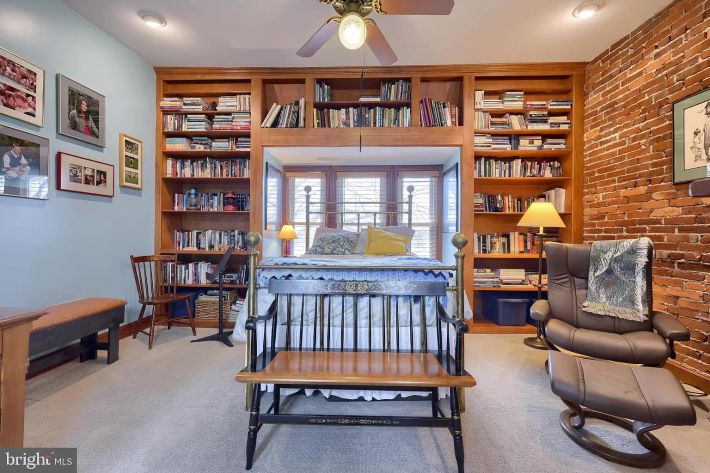
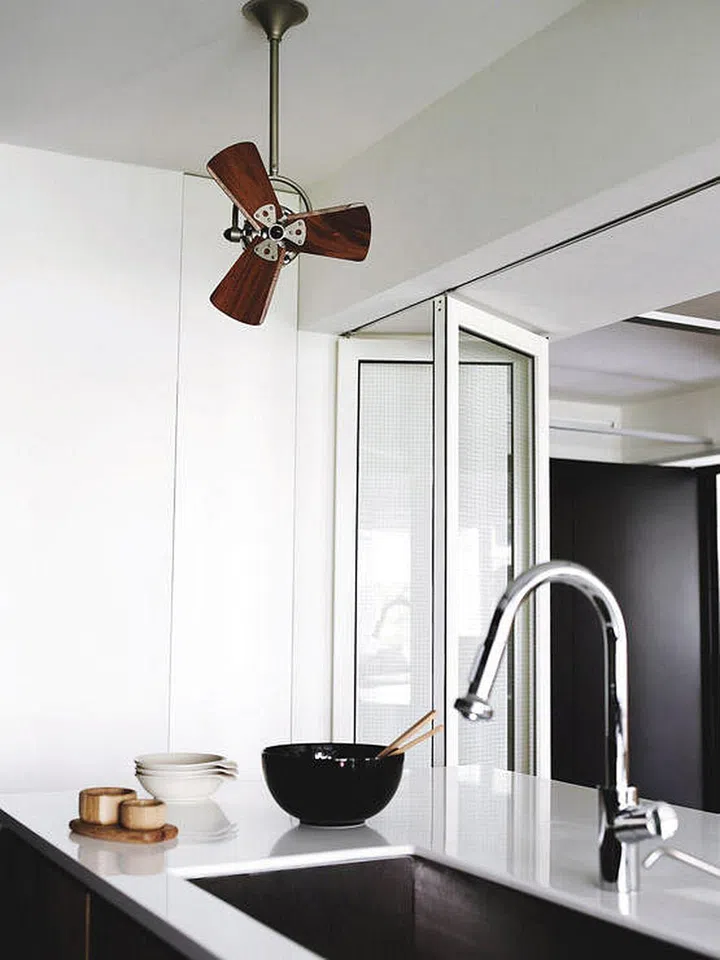
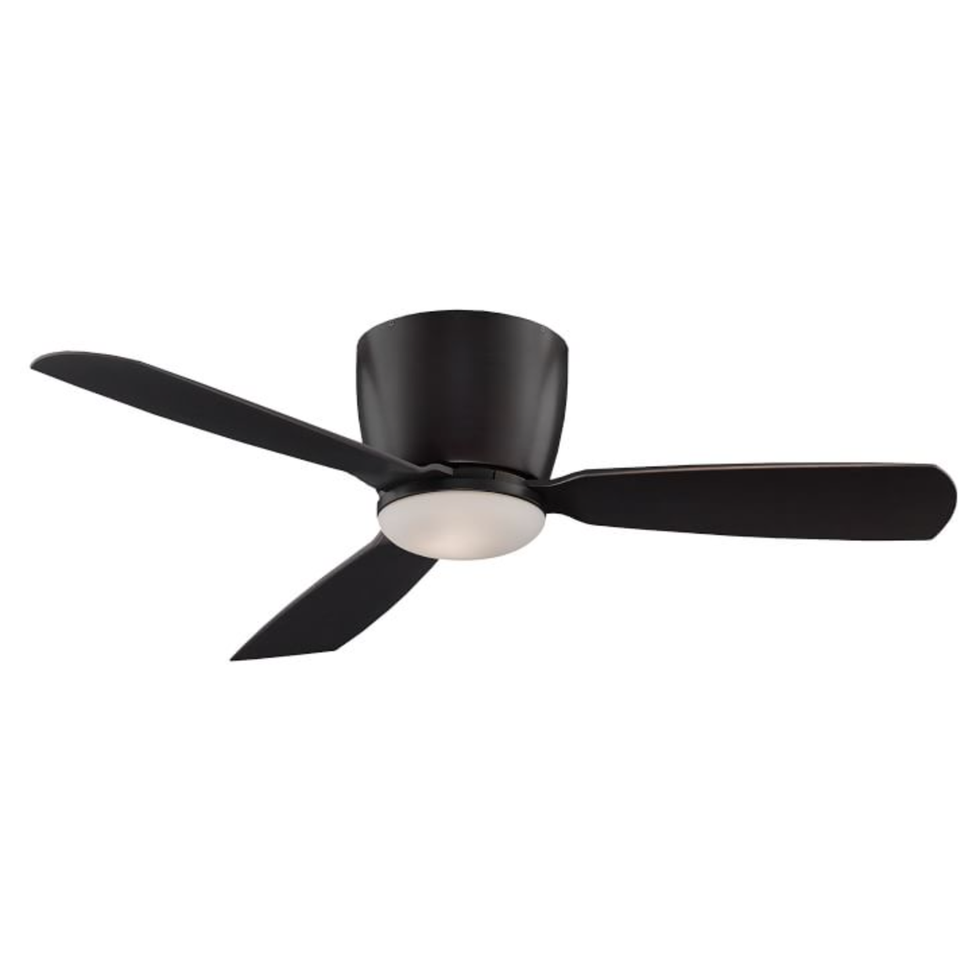
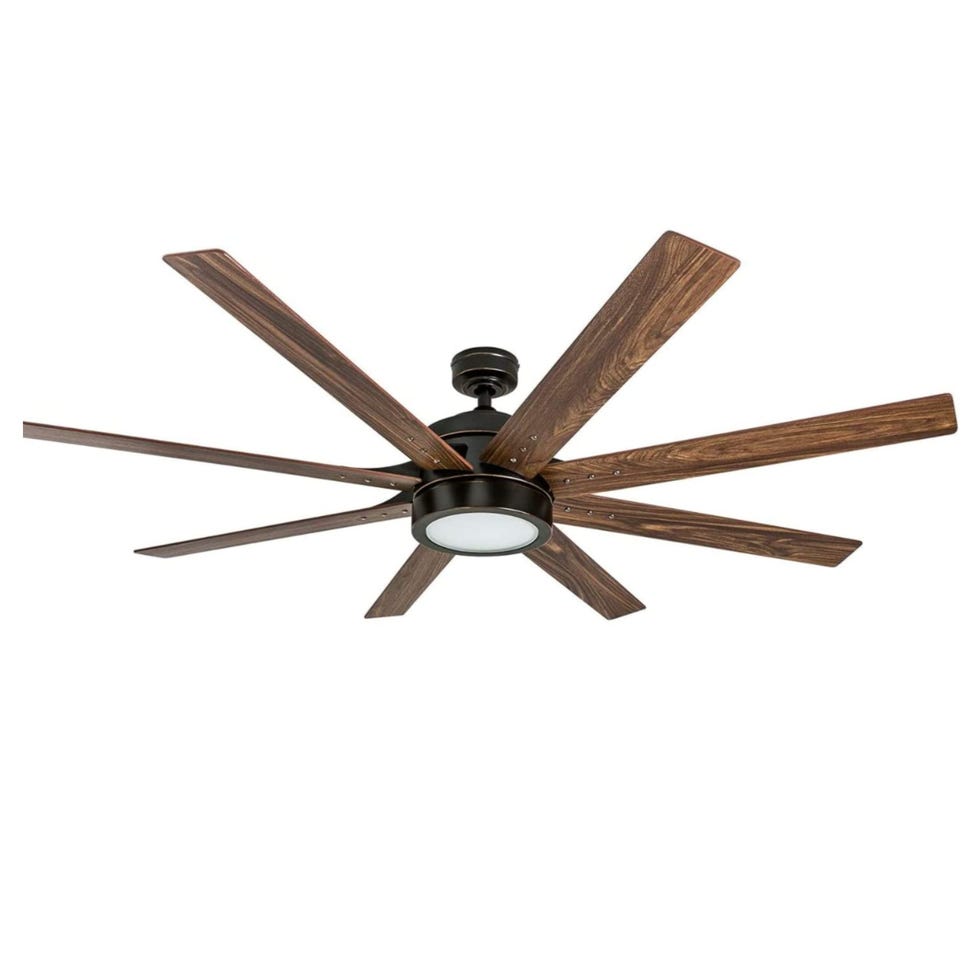
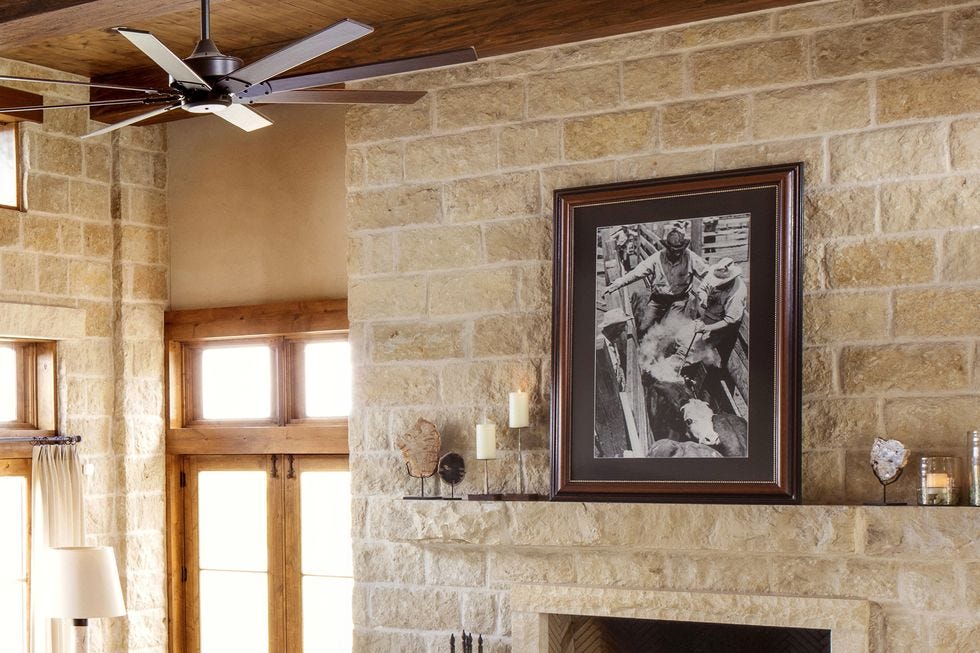
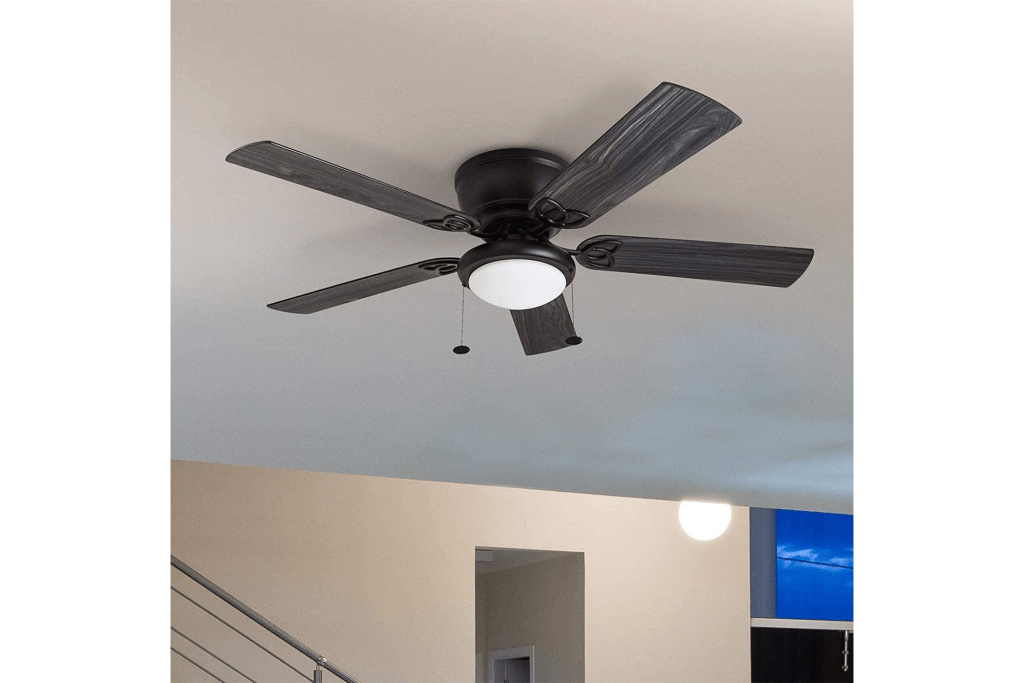
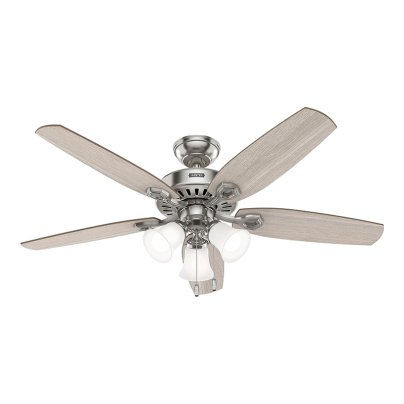
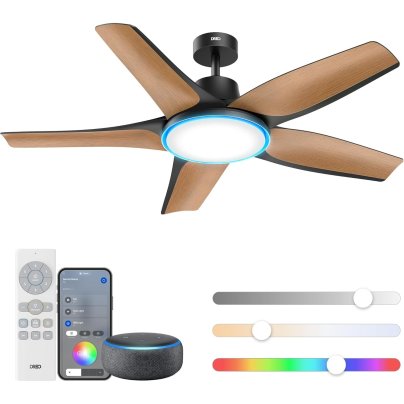
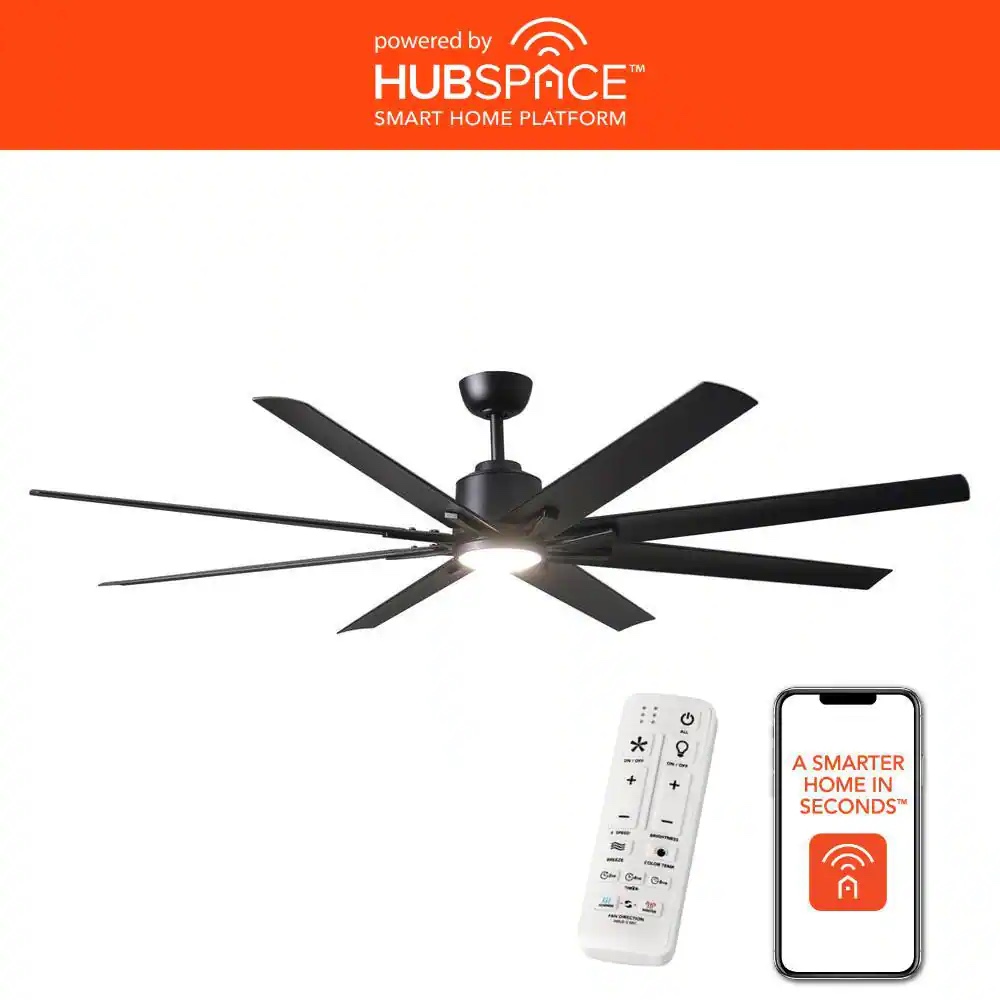
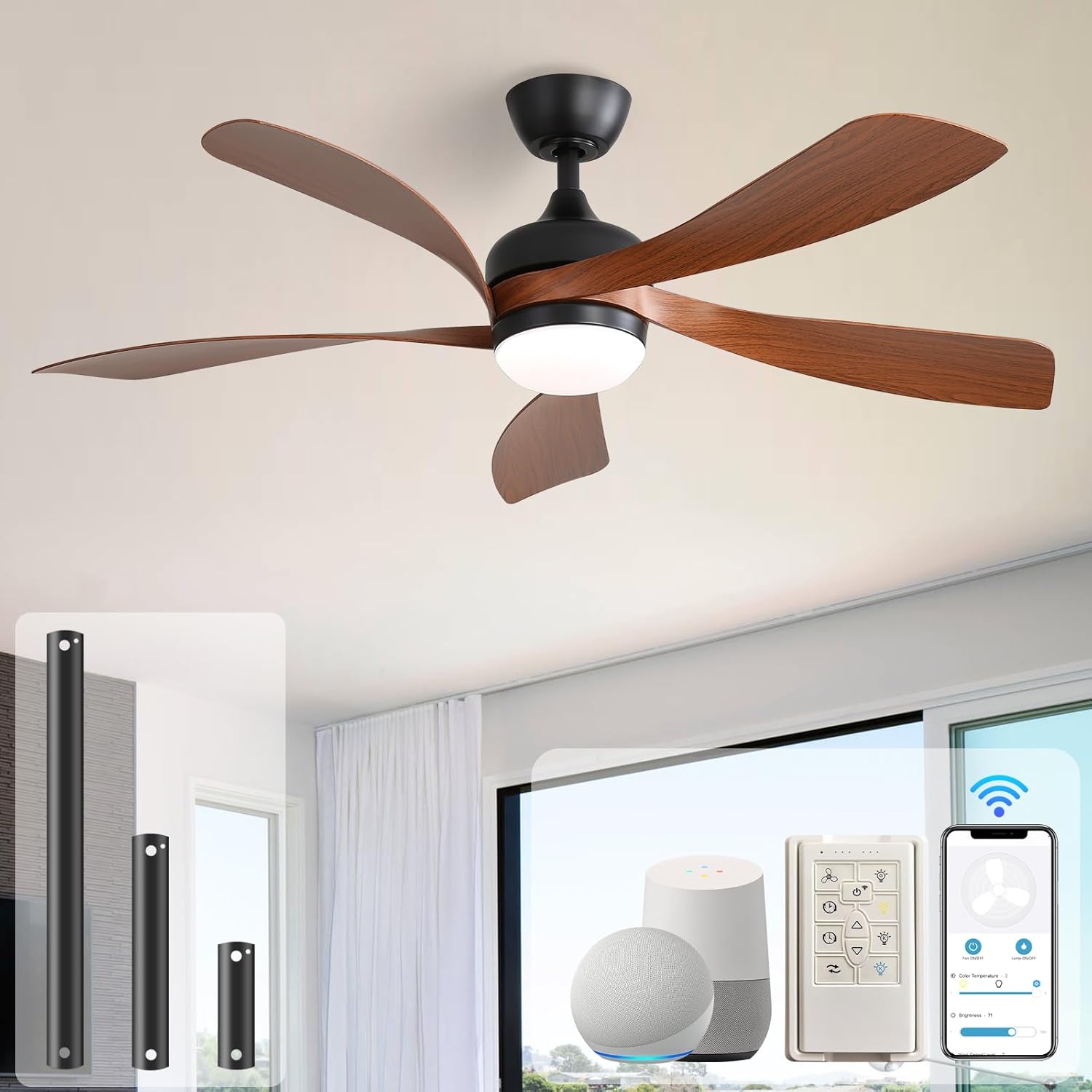
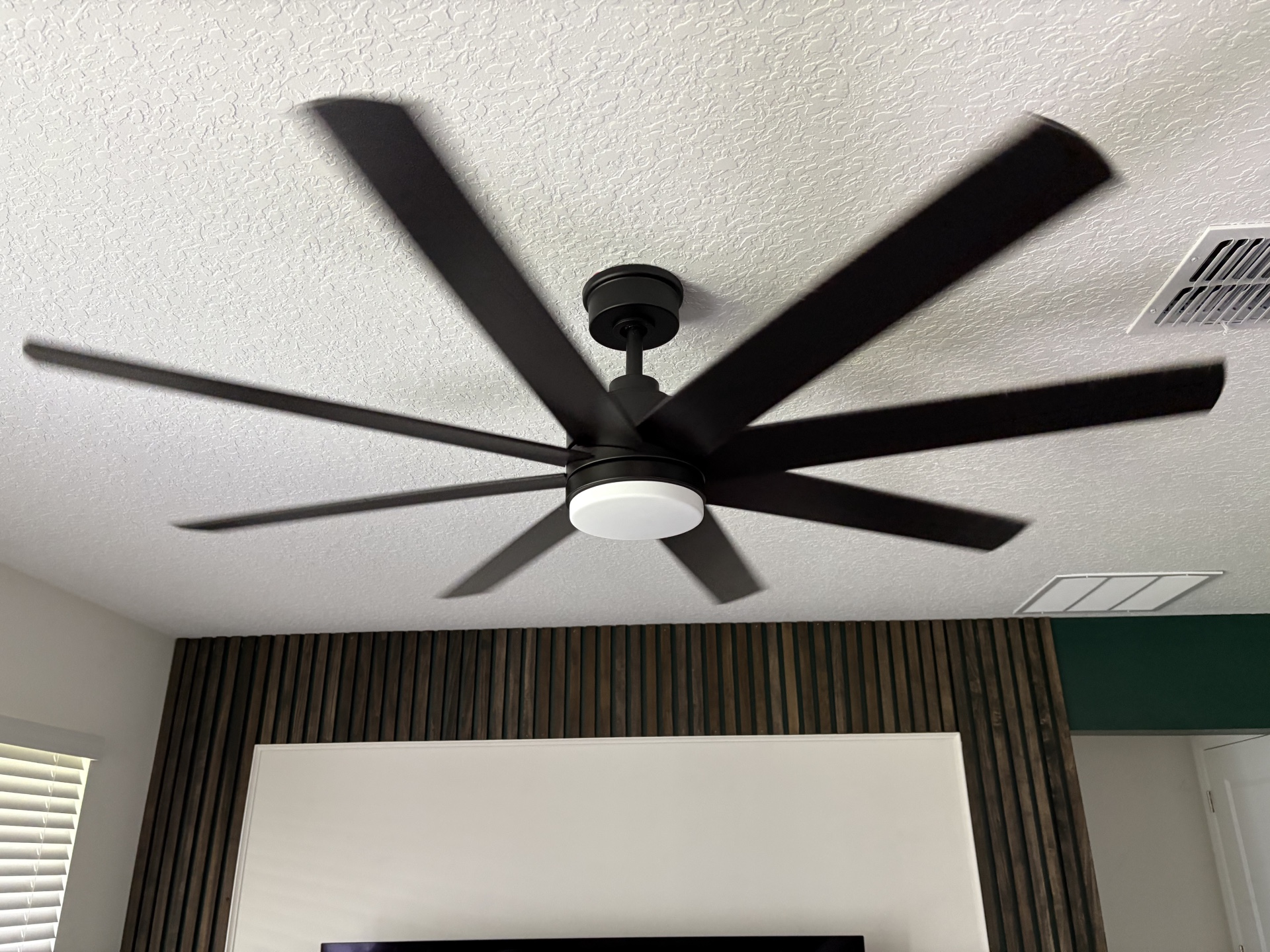
Beyond their aesthetic appeal, modern ceiling fans are notably quieter and more energy-efficient. Their functionality extends beyond cooling in the summer; many models feature a reversible motor that allows the blades to switch direction, pushing warm air down without creating a direct draft. This makes them effective for circulating heat during winter months, contributing to year-round comfort and energy optimization. The article showcases several examples of contemporary ceiling fan designs. A three-blade brass and ebony fan is presented as a modern and chic option, ideal for creating a cool sleeping environment and fitting into diverse decor styles. For expansive spaces, large-scale fans, such as a ten-blade model that can span up to 72 inches, are highlighted for their ability to move a substantial amount of air while adding an industrial aesthetic. Small, adjustable copper fans are noted for their suitability in kitchens or other compact areas, offering both ventilation and a decorative metallic accent. These smaller fans can also be strategically placed near HVAC vents to enhance the efficiency of heating or cooling systems. The article also introduces bladeless ceiling fans, which offer a modern, minimalist look, provide a softer breeze, and operate with minimal sound, often incorporating integrated lighting. Finally, a traditional five-blade white fan is featured as an example of a versatile design that seamlessly blends with white ceilings and complements both traditional and contemporary settings. This overview underscores that modern ceiling fans are not merely functional appliances but also significant elements of home decor that enhance comfort and energy efficiency.
#CeilingFans #HomeDesign #InteriorDecor #EnergyEfficiency #ModernLiving #HomeComfort #DesignTrends #CeilingFans #HomeDesign #InteriorDecor #EnergyEfficiency #ModernLiving #HomeComfort #DesignTrends
0 comment in total
 No comments yet
You may also like
Ceiling fans: A new spin on cooling your home | Home and Garden | Life
Our Editor Recommendations for Ceiling Fans Can Supplement or Even Replace an A/C
The 16 best ceiling fans for extra airflow in 2023, plus expert tips
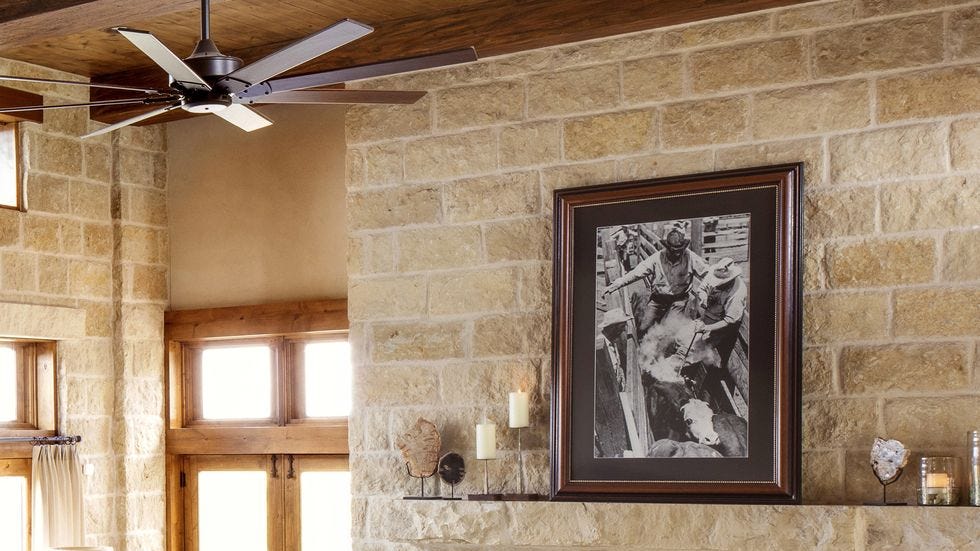
This Easy Ceiling Fan Trick Will Help Keep You Cool in the Summer

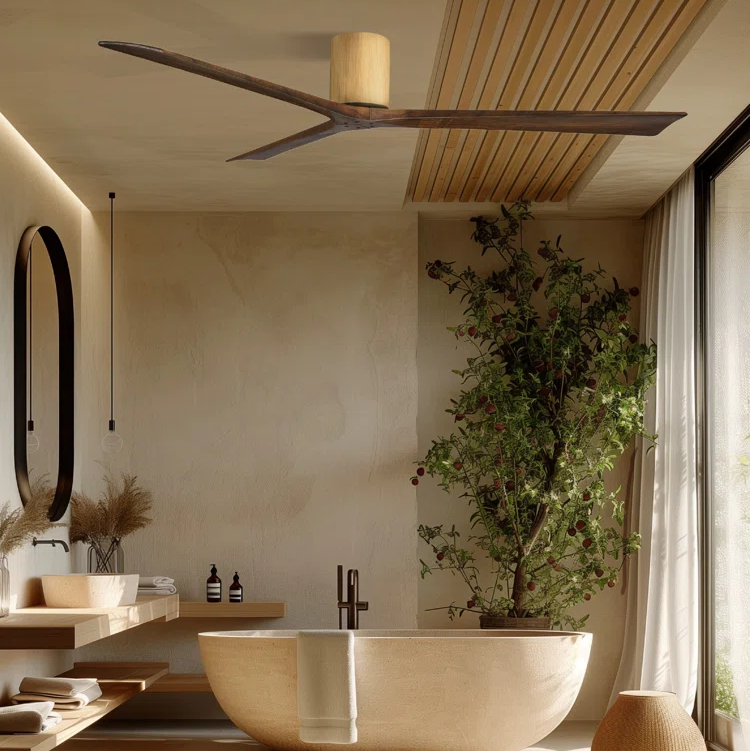
There's a Cool Ceiling Fan for Every Vibe and Budget

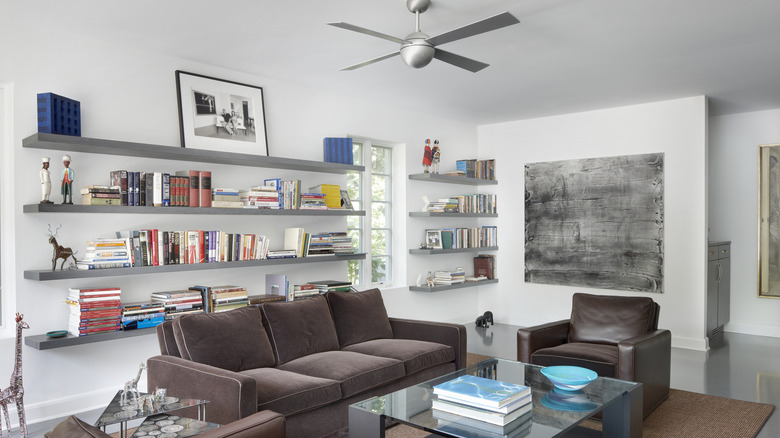
The Best Ceiling Fans For Each Room Of Your Home

Move Over Ceiling Fans—'Fandeliers' Are the New Favorite for Cooling in Style

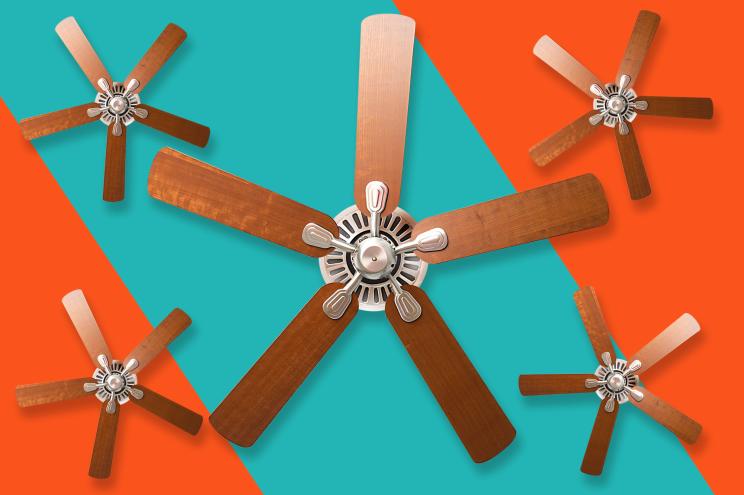
The 16 best ceiling fans for extra airflow, plus expert tips
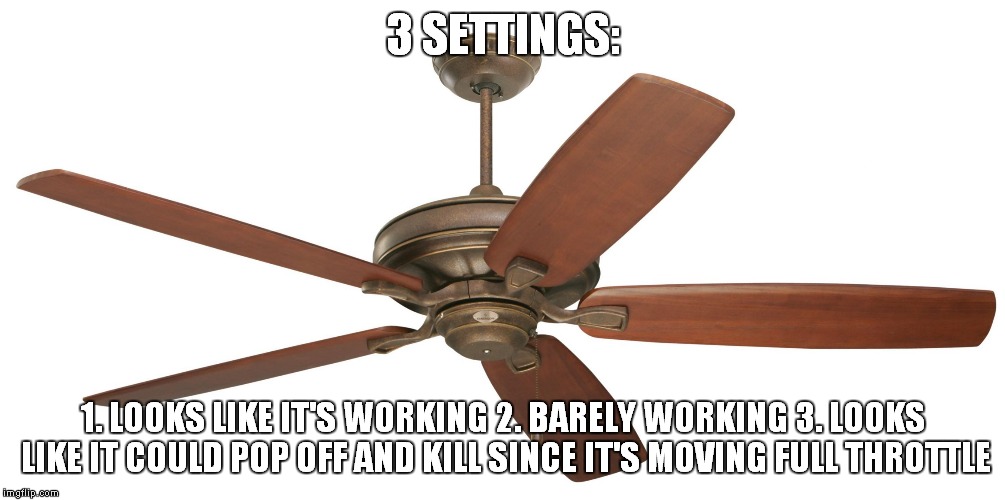
Not a Fan? Seven Ceiling Fan Options For All You Haters

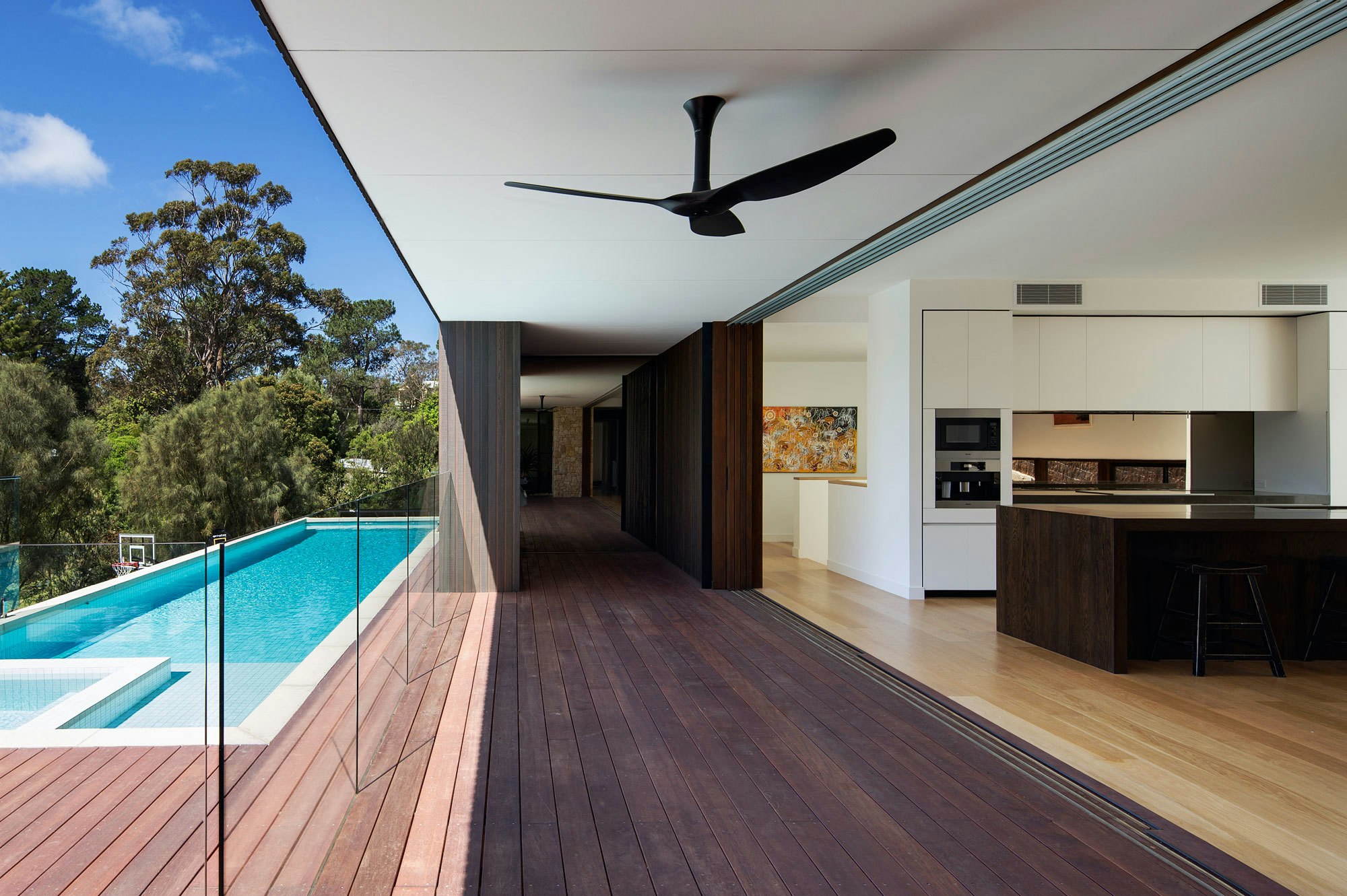
Beat the Heat With These Svelte Ceiling Fans That Cost Less Than $250

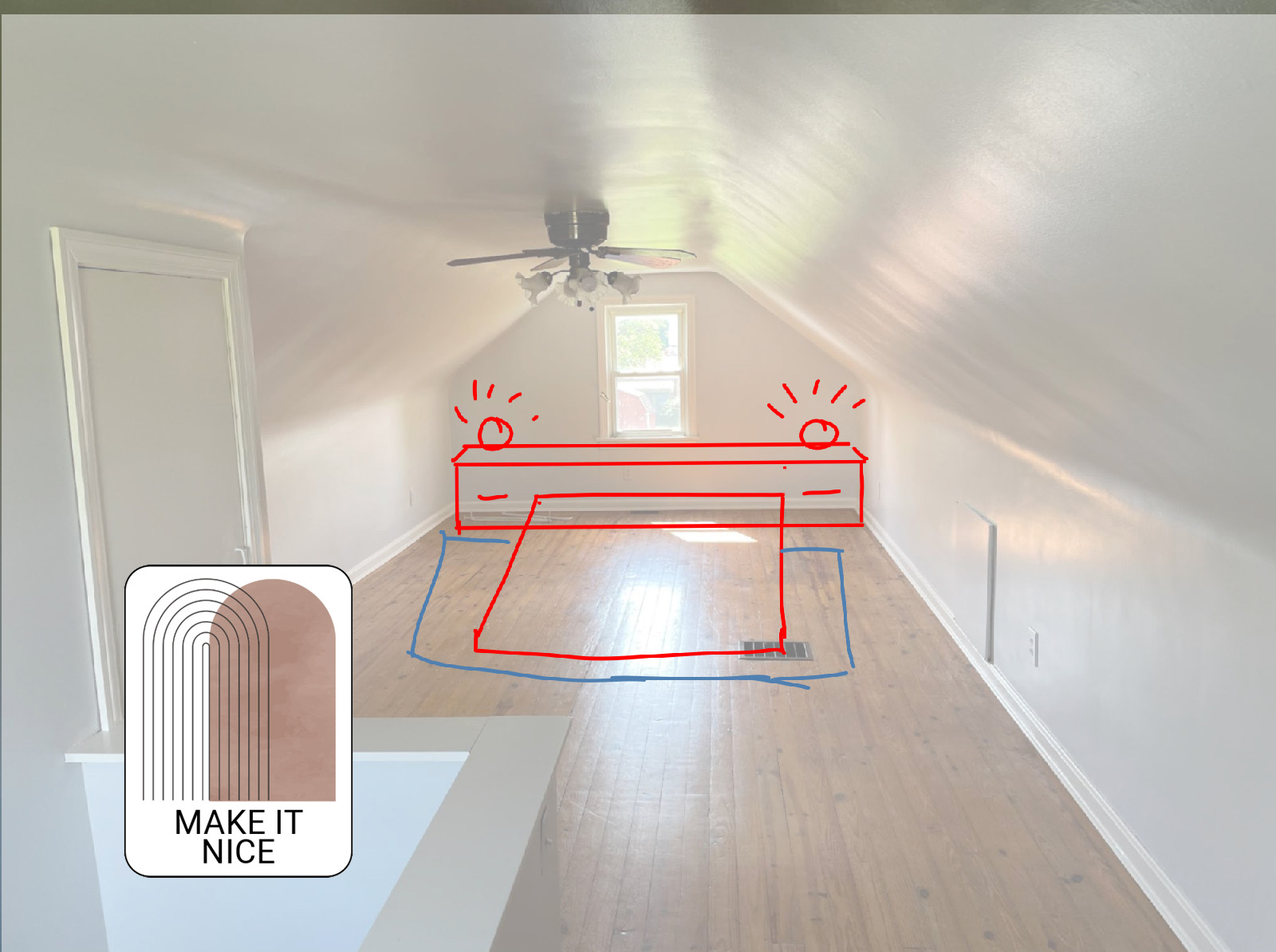
Make It Nice: Ceiling Fans And Tricky Layouts
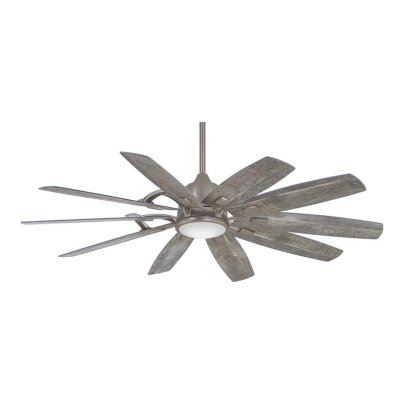
The Best Ceiling Fans for a Breezy, Comfortable Home

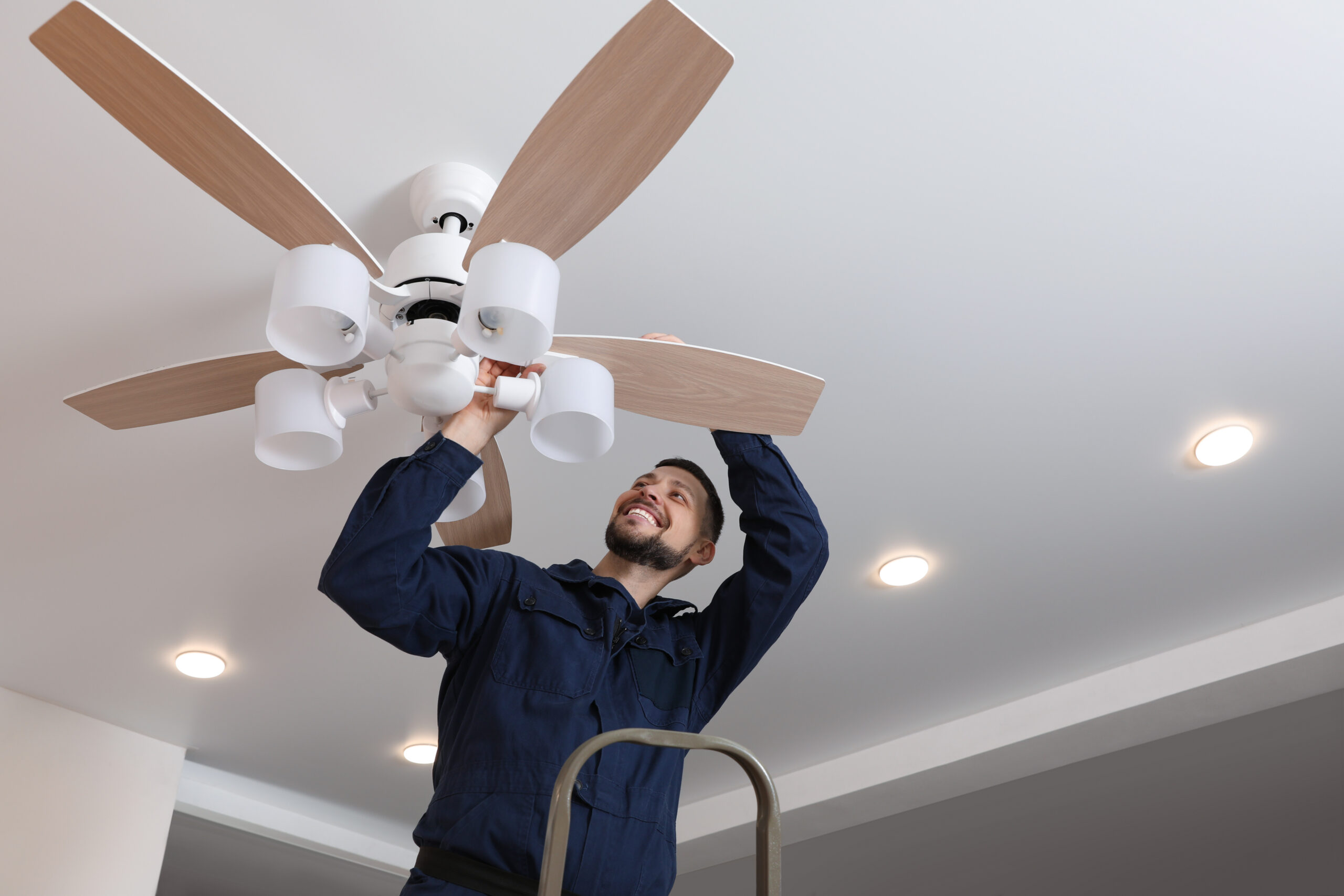
Stay cool this summer with ceiling fans


The Best Ceiling Fans to Keep You Cool All Year Round

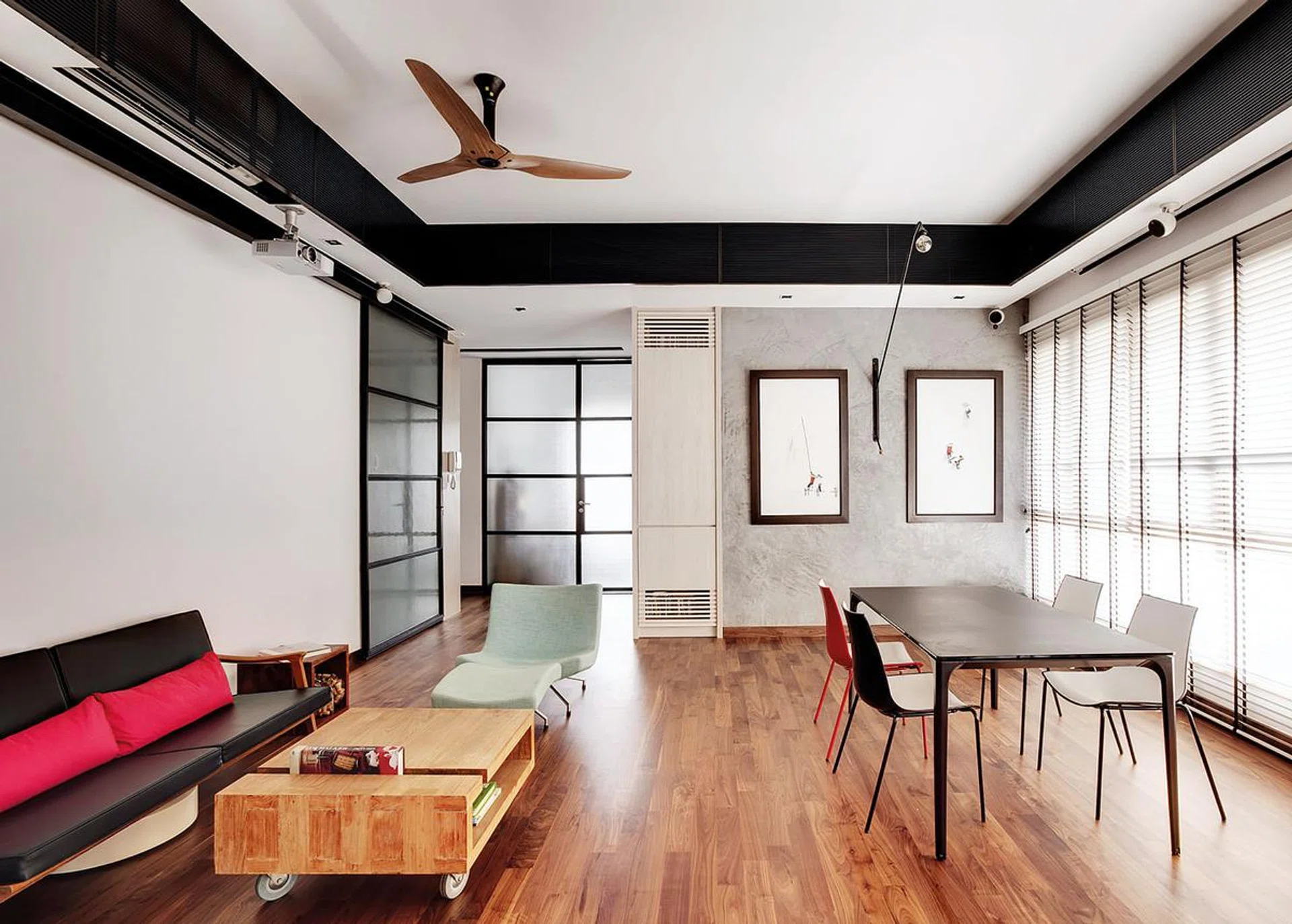
Stylish ceiling fans for modern spaces
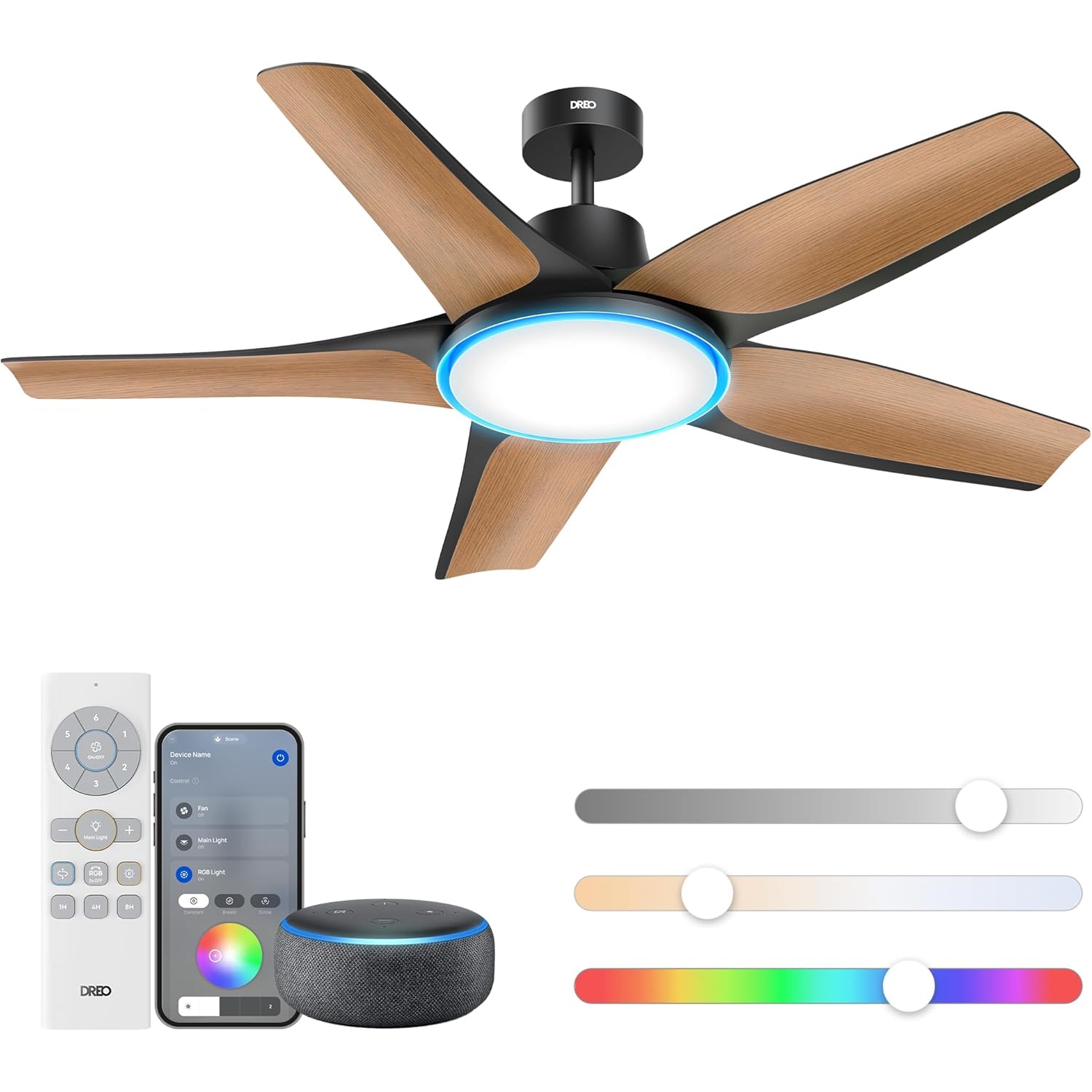
Spin Smarter, Not Harder: Our Favorite Smart Ceiling Fans
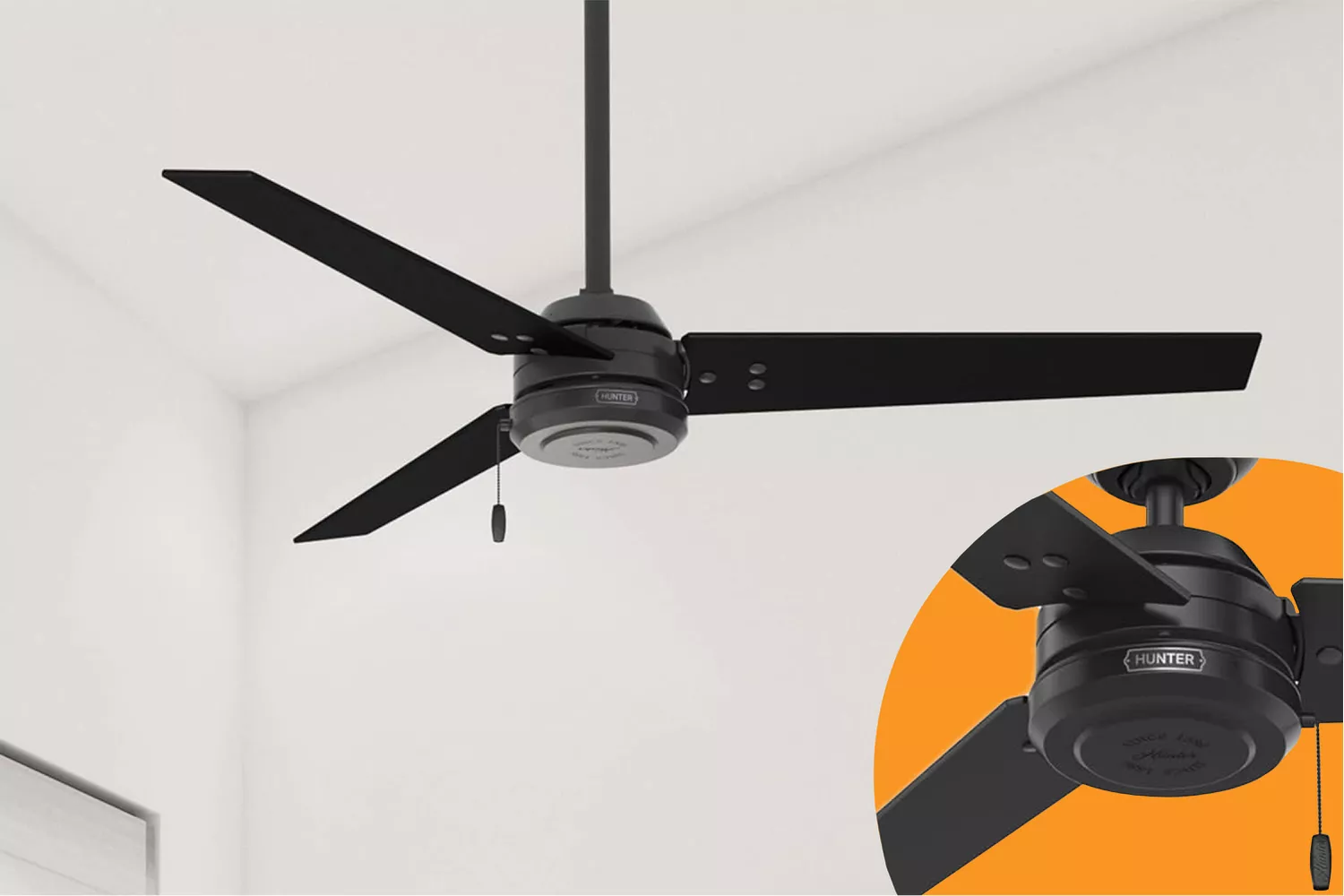
We Spent 1,200 Hours Testing Which Ceiling Fans Are the Most Cooling — These Are Our Winners
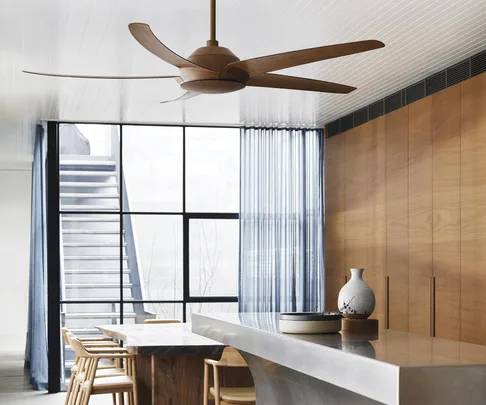
Ceiling fans 101: a guide to choosing the right one

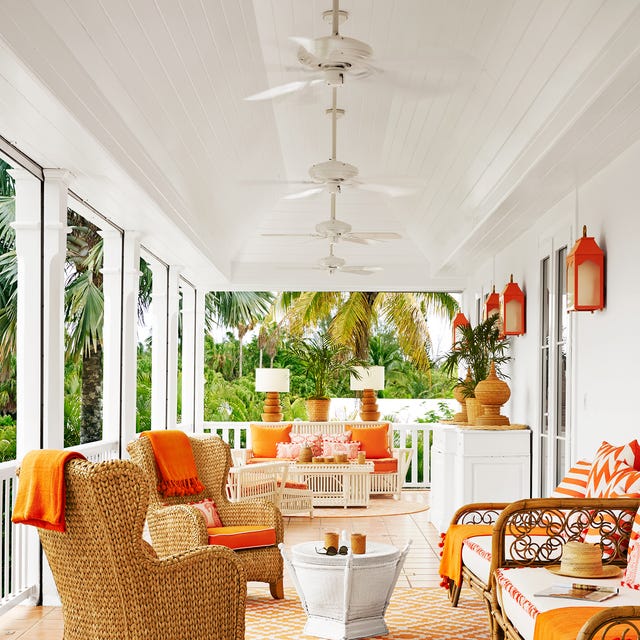
16 Best Ceiling Fans You Can Buy Online Right Now

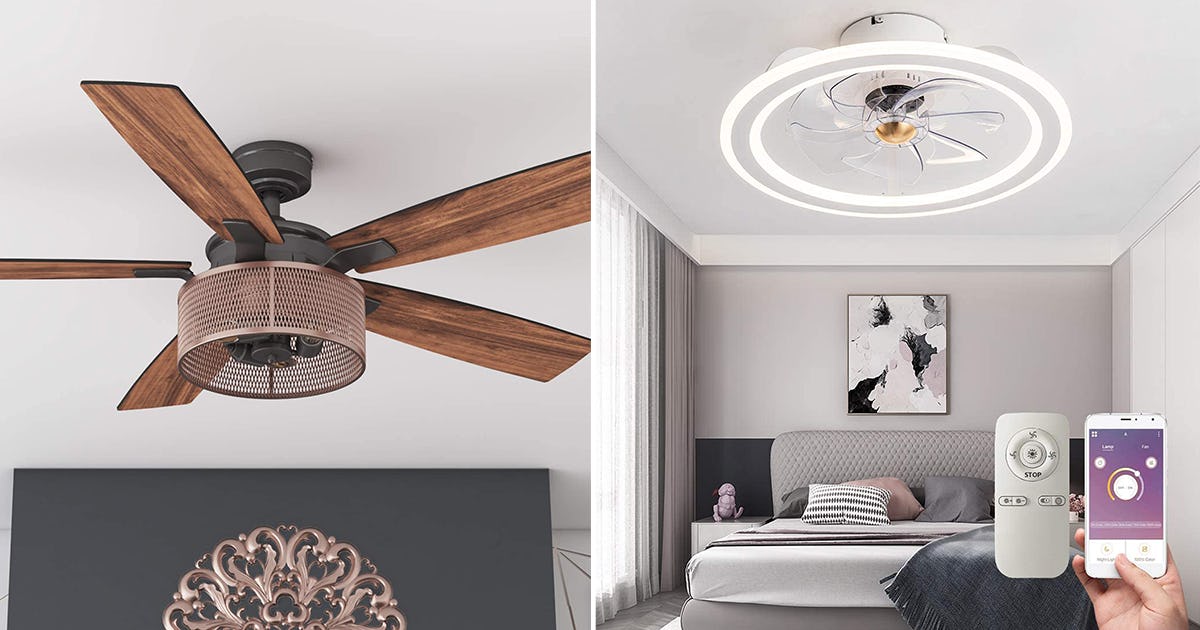
We’re A Fan! These Are The Best Ceiling Fans To Help Keep Your Home Cool