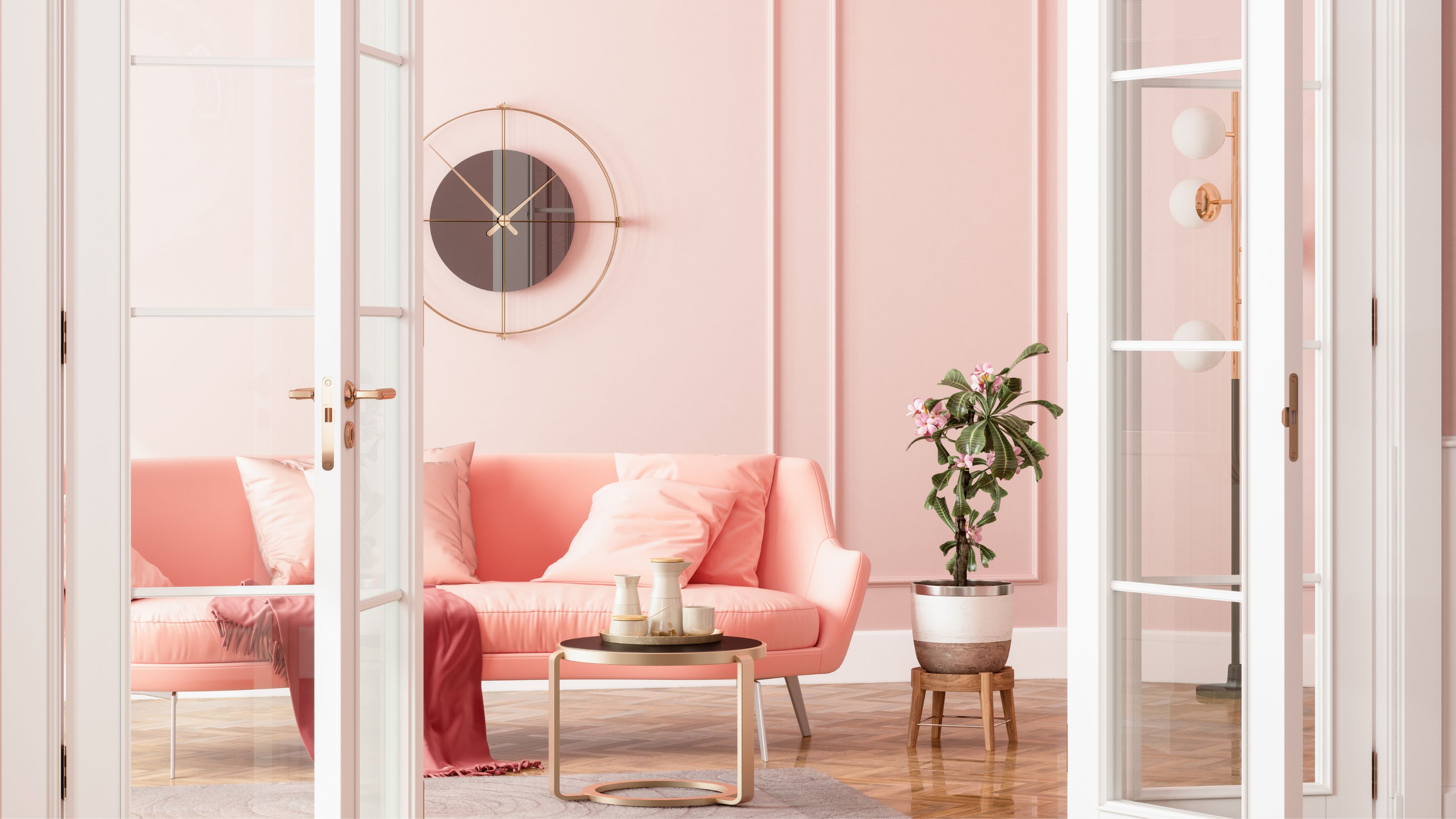
1/6
How to keep a top-floor apartment cool in summer
Top-floor apartments often present a challenge during summer due to their susceptibility to heat accumulation, primarily because hot air rises and they experience significant passive solar gain. This means they are exposed to more direct sunlight and less shade compared to lower floors, leading to an unbearable interior temperature if not properly managed. Older buildings with large windows further exacerbate this issue as these windows are often inefficient at blocking heat. While air conditioning provides a solution, its continuous use incurs high costs and environmental impact, prompting the need for alternative cooling strategies.
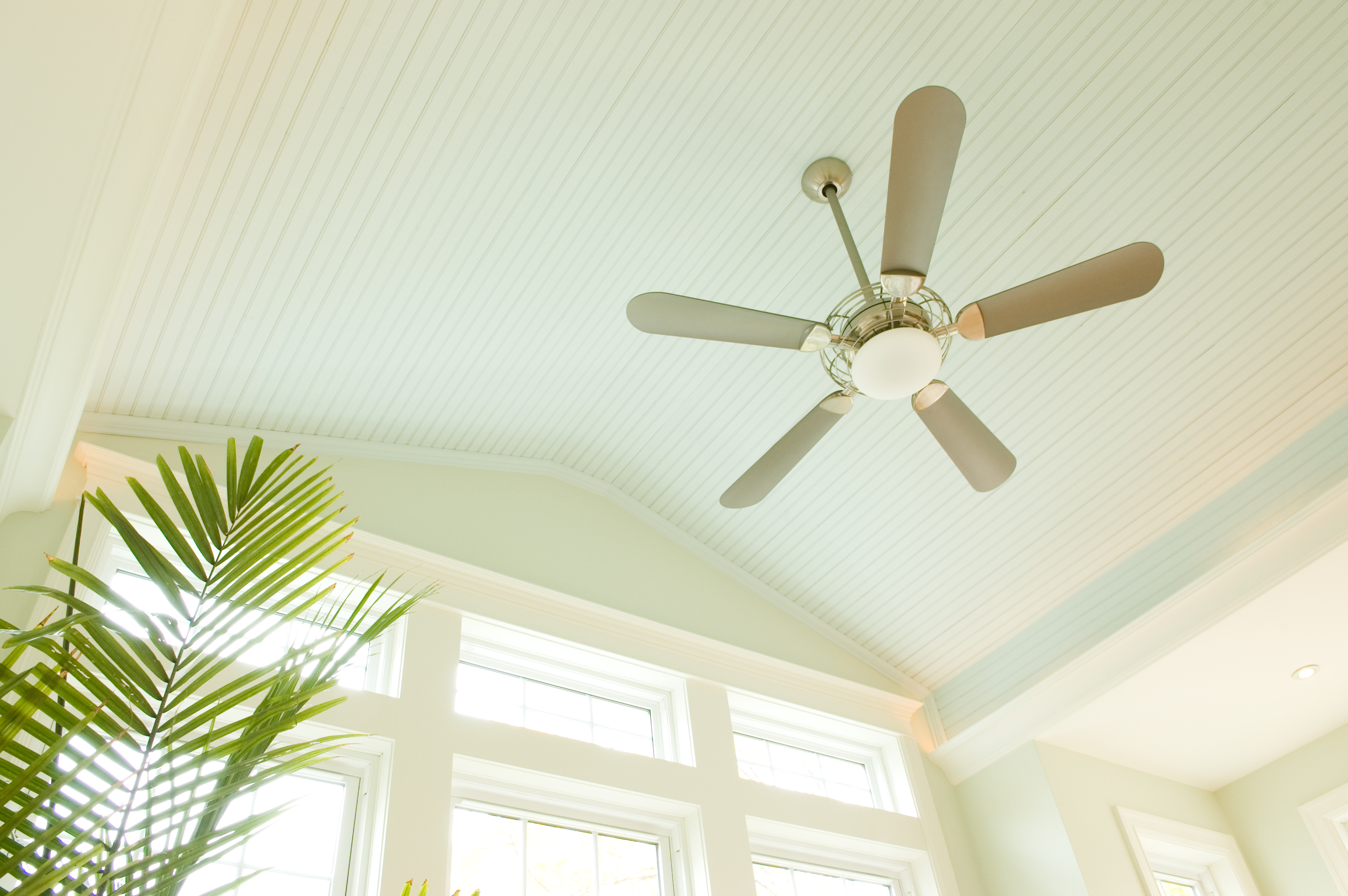
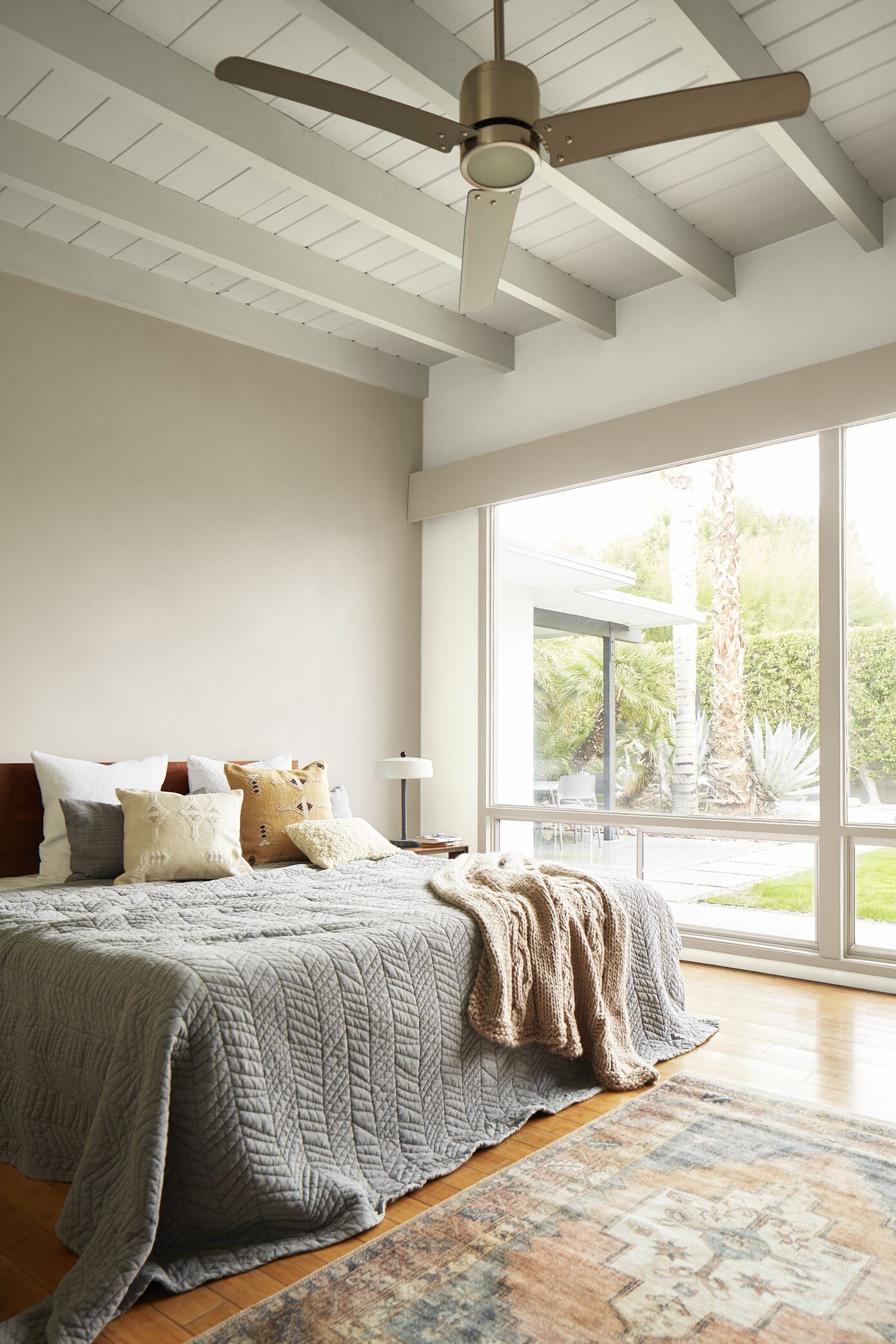
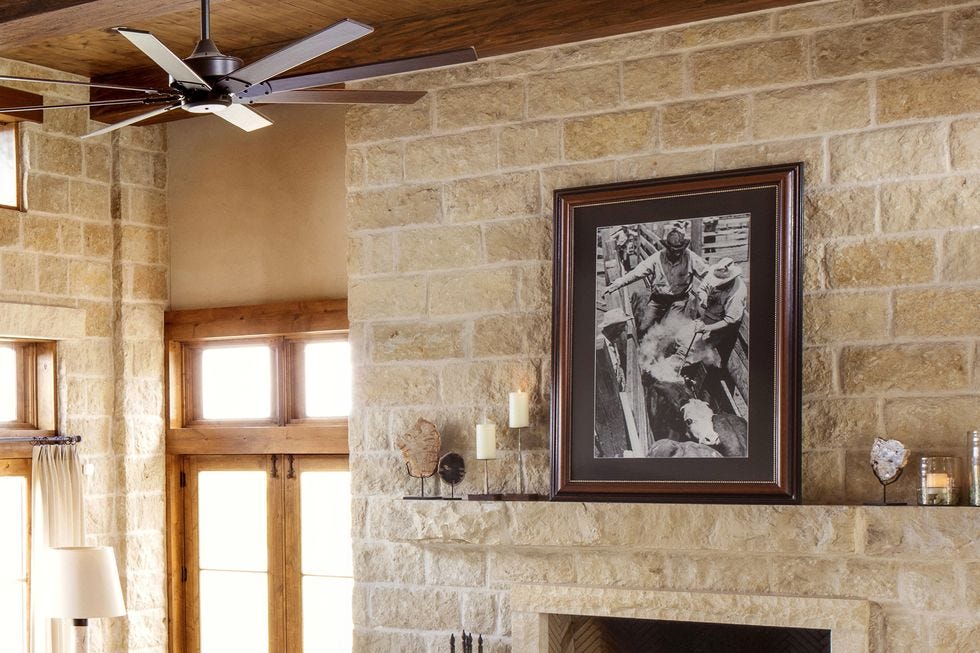
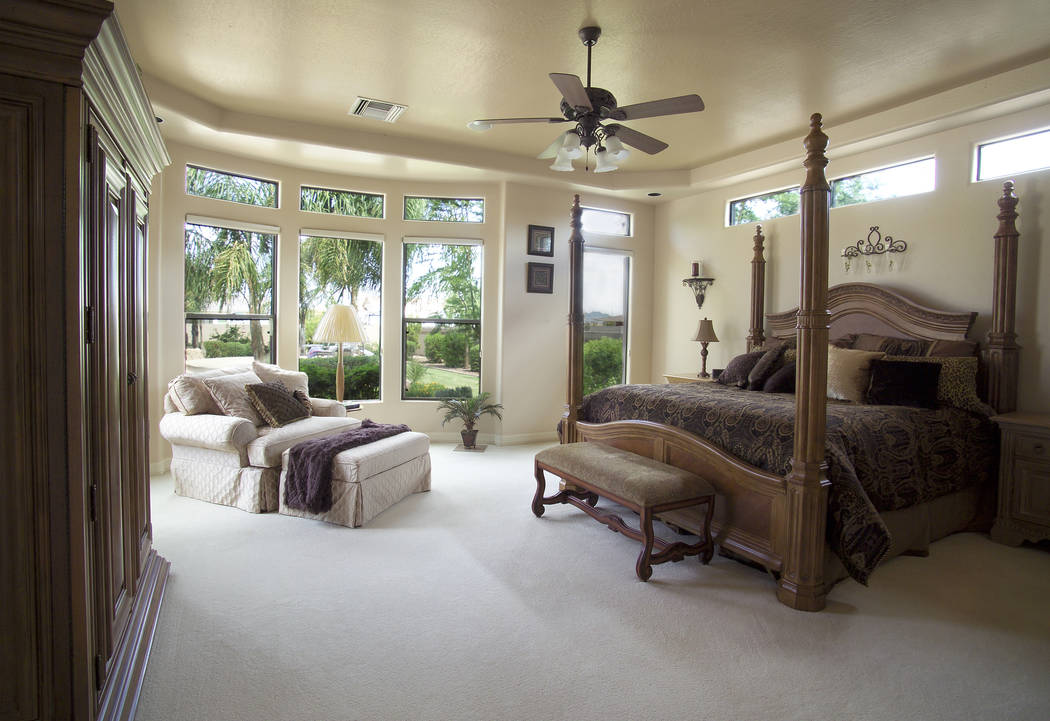
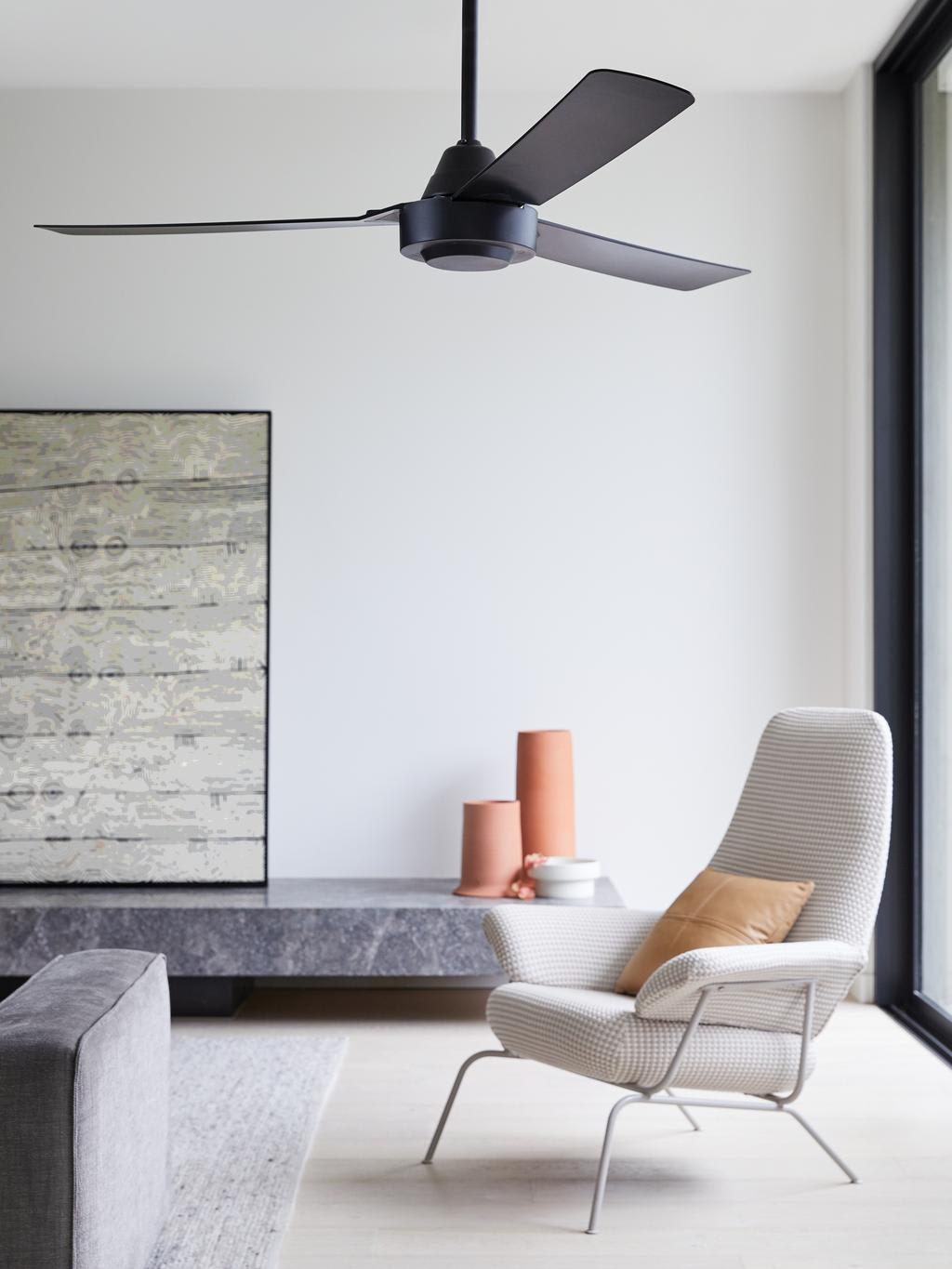
Effective cooling begins with maximizing air circulation. Opening windows to create a draft and propping open doors facilitates airflow, allowing hot air to escape and cooler air to enter. Utilizing safety restrictors on windows is recommended for pet owners. Fans, though not air coolers themselves, can be optimized to improve comfort. Positioning a fan on the floor helps circulate cooler air found at lower levels. Angling fans towards windows can push hot air out, and using two fans—one pushing air out and another drawing cool air in—can create an efficient cross-breeze, especially with windows on opposing walls. Placing a bowl of ice or frozen water bottles in front of a fan enhances its cooling effect by circulating chilled air. Ceiling fans are also beneficial, and running them counter-clockwise in summer can reduce room temperature by several degrees.
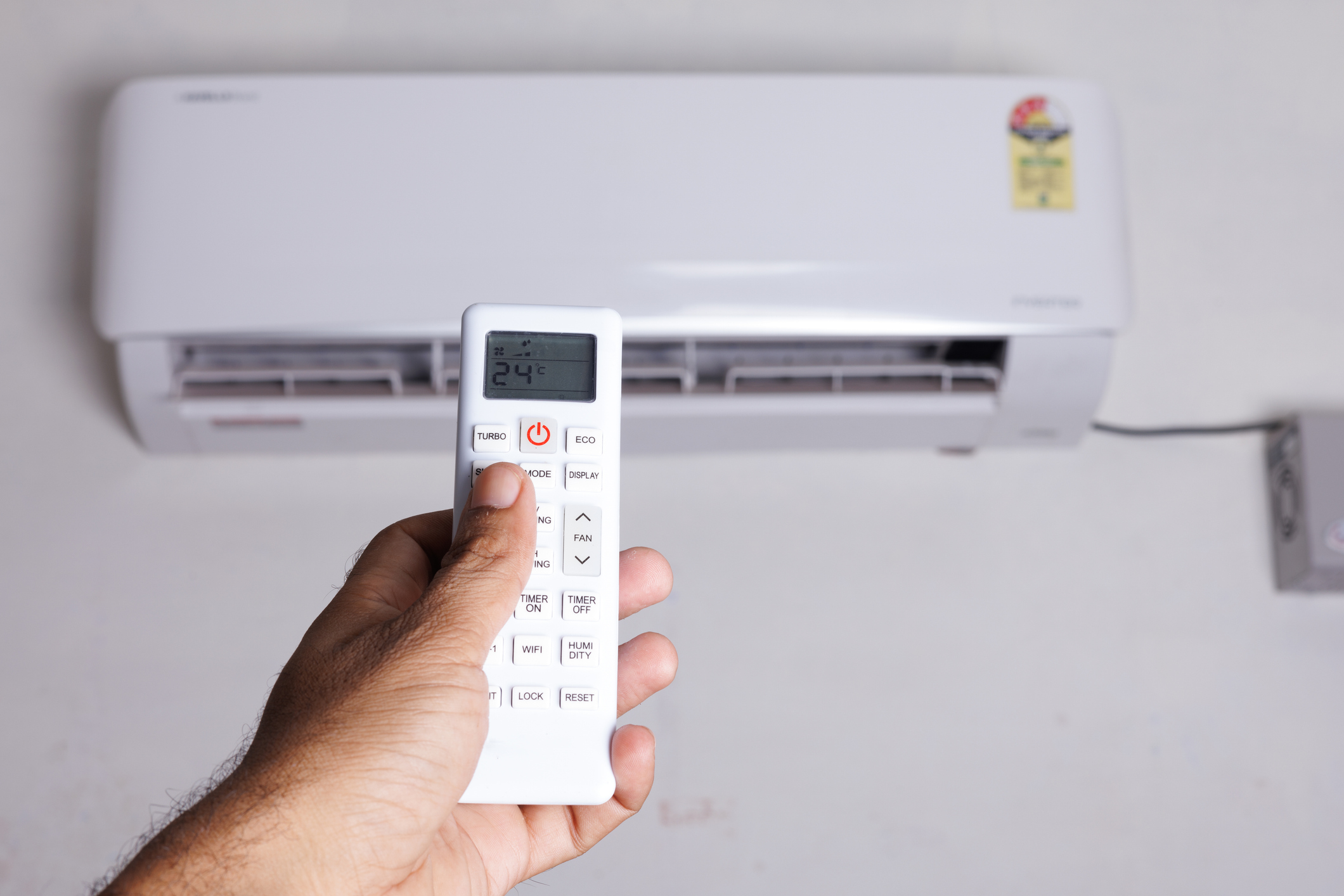
Strategic use of air conditioning and windows is crucial. It’s often more energy-efficient and cost-effective to open windows when the outdoor temperature is lower than indoors, rather than immediately resorting to AC. This is particularly relevant in the evenings when homes retain heat from the day. Only close windows when AC is running or when the outdoor temperature exceeds the indoor temperature to maintain coolness. Reducing heat-generating appliances is another significant step. Activities like running dryers, dishwashers, and ovens contribute substantial heat. Air-drying clothes, handwashing dishes, or using energy-efficient appliances like air fryers for cooking can minimize internal heat production. Old incandescent light bulbs are major heat sources; switching to smart LEDs or CFLs can drastically cut down heat emission and energy consumption.
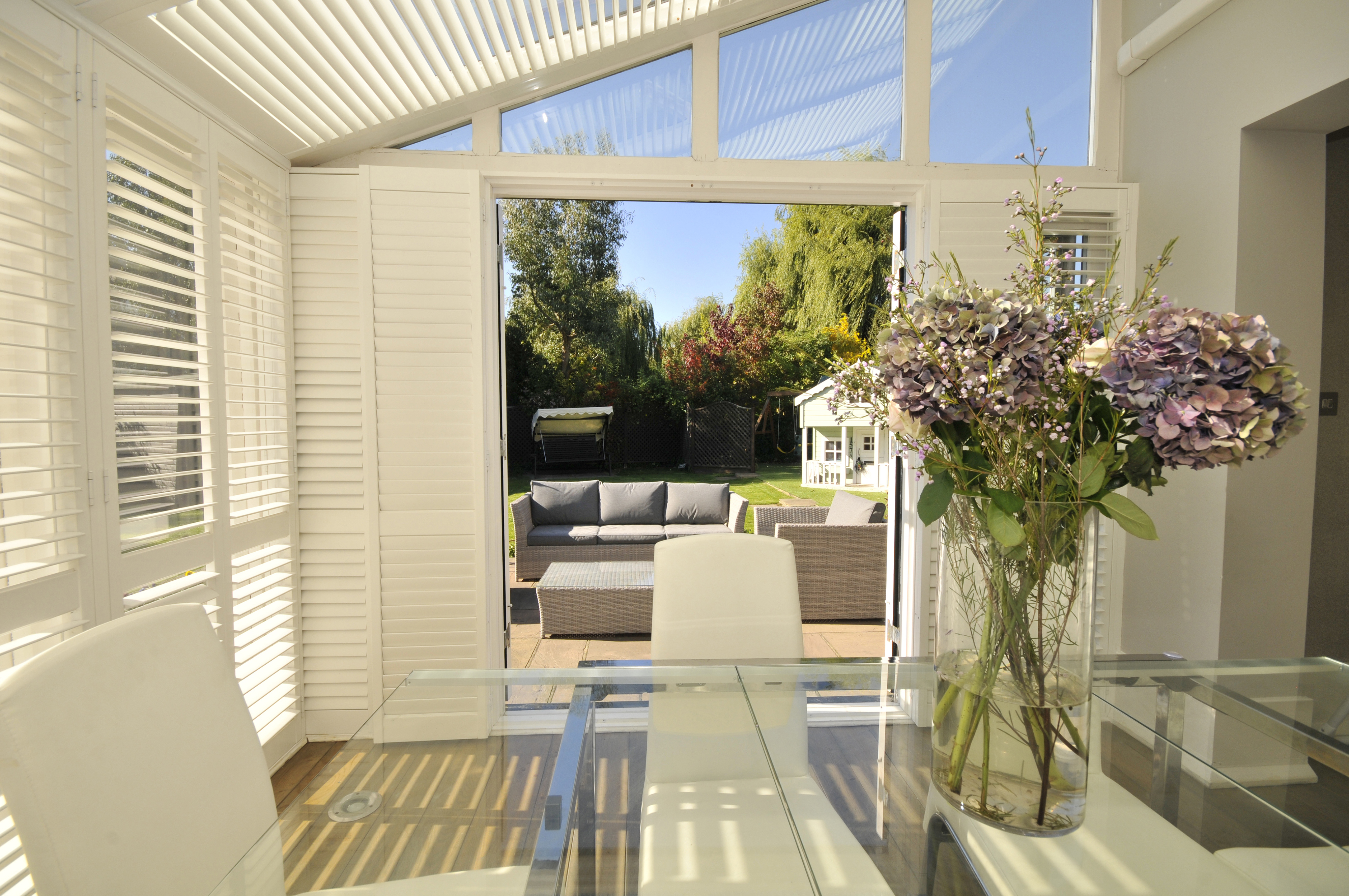
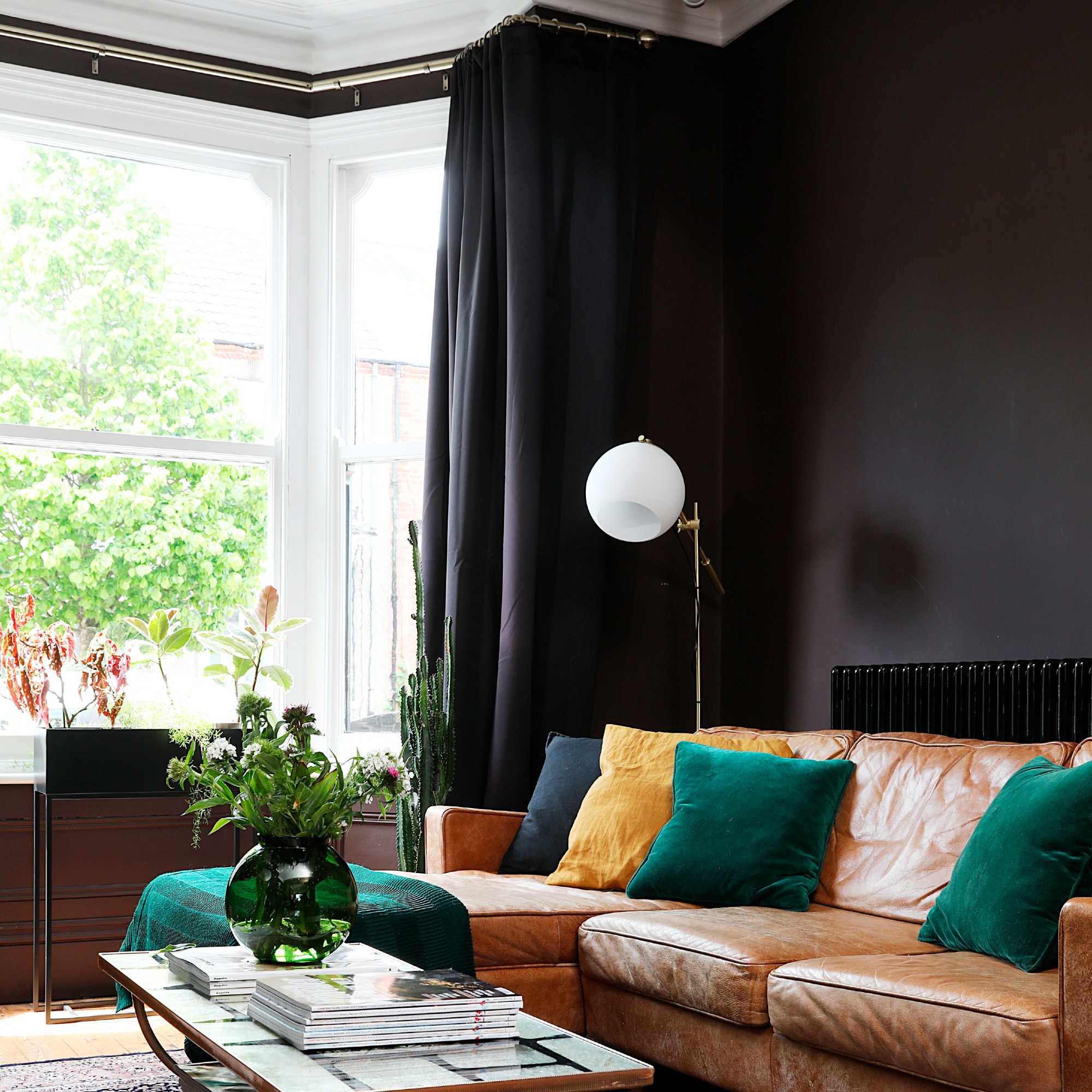
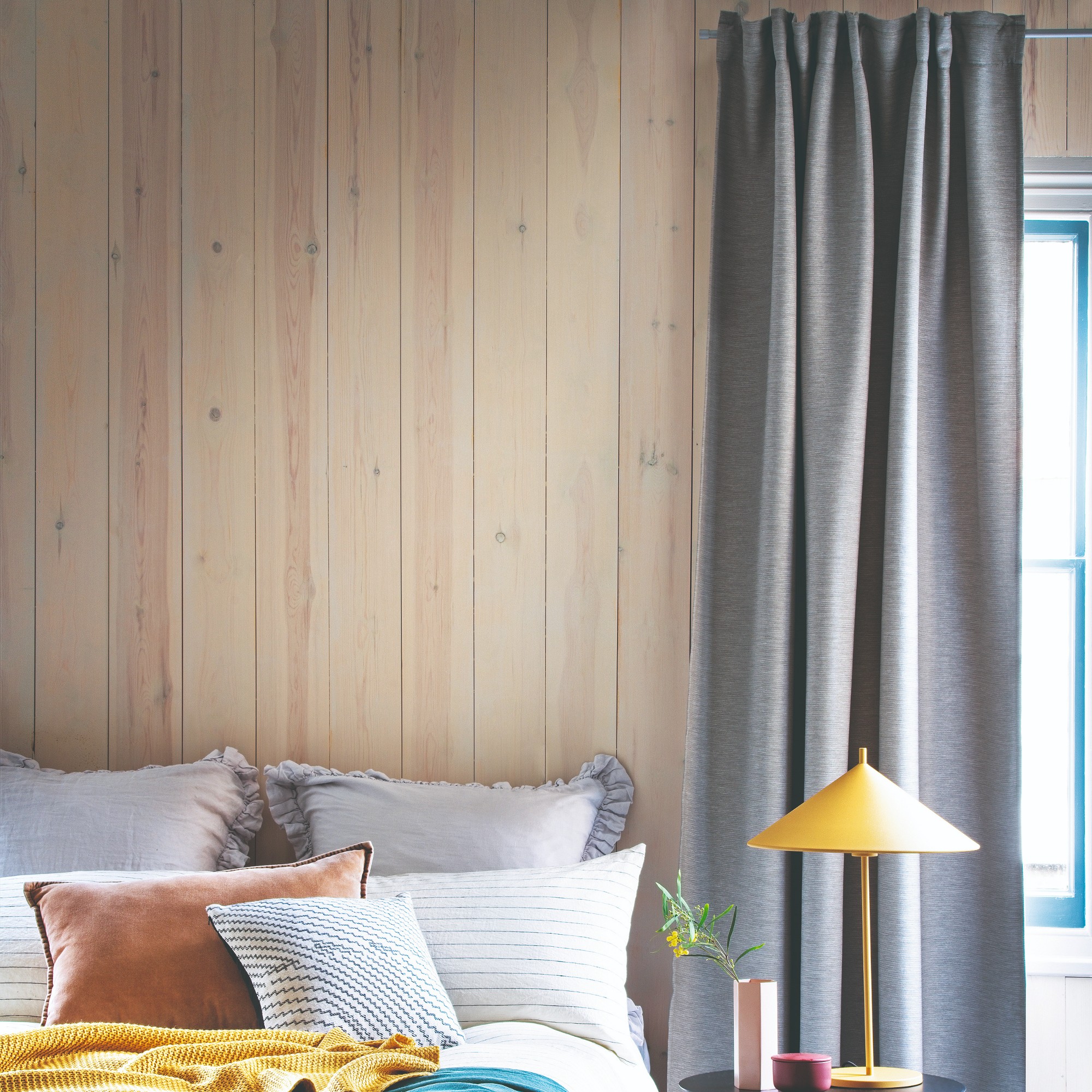
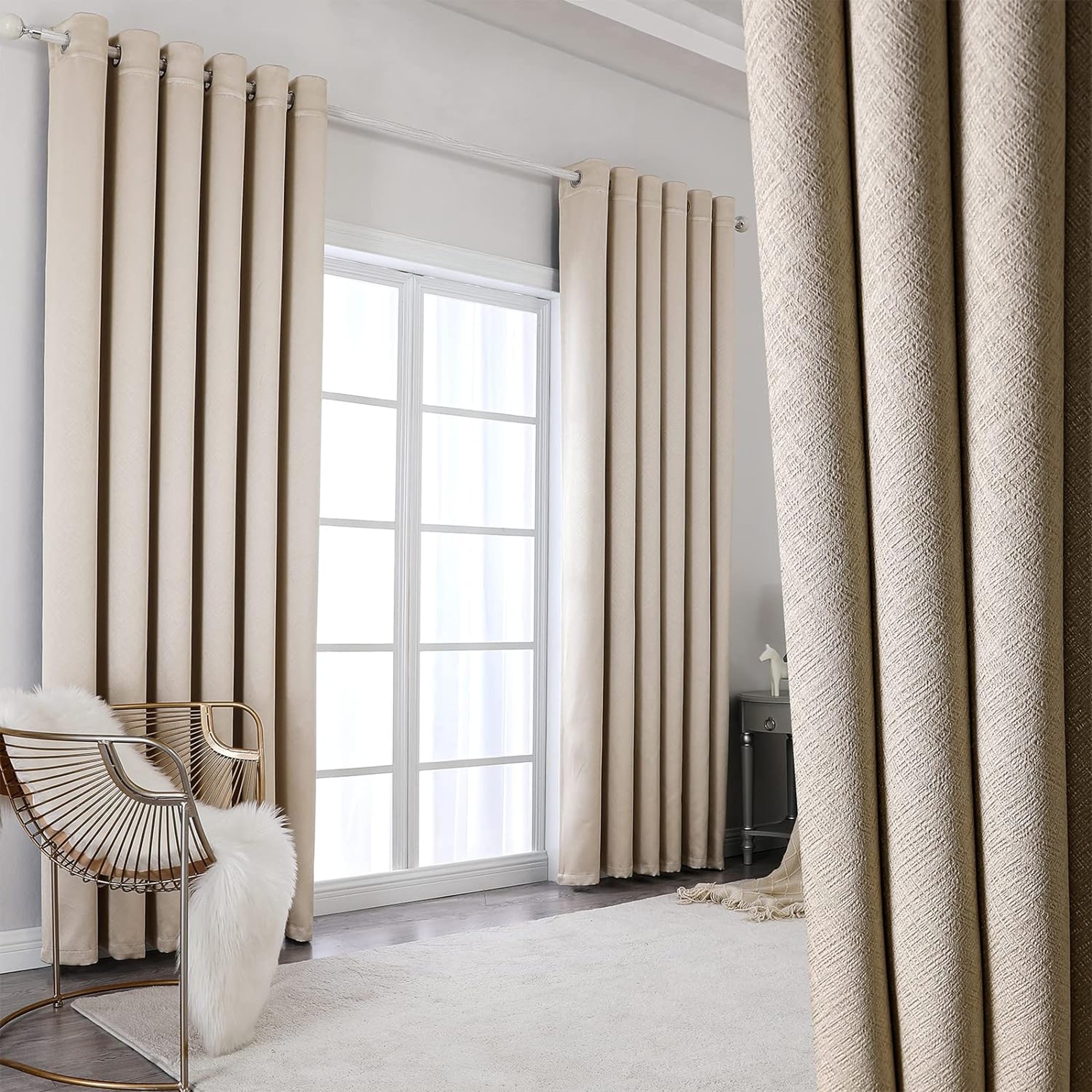
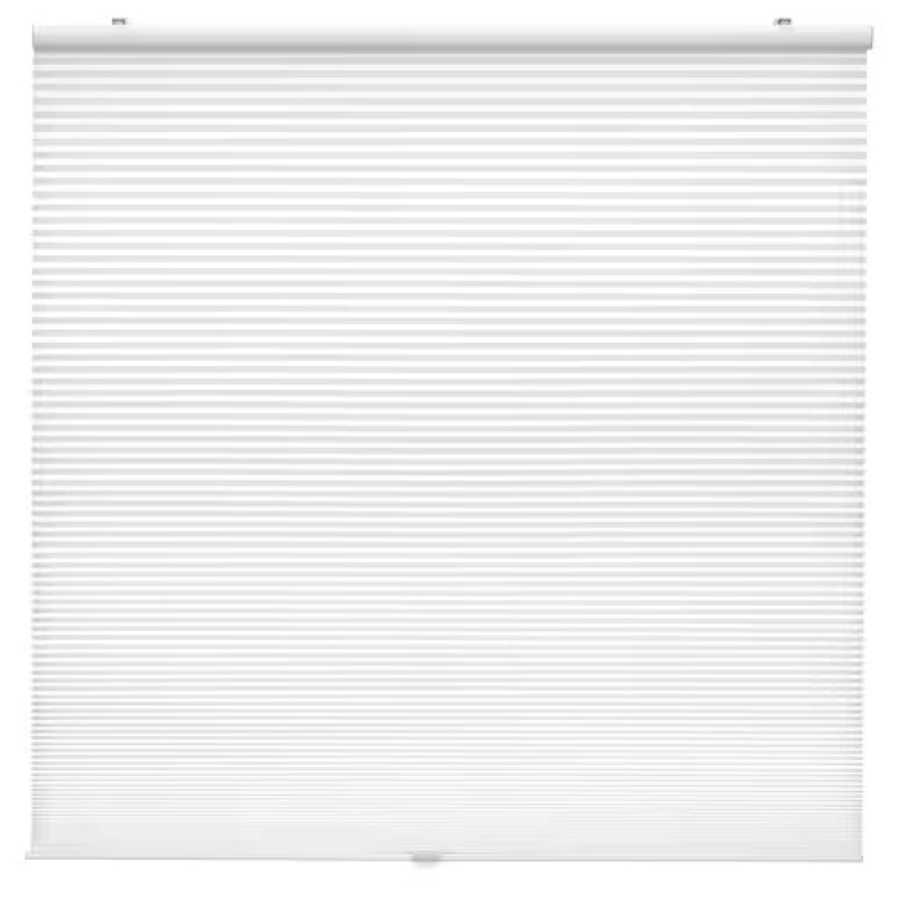
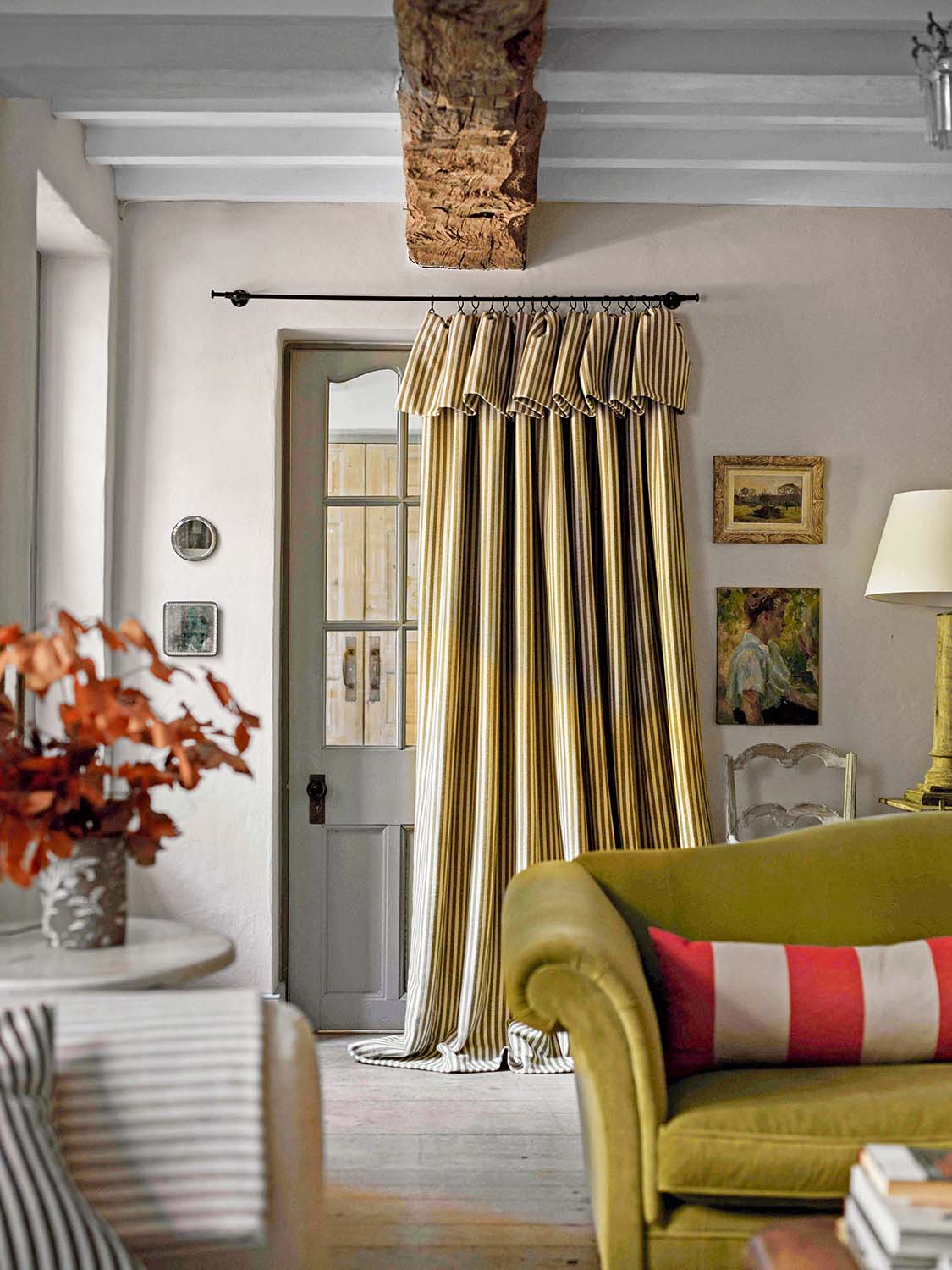
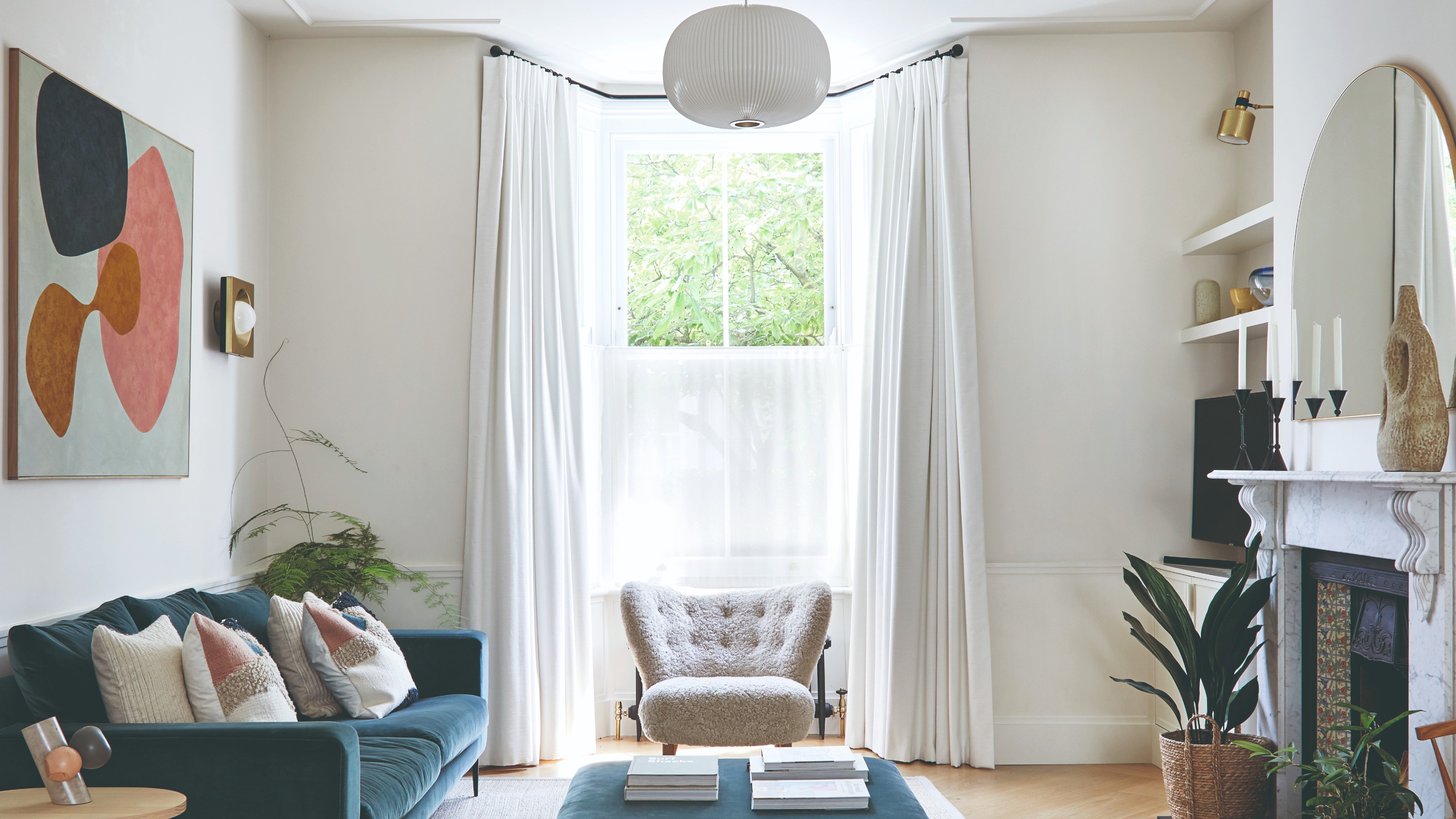
Managing internal heat distribution involves closing doors strategically. While hot air naturally rises, keeping doors to lower floors closed can somewhat contain this. Doors to particularly sunny or unused rooms should also remain shut to prevent their heat from spreading throughout the apartment. Preventing heat entry is paramount. Drawing blinds and curtains, especially blackout curtains or cellular blinds designed for insulation, blocks passive solar gain, stopping heat from entering in the first place. For those on the very top floor, addressing roof insulation with the property owner is vital, as poor insulation can lead to significant heat transfer. Finally, controlling humidity is essential, as high humidity makes heat feel more oppressive. Using a dehumidifier with windows and doors closed can significantly improve comfort levels by removing moisture from the air.
#ApartmentLiving #SummerCooling #HeatReduction #EnergyEfficiency #HomeComfort #InteriorClimateControl #PassiveCooling #AirCirculation #ApartmentLiving #SummerCooling #HeatReduction #EnergyEfficiency #HomeComfort #InteriorClimateControl #PassiveCooling #AirCirculation
0 comment in total
 No comments yet
You may also like
How to Cool Down Your Sunroom — 5 Simple Methods to Stop This Spot Overheating in Summer


Your Apartment + These Top-Rated Window A/C Units = True Summer Love
How to keep a pantry cool in hot weather – 6 ways to keep things fresh

This Easy Ceiling Fan Trick Will Help Keep You Cool in the Summer


Why is my upstairs always hot even with AC on? Experts reveal why and how to fix it


Beat the heat: 7 DIY natural ways to summer-proof your house | Lifestyle News

Ceiling fans can help cool rooms during summer | Home and Garden | Life

Patio shade ideas – 11 stylish ways to stay cool this summer

Too Hot to Stay in the Kitchen? 9 Ways to Stay Cool While Cooking This Summer

Invest in a ceiling fan to keep your cool this summer
Do thermal curtains keep heat out in the summer? Experts reveal whether these window dressings are worth buying
Beat the Summer Heat With One of Our Favorite Whole-House Fans

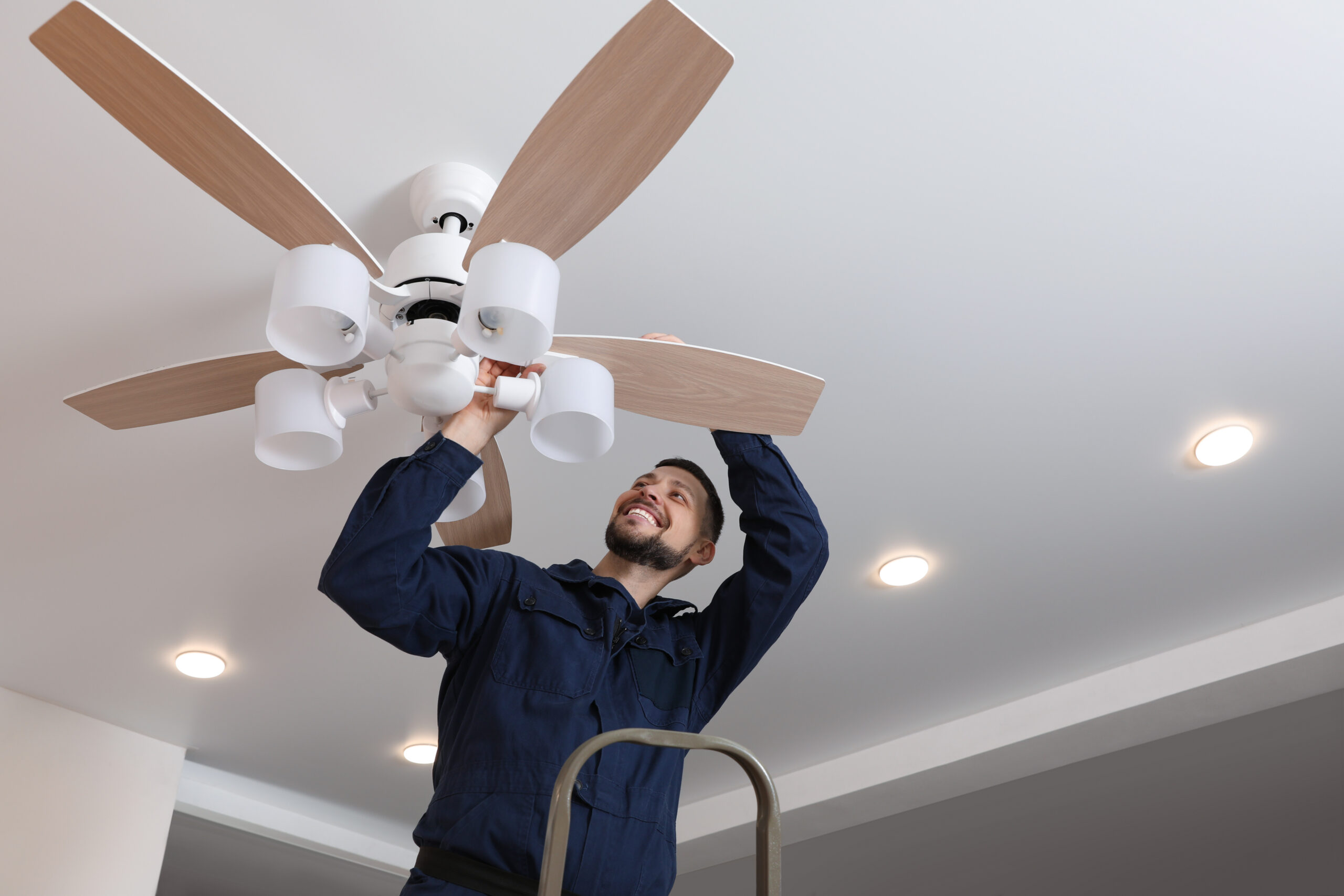
Stay cool this summer with ceiling fans


This is How People Dealt with Summer Heat Before Air Conditioning

Sunny Days Ahead: 5 Ways to Refresh Your Living Room for Summer

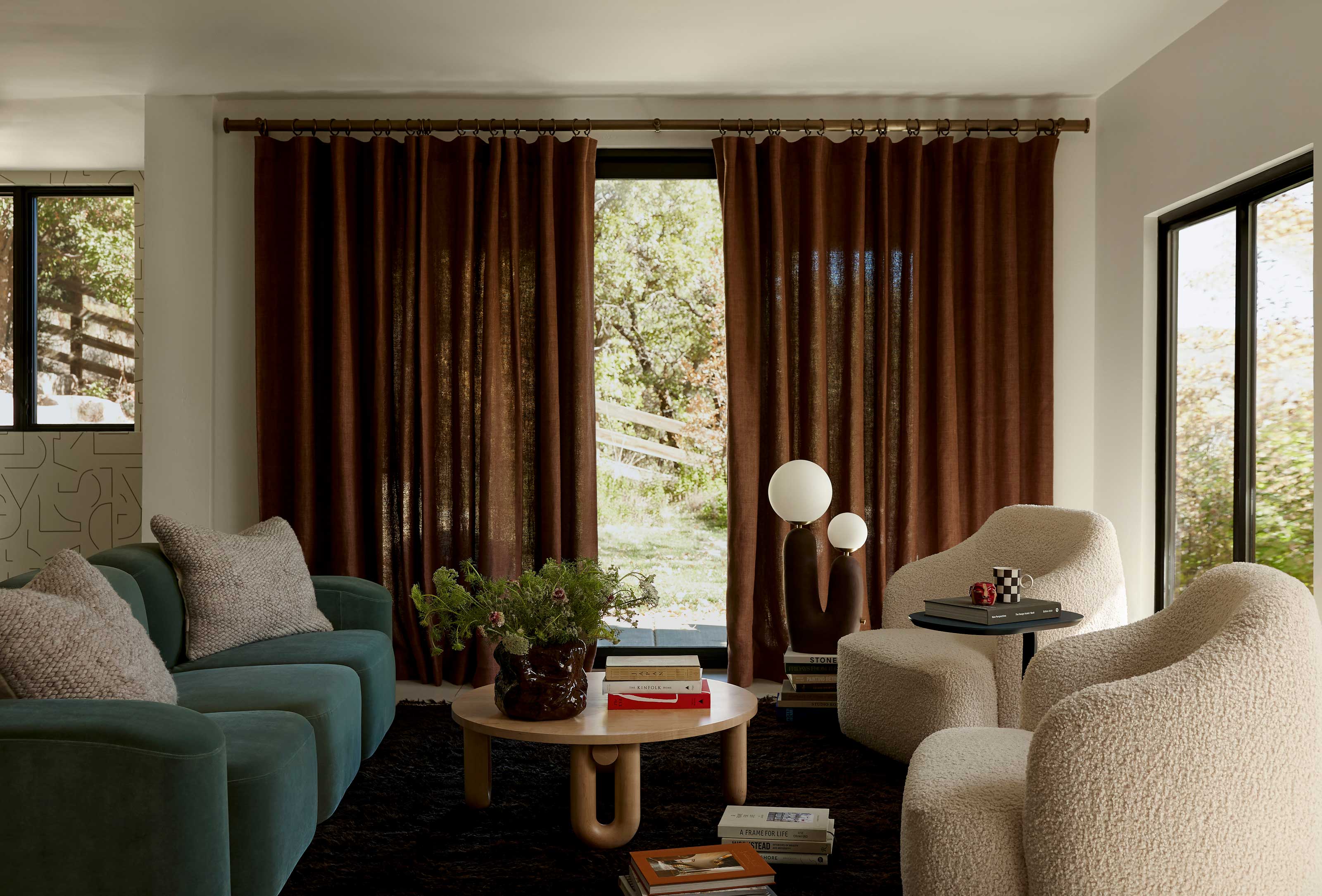
Which window treatments will actually keep my house cool? 5 ideas that will help control the temperature inside
Sick of the heat? Here's how to keep your home cool, heatwave or not, if you don't have AC

Don't Do This—There Are Better Solutions for Cooling Your Garage in the Summer

How to warm up your first floor – 7 expert tricks to hold heat downstairs for a cozy winter
Installing a new fan? Tips to stay cool in Arizona's summer heat