1/13
How to warm up your first floor – 7 expert tricks to hold heat downstairs for a cozy winter
Heating the ground floor of a house can be challenging due to the natural tendency of heat to rise, often resulting in lower levels feeling colder than upper floors. To address this common issue and ensure a consistently warm and cozy first floor, various strategies can be implemented, ranging from simple insulation improvements to more permanent heating solutions. Experts in HVAC and heating contractors highlight several effective methods to achieve better heat distribution throughout a property.
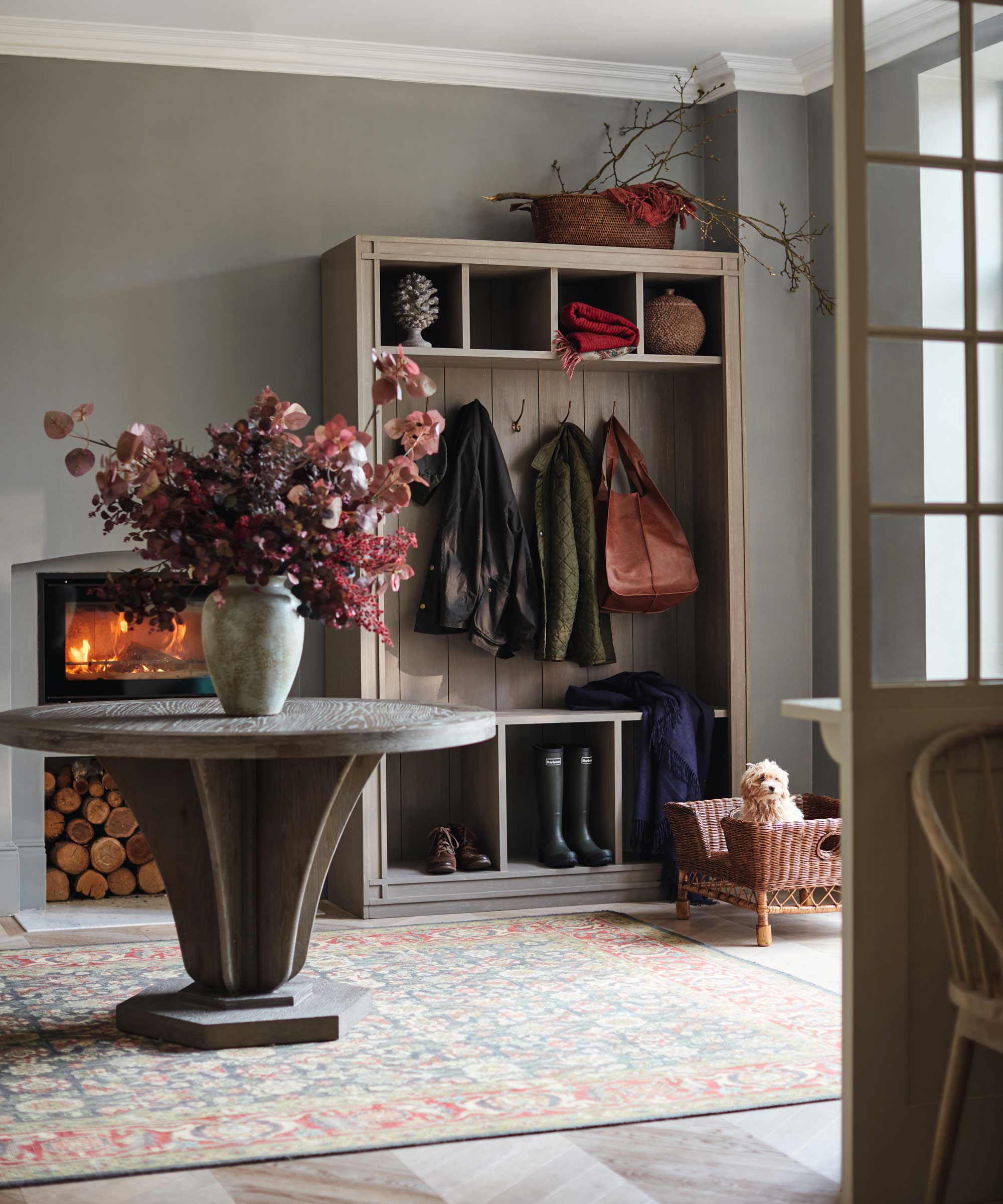
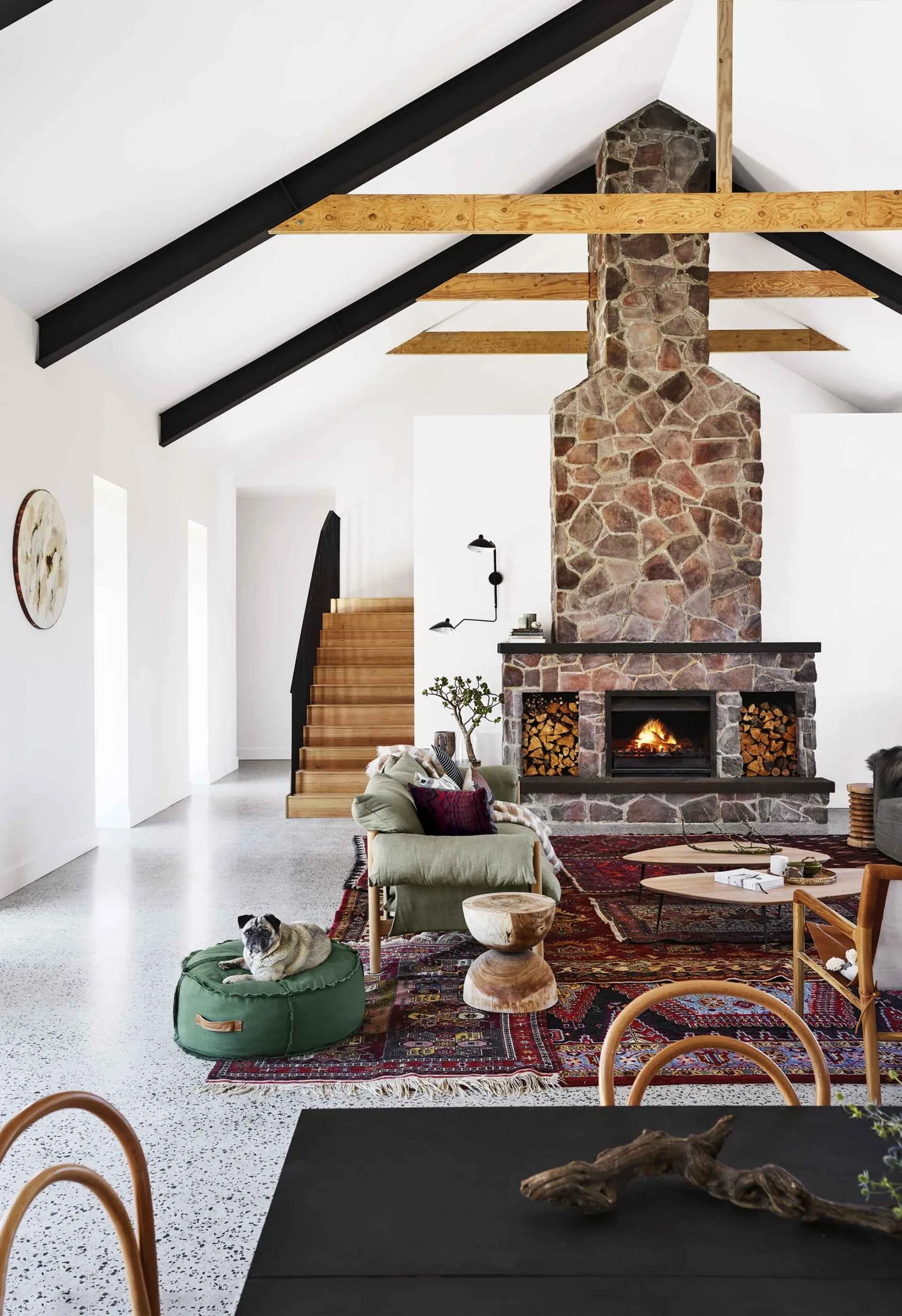
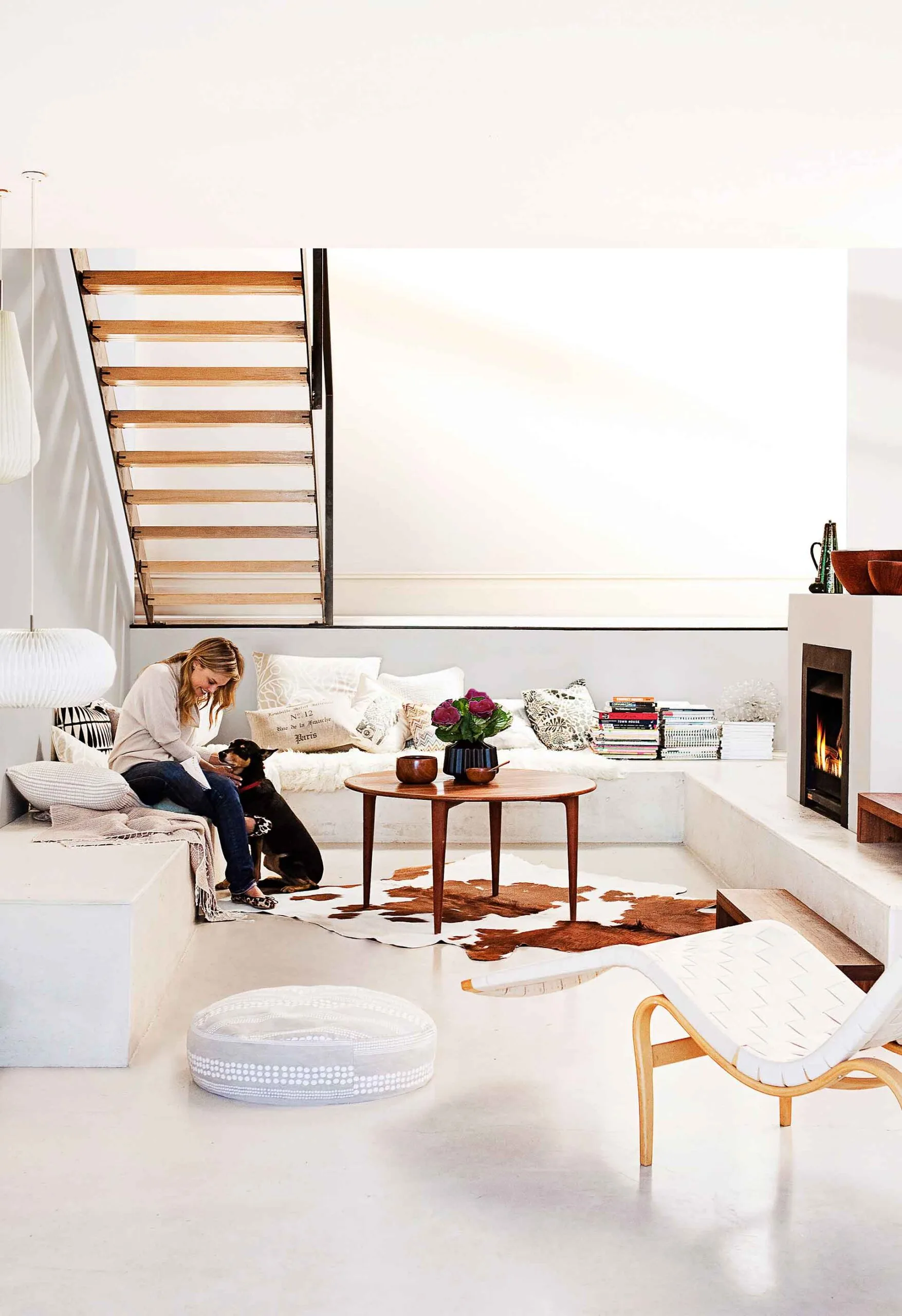
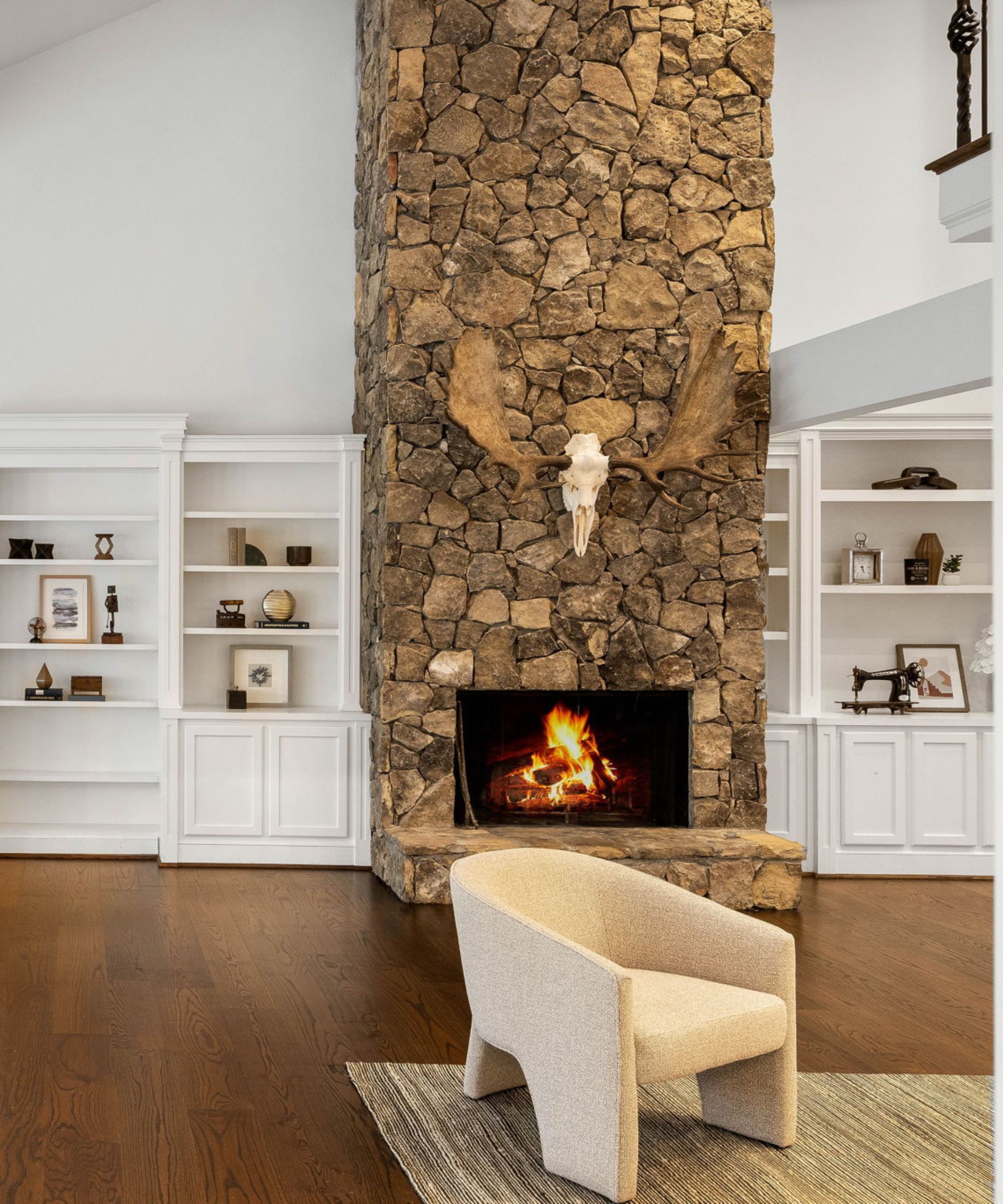
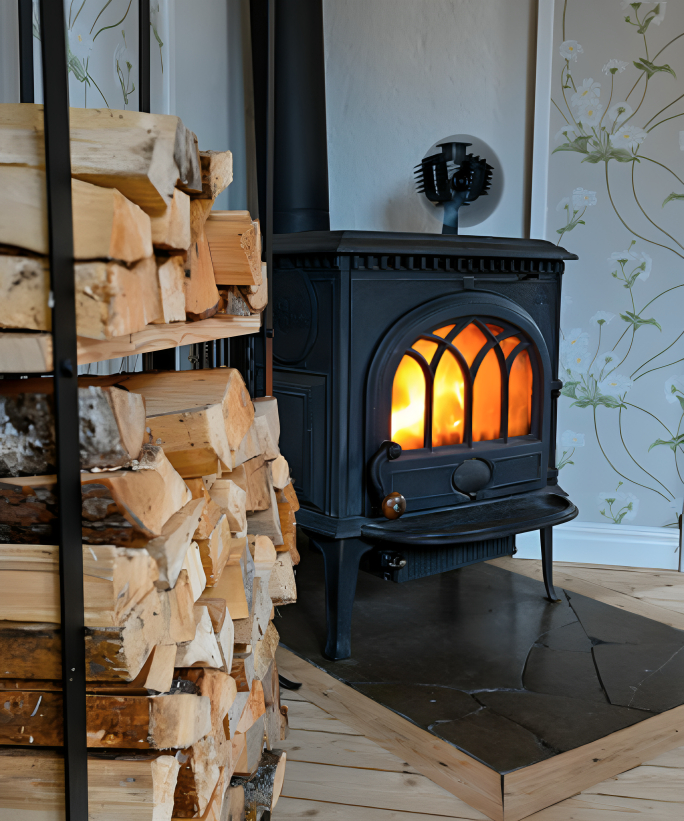
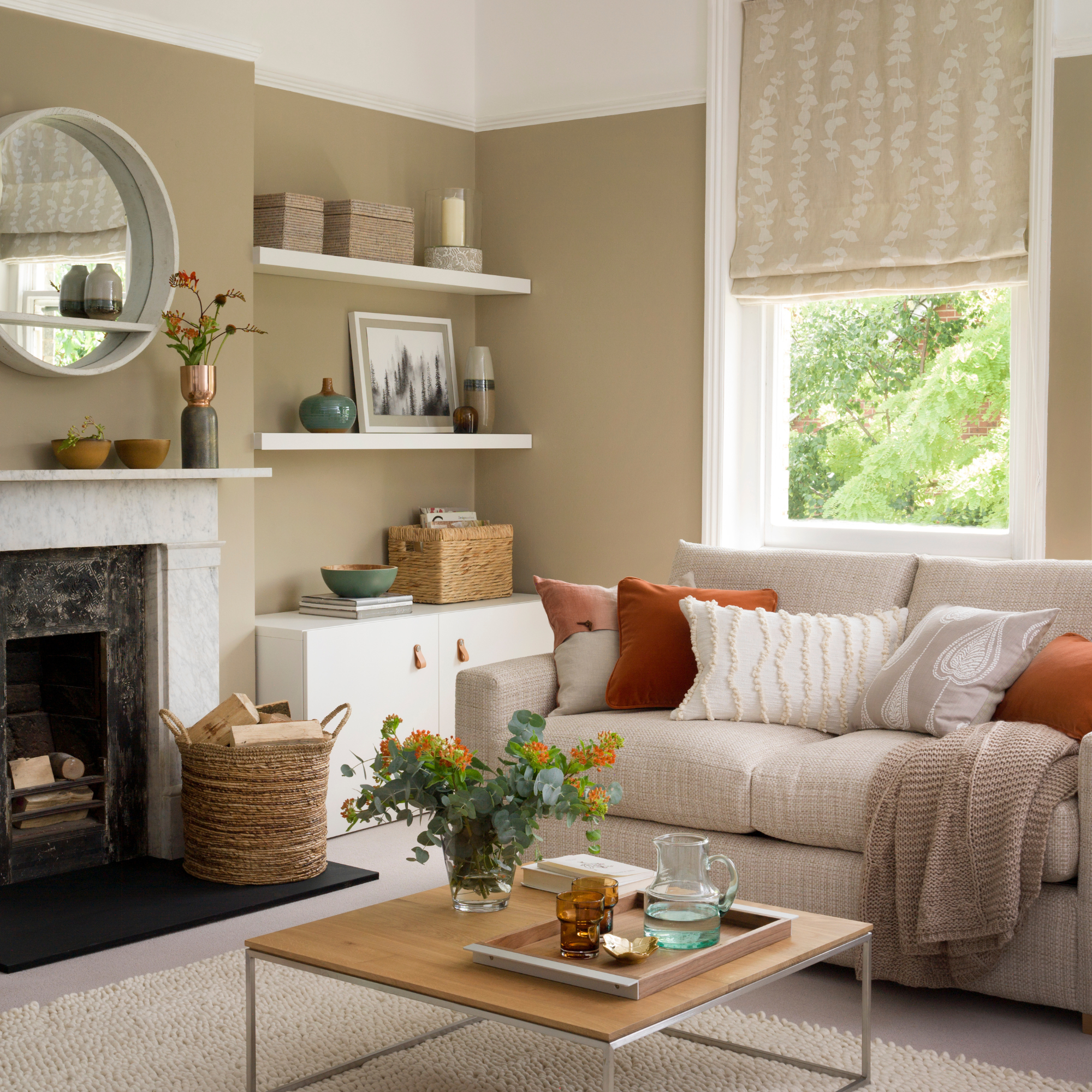
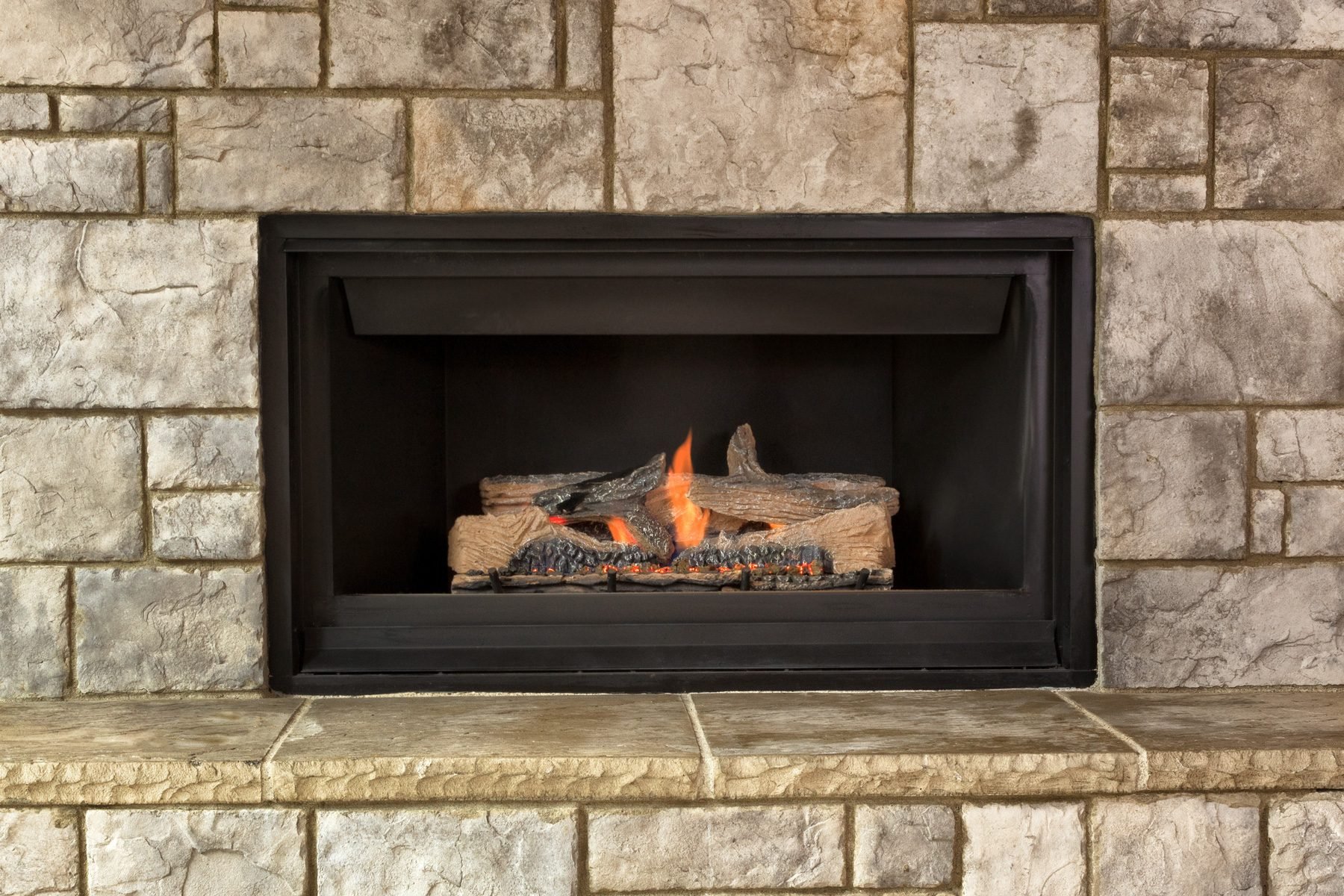
One significant cause of cold first floors is heat loss through unused fireplaces. Unblocked chimneys can act as direct conduits for cold air to enter the house, leading to drafts and increased heating costs. Sealing unused chimneys, either permanently or with removable flue blockers, can significantly reduce drafts and improve thermal efficiency. Alternatively, if a home lacks a traditional fireplace, investing in a gas or electric fireplace can provide supplementary heat to first-floor rooms, offering both warmth and an aesthetic appeal, and potentially reducing the need to excessively heat the entire house.
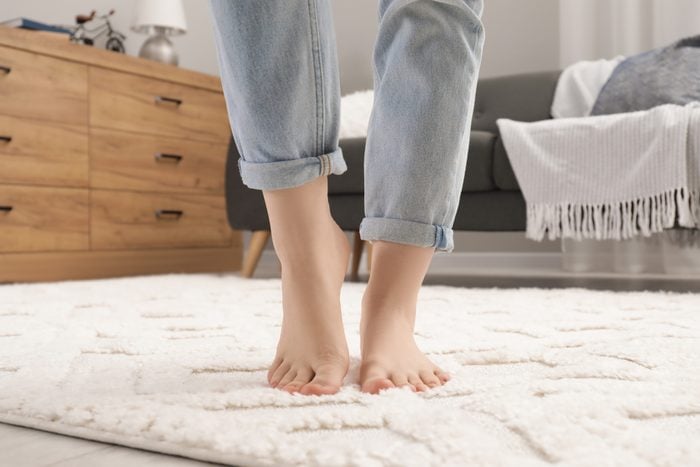
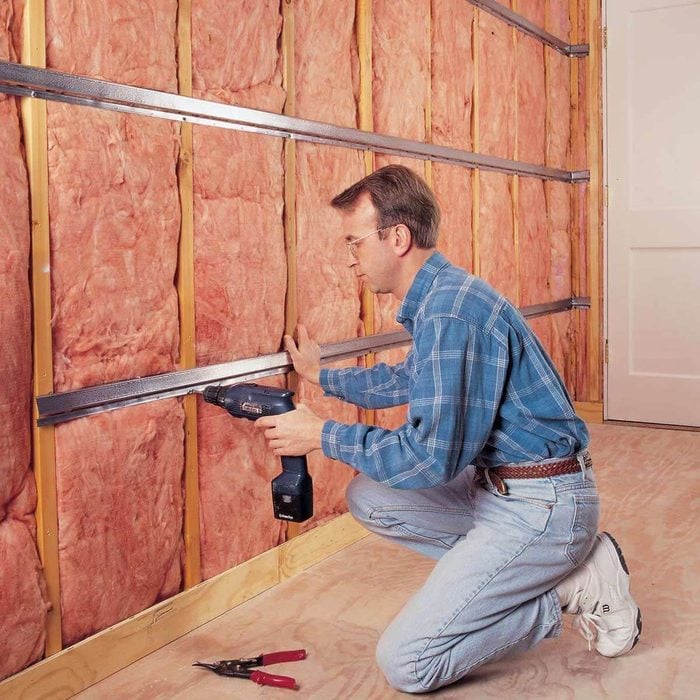
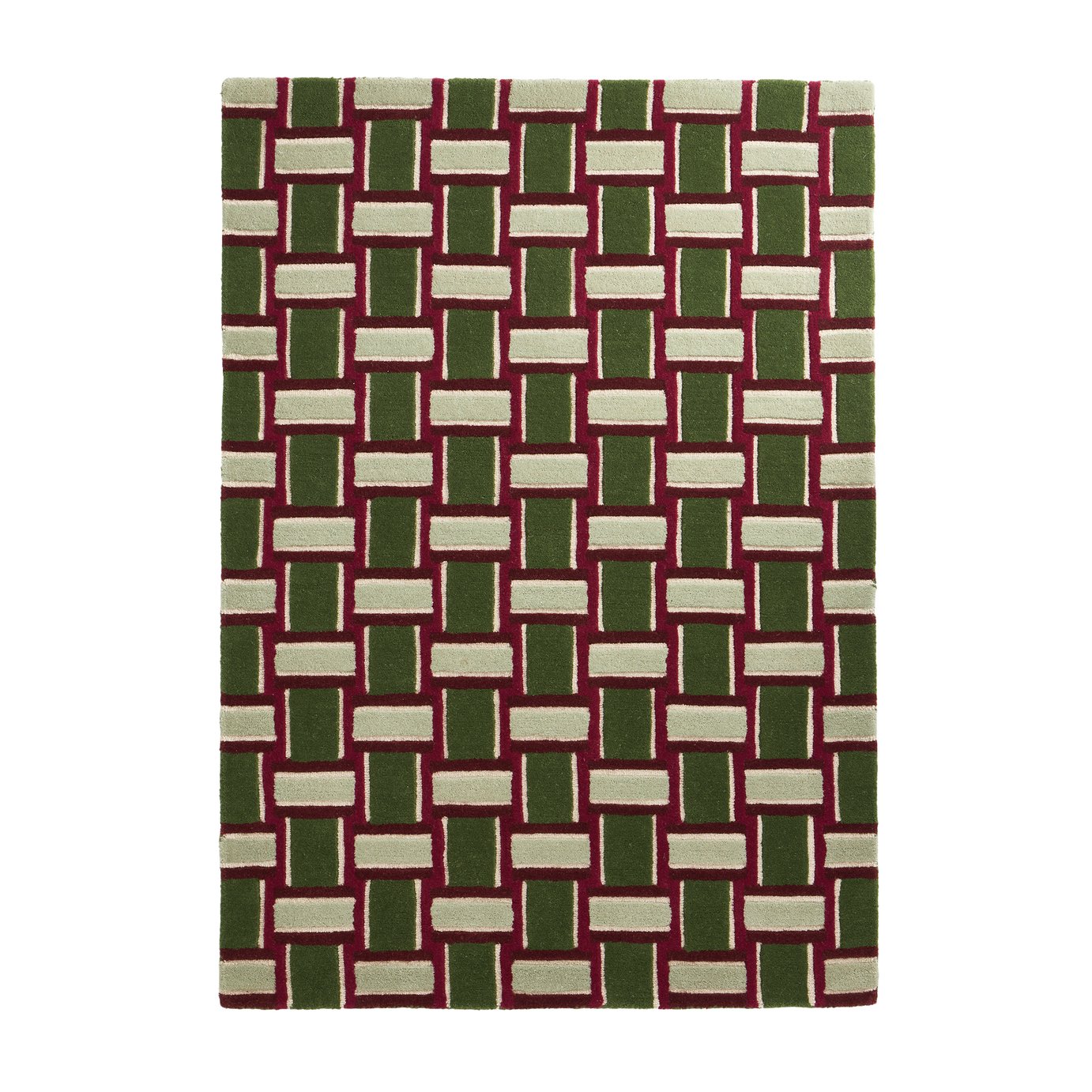
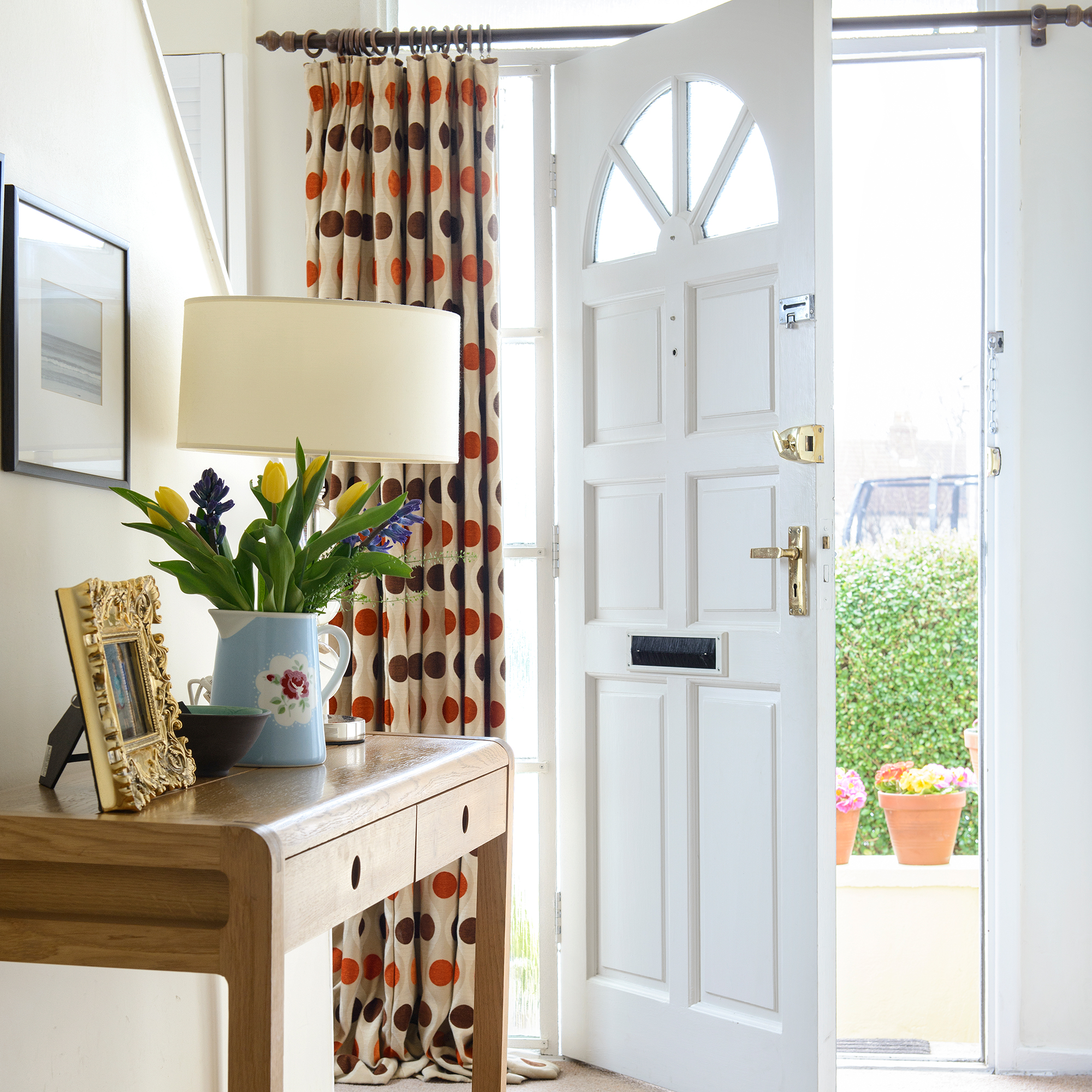
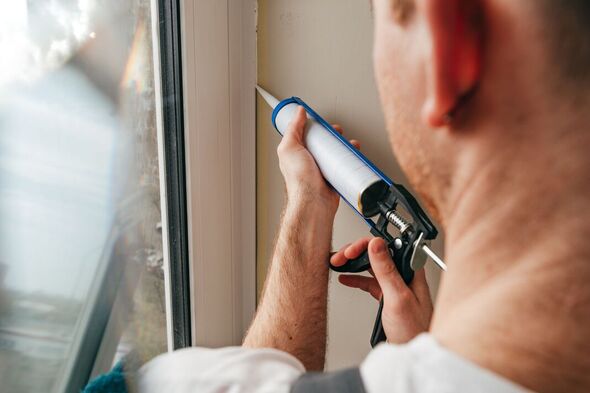
Effective insulation is crucial for maintaining warmth on the first floor. This includes ensuring that windows and doors are properly sealed to prevent drafts, and adding or improving insulation in walls and floors. Insulating crawl spaces with spray foam creates a continuous barrier that seals gaps, while placing rugs on floors can further enhance insulation. A practical example demonstrates that even small, affordable additions like self-adhesive weather stripping under doors can make an instantaneous and significant difference in the heating comfort of a first floor by preventing heat loss from entryways.
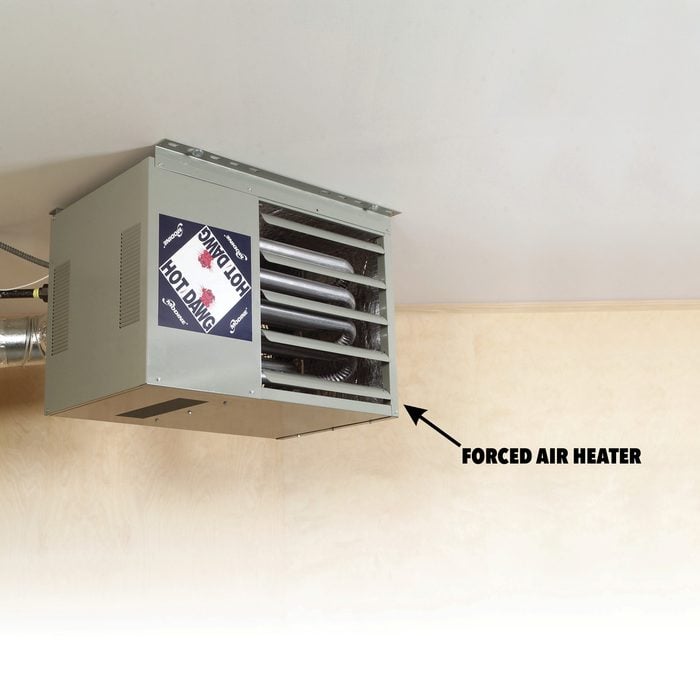
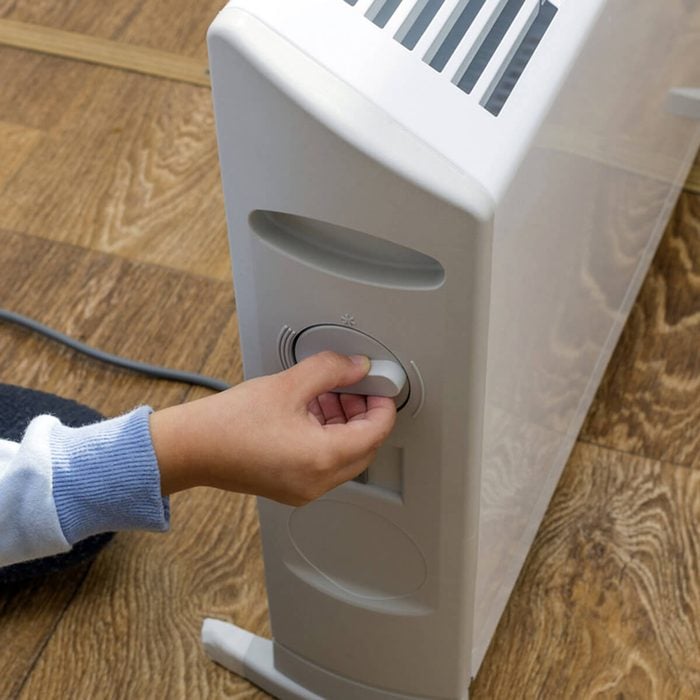
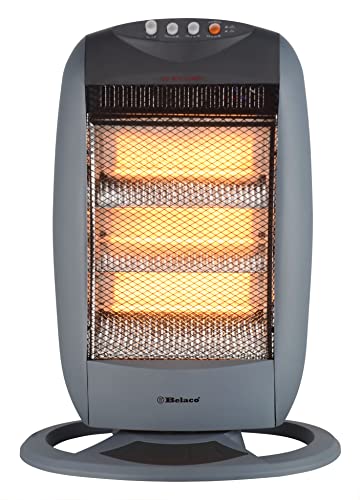
Portable heaters offer a budget-friendly and flexible solution for heating individual rooms or specific areas of the first floor. These devices can supplement the central heating system, allowing occupants to maintain a comfortable temperature in frequently used spaces without overheating the entire house. When using portable heaters, it is advisable to choose models that are relatively new for better efficiency and safety, and to be mindful of safety precautions such as not leaving them unattended overnight.
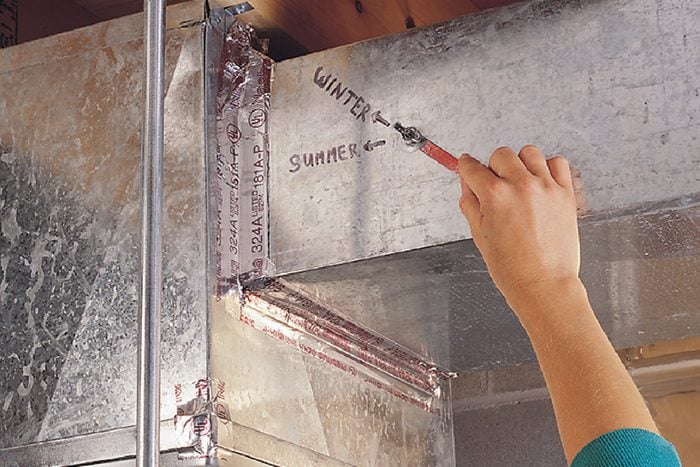
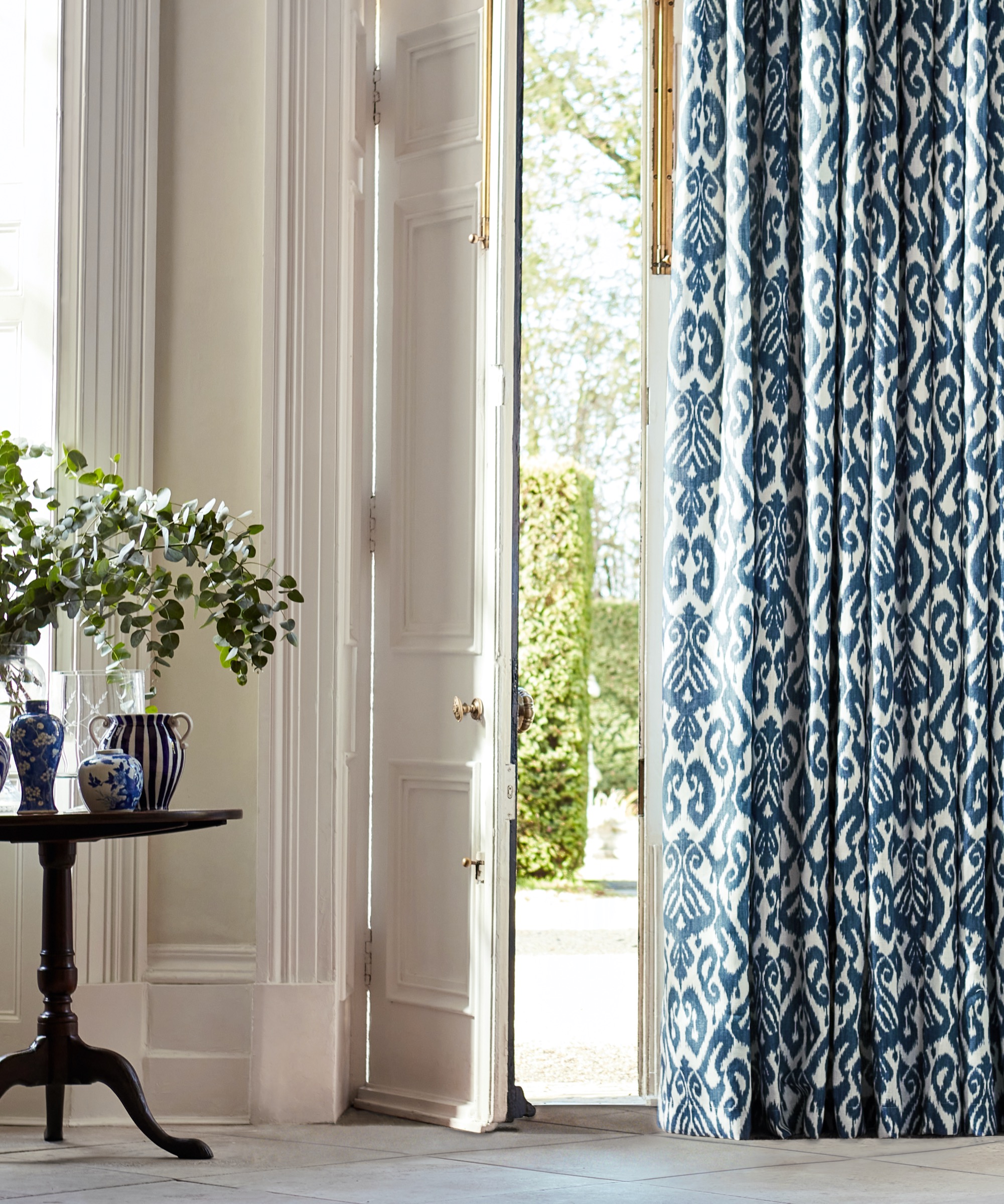
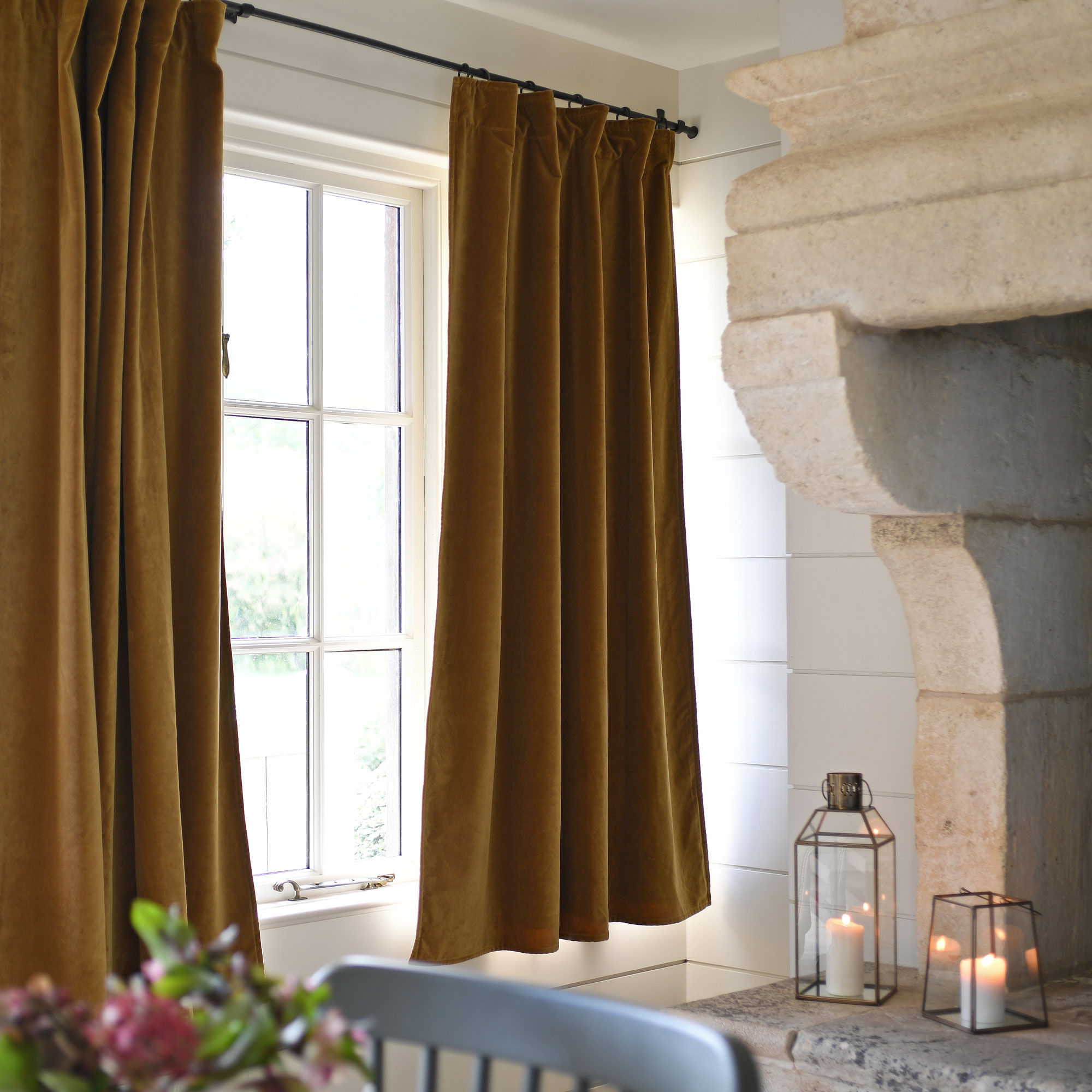
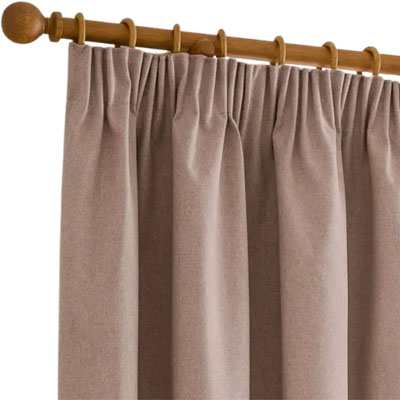
Managing internal doors also plays a role in retaining heat. Keeping internal doors closed helps to compartmentalize spaces, creating smaller areas that are easier to heat and maintain warmth within. For homes with staircases, using a door or heavy curtain can prevent warm air from rising too quickly to upper floors, thereby concentrating heat on the first level. Additionally, ensuring that air vents on the first floor are clear and unblocked by furniture or rugs is essential for proper airflow and heat distribution. While partially closing upper-floor vents can direct more warm air downstairs, it's important to do so judiciously to avoid potential issues like mold growth or excessive strain on the HVAC system. Regular cleaning of vents also contributes to heating efficiency.
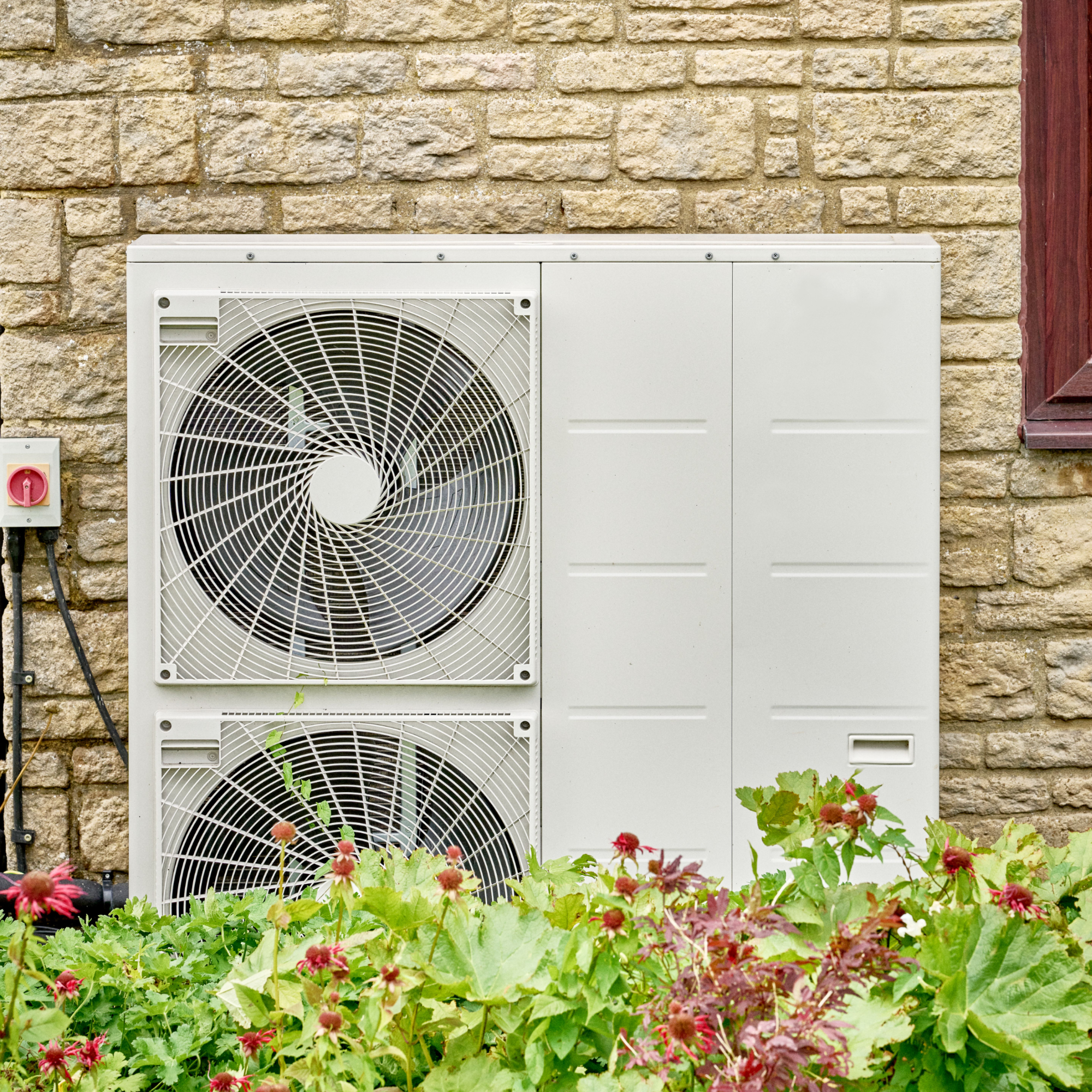
For homes experiencing persistent cold or drafty first floors, a more permanent solution like installing a mini-split system on the first floor can be highly effective. Mini-split systems provide direct, individualized heating and cooling for specific rooms or zones, offering precise temperature control without requiring extensive modifications to the central heating system. These systems are particularly beneficial for achieving balanced temperatures across different areas of a home. Ultimately, the effectiveness of any heating strategy is bolstered by good overall insulation, which is key to keeping a home cozy in winter and cool in summer while optimizing energy efficiency.
#HomeHeating #EnergyEfficiency #FirstFloorHeating #Insulation #DraftProofing #FireplaceSolutions #PortableHeaters #MiniSplitSystem #HVACTips #HomeHeating #EnergyEfficiency #FirstFloorHeating #Insulation #DraftProofing #FireplaceSolutions #PortableHeaters #MiniSplitSystem #HVACTips
0 comment in total
 No comments yet
You may also like
7 easy and efficient ways to keep your house warm this winter

How do I Make a Cold Room Feel Warmer? 5 Ways to Cozy up Your Home Without Cranking up the Heat


6 Ways to Get More Heat From Your Fireplace and Stop Wasting It
Underfloor Heating

17 Tips and Hacks to Help Keep Your House Warm This Winter

6 of the best heater ideas to warm up your home this winter


What’s radiant floor heating? How to heat your home from your feet up

10 tips for using underfloor heating in a bathroom
11 Best Ways to Heat a Garage In the Winter

Heat your home efficiently this winter
How to make an entryway feel cozy – 5 tips to warm up your space
What’s the most efficient way to heat a house? How to heat your home for less, according to experts

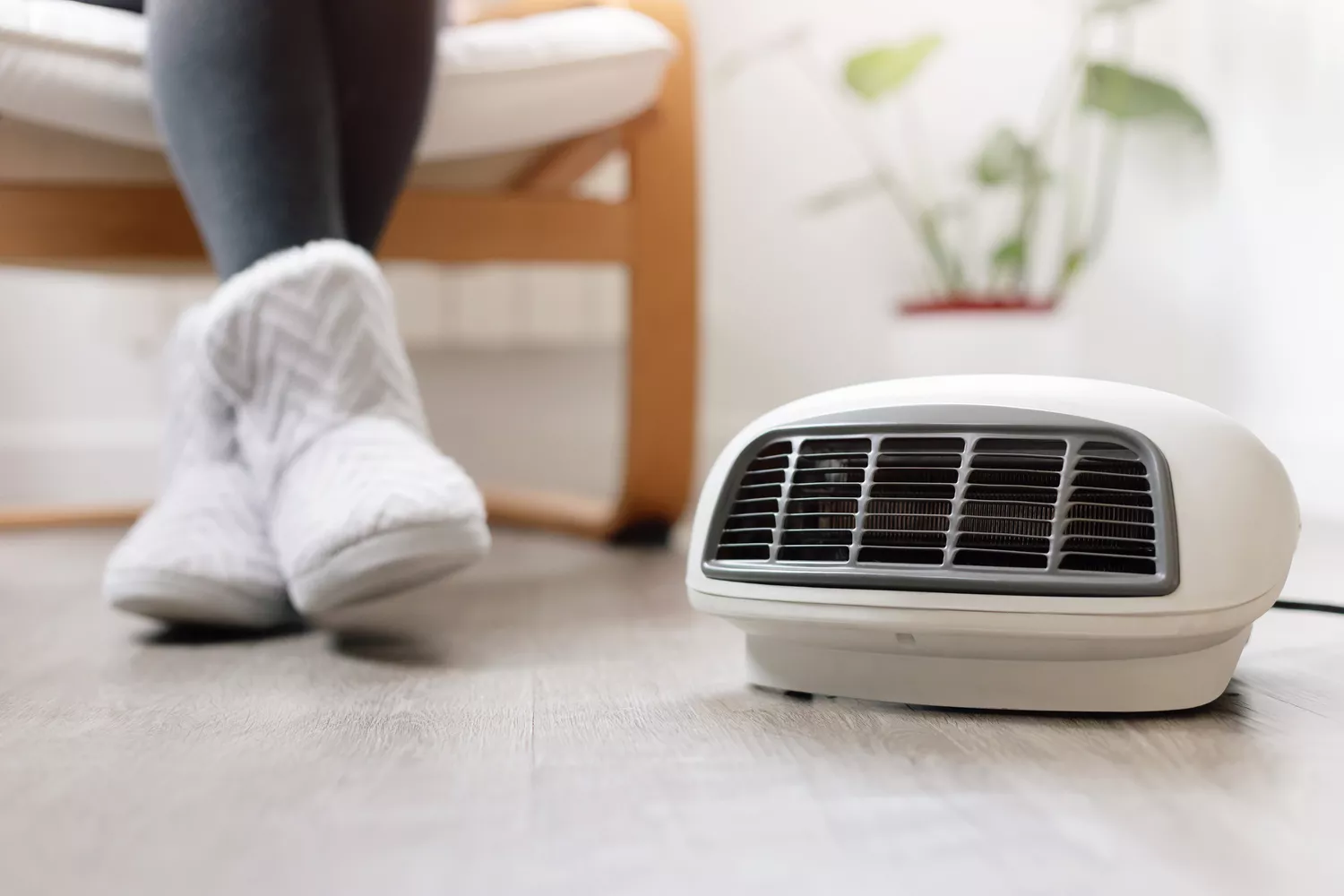
Is Your First Floor Always Cold? 8 Easy Fixes That Work, According to HVAC Pros

How to keep an entryway warm and cozy in winter – without heating
How to keep your house warm in winter — 29 budget-friendly and easy ways to stay cosy
How to 'warm up' cold walls and 'protect' your home from condensation and mould growth
How to keep your mudroom warm – 5 expert-recommended tips
These are the 7 ways I'm trying to keep my 110-year old house warm this winter – all without turning on the central heating
3 reasons I regret not putting underfloor heating in my home office – it’s definitely moving up my priority list
Is Radiant Floor Heating the Best Way To Warm A Well-Insulated House?