1/4
3 reasons I regret not putting underfloor heating in my home office – it’s definitely moving up my priority list
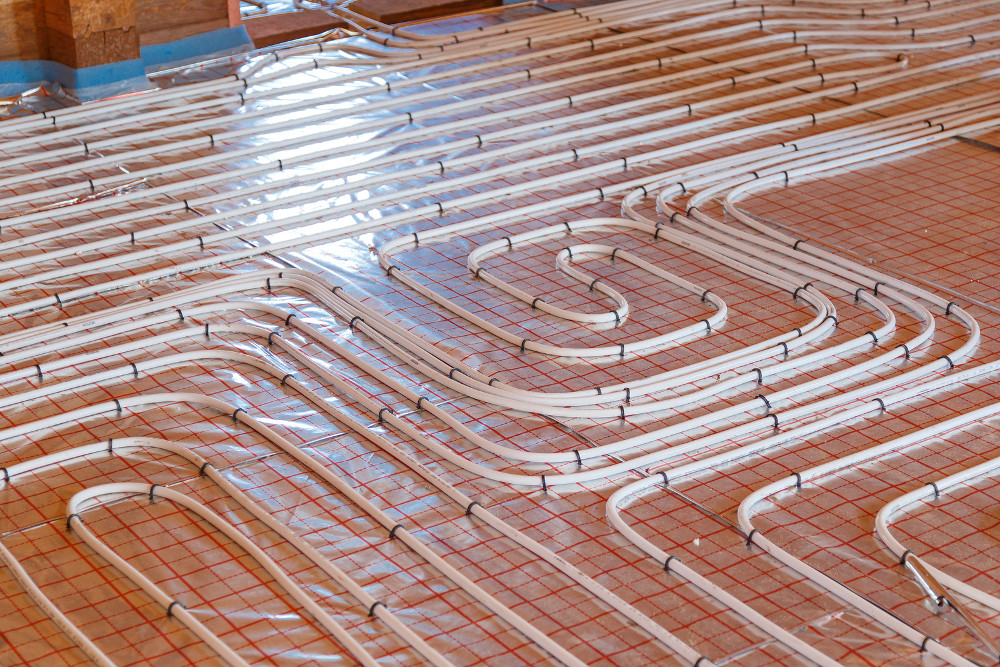
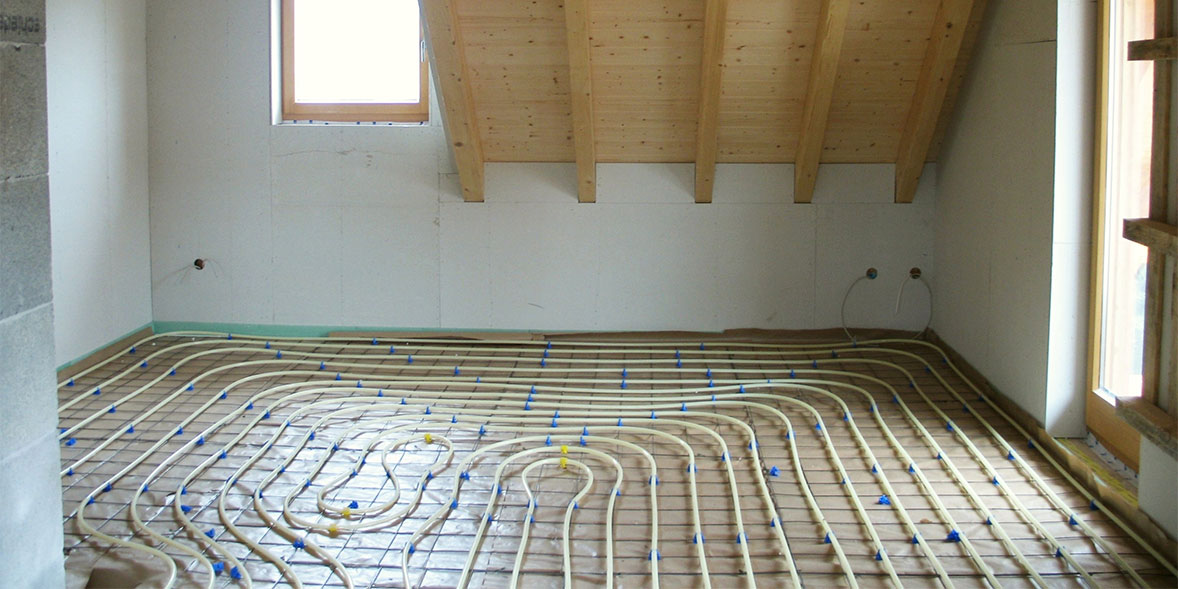
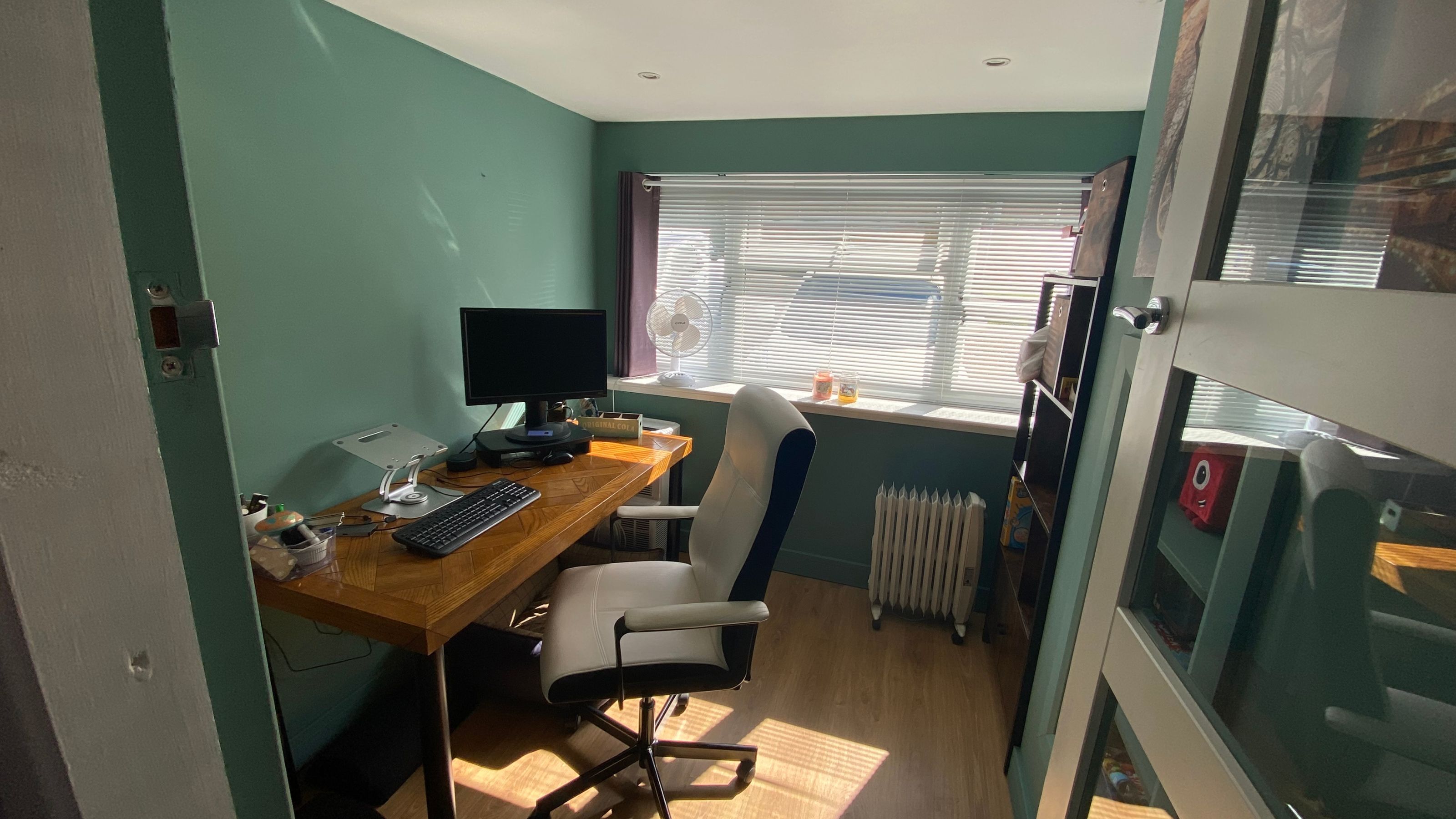
The author, Sarah Handley, a home renovation editor, shares her personal experience and regrets regarding the absence of underfloor heating in her home office, which is located in a converted garage. Despite its convenience, the office consistently suffers from a lack of adequate heating, particularly during colder months. She explains that while she uses a plug-in oil-filled radiator for warmth, it proves inefficient in maintaining a consistent temperature and adds clutter to the relatively small room. This leads her to seriously consider installing underfloor heating as a long-term solution for the upcoming year.
The first reason for her regret is the complete absence of any built-in heating system in the garage conversion, which includes the office, a utility room, and a small WC. While the lack of heating might be acceptable for the utility room and WC, where time spent is minimal, it makes the office uncomfortably cold for a significant portion of the year. She believes that underfloor heating would effectively address this issue, providing consistent warmth without the need for an additional, bulky heat source.
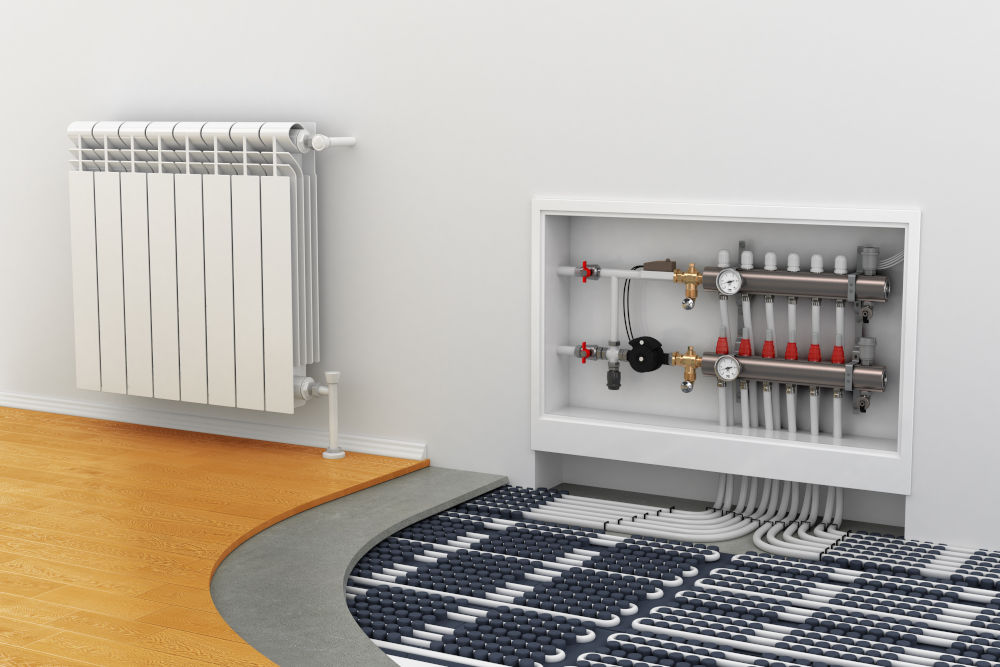
The second point highlights the benefit of zoned heating for energy efficiency and cost savings. As a remote worker, she spends most of her day in the home office. Heating the entire house when only one room is occupied is inefficient and increases energy bills. Underfloor heating, particularly an electric system for a single room, would allow her to heat only the office space, thereby reducing overall energy consumption and costs. The office's location, being furthest from the main house's central heating system, further supports the idea of independent heating for this specific area. By raising the floor level slightly, the installation impact would be minimal.
Finally, the author emphasizes the importance of maximizing wall space for furniture and storage in a home office. Traditional radiators occupy valuable wall real estate, limiting options for bookshelves, cabinets, and desk placement. Given the necessity of a desk, storage solutions, and the presence of a stud wall concealing meters, a traditional radiator is not a feasible option. Underfloor heating, by being completely hidden beneath the floor, frees up the walls, providing greater flexibility for furniture arrangement and allowing for optimal utilization of storage potential in the small room. The article concludes by suggesting that a warm color scheme could further enhance the cozy feeling of a home office and boost focus and productivity.
#HomeOffice #UnderfloorHeating #HomeRenovation #EnergyEfficiency #HeatingSolutions #GarageConversion #SmartHeating #InteriorDesign #HomeComfort #HomeOffice #UnderfloorHeating #HomeRenovation #EnergyEfficiency #HeatingSolutions #GarageConversion #SmartHeating #InteriorDesign #HomeComfort
0 comment in total
 No comments yet
You may also like
10 tips for using underfloor heating in a bathroom
“I Regret Not Installing A Ceiling Fan” 5 Real-Life Renovation Regrets Shared By Singaporeans
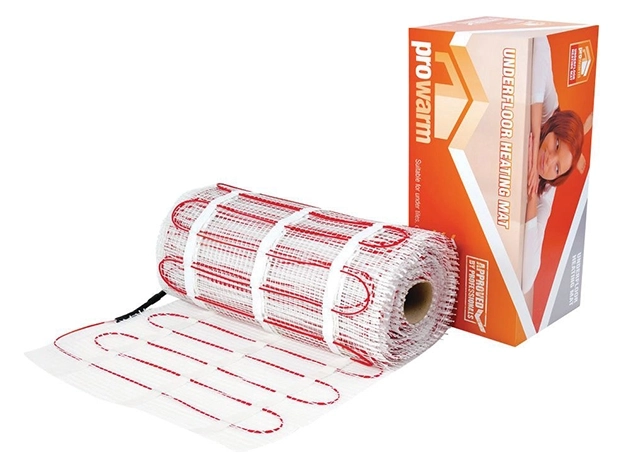
Underfloor Heating

3 home design choices that were increasing my heating bills

Underfloor heating installation and running costs
How to retrofit underfloor heating – a complete guide

5 Design Mistakes Making Your Heating Less Effective in Your Home — And the Easy Ways to Fix Them


Five underfloor heating myths debunked

Electric vs water underfloor heating: installation, efficiency and user reviews compared
Underfloor heating pros and cons
Electric underfloor heating: all the pros and cons explained

Are Heated Floors Worth It? 2 Real Estate Pros Weigh In

Why electric underfloor heating is gaining popularity in high-end interiors in 2025

Why having your thermostat in the hallway could be costing you – and other heating mistakes

The One Home Renovation Mistake I Wish I Never Made