1/3
Electric underfloor heating: all the pros and cons explained
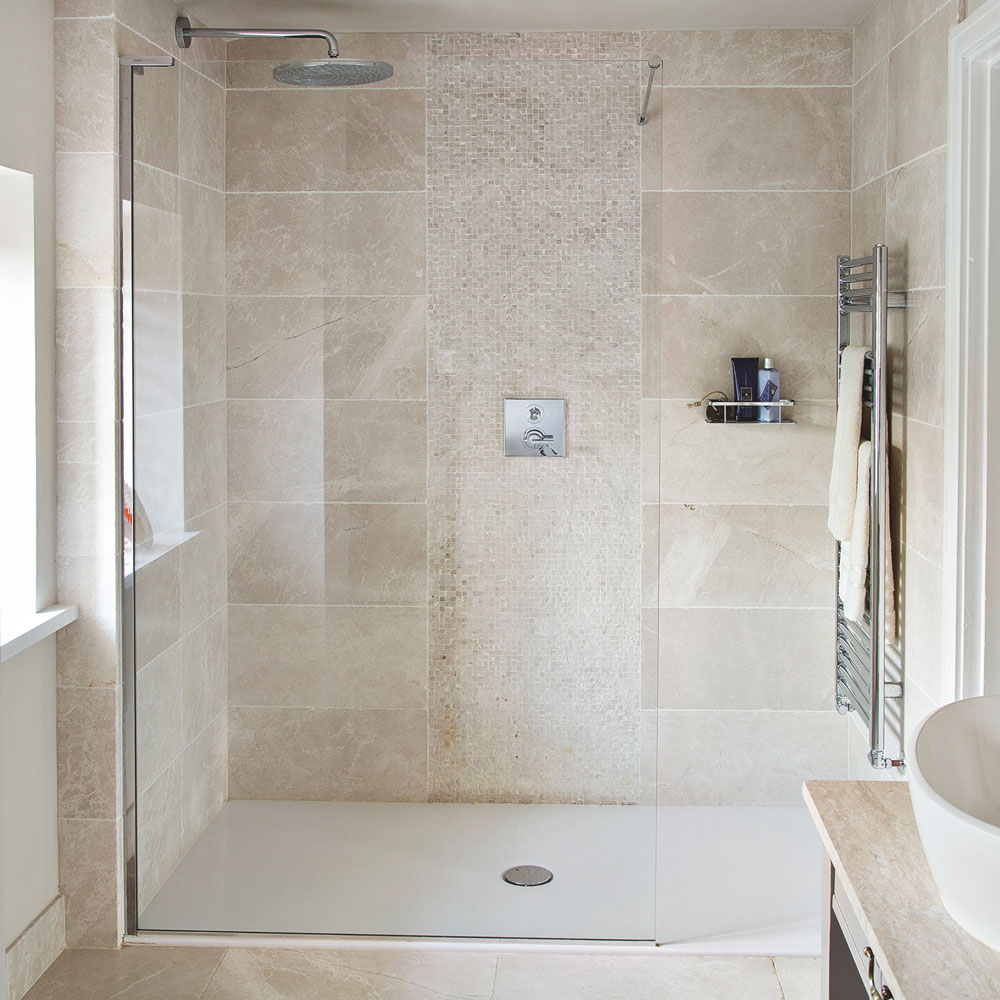
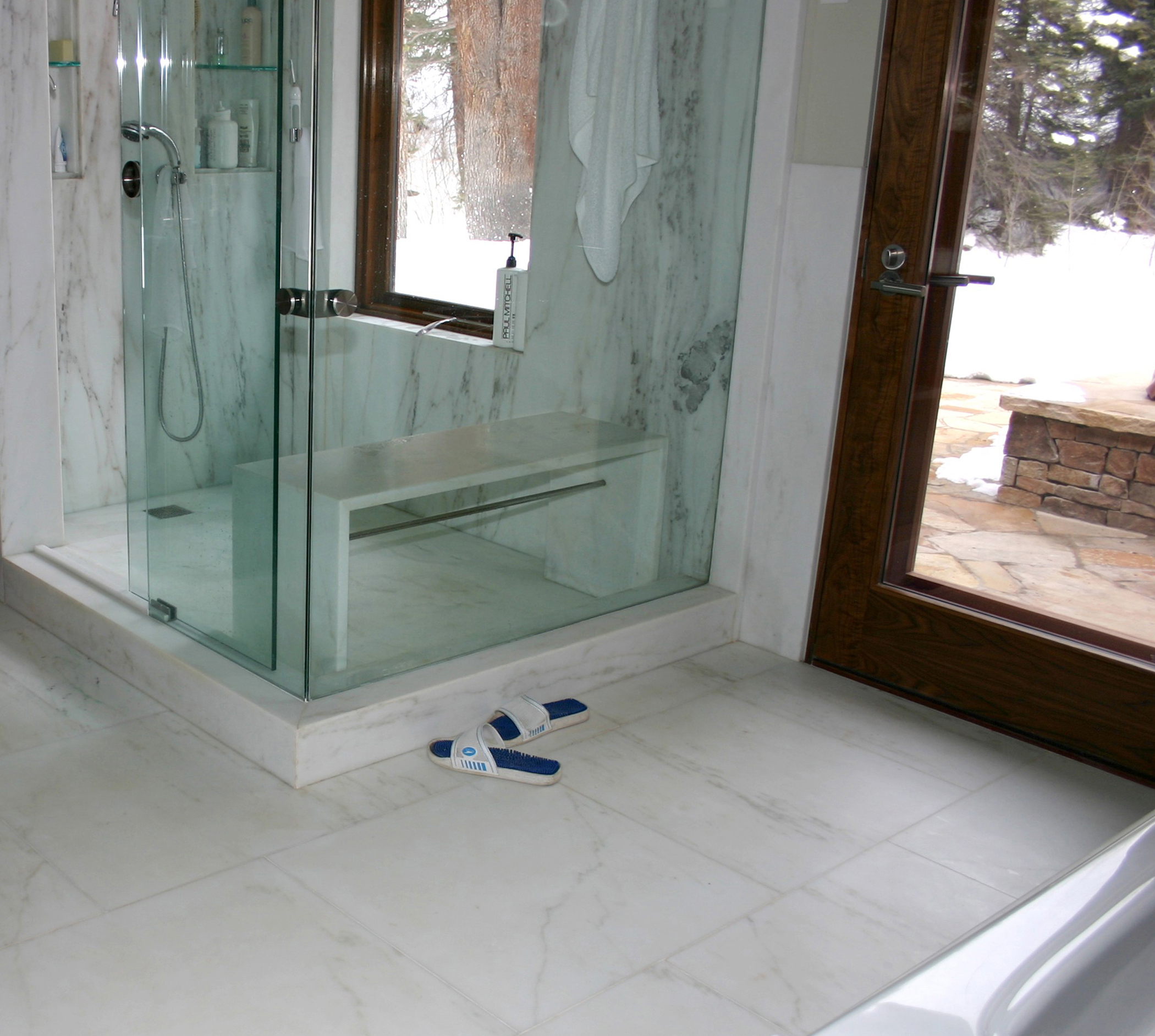
Electric underfloor heating (UFH), also known as dry underfloor heating, offers an effective solution for warming floors and eliminating cold spots in homes. This system is increasingly popular, especially in bathrooms, due to its ease of installation and maintenance. The article delves into the advantages and disadvantages of opting for electric UFH, providing comprehensive insights for homeowners considering this heating method.
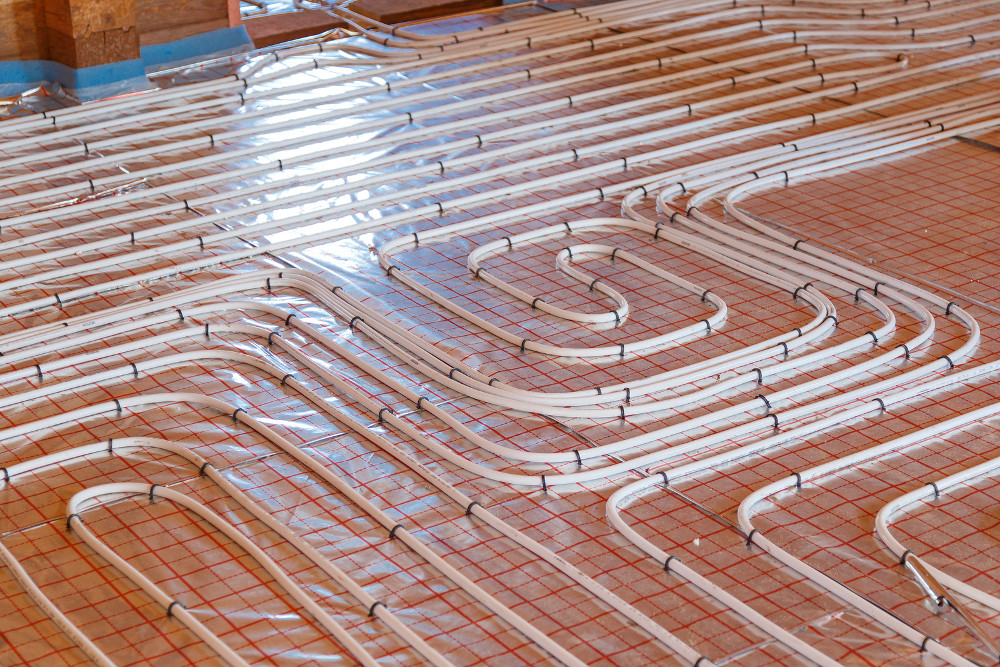
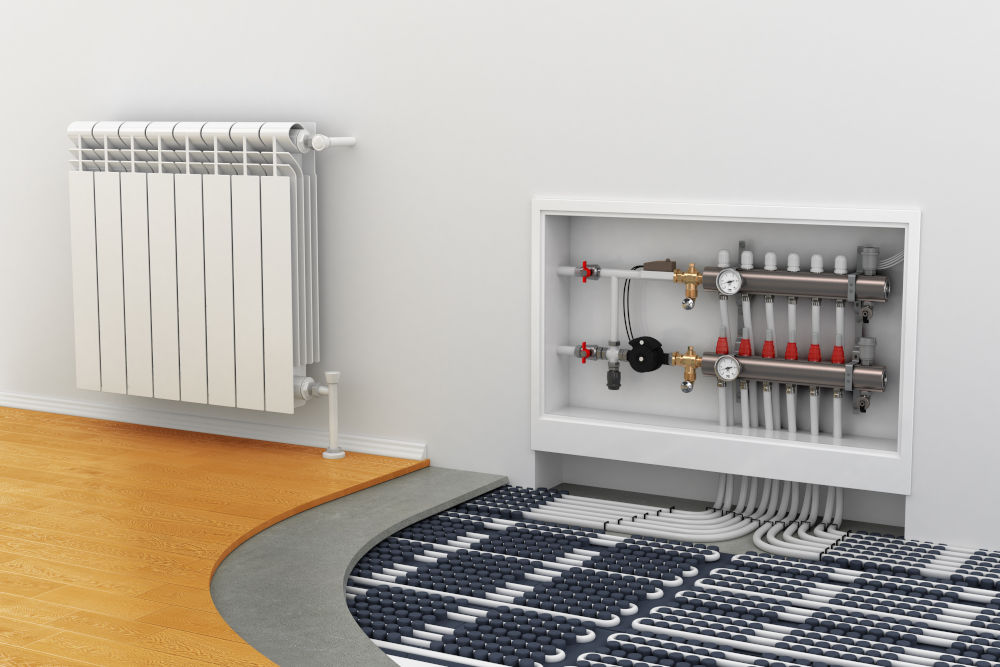
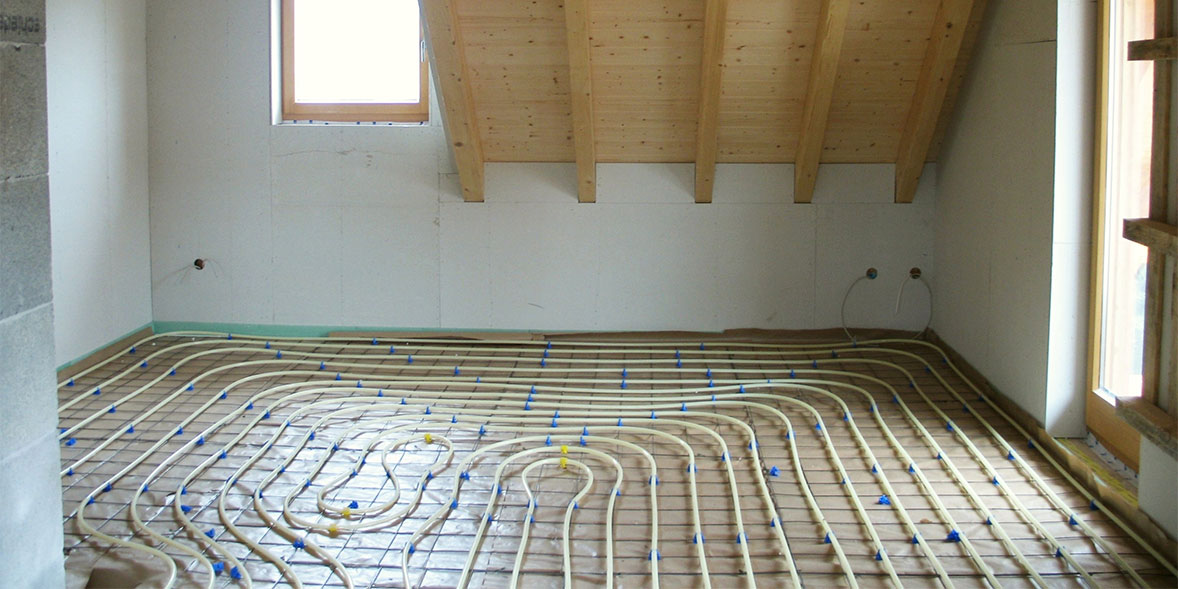
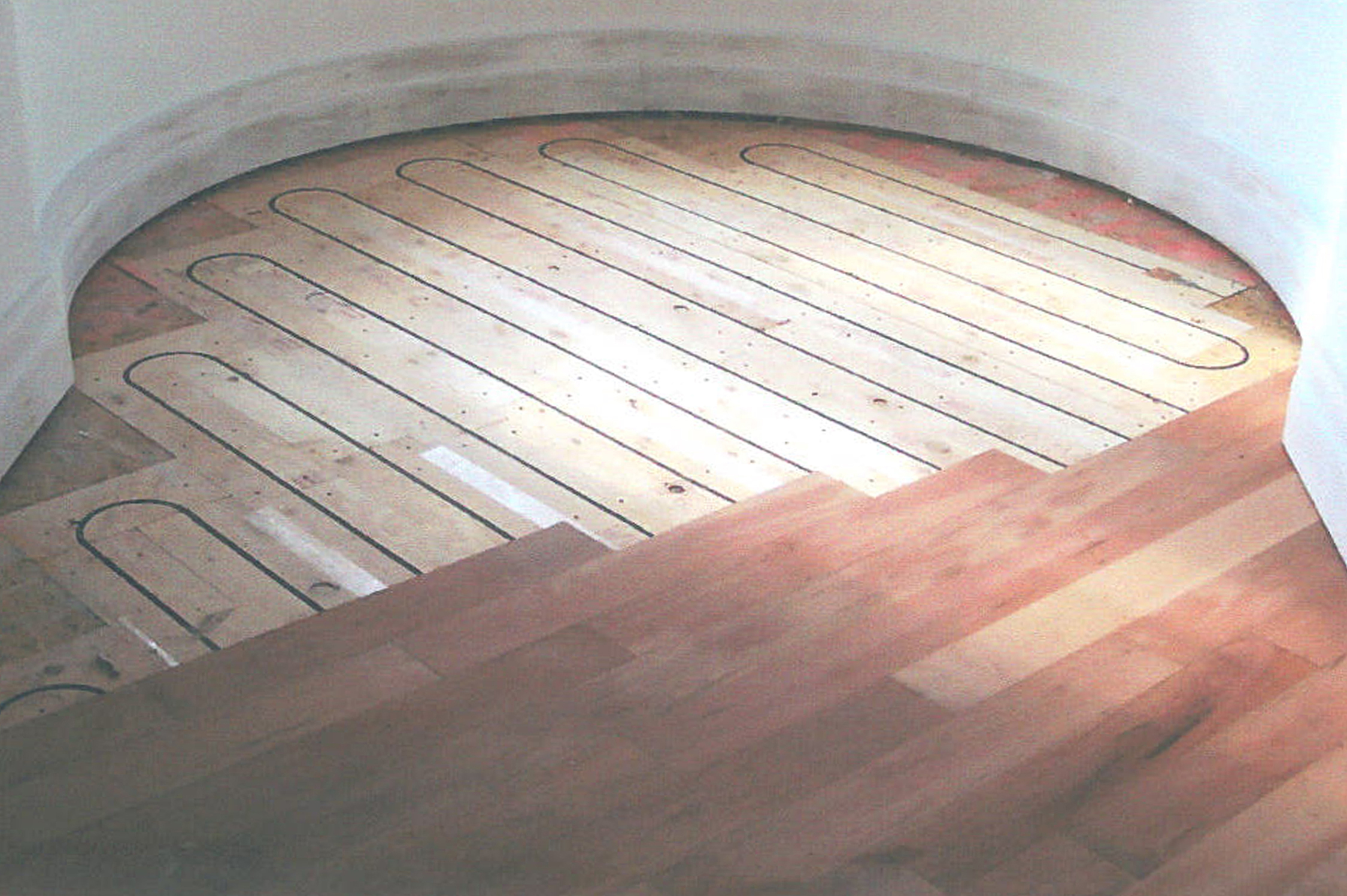
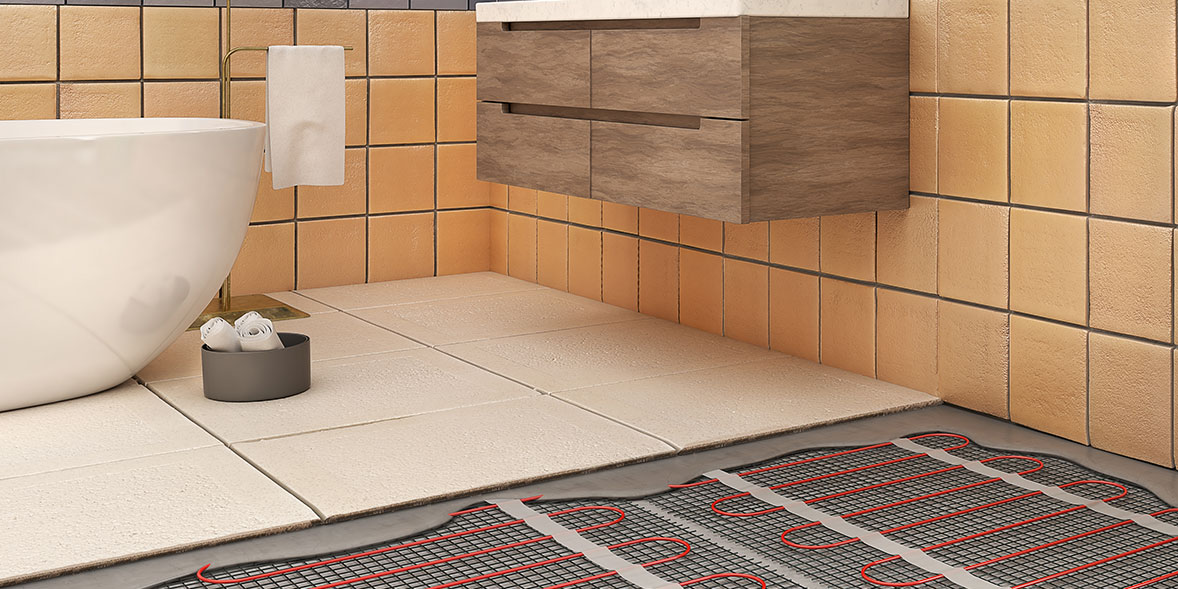
One of the primary benefits of electric underfloor heating is the radiant warmth it provides, which emanates upwards from the floor, ensuring an even temperature distribution without the cold spots often associated with conventional radiators. Certain mat-based electric UFH systems are relatively straightforward to install, making them suitable for competent DIYers and potentially saving on professional installation costs compared to water-based systems. The lower material and installation costs are significant advantages, as the wires can be laid directly onto the subfloor, avoiding the more complex pipe fitting required by hydronic systems. Electric systems also boast faster heat-up times than their water-based counterparts and quicker installation, with some products taking less than 30 minutes to set up. Unlike water-based systems, electric UFH doesn't require additional time for testing water flow or screed drying. Loose wire systems offer flexibility, adapting to rooms with tricky dimensions, and their slim profile results in minimal floor height build-up, making them ideal for renovation projects. Once installed, electric UFH is virtually maintenance-free. It is particularly well-suited for standalone rooms where a full central heating system upgrade is not planned, as it doesn't need connection to a central manifold, simplifying installation without disrupting other areas of the house. Modern electric UFH systems can be integrated with smart thermostats, allowing for remote adjustment of heating settings and pairing with timers and motion sensors to maximize efficiency and reduce energy waste.
However, electric underfloor heating also has several drawbacks. A significant concern is the higher running costs compared to warm-water systems, primarily because electricity is more expensive per unit than natural gas. This can lead to substantially higher energy bills, especially in larger spaces or rooms with high heat loss, such as conservatories, where water-based systems prove more cost-effective. While electric UFH heats up quickly, it also loses heat rapidly once switched off, meaning the floor surface cools faster than with a warm-water system. Diagnosing and repairing faults in electric UFH wiring can be challenging, as pinpointing the exact location of a problem is difficult, unlike with water-fed pipe systems where leaks are more visible. Additionally, some manufacturers advise against using certain electric UFH types with vinyl flooring, as direct contact with temperatures above 27°C can damage the material. For most other floor coverings, this is not an issue, but it is crucial to consult the flooring supplier's guidance. The presence of other heat sources, like woodburning stoves, can create hot spots within a room when combined with electric UFH. Furthermore, careful consideration must be given to furniture placement; flat-bottomed items should not cover heating mats or cables, as this can restrict airflow, leading to hot spots that could damage flooring or pose a fire hazard. Thorough planning during the design phase is essential to mitigate these potential issues.
#ElectricUnderfloorHeating #HomeRenovation #HeatingSystems #HomeImprovement #FloorWarming #DIYInstallation #EnergyEfficiency #SmartHomeTechnology #ElectricUnderfloorHeating #HomeRenovation #HeatingSystems #HomeImprovement #FloorWarming #DIYInstallation #EnergyEfficiency #SmartHomeTechnology
0 comment in total
 No comments yet
You may also like

Why electric underfloor heating is gaining popularity in high-end interiors in 2025

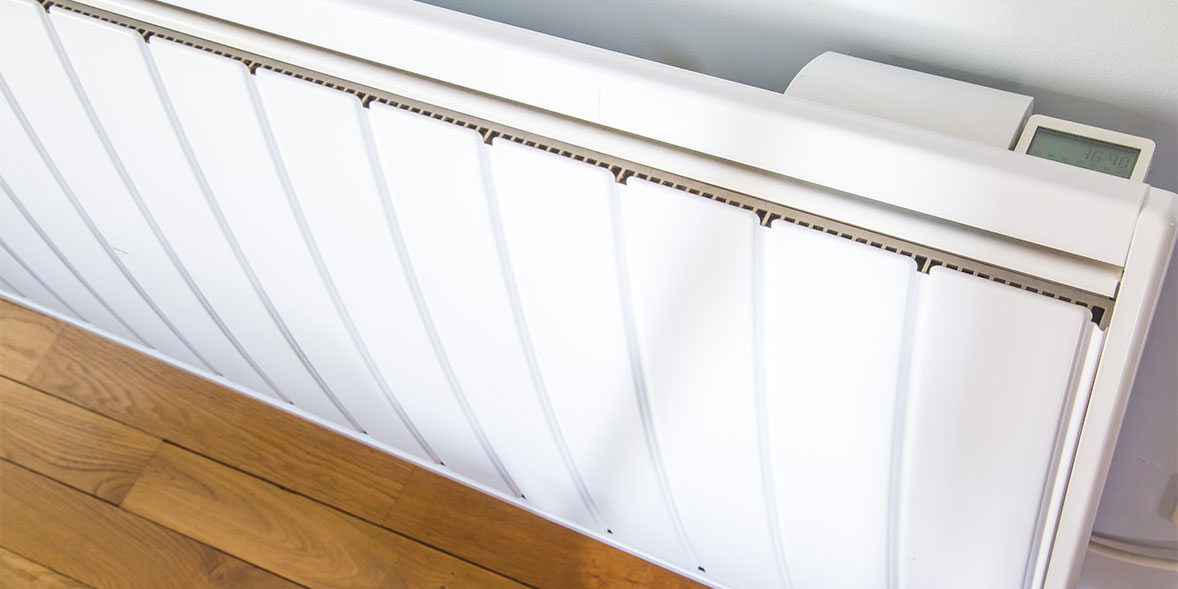
Electric Central Heating

The Best Electric Blankets (Are Surprisingly Stylish)


How to retrofit underfloor heating – a complete guide
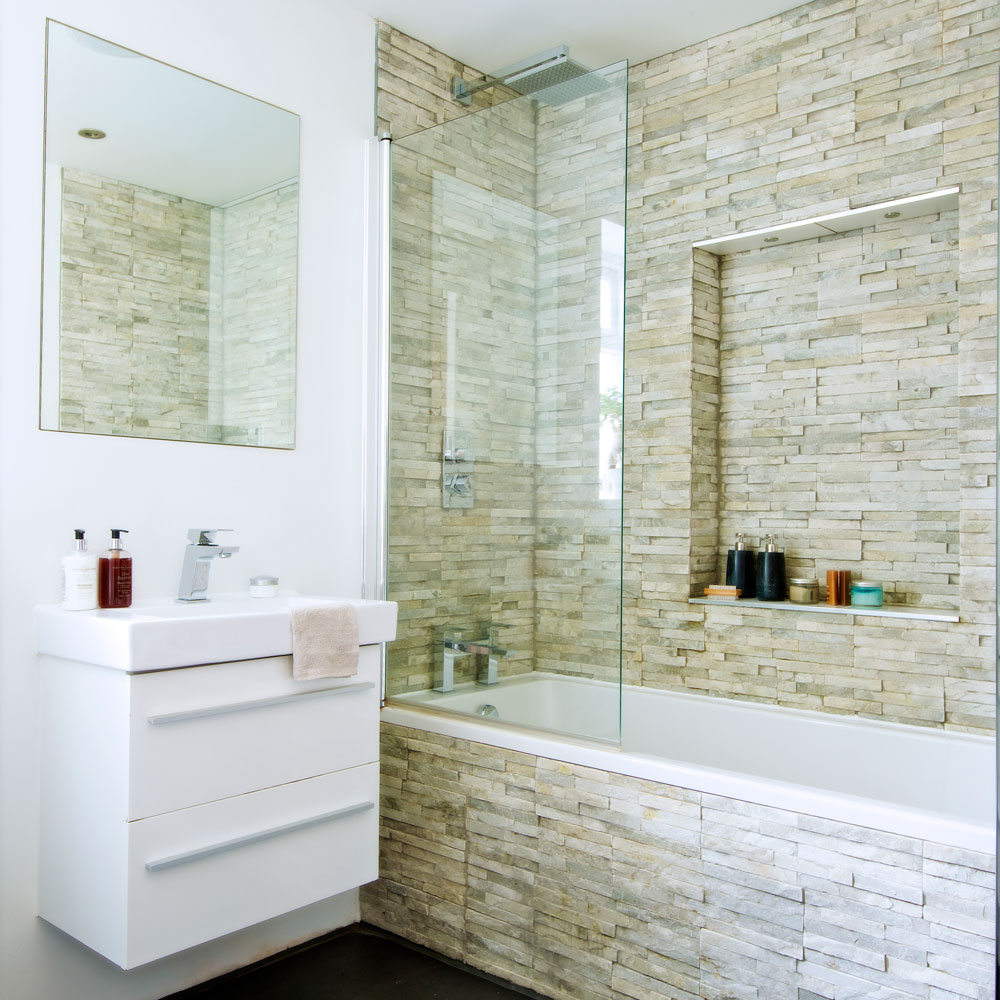
10 tips for using underfloor heating in a bathroom
The electric heaters to avoid buying
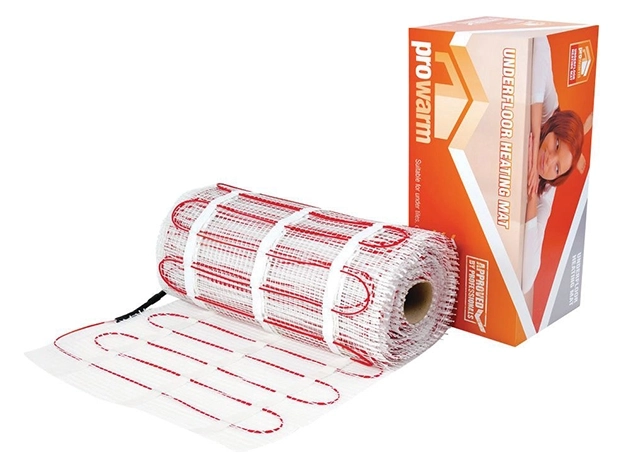
Underfloor Heating

Complete guide to buying an electric fireplace

3 reasons I regret not putting underfloor heating in my home office – it’s definitely moving up my priority list

Electric vs water underfloor heating: installation, efficiency and user reviews compared
Best electric blankets and heated throws to keep you warm and toasty, tried and tested

What is the cheapest electric heater to run? Experts reveal
Underfloor heating pros and cons

Radiant heat can be used indoors or outside
Electric boilers: what you need to know

Choosing a heater

Ways To Heat A Basement Without An Electric Space Heater (And The Pros & Cons To Consider)
The Best Electric Wall Heaters for Added Warmth


5 bathroom heating options, and our expert advice on which is best for you


Five underfloor heating myths debunked