1/7
Electric boilers: what you need to know
Electric boilers are presented as an alternative to gas boilers, offering several advantages and disadvantages for homeowners to consider. While they are similar in size and installation cost to gas boilers, their running costs are considerably higher due to electricity being three to four times more expensive per unit (kWh) than gas. Despite this, electric boilers offer environmental benefits, producing no direct carbon emissions at home, and contribute to a lower carbon footprint as the UK's electricity grid increasingly relies on renewable sources. However, the carbon footprint of electricity generation itself means they are not entirely emission-free. For homes, electric boilers are nearly 100% energy-efficient, meaning they convert almost all electricity into heat, requiring fewer units of energy than gas boilers for the same heat output. They also have fewer moving parts, leading to quieter operation and potentially fewer faults, and do not pose a risk of carbon monoxide leaks.
There are three main types of electric boilers: combi boilers, heat-only boilers, and system boilers. Combi boilers provide heating and hot water on demand and do not require external water tanks, making them suitable for smaller properties. Heat-only boilers supply heat to radiators and hot water via a storage tank, better suited for larger homes with higher hot water demand, but require both a hot water tank and a cold water feed tank. System boilers integrate many components, only requiring a hot water tank, thus saving space compared to heat-only models. Some system boilers come with integrated hot water cylinders, designed to fit into standard airing cupboards.
The upfront cost of electric boilers is comparable to gas boilers, typically ranging from £1,500 to £2,000 for a combi boiler, and starting from £400 for heat-only models (excluding water tanks). Installation costs are generally similar, but upgrading a home's electrical infrastructure for higher-power electric boilers can significantly increase the total cost. This includes ensuring the electrical phase supply (single-phase vs. three-phase) and the incoming supply fuse size are adequate. Electric boilers usually have lower maximum power outputs (around 15kW or less) compared to gas boilers (20kW to 40kW+), making them less suitable for larger homes with high heating and hot water demands.
Maintenance costs for electric boilers are expected to be similar to gas boilers over their lifetime, despite having fewer moving parts. Manufacturers recommend annual servicing, and key component replacements can be costly. Warranties for electric boilers are typically shorter, lasting two to three years, compared to gas boilers which can have warranties of 10 years or more, reflecting historical market competition. For those considering an electric boiler, it is recommended to get an expert engineer to assess home suitability.
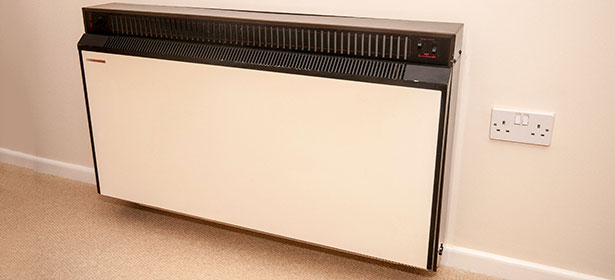
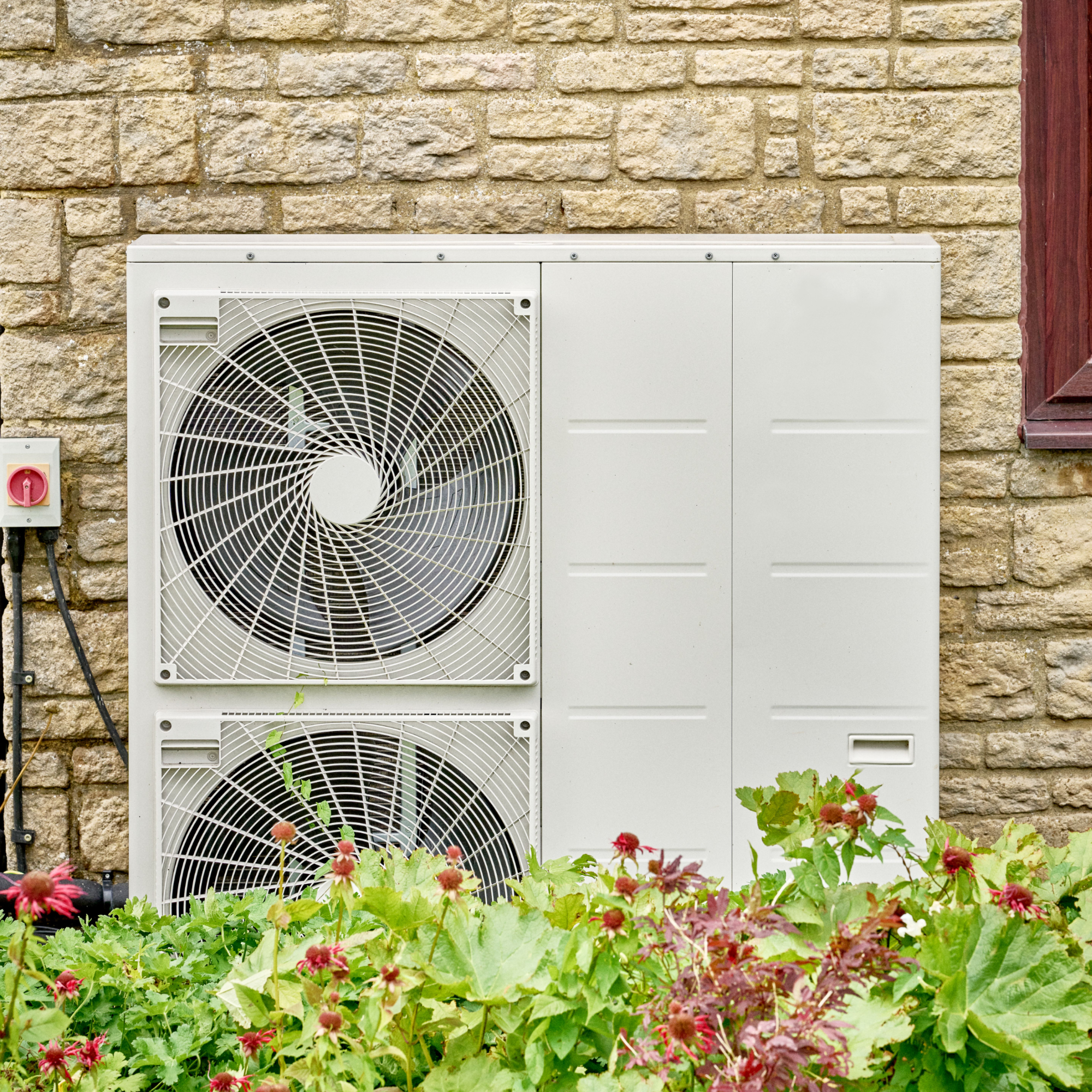
Alternatives to electric and gas boilers include heat pumps, which are more energy-efficient than electric boilers and can produce more heat units than energy consumed, leading to lower running costs if electricity and gas prices align. However, heat pumps require external units and well-insulated homes, and are generally more expensive to install, although government grants can help offset this. Other low-carbon heating solutions include storage heaters, immersion heaters, infrared panels, and emerging technologies like microwave boilers. Electric boilers are particularly viable for homes off the gas grid, high-rise buildings where gas flues are problematic, or for individuals seeking environmentally friendly heating when heat pumps are not suitable due to property constraints.
#ElectricBoilers #HomeHeating #EnergyEfficiency #CarbonFootprint #HeatPumps #BoilerInstallation #RunningCosts #EnvironmentalImpact #HomeImprovements #ElectricBoilers #HomeHeating #EnergyEfficiency #CarbonFootprint #HeatPumps #BoilerInstallation #RunningCosts #EnvironmentalImpact #HomeImprovements
0 comment in total
 No comments yet
You may also like

Residential Boilers
Electric Central Heating
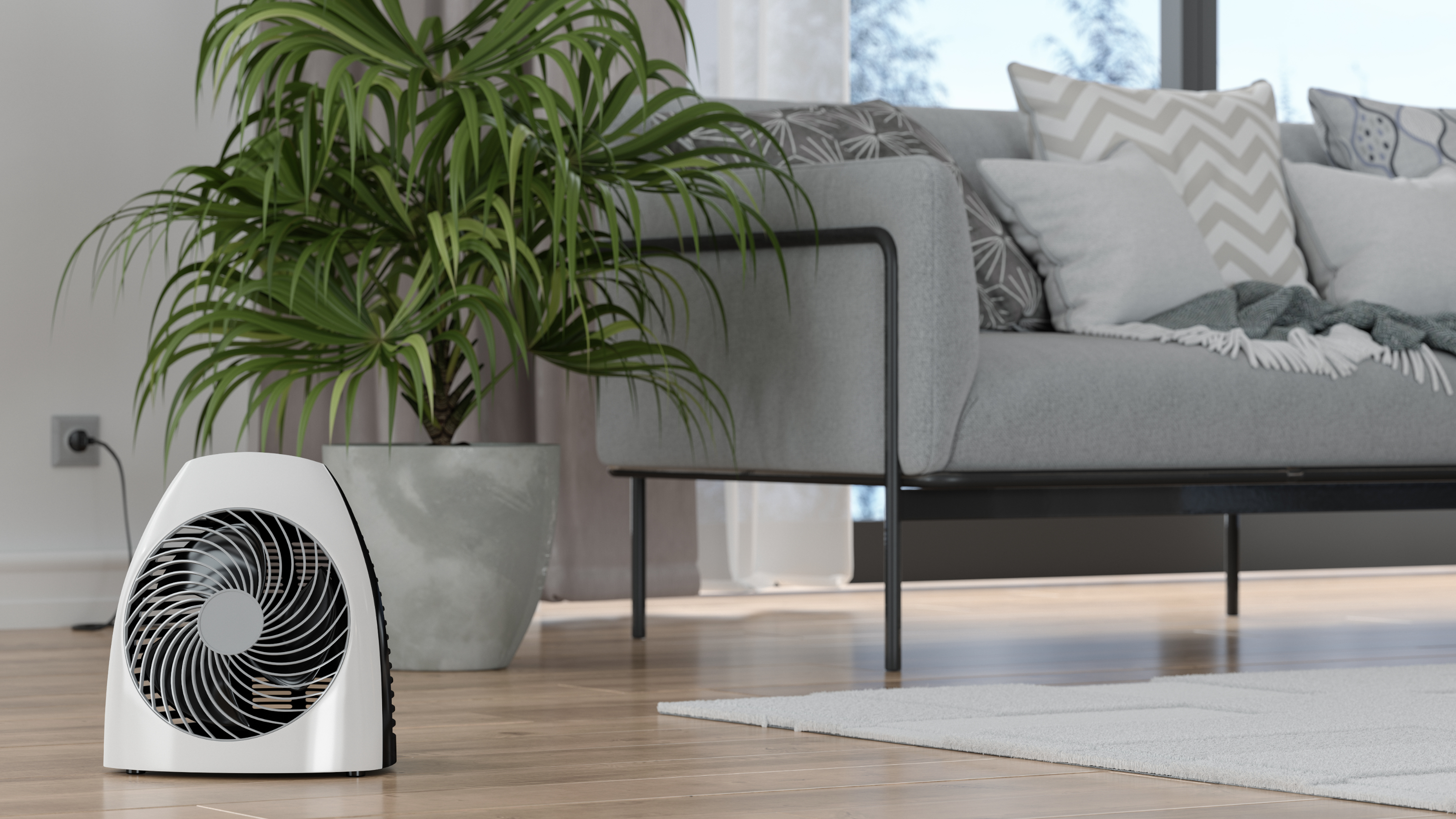
What is the cheapest electric heater to run? Experts reveal
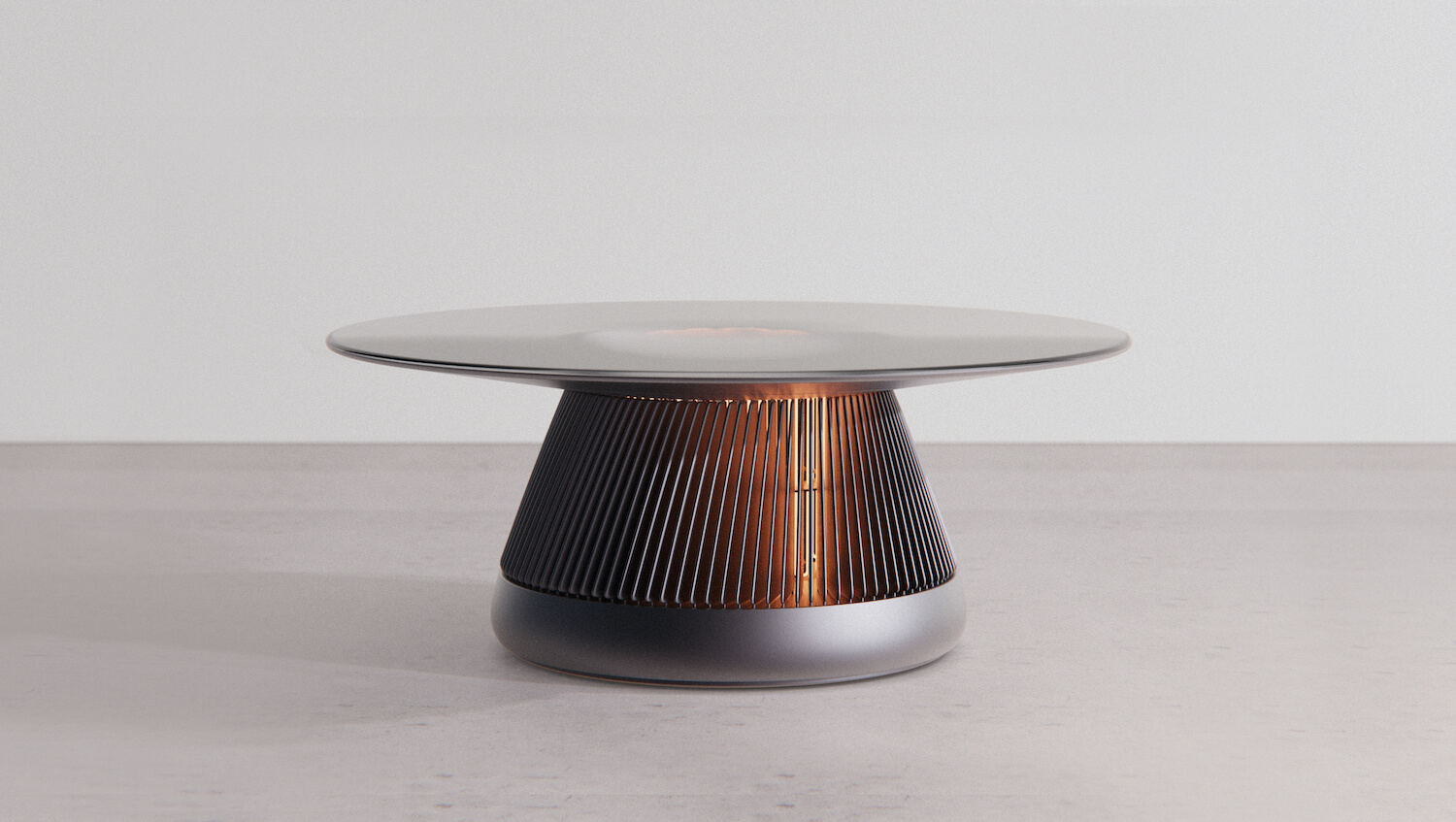
The Hearth electric heater puts a twist on the act of building a fire

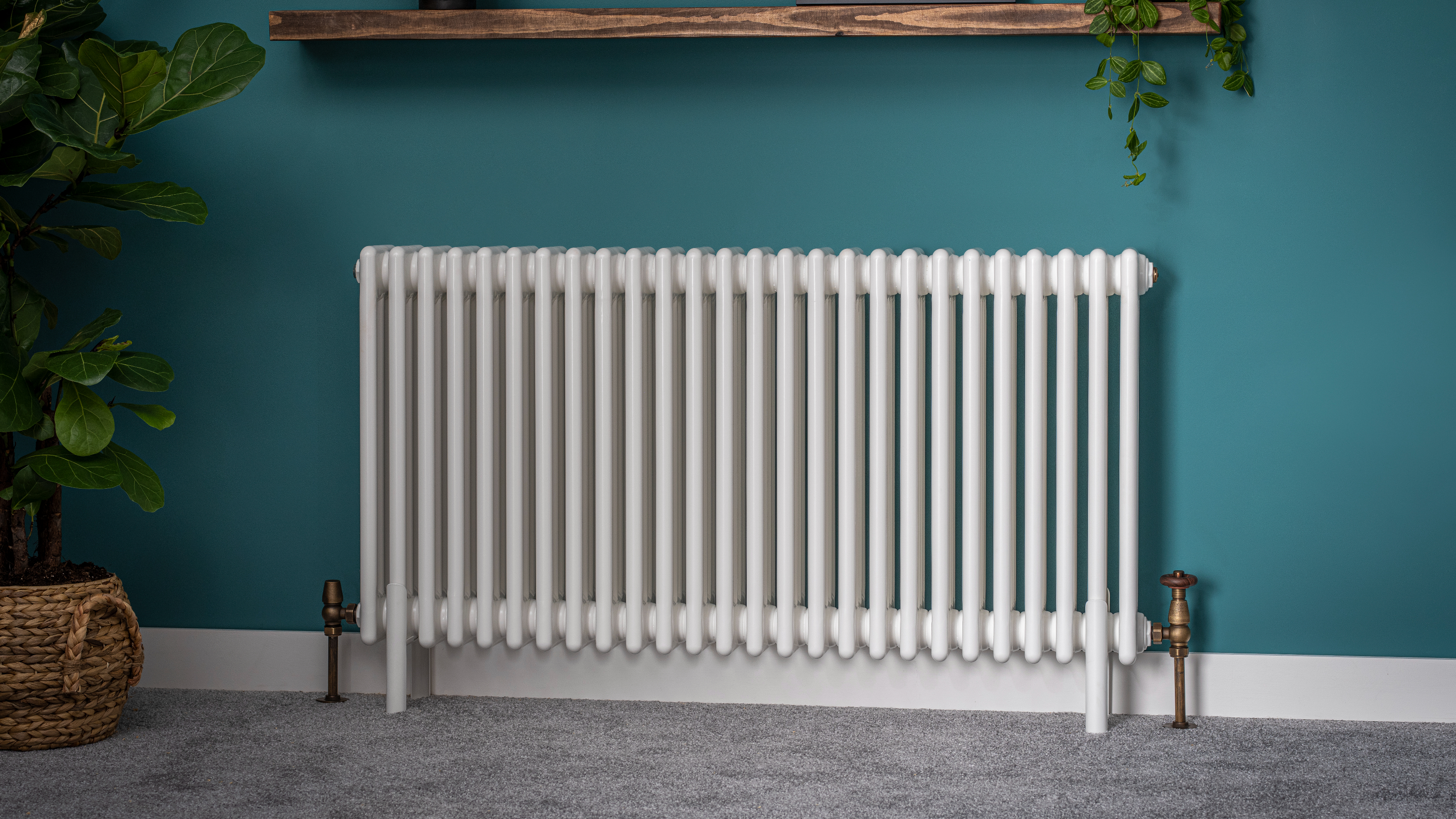
Central heating - everything you need to know about heating your home
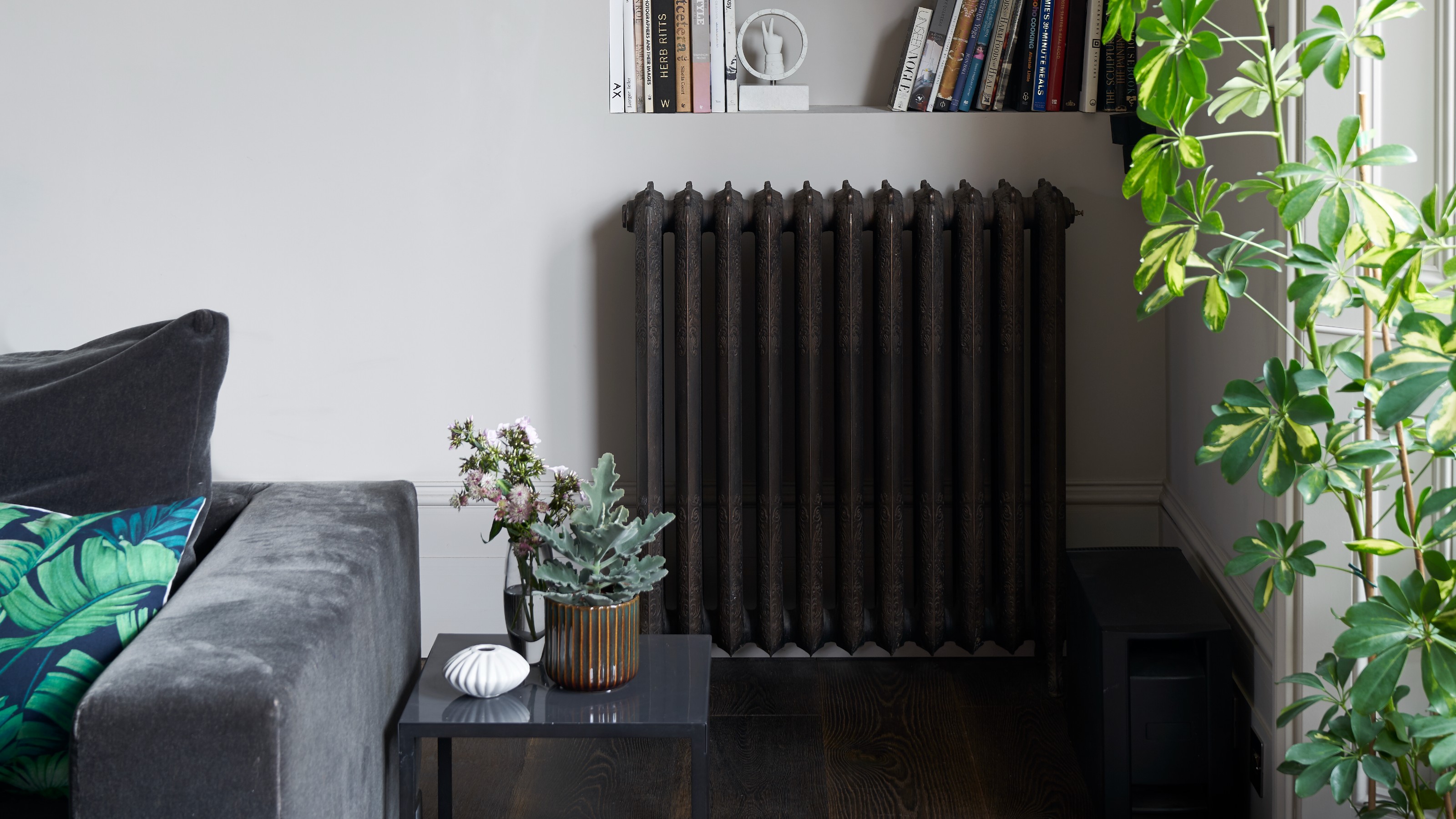
What’s the most efficient way to heat a house? How to heat your home for less, according to experts

Hydronic Baseboard Heater Buyers Guide: How to Choose, Costs and Installation, Safety Considerations

After testing the best boiling water taps, I’ve ditched my kettle for good – here are the top 8 I tried
This Electrolux range knows how to bake and boil

Top 8 electric geysers to buy before winter for quick heat, safe tanks, and right sizes for every bathroom and kitchen
Is your radiator not heating up? Why it happens and how to fix the problem asap
The electric heaters to avoid buying
![Electric Boilers: When and Where? [30 Mechanical Minutes]](https://gstatic.ideal.house/news/images/8a8383b4d3c94743abed2d0d30617505.jpg)
Electric Boilers: When and Where? [30 Mechanical Minutes]
The Best Electric Stoves Are More Efficient and Cook Cleaner Than Gas

Good Plumbing Performs High-Efficiency Boiler Replacement for Catholic Church
The Best Electric Wall Heaters for Added Warmth

Complete guide to buying an electric fireplace
How To Install An Electric Water Heater
Choosing a heater


Steam Showers: What You Need To Know