1/2
Electric Boilers: When and Where? [30 Mechanical Minutes]
The article summarizes a webinar from HPAC magazine's "30 Mechanical Minutes" series, featuring hydronics expert John Siegenthaler discussing electric boilers. The discussion, which took place on January 31st, 2024, covered the operational principles, advantages, drawbacks, and installation considerations for electric boilers. The webinar was sponsored by Conforto, a division of Granby Industries, and highlighted the growing trend of electrification and decarbonization, particularly evident at the 2024 AHR Expo.
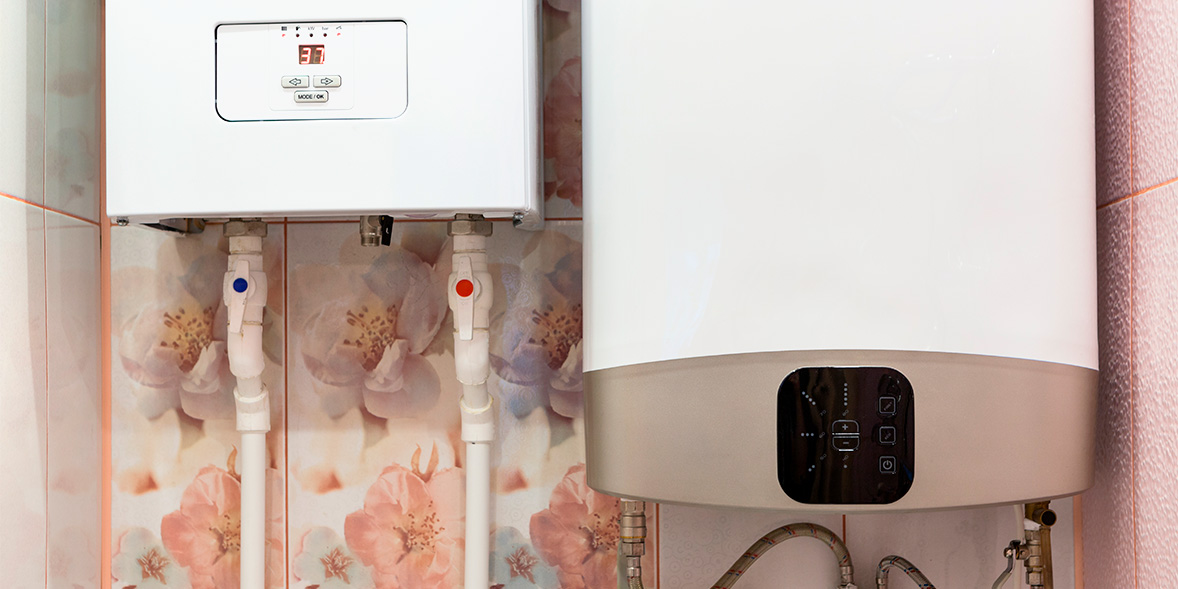
Siegenthaler explained that electric boilers are relatively simple devices that convert electricity into heat using resistance elements, similar to electric water heaters. Residential units typically contain one to four heating elements within a small pressure vessel, while larger commercial units can have many more. Modern electric boilers utilize solid-state devices to control the current, allowing for precise heat output regulation from 0% to 100%. This advanced control enables features like maintaining a pre-set boiler outlet temperature despite varying inlet temperatures and outdoor reset capabilities, where supply temperature adjusts based on external conditions. Electric boilers are also more compact than fossil fuel boilers due to the absence of combustion chambers and gas assemblies.
A key consideration for electric boiler installation, especially in retrofits, is the electrical panel capacity. Siegenthaler provided a conversion rate of 3,413 Btu/h per kilowatt (kW) and illustrated that a 15-kW boiler, suitable for heating a house, requires nearly 63 amps on a single-phase, 240-volt circuit. This can quickly exceed the capacity of older 100- or 150-amp services. For new construction, a 200-amp service is generally necessary for electric boilers with sufficient capacity for a 2,500 sq. ft. modern home, especially if an electric vehicle charger is also installed.
Electric boilers are compatible with various hydronic distribution systems, including radiant floors, panel radiators, and hydronic baseboards. Their advantages include the elimination of combustion-related issues such as fuel supply, venting, and carbon monoxide generation. They also operate quietly and are not prone to short cycling. Furthermore, electric boilers can be integrated with time-of-use utility rates, allowing them to operate during periods of lower electricity costs. They can also leverage solar photovoltaic systems, providing a direct use for generated energy, and in systems with net metering, the utility can effectively act as a battery for surplus energy.
The primary drawback of electric boilers is their high current draw. Siegenthaler also introduced the concept of exergy, noting that electricity can be used more efficiently for thermal output through technologies like heat pumps, which can provide three to four times more low-grade heat compared to direct electric resistance heating. Despite this, electric boilers have specific applications, particularly in net-zero and low-energy homes or apartments, especially in areas with low-cost electricity or for clients seeking all-electric solutions with photovoltaics. An example cited was a 1,500 sq. ft. well-insulated house in Minnesota heated by a 6-kW electric boiler with radiant floors and panel radiators, chosen for its flexibility to switch to a more efficient heat pump in the future.
Electric boilers are also valuable as a backup for air-to-water or geothermal water-to-water heat pumps. A research project in Northern Maine, utilizing off-peak rate structures and abundant wind power, is exploring thermal storage solutions with a prototype heat pump that can generate high water temperatures. A schematic illustrated a parallel piping arrangement for a heat pump and electric boiler, allowing either or both to operate, and ensuring continuous heating in case of heat pump failure or service. This setup, where electric boilers act as a reliable and relatively low-cost backup, is particularly beneficial in remote locations.
#ElectricBoilers #HydronicSystems #Electrification #HVAC #HeatPumps #Decarbonization #EnergyEfficiency #ResidentialHeating #RenewableEnergy #ElectricBoilers #HydronicSystems #Electrification #HVAC #HeatPumps #Decarbonization #EnergyEfficiency #ResidentialHeating #RenewableEnergy
 No comments yet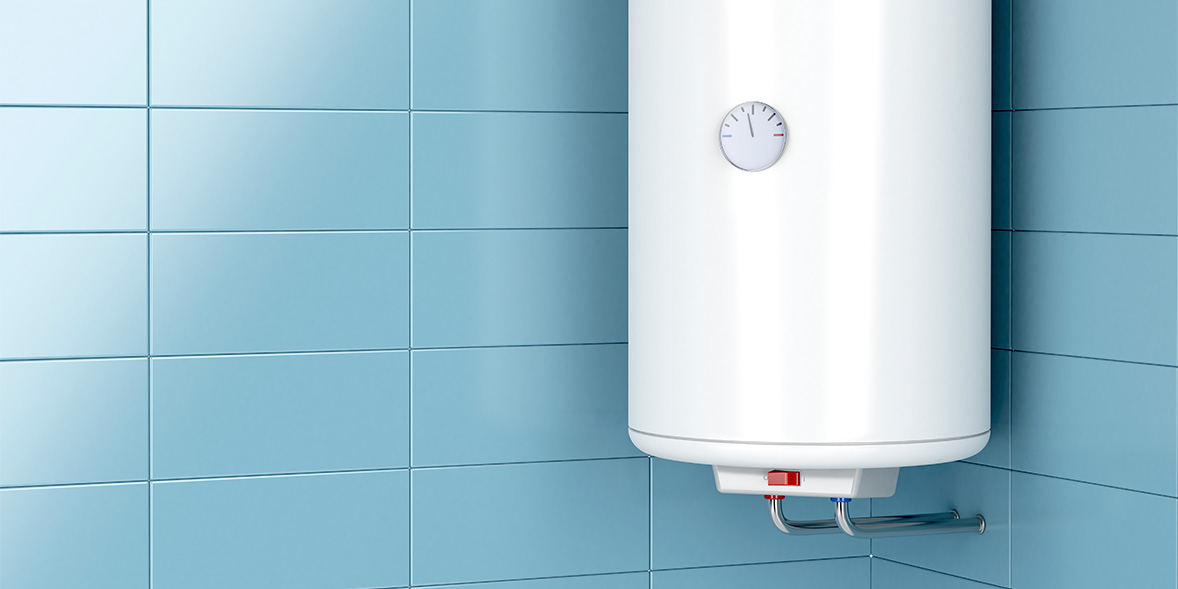
Electric boilers: what you need to know
Good Plumbing Performs High-Efficiency Boiler Replacement for Catholic Church

Residential Boilers
The Hearth electric heater puts a twist on the act of building a fire

Central heating - everything you need to know about heating your home
Ask the Builder: Radiant heating systems deserve to be hyped
Electric Central Heating