Ask the Builder: Radiant heating systems deserve to be hyped
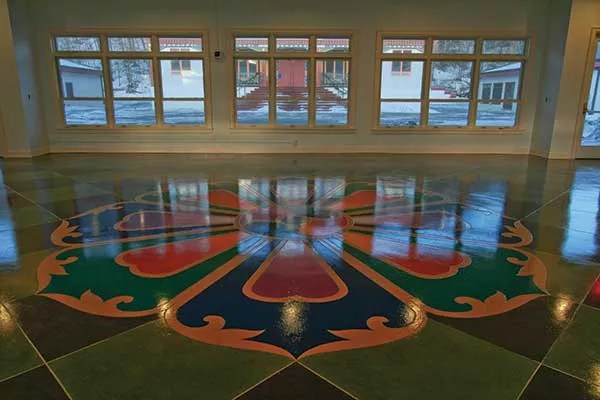
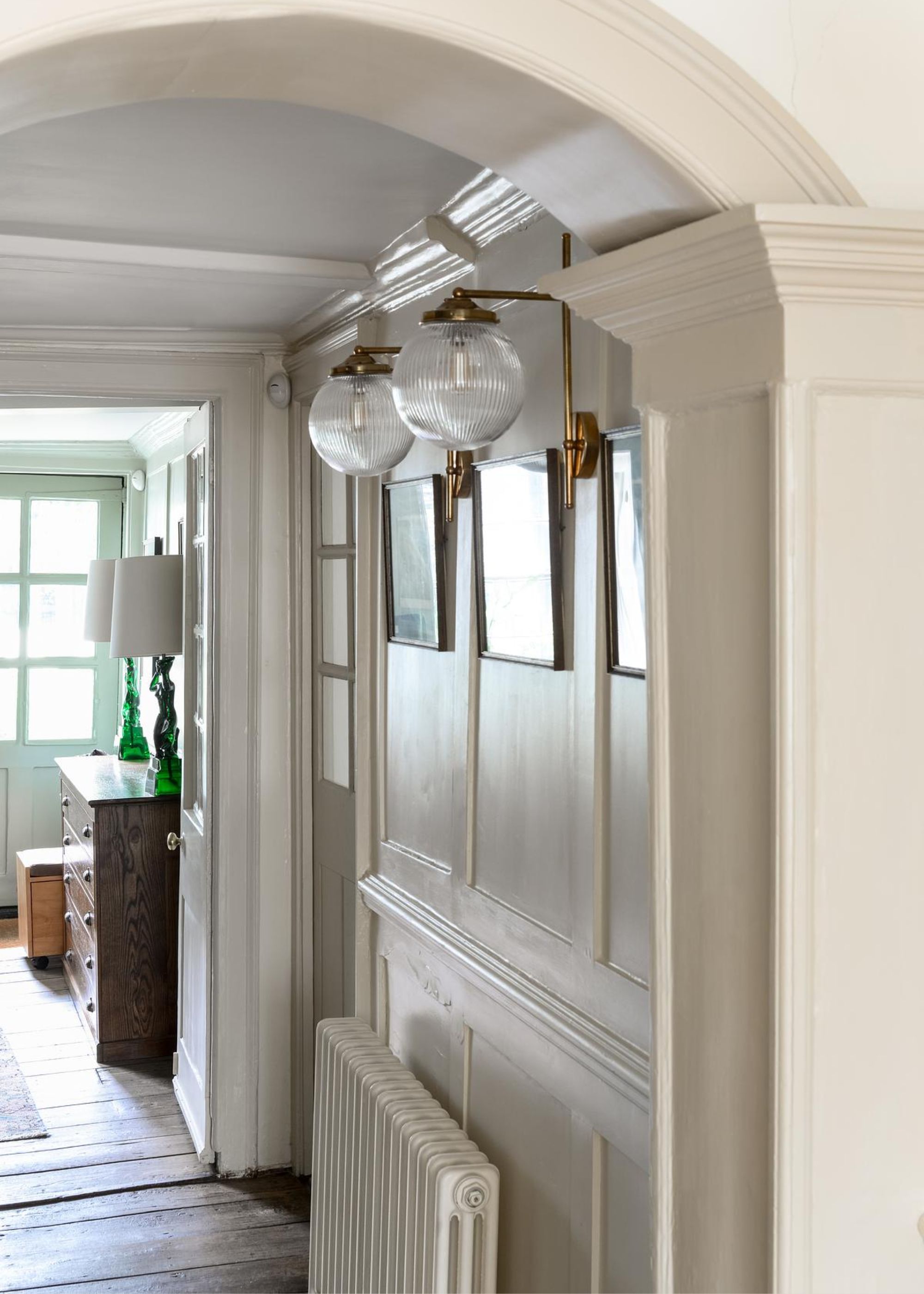
Radiant heating, a method of heating that dates back over 5,000 years to ancient Chinese, Korean, Greek, and Roman builders, offers a luxurious and comfortable alternative to traditional forced-air systems. Unlike forced-air heating, which relies on circulating heated air, radiant heat works by directly warming surfaces like floors and walls. This method leverages the natural physical principle that heat transfers from warmer objects to colder ones. The human body, constantly emitting approximately 400 British thermal units per hour, loses heat more rapidly when in contact with cold surfaces. Radiant heating systems counteract this by maintaining floor and wall temperatures closer to body temperature, thereby minimizing heat loss from the body and enhancing the sensation of warmth.
A key benefit of radiant heating is the elimination of moving air, which is common in forced-air systems. Circulating air can accelerate the evaporation of perspiration, making individuals feel colder. With radiant heat, comfort is achieved without air currents, leading to a more consistent and pleasant indoor environment. When considering the installation of a residential radiant floor heating system, thorough planning is essential due to its complexity.
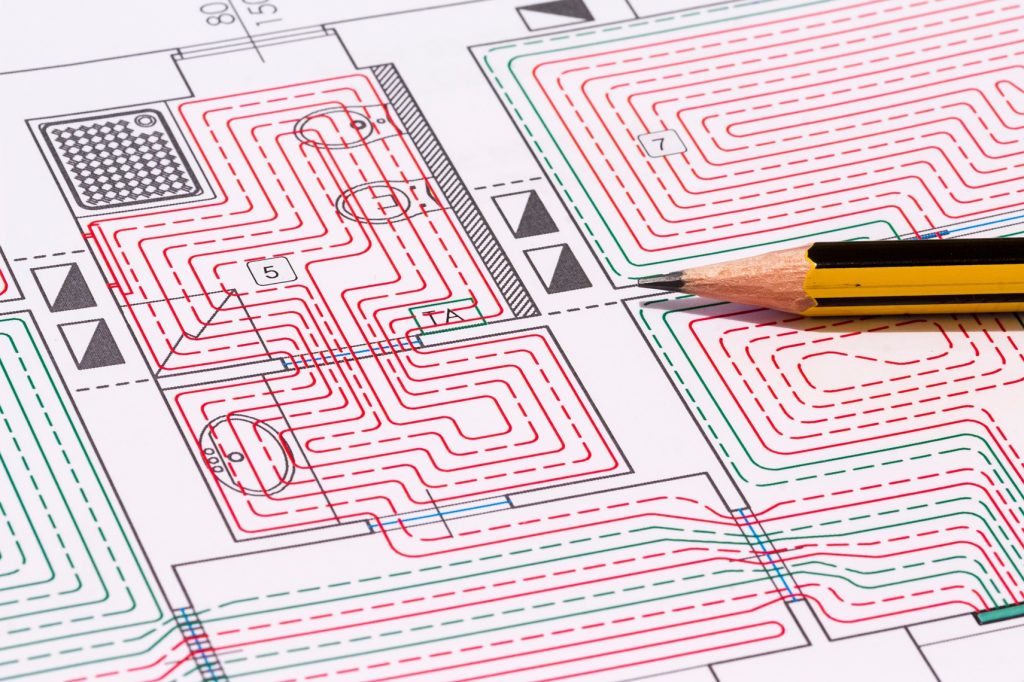
The initial step in designing an effective radiant heating system involves conducting an accurate, room-by-room heat-loss calculation for the entire home. Various software tools are available for this purpose, requiring the input of specific measurements and data. These calculations are critical for engineers to correctly size and design the system, ensuring each room receives the appropriate amount of heat to meet its specific requirements.
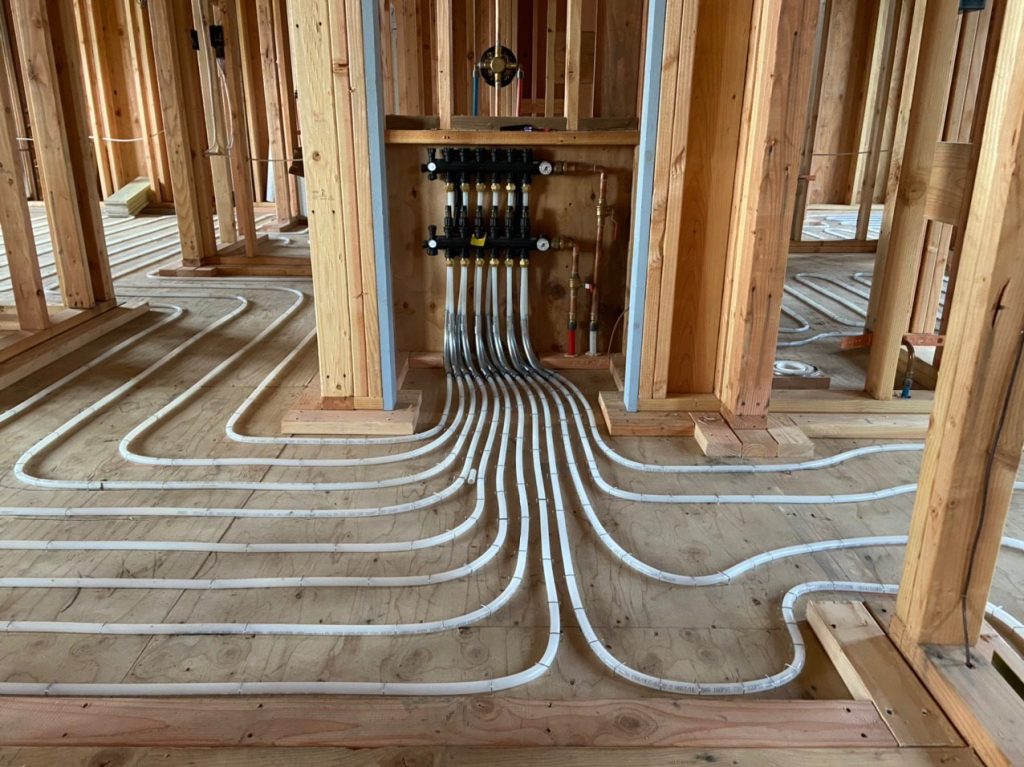
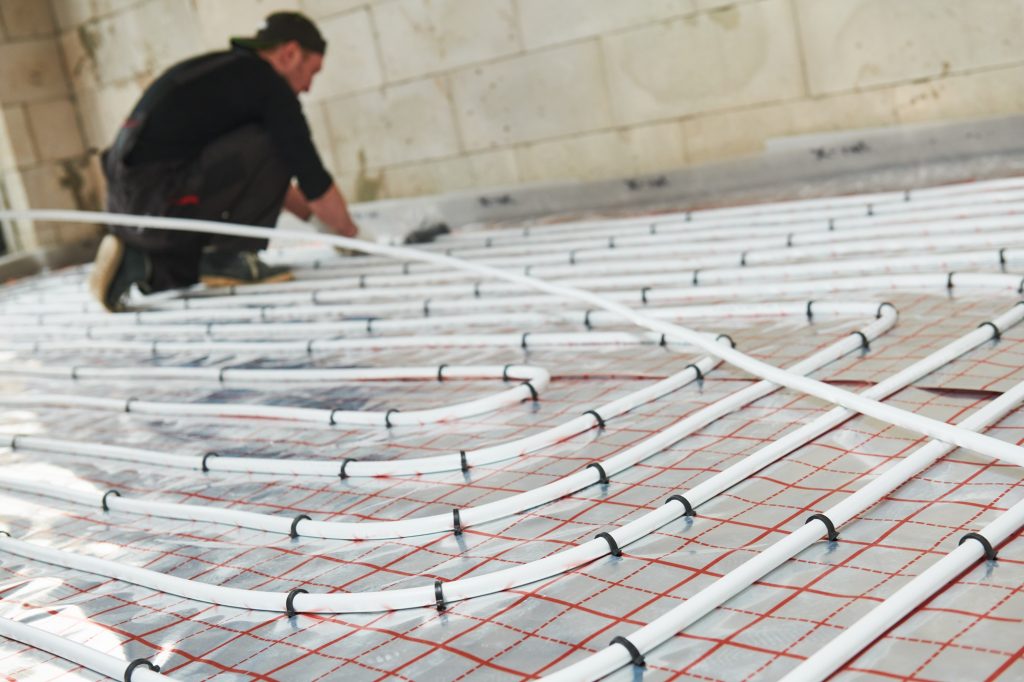
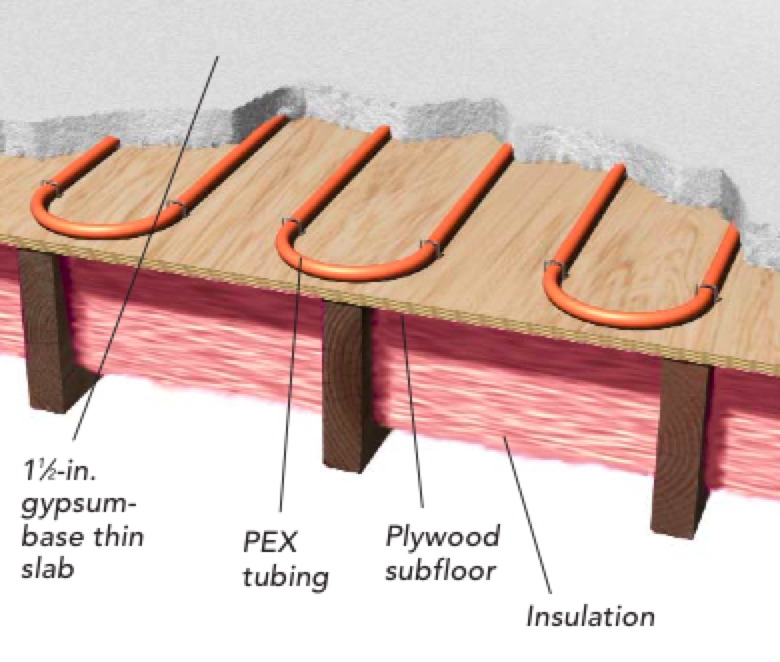
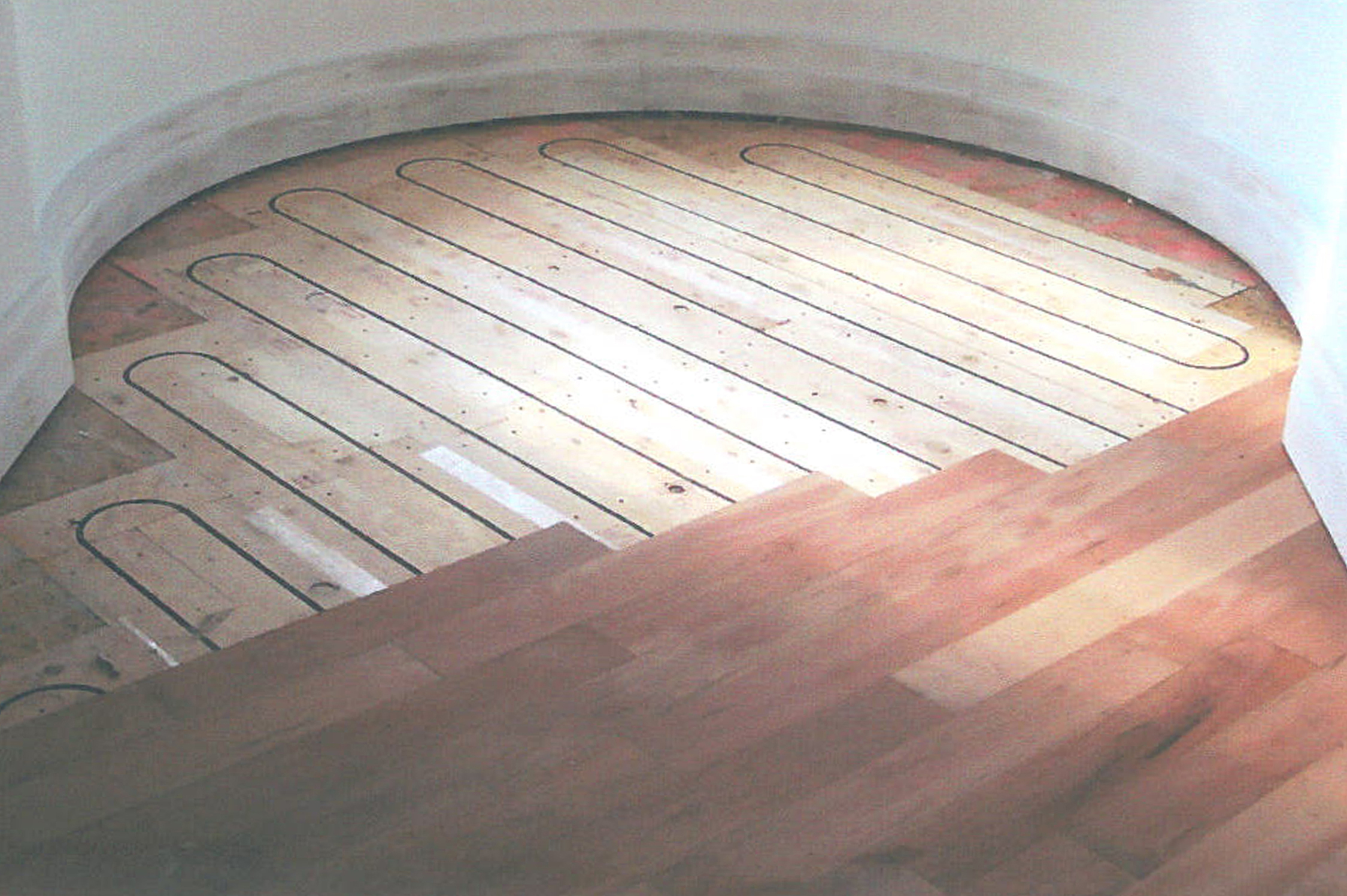
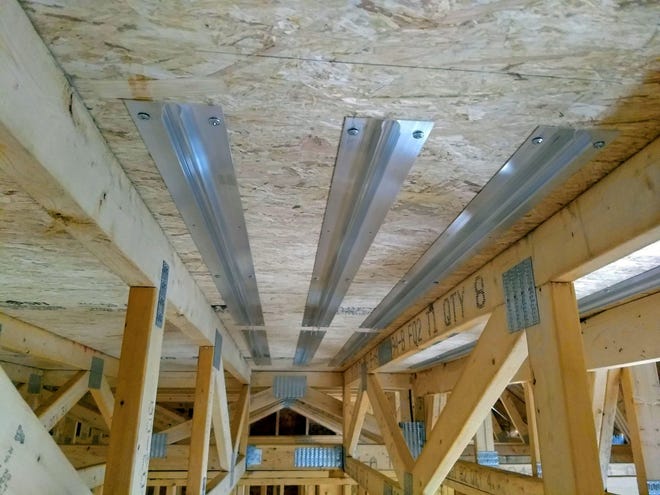
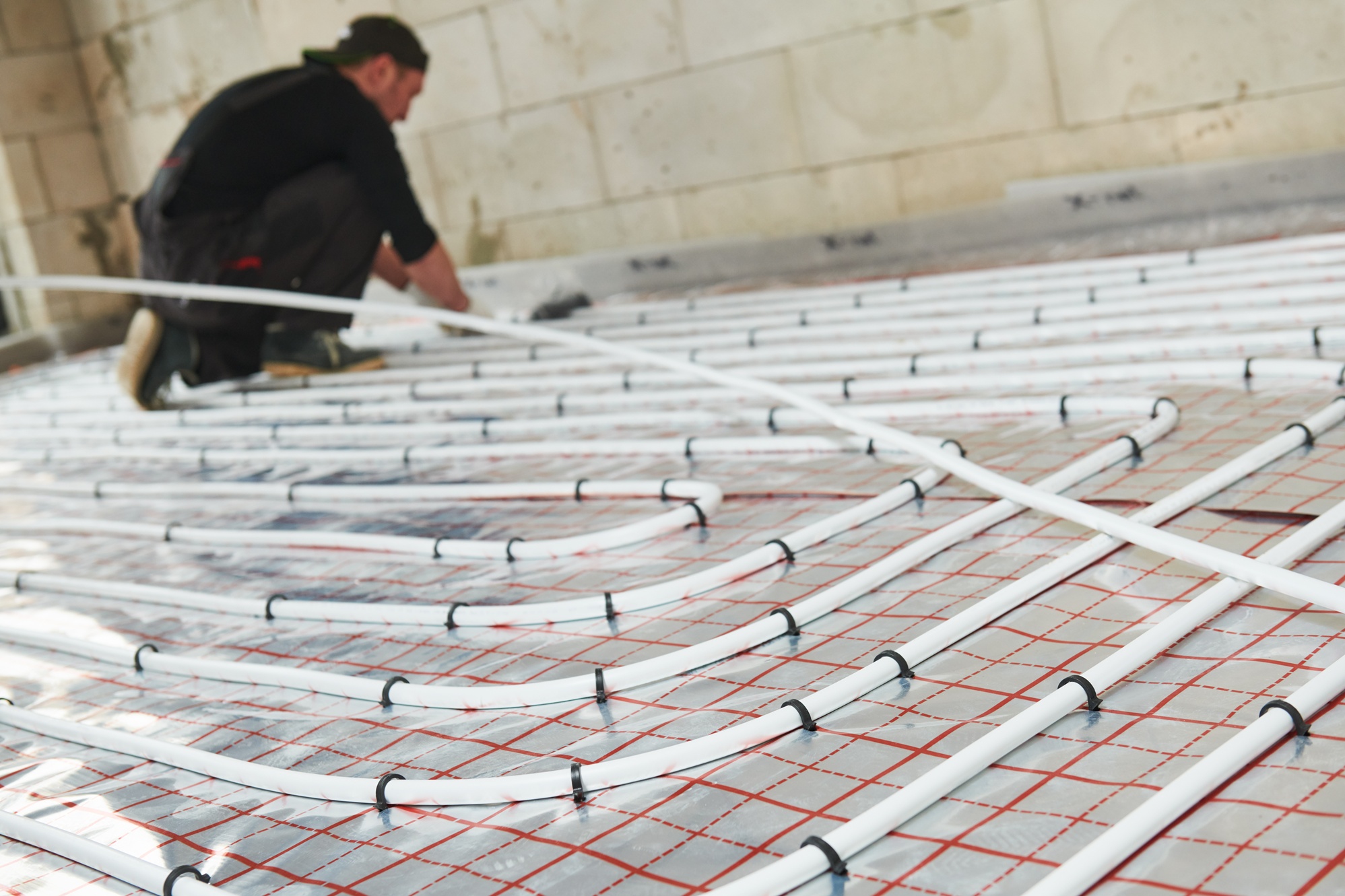
Modern radiant heating systems offer the advantage of easily dividing a home into multiple heating zones. Each zone can be independently controlled with its own thermostat and in-floor temperature sensor, allowing for customizable temperature settings throughout the day and night. This zoning capability enhances both comfort and energy efficiency, as homeowners can selectively heat areas as needed. For the distribution of heat, PEX plastic tubing is commonly used. This tubing is typically snapped into solid aluminum heat transfer plates, which are then screwed to the underside of the wood subfloor. It is crucial to use a special type of PEX pipe designed to limit oxygen diffusion into the closed hydronic liquid system, such as Uponor's hePEX product, to ensure system longevity and efficiency.
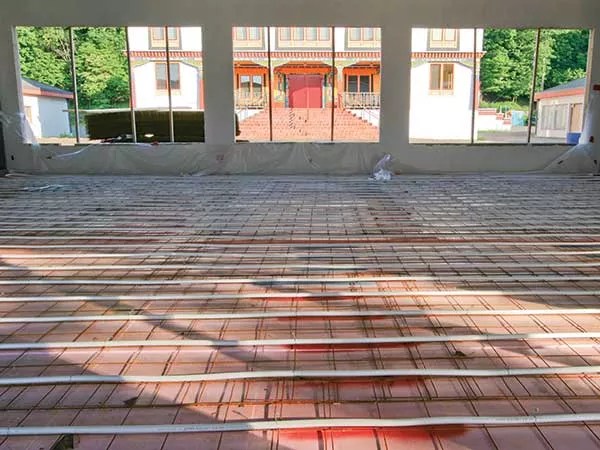
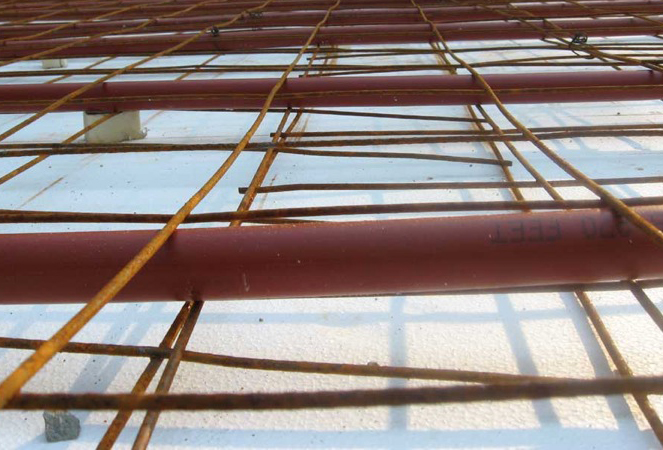
While half-inch diameter PEX tubing is often employed, three-eighths-inch tubing can also be effective and is easier to install. The tubing is laid out in loops, either under the flooring or within an insulated concrete slab. Each loop should not exceed 300 feet in total length, with an optimal length of approximately 200 feet for best performance. A single heating zone may necessitate several such loops. The ends of the PEX tubing from each loop connect to manifolds. To maximize efficiency, these manifolds should be located as close as possible to their respective heating zones, rather than being confined to a central boiler room. They can be discreetly hidden behind access panels in closets.
Furthermore, using state-of-the-art recirculating pumps that consume minimal power (around 5 watts, compared to 70 watts for older models) can significantly reduce electricity consumption. The heating system should also incorporate a modulating combination boiler. Unlike older boilers that operate on an all-or-nothing basis, modulating boilers adjust their heat output precisely to meet the real-time demand, leading to substantial energy savings. For instance, transitioning to a modulating boiler can noticeably decrease propane usage, particularly during colder months.
#RadiantHeating #HomeComfort #EnergyEfficiency #PEXTubing #HeatingZones #ModulatingBoiler #HomeImprovement #HydronicHeating #RadiantHeating #HomeComfort #EnergyEfficiency #PEXTubing #HeatingZones #ModulatingBoiler #HomeImprovement #HydronicHeating
0 comment in total
 No comments yet
You may also like
Radiant Heating
The best infrared heaters
Are smart heating systems worth it? The pros and cons of upgrading your thermostat this winter
Radiant Floor Heating: Can One Floor Heat Two Stories?


Experts Urge Homeowners to Avoid This Radiator Mistake That 'Exaggerates' How Well It Will Heat Your Home


The 7 Best Energy-Efficient Space Heaters, Tested and Reviewed


Are Heated Floors Worth It? 2 Real Estate Pros Weigh In

Smart Heating

Hydronic radiant wall heating, still the greatest trade secret in the U.S.

Is Radiant Floor Heating the Best Way To Warm A Well-Insulated House?
6 of the best heater ideas to warm up your home this winter


Are infrared heaters cheap to run? For targeted heat they could be better value than an oil-filled radiator, say experts

What to know before you spring for radiant heat floors
Our Favorite Energy-Efficient Space Heater Adds Style to Our Homes While Heating

Radiant heat can be used indoors or outside
The electric heaters to avoid buying
How Radiant Heat Can Transform Your Home for the Better With Barron Heating, AC, Electrical & Plumbing

Testing the 10 Best Infrared Heaters for Comfort at Home
Castrads Helps Solve the Biggest Problem With New York City Radiators
All About Outdoor Radiant Heating Systems