1/8
Experts Urge Homeowners to Avoid This Radiator Mistake That 'Exaggerates' How Well It Will Heat Your Home
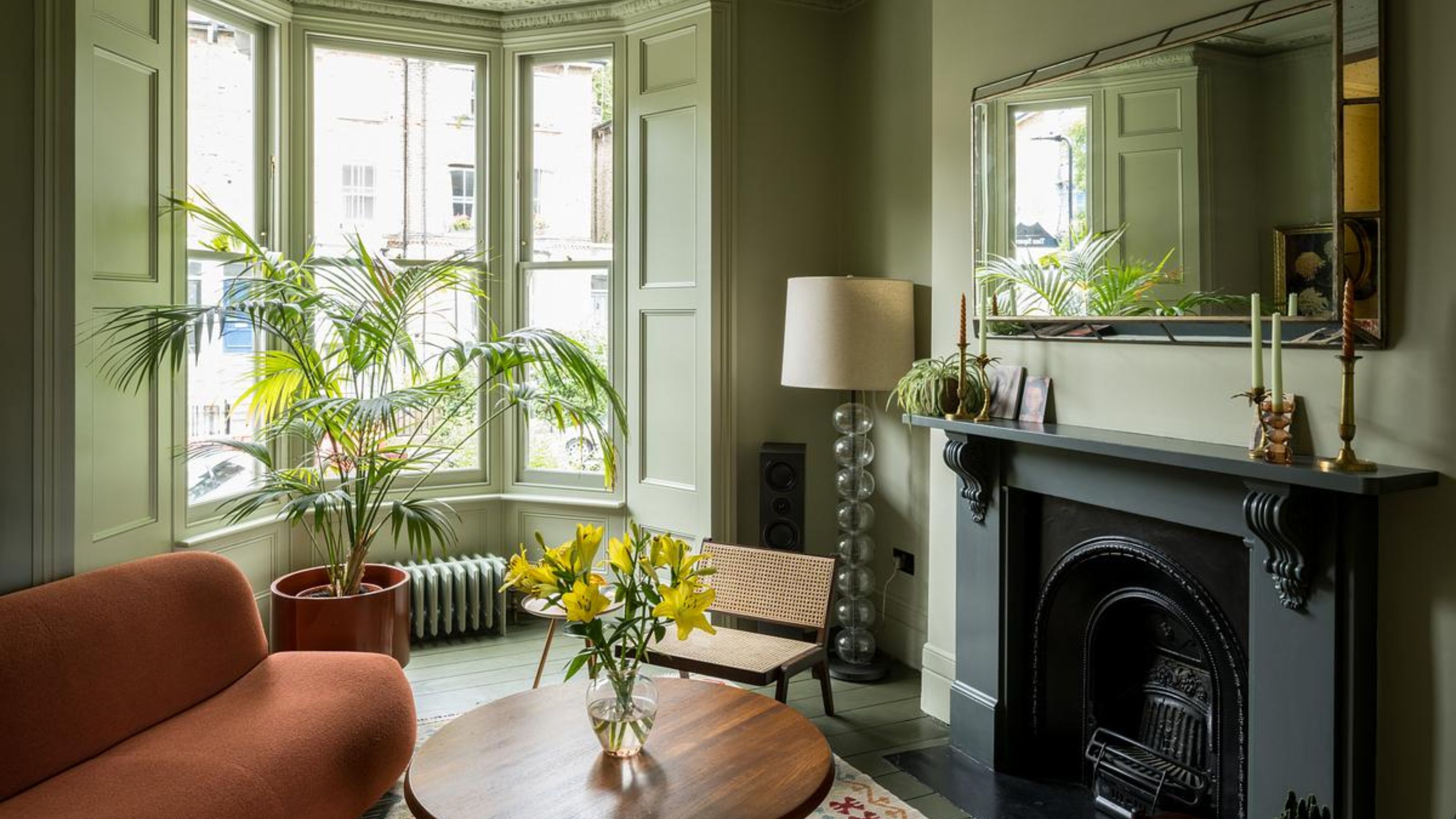
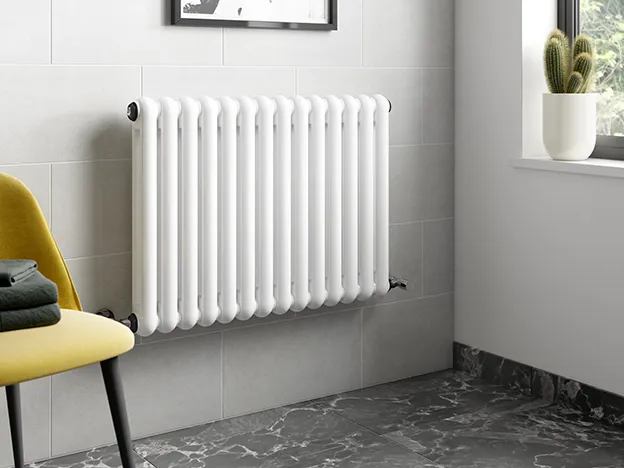
As cooler weather approaches, homeowners often focus on ensuring their heating systems are efficient. A common mistake when purchasing new radiators can lead to insufficient heating and increased energy costs. The key to avoiding this issue lies in understanding how radiator heat output is measured and being vigilant about manufacturer claims. When selecting a radiator, primary considerations should be the size of the space and its intended use. Heat output, typically measured in Watts or BTUs (British Thermal Units), needs to match the room's requirements; for example, a large open-plan living room demands a higher heat output than a small bedroom.
Expert Rob Nezard, managing director of UK Radiators, highlights a significant problem in the industry: some manufacturers exaggerate the heat output figures of their radiators. This misrepresentation occurs when radiators are tested at unrealistically high temperatures, making them appear more powerful than they are in real-world conditions. Homeowners might purchase a radiator expecting a certain level of warmth, only to find it falls short, resulting in a colder home and potentially higher energy bills as the system struggles to compensate. Nezard likens this to buying an 'extra thick' jumper that turns out to be 'paper-thin,' emphasizing the importance of verifying that radiators are tested at temperatures consistent with typical home heating conditions.
To ensure an informed purchase, consumers should look for specific indicators of accurate heat output. Radiators should display heat output for Delta T 50 (for normal heating systems) or Delta T 30 (for heat pumps). Higher Delta T numbers should be disregarded. The standard unit for heat output is Watts (W). Additionally, buyers should request a Declaration of Performance (DoP), which serves as proof that the radiator has undergone proper testing. This transparency helps confirm the product's actual heating capabilities.
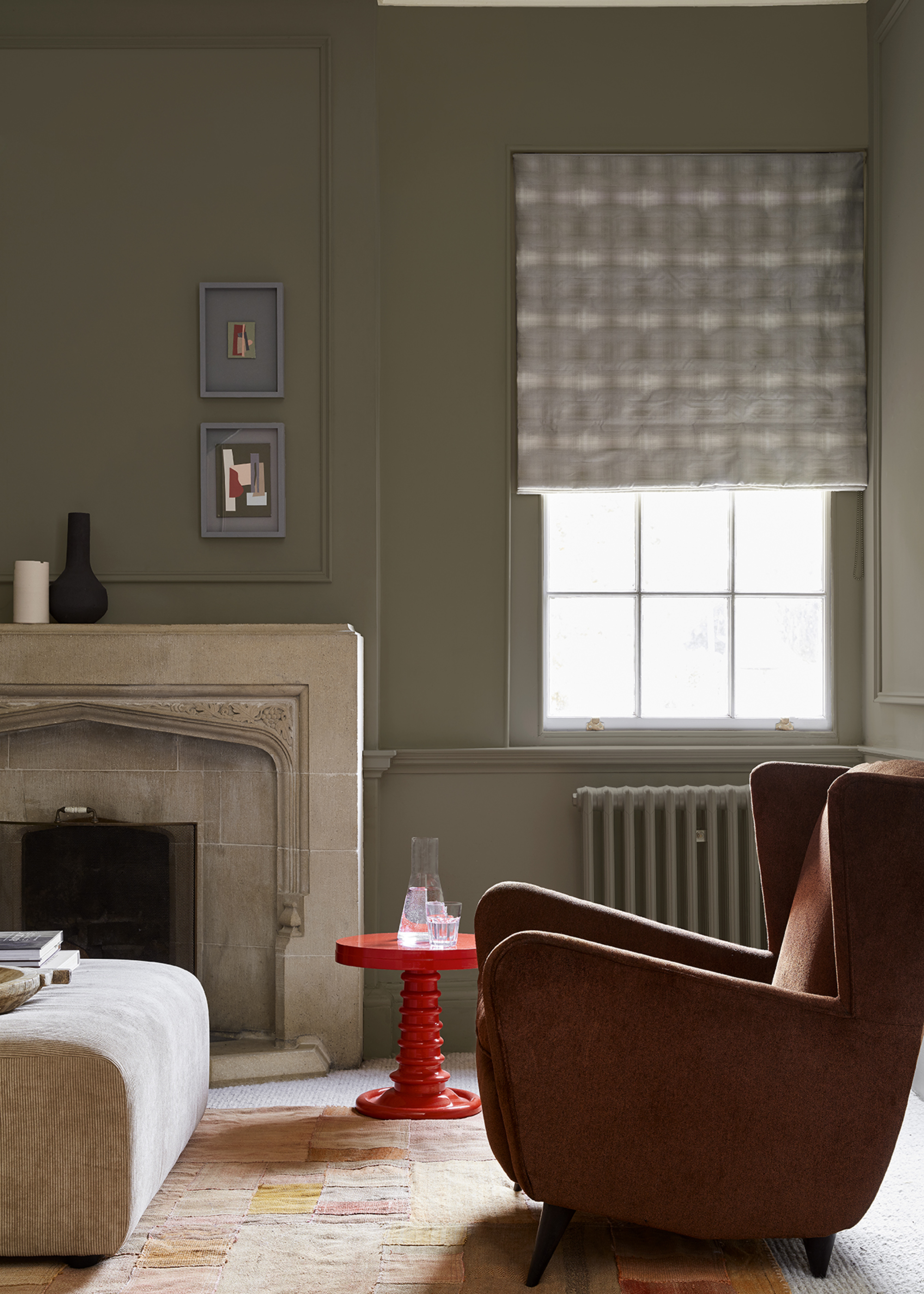
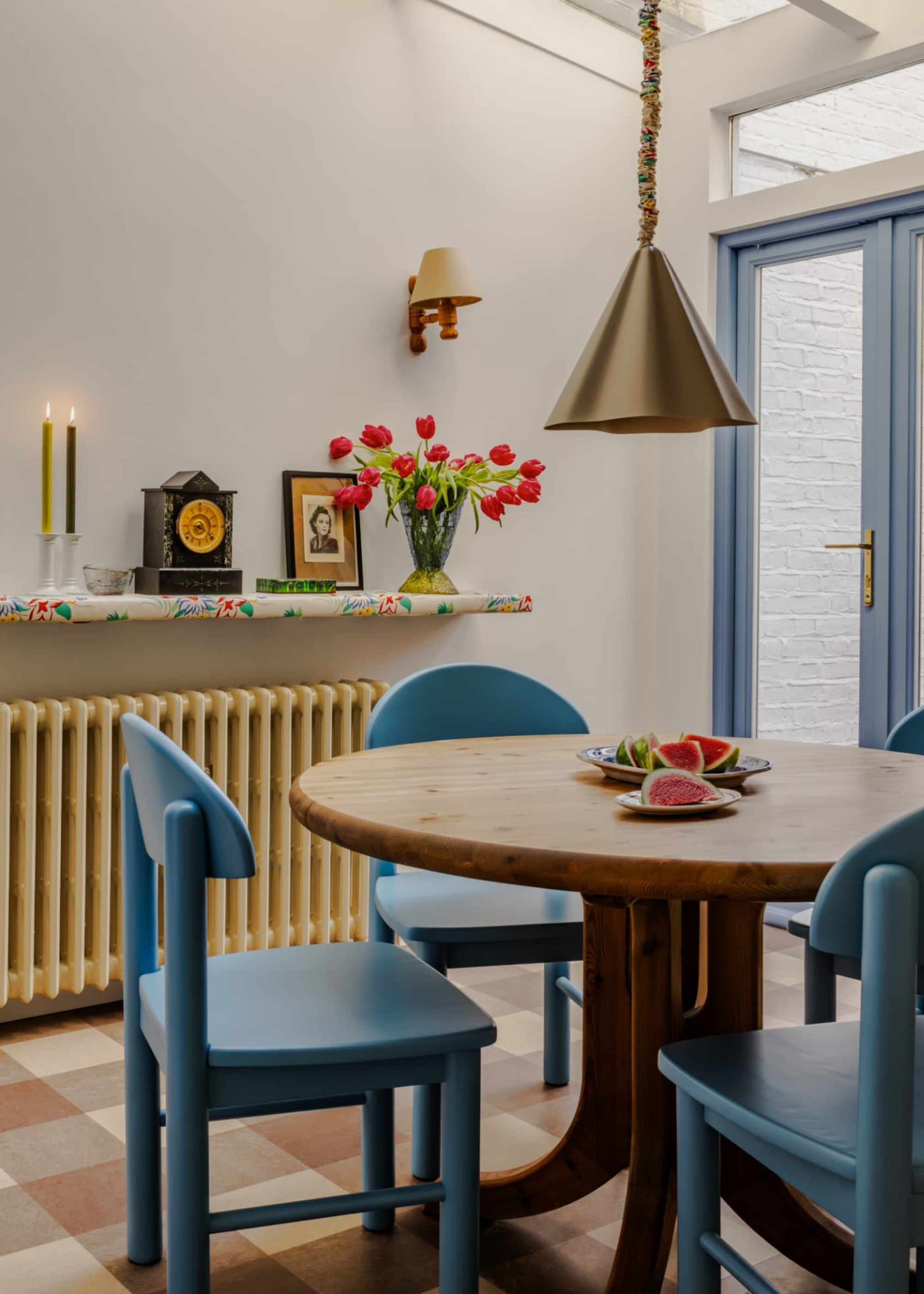
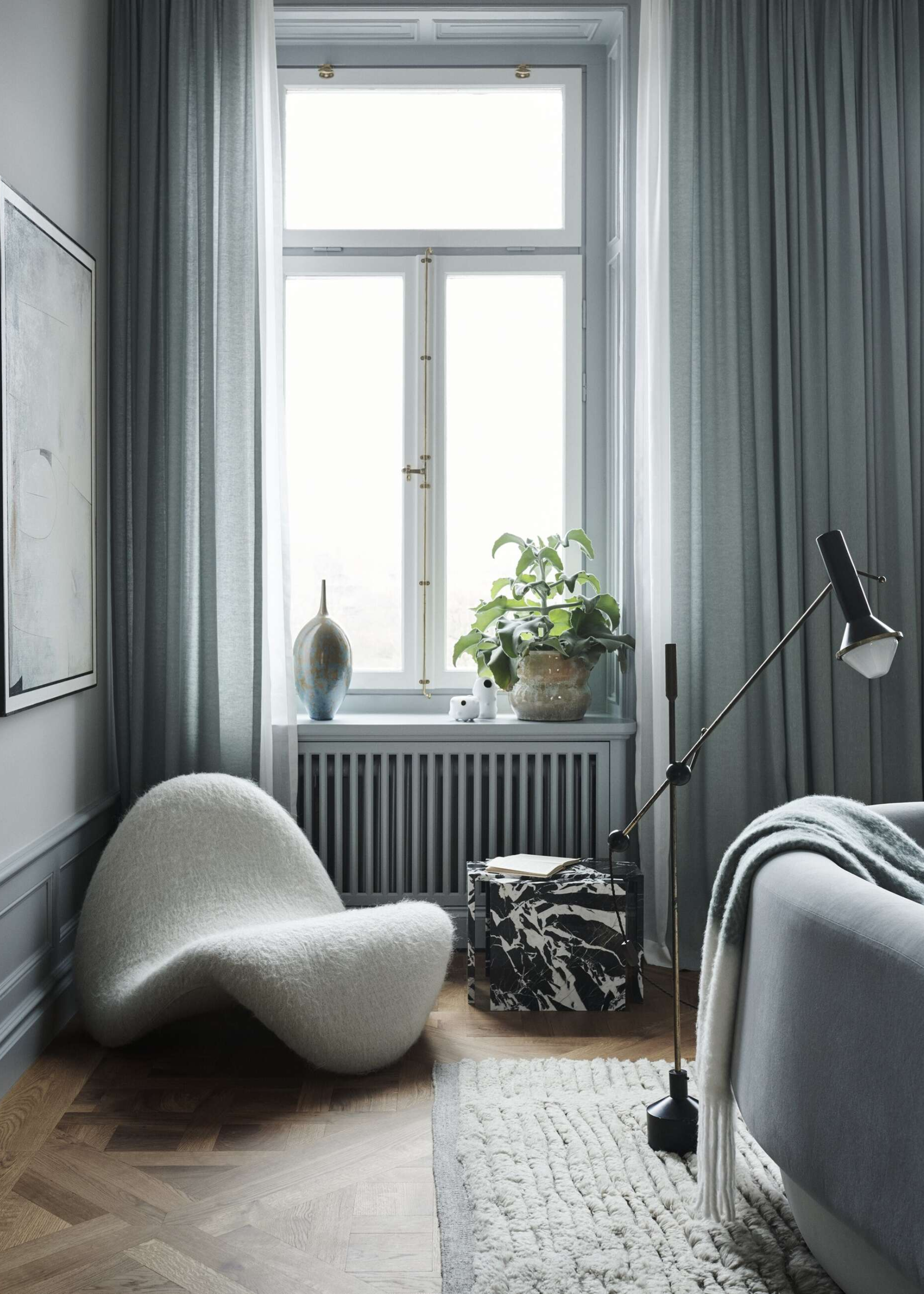
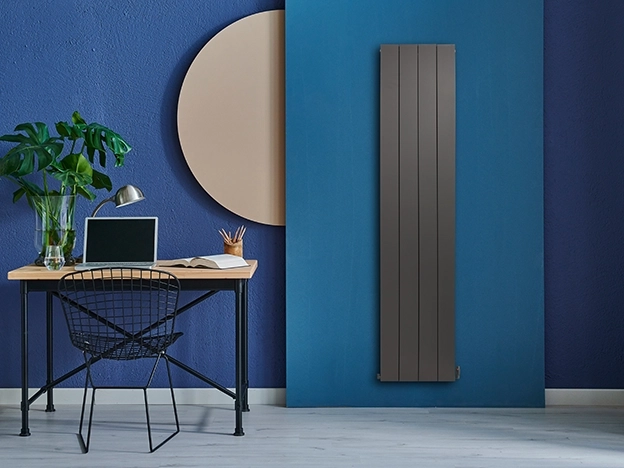
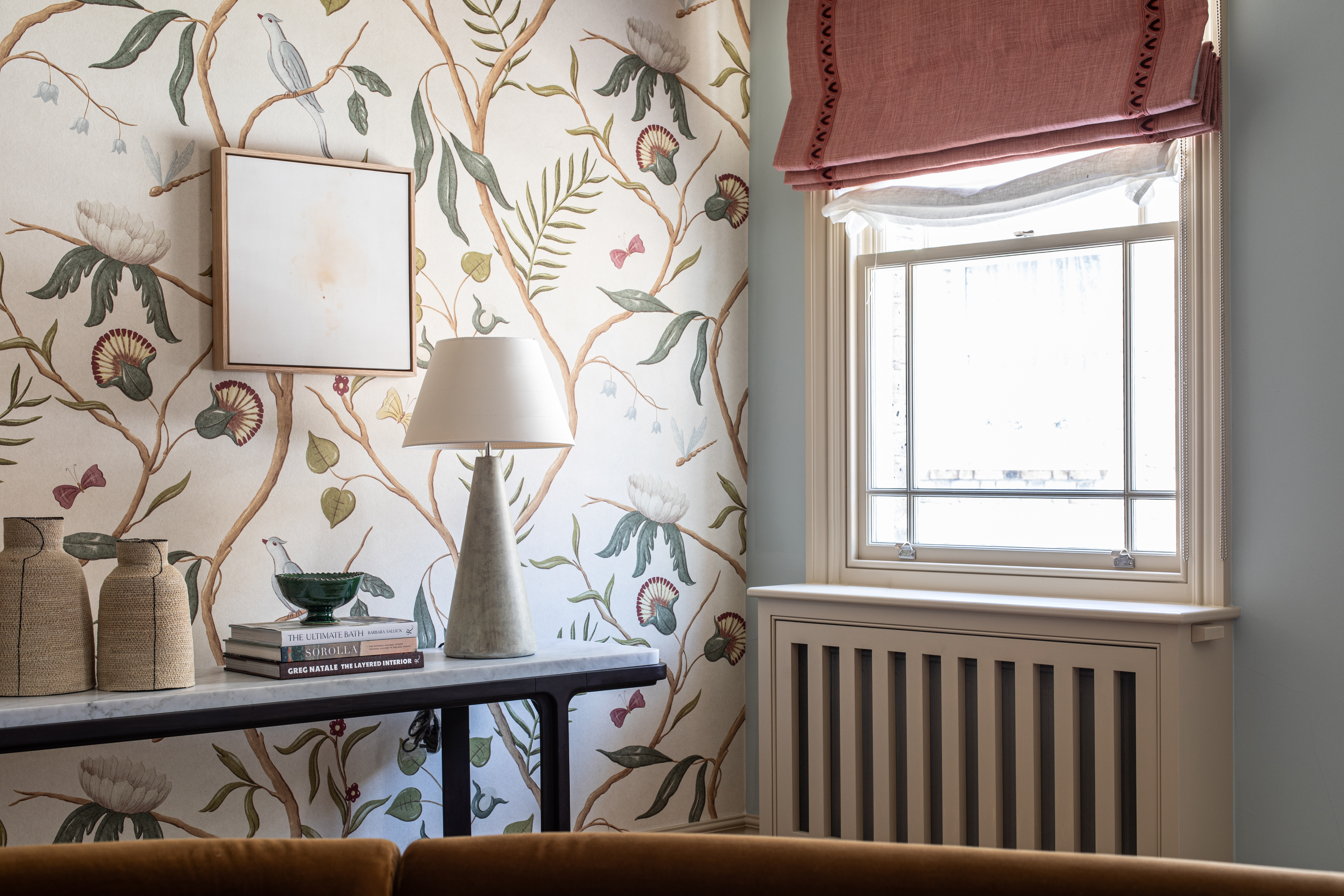
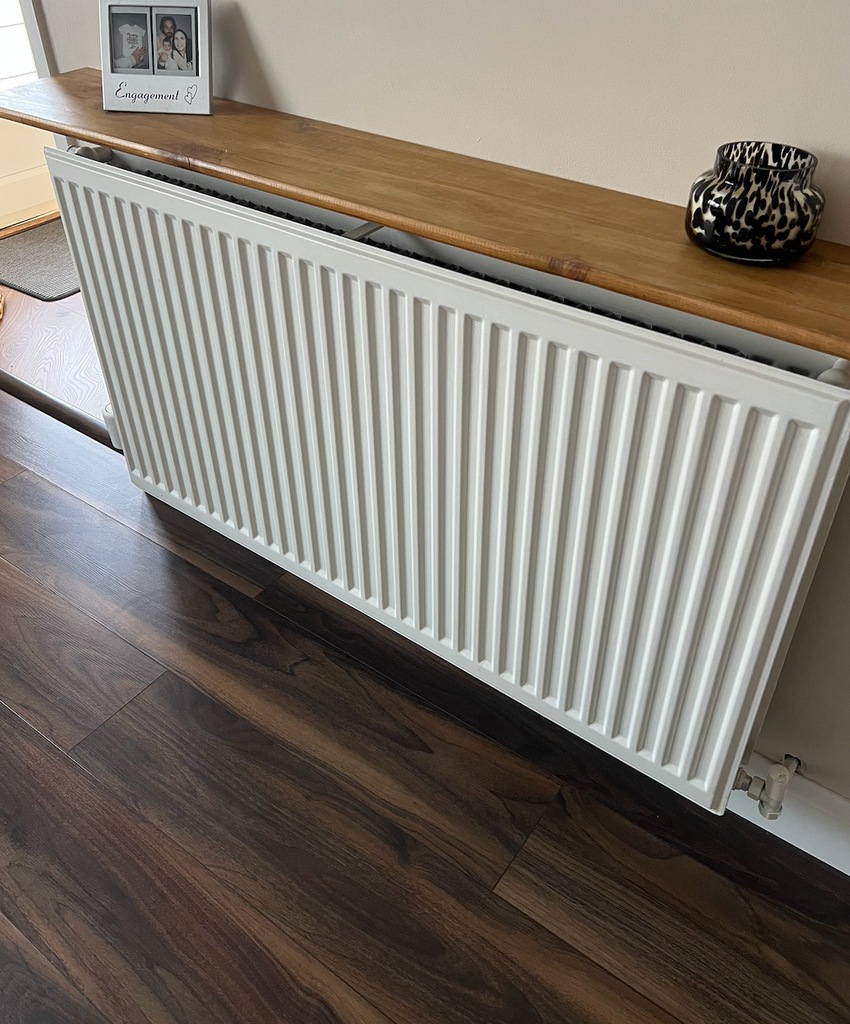
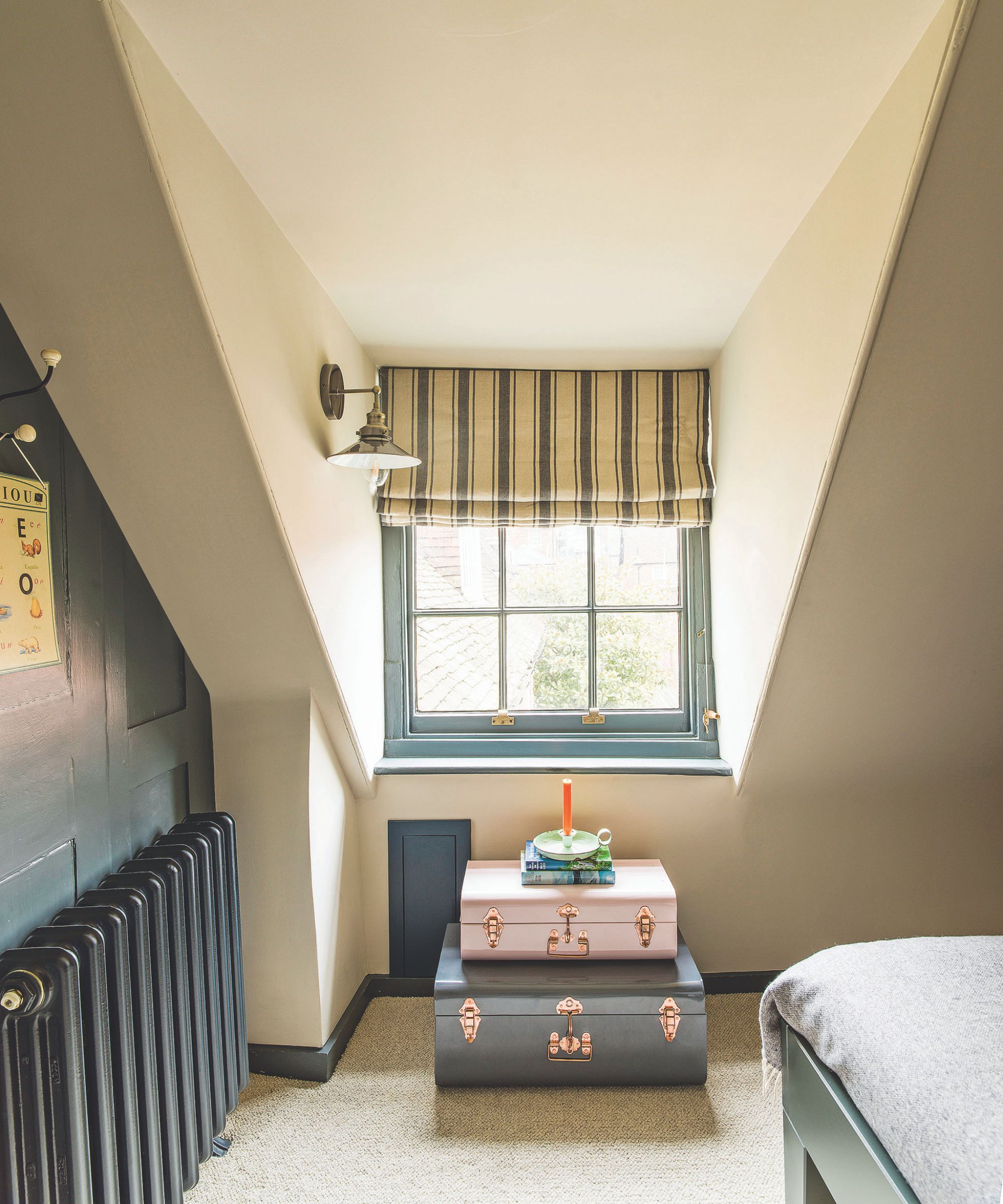
Beyond misleading figures, other common mistakes in radiator selection and installation include prioritizing aesthetics over performance. While designer styles are appealing, a beautiful radiator that lacks the necessary BTU output for a room will ultimately fail to heat the space effectively. Another frequent error is neglecting compatibility with the existing heating system; for instance, buying an electric radiator for a central heating setup or overlooking dual-fuel options for year-round flexibility. Incorrect positioning also plays a critical role in efficiency. Placing radiators behind furniture or heavy curtains can obstruct heat flow, forcing the system to work harder and reducing its effectiveness. Finally, skimping on the quality of valves and brackets can negatively impact efficiency, control, and the overall lifespan of the heating system. The recommendation is to prioritize heat output as the primary selection criterion, with style considered a secondary factor.
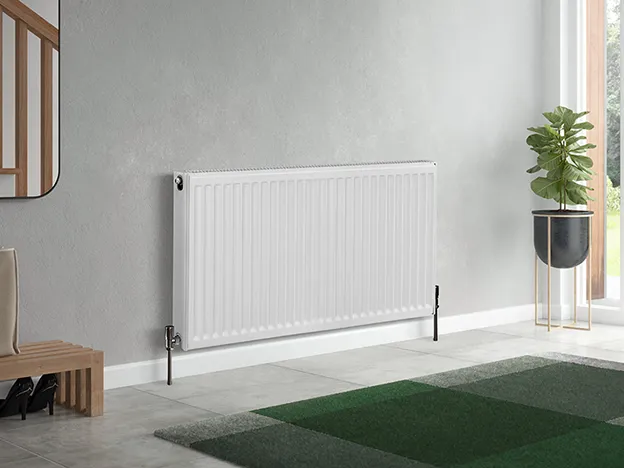
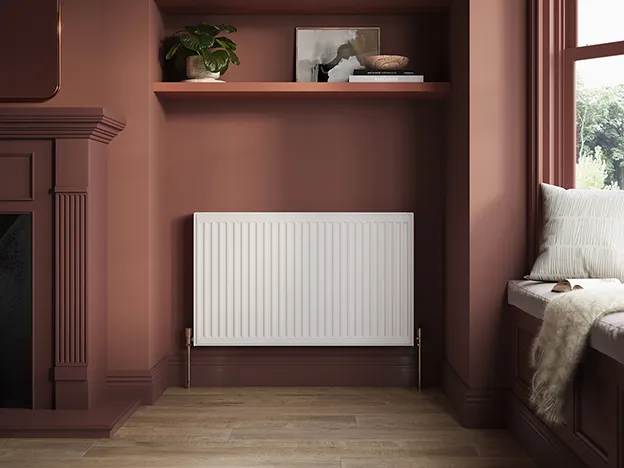
In terms of radiator types, both Type 21 and Type 22 are double-panel designs. Type 22 radiators feature two sets of convector fins, providing greater heat output for similar wall space compared to Type 21, which has only one set. This makes Type 22 ideal for larger or colder rooms requiring more warmth. Conversely, Type 21 radiators are slimmer and more compact, making them a better choice for narrow spaces like long kitchens. Therefore, the decision between Type 21 and Type 22 depends on the specific needs for heat efficiency and available space. Understanding these factors can help homeowners make better decisions to keep their homes warm and manage energy consumption effectively.
#RadiatorSelection #HomeHeating #EnergyEfficiency #InteriorDesignTips #HeatingSystem #HomeRenovation #ExpertAdvice #HomeComfort #RadiatorSelection #HomeHeating #EnergyEfficiency #InteriorDesignTips #HeatingSystem #HomeRenovation #ExpertAdvice #HomeComfort
0 comment in total
 No comments yet
You may also like
Are oil-filled radiators dangerous? Experts share their advice for how to use them safely in any room
3 home design choices that were increasing my heating bills
The electric heaters to avoid buying
Radiant Floor Heating: Can One Floor Heat Two Stories?


The Fan Mistake You’re Making That’s Making Your House Hotter

This home heating habit could be ruining your sofa

How do I bleed my radiator? We asked a plumbing expert for their top tips
What is the cheapest electric heater to run? Experts reveal

5 Design Mistakes Making Your Heating Less Effective in Your Home — And the Easy Ways to Fix Them
Could This Ancient Relic Still Be the Best Way to Heat Your Home?
An oil-filled radiator is a must-have for staying cosy when the temperatures drop – and these are my top-rated models
The best infrared heaters

When a Smart Thermostat Isn’t the Smart Choice | Wirecutter

Radiant Heating

I used to struggle to keep my open plan layout warm in winter — but these 4 methods now keep it cosy all day long

They Might Block the Cold, but This Thermal Blind Mistake Could Make You Sick
Radiators


Do Radiator Covers Block Heat? Heating Experts Break It Down
Discover the lesser-known hack to power up your struggling radiators

Hydronic Baseboard Heater Buyers Guide: How to Choose, Costs and Installation, Safety Considerations