1/13
Do Radiator Covers Block Heat? Heating Experts Break It Down
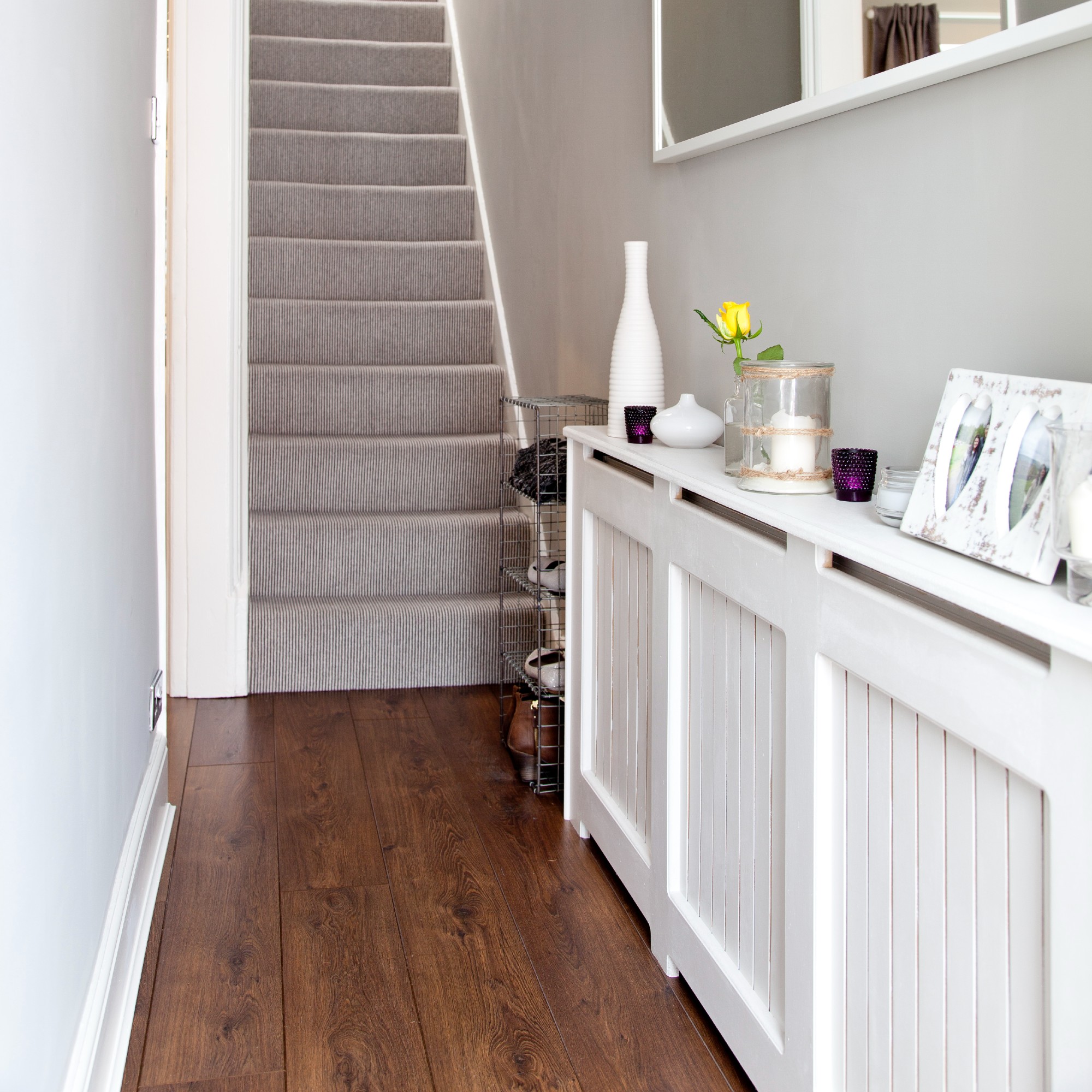
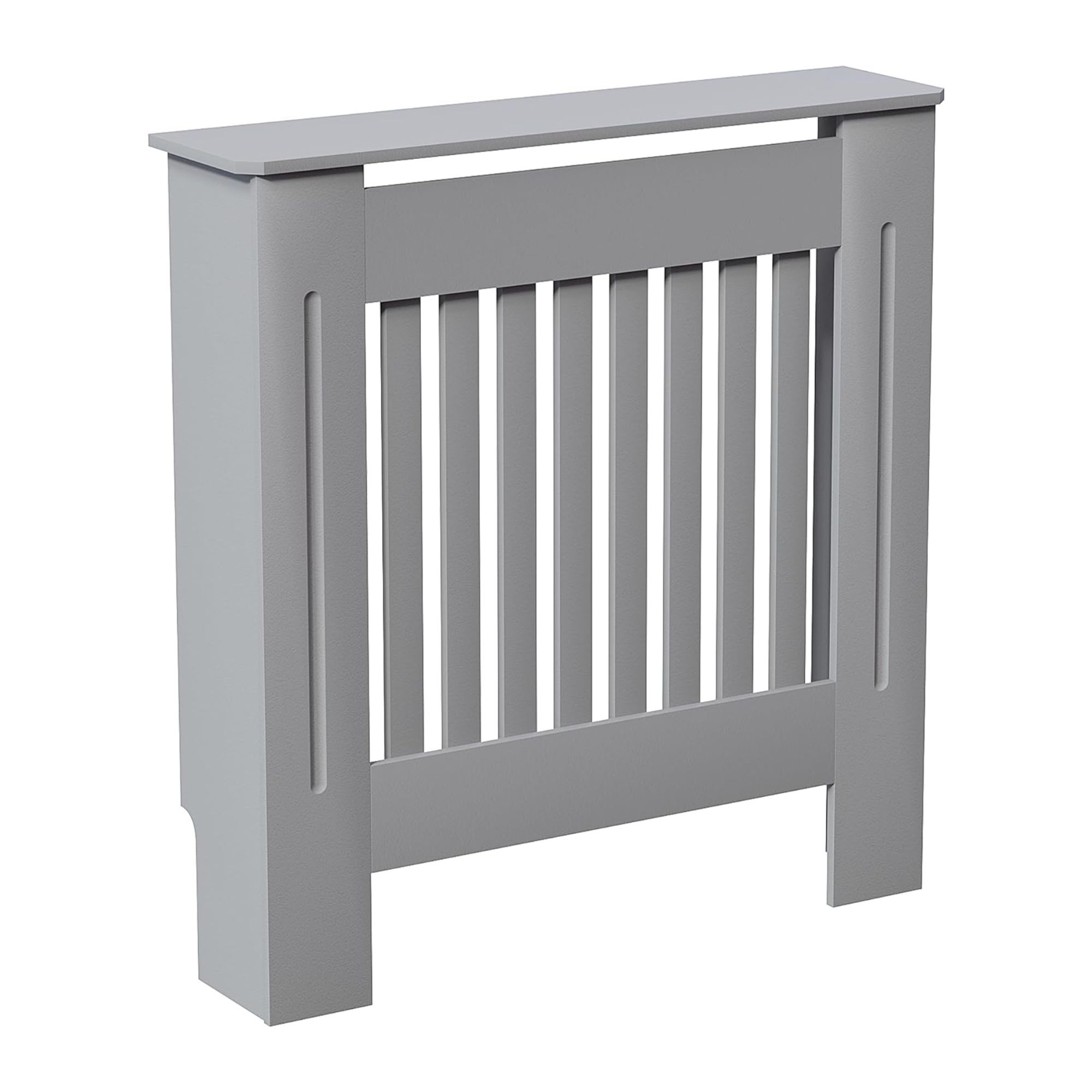
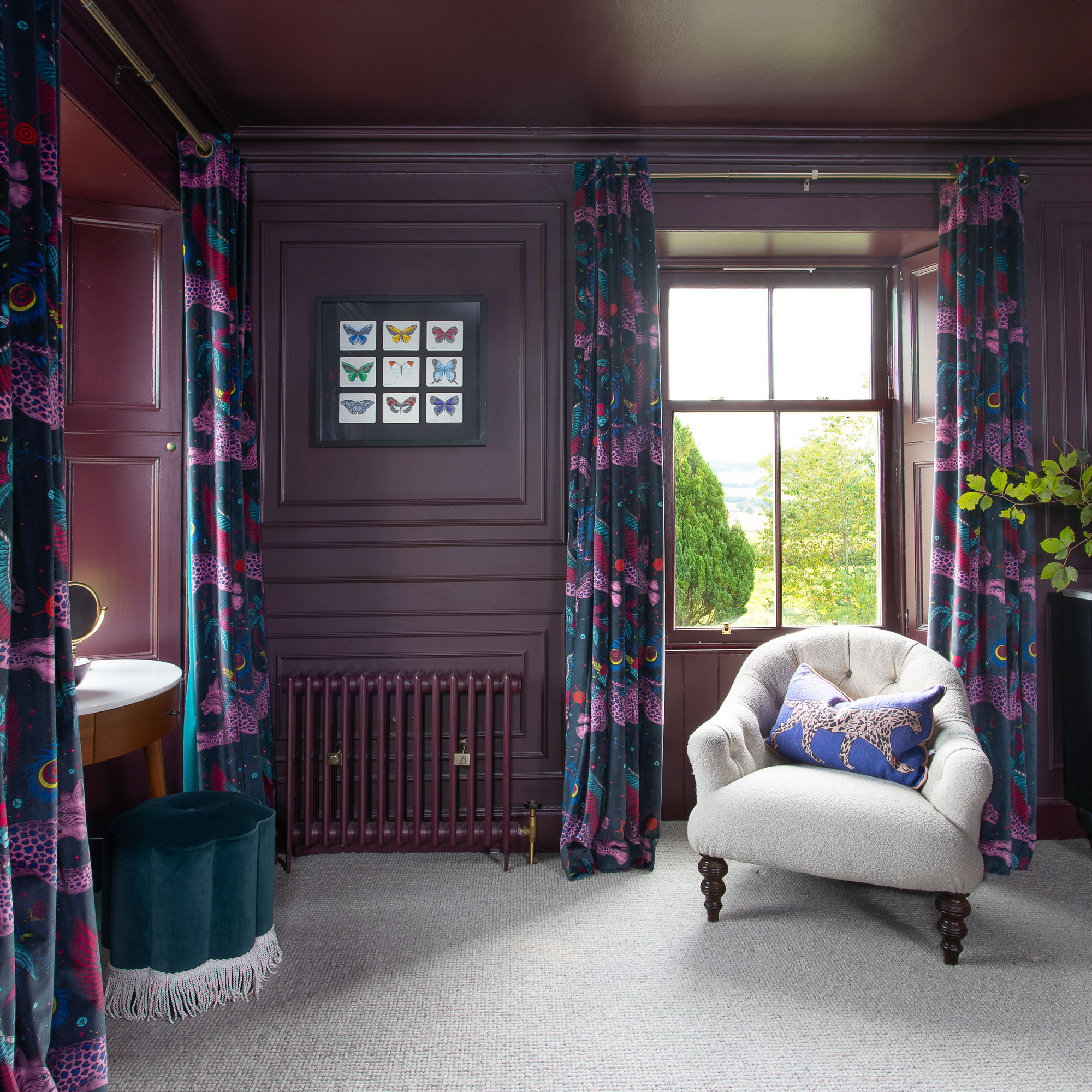
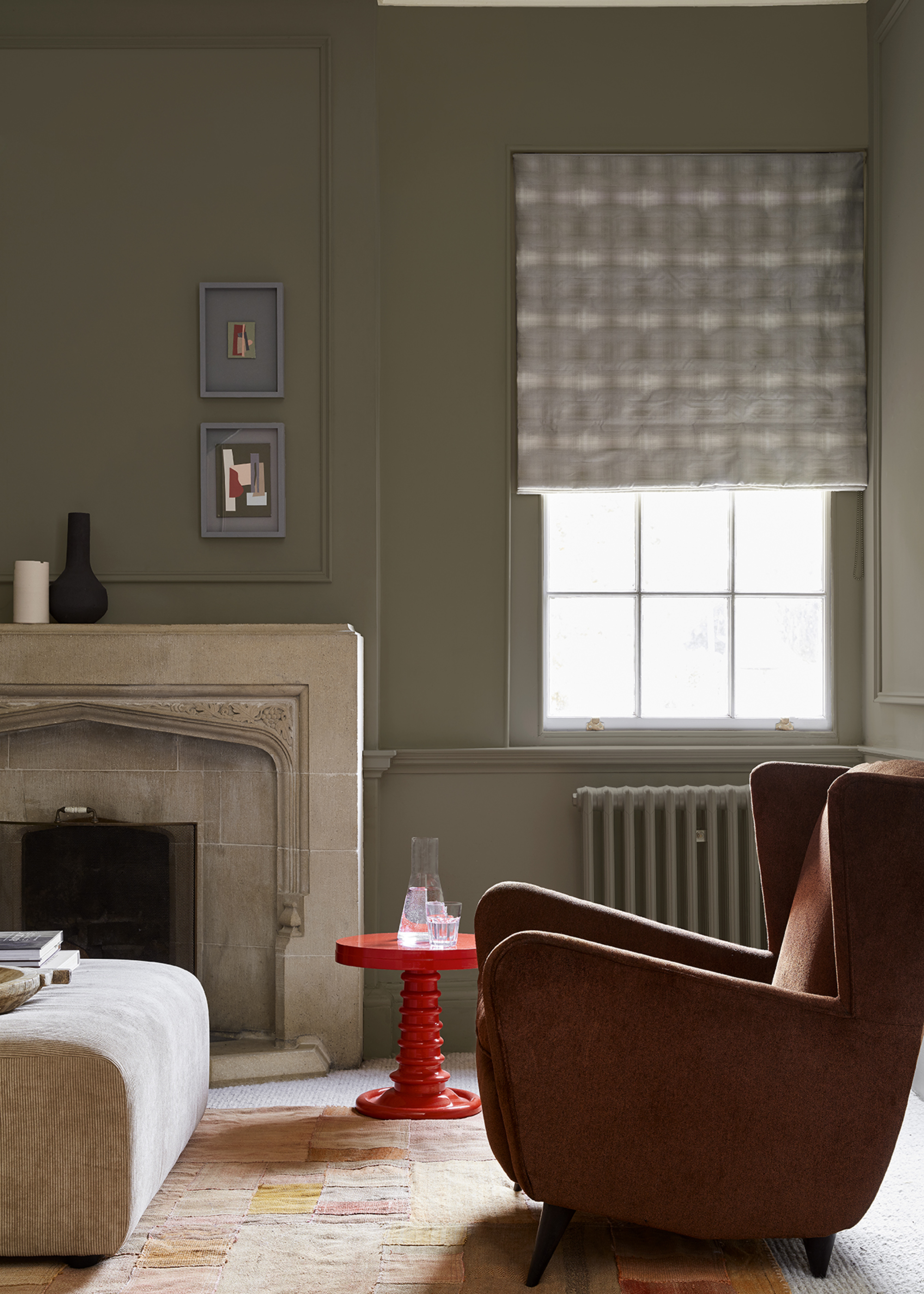
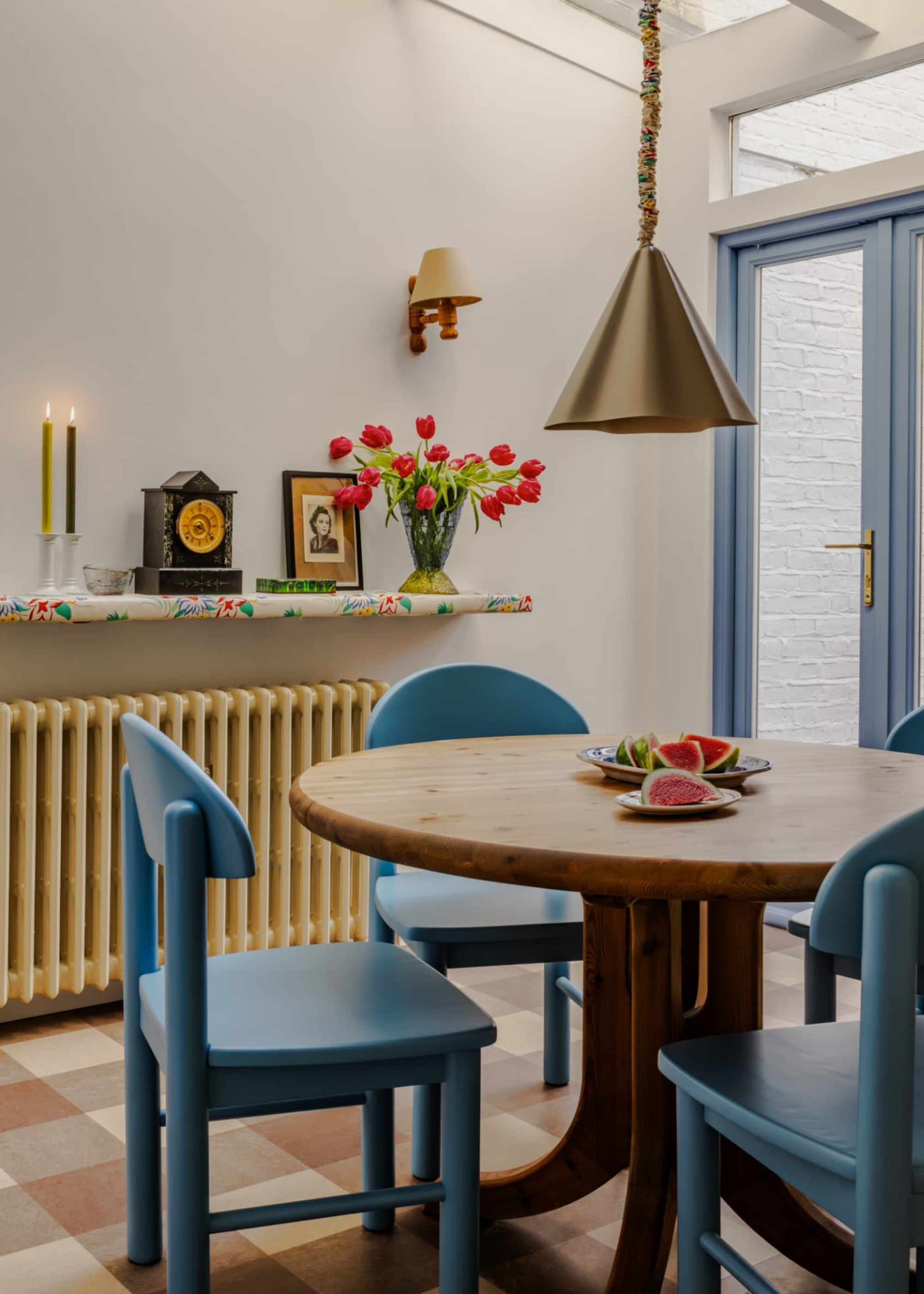
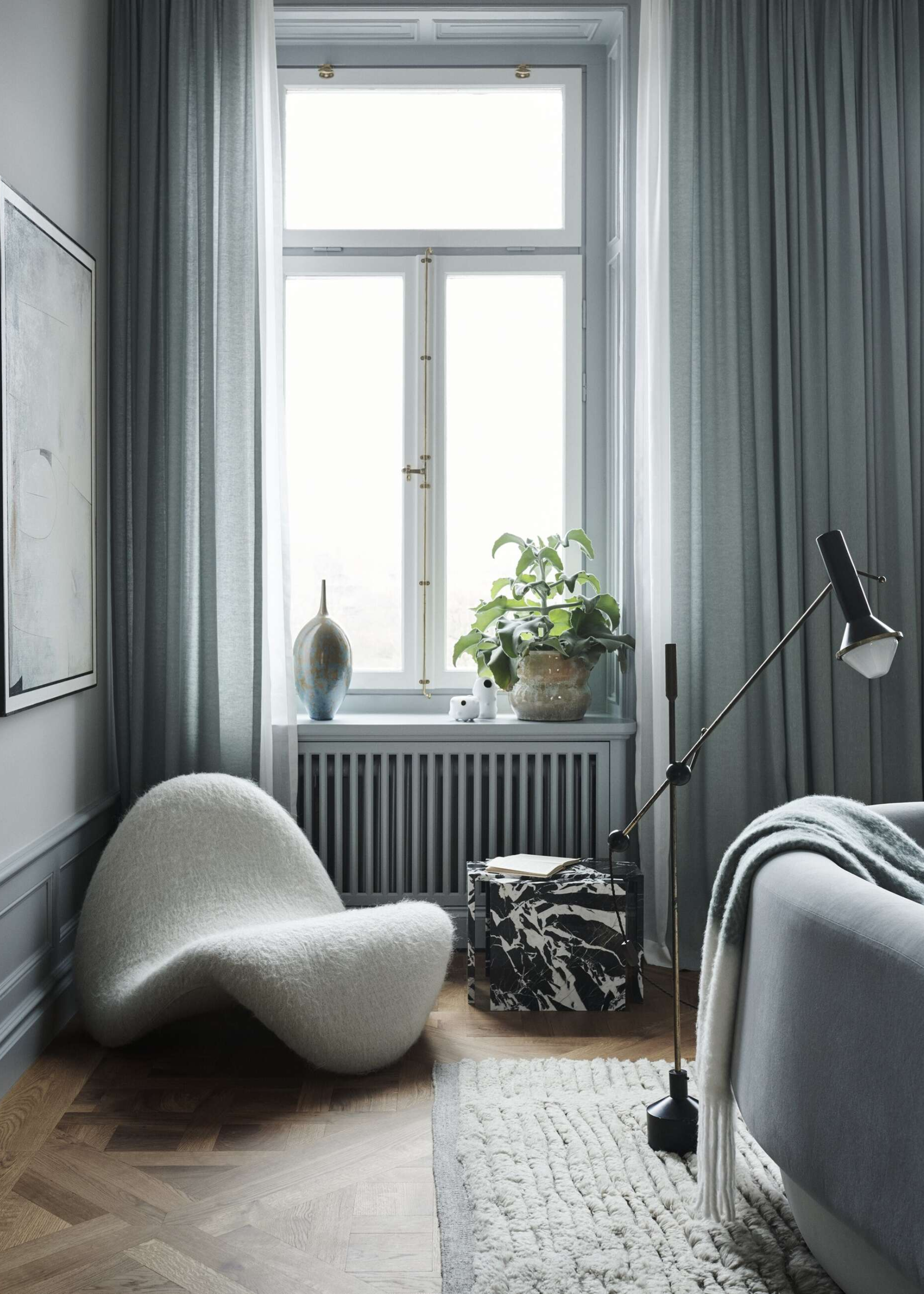
The article explores the common dilemma faced by homeowners regarding the use of radiator covers: balancing aesthetic appeal with heating efficiency. Radiator covers are frequently employed in modern homes to conceal older, bulkier radiators that might be considered unsightly. However, heating experts confirm that these covers generally impede the effective distribution of heat, potentially leading to increased energy consumption and less comfortable room temperatures.
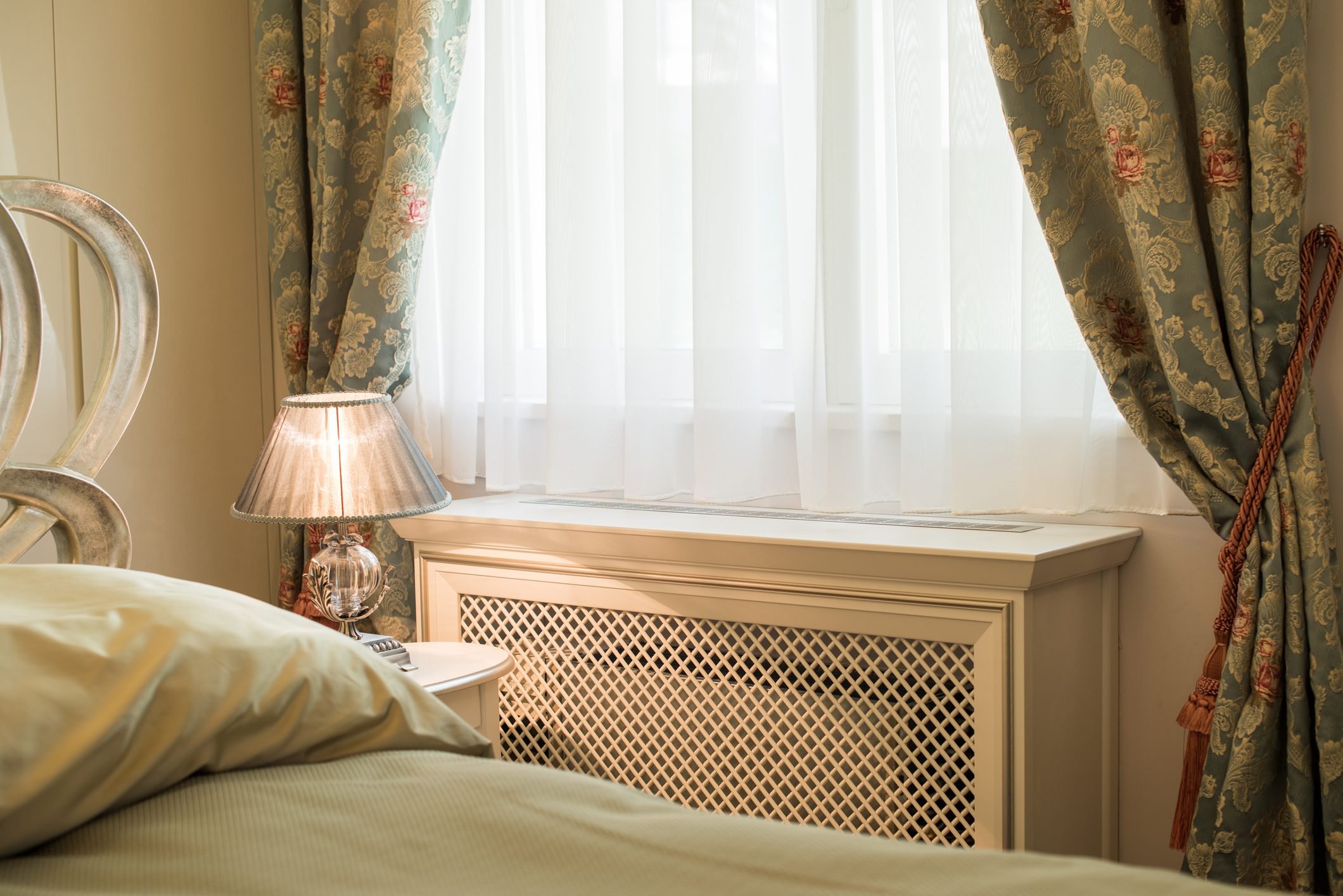
Nick Duggan, managing director of The Radiator Centre, highlights two primary ways radiator covers reduce energy efficiency. Firstly, they can diminish infrared heat, which is the direct warmth felt from a radiator, by up to 30%, with wooden or MDF covers being the least efficient in this regard. Secondly, they restrict the natural convection process by limiting the flow of cooler air drawn into and heated by the radiator. This dual effect means that a room with covered radiators might not achieve its intended warmth, and heating systems may need to work harder, resulting in higher utility bills.
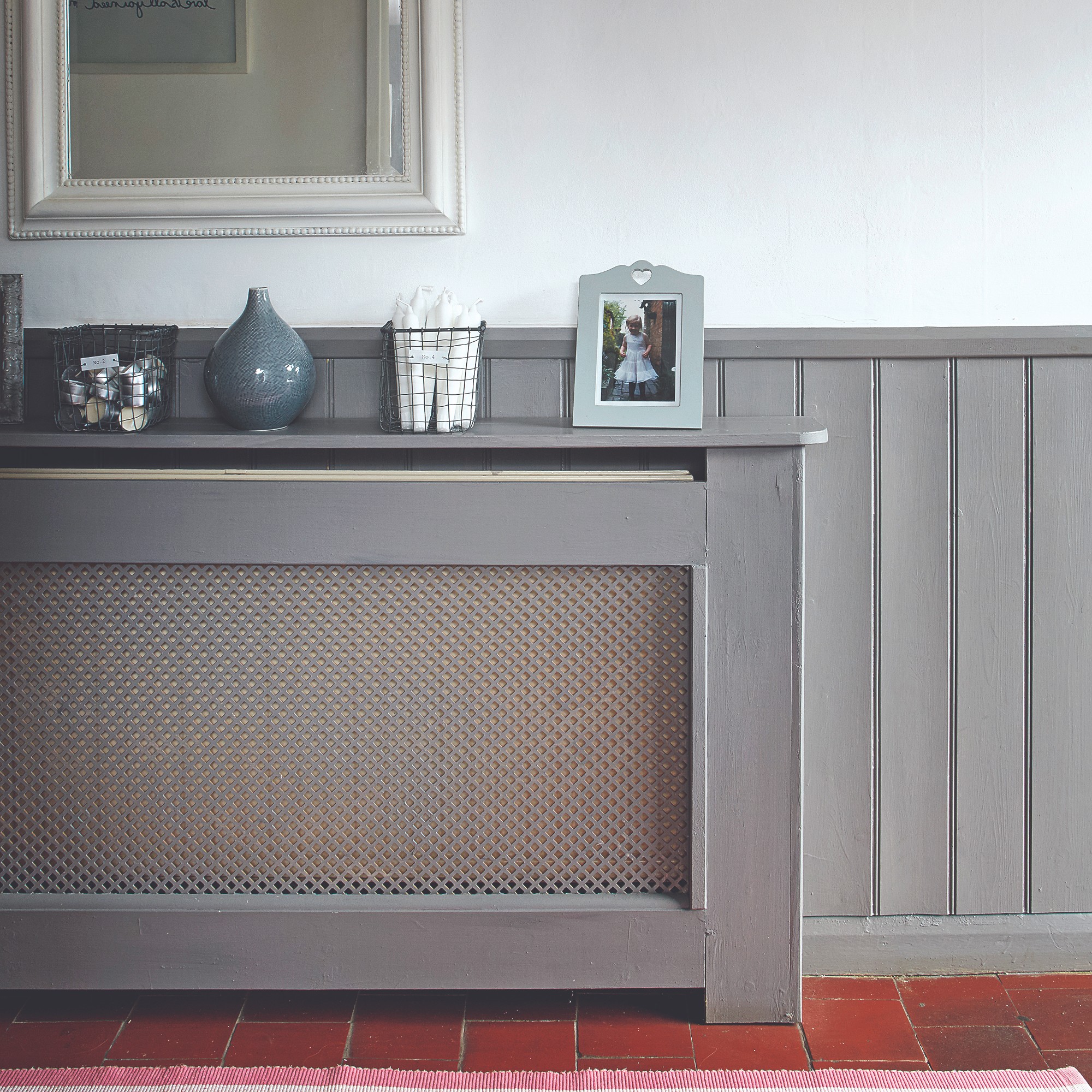
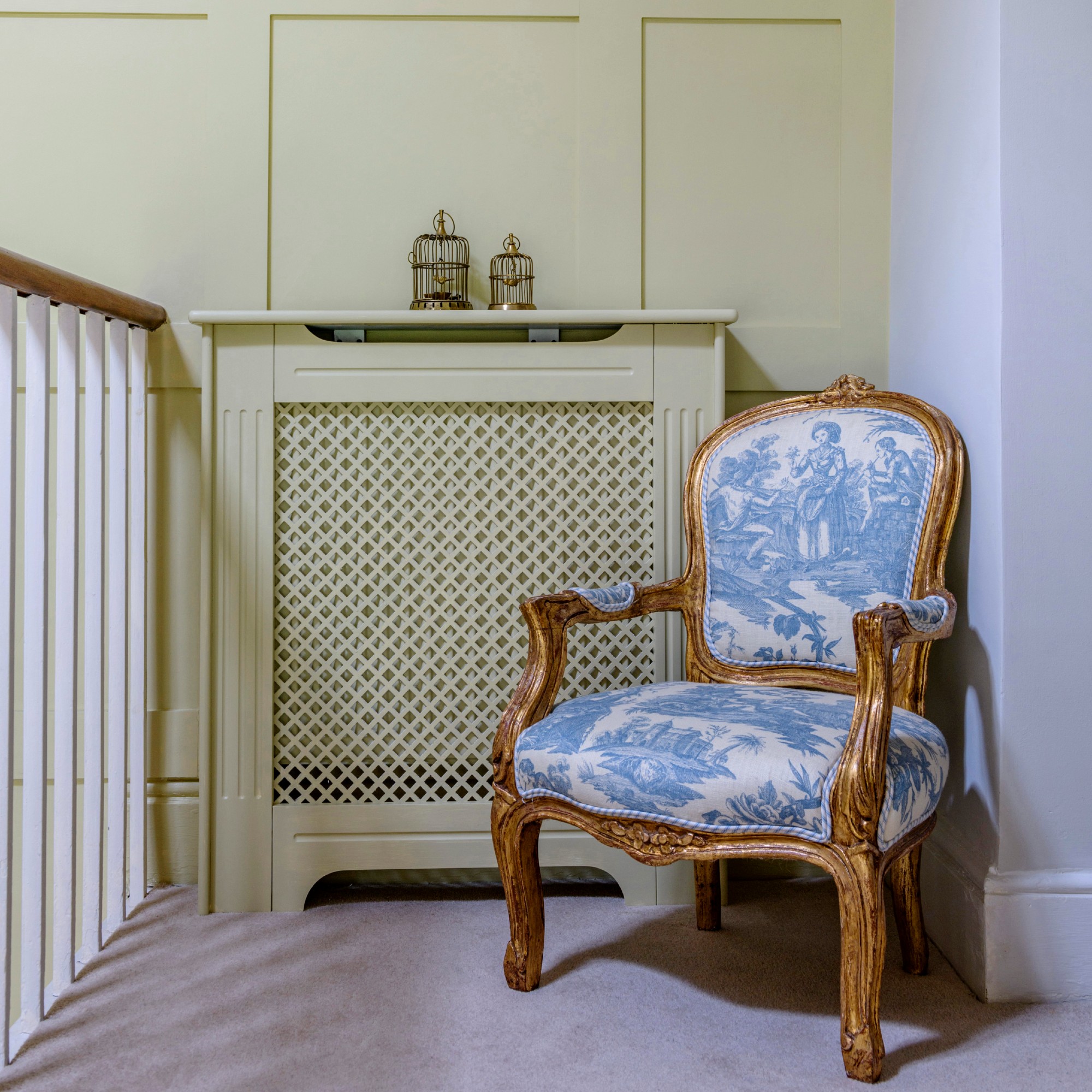
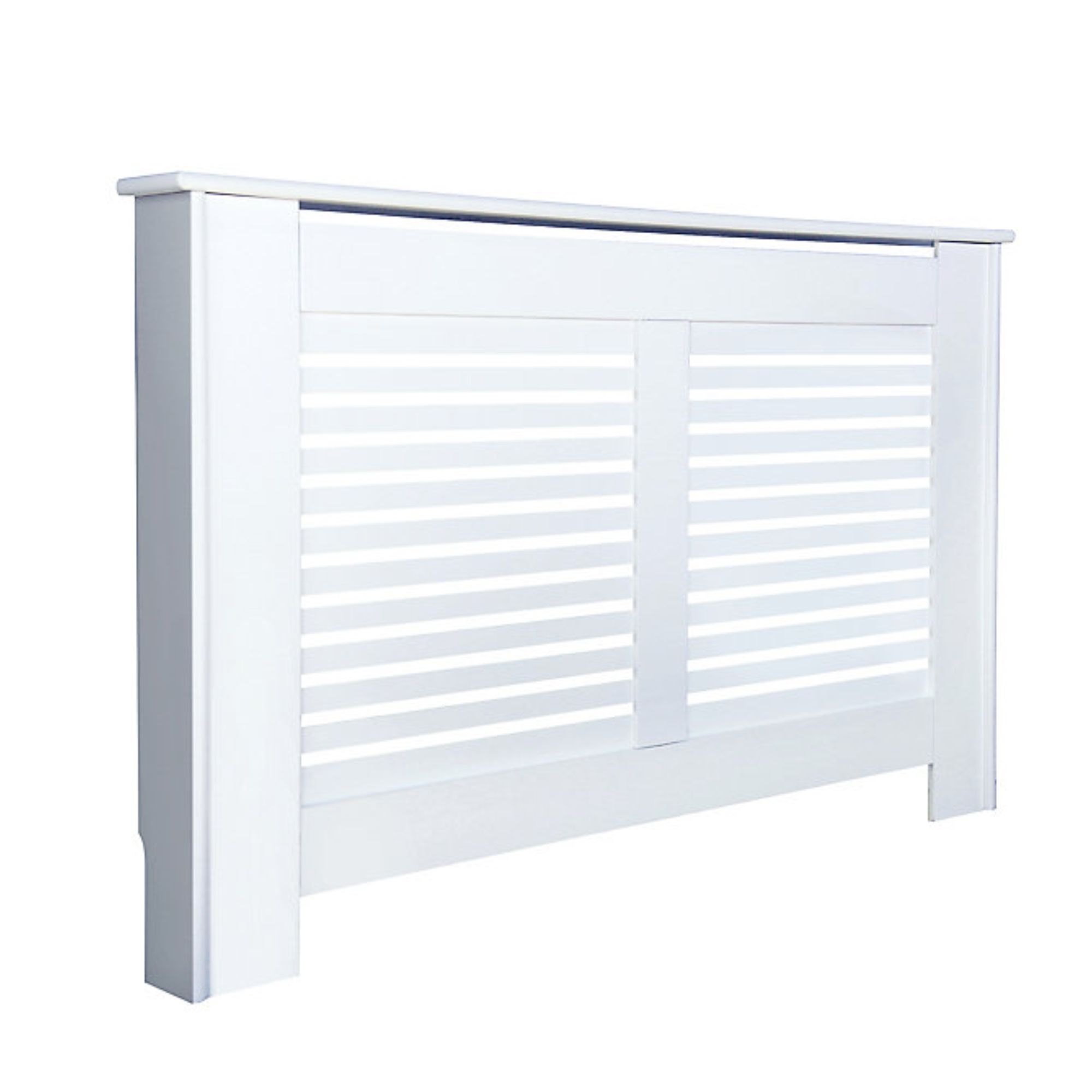
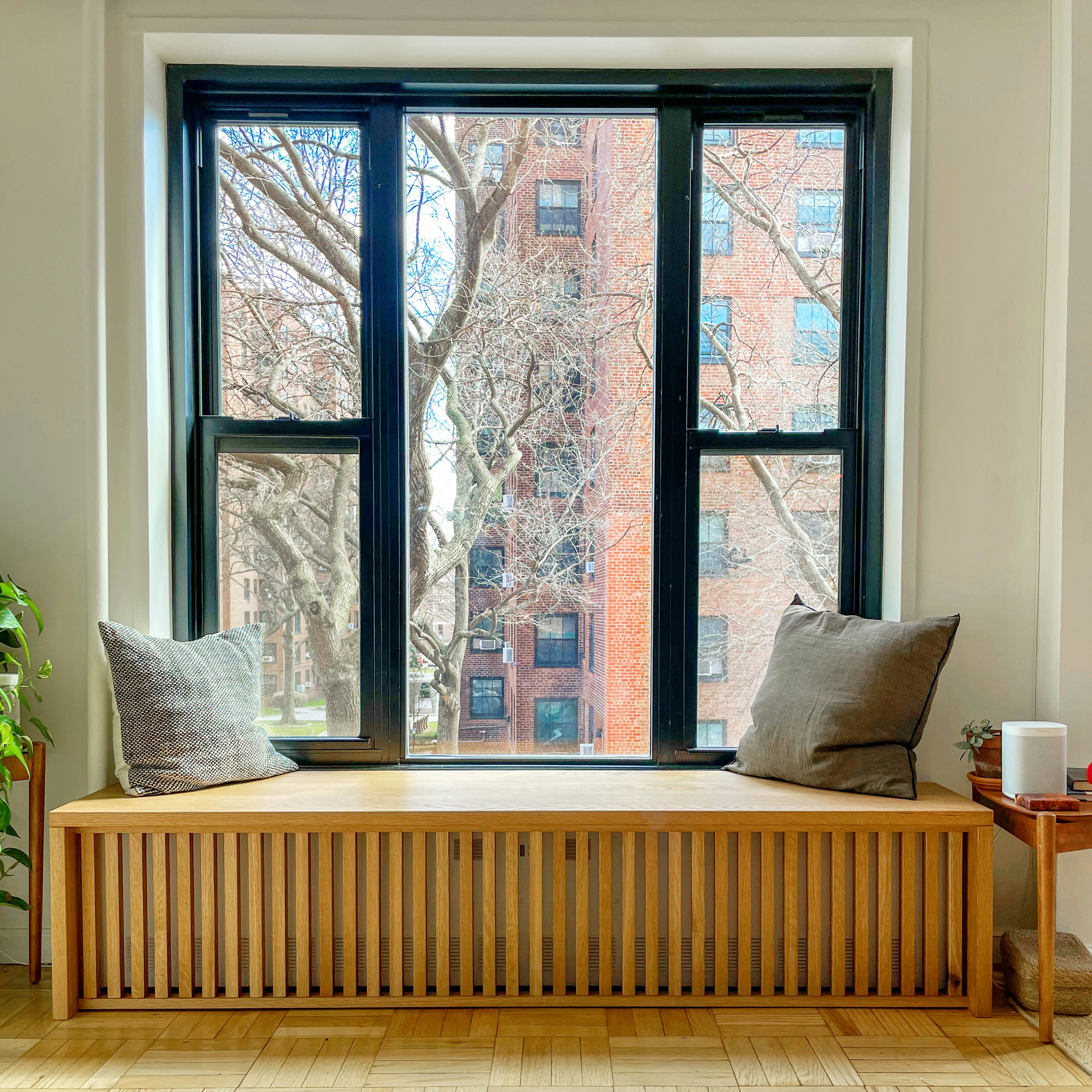
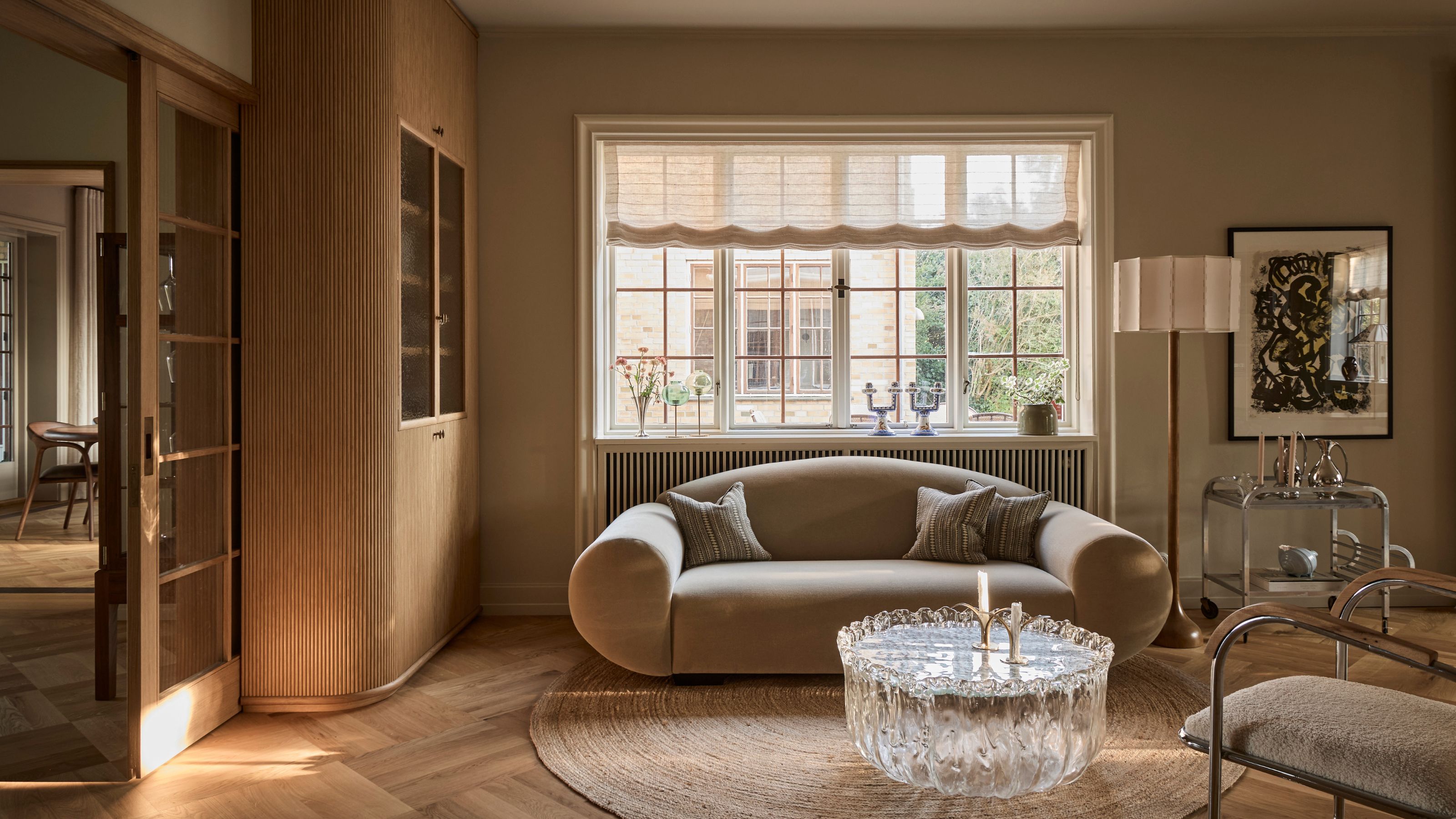
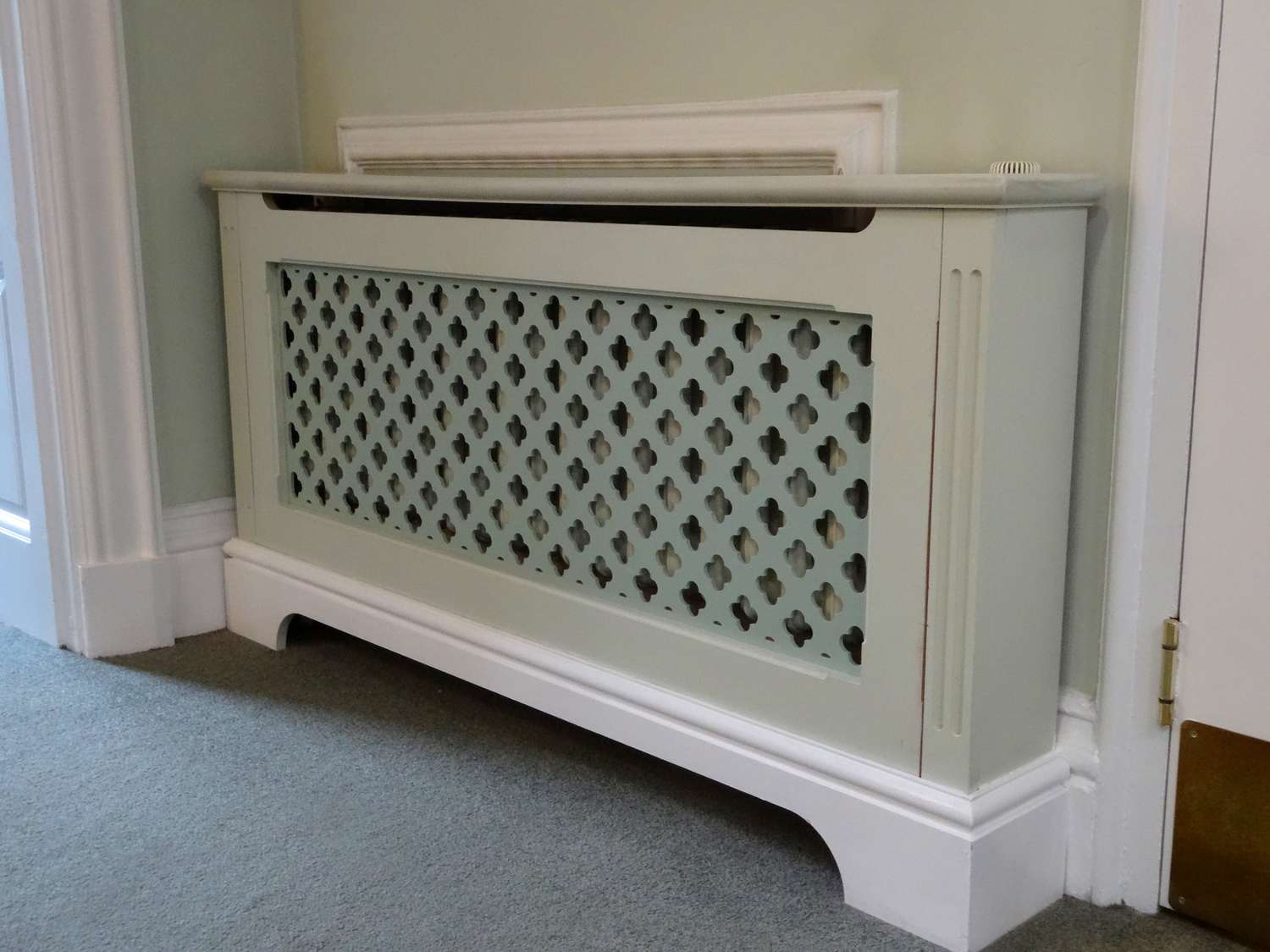
A significant caveat discussed is the impact on thermostatic radiator valves (TRVs). Radiator covers can trap heat, causing the TRV to register a higher temperature within the cover than the actual room temperature. This misreading can prematurely shut off the radiator, preventing the room from reaching the desired warmth. To mitigate these issues, Ali Childs, founder of Studio Alexandra, advises that if wooden covers are used, they must have sufficiently large gaps for heat to radiate and circulate effectively. Incorporating an inset grill on top of the cover, along with bottom ventilation, can further improve airflow and heat distribution.
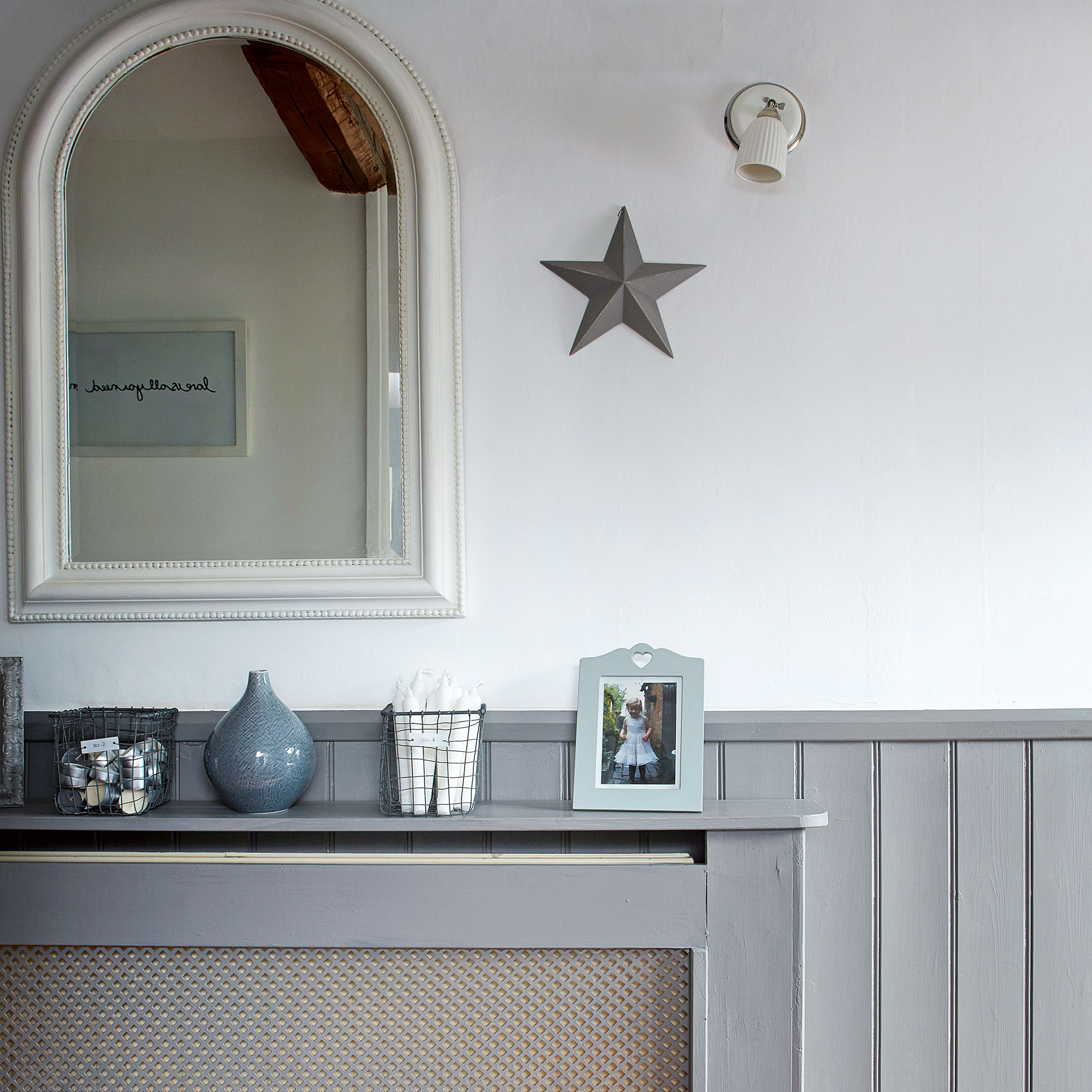
The article also compares radiator covers to radiator shelves. While shelves are less detrimental to heat output than full covers, they still represent a design compromise rather than an efficiency enhancement. Shelves can direct some heat forward into the room but typically reduce overall heat circulation. Nevertheless, radiator shelves can offer valuable additional storage, especially in smaller spaces, if aesthetic or storage needs outweigh the minor reduction in heating efficiency.
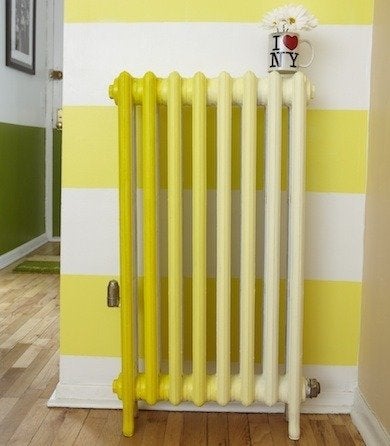
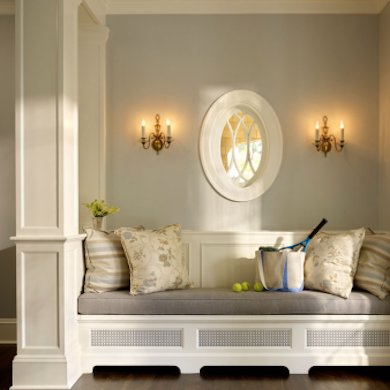
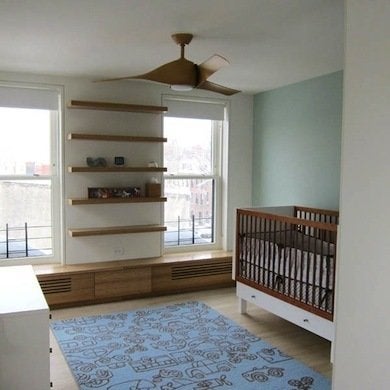
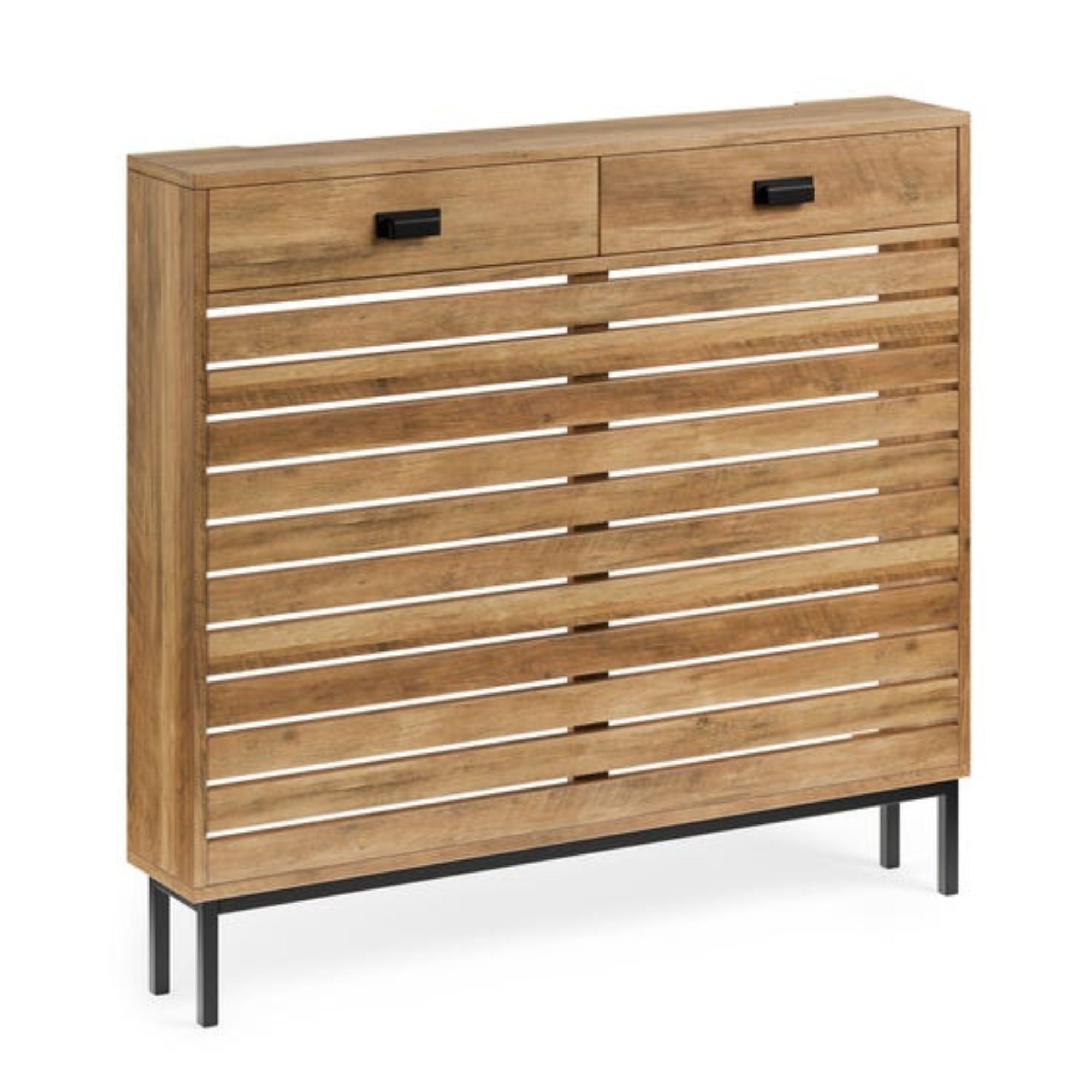
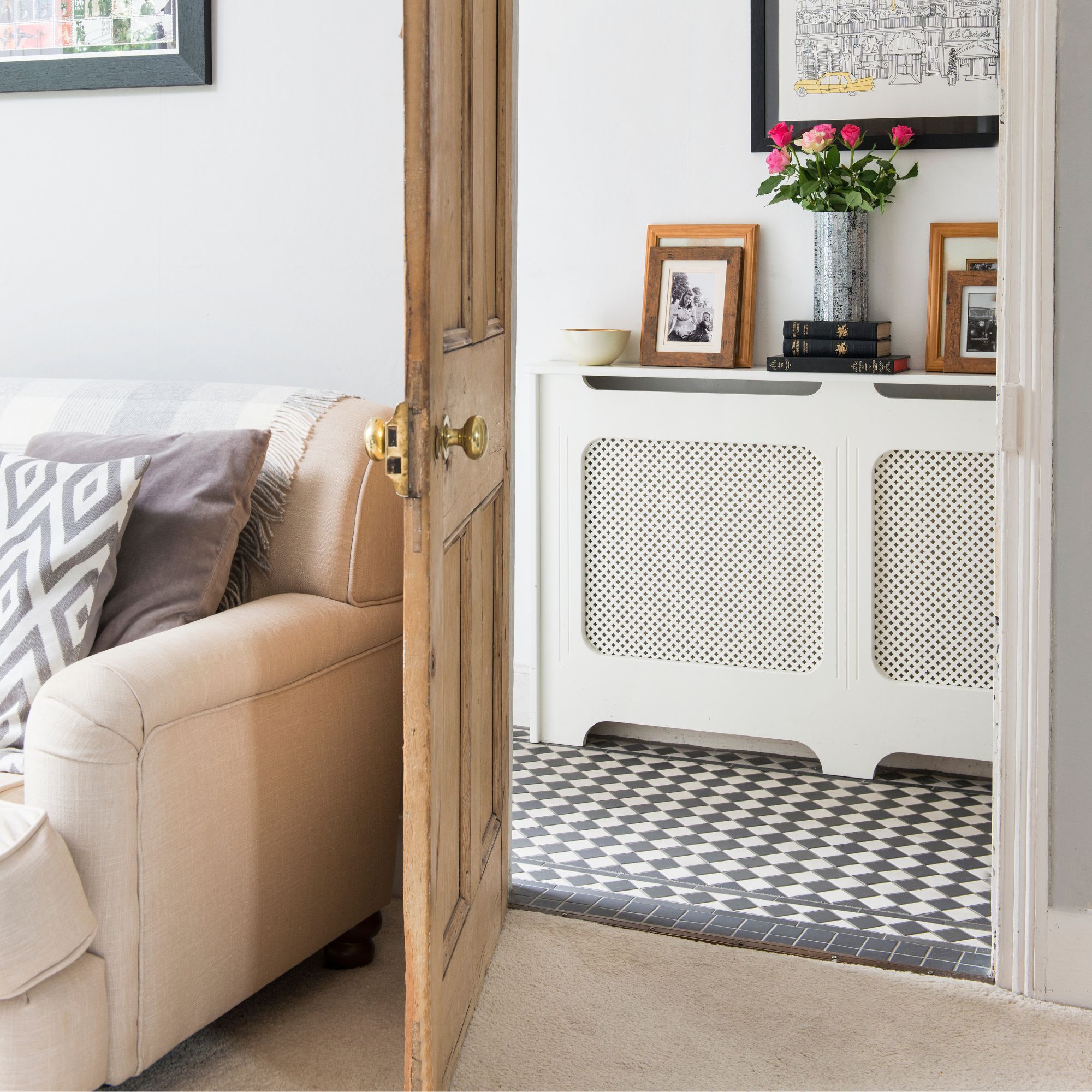
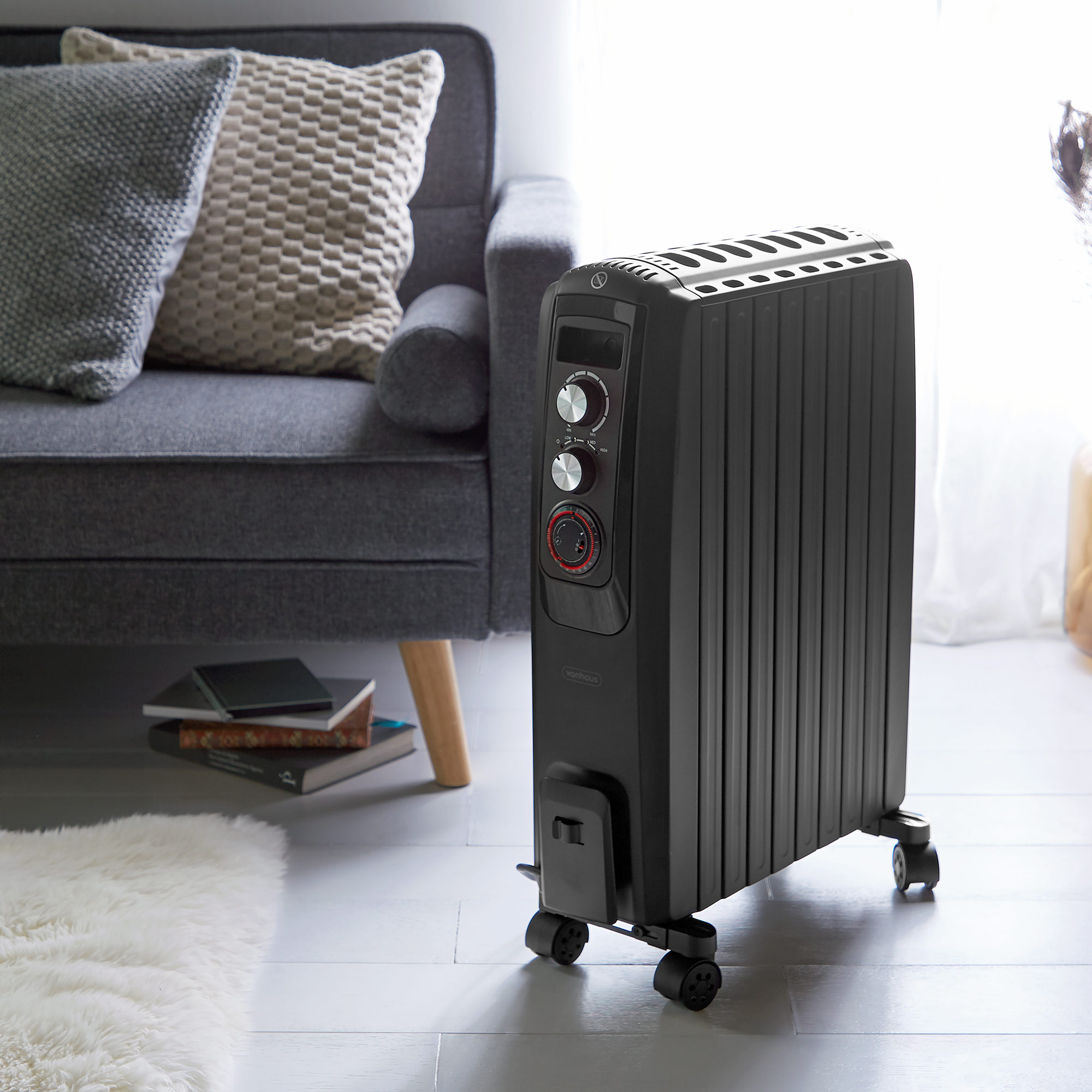
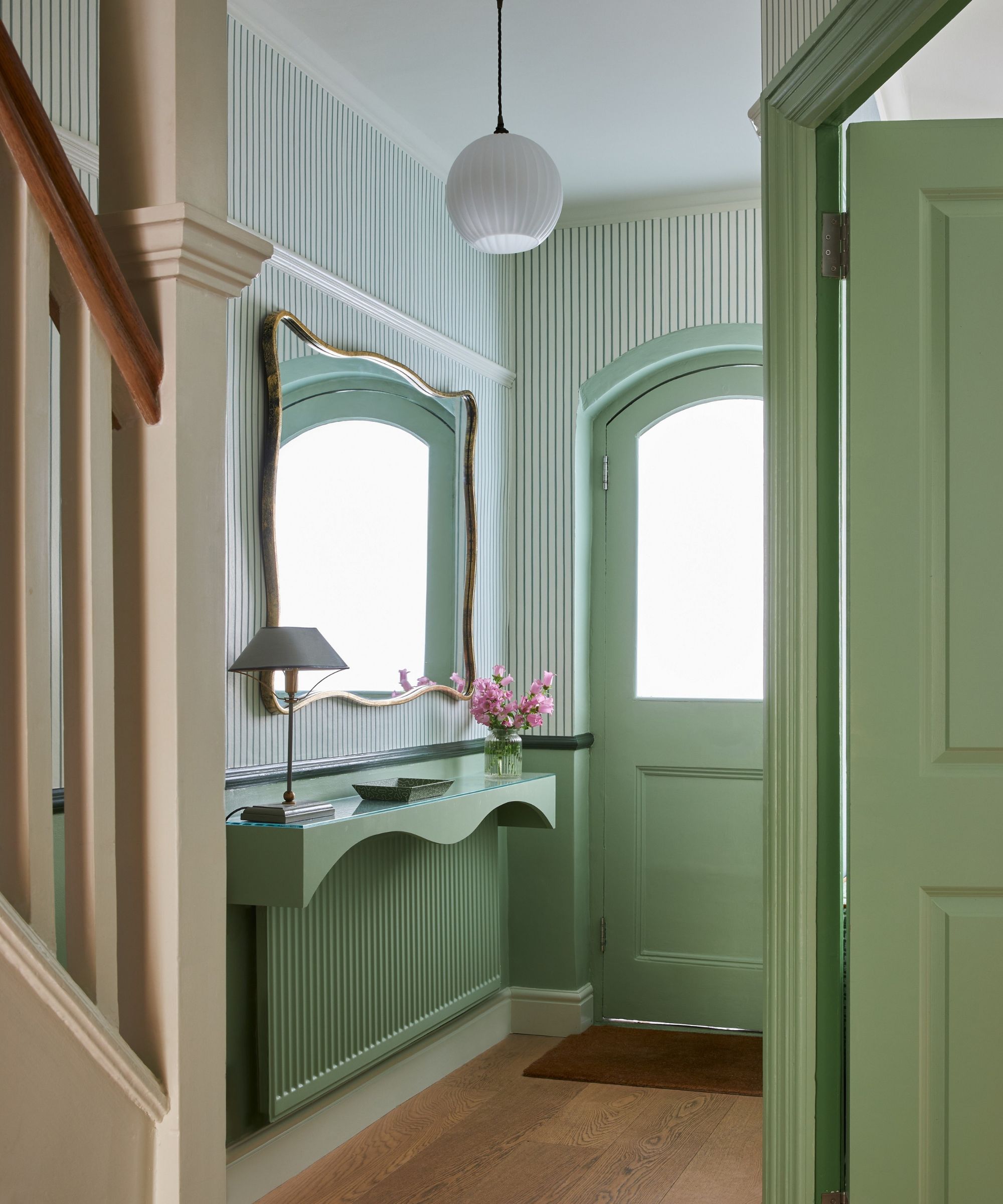
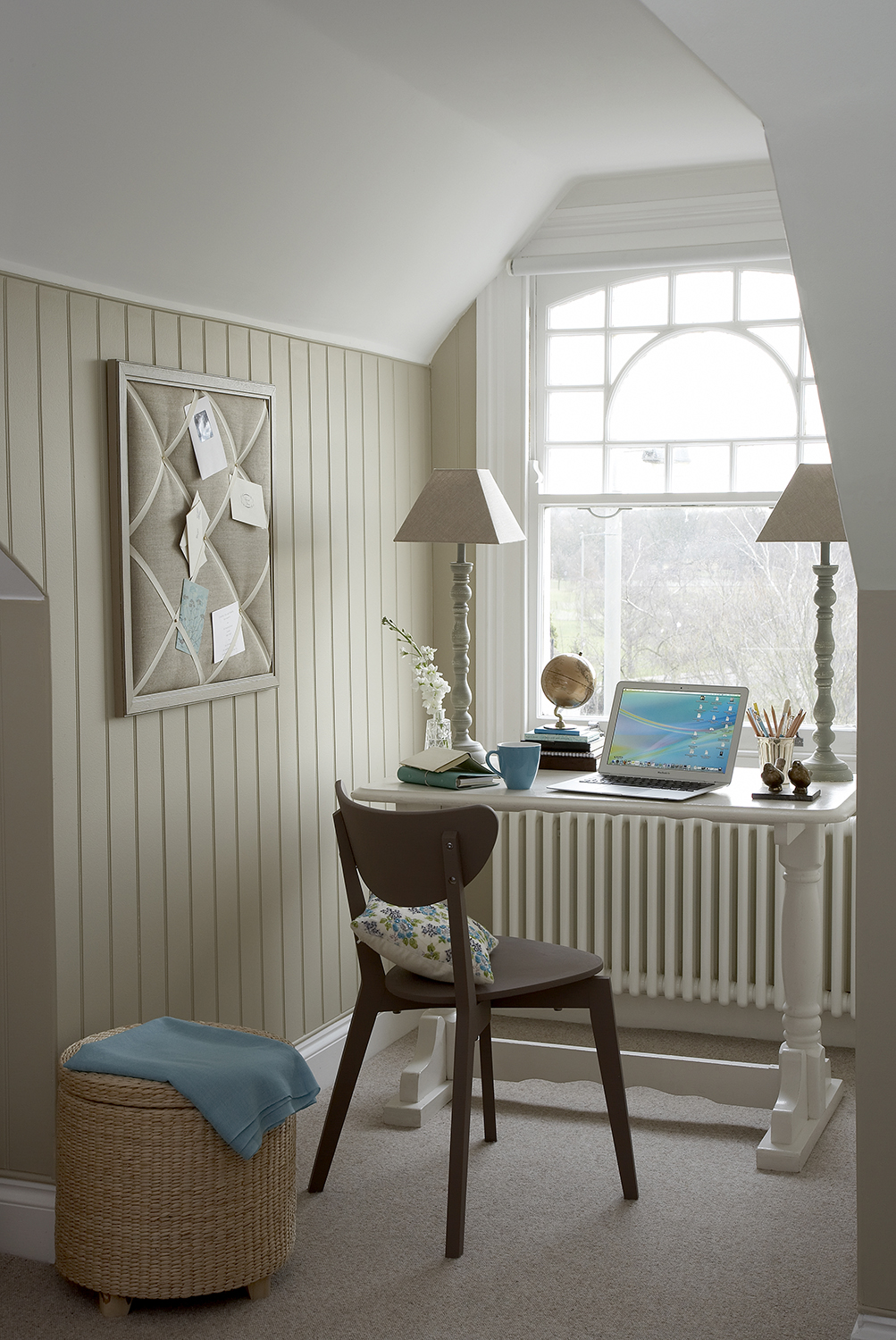
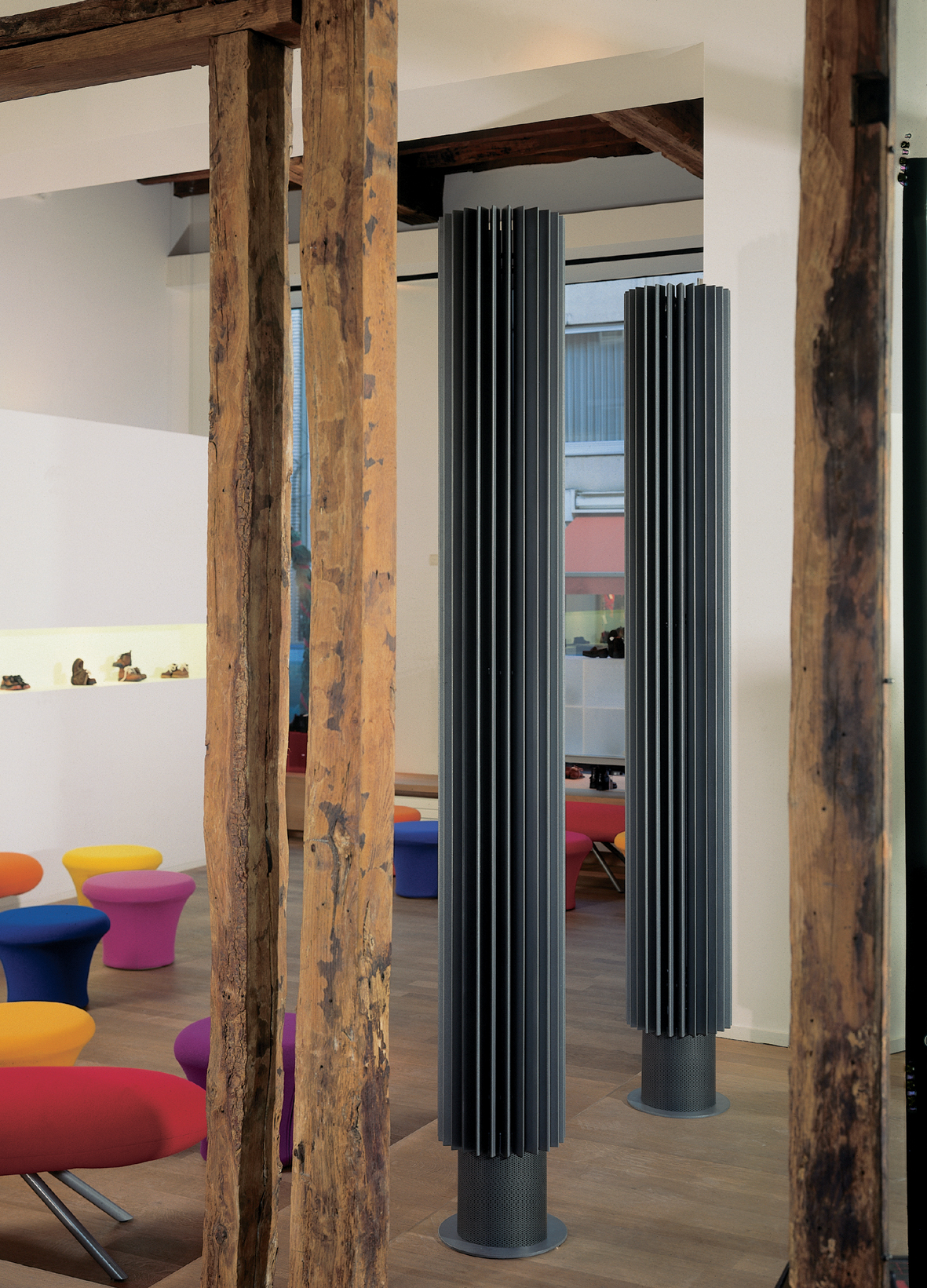
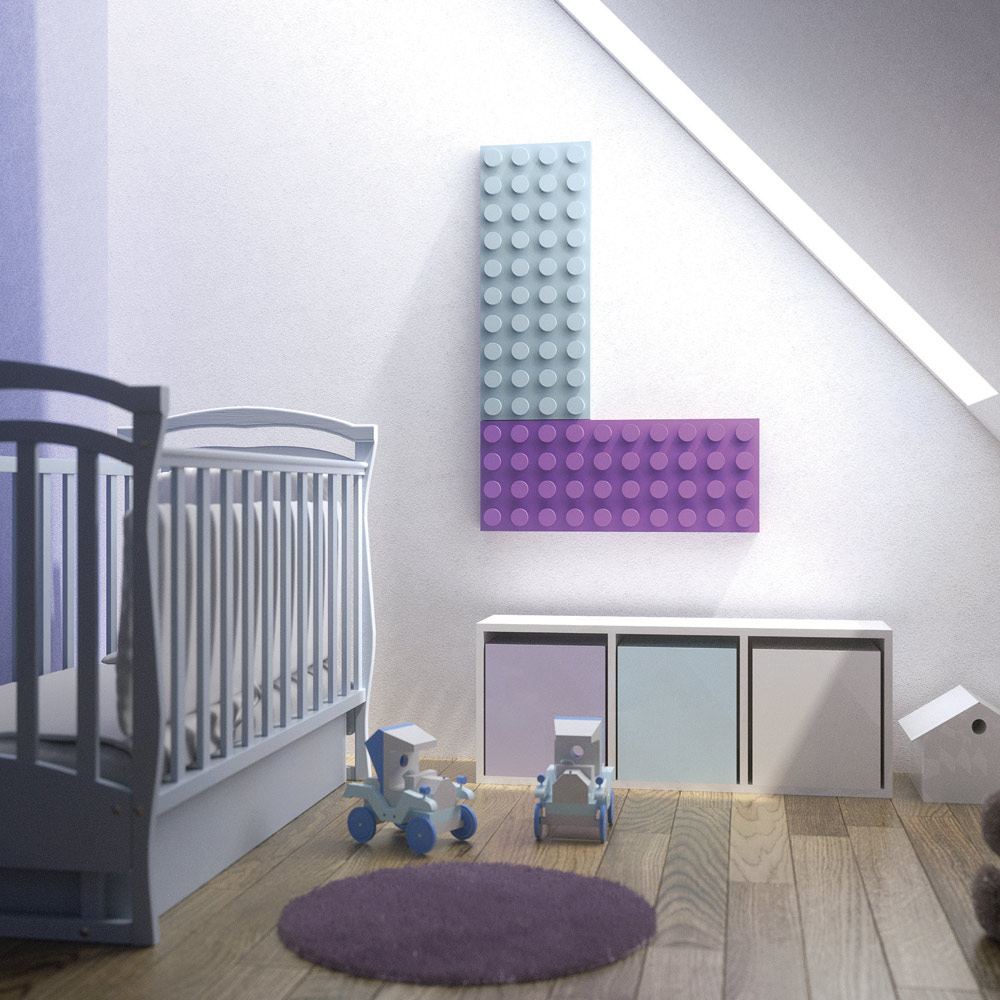
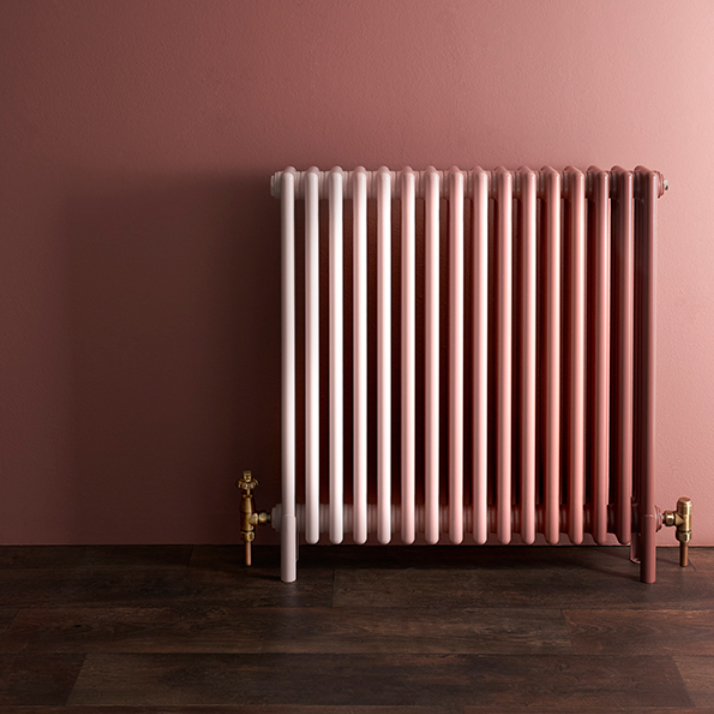
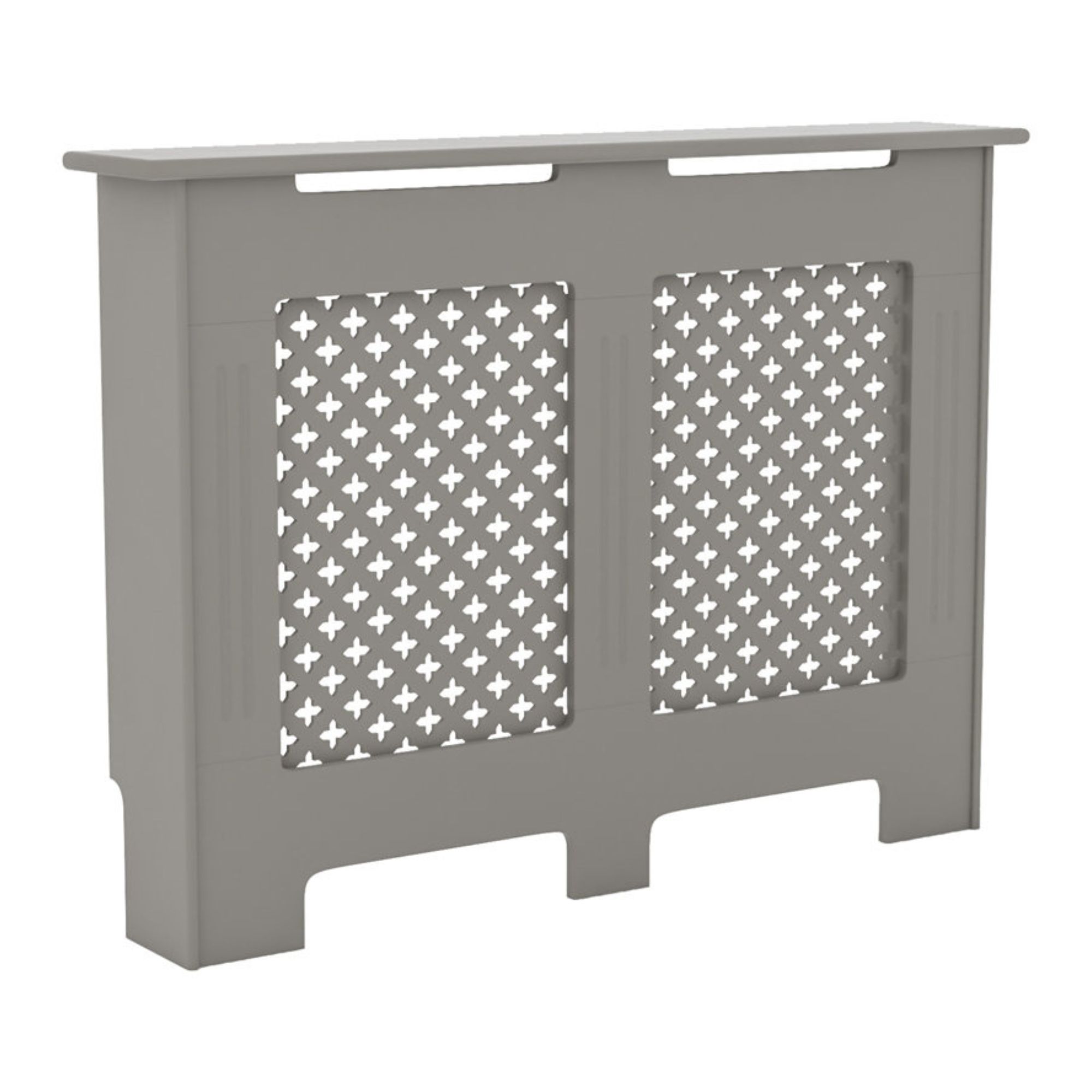
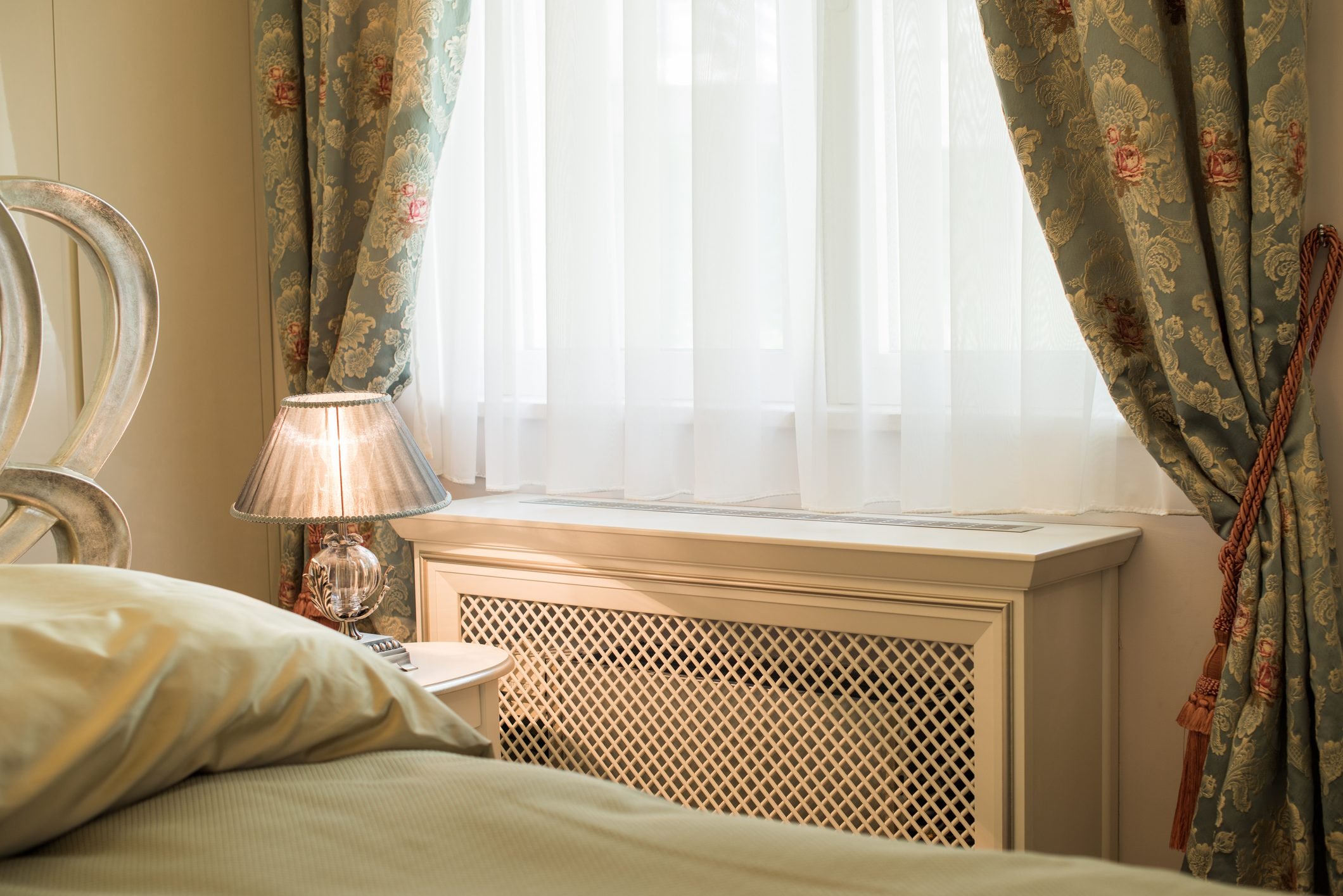
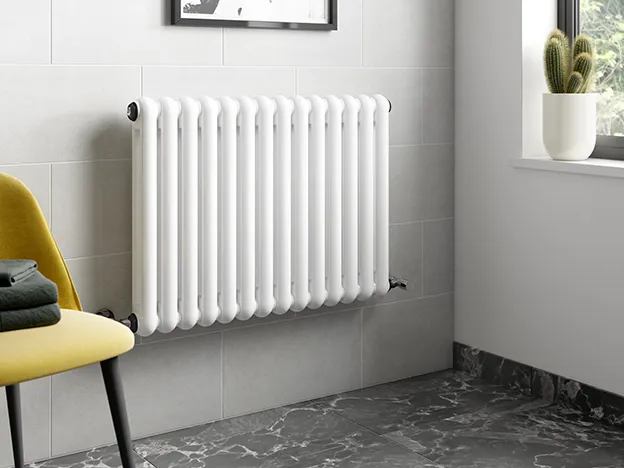
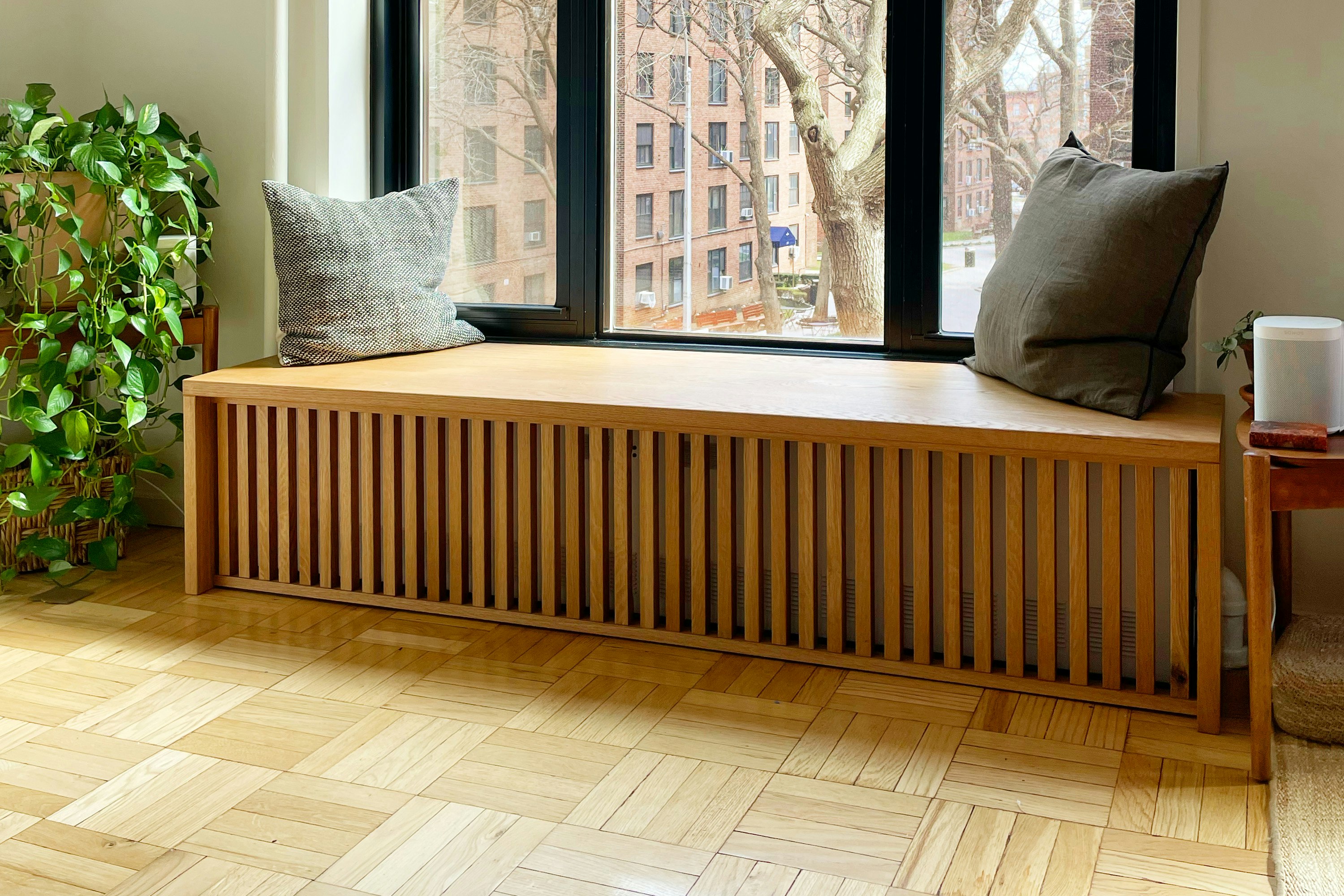
For those who still opt for radiator covers due to aesthetic or safety considerations (e.g., in homes with children or pets), the article provides guidance on selecting more efficient options. Metal radiator covers, made from materials like steel or aluminum, are recommended for their superior heat conduction and durability. Perforated metal covers offer a balanced solution, combining the heat-transfer properties of metal with decorative patterns that allow heat to pass through. The article showcases several stylish radiator cover options, including models with integrated storage and those with an Art Deco aesthetic, emphasizing that design choices can still be made while acknowledging heating implications. Additionally, it highlights the evolution of radiator design, where modern radiators themselves can be artistic statement pieces, often eliminating the need for covers altogether. The effectiveness of radiator heat reflector foil placed behind radiators is also discussed as a method to prevent heat loss into walls, further enhancing efficiency.
#RadiatorCovers #HomeHeating #EnergyEfficiency #InteriorDesign #HomeImprovement #HeatingEfficiency #RadiatorDesign #HomeDecor #ExpertAdvice #RadiatorCovers #HomeHeating #EnergyEfficiency #InteriorDesign #HomeImprovement #HeatingEfficiency #RadiatorDesign #HomeDecor #ExpertAdvice
0 comment in total
 No comments yet
You may also like
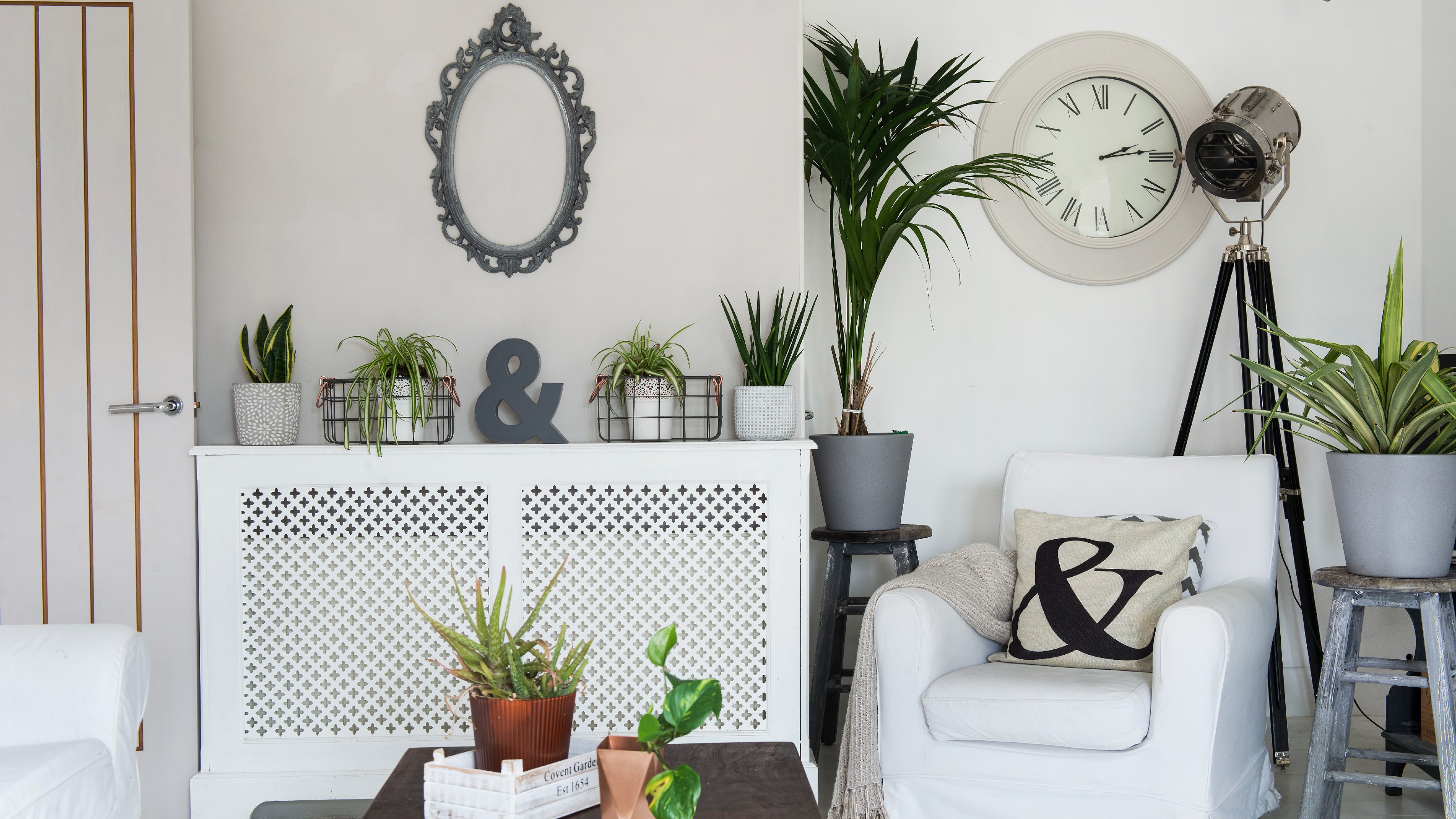
Do radiator covers block heat? Experts explain what impact they can have on energy bills
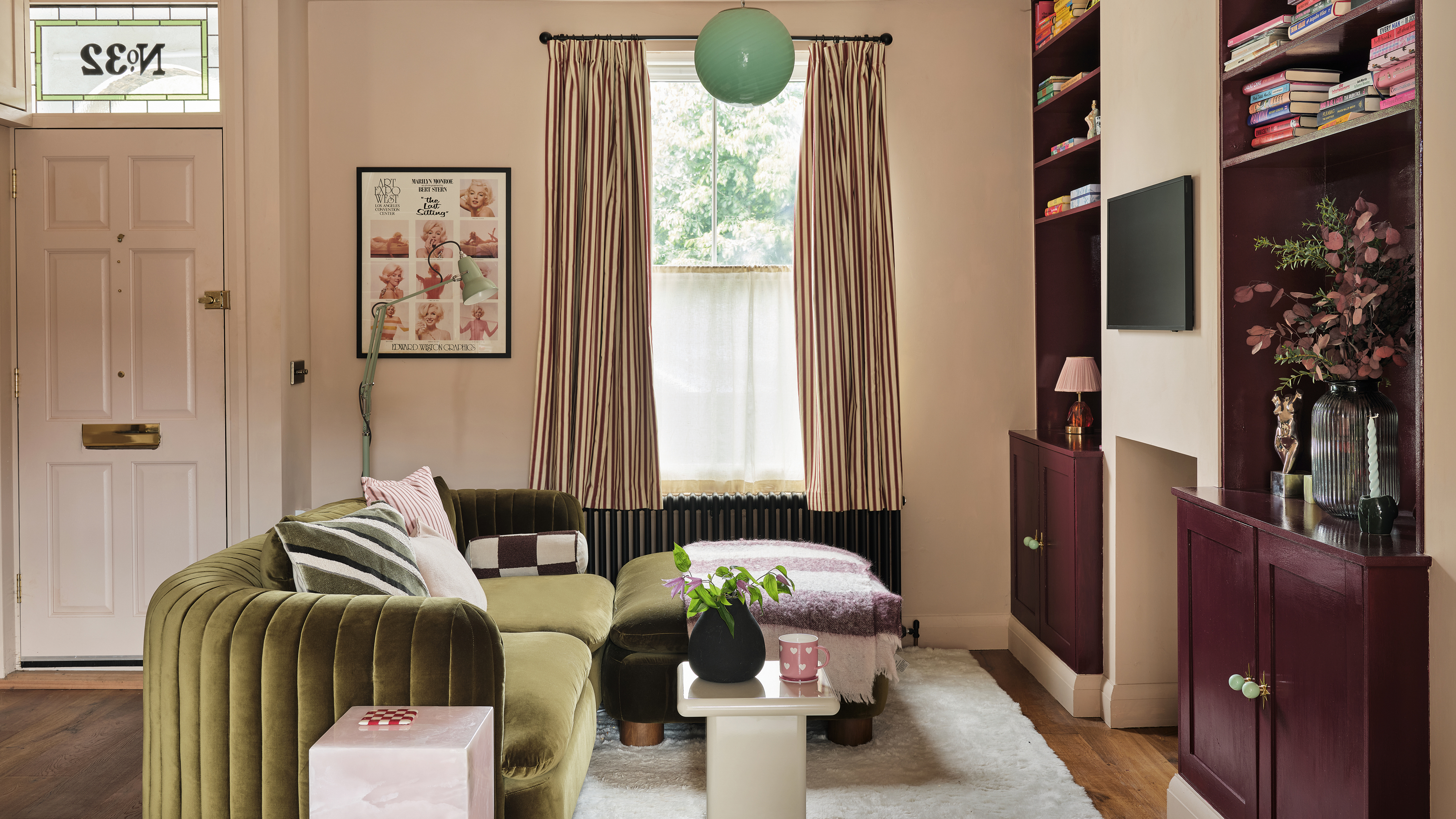
3 home design choices that were increasing my heating bills
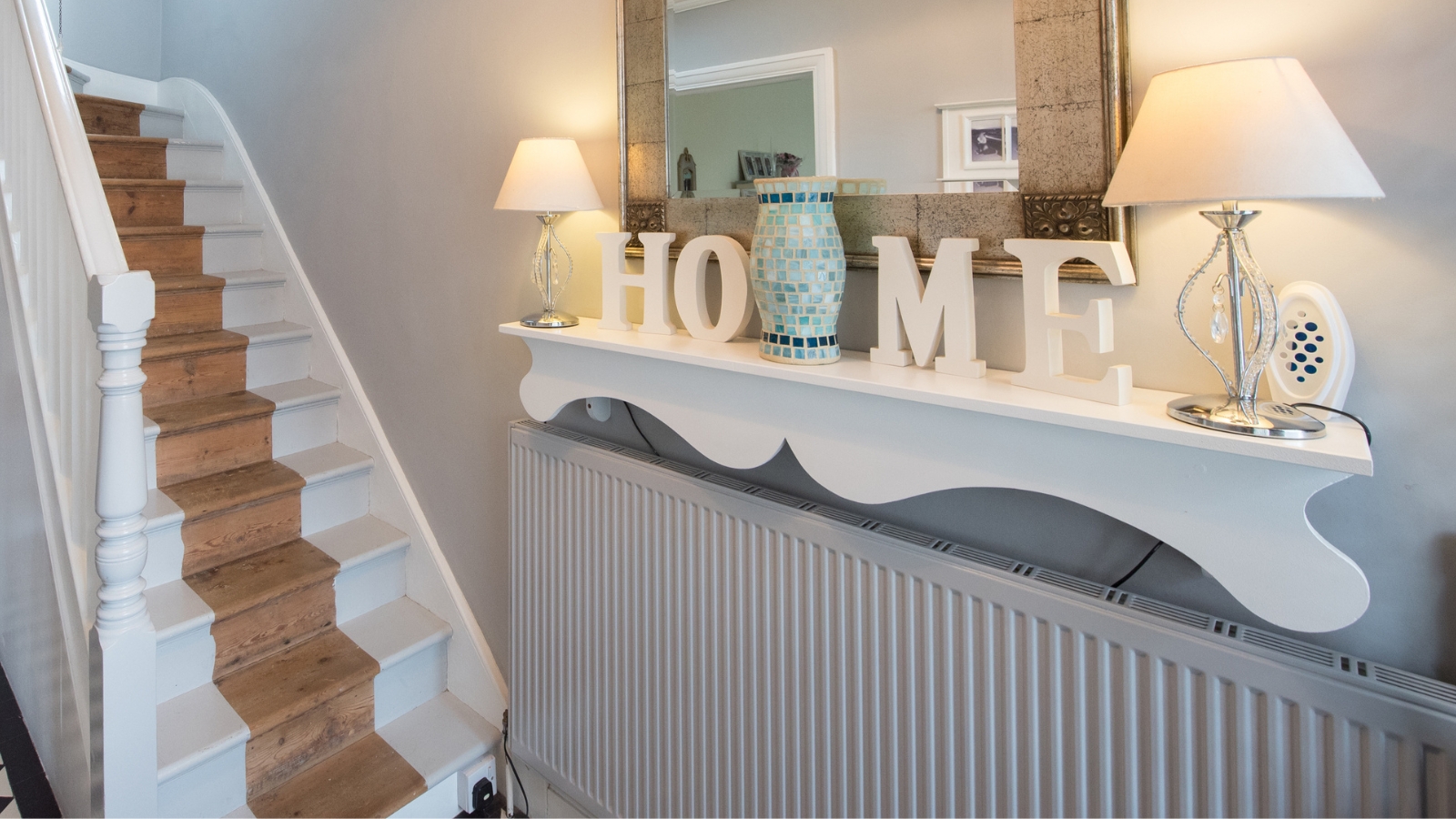
Are shelves over radiators a good idea? Our experts share pros, cons and what to consider if you go for it

Take cover / Turn your unsightly radiator into a thing of beauty with an enclosure

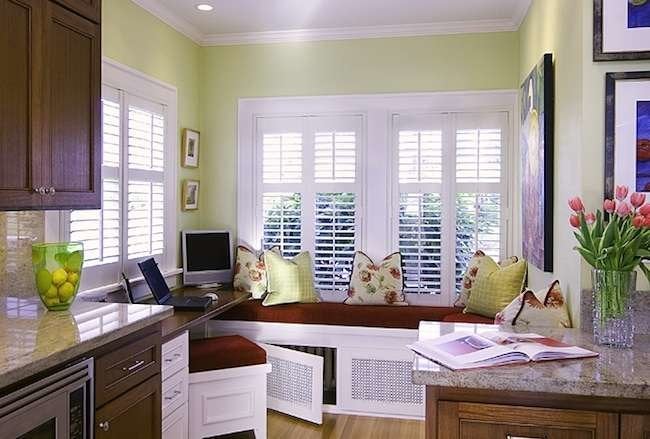
11 Stylish Ways to Enhance—or Hide—Your Radiators
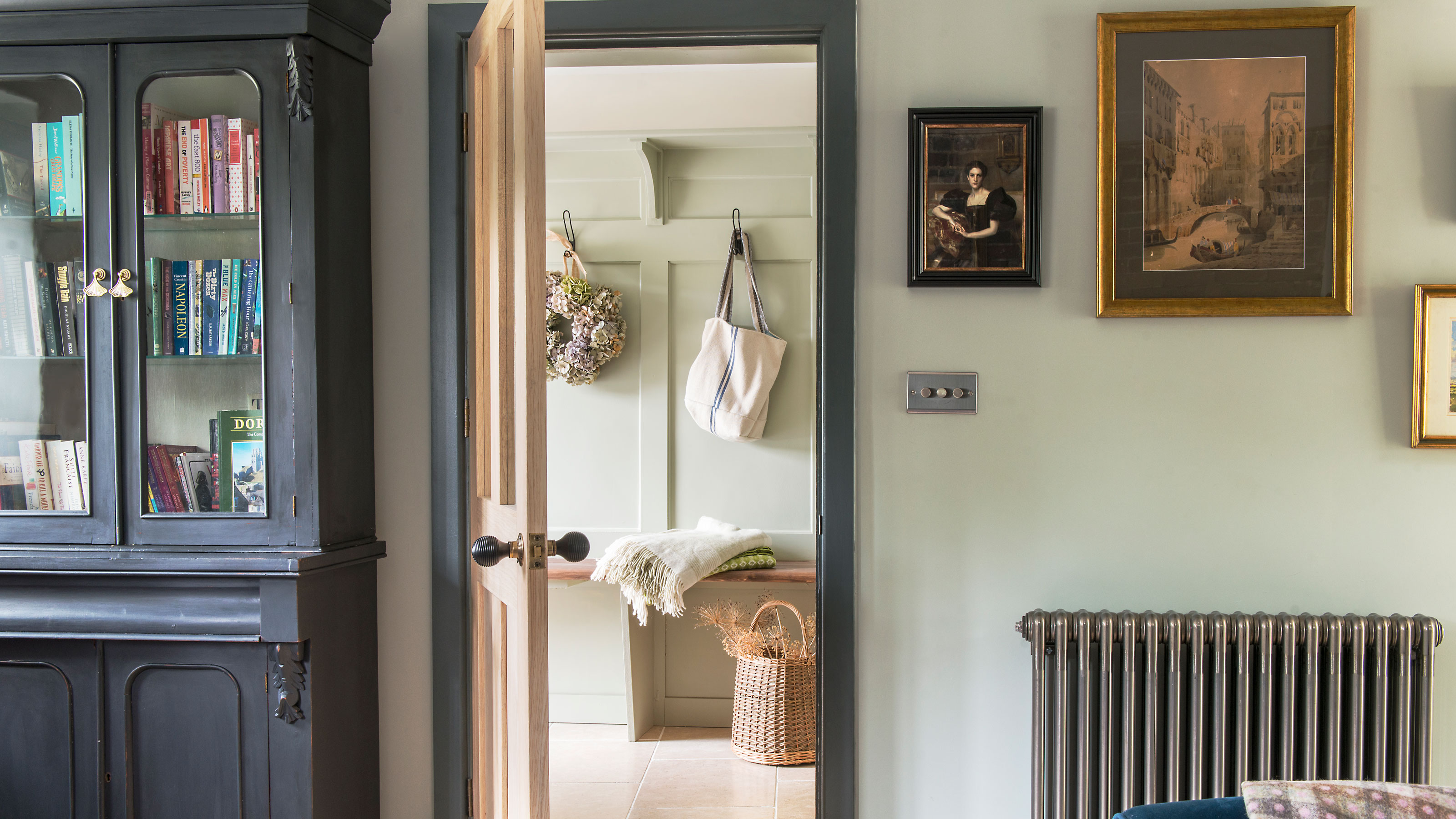
6 clever ways to make a radiator look good – there is no excuse for an ugly radiator to sabotage your scheme
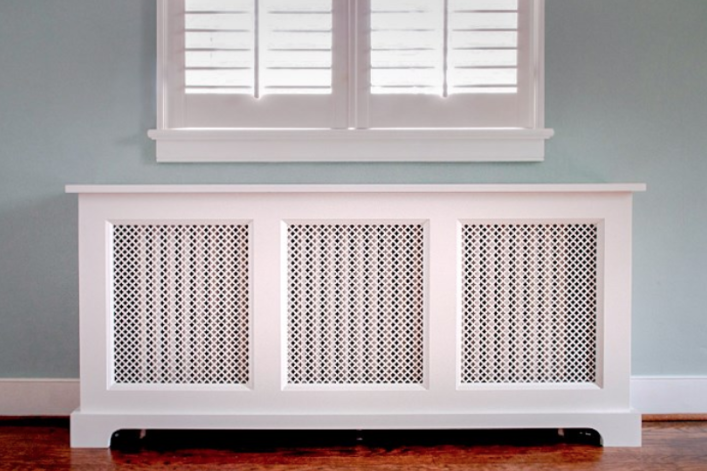
Where to get radiator covers in NYC
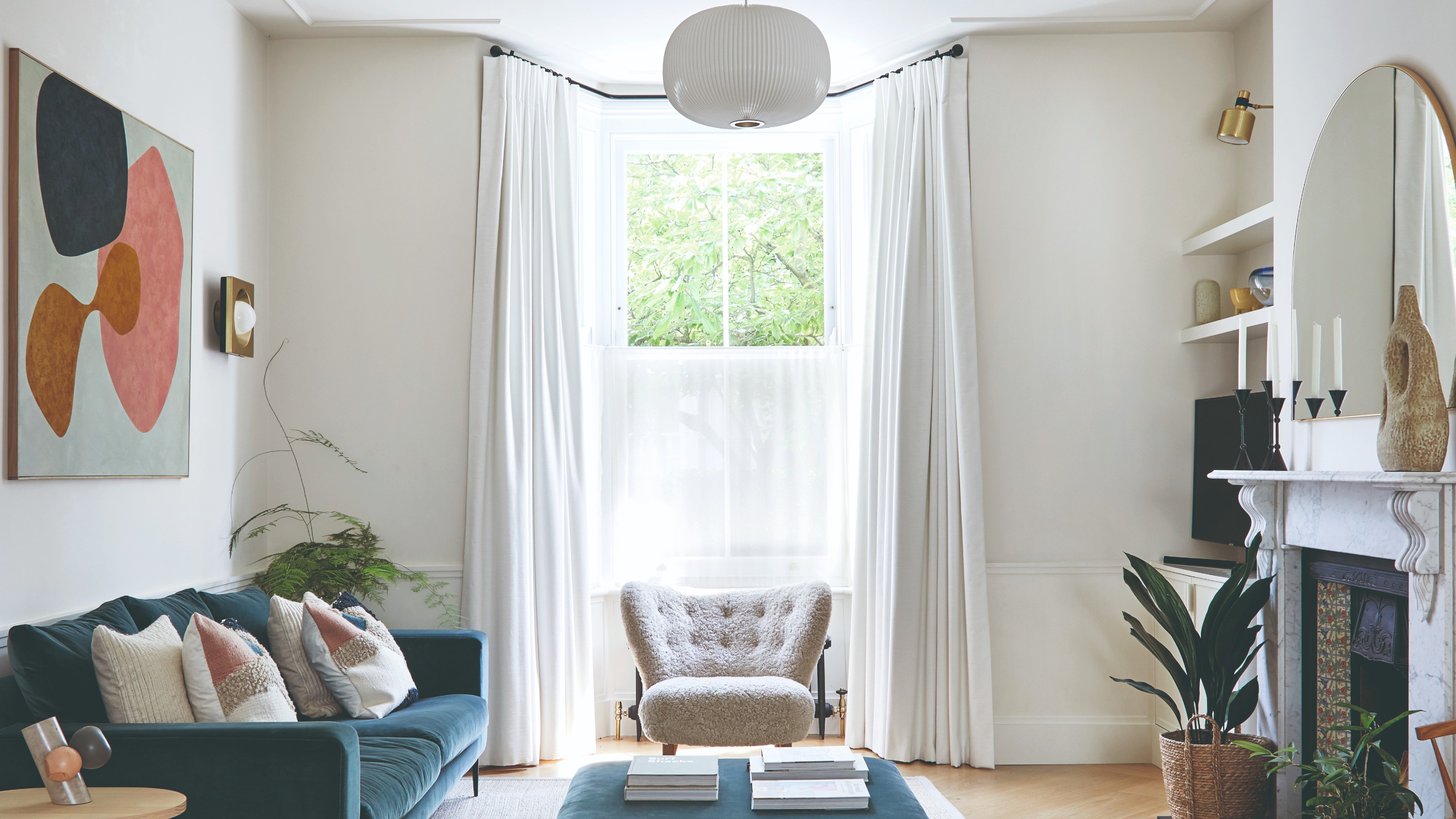
Do thermal curtains keep heat out in the summer? Experts reveal whether these window dressings are worth buying
The best radiator covers – modern, rustic and affordable options to disguise your heating in style
Radiator Covers Buyer’s Guide: Why Use, Types (Wood, Metal &; More), Costs Etc.

Radiators


5 Design Mistakes Making Your Heating Less Effective in Your Home — And the Easy Ways to Fix Them
Do Radiator Covers Save Energy or Waste It?
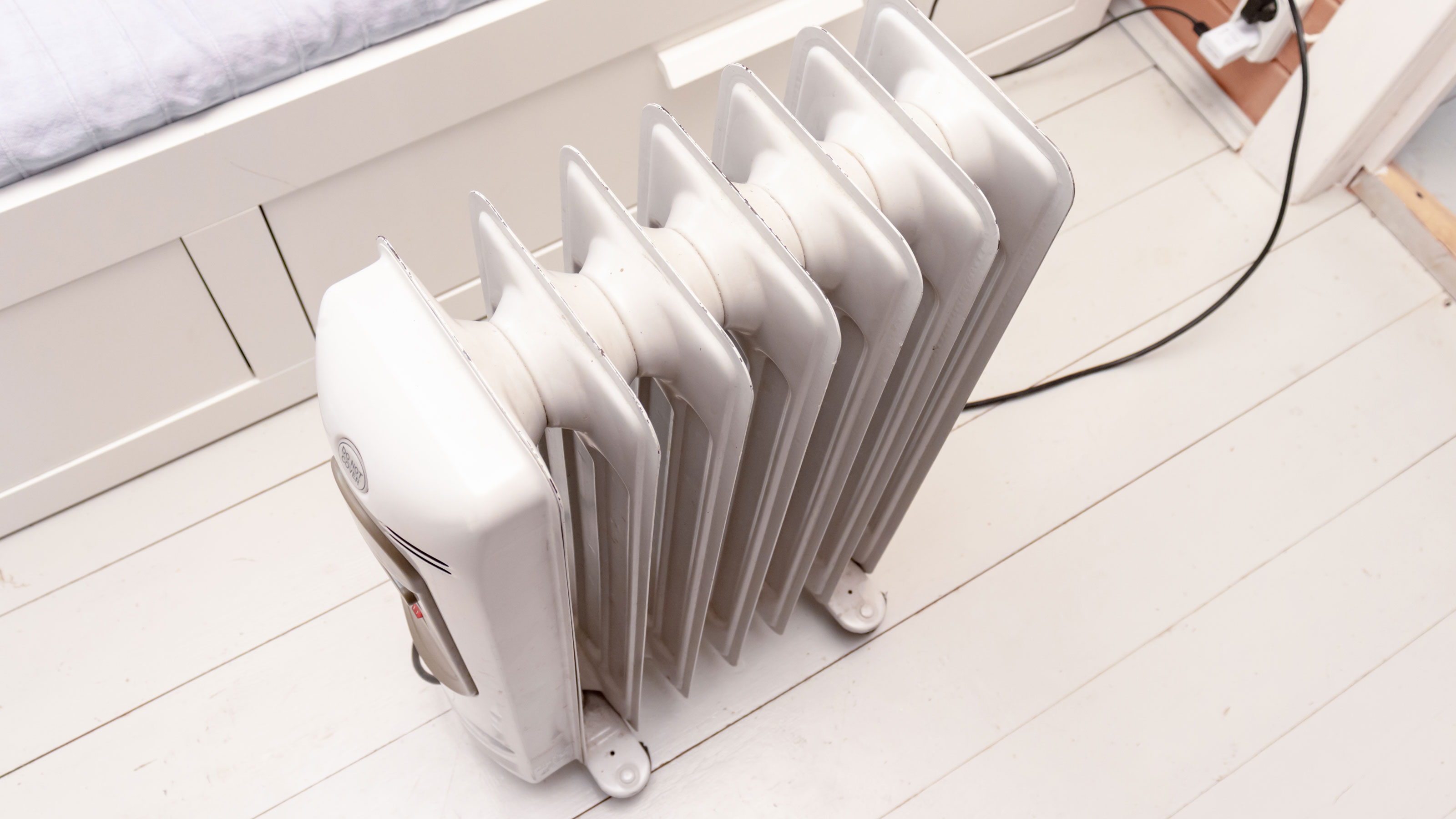
Are oil-filled radiators dangerous? Experts share their advice for how to use them safely in any room
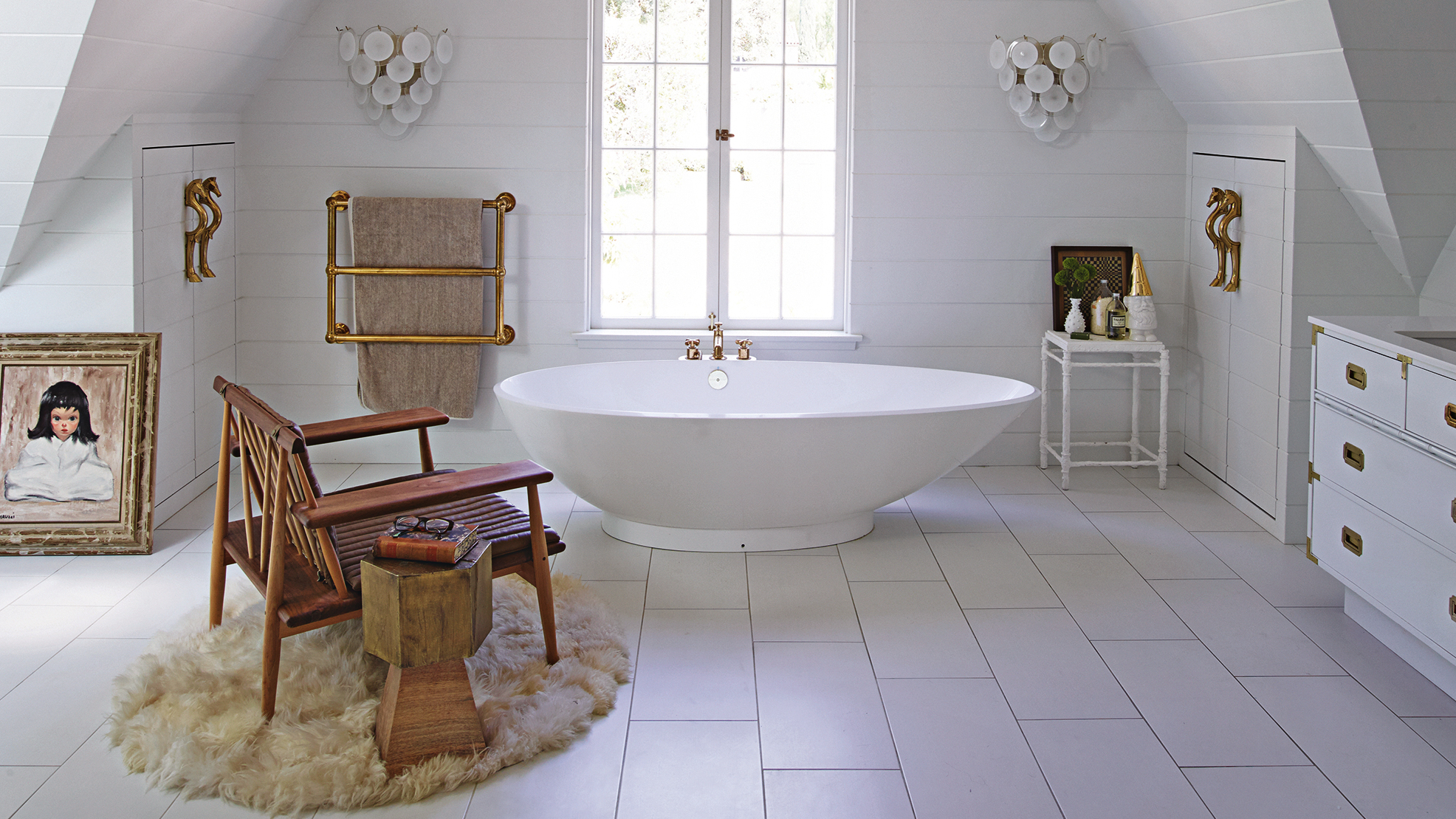
How to hide a radiator - the expert guide to decorating tricks to help them blend in
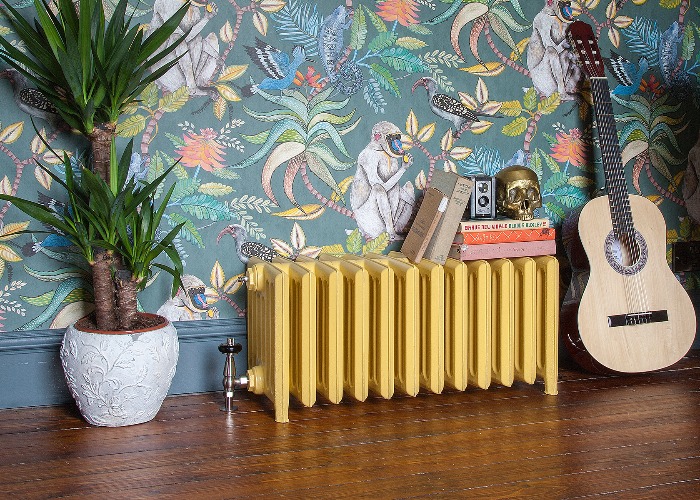
10 modern radiators that make a room

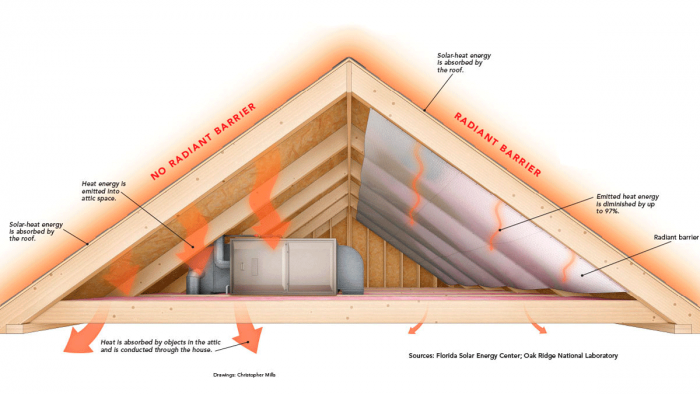
Radiant Barriers
Radiant Heating
I used to struggle to keep my open plan layout warm in winter — but these 4 methods now keep it cosy all day long
Turn Your Ugly Radiator Into Something Beautiful—a Functional Seat