1/8
Do radiator covers block heat? Experts explain what impact they can have on energy bills
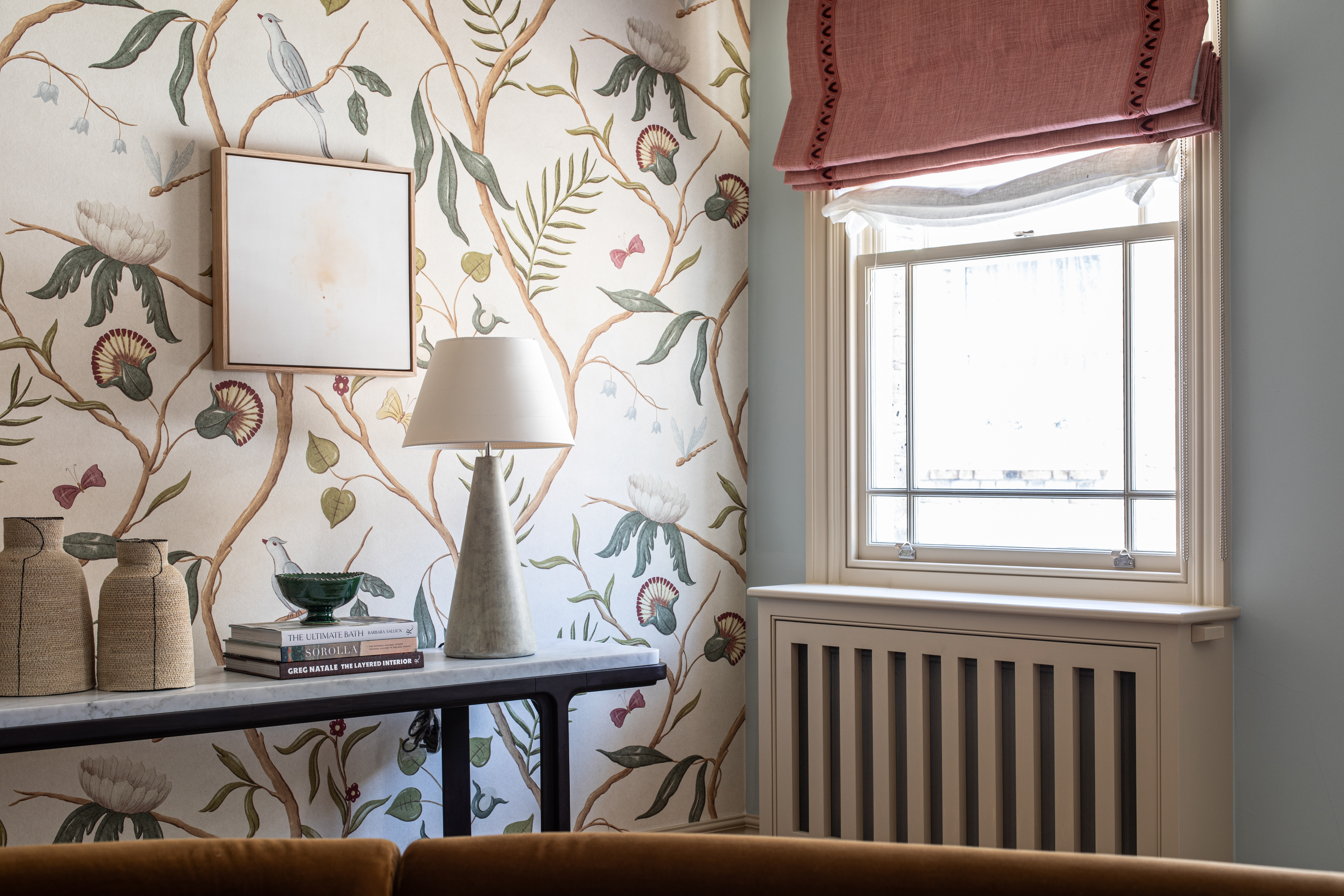
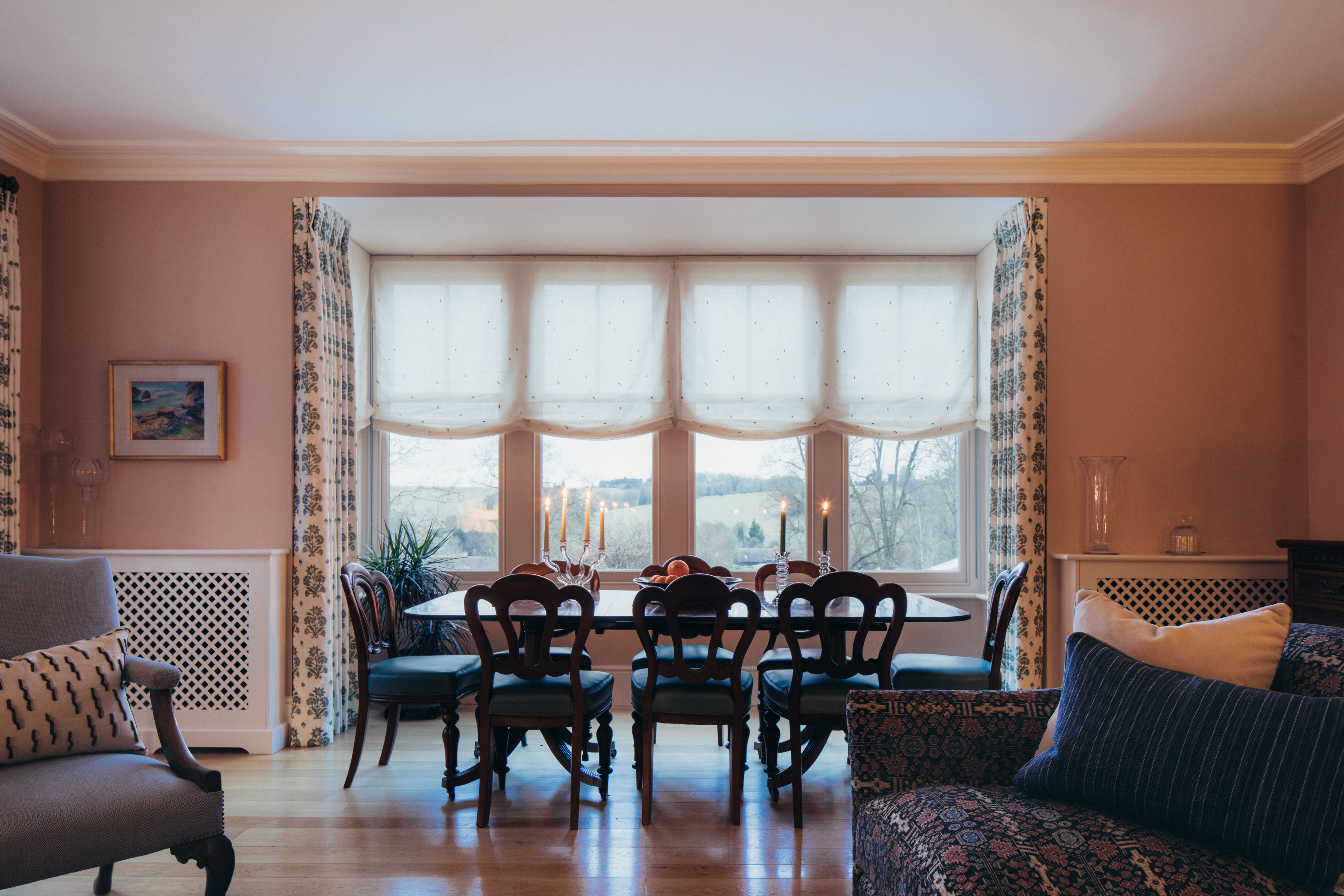
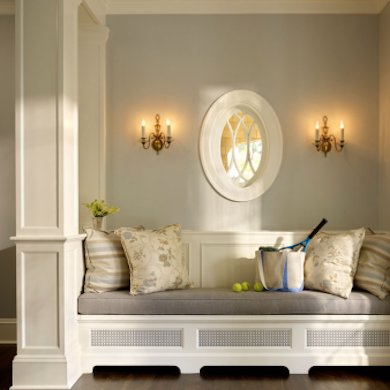
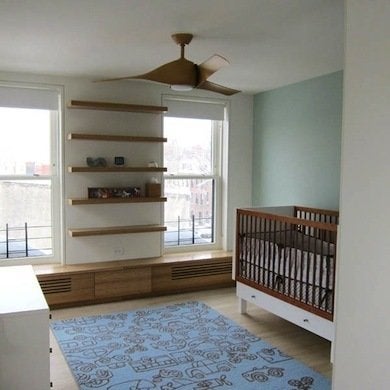
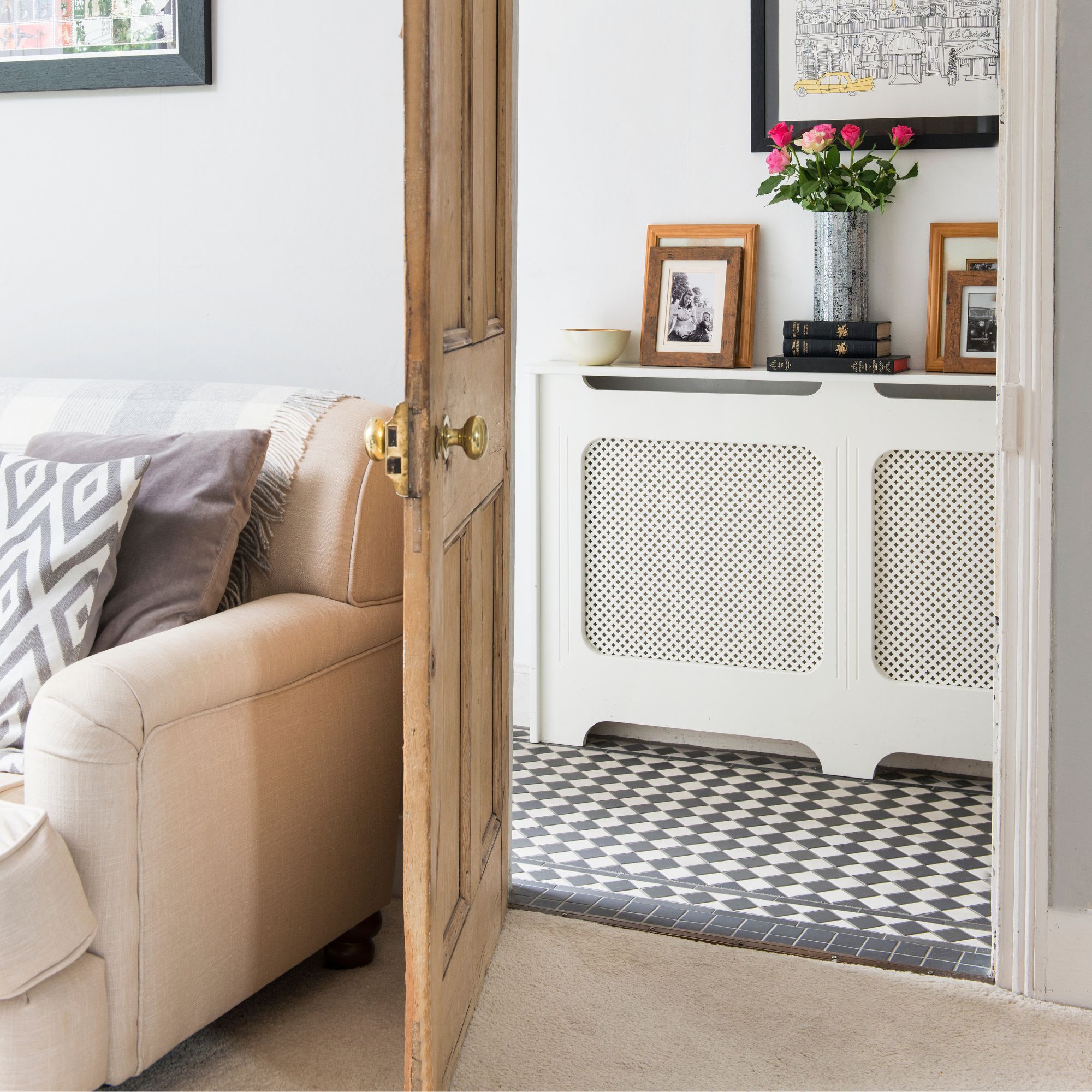
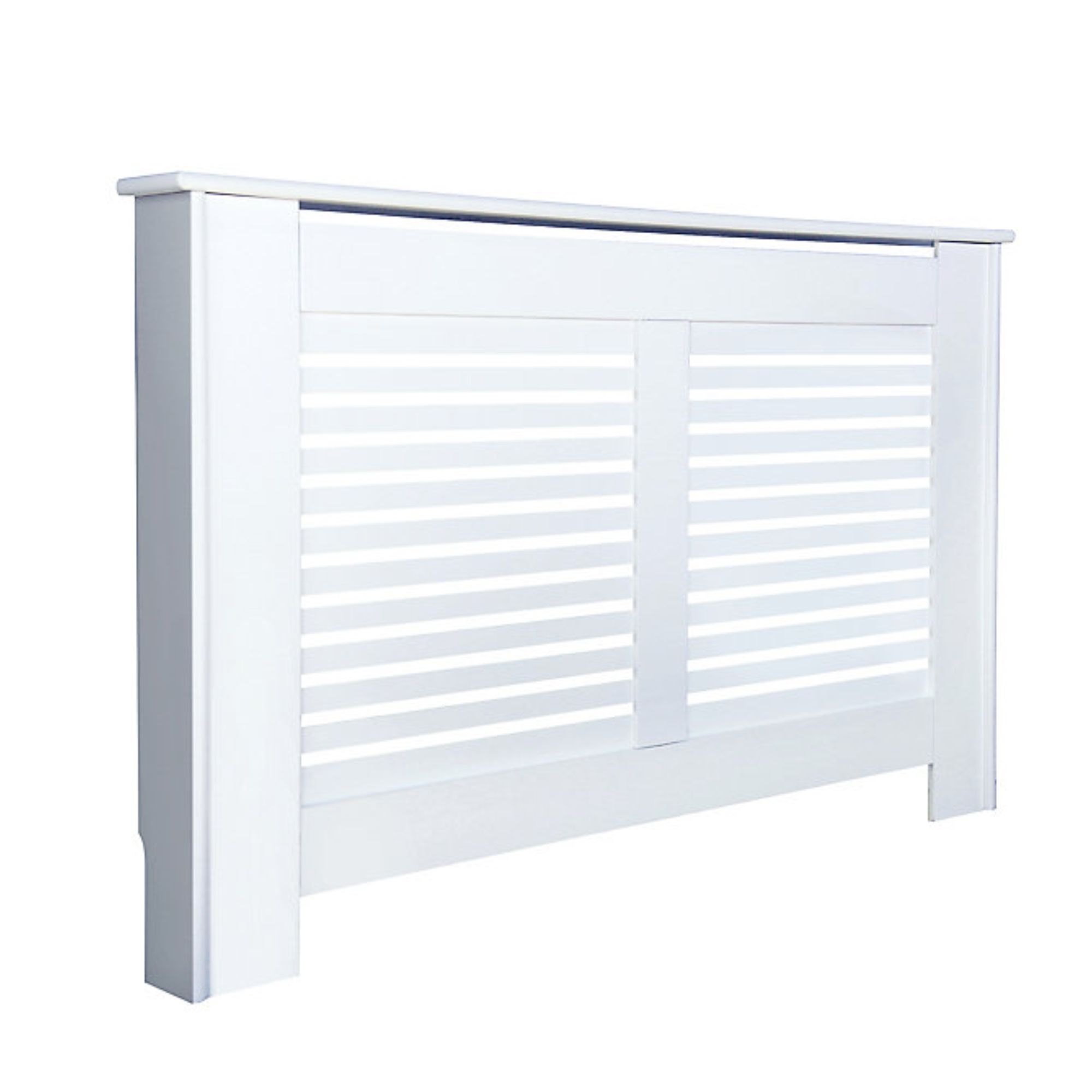
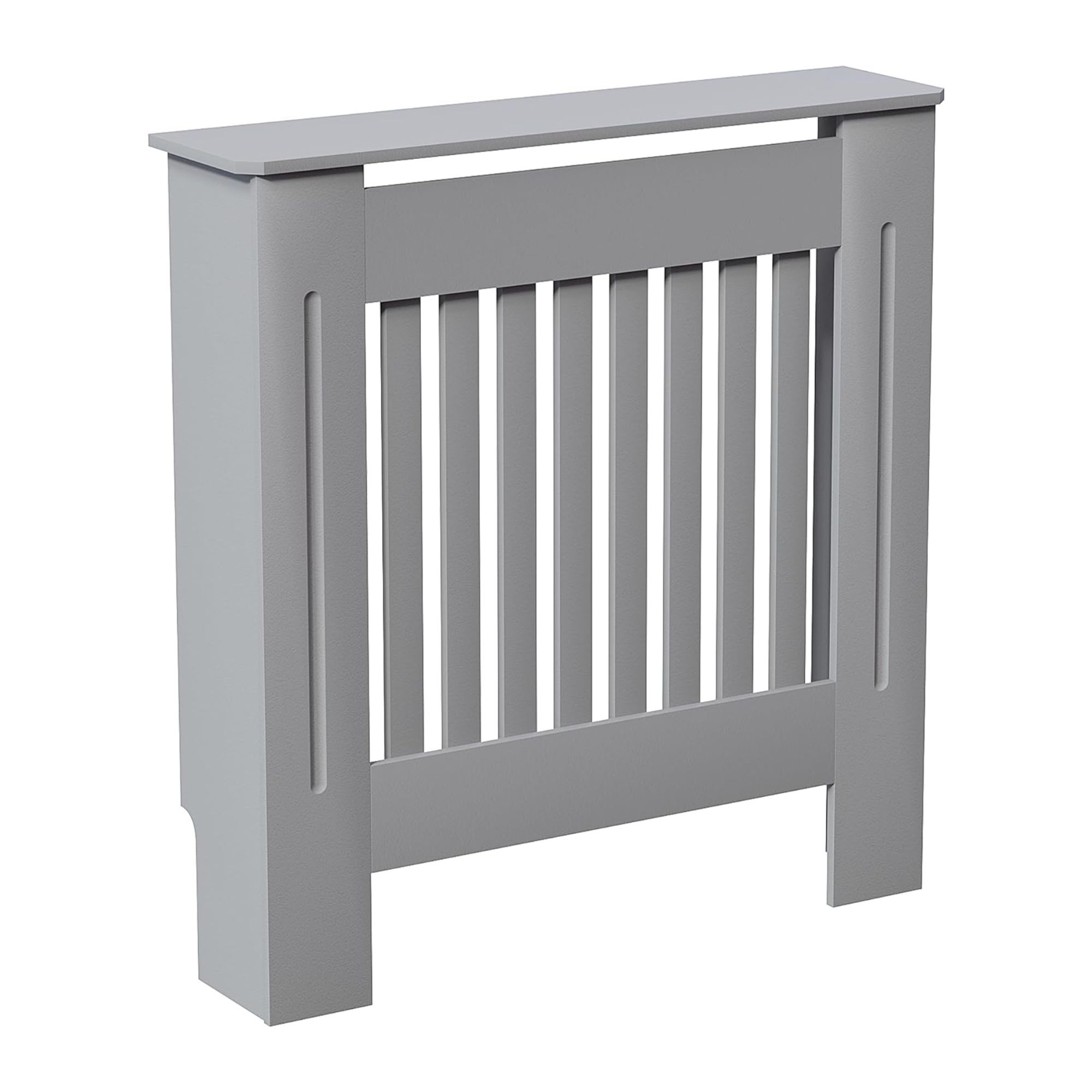
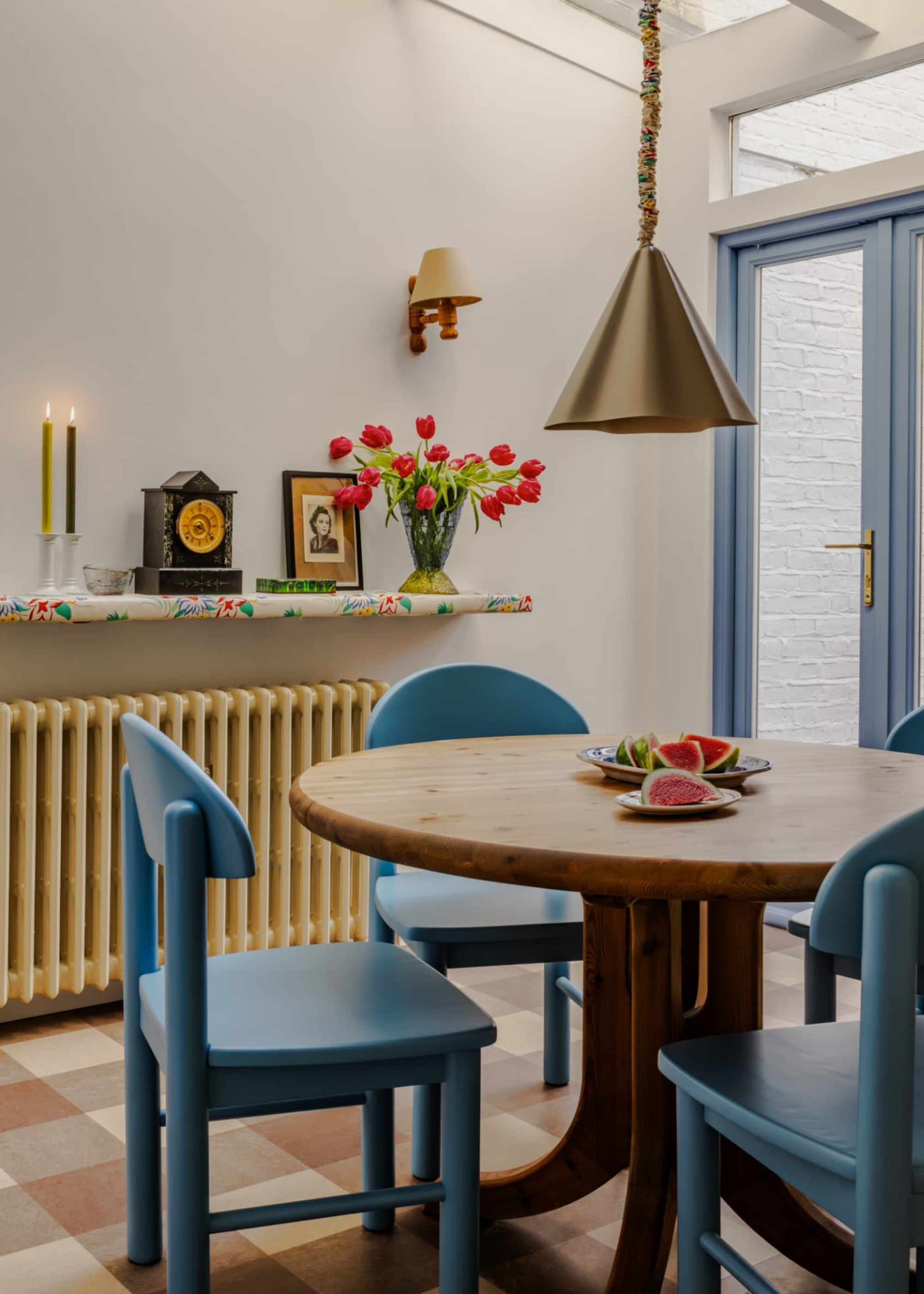
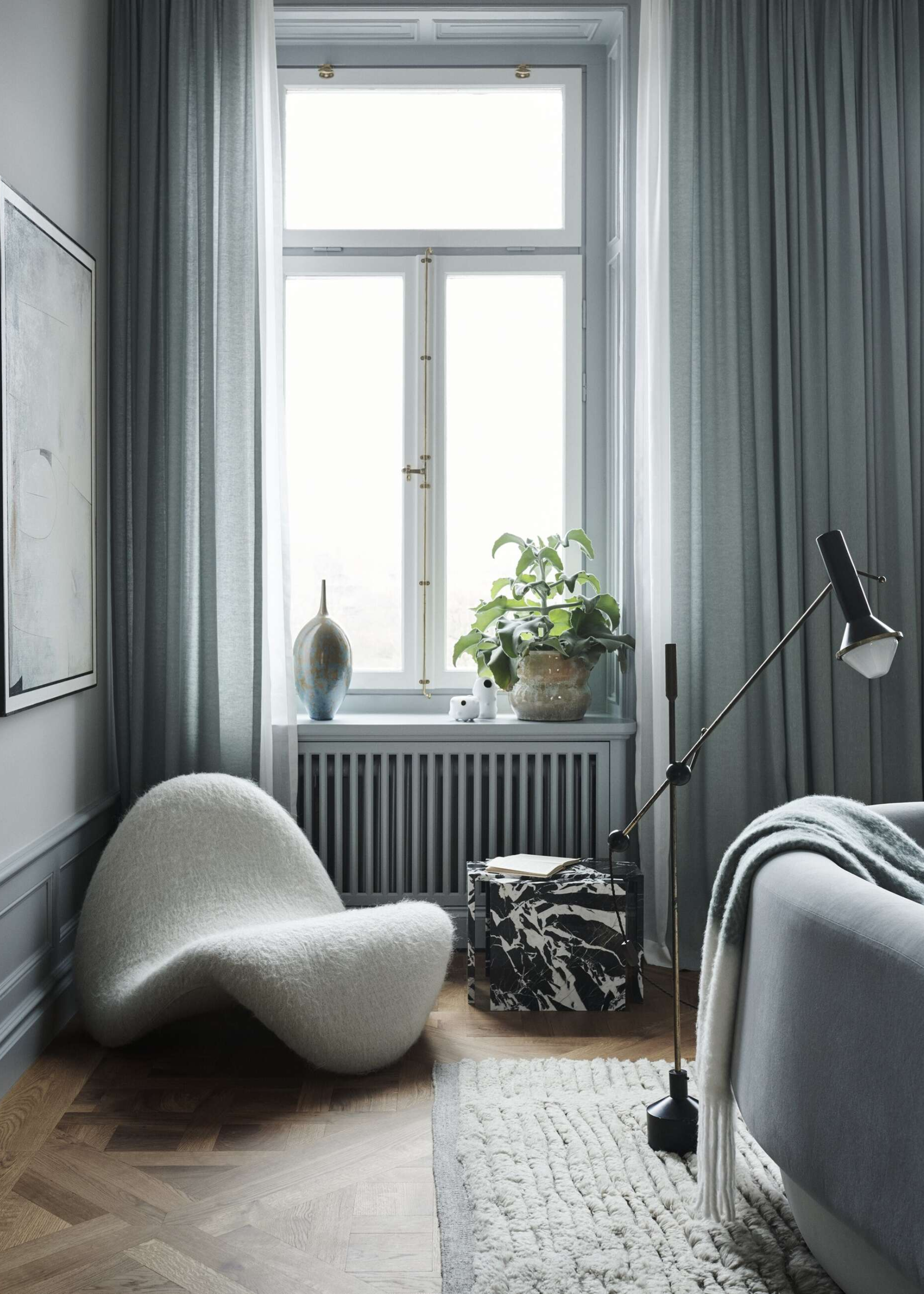
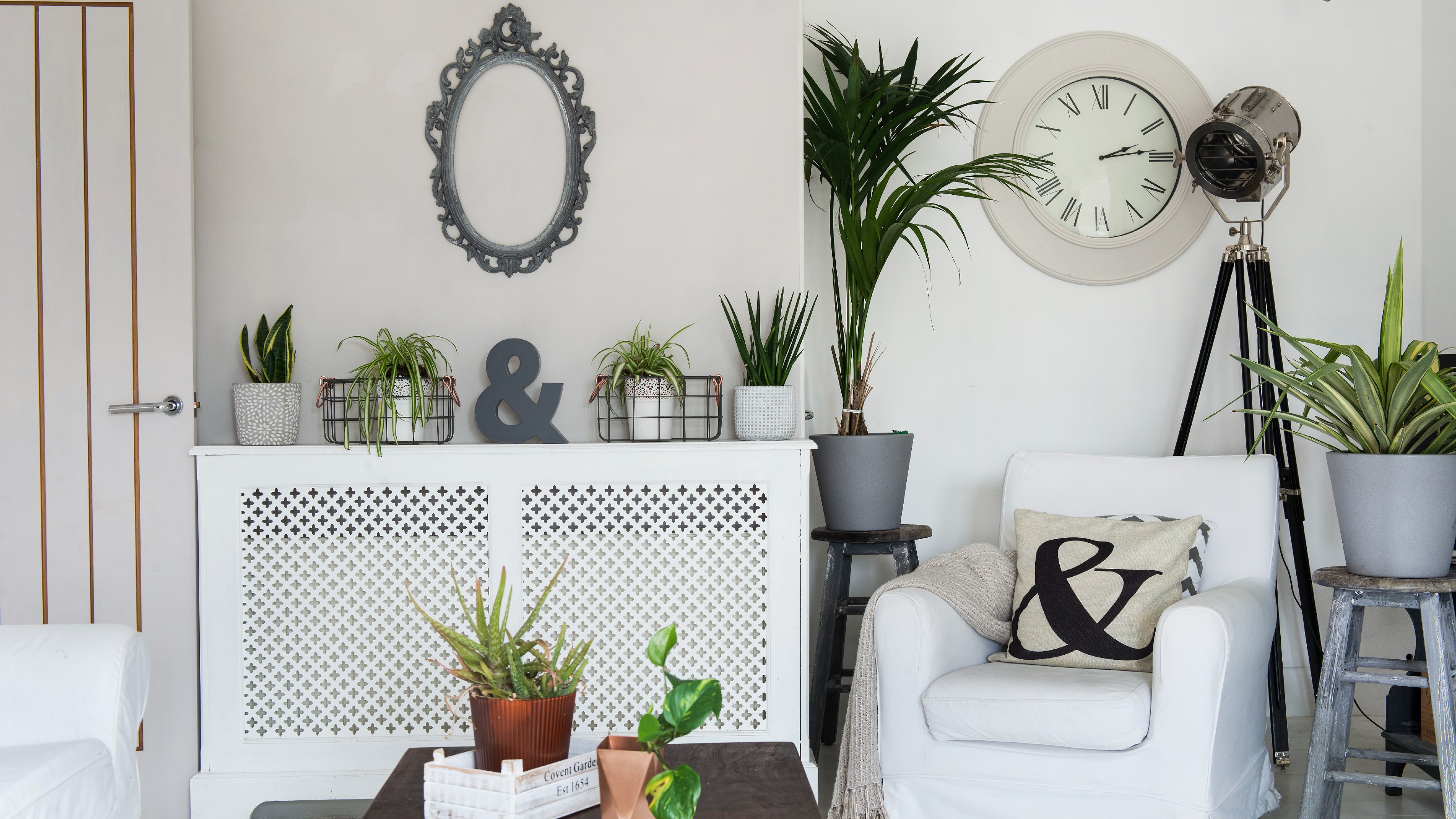
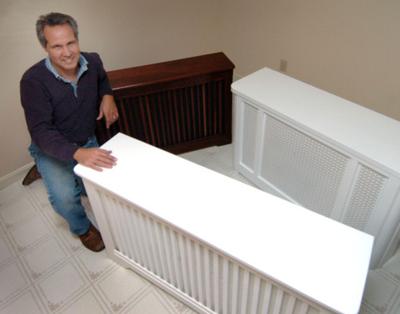
Radiator covers are frequently used to enhance the aesthetic appeal of a room by concealing unsightly radiators. However, with rising energy costs, concerns have emerged regarding their impact on heating efficiency and energy bills. This article explores whether radiator covers block heat and how to choose one that minimizes energy wastage.
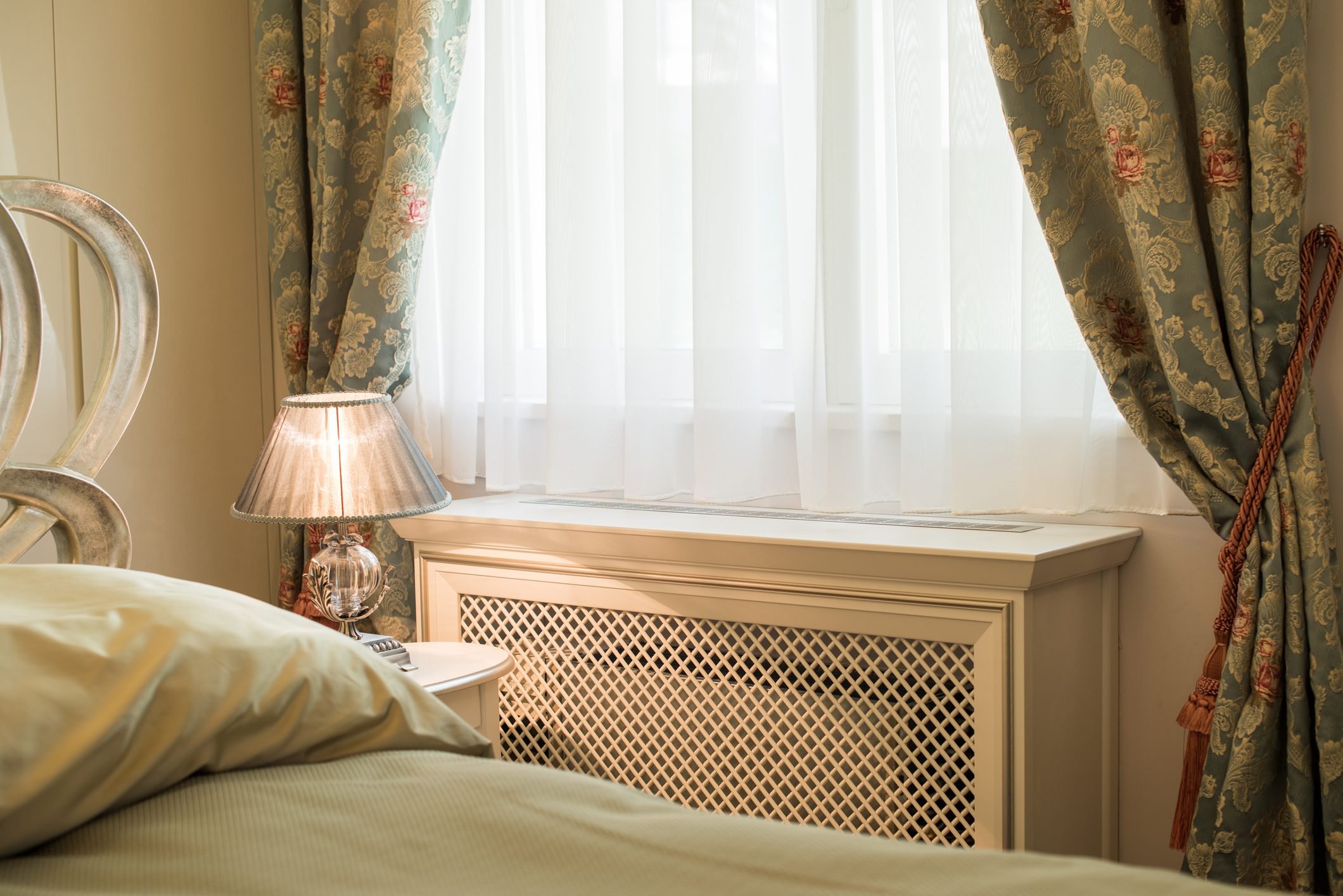
Experts generally agree that radiator covers do not significantly block heat, provided they are designed with adequate ventilation. Rhiannon Moore from Toolstation emphasizes that sufficient gaps for heat to escape are crucial. While Nancy Emery, a heating expert at Drench, acknowledges that a solid object around a heat source will affect output by acting as a barrier, she also confirms that heat blockage should be minimal if the cover has proper ventilation. The latest energy price cap increases underscore the importance of ensuring that home heating solutions are as efficient as possible.
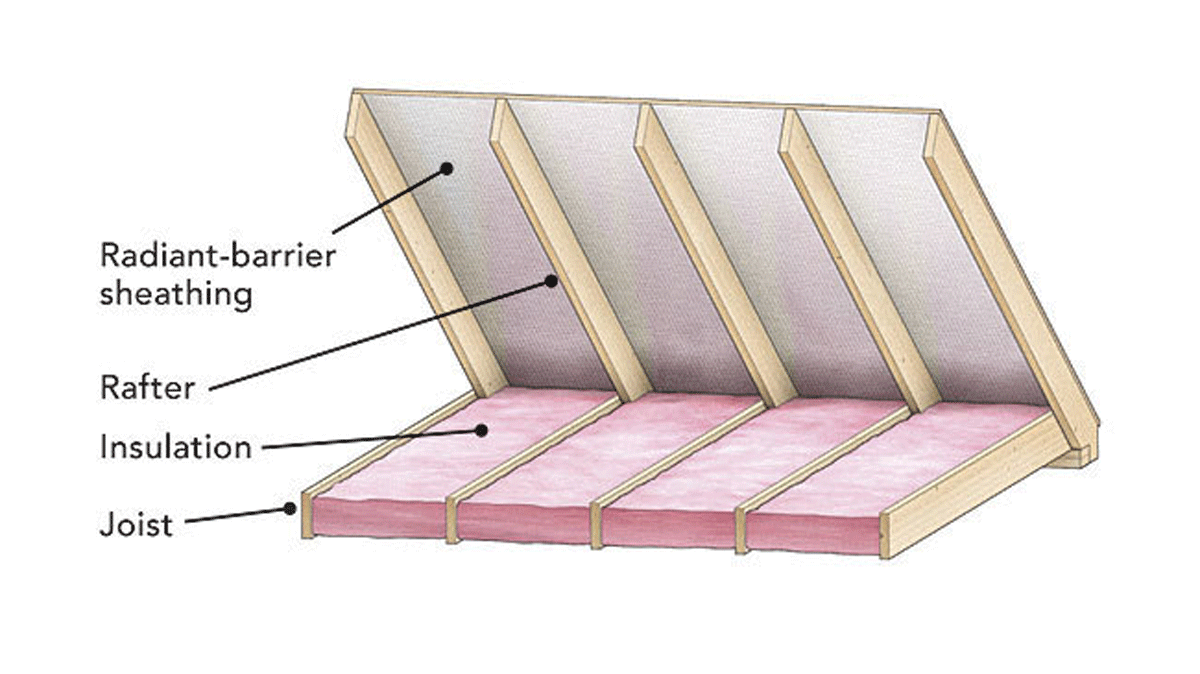
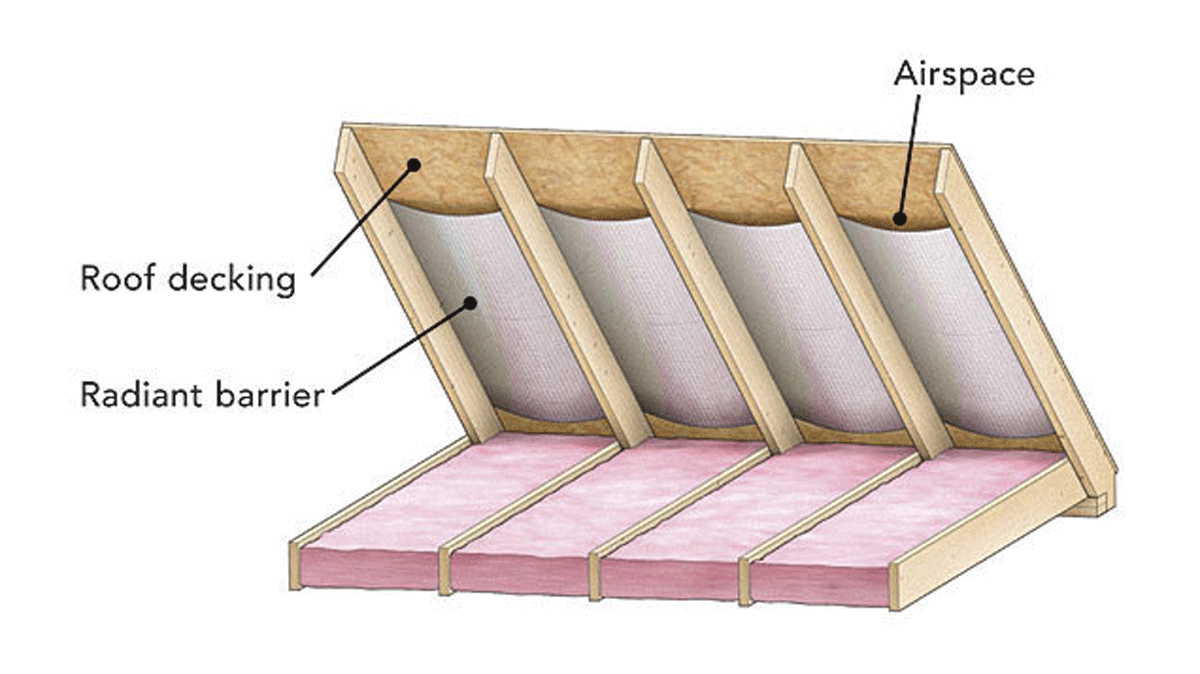
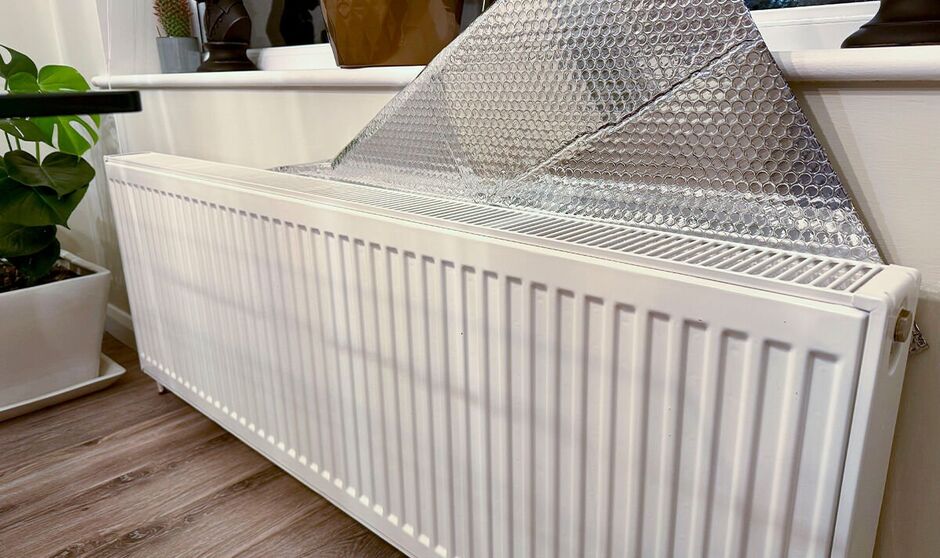
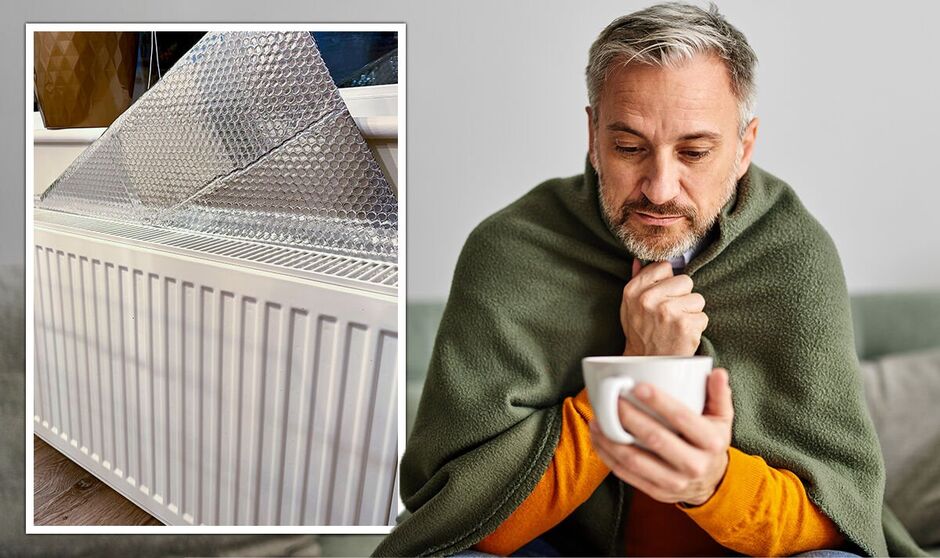
To optimize heat distribution and reduce energy consumption, installing a radiator reflector behind the radiator is recommended. Rhiannon suggests that well-fitted foil insulation can decrease the energy needed to heat a home and help retain warmth longer after the heating is turned off. This inexpensive addition can be a valuable complement to a radiator cover.
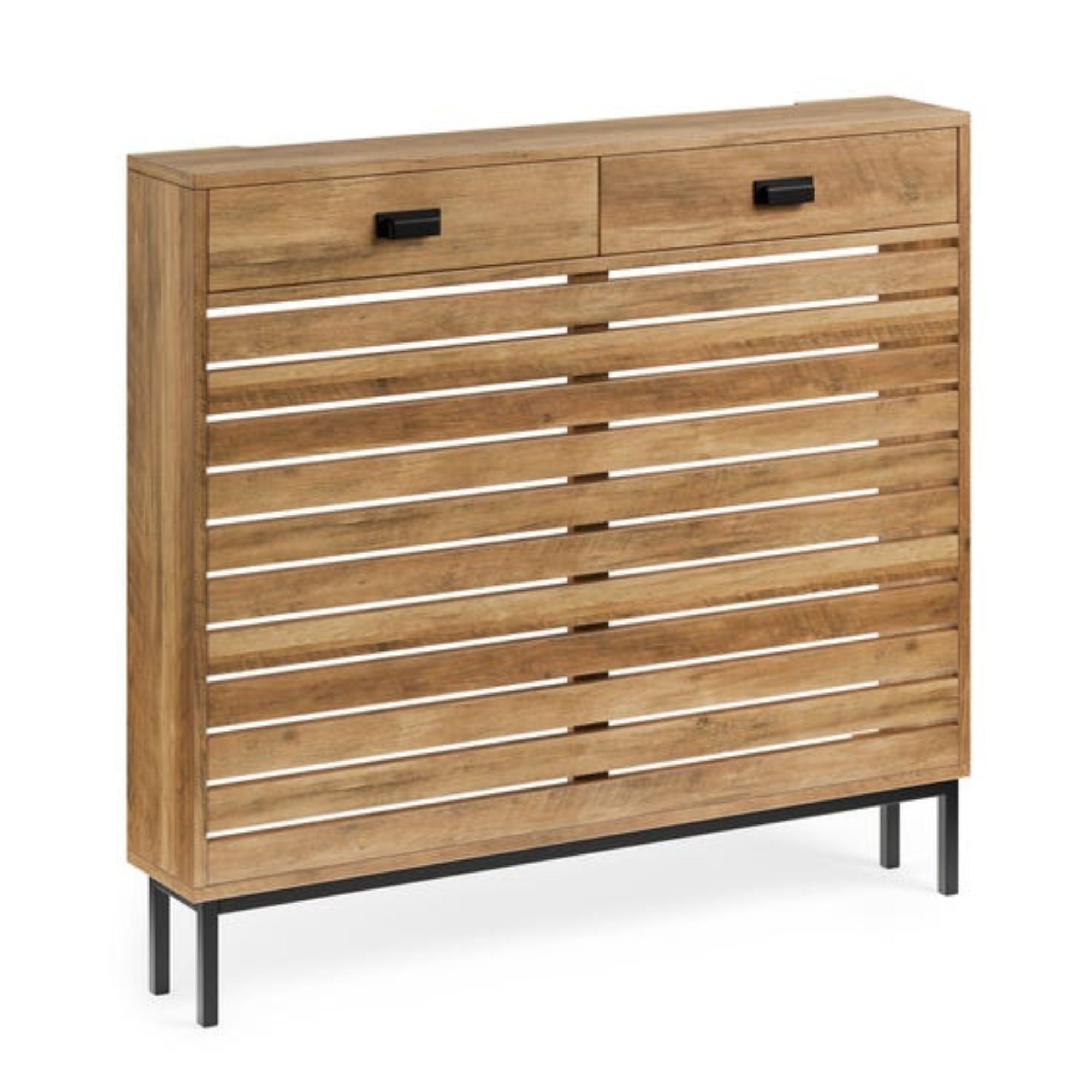
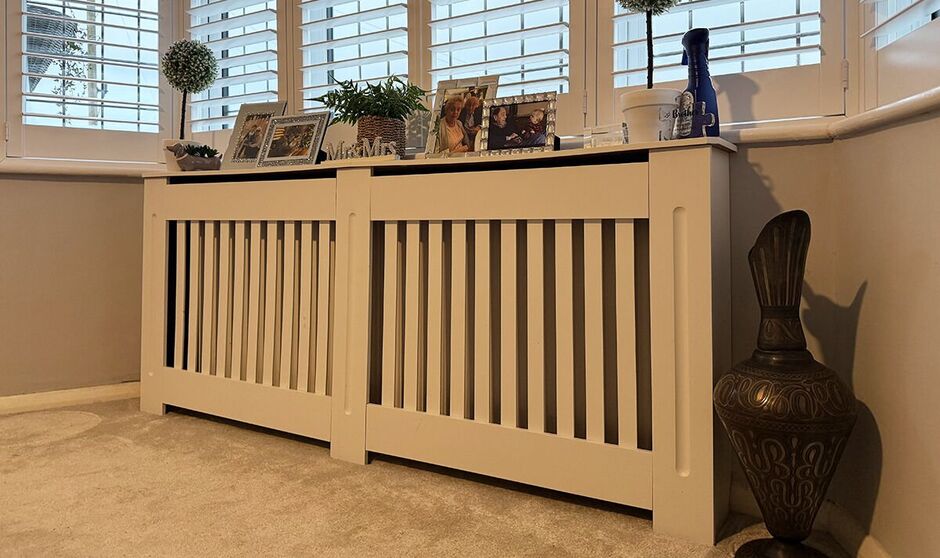
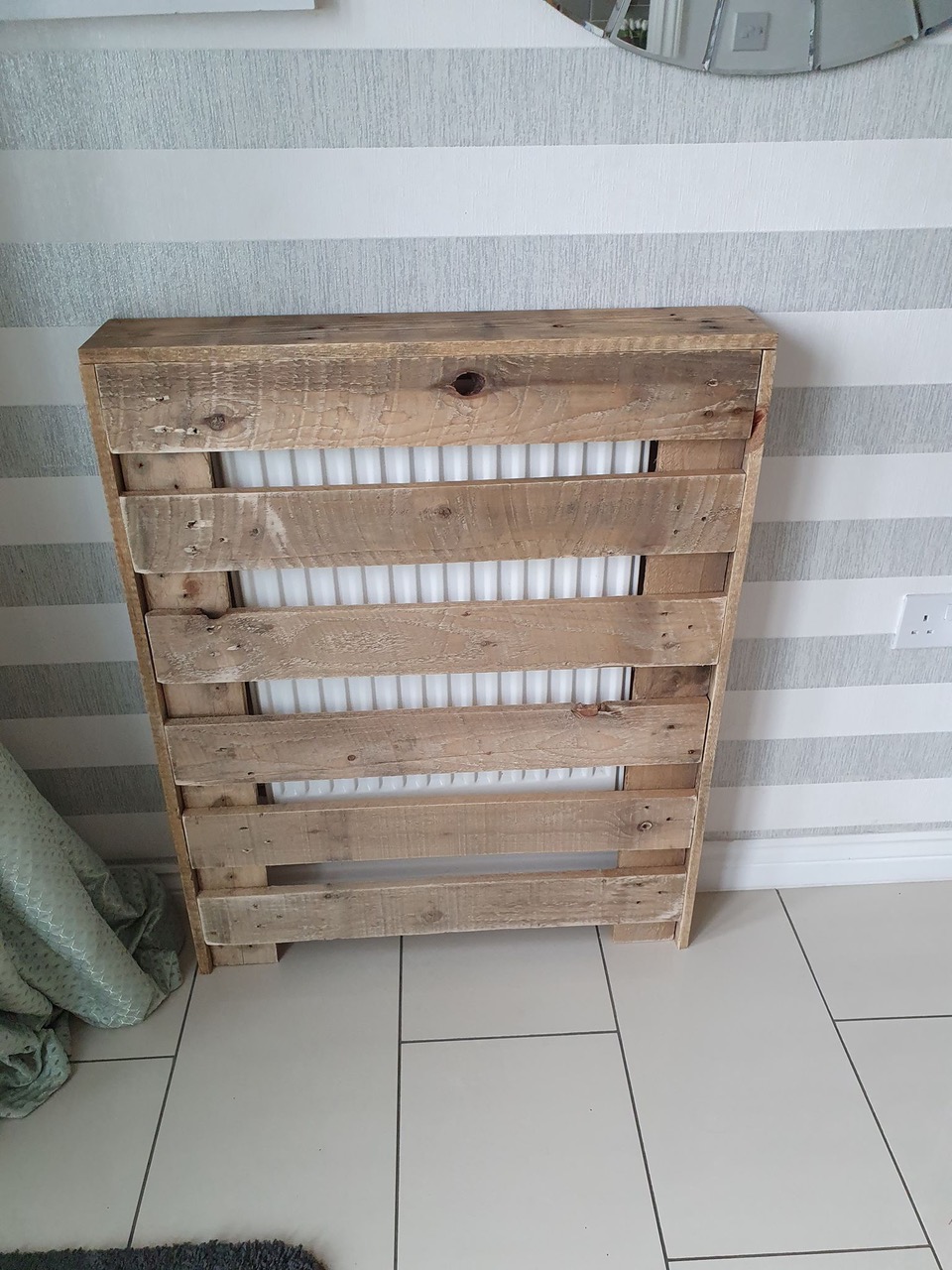
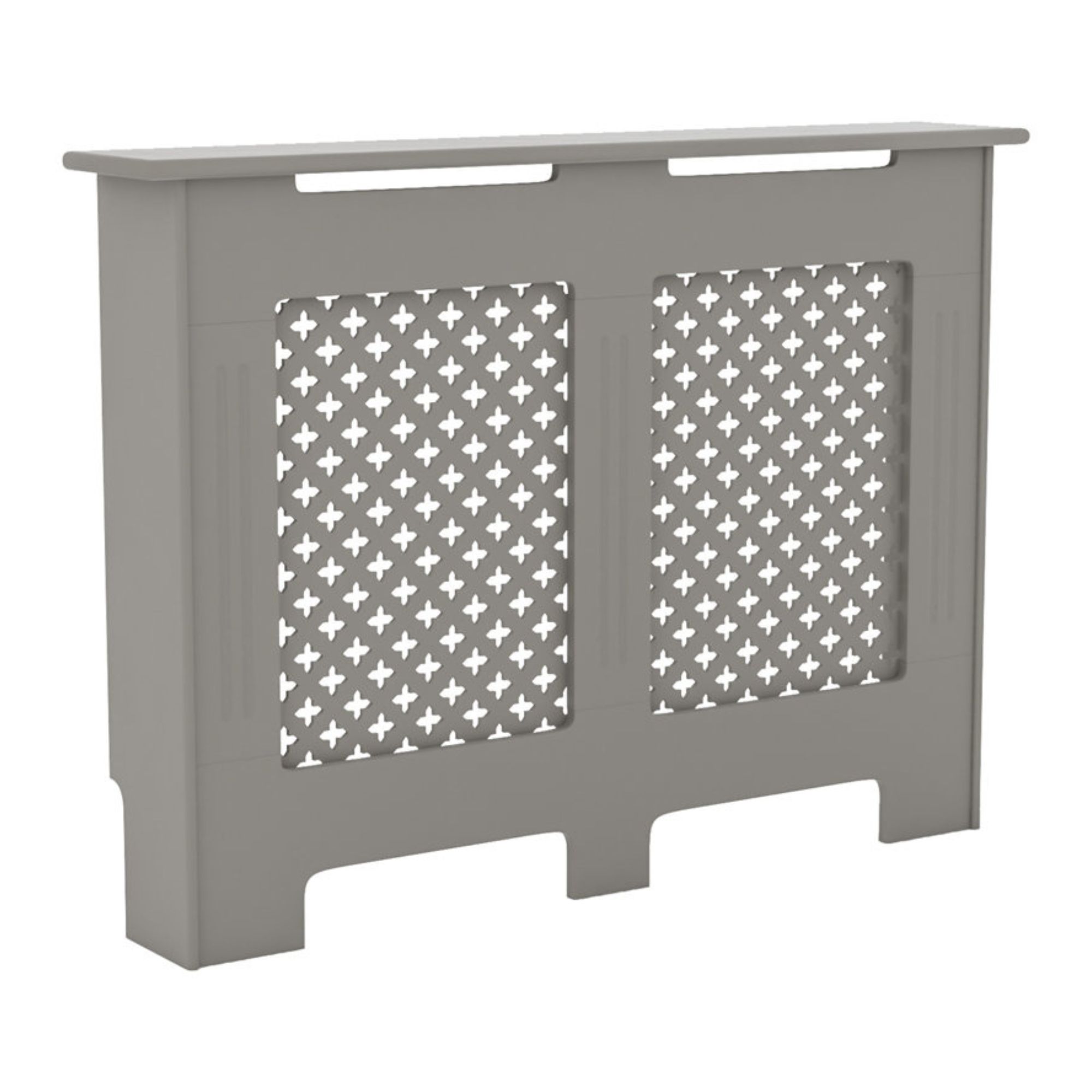
When selecting a radiator cover, the design is paramount. Nicholas Auckland, a heating and energy expert at Trade Radiators, highlights that adequate ventilation is a primary concern. Covers must have a sufficient number of gaps and vents to ensure proper airflow, as solid or poorly ventilated covers can trap heat, leading to less effective room warming and energy waste. Experts advise choosing covers where the gaps constitute at least one-third of the cover's surface area to maximize heat dispersion.
Space between the radiator and the cover is another critical factor. Nancy recommends a minimum gap of 5 centimeters in width, 3 centimeters in height, and 3 centimeters in depth to prevent a significant reduction in the radiator's BTU (British thermal unit) output. This ensures that heat can circulate effectively around the room.
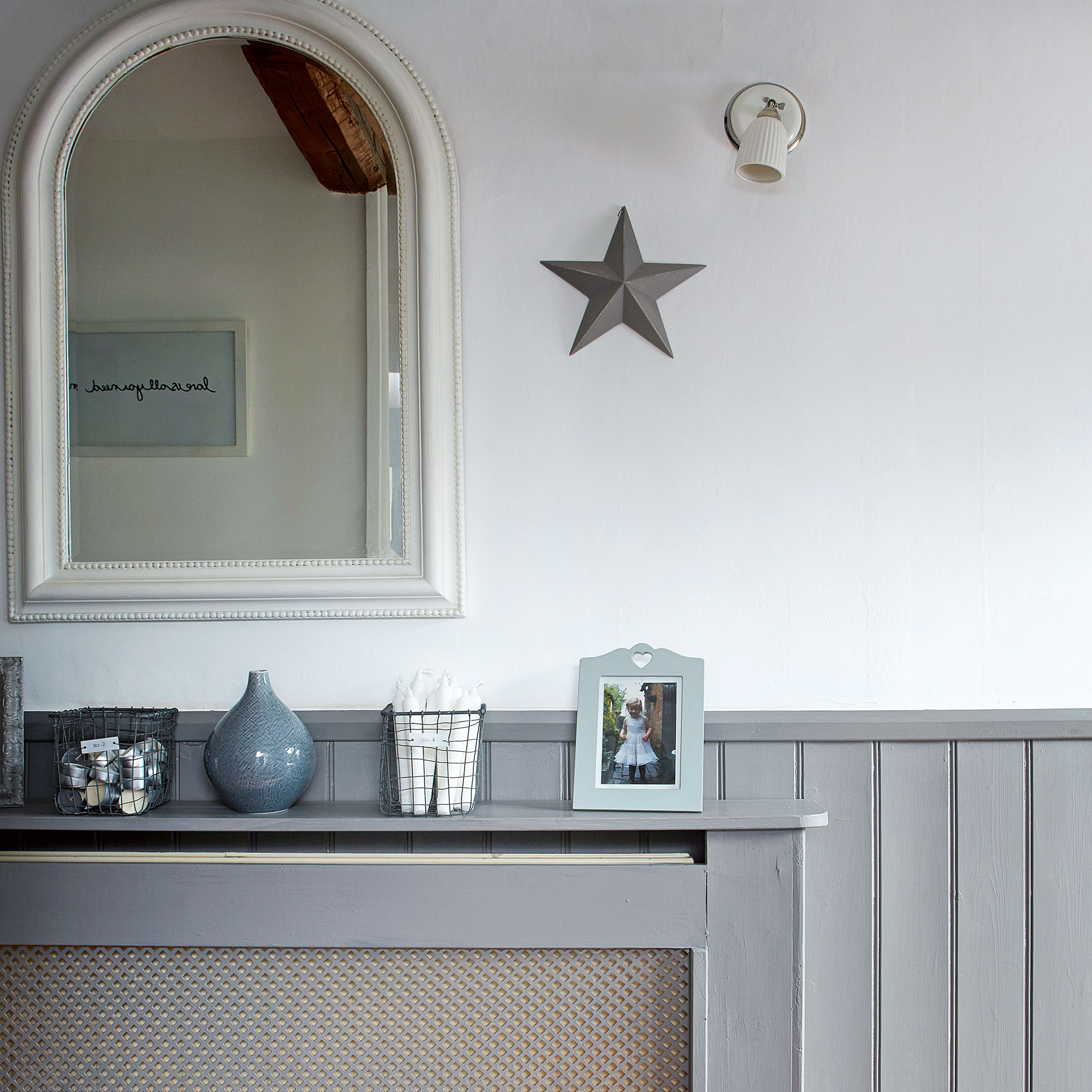
Furthermore, the material of the radiator cover plays a role in its efficiency. Nicholas warns that common materials like MDF and wood absorb heat. If a radiator cover includes a shelf on top, it is advisable to avoid cluttering it, as this can trap heat and further reduce efficiency.
Radiator covers typically reduce efficiency only slightly, particularly if they meet the ventilation criteria. Nicholas confirms that if a cover lacks at least 30-50% open surface area for ventilation, a high amount of heat loss will occur, significantly reducing efficiency. Research by Liverpool John Moores University indicates that wooden radiator covers, while popular, can reduce heat output by up to 40%, making them less energy-efficient than other options.
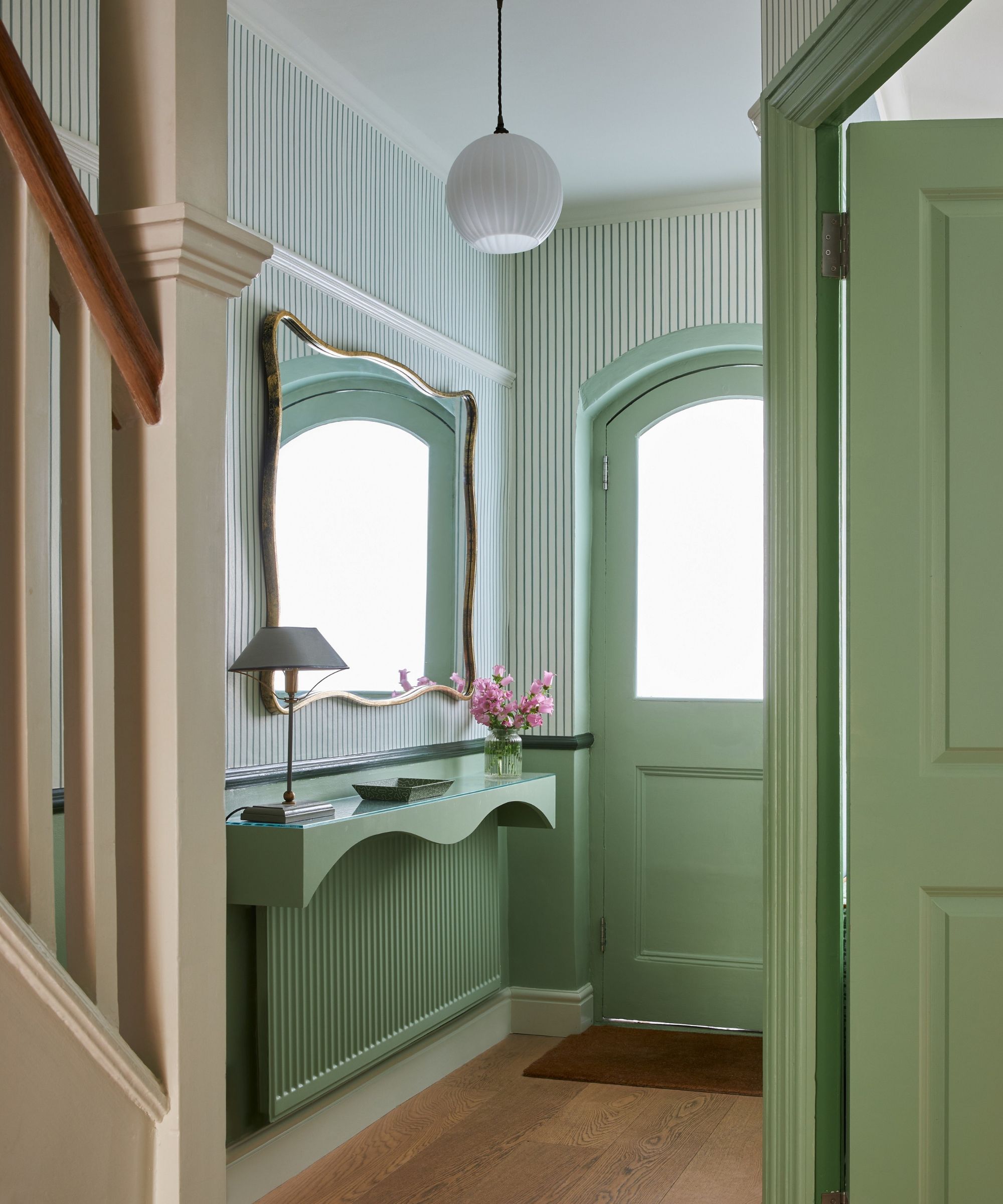
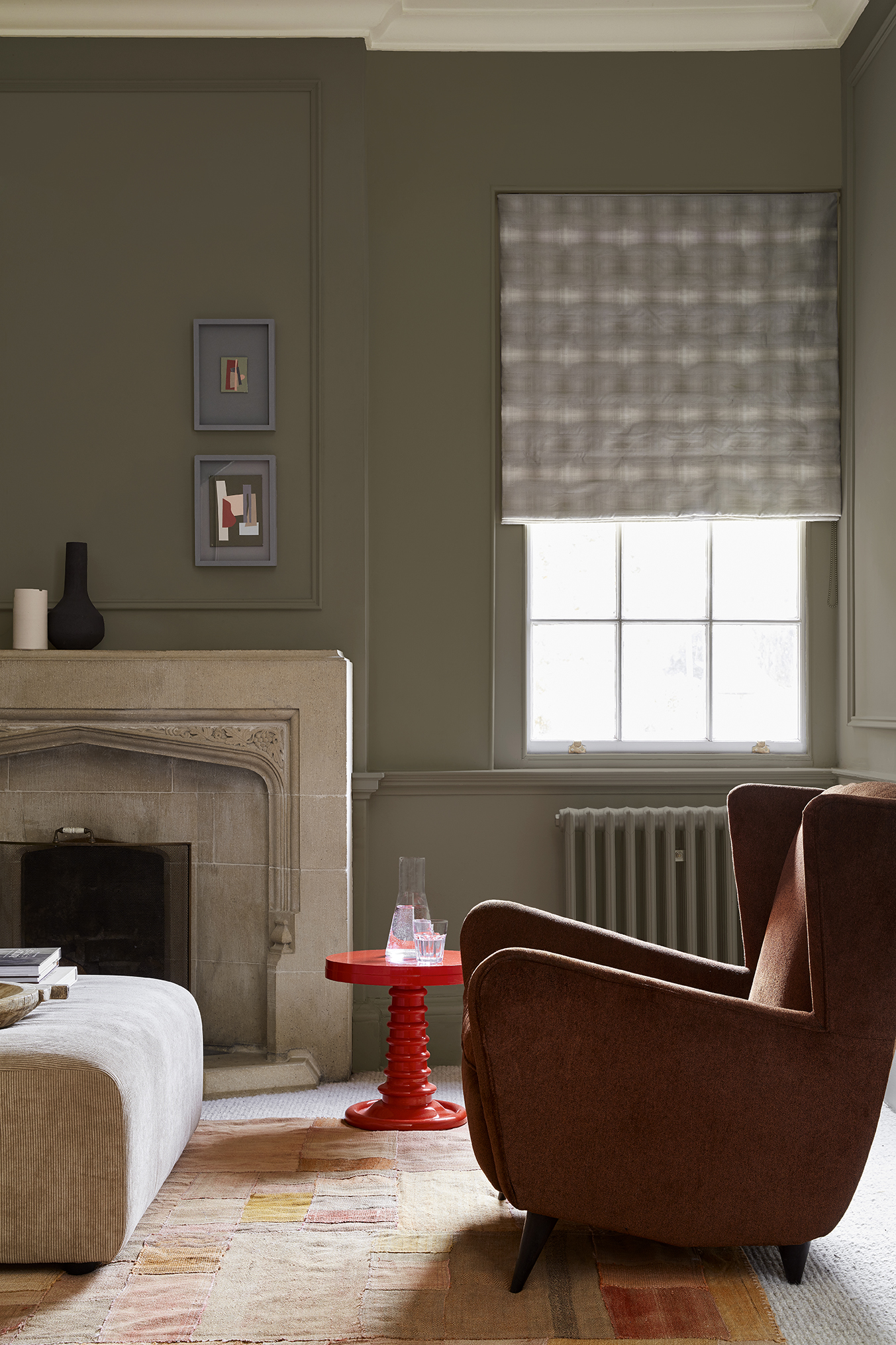
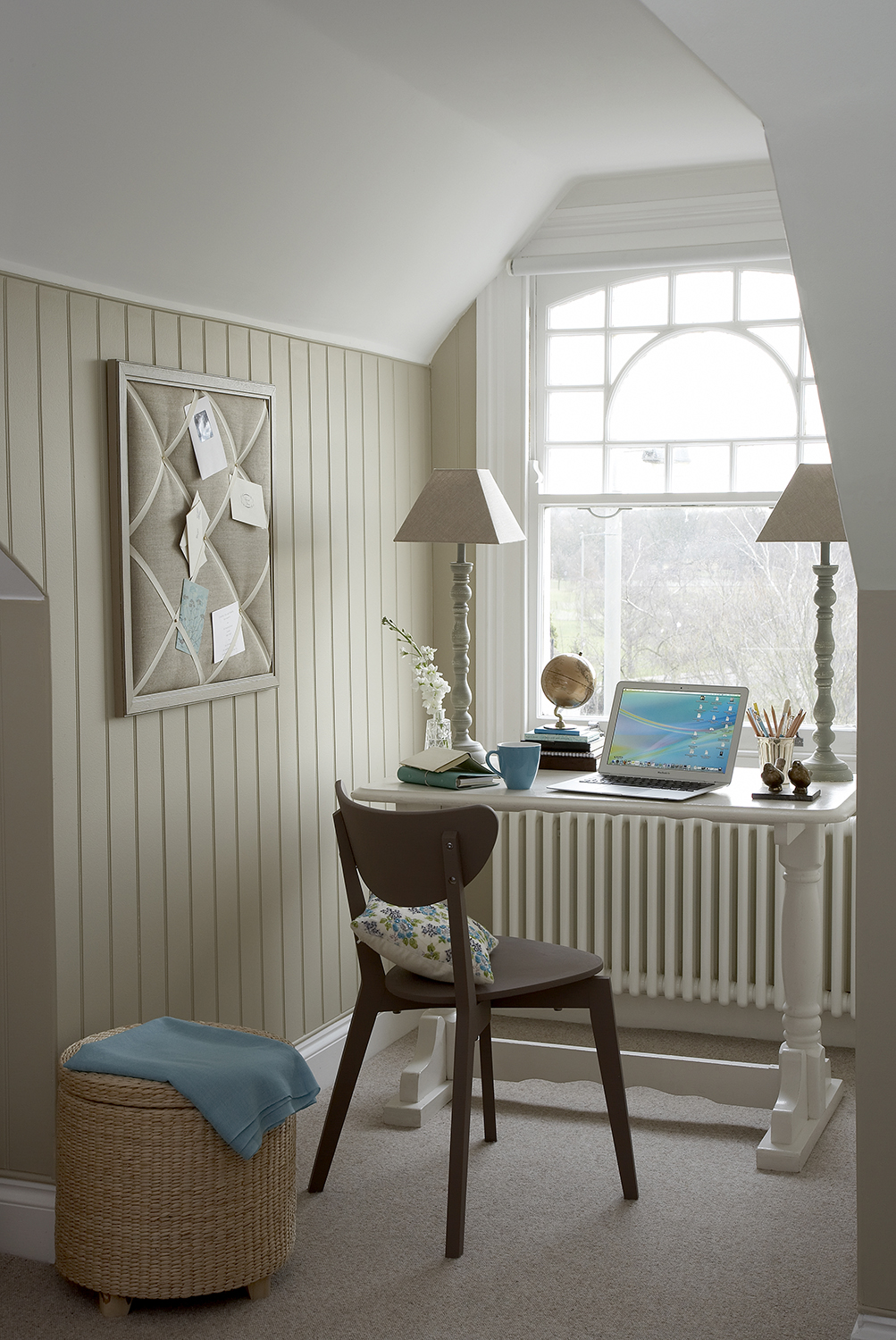
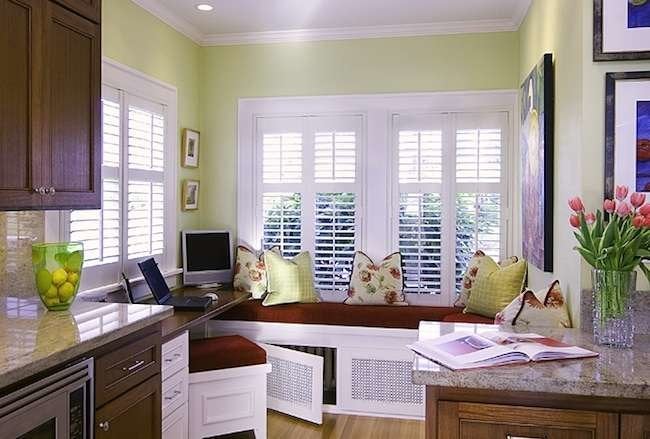
The common placement of radiators under windows is discussed, noting that this location helps save space and combat cold air infiltration from the window. While some believe this placement can reduce efficiency due to heat escaping through the window, a window ledge above the radiator can help contain the heat, improving overall effectiveness.
In conclusion, radiator covers can be a stylish solution for concealing radiators without drastically impacting heating efficiency, provided they are chosen and installed correctly. Key considerations include adequate ventilation, sufficient space between the radiator and cover, and awareness of the material's heat absorption properties. Incorporating radiator reflectors can further enhance energy savings.
#RadiatorCovers #HomeHeating #EnergyEfficiency #HomeDecor #InteriorDesign #EnergyBills #RadiatorReflectors #HeatingSolutions #RadiatorCovers #HomeHeating #EnergyEfficiency #HomeDecor #InteriorDesign #EnergyBills #RadiatorReflectors #HeatingSolutions
0 comment in total
 No comments yet
You may also like
Do Radiator Covers Block Heat? Heating Experts Break It Down

Radiant Barriers

£14 heating trick has kept my house warm and thermostat lower as energy bills set to rise
Block the Sun and Lower Your Energy Costs With Window Coverings
11 Stylish Ways to Enhance—or Hide—Your Radiators
6 clever ways to make a radiator look good – there is no excuse for an ugly radiator to sabotage your scheme
Where to get radiator covers in NYC
Experts Urge Homeowners to Avoid This Radiator Mistake That 'Exaggerates' How Well It Will Heat Your Home
3 home design choices that were increasing my heating bills
Radiator Covers Buyer’s Guide: Why Use, Types (Wood, Metal &; More), Costs Etc.


Thrifty gran shares how she gave her radiators a makeover for free


Do thermal curtains keep heat out in the summer? Experts reveal whether these window dressings are worth buying
Do Radiator Covers Save Energy or Waste It?
Are shelves over radiators a good idea? Our experts share pros, cons and what to consider if you go for it

How to hide a radiator - the expert guide to decorating tricks to help them blend in
Are infrared heaters cheap to run? For targeted heat they could be better value than an oil-filled radiator, say experts
The best radiator covers – modern, rustic and affordable options to disguise your heating in style
Radiators

5 Design Mistakes Making Your Heating Less Effective in Your Home — And the Easy Ways to Fix Them
Take cover / Turn your unsightly radiator into a thing of beauty with an enclosure