Hydronic Baseboard Heater Buyers Guide: How to Choose, Costs and Installation, Safety Considerations
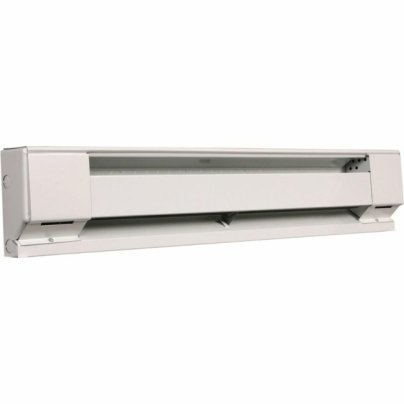
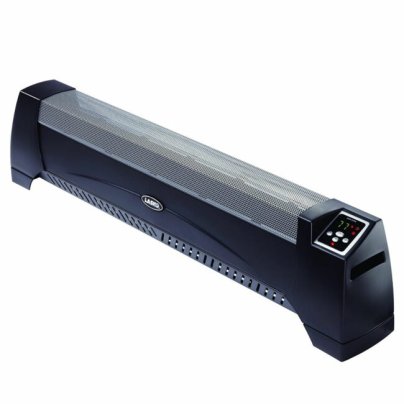
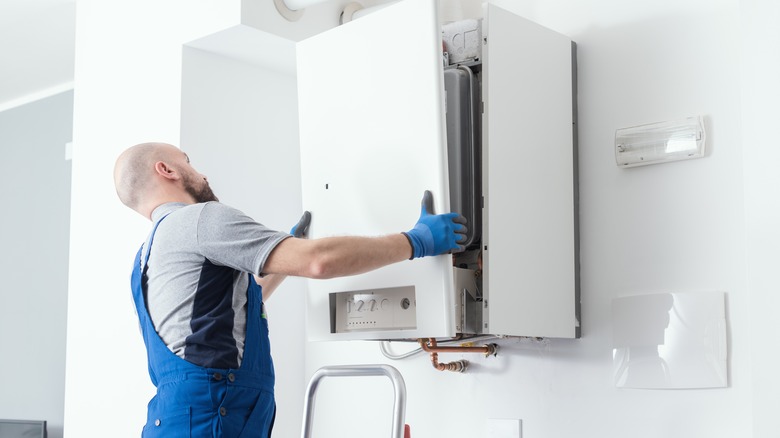
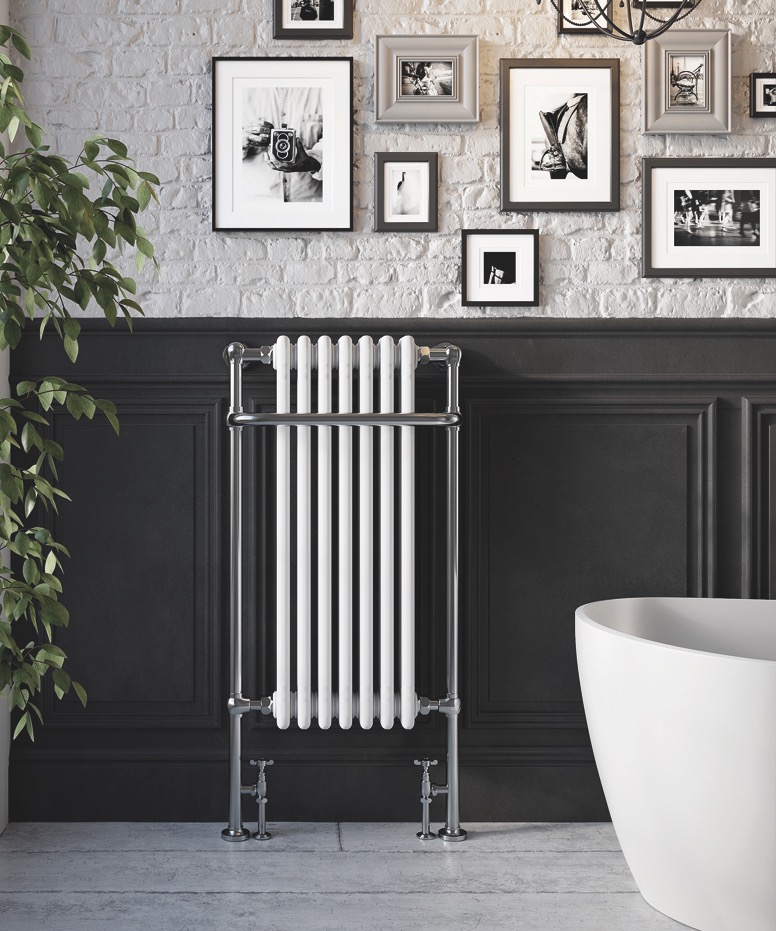
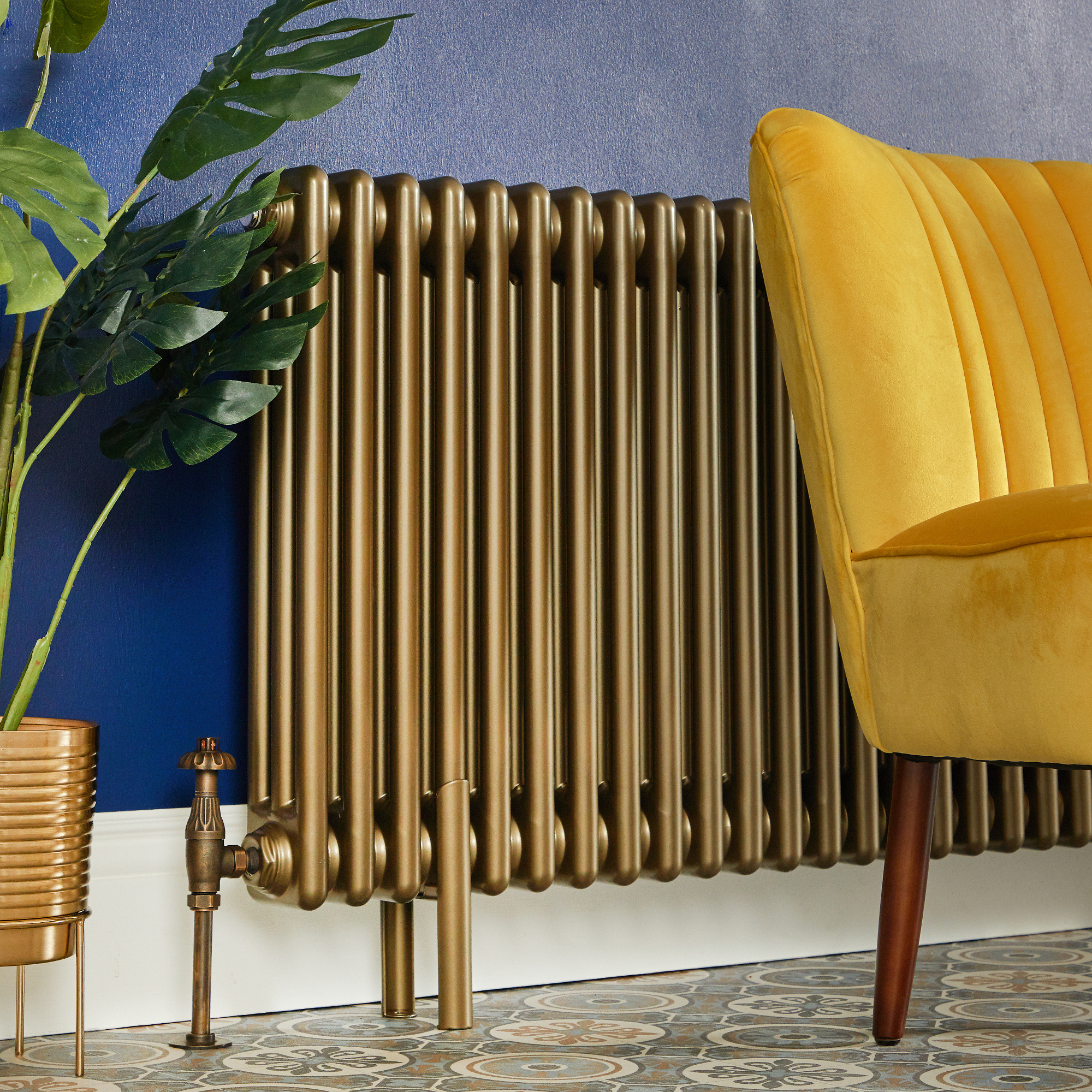
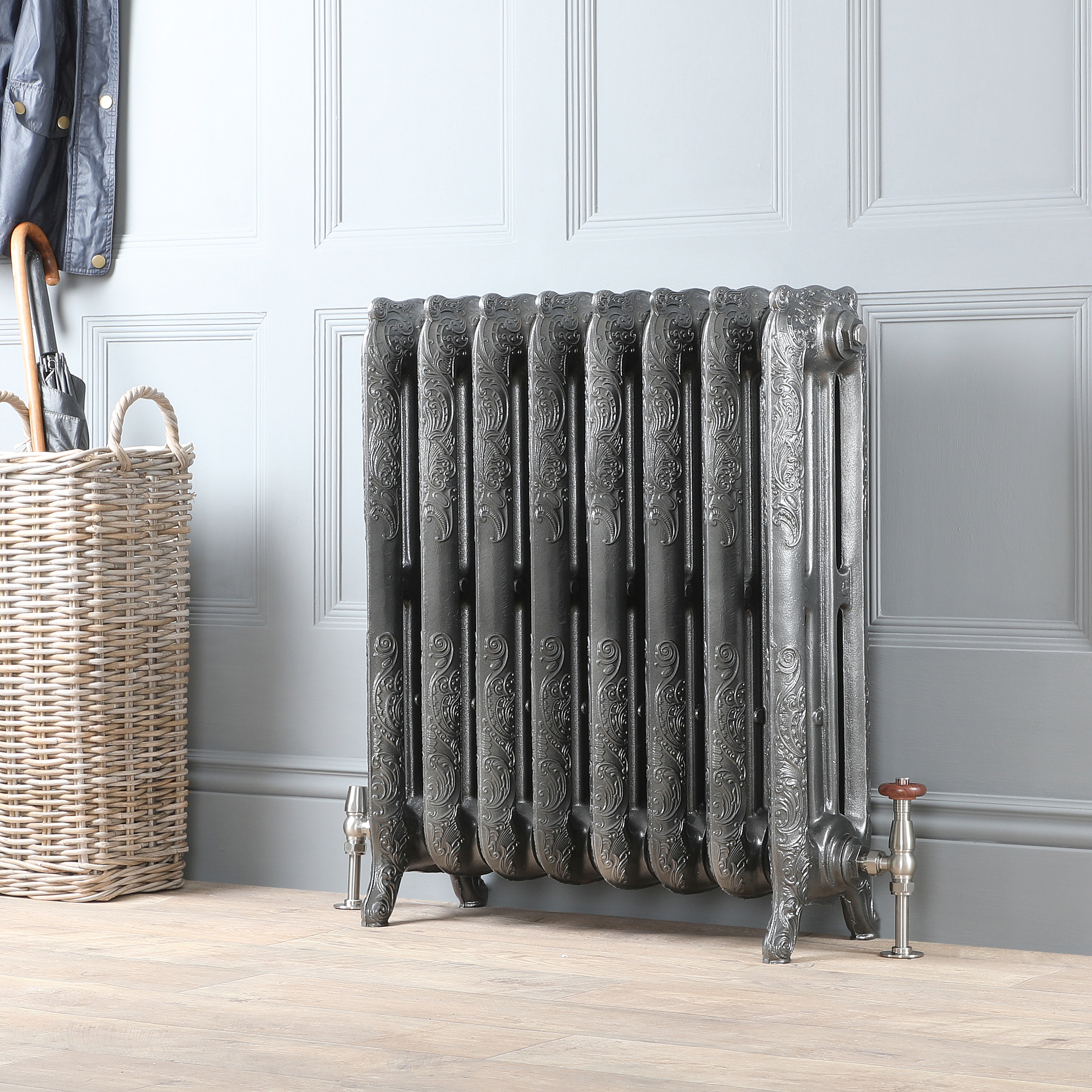
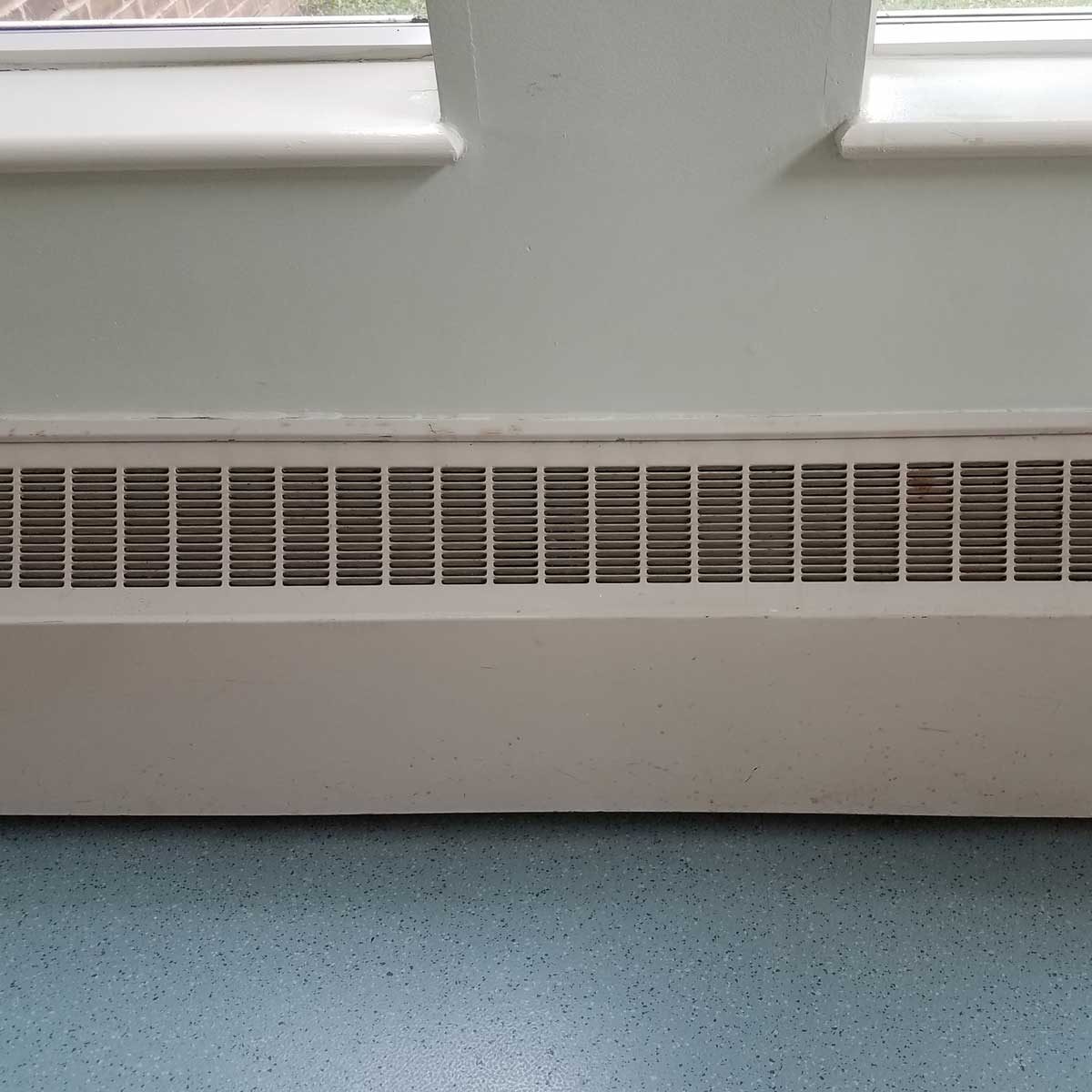
Hydronic baseboard heaters offer an energy-efficient alternative to conventional electric baseboard heaters, providing a powerful, versatile, and quiet solution for zoned or supplemental heating. These heaters operate by distributing radiant heat through a heated liquid, typically water or oil, contained within an internal reservoir or integrated into a home's central heating system boiler. A key advantage of hydronic systems is their ability to retain and emit heat long after being turned off, contributing to greater energy efficiency compared to electric space heaters, which cool down quickly.
Beyond energy savings, hydronic baseboard heaters offer several benefits. Unlike traditional electric heaters that use convection to circulate warm air, along with dust and allergens, hydronic systems do not blow air around, thus maintaining better indoor air quality. They also prevent the air from drying out, a common issue with electric heaters during winter months. When selecting a hydronic baseboard heater, the primary consideration is the size of the space to be heated. Electric hydronic heaters are rated in watts, requiring approximately 10 watts per square foot of living space, while hydronic baseboard radiators are rated in British Thermal Units (BTUs), needing about 20 BTUs per square foot. It is crucial to ensure that a home's boiler has sufficient BTU output capacity to support an installed baseboard radiator.
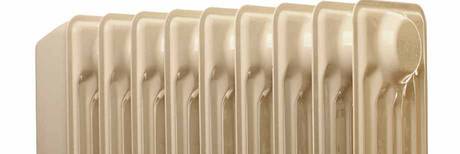
Costs for electric hydronic baseboard heaters generally range from $200 to $250, while hydronic baseboard radiators cost between $65 and $200. Installation difficulty and expense vary. Replacing an existing unit can often be a DIY task, involving basic wiring for electric models or water line connections for radiators. However, installing a new electric hydronic heater in a location without prior wiring typically necessitates a professional electrician to run new wires and install a new breaker. Similarly, a new hydronic baseboard radiator installation usually requires a professional plumber to route new plumbing through walls or floors. The average professional installation cost for an electric baseboard heater is around $764, while a baseboard radiator installation can range from $400 to $1,070.
Maintenance for hydronic baseboard heaters is straightforward, primarily involving annual cleaning of dust and debris from the metal heating fins to ensure proper airflow. This is done by removing the front cover and vacuuming or wiping the fins. For hydronic radiant heaters, plumbing lines should be bled annually to remove excess air, which prevents noisy operation and maintains heat production. This process involves opening a bleed valve with a screwdriver or radiator key after the boiler has cooled. Additionally, checking the boiler's pressure gauge after bleeding the air is recommended, ensuring it stays between 12 and 15 psi to prevent uneven heating, leaks, or system damage. Cleaning the end caps and dampers with a damp cloth during yearly maintenance also contributes to optimal airflow and even heat distribution.
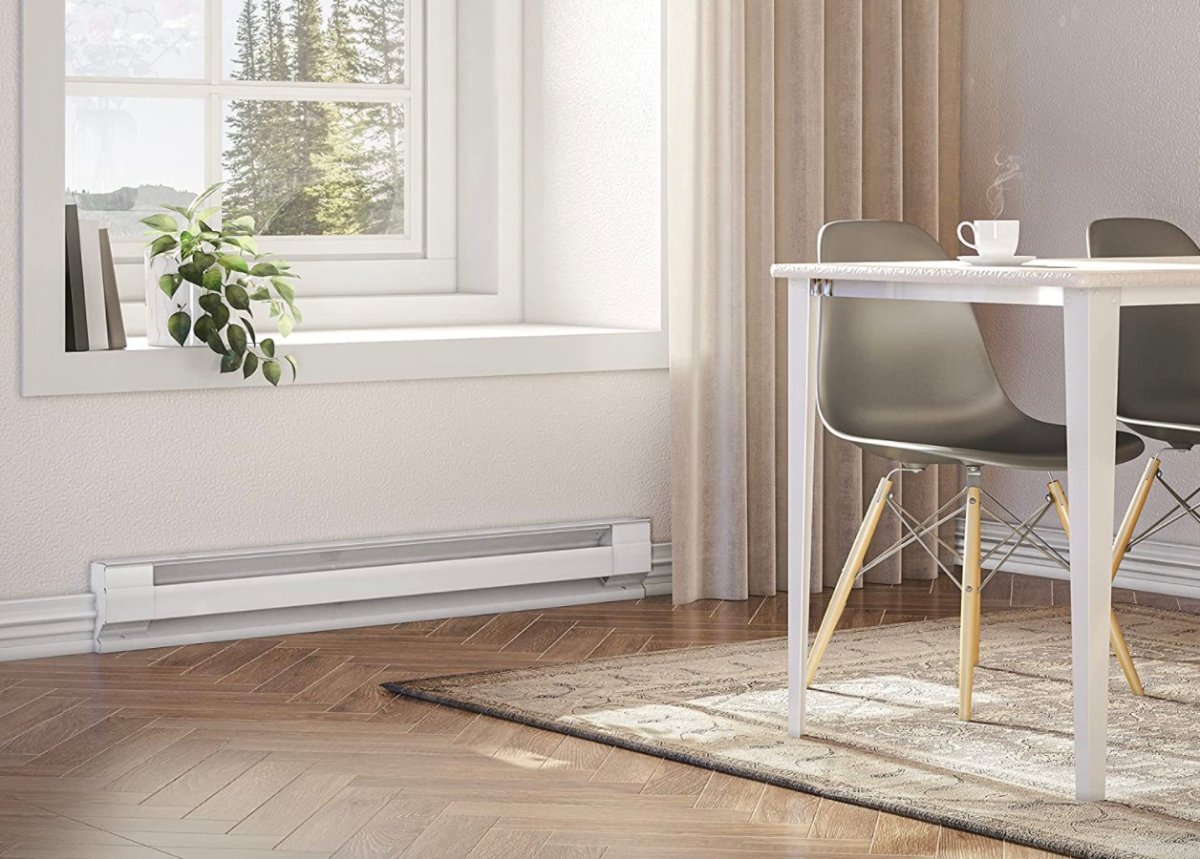
In terms of safety, hydronic baseboard heaters are generally considered safe. They pose a lower risk of contact burns compared to other heaters because their surface temperatures are not as high. Key safety considerations include maintaining a minimum 12-inch clearance between the heater's front and flammable materials like window coverings and furniture, and at least six inches of clearance on either side. It is also important to ensure that fully opened doors do not block the heater. Furthermore, purchasing heaters certified for safe use by third-party agencies, such as Underwriter Laboratories (UL), is advisable.
#HydronicHeaters #BaseboardHeating #EnergyEfficiency #HomeHeatingSystems #DIYInstallation #HVACMaintenance #HomeSafety #RadiantHeat #HydronicHeaters #BaseboardHeating #EnergyEfficiency #HomeHeatingSystems #DIYInstallation #HVACMaintenance #HomeSafety #RadiantHeat
0 comment in total
 No comments yet
You may also like
Vetted: The Best Baseboard Heaters for Home Comfort

The 9 Best Water Heaters for Efficiency and Performance
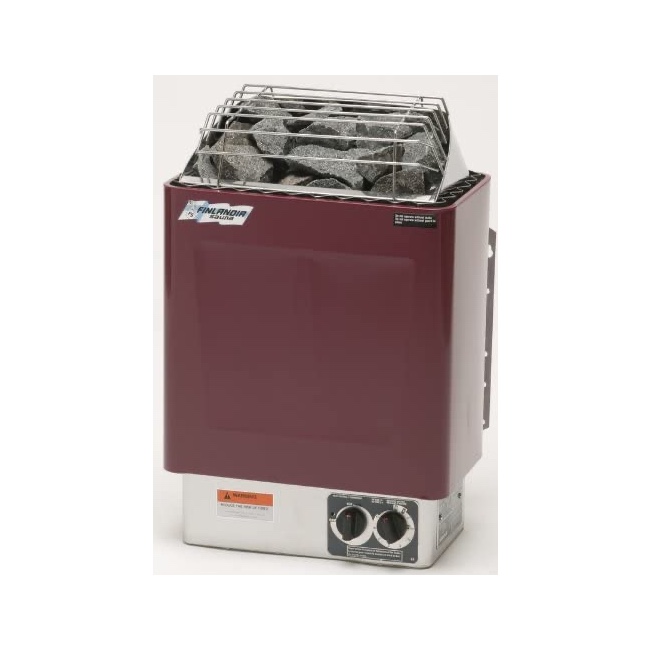
These Are The Best Sauna Heaters for the Most Comfortable Home Spa Experience


Electric vs water underfloor heating: installation, efficiency and user reviews compared

Choosing a heater

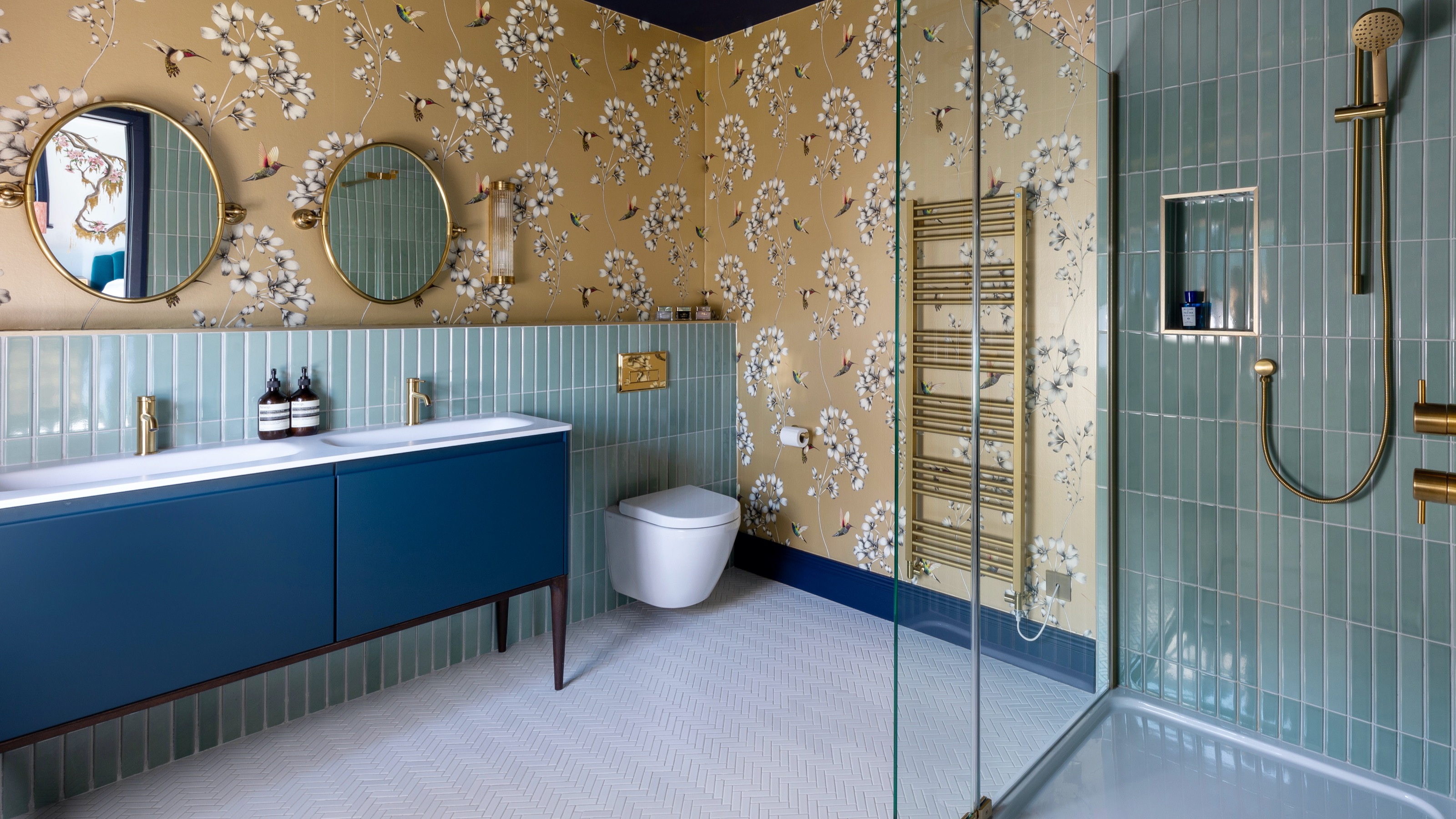
5 bathroom heating options, and our expert advice on which is best for you


What to know before you spring for radiant heat floors
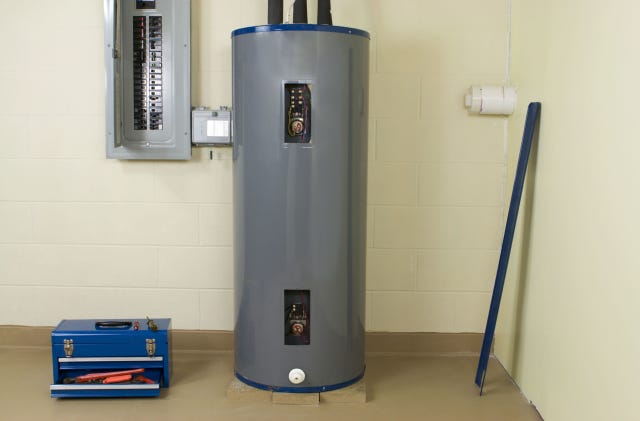
How To Install An Electric Water Heater
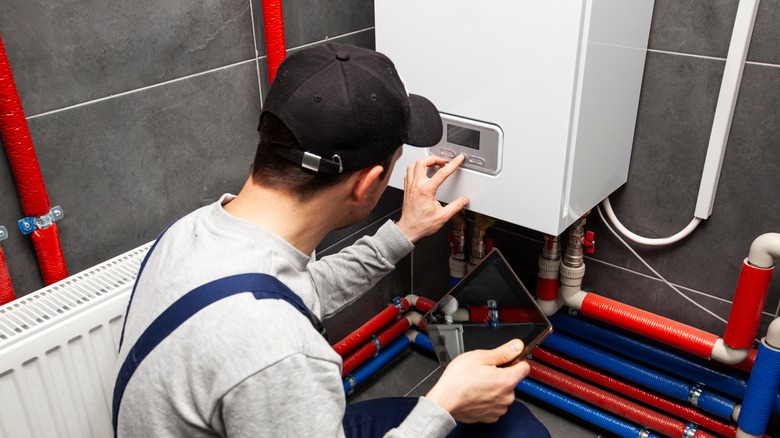
How Much Should You Spend On A New Electric Water Heater?

Top 8 electric geysers to buy before winter for quick heat, safe tanks, and right sizes for every bathroom and kitchen

6 of the best heater ideas to warm up your home this winter

Central heating - everything you need to know about heating your home
How to Choose the Right Type of Baseboards for Your Home

10 tips for using underfloor heating in a bathroom
Rules for buying a hot tub – pro tips on selecting the best

‘Worst water heater I ever installed as a plumber for 32 years.’ – A Home Repair Expert Sounded Off Against Rheem Brand Of Water Heaters

HVAC Buying Guide: What to Know When You're Shopping

After 56 Days of Testing, We Found the Best Bathroom Heater
Hydronic radiant wall heating, still the greatest trade secret in the U.S.


The Ultimate Guide To Warmth: How To Choose The Best Room Heater For Your Home?