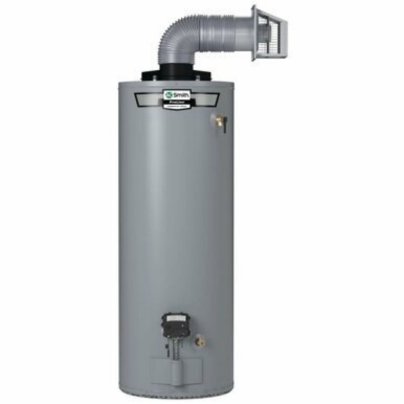
1/14
The 9 Best Water Heaters for Efficiency and Performance
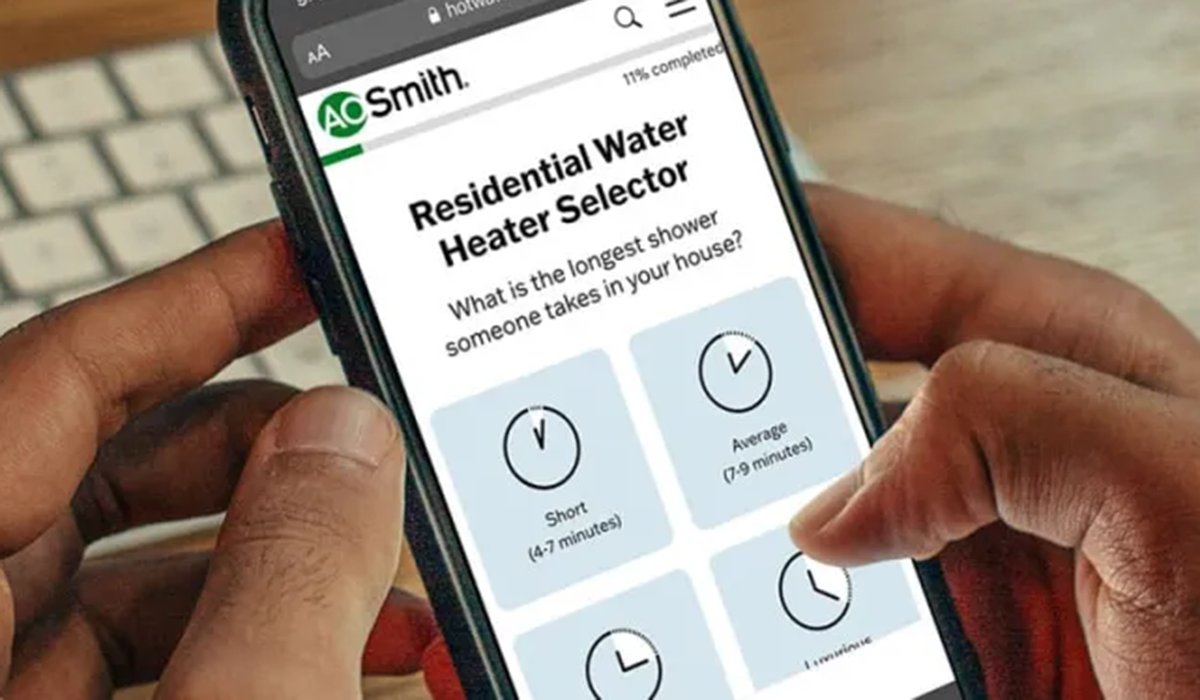
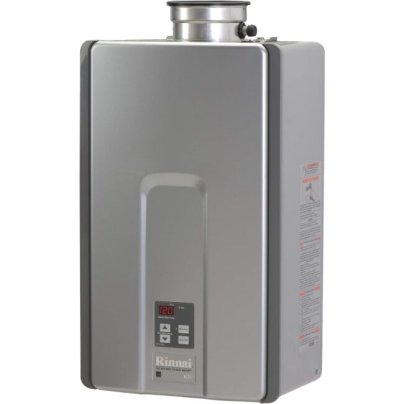
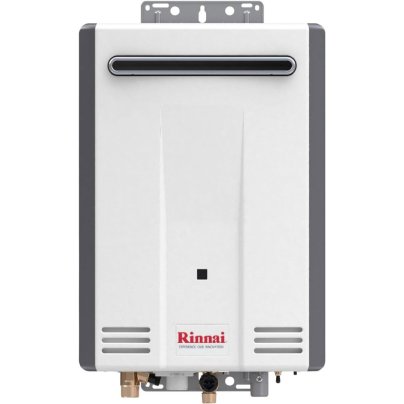
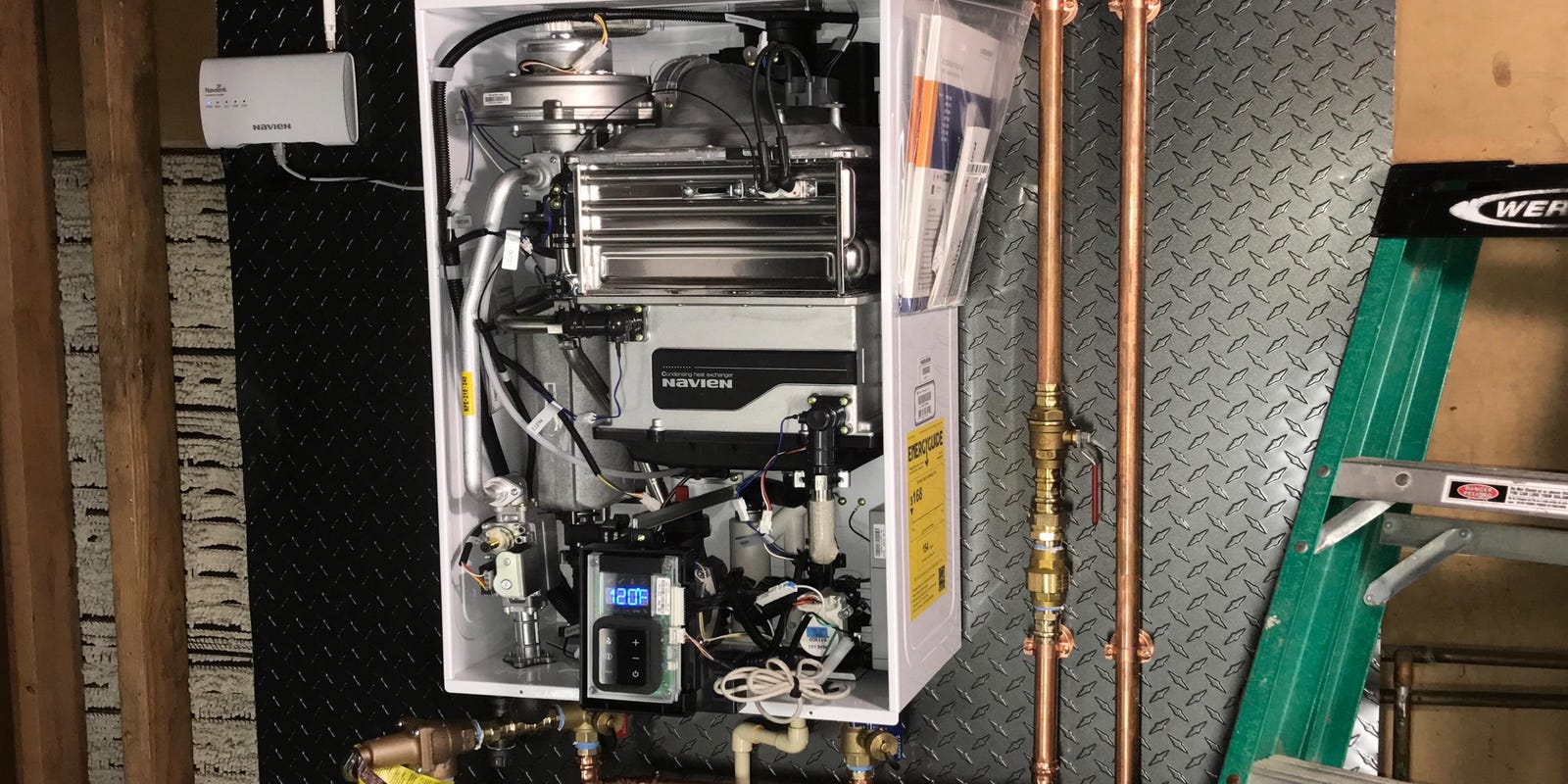
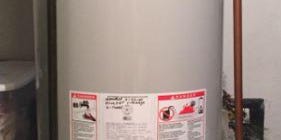
The landscape of residential water heaters has evolved significantly beyond traditional gas or electric tank models, now encompassing tankless and hybrid options. This expansion offers consumers more choices but also presents challenges in selecting the most suitable unit. The article provides a comprehensive guide to understanding different water heater types, their features, and key considerations for making an informed purchase decision. It details the methodologies used to evaluate water heaters, focusing on aspects such as water capacity, power output, installation ease, and special features.
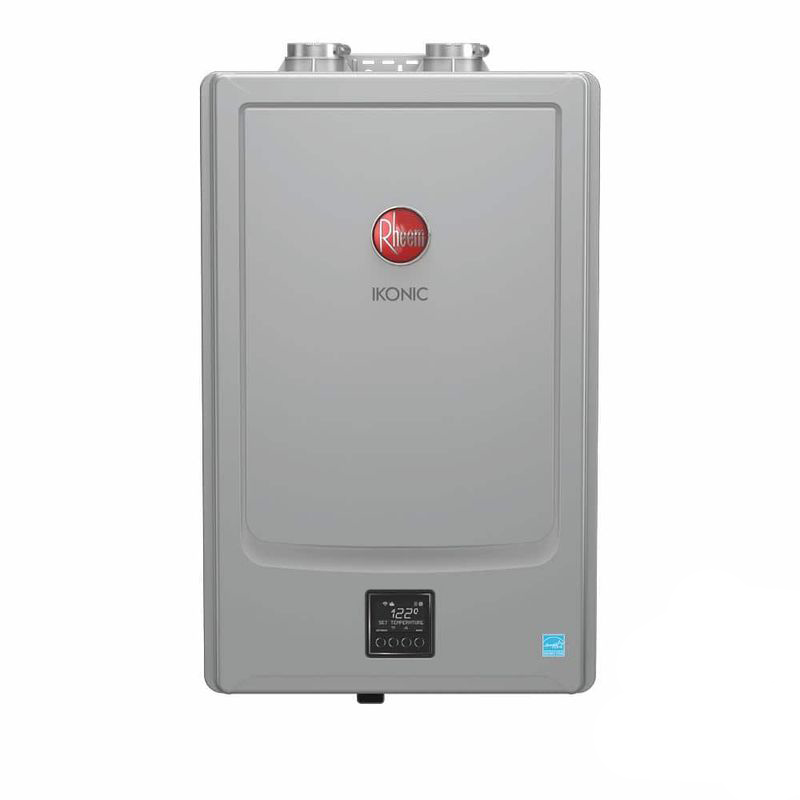
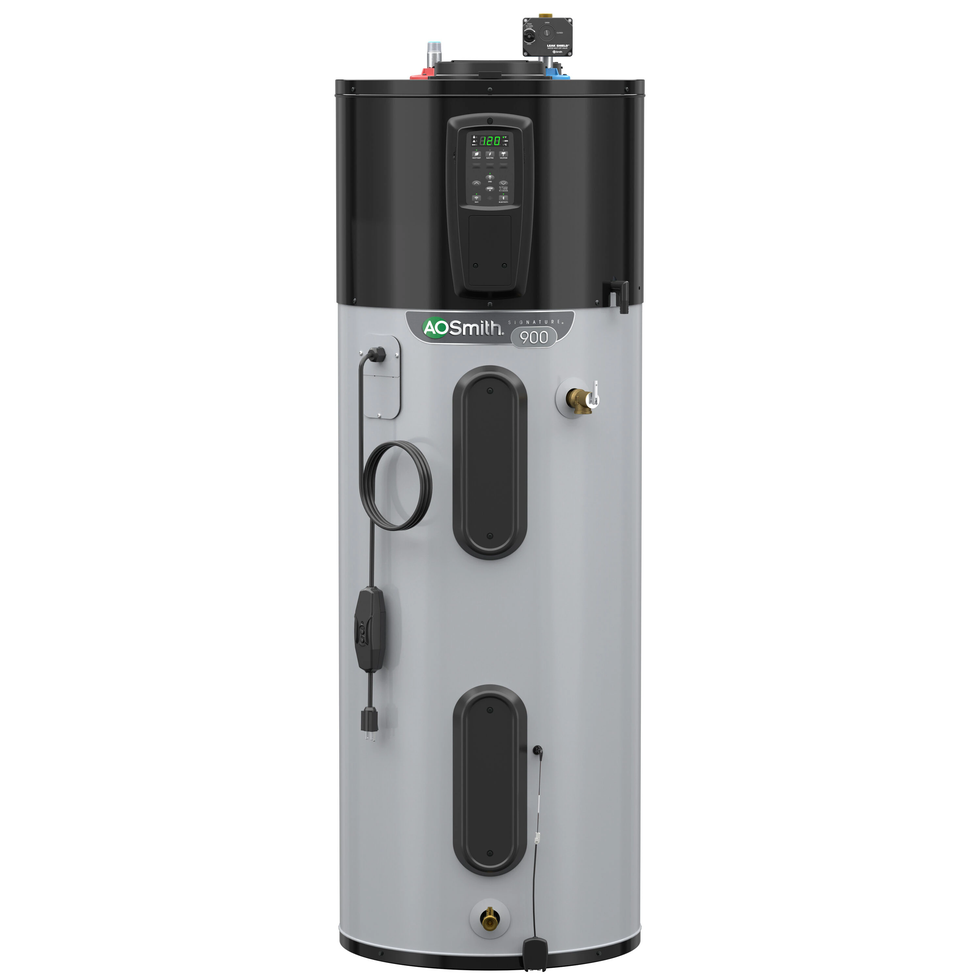
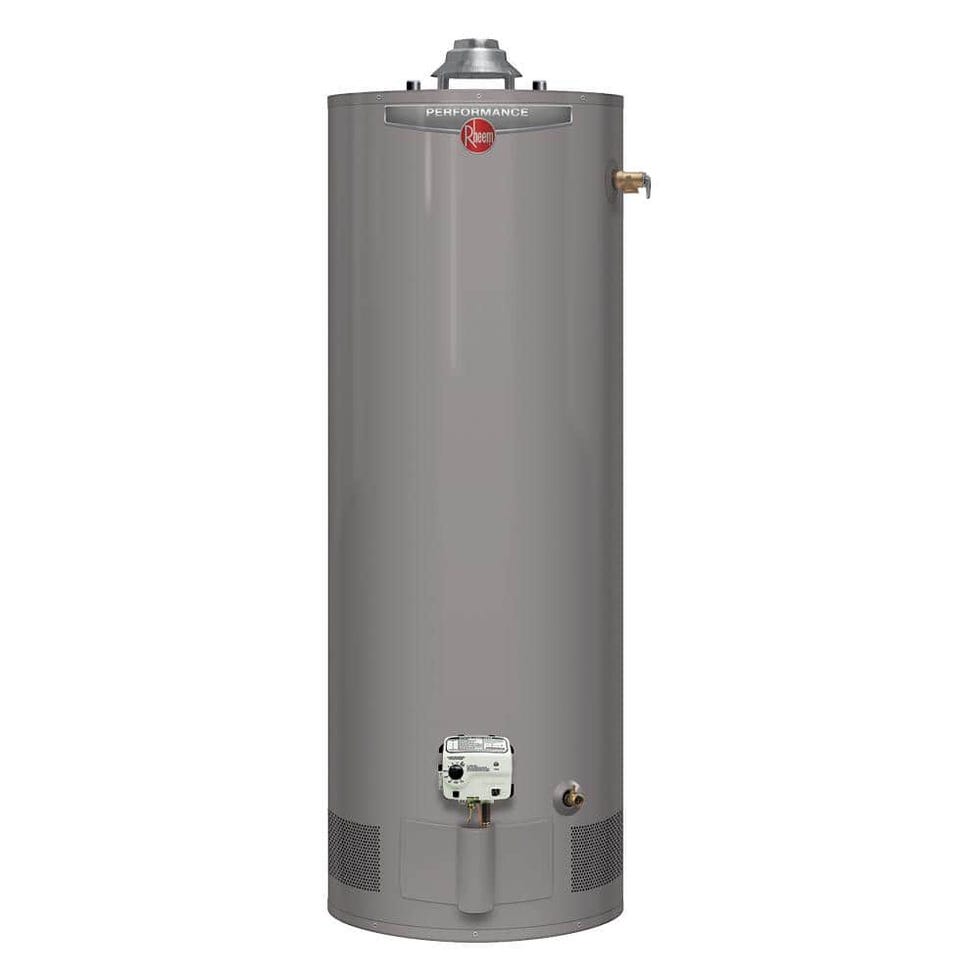
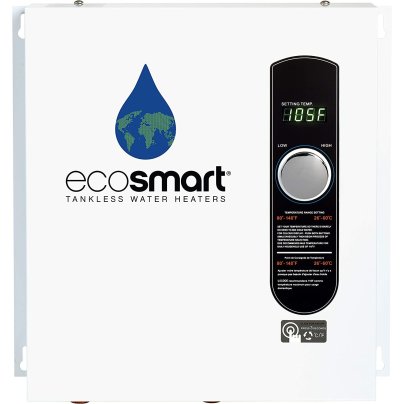
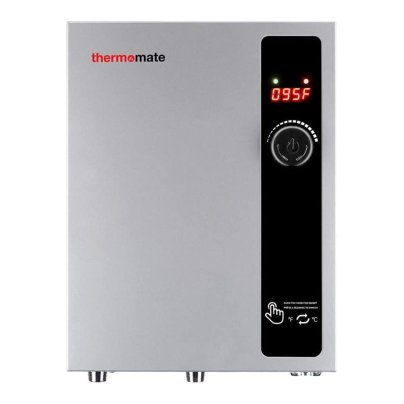
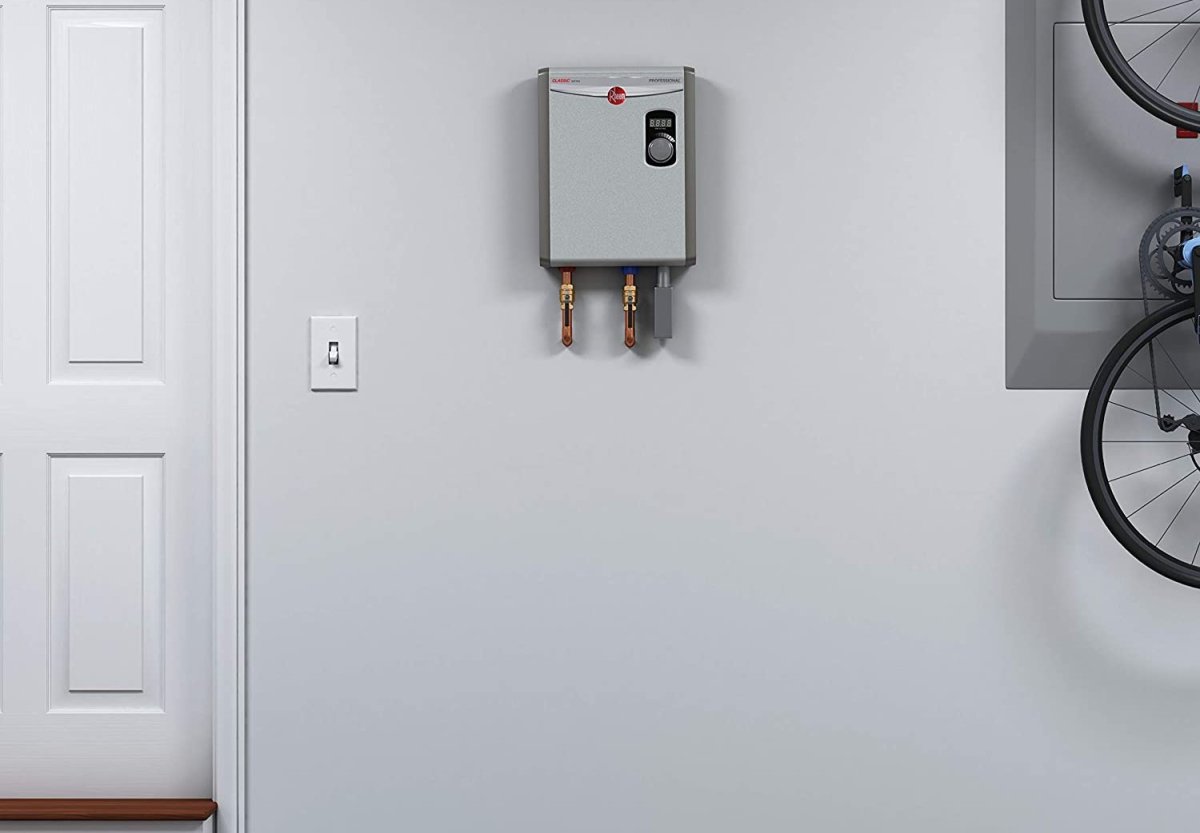
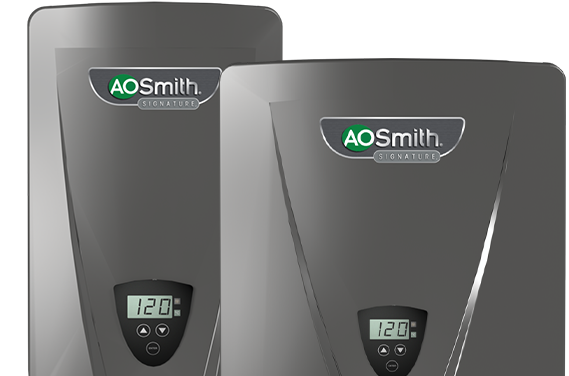
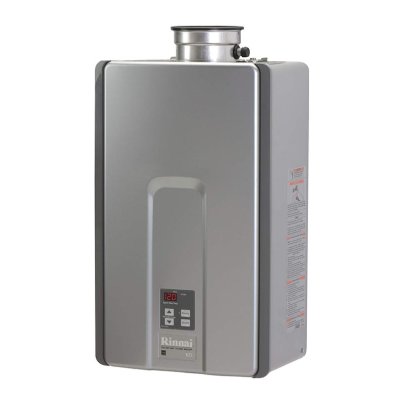
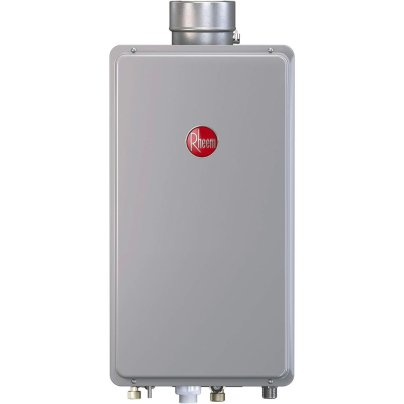
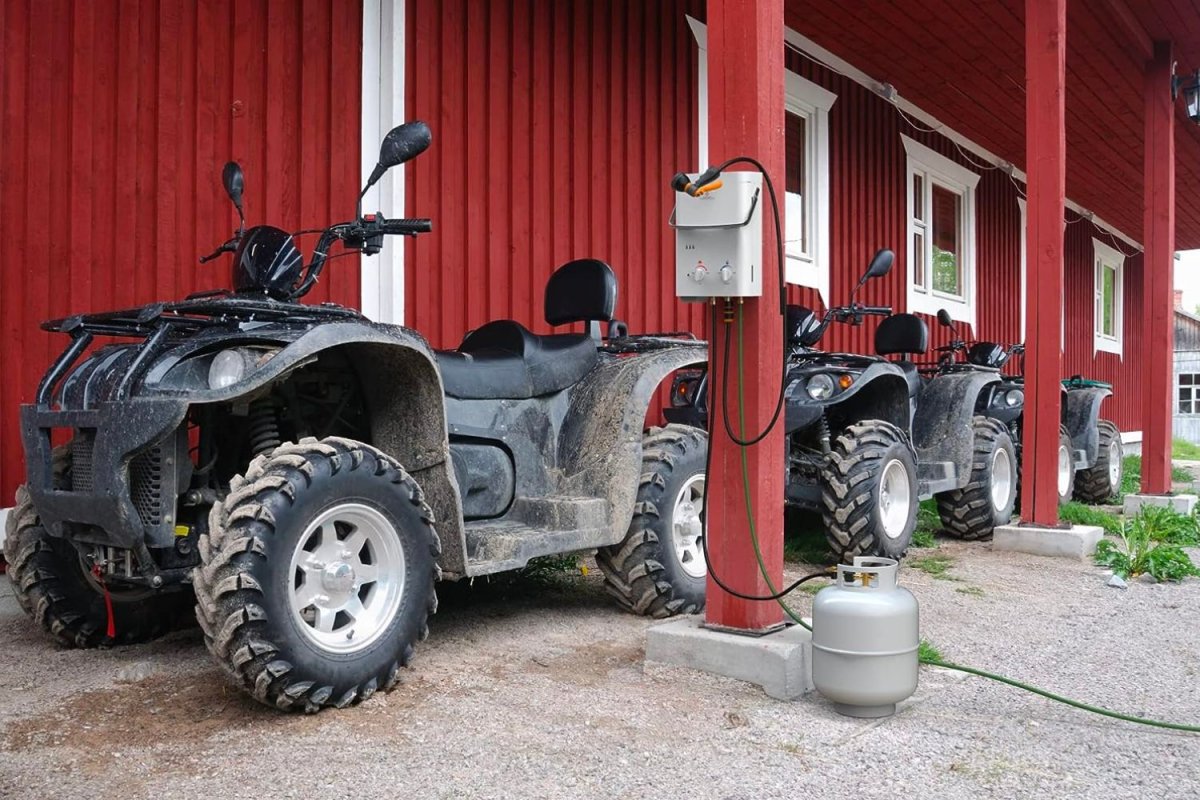
The article reviews nine top-rated water heaters, categorizing them based on their strengths: Best Overall, Best Bang For The Buck, Best Tankless Electric, Best Tankless Gas, Best Energy-Efficient, Best For Large Family, Best for Hard Water, Best Mini, and Best Portable. Each recommendation includes a description of the product's specifications, pros, and cons. For instance, the A.O. Smith Signature 50-Gallon Natural Gas Heater is highlighted for its ability to deliver 81 gallons of hot water in the first hour and its high-altitude certification, despite not being Energy Star certified. The Rheem Performance Platinum 50-Gallon Water Heater is praised for its efficiency and push-button ignition, while the Stiebel Eltron Tankless Electric Water Heater is noted for its self-adjusting water flow and compact design.
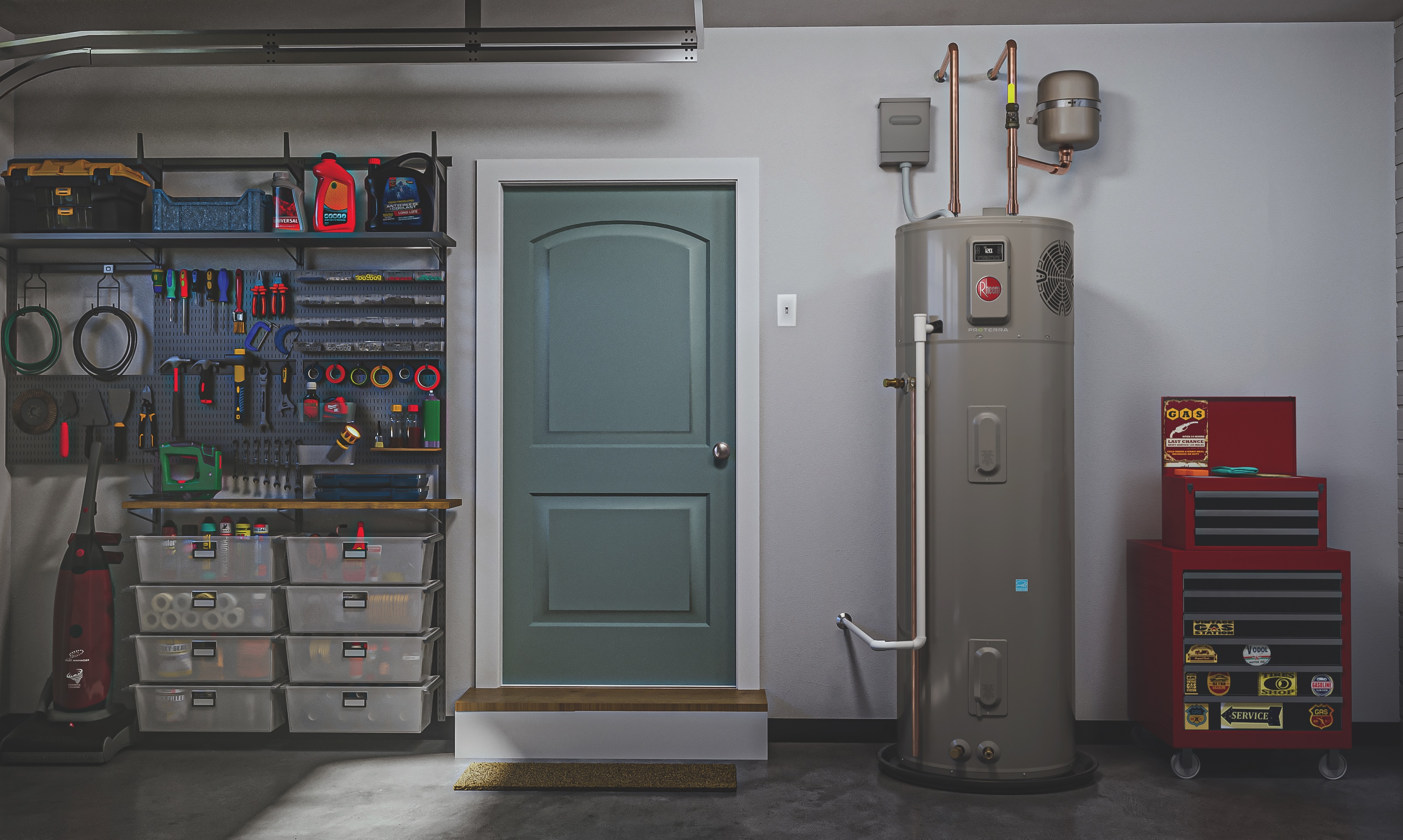
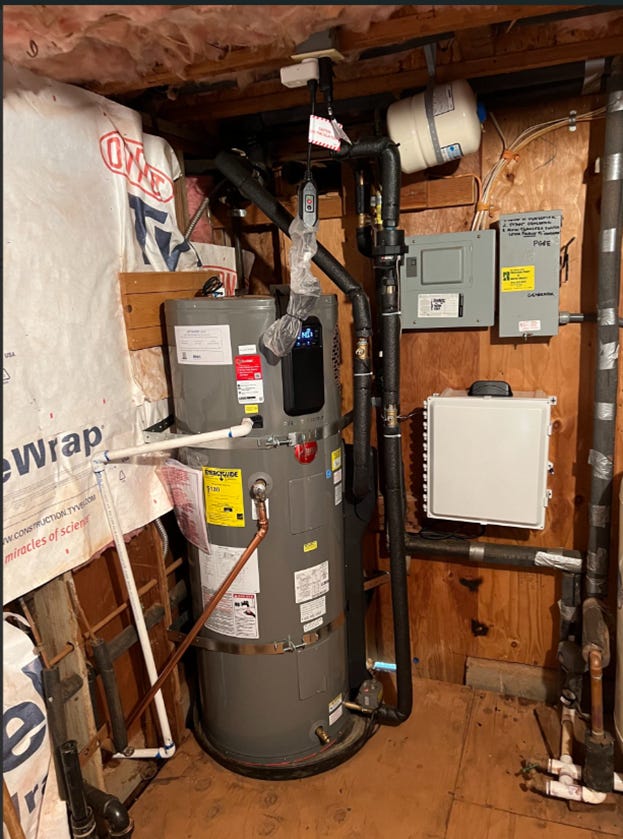
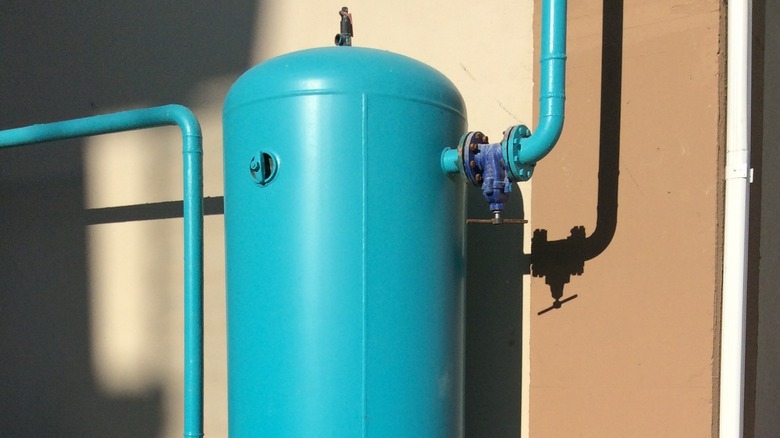
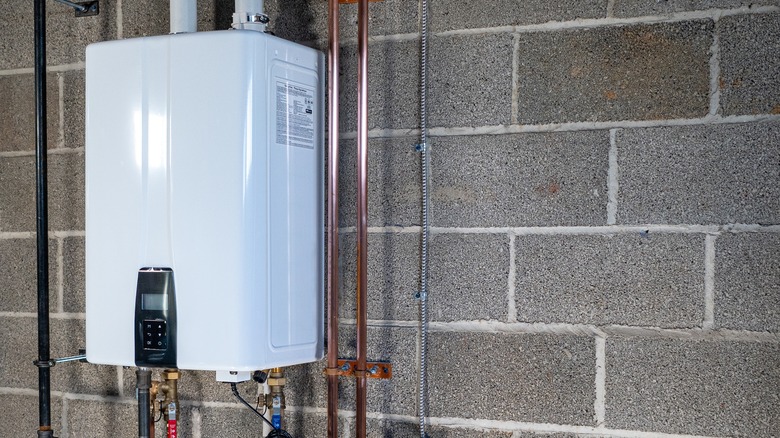
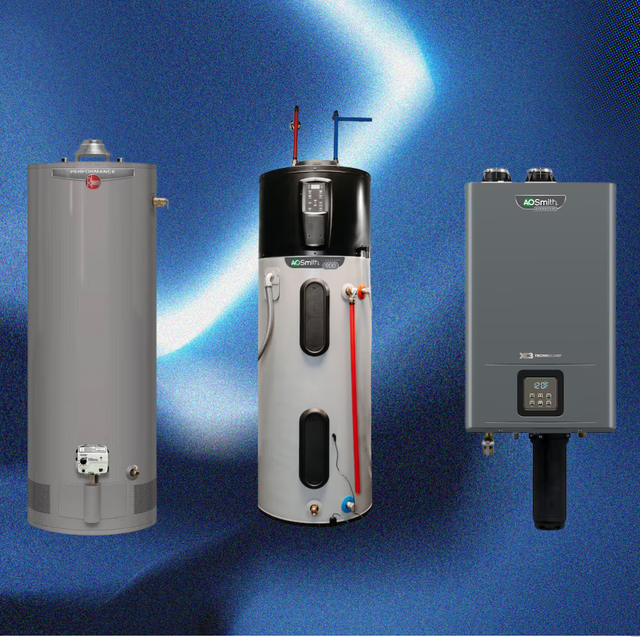
Key factors to consider when choosing a water heater are thoroughly discussed. These include the four main types: storage tank, tankless (on-demand), and heat pump (hybrid). Storage tank heaters, the most common, maintain a preset water temperature, while tankless heaters heat water as needed, offering an endless supply but with flow rate limitations. Hybrid models utilize ambient air heat for efficiency and incorporate electric coils as a backup. The article also compares gas versus electric water heaters, emphasizing cost differences in installation and operation, with gas typically being cheaper to run despite higher initial costs. Venting requirements are another critical factor, as gas heaters produce carbon monoxide and necessitate a ventilation system, unlike electric models.
Sizing and capacity are addressed, explaining that a 40- to 50-gallon tank is generally sufficient for a household of four, with additional capacity needed for more occupants. The physical dimensions of tall and short models are provided, alongside the space-saving advantage of tankless units. The Uniform Energy Factor (UEF) is introduced as a metric for energy efficiency, clarifying that a higher UEF means more energy is converted into heating water. It also highlights that while gas units might have lower UEFs, their cheaper operating costs often make them more economical than electric heaters. The article advises examining estimated annual operating costs for a more accurate financial assessment.
Additional practical considerations include the durability of drain valves (recommending brass over plastic) and the benefits of digital displays for programming and monitoring. The article concludes with a frequently asked questions section covering the lifespan of water heaters (8-12 years for tank, up to 20 for tankless), signs of a failing unit (banging noises, rust-colored water, leaks), the implications of a leaking water heater, the rare but serious risk of explosion due to pressure relief valve malfunction, and the average cost of water heater replacement (ranging from $846 to $1,702, with tankless being at the higher end).
#WaterHeater #HomeImprovement #EnergyEfficiency #Plumbing #TanklessWaterHeater #HybridWaterHeater #GasWaterHeater #ElectricWaterHeater #HomeAppliances #WaterHeater #HomeImprovement #EnergyEfficiency #Plumbing #TanklessWaterHeater #HybridWaterHeater #GasWaterHeater #ElectricWaterHeater #HomeAppliances
0 comment in total
 No comments yet
You may also like
The Most Reliable Water Heaters You Can Buy, According to Testing

The 6 Best Propane Tankless Water Heaters for Low-Waste On-Demand Warmth

Choosing a heater

What Did Your Heat Pump Water Heater Installation Cost? We Want to Know
Best boiling water taps: our top 9 boiling and hot water taps for your home

The Best Tankless Gas Water Heaters for Your Home
Handyman: Tank versus tankless hot water heater
How Much Should You Spend On A New Electric Water Heater?

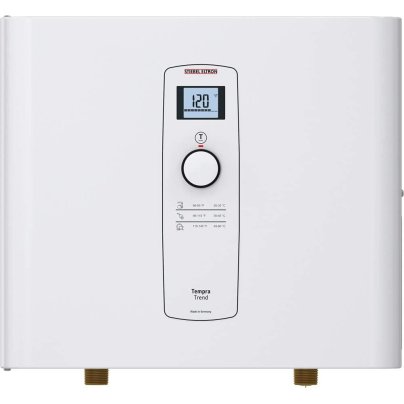
We Vetted The 8 Best Electric Tankless Water Heaters to Save Space and Cut Costs
Installing The New Ruud® Hybrid Water Heater
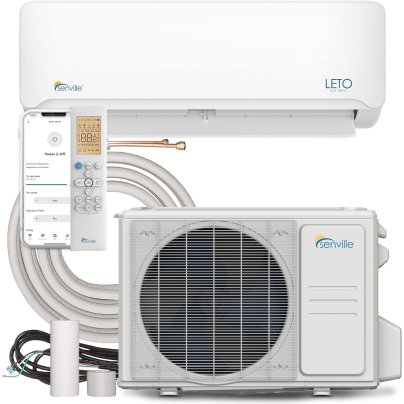
The Best Heat Pumps for Cold Climates
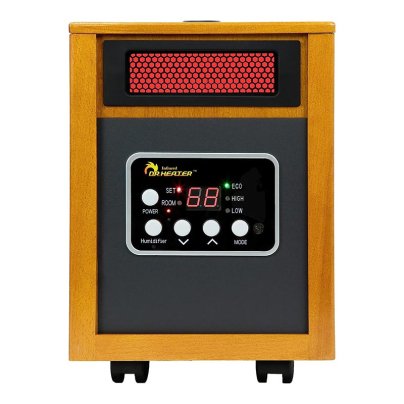
Testing the 10 Best Infrared Heaters for Comfort at Home
The 9 Best Space Heaters to Heat Up Your Digs
The 7 Best Energy-Efficient Space Heaters, Tested and Reviewed

What Do a National Lab, a Home Builder, and an Elephant Have in Common?
The 12 Very Best Outdoor Heaters
Today's Water Heaters Aren't Built Like They Once Were—They're Better

After testing the best boiling water taps, I’ve ditched my kettle for good – here are the top 8 I tried
5 bathroom heating options, and our expert advice on which is best for you

Handyman: Make sure water heater is ready for cold days