1/4
Today's Water Heaters Aren't Built Like They Once Were—They're Better
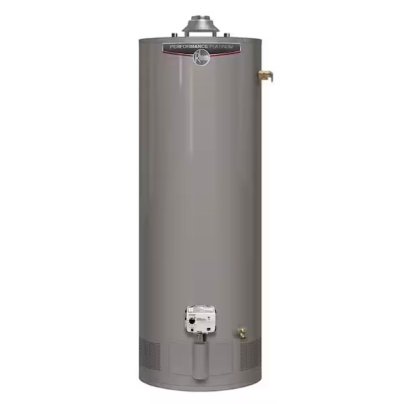
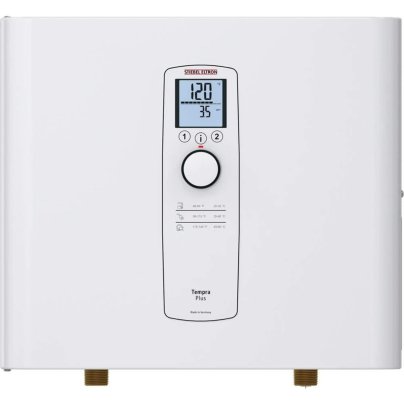
Water heater technology has undergone significant advancements over the past two decades, leading to improvements in comfort, energy efficiency, operational quietness, and overall peace of mind for consumers. These changes are crucial to consider when replacing an old water heater, as modern options offer substantial upgrades.
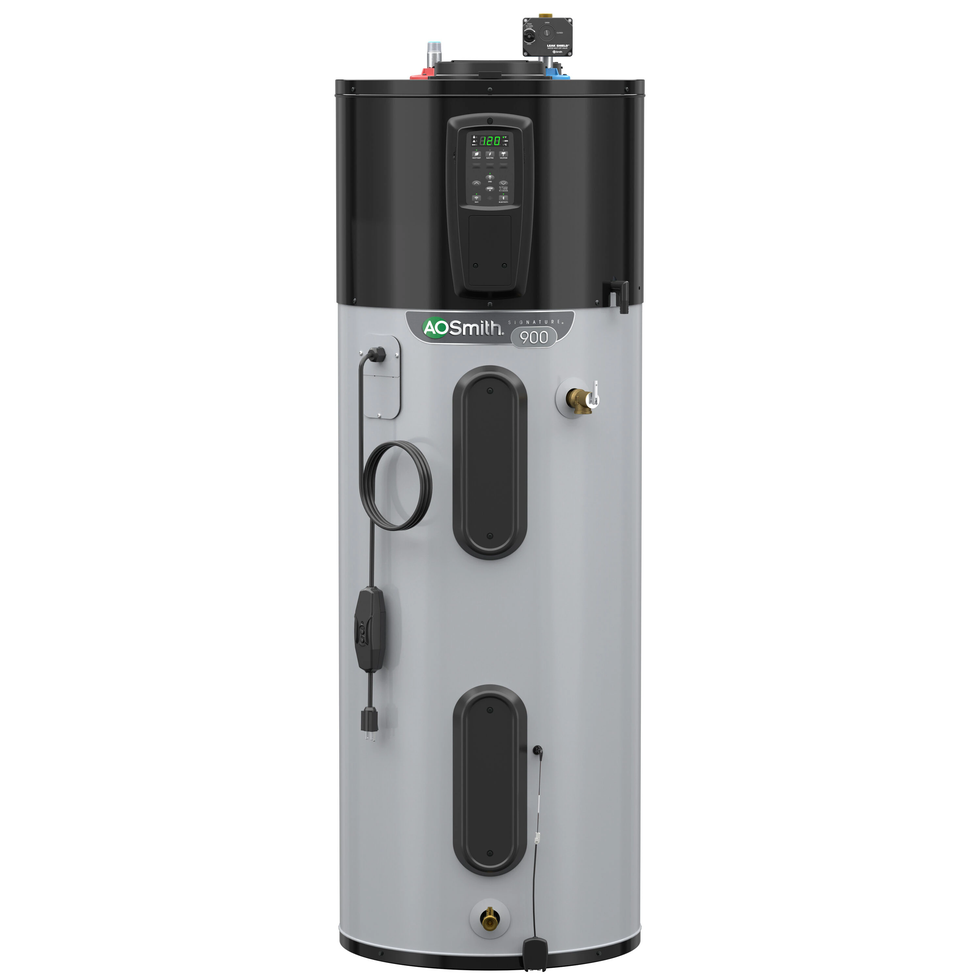
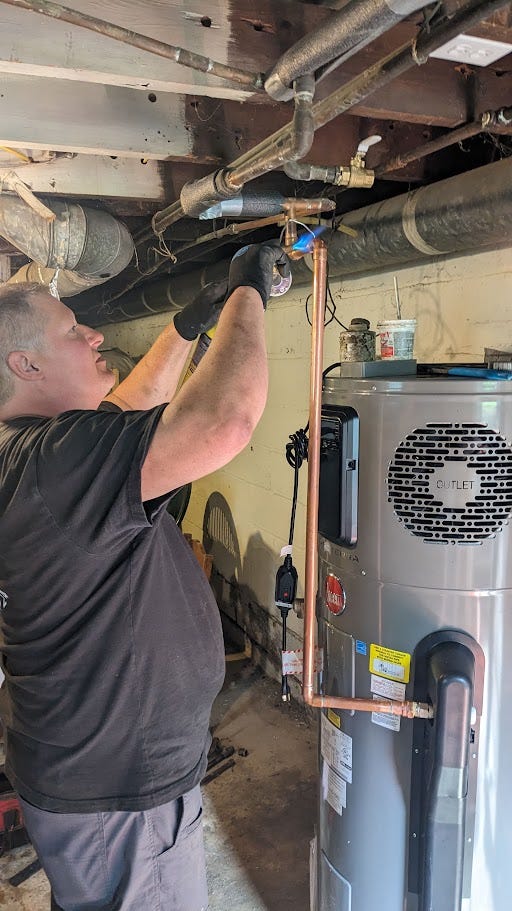
One of the most notable innovations is the introduction of heat pump water heaters, also known as hybrid water heaters. Brands like Rheem and A. O. Smith have pioneered this technology, which utilizes a small amount of electricity to transfer heat from the ambient air to the water tank. This process makes them two to three times more energy-efficient than conventional electric models. These hybrid systems began to emerge 10 to 12 years ago, gaining significant traction six years ago due to the introduction of rebate programs. Key advancements in heat pump technology include more efficient compressor designs, improved board control systems, and enhanced exhaust air and fan technologies. Beyond their superior efficiency, these units can also cool and dehumidify the surrounding area and tend to have a longer lifespan compared to traditional water heaters. For instance, Rheem’s latest heat pump water heaters are designed to use ultra-low global warming potential (GWP) refrigerants and meet stringent Energy Star criteria, with some models reducing energy usage by up to 75 percent.
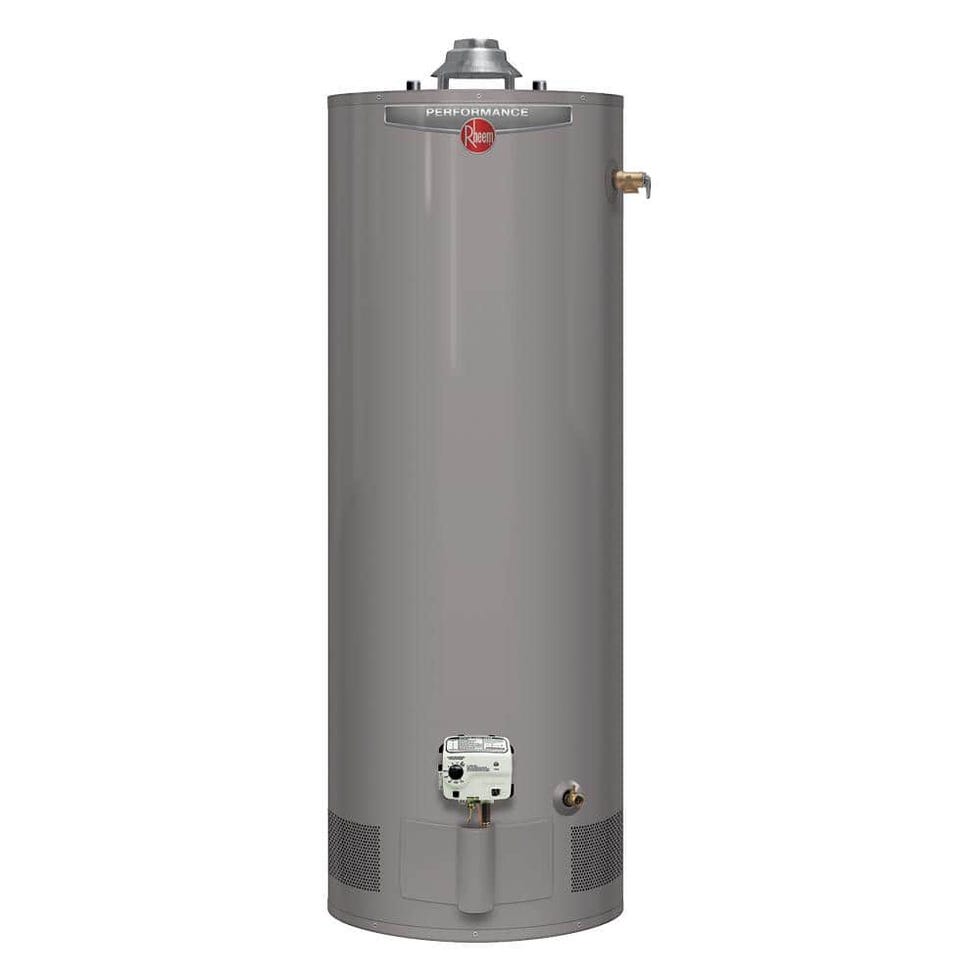
Energy efficiency upgrades represent another major area of change in the water heater industry over the last decade. Manufacturers have focused on improving insulation, developing more energy-efficient burners, and integrating hybrid heat pump technology into their products. An older water heater, especially one over six years old, is likely to be less efficient, leading to higher utility bills. Modern heat pump water heaters, such as those from A. O. Smith, can be four times as efficient as standard electric models, potentially saving homeowners more than $600 annually on utility bills. These savings, estimated to be between $300 and $600 per year depending on usage and local rates, are further supported by federal tax credits under the Inflation Reduction Act (up to $2,000) and various state and local utility incentives, including rebates as high as $3,100 in California.
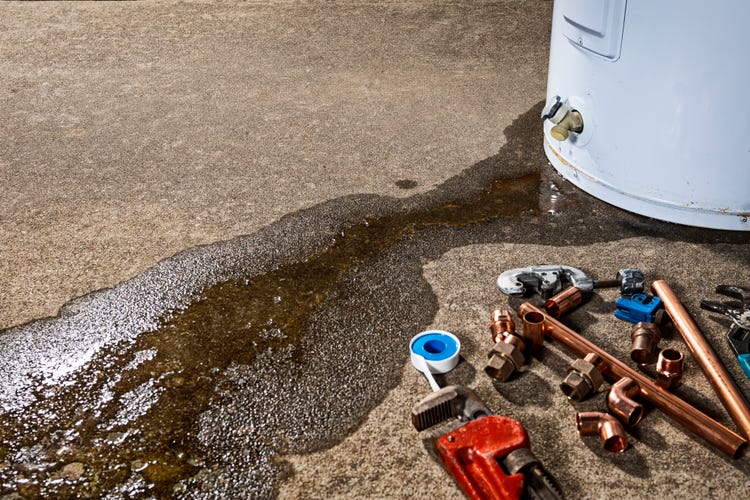
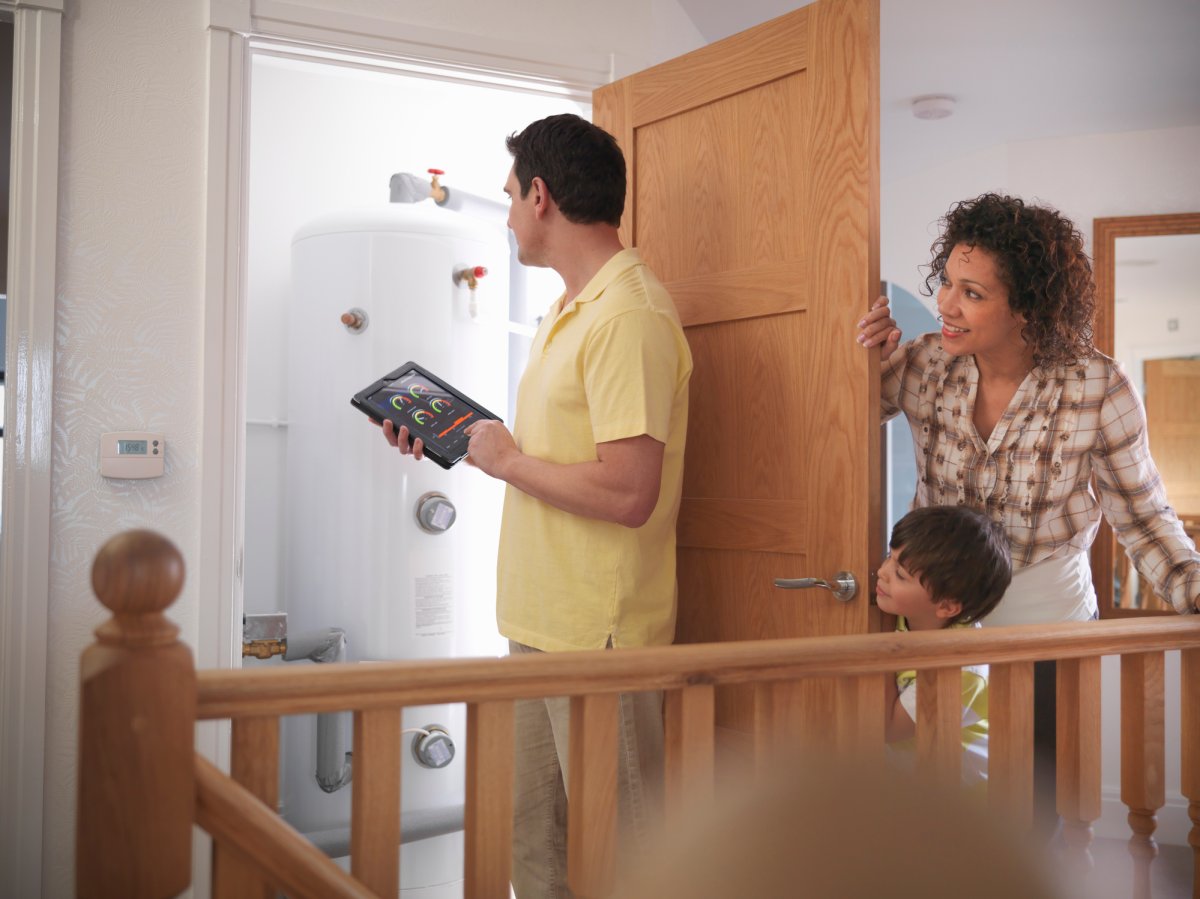
Smart technology features have also transformed water heaters, offering greater control, efficiency, and insight into their operation. Wi-Fi connectivity and mobile app controls allow homeowners to manage their water heating systems remotely. Features like mobile app connectivity, remote monitoring, leak detection alerts, and vacation mode settings enhance convenience and can lead to cost savings. Users can adjust settings based on hot water demand, activate vacation mode when away, or leverage lower electricity rates during off-peak hours. The ability to monitor and control the system via a smartphone enables proactive energy management and immediate response to issues like leaks or temperature drops, thereby improving preventative maintenance and mitigating the risk of tank failure and water damage. Rheem's LeakGuard technology, for example, includes an integrated automatic shut-off valve that limits water loss to 20 ounces or less upon leak detection. Additionally, Rheem’s EcoNet-enabled models provide tracking of energy usage, leak detection, alerts, and remote scheduling of service.
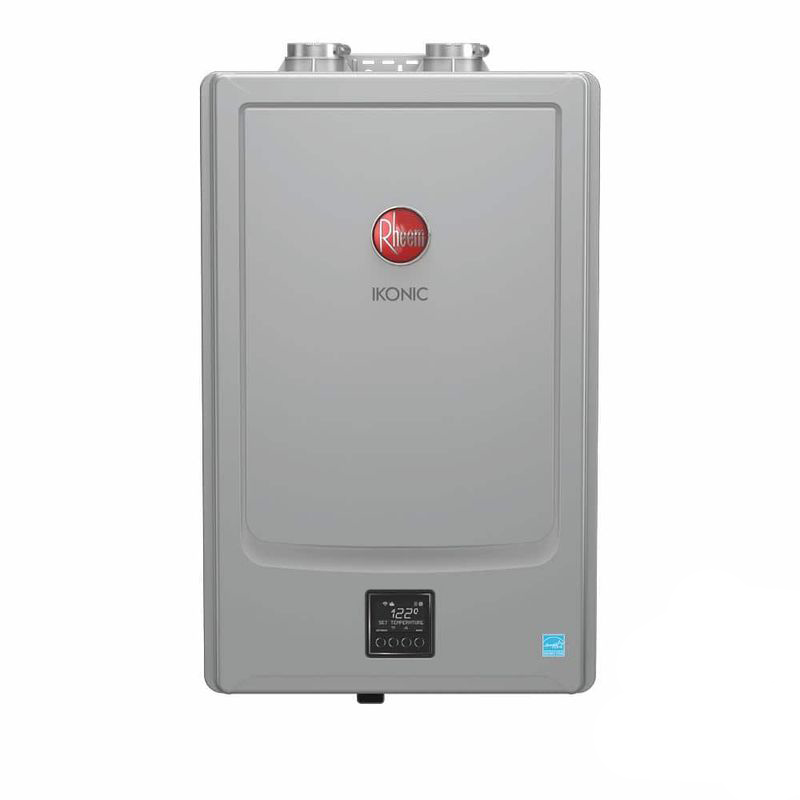
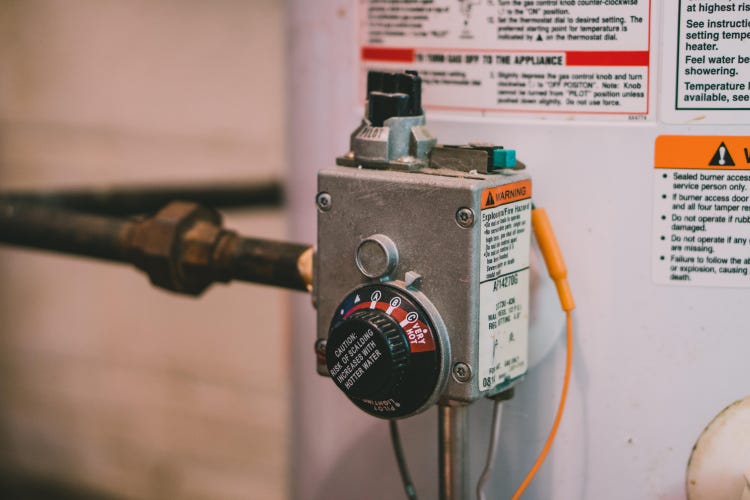
Enhanced safety features are integral to modern water heaters. These include sealed combustion chambers to prevent the escape of natural gas and combustion byproducts, flame arrestor plates to halt fire spread, and devices that automatically cut off gas supply if a flame is detected outside the combustion chamber. Tankless water heaters inherently offer better safety against leaks and bursts compared to traditional tank models because they do not store water. The latest models also incorporate precision thermostats and safety systems to prevent overheating and gas buildup. Smart technology further contributes to safety with integrated leak protection and automatic shut-off, providing homeowners with peace of mind through immediate alerts.
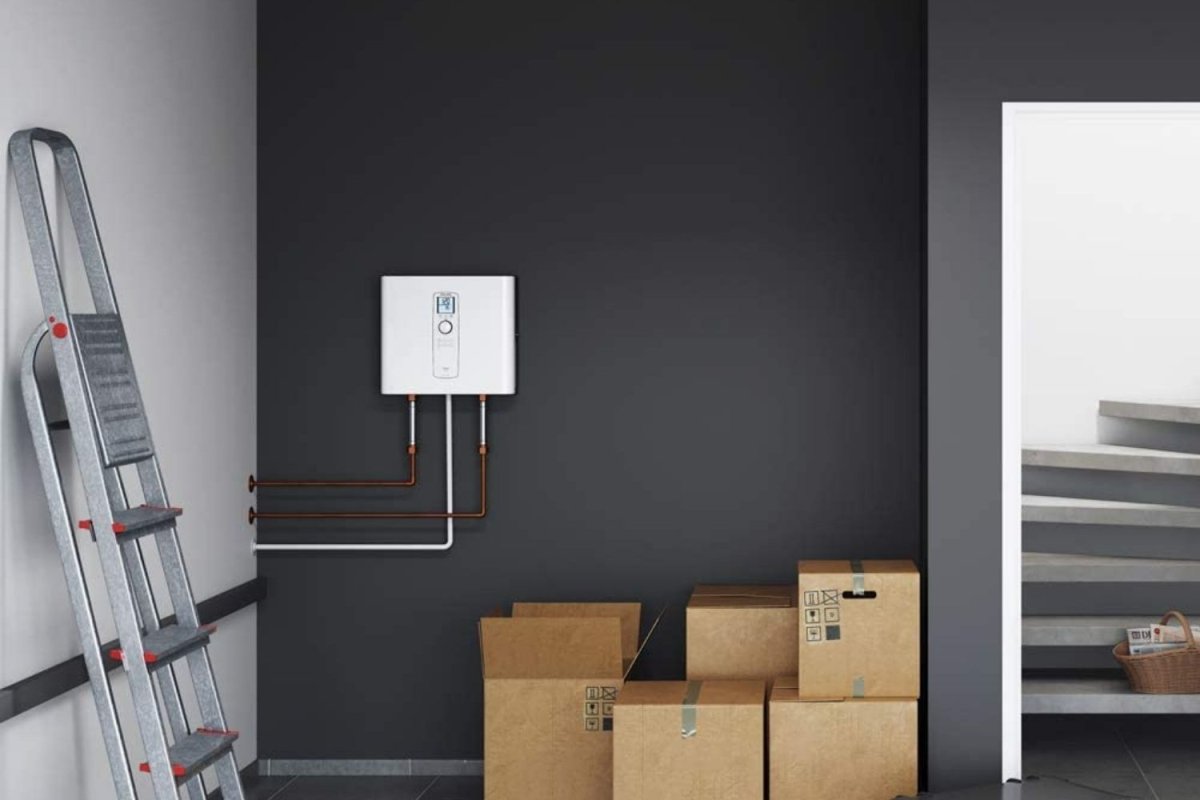
Finally, the installation and servicing of water heaters have become more streamlined and efficient. Newer designs aim to reduce labor time and cost for plumbing professionals. This includes features such as multiple water connection locations, built-in condensate neutralizers, duct-ready designs, front-facing electric elements, easy-access components, and integrated Wi-Fi for simplified app onboarding. These improvements collectively make the process of installing and maintaining a new water heater more straightforward and less costly.
#WaterHeaterTechnology #EnergyEfficiency #HeatPumpWaterHeaters #SmartHome #HomeAppliances #PlumbingAdvancements #HomeSafety #UtilitySavings #WaterHeaterTechnology #EnergyEfficiency #HeatPumpWaterHeaters #SmartHome #HomeAppliances #PlumbingAdvancements #HomeSafety #UtilitySavings
0 comment in total
 No comments yet
You may also like
The 9 Best Water Heaters for Efficiency and Performance

This Once-Popular Bathroom Feature Is Falling Out of Favor (and What’s Replacing It)
Should You Install a Water Heater Yourself? We Asked the Experts


More heat, less fuel: How modern tech has lit up a new era of log-burning stoves
This Once-Popular Bathroom Feature Is Falling Out of Favor (and What’s Replacing It)


Did Trump Really Make Dishwashers Great Again?


These Bathroom Colors Were Once Considered "Ugly" — Now They're Having a Renaissance in Modern Homes

Plumbing Technology Trends for 2024

70 Years of Plumbing Innovation
Homeowner shares detailed review after installing a next-gen heat pump to fix impossible-to-cool house: 'It's been a total game-changer'

The Most Reliable Water Heaters You Can Buy, According to Testing

Significant Savings from 120-Volt Heat Pump Water Heaters