1/3
Significant Savings from 120-Volt Heat Pump Water Heaters
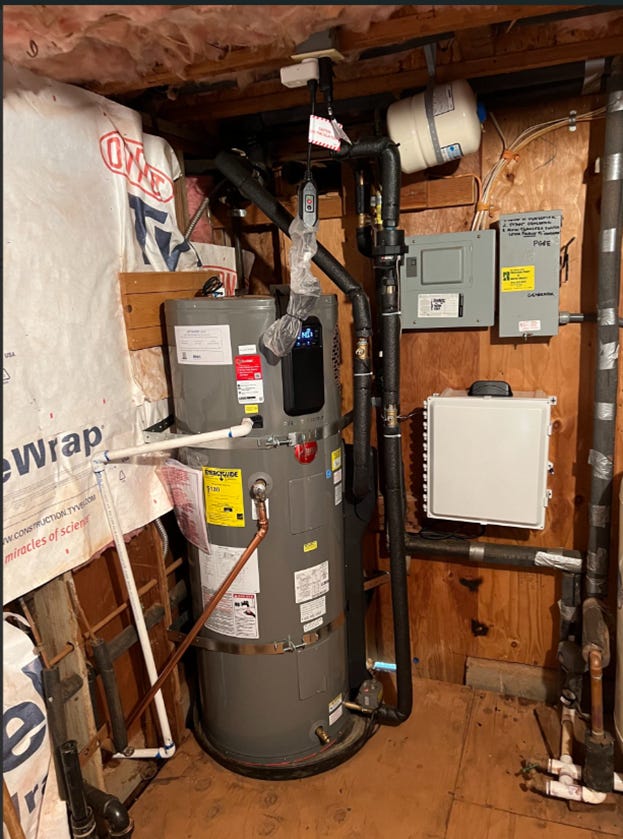
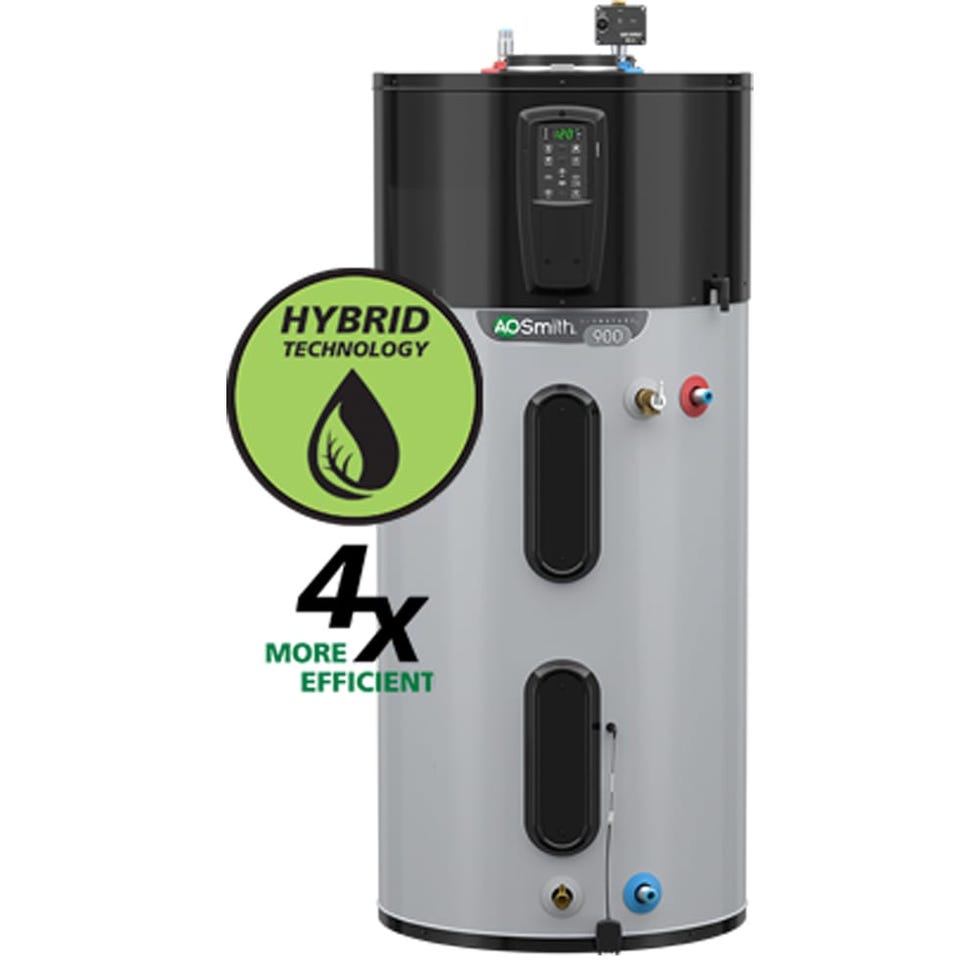
The introduction of 120-volt plug-in heat pump water heaters (HPWHs) has significantly impacted the cost and accessibility of efficient water heating solutions, particularly in California. Data from the Tech Clean California program, which offers incentives for heat pump and HPWH installations, reveals substantial savings associated with these 120V units. These findings confirm the widely anticipated benefits of easier installation and reduced electrical panel upgrades.
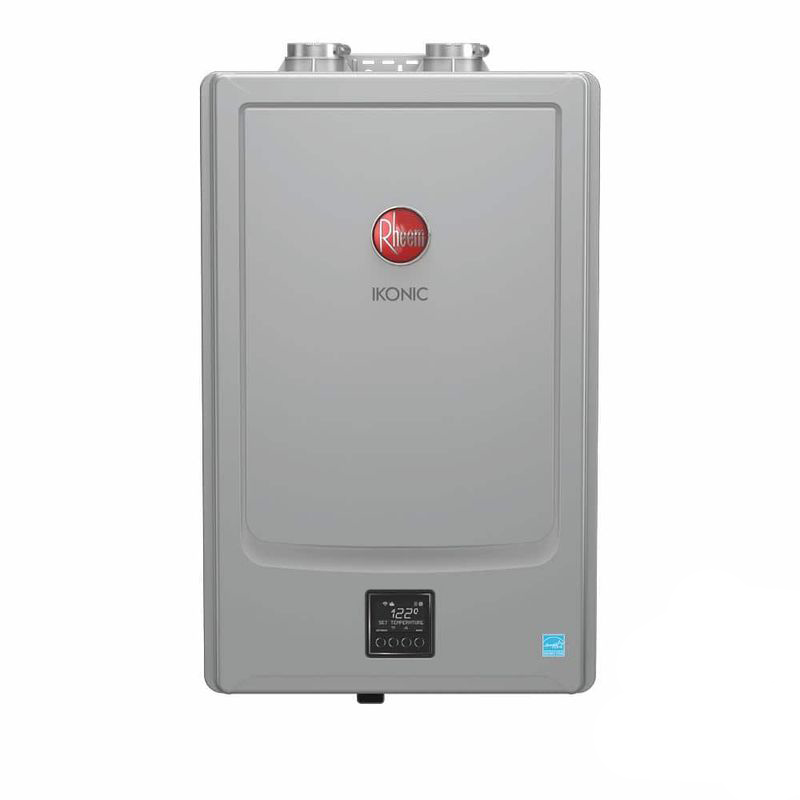
Heat pump water heaters are recognized as a highly efficient method for water heating, outperforming other technologies, including tankless gas heaters, by a factor of 3 to 5. This efficiency translates into tangible environmental and economic benefits. Annually, a HPWH can prevent 1 ton of CO2 emissions compared to gas water heaters and save between $400 and $500 on energy bills when replacing electric resistance models.
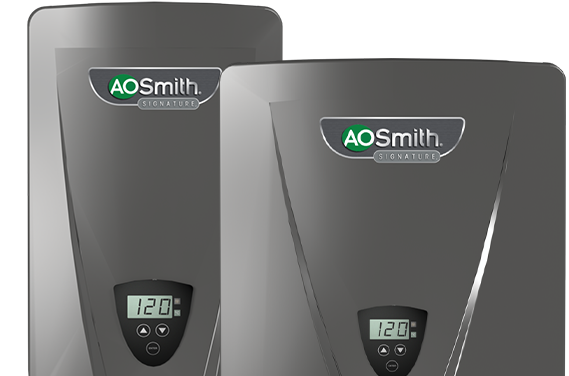
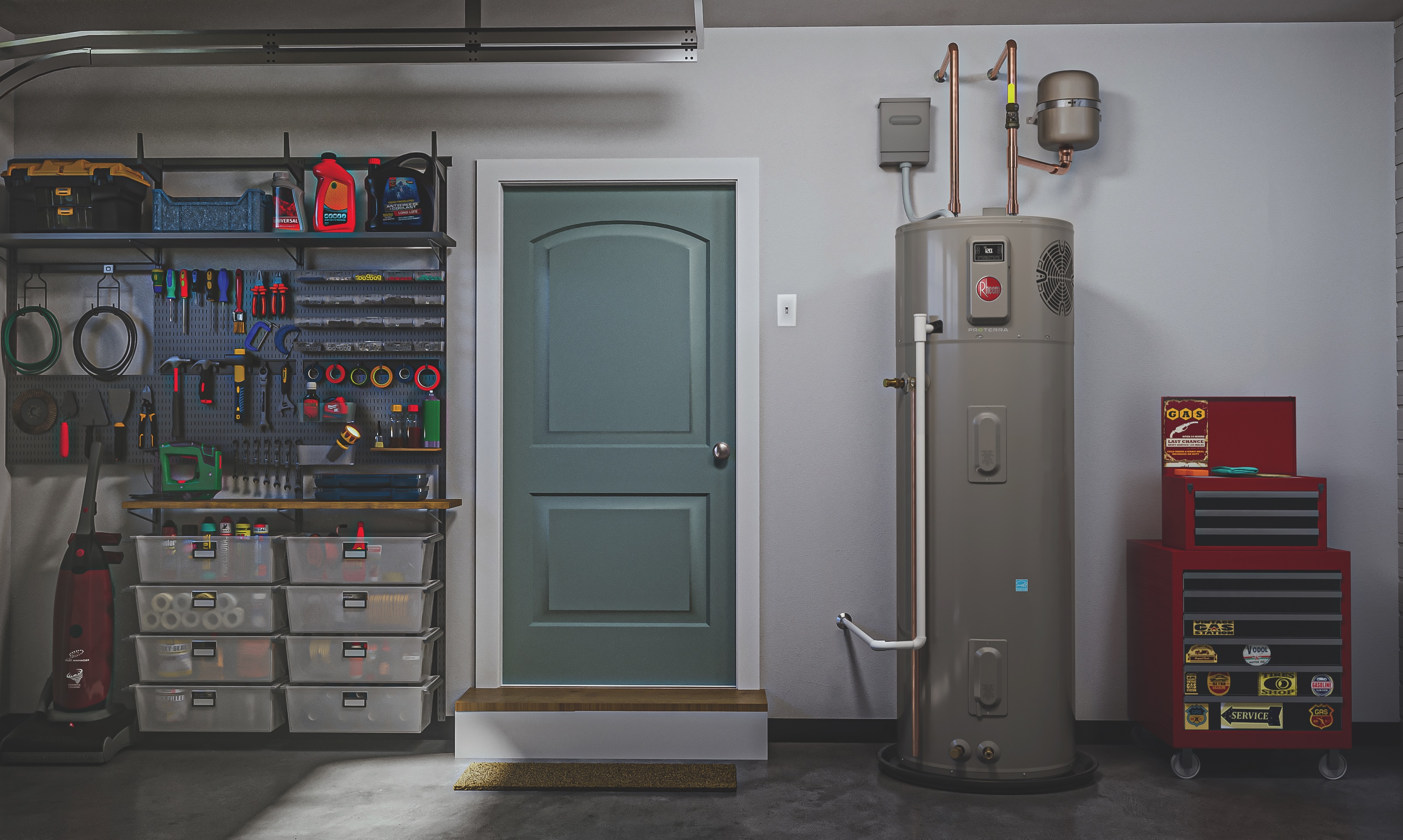
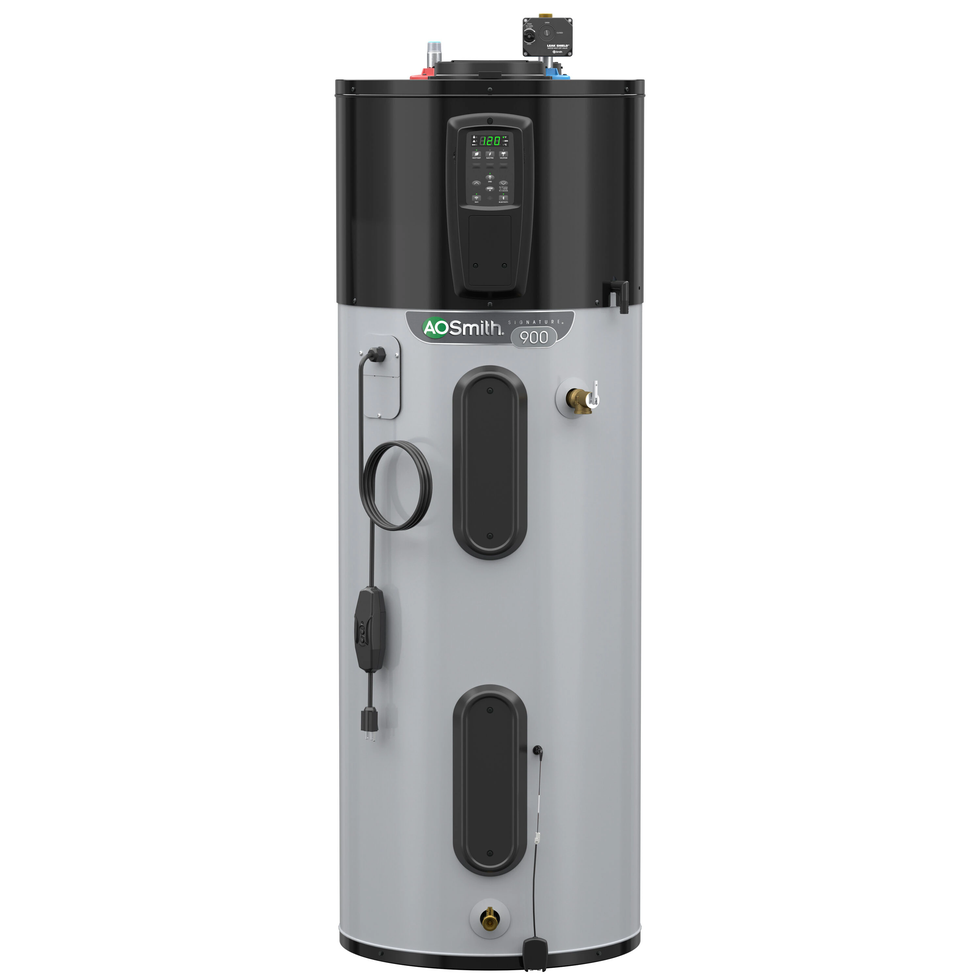
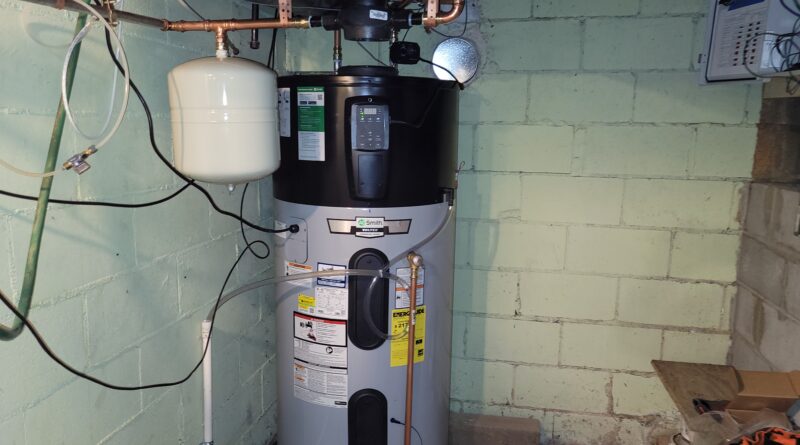
Historically, a major hurdle for HPWH adoption was the requirement for 240-volt hardwiring. This posed a challenge, especially when replacing gas water heaters, which typically lack a dedicated 240V electrical connection. Such replacements often necessitated running new electrical lines and could trigger costly and time-consuming electrical panel upgrades. However, in 2023, two manufacturers, Rheem and A.O. Smith, introduced 120-volt, plug-in HPWHs that can operate from a standard electrical outlet. These models primarily rely on their heat pump function, minimizing the use of less efficient electric resistance backup heating elements.
The Tech Clean California program's data, spanning from Q1 2023 to Q1 2025, included 7,665 rebated HPWH installations, with 21% utilizing 120-volt models. The analysis showed that 120V HPWH installations were, on average, $1,700 (approximately 22%) cheaper than their 240V counterparts. Crucially, only 2% of 120V HPWH installations required an electrical service upgrade, in stark contrast to over 25% of 240V models. This significant reduction in upgrade necessity is pivotal, as it streamlines the installation process, reduces wait times for electricians and permits, and makes HPWHs more accessible and affordable for a broader range of consumers.
While the benefits are clear, some installers and manufacturers have expressed concerns about the longer recovery times of 120-volt HPWHs due to the absence of robust electric resistance backup. These models may not be suitable for large households (more than four people) or homes where the water heater is installed outdoors. Nevertheless, individual experiences, including the author's 8-year use of a 240V HPWH in "heat pump only" mode and a 120V HPWH in a rental unit for two years, demonstrate successful performance without issues.
Looking ahead, manufacturers like GE are developing "flexible voltage" HPWHs capable of operating on both 120V and 240V. This innovation could further simplify the transition to HPWHs by allowing initial plug-in installation with the option to upgrade to a 240V connection later if increased hot water demand necessitates it. The proven cost savings and reduced electrical upgrade requirements of 120-volt HPWHs represent a significant advancement in making energy-efficient water heating more widely available and practical.
#HeatPumpWaterHeaters #EnergyEfficiency #120VHPWH #CaliforniaCleanTech #ElectricalUpgrades #CostSavings #SustainableLiving #CleanEnergyTransition #HomeElectrification #HeatPumpWaterHeaters #EnergyEfficiency #120VHPWH #CaliforniaCleanTech #ElectricalUpgrades #CostSavings #SustainableLiving #CleanEnergyTransition #HomeElectrification
0 comment in total
 No comments yet
You may also like
Today's Water Heaters Aren't Built Like They Once Were—They're Better


What Do a National Lab, a Home Builder, and an Elephant Have in Common?
The Best Day of the Year — Heat Pump Water Heater Day — Is October 23
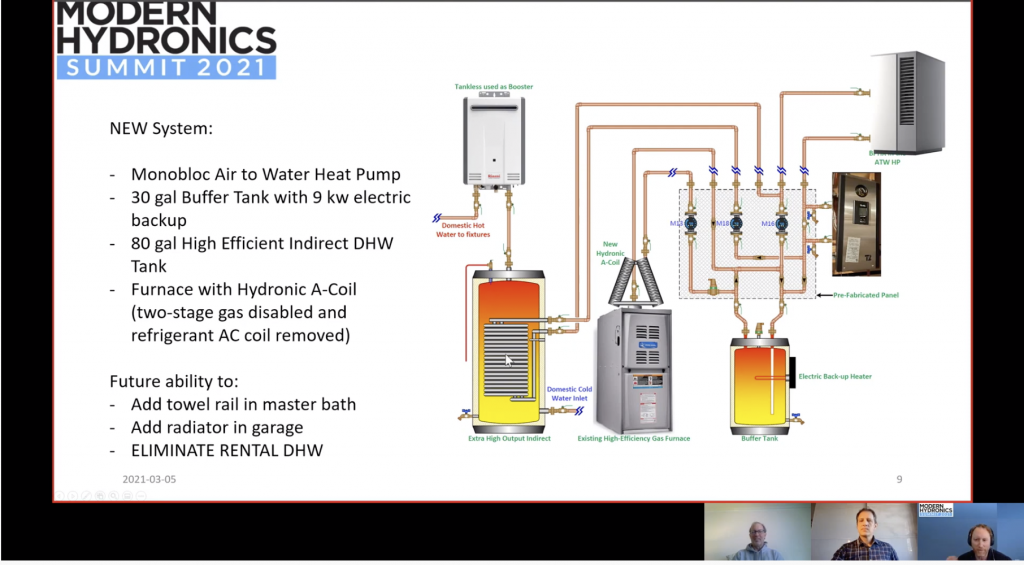
Air-to-Water Heat Pump Experience

This Central Heat Pump Water Heater In Chicago Was One Of The First To Be Installed In A Cold Climate
The Most Reliable Water Heaters You Can Buy, According to Testing


Installing The New Ruud® Hybrid Water Heater
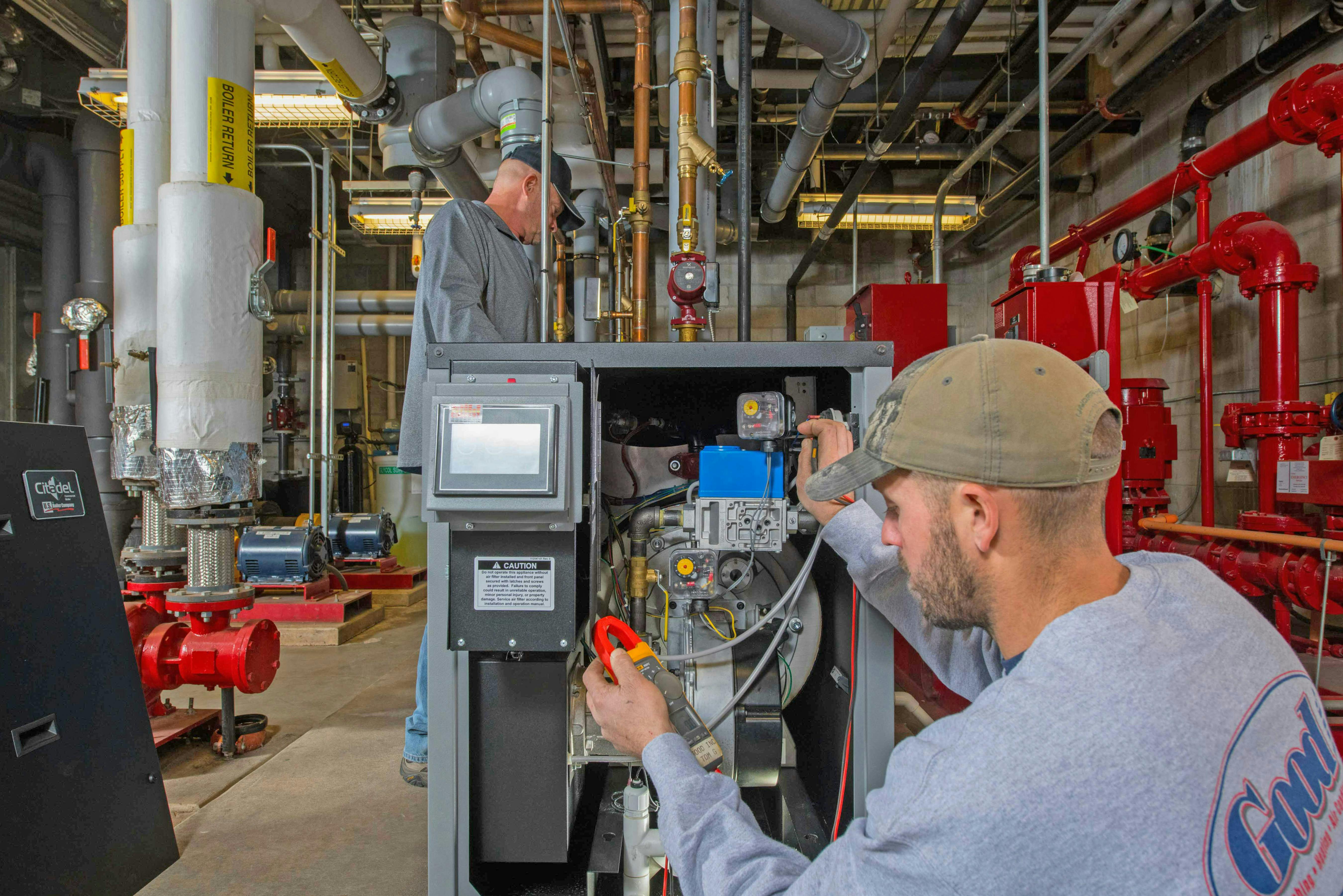
Good Plumbing Performs High-Efficiency Boiler Replacement for Catholic Church
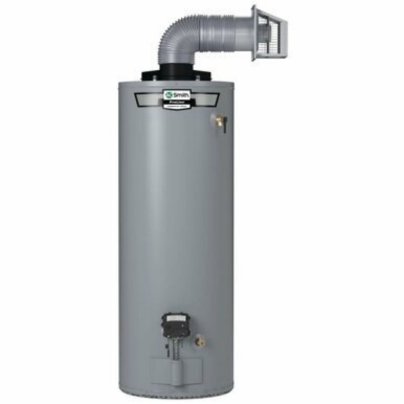
The 9 Best Water Heaters for Efficiency and Performance

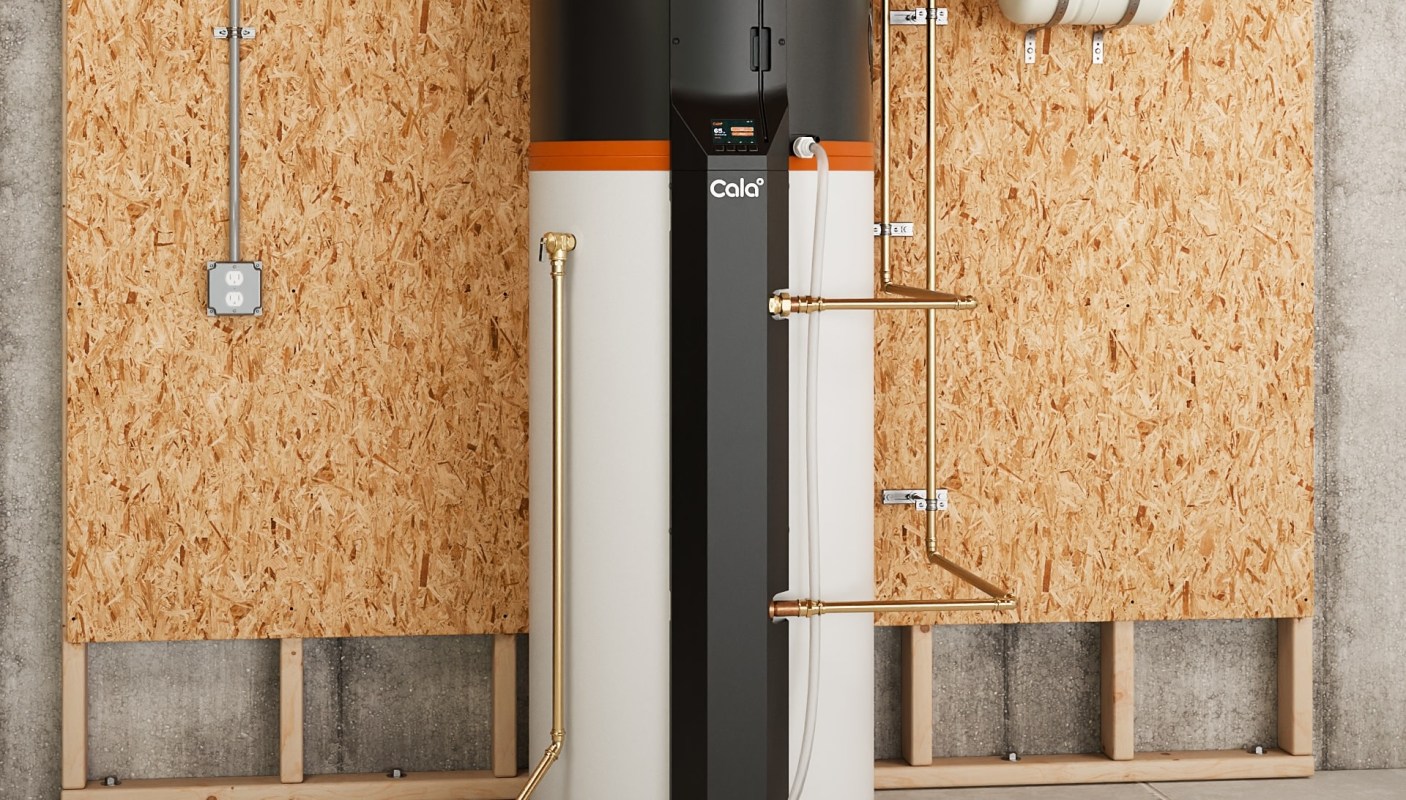
Home appliance experts uncover the little-thought-of upgrade that could slash your utility costs: 'You can save over $800'

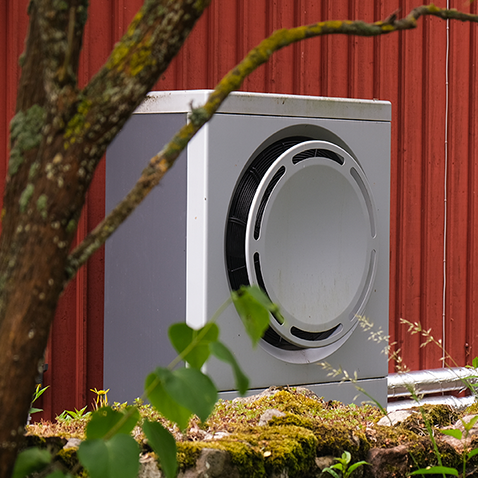
Is a Heat Pump Right for Your Home? Here's What You Need to Know.


Geothermal heat pumps for sustainable living.
What Did Your Heat Pump Water Heater Installation Cost? We Want to Know
![Homeowner shares personal utility costs one year after swapping their gas boiler for a heat pump: 'Hope that [this] is helpful for someone'](https://gstatic.ideal.house/news/images/5791e9b0f91d49288ec66c1fc4ccecd4.jpg)
Homeowner shares personal utility costs one year after swapping their gas boiler for a heat pump: 'Hope that [this] is helpful for someone'


Podcast 469: Blue Goo on Framing, Painting Open Soffits, and Whole-House Dehumidifiers

We Vetted The 8 Best Electric Tankless Water Heaters to Save Space and Cut Costs
How Much Should You Spend On A New Electric Water Heater?


A Heat Pump Might Be Right for Your Home—Here’s What to Know | Reviews by Wirecutter

The 6 Best Propane Tankless Water Heaters for Low-Waste On-Demand Warmth
5 Best HVAC Companies