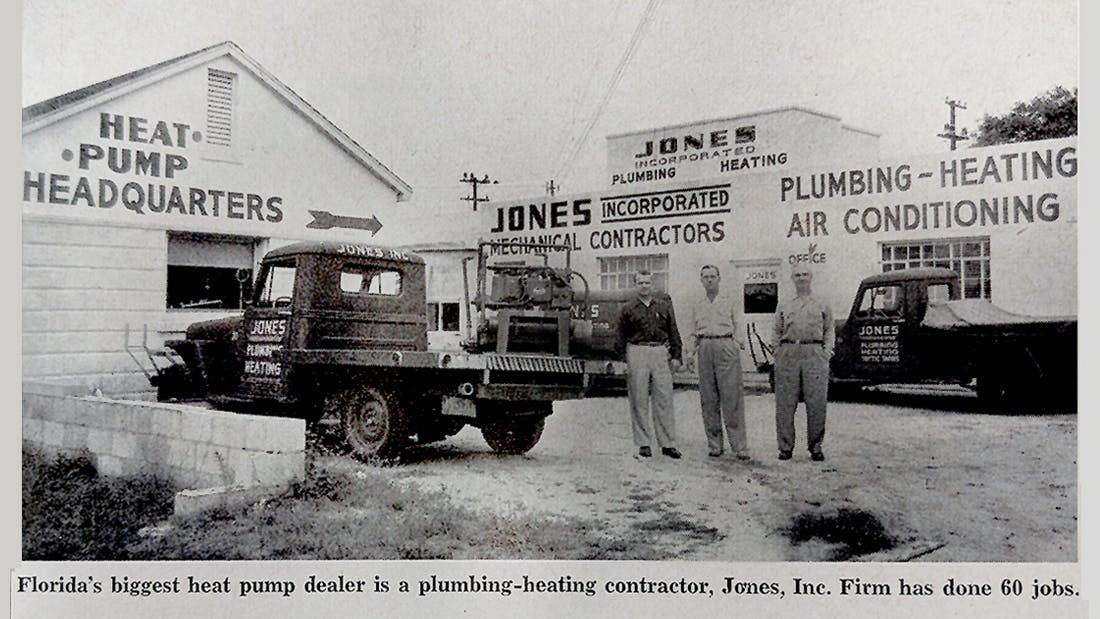
70 Years of Plumbing Innovation
The plumbing industry has undergone significant technological advancements over the past seven decades, as highlighted in celebration of CONTRACTOR magazine's 70th Anniversary. The digital revolution has profoundly impacted the industry, initially transforming back-office operations such as accounting, inventory management, scheduling, dispatch, and system design. Today, the smartphone is an indispensable tool for technicians, providing immediate access to equipment manuals, service histories, and customer data through QR code linkages and cloud storage. Artificial intelligence is also emerging, primarily assisting with customer service tasks like information gathering and appointment booking, with future potential in troubleshooting complex systems.
Beyond digital innovations, microchips and sensors are now ubiquitous in plumbing components, generating telematics data vital for fleet management to optimize performance, maintenance, scheduling, and driver training. This integration has revolutionized controls in plumbing systems. Historically reliant on gravity, pressure, and mechanical settings, modern systems feature circulators that optimize flow rates for efficient hydronic heating, and boilers and water heaters that can be remotely controlled. The increasing connectivity of smart systems enables them to communicate with each other, minimizing human intervention to only essential situations.
Material science has also seen substantial progress. In the late 1950s, galvanized steel dominated indoor water piping. The 1960s introduced plastic piping systems like ABS, PVC, and CPVC, followed by PEX piping in the 1970s, which are now fundamental to modern plumbing. Tool advancements, particularly press tools, have been a game-changer. While brazing remains a crucial skill, press tools allow a single worker with minimal training to complete a large number of connections in a fraction of the time traditionally required by a larger crew.
Water heating technology has evolved dramatically from the cast-iron boilers of the 1950s. Condensing boilers, first developed in the Netherlands in the 1970s, offer enhanced efficiency. Tankless water heaters, although invented in 1929 by Stiebel-Eltron, only gained significant traction in the North American market in the 1990s. Heat pumps, which date back to the 1850s, received a major boost in the 1970s with the introduction of Japanese-engineered inverter-driven compressors. Other notable advancements include trenchless pipe repair, video pipe inspection, low-flow fixtures, and the Water Demand Calculator. The rapid pace of technological change necessitates continuous education and training for plumbing businesses. Manufacturers play a crucial role by providing resources to ensure their products perform as intended, often bringing training directly to professionals if travel is not feasible.
#PlumbingInnovation #DigitalTransformation #SmartPlumbingSystems #WaterHeatingTechnology #PlasticPiping #PressTools #AIinPlumbing #ContinuingEducation #PlumbingInnovation #DigitalTransformation #SmartPlumbingSystems #WaterHeatingTechnology #PlasticPiping #PressTools #AIinPlumbing #ContinuingEducation
0 comment in total
 No comments yet
You may also like
30 Years of Modern, Archetypal and Simple Bathroom Design

The Era That’s Inspiring the Next Wave of Bathroom Remodels


Wood Melbourne Brings Postmodern Pop to the Bathroom


Navigating the Challenges of Retrofitting Plumbing Systems in Older Commercial Buildings

Edelman: Plumbing Supply with a touch of history, panache

Palatino celebrates 10 years of design innovation


Plumbing Technology Trends for 2024
Trend Report: 10 High-Tech, High-Design Bathroom Products for the New Decade

The Best Plumbing Services in America, Vetted


Who Knew CX Could Make A Huge Difference In DIY Toilet Repair?


Dwell’s Top Picks for Bathroom Fixtures to Get You Renovation-Ready
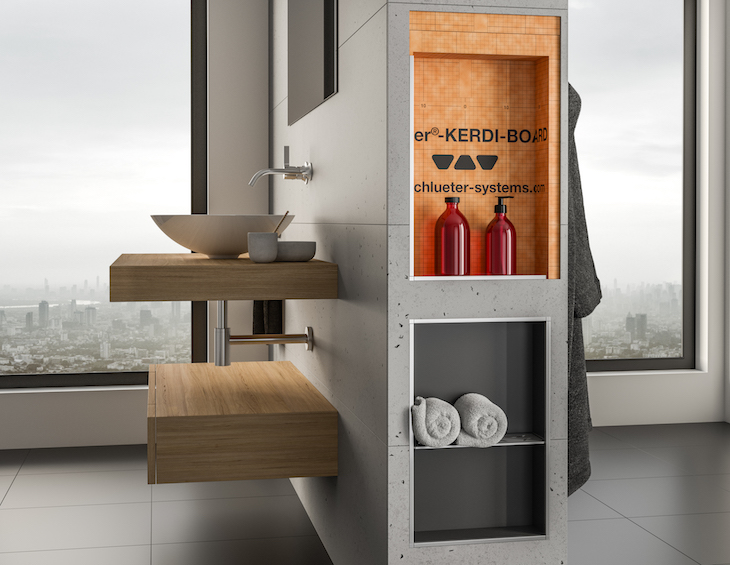
PRODUCT WATCH: Schlüter’s stylish niches and shelves


From There to Here: Plumbing the Past 70 Years

Industrial Design Gives Any Space An Artful Edge
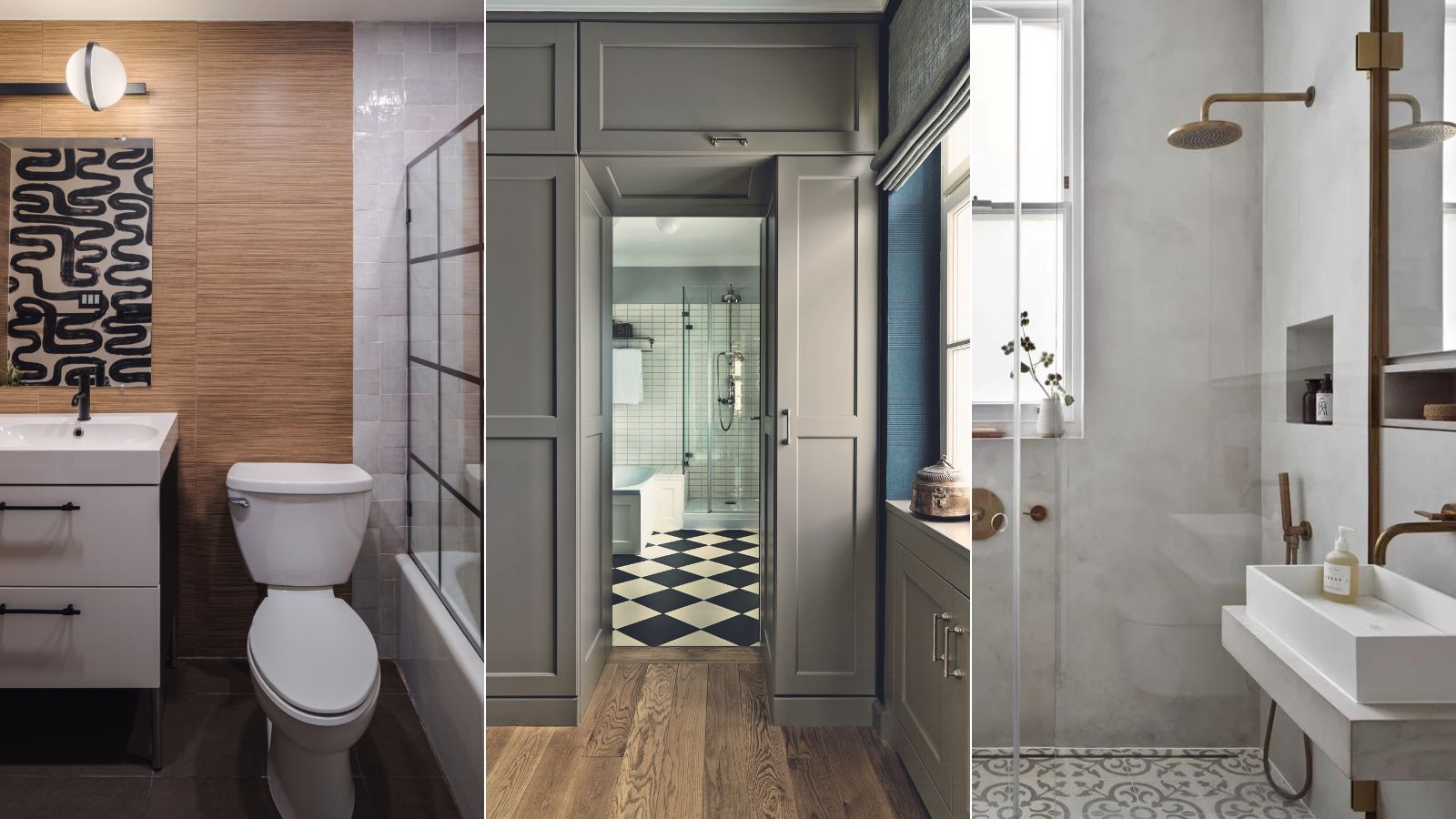
5 signs you need a new bathroom in 2024, according to interior designers


New generation shower heads, the design element transforming the shower into the most intimate area of the home
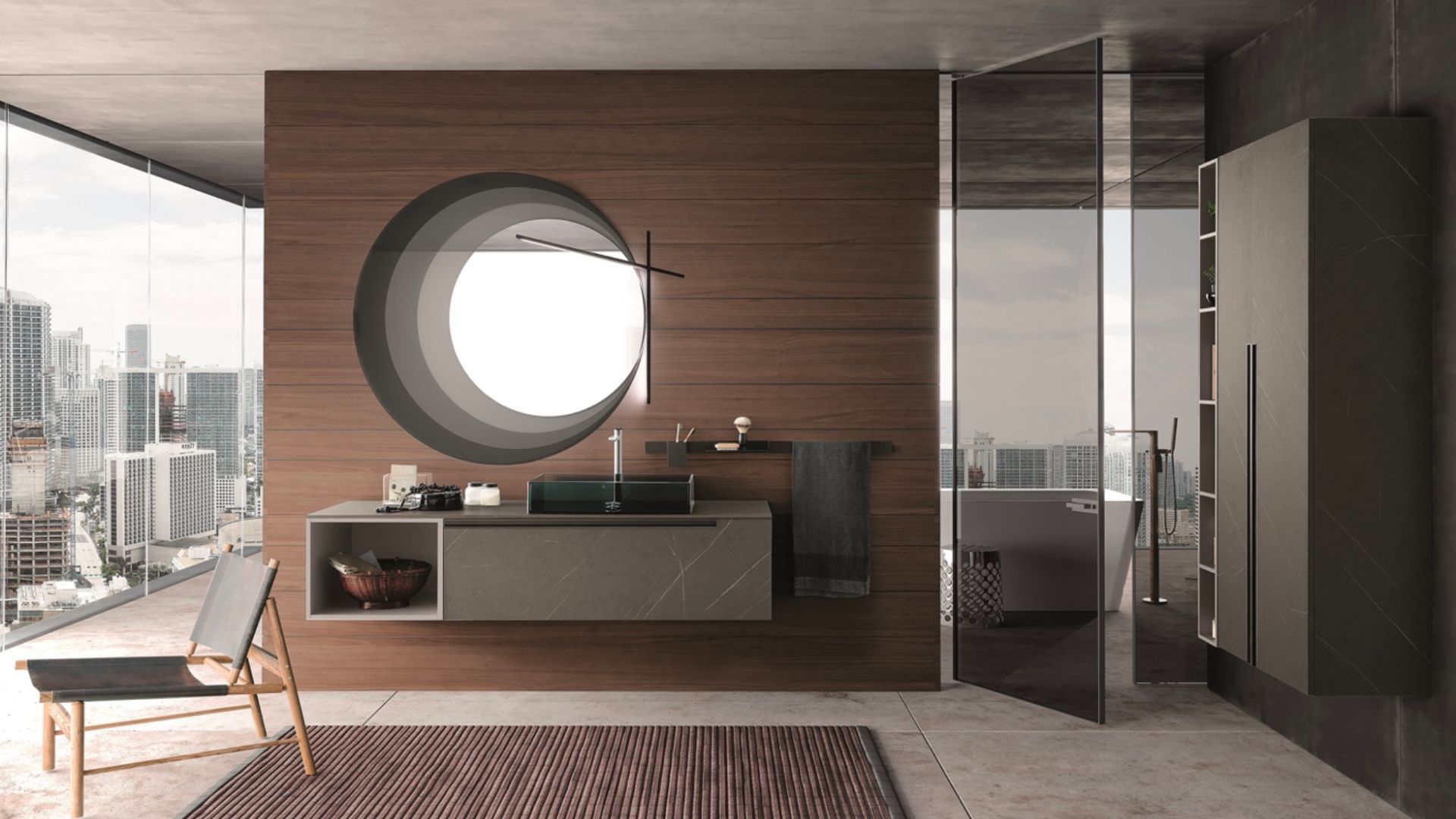
Redefining bathroom design with Italian craftsmanship and innovation


American Plumber Stories Returns for Season 5

‘Worst water heater I ever installed as a plumber for 32 years.’ – A Home Repair Expert Sounded Off Against Rheem Brand Of Water Heaters


Ask the Builder: Deluxe remodeled shower with abysmal water flow