Could This Ancient Relic Still Be the Best Way to Heat Your Home?
The article explores the long-standing debate between two primary home heating systems: radiant heating, typically delivered through radiators, and forced-air heating, distributed via vents and ducts. While both methods aim to warm a living space, they differ significantly in their operational principles, efficiency, maintenance requirements, and the quality of warmth they provide.
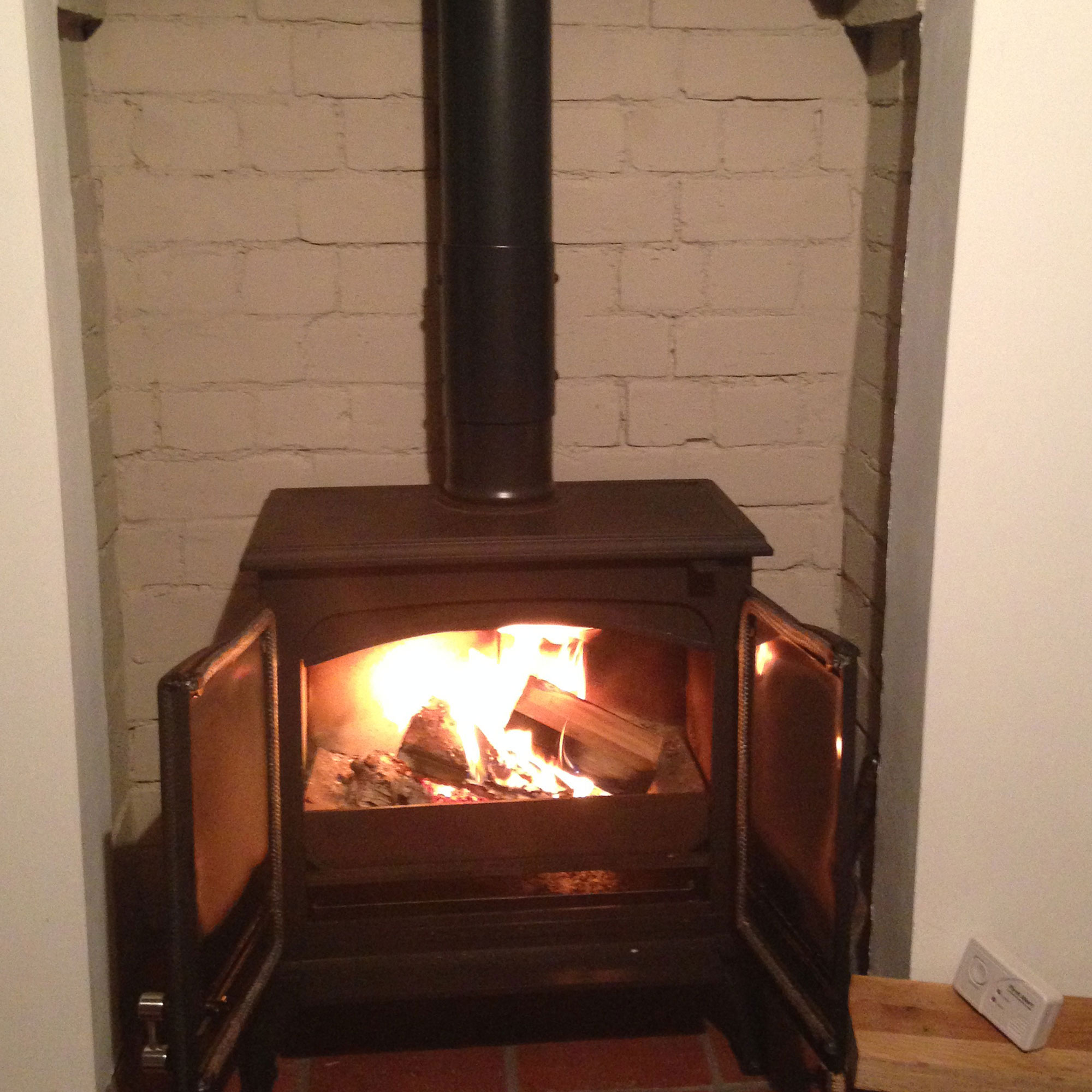
Radiators, dating back to 1855, utilize a system where hot water or steam flows from a central boiler through pipes into metal vessels. These vessels, often made of sculpted steel, iron, or brass, are designed with extensive surface areas to maximize heat emission. The heat then radiates outward, warming objects and individuals in its vicinity. A key characteristic of radiant heat is its reliance on proximity; areas directly near a radiator will be significantly warmer than those further away. Despite their often-criticized aesthetic—described as "steam-punkish jalopies"—radiators are noted for their durability. Many original radiator units can outlast the structural integrity of the homes they heat. Maintenance is relatively simple, primarily involving an annual "bleeding" to release trapped air and occasional checks for leaks. The boiler, however, which is the core of the radiant heating system, tends to be the component that requires more frequent replacement due to aging and inefficiency compared to modern standards. The cost of replacing an antiquated boiler can be substantial, and corroded supply and return pipes can also impede efficiency.
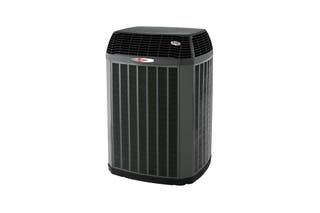
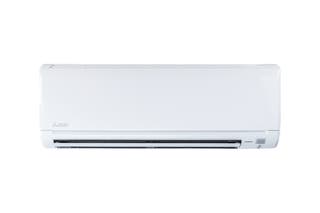
In contrast, forced-air heating systems rely on a central furnace that heats air, which is then propelled by an electric fan through a network of ducts and vents to distribute warmth throughout the house. A significant advantage of forced-air systems is their instantaneous heat delivery and uniform temperature distribution across all rooms, eliminating the temperature inconsistencies experienced with radiators. Moreover, forced-air systems offer a dual function, easily adapting to central air conditioning during warmer months, which is a major convenience over standalone AC units. However, these systems demand more regular and complex maintenance, including annual cleaning of the blower, ducts, and the furnace's combustion chamber. Unlike the relatively straightforward DIY maintenance of radiators, forced-air systems often require professional servicing.
The quality of heat also differs. Many prefer the gentle, ambient warmth produced by radiators, which utilize convection to heat the surrounding air, creating a smoother and less arid environment. Forced-air systems, by blowing hot air, can lead to drier indoor air, potentially causing dry skin and chapped lips unless a humidifier is integrated. From an economic standpoint, the efficiency of both systems largely depends on their age and maintenance. While older boilers may be less efficient, the U.S. Department of Energy suggests that radiant heating, particularly underfloor systems, can be more efficient than forced-air heating due to the elimination of duct losses. The decision to switch between heating systems is a significant financial undertaking, often costing thousands of dollars, making it impractical for many homeowners unless building a new home. Therefore, the article suggests that for homes already equipped with radiant heating, retaining and maintaining the existing system may be a more cost-effective and comfortable choice.
#HomeHeating #RadiantHeating #ForcedAirHeating #HomeEfficiency #HeatingSystems #HomeMaintenance #EnergyEfficiency #VictorianHomes #HomeHeating #RadiantHeating #ForcedAirHeating #HomeEfficiency #HeatingSystems #HomeMaintenance #EnergyEfficiency #VictorianHomes
0 comment in total
 No comments yet
You may also like

6 Ways to Get More Heat From Your Fireplace and Stop Wasting It

What is the cheapest electric heater to run? Experts reveal
Turn Your Home Into a Cozy Winter Retreat With Our Favorite Electric Fireplaces
Radiant heating can add a blanket of comfort, as well as long-term savings for the home
The 4 Best Electric Fireplaces, Tested by Shopping Experts

Our Favorite Energy-Efficient Space Heater Adds Style to Our Homes While Heating

We Tested 50 Space Heaters—These 7 Are the Best for Staying Warm

The best infrared heaters
These are the 7 ways I'm trying to keep my 110-year old house warm this winter – all without turning on the central heating
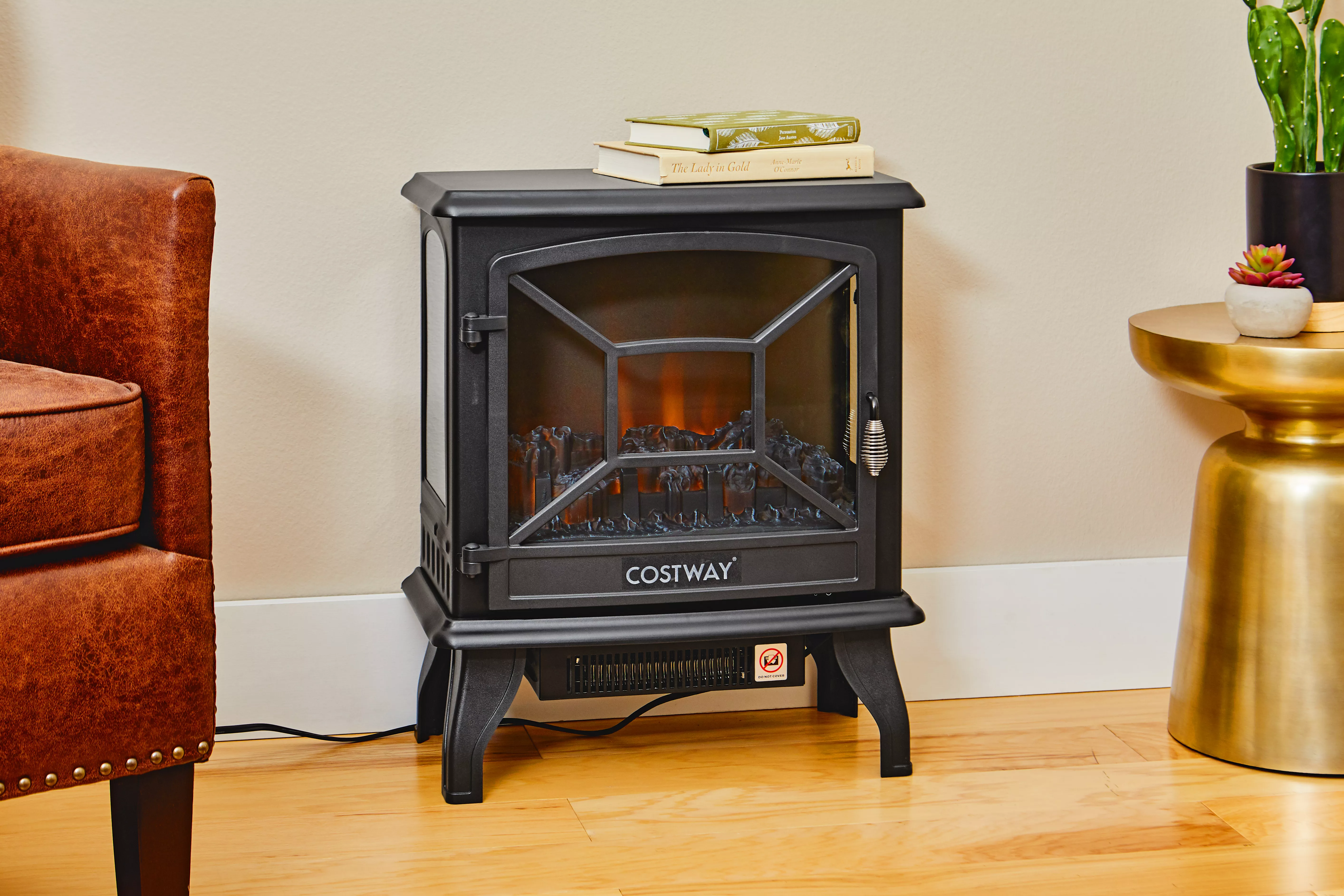
The 6 Best Electric Fireplaces, Tested by BHG

A Heat Pump Might Be Right for Your Home—Here’s What to Know | Reviews by Wirecutter

Warm Up Your Space & Lower Your Bills With This Energy-Efficient Home Swap

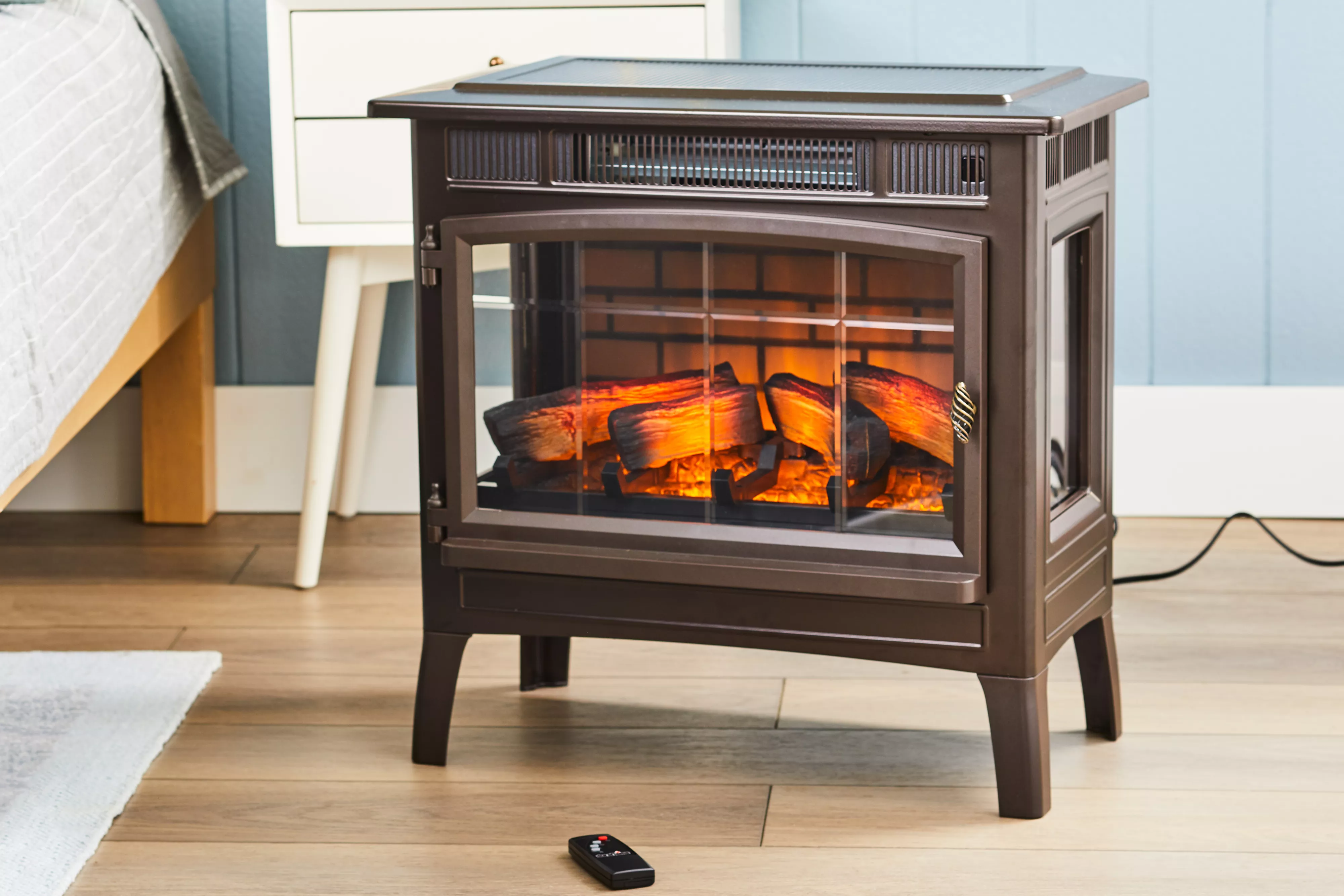
These 5 Space Heaters Will Keep You Extra Toasty This Winter
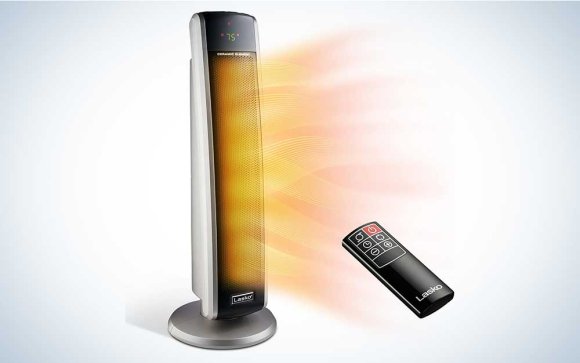
The best space heaters in 2025


I used to struggle to keep my open plan layout warm in winter — but these 4 methods now keep it cosy all day long

How to make a conservatory warmer - ways to heat and insulate for all-year round use
The 7 Safest Space Heaters: Tested and Reviewed
6 of the best heater ideas to warm up your home this winter


This smart panel heater costs just pennies to run — it’s so effective I’ve been using it every day in lieu of my radiators
This BHG-Tested Electric Fireplace Space Heater Brings Instant Cabin Vibes—and It’s on Sale