
When a Smart Thermostat Isn’t the Smart Choice | Wirecutter
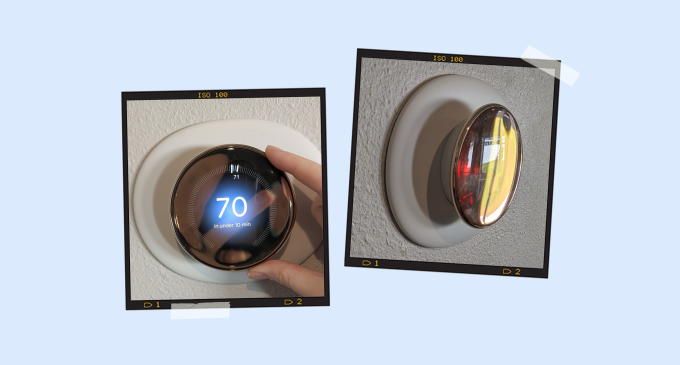
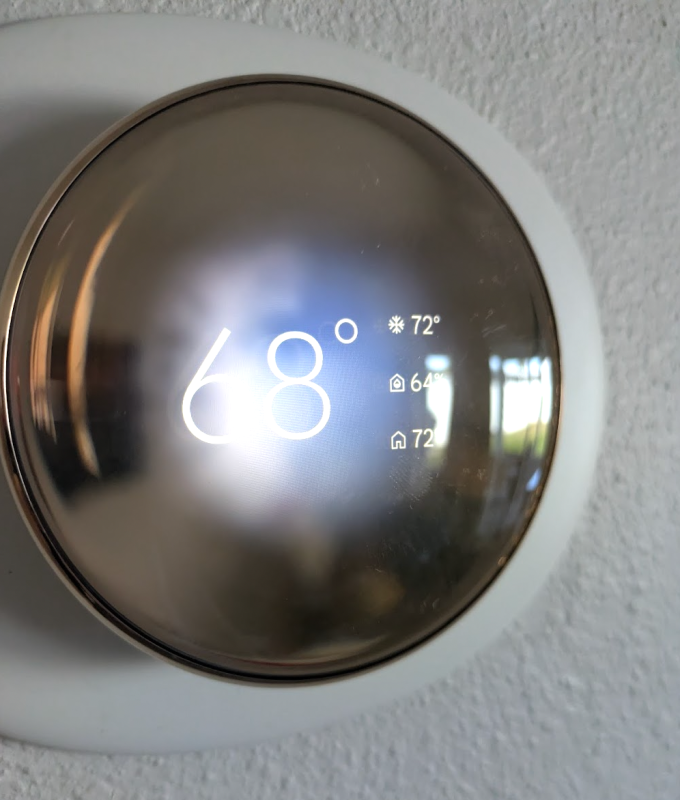
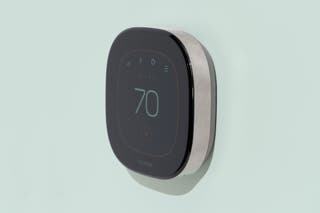
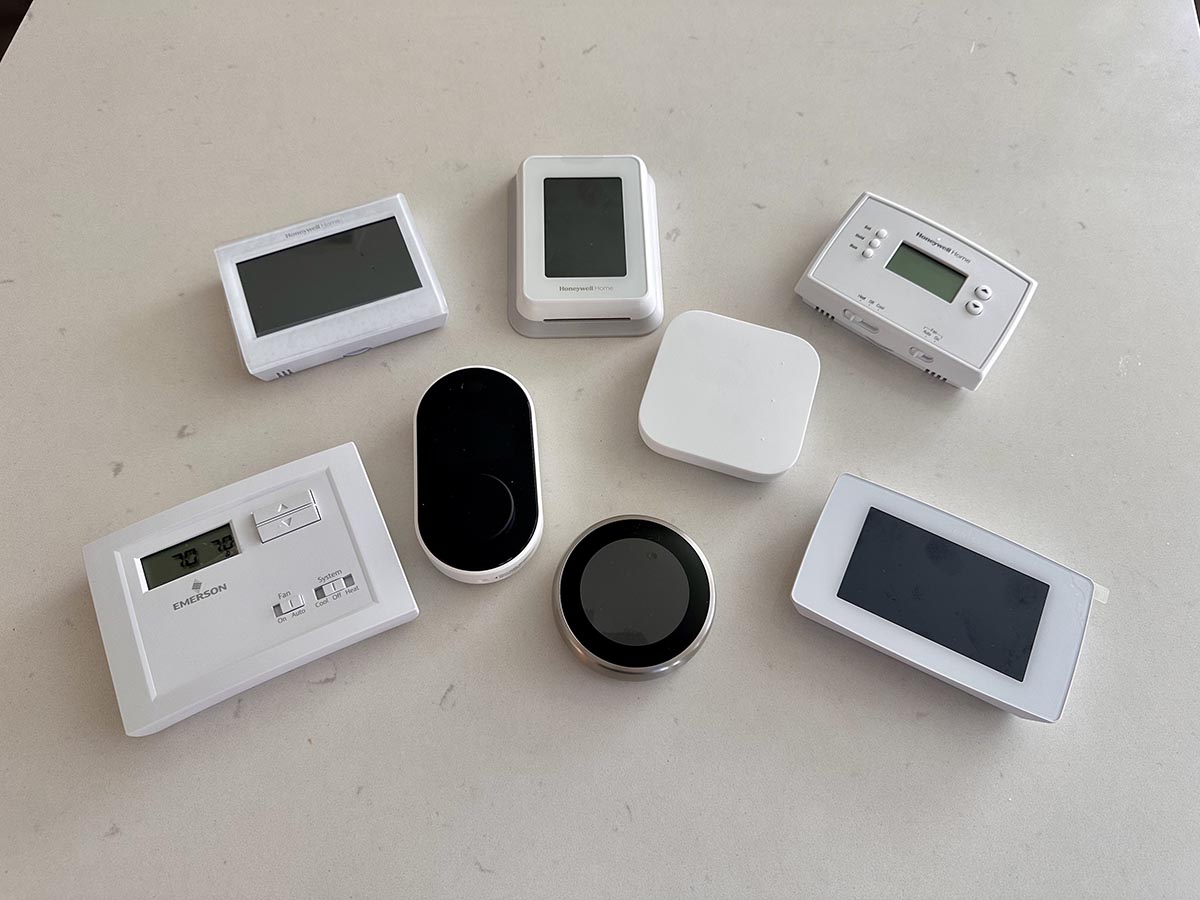
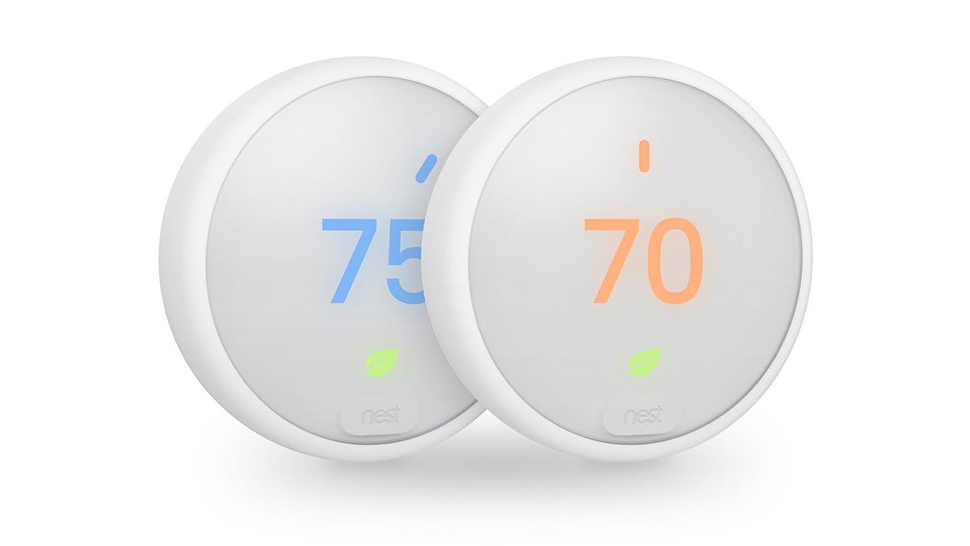
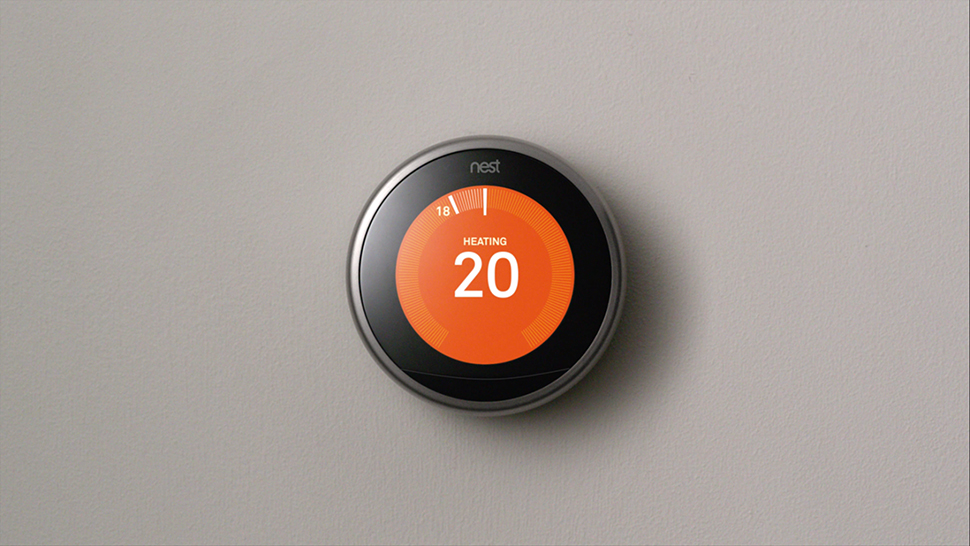
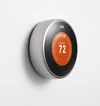
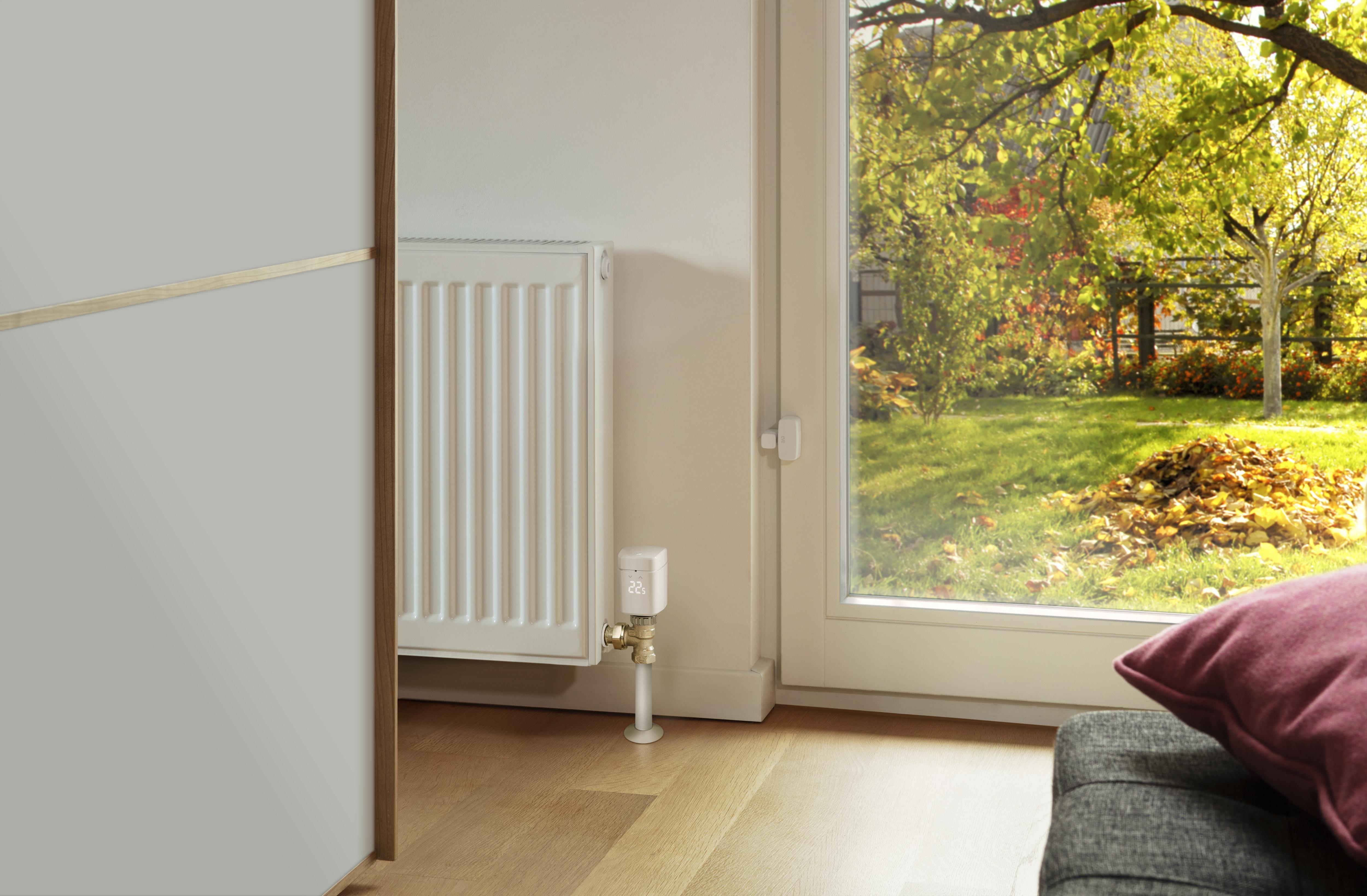
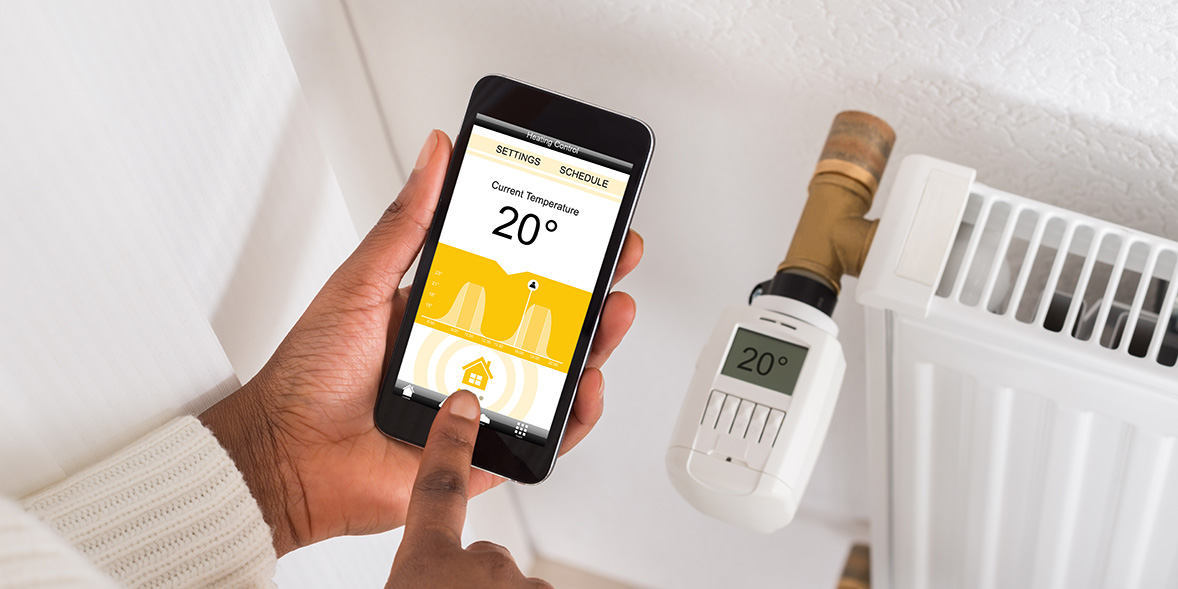
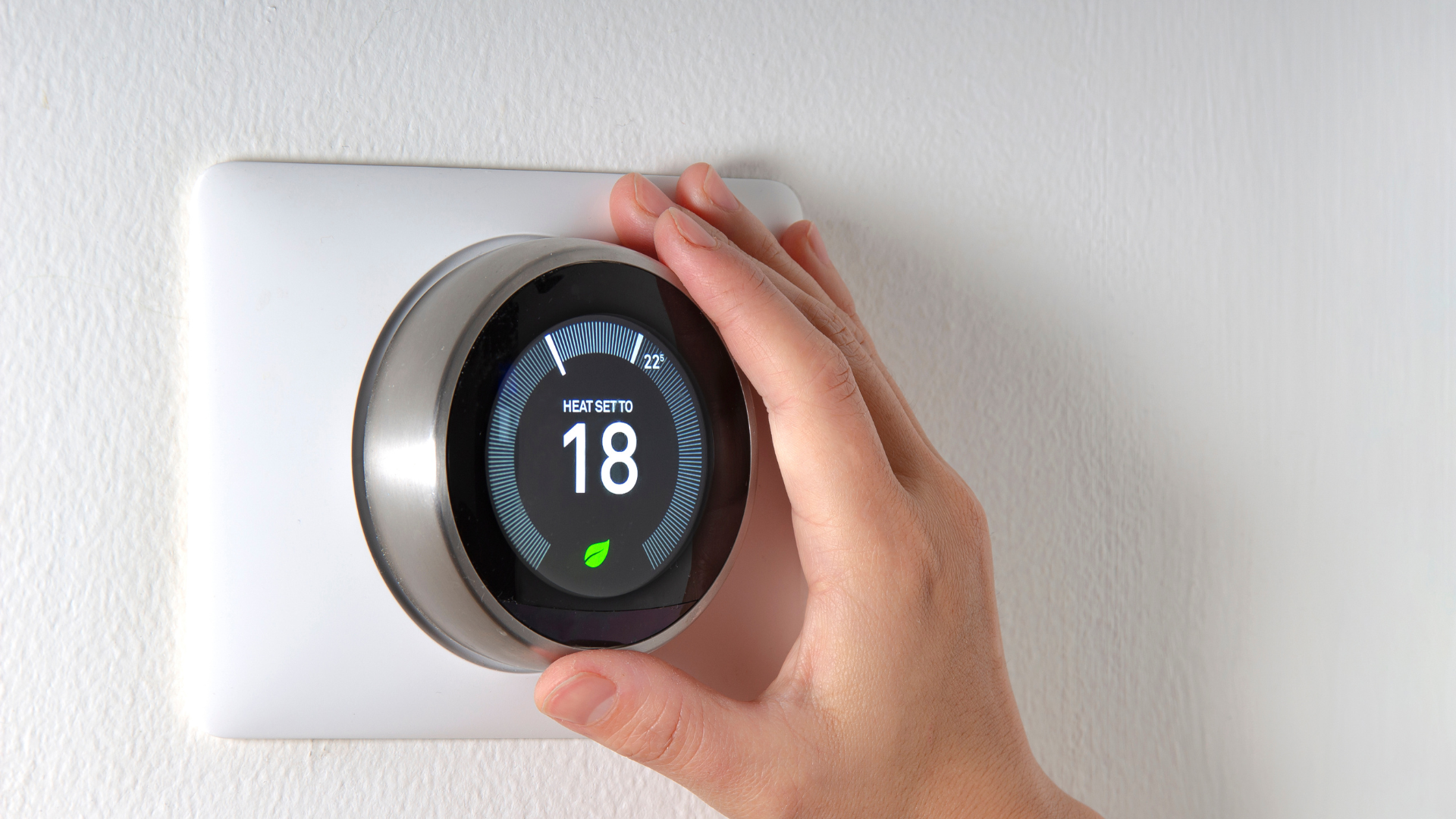
The Nest Thermostat, introduced in 2011, revolutionized the perception of home appliances by offering a visually appealing device with integrated artificial intelligence capable of self-programming. A primary selling point for the original Nest was its potential to reduce home heating and cooling expenses by up to 30%. For households situated in regions with extreme temperatures, where monthly utility bills can escalate to hundreds of dollars, a smart thermostat, such as the current $250 Nest or other highly-rated models, could quickly offset its cost through energy savings. However, the effectiveness of smart thermostats in delivering significant energy and cost reductions is largely contingent on the home's climate-control system. Optimal results are typically achieved in homes utilizing a furnace and/or central air conditioning. If a residence lacks central air, or if it employs steam, hot water radiators, or radiant floors, the energy and monetary savings from a smart thermostat are likely to be minimal.
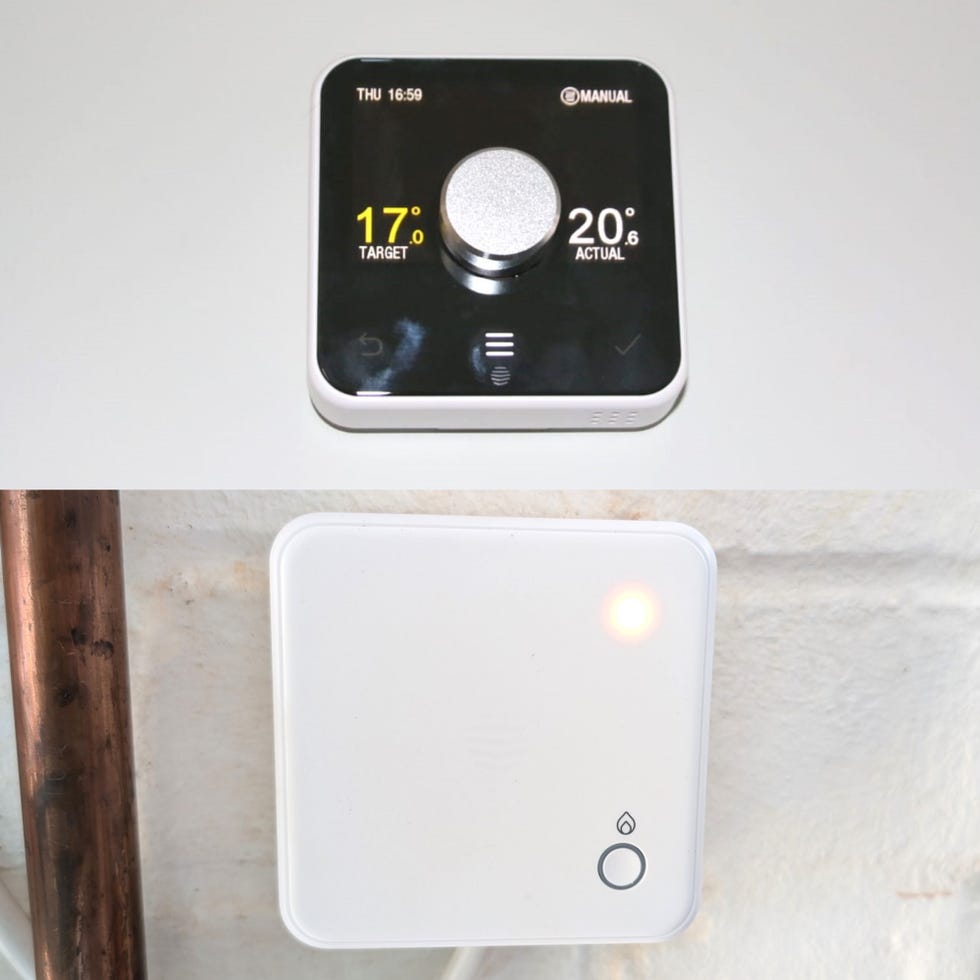
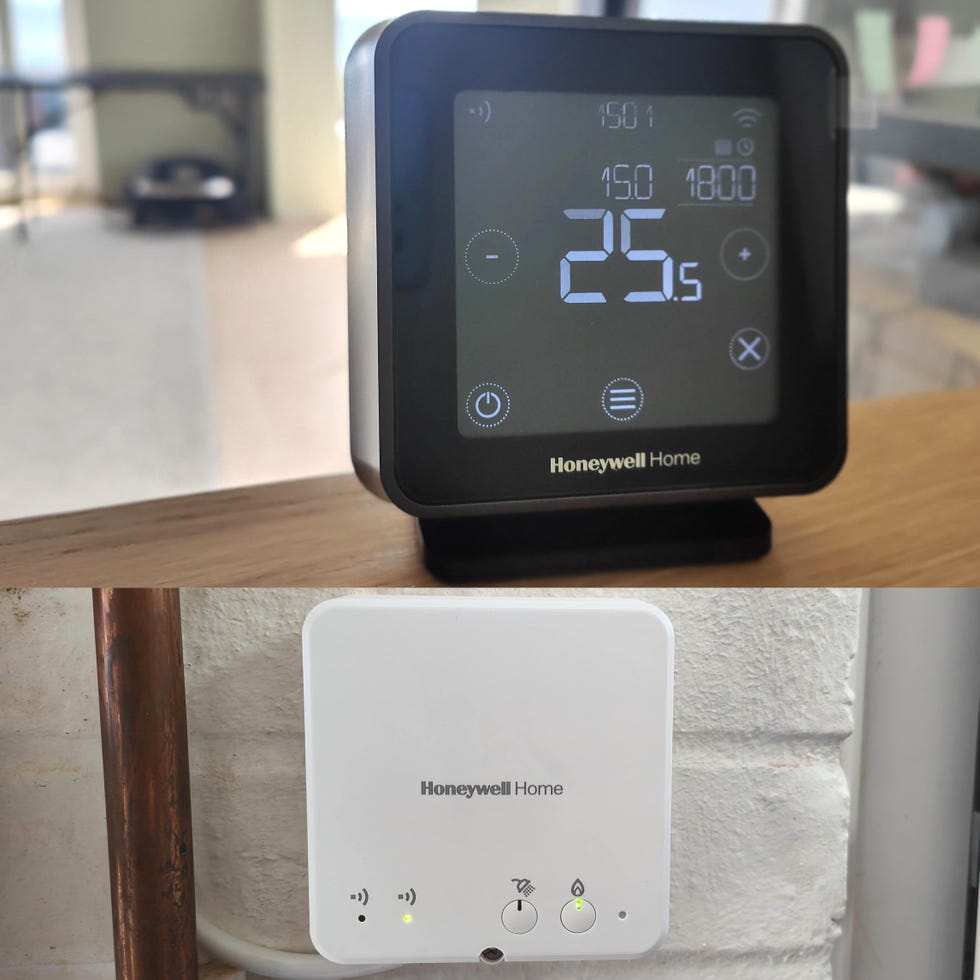
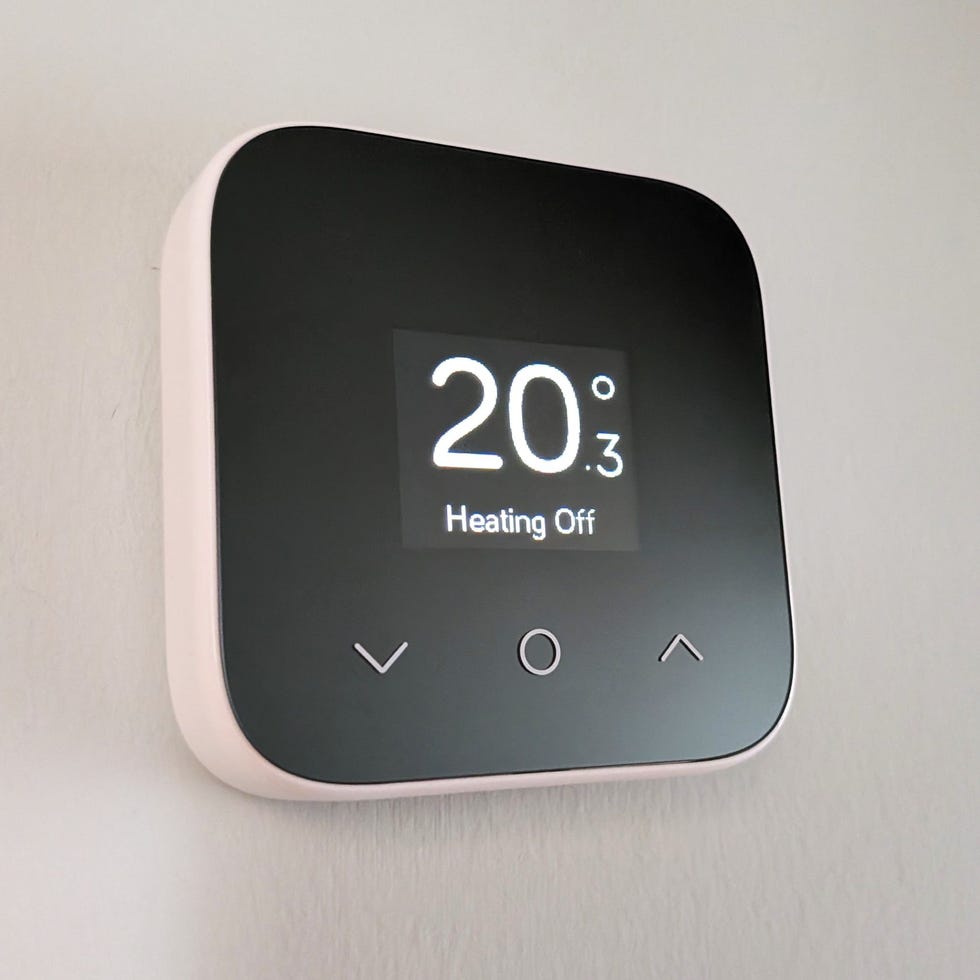
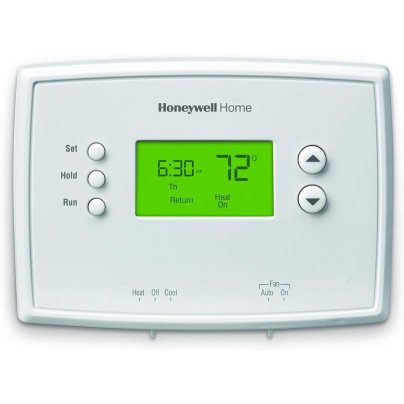
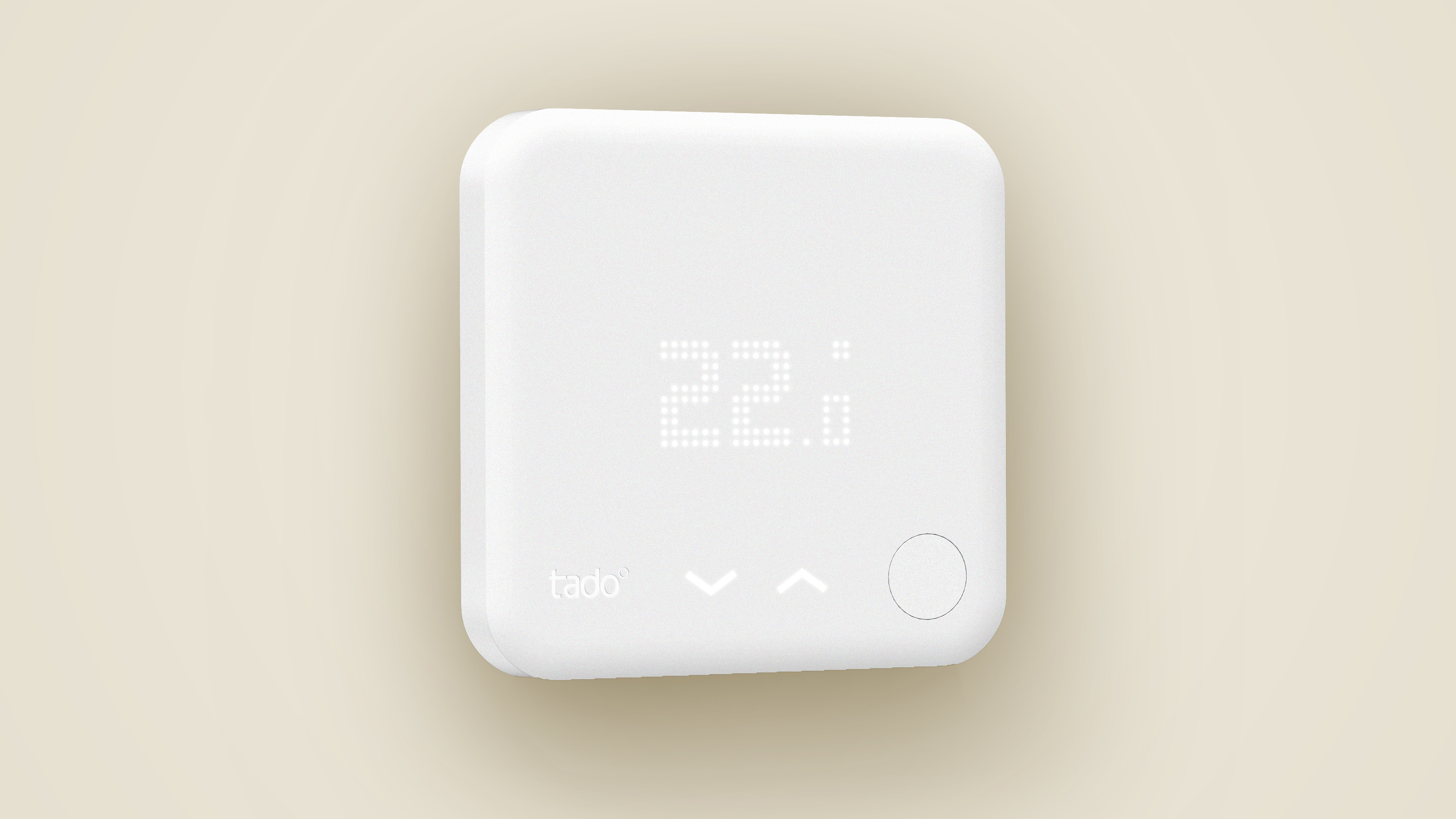
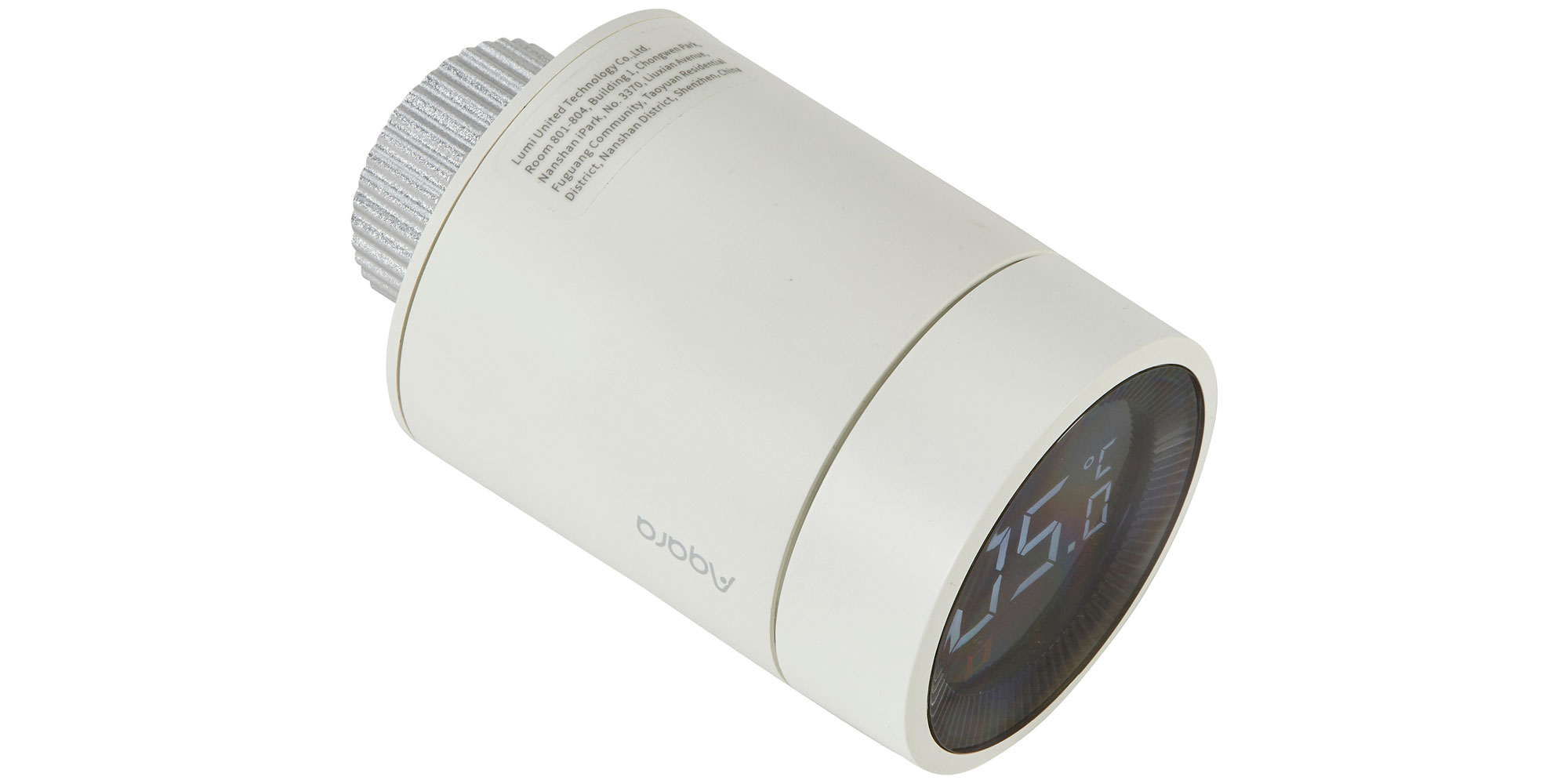
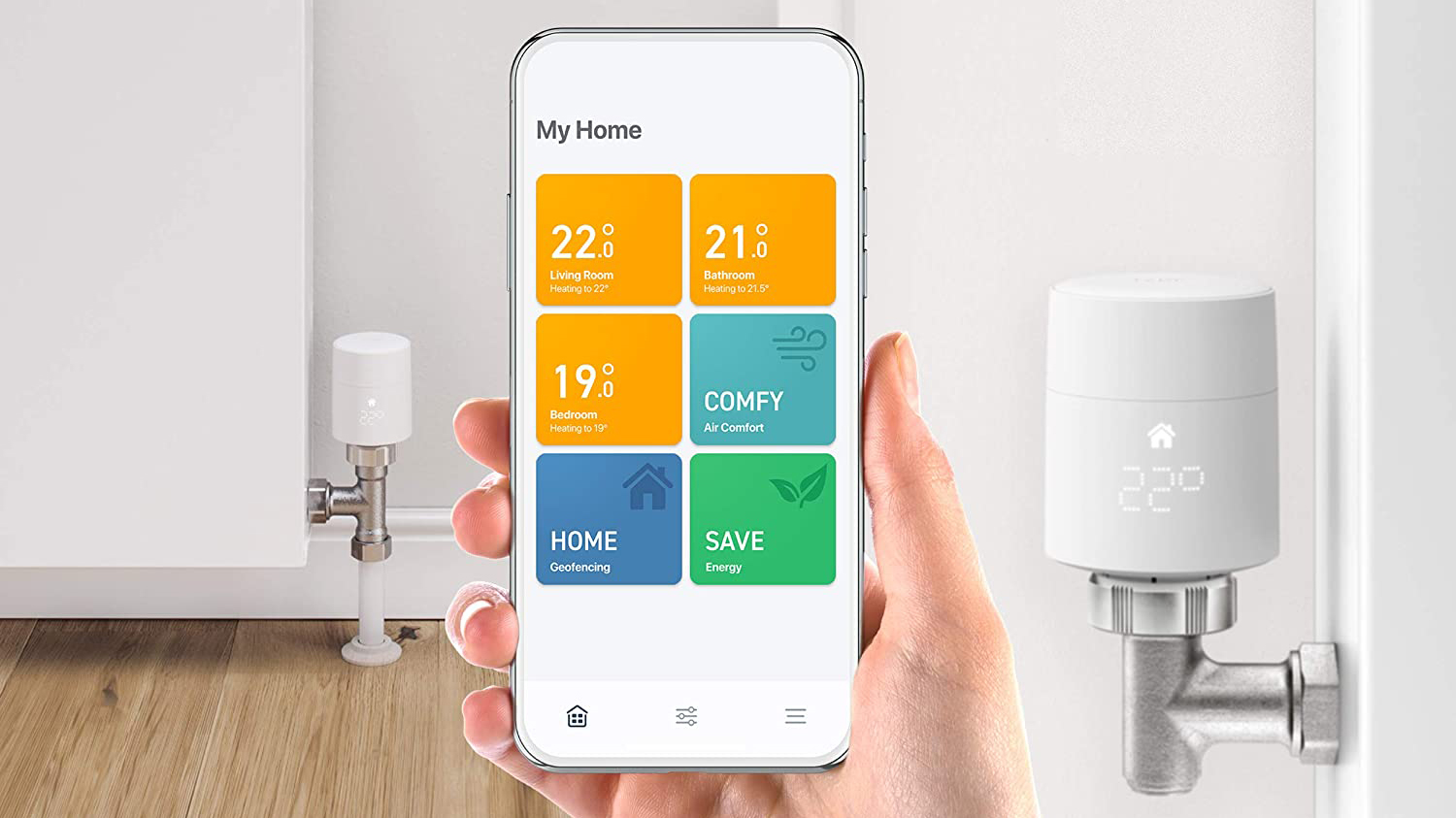
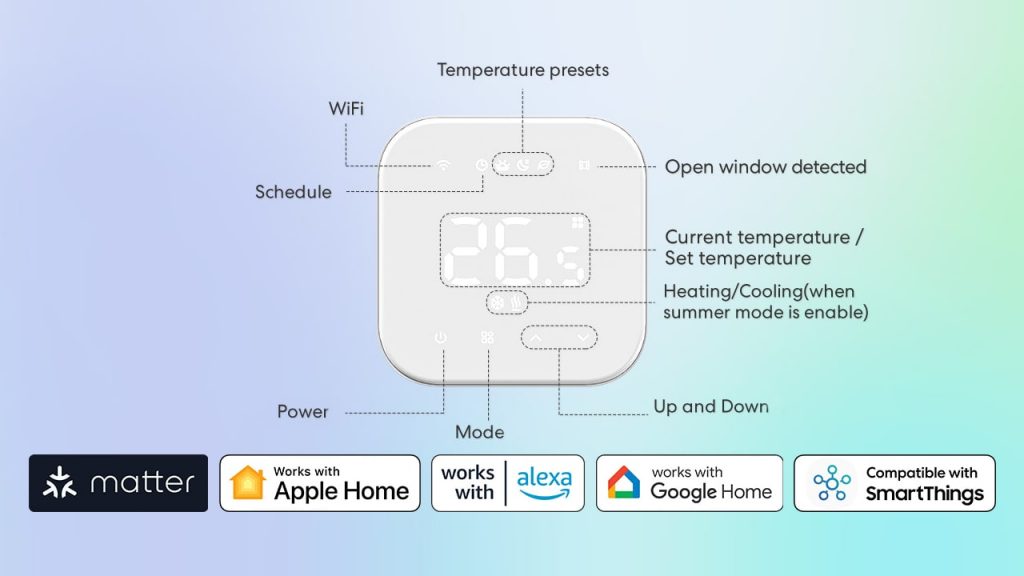
Smart thermostats distinguish themselves through their proactive management capabilities, surpassing traditional and even programmable thermostats. While traditional thermostats require manual adjustment, and programmable models allow for scheduled temperature changes, smart thermostats offer advanced functionalities. Some can learn household routines, anticipate preferred settings throughout the day, and automatically adjust. They can also calculate the specific time required for a home's system to reach desired temperatures for heating and cooling, integrating this data into their scheduling. Furthermore, smart thermostats incorporate presence sensors and geolocation technology, utilizing smartphone signals to determine occupants' whereabouts. This allows the system to adjust temperatures based on whether the home is occupied. The convenience of remote control via a dedicated app or voice assistants like Alexa is another key feature.
According to Dan Holohan, founder of HeatingHelp.com, a crucial advantage of smart thermostats is their ability to detect when a home is unoccupied, leading to system shutdown and energy conservation. Most smart thermostats feature internal presence sensors that, in the absence of movement, can trigger a system shutdown. They may also integrate with remote temperature and presence sensors distributed throughout the home. Additionally, their internet connectivity allows them to track when occupants (via their smartphones) leave and return to the home's Wi-Fi network, prompting the system to power down during absences, thereby preventing energy waste. Holohan emphasizes that the most effective way to save energy is to simply not run the system.
Beyond turning off systems during absences, smart thermostats save energy by implementing subtle temperature adjustments, known as "setbacks," at times when occupants are less likely to notice them. Top-tier models continuously perform these setbacks to accrue small percentages of savings, ultimately leading to substantial reductions in climate-control bills. For example, a learning thermostat like Nest determines the optimal heating or cooling duration for a home, considering external temperatures, and activates the system at the latest possible moment while deactivating it at the earliest, in contrast to standard programmable thermostats that rely on fixed timers.
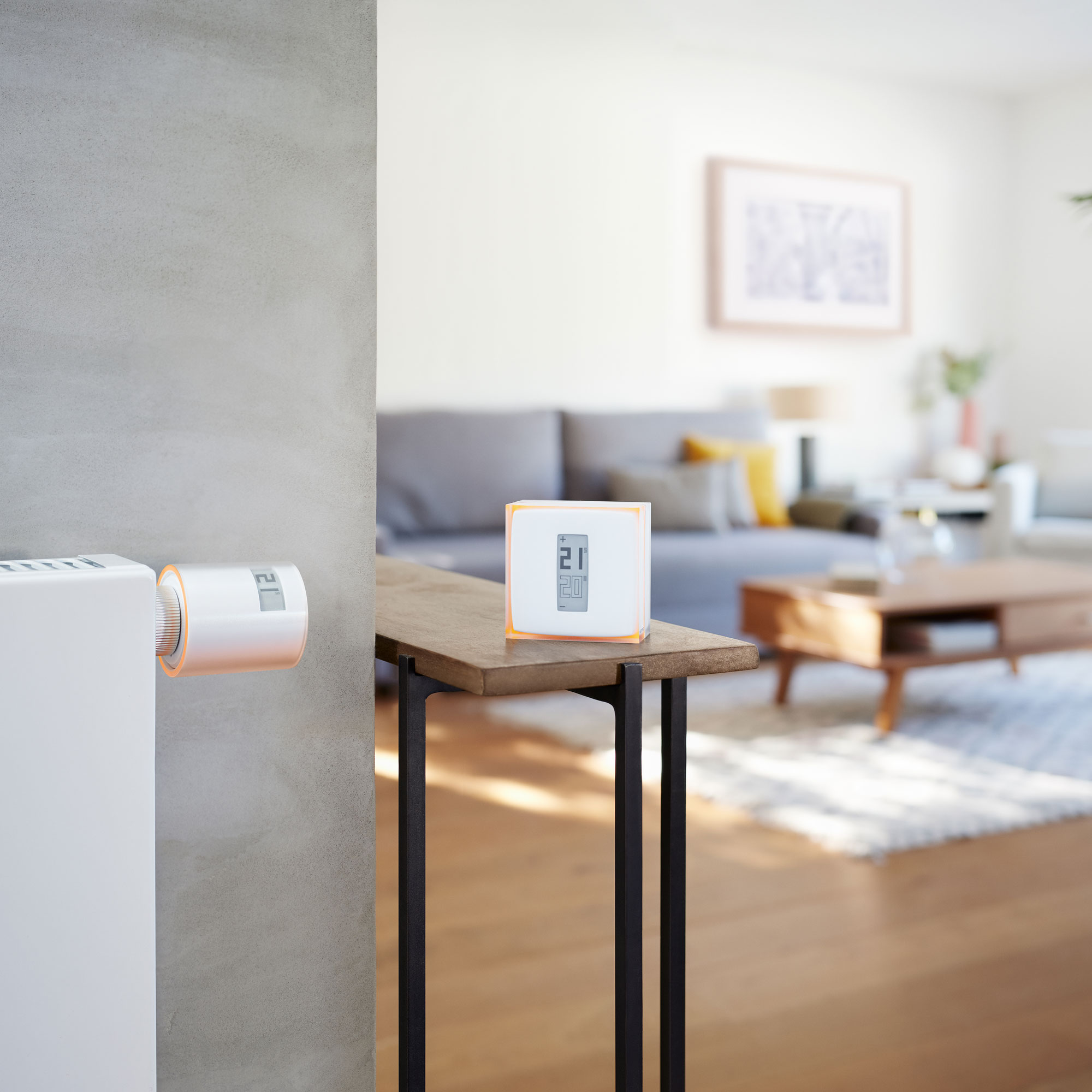
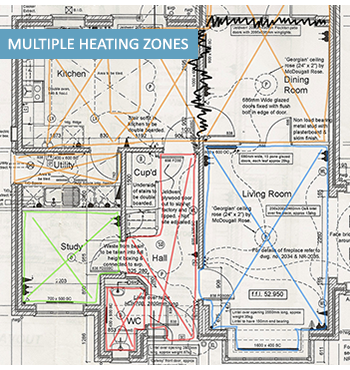
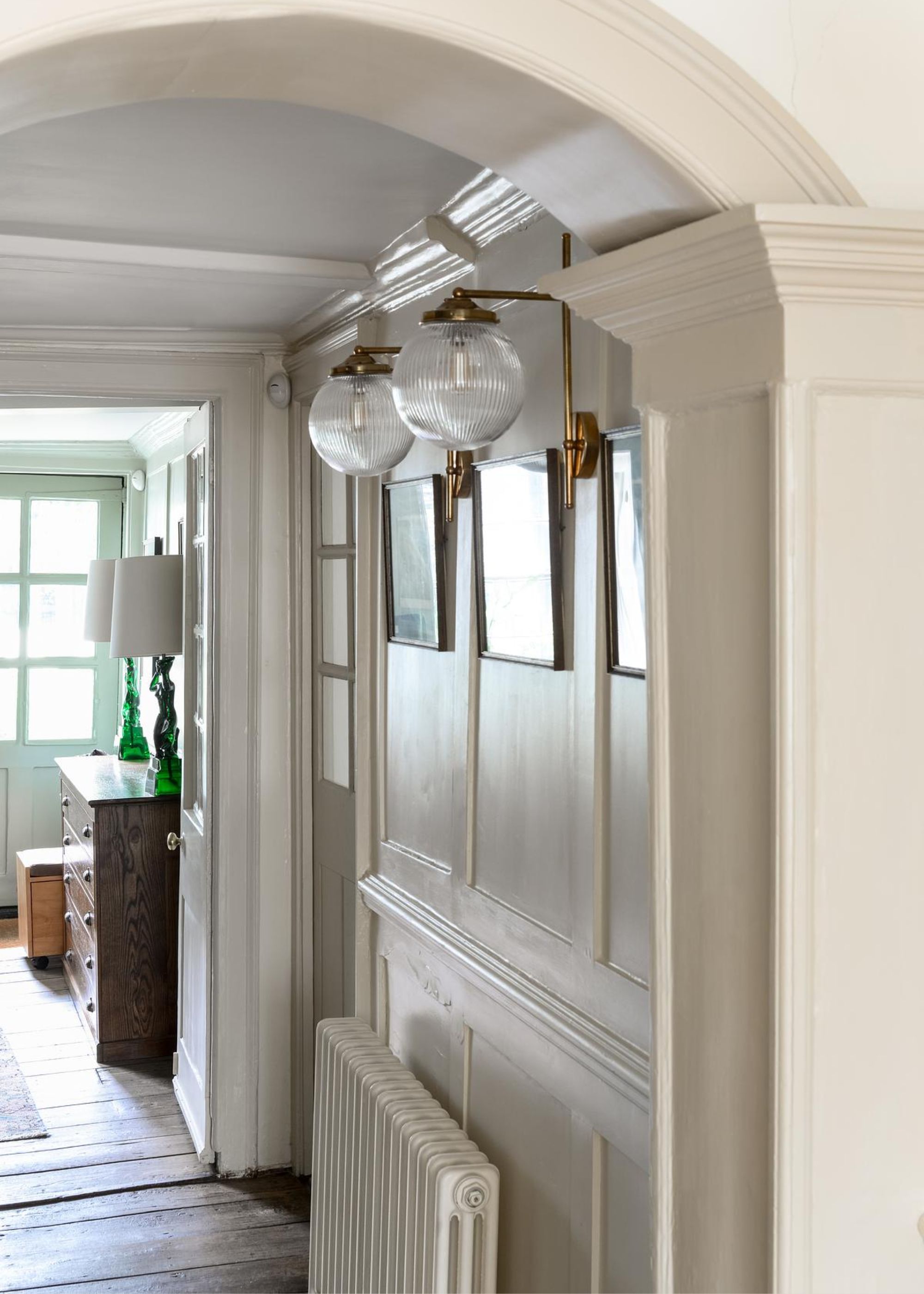
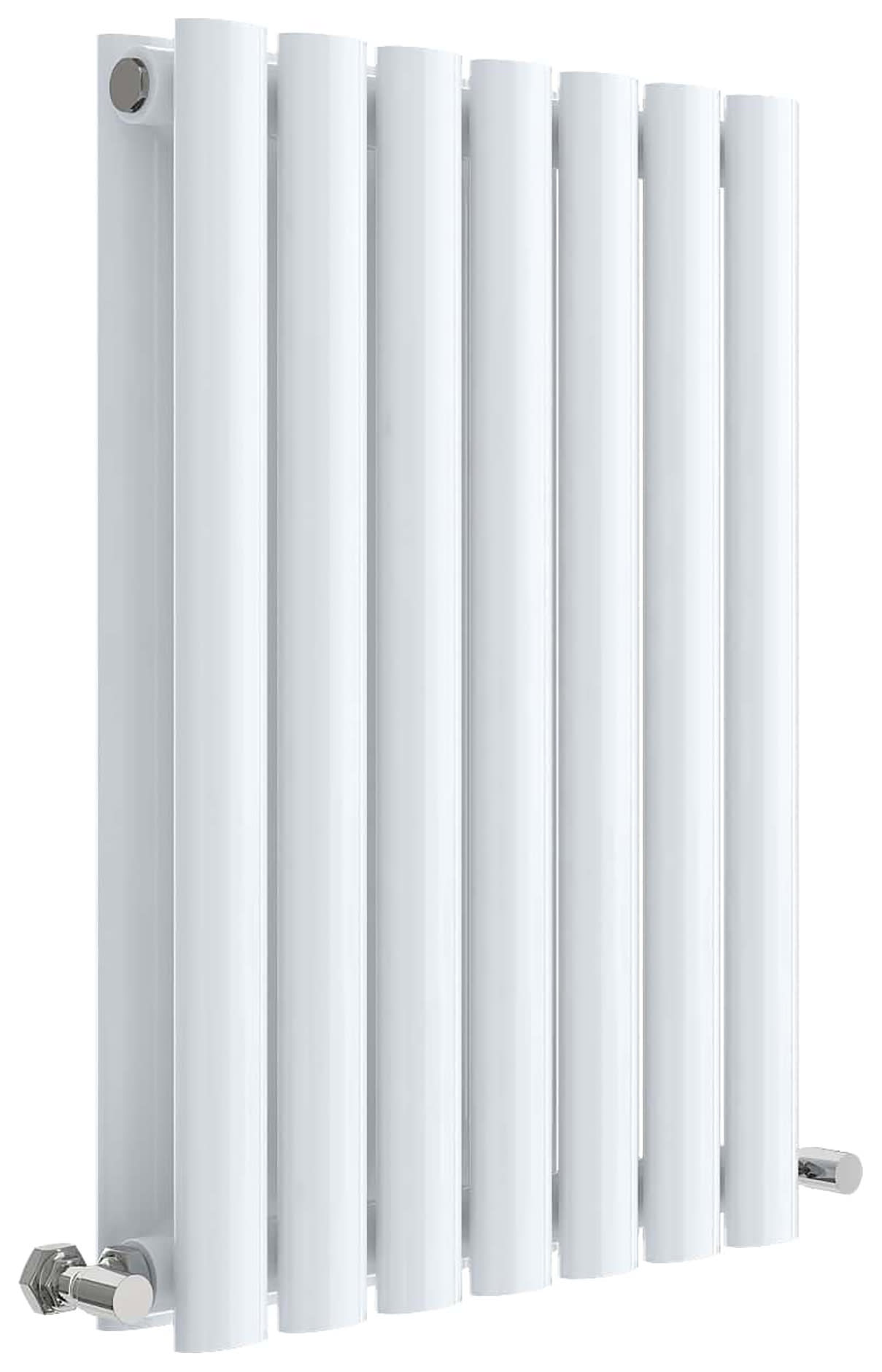
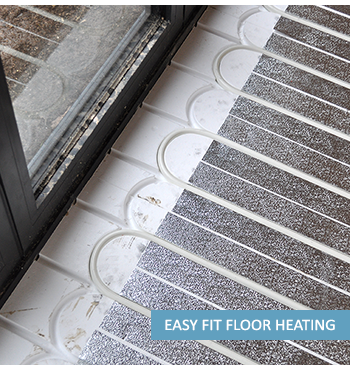
However, the efficacy of setbacks varies significantly with the heating system. While central air conditioning and forced-air furnace systems respond well to small adjustments, radiant heating systems pose a challenge. Approximately 90% of US homes utilize furnaces that circulate heated air, a method Holohan notes as highly inefficient due to air's poor heat transfer properties. Furnaces rapidly warm a space but require frequent operation to maintain warmth, allowing smart thermostats ample opportunity for energy savings through intermittent operation. Conversely, hydronic radiant heating systems, which use boilers to circulate heated water through radiators, baseboard heaters, or radiant floors, are considerably more efficient. These systems primarily warm people and objects via infrared heat, not the air itself. The slow heating and cooling response of radiant systems limits the effectiveness of setbacks. For instance, a radiant floor might take a day or more to warm, making brief temperature drops impractical due to the extended recovery time. While some smart thermostats theoretically include software to anticipate heating and cooling times for such systems, the continuous operation of many radiant systems offers minimal opportunities for efficiency gains. Furthermore, because thermostats primarily measure air temperature, their effectiveness is reduced in radiant systems that prioritize warming objects and people. Holohan questions the potential for significant savings with radiant systems.
Despite potential limitations in energy savings for certain home configurations, smart thermostats offer other compelling benefits. While the financial return might be minimal if installation costs outweigh annual savings (e.g., $1,000 for thermostats and sensors yielding only $100 in annual savings), the convenience factor can be a primary motivator. For some, the ability to remotely monitor a vacation home, control the temperature of a specific room, or pre-condition a space before arrival justifies the investment. The user-friendly apps associated with smart thermostats are often preferred for programming schedules over the often cumbersome buttons of programmable models. When correctly configured, smart thermostats can also contribute to a more consistently comfortable home environment.
#SmartThermostat #HomeEnergyEfficiency #ClimateControl #RadiantHeating #ForcedAirSystems #HomeAutomation #EnergySavings #NestThermostat #HomeComfort #SmartThermostat #HomeEnergyEfficiency #ClimateControl #RadiantHeating #ForcedAirSystems #HomeAutomation #EnergySavings #NestThermostat #HomeComfort
0 comment in total
 No comments yet
You may also like
The 6 best smart thermostats to control your heating from anywhere


Netatmo Smart Thermostat review: smart heating control for your home

Experts Urge Homeowners to Avoid This Radiator Mistake That 'Exaggerates' How Well It Will Heat Your Home

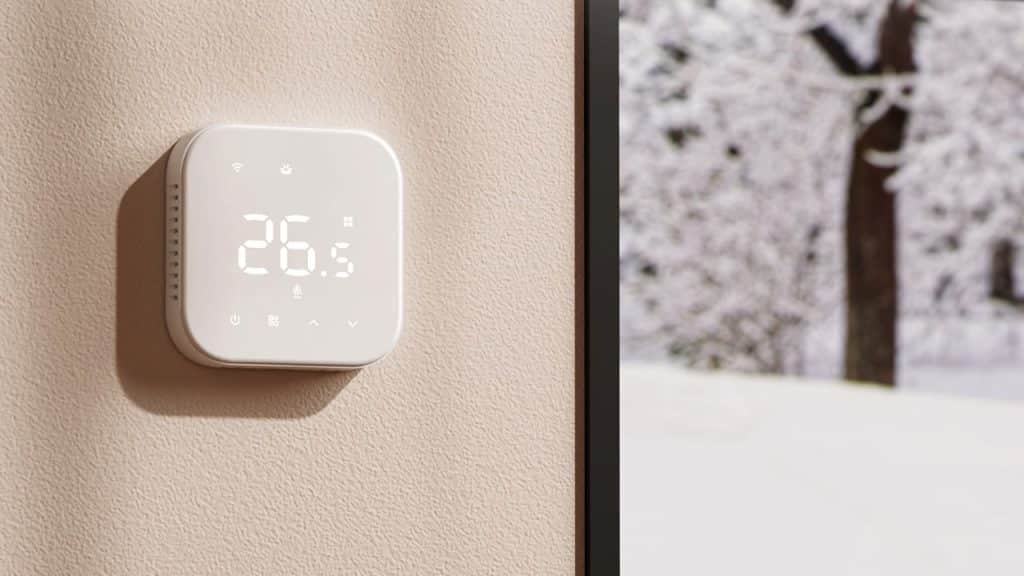
Matter Thermostat from Meross for EU Heating Systems

Are smart heating systems worth it? The pros and cons of upgrading your thermostat this winter

The 4 Best Smart Thermostats of 2026 | Reviews by Wirecutter
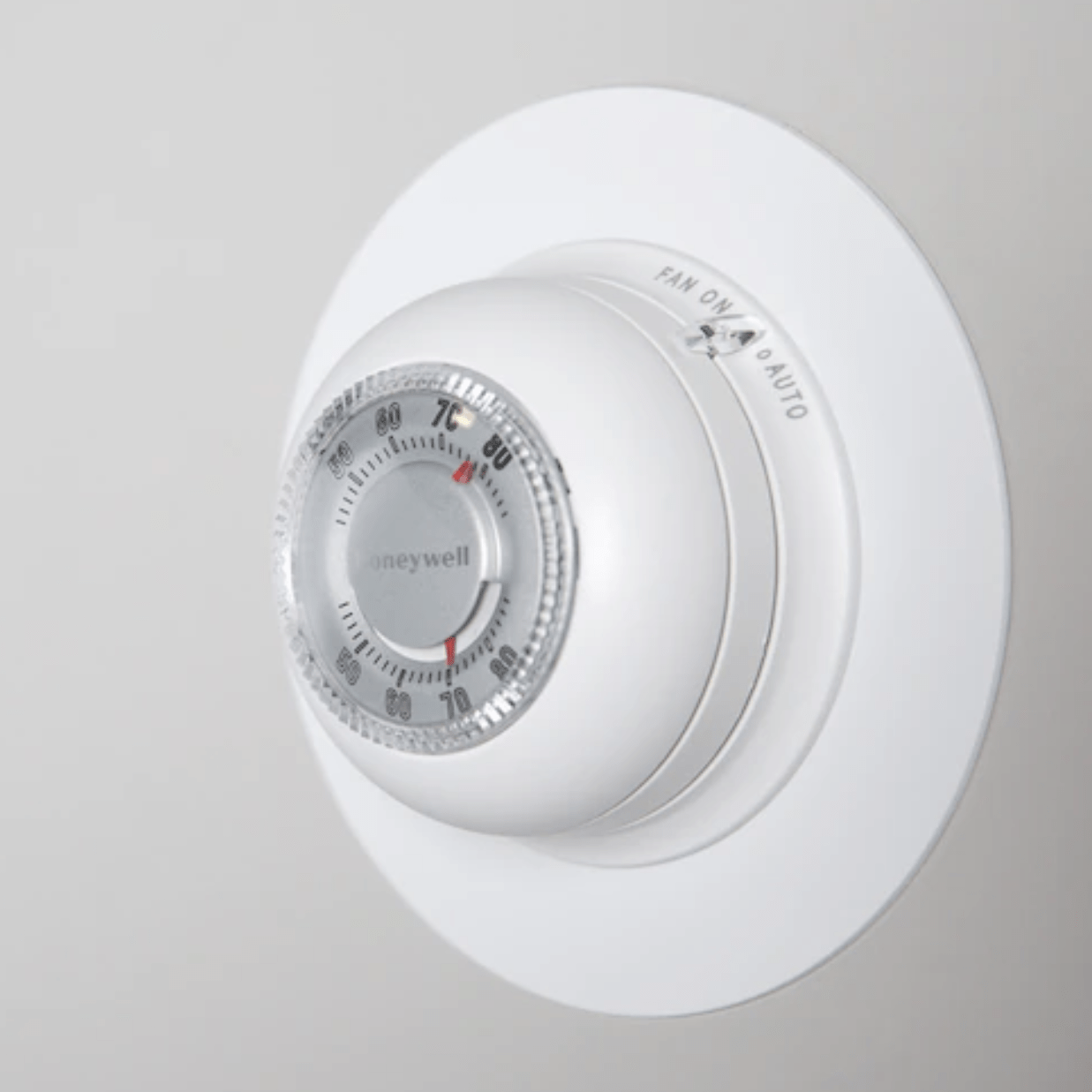
How To Use an Old Honeywell Thermostat


The next generation Nest thermostat
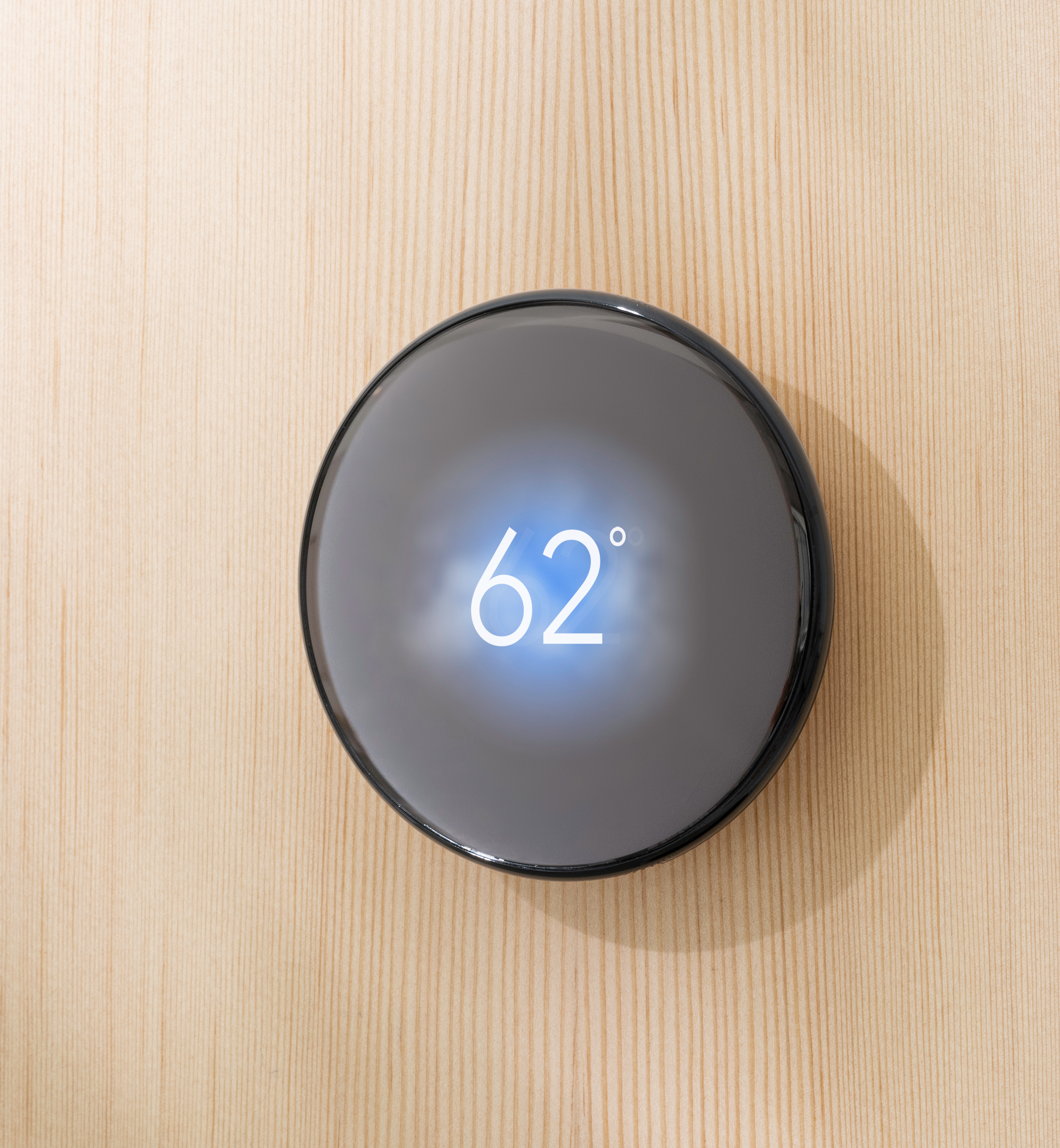
I’m Perpetually Cold, and the Nest Thermostat Has Finally Made My Home the *Perfect* Temp

Should You Turn Your Heat Down When You're Not Home?

Smart Heating


I Thought I'd Found a $99 Fix for My Balky Air Conditioning. I Was Wrong. | Reviews by Wirecutter

Nest Plays Catch Up With New Temperature Sensors and More | Wirecutter
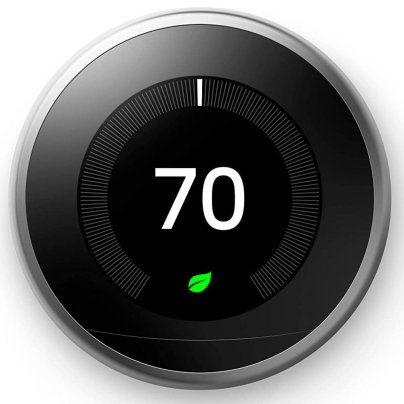
The Best Home Thermostats for Efficient Heating and Cooling, Tested

Best smart radiator valves 2026
The best smart radiator valves
Review: Heatmiser Neo Smart Thermostat
Best smart thermostat 2025: stay warm and save money with these smart heating systems
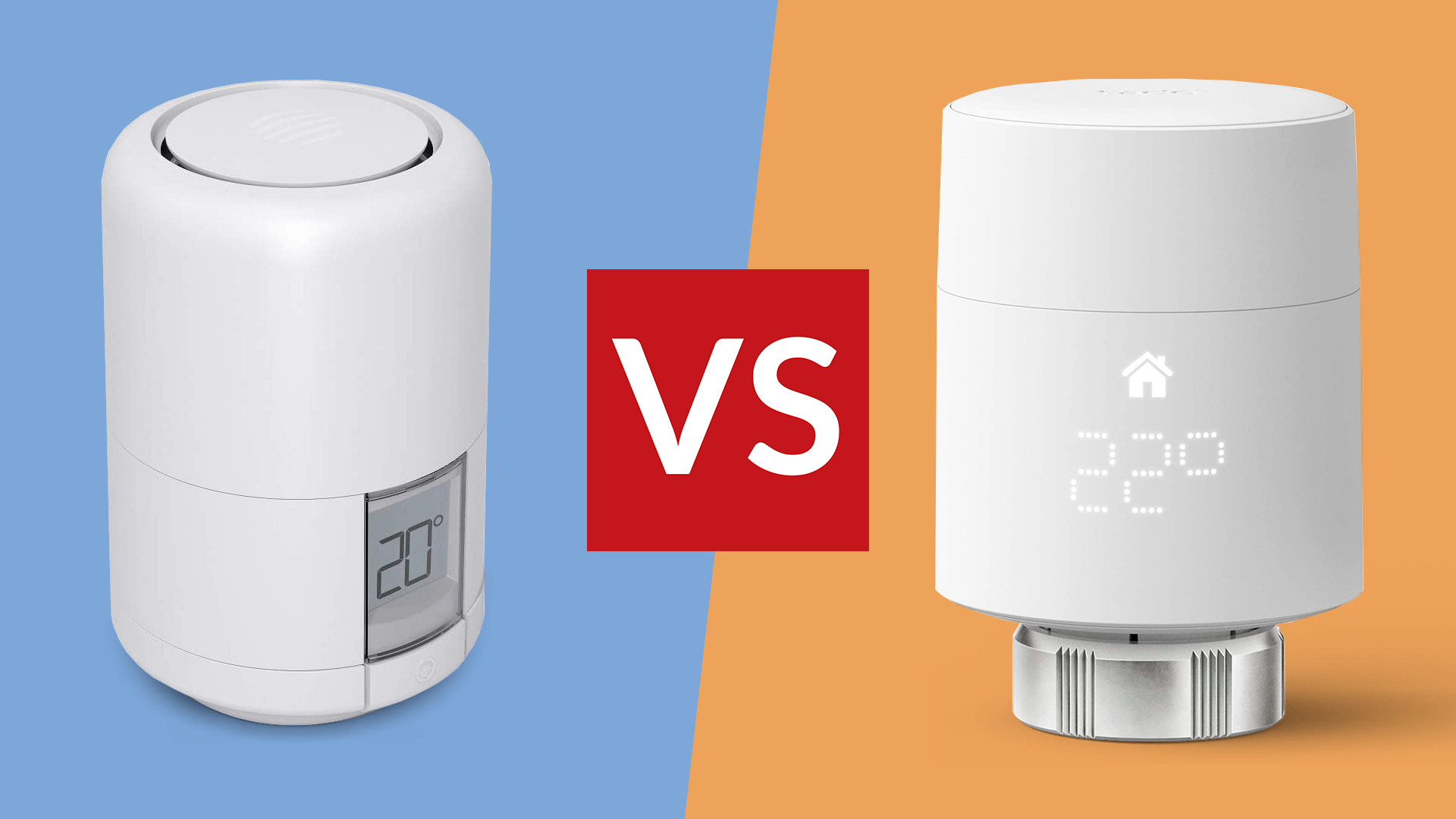
Hive Smart Radiator Valve vs Tado Smart Radiator Thermostat

I Was Sick of Cold Front Door Drafts Making My Living Room Feel Arctic and Driving Up Energy Costs – A $4 Easy Amazon Fix Has Been A Game-Changer