Should You Turn Your Heat Down When You're Not Home?
The cost of heating a home constitutes a significant portion of annual energy expenses, with space heating accounting for about 45 percent of an average U.S. home's energy bills. Households utilizing natural gas spend approximately $950 per year on heating, while those relying on oil face an annual cost of around $2,115. During warmer months, cooling costs represent roughly half of a household's energy expenditure. Consequently, many individuals seek methods to reduce these costs, including adjusting thermostat settings when away from home.
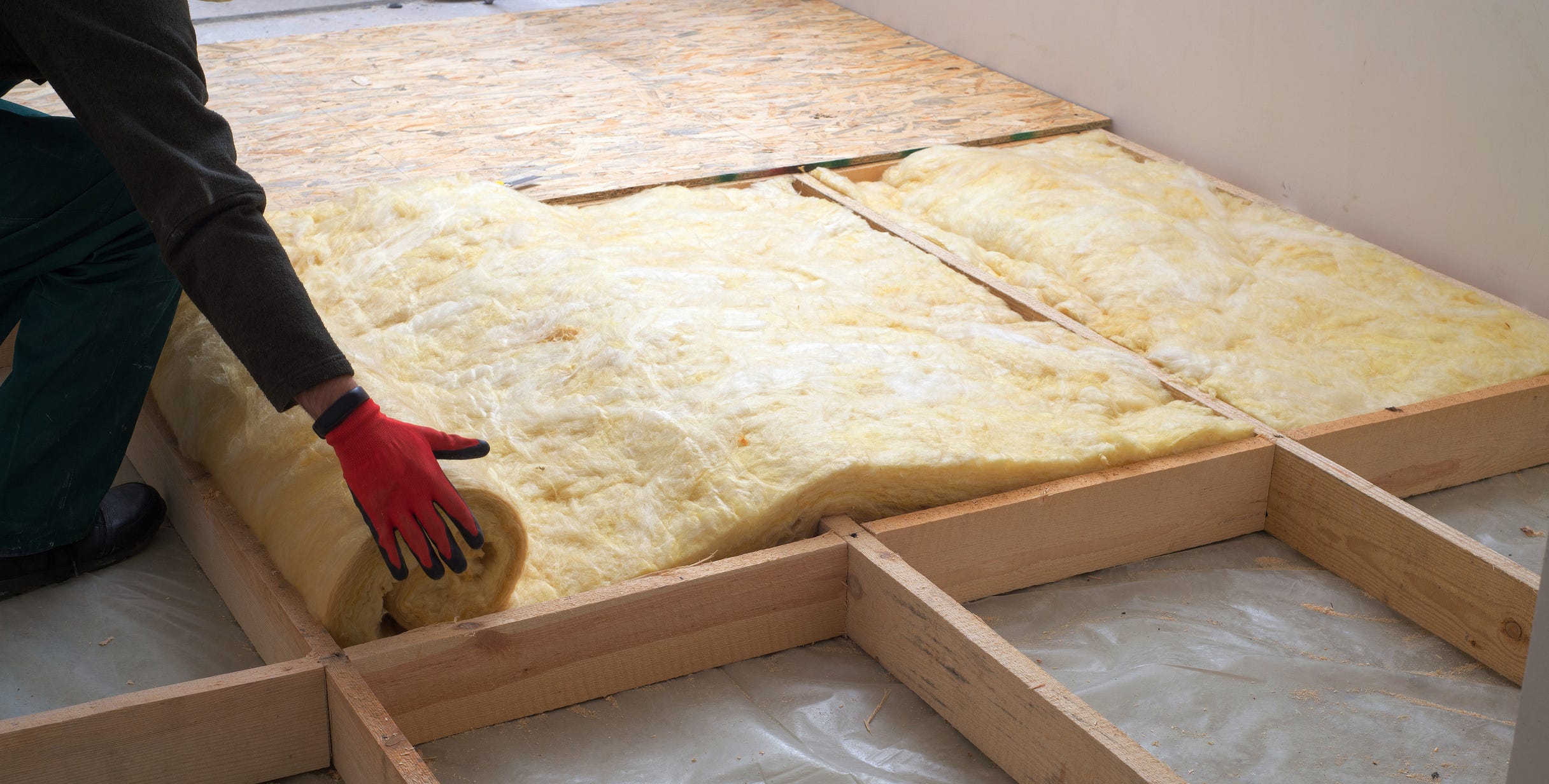
A common misconception suggests that a heating unit works harder to warm a cold house than to maintain an already warm temperature. However, the U.S. Department of Energy clarifies that it requires more energy to sustain a constant temperature than to reheat a space after the thermostat has been lowered. Heat naturally dissipates from warmer areas to colder ones. When a home is kept at a higher temperature, heat continuously transfers from the interior to the exterior, even in well-insulated properties. Conversely, when the internal temperature is reduced, the rate of energy loss decreases. This means that the longer a house remains at a lower temperature, the more energy is saved compared to maintaining a higher, constant temperature.
This principle also applies to cooling. A higher internal air temperature, above typical levels, results in a slower loss of energy. This slower energy loss makes it more efficient to recool the home upon returning or waking. While lowering the thermostat is beneficial, completely shutting off the furnace or air conditioning unit, especially for extended periods, is not advisable. Allowing a house to become too cold risks pipes freezing, while excessive heat can damage wood floors, cabinets, and other surfaces due to condensed air. For optimal savings and safety during winter, it is recommended to set the thermostat to approximately 68 degrees F (20 degrees C) when occupied and lower it to about 55 degrees F (13 degrees C) when away or asleep. In summer, keeping the house warmer than usual when unoccupied and setting the thermostat to around 78 degrees F (26 degrees C) otherwise is advised. The U.S. Department of Energy estimates that homeowners can save 5 to 15 percent annually on heating costs by setting back their thermostat by 10 to 15 degrees for eight hours a day.
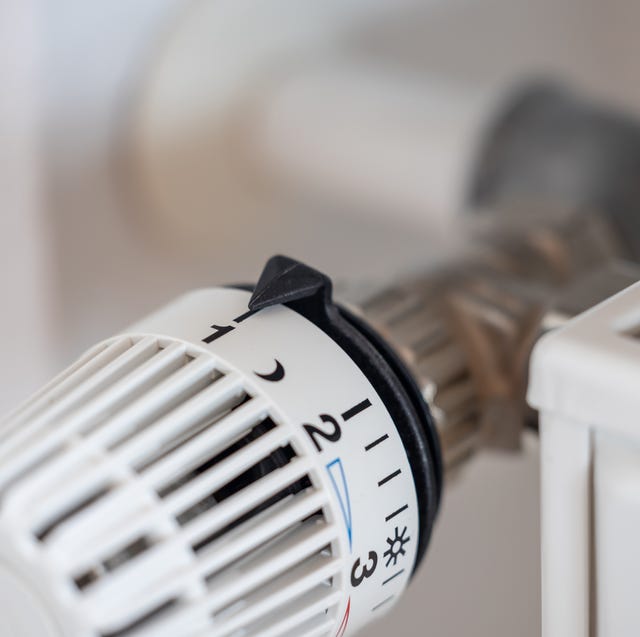
Beyond thermostat adjustments, several other strategies can enhance energy efficiency. Investing in a programmable thermostat allows users to schedule temperature changes, aligning heating levels with daily routines, such as warming up before waking or returning home. Most programmable thermostats offer the ability to store and repeat daily settings, with manual override options. However, for homes with heat pumps, programmable thermostats may not be as effective, and could potentially increase costs, as heat pumps operate most efficiently when running at a constant, moderate level.
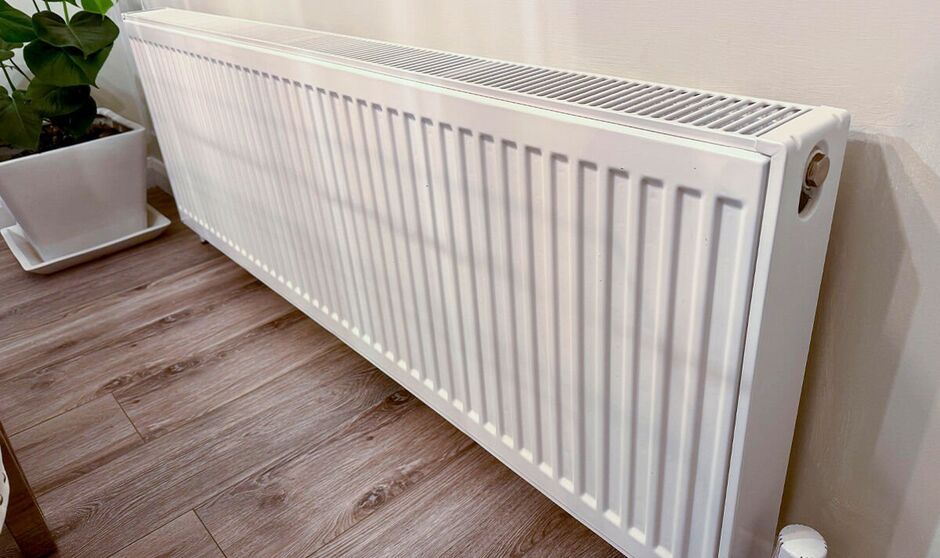
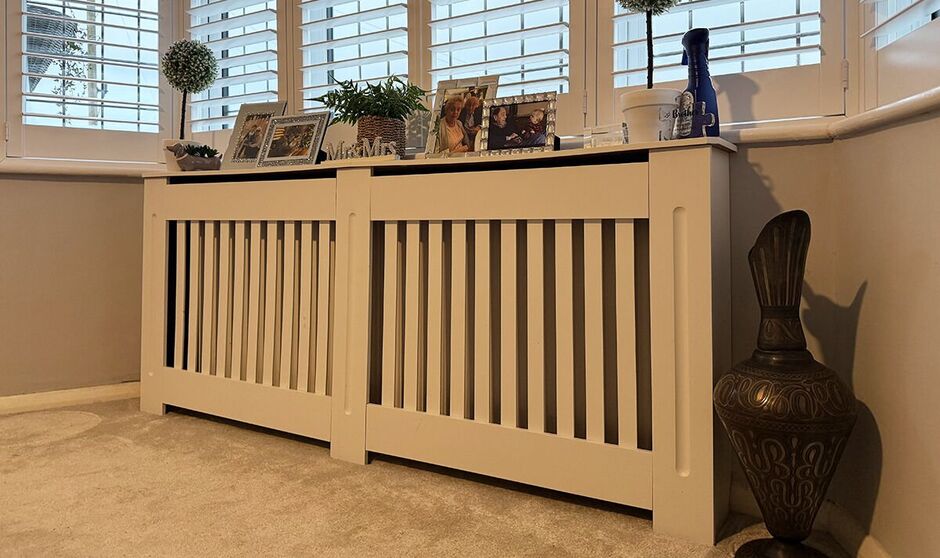
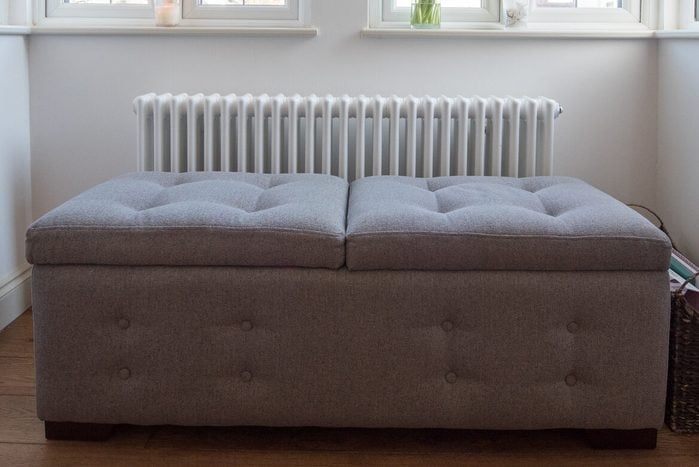
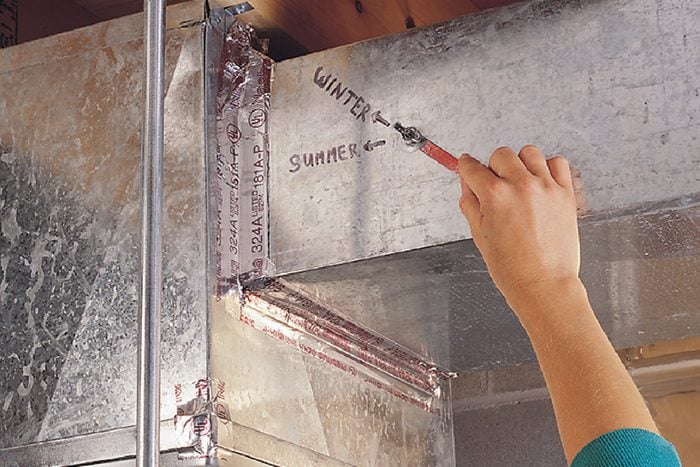
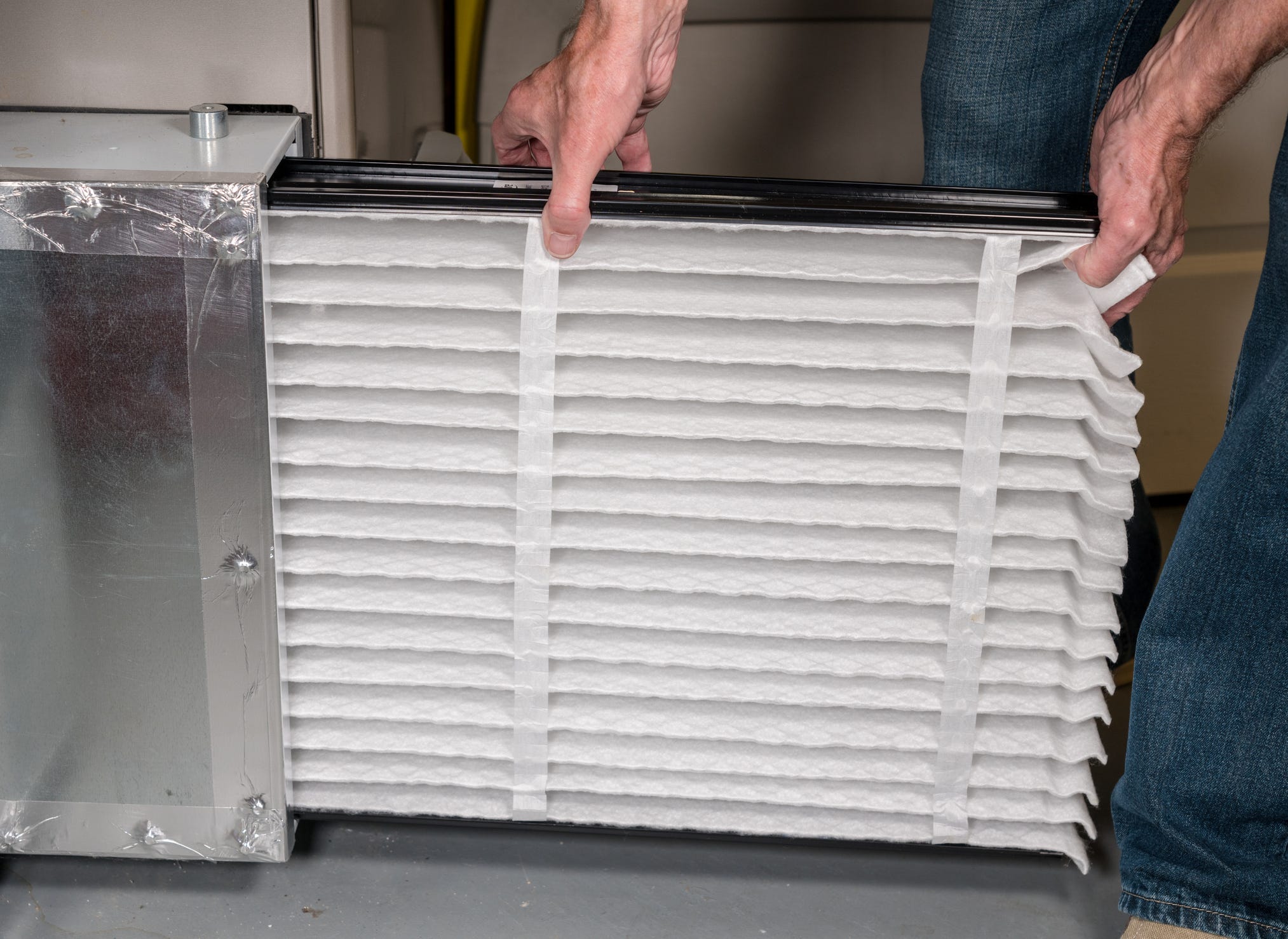
Regular maintenance of heating and cooling systems is also crucial. This includes routinely cleaning and replacing filters, removing dirt, and addressing corrosion on HVAC units. Ensuring that vents and radiators are unobstructed and that air ducts and heating pipes are properly sealed further contributes to energy efficiency. Additionally, some research suggests that maintaining lower indoor temperatures, specifically in the low 60s, can increase the body's metabolism, leading to greater calorie expenditure, offering a health benefit alongside energy savings.
#EnergyEfficiency #HomeHeating #ThermostatSettings #EnergySavings #HVACMaintenance #ProgrammableThermostat #HomeCooling #UtilityCosts #Insulation #EnergyEfficiency #HomeHeating #ThermostatSettings #EnergySavings #HVACMaintenance #ProgrammableThermostat #HomeCooling #UtilityCosts #Insulation
0 comment in total
 No comments yet
You may also like

Sick of the heat? Here's how to keep your home cool, heatwave or not, if you don't have AC
What’s the most efficient way to heat a house? How to heat your home for less, according to experts

It's Time to Prepare Your Home for Winter With These 10 Quick, Easy Ways

Ask Wirecutter: Stop Stressing About Turning Off the Lights When Leaving the Room!
9 cheap ways to heat your home this winter for under £10 each

17 Tips and Hacks to Help Keep Your House Warm This Winter

Will Your Pipes Freeze If You Leave The Heating Off?
3 home design choices that were increasing my heating bills
Fed Up with Chilly Nights? HVAC Pros Reveal One Quick and Free Bedroom Tweak to Keep You Warmer Without Raising Bills

How to Save Money and Energy Heating Your Apartment (Published 2018)
Experts Urge Homeowners to Avoid This Radiator Mistake That 'Exaggerates' How Well It Will Heat Your Home

Is a Heat Pump Right for Your Home? Here's What You Need to Know.

Top 10 Winter Energy Saving Tips


This home heating habit could be ruining your sofa
Ways To Heat A Basement Without An Electric Space Heater (And The Pros & Cons To Consider)
The Fan Mistake You’re Making That’s Making Your House Hotter
£14 heating trick has kept my house warm and thermostat lower as energy bills set to rise
What is the cheapest electric heater to run? Experts reveal
How to warm up your first floor – 7 expert tricks to hold heat downstairs for a cozy winter
You're Wasting Heat If Your Ceiling Fan Isn't Doing This During Fall And Winter