Top 10 Winter Energy Saving Tips
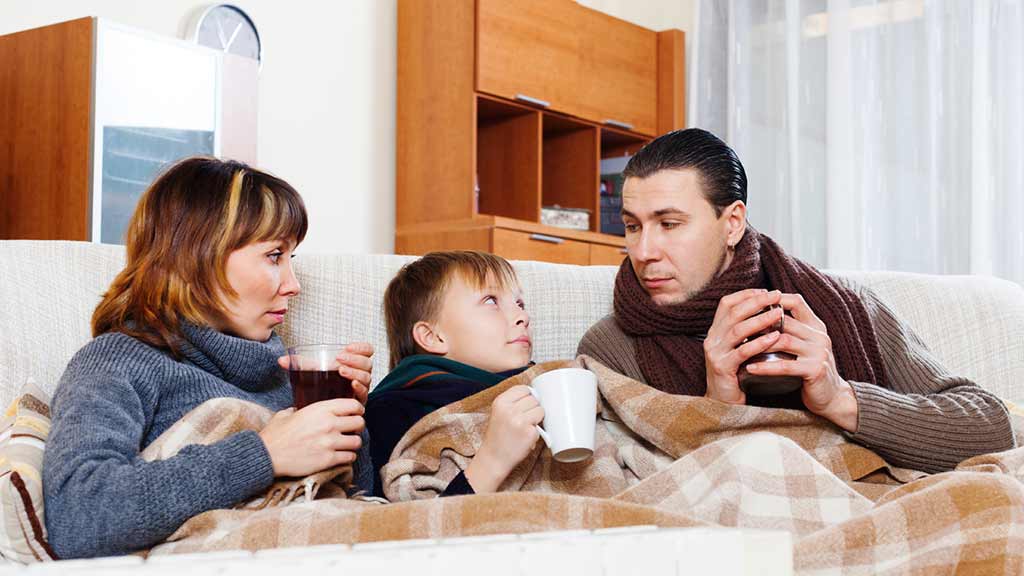
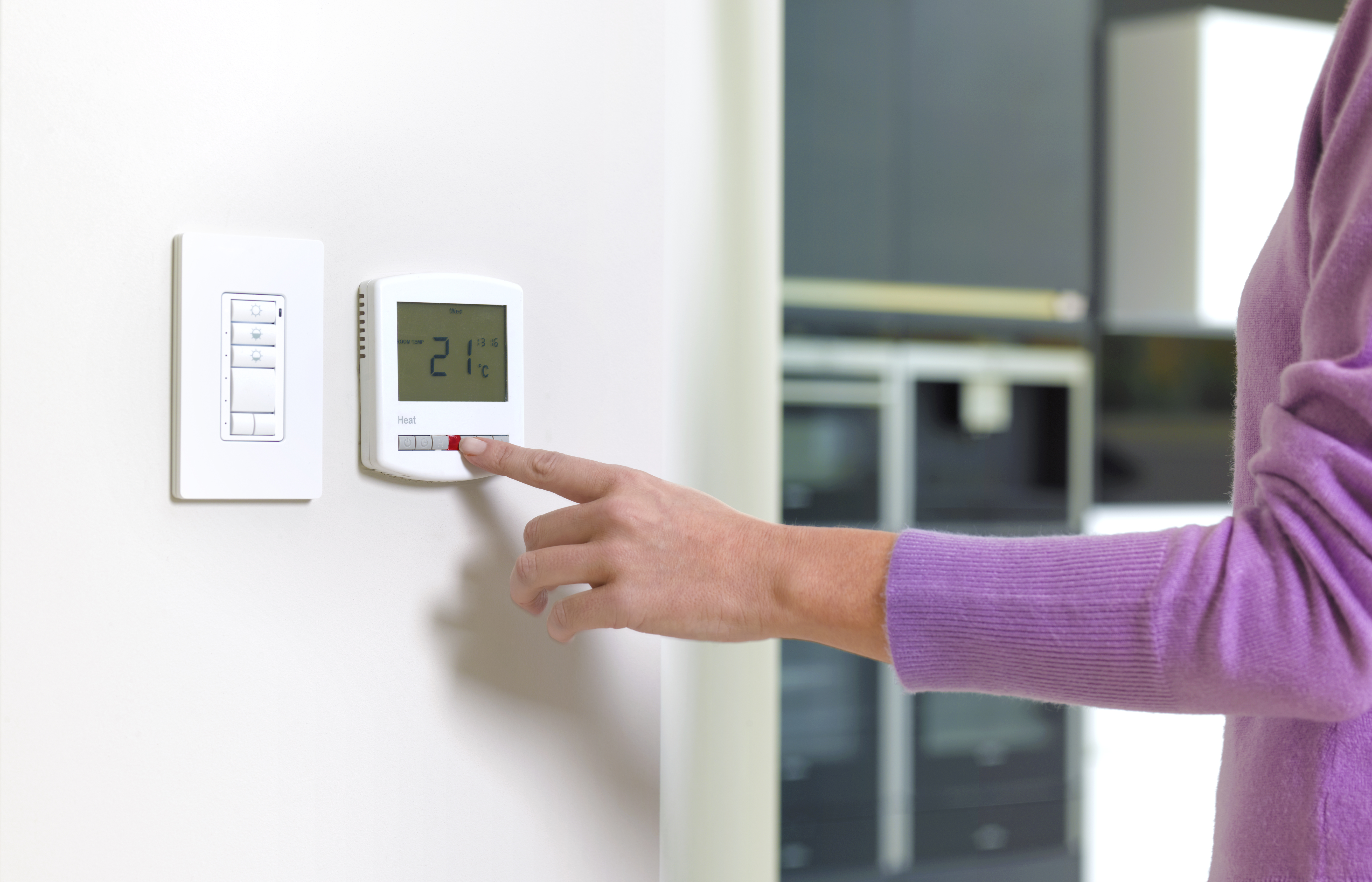
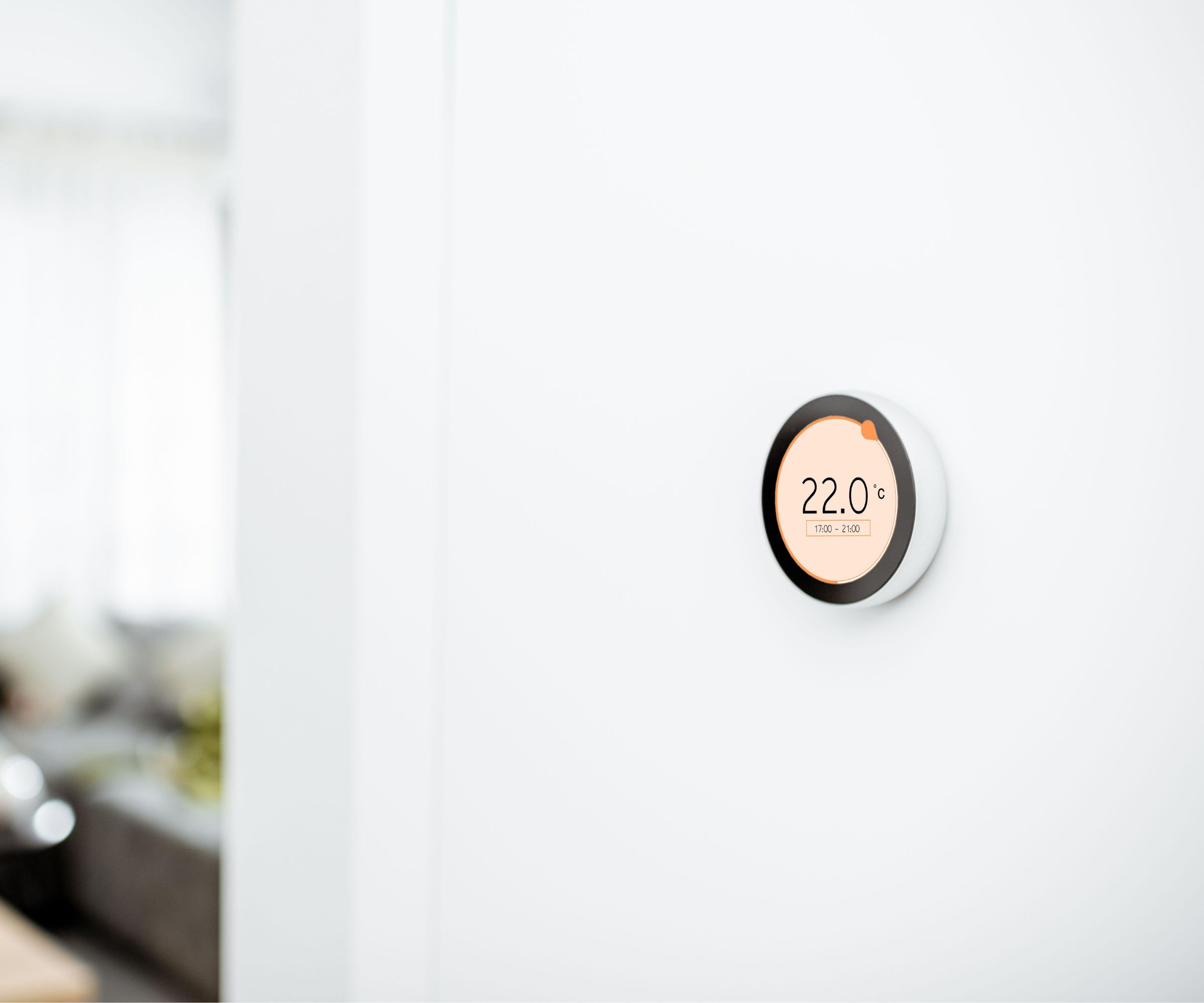
As winter arrives, homeowners often face increasing heating bills. Implementing several practical strategies can help reduce energy consumption and lower costs. One key recommendation is to utilize a programmable thermostat, which allows for temperature adjustments when no one is home, optimizing heating schedules. Specifically, lowering the thermostat from a typical 72-75 degrees Fahrenheit to 68 degrees can result in significant savings, ranging from 5 to 20 percent. For homes using oil or natural gas, further savings of 5 to 20 percent can be achieved by setting the thermostat to 55 degrees at night.
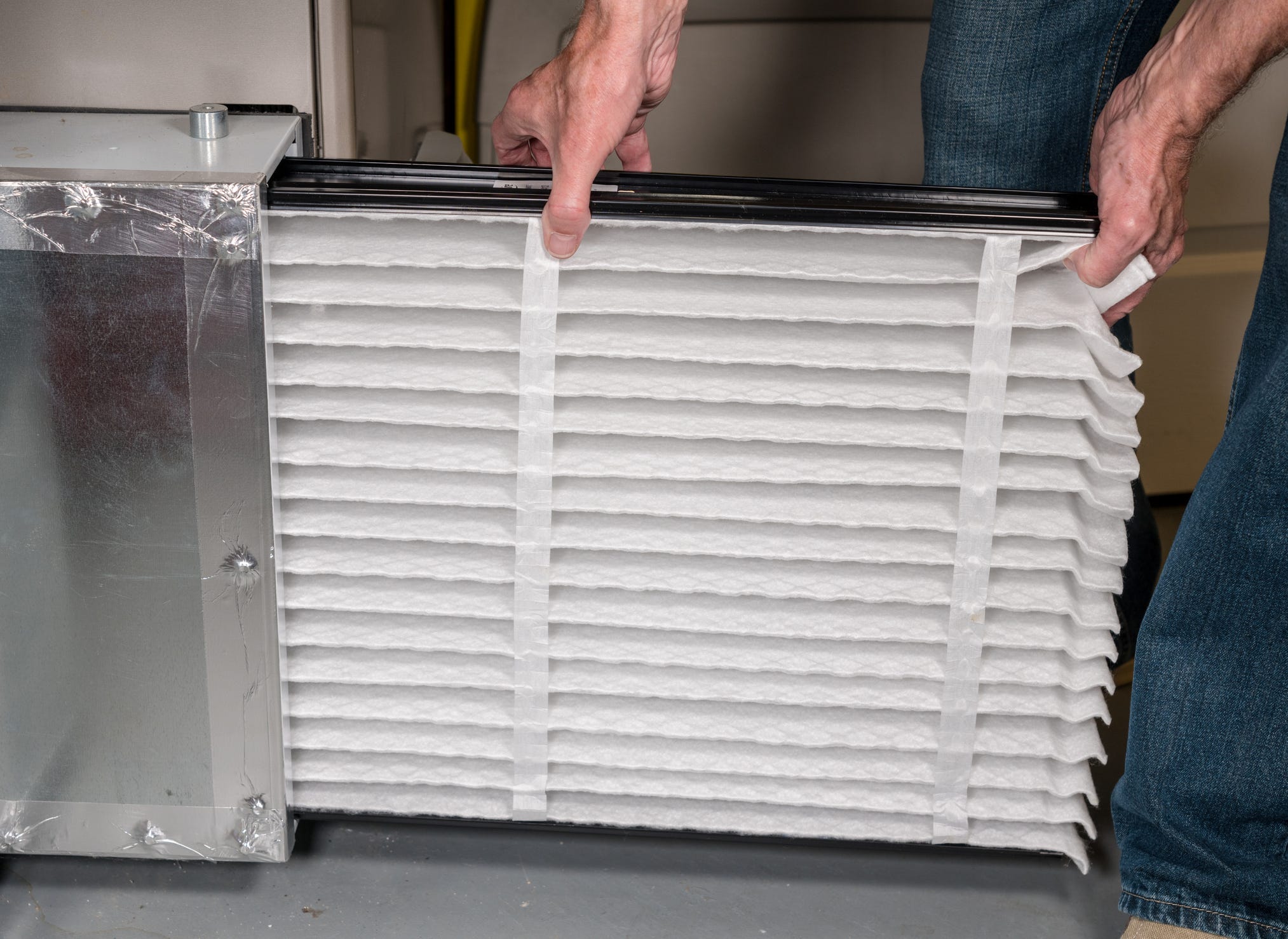
Regular maintenance of heating systems is crucial. Cleaning or replacing furnace filters at least once per season is essential because dirty filters restrict airflow, leading to increased energy usage. Additionally, a professional tune-up of the heating system before the winter season begins can improve efficiency by up to 5 percent.
Managing hot water consumption is another area for potential savings. Reducing the hot water temperature to 120 degrees Fahrenheit can save between 7 to 11 percent on heating costs. It's advisable to check dishwasher settings to ensure compatibility with this lower temperature. Insulating hot water pipes, particularly those near the water heater, helps maintain water temperature, reducing the time it takes for warm water to reach faucets. This not only conserves energy but also saves water.
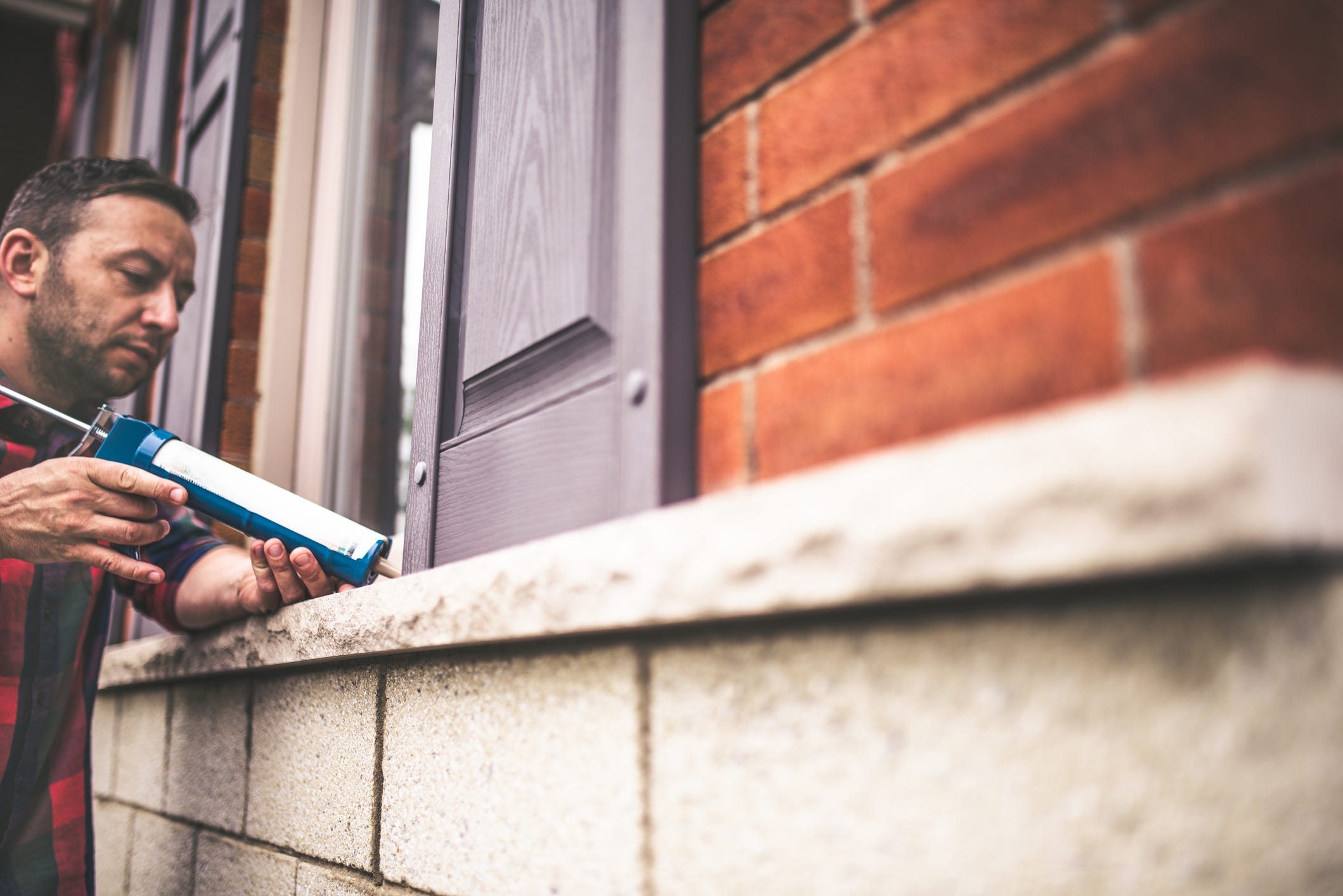
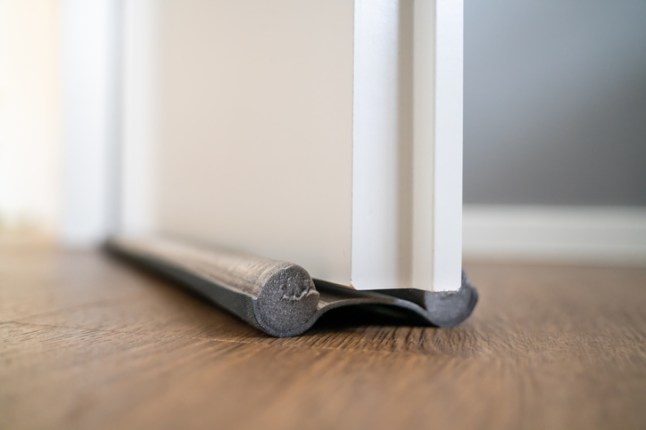
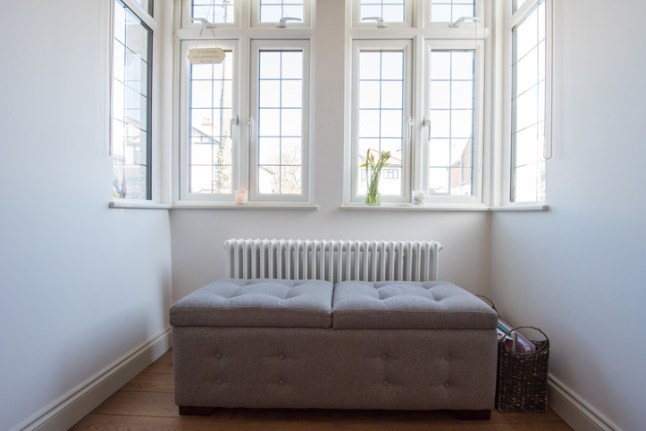
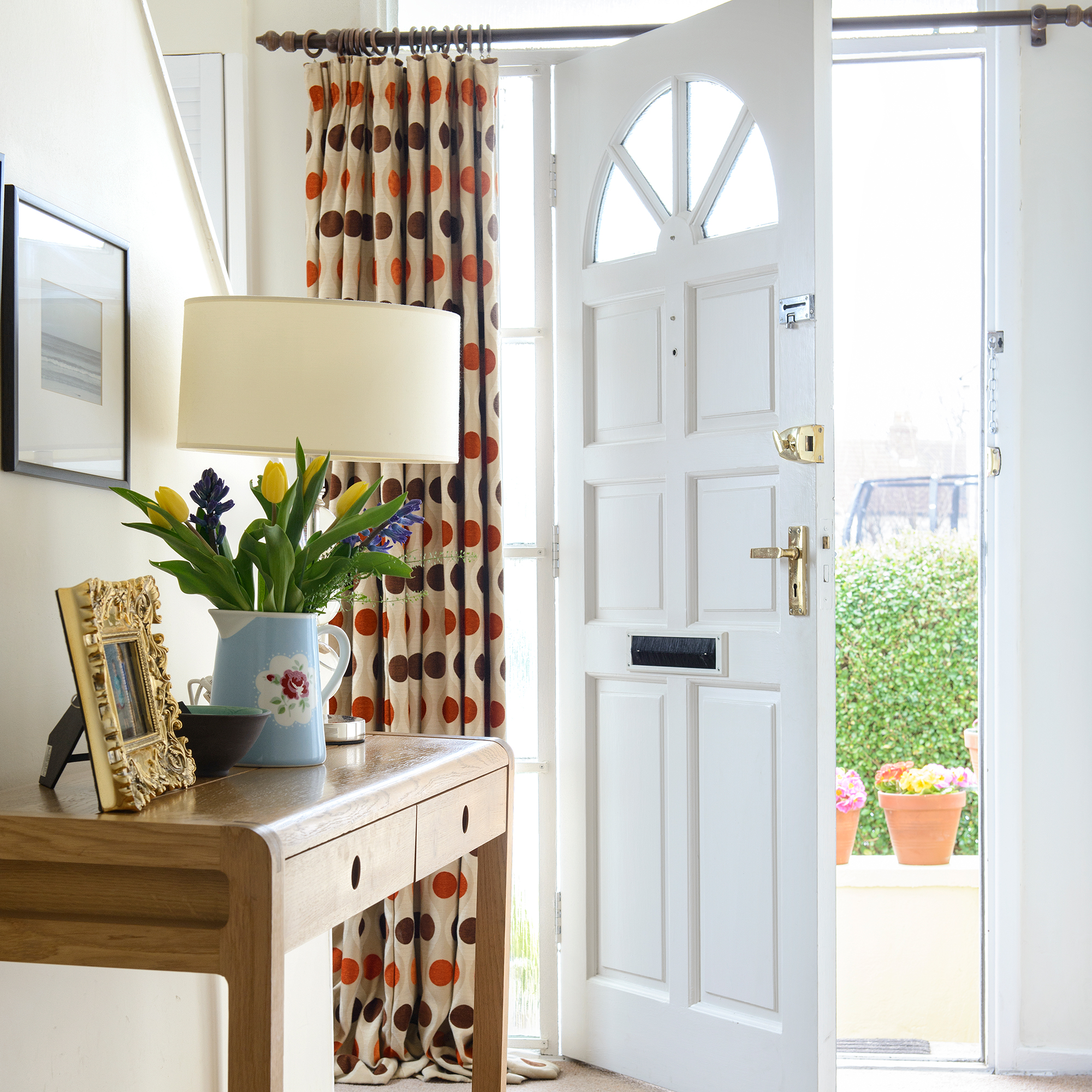
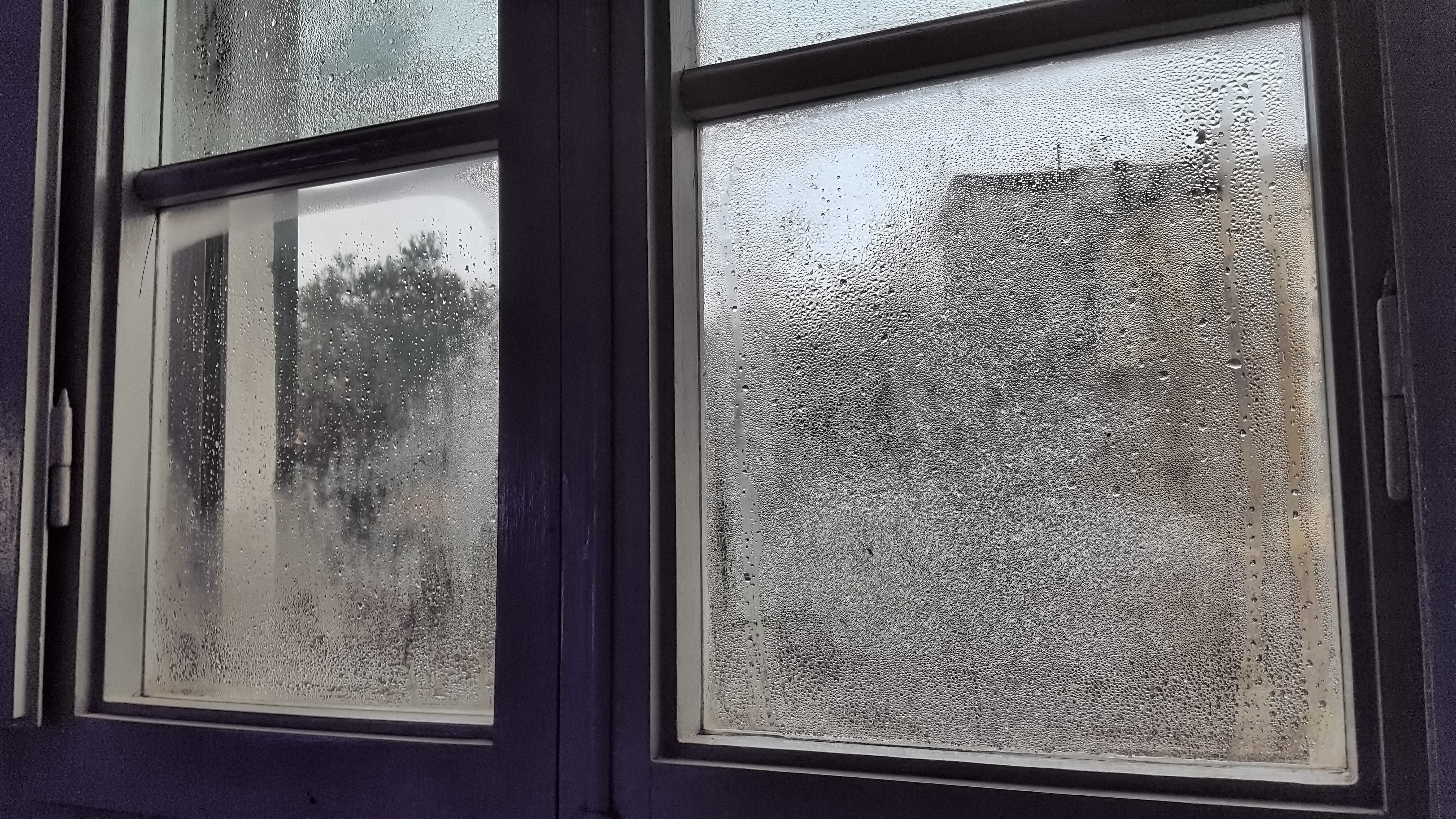
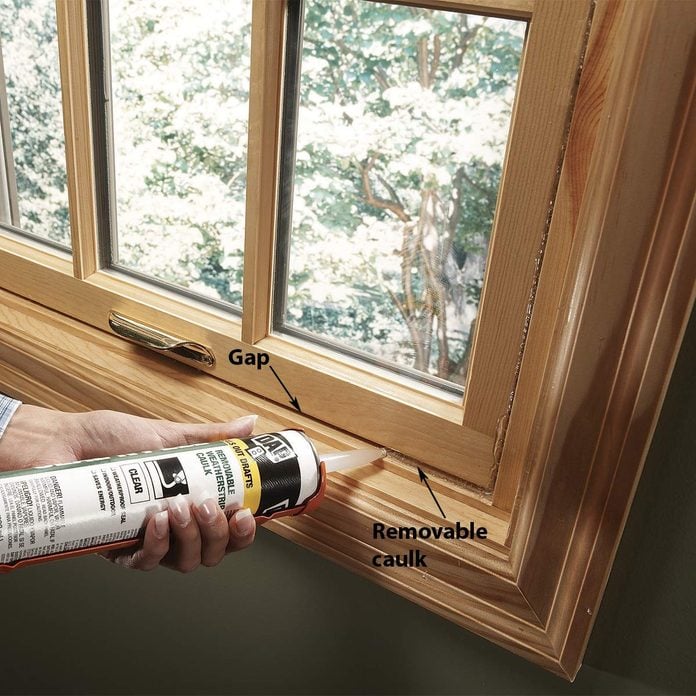
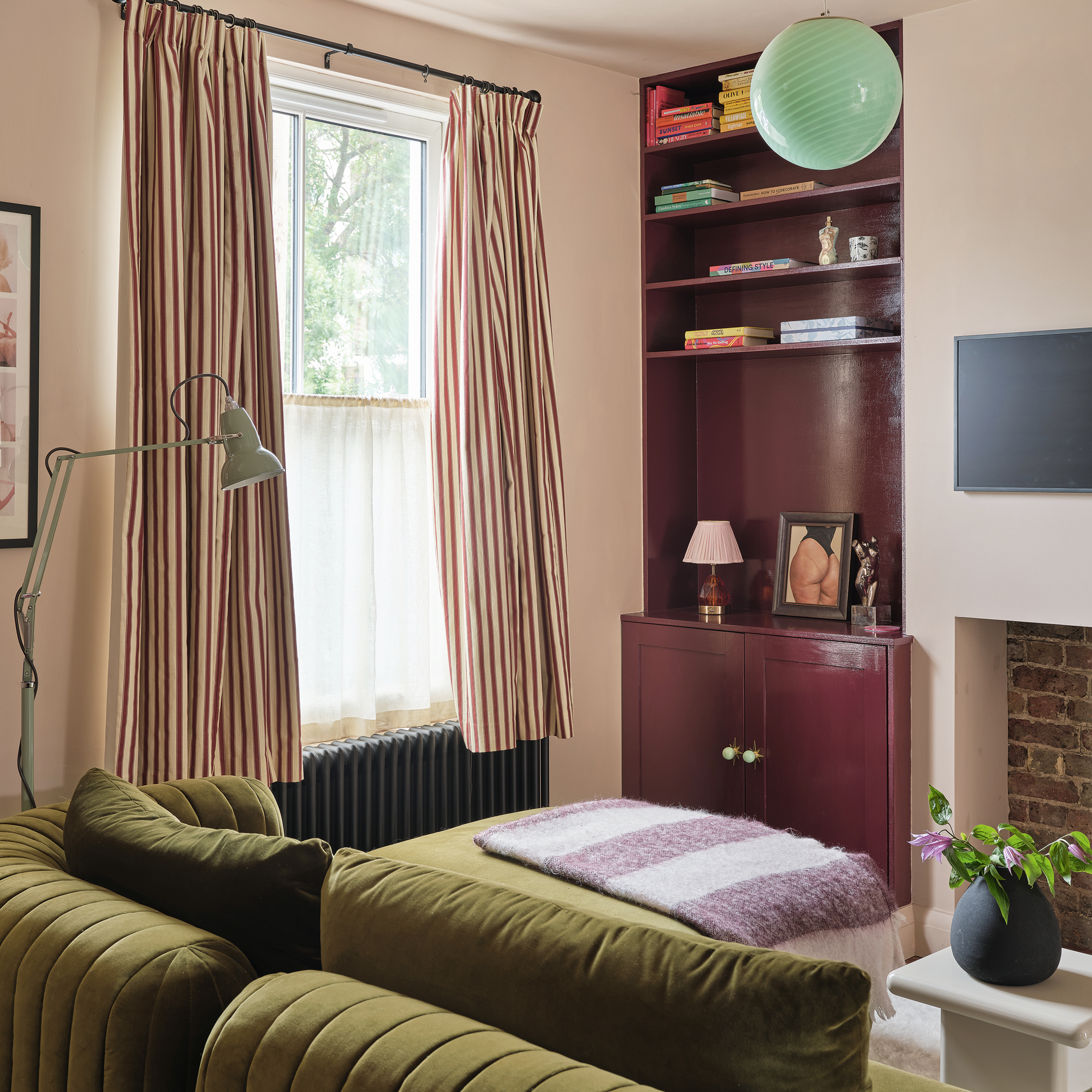
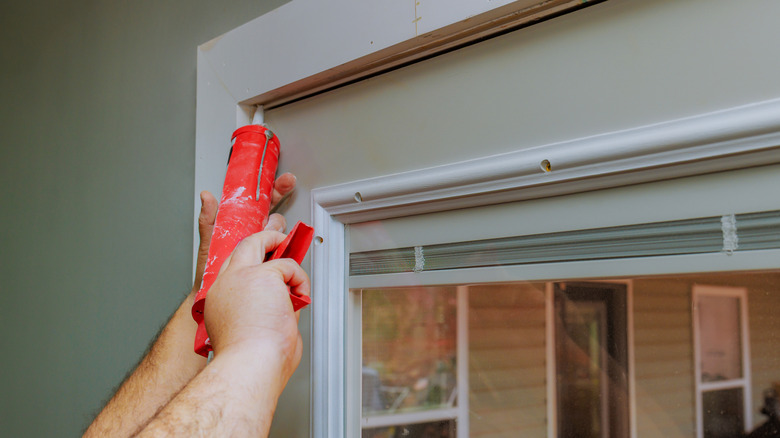
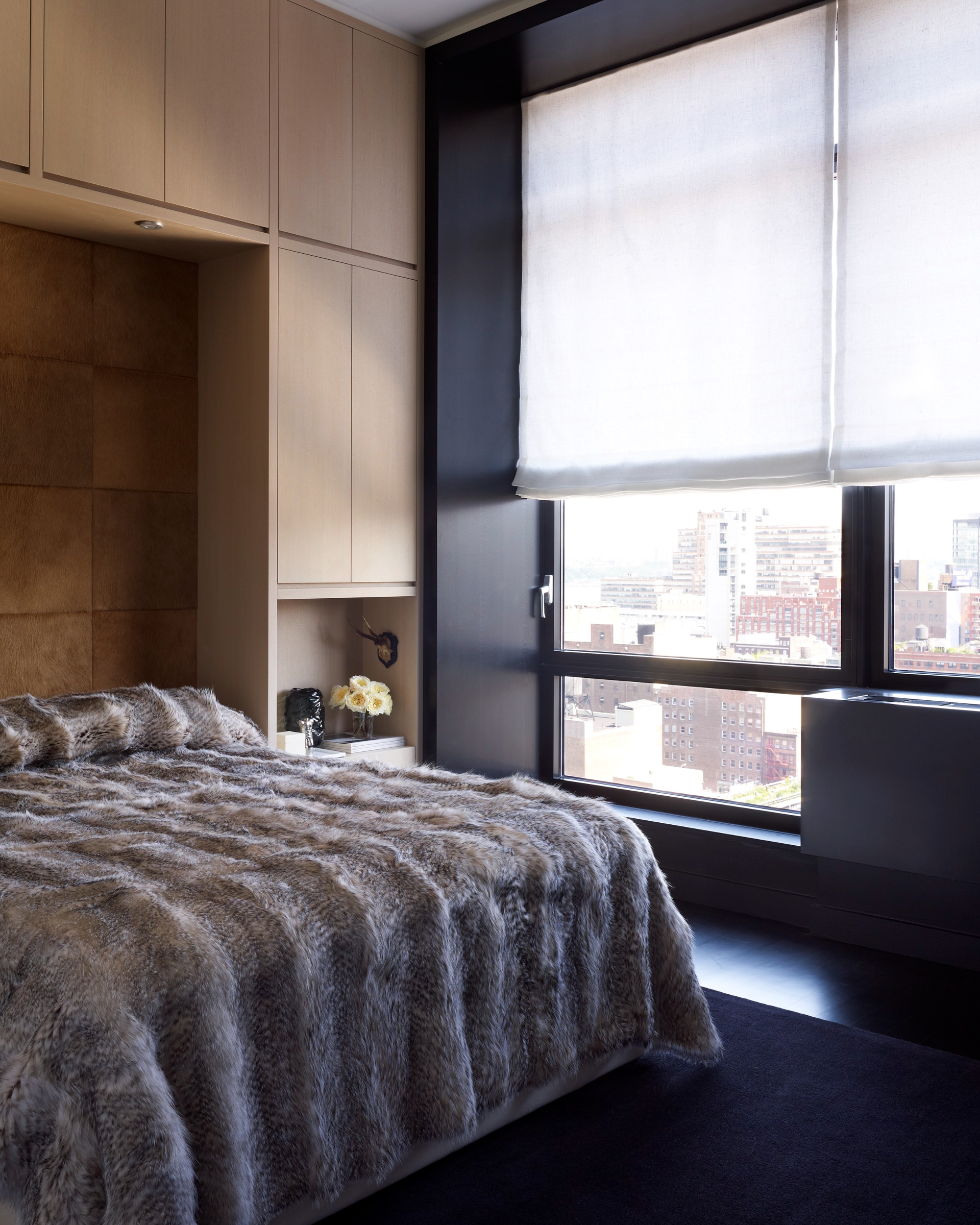
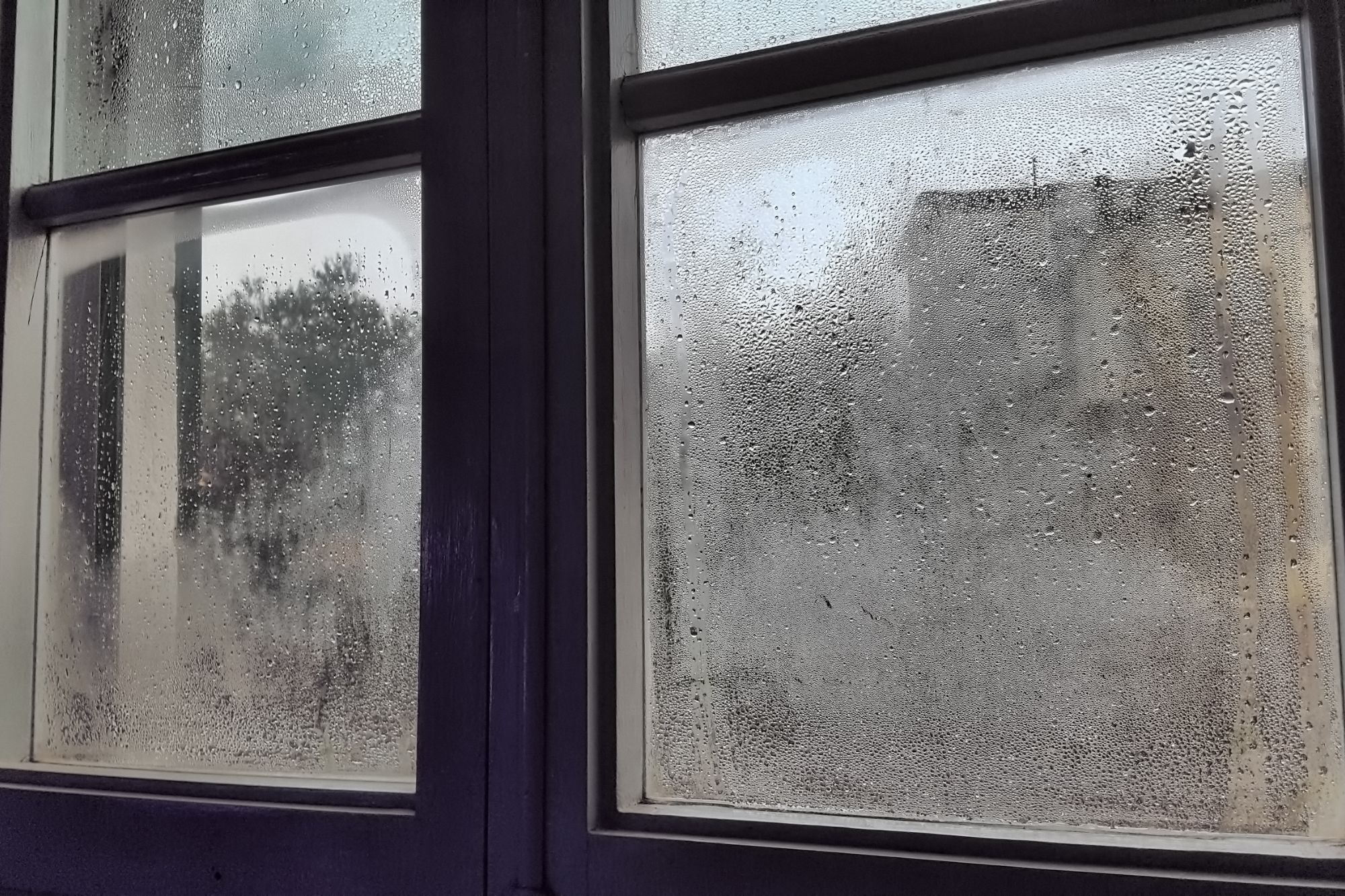
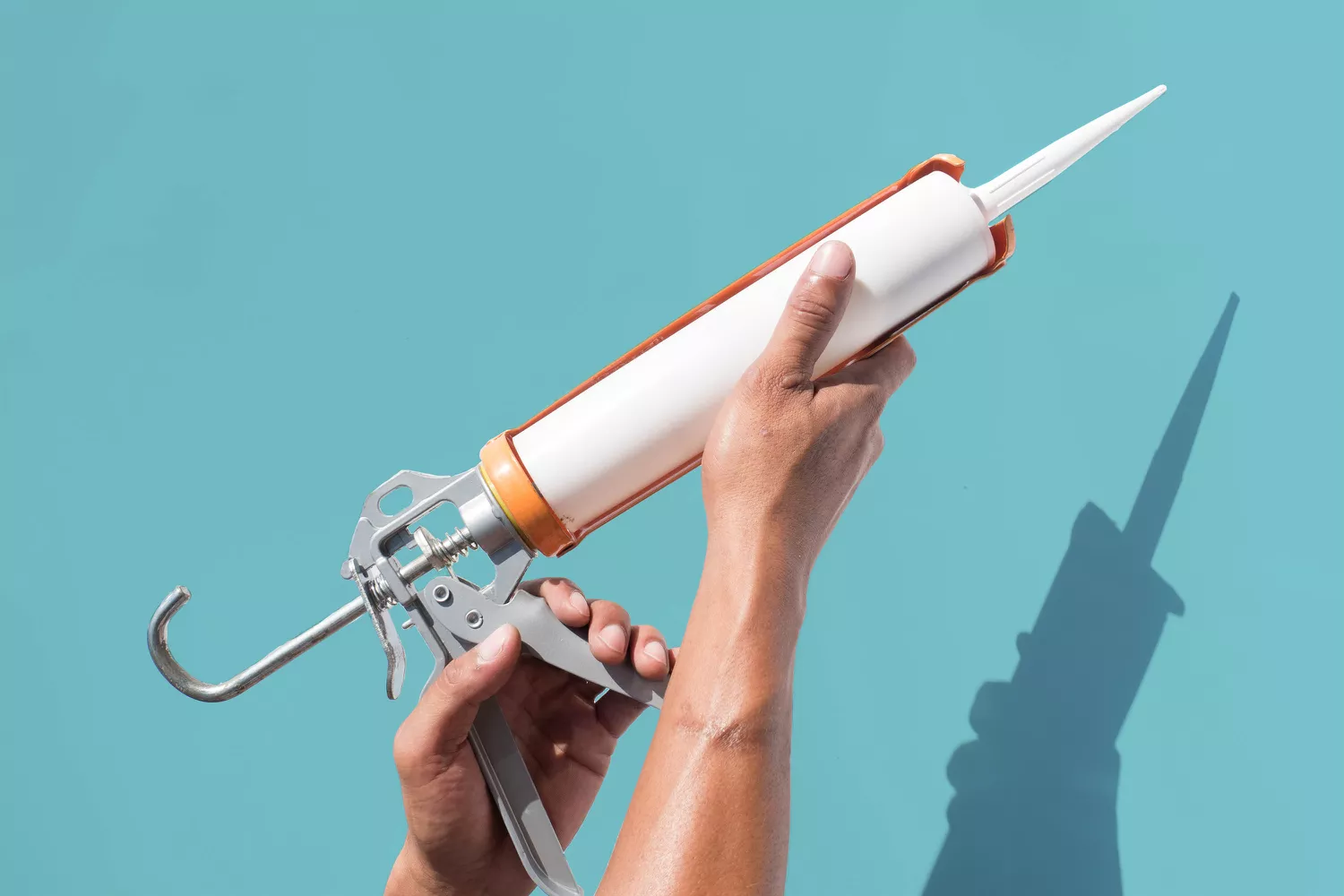
Preventing drafts is vital for maintaining indoor warmth. Sealing up leaks around doors and windows with caulk and foam, readily available at home improvement stores, can prevent cold air from entering and warm air from escaping. Harnessing natural light and heat can also contribute to energy efficiency. Opening drapes during the day allows sunlight to naturally heat the house, providing free warmth. Conversely, closing drapes at night helps to insulate windows and prevent heat loss.
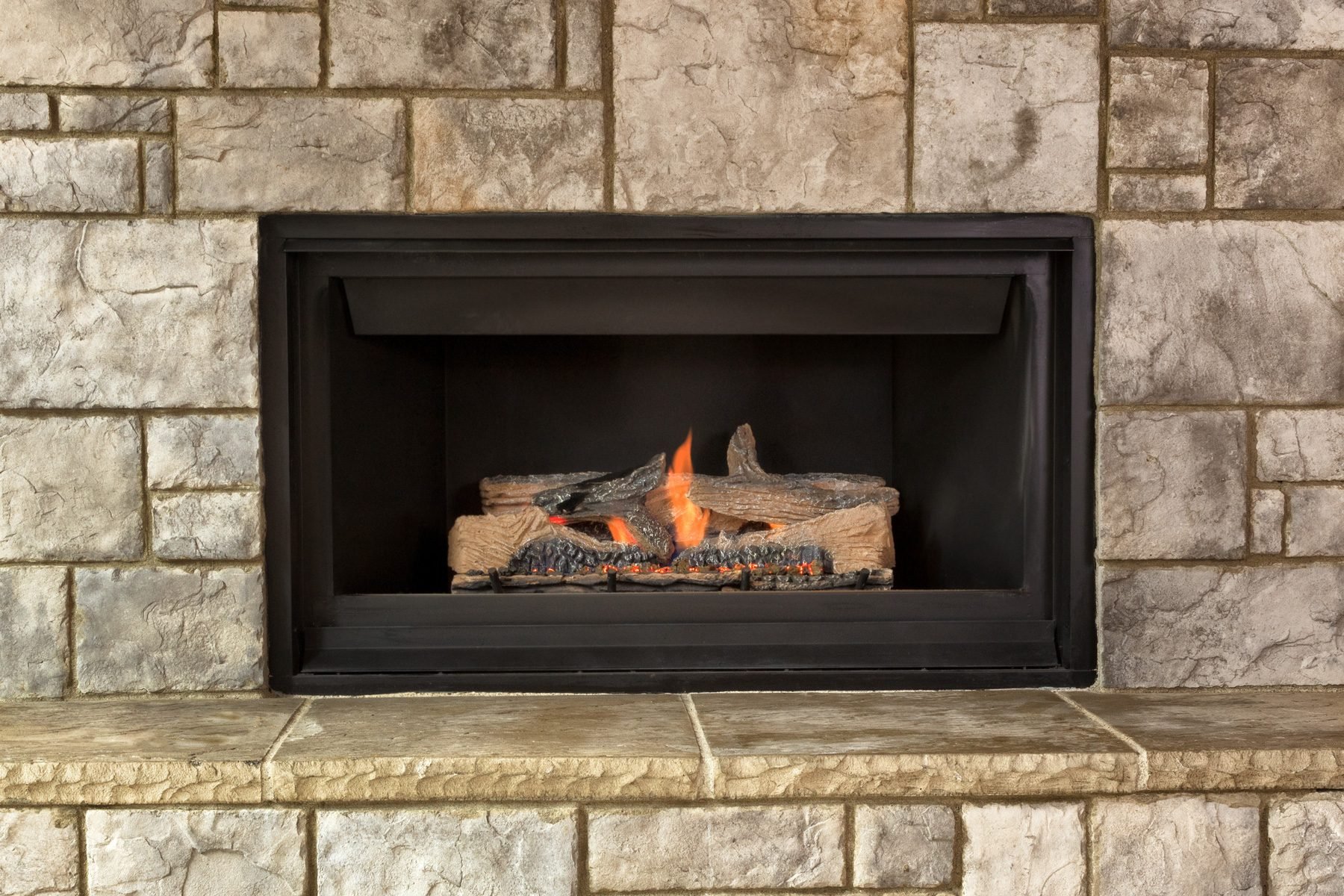
Proper management of fireplaces is also important. Keeping the fireplace damper closed when not in use is critical, as an open damper acts like an open door, allowing warm indoor air to escape and cold outdoor air to infiltrate. Finally, adopting general energy-saving habits, such as turning off lights in unoccupied rooms and unplugging unused appliances and electronics like extra refrigerators or freezers, further contributes to overall energy reduction.
#WinterEnergySavings #HomeEfficiency #EnergyConservation #HeatingCosts #ThermostatSettings #FurnaceMaintenance #HotWaterEfficiency #DraftSealing #NaturalHeating #ApplianceManagement #WinterEnergySavings #HomeEfficiency #EnergyConservation #HeatingCosts #ThermostatSettings #FurnaceMaintenance #HotWaterEfficiency #DraftSealing #NaturalHeating #ApplianceManagement
0 comment in total
 No comments yet
You may also like
17 Tips and Hacks to Help Keep Your House Warm This Winter

9 cheap ways to heat your home this winter for under £10 each

Eight top tips to banish condensation this winter - starting with sleeping with your curtains open


How This Switch on Your Ceiling Fan Can Save You Money This Indiana Winter

It's Time to Prepare Your Home for Winter With These 10 Quick, Easy Ways
How to keep your house warm in winter — 29 budget-friendly and easy ways to stay cosy
Keep warm for less this winter


3 home design choices that were increasing my heating bills
18 energy saving ideas

6 Expert-Backed Ways to Keep Cold Air—and High Energy Bills—Out of Your House This Winter

11 Best Ways to Heat a Garage In the Winter
13 Of The Best Home Renovation Projects To Tackle During Winter


Heat your home efficiently this winter
Winter Lighting 101: Essential ambient lighting tips to transform your home in the cold season | Hindustan Times

How to Winterize Your House And Save Yourself Thousands in Repairs Later

Winter bedroom ideas – 10 ways to create a warm and cozy sanctuary

7 easy and efficient ways to keep your house warm this winter

The must-have items to get you through winter
50 Super Simple Ways to Save on Energy Costs
How to Save Money and Energy Heating Your Apartment (Published 2018)