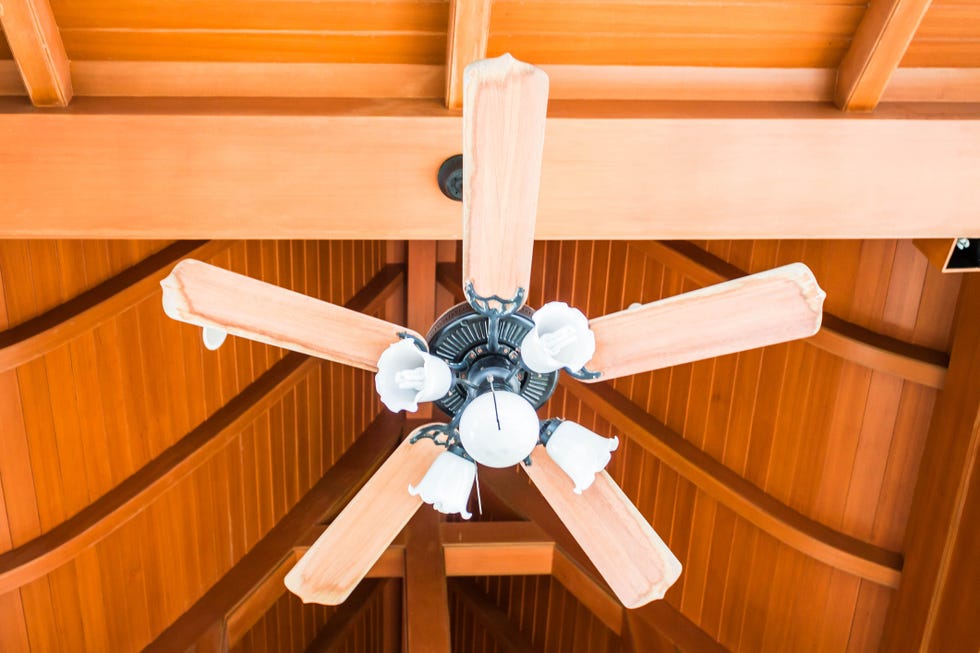
You're Wasting Heat If Your Ceiling Fan Isn't Doing This During Fall And Winter
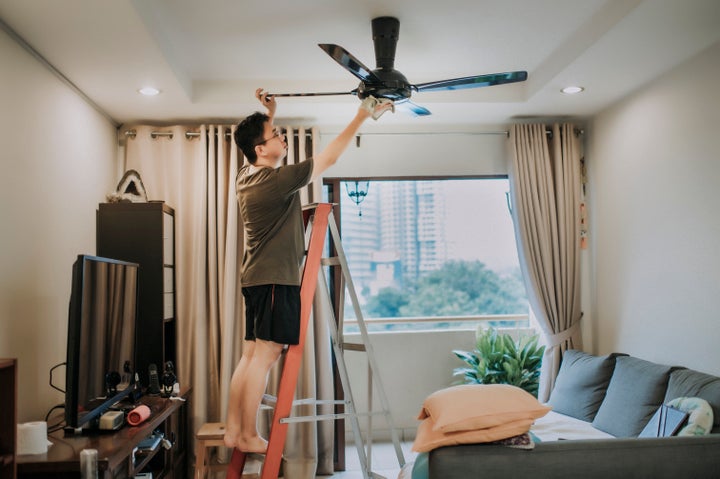
The article explains how to optimize ceiling fan usage for seasonal comfort and energy efficiency, a simple adjustment often overlooked by many homeowners. While most individuals remember to adjust their clocks for daylight saving time, they typically leave their ceiling fans operating in the same direction year-round, missing a crucial opportunity to enhance indoor climate control and reduce utility costs. The key lies in understanding the directional rotation of the fan blades and its impact on air circulation within a room.
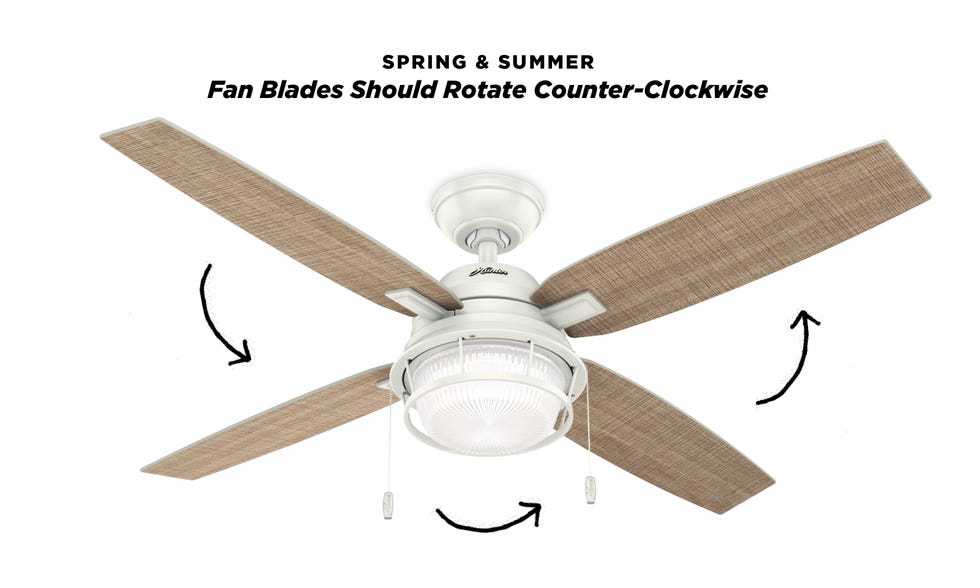
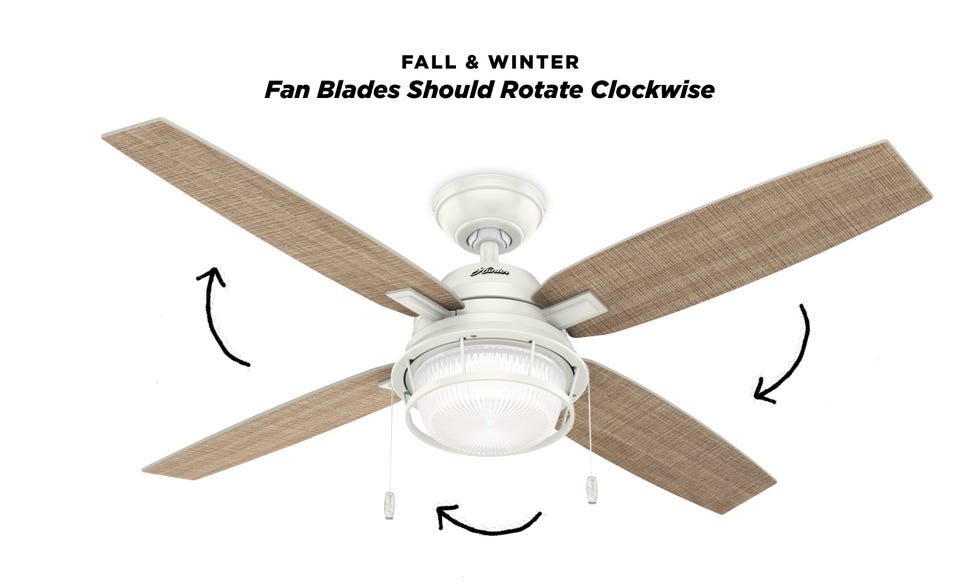
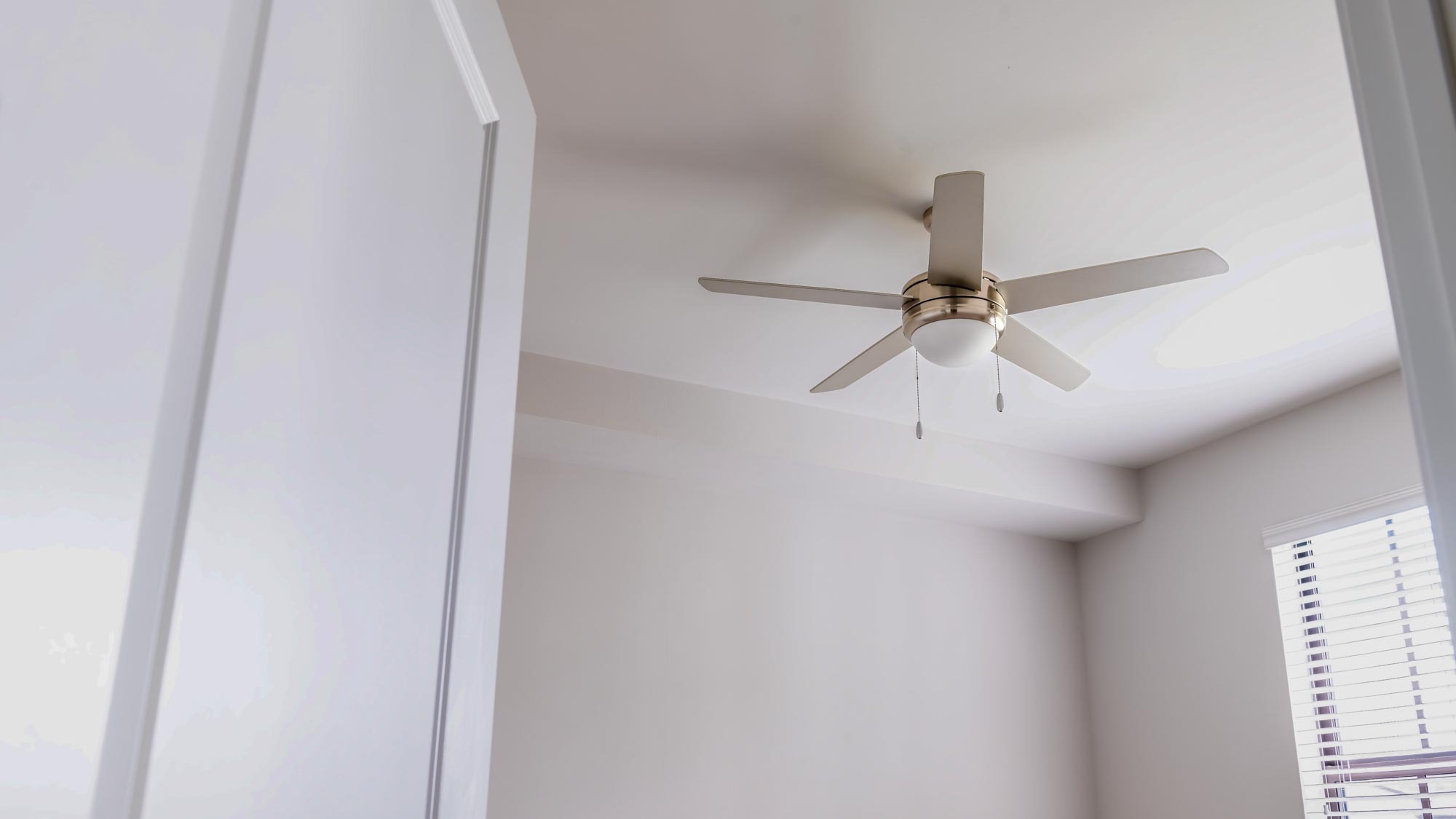
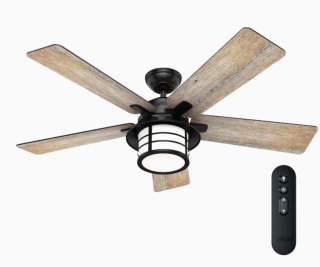
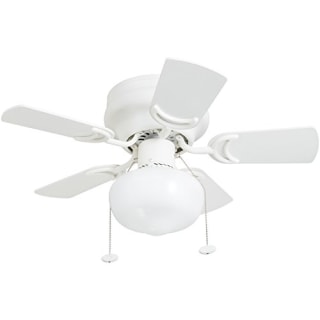
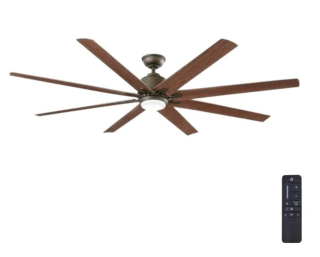
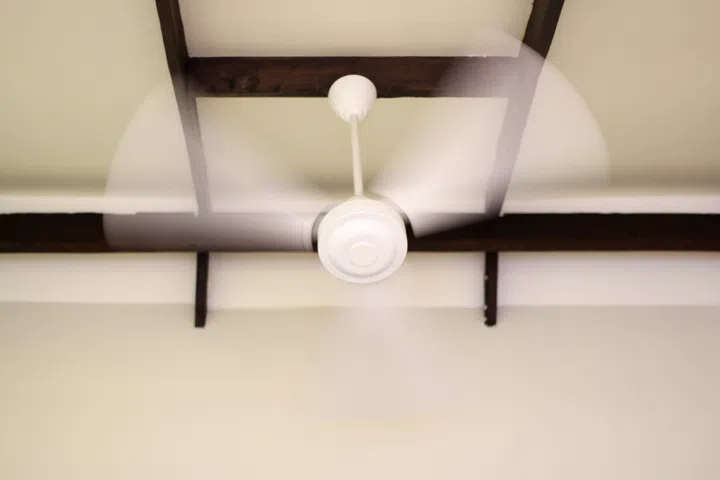
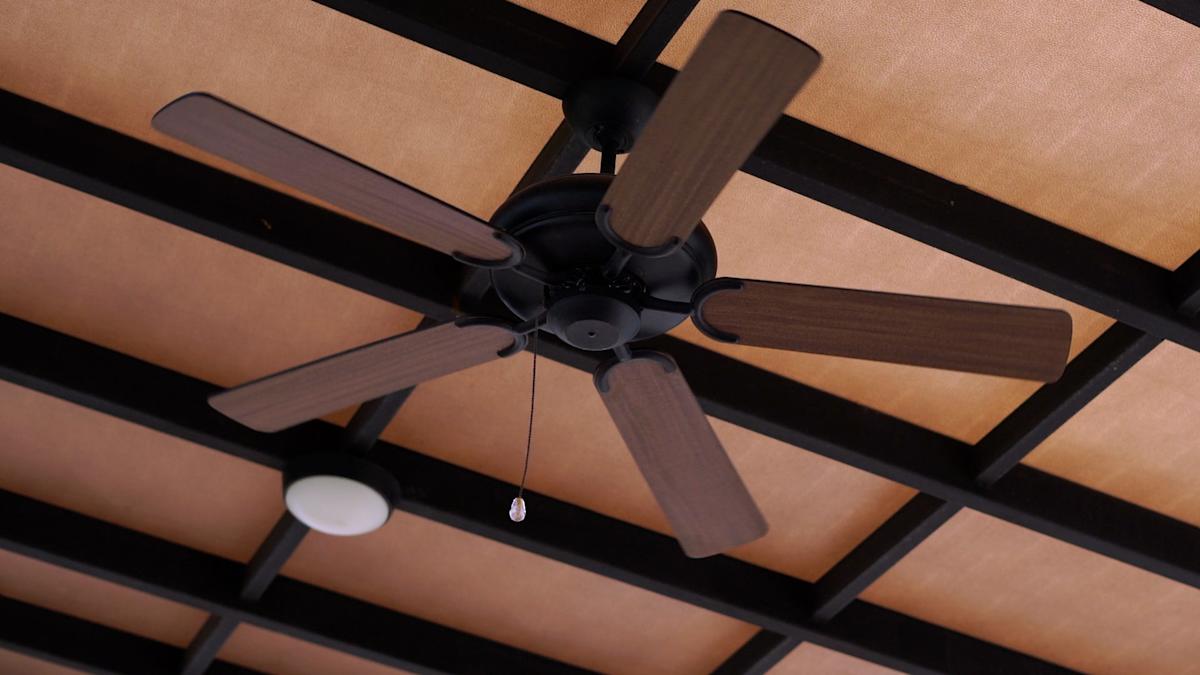
Ceiling fan blades are designed with a specific tilt to effectively move air. When the blades rotate clockwise, they gently draw cool air upwards and push warm air downwards along the walls. This creates an updraft, circulating the warm air that naturally rises to the ceiling back into the living space. This method helps to distribute heat more evenly throughout the room, making it feel warmer without requiring the heating system to work as hard. Conversely, when the blades spin counterclockwise, they push air straight down, generating a direct downdraft that creates a cooling breeze. This effect aids in evaporating perspiration, making the room feel cooler during warmer months.
The article provides practical guidance on when to make these seasonal adjustments. For the fall and winter months, it is recommended to set the ceiling fan to spin clockwise at a low speed. This ensures that the warm air generated by heating systems is effectively redistributed, enhancing comfort and potentially leading to significant savings on heating bills. As spring approaches and temperatures rise, the fan should be switched to a counterclockwise rotation at a higher speed. This creates the desirable cooling effect, reducing reliance on air conditioning and subsequently lowering electricity consumption.
Making this minor adjustment to a ceiling fan can have substantial benefits for both comfort and energy expenditure. By efficiently circulating air, the fan lessens the workload on HVAC systems, preventing them from running excessively. This not only contributes to a more consistently comfortable indoor environment but also translates into noticeable reductions in energy bills over time. The practice is presented as a simple, yet effective, seasonal fan reset that homeowners can easily incorporate into their routine, ideally aligning with daylight saving time changes. The information is presented by Jenn Jordan, an editor focusing on the interplay between weather, climate, and daily life.
#CeilingFan #SeasonalAdjustment #EnergyEfficiency #HomeComfort #WinterHeating #SummerCooling #DaylightSavingTime #CeilingFan #SeasonalAdjustment #EnergyEfficiency #HomeComfort #WinterHeating #SummerCooling #DaylightSavingTime
0 comment in total
 No comments yet
You may also like

The Fan Mistake You’re Making That’s Making Your House Hotter
Our Editor Recommendations for Ceiling Fans Can Supplement or Even Replace an A/C
Ceiling Fans—A Stylish Way to (Literally) Beat the Heat

Which Way Should A Ceiling Fan Turn In The Winter? Experts Explain

The Best Ceiling Fans to Keep You Cool All Year Round


7 easy and efficient ways to keep your house warm this winter
Energy-efficient ceiling fans: Cutting cooling costs year-round

Ceiling fans: A new spin on cooling your home | Home and Garden | Life
I ditched my air conditioner and installed a ceiling fan — and I’m not going back


Yes, You Should Run Your Ceiling Fan in the Winter—Here's How It Actually Keeps You Cozier


Don't Do This—There Are Better Solutions for Cooling Your Garage in the Summer

We Spent 1,200 Hours Testing Which Ceiling Fans Are the Most Cooling — These Are Our Winners
This Is the Direction Your Fan Should Be Spinning in the Winter

Ceiling fans 101: a guide to choosing the right one


7 top-rated ceiling fans to consider this year

10 Best Ceiling Fans in Singapore

How to choose the best ceiling fans for your home

3 home design choices that were increasing my heating bills
HVAC pros reveal if you should close vents in unused rooms – the answer feels counter-intuitive but it's true

The 1 Super-Quick Thing You Should Do To Your Ceiling Fan In The Winter