Which Way Should A Ceiling Fan Turn In The Winter? Experts Explain
Ceiling fans, often associated with cooling during warmer months, can also be effectively utilized to enhance warmth and reduce heating costs in winter. The principle behind this functionality lies in the scientific fact that warm air rises. During winter, heated air from the furnace tends to accumulate near the ceiling, making it less effective in warming the living space below. By operating a ceiling fan in the correct direction, this trapped warm air can be circulated downwards, improving overall room temperature and energy efficiency.
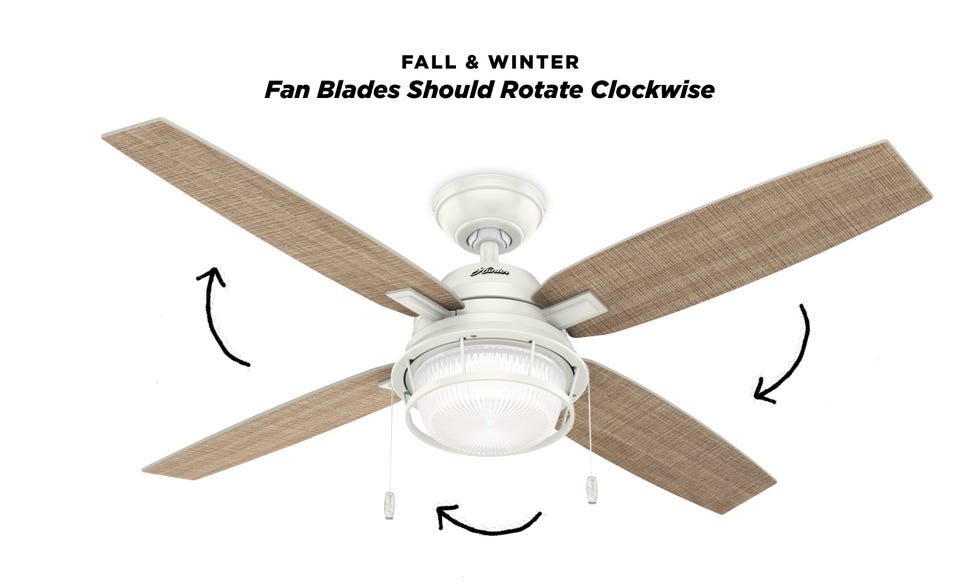
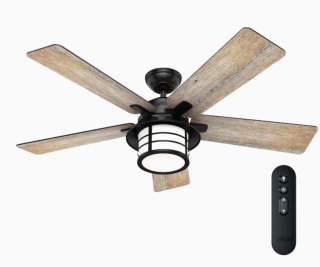
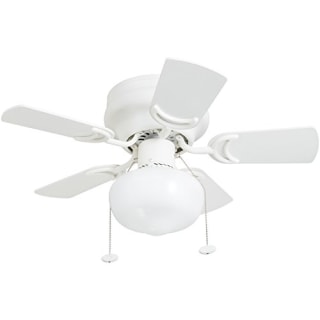
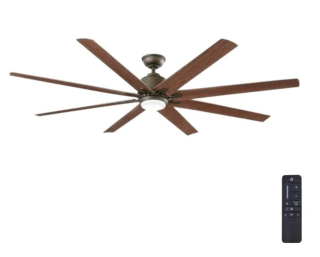
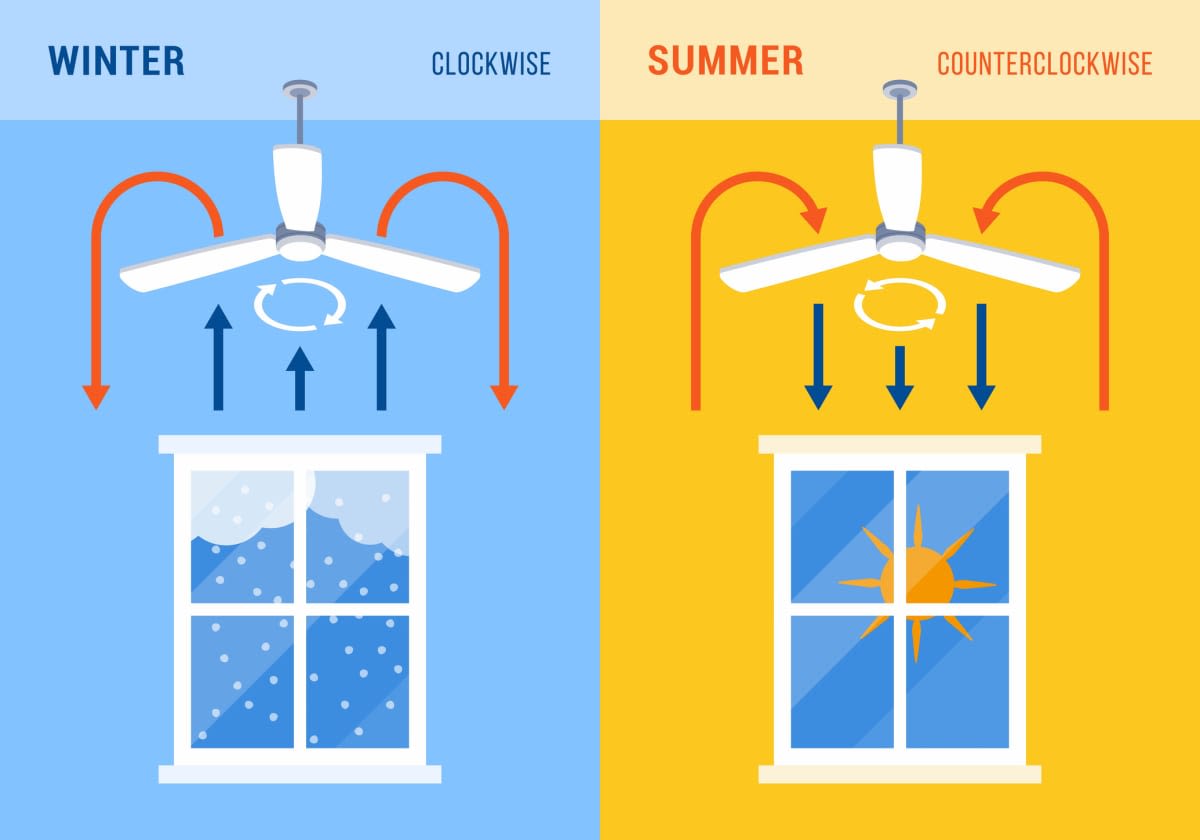
For winter use, a ceiling fan should be set to rotate clockwise, and ideally, on a low speed. This clockwise rotation gently pulls cool air upwards, which then pushes the warmer air that has gathered near the ceiling back down into the room. This process creates a downward current of warm air without generating a noticeable draft, which would otherwise create a cooling effect. HVAC experts, such as Josh Mitchell from airconditionerlab.com and Glenn Gault of Gault Heating & Cooling, emphasize that this method ensures the heat produced by heating systems is distributed more effectively throughout the room, rather than remaining trapped at the ceiling level.
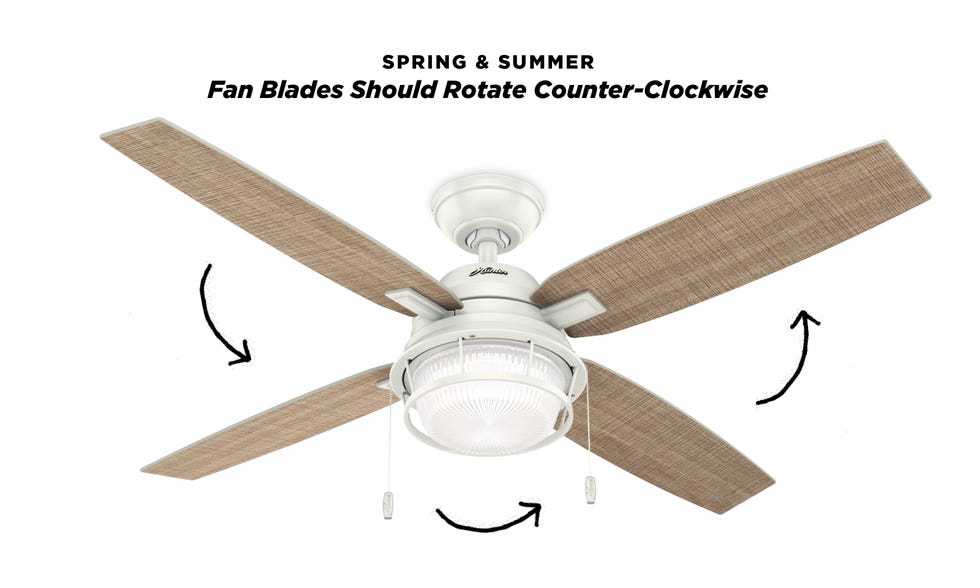
Conversely, in summer, ceiling fans should rotate counter-clockwise at a higher speed. This creates a downdraft that generates a cooling breeze, pulling warm air upwards and pushing cooler air down, which is ideal for hot weather. The ability to reverse the fan's direction seasonally is key to maximizing its energy-saving potential. According to some studies, utilizing a ceiling fan in winter can potentially lower heating costs by as much as 10%, although the exact savings can vary depending on a home's layout and insulation.
To achieve the best results, it is recommended to run the fan at the lowest possible speed to avoid creating an uncomfortable draft. Furthermore, fans should only be operated when people are present in the room, as their primary function is to circulate air and create a perceived difference in temperature rather than actually changing the air temperature itself. Running a fan in an empty room consumes electricity without providing any benefit, thus negating potential savings. The effectiveness of a ceiling fan can also be influenced by ceiling height; if ceilings are too high or too low, the fan's ability to circulate air efficiently might be compromised, potentially leading to energy waste.
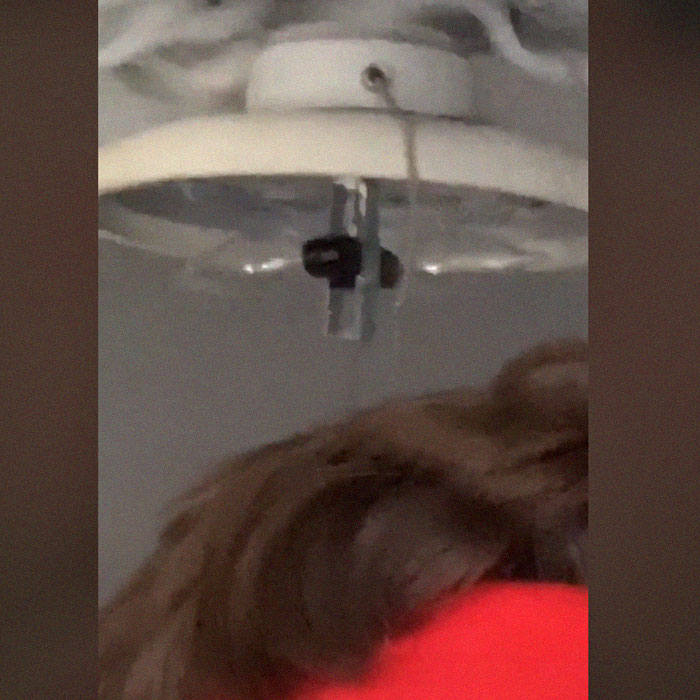
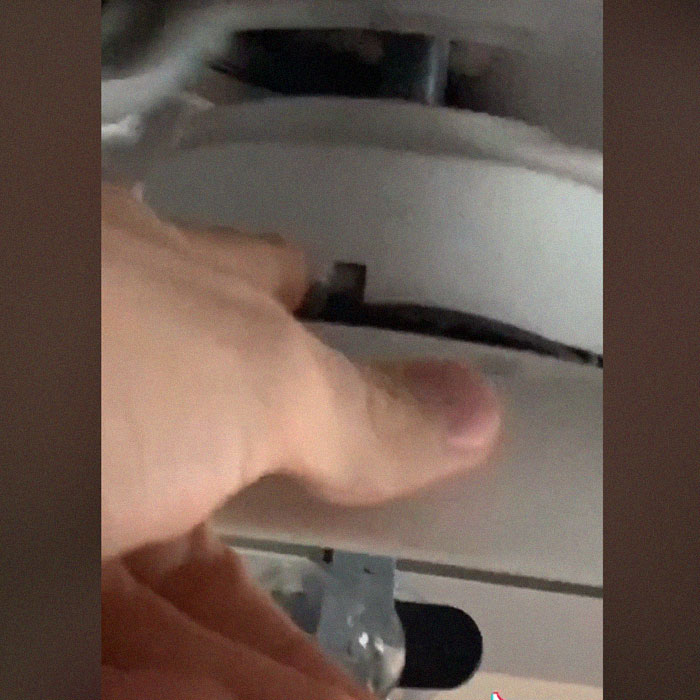
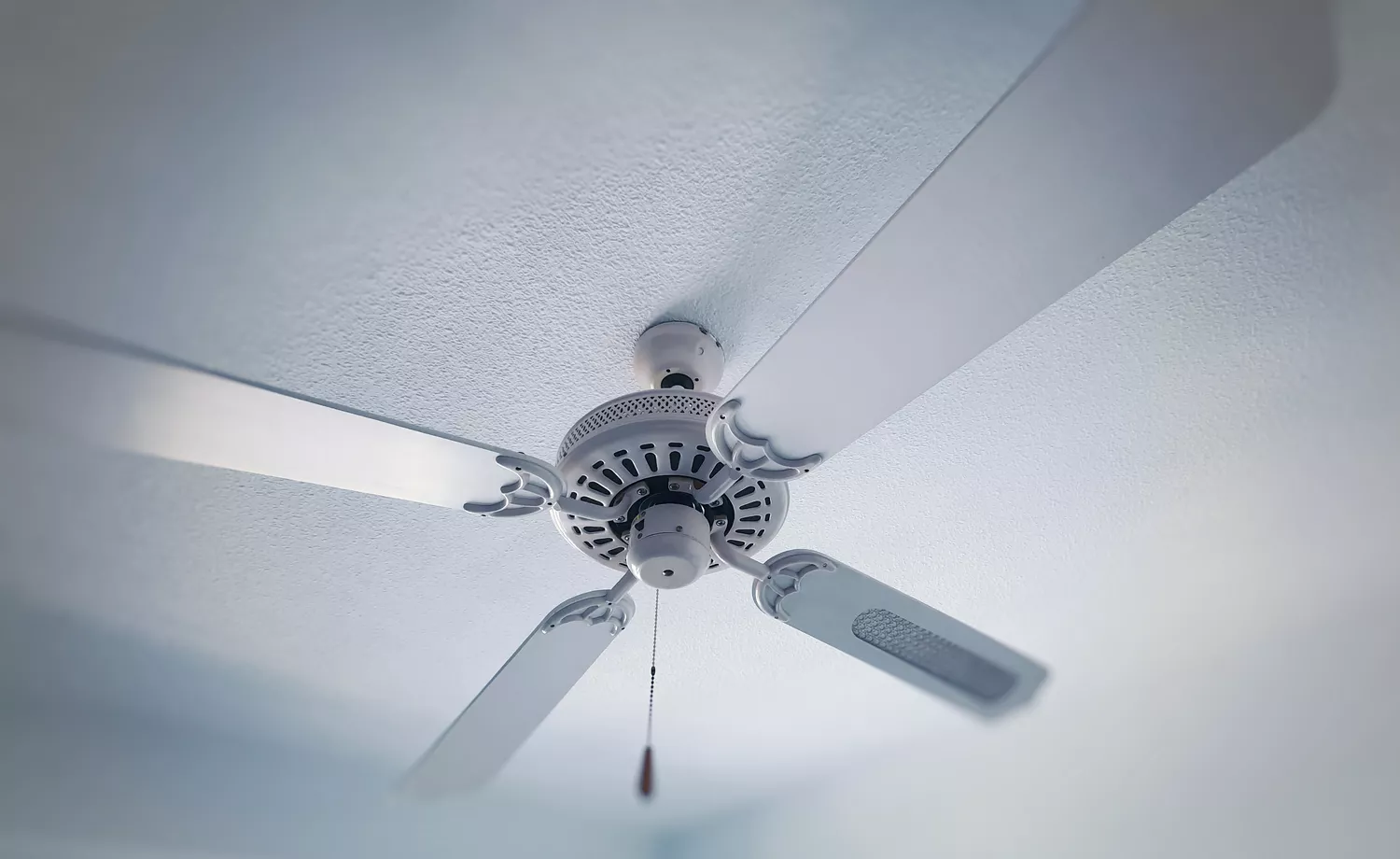
Changing the direction of a ceiling fan is typically a straightforward process. Most modern ceiling fans are equipped with a small switch on the motor housing that allows users to reverse the blade rotation. It is crucial to ensure the fan is turned off and completely stopped before attempting to change its direction to prevent injury. While most modern fans offer this feature, older models might not, so checking the fan's manual or contacting the manufacturer is advisable if unsure. The seasonal adjustment, typically clockwise for winter and counter-clockwise for summer, allows for optimal comfort and energy savings throughout the year, with spring and fall adjustments left to individual preference based on comfort levels.
#CeilingFan #WinterHeating #EnergyEfficiency #HomeComfort #HVACTips #ClockwiseRotation #HeatingCosts #AirCirculation #HomeMaintenance #CeilingFan #WinterHeating #EnergyEfficiency #HomeComfort #HVACTips #ClockwiseRotation #HeatingCosts #AirCirculation #HomeMaintenance
0 comment in total
 No comments yet
You may also like

The Fan Mistake You’re Making That’s Making Your House Hotter
Ceiling fans: A new spin on cooling your home | Home and Garden | Life

How to choose the best ceiling fans for your home
Will Reversing Your Ceiling Fan Actually Save You Money This Winter?


The Best Ceiling Fans to Keep You Cool All Year Round

Our Editor Recommendations for Ceiling Fans Can Supplement or Even Replace an A/C
It's Time to Reverse Your Ceiling Fans

Apparently, Ceiling Fans Have A Dual Purpose Switch But Not Everyone Knows That

Ceiling fans 101: a guide to choosing the right one

This Is the Direction Your Fan Should Be Spinning in the Winter

There's a Cool Ceiling Fan for Every Vibe and Budget


16 Best Ceiling Fans You Can Buy Online Right Now

Why You Should Set Your Ceiling Fan’s Direction Clockwise This Winter? Appliance Experts Weigh In


7 top-rated ceiling fans to consider this year
The Best Ceiling Fans for a Breezy, Comfortable Home

Best ceiling fans in Australia 2025

We Spent 1,200 Hours Testing Which Ceiling Fans Are the Most Cooling — These Are Our Winners
11 Best Fans to Keep You Cool in 2025
Not a Fan? Seven Ceiling Fan Options For All You Haters

The 1 Super-Quick Thing You Should Do To Your Ceiling Fan In The Winter