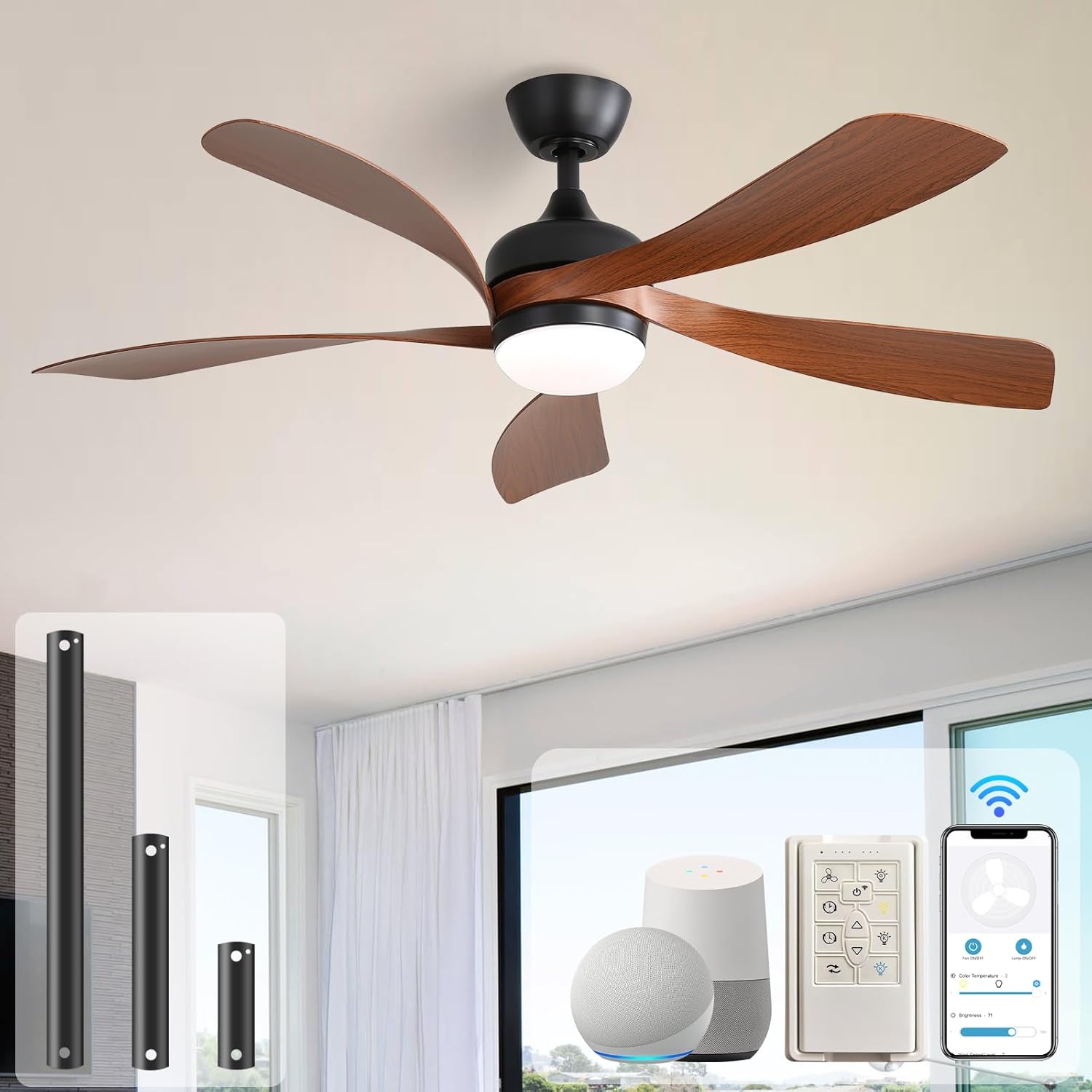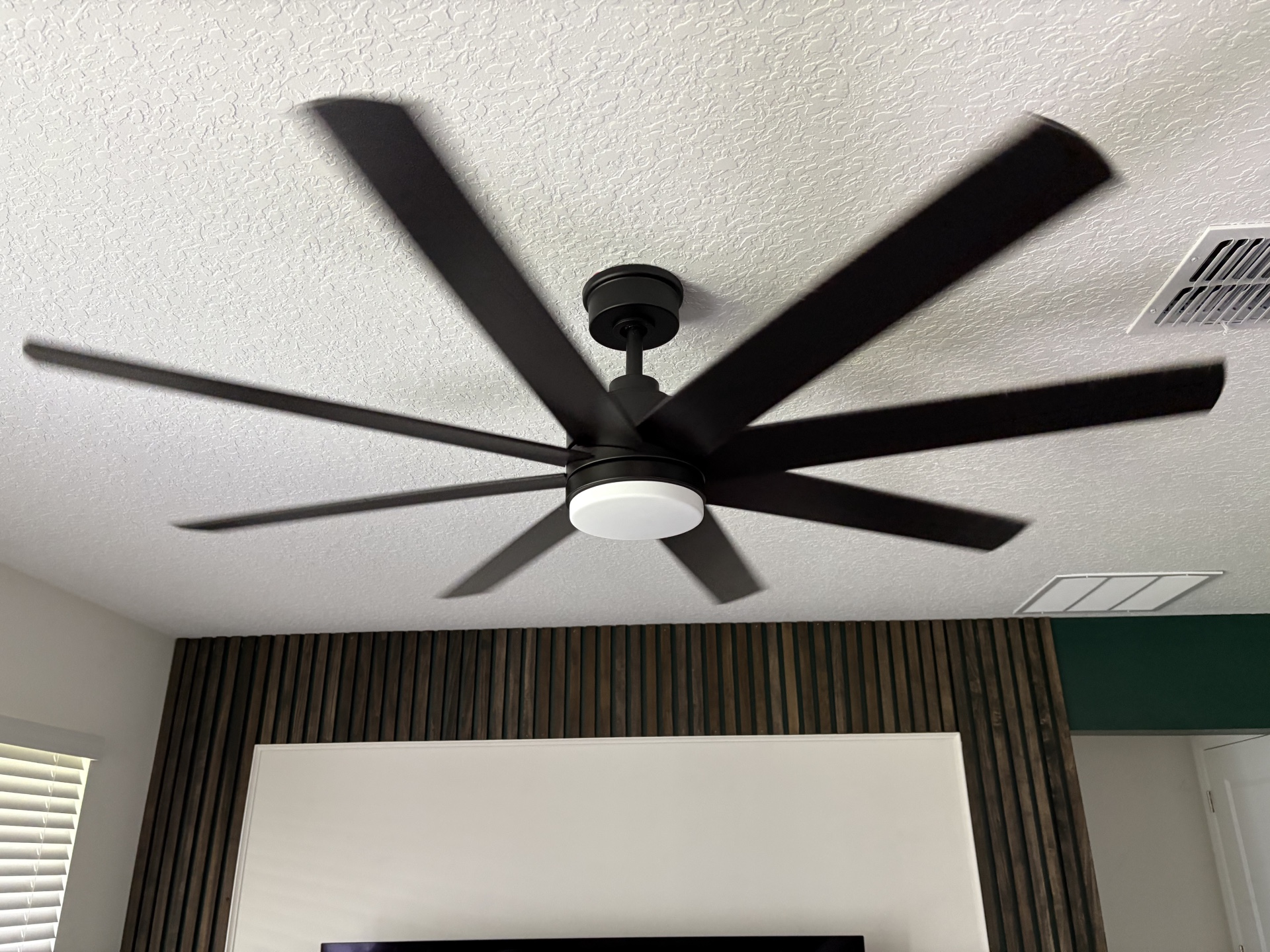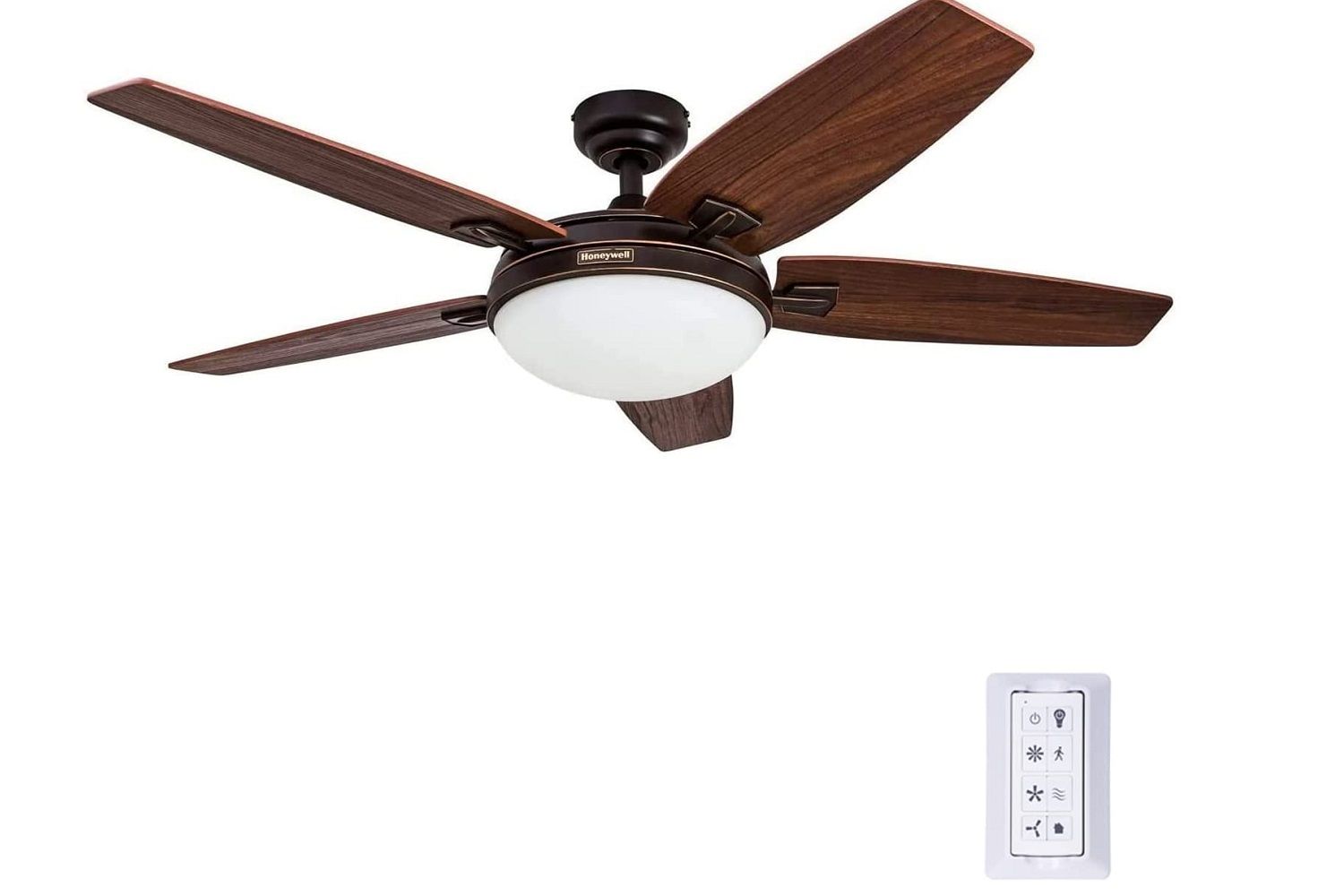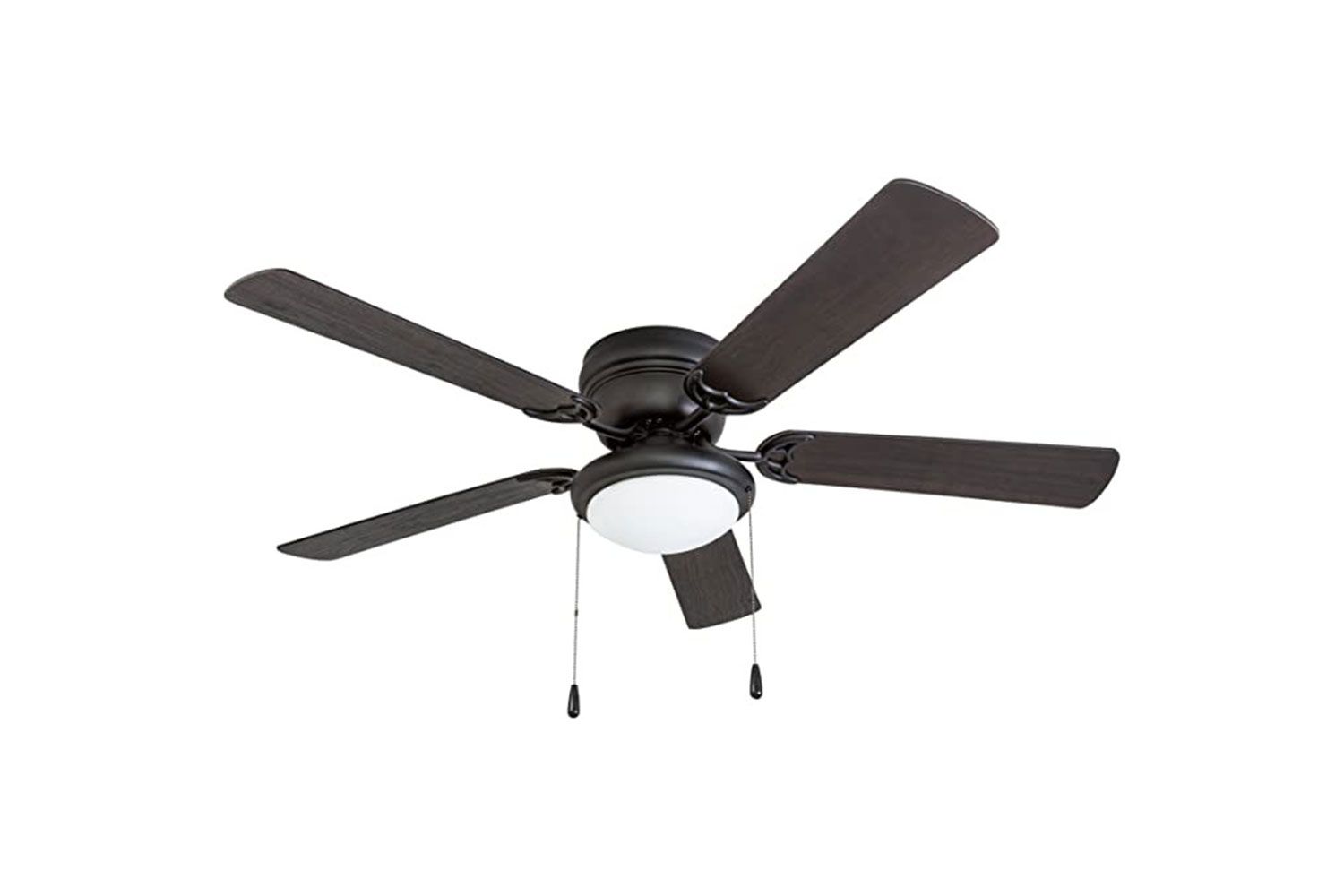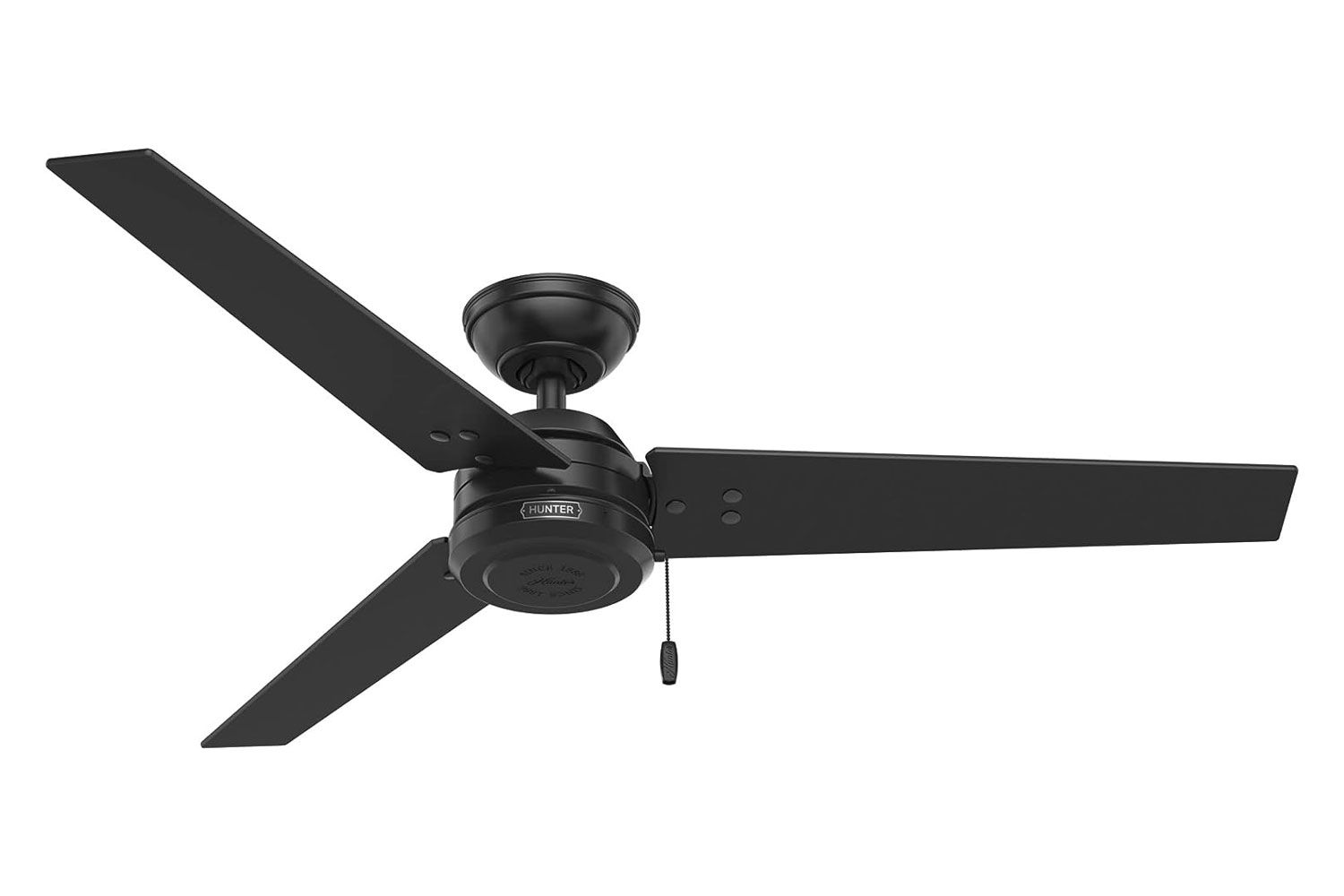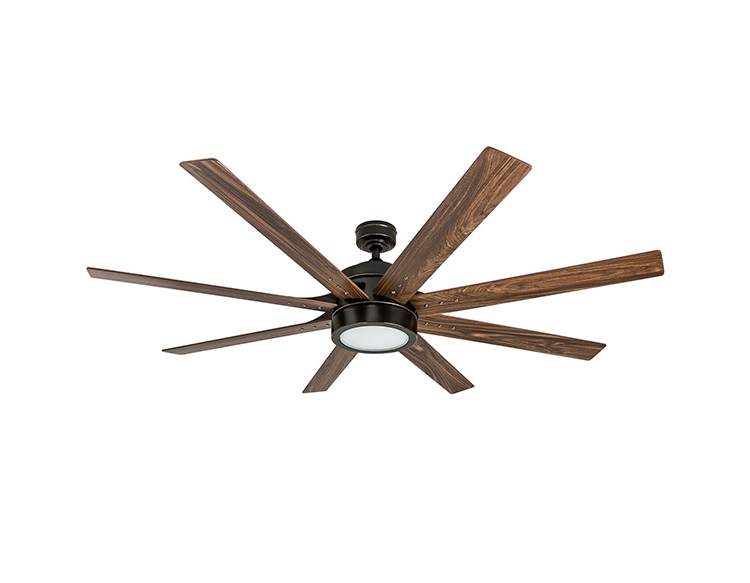
It's Time to Reverse Your Ceiling Fans
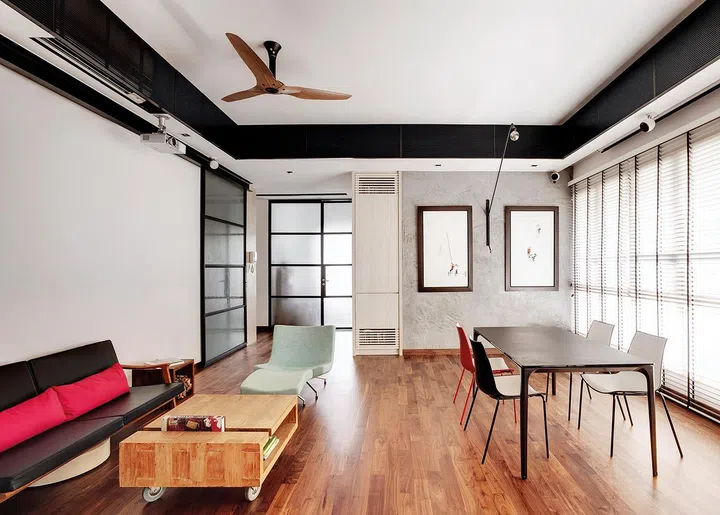
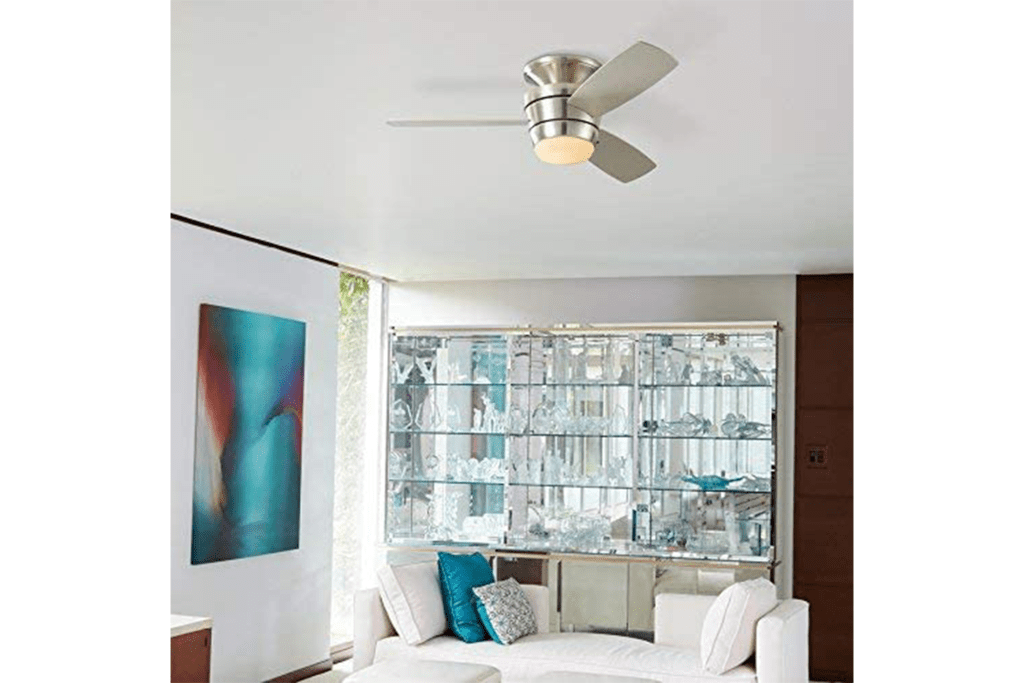
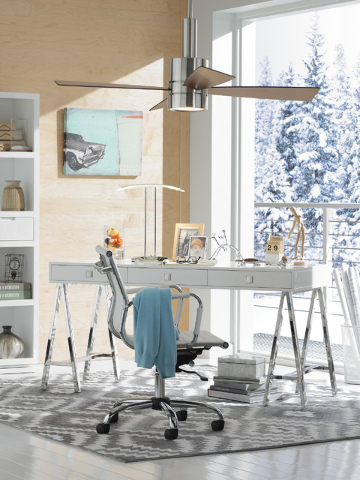
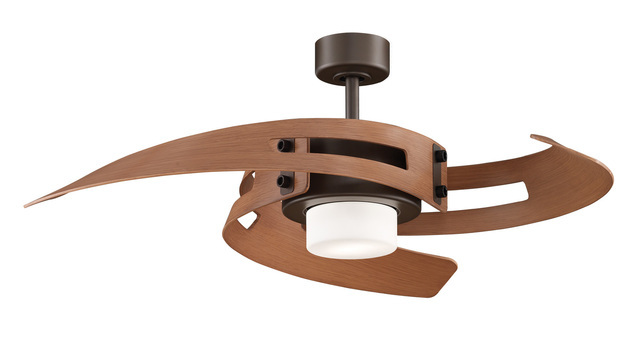
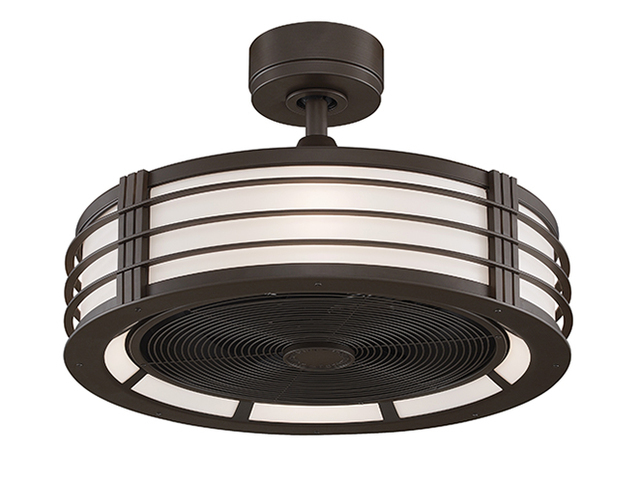
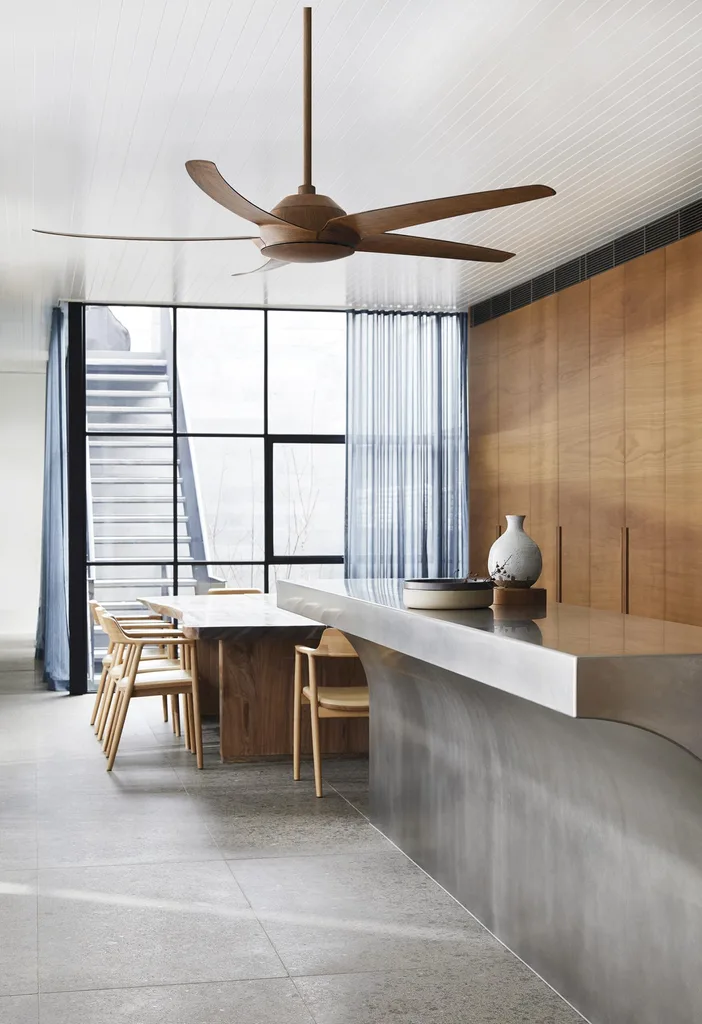
The article discusses how ceiling fans can be utilized effectively to regulate indoor temperatures throughout the year, leading to potential energy savings. In warm weather, ceiling fans should operate in a counterclockwise direction. This motion pushes cool air downward, creating a downdraft that generates a breeze, making the space feel cooler. It's important to note that the fan does not actually lower the air temperature but rather circulates it to produce a cooling sensation. The intensity of this cooling effect increases with higher fan speeds.
Conversely, during colder months, ceiling fans can contribute to warming a space. When the temperature drops, running the fan in a clockwise direction is recommended. This rotational direction pulls cooler air upwards, consequently pushing the warmer air, which tends to rise, back down into the living space. To maximize this warming effect and avoid an uncomfortable breeze, the fan should be operated at a low speed. This method helps in redistributing heat more evenly across the room without creating a noticeable draft.
Employing ceiling fans in this manner, adjusting their direction according to the season, can lead to significant reductions in both heating and cooling costs. The U.S. Department of Energy estimates that this practice can result in savings of up to 30% in summer and 15% in winter, all while maintaining a comfortable indoor environment. To determine the current direction of a fan, one can observe its rotation at the lowest speed while standing directly beneath it. A counterclockwise spin is indicated by blades moving from right to left, accompanied by a noticeable cool breeze. A clockwise spin, suitable for winter, is identified by blades moving from left to right.
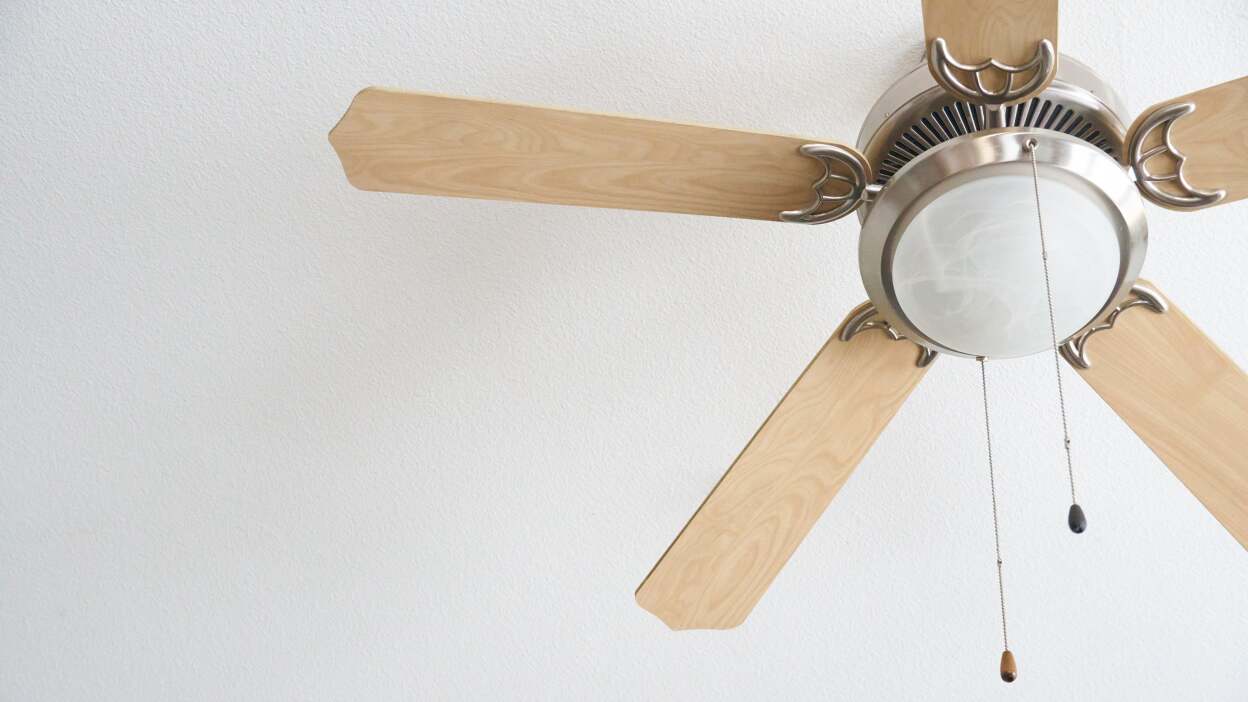
A practical guideline for seasonal adjustment is to reverse the fan's direction around the time of each Daylight Saving Time change, such as the "fall back" period. The process of reversing a ceiling fan's direction is generally straightforward. It involves turning off the fan and allowing it to come to a complete stop. The next step is to locate the reverse switch, which is typically found on the fan body itself. In some cases, light fixtures may need to be temporarily removed to access this switch. For fans equipped with remote controls, a reverse button might be available on the handheld unit. After flipping the switch or pressing the button, any removed fixtures should be reinstalled, and the fan can then be turned back on.
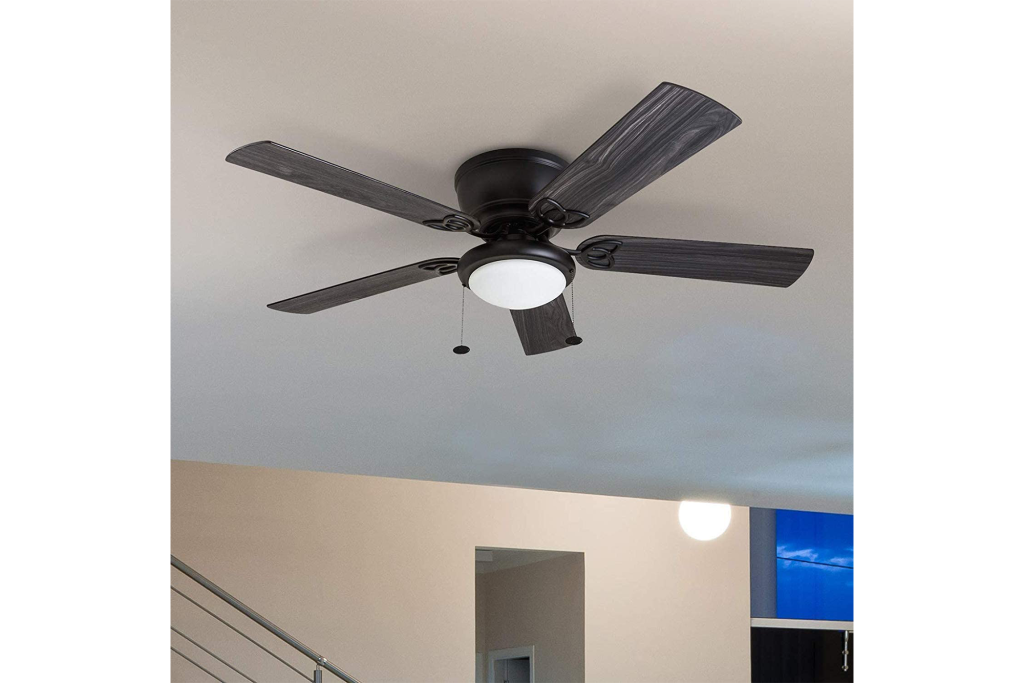
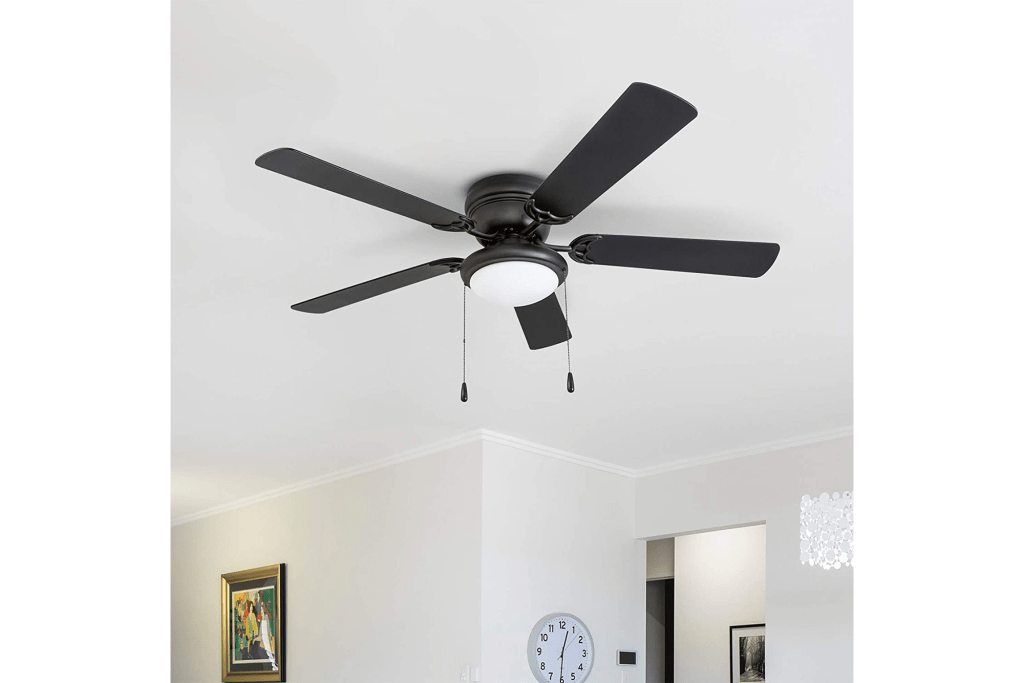
Beyond directional adjustment, the article emphasizes other considerations for optimal fan performance. Ceiling fan blades should ideally be angled between 12 and 16 degrees. Angles outside this range could cause lightweight objects in the room to be disturbed by the airflow. Additionally, selecting the appropriate fan size for the room's square footage is crucial for effective air circulation. The period when the fan is stopped for direction reversal also presents an opportune moment to perform maintenance, such as thoroughly cleaning the blades and any associated fixtures.
#CeilingFans #EnergyEfficiency #HomeComfort #SeasonalAdjustments #DIYHomeMaintenance #EnergySavings #SmartHomeLiving #CeilingFans #EnergyEfficiency #HomeComfort #SeasonalAdjustments #DIYHomeMaintenance #EnergySavings #SmartHomeLiving
0 comment in total
 No comments yet
You may also like
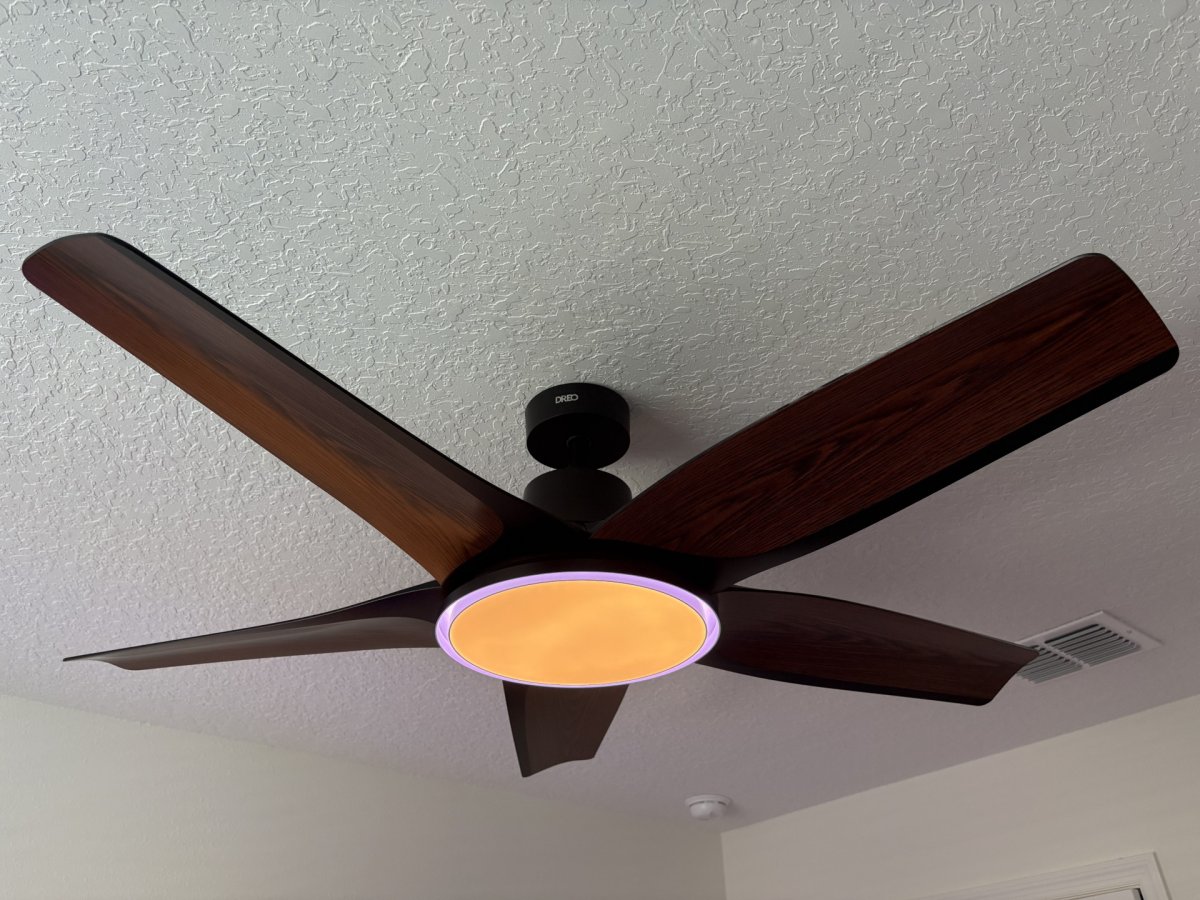
Finally, a Smart Ceiling Fan That Is Seriously Smart
The 16 best ceiling fans for extra airflow, plus expert tips
The 16 best ceiling fans for extra airflow in 2023, plus expert tips
Are Ceiling Fans Actually Outdated? Designers Share How to Make Them Work in Your Space

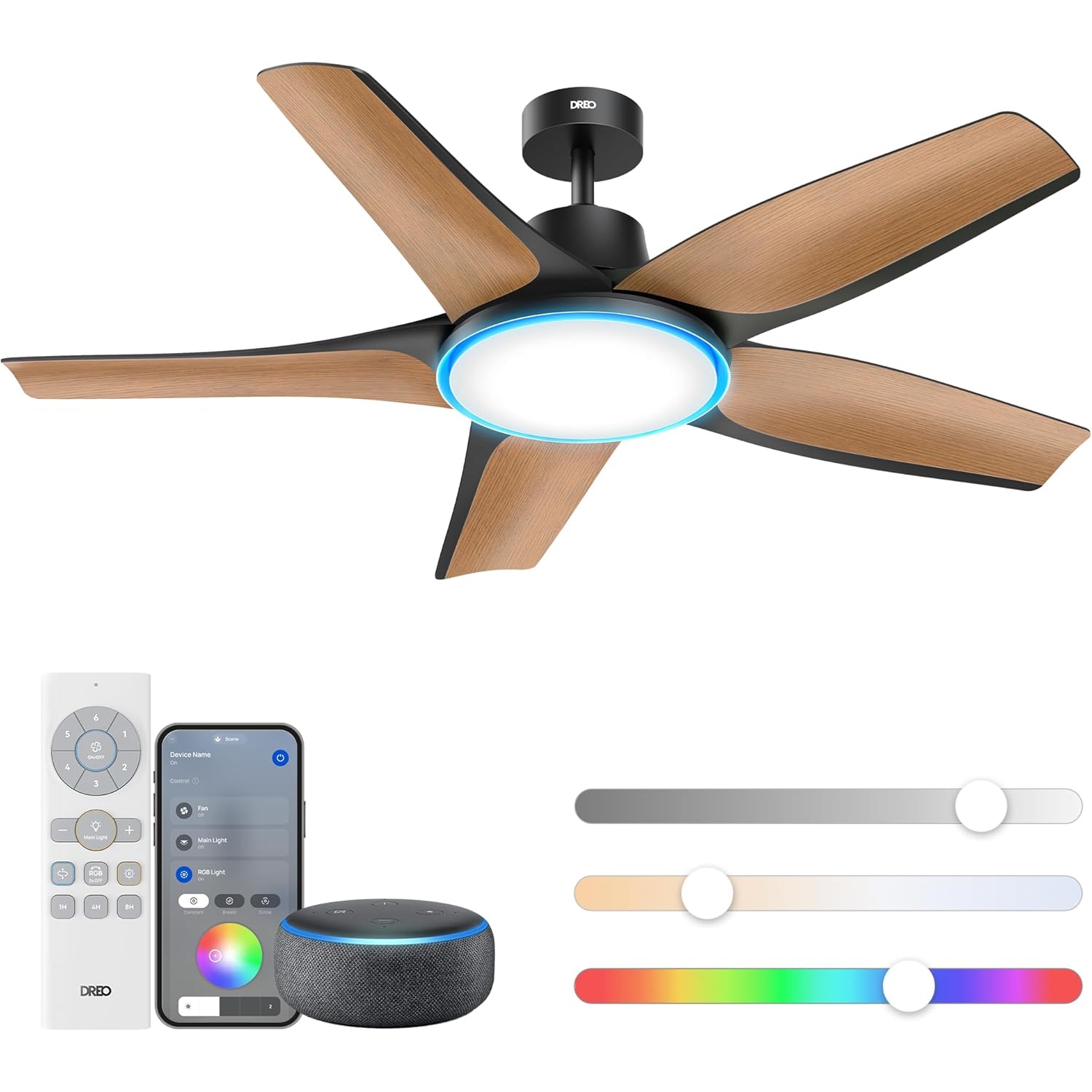
Spin Smarter, Not Harder: Our Favorite Smart Ceiling Fans
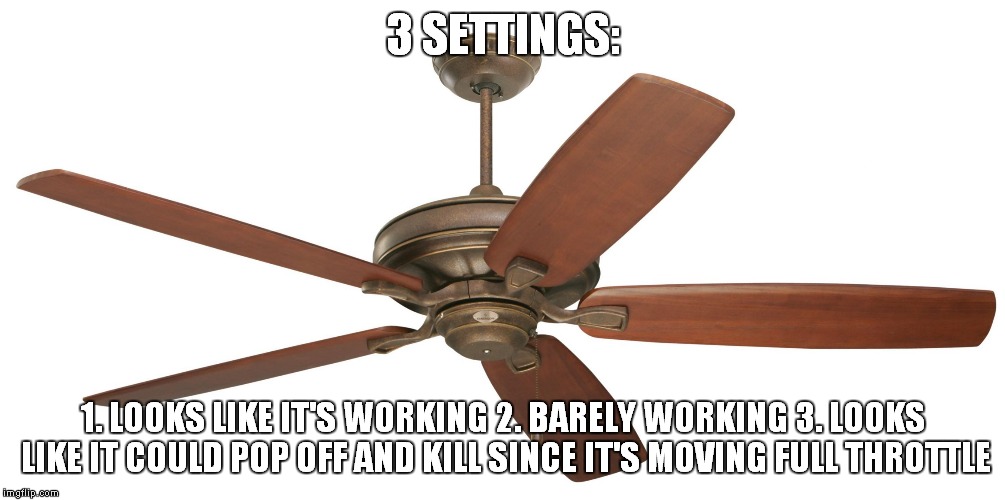
Not a Fan? Seven Ceiling Fan Options For All You Haters

Opinion: At Home: Ceiling fans: To see or not to see is the question
Make It Nice: Ceiling Fans And Tricky Layouts
The Best Ceiling Fans For Each Room Of Your Home
You should change the direction of your ceiling fan. This video shows you how

Ceiling fans: A new spin on cooling your home | Home and Garden | Life

16 Best Ceiling Fans You Can Buy Online Right Now

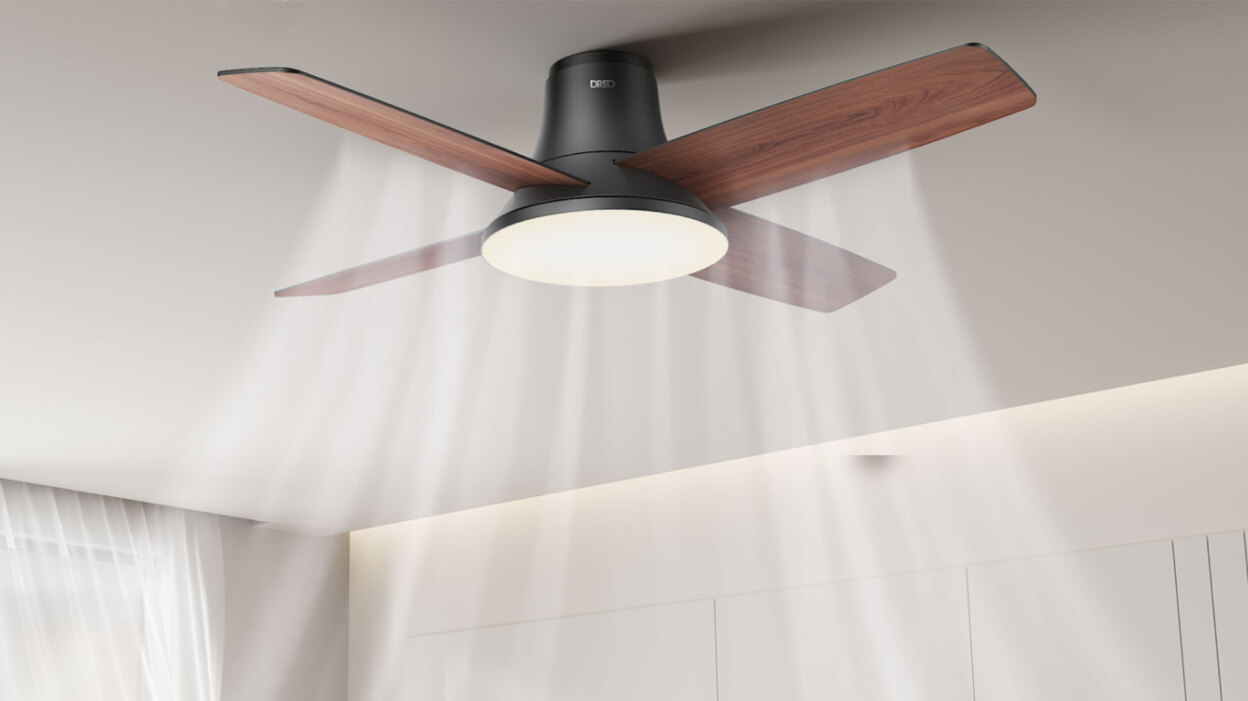
You Should Replace Your Dumb Ceiling Fan With This Smart One
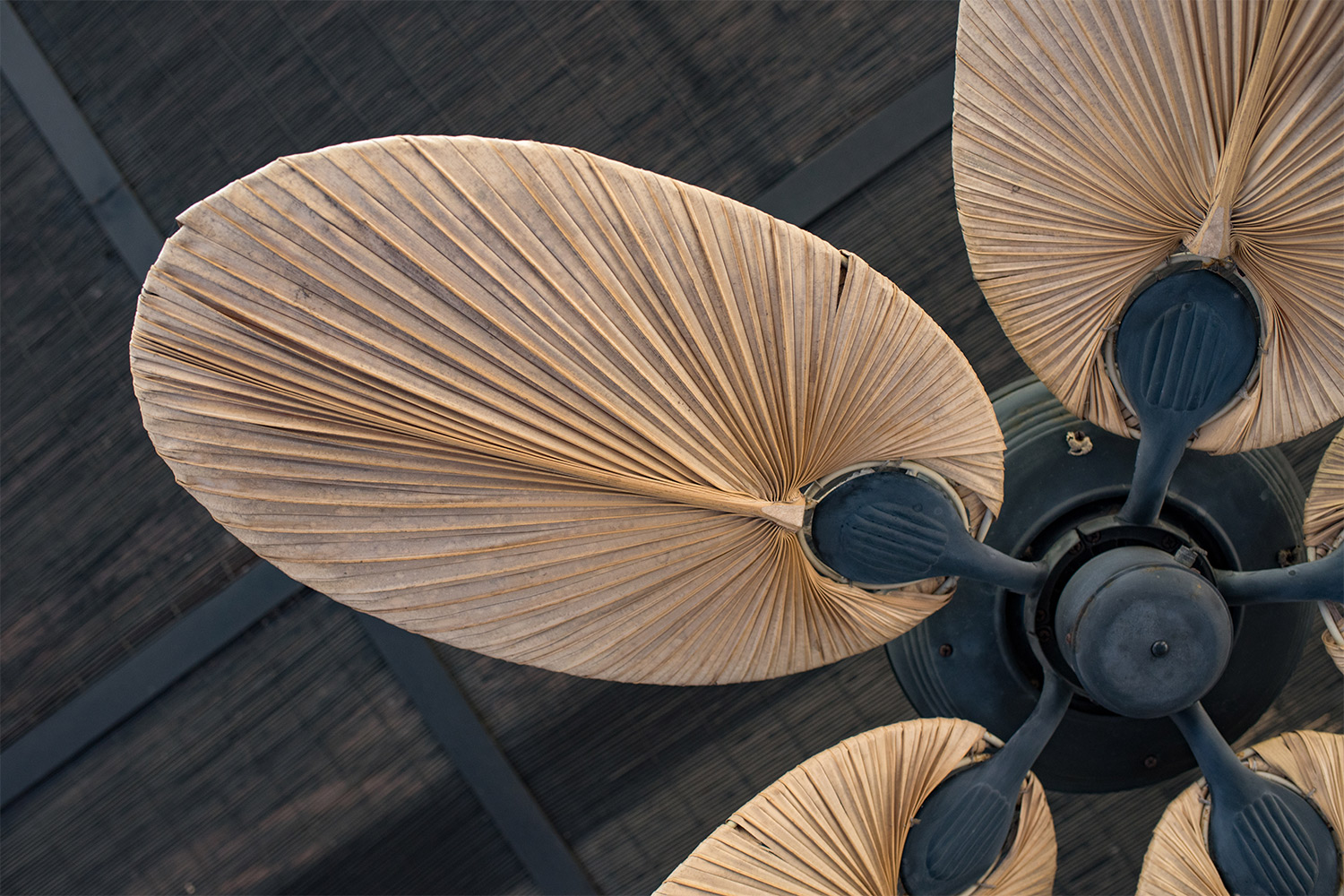
Ceiling Fans—A Stylish Way to (Literally) Beat the Heat

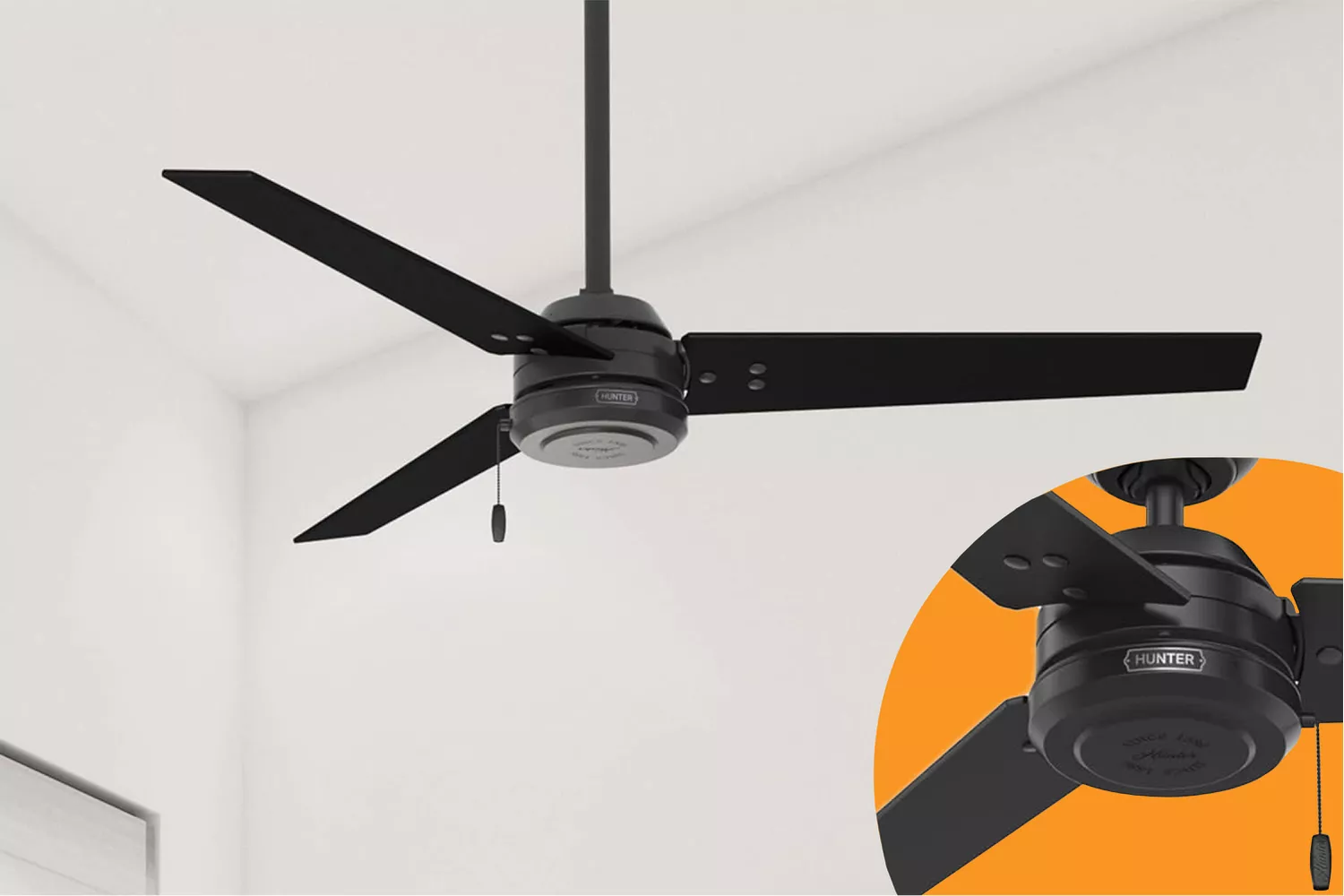
We Spent 1,200 Hours Testing Which Ceiling Fans Are the Most Cooling — These Are Our Winners
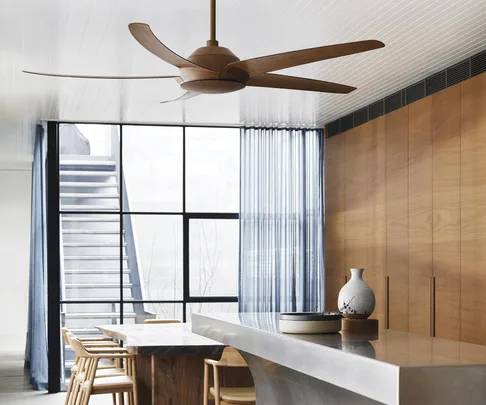
Ceiling fans 101: a guide to choosing the right one

The Best Ceiling Fans for a Breezy, Comfortable Home

Stylish ceiling fans for modern spaces

The Best Ceiling Fans to Keep You Cool All Year Round

Are Ceiling Fans Actually Outdated? Designers Share How to Make Them Work in Your Space