Ask Wirecutter: Stop Stressing About Turning Off the Lights When Leaving the Room!
This article addresses the common household debate regarding the necessity of turning off lights when leaving a room, particularly in the context of modern light bulbs. Many individuals, influenced by past advice about incandescent bulbs, continue to stress over this habit, often leading to disagreements. However, the energy consumption of contemporary LED bulbs is so minimal that leaving them on for short periods has a negligible impact on electricity bills.
The article explains that incandescent bulbs were highly inefficient, converting most energy into heat rather than light, making it crucial to switch them off to save energy and extend their lifespan. In contrast, modern LED bulbs are significantly more efficient. For instance, a typical 8.8-watt LED bulb, equivalent to a 60-watt incandescent, consumes only 0.0088 kilowatt-hours in an hour. This translates to a cost of less than two-tenths of a cent per hour, meaning leaving it on for 20 hours would cost approximately three pennies. Smart-home editor Jon Chase highlights this point, stating that a dozen LED bulbs operating continuously would still use less energy than a refrigerator in a single day.
Another common concern is whether frequently switching modern bulbs on and off shortens their lifespan. For LEDs, this is not an issue, as their technology differs from traditional bulbs and they are not physically stressed by frequent toggling. However, compact fluorescent light bulbs (CFLs) are more sensitive to the number of times they are switched. For CFLs, the Department of Energy recommends a 15-minute rule: leave the light on if returning to the room within 15 minutes, otherwise, turn it off. This suggests that the impact on bulb lifespan depends on the specific type of bulb in use.
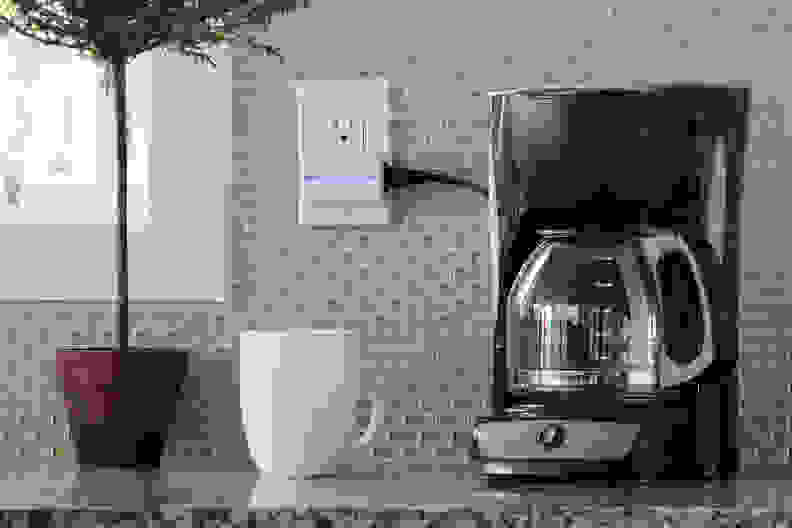
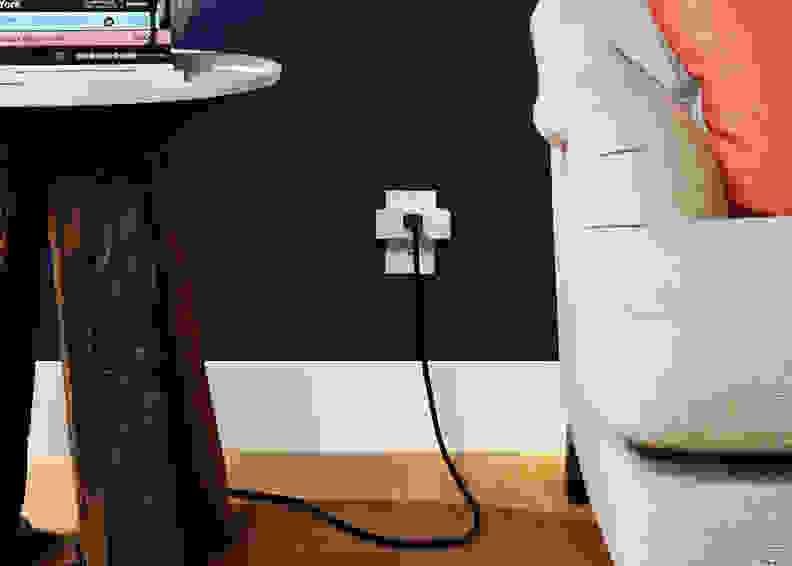
To mitigate household squabbles and automate lighting practices, the article suggests several smart-home solutions. One recommendation is to use smart bulbs or smart plugs to put lights on a schedule. Smart bulbs can be controlled via smartphone apps or voice commands to automatically turn on and off at set times or to dim. Smart plugs can convert any regular lamp into a smart device, allowing for scheduled operation or remote control. Another effective solution is to install smart motion sensors, such as the Aqara Motion Sensor P1, which can trigger lights upon entry and turn them off after a period of no motion. Some Amazon Echo devices also offer a built-in motion-sensor function for automating lights, though their longer detection intervals might make them less suitable for frequently used rooms.
Ultimately, the article advises against overthinking the act of turning off lights, emphasizing the minimal energy and cost savings with LED technology. It suggests that if the habit persists, smart home devices offer practical ways to automate lighting and resolve household disputes. The underlying, perhaps unspoken, reason for leaving lights on, as humorously noted by Jon Chase, might simply be to ward off perceived "boogeymen," offering a compelling, albeit non-technical, argument for maintaining illumination.
#SmartHome #LEDLighting #EnergyEfficiency #HouseholdTips #SmartTechnology #HomeAutomation #LightBulb #EnergySaving #AskWirecutter #SmartHome #LEDLighting #EnergyEfficiency #HouseholdTips #SmartTechnology #HomeAutomation #LightBulb #EnergySaving #AskWirecutter
0 comment in total
 No comments yet
You may also like
Say Goodbye to Overhead Lighting and Hello to the Best Cordless Lamps

6 Little Light Ideas that Will Let You Say Goodbye to the Big Light for Good

Been sleeping on smart lights? Time to wake up

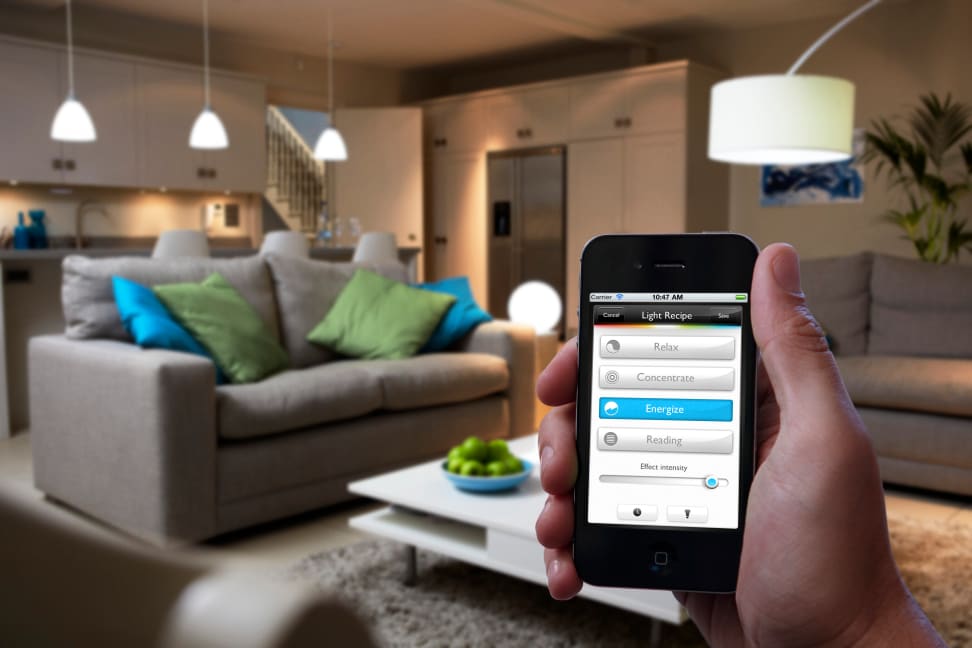
10 ways to add 'smart lighting' in your home and never touch a switch again


Keeping the Light On
These Reading Lamps Tuck Away When You're Not Using Them |

What Lights Should You Leave On When You Go On Vacation?
You Don’t Have to Ditch the Switch When You Switch to Smart Lights

Should You Turn Your Heat Down When You're Not Home?
The living room trends defining 2025: Time to banish the big light?

AT HOME WITH MARNI JAMESON: Lighting trends Part I: Pull the plug on dated light fixtures