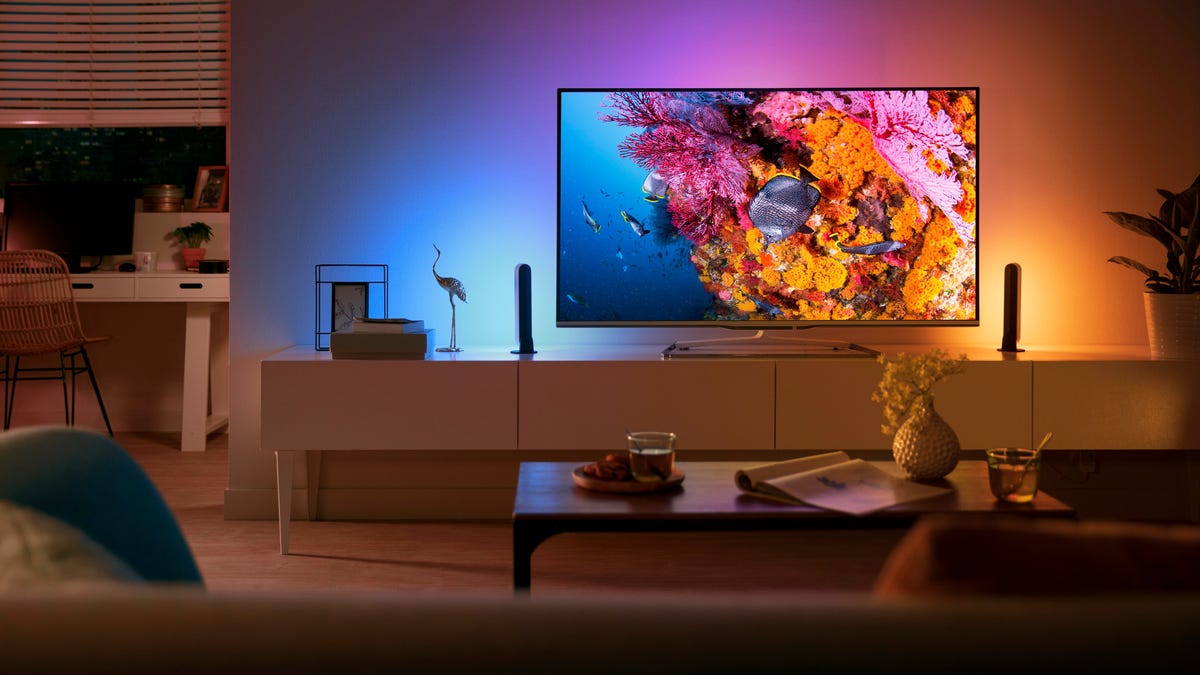
Been sleeping on smart lights? Time to wake up
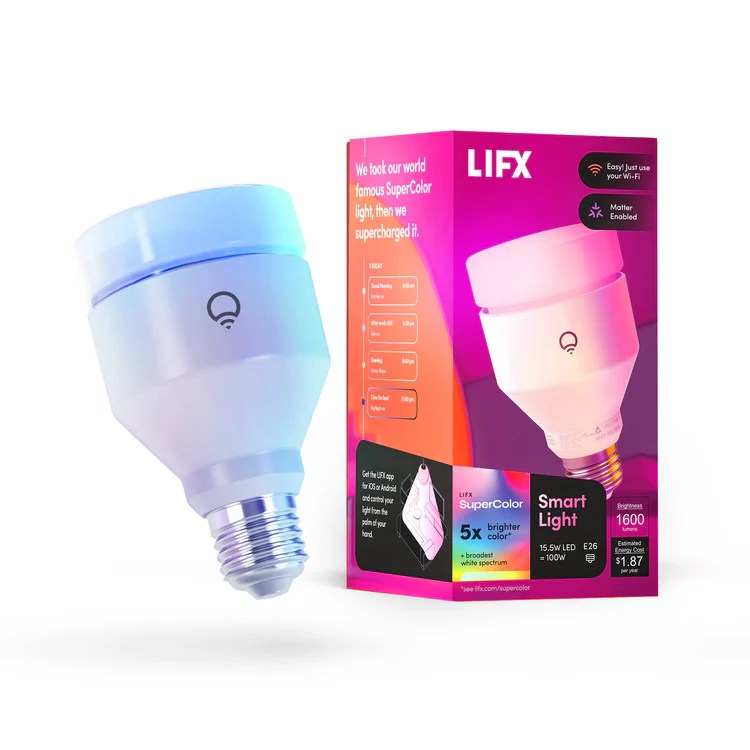
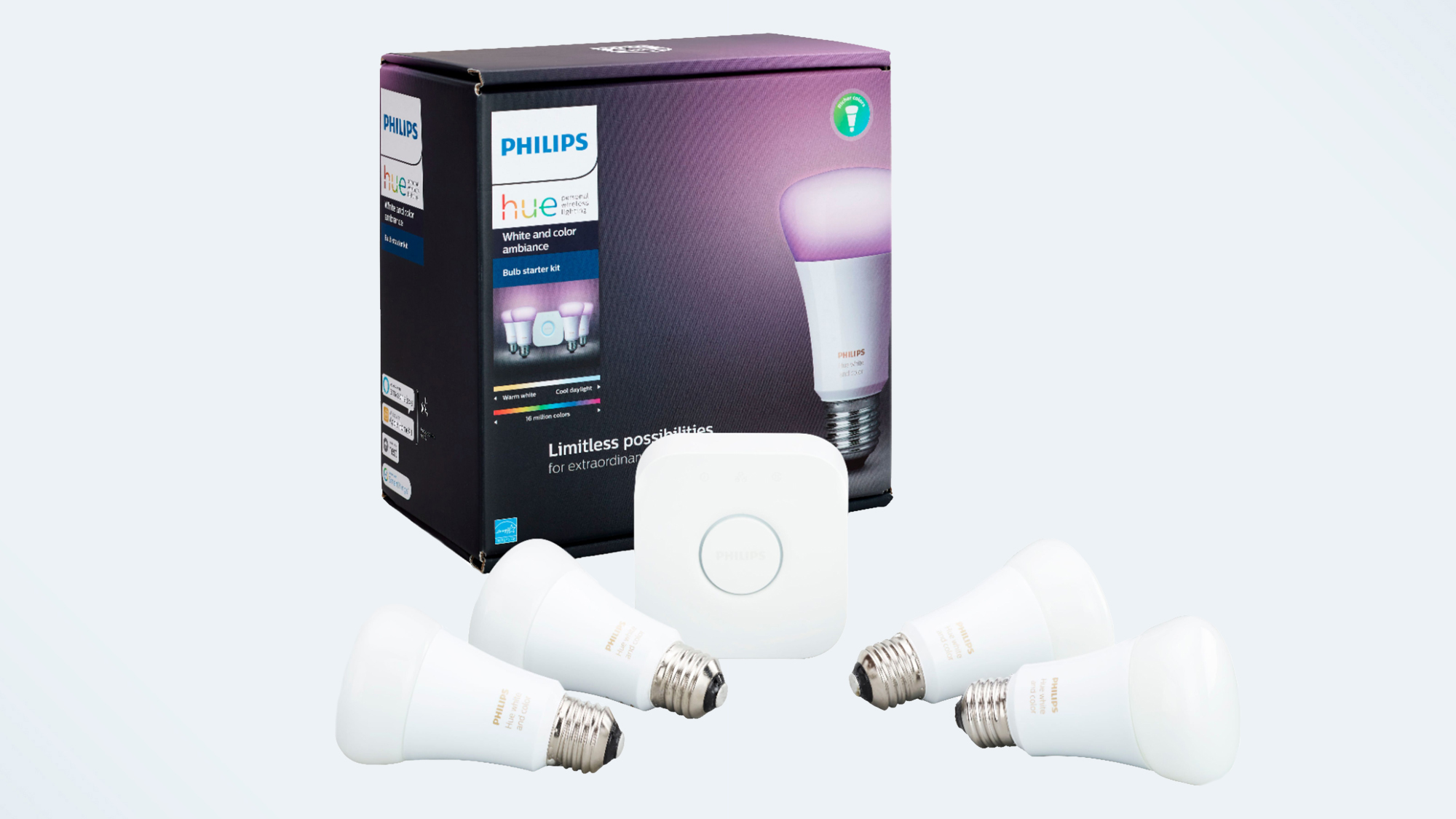
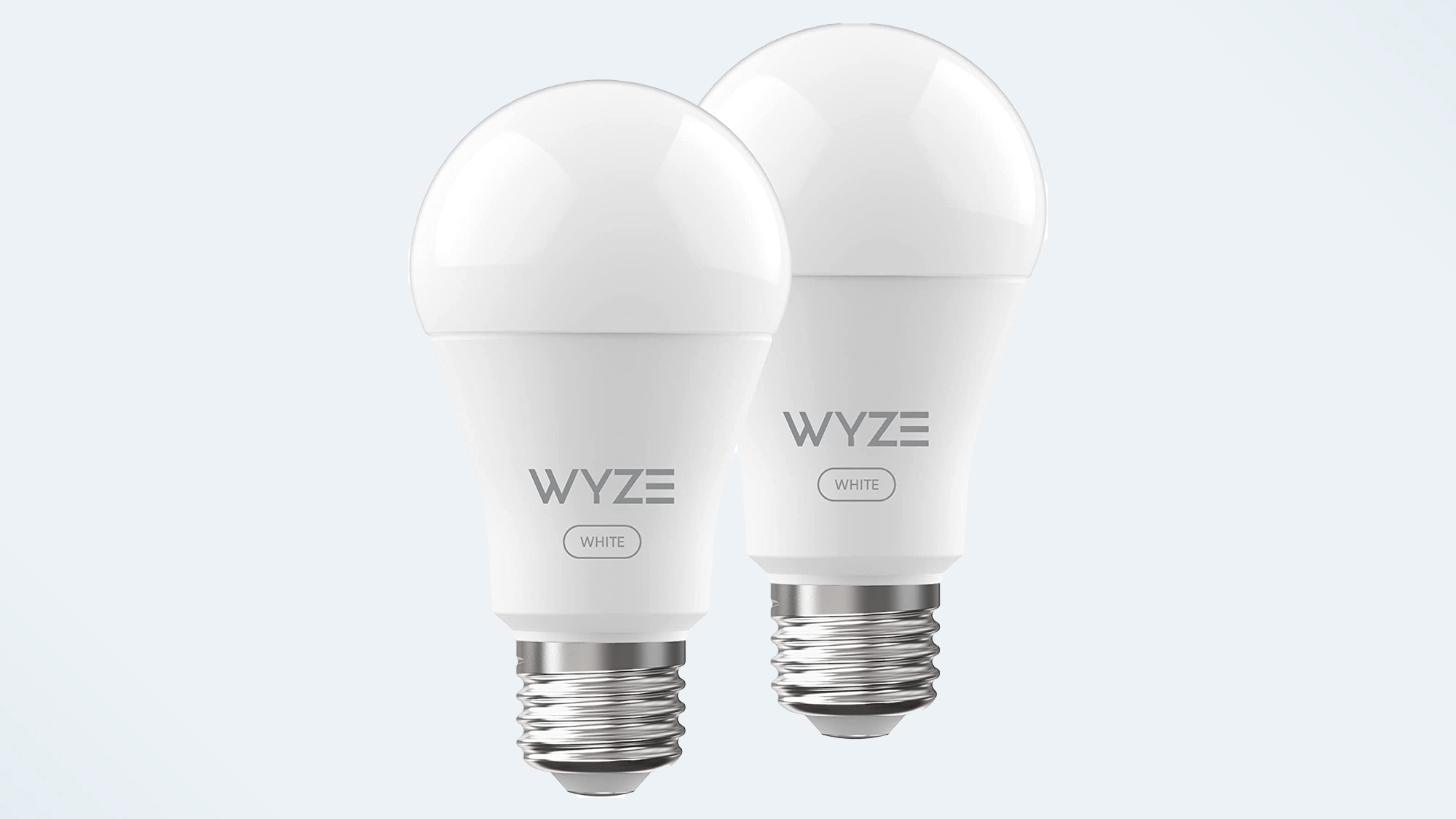
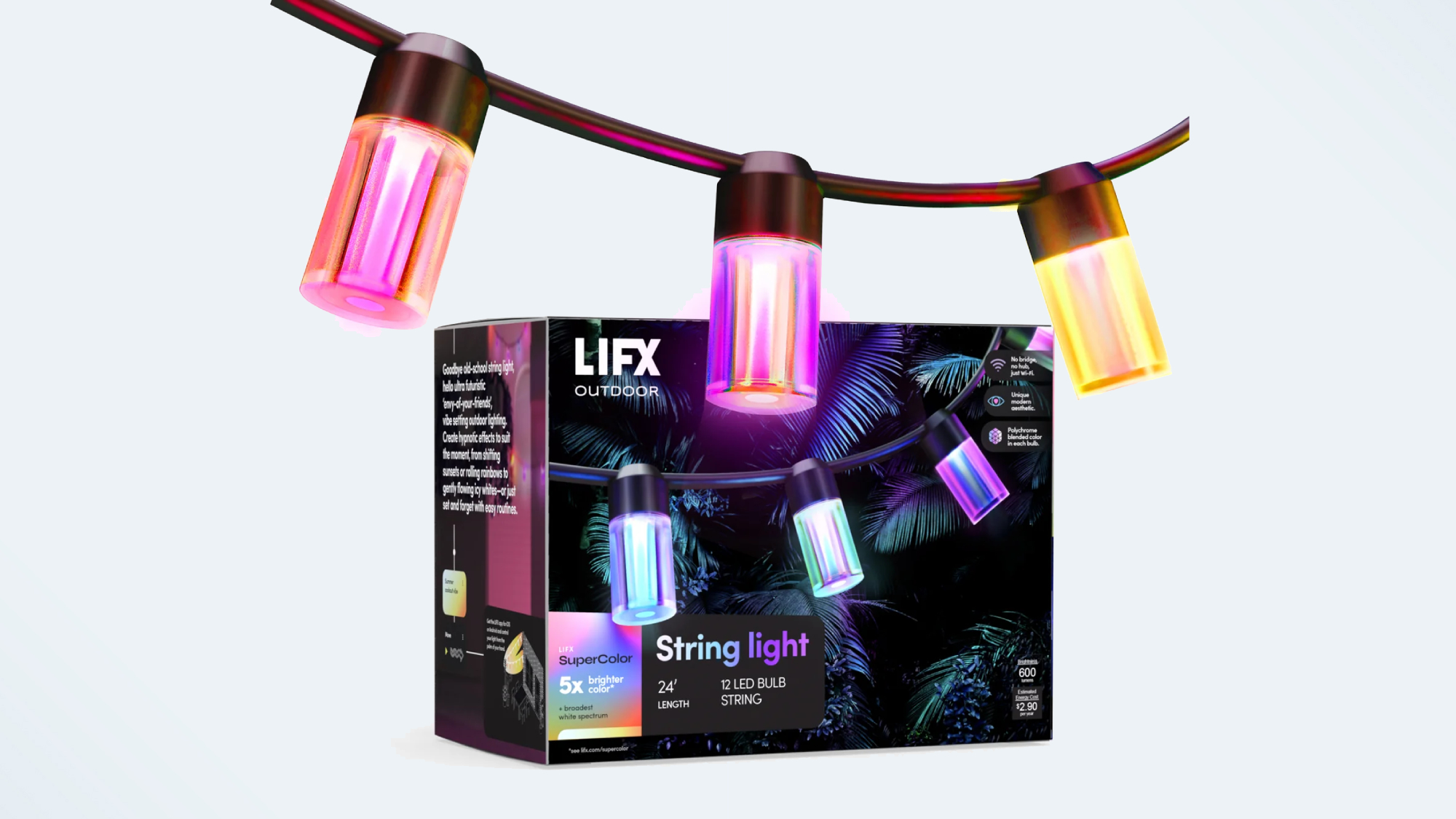
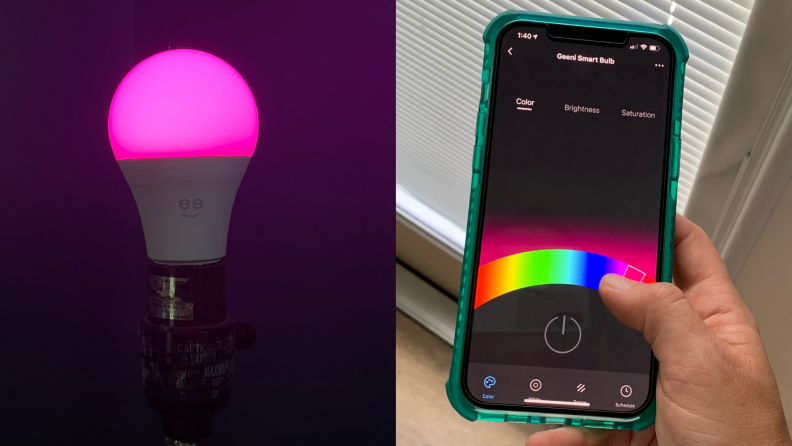
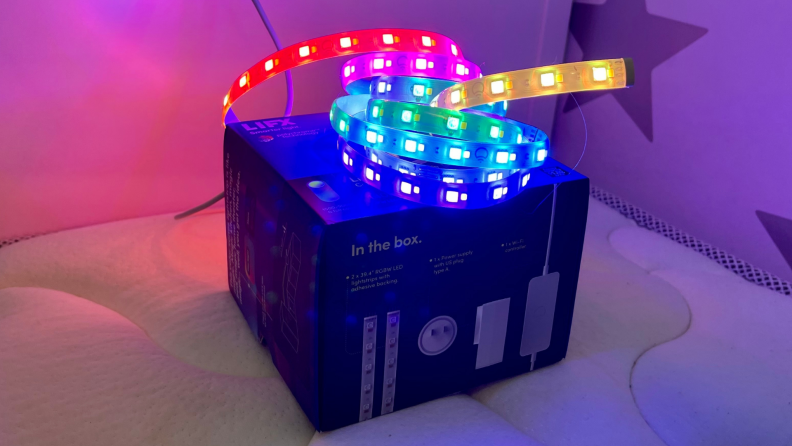
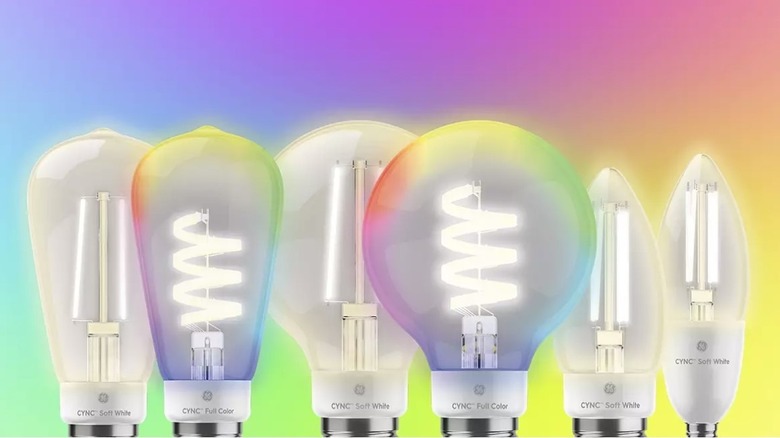
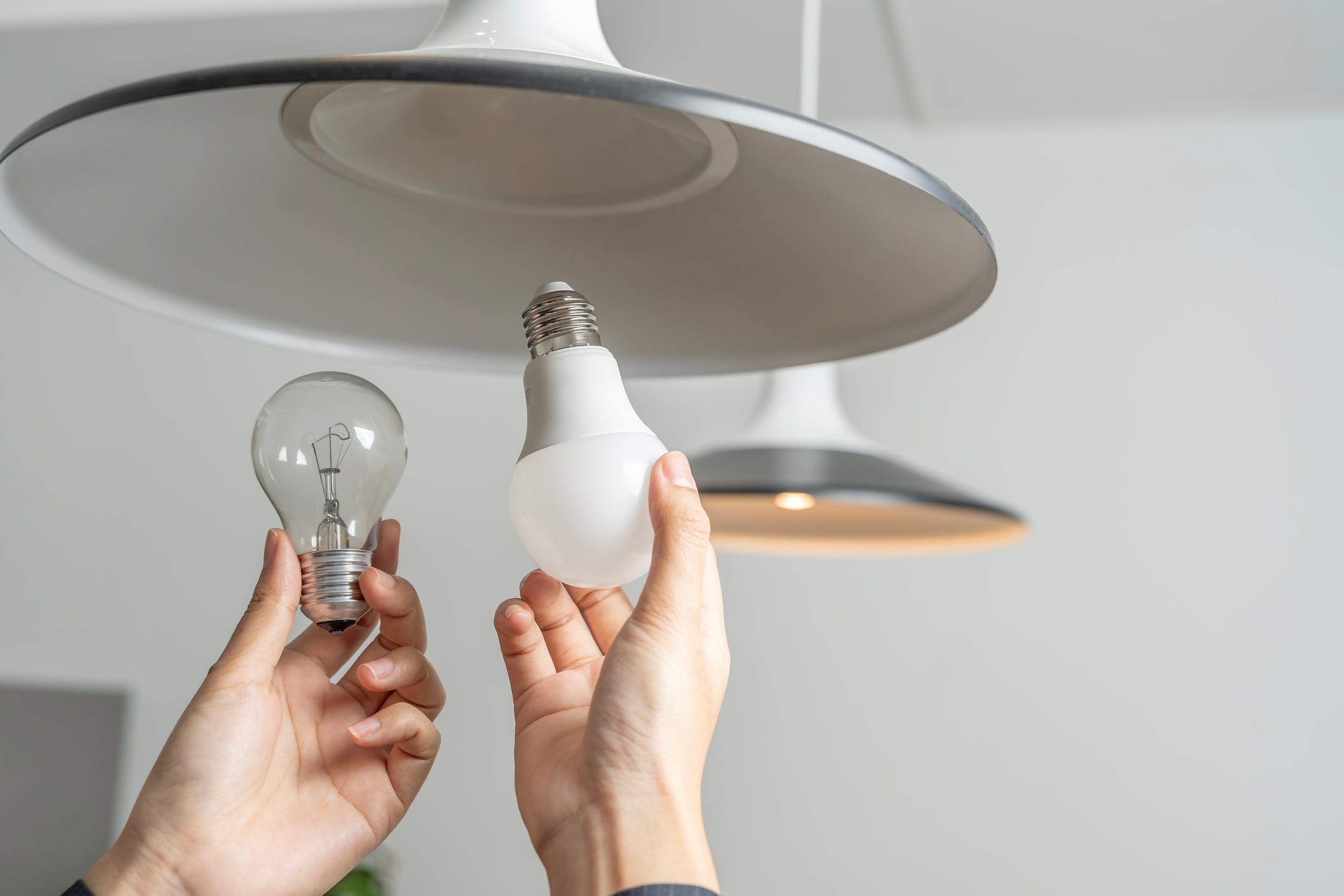
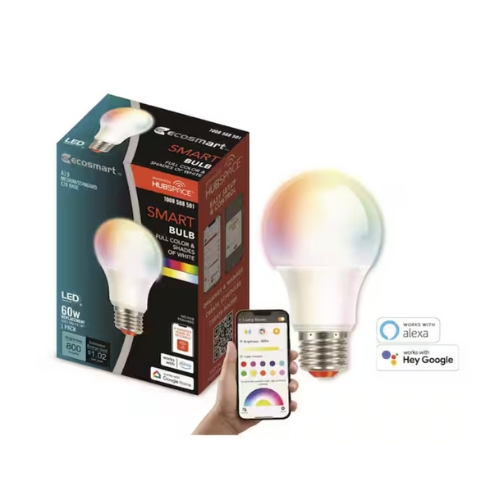
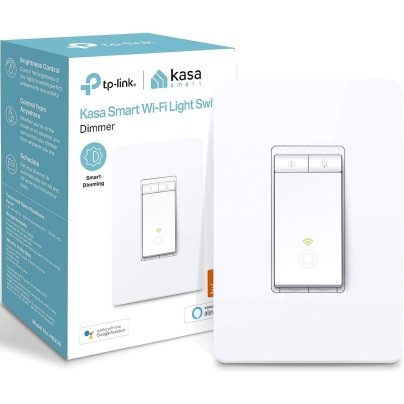
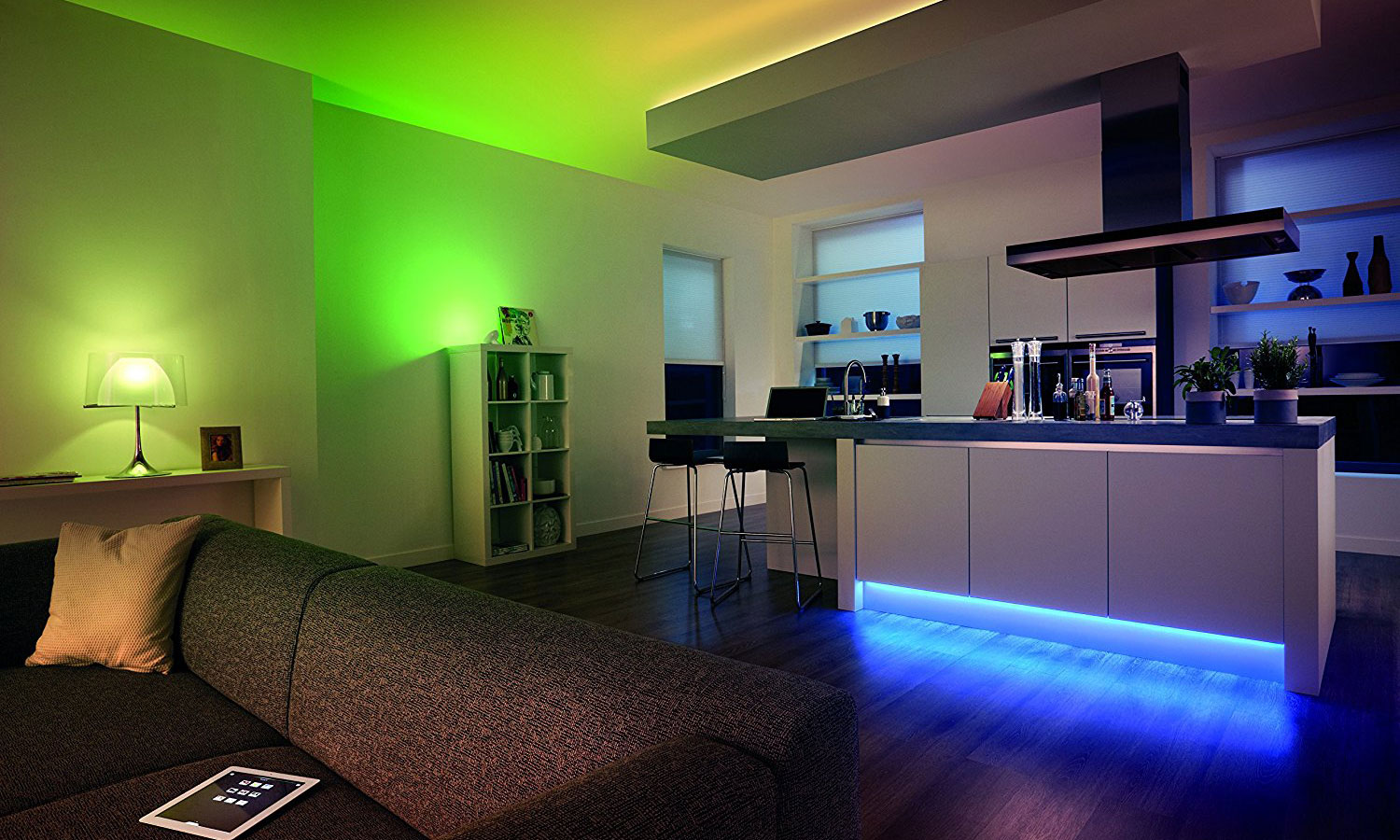
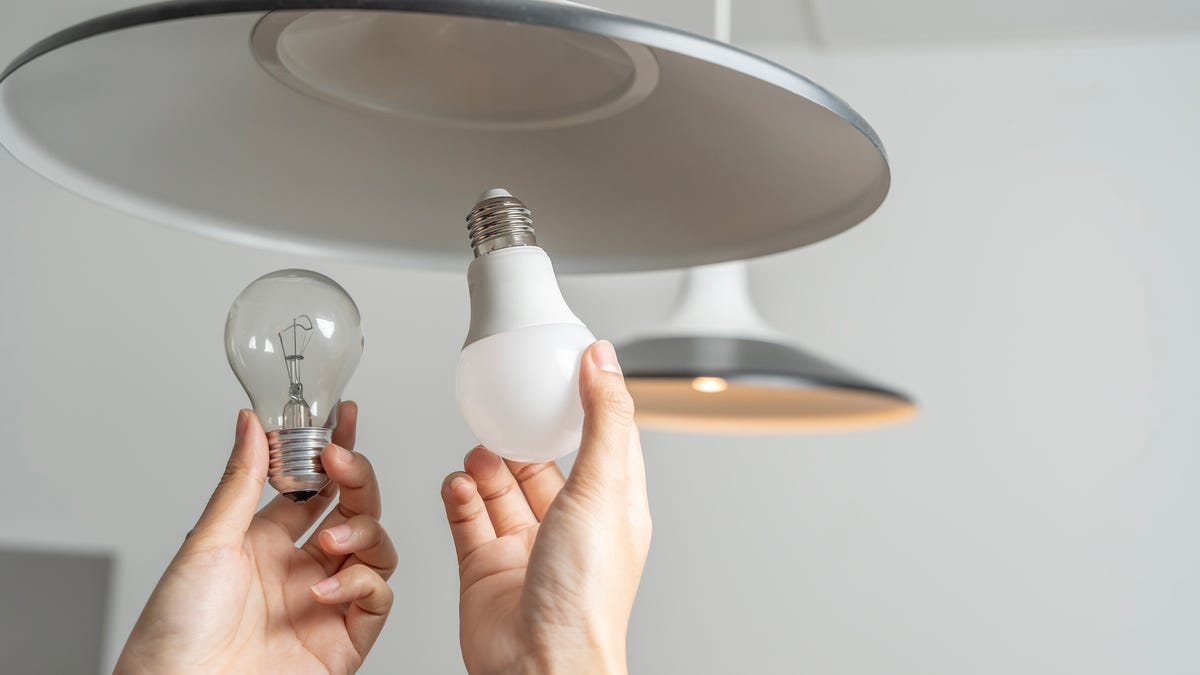
The market for smart lighting has significantly evolved, offering a compelling case for widespread adoption due to increased affordability, enhanced functionality, and improved security. Smart bulbs, switches, and fixtures from prominent brands like Philips Hue, Lifx, GE, and Ring are now more accessible and diverse than ever before. For example, a Philips Hue White starter kit, including four bulbs and a mandatory Hue Bridge, costs around $90, with individual bulbs priced at $15. These LED bulbs offer substantial energy savings, with a 10-watt LED replacing a 60-watt incandescent bulb saving approximately $6 annually, leading to the starter kit paying for itself in under four years. The growing competition among manufacturers ensures frequent sales and a wide range of reasonably priced options from brands such as Sengled, Sylvania, TP-Link Kasa, and Eufy, all of which are well-reviewed and well-connected.
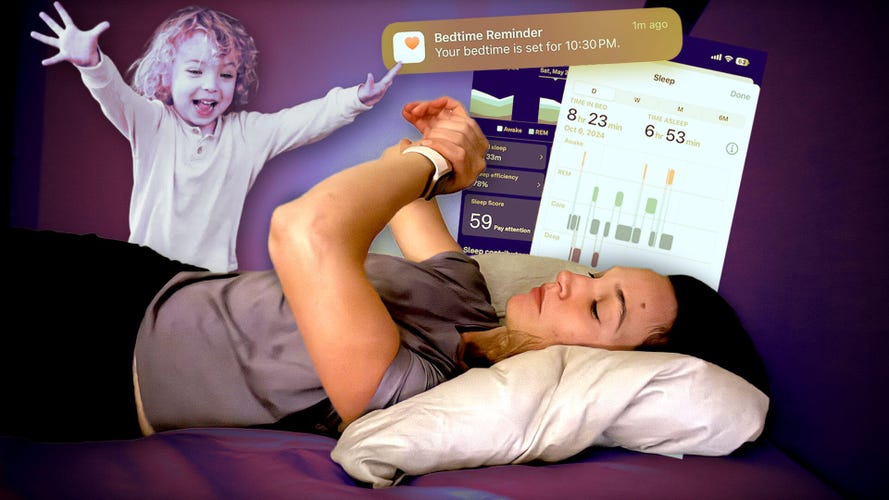
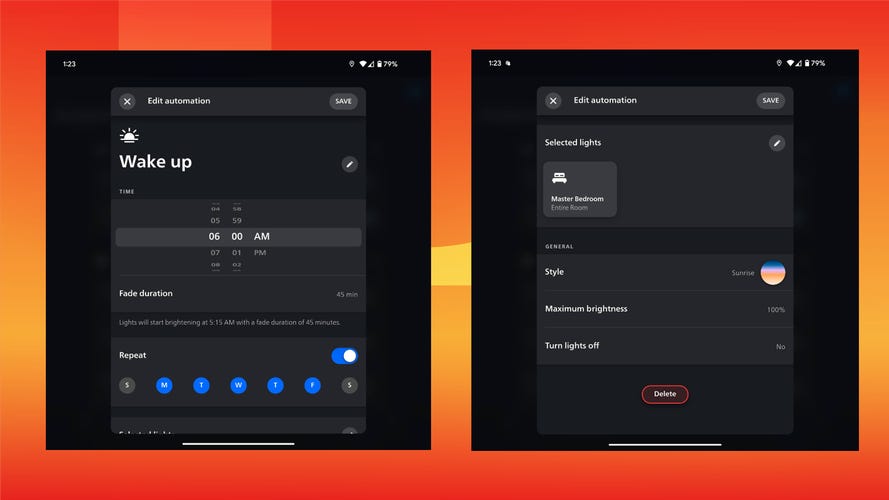
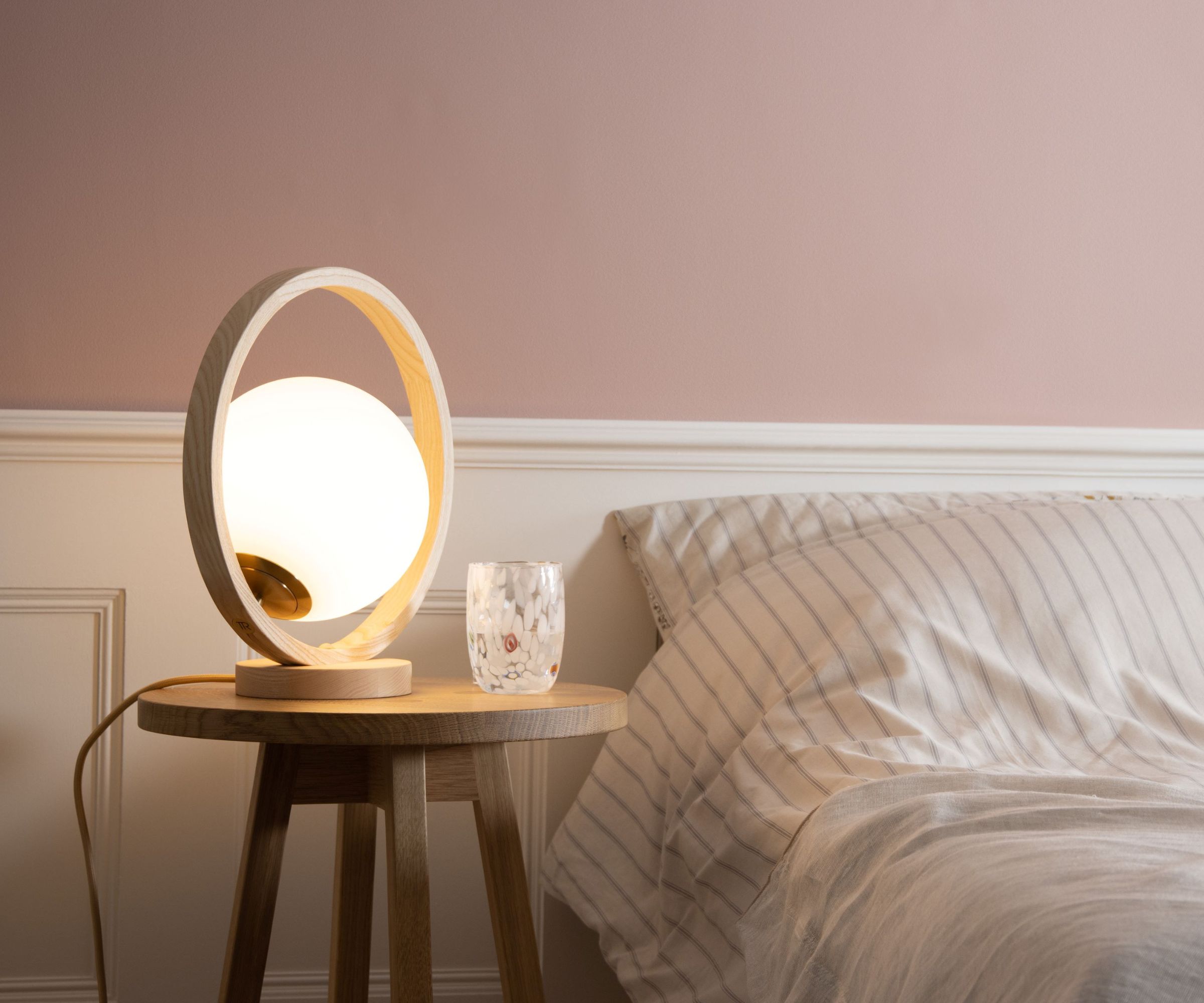
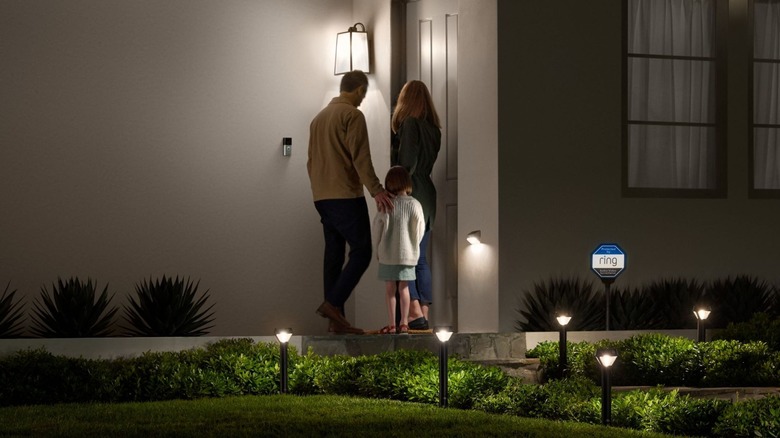
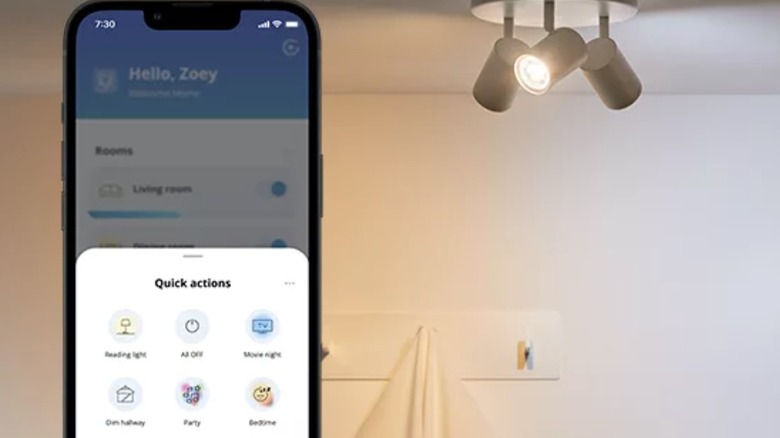
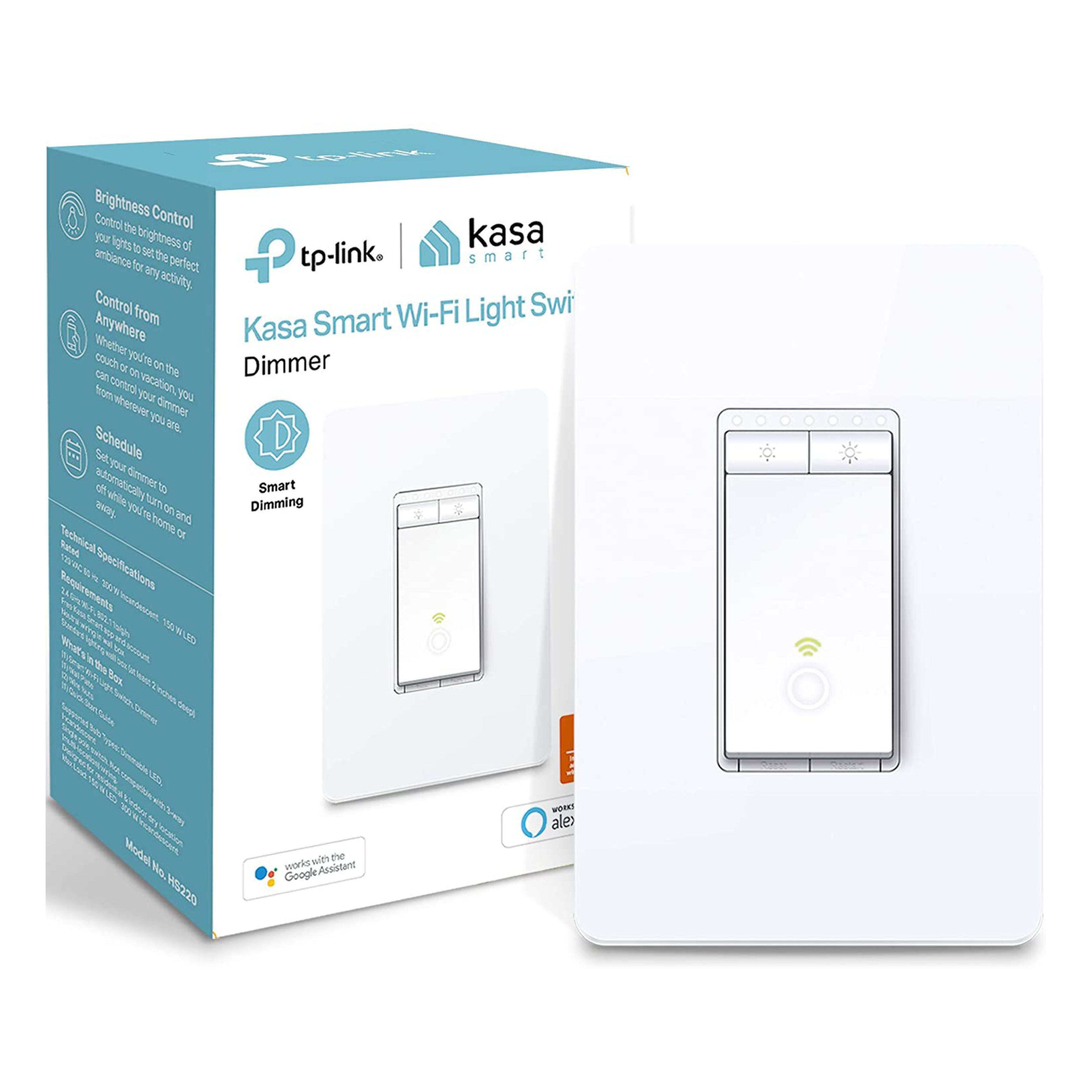
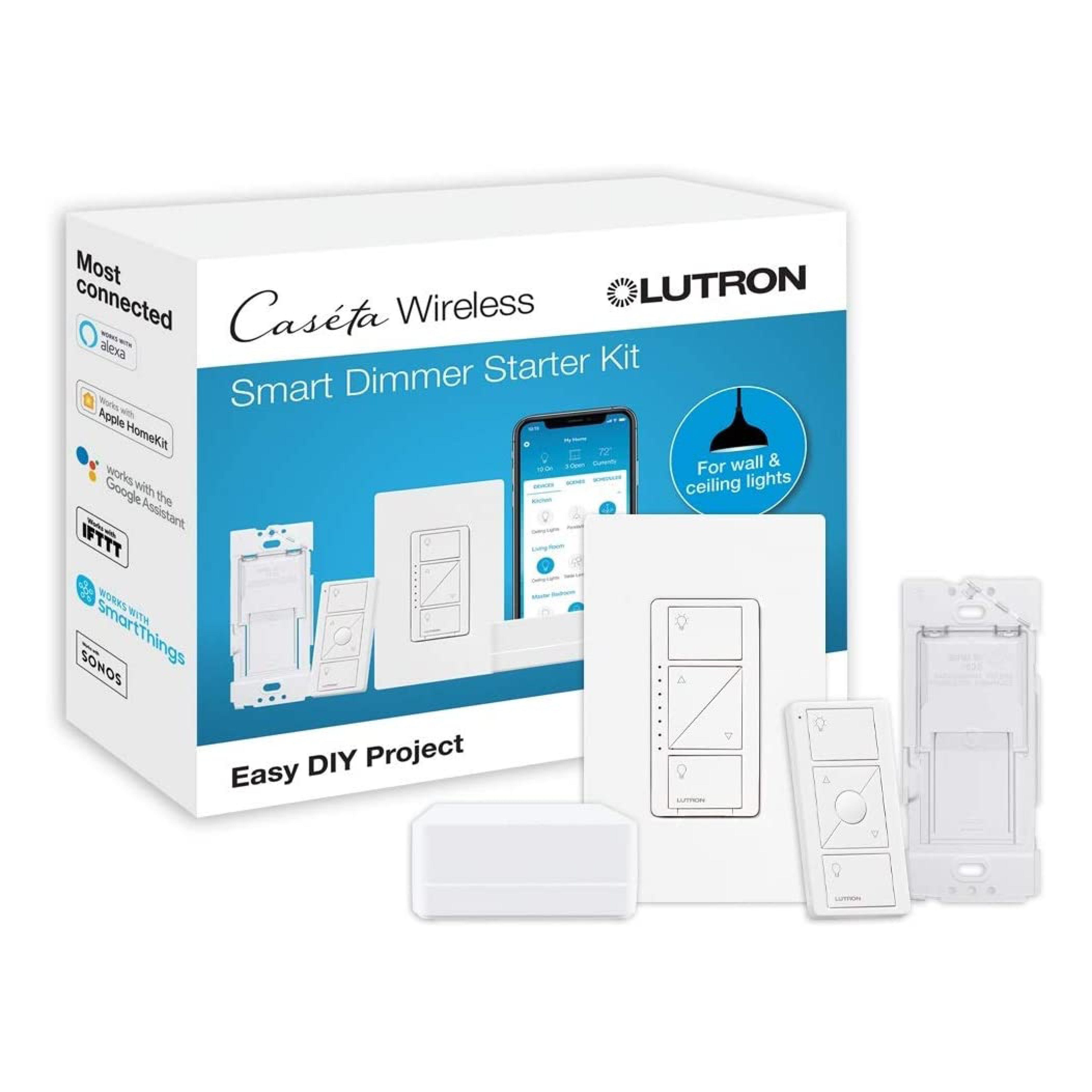
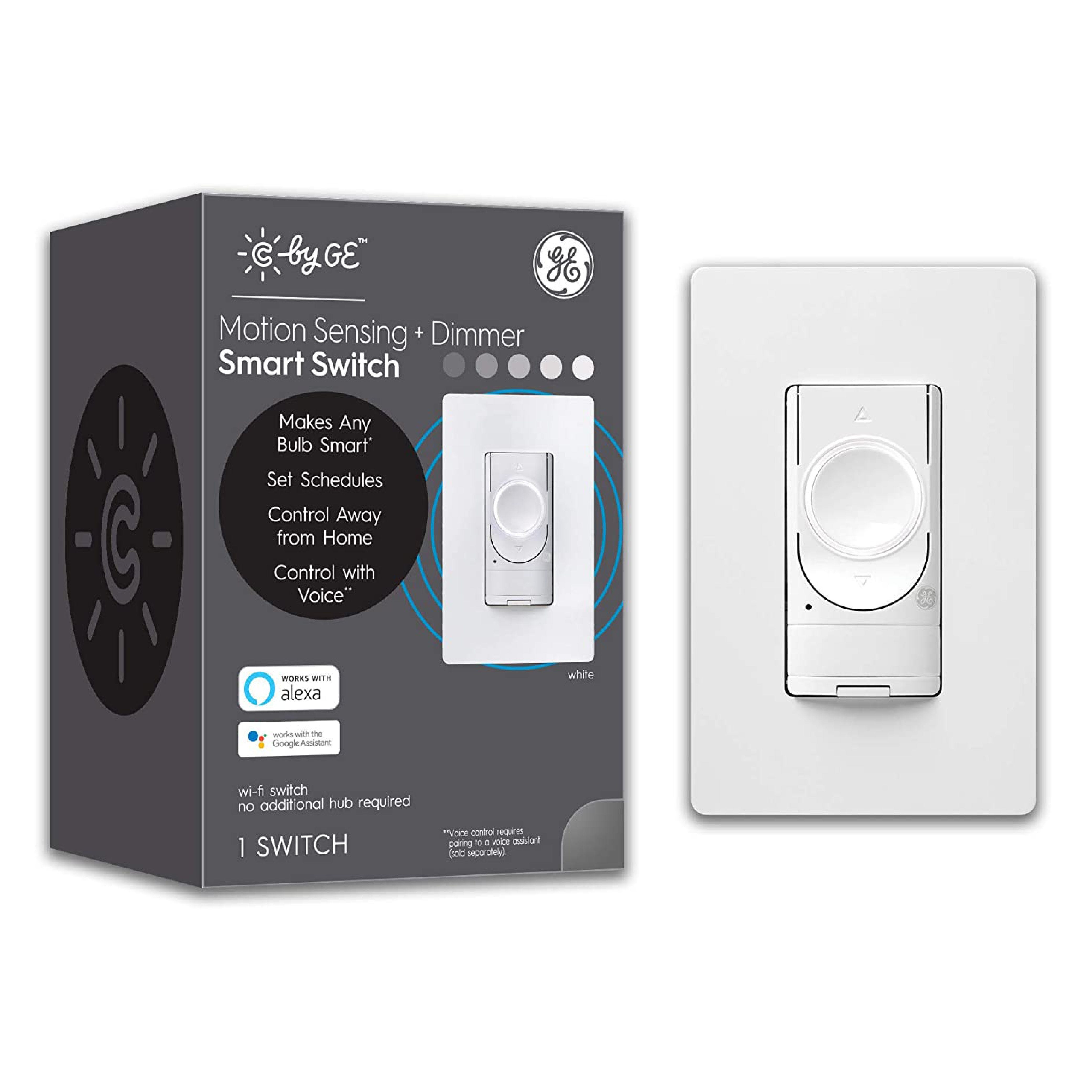
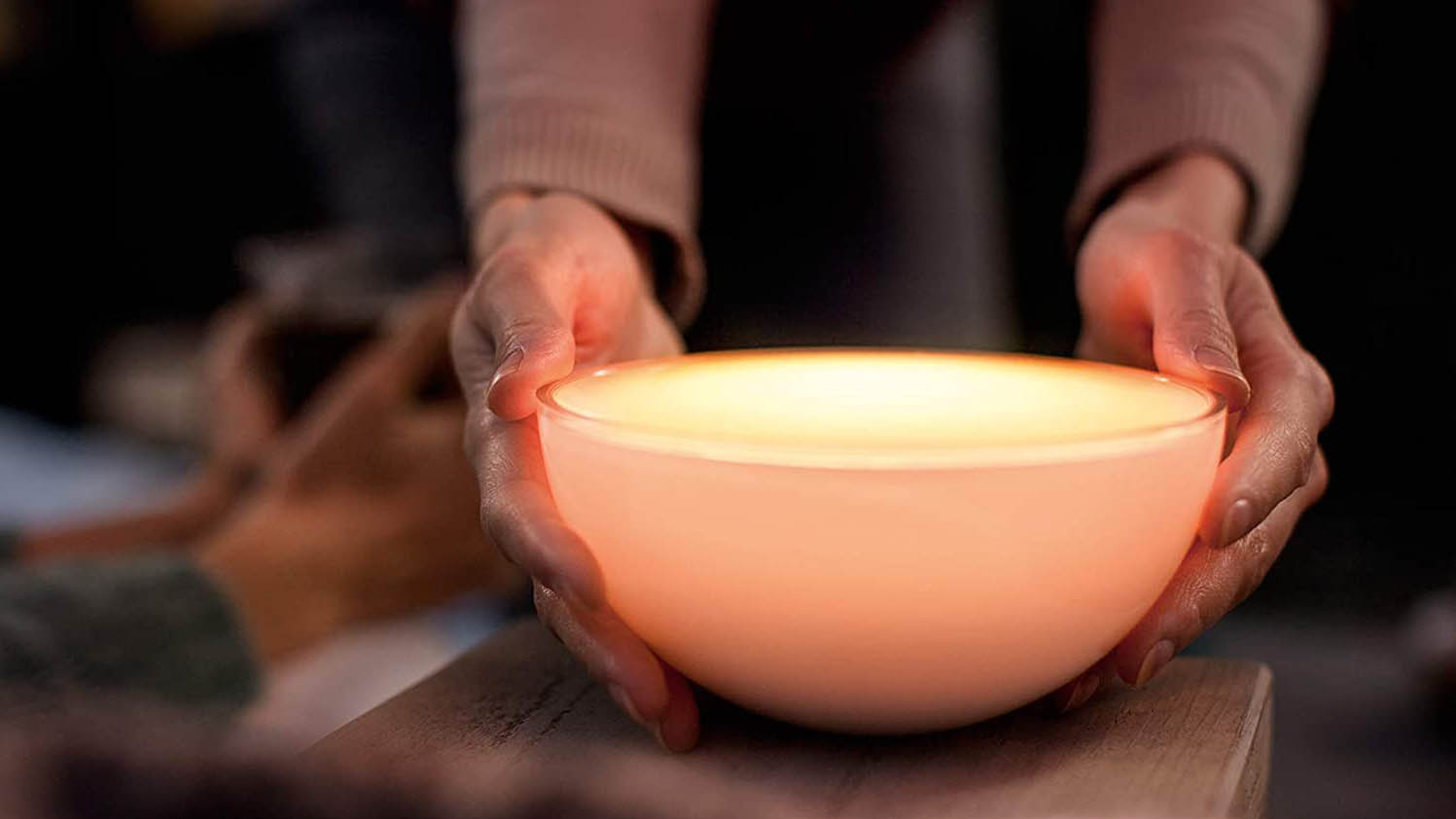
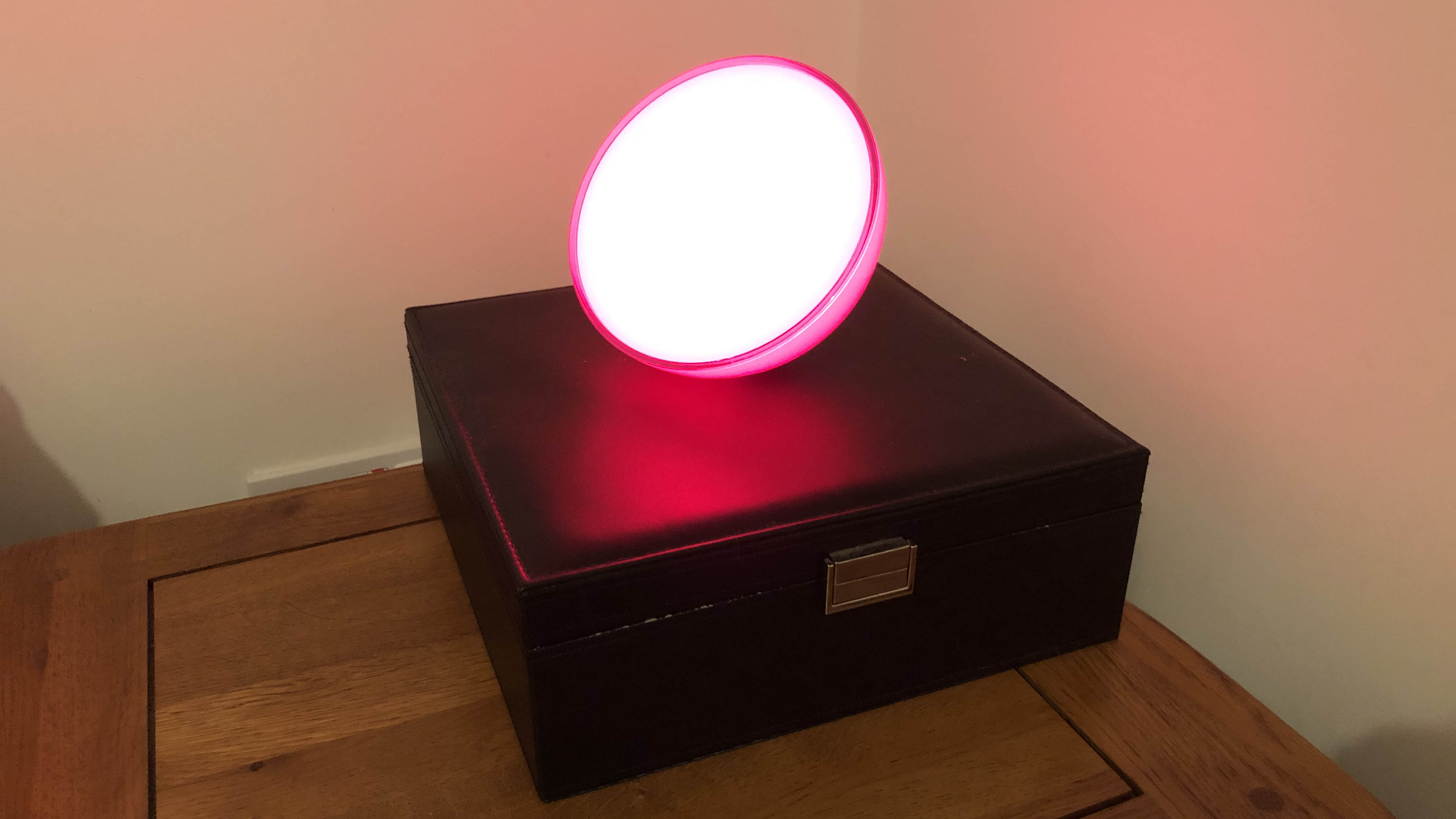
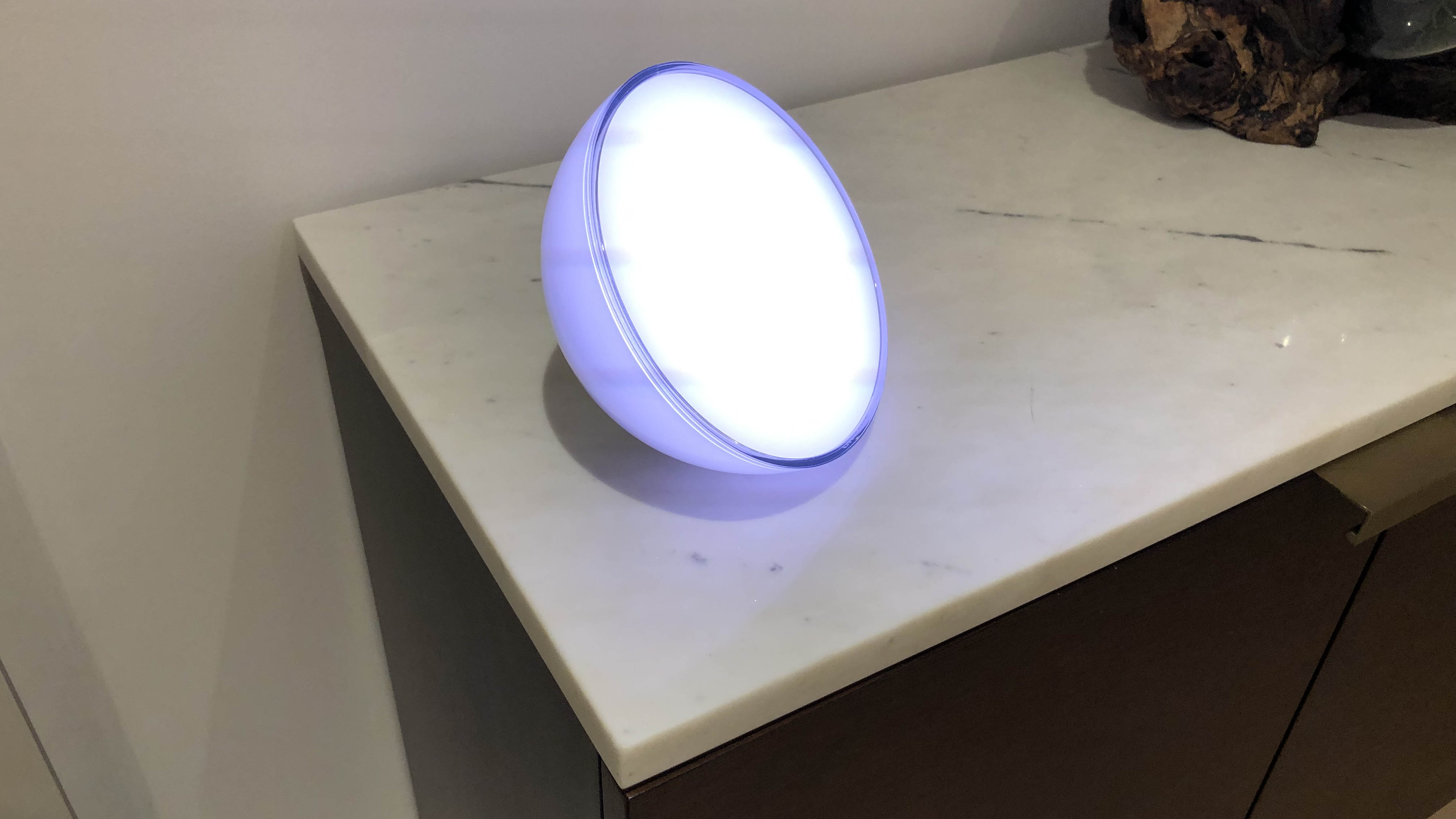
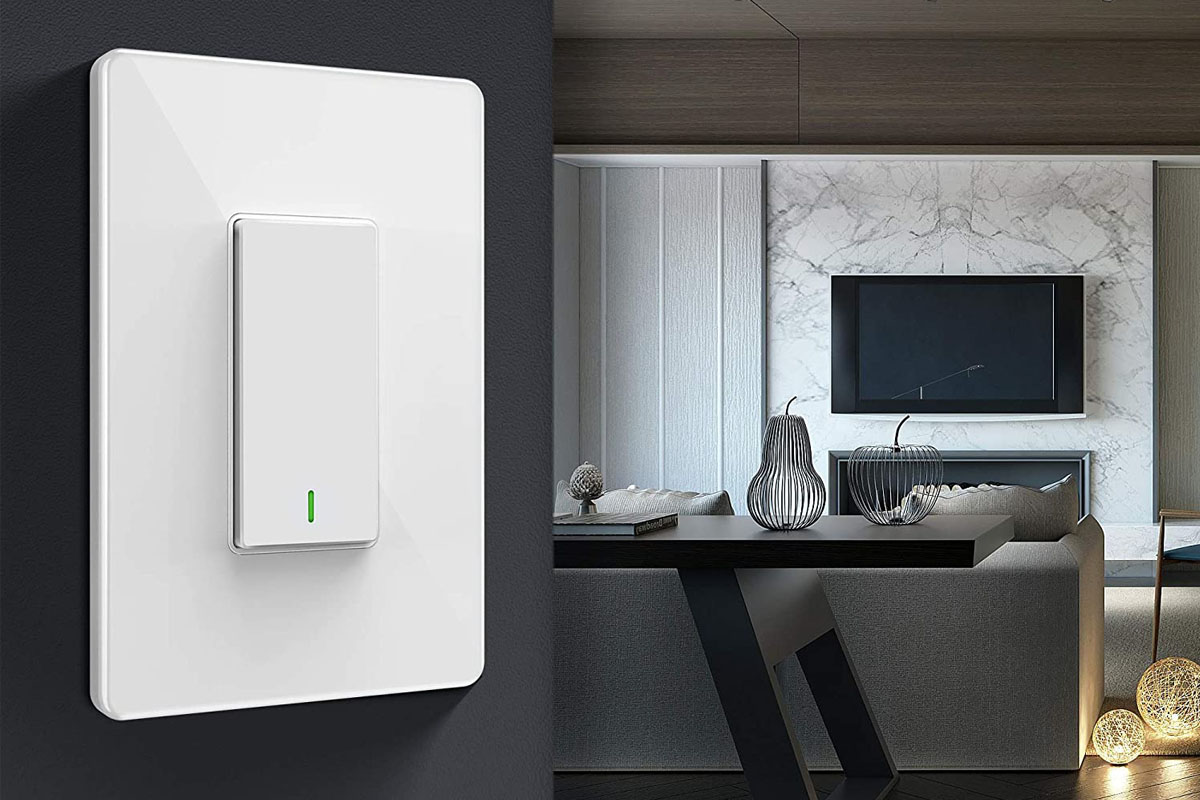
The utility of smart lighting extends beyond basic controls. Integration with smart speakers like Amazon Alexa and Google Assistant allows for convenient voice commands, enabling users to turn lights on or off, adjust brightness, or activate custom settings like "movie mode." Advanced features include security-focused options like 'Away Mode,' which simulates occupancy by cycling lights, and motion-sensing capabilities that illuminate dark areas. The Lifx Plus LED even incorporates invisible infrared light to enhance night vision cameras, providing clearer footage. Furthermore, smart lights offer comfort and convenience features such as gradual fades to assist with sleep or gentle wake-up routines, and precise, flicker-free dimming without the need for traditional dimmer switches. Addressing concerns about traditional wall switches, new smart switches are designed to work seamlessly with smart bulbs, ensuring continuous power and functionality.
Regarding security, smart lighting has overcome initial skepticism. In the past, manufacturers often developed proprietary apps with varying cybersecurity standards. However, the current landscape is dominated by larger technology companies like Apple, Google, and Amazon, whose platforms (HomeKit, Google Assistant, and Alexa) serve as integral components for smart light control. These platforms are backed by robust security measures and certification programs, offering a more secure ecosystem. Compared to numerous high-profile data breaches experienced by major retailers and service providers in recent years, smart lighting platforms from established brands have demonstrated a strong focus on user security, evidenced by regular updates and prompt responses to potential vulnerabilities. Historically, while some poorly secured IoT devices were implicated in cyberattacks, modern smart lights from reputable brands have largely remained unaffected. The inherent risk of connecting any device to the internet is acknowledged, but smart lights from trusted manufacturers are considered no more vulnerable than other common smart devices, provided users maintain strong network passwords. Ultimately, smart lights are presented as useful, affordable, easy to install, and safe, enhancing home comfort, security, and modernity, making them a recommended upgrade, especially in conjunction with smart speakers.
#SmartLighting #HomeAutomation #PhilipsHue #Lifx #GE #Ring #VoiceControl #HomeSecurity #EnergyEfficiency #SmartLighting #HomeAutomation #PhilipsHue #Lifx #GE #Ring #VoiceControl #HomeSecurity #EnergyEfficiency
0 comment in total
 No comments yet
You may also like
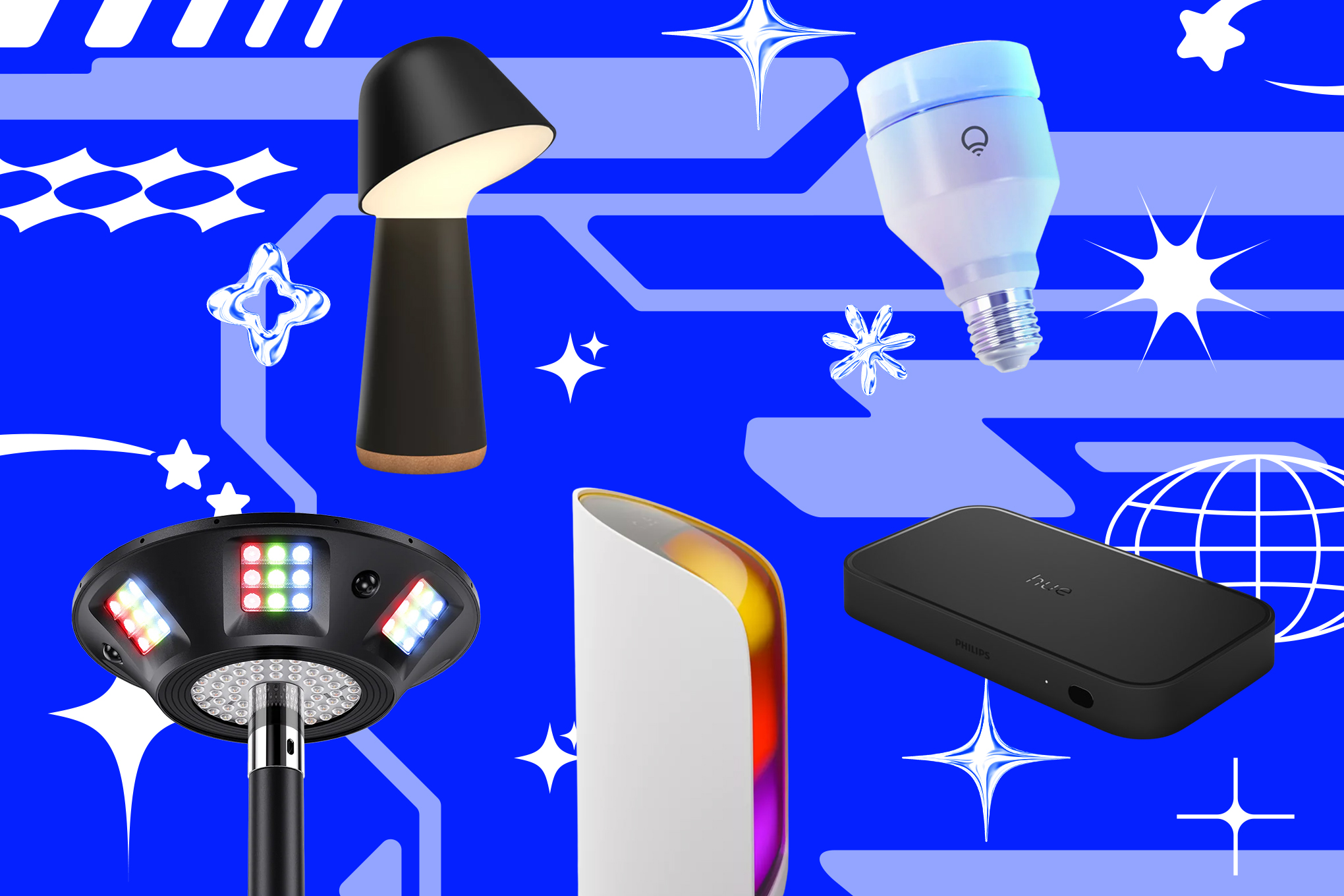
Fall into smarter lighting
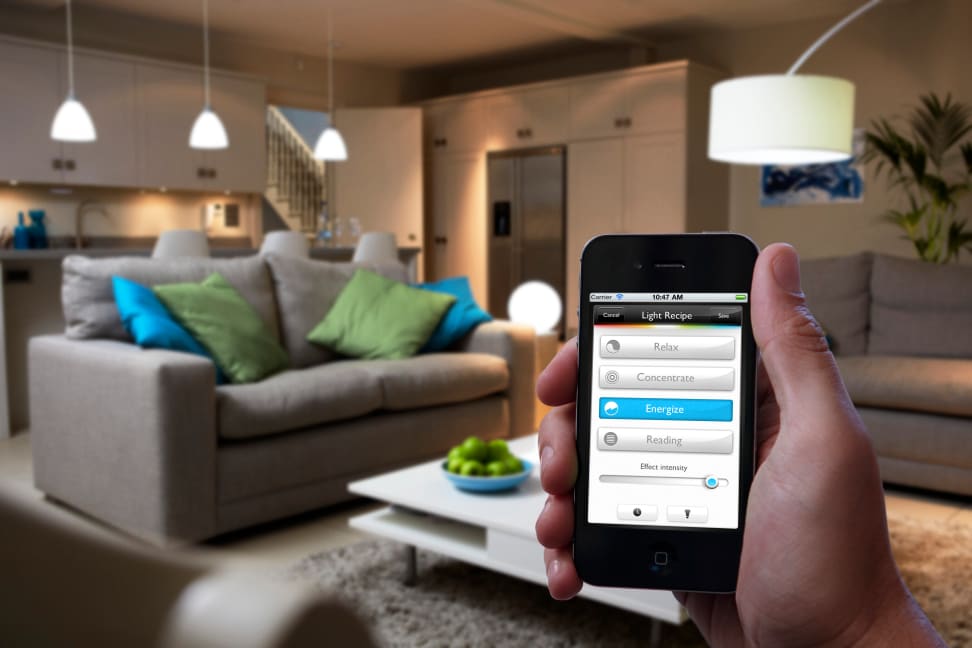
10 ways to add 'smart lighting' in your home and never touch a switch again

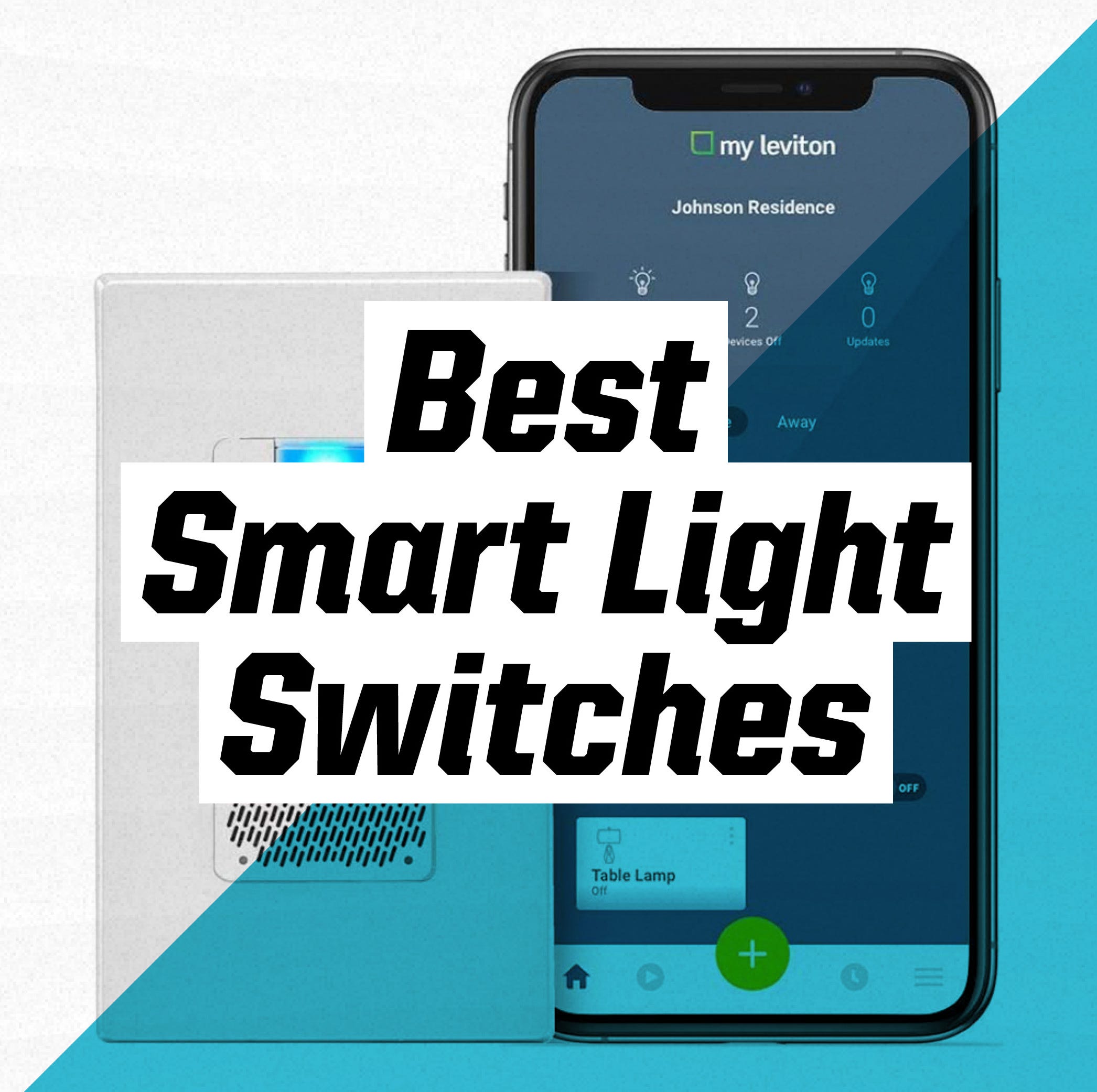
Upgrade Your Lighting With These Smart Light Switches

You Don’t Have to Ditch the Switch When You Switch to Smart Lights
The best smart lights

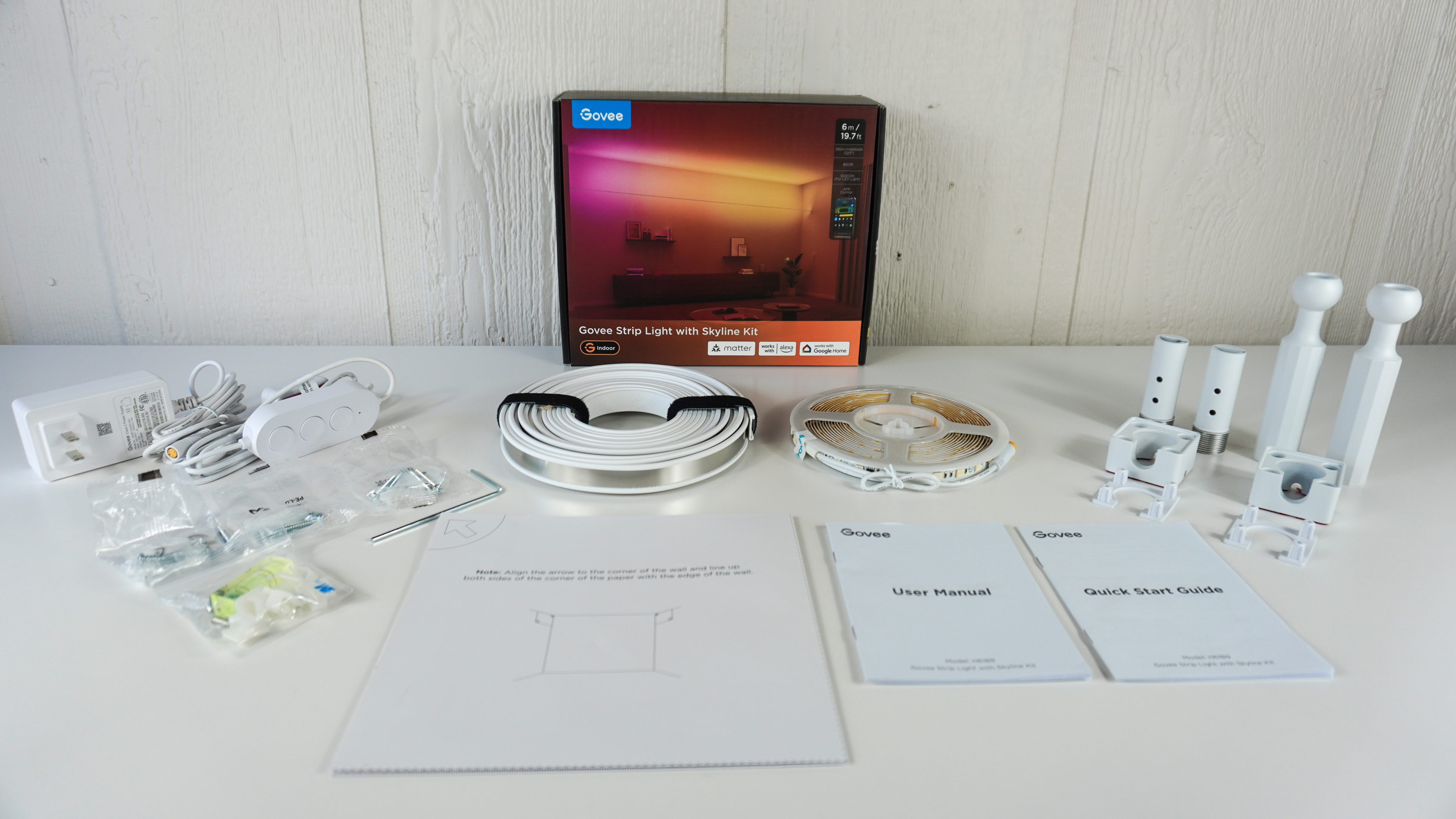
Matter makes Govee’s new light strip more functional but less fun

Experts Told Us Why Our Home LED Lights Die Out So Fast
I used this smart light strip to transform my living room — and it's been a game changer for my home
I Tested Smart Lights for Better Sleep and Here’s What Actually Worked
How to Use Smart Lights Better | Reviews by Wirecutter
I turned this smart light into a sunrise alarm clock — and it’s a game changer for my mornings

The 3 Best Smart Strip Lights of 2026 | Reviews by Wirecutter

How to Use Ambient Sensing in Smart Lighting for Energy Efficiency

The Best Smart Lights of 2025
Govee x JBL Table Lamp 2 Pro review: a bold, imaginative fusion of light and sound
The Best Smart Switches for Your Smart Home

5 ways you didn't know smart lighting can improve your living space and wellbeing

Major Smart Lighting Brands Ranked Worst To Best

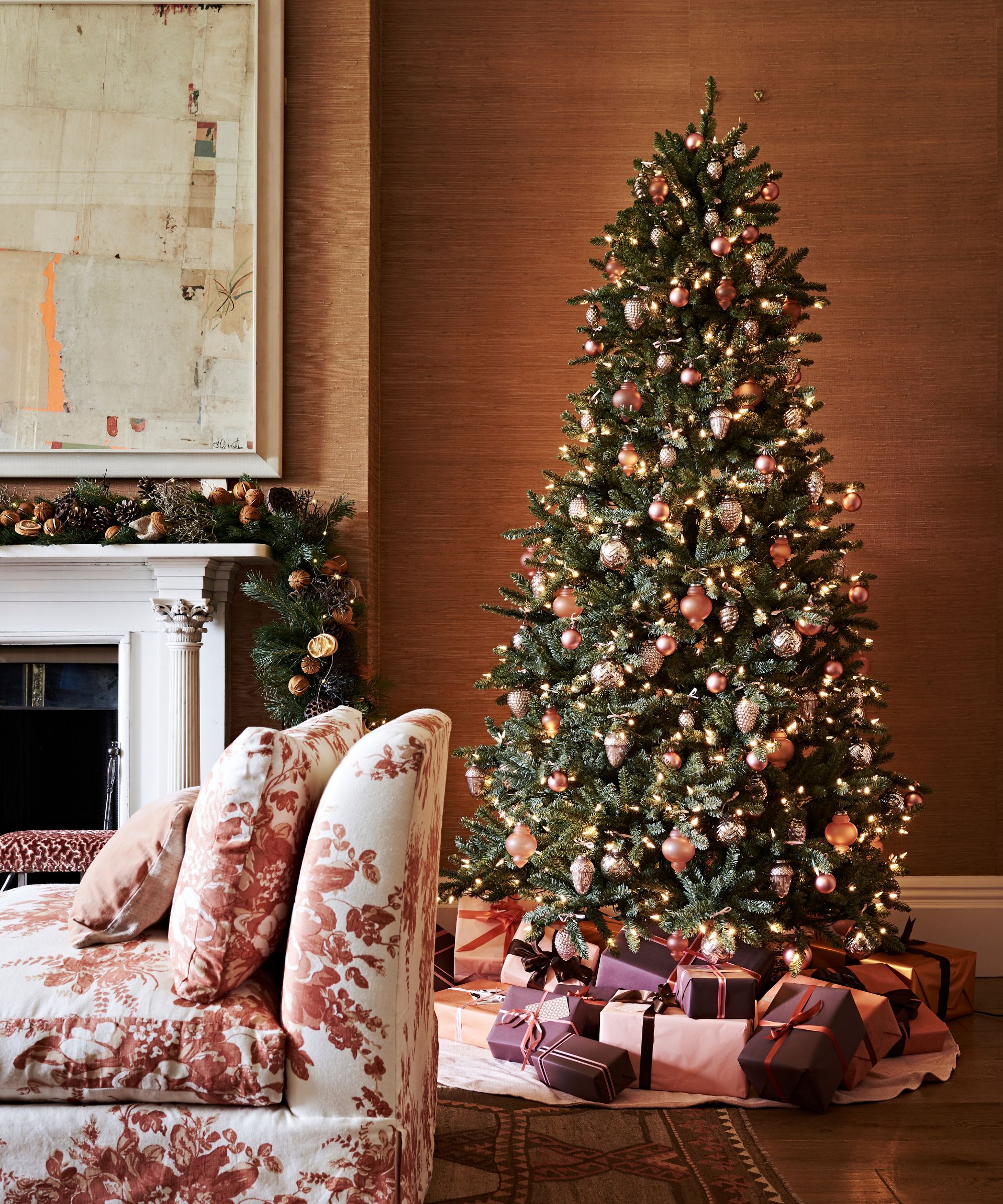
4 Ways Smart Lights Can Elevate Indoor Holiday Gatherings and Save Up to 90% of Your Usual Energy Usage
7 Best Smart Lamps for Your Home: Top Recommendations for Modern Lighting Solutions